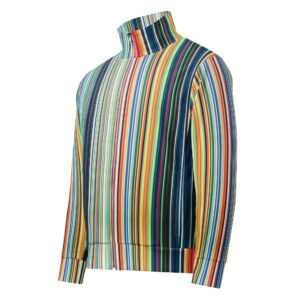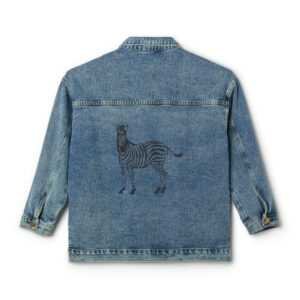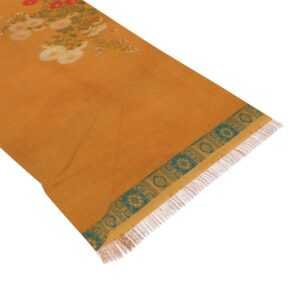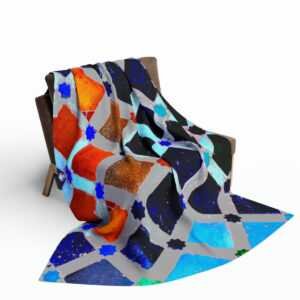

You & Polyester: Getting Along, Swimmingly

You & Polyester: Getting Along, Swimmingly

700,000

Each polyester garment can release up to 700,000 fibers per revolution of a washing machine's drum.
78 million tons

80% used in textiles. It represents about 80% of all synthetic fiber production, driven by its low cost, durability, and popularity in fast fashion

Polyester is the dominant fiber in the textile industry, accounting for approximately 57% to 59% of total global fiber production as of 2023-2024. It makes up over half of all fibers used in apparel and textiles, driven by its affordability and versatility. Nearly 90% of this production is fossil-based. 

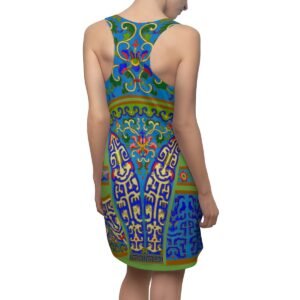
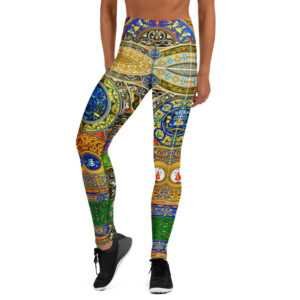
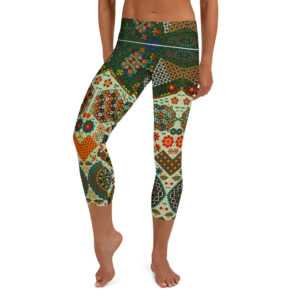
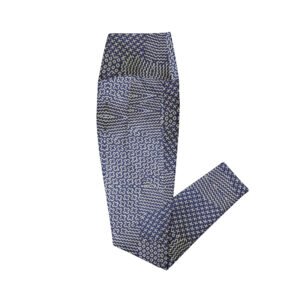
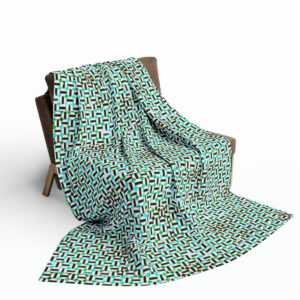
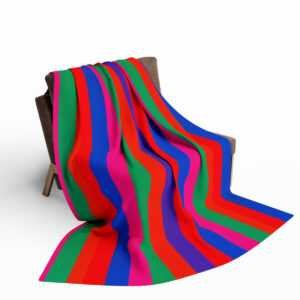
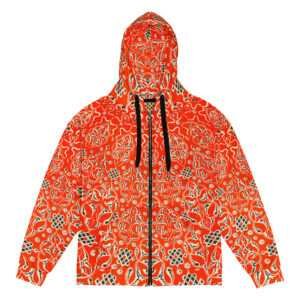
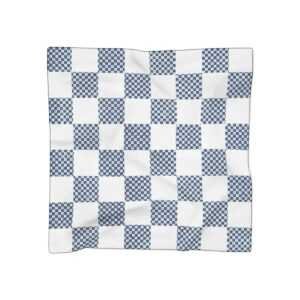
Polyester fabric is lightweight, wrinkle-resistant, quick-drying, and moisture-wicking, making it ideal for activewear, home textiles, and custom (print-on-demand) apparel.

It's also incredibly damaging to the enivironment. Producing nearly 60% of all textiles globally from carbon-dense fossil fuels poses some very serious problems:

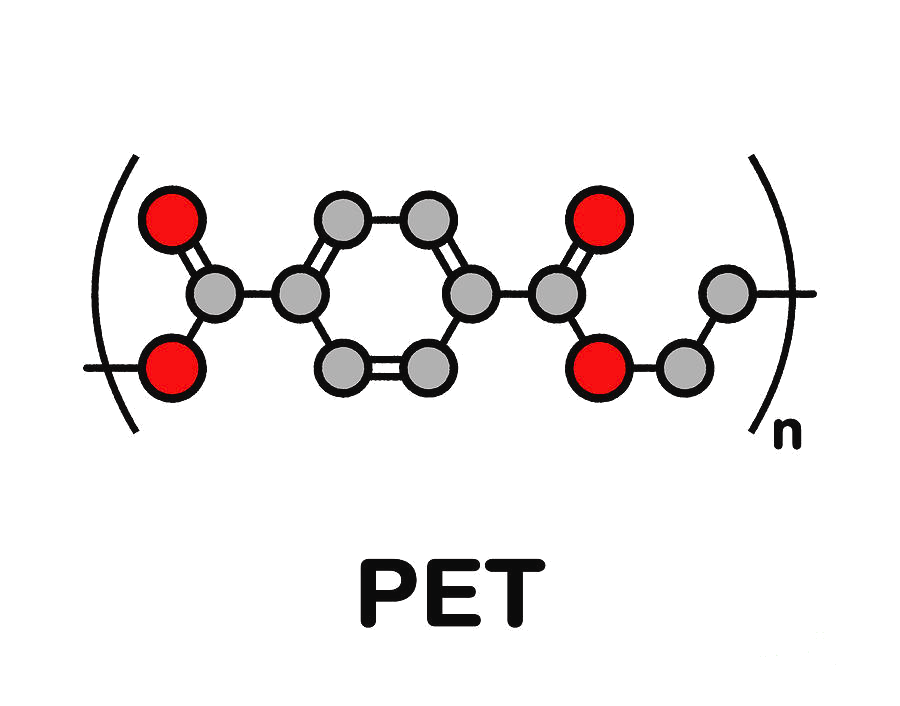
Polyester types include PET, PCDT, microfiber, recycled polyester (rPET), and emerging plant-based polyester fibers.

Recycled polyester helps reduce reliance on fossil fuels, but it still contributes to microplastic pollution during washing.

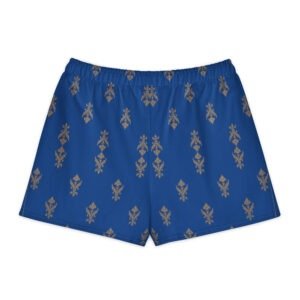
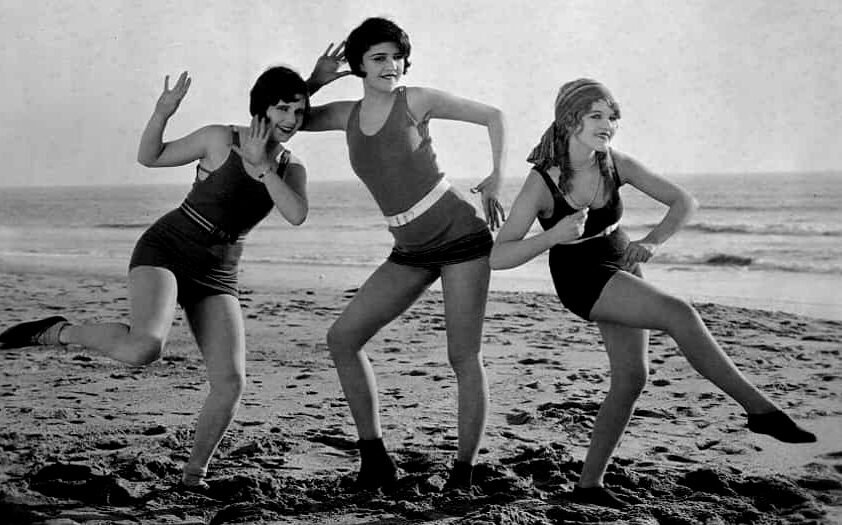
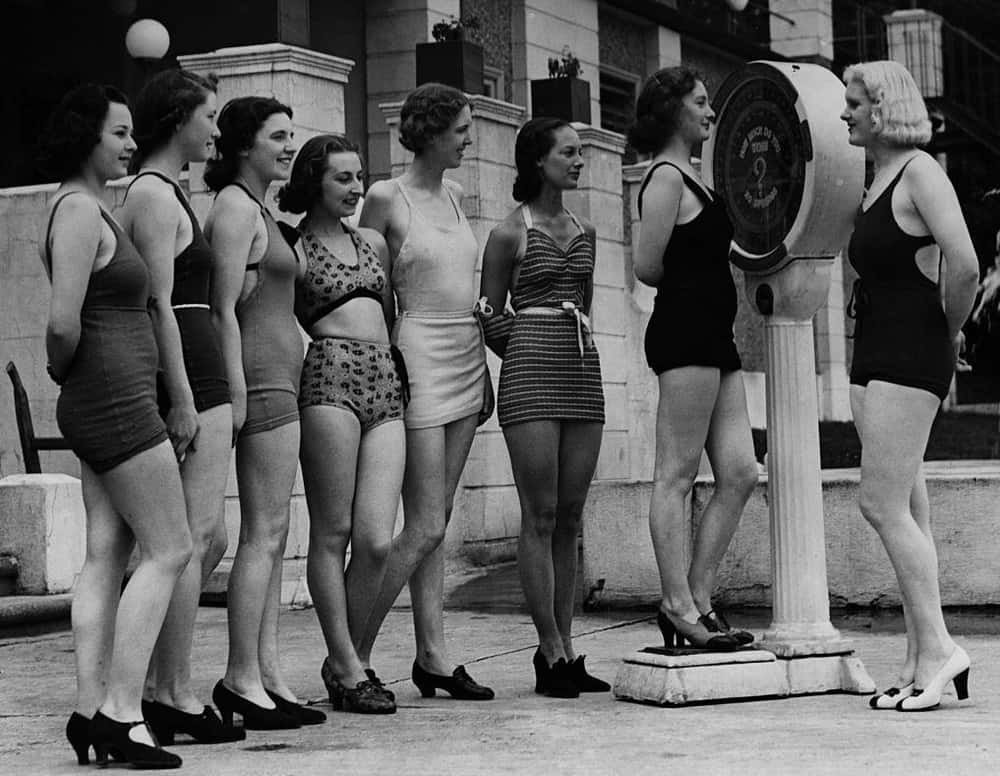
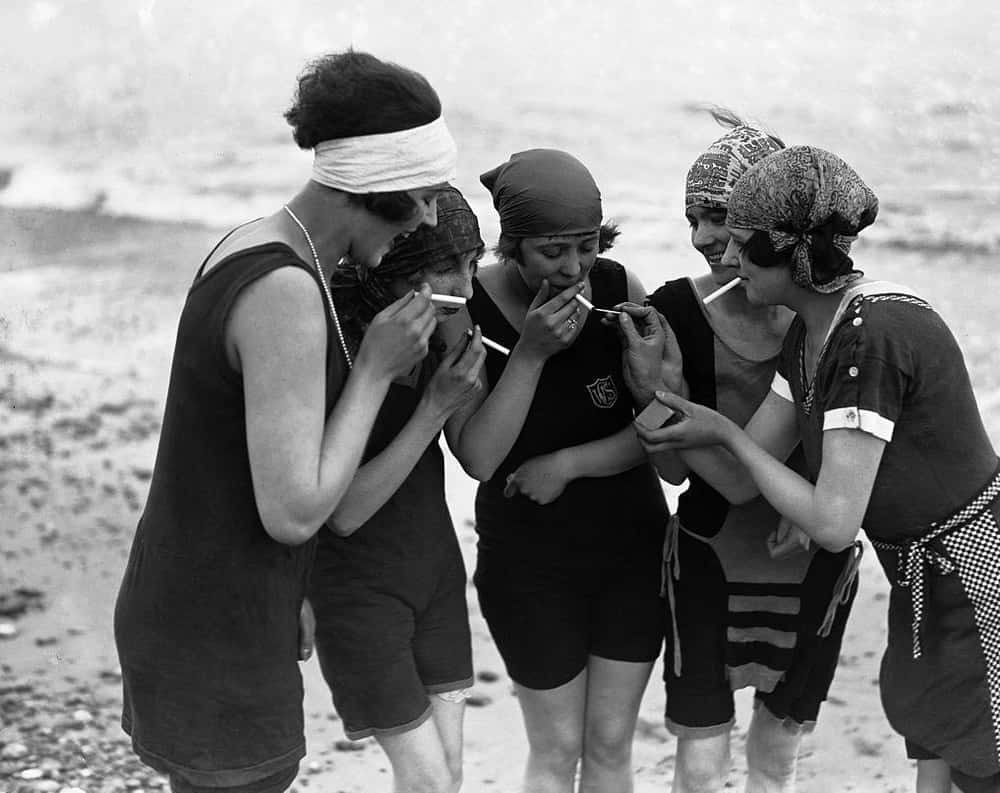
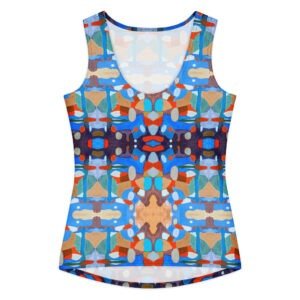
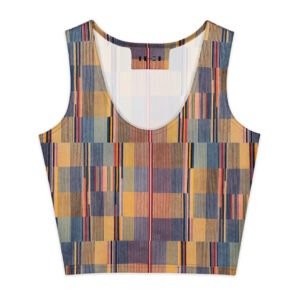
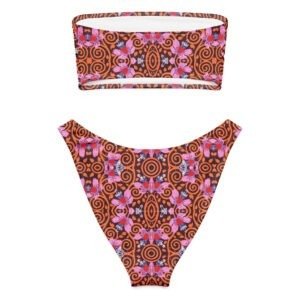
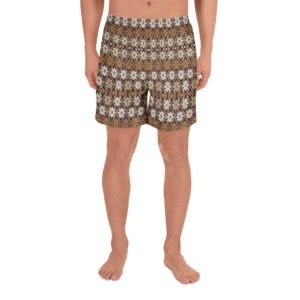
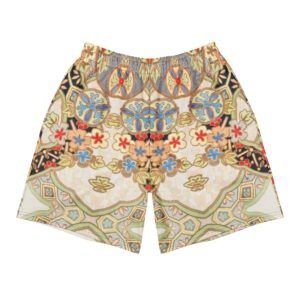
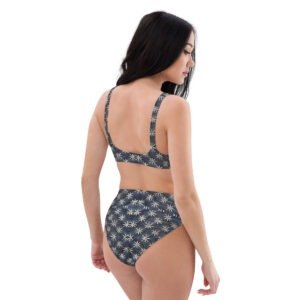
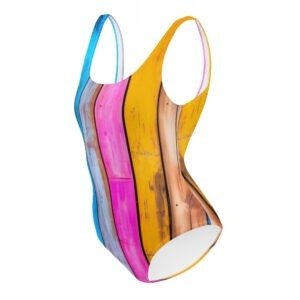
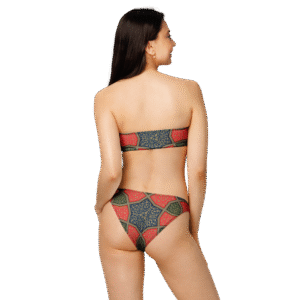
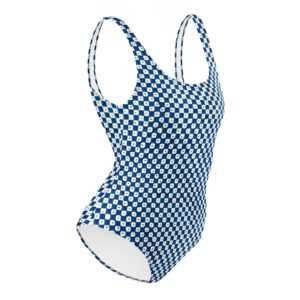
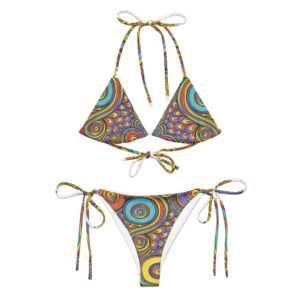
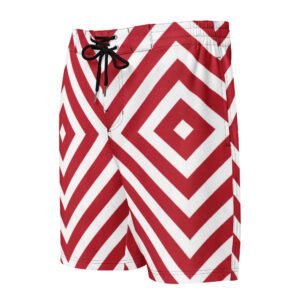
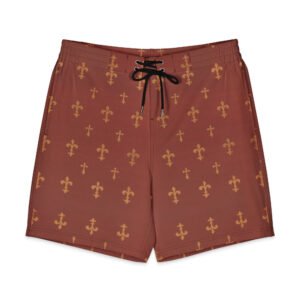
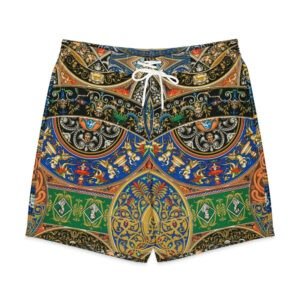
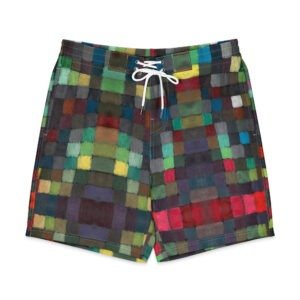
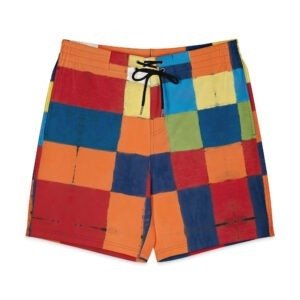
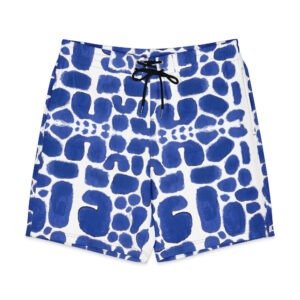
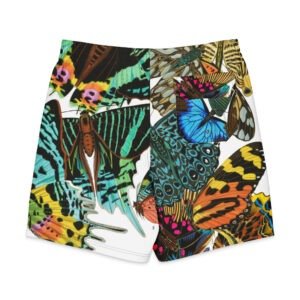
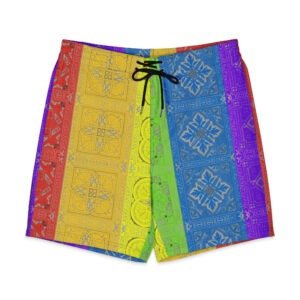
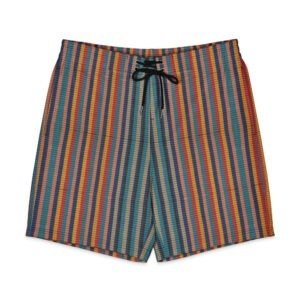
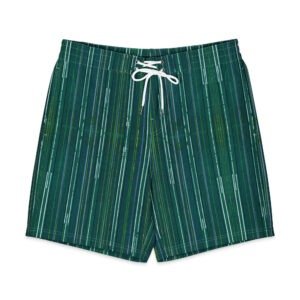
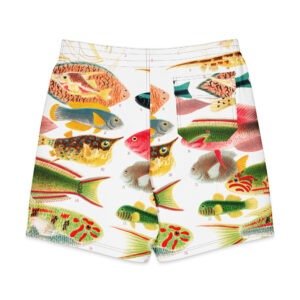
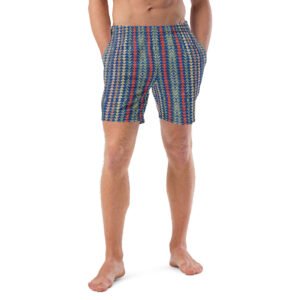
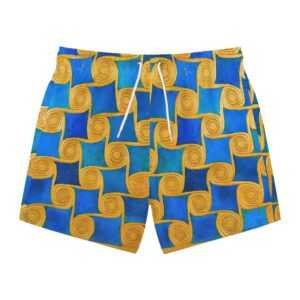
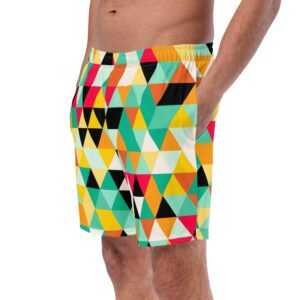
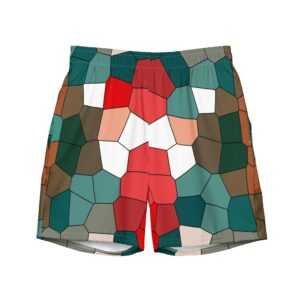
With the above in mind, we've searched for swimwear for women and men that uses the highest percentage of recycled polyester. We looked for durability, quality and particularly, density of the fabric.

We also made sure that the recycled polyester was, indeed, recycled in accordance with best practices.

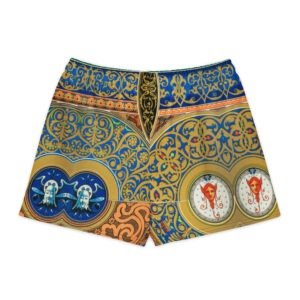
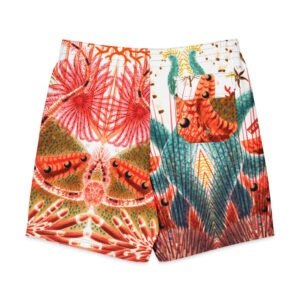
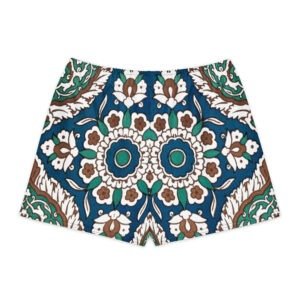
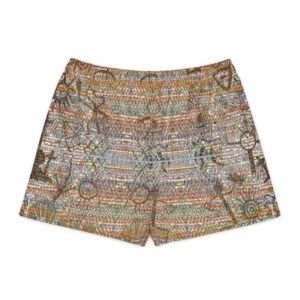
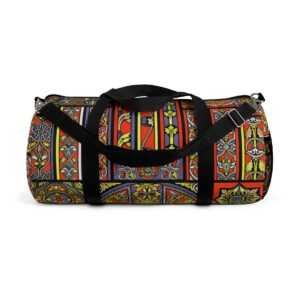
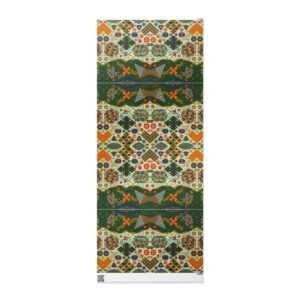
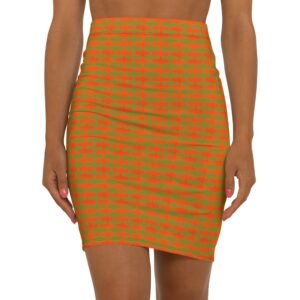
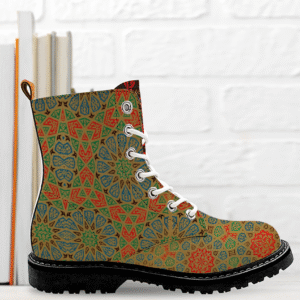
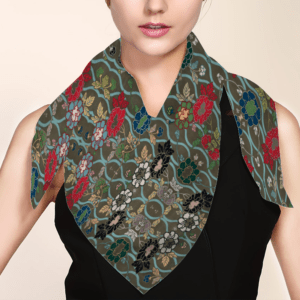
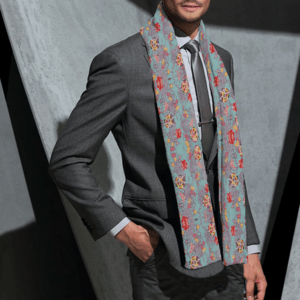
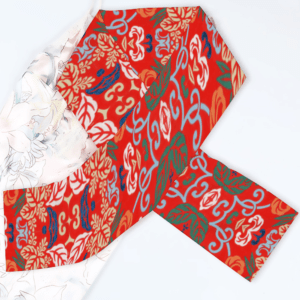
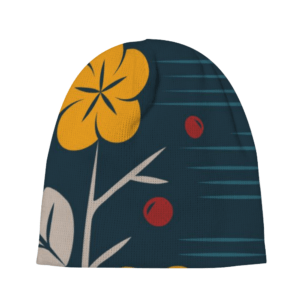
These are the best matches we found. Each is uniquely manfactured for you and features our bold, modern designs that will make you shine while while showing off your commitment to the environment.

Recycled polyester (rPET), which is made from post-consumer plastic bottles and textile waste, is one of the promising solutions for the swimwear industry. Its use drastically reduces the environmental impact of conventional polyester, which is typically derived from petroleum. It is highly durable and resistant to chlorine, saltwater, and UV rays.

The Grammar of Ornament

The Grammar of Ornament

From the universal testimony of travelers it would appear, that there is scarcely a people, in however early stage of civilisation, with whom the desire to ornament is not a strong instinct. Man's earliest ambition is to create . . . to stamp on this earth the impress of an individual mind.

—Owen Jones, The Grammar of Ornament

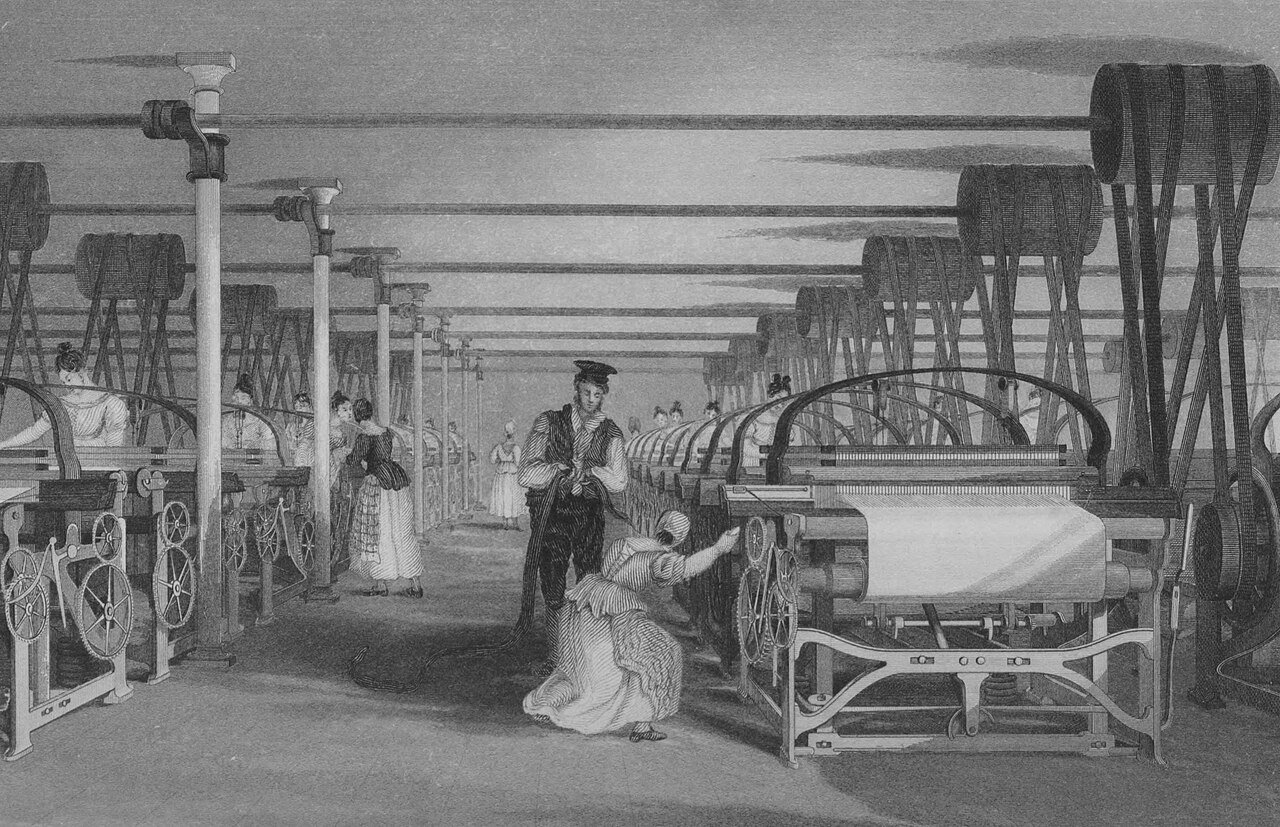
While we may often note that current society is changing at a breakneck speed, we do have to take note that this has happened before. Arguably, the 19th Century beats us at our own game on the fundamental-change level.

The 19th century was an era of rapidly accelerating scientific discovery and invention, with significant developments in the fields of mathematics, physics, chemistry, biology, electricity, and metallurgy that laid the groundwork for the technological advances of the 20th century. The Industrial Revolution began in Great Britain and spread to continental Europe, North America, and Japan. The Victorian era was notorious for the employment of young children in factories and mines, as well as strict social norms regarding modesty and gender roles.

The 19th century was characterized by vast social upheaval. Slavery was abolished in much of Europe and the Americas. The First Industrial Revolution, though it began in the late 18th century, expanding beyond its British homeland for the first time during this century, particularly remaking the economies and societies of the Low Countries, the Rhineland, Northern Italy, and the Northeastern United States. A few decades later, the Second Industrial Revolution led to ever more massive urbanization and much higher levels of productivity, profit, and prosperity, a pattern that continued into the 20th century.

The first electronics appeared in the 19th century, with the introduction of the electric relay in 1835, the telegraph and its Morse code protocol in 1837, the first telephone call in 1876,[2] and the first functional light bulb in 1878.[3] Society rapidly urbanized, bringing populations increasingly together into smaller spaces. The first notes of globalization brought influences from around the world to the same table, with varying results. From a Western perspective, the new cultures were ripe to be harvested. The Eastern-perspective, it presented new threats and cultural influence without precedent. The world, in fact, was becoming smaller.

The increasingly urbanization of Europe and the United States brought about new challenges to traditional aesthetics and behaviors. How does one distinguish oneself from a sea of common faces? What importance does a dwelling have and how does it become a home? An ever-evolving social hierarchy demanded that new styles, techniques and designs be invented -- and quickly.

the Emergence of Decorative Arts

dec·o·ra·tive arts

/ˌdek(ə)rədiv ˈÀrts,ˌdekəˌrādiv ˈÀrts/

noun

plural noun: decorative arts; noun: decorative art

the arts concerned with the production of high-quality objects that are both useful and beautiful.

Ceramics, glassware, basketry, jewelry, metalware, furniture, textiles, clothing, and other such goods are the objects most commonly associated with the decorative arts. Many decorative arts, such as basketry or pottery, are also commonly considered to be craft, but the definitions of both terms are arbitrary.

The term "decorative arts" is not meant to be derogative. It was popular in the 70s to dismiss this as a "lesser" art and thankfully, we've decided collectively to rather group all functional art under the term "design." The artists we discuss in our Fine Arts Collection are very much masters of fine art as well as exquisite craftspeople. I argue that decorative arts are actually more democratic and open to including fine art in our everyday life.

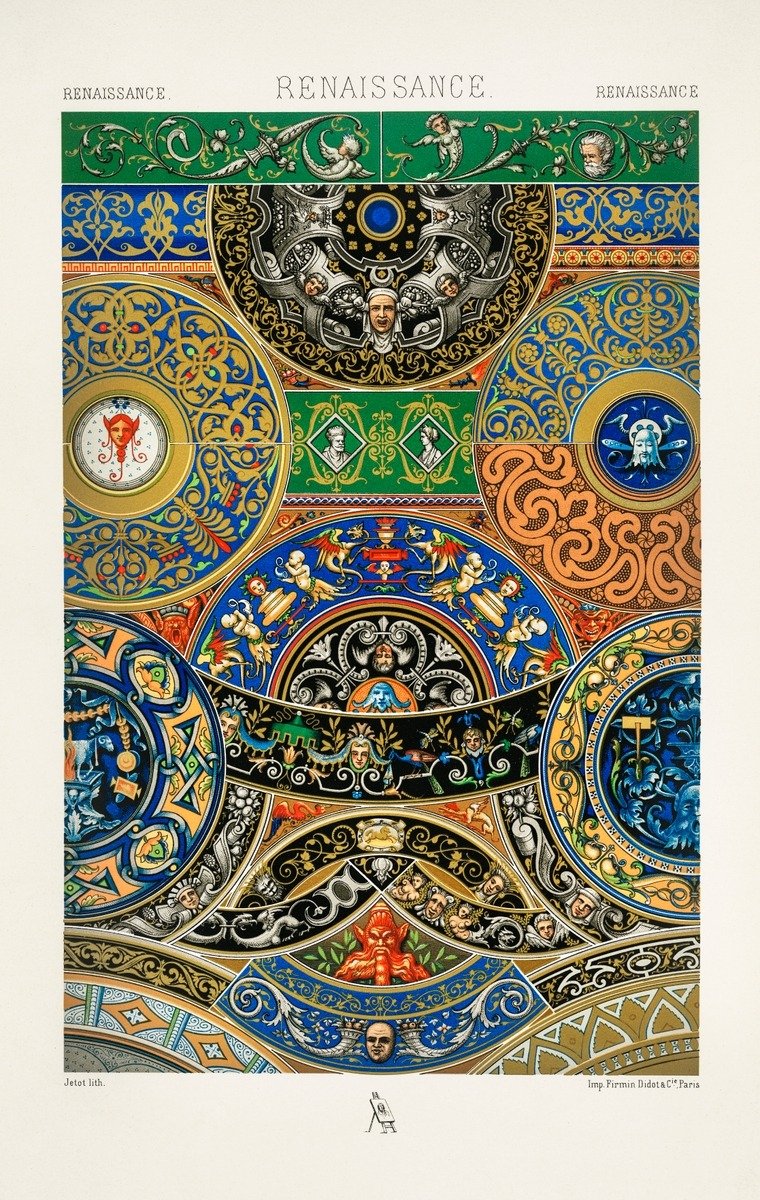
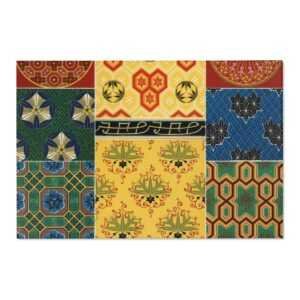
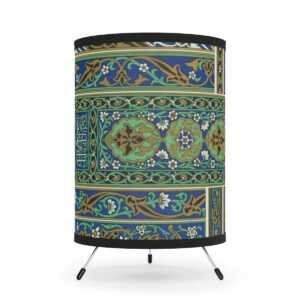
And then there's "retro." We constantly revisit previous eras to gain inspiration for our own, modern times. Likewise, The Victorian era is known for its interpretation and eclectic revival of historic styles mixed with the introduction of Asian and Middle Eastern influences in furniture, fittings, and interior decoration. The Arts and Crafts movement, the aesthetic movement, Anglo-Japanese style, and Art Nouveau style have their beginnings in the late Victorian era and gothic period.

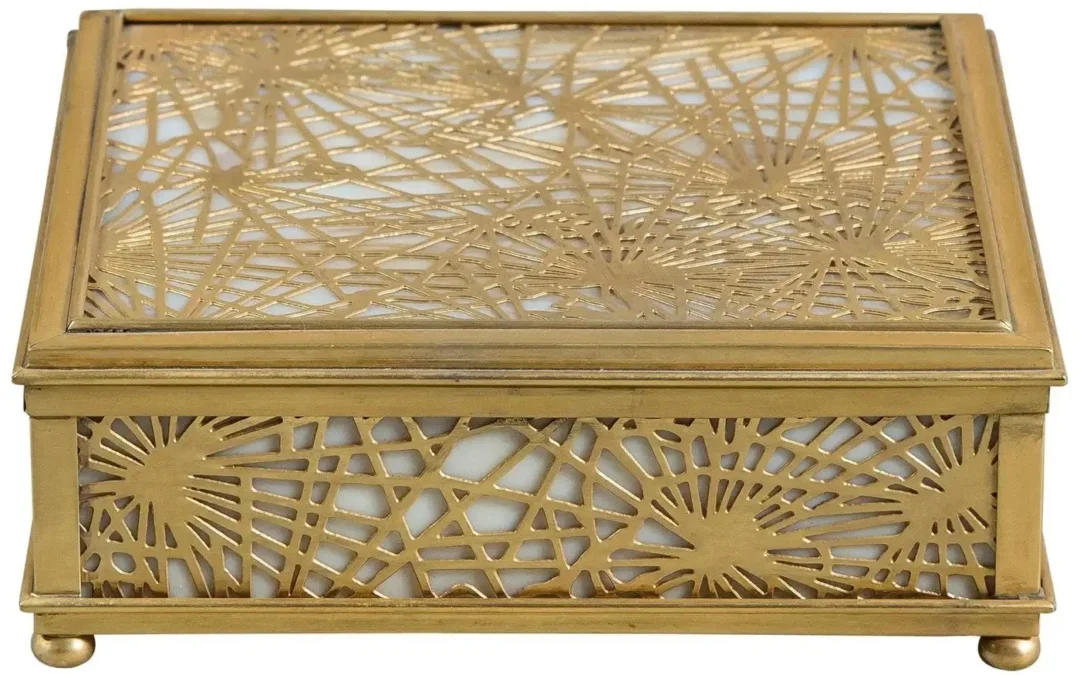
I'm specifically interested in a handful of artists who made a thoughtful, meaningful jump to bring arts to bear weight on everyday existence. We've talked about Racinet. And Morris. There are several dozen others including, Tiffany, Lalique, Tamara de Lempicka, Erté (a great article re: "the top 10" is here, click on it!) are among the most notable.

Owen Jones

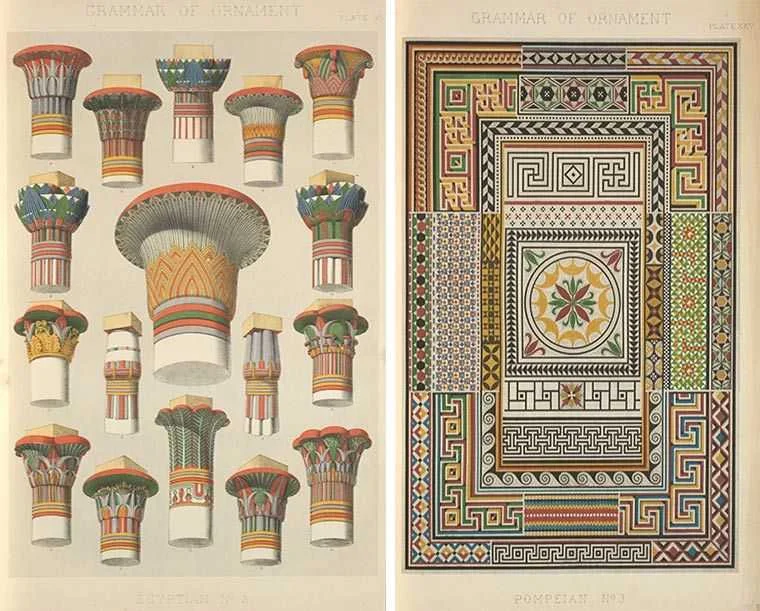
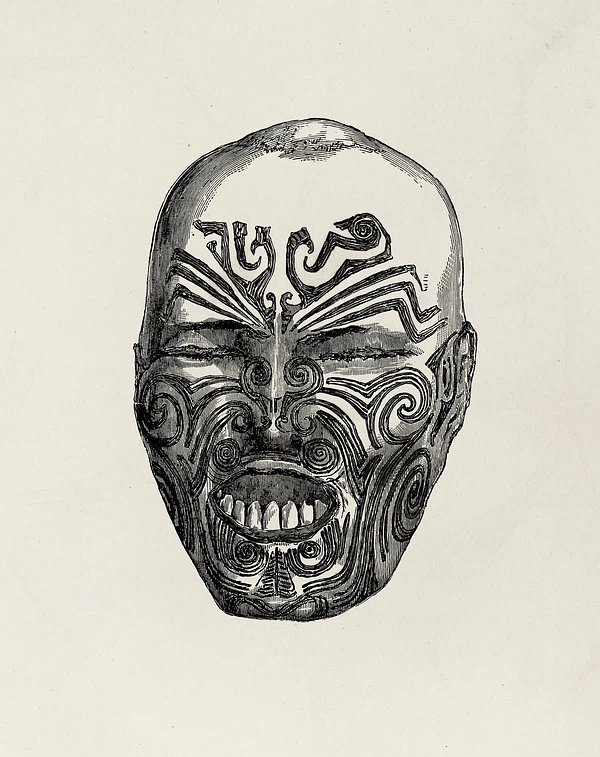
In the opening chapter to his seminal work The Grammar of Ornament, Owen Jones stresses the fact that one of the universal qualities among humankind is the desire to make beautiful things. To illustrate this point, he uses the somewhat macabre example of a severed preserved head of a Maori warrior (mokomokai), then thought to be a woman, which was covered in an elegant pattern of facial tattoos. He admired it particularly for the harmonious way in which the responsible artist had married the tattooed lines with the natural shapes of the human face. Rather than concluding that ornament belongs purely to the primitive, as others would argue later, Jones realized through his confrontation with this ethnological specimen that the Maori possessed an innate understanding of beauty that was alien to modern Western society.

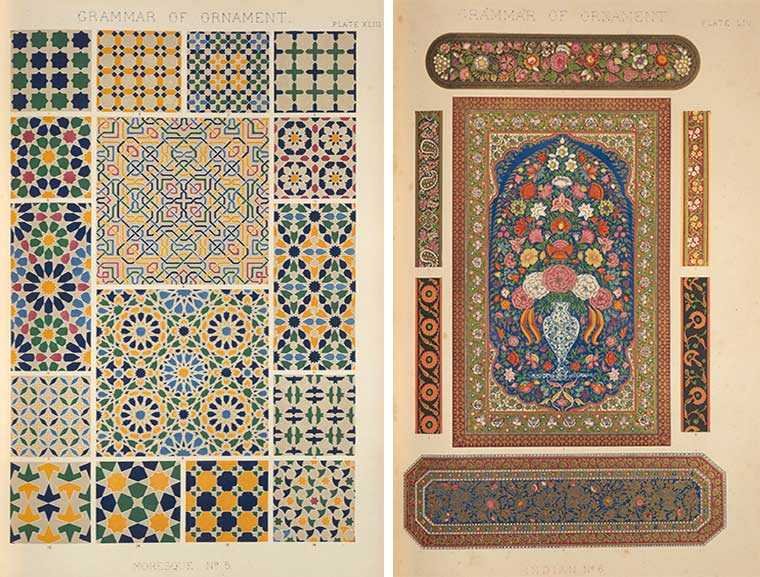
While Jones's ideas slowly took root in art education over the following decades, which in turn influenced the development of new artistic movements such as Arts & Crafts and Art Nouveau, The Grammar of Ornament did not bring about a direct change in artistic practice. In fact, as Jones himself anticipated, we often find patterns and motifs from the book copied and applied to objects and interiors dating from the third quarter of the nineteenth century.

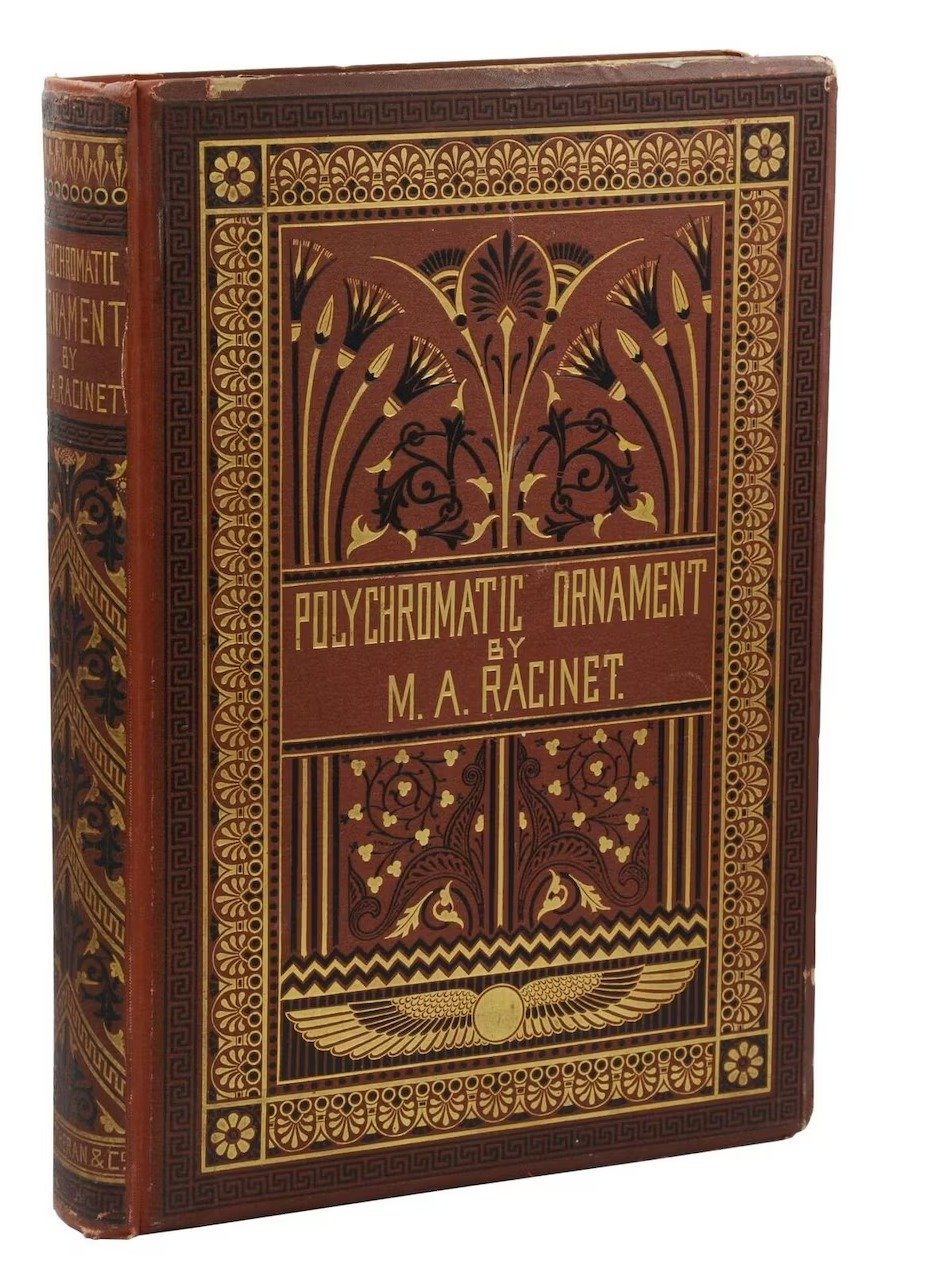
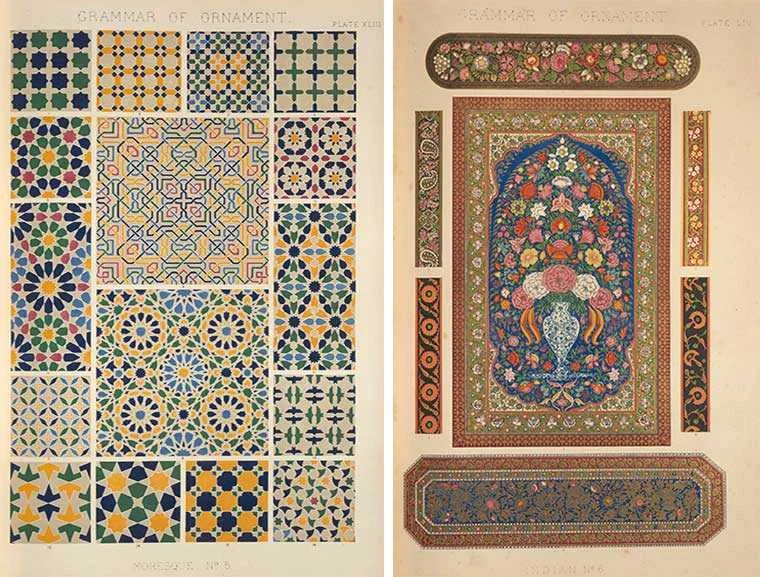
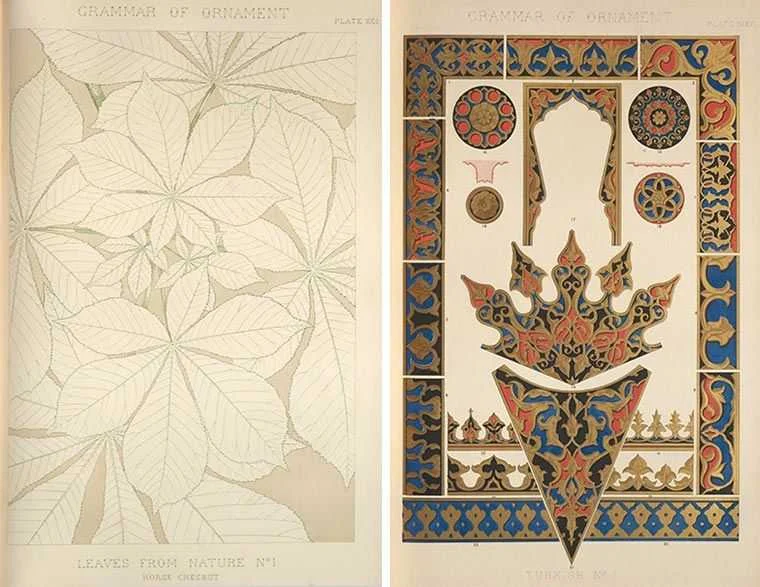
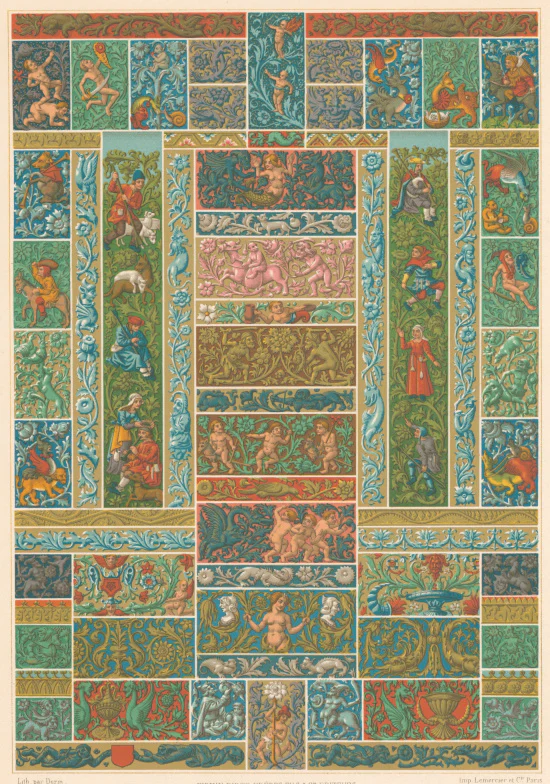
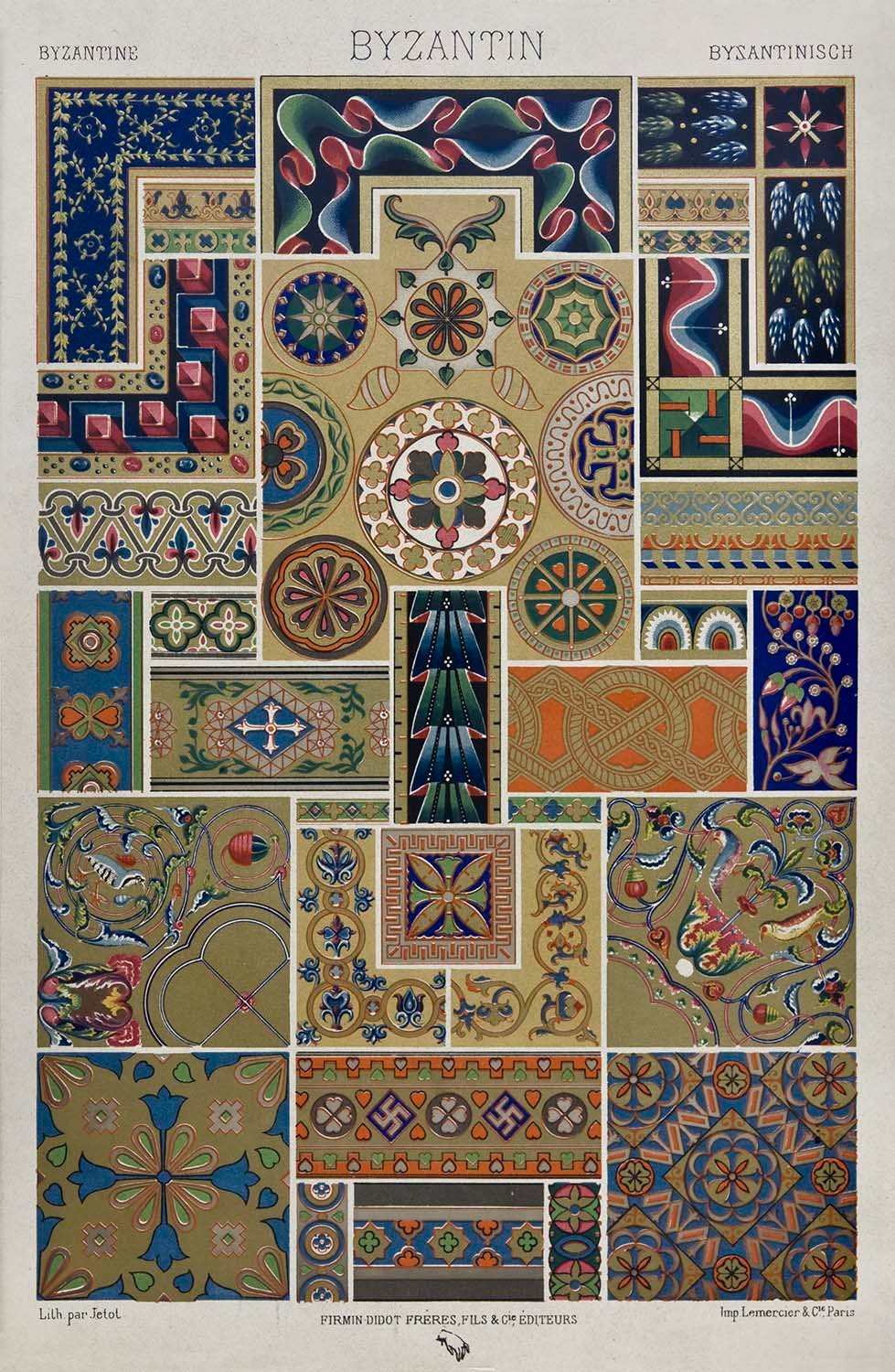
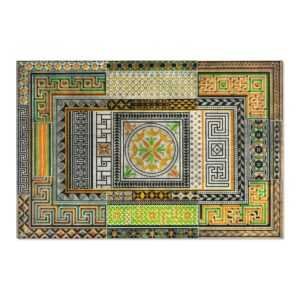
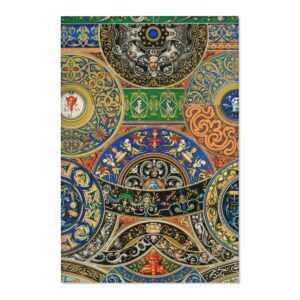
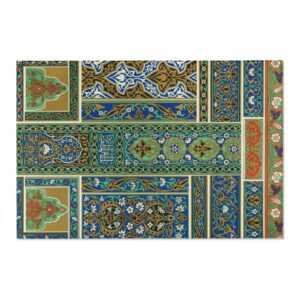
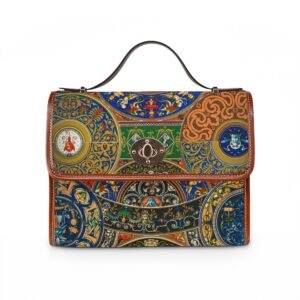
The Grammar was celebrated first and foremost for its outstanding folio-sized color lithographs, which represented the latest and most sophisticated innovations in the field of printmaking. Color lithography had been in use for several decades, but because each color was printed from a separate lithographic stone, most commercial publications were printed in a limited palette of three or four colors. Since color played a crucial role in Jones's work, he took charge of the production himself and employed assistants to work out the patterns on lithographic stones, with certain plates requiring as many as twenty distinct stones. The high quality of Jones's color plates quickly turned the luxurious first edition of the book into a collector's item. Their appeal greatly outlasted Jones’s intellectual arguments, which were omitted altogether in the various posthumous editions, and facsimile reproductions published in the later nineteenth and twentieth century.

As a writer, I have to include at least one reference to literature when discussing art, fine or otherwise.

While he is now seen as the epitome of wit and sophistication, Oscar Wilde was prosecuted and was killed under the same Victorian culture that produced the mentioned artwork.

It is important to note that his trial (3 April 1895) indeed changed the very vocabulary he wrote in: English. Before his trial, there were homosexual acts, however one could not be homosexual. It was not a noun. It was unthinkable to call someone a "homosexual." Certainly a "sodomite" but that's a different word altogether. Your identity was not in question, your acts were. That changed from an adjective to a noun due to his trial.

In 2017, Wilde was among an estimated 50,000 men who were pardoned for homosexual acts that were no longer considered offences under the Policing and Crime Act 2017 (homosexuality was decriminalised in England and Wales in 1967). The 2017 Act implements what is known informally as the Alan Turing law.

Oscar Wilde's Particular Aesthetic

Chief among the literary practitioners of decorative aestheticism was Oscar Wilde, who advocated Victorian decorative individualism in speech, fiction, and essay-form. Wilde’s notion of cultural enlightenment through visual cues echoes that of Alexander von Humboldt who maintained that imagination was not the Romantic figment of scarcity and mystery but rather something anyone could begin to develop with other methods, including organic elements in pteridomania.

By changing one’s immediate dwelling quarters, one changed one’s mind as well;  Wilde believed that the way forward in cosmopolitanism began with as a means eclipse the societally mundane, and that such guidance would be found not in books or classrooms, but through a lived Platonic epistemology. An aesthetic shift in the home’s Victorian decorative arts reached its highest outcome in the literal transformation of the individual into cosmopolitan, as Wilde was regarded and noted among others in his tour of America.

For Wilde, however, the inner meaning of Victorian decorative arts is fourfold: one must first reconstruct one’s inside so as to grasp what is outside in terms of both living quarters and mind, whilst hearkening back to von Humboldt on the way to Plato so as to be immersed in contemporaneous cosmopolitanism, thereby in the ideal state becoming oneself admirably aesthetical.

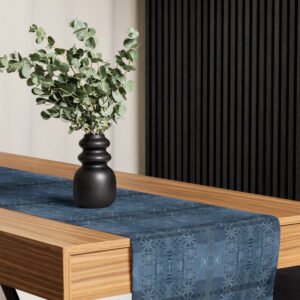
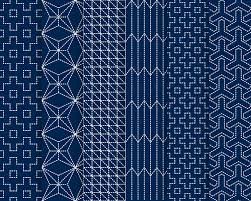
Sashiko, Kimonos & History

Sashiko, Kimonos & History

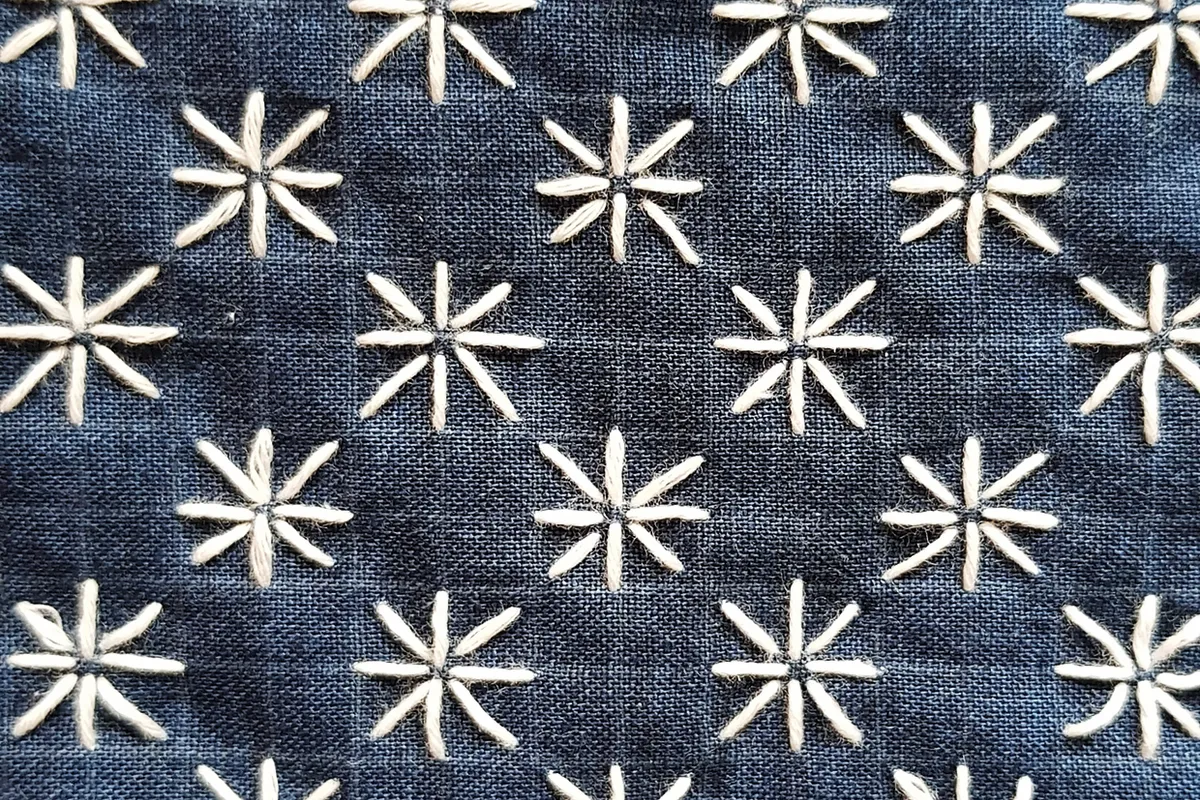
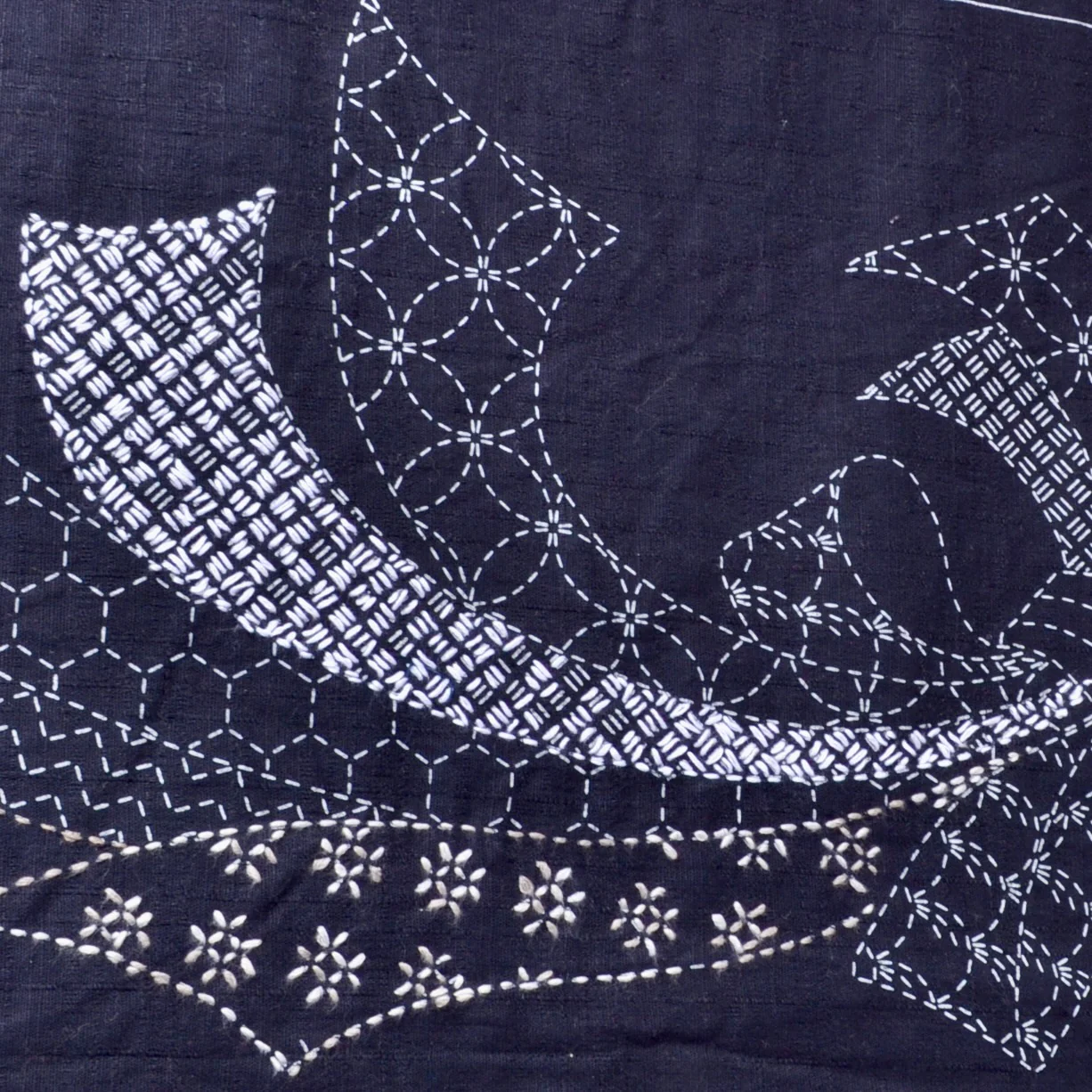
A recent BBC Culture story by Bel Jacobs: The 300-year-old Japanese method of upcycling explores the method of sashiko.

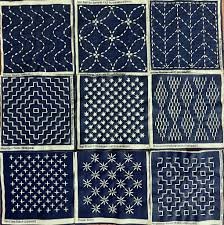
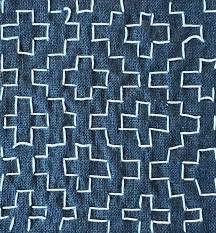
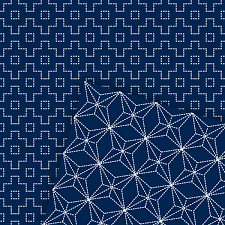
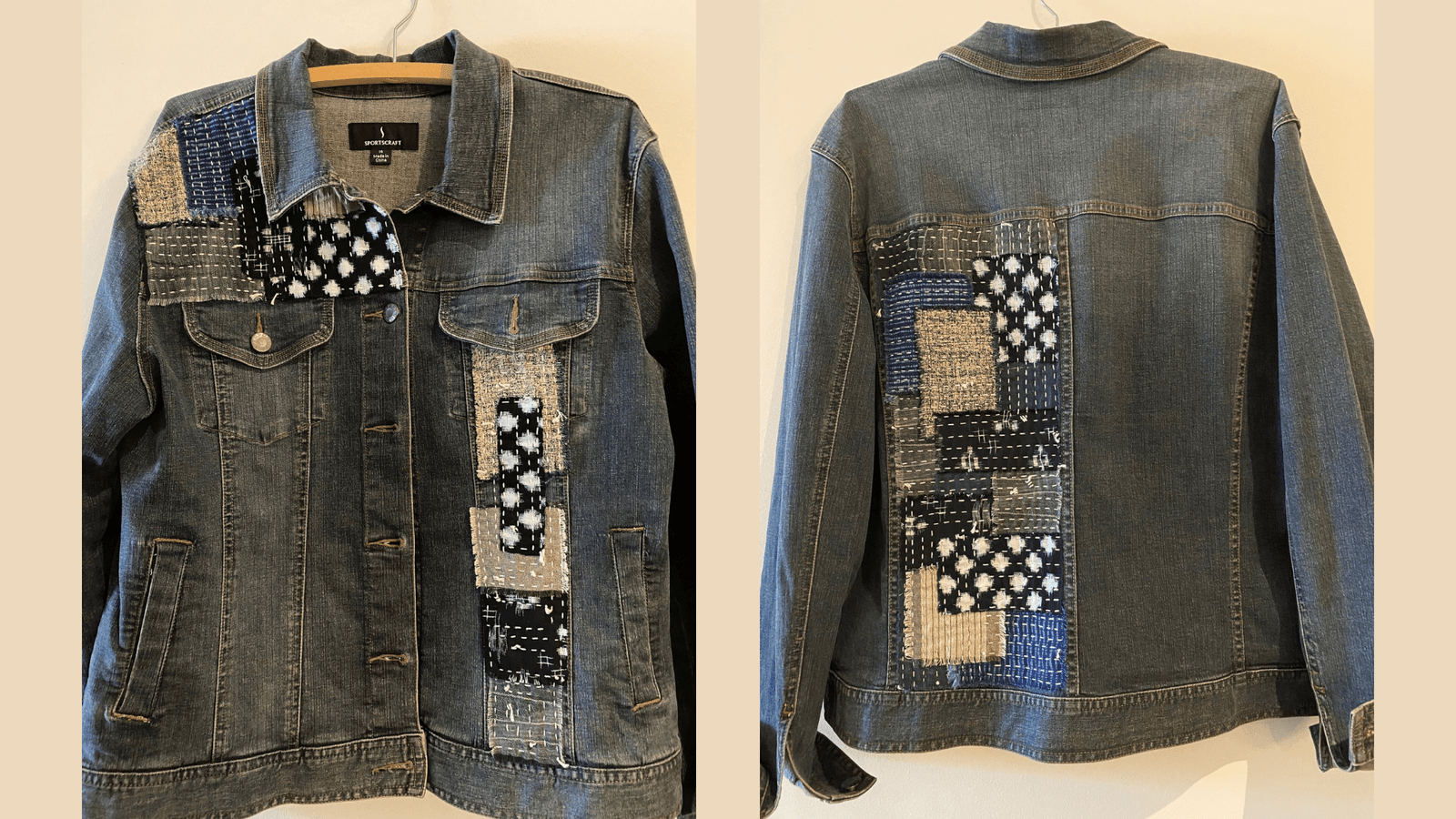
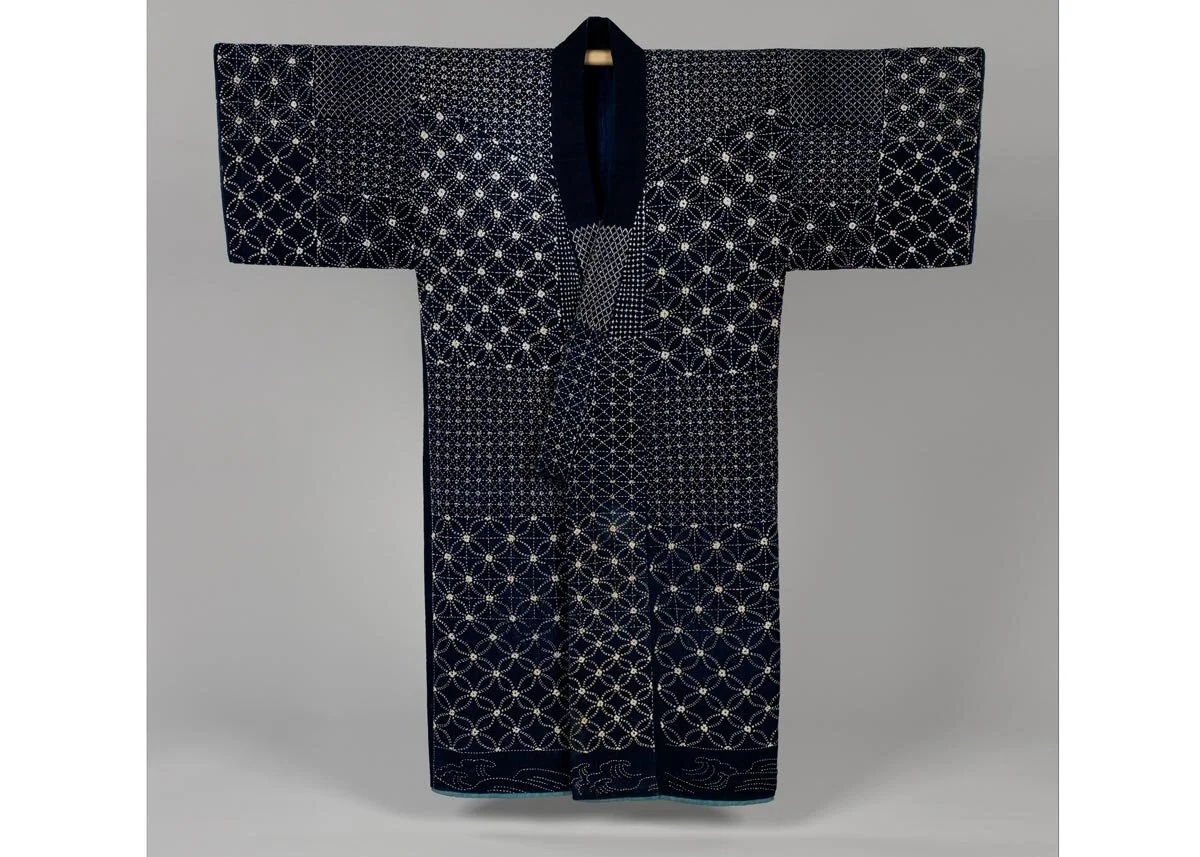
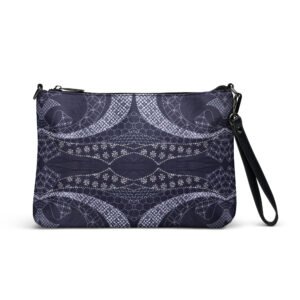
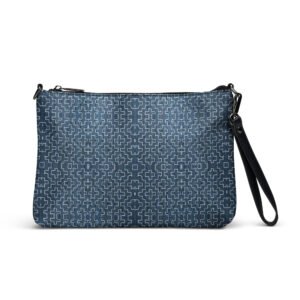
Sashiko emerged through necessity, particularly in poor rural areas, during the Edo period. "Cotton came late to the north of Japan," explains craft and design writer Katie Treggiden. "So the only way people could get hold of it was as tiny rags of fabrics, that were either passed around or bought from tradesmen from the south. Sashiko – literally, 'little stabs' – was a way of connecting all those little pieces into a quilted fabric, known as boro, that would keep them warm."

Textiles say so much about the culture in which they are worn and used.

Clothing can immediately identify who we are and what our history is. One can tell eastern v. western, wealthy v. impoverished, northern v southern. Clothing also tells us about the society that created it.

The Surprising History of the Kimono

The first ancestor of the kimono was born in the Heian period (794-1192). Straight cuts of fabric were sewn together to create a garment that fit every sort of body shape. It was easy to wear and infinitely adaptable. By the Edo period (1603-1868) it had evolved into a unisex outer garment called kosode. Literally meaning “small sleeves,” the kosode was characterized by smaller armholes. It was only from the Meiji period (1868-1912) onwards that the garment was called kimono. This last transformation, from the Edo era to modern Japan, is fascinating.

In the early 1600s, First Shogun Tokugawa unified Japan into a feudal shogunate. Edo, renamed Tokyo in 1868, now became Japan’s chief city. The resulting Edo Period (also called the Tokugawa Era) spanned 264 years. The years 1603 to 1868 are known as the last era of traditional Japan. Japanese culture developed with almost no foreign influence during this time. And the kosode was one of the key elements of what it meant to be Japanese.

Intricate Ragamala: “the Garland of Memories”

Intricate Ragamala: “the Garland of Memories”

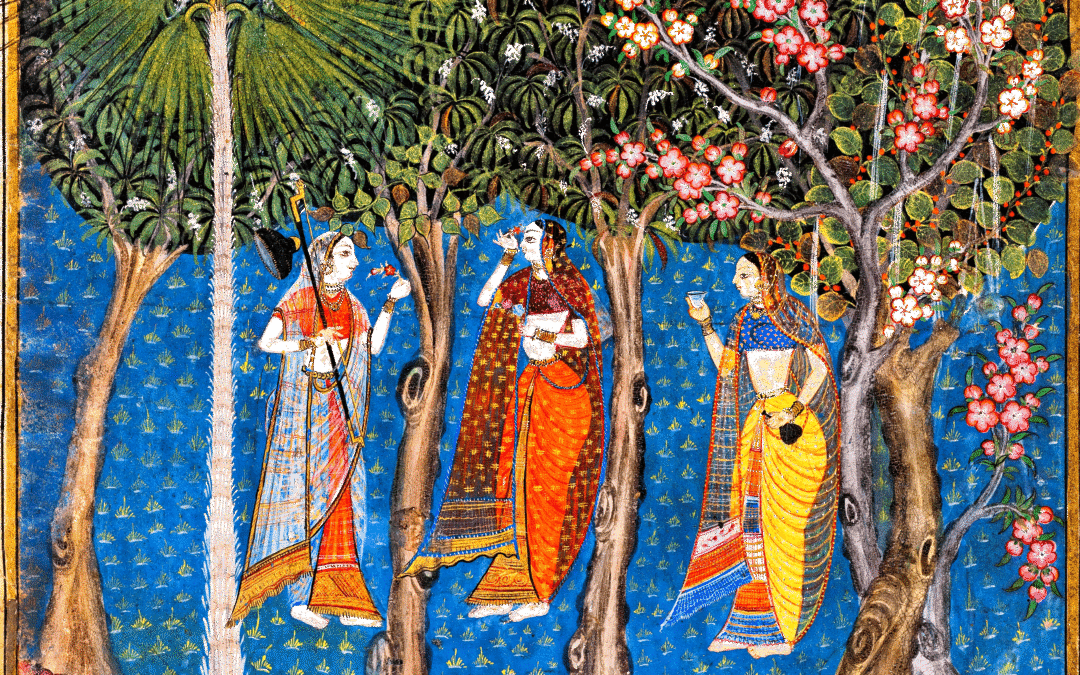
Ragamala (or Raagmala) refers to a traditional Indian art form of miniature paintings that visually depict musical modes (ragas) and their associated moods, seasons, and times of day, symbolizing a "garland of melodies". It also refers to a specific poetic composition in the Sikh scripture, Guru Granth Sahib, that lists various ragas.

The core concept blends music, poetry, and painting to evoke emotion, often depicting the stories of lovers (heroes/heroines) linked to specific melodies.

Concept: Visual representations of Indian classical music's melodic structures (ragas) and their feminine counterparts (raginis).

  • Themes: Portray human emotions (rasa), often focusing on the trials and passions of lovers.
  • Structure: Typically created as sets of 36 or more loose-leaf paintings for a portfolio, linked to Sanskrit verses.
  • Historical Context: Popular in Indian courts from the 16th to 19th centuries, merging music, poetry, and painting.
Kakubha Ragini Painting from a Ragamala Series

Kakubha Ragini Motif

Vasanti Ragini Painting from a Ragamala Series

Vasanti Ragini Motif

Ragmala, a rich and intricate form of Indian art, intertwines the realms of music, poetry, and visual aesthetics, creating a unique tapestry that reflects the cultural heritage of the subcontinent. Originating from the Indian classical music tradition, Ragmala serves as a significant tool for expressing emotional depth and spiritual themes through its melodic structures and lyrical content. This article explores the important features of Ragmala, delving into its historical significance, musical elements, connections to visual arts, and its evolving influence in contemporary practices, revealing the profound impact this art form has had on Indian culture and beyond.

Definition and Origin

Ragmala, often translated as "garland of melodies," is a traditional genre of Indian classical music that interweaves various ragas, creating a mosaic of melodic textures. Originating during the medieval period, particularly in the 16th century, this art form serves as both a musical exploration and a poetic expression, intricately linking music to the cultural fabric of India.

Purpose and Context

The primary purpose of Ragmala is to evoke specific emotions and moods through a blend of melodic forms. Typically performed in a spiritual or devotional context, it aims to transport the listener to a different realm, where music becomes a medium for meditation and connection with the divine. The structure provides an emotional landscape where each raga serves as an intentional waypoint.

Featured Items from the Collection

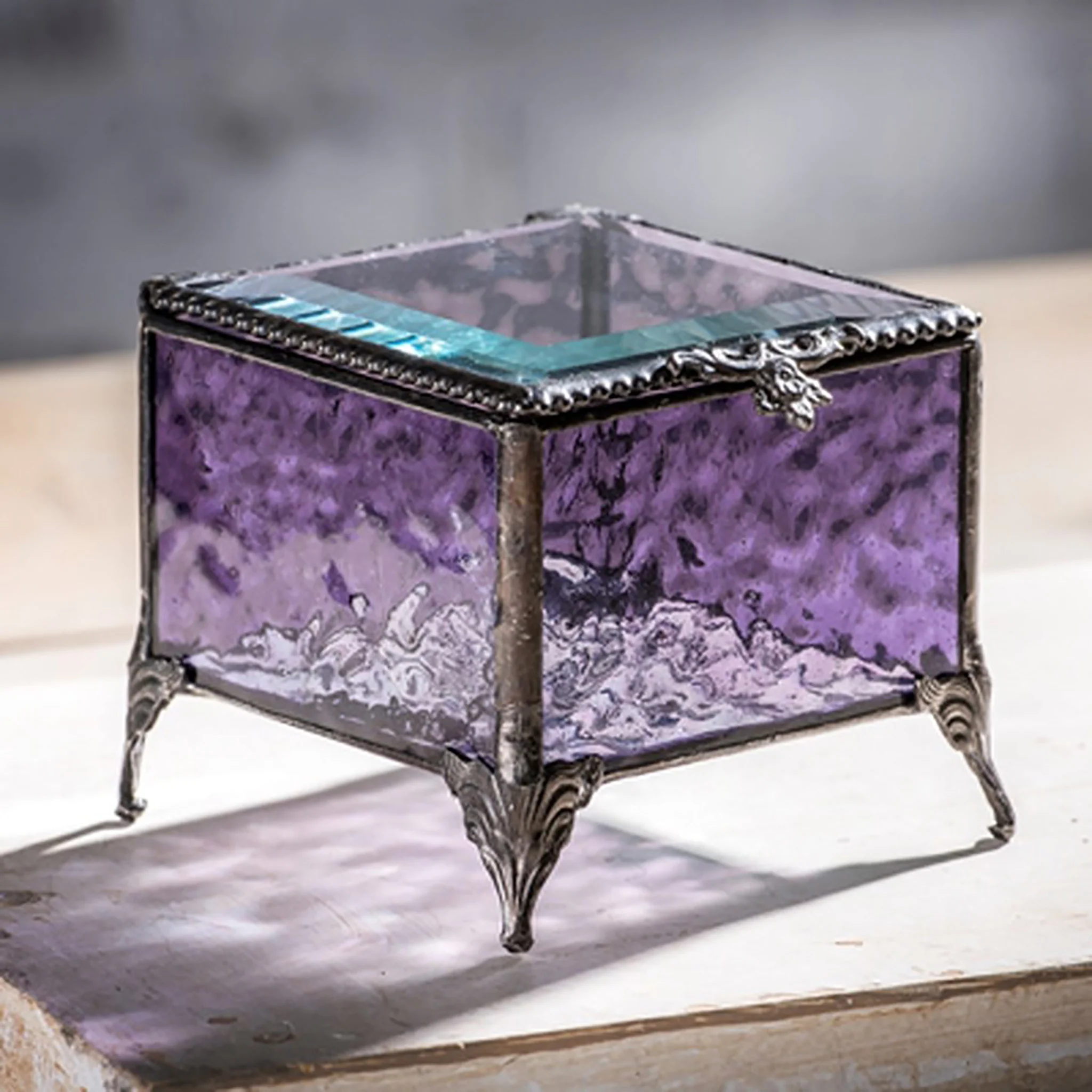
Vasanti Ragini Jewelry Box
$59.00
View Product
Kakubha Ragini Jewelry Box
$59.00
View Product
Hand-Painted Miniature Jewelry Box
$59.00
View Product

Roots in Indian Classical Music

Ragmala is deeply rooted in the traditions of Indian classical music, evolving from ancient texts and musicological theories. Its foundation lies in the concept of ragas, which are defined melodic frameworks. These ragas were initially documented in ancient scriptures, and over time, they transformed into a rich linguistic tapestry that constitutes the very essence of Indian musical heritage.

Evolution Through the Ages

Through the ages, Ragmala has undergone a fascinating transformation, influenced by various regional styles and societal changes. From the courts of Mughal emperors to contemporary performances, the Ragmala has adapted, incorporating new elements while maintaining its core essence. This adaptation is a testament to its enduring appeal and versatility across different cultural landscapes.

Ragas and Their Characteristics

At the heart of Ragmala are ragas, each embodying unique emotional sentiments (or "rasas"). Each raga operates with specific rules governing how it should be performed. These characteristics include specific notes, typical phrases, and emotional themes that define their identity. This diversity gives Ragmala its rich sonic palette, allowing performers to paint vivid auditory pictures.

jewelry boxes: safe keeping, sentiment and sparkle

jewelry boxes: safe keeping, sentiment and sparkle

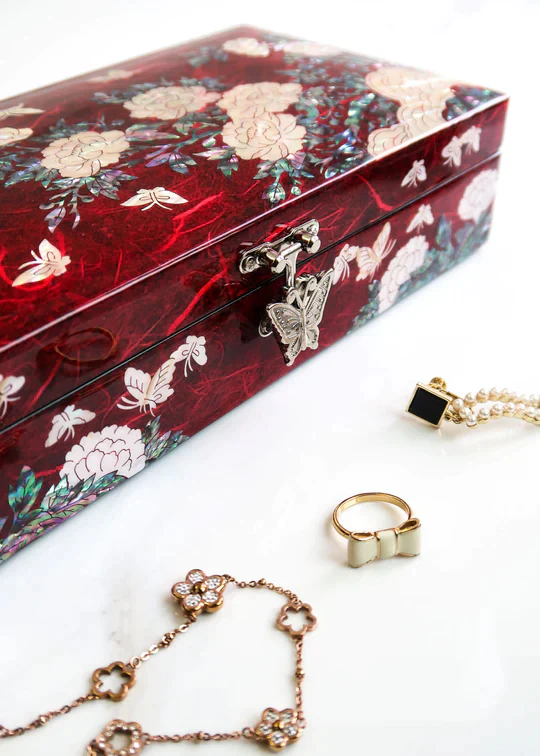
Jewelry boxes have captivated hearts and minds for centuries, serving as both functional storage solutions and artistic expressions of culture and craftsmanship. From ancient civilizations that used simple containers to safeguard their treasured adornments, to the ornate and intricately designed boxes of the Renaissance and beyond, the history of jewelry boxes is as rich and diverse as the jewelry they hold.

Beyond their utilitarian purpose, these boxes often carry deep symbolic meanings, reflecting the values, traditions, and aesthetics of various cultures throughout time. In this article, we will explore the fascinating evolution of jewelry boxes, examine the different types and materials used in their creation, and delve into the cultural significance that makes them timeless heirlooms.

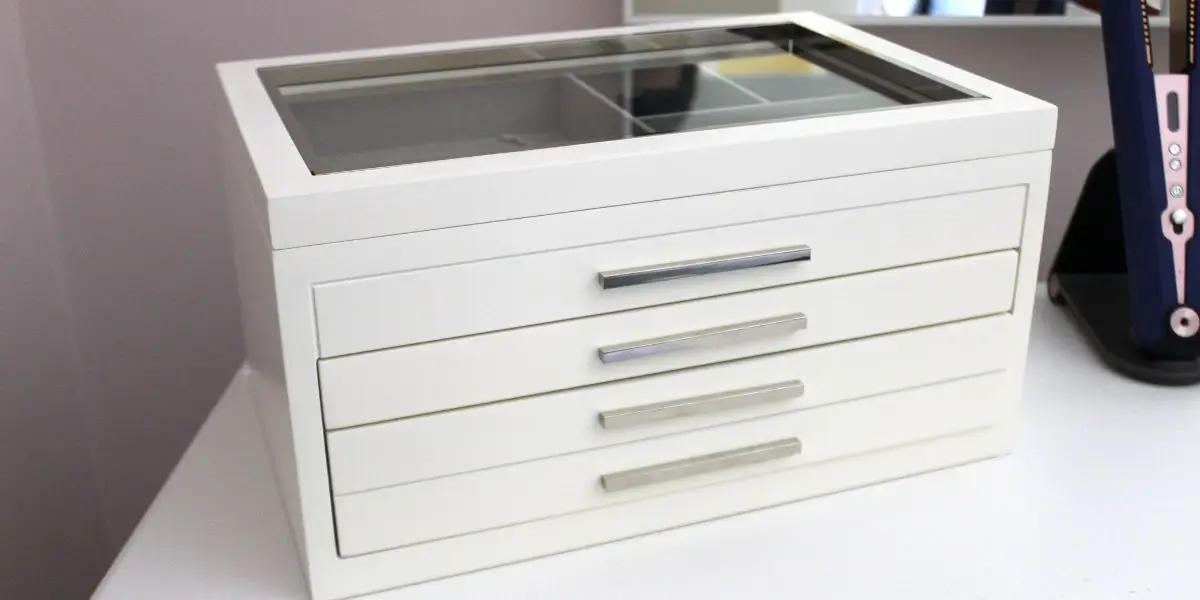
A treasure chest for our beloved baubles, trinkets, and the occasional, mismatched earring. These charming containers have been a staple in homes for centuries, serving not just as storage solutions but also as reflections of our personal style, history, and sometimes, our deepest secrets. Whether made of wood, velvet, or even an ornate trinket, jewelry boxes hold more than just jewelry; they hold memories.

Jewelry boxes serve several purposes. Firstly, they keep our precious pieces organized and untangled, preventing those heart-stopping moments when you're late for an event and can’t find that one cherished necklace. Beyond practicality, they act as a symbol of love and sentimentality, often passed down through generations.

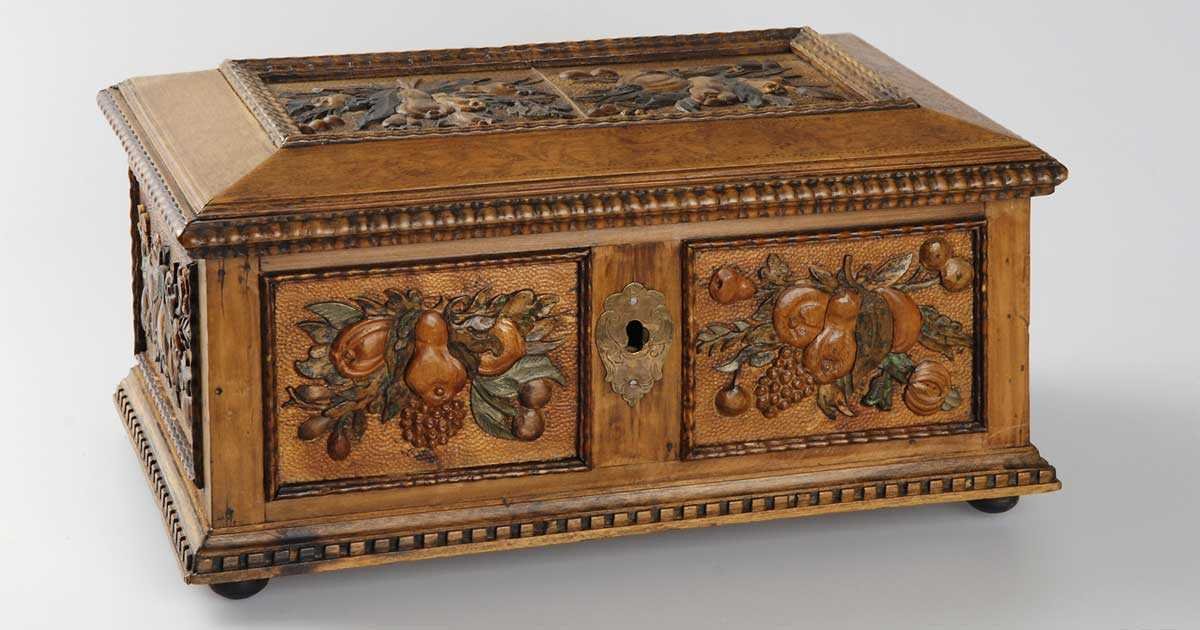
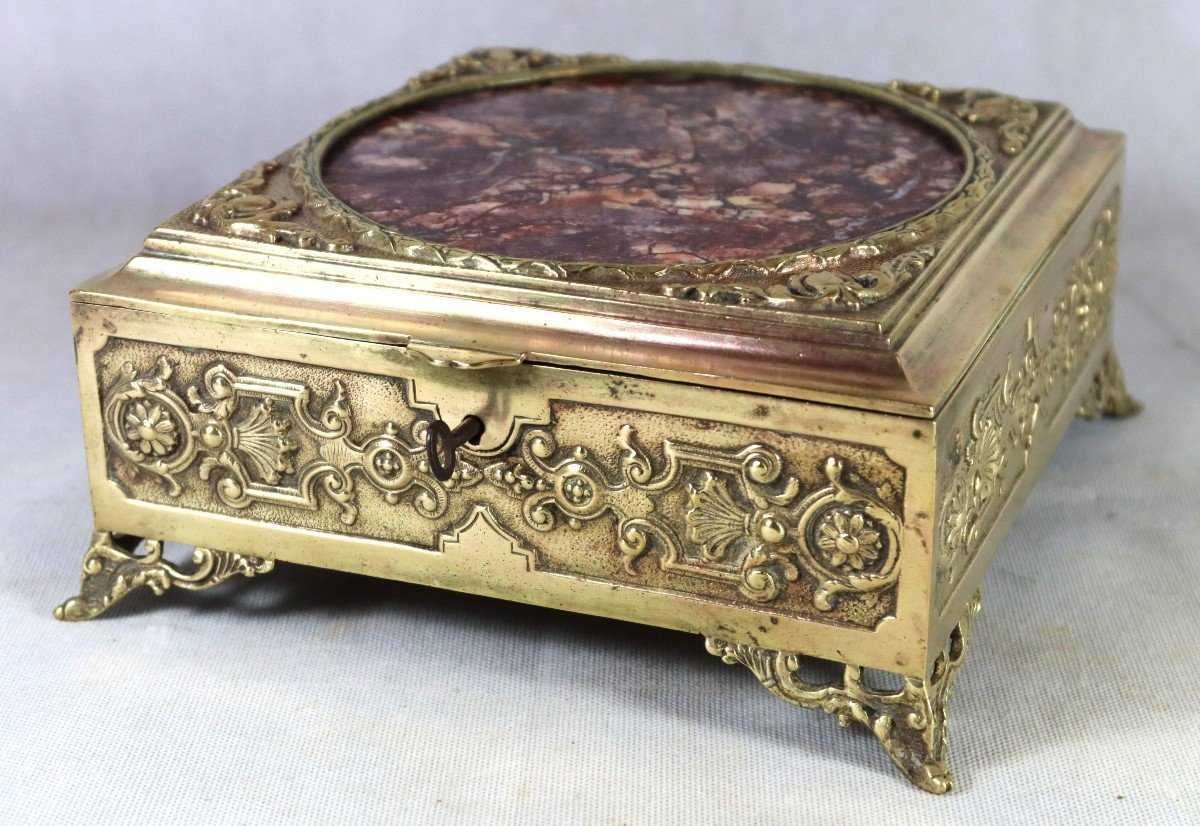
The Middle Ages was when jewelry boxes became lavishly designed with intricate carvings and rich materials. During the Renaissance, artistry flourished, and so did the creativity behind jewelry storage. These boxes began to incorporate secret compartments and clever locks—because who wouldn't want a little mystery to go with their earrings? It's no surprise that this period found jewelry boxes becoming as much about the art of concealment as they were about the luster of the jewels kept inside.

Would you like to customize this item? Tell us:

Some warm, fuzzy things for you

Some warm, fuzzy things for you