ecommerce, fashion and what comes next

ecommerce, fashion and what comes next

Industry Analysis · 2026

Fashion, ecommerce:
Now & What Comes Next

cgk.ink · May 2026

Online fashion just crossed a trillion-dollar threshold. The industry that barely existed twenty-five years ago is now the largest B2C e-commerce category on earth — and it's moving faster than at any point in its history. Here's where it stands, what's driving it, and what the next phase looks like for brands paying attention.
$997B
Global market 2026
$1.6T
Projected by 2030
47.9%
Of all fashion sales now online
81%
Of traffic from mobile

Where Things Stand

Fashion e-commerce in 2026 is simultaneously booming and stressed. Nearly half of all fashion sales worldwide now happen online — a figure that was under 20% a decade ago. The U.S. market alone sits at $163 billion, growing at 13% annually. Asia-Pacific leads globally at $401 billion, with North America and Europe following.
But growth obscures tension. Returns rates in fashion hover around 30–40%. Cart abandonment sits at 77.6% — meaning the vast majority of shoppers who add something to their cart leave without buying. Customer acquisition costs have risen sharply as paid social becomes more competitive. And the old playbook — launch a site, run ads, ship product — is no longer enough to build a sustainable brand.

"Fashion in 2026 is moving toward a more integrated model: AI for relevance, resale for liquidity, and social commerce for discovery and conversion. The old e-commerce structure still matters, but it is no longer enough on its own."
The brands winning right now share a few things in common: they have a genuine point of view, they are discoverable without relying entirely on paid acquisition, and they've built some form of owned relationship with their customer — through content, community, or both.


The Three Forces Reshaping the Market

  • 01 Social Commerce Is Eating the Funnel Social commerce will generate an estimated $919 billion globally in 2026, with TikTok, Facebook, and Instagram leading as shopping platforms. Around 69.4 million Americans shopped on Facebook in 2025 alone, with Instagram and TikTok Shop close behind. The significance here isn't just the numbers — it's the structural shift. Discovery, consideration, and purchase are now collapsing into a single moment inside a single app. Brands that can create content that converts in that moment have a structural advantage over brands that rely on the traditional browse-to-checkout flow.
  • 02 AI Is Changing How People Find Things In 2026, AI-driven personalization is responsible for nearly 45% of all online conversions. The global AI-in-fashion market is expected to hit $4.3 billion by 2027, and two-thirds of luxury fashion consumers are already using AI when shopping online. We are moving toward "Generative Commerce" — AI shopping assistants that understand context, not just keywords. Being findable by an AI assistant requires rich, accurate, contextually detailed product information and a strong brand signal across the web.
  • 03 Resale and Circular Fashion Are Structural, Not Cyclical The secondhand market is worth $260 billion and climbing toward $522 billion by 2030. 52% of consumers bought secondhand in 2024. Sustainability in 2026 isn't a marketing slogan — it's an operational advantage. Brands with genuine sustainability credentials are not just meeting consumer demand. They are reducing costs, improving margins, and building the kind of brand trust that paid advertising can't manufacture.

What Comes Next

The next wave of fashion platforms probably will not win by being just another e-commerce layer. They will need to combine at least three things: discovery that feels relevant, resale infrastructure that ordinary users can actually use, and a broader ecosystem that creates ongoing relationship rather than one-off transactions.

For independent brands, the path forward is actually cleaner than it is for the big platforms. You don't need to be everywhere. You need to be unmistakably yourself in the places that matter. That means a distinct visual and editorial identity, real relationships with customers who return because of what you stand for, and product that's genuinely worth owning — made with care, shipped with intention, designed to last.

The trillion-dollar market is real. So is the noise. The brands that cut through it in the next few years will be the ones that understood early that quality of relationship matters more than volume of impressions.

the cgk.ink perspective

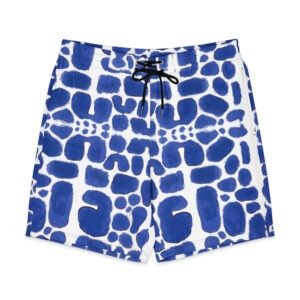
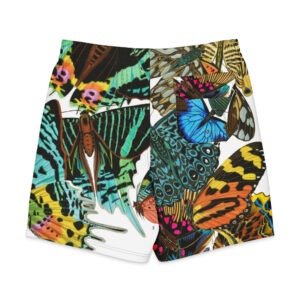
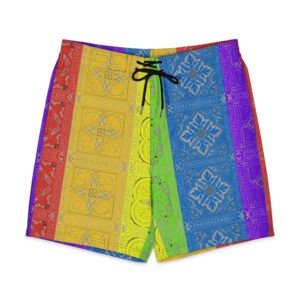
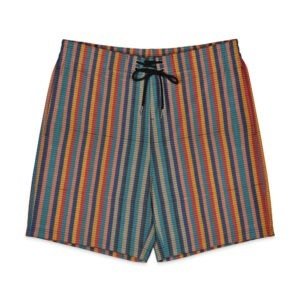
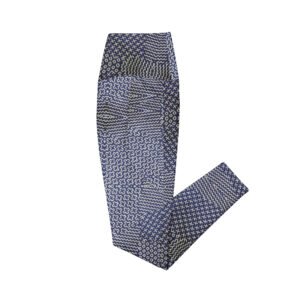
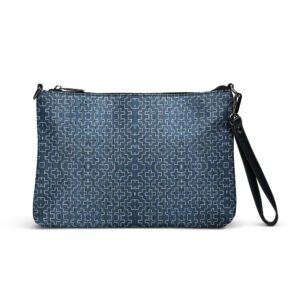
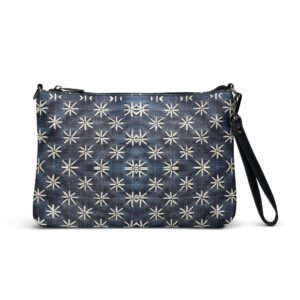
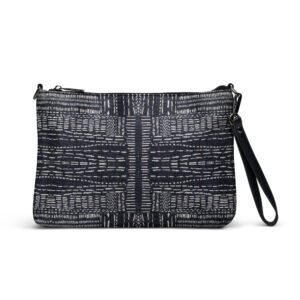
We build for the part of this market that's growing fastest: design-forward, sustainability-rooted, independent. Our collections — from the globally art-inspired apparel — are made for customers who want to own something considered, not just something convenient. If the data above points anywhere, it points here.


Sources: Shopify Enterprise Blog · Capital One Shopping Research · Statista · Medium / Cheeky Fit · Gelato Apparel Trends 2026 · Vocal Media · Inventory Source · HMLC · OpenTools.ai

You & Polyester: Getting Along, Swimmingly

You & Polyester: Getting Along, Swimmingly

700,000

Each polyester garment can release up to 700,000 fibers per revolution of a washing machine’s drum.

78 million tons

80% used in textiles. It represents about 80% of all synthetic fiber production, driven by its low cost, durability, and popularity in fast fashion

Polyester is the dominant fiber in the textile industry, accounting for approximately 57% to 59% of total global fiber production as of 2023-2024. It makes up over half of all fibers used in apparel and textiles, driven by its affordability and versatility. Nearly 90% of this production is fossil-based. 

Polyester fabric is lightweight, wrinkle-resistant, quick-drying, and moisture-wicking, making it ideal for activewear, home textiles, and custom (print-on-demand) apparel.

It’s also incredibly damaging to the enivironment. Producing nearly 60% of all textiles globally from carbon-dense fossil fuels poses some very serious problems:

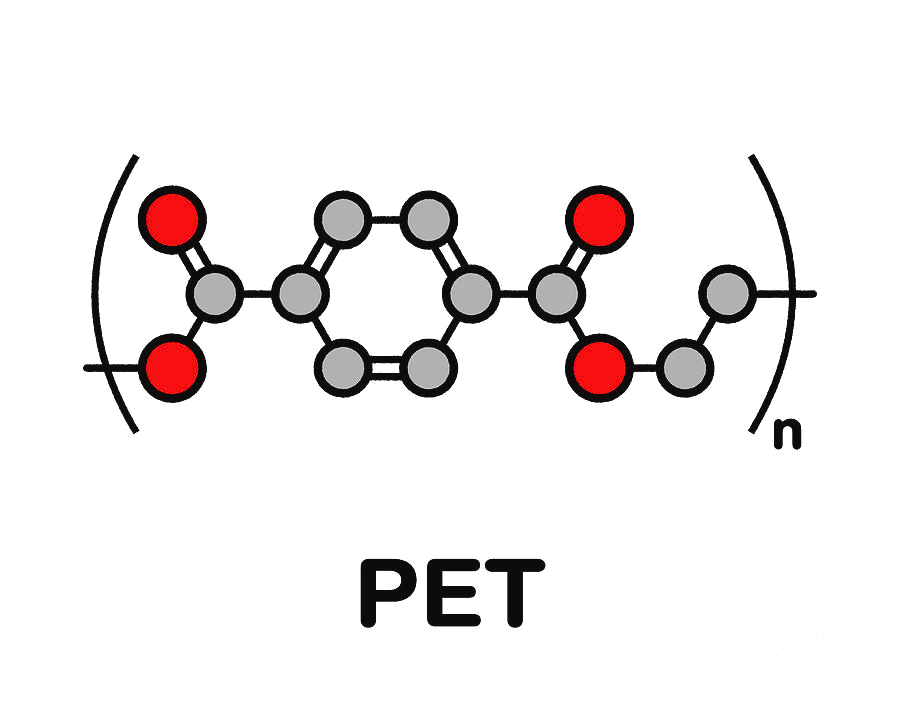
Polyester types include PET, PCDT, microfiber, recycled polyester (rPET), and emerging plant-based polyester fibers.

Recycled polyester helps reduce reliance on fossil fuels, but it still contributes to microplastic pollution during washing.

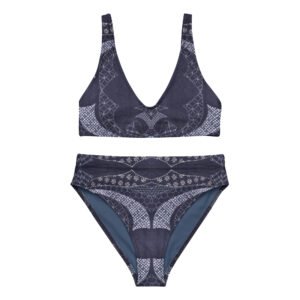
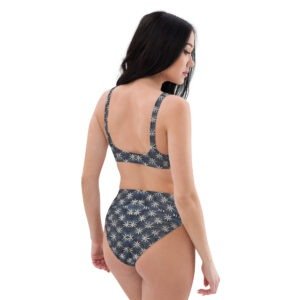
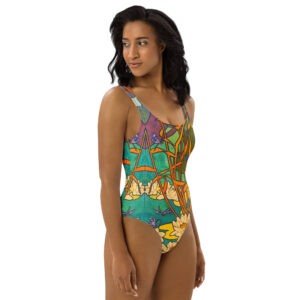
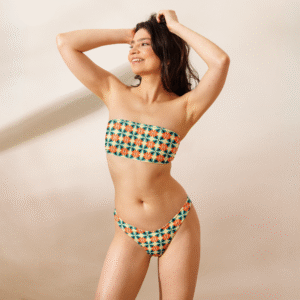
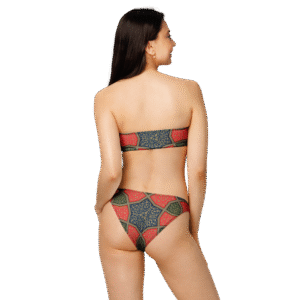
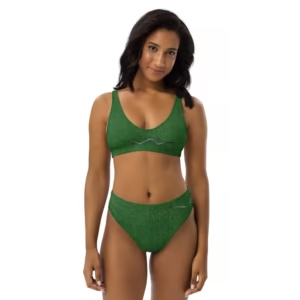
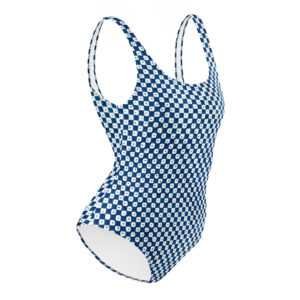
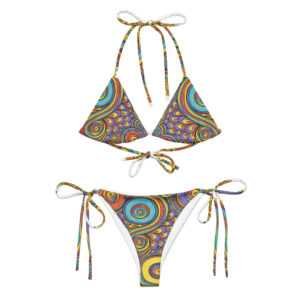
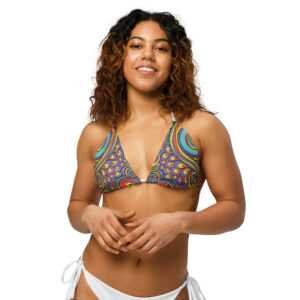
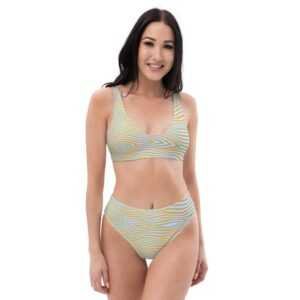
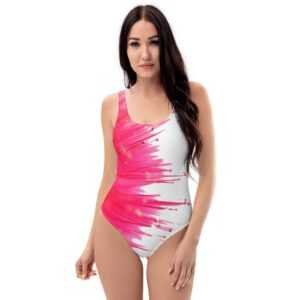
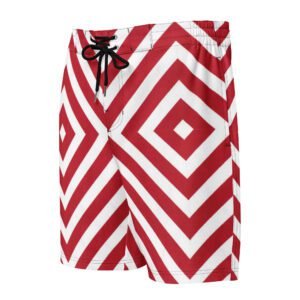
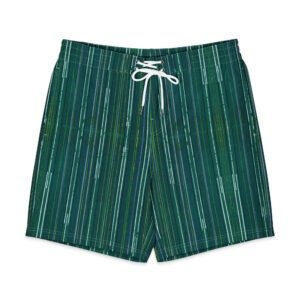
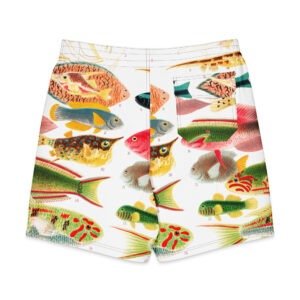
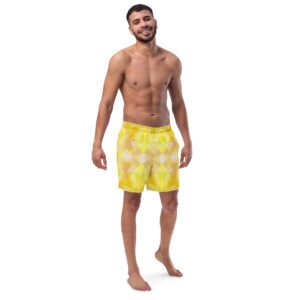
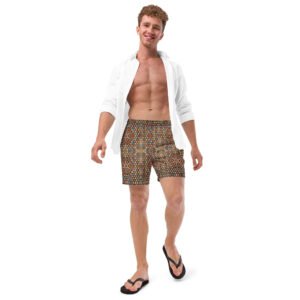
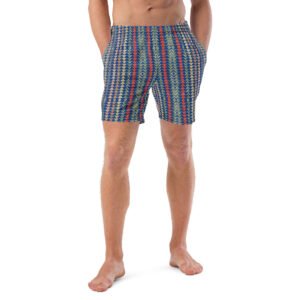
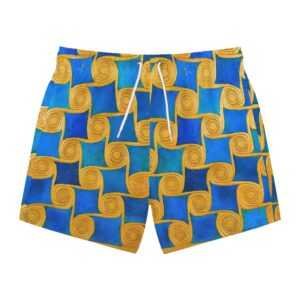
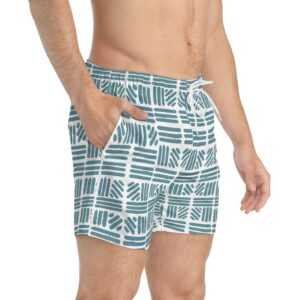
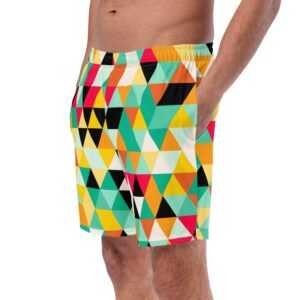
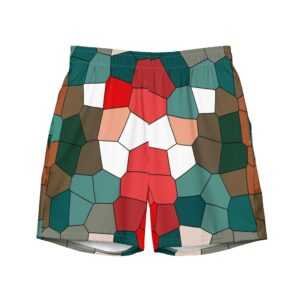
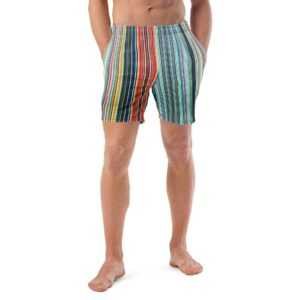
With the above in mind, we’ve searched for swimwear for women and men that uses the highest percentage of recycled polyester. We looked for durability, quality and particularly, density of the fabric.

We also made sure that the recycled polyester was, indeed, recycled in accordance with best practices.

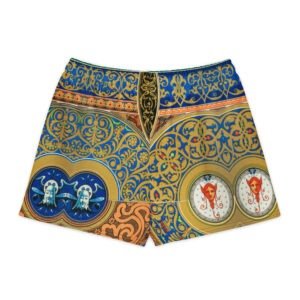
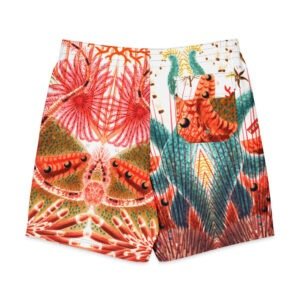
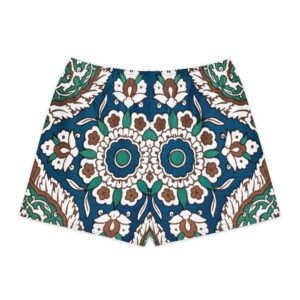
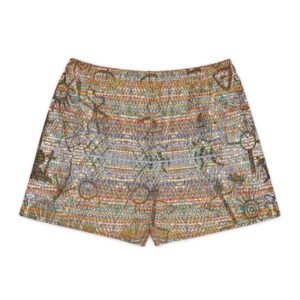
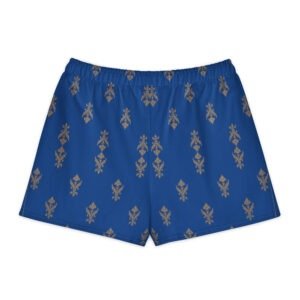
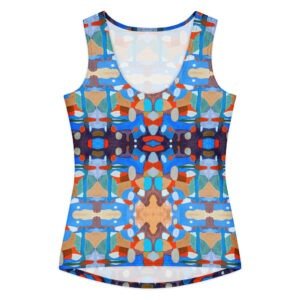
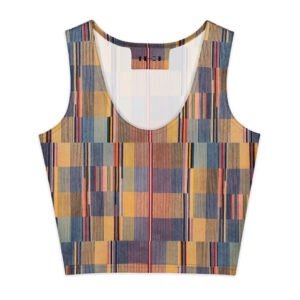
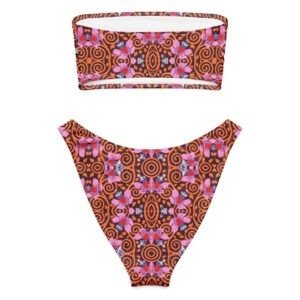
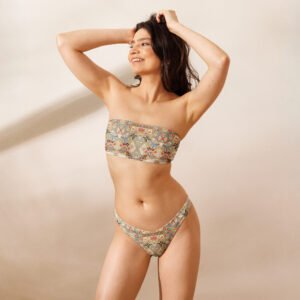
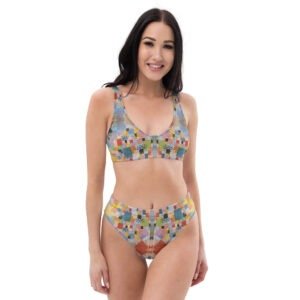
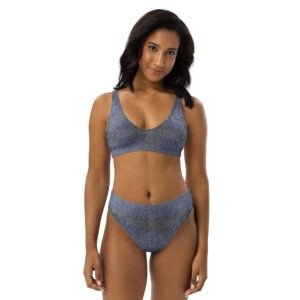
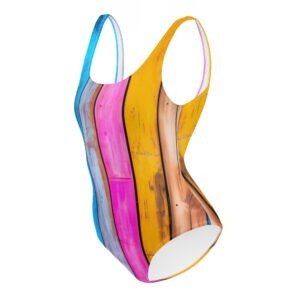
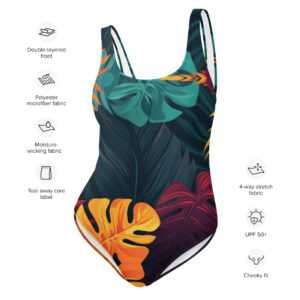
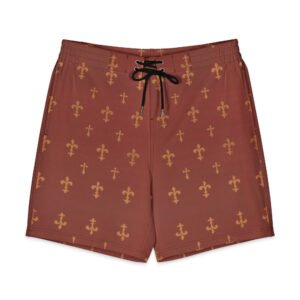
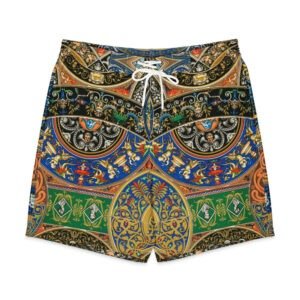
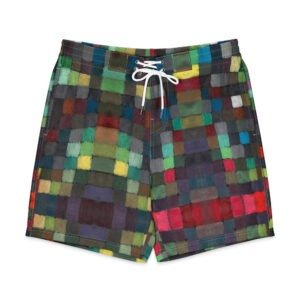
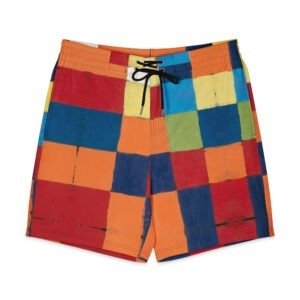
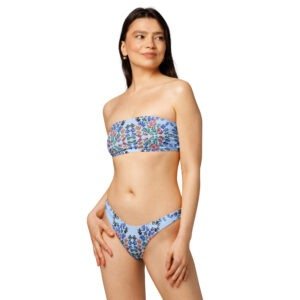
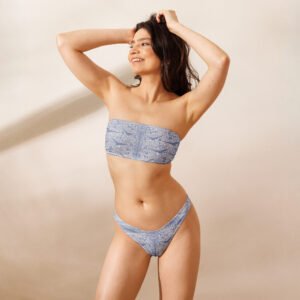
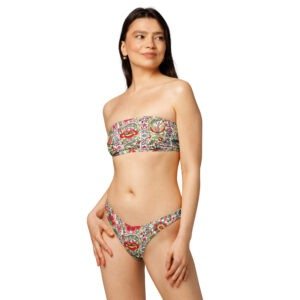
These are the best matches we found. Each is uniquely manfactured for you and features our bold, modern designs that will make you shine while while showing off your commitment to the environment.

Recycled polyester (rPET), which is made from post-consumer plastic bottles and textile waste, is one of the promising solutions for the swimwear industry. Its use drastically reduces the environmental impact of conventional polyester, which is typically derived from petroleum. It is highly durable and resistant to chlorine, saltwater, and UV rays.

Sashiko, Kimonos & History

Sashiko, Kimonos & History

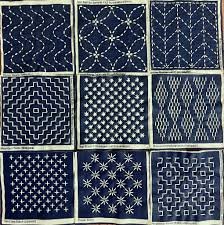
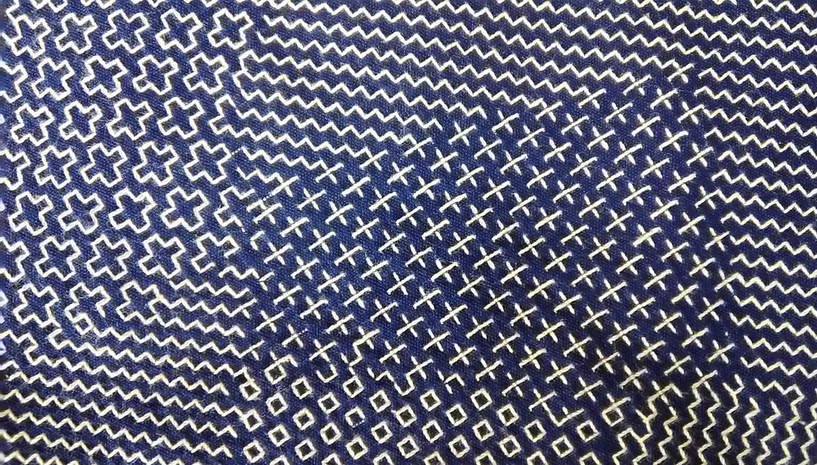
A recent BBC Culture story by Bel Jacobs: The 300-year-old Japanese method of upcycling explores the method of sashiko.

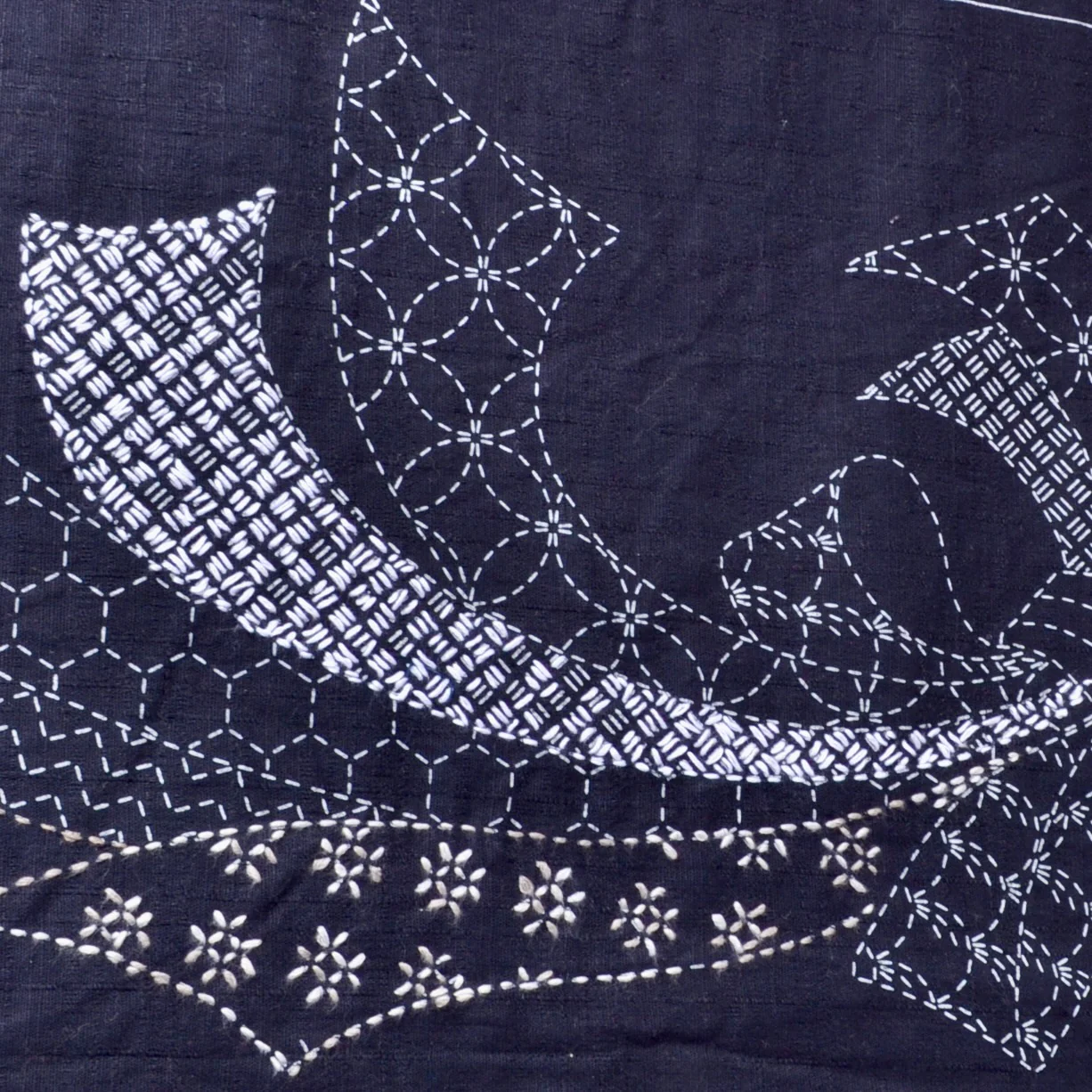
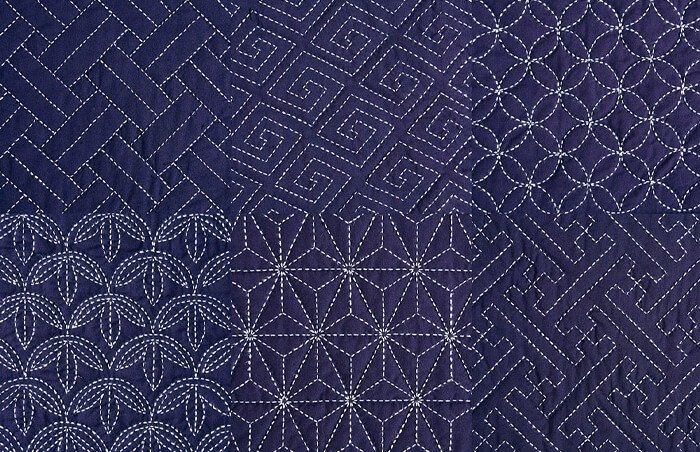
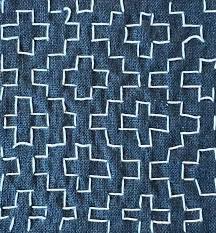
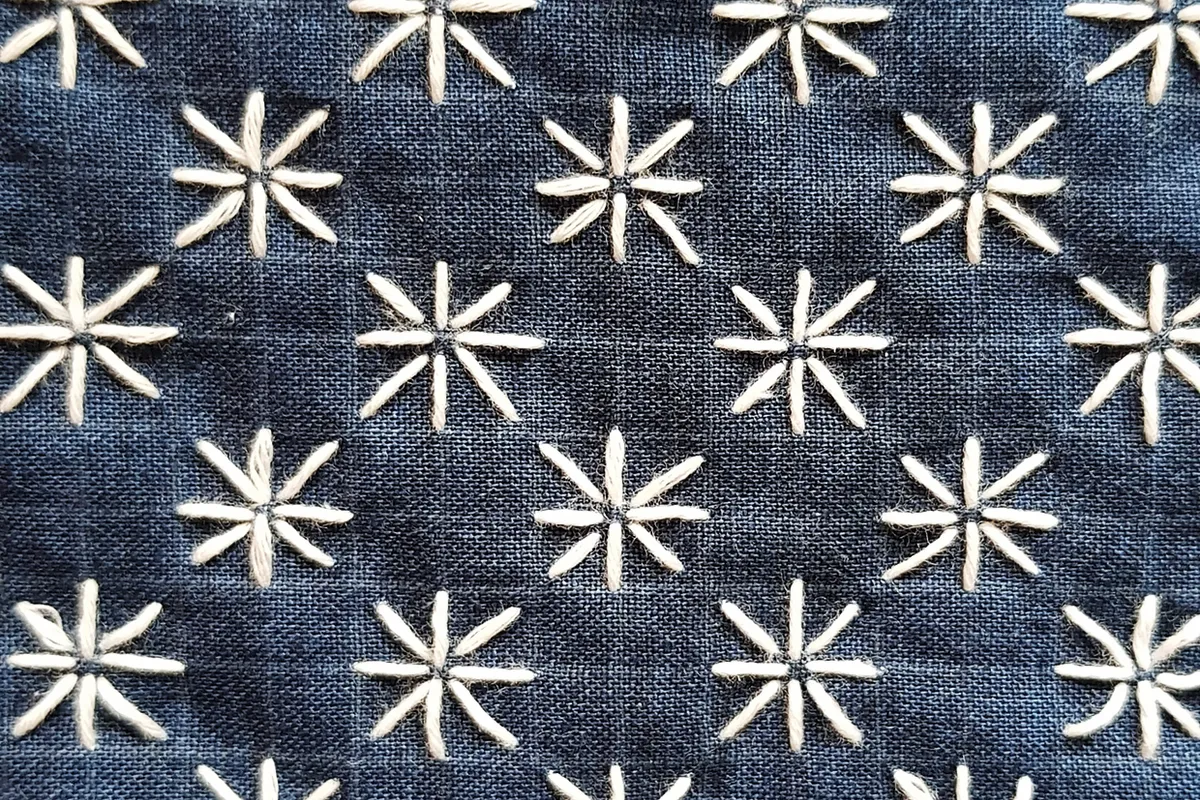
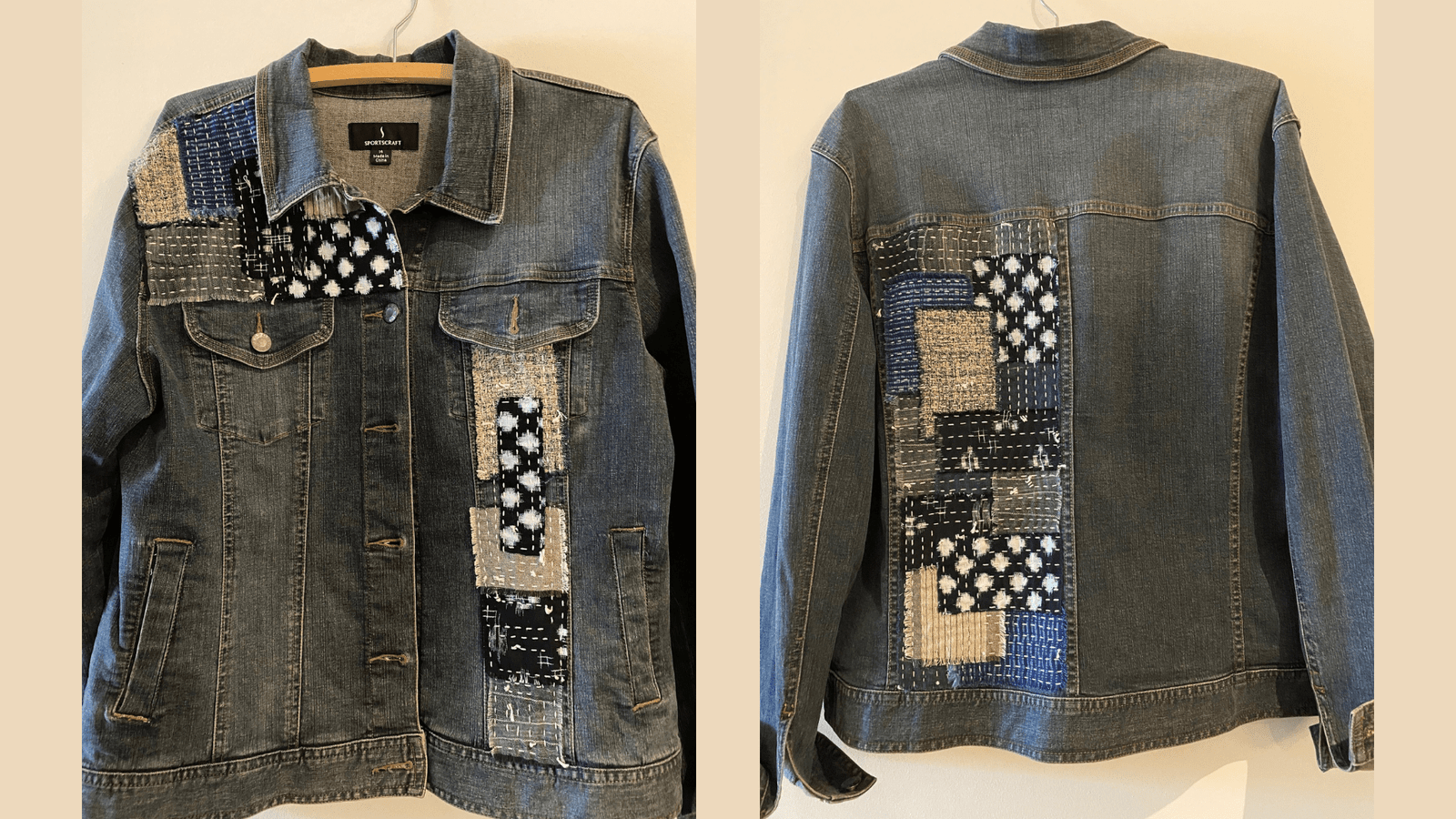
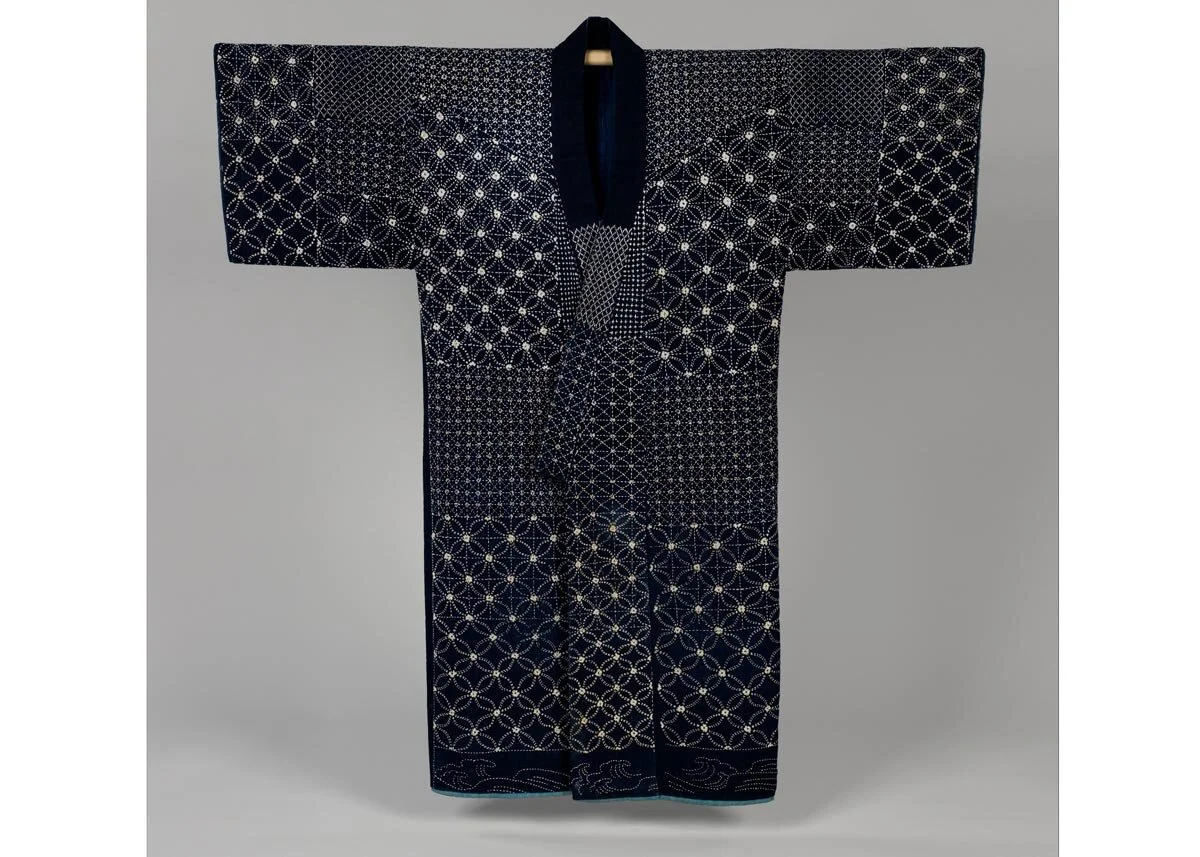
Sashiko emerged through necessity, particularly in poor rural areas, during the Edo period. “Cotton came late to the north of Japan,” explains craft and design writer Katie Treggiden. “So the only way people could get hold of it was as tiny rags of fabrics, that were either passed around or bought from tradesmen from the south. Sashiko – literally, ‘little stabs’ – was a way of connecting all those little pieces into a quilted fabric, known as boro, that would keep them warm.”

Textiles say so much about the culture in which they are worn and used.

Clothing can immediately identify who we are and what our history is. One can tell eastern v. western, wealthy v. impoverished, northern v southern. Clothing also tells us about the society that created it.

The Surprising History of the Kimono

The first ancestor of the kimono was born in the Heian period (794-1192). Straight cuts of fabric were sewn together to create a garment that fit every sort of body shape. It was easy to wear and infinitely adaptable. By the Edo period (1603-1868) it had evolved into a unisex outer garment called kosode. Literally meaning “small sleeves,” the kosode was characterized by smaller armholes. It was only from the Meiji period (1868-1912) onwards that the garment was called kimono. This last transformation, from the Edo era to modern Japan, is fascinating.

In the early 1600s, First Shogun Tokugawa unified Japan into a feudal shogunate. Edo, renamed Tokyo in 1868, now became Japan’s chief city. The resulting Edo Period (also called the Tokugawa Era) spanned 264 years. The years 1603 to 1868 are known as the last era of traditional Japan. Japanese culture developed with almost no foreign influence during this time. And the kosode was one of the key elements of what it meant to be Japanese.

the Elegance and Subtle Formality of Kimonos

the Elegance and Subtle Formality of Kimonos

The haori (羽織) is a traditional Japanese jacket worn over a kimono. Resembling a shortened kimono with no overlapping front panels (okumi), the haori typically features a thinner collar than that of a kimono, and is sewn with the addition of two thin, triangular panels at either side seam. The haori is usually tied at the front with two short cords, known as haori himo, which attach to small loops sewn inside the garment.

During the Edo period, economic growth within the wealthy but low-status merchant classes resulted in an excess of disposable income, much of which was spent on clothing. It was during this period that, due to various edicts on dress mandated by the ruling classes, merchant-class Japanese men began to wear haori with plain external designs and lavishly-decorated linings, a trend still seen in men’s haori

types of kimonos

Komon (小紋)

Komon (小紋): The lowest form of normal kimono. Meaning “Small Pattern,” it is characterized by its repeating patterns that can either be printed, painted, stencilled, or woven. They are worn as everyday wear, like when shopping or being out and around town.

It is a versatile and everyday kimono style that features repeating patterns. Whether you’re out shopping or exploring the town, Komon is the perfect choice for casual wear. Its charming designs add a touch of elegance to your daily activities, making you stand out with effortless style.

Iromuji (色無地)

Iromuji (色無地): The second lowest of the normal kimono and the lowest of all formal kimono. Iromuji means “Single Solid Colour” and consists of just one colour with no decoration whatsoever. The only adornment that may be found would be patterns woven into the silk itself, but otherwise is quite plain. Weaving designs into silk is called Rinzu (綸子). Iromuji is also the lowest formality in which you will find Kamon (家紋). Meaning “Family Crest,” they are added to kimono as a sign of formality. Kamon can be added in sets of five, being the most formal, three, being the second most formal, and one, being the least formal. The number of kamon must also match the level of formality for the kimono, so you will only ever find a single kamon on an iromuji.

Tsukesage (付け下げ)

Tsukesage (付け下げ): The middle level of formality of all kimono. The term comes from the placement of its patterns as Tsueksage means “To Put Down.” Kimono are stitched together from long, rectangular pieces of fabric known as Tan (反), which are visible at the seam lines. When it comes to a tsueksage the decoration will always stay within the individual tan and not cross over to create larger or more cohesive patterns. When seen from afar the patterns seem to flow downwards, hence the name. They are almost always made of silk and can feature kamon, but only up to three.

Houmongi (訪問着)

Houmongi (訪問着): The second most formal kimono and considered suitable to wear to all formal occasions. They are often considered the most beautiful kimono because they are covered by flowing patterns and motifs that stretch across the entire garment. The name houmongi means “Visiting Wear” as they were originally worn to pay respects to neighbours on formal occasions. They will feature kamon more often than not and can have anywhere between one and five of them present. Du to their high formality they are always made from silk.

Furisode (振袖)

Furisode (振袖): The most formal type of kimono for unmarried women. When it comes to furisode there are three different sleeve lengths. They are: Ko Furisode (小振袖), meaning “Small Swinging Sleeves,” Chū Furisode (中振袖), meaning “Middle Swinging Sleeves,” and Ō Furisode (大振袖), meaning “Large Swinging Sleeves.” Today the word furisode brings to mind the ō furisode as it’s the most commonly worn type, but prior to World War II it was very common to also see ko furisode and chū furisode as sleeve length determined how formal a kimono was. Ko furisode and chū furisode are considered semi-formal wear, but are rarely ever made anymore due to the decline in kimono ownership.

Tomesode (留袖)

Tomesode (留袖): The most formal kimono of all. It is characterized by its solid colour background, usually black, and motifs that are only found bellow the waist. Black used to be the hardest colour dye to produce before synthetic or imported dyes were introduced, so it was considered a precious colour that would only be used for the most important garments. Tomesode means “Fastened Sleeves” as traditionally a bride would cut the sleeves from her furisode and then wear that kimono as a married woman in the form of a tomesode. They will always feature five crests and are worn by married women to formal occasions, usually the mother of the bride or groom at a wedding.

source

High Design

High Design

We’re fascinated by airlines. Specifically, the airlines operating in the period of c. 1950-1980.

During those three decades, something extraordinary happened: design and technology merged for the first time with audacious, striking results.

Looking backward at the history of aviation design (graphics, illustrations, photography, couture +), there is a marked shift in how the industry portrayed itself. Corporate identity went from trust-inspiring, federal-looking shields and banners to bold typefaces, abstract forms and creative color palettes.

The thirty years of the period saw, as we all know now, an extremely volatile culture as America redesigned itself from a war-making country to conqueror of world markets. And airlines were our new ambassadors (or propagandists). The shift in design was (and is) as profound as the society from which it was formed.

a material world

We’re experiencing something similar. The “flattening” of logos, meaning the loss of shadows, perspective and depth) is a precursor to today’s material design as professed by Google and like-minded companies.

Material Design is a design language developed by Google in 2014. Expanding on the “cards” that debuted in Google Now, Material Design uses more grid-based layouts, responsive animations and transitions, padding, and depth effects such as lighting and shadows. Wikipedia

This design evolution is very apparent in the following examples from BrandedSkies.com:

You’ll notice that shadows, filigrees, framing and, perhaps most remarkably, text in any form gives way to abstract form and meta-meaning.

the difference this time

It may not be possible to experience such a dramatic shift in design now. The emergence of “material” design already quotes previous design trends and reiterates them. The shift from ornamentation to abstract, free-form shapes has more to do with the fact that most communication is now digital and visual. Airlines (and other industries) do not need to stand out in print, they need to punch us in the eye so that we click.

We welcome your feedback as we explore this topic.

fashion is ENVIRONMENTALLY EXPENSIVE. Very EXPENSIVE.

fashion is ENVIRONMENTALLY EXPENSIVE. Very EXPENSIVE.

less is more

We are all connected. This is not a kumbaya moment from us to you. It is real and indisputable. You, your actions, and your thoughts affect everyone and everything around you.

This is neither abstract nor a slogan. It is critically important. Your actions have immediate, measurable and wide-ranging effects.

This inescapable fact is evident in spades when we talk about the degradation of our environment. And this deleterious effect is nowhere more evident than in the fashion industry.

It’s well-documented just how toxic fashion is. And it’s data can be overwhelming. Indeed, only gas & oil production is more polluting.

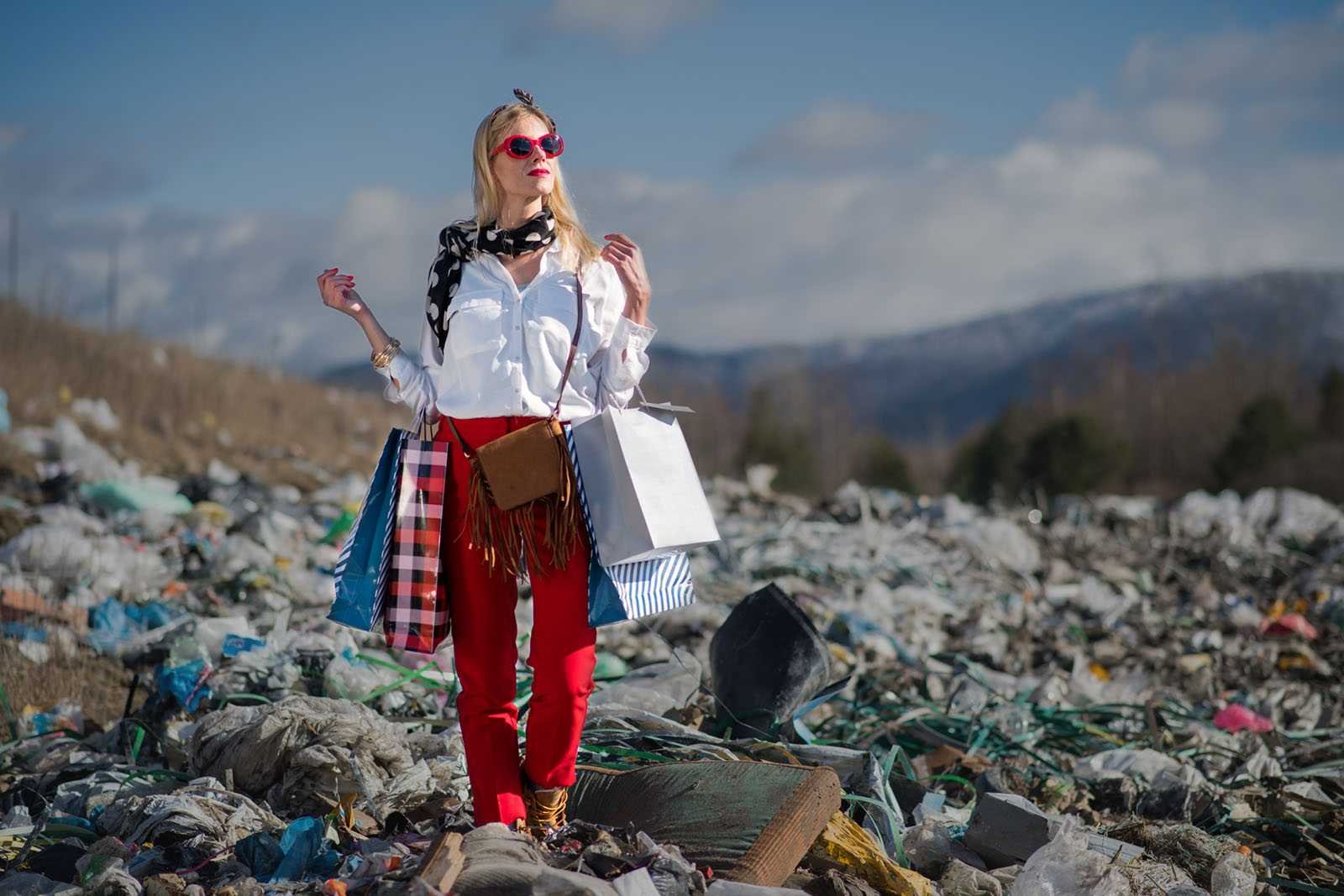
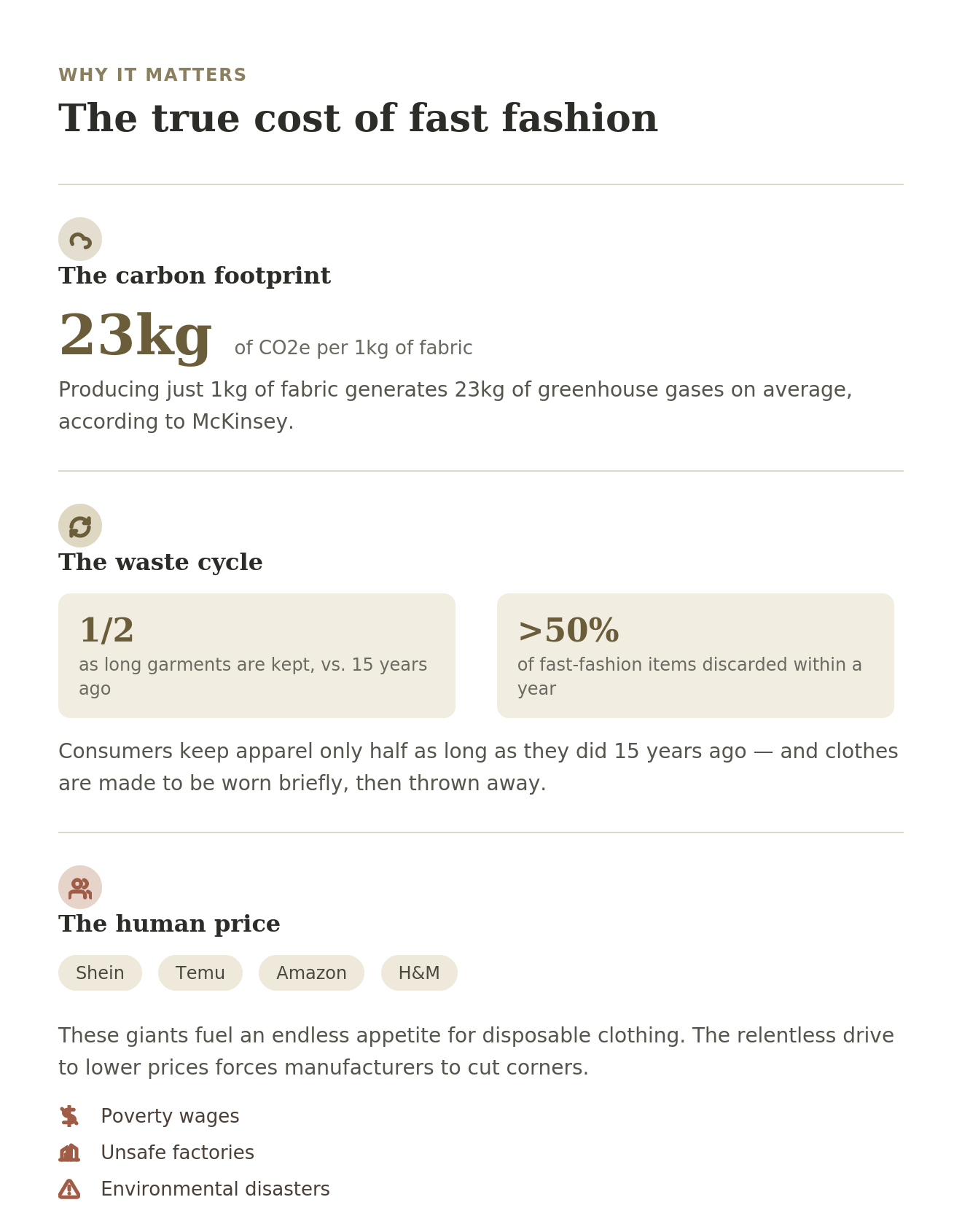
LOOKING good can be bad for the planet. Massive amounts of energy, water and other resources are needed to make clothes. From the pesticides poured on cotton fields to the washes in which denim is dunked, making 1kg of fabric generates 23kg of greenhouse gases on average, reckons McKinsey, a consultancy. Because consumers keep almost every type of apparel only half as long as they did 15 years ago, these inputs go to waste faster than ever before. More than half of the fastest-fashion items made are chucked away within a year of production. But such rampant retail therapy costs the earth. 

The Environmental Costs of Creating Clothes, Forbes, August 11, 2017

fashion ain’t pretty, doll.

The film below details in great depth the heinous environmental abuse created by a culture of fast fashion. Schein, TEMU, AMAZON, H&M, all create an insatiable lust for disposable apparel.

what this means to you (and cgk.ink):

We’re proud to be an early member of STRIPE’s CLIMATE initiative. We’ve joined over 200K small to large businesses in this industry effort. As our payment processor, we pay a 1% fee to STRIPE’s Carbon Removal efforts. It may not seem like a large amount, but when taken in aggregate, the efforts become powerful.

care to join?

SOURCING

Wherever possible we select environmentally beneficial materials, created responsibly. You can find our latest efforts on this by selecting the ECO-LOGICAL COLLECTION from the SPECIAL COLLECTION menu.

SHIPPING

We’ve added the option to contribute a small amount when selecting your shipping method to offset carbon emissions intrinsic in moving your purchase from A to B.

MINDFULNESS

Ecology is only a part of what we care about. We work closely with suppliers and vendors to make sure that our business relationship is founded on fair and equitable compensation and adherence to globally recognized labor laws.