
The anti-Trump: The NEW DEAL & HOW THOUGHTFUL GOVERNMENT RESTORED A BATTERED Nation

The anti-Trump: The NEW DEAL & HOW THOUGHTFUL GOVERNMENT RESTORED A BATTERED Nation

71uaokxem+l. uf1000,1000 ql80

It’s difficult to imagine today that, at one point, the US led the world in creating societal safety nets; made signifigant investments in the arts and enouraged diversity (and equity and inclusion).

The Great Depression, starting in 1929, was a severe global economic downturn characterized by widespread unemployment, poverty, and financial instability. The U.S. saw a quarter of its workforce unemployed, industrial production plummet, and millions lose their homes and savings. The crisis impacted not just the U.S. but also economies worldwide, marking the deepest and longest economic recession in modern history. 

In response, FDR created The New Deal, a major, long-term response to the Depression’s bleak outcome. A large segment of The New Deal was the WPA

These programs reached the entire popoulation and made sizeable, results-driven improvements to the US and world economies.

We’re exploring some of the period’s artwork. Explore:

It’s important to remind ourselves that we are all immigrants to this nation.
Output onlinepngtools (4)
The logo of the Federal Art Project (FAP), a component of the Works Progress Administration (WPA) during the Great Depression era in the United States.

Federal Project Number One

A significant aspect of the Works Progress Administration was the Federal Project Number One, which had five different parts: the Federal Art Project, the Federal Music Project, the Federal Theatre Project, the Federal Writers’ Project, and the Historical Records Survey. The government wanted to provide new federal cultural support instead of just providing direct grants to private institutions. After only one year, over 40,000 artists and other talented workers had been employed through this project in the United States. Cedric Larson stated that “The impact made by the five major cultural projects of the WPA upon the national consciousness is probably greater in total than anyone readily realizes. As channels of communication between the administration and the country at large, both directly and indirectly, the importance of these projects cannot be overestimated, for they all carry a tremendous appeal to the eye, the ear, or the intellect—or all three.”

Federal Art Project

This project was directed by Holger Cahill, and in 1936 employment peaked at over 5,300 artists. The Arts Service Division created illustrations and posters for the WPA writers, musicians, and theaters. The Exhibition Division had public exhibitions of artwork from the WPA, and artists from the Art Teaching Division were employed in settlement houses and community centers to give classes to an estimated 50,000 children and adults. They set up over 100 art centers around the country that served an estimated eight million individuals.

Federal Music Project

Noon-hour WPA band concert in Lafayette SquareNew Orleans (1940)

Directed by Nikolai Sokoloff, former principal conductor of the Cleveland Orchestra, the Federal Music Project employed over 16,000 musicians at its peak. Its purpose was to create jobs for unemployed musicians, It established new ensembles such as chamber groups, orchestras, choral units, opera units, concert bands, military bands, dance bands, and theater orchestras. They gave 131,000 performances and programs to 92 million people each week. The Federal Music Project performed plays and dances, as well as radio dramas. In addition, the Federal Music Project gave music classes to an estimated 132,000 children and adults every week, recorded folk music, served as copyists, arrangers, and librarians to expand the availability of music, and experimented in music therapy. Sokoloff stated, “Music can serve no useful purpose unless it is heard, but these totals on the listeners’ side are more eloquent than statistics as they show that in this country there is a great hunger and eagerness for music.”

Federal Theatre Program

Main article: Federal Theatre Project

In 1929, Broadway alone had employed upwards of 25,000 workers, onstage and backstage; in 1933, only 4,000 still had jobs. The Actors’ Dinner Club and the Actors’ Betterment Association were giving out free meals every day. Every theatrical district in the country suffered as audiences dwindled. The New Deal project was directed by playwright Hallie Flanagan, and employed 12,700 performers and staff at its peak. They presented more than 1,000 performances each month to almost one million people, produced 1,200 plays in the four years it was established, and introduced 100 new playwrights. Many performers later became successful in Hollywood including Orson Welles, John Houseman, Burt Lancaster, Joseph Cotten, Canada Lee, Will Geer, Joseph Losey, Virgil Thomson, Nicholas Ray, E.G. Marshall and Sidney Lumet. The Federal Theatre Project was the first project to end; it was terminated in June 1939 after Congress zeroed out the funding.

Federal Writers’ Project

This project was directed by Henry Alsberg and employed 6,686 writers at its peak in 1936. The FWP created the American Guide Series which, when completed, consisted of 378 books and pamphlets providing a thorough analysis of the history, social life and culture for every state, city and village in the United States including descriptions of towns, waterways, historic sites, oral histories, photographs, and artwork. An association or group that put up the cost of publication sponsored each book, the cost was anywhere from $5,000 to $10,000. In almost all cases, the book sales were able to reimburse their sponsors. Additionally, another important part of this project was to record oral histories to create archives such as the Slave Narratives and collections of folklore. These writers also participated in research and editorial services to other government agencies.

Historical Records Survey

This project was the smallest of Federal Project Number One and served to identify, collect, and conserve United States’ historical records. It is one of the biggest bibliographical efforts and was directed by Luther H. Evans. At its peak, this project employed more than 4,400 workers.

Usaworkprogramwpa

The Works Progress Administration (WPA; from 1935 to 1939, then known as the Work Projects Administration from 1939 to 1943) was an American New Deal agency that employed millions of jobseekers (mostly men who were not formally educated) to carry out public works projects, including the construction of public buildings and roads. It was set up on May 6, 1935, by presidential order, as a key part of the Second New Deal.

The WPA’s first appropriation in 1935 was $4.9 billion (about $15 per person in the U.S., around 6.7 percent of the 1935 GDP). Headed by Harry Hopkins, the WPA supplied paid jobs to the unemployed during the Great Depression in the United States, while building up the public infrastructure of the US, such as parks, schools, and roads. Most of the jobs were in construction, building more than 620,000 miles (1,000,000 km) of streets and over 10,000 bridges, in addition to many airports and much housing. In 1942, the WPA played a key role in both building and staffing internment camps to incarcerate Japanese Americans.

These ordinary men and women proved to be extraordinary beyond all expectation. They were golden threads woven in the national fabric. In this, they shamed the political philosophy that discounted their value and rewarded the one that placed its faith in them, thus fulfilling the founding vision of a government by and for its people. All its people.

— Nick Taylor, American-Made: The Enduring Legacy of the WPA

The WPA reached its peak employment of 3,334,594 people in November 1938. To be eligible for WPA employment, an individual had to be an American citizen, 18 or older, able-bodied, unemployed, and certified as in need by a local public relief agency approved by the WPA. The WPA Division of Employment selected the worker’s placement to WPA projects based on previous experience or training. Worker pay was based on three factors: the region of the country, the degree of urbanization, and the individual’s skill. It varied from $19 per month to $94 per month, with the average wage being about $52.50 (equivalent to $1,200 in 2024). The goal was to pay the local prevailing wage, but limit the hours of work to 8 hours a day or 40 hours a week; the stated minimum being 30 hours a week, or 120 hours a month.

National Park Service

WPA's INFLUENCE

GIVE ME your wretched refuse

Send these, the homeless, tempest-tost to me,

Something quite important happened in the US from 1939-1943. The New Deal. Crippled by an economic collapse, a sitting US President actually did something good. FDR had the clarity to see what America stands for: equality, freedome and agency.

Fdr 1944 campaign portrait (retouched, cropped) (1)
New colossus emma lazarus statue of liberty

Not like the brazen giant of Greek fame,
With conquering limbs astride from land to land;
Here at our sea-washed, sunset gates shall stand
A mighty woman with a torch, whose flame
Is the imprisoned lightning, and her name
Mother of Exiles. From her beacon-hand
Glows world-wide welcome; her mild eyes command
The air-bridged harbor that twin cities frame.
“Keep, ancient lands, your storied pomp!” cries she
With silent lips. “Give me your tired, your poor,
Your huddled masses yearning to breathe free,
The wretched refuse of your teeming shore.
Send these, the homeless, tempest-tost to me,
I lift my lamp beside the golden door!”

Emma Lazarus
November 2, 1883

22
The Grammar of Ornament

The Grammar of Ornament

From the universal testimony of travelers it would appear, that there is scarcely a people, in however early stage of civilisation, with whom the desire to ornament is not a strong instinct. Man’s earliest ambition is to create . . . to stamp on this earth the impress of an individual mind.

—Owen Jones, The Grammar of Ornament

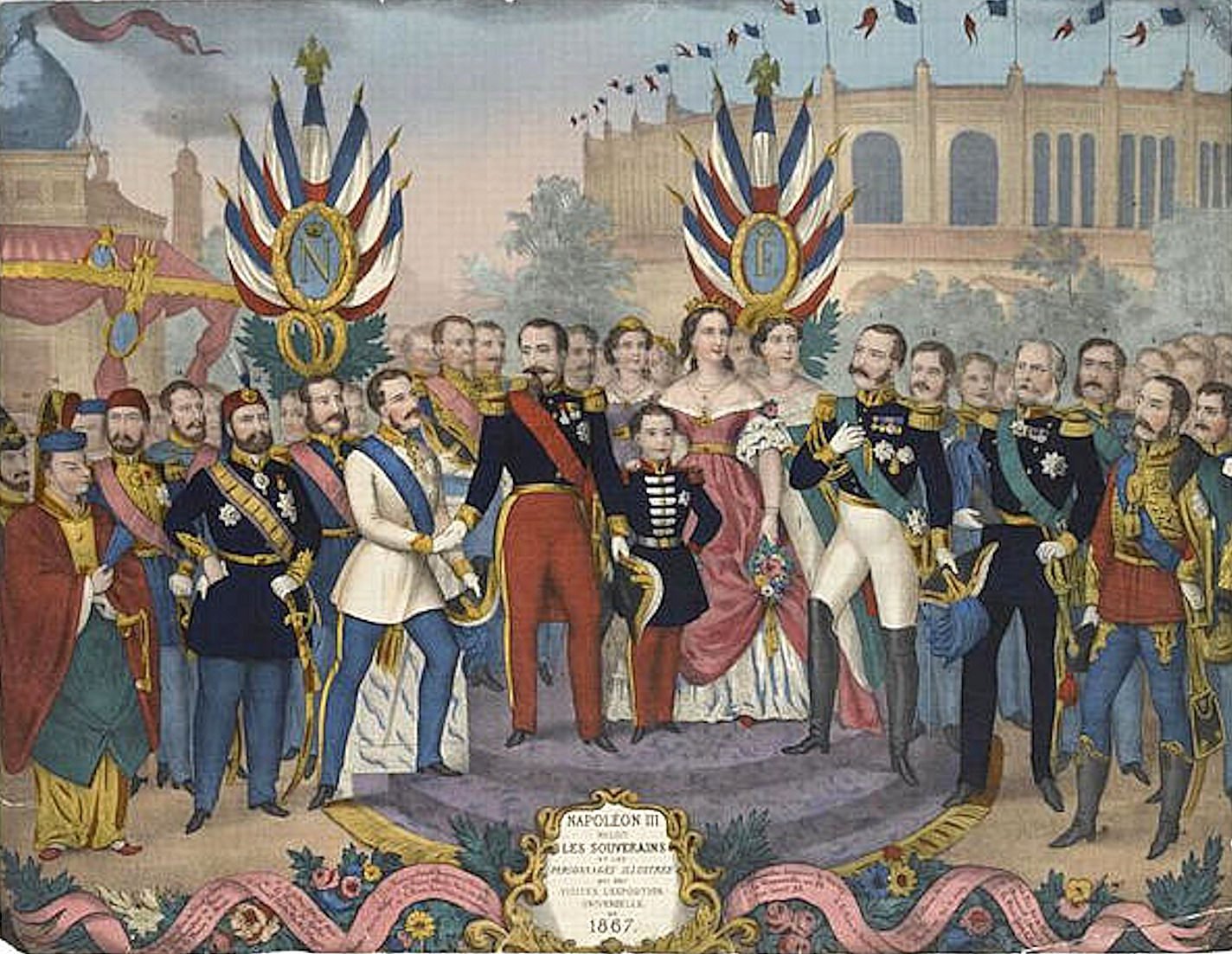
While we may often note that current society is changing at a breakneck speed, we do have to take note that this has happened before. Arguably, the 19th Century beats us at our own game on the fundamental-change level.

The 19th century was an era of rapidly accelerating scientific discovery and invention, with significant developments in the fields of mathematics, physics, chemistry, biology, electricity, and metallurgy that laid the groundwork for the technological advances of the 20th century. The Industrial Revolution began in Great Britain and spread to continental Europe, North America, and Japan. The Victorian era was notorious for the employment of young children in factories and mines, as well as strict social norms regarding modesty and gender roles.

The 19th century was characterized by vast social upheaval. Slavery was abolished in much of Europe and the Americas. The First Industrial Revolution, though it began in the late 18th century, expanding beyond its British homeland for the first time during this century, particularly remaking the economies and societies of the Low Countries, the RhinelandNorthern Italy, and the Northeastern United States. A few decades later, the Second Industrial Revolution led to ever more massive urbanization and much higher levels of productivity, profit, and prosperity, a pattern that continued into the 20th century.

The first electronics appeared in the 19th century, with the introduction of the electric relay in 1835, the telegraph and its Morse code protocol in 1837, the first telephone call in 1876,[2] and the first functional light bulb in 1878.[3] Society rapidly urbanized, bringing populations increasingly together into smaller spaces. The first notes of globalization brought influences from around the world to the same table, with varying results. From a Western perspective, the new cultures were ripe to be harvested. The Eastern-perspective, it presented new threats and cultural influence without precedent. The world, in fact, was becoming smaller.

The increasingly urbanization of Europe and the United States brought about new challenges to traditional aesthetics and behaviors. How does one distinguish oneself from a sea of common faces? What importance does a dwelling have and how does it become a home? An ever-evolving social hierarchy demanded that new styles, techniques and designs be invented — and quickly.

the Emergence of Decorative Arts

dec·o·ra·tive arts

/ˌdek(ə)rədiv ˈärts,ˌdekəˌrādiv ˈärts/

noun

plural noun: decorative arts; noun: decorative art

the arts concerned with the production of high-quality objects that are both useful and beautiful.

Ceramics, glassware, basketry, jewelry, metalware, furniture, textiles, clothing, and other such goods are the objects most commonly associated with the decorative arts. Many decorative arts, such as basketry or pottery, are also commonly considered to be craft, but the definitions of both terms are arbitrary.

The term “decorative arts” is not meant to be derogative. It was popular in the 70s to dismiss this as a “lesser” art and thankfully, we’ve decided collectively to rather group all functional art under the term “design.” The artists we discuss in our Fine Arts Collection are very much masters of fine art as well as exquisite craftspeople. I argue that decorative arts are actually more democratic and open to including fine art in our everyday life.

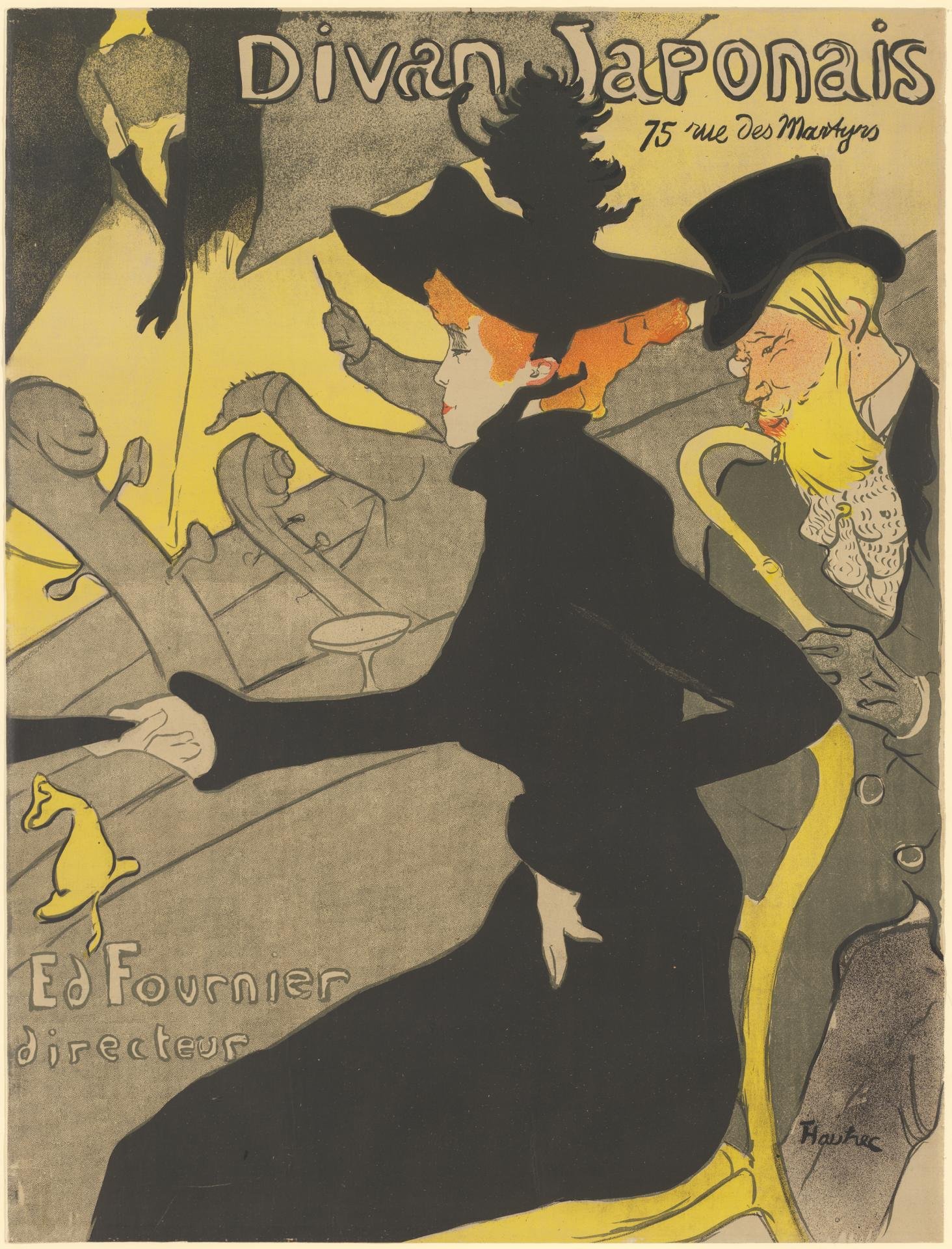
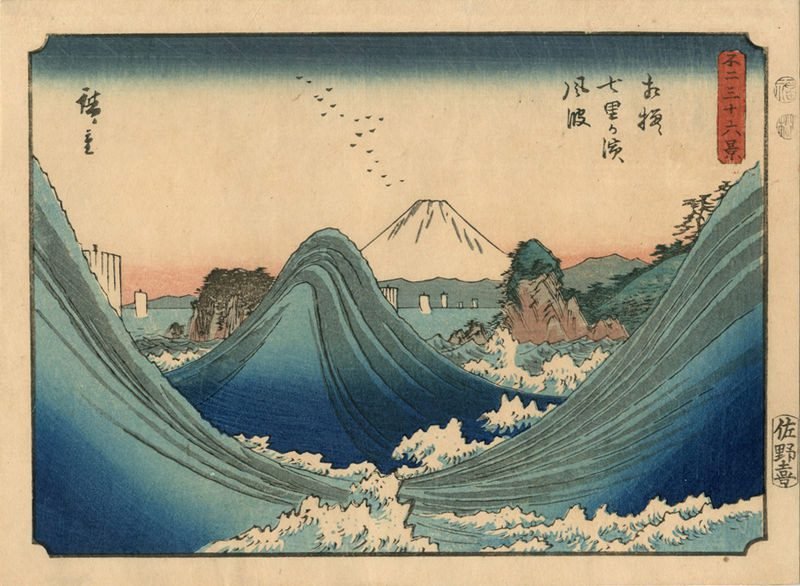
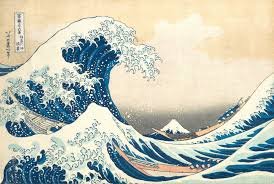
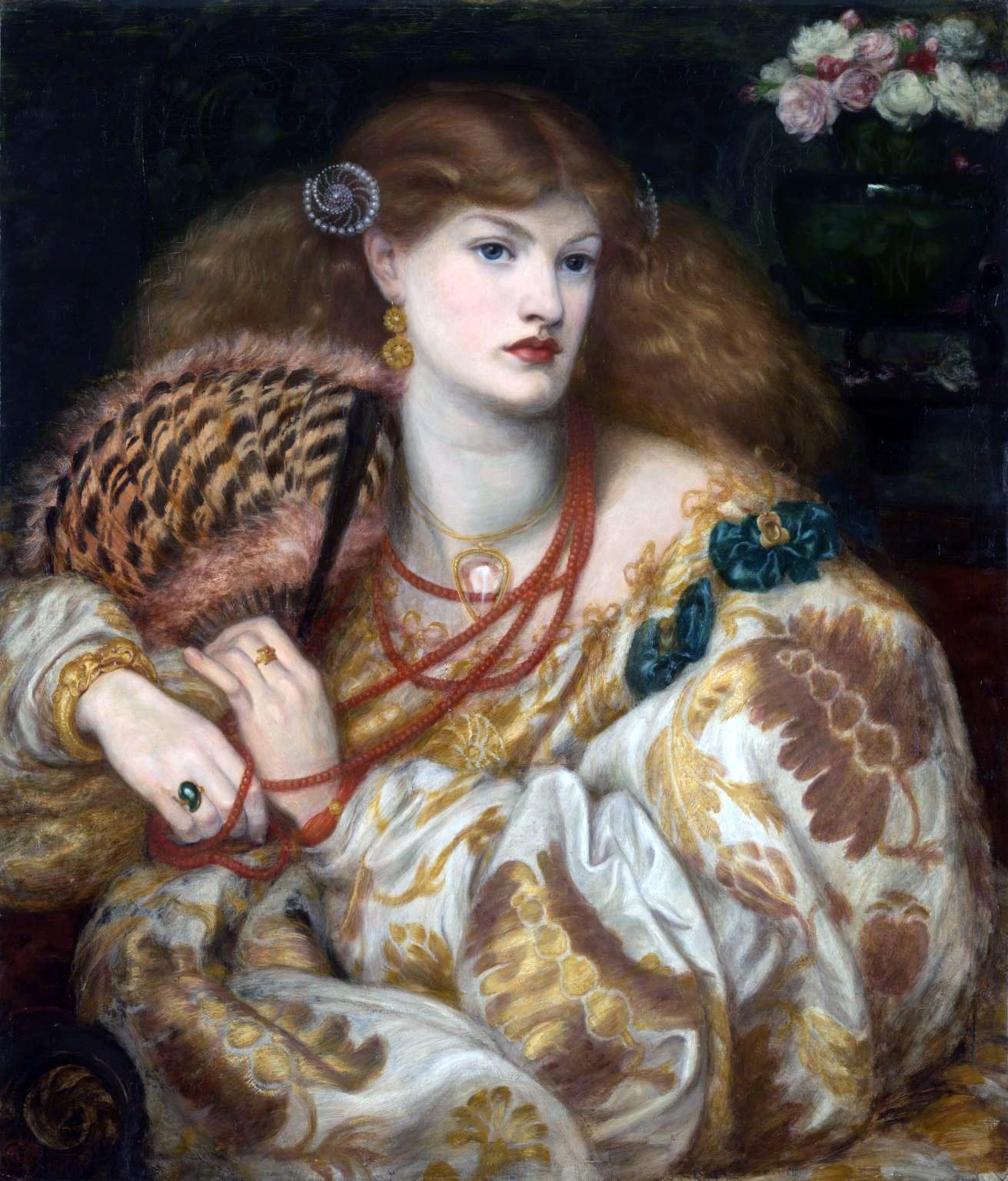
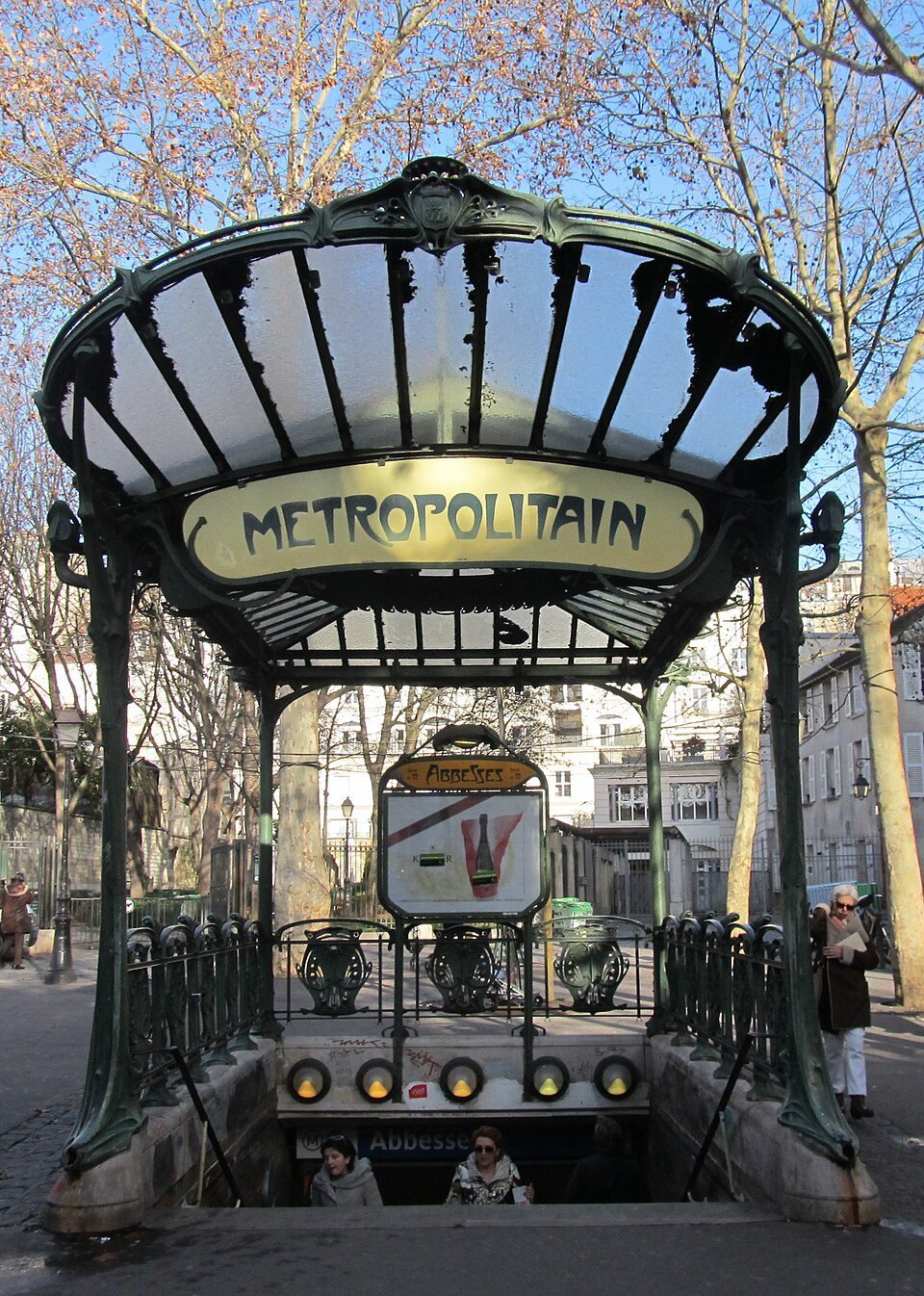
And then there’s “retro.” We constantly revisit previous eras to gain inspiration for our own, modern times. Likewise, The Victorian era is known for its interpretation and eclectic revival of historic styles mixed with the introduction of Asian and Middle Eastern influences in furniture, fittings, and interior decoration. The Arts and Crafts movement, the aesthetic movementAnglo-Japanese style, and Art Nouveau style have their beginnings in the late Victorian era and gothic period.

I’m specifically interested in a handful of artists who made a thoughtful, meaningful jump to bring arts to bear weight on everyday existence. We’ve talked about Racinet. And Morris. There are several dozen others including, Tiffany, Lalique, Tamara de Lempicka, Erté (a great article re: “the top 10” is here, click on it!) are among the most notable.

Owen Jones

In the opening chapter to his seminal work The Grammar of Ornament, Owen Jones stresses the fact that one of the universal qualities among humankind is the desire to make beautiful things. To illustrate this point, he uses the somewhat macabre example of a severed preserved head of a Maori warrior (mokomokai), then thought to be a woman, which was covered in an elegant pattern of facial tattoos. He admired it particularly for the harmonious way in which the responsible artist had married the tattooed lines with the natural shapes of the human face. Rather than concluding that ornament belongs purely to the primitive, as others would argue later, Jones realized through his confrontation with this ethnological specimen that the Maori possessed an innate understanding of beauty that was alien to modern Western society.

While Jones’s ideas slowly took root in art education over the following decades, which in turn influenced the development of new artistic movements such as Arts & Crafts and Art Nouveau, The Grammar of Ornament did not bring about a direct change in artistic practice. In fact, as Jones himself anticipated, we often find patterns and motifs from the book copied and applied to objects and interiors dating from the third quarter of the nineteenth century.

The Grammar was celebrated first and foremost for its outstanding folio-sized color lithographs, which represented the latest and most sophisticated innovations in the field of printmaking. Color lithography had been in use for several decades, but because each color was printed from a separate lithographic stone, most commercial publications were printed in a limited palette of three or four colors. Since color played a crucial role in Jones’s work, he took charge of the production himself and employed assistants to work out the patterns on lithographic stones, with certain plates requiring as many as twenty distinct stones. The high quality of Jones’s color plates quickly turned the luxurious first edition of the book into a collector’s item. Their appeal greatly outlasted Jones’s intellectual arguments, which were omitted altogether in the various posthumous editions, and facsimile reproductions published in the later nineteenth and twentieth century.

As a writer, I have to include at least one reference to literature when discussing art, fine or otherwise.

While he is now seen as the epitome of wit and sophistication, Oscar Wilde was prosecuted and was killed under the same Victorian culture that produced the mentioned artwork.

It is important to note that his trial (3 April 1895) indeed changed the very vocabulary he wrote in: English. Before his trial, there were homosexual acts, however one could not be homosexual. It was not a noun. It was unthinkable to call someone a “homosexual.” Certainly a “sodomite” but that’s a different word altogether. Your identity was not in question, your acts were. That changed from an adjective to a noun due to his trial.

In 2017, Wilde was among an estimated 50,000 men who were pardoned for homosexual acts that were no longer considered offences under the Policing and Crime Act 2017 (homosexuality was decriminalised in England and Wales in 1967). The 2017 Act implements what is known informally as the Alan Turing law.

Oscar Wilde’s Particular Aesthetic

Chief among the literary practitioners of decorative aestheticism was Oscar Wilde, who advocated Victorian decorative individualism in speech, fiction, and essay-form. Wilde’s notion of cultural enlightenment through visual cues echoes that of Alexander von Humboldt who maintained that imagination was not the Romantic figment of scarcity and mystery but rather something anyone could begin to develop with other methods, including organic elements in pteridomania.

By changing one’s immediate dwelling quarters, one changed one’s mind as well;  Wilde believed that the way forward in cosmopolitanism began with as a means eclipse the societally mundane, and that such guidance would be found not in books or classrooms, but through a lived Platonic epistemology. An aesthetic shift in the home’s Victorian decorative arts reached its highest outcome in the literal transformation of the individual into cosmopolitan, as Wilde was regarded and noted among others in his tour of America.

For Wilde, however, the inner meaning of Victorian decorative arts is fourfold: one must first reconstruct one’s inside so as to grasp what is outside in terms of both living quarters and mind, whilst hearkening back to von Humboldt on the way to Plato so as to be immersed in contemporaneous cosmopolitanism, thereby in the ideal state becoming oneself admirably aesthetical.

Fine Art Focus: Artist: Eugène Séguy & the pochoir method

Fine Art Focus: Artist: Eugène Séguy & the pochoir method

Emile-Allain Séguy, professionally known as E.A. Séguy, was a French designer during the Art Deco and Art Nouveau movements of the 1920s. He primarily created patterns and textiles inspired by the natural world. Because of his particular fascination with insects, he has been confused with Eugene Séguy, a French entomologist active during the same time period. However, it is Emile-Allain who created the popular Papillons and Insectes books, filled with illustrations of vividly colored butterflies and insects made using the pochoir—French for “stencil”—technique.

Simply stated, pochoir is the French word for stencil.  In the 1920’s and 30’s Art Deco era, the color  application process of the stencil was rejuvenated by the French, bringing color illustration processes for books and prints to new glorious heights.  This interest in exploring the stencil process came in reaction to the proliferation of machine printing and the poor quality of color reproductions in publishing.  With pochoir printing, the hand application of layers of pigment created dazzling effects that the camera or printing press could never replicate.  Earlier stencil works, typically used for decorative surface ornament were quite primitive, with applied color areas outlined by the supporting cutout framework.  New experimental techniques in pochoir refined the process using multiple layers of color applications for a single print.   Pochoir printing was also easily combined with images made by lithography, woodcut, wood engraving, line drawings, or etchings, thus turning a decorative technique into fine art.  Jean Saudé was one of the foremost artists to explore and promote pochoir techniques and his treatise, Traité d’Enluminure d’Art au Pochoir, published in 1925 did much to further this art form.

the Pochoir Method

With pochoir, a hand painted fashion plate, decorative or interior design, or illustration to be duplicated was carefully analyzed to determine each color layer.  Often, but not always, an outline of the image was printed as a black and white lithograph and served as a base layer, especially in the design and fashion portfolios.  In many interior illustrations, a line drawing or even a half-tone photograph was lithographed as the base layer. Each succeeding layer of color was then printed over the black and white litho layer.  Depending on how intense the lithograph layer was, it would either be incorporated fully in the final image or be invisible and serve only as a guide to the image layout.

Separate stencils were cut, sometimes in thin sheets of copper, zinc, or aluminum, for every color component.  Later stencil materials were made of celluloid or plastic and contemporary stencil materials are made of coated paper or acetate.  Each successive color layer, using watercolor or gouache, was applied to the stencil with a brush called a pompon.  Pigment on the brush could not be thick or runny, as paint could easily slide underneath the stencil and change the shape of the image. Therefore, it was necessary to really blot the pigment on the brush before applying it to the stencil and in the case of watercolor images, this was even more critical. Skilled printers could achieve incredibly subtle details using gradation and stippling, spattering or even simply drawing additional details with a small brush on the final layer.  Sometimes as many as 100 stencils were used to recreate a single image, and the resulting print was surprisingly rich and detailed.

Entirely non mechanised, pochoir was both an intensive and highly luxurious way of producing images, one which suited perfectly the elegance and extravagance of the Art Nouveau and Deco fashion journals that were the source of its enormous popularity from the early 1900s to the glistening Jazz age. Artist-cum-designers, such as George Barbier and Sonia Delaunay, published their costume and textile designs in rich, luminescent pochoir folios, lending a lavish air of the haute couture to each new illustration, while everyone from bespoke furniture and wallpaper producers to high-end architects produced catalogues of exorbitantly expensive products for their endlessly wealthy clients.

Publications

Seguy produced eleven albums of nature themed illustrations and patterns, drawing inspiration from papillons and other insects, flowers, foliage, crystals and animals. Seguy was one of few artists that successfully combined both Art Deco and Art Nouveau styles in his work. His brightly colored geometric patterns were intended to be used as inspiration for such decorative items as textiles and wallpaper.

Dover Publications reproduced Seguy’s albums in a book entitled Seguy’s Decorative Butterflies and Insects in Full Color. The publisher had this to say about Seguy: “His aim was to make available dozens of examples of extremely colorful exotic animals that had been unjustly neglected by occidental decorative artists because of their rarity in life and in illustration. It is interesting to note that Seguy, while confident that butterflies would be readily accepted, made the special plea for the other insects that were constructed like wonderful machines and were thus entitled to the same consideration as an airplane fuselage, an ocean liner or locomotive; nature was a successful industrial designer!”

Seguy’s albums were created using a unique printing process called pochoir, which was popular in France at the turn of the 20th century. Pochoir is a process that utilizes the method of applying pigment to paper through the use of stencils. First, the artist created an image in watercolor or gouache. The design was then analyzed to determine the necessary colors and number of stencils needed. The stencils could be cut from any number of materials, including copper, zinc, oiled cardboard, or celluloid. The paint was applied through the stencils by brushes or pompons. The prints were produced entirely by hand assembly line style, and each one was individually examined and approved upon completion.

While simple in concept, pochoir could become quite complex in practice, with some images requiring the use of 100 or so stencils to produce a single print. The technique was regularly used to produce plates in French fashion journals as well as being used to illustrate industrial design, textile, interiors, and architecture folios.

Sources: Miami University

the Flora Glassware COLLECTION: Konan Tanigami (1879-1928)

the Flora Glassware COLLECTION: Konan Tanigami (1879-1928)

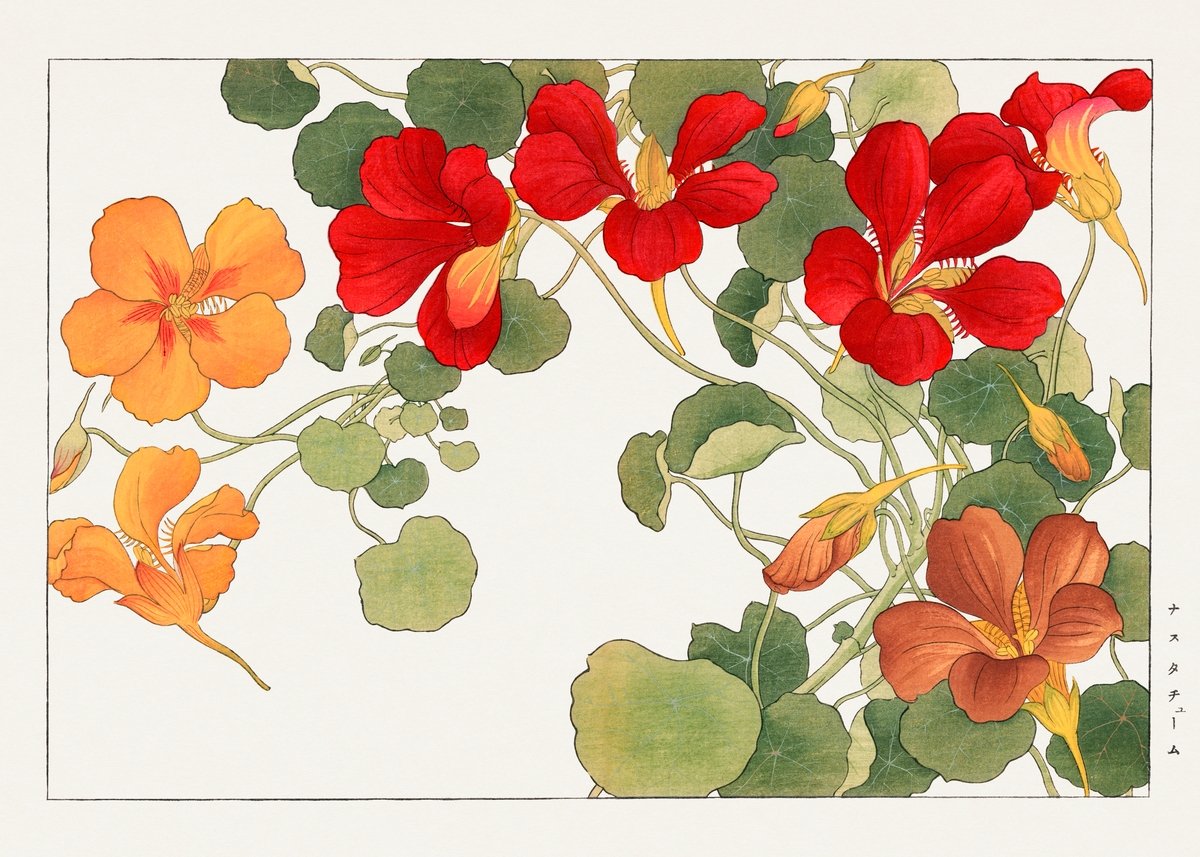
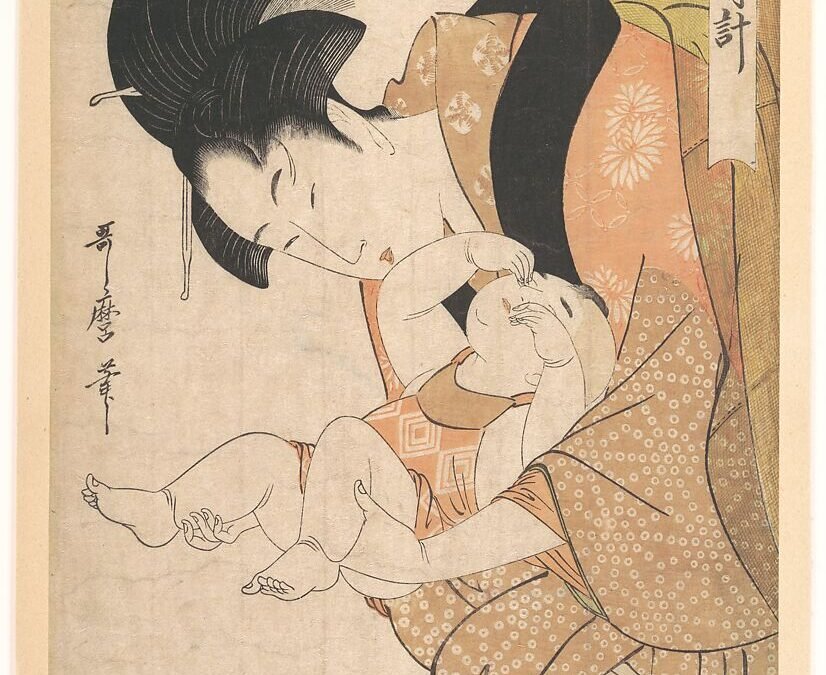
These items display stunning floral imagery, following the tradition of Japanese kacho-e (depictions of flowers and birds). 

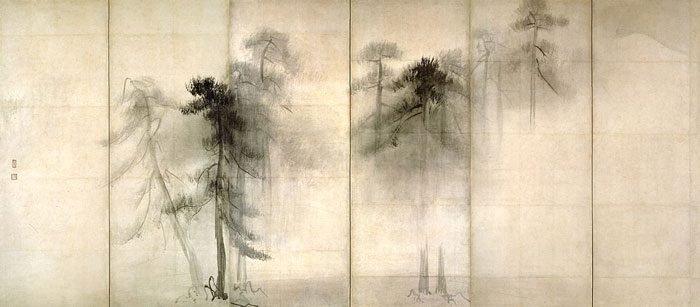
Konan Tanigami, a prominent Nihon-ga artist from 1879 to 1928, is celebrated for his exceptional contributions to the Kacho-e genre, which focuses on the intricate depiction of birds and flowers. Notably, he distinguished himself as the first Japanese artist to incorporate Western flowers into his work, bridging the gap between traditional Japanese aesthetics and Western botanical subjects. His innovative approach not only enriched the Kacho-e tradition but also opened new avenues for artistic expression in Japan.

Early Life and Education

Tanigami Konan, born in 1879 in the historical city of Nagoya, Japan, grew up surrounded by the rich cultural tapestry that defined the Meiji era. He was drawn to art from a young age, enrolling in the Kyoto School of Arts where he honed his skills in traditional Nihon-ga techniques. Under the guidance of renowned mentors, Konan developed a keen eye for detail, allowing him to bring a sense of vibrancy to his subjects.

Career Highlights and Milestones

Konan’s artistic journey flourished as he became recognized for his innovative approach to Kacho-e, a genre focused on birds and flowers. His career spanned several decades, during which he not only exhibited widely but also became the first Japanese artist to dive into the world of Western flowers. This daring endeavor, along with his participation in international exhibitions, let the world know that Japanese art was not a solitary island but a bridge connecting diverse natural beauty across oceans.

Definition and Characteristics of Kacho-e

Kacho-e is basically the beautiful lovechild of birds and flowers, taking center stage in the Nihon-ga (Japanese painting) scene. Characterized by delicate brushwork and a focus on natural beauty, Kacho-e pieces often highlight seasonal blooms and graceful wildlife. Imagine a serene setting, where a sparrow is perched on a cherry blossom branch—poetry in visual form. The detail is so fine, it’s like the artist had a mini microscope while painting!

Historical Context of Kacho-e in Japanese Art

Emerging during the Edo period, Kacho-e became a stylish staple for art lovers, reflecting the shifting interests of Japanese society. Capitalizing on the West’s fascination with Japanese culture, Kacho-e blossomed in popularity, often embodying a meditative relationship between nature and humanity. So, while Konan painted Western flowers, he was also part of a long tradition that appreciated the beauty of nature—albeit with a modern twist.

Integration of Western Flora into Traditional Techniques

Konan’s reputation as a daring innovator is well-earned, especially when it comes to his approach to Western flowers. He didn’t just dip his toes into unfamiliar waters; he cannonballed right in! Blending the intricate techniques of Nihon-ga with vibrant blooms like roses and daisies, he created an exciting fusion that made flower arrangements feel fresh and new. His work often had viewers wondering, “Is that a bouquet from my garden or the pages of a Western floral catalog?”

Comparison with Contemporary Artists

While many of his contemporaries timidly stuck to traditional Japanese flora, Konan boldly ventured into the uncharted territory of Western botanicals. Artists like Takehisa Yumeji were also experimenting, but none quite captured the same flair for floral diversity as Konan. His ability to intermingle Western aesthetics with Eastern sensibility set him apart, making him a trendsetter in a field that was still finding its footing in a rapidly changing artistic landscape.

Nature and Its Representation in Konan’s Work

If there’s one thing that defines Konan’s art, it’s his deep connection with nature. Every brushstroke seemed to whisper an ode to the delicate balance of flora and fauna. With a penchant for detail, his pieces captured not just the visual appeal but also the essence of the natural world. Whether it was the play of light on petals or the rustle of leaves, Konan’s paintings felt alive, as if nature was right there in the room with you.

Western Art Movements and Their Impact

The early 20th century was a melting pot of artistic movements, and Konan wasn’t immune to their influence. The Impressionists, with their focus on light and color, left a mark on him, perhaps inspiring his vivid interpretations of Western flowers. Additionally, the Arts and Crafts movement’s emphasis on nature and craftsmanship resonated with his artistic philosophy. This cross-pollination of ideas allowed Konan to create artwork that was a harmonious blend of Eastern and Western aesthetics, proving that art truly knows no boundaries.

Notable Paintings and Their Significance

Tanigami Konan’s portfolio features an impressive array of paintings that boast a harmonious blend of traditional Japanese aesthetics and Western botanical influences. His work, such as “Peonies and Birds,” exemplifies this unique fusion, showcasing not just the beauty of the depicted flowers but also a meticulous attention to detail that invites viewers to appreciate the harmony of nature. Konan’s ability to illustrate Western blooms with the grace typical of Kacho-e art not only expanded the thematic repertoire of Nihon-ga but also sparked conversations about Japan’s engagement with globalization in the early 20th century.

Innovations in Technique and Style

Konan wasn’t just a pretty face in the art world; he was a trailblazer. His innovative use of color and texture reflected his keen observation of natural forms, elevating the Kacho-e genre. Embracing techniques such as layering and the incorporation of new pigments from Western sources, he created works that were more vivid and lifelike than ever before. This innovation didn’t just set a new standard; it redefined how Japanese artists approached floral and avian subjects, ushering in a fresh era of aesthetic exploration.

Influence on Future Generations of Artists

The ripples of Konan’s artistic contributions can be felt even today. Many contemporary artists cite him as an inspiration for their own explorations of nature and the interplay between Eastern and Western art techniques. His fearless approach encourages new generations to experiment with their styles, bridging traditional forms with modern expressions, and invites a re-examination of cultural identity through art.

Preservation and Recognition of His Work Today

Today, Konan’s works are more than just beautiful images; they are treasured artifacts representing the evolution of Japanese art. Museums and galleries around the globe recognize his contributions, often featuring his works in exhibitions that highlight the dialogue between East and West. Art enthusiasts and scholars alike are increasingly dedicated to preserving his legacy, ensuring that the vibrant colors and intricate details of Konan’s flora will continue to flourish for future generations.

Major Exhibitions During His Lifetime

During his lifetime, Tanigami Konan’s works were showcased in several high-profile exhibitions, drawing significant attention and acclaim. His participation in the 1910 Japan-British Exhibition introduced Western audiences to his unique vision and helped establish his reputation as a leading Kacho-e artist. These exhibitions paved the way for broader appreciation of Japanese art, allowing Konan to stand confidently in the spotlight of an evolving art scene.

Posthumous Recognition and Awards

Even after his passing in 1928, Konan’s art has continued to gain recognition. Various art institutions have posthumously honored his work through exhibitions and special collections that celebrate his contributions to the Nihon-ga movement. Additionally, awards recognizing his influence on the Kacho-e genre further cement his status as a pivotal figure in the history of Japanese art. 

Fine Art Focus: Joan Miró

Fine Art Focus: Joan Miró

Joan Miró Ferra was born April 20, 1893, in Barcelona. At the age of 14, he went to business school in Barcelona and also attended La Lonja’s Escuela Superior de Artes Industriales y Bellas Artes in the same city. Upon completing three years of art studies, he took a position as a clerk. After suffering a nervous breakdown, he abandoned business and resumed his art studies, attending Francesco Galí’s Escola d’Art in Barcelona from 1912 to 1915. Miró received early encouragement from the dealer José Dalmau, who gave him his first solo show at his gallery in Barcelona in 1918. In 1917 he met Francis Picabia.

The Tilled Field (La terre labourée), Joan Miró (1923)

Miró’s spirited depiction of The Tilled Field also has political content. The three flags—French, Catalan, and Spanish—refer to Catalonia’s attempts to secede from the central Spanish government. Primo de Rivera, who assumed Spain’s dictatorship in 1923, instituted strict measures, such as banning the Catalan language and flag, to repress Catalan separatism. By depicting the Catalan and French flags together, across the border post from the Spanish flag, Miró announced his allegiance to the Catalan cause.

Guggenheim New York

Miró made his first trip to Paris, where he met Pablo Picasso. From this time, Miró divided his time between Paris and Montroig, Spain. In Paris he associated with the poets Max Jacob, Pierre Reverdy, and Tristan Tzara and participated in Dada activities. Dalmau organized Miró’s first solo show in Paris, at the Galerie la Licorne in 1921. His work was included in the Salon d’Automne of 1923. In 1924 Miró joined the Surrealist group. His solo show at the Galerie Pierre, Paris, in 1925 was a major Surrealist event; Miró was included in the first Surrealist exhibition at the Galerie Pierre that same year.
Miró left Spain because of the civil war; he returned in 1941. Also in 1936 Miró was included in the exhibitions Cubism and Abstract Art and Fantastic Art, Dada, Surrealism at the Museum of Modern Art, New York. The following year he was commissioned to create a monumental work for the Paris World’s Fair.

During the 1960s he began to work intensively in sculpture. Miró retrospectives took place at the Musée National d’Art Moderne, Paris, in 1962, and the Grand Palais, Paris, in 1974. In 1978 the Musée National d’Art Moderne exhibited over five hundred works in a major retrospective of his drawings.

Miró died on December 25, 1983, in Palma de Mallorca, Spain.

Fine Art Focus: László Moholy-Nagy 

Fine Art Focus: László Moholy-Nagy 

László Moholy-Nagy was a Hungarian painter and photographer as well as a professor in the Bauhaus school. He was highly influenced by constructivism and a strong advocate of the integration of technology and industry into the arts. The art critic Peter Schjeldahl called him “relentlessly experimental” because of his pioneering work in painting, drawing, photography, collage, sculpture, film, theater, and writing.

He also worked collaboratively with other artists, including his first wife Lucia Moholy, Walter Gropius, Marcel Breuer, and Herbert Bayer.

His largest accomplishment may be the School of Design in Chicago, which survives today as part of the Illinois Institute of Technology, which art historian Elizabeth Siegel called “his overarching work of art”. He also wrote books and articles advocating a utopian type of high modernism.

Explore all Artists in this Collection: