
The Thanksgiving Table
Set the table
like a gallery
Art you can live with, serve on, and give.
Every holiday meal has a moment when the food hasn't arrived yet and everyone is just looking at the table. That's your opening.
A table dressed with a Paul Klee landscape, a page from Owen Jones's color theory, or a Bauhaus textile gives your guests something to talk about before the first plate is passed.
At cgk.ink, we pair each piece with the art or artist behind it, so a tablecloth or a glass comes with a story your guests can repeat. Here's how to build a holiday table from the cloth up, plus what to give the person who is hosting this year.
Start with the cloth
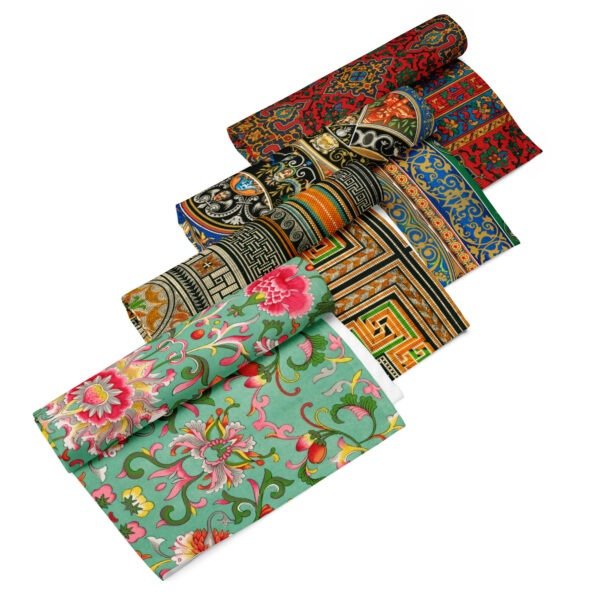
A tablecloth is the largest canvas on the table, and it sets the mood for everything else. Our four tablecloths draw on very different traditions, and each pairs with a runner down the middle.
Tablecloths
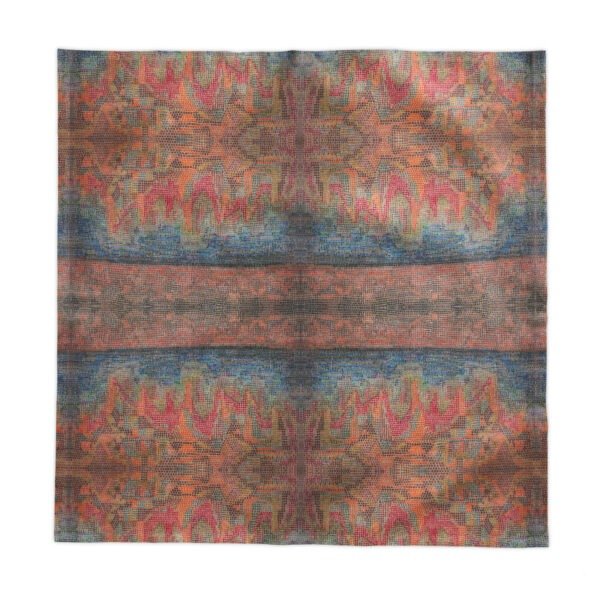
Paul Klee: Cliffs by the Sea Tablecloth
Painterly and calm, with the quiet color of early modernism. 100% cotton twill · 58″×58″ or 58″×102″
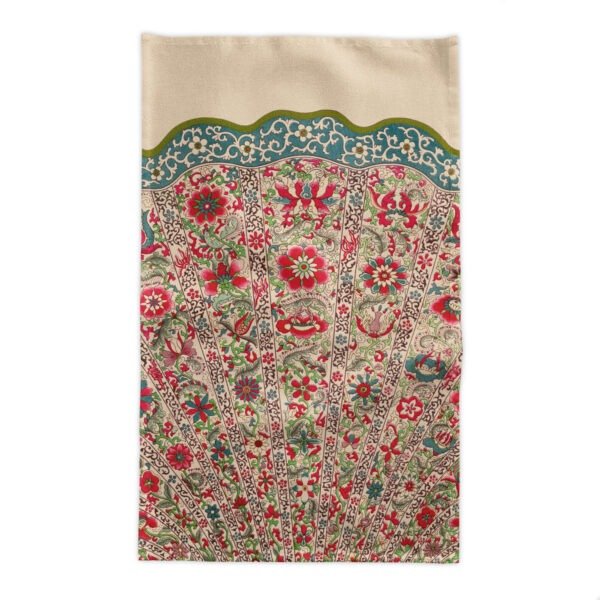
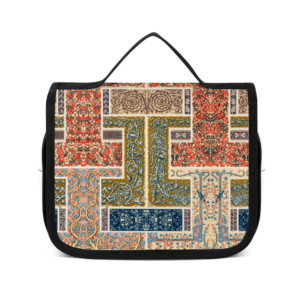
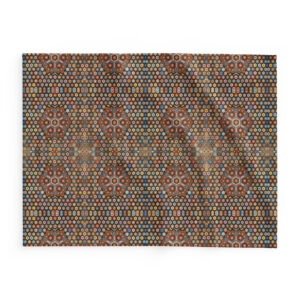
Ornament and geometry from one of the great pattern theorists. 100% cotton twill · 58″×58″ or 58″×102″
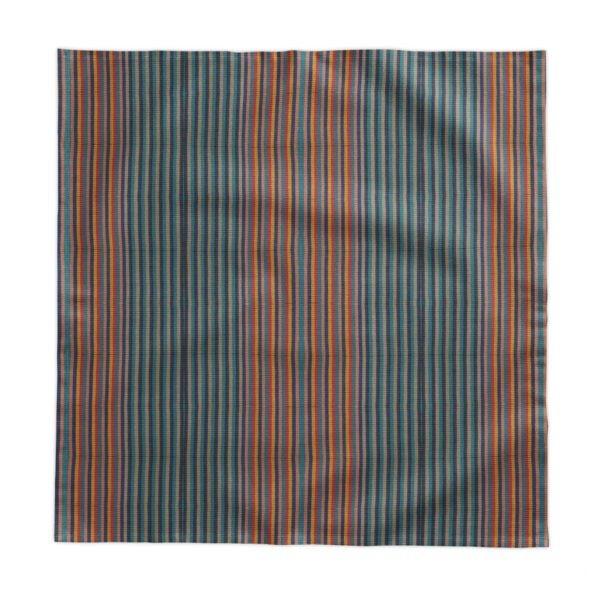
Graphic, rhythmic and modern, for a table that feels more studio than showroom. 100% cotton twill · 58″×58″ or 58″×102″
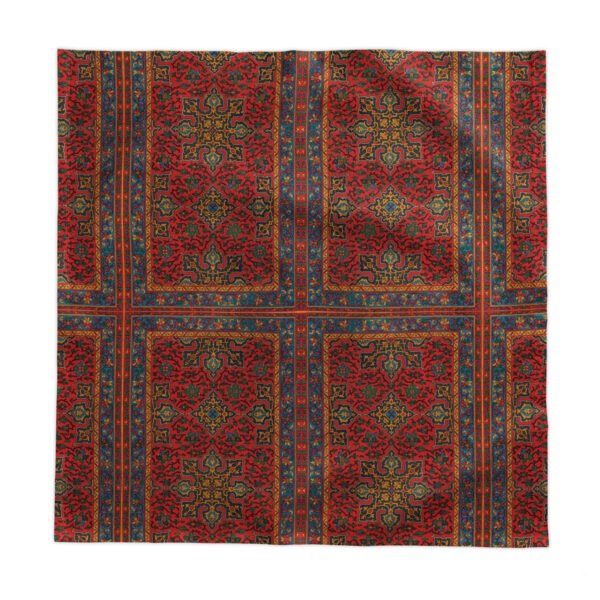
La Décoration Arabe (1885): Deep Crimson Tablecloth
Drawn from Emile Prisse d'Avennes. Rich and festive without a single reindeer. 100% cotton twill · 58″×58″ or 58″×102″
Table runners
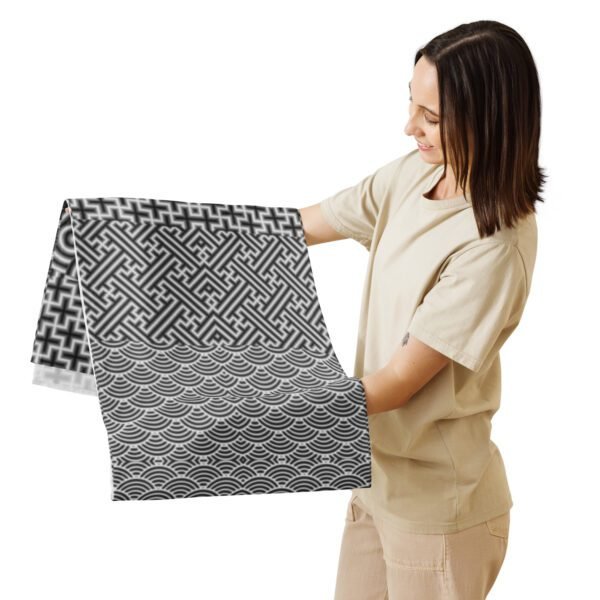
Black and White Sashiko (刺し子) Table Runner
Japanese sashiko pattern · 100% polyester · 90″×16″
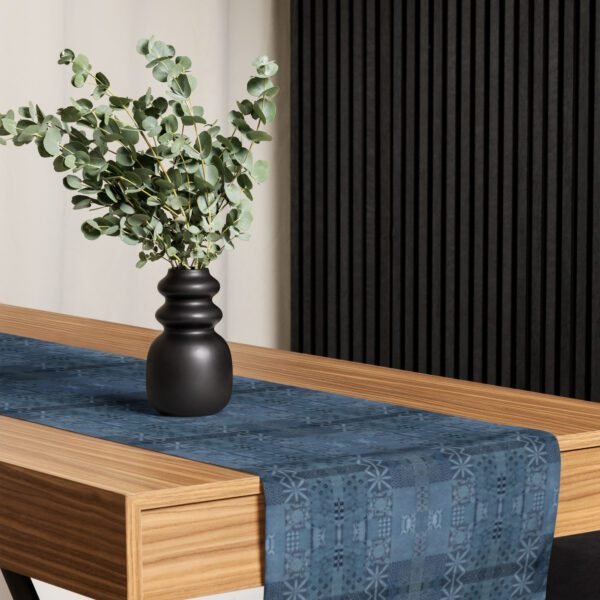
Blue Tiled Stream Sashiko (刺し子) Table Runner
Japanese sashiko pattern · 100% polyester · 90″×16″
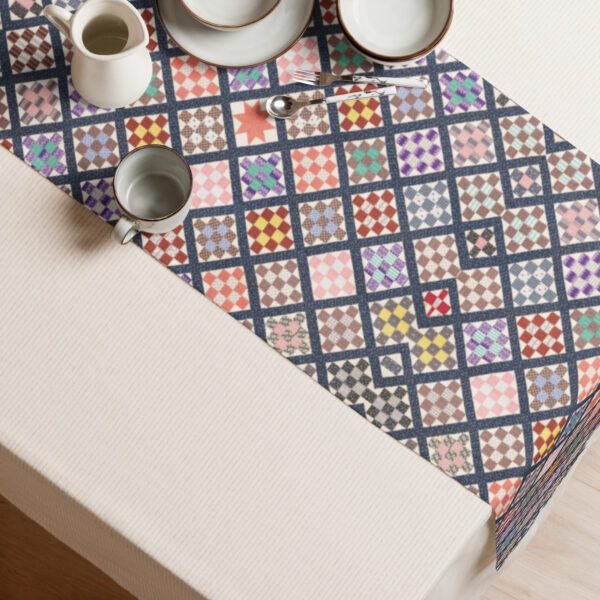
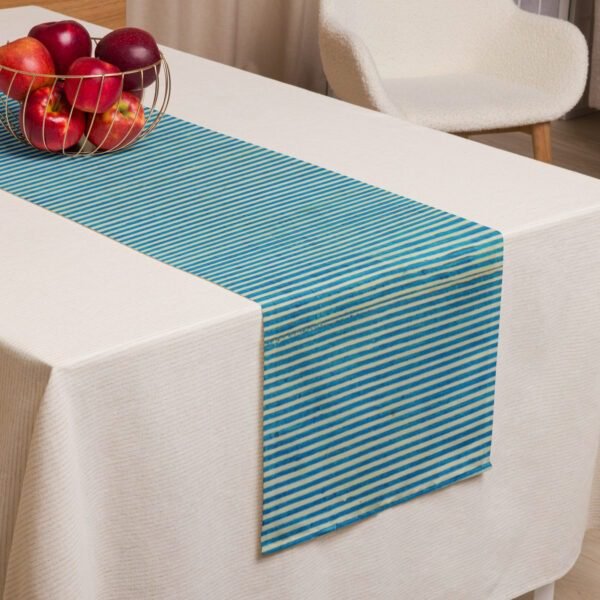
Styling tip: Let one pattern lead. If the tablecloth is busy, keep the napkins and glassware quieter. If you choose a calm cloth, let the placemats and glasses carry the color.
Explore every cloth, runner & more
Tablecloths, runners, placemats, napkins and glassware, all in one collection.
Layer in placemats & napkins
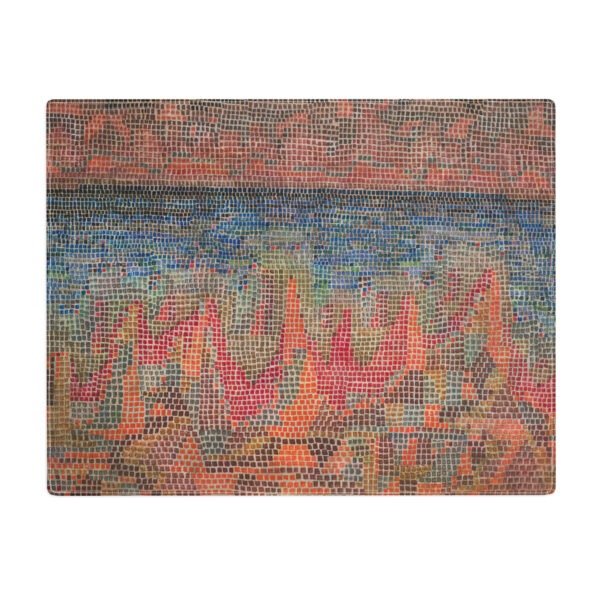
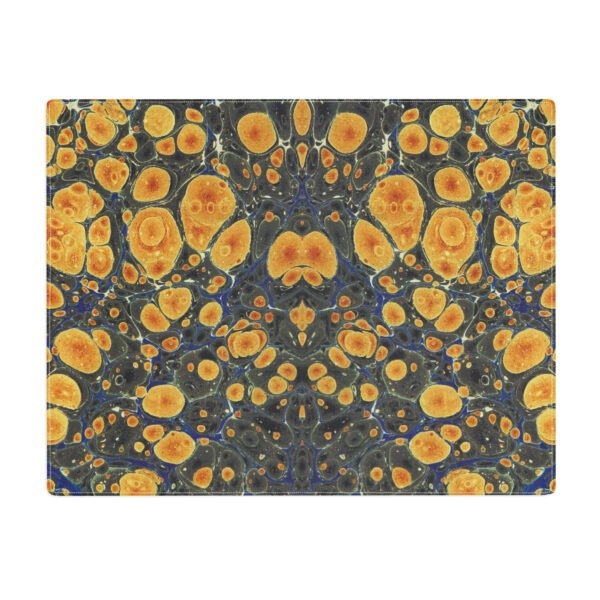
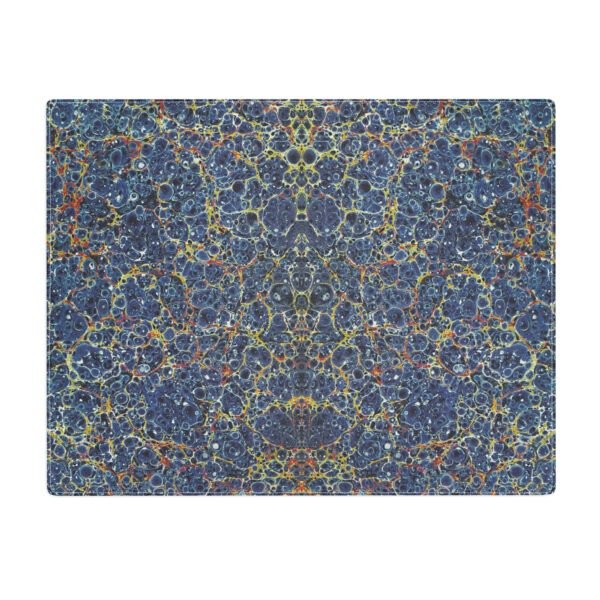
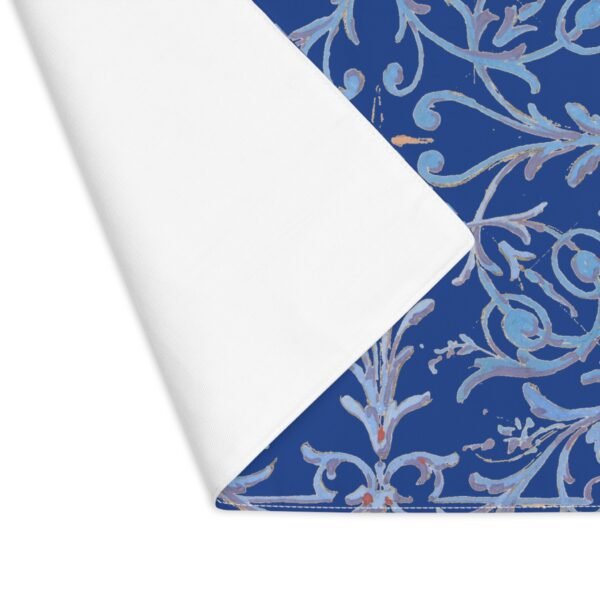
Not ready to commit a whole table to a pattern? Placemats let you introduce art one seat at a time, and they're easy to mix across a set.
Placemats
Cloth napkins
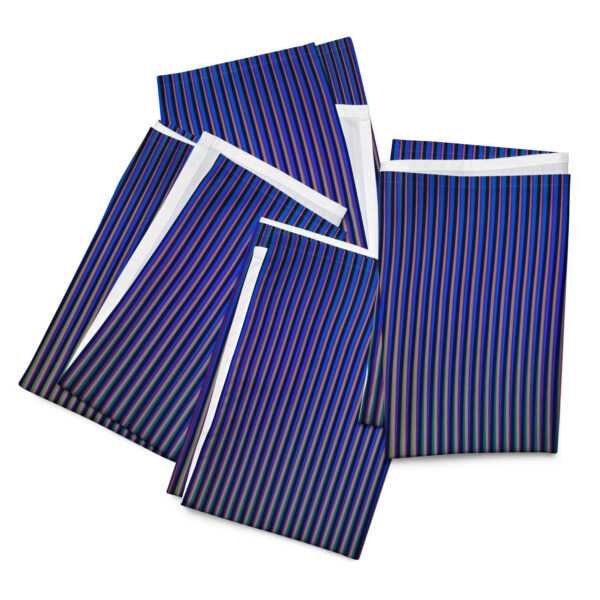
Cloth napkins are one of the easiest swaps toward a less disposable holiday, and a set of four is a practical gift on its own.
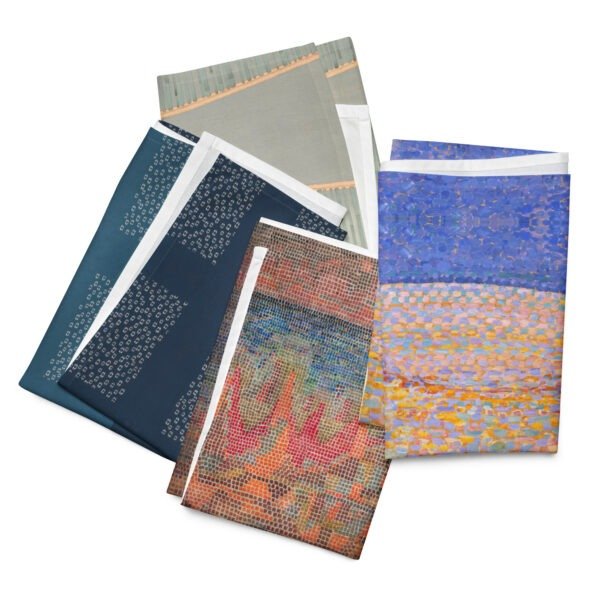
Abstract Patterns Cloth Napkin Set of 4
Set of 4 · 20″×20″ · 100% polyester broadcloth
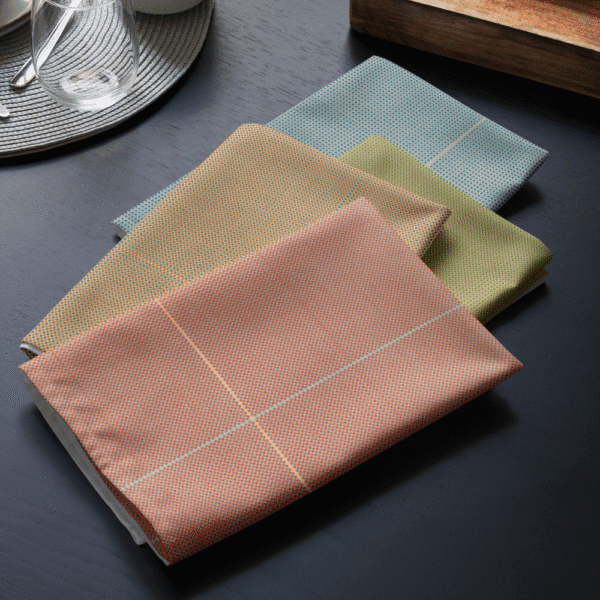
Imminent Spring Cloth Napkin (Set of 4)
Set of 4 · 20″×20″ · 100% polyester broadcloth
See every placemat & napkin set
There are more patterns, place settings and runners waiting in the full Tableware collection.
Pour into something with a story
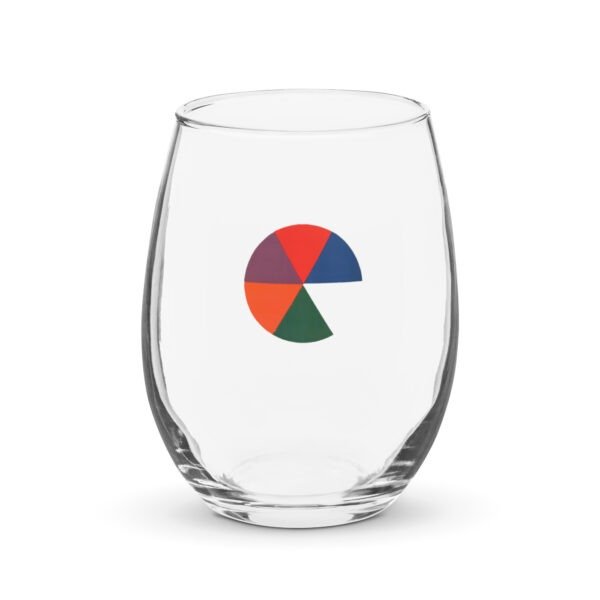
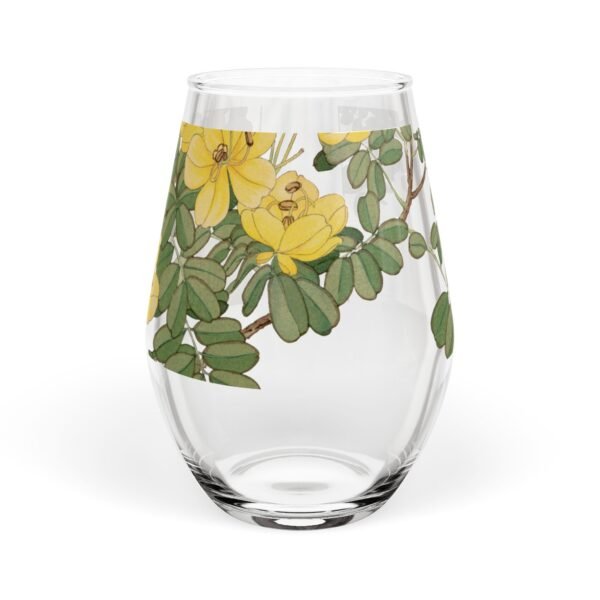
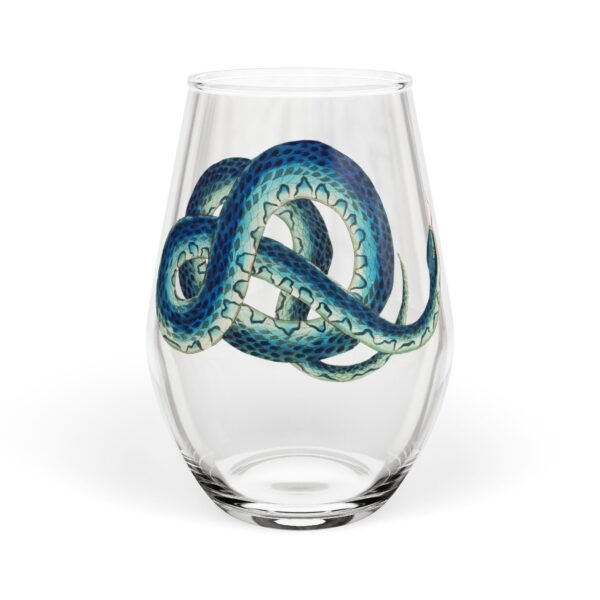
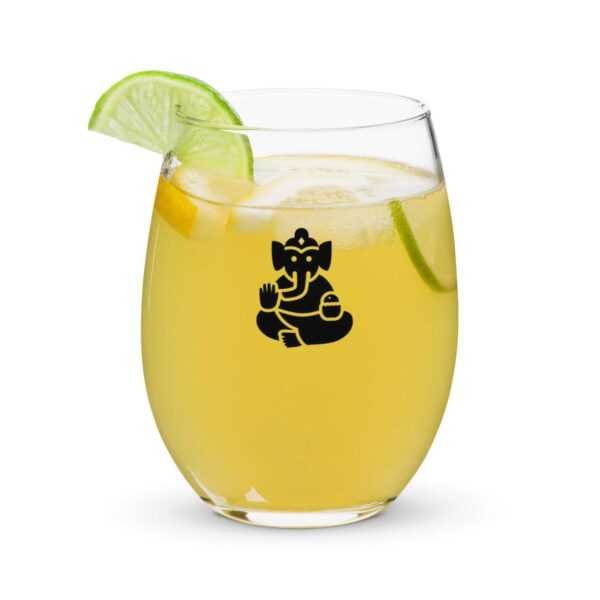
Our stemless wine glasses are the workhorse of the holiday table: no stems to knock over, easy to stack, and each one carries a different image.
Glassware offer: buy any 4 or more glassware items and get 15% off your pre-tax total, applied automatically at checkout.
Stemless wine glasses
For the cocktail hour
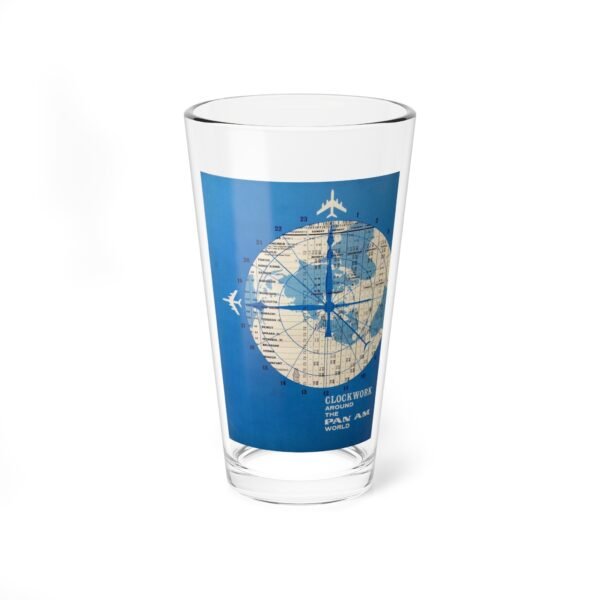
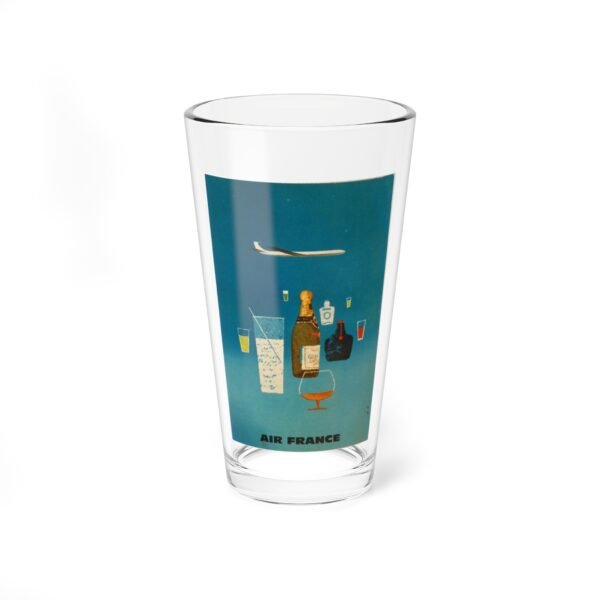
The mixing glasses are a good pick for the traveler who has everything.
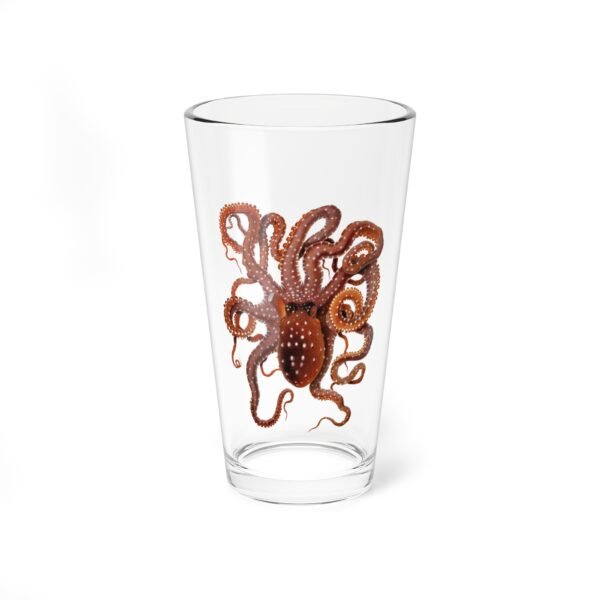
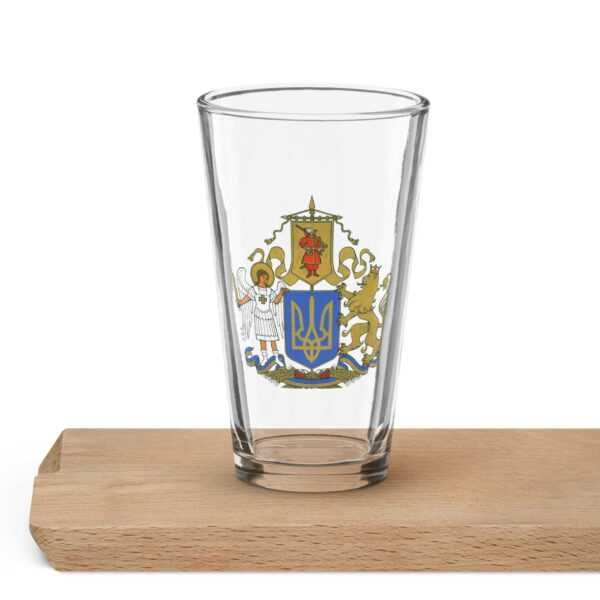
Explore the whole bar cart
Stemless wine glasses, pint and shaker glasses, rocks glasses and specialty barware. Buy any 4 and 15% comes off automatically.
Gift ideas for the host
Arriving with a bottle is fine. Arriving with something that lasts past January is better. Eight combinations that work:
The easy host gift
One stemless wine glass plus a set of cloth napkins, about $50.
The art lover
A Paul Klee placemat set, with a note about the painting behind it.
Or go bigger: the Klee tablecloth
The entertainer
A tablecloth and a pair of mixing glasses, ready for next season's party.
The traveler
The Air France or World Map mixing glass, which pairs well with our travel gear.
The modernist
A Bauhaus Textiles tablecloth for the host who likes clean geometry.
The garden lover
A glass that wraps a band of yellow blooms around the bowl, with a matching yellow placemat.
The ocean lover
Two sea creatures for the cocktail cabinet. Buy 4 or more glasses and 15% comes off automatically.
The pattern lover
An Owen Jones tablecloth, with napkins to match its ornament.
Find the right gift for everyone on your list
Our Holiday Gift Guide sorts the whole shop by the person you're buying for, and the Home collection has the rest of the table.
Order by
December 12, 2026
That's the date to have gifts arrive before December 25. Shipping times vary by item, so check the estimate on each product page. Express delivery may be available at an additional cost, so get in touch if you're close to the deadline.
Join our email list to hear about new arrivals before they're announced anywhere else.
cgk.ink is a curated shop based in downtown Los Angeles, and a Stripe Climate member.