
Paper has been carrying gifts since roughly 105 A.D. in China — but in Japan, the wrapping stopped being packaging and became part of the message. A gift arrives folded, pleated, or bound in cloth long before anyone knows what's inside, and that first impression is doing real work: it tells the receiver how they're seen, before a single word is spoken.
In Japanese gift-giving, the wrap isn't there to hide the present — it's there to set up the reveal. Etiquette even dictates that a gift shouldn't be opened in front of the giver except among close family; the unwrapping is its own private moment, and the wrapping is what makes the wait worth it.


Every choice in a Japanese gift wrap is a small piece of vocabulary. Color signals intent, folds signal feeling, and nothing is left to chance. Three conventions come up again and again:
- Pleating — an odd number of pleats reads as a wish for joy.
- Yin & Yang — pairing two contrasting materials nods to balance, the interdependence of opposing forces.
- Asymmetry — a deliberately uneven wrap is considered more beautiful than a perfectly even one.
Wrap It Like You Mean It


Our art-inspired papers and cloths are built for this kind of wrapping — bold enough to carry the pattern, soft enough to fold clean. Explore the decorative papers, furoshiki cloths, and stationery in the shop.
Shop Giftwrap & Papers


Tsutsumi, or Origata
Tsutsumi — to cover, conceal, or wrap — is the art of folding paper or cloth around a gift without ever cutting it. Everything happens through pleating, folding, and tying, traditionally in handmade washi paper, often borrowing techniques straight out of origami.
The goal isn't full concealment — it's a hint. High-grade tea, a common Japanese gift, is often wrapped so a strip of red paper peeks through a slit, glimpsed under a translucent overlay: enough to tell you what's coming, not enough to spoil it. The exact style — paper, fold, color — shifts with the recipient, the occasion, and the season, governed by rules refined over centuries.
Furoshiki
Furoshiki wraps the gift in cloth instead of paper — a technique that started as a way to carry clothes to the bathhouse and evolved into one of the most versatile wrapping methods there is. One square of cloth adapts to birthdays, weddings, holidays, even grocery runs, and folds flat for the next use. There's even a fold built specifically to carry two bottles at once.
Japan's Ministry of the Environment has actively promoted furoshiki as a paper-saving habit — proof that the most elegant option and the more sustainable one aren't always in conflict.
Showing all 22 resultsSorted by latest
-

Gilded Arc Wrapping Paper
Price range: $12.00 through $17.00 -

Central Arc Wrapping Paper
Price range: $12.00 through $17.00 -
 -15%
-15%Brougham Cerise Wrapping Paper
Price range: $12.00 through $14.45 -

Helix Wrapping Paper
Price range: $12.00 through $17.00 -

Flora Wrapping Papers
Price range: $8.00 through $28.00 -
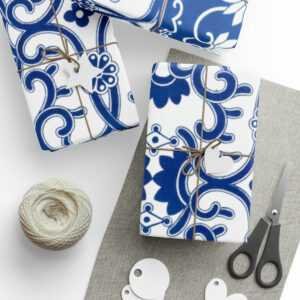
Blue Porcelain Wrapping Papers
Price range: $8.00 through $28.00 -

Winter Cherry Blossom Wrapping Papers
Price range: $8.00 through $28.00 -

Snowy Sakura Wrapping Papers
Price range: $8.00 through $28.00 -
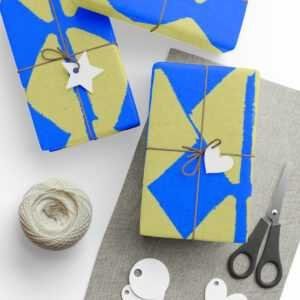
Blue Blocks Wrapping Papers
Price range: $8.00 through $28.00 -
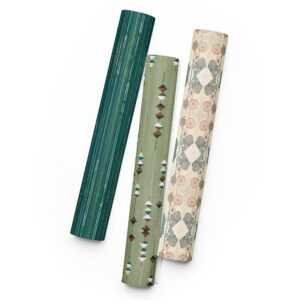
Japanese Print Wrapping Paper Sheets (3 PCS)
$18.00 -
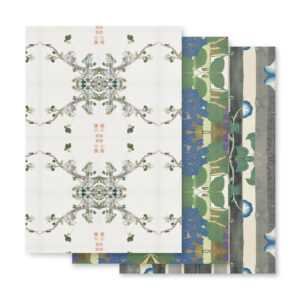 -22%
-22%Japanese Floral Patterns Wrapping Paper Sheets
Original price was: $18.00.$14.00Current price is: $14.00. -
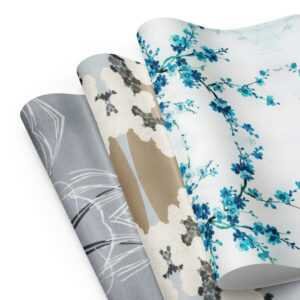
Japanese Botanical Wrapping Paper Sheets
$18.00 -
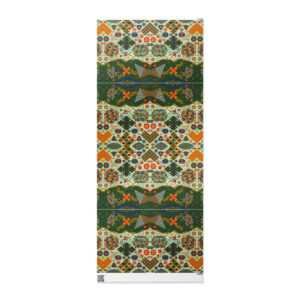
Racinet: Japonais Gift Wrapping Paper Roll
Price range: $11.00 through $29.50 -
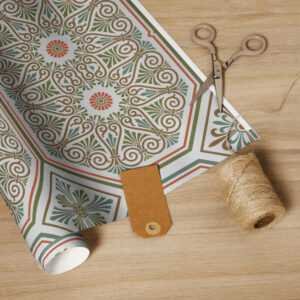
Carthage Gift Wrapping Paper Roll
Price range: $12.00 through $29.50 -
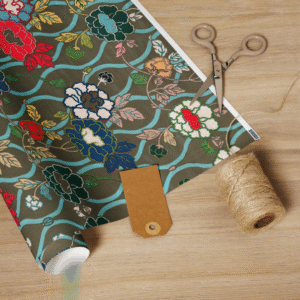
Rivian (Audsley) Gift Wrapping Paper Roll
Price range: $11.00 through $29.50 -
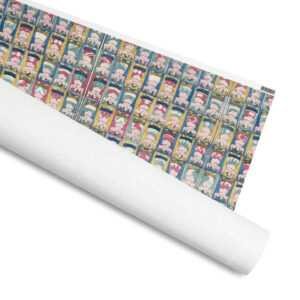
Sumo Squared Gift Wrapping Paper Roll
Price range: $11.00 through $29.50 -
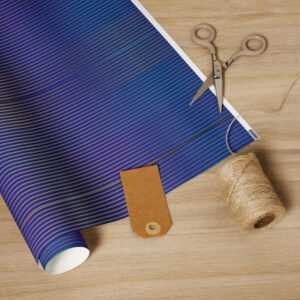
Indigo Current Wrapping Paper
Price range: $11.00 through $29.50 -
Made in DTLA Reusable Boutique Gift Bag
Price range: $17.58 through $24.97 -
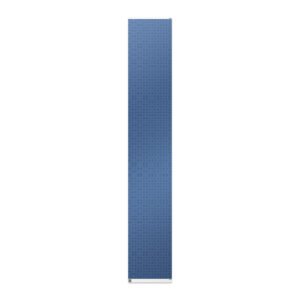
Deep Blue Grid Wrapping Paper
Price range: $11.00 through $27.00 -
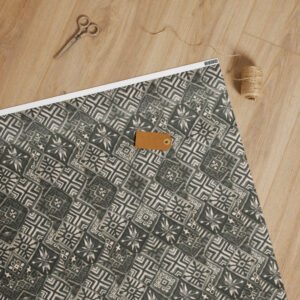
Abstract Scribe Wrapping Paper Roll
Price range: $11.00 through $27.00 -
Faded Brougham (Periwinkle) Wrapping Paper
Price range: $11.00 through $27.00 -
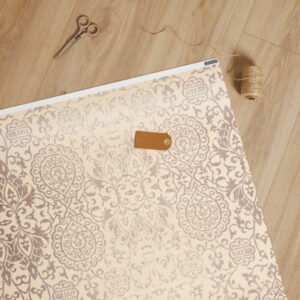
Faded Brougham (Amber) Gift Wrapping Paper
Price range: $11.00 through $27.00