
mandalas
I sketched every morning in a notebook a small circular drawing, [...] which seemed to correspond to my inner situation at the time. [...] Only gradually did I discover what the mandala really is: [...] the Self, the wholeness of the personality, which if all goes well is harmonious.
Showing all 22 resultsSorted by latest
-

Painted Elephant Micro Rib Racer Tank Top
Price range: $31.50 through $34.00 -
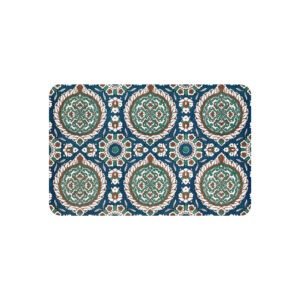
Arabe No.49 Sherpa Blanket
Price range: $42.50 through $68.00 -
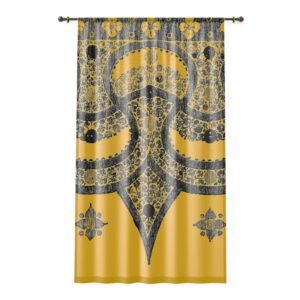
Fragment Mandala Window Curtain
$73.99 -
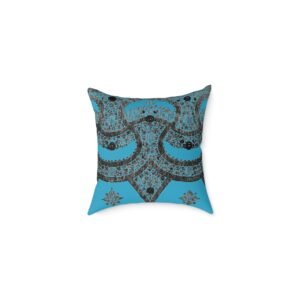
Fragment Mandala Pillow – Square Decorative Cushion
Price range: $33.00 through $61.00 -
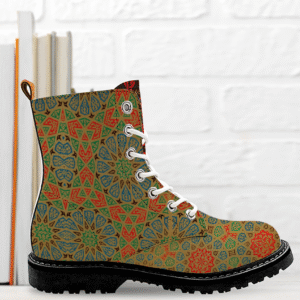
Complex Mandala Round Toe Boots
$109.00 -
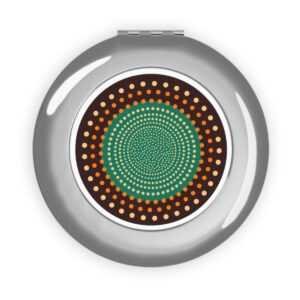
Inner Beauty Mandala Compact Travel Mirror
$19.00 -
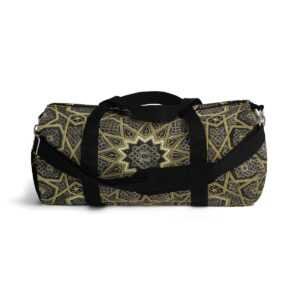
Owen Jones: Arabe Constellation Duffel Bag
Price range: $70.00 through $78.00 -
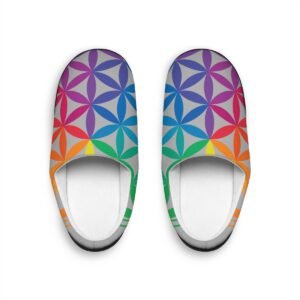
Rainbow Mandala Men’s Indoor Slippers
$26.00 -
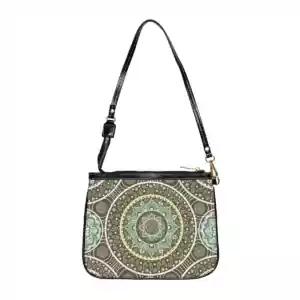
Sky & Earth Mandala Small Shoulder Bag
$42.00 -
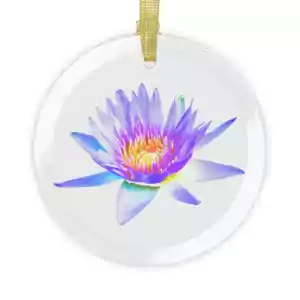
Purple Lotus Glass Ornament Bundles
Price range: $22.00 through $1,050.00 -
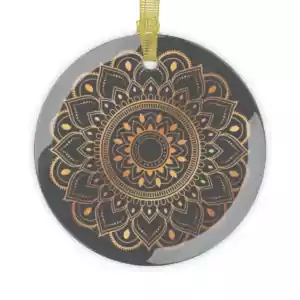
Blue and Gold Mandala Glass Ornament Bundles
Price range: $22.00 through $1,050.00 -
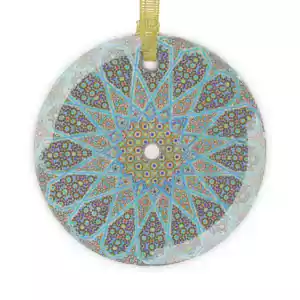
Ifran Glass Ornament Bundles
Price range: $22.00 through $1,050.00 -
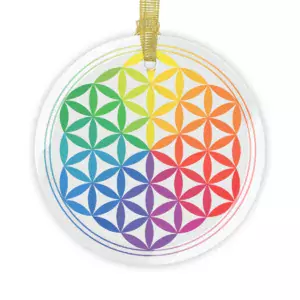
Flower of Life Mandala Glass Ornament Bundles
Price range: $22.00 through $1,050.00 -
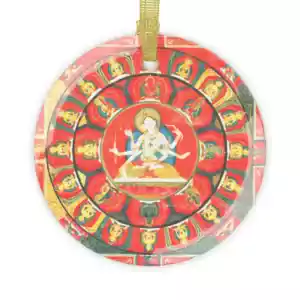
Ngor Mandala Glass Ornament Bundles
Price range: $22.00 through $1,050.00 -
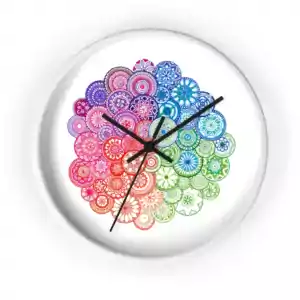
Rainbow Mandala Wall Clock
$42.00 -
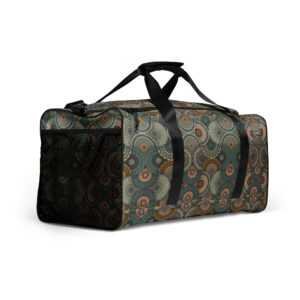
Delhi Mandalas Duffle Bag
$89.00 -
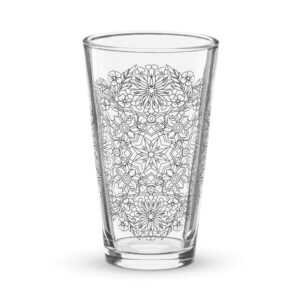
Simple Floral Mandala Shaker/Pint Glass
$16.00 -
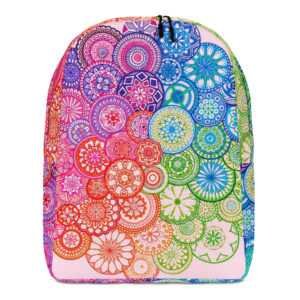
Cluster Mandala Minimalist Backpack
$46.00 -
 -10%
-10%Cluster Mandala Stemless Wine Glass
Original price was: $15.00.$13.50Current price is: $13.50. -

Paisley Mandala Recycled String Bikini
$39.00 -

Paisley Mandala Recycled String Bikini Top
$27.00 -
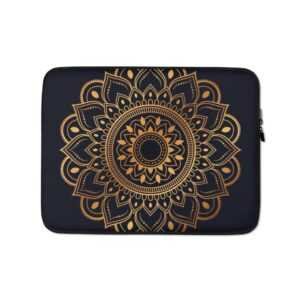
Royal Mandala Laptop Sleeve
Price range: $28.00 through $30.00
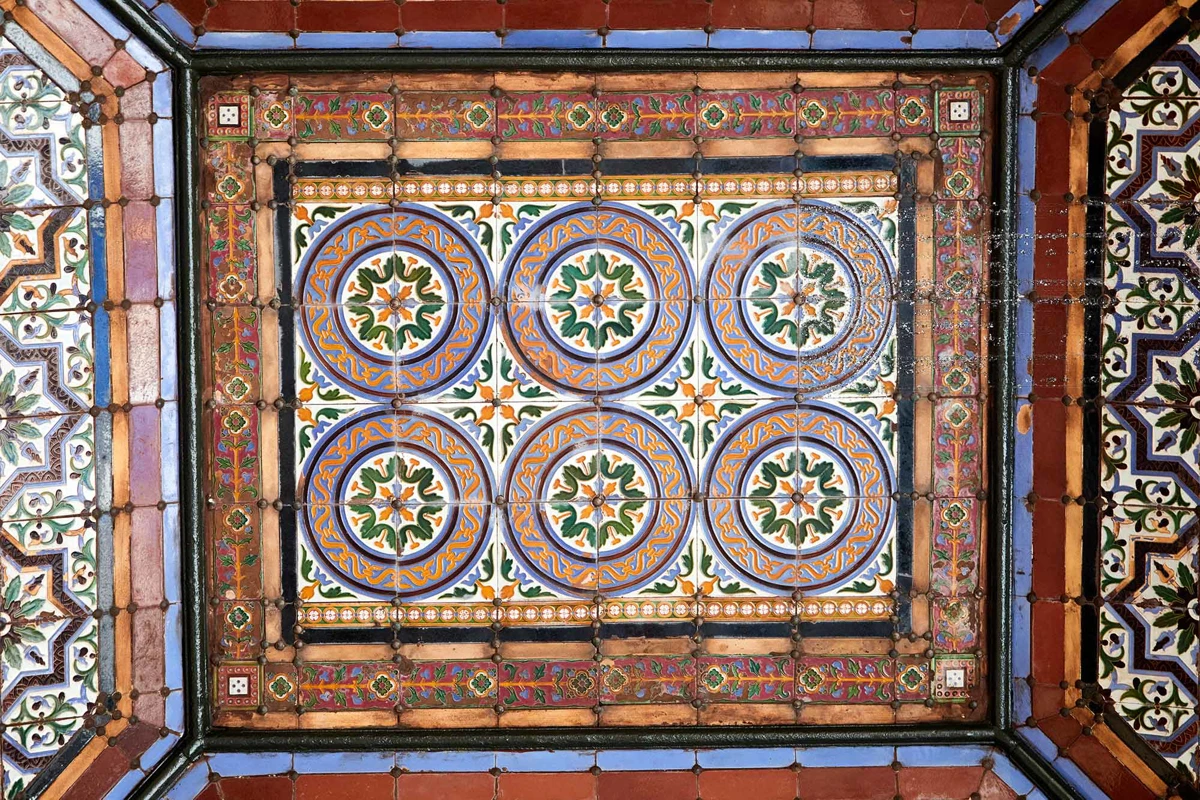
Fine Art Focus: Matthew Digby Wyatt
“Indian kincob pattern – woven at Ahmedabad” by Sir Matthew Digby Wyatt, featured in The Industrial Arts of the Nineteenth Century (1851-1853).Design Origin: The pattern is based on traditional Indian textiles, specifically kincob (brocade) woven in Ahmedabad.Historical Context: It was published in a famous 19th-century collection of ornamental artwork.Artistic Style: The image showcases a intricate floral and paisley-style motif, characteristic of Middle Eastern and Indian decorative arts
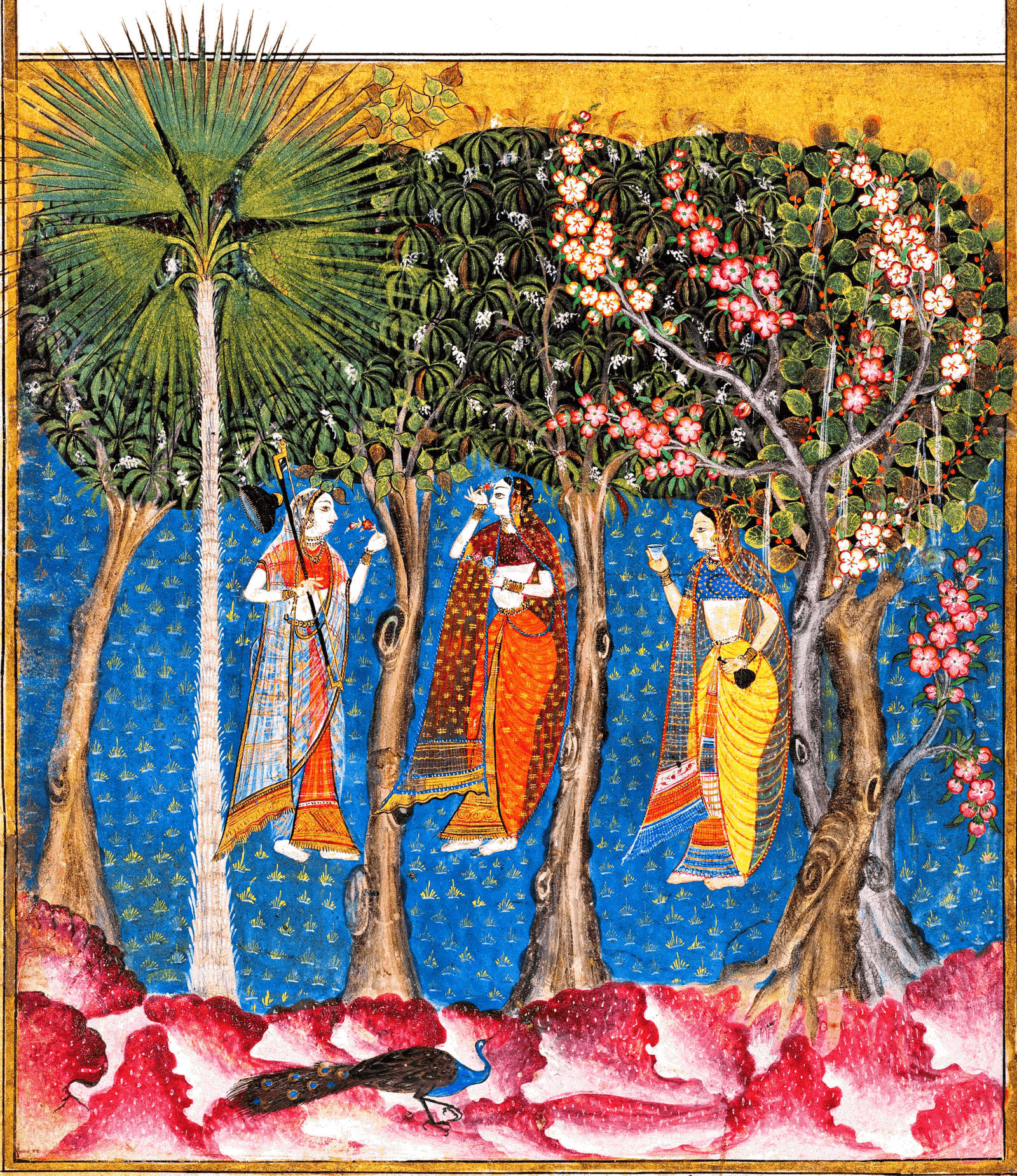
Intricate Ragamala: “the Garland of Memories”
Ragamala (or Raagmala) refers to a traditional Indian art form of miniature paintings that visually depict musical modes (ragas) and their associated moods, seasons, and times of day, symbolizing a "garland of melodies". It also refers to a specific poetic composition...
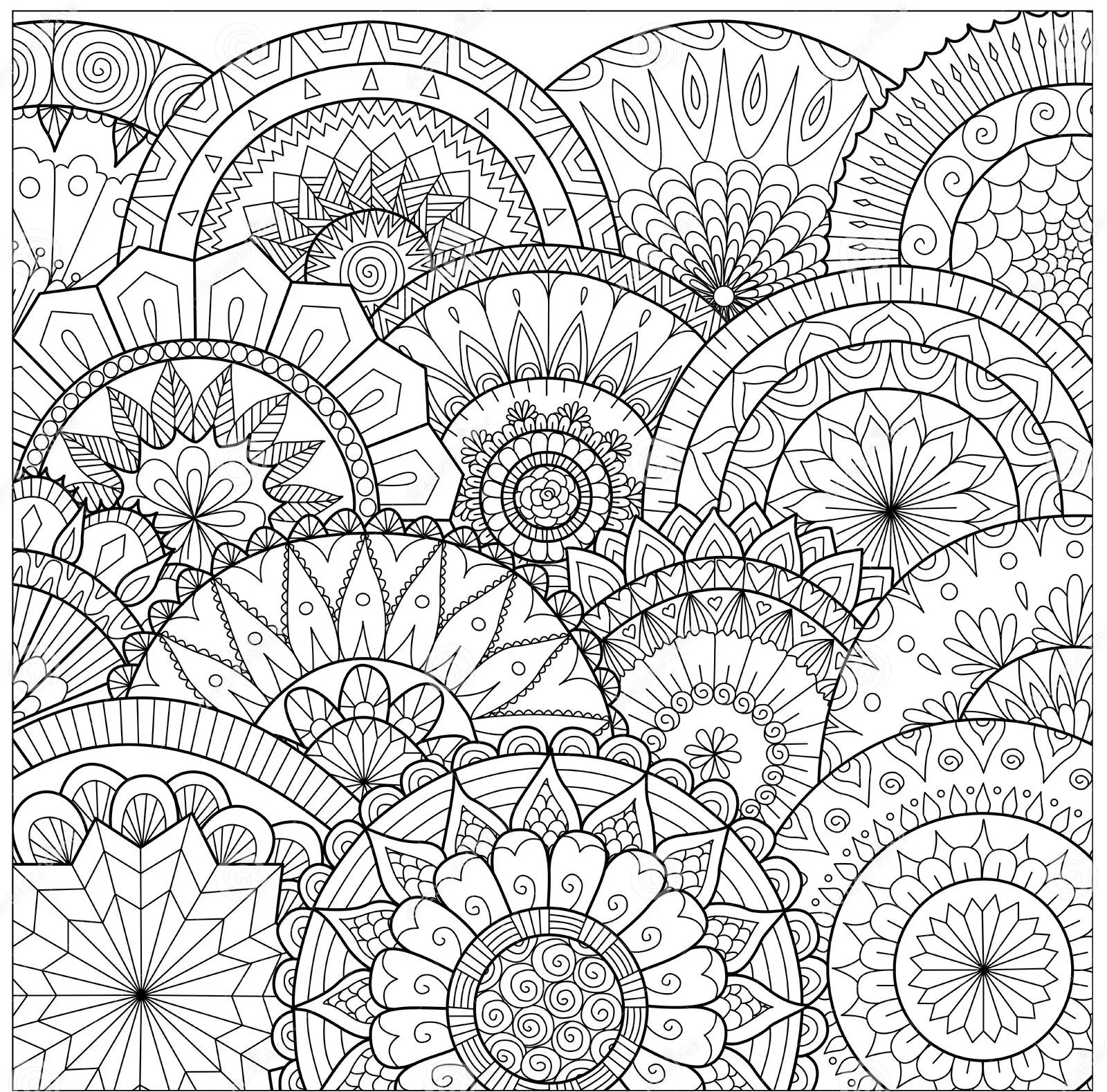
the POWER of the MANDALA
Though rooted in Buddhism, mandalas soon became present in Hinduism and other religious practices. Painters of the spiritual craft were often pious laymen, who were commissioned by a patron. They worked seated on the floor with a painting propped in their laps or in front of their crossed legs.
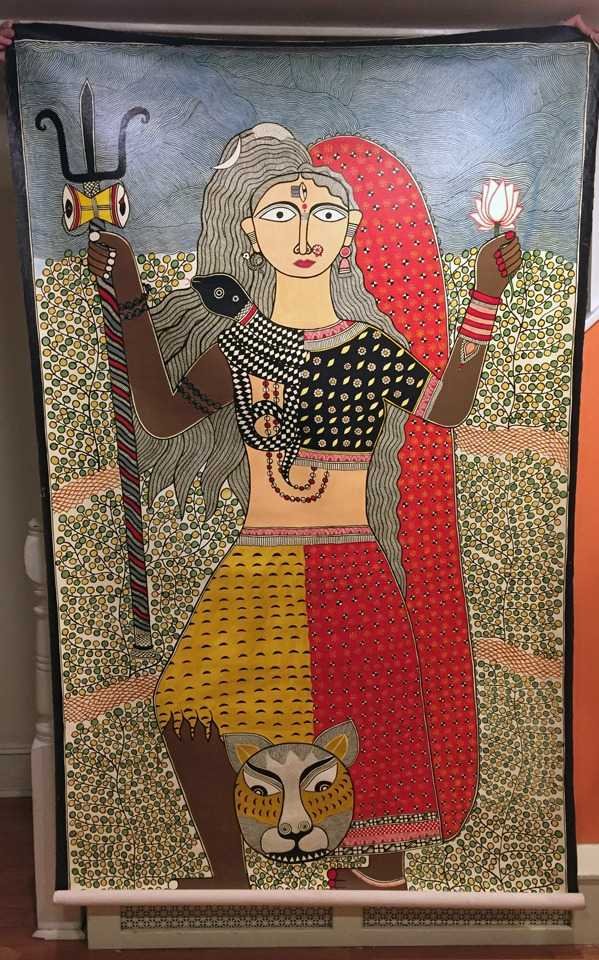
the ART of INDIA
the ART of INDIA The diversity of the world’s largest national population is astounding. 122 languages, including the planet’s oldest language: Hindi. 12 religions. 1.408 billion people (est. 2021). 29 states. This pluralism nurtures an insane wealth of art and...

the GENRES of INDIAN ART
The diversity of the world's largest national population is astounding. 122 languages, including the planet's oldest language: Hindi. 12 religions. 1.408 billion people (est. 2021). 29 states. This pluralism nurtures an insane wealth of art and cultural expression....