
The New DealPut America to Work
When a battered nation was given a plan, a paycheck, and a paintbrush.
It's difficult to imagine today that, at one point, the US led the world in building societal safety nets, made significant investments in the arts, and encouraged diversity (and equity and inclusion).
The Great Depression, beginning in 1929, left roughly a quarter of American workers jobless and millions without homes or savings. FDR answered with the New Deal, and a major piece of it was the WPA. Its programs reached the entire population and delivered lasting, measurable improvements. Here we explore some of the artwork the period produced.

It's important to remind ourselves that we are all immigrants to this nation.
Jobs, Not Handouts
The Works Progress Administration was established by presidential order on May 6, 1935, as a cornerstone of the Second New Deal. Led by Harry Hopkins, it put millions of jobseekers on public payrolls, mostly in construction: parks, schools, airports, housing, and a vast network of roads and bridges.
Its first appropriation of $4.9 billion was equal to about 6.7 percent of 1935 GDP. From 1939 to 1943 it operated as the Work Projects Administration.
“These ordinary men and women proved to be extraordinary beyond all expectation. They were golden threads woven in the national fabric.” — Nick Taylor, American-Made: The Enduring Legacy of the WPA
Who Qualified
American citizens 18 or older, able-bodied, unemployed, and certified as in need by an approved local relief agency.
What It Paid
$19 to $94 a month depending on region, urbanization, and skill. The average was about $52.50, roughly $1,200 in 2024 dollars.
How Long
Hours were capped at 8 a day or 40 a week, with a stated minimum of 30 hours a week.
Federal Project Number One

The logo of the Federal Art Project (FAP), a component of the WPA.
Rather than simply granting money to private institutions, the government chose to employ cultural workers directly. Federal Project Number One had five parts, and within a single year it had put more than 40,000 artists and other talented workers to work.
Federal Art Project
Artists produced murals, posters, and illustrations for the other WPA arts programs and mounted public exhibitions. Teaching artists worked in settlement houses and community centers, reaching an estimated 50,000 children and adults, and more than 100 community art centers served roughly eight million people.
Federal Music Project
Created to employ out-of-work musicians, it formed orchestras, choral groups, opera units, concert bands, and dance bands. It also taught music to well over a hundred thousand students a week, recorded folk music, and expanded access to scores through copyists, arrangers, and librarians.
Federal Theatre Project
Broadway employment had collapsed from about 25,000 workers in 1929 to about 4,000 in 1933. The project staged some 1,200 plays in four years and introduced 100 new playwrights. Alumni include Orson Welles, John Houseman, Burt Lancaster, Joseph Cotten, Canada Lee, Will Geer, and Sidney Lumet. It was the first project to end, when Congress zeroed out its funding in June 1939.
Federal Writers' Project
The FWP produced the American Guide Series, 378 books and pamphlets documenting the history, culture, and landmarks of every state, city, and village. It also recorded oral histories, including the Slave Narratives, and collected American folklore.
Historical Records Survey
The smallest of the five, it set out to identify, collect, and conserve the nation's historical records, one of the largest bibliographic efforts ever undertaken.
See America
National parks, airports, and a nation at work, in the bold silkscreen style the Federal Art Project made famous. Tap any poster to view it full size.


WPA's Influence
The WPA look shaped a century of American travel and advertising design.


Give Me Your Wretched Refuse
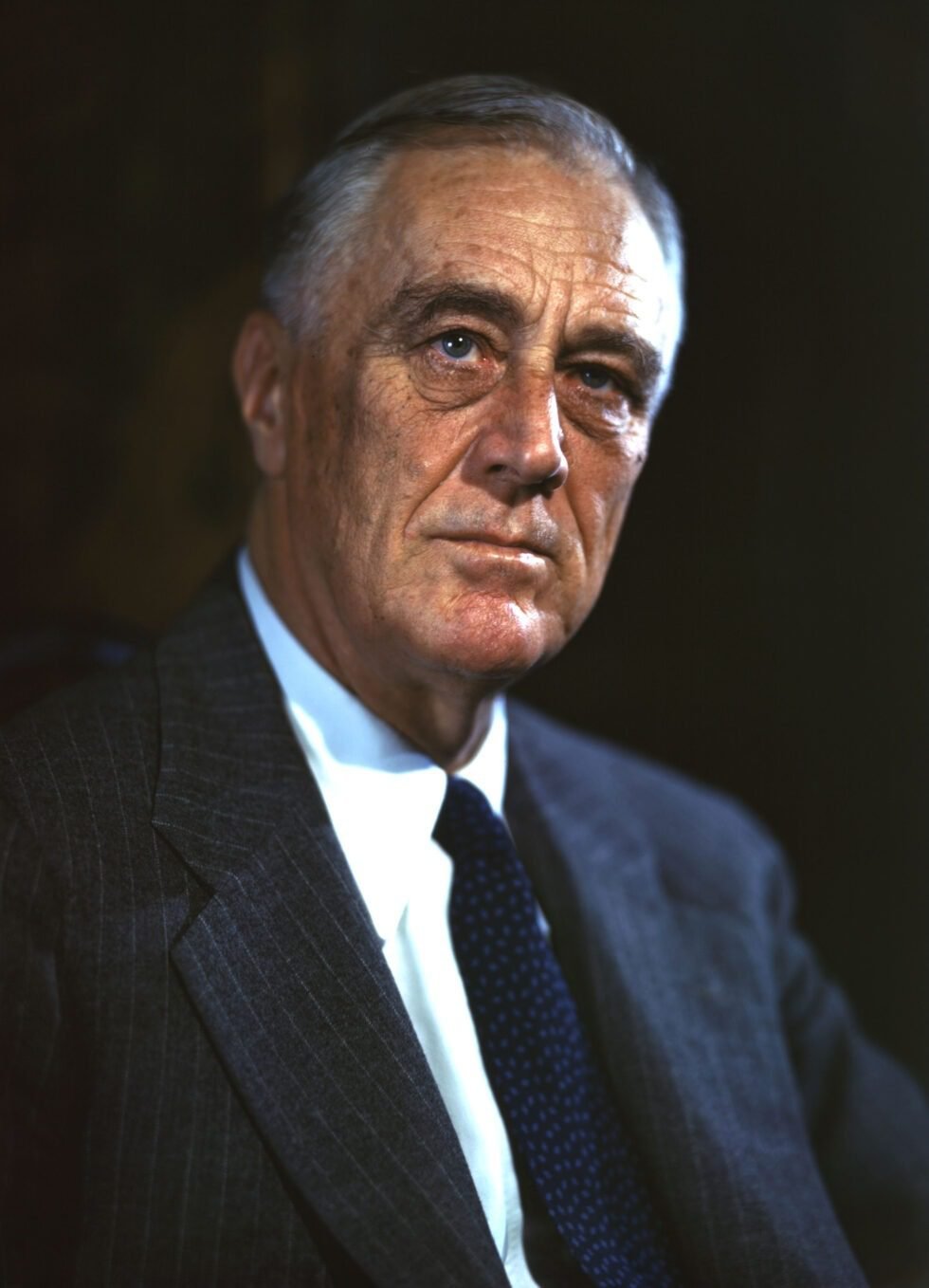
From 1933 into the war years, a sitting president actually did something good. Crippled by economic collapse, the nation found a leader with the clarity to see what it stands for: equality, freedom, and agency.

Not like the brazen giant of Greek fame,
With conquering limbs astride from land to land;
Here at our sea-washed, sunset gates shall stand
A mighty woman with a torch, whose flame
Is the imprisoned lightning, and her name
Mother of Exiles. From her beacon-hand
Glows world-wide welcome; her mild eyes command
The air-bridged harbor that twin cities frame.
“Keep, ancient lands, your storied pomp!” cries she
With silent lips. “Give me your tired, your poor,
Your huddled masses yearning to breathe free,
The wretched refuse of your teeming shore.
Send these, the homeless, tempest-tost to me,
I lift my lamp beside the golden door!”
The WPA Collection
Designs inspired by the posters, parks, and spirit of the era, made in DTLA.
Showing all 11 resultsSorted by latest
-
16oz Mixing Glass – Retro ‘Backbone of Nuclear Deterrence’ Vintage Propaganda Design
$15.00 -
Deep Space Atomic Clock Pint Glass — 16oz Mixing Glass
$15.00 -
European Space Agency (EAS) Low-profile Baseball Cap
$21.50 -

Australian Space Agency Round Mouse Pad
$17.60 -
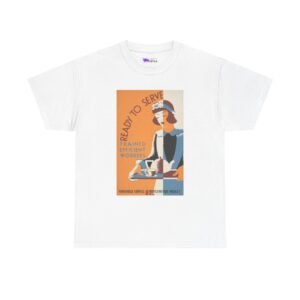
WPA: Ready to Serve!
Price range: $15.83 through $22.74 -
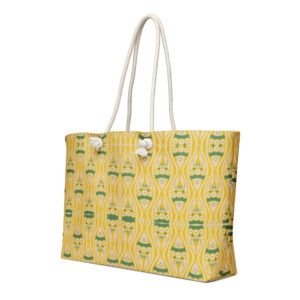
Yellow Clepsydra Over-sized Weekender Bag
$39.00 -

SEE AMERICA! While You Can.
$16.47 -
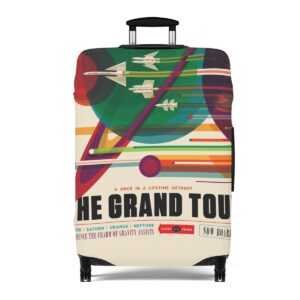
JPL: The Grand Tour Luggage Cover
Price range: $30.00 through $40.00 -
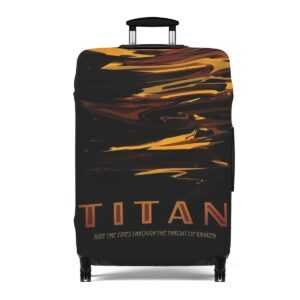
Ride the Tides on Titan! Luggage Cover
Price range: $30.00 through $40.00 -
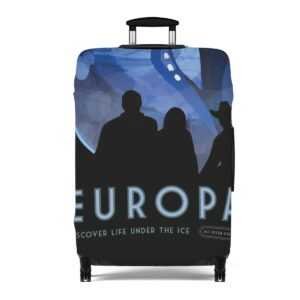
Ice Dive on Europa! Luggage Cover
Price range: $30.00 through $40.00 -
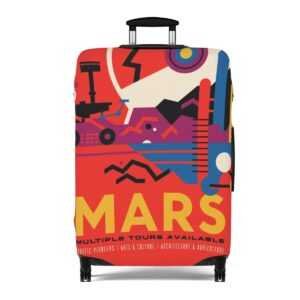
Tour Mars Today! Luggage Cover
Price range: $30.00 through $40.00