The History of: A New Luxury

The History of: A New Luxury

The History of: A New Luxury

Luxury manifests opulence, wealth and scarcity. It has also become an integral part of society, culture and humanity.

There are luxury hotels, de luxe suites and all. Gems, homes and yachts can be luxurious. Even simply being can exhibit it: one can live a life of luxury. You can have the luxury of time while existing. There are gentlemen and ladies of luxury. You can even (inappropriately) sit in its lap. It is everywhere and universally coveted.

What, exactly, is it?

Of all these types of luxury, perhaps the one material thing most associated with the concept of luxury is fashion. It is certainly the most sensual, wrapping our bodies in rare materials masterfully made. It imparts volumes before we even intend to speak and it is known simply by sight. Fashion, as a concept, emdodies so many aspects of our identities that it has become a profoundly important element of our culture.

Luxury in fashion has never stood still. What it means to dress luxuriously has changed with every century, every revolution — social, industrial, digital — and every generation redefines what is worth wanting.

The story is not a straight line from extravagance to restraint. Luxury is a messy spiral: each era reinventing the terms of desire, exclusivity, and self-expression. Understanding where that unruly spiral has been is the only honest way to understand where it is going.

The Origins: Luxury is as old as Power

In the ancient world, luxury clothing was not a matter of taste — it was a matter of law. In Egypt, Greece, and Rome, the quality and material of your garments announced your rank before you spoke a word. Linen, silk, and gold thread were not available to everyone; they were rationed by birth, wealth, and the whims of rulers who understood that the power to dress was the power to govern.

c 300 BCE – c 800 BC Antiquity: Luxury as Status Law

Sumptuary laws restrict precious materials to nobility. Clothing is rank made visible. Purple, silk, and gold are politically controlled.

c 400 – 1453 AD: The Semper Fashionable  Roman Empire

This logic was formalized: the same sumptuary laws formed by the Sumerians now dictated who could wear purple — the color of Tyrian dye, more expensive by weight than gold — and violations were prosecuted. Clothing was, in the most literal sense, political.

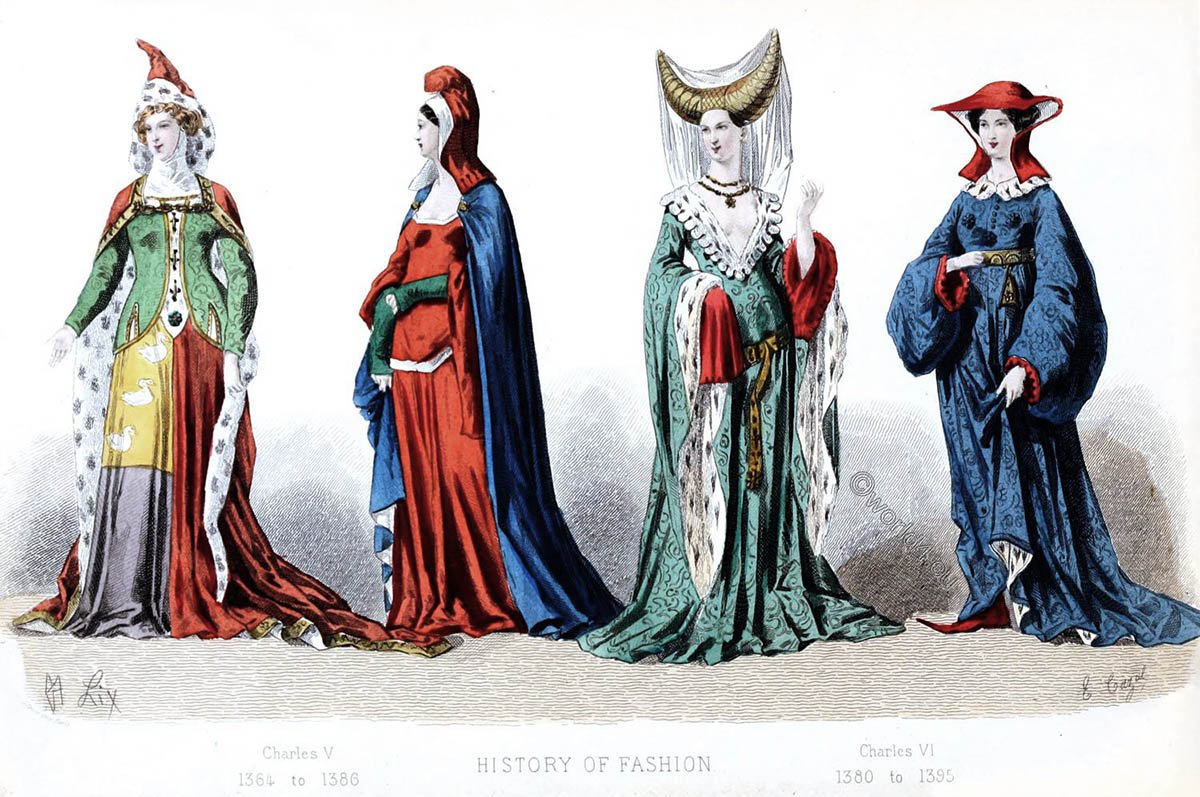
c 12th Century Medieval & Renaissance: The Court as Stage

Aristocracy sets the terms of dress. Brocades, lace, and embroidery signal dynastic power. Fashion trickles down — slowly, deliberately.

This logic held largely intact through the medieval period and into the European Renaissance. The court was the center of fashion. The aristocracy dictated terms. Luxury moved in one direction only: downward, from the ruling class to those who could afford to imitate it, at which point the ruling class simply raised the stakes again.

18th Century: The Enlightenment is Lit

“The evolution of luxury fashion since the 18th century was significantly influenced by the Age of Enlightenment, which democratized luxury and separated it from morality, allowing broader access beyond the aristocracy.”

The ancien régime collapses. Philosophers challenge excess. Neoclassicism favors simplicity. The French Revolution eliminates the royal court’s grip. Taste begins replacing rank as the arbiter of dress.

The Death of Old Luxury
Before 1789, luxury was defined by the court at Versailles. It was heavy, restrictive, and exclusive by law.
  • Sumptuary Laws: These legal decrees dictated exactly who could wear what, based on social rank. Only the highest nobility could wear specific silks, furs, or gold embroidery. [1, 2, 3, 4, 5]
  • The “Grand Habit”: The ultimate symbol of Old Luxury. These massive court gowns required rigid corsets made of whalebone and skirts spread over wide hoops (paniers), rendering women physically immobile. [1]
  • The Luxury Statement: Wealth meant spending immense money on garments designed to show you never had to perform physical labor. [1]
    The New Luxury Arrives
    The Revolution democratized fashion, turning luxury into a tool of political allegiance. High-quality silk was abandoned for humble cotton and linen, but the craftsmanship remained a luxury. [1, 2, 3]
      • The Luxury of Muslin: White cotton muslin (mousseline) became the fabric of the elite. While it looked simple and democratic compared to heavy brocade, high-quality imported cotton was actually incredibly expensive. It required meticulous laundering, making it a subtle, “quiet luxury” statement. [1, 2]
      • The Redefinition of Taste: Luxury was no longer about looking like a gilded statue. It was about channeling the “pure” and “democratic” ideals of Ancient Greece and Rome through flowing, high-waisted neoclassical drapery. [1, 2, 3, 4]

      The Birth of Counter-Culture Luxury
      Once the Reign of Terror ended in 1794, luxury returned with a vengeance, but it was twisted, ironic, and rebellious.
      • Anti-Fashion as Luxury: Subcultures like Les Incroyables and Les Merveilleuses used deliberate untidiness as a luxury statement. They wore impossibly high cravats, sheer fabrics, and wild, unpowdered hair. [1, 2, 3]
      • The Luxury of Scandal: For the first time, elite luxury was defined by shocking the older generation rather than pleasing the King. It laid the foundational blueprint for modern avant-garde and punk fashion.

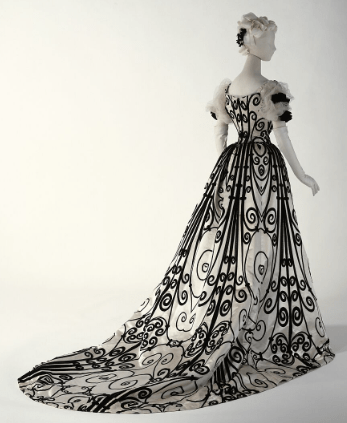
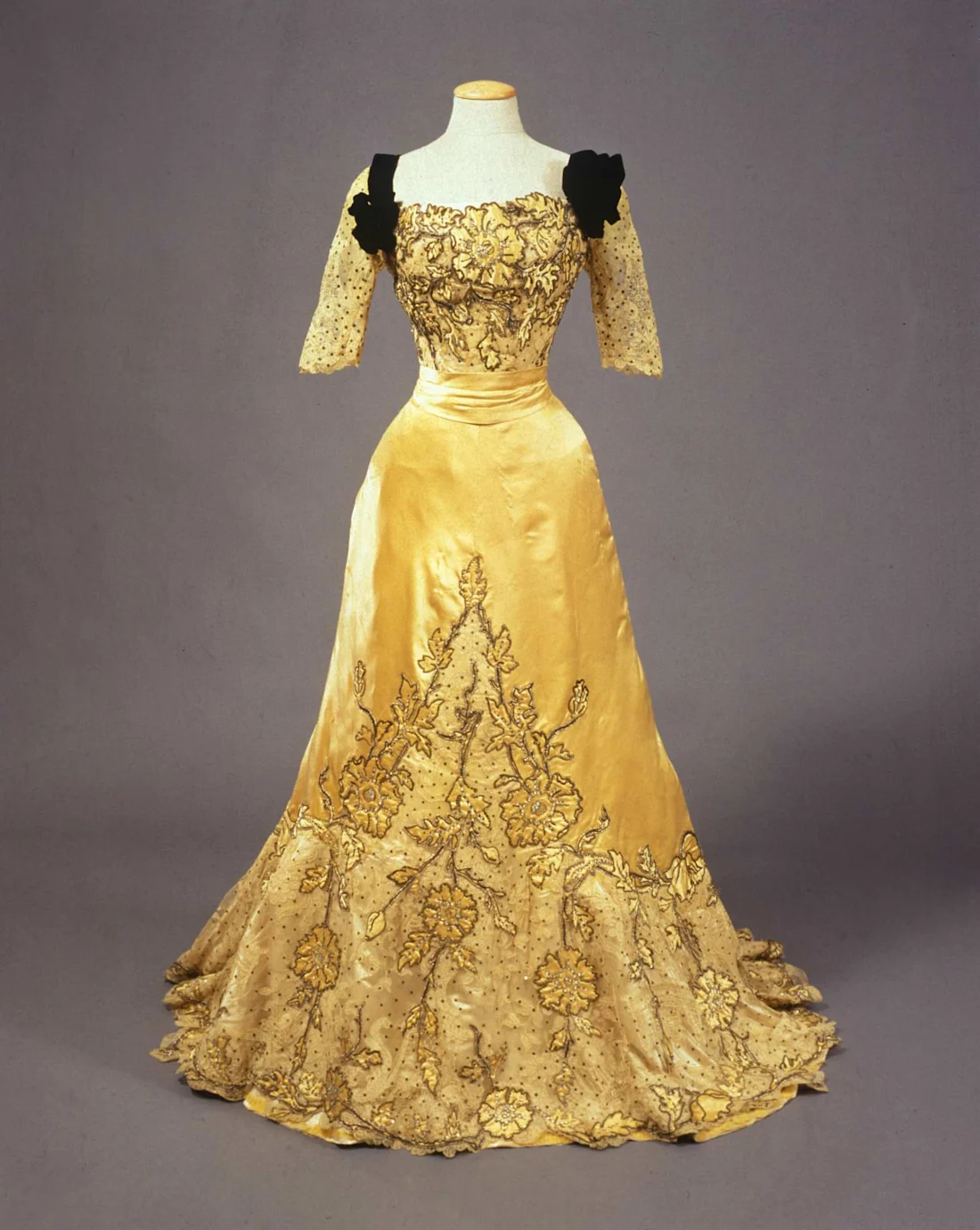
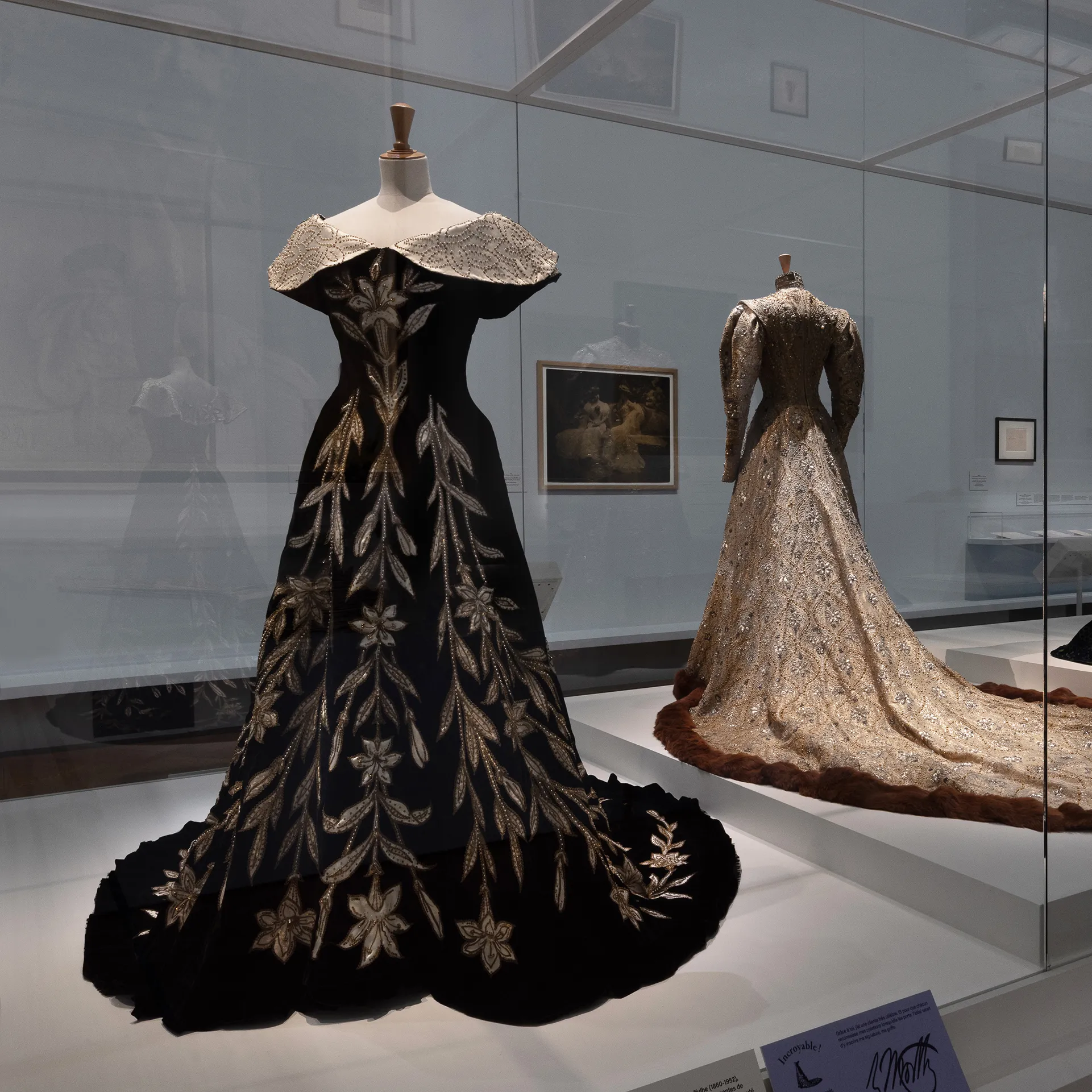
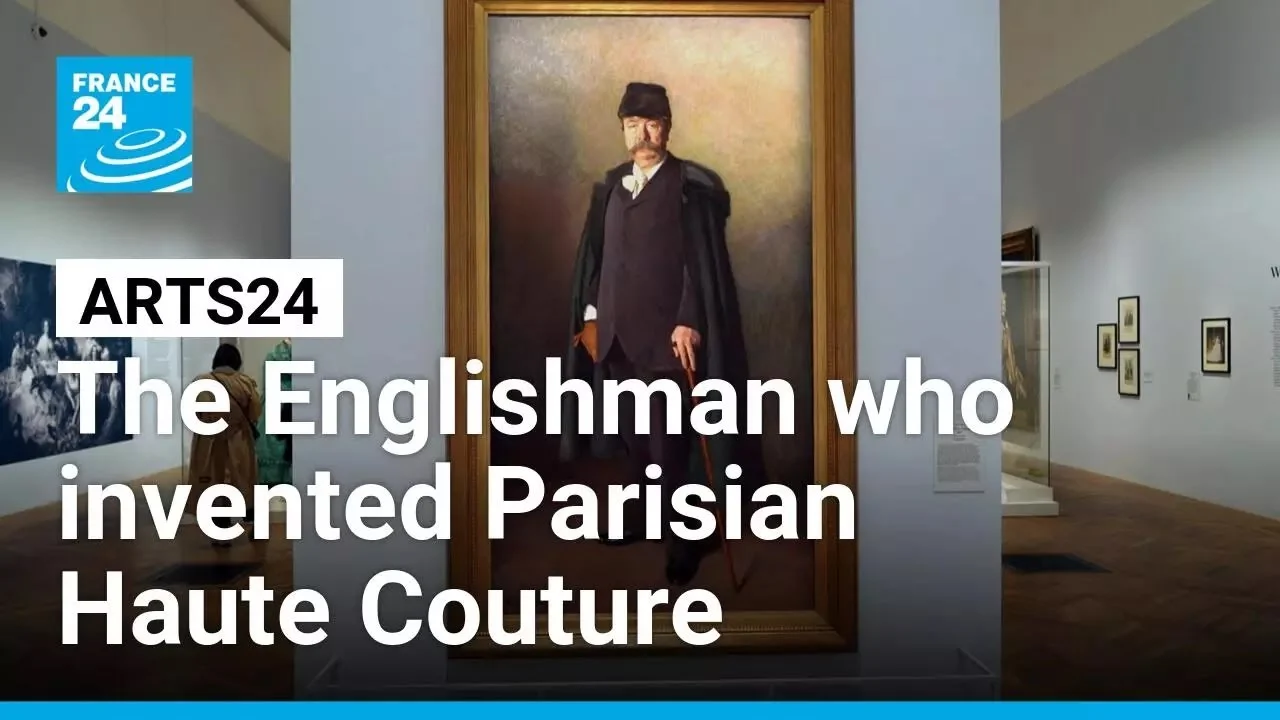
      19th Century: Haute Couture Is Born

      Charles Frederick Worth and The House of Worth present garments on live models and introduces seasonal collections — inventing the modern fashion house. The sewing machine democratizes silhouette while couture doubles down on exclusivity.

      The 20th Century: Democratization and the Designer Myth

      The 20th century broke open luxury fashion. Two world wars, an industrial revolution, and a sequence of cultural upheavals forced fashion to remake itself repeatedly — and each remake pushed luxury further from its aristocratic origins and closer to something that could, in theory, be aspired to by anyone.

      The Present: A Market Under Pressure

      Luxury fashion in 2026 is at an inflection point. The aggressive price hikes of the post-pandemic years — some houses raised prices 40–60% between 2020 and 2024 — have finally alienated the aspirational consumer who had long been the growth engine of the mega-brands. The result is a market that is recalibrating.

      -35%

      Gucci brand value decline (2025)

      −4.9%

      Louis Vuitton brand value (2025)

      +17%

      Hermès brand value growth (2025)

      $1.8T

      Global fashion sales (2025)

      The data tells a clear story. Hermès — which has never chased the mass aspirational market, never discounted, and has maintained an almost perverse commitment to craft and scarcity — grew its brand value by 17% while peers contracted.

      Brands like Ralph Lauren and Burberry are winning back the aspirational middle by offering genuine value rather than inflated prestige. The era of getting away with logo inflation and minimal product improvement is over.

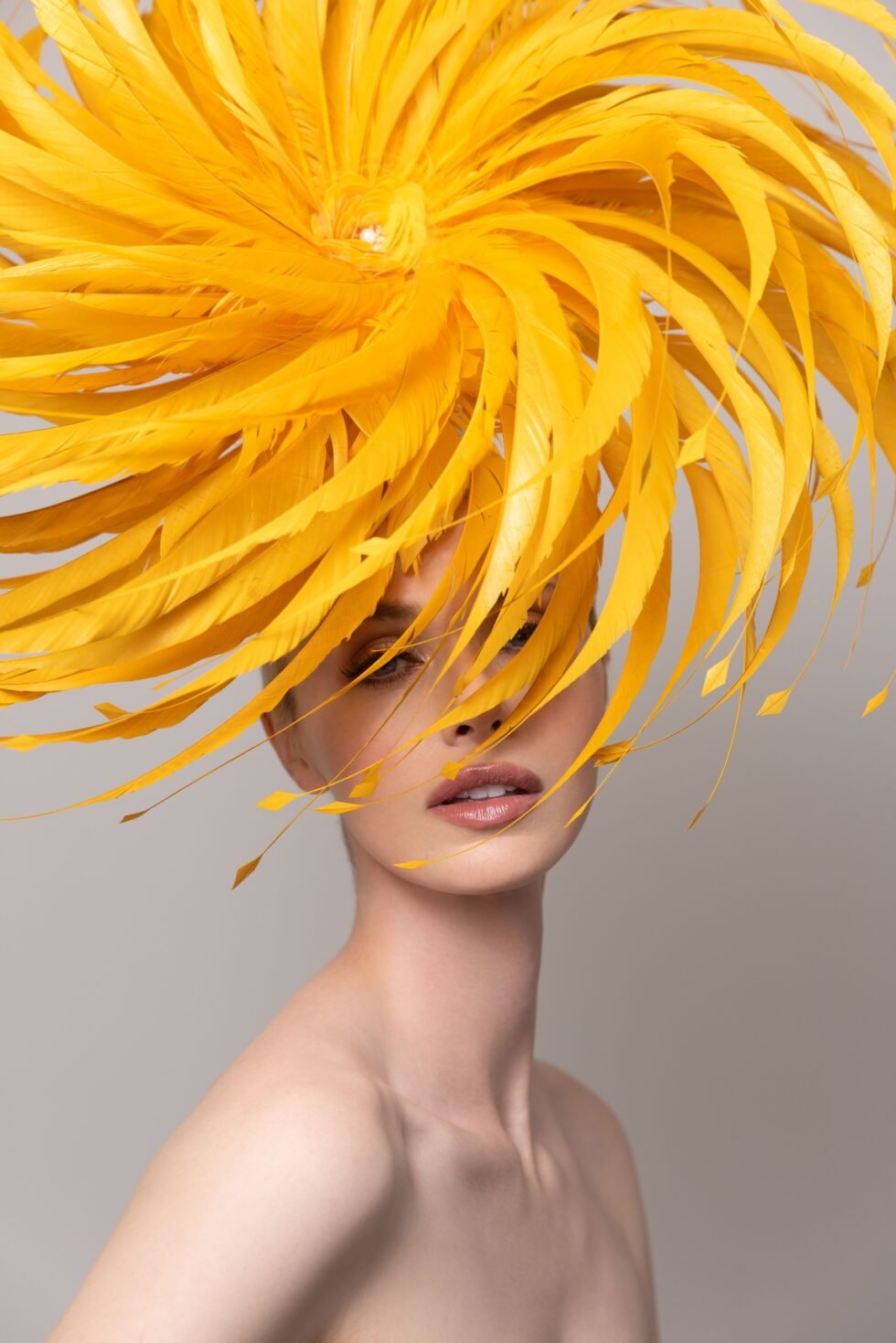
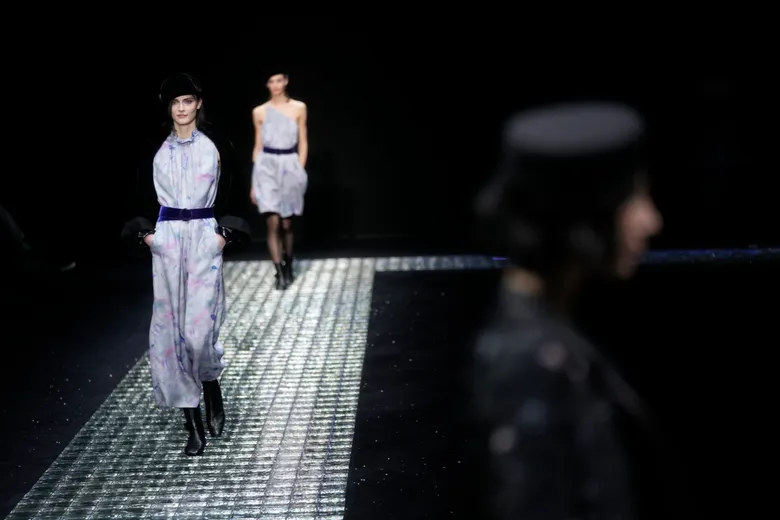
      A profound aesthetic reset is underway. The long dominance of quiet luxury — the tonal minimalism, the logo-less understatement — is giving way to something more expressive. High-saturation color has returned to the runway. Accessories have become protagonists rather than punctuation. Sculptural headwear, architectural heels, and oversized jewellery are defining looks rather than completing them. The message is shifting from “I have nothing to prove” back to “I have something to say.”

      The Future: Six Forces Redefining Luxury

      The next decade of luxury fashion will be shaped by forces that have no precedent in the industry’s history. Some are technological. Some are cultural. All of them point toward a definition of luxury that is fundamentally different from the one the 20th century built.

      From Exclusivity to Hyper-Individuality

      The luxury of the future is not about access. It is about recognition — the garment or object that feels as if it was conceived with you in mind.

      The old model of luxury exclusivity — the thing that is desirable because few can have it — is being supplemented by a new model: the thing that is desirable because it was made specifically for you. AI-driven personalization, bespoke manufacturing at scale, and brands that can offer genuinely individualized experiences are redefining what “exclusive” means.

      As artificial intelligence becomes more prevalent in design and production, the value of the human hand is rising — not falling. Hand-knotted, hand-stitched, hand-formed: the language of artisan luxury is gaining new urgency precisely because it represents what cannot be scaled, replicated, or optimized. The demand for hand-cut gemstones, upcycled couture, and handmade fascinators is not nostalgia. It is a rational response to a world saturated with algorithmic output.

      Craft as the Ultimate Counterargument to AI

      True luxury, going forward, will increasingly be defined by what AI cannot do.

      Sustainability as Operational Advantage

      Sustainability and luxury are converging, not competing.

      Sustainability in 2026 is no longer a marketing slogan. It is an operational advantage and a brand trust signal. Luxury houses that have built transparent, ethical supply chains are reporting better margins, lower overproduction waste, and measurably higher consumer loyalty.

      The consumer who buys a $600 hand-crafted piece from a brand that can account for every material and every hand that touched it is not paying extra for ethics — she is paying for the kind of certainty that fast fashion structurally cannot offer.

      High-net-worth consumers are shifting from acquisition to experience. They no longer want more things — they want things that promise evolution, narrative, and emotional resonance. Luxury is bleeding out of fashion and into hospitality, travel, wellness, and cultural access. Brands that understand this are building thematic retail spaces, exclusive events, and experiences that cannot be purchased online. 

      Experience Over Object


      The fashion house of the future may be less a product company and more a cultural institution — with clothing as the most portable expression of its world.

      The Circular Luxury Economy

      The $522 billion secondhand market by 2030 will include significant luxury volume.

      Upcycled couture is no longer a niche sub-category — it is a centerpiece of runway shows and a growing revenue line for luxury brands. Resale, archive curation, and the revival of deadstock materials are reshaping how luxury garments move through the world. Collectors no longer want the newest item; they want the item that has survived the test of time. Modern luxury is becoming a dialogue between past and present. The brands that engage with their own archives will own that conversation.

      The luxury brands gaining ground in 2026 are the ones that can read culture with genuine intelligence — not just chase it. Prada’s collaboration bringing Kolhapuri artisanship to the global stage. Heritage houses reinterpreting temple jewellery in lighter, contemporary forms. Cross-cultural design that honors tradition while feeling unmistakably present. In a flattened global market, the brands that understand the depth and specificity of cultural context will generate the emotional resonance that generic aspirational marketing cannot buy.

      Cultural Intelligence as the New Brand Value

      The future of luxury is deeply, specifically, human.

      The Only Constant

      What connects ancient Egypt’s linen hierarchy to Chanel’s jersey revolution to the handmade fascinator worn to Royal Ascot in 2026 is not materials, or price, or brand recognition. It is intention. Every era’s luxury has been defined by the things that required the most of someone — the most skill, the most time, the most cultural intelligence, the most personal vision.

      The definition of luxury is always in negotiation. But the negotiation is always about the same underlying question: what does it mean to take dress seriously? The future answers that question with craft, with sustainability, with hyper-individuality, and with the kind of cultural depth that cannot be generated at scale. The future of luxury is not about spending more.

      It is about meaning more.

      For independent designers and brands built on genuine artisanship, cultural reference, and considered production, this is not a threat. It is the market finally arriving at the position they have always held.

      The cgk.ink Perspective

      cgk.ink was built on the principles the luxury market is only now catching up to: globally art-inspired design, sustainability-first production, and the belief that a garment should carry genuine cultural weight. Explore our collections — from a growing collection inspired by fine art to our full apparel, décor and accessories collections — at cgk.ink.

      —Sources:

      History of Luxury · FIT Fashion History Timeline · Advertising Week · Luxury Abode · PAGE Magazine · Flanelle Magazine · GlobalBay · LUXUO · Spa & Beauty Today · Luxebook India · Count Valentine · Historical Today · BrandHistories · WWD · Grazia Magazine · Luster Magazine · JD Institute · myGemma · Glam Observer

      ecommerce, fashion and what comes next

      ecommerce, fashion and what comes next

      Industry Analysis · 2026

      Fashion, ecommerce:
      Now & What Comes Next

      cgk.ink · May 2026

      Online fashion just crossed a trillion-dollar threshold. The industry that barely existed twenty-five years ago is now the largest B2C e-commerce category on earth — and it's moving faster than at any point in its history. Here's where it stands, what's driving it, and what the next phase looks like for brands paying attention.

      $997B
      Global market 2026
      $1.6T
      Projected by 2030
      47.9%
      Of all fashion sales now online
      81%
      Of traffic from mobile

      Where Things Stand

      Fashion e-commerce in 2026 is simultaneously booming and stressed. Nearly half of all fashion sales worldwide now happen online — a figure that was under 20% a decade ago. The U.S. market alone sits at $163 billion, growing at 13% annually. Asia-Pacific leads globally at $401 billion, with North America and Europe following.

      But growth obscures tension. Returns rates in fashion hover around 30–40%. Cart abandonment sits at 77.6% — meaning the vast majority of shoppers who add something to their cart leave without buying. Customer acquisition costs have risen sharply as paid social becomes more competitive. And the old playbook — launch a site, run ads, ship product — is no longer enough to build a sustainable brand.

      "Fashion in 2026 is moving toward a more integrated model: AI for relevance, resale for liquidity, and social commerce for discovery and conversion. The old e-commerce structure still matters, but it is no longer enough on its own."

      The brands winning right now share a few things in common: they have a genuine point of view, they are discoverable without relying entirely on paid acquisition, and they've built some form of owned relationship with their customer — through content, community, or both.


      The Three Forces Reshaping the Market

      • 01 Social Commerce Is Eating the Funnel Social commerce will generate an estimated $919 billion globally in 2026, with TikTok, Facebook, and Instagram leading as shopping platforms. Around 69.4 million Americans shopped on Facebook in 2025 alone, with Instagram and TikTok Shop close behind. The significance here isn't just the numbers — it's the structural shift. Discovery, consideration, and purchase are now collapsing into a single moment inside a single app. Brands that can create content that converts in that moment have a structural advantage over brands that rely on the traditional browse-to-checkout flow.
      • 02 AI Is Changing How People Find Things In 2026, AI-driven personalization is responsible for nearly 45% of all online conversions. The global AI-in-fashion market is expected to hit $4.3 billion by 2027, and two-thirds of luxury fashion consumers are already using AI when shopping online. We are moving toward "Generative Commerce" — AI shopping assistants that understand context, not just keywords. Being findable by an AI assistant requires rich, accurate, contextually detailed product information and a strong brand signal across the web.
      • 03 Resale and Circular Fashion Are Structural, Not Cyclical The secondhand market is worth $260 billion and climbing toward $522 billion by 2030. 52% of consumers bought secondhand in 2024. Sustainability in 2026 isn't a marketing slogan — it's an operational advantage. Brands with genuine sustainability credentials are not just meeting consumer demand. They are reducing costs, improving margins, and building the kind of brand trust that paid advertising can't manufacture.

      What Comes Next

      The next wave of fashion platforms probably will not win by being just another e-commerce layer. They will need to combine at least three things: discovery that feels relevant, resale infrastructure that ordinary users can actually use, and a broader ecosystem that creates ongoing relationship rather than one-off transactions.

      For independent brands, the path forward is actually cleaner than it is for the big platforms. You don't need to be everywhere. You need to be unmistakably yourself in the places that matter. That means a distinct visual and editorial identity, real relationships with customers who return because of what you stand for, and product that's genuinely worth owning — made with care, shipped with intention, designed to last.

      The trillion-dollar market is real. So is the noise. The brands that cut through it in the next few years will be the ones that understood early that quality of relationship matters more than volume of impressions.

      the cgk.ink perspective

      We build for the part of this market that's growing fastest: design-forward, sustainability-rooted, independent. Our collections — from the globally art-inspired apparel — are made for customers who want to own something considered, not just something convenient. If the data above points anywhere, it points here.


      Sources: Shopify Enterprise Blog · Capital One Shopping Research · Statista · Medium / Cheeky Fit · Gelato Apparel Trends 2026 · Vocal Media · Inventory Source · HMLC · OpenTools.ai
      jewelry boxes: safe keeping, sentiment and sparkle

      jewelry boxes: safe keeping, sentiment and sparkle

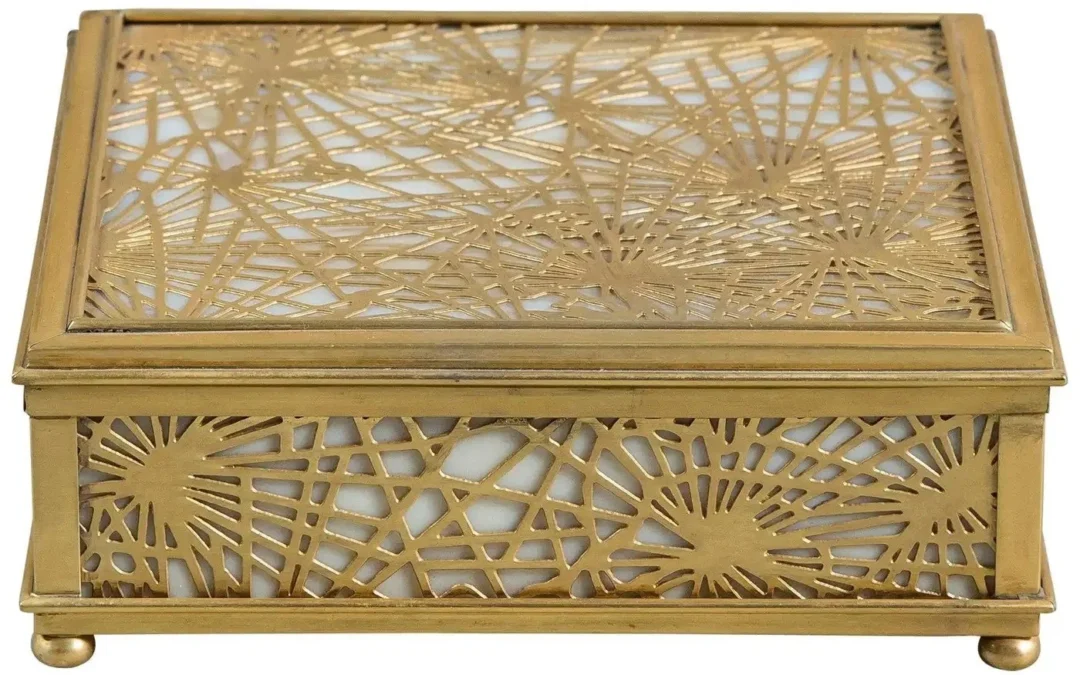
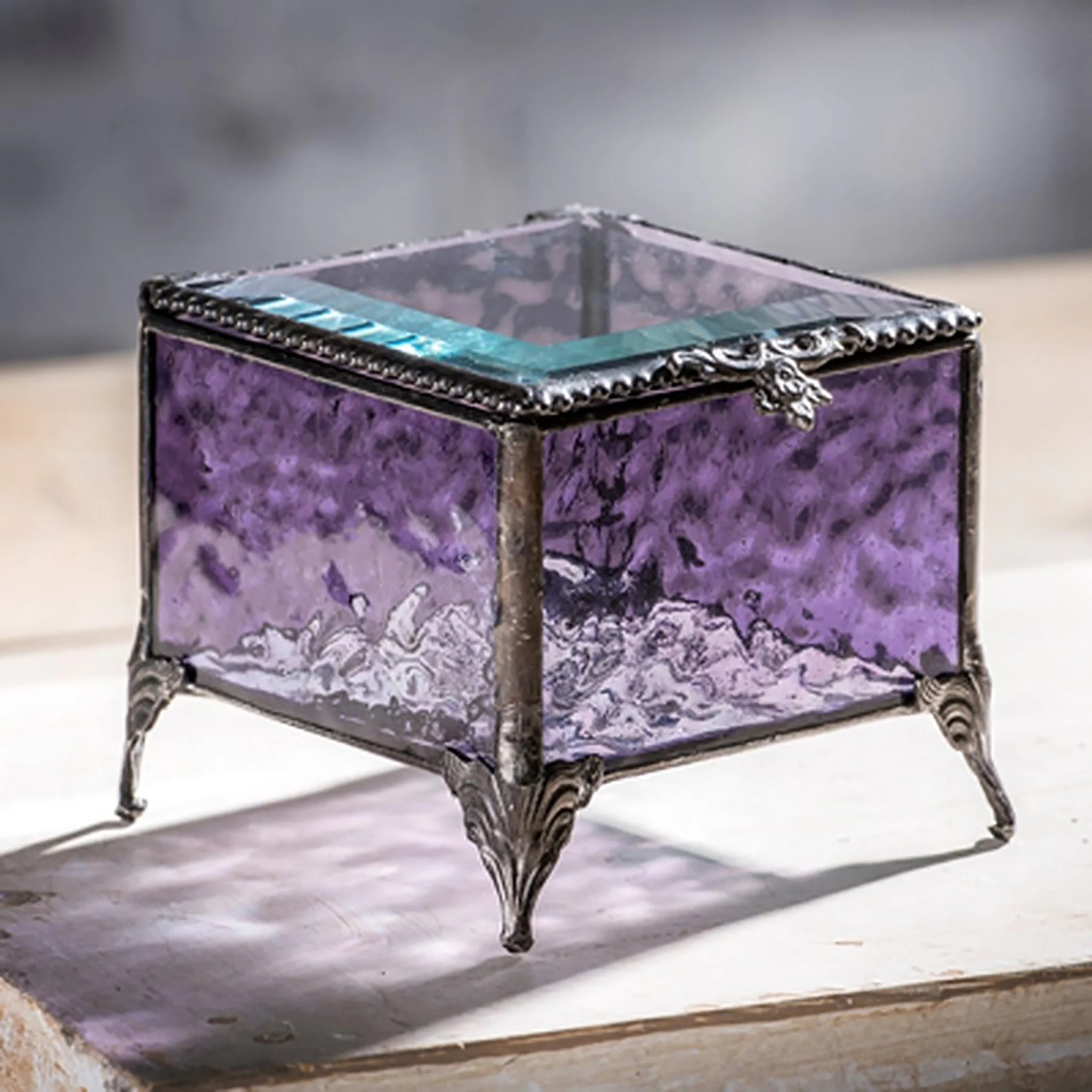
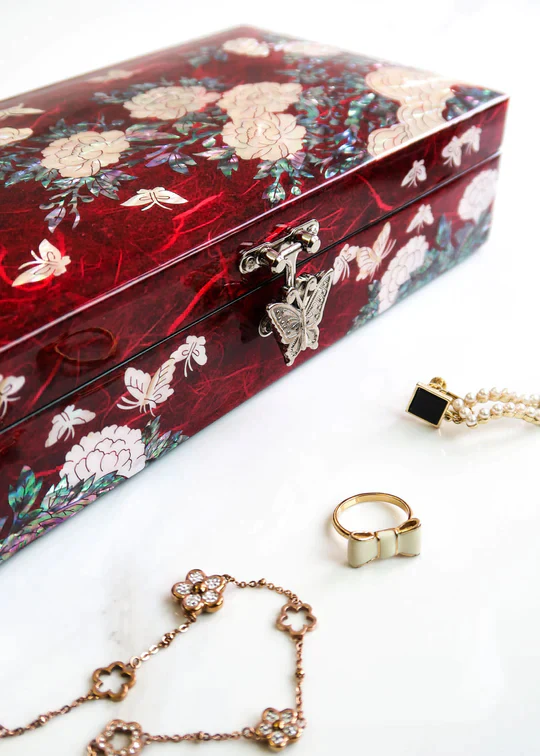
      Jewelry boxes have captivated hearts and minds for centuries, serving as both functional storage solutions and artistic expressions of culture and craftsmanship. From ancient civilizations that used simple containers to safeguard their treasured adornments, to the ornate and intricately designed boxes of the Renaissance and beyond, the history of jewelry boxes is as rich and diverse as the jewelry they hold.

      Beyond their utilitarian purpose, these boxes often carry deep symbolic meanings, reflecting the values, traditions, and aesthetics of various cultures throughout time. In this article, we will explore the fascinating evolution of jewelry boxes, examine the different types and materials used in their creation, and delve into the cultural significance that makes them timeless heirlooms.

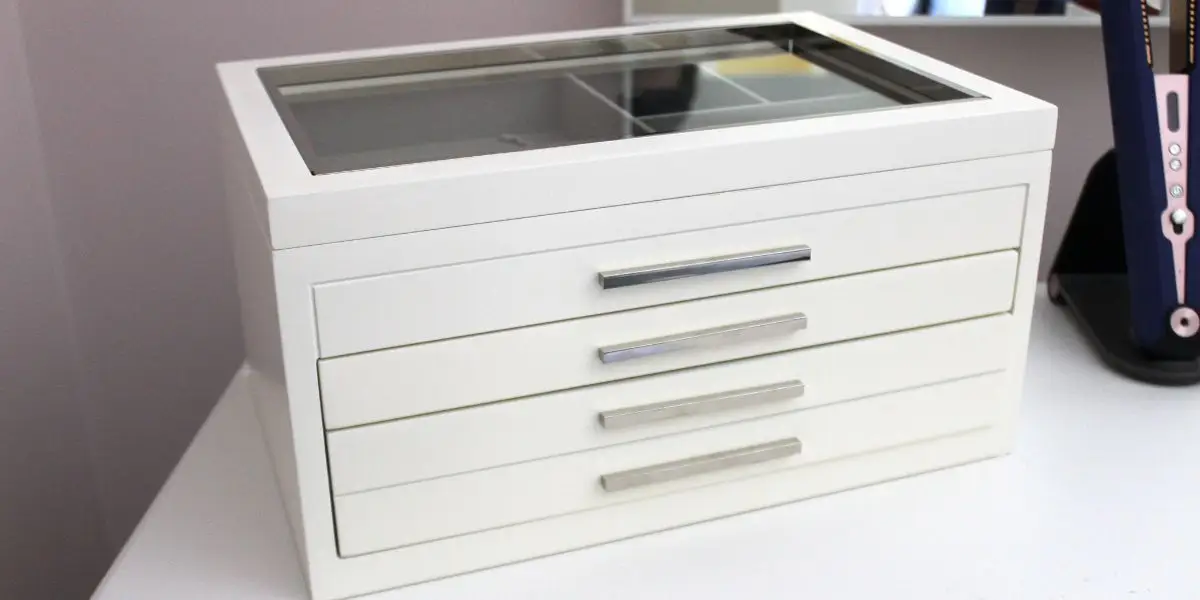
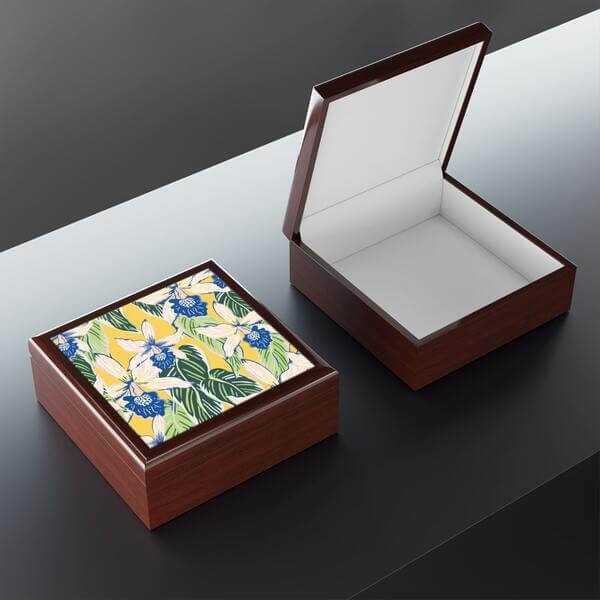
      A treasure chest for our beloved baubles, trinkets, and the occasional, mismatched earring. These charming containers have been a staple in homes for centuries, serving not just as storage solutions but also as reflections of our personal style, history, and sometimes, our deepest secrets. Whether made of wood, velvet, or even an ornate trinket, jewelry boxes hold more than just jewelry; they hold memories.

      Jewelry boxes serve several purposes. Firstly, they keep our precious pieces organized and untangled, preventing those heart-stopping moments when you’re late for an event and can’t find that one cherished necklace. Beyond practicality, they act as a symbol of love and sentimentality, often passed down through generations.

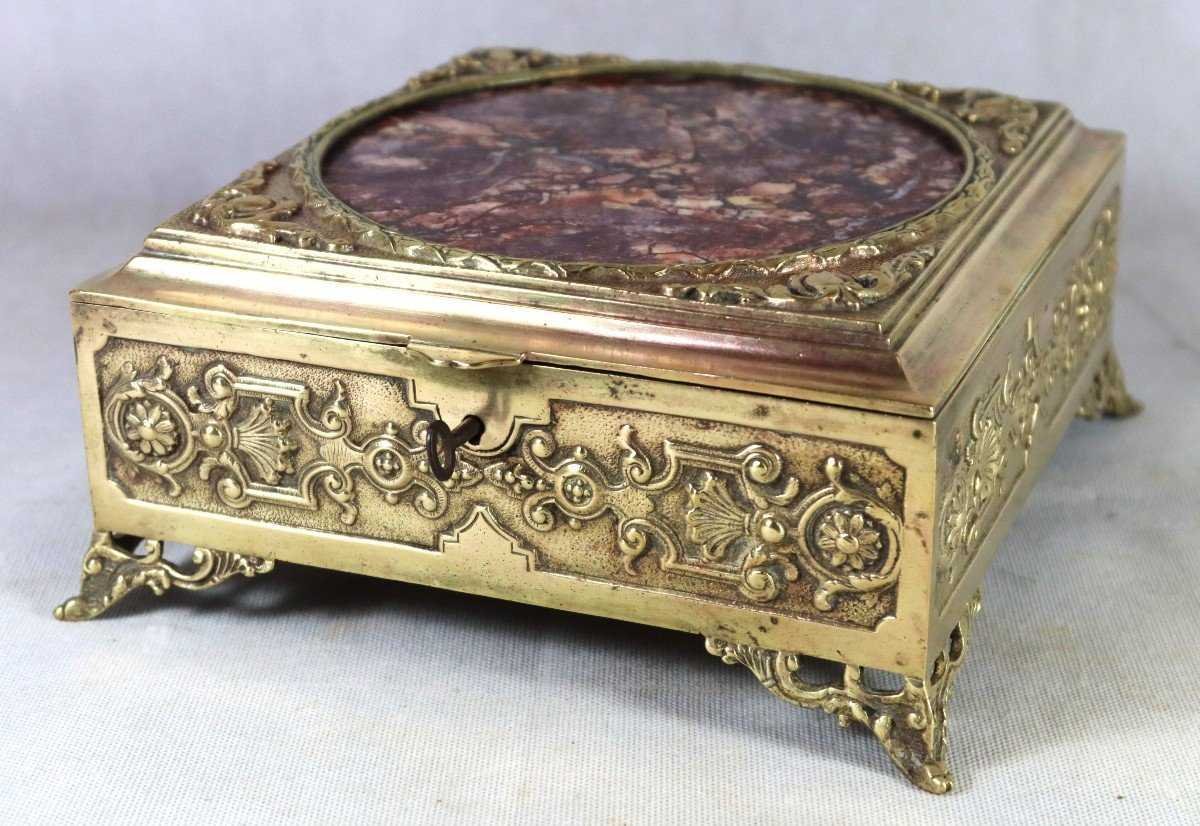
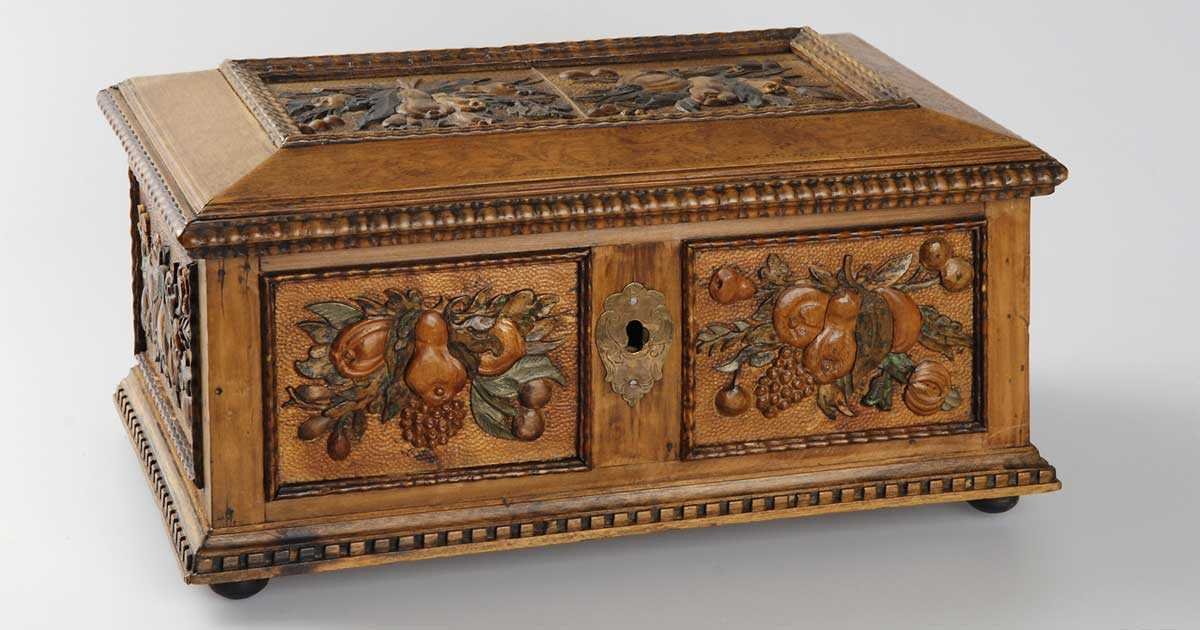
      The Middle Ages was when jewelry boxes became lavishly designed with intricate carvings and rich materials. During the Renaissance, artistry flourished, and so did the creativity behind jewelry storage. These boxes began to incorporate secret compartments and clever locks—because who wouldn’t want a little mystery to go with their earrings? It’s no surprise that this period found jewelry boxes becoming as much about the art of concealment as they were about the luster of the jewels kept inside.

      [et_pb_wpdt_wc_product_carousel slides_per_view=”1″ centered_slides=”on” criteria=”custom_filter” categories=”186″ orderby=”rand” posts_per_page=”99″ _builder_version=”4.27.4″ _module_preset=”default” global_colors_info=”{}”][/et_pb_wpdt_wc_product_carousel]

      Would you like to customize this item? Tell us:

      12 + 7 =