AI, Fashion and Print on Demand

AI, Fashion and Print on Demand

The global print-on-demand (POD) fashion market is undergoing a massive transformation, projected to expand tenfold from roughly $10 billion to over $100 billion by 2034. At the heart of this explosive growth is Artificial Intelligence, which acts as the ultimate catalyst for the "zero-inventory, highly-personalized" retail model.

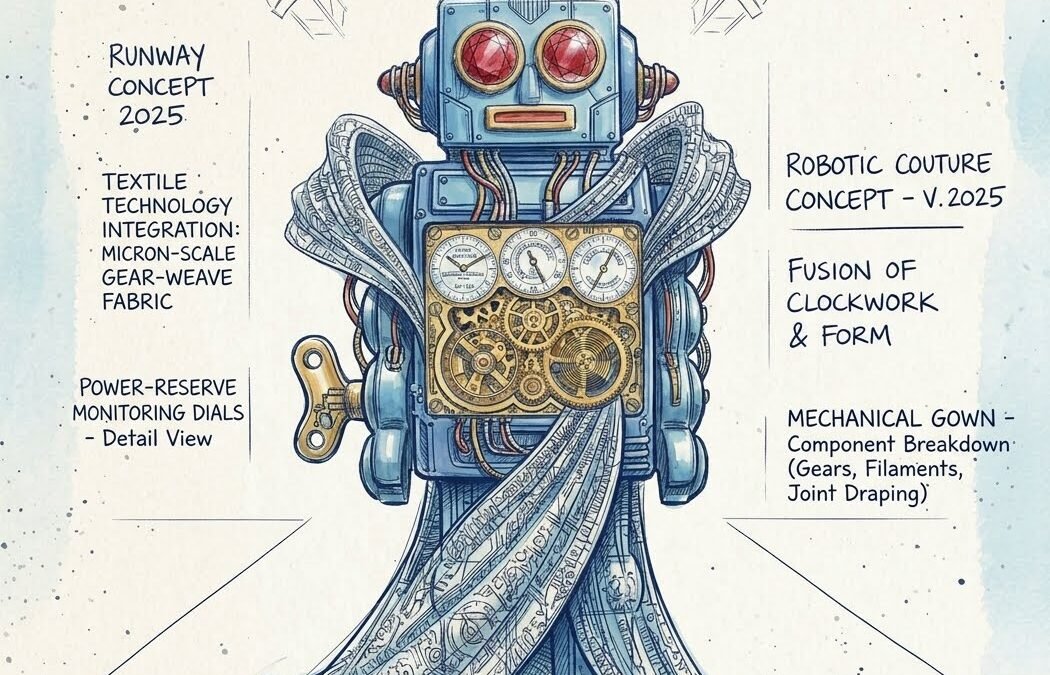
AI is fundamentally altering how POD fashion is designed, marketed, produced, and consumed, steering the industry toward a highly automated, hyper-localized "smart supply chain."

Print-on-demand is a business model where products, primarily customized items, are produced in response to specific customer orders, eliminating the need for pre-printed inventory.

Speed-to-Market & Trend Transmutation

Traditionally, fashion cycles took months from concept to retail window. Today, AI algorithms scan massive data streams—including video trends on TikTok, global search behavior, and even real-time weather changes—to predict micro-trends before they physically materialize.

The POD Impact: Independent creators can spot a viral phrase or visual aesthetic and launch an entire apparel collection on a storefront like Shopify, Etsy, or TikTok Shop within hours without ever holding physical inventory.

Concept "Transmutation": Instead of starting from a blank canvas daily, sellers use tools like Gemini or Midjourney to analyze historical best-selling graphics, change out isolated variables (like the target niche, text, or art style), and effortlessly churn out highly optimized, mathematically proven variations.

Eliminating the Technical Bottlenecks of Design

Historically, the barrier to entry for apparel design was high; creators had to master software like Adobe Illustrator to ensure high-resolution formatting, transparent layers, and proper color management.

Scaling and Vectorization: AI has revolutionized surface and print design. If a designer has a low-resolution graphic or a basic sketch, platforms like KADy, Kittl, or specialized AI upscalers instantly remove backgrounds, vectorize lines, and intelligently scale print patterns so the repeat design elements fit perfectly across different garment sizes without pixelation.

Automated Mockups: Instead of hiring real-world models and organizing photoshoots, POD platforms like Printify use AI to instantly render ultra-realistic digital mockups of the custom clothing on various bodies and diverse backgrounds, vastly reducing customer hesitation at checkout.

Hyper-Personalization: The Co-Created Closet

AI is shifting the consumer's role from a passive buyer to a co-designer. Major fashion labels and POD storefronts alike are introducing interactive generative-design widgets.

Real-Time Previews: Customers typing a personal phrase, uploading a custom pet photo, or selecting an aesthetic (such as "surrealist neon rave" or "minimalist geometry") can watch an AI generate a distinct, tailored pattern onto a 3D clothing render in real time.

Tailored Fit: Advanced 3D pattern generators can take a customer’s unique body measurements and instantly adapt a ready-to-sew digital clothing file, eliminating standard size charts and ensuring the piece fits perfectly straight from the print machine.

Back-End Optimization and Prepress Precision

A massive chunk of print-on-demand overhead lies in hidden production mistakes.

Error Detection: AI-driven prepress checks automatically audit digital order files before they touch a printer, flagging incorrect bleed lines, formatting bugs, resolution drops, or color mismatches.

Intelligent Routing: When an order is placed on a social platform, AI routing systems calculate production costs, raw material availability, and proximity to the customer to fulfill the print job locally via advanced Direct-to-Garment (DTG) or Direct-to-Film (DTF) microfactories. This cuts down shipping timelines and minimizes carbon footprints, helping brands naturally satisfy rising EU sustainability regulations.


The Crucial Counter-Trend: The Threat of "Fashion Slop"

While AI makes the backend of print-on-demand incredibly frictionless, it has created a critical friction point on the front end: market saturation and an authenticity crisis.

The ease of AI has led to what critics call "fashion slop"—an influx of hollow, highly automated, algorithm-optimized listings generated in seconds purely to capture trending keywords. Because these listings are designed by machines for machines, they often lack a human connection and feel "emotionally empty" to consumers.

As a direct reaction, the dominant consumer trends of 2026— prioritize an unpolished, authentic, and "analog" look. Audiences are actively searching out hand-drawn illustrations, sketchy textures, imperfect lines, and nostalgic, faux-vintage aesthetics over hyper-clean, obviously AI-generated vector graphics.

The Takeaway for Brands

The most successful modern print-on-demand brands are not using AI to completely replace human creativity. Instead, they use AI to eliminate operational friction (scaling patterns, generating backend SEO, rout​ing orders, and creating mockups) while keeping a tight, intentional hold on the cultural meaning, artistic history, and human soul behind the design.
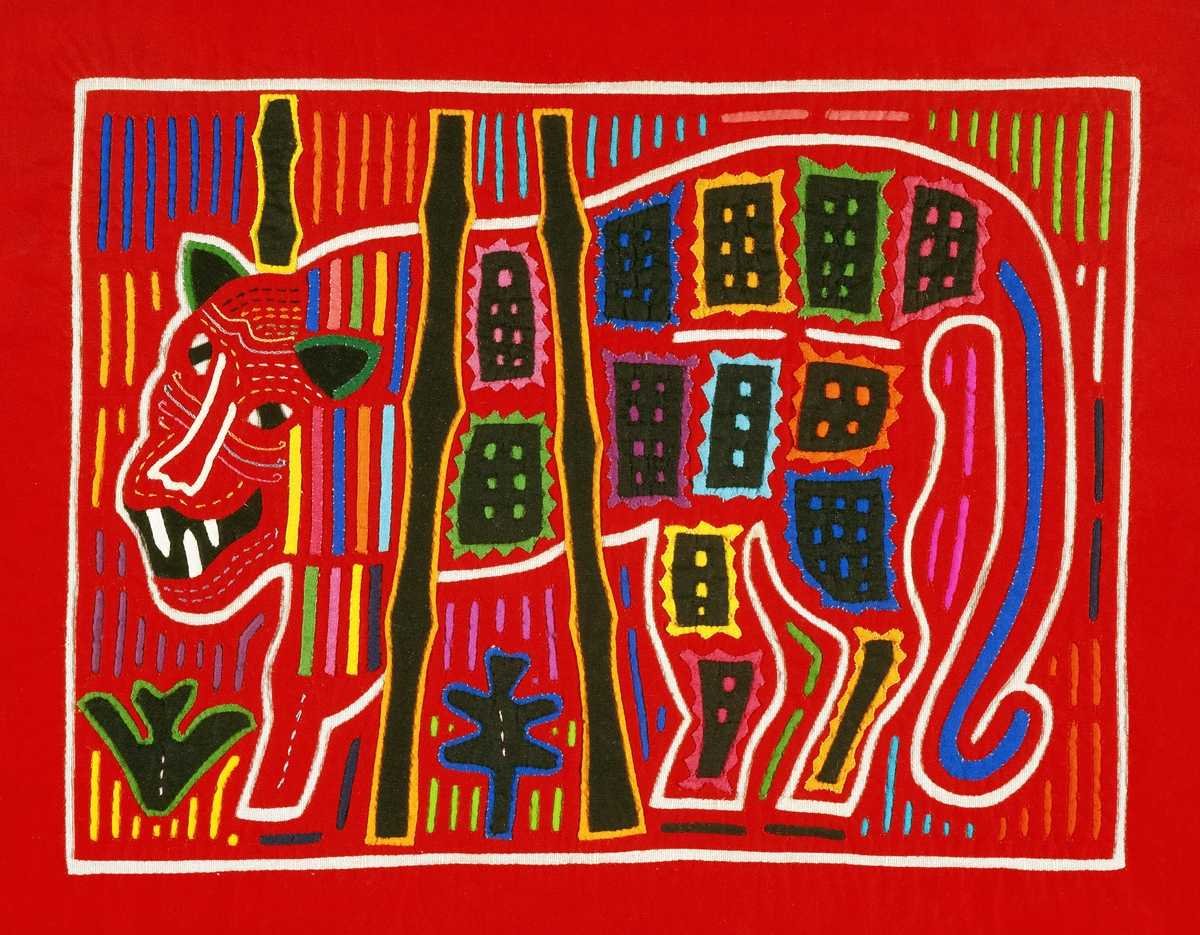
MOLAS: textile design & political identity

MOLAS: textile design & political identity

cgk.ink journal — textile & identity
cgk.ink journal · Guna Yala, Panamá

MolasTextile design & political identity

A blouse panel, cut and stitched by hand, that helped a people keep their land, their language and their name.

“Clothes aren’t going to change the world. The women who wear them are.”— Anne Klein
01 / 04 — What is a mola
01
The garment

What is a mola?

molaDulegaya (Guna language): “clothing” or “blouse.”

To the Guna, mola simply means clothing. To the rest of the world it means the panels: two vivid, hand-stitched rectangles worn front and back on a woman’s blouse, the centerpiece of a full ensemble of wrapped skirt, headscarf, gold and beaded wini wrapped at wrist and calf.

The Guna live along Panamá’s Caribbean coast and across the San Blas archipelago they call Guna Yala. Their textile art is believed to descend from body painting: the same geometric language moved from skin to cotton once trade cloth and needles reached the islands.

Every mola is a statement of who made it, and of who she is.

Guna mola panel in layered reverse appliqué, Panamá
Layered
Colorful mola textile with geometric and animal motifs
Storied
Detail of a hand-cut mola showing layered cotton and fine stitching
Cut
Mola textile art in red, orange and black
Stitched
02 / 04 — Reverse appliqué
02
The technique

Cut down to the color

Stack

Several layers of brightly colored cotton are basted together, darkest or boldest on top.

Cut

The maker slices through the top layer to expose the color beneath, then cuts again, deeper.

Turn

Each raw edge is folded under, so every line of the design becomes a channel of color.

Stitch

Tiny, nearly invisible hand stitches lock it all in place. A complex panel can take weeks or months.

The tell of a great mola: more layers, finer cuts, smaller stitches.

03 / 04 — Dress as resistance
03
The politics

Dress as resistance

1919

Assimilation

Panamá’s government begins pressing the Guna to give up traditional dress, including the mola, nose rings and wini, in favor of Western clothes.

1925

The Guna Revolution

In February, the Guna rise up against police occupation of the islands. Wearing the mola becomes an open act of defiance, and the uprising is still commemorated every year.

1938

Recognition

The San Blas territory is established as a comarca, the first step toward the self-government the Guna fought for.

Today

Guna Yala

An autonomous region governed by the Guna General Congress, where the mola is still worn daily as identity, not costume.

04 / 04 — Why it matters
04
The influence

Why it matters for design

Contrast

Saturated reds, oranges and blacks set edge to edge. No gradients, no hedging: color as pure graphic force.

Depth

Layers you can read. The eye travels down through the cloth, which is why the look keeps returning to fashion and interiors.

Story

Birds, sea creatures, maze-like geometry and daily life. Every panel is a narrative before it is a pattern.

Credit the source. When mola aesthetics show up on a runway or a throw pillow, the design debt belongs to Guna women. Name them.

Shop — mola-inspired
→
Curated by cgk.ink

Mola-inspired pieces

These pieces are curated by cgk.ink and inspired by the mola art form. They are not made by Guna artisans. For an authentic mola, buy from cooperatives and sellers who work directly with Guna makers.

No products were found matching your selection.
Three Patterns’ Voyages

Three Patterns’ Voyages

Three Patterns · Three Journeys

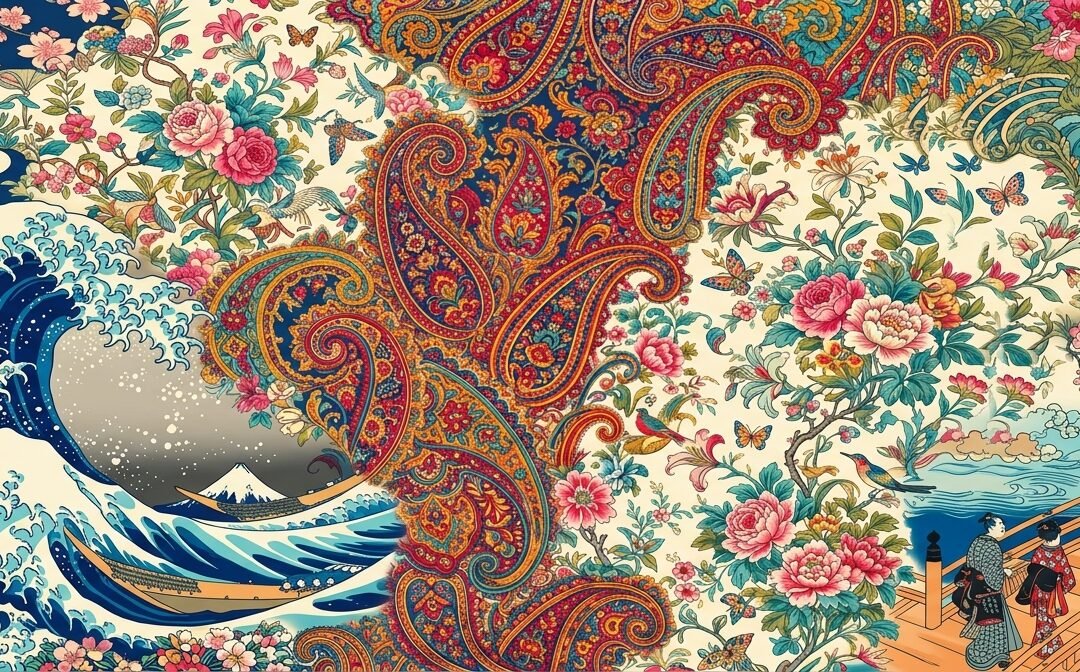
Global Patterns: How Indian Chintz, Persian Paisley, and Japanese Woodblocks Traveled the World to Shape Modern Style

Three textiles, three journeys: how Persian paisley, Indian chintz, and Japanese woodblock prints carried Eastern design into the West.

The Language of Pattern · 01 / 03

The Trans-Oceanic Voyage of Paisley


The Trans-Oceanic Voyage of Paisley traces how the boteh, a stylized floral spray rooted in ancient Persian design, journeyed from the courts of the Mughal Empire to the looms of Paisley, Scotland. In Persia and Mughal India, the teardrop-shaped motif, often read as a cypress, a leafy bud, or a sprig of blossoms, adorned the finest Kashmiri shawls, woven by hand over months and worn as emblems of rank and refinement. In the late 18th century, the East India Company carried these prized shawls back to Britain, where they became fashionable among the upper classes and sparked a hunger for the exotic that imported supply could never satisfy. Weavers in Edinburgh, Norwich, and eventually the Scottish town of Paisley set about imitating them, and the introduction of the Jacquard loom let them reproduce the intricate patterns faster and far more cheaply than any Kashmiri artisan could. As prices fell, the boteh slipped from the shoulders of aristocrats into the wardrobes of the rising middle class, and the town of Paisley became so closely identified with the design that its name replaced the original. What began as a symbol of Eastern royalty was transformed, through trade, technology, and fashion, into a classic Western staple that still appears on ties, scarves, bandanas, and linings today.

Wear the Pattern

Shop All Paisley

02 / 03 · Chintz

The Language of Pattern · 02 / 03

How Chintz Conquered Europe

How Chintz Conquered Europe begins with the 17th-century craze for Indian painted and printed cotton, a fabric unlike anything European weavers could produce. Carried by the Dutch and English East India Companies from the Coromandel Coast and Gujarat, chintz dazzled buyers with its vivid botanical designs of flowering vines, exotic blooms, and trees of life, rendered through a sophisticated mordant and resist-dyeing process that kept the colors bright wash after wash, something European wool, linen, and silk dyes could not match.

Light, washable, and affordable, it quickly moved from curiosity to necessity, appearing in bed hangings, window curtains, upholstery, and everyday clothing across England, France, and the Netherlands. The flood of imports alarmed domestic wool and silk manufacturers, who lobbied hard for protection, and governments responded with sweeping prohibitions, including the French ban of 1686 and the British Calico Acts of 1700 and 1721, which only made the fabric more desirable and fueled a thriving black market.

Those bans ultimately pushed European printers in places like Marseille, Amsterdam, and London to learn the techniques themselves, laying the groundwork for the cotton printing industry that would help drive the Industrial Revolution. Meanwhile, chintz rewrote the rules of interior decoration, replacing the heavy, somber textiles of earlier centuries with bright, washable, pattern-rich fabrics, and establishing the floral-covered, layered room as a lasting ideal of European domestic comfort and taste.

1686 French ban
1700 British Calico Act
1721 Second Calico Act

03 / 03 · Woodblock

The Language of Pattern · 03 / 03

The Woodblock Revolution

Rules the prints broke

  • 01 Flat planes of unmodulated color
  • 02 Bold contour lines
  • 03 Asymmetrical layouts
  • 04 Dramatic cropping
  • 05 High vantage points
  • 06 No Renaissance perspective or shading

The Woodblock Revolution examines how Japanese ukiyo-e prints and Eastern textile traditions reshaped Western ideas of composition after Japan reopened to trade in the 1850s. As prints, kimono, and stencil-dyed fabrics poured into Paris and London, often arriving as packing material for ceramics, European artists and designers encountered a visual language that broke nearly every academic rule: flat planes of unmodulated color, bold contour lines, asymmetrical layouts, dramatic cropping, high vantage points, and a graceful disregard for Renaissance perspective and shading.

This wave of Japonisme electrified painters like Monet, Degas, and Van Gogh, who borrowed its compositions and color blocking, and it transformed the decorative arts just as profoundly. Designers saw in Japanese textile frameworks, with their repeating motifs, stylized nature, and balanced use of negative space, a model for treating pattern as structure rather than ornament. Art Nouveau grew directly from this inheritance, with its sinuous whiplash lines, flattened botanical forms, and integrated designs that unified poster, textile, furniture, and architecture.

The same principles of simplification, flatness, and abstraction carried forward into the early twentieth century, helping loosen the grip of realism and clearing the path toward Modernism's embrace of pure form, graphic economy, and design as a total, everyday art.

From the Woodblock Masters

Shop the Japan Collection

Back to top

The Thanksgiving Table

The Thanksgiving Table

Thanksgiving to New Year's · Tableware

The Holiday Table

Set the table like a gallery.

An art-inspired holiday tableware edit from Los Angeles: cloth, placemats, napkins and glassware, each paired with the artist, archive or tradition behind it. For Thanksgiving dinner, a Christmas Eve feast, Hanukkah candles, a New Year's toast, and every gathering in between, plus gift ideas for whoever is hosting.

I / IV

Start with the cloth

Everything else on the table sits on top of it.

Tablecloths 58″ × 58″ or 58″ × 102″

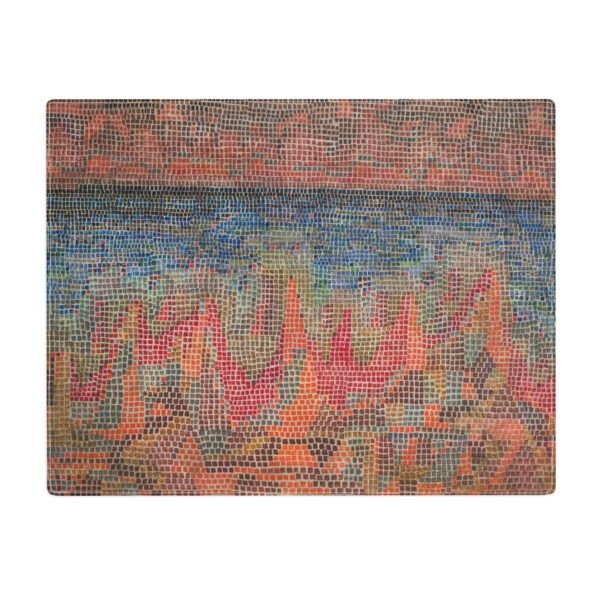
Paul Klee Cliffs by the Sea art tablecloth for the holiday table

After Paul Klee

Paul Klee: Cliffs by the Sea Tablecloth

Two sizes

$62 – $99.50

Choose size
Owen Jones ornament pattern tablecloth

The Grammar of Ornament

Owen Jones: Tablecloth

Two sizes

$62 – $99.50

Choose size
Bauhaus textiles geometric tablecloth

Bauhaus weaving

Bauhaus Textiles: Tablecloth

Two sizes

$62 – $99.50

Choose size
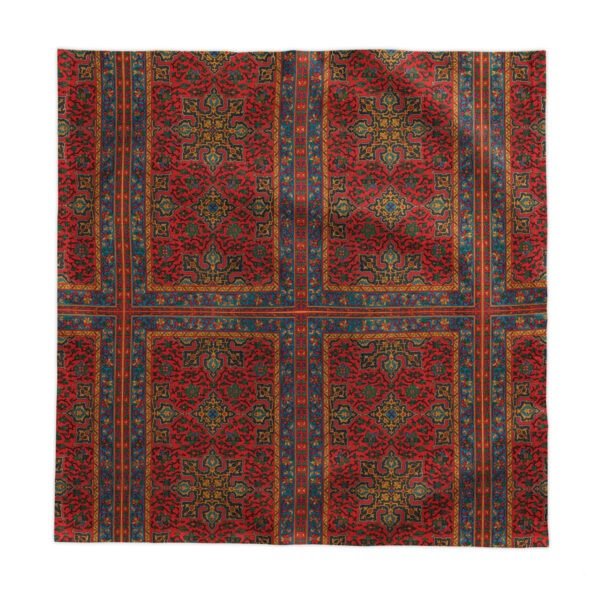
La Décoration Arabe 1885 deep crimson tablecloth

La Décoration Arabe, 1885

La Décoration Arabe (1885): Deep Crimson Tablecloth

Two sizes

$62 – $99.50

Choose size

Table runners 90″ × 16″

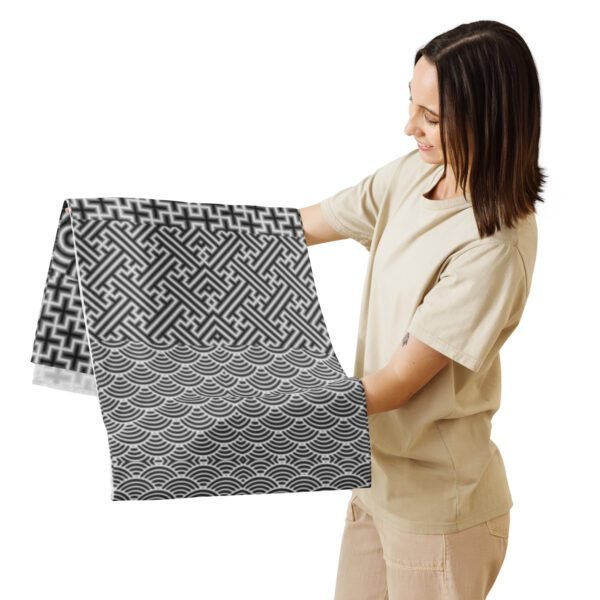
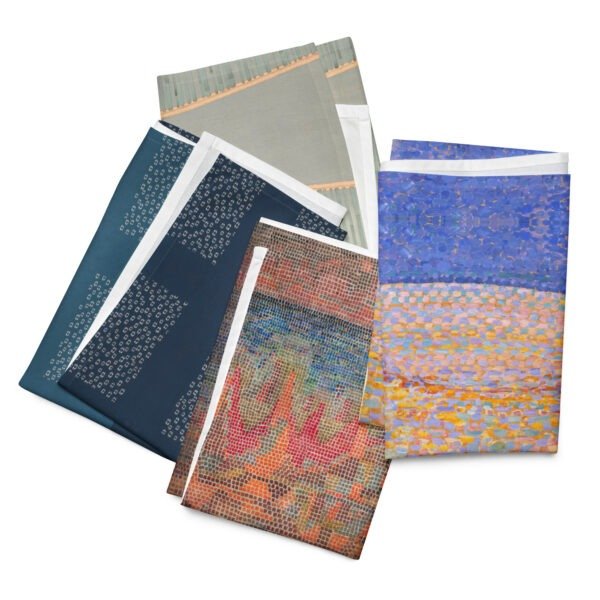
Black and white sashiko table runner

Japanese sashiko

Black and White Sashiko (刺し子) Table Runner

90″ × 16″

$39.50

Buy now
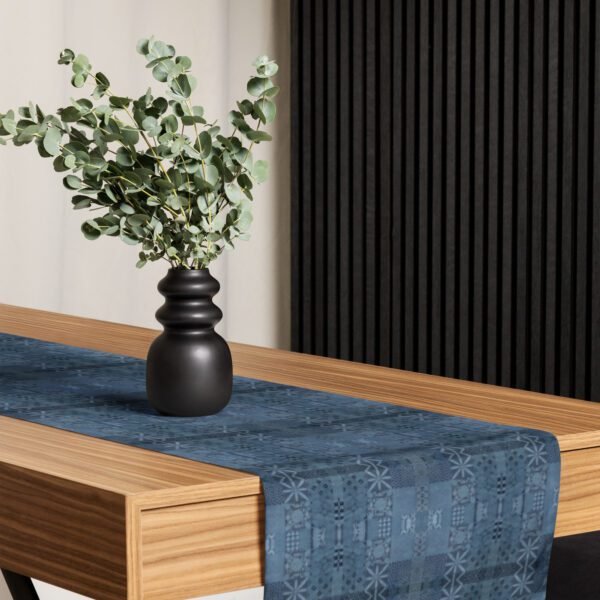
Blue tiled stream sashiko table runner

Japanese sashiko

Blue Tiled Stream Sashiko (刺し子) Table Runner

90″ × 16″

$39.50

Buy now
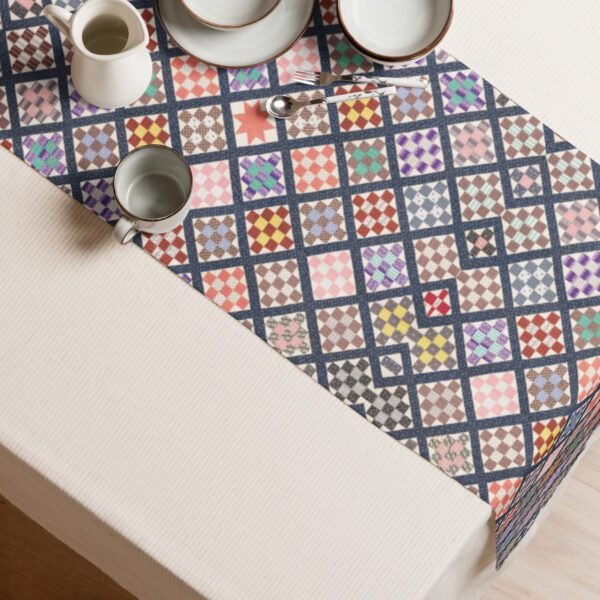
Trinity quilt pattern table runner

Quilt geometry

Trinity Quilt Table Runner

90″ × 16″

$39.50

Buy now
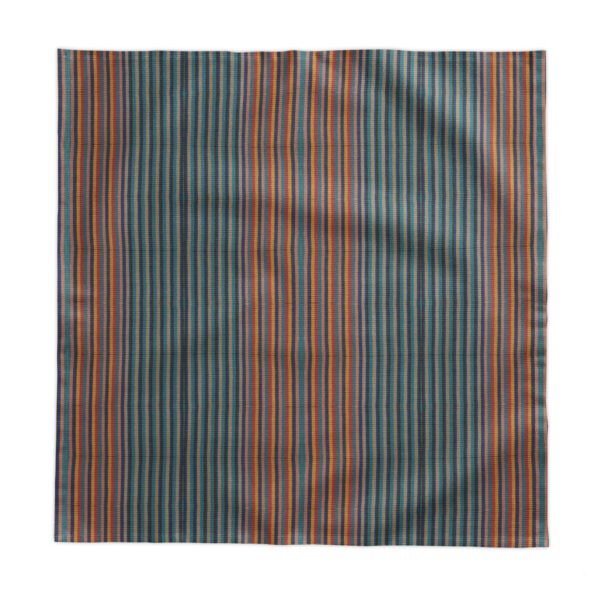
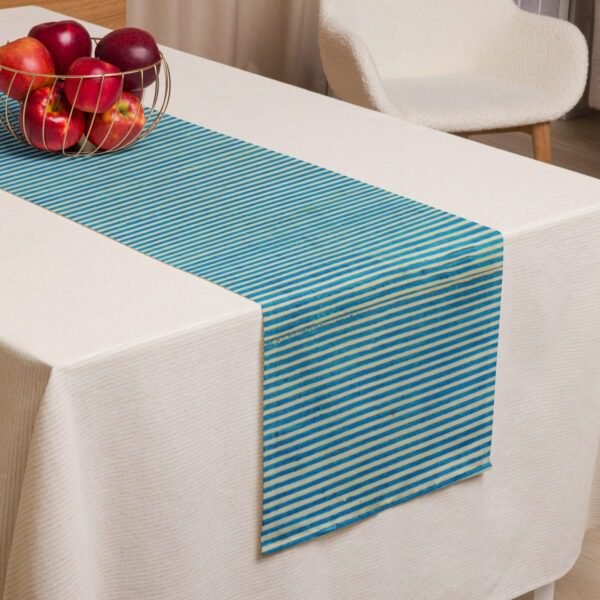
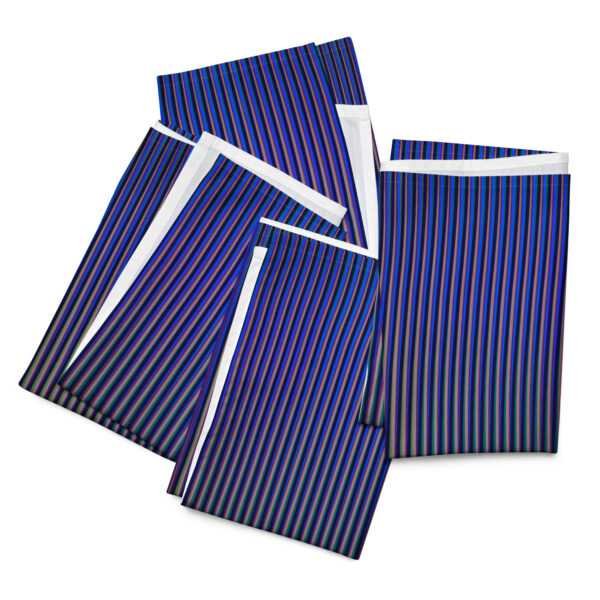
Blue river stripe table runner

Modernist stripe

Blue River Stripe Table Runner

90″ × 16″

$39.50

Buy now

II / IV

Layer in placemats & napkins

The supporting players. Each place setting is a small frame of its own.

Placemats 18″ × 14″

Jasper Forest cotton placemat

Forest palette

Jasper Forest Cotton Placemat

Cotton

$18.50

Buy now
Middle Sea Mediterranean cotton placemat

Mediterranean palette

Middle Sea Cotton Placemat

Cotton

$18.50

Buy now
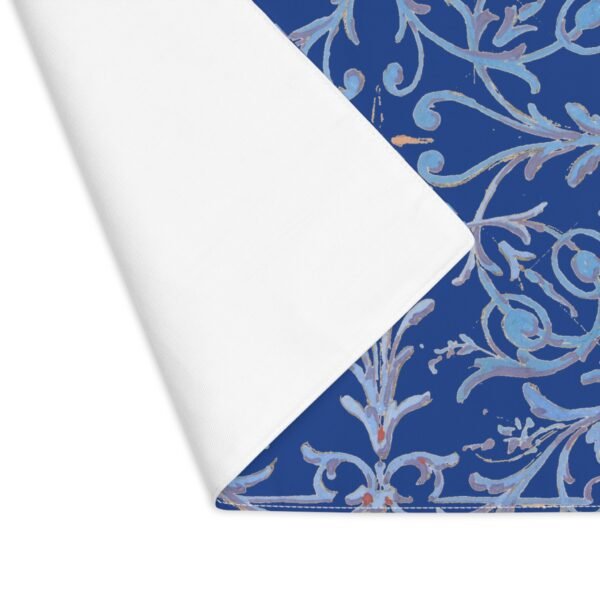
Blue Moroccan tile placemat

Moroccan tilework

Blue Moroccan Tile Placemat

Single placemat

$23.00

Buy now

Cloth napkins Sets of 4

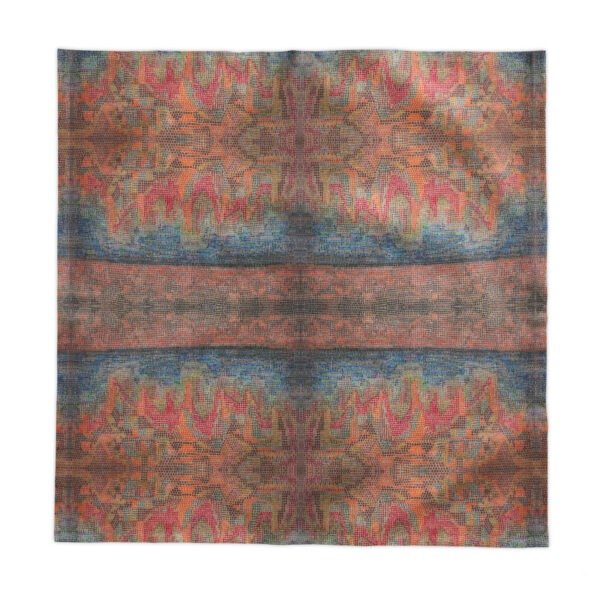
Abstract patterns cloth napkin set of 4

Abstract geometry

Abstract Patterns Cloth Napkin Set of 4

Set of 4

$34.50

Buy now
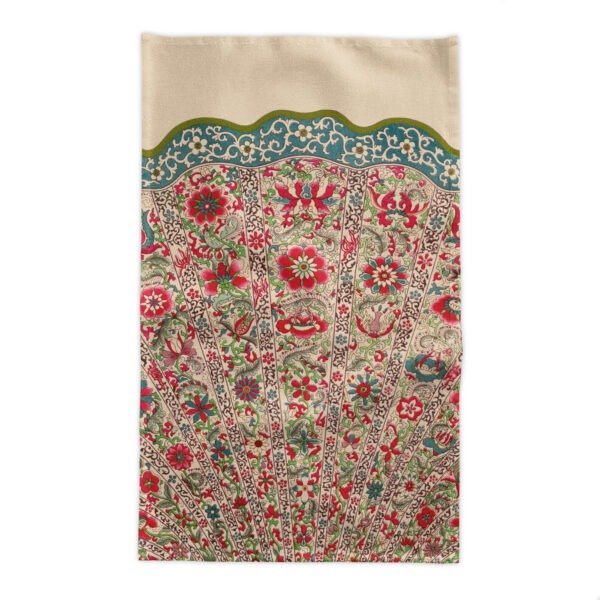
Decorative art cloth napkin set

Decorative arts

Decorative Art Cloth Napkin Set

Set of 4

$34.50

Buy now
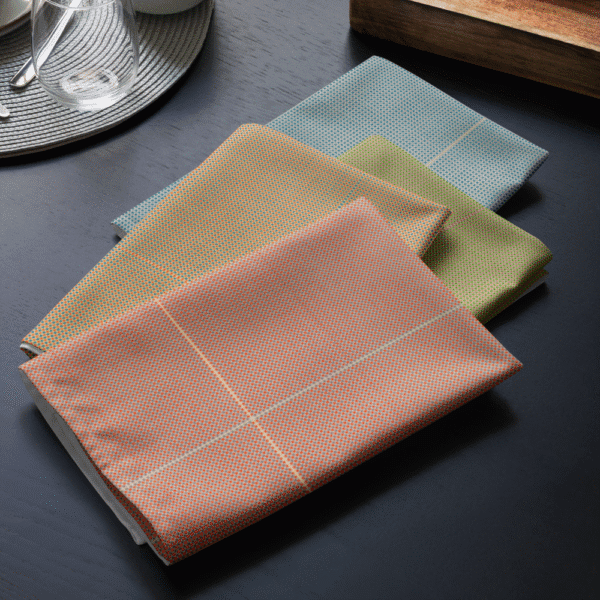
Imminent Spring cloth napkin set of 4

Botanical abstraction

Imminent Spring Cloth Napkin (Set of 4)

Set of 4

$28.00

Buy now
Indigo Current cloth napkin set of 4

Indigo tradition

Indigo Current Cloth Napkin (Set of 4)

Set of 4

$28.00

Buy now

III / IV

Pour into something with a story

From the toast at dinner to the countdown at midnight.

15% off

Buy 4 or more glassware pieces and save 15% on the pre-tax total. Mix and match across wine and mixing glasses.

Stemless wine glasses For the toast

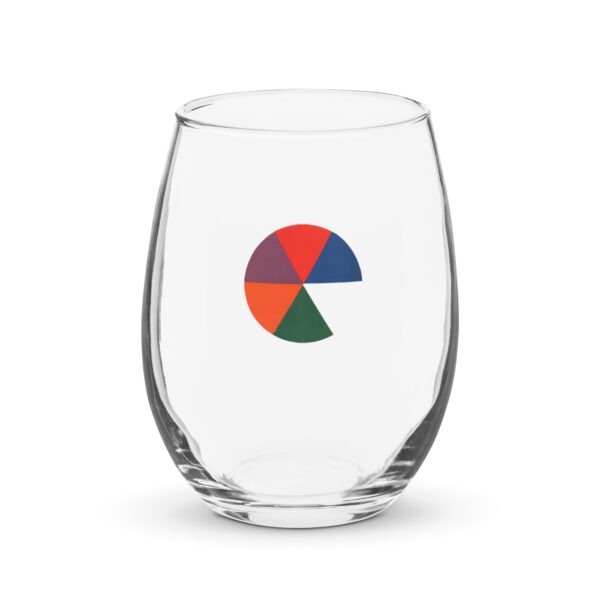
Inclusion stemless wine glass 15 oz

Contemporary art

Inclusion Stemless Wine Glass

15 oz

$15.00

Buy now
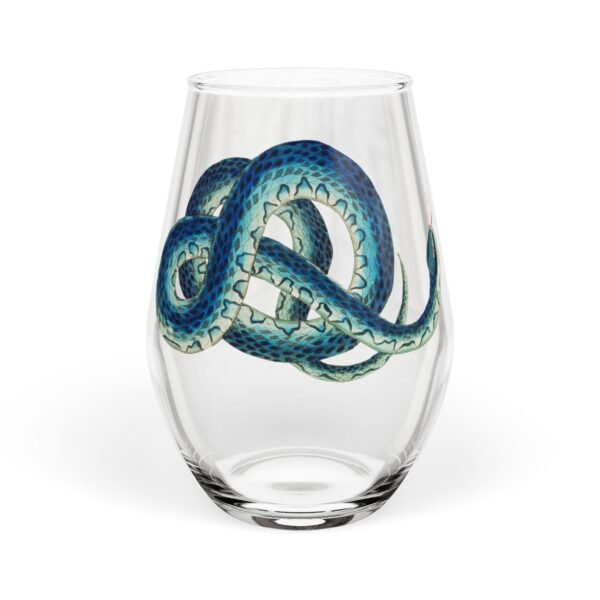
Blue Serpent stemless wine glass 11.75 oz

Serpent motif

Blue Serpent Stemless Wine Glass

11.75 oz

$16.58

Buy now
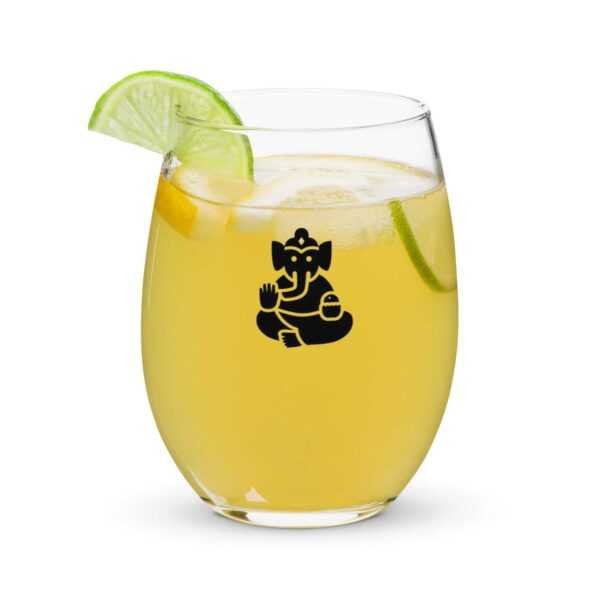
Ganesh Blessing stemless wine glass 15 oz

Indian devotional art

Ganesh Blessing Stemless Wine Glass

15 oz

$19.84

Buy now

Mixing & pint glasses For cocktail hour · 16 oz

Vintage world map 16 oz mixing glass

Vintage cartography

16oz Vintage World Map Mixing Glass

16 oz

$15.00

Buy now
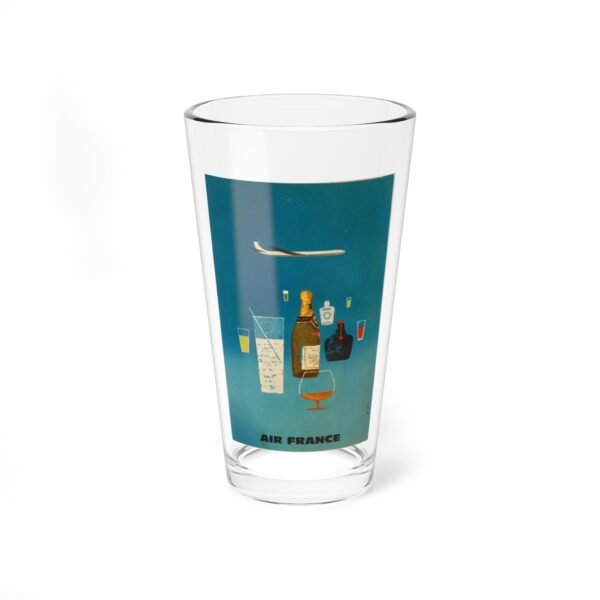
Air France vintage travel cocktail mixing glass

Vintage travel posters

Air France Cocktail Mixing Glass

16 oz

$15.00

Buy now
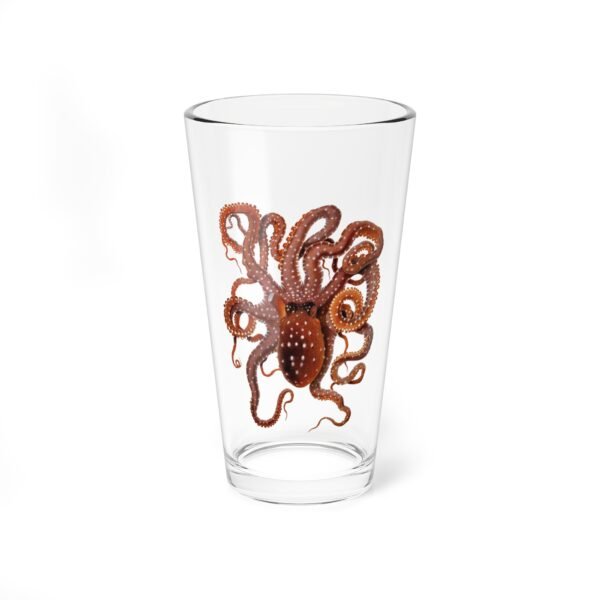
Octopus kraken 16 oz pint glass

Sea creatures in art

Octopus Pint Glass

16 oz

$15.00

Buy now
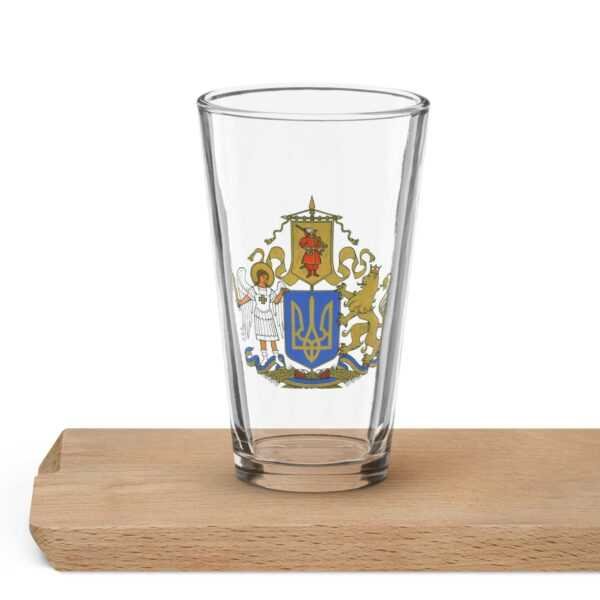
Ukrainian crest shaker pint glass 16 oz

Ukrainian heraldry

Ukrainian Crest Shaker Pint Glass

16 oz

$16.00

Buy now

IV / IV

Gift ideas for the host

Don't show up empty-handed. Eight pairings for every party on the calendar this season.

The Art Lover

Paul Klee placemat, or go big with the Klee tablecloth

from $18.50

The Traveler

Air France or World Map mixing glass

$15

The Pattern Lover

Owen Jones tablecloth + Decorative Art napkins

from $96.50

Before you order

Order by Dec 12

for delivery before December 25, 2026.

Shipping times vary by item, so the earlier you order, the sooner your table is set. Everything here is covered by our Refund and Returns Policy, and there are more ideas for everyone on your list in the Holiday Gift Guide 2026.

cgk.ink · Los Angeles · Holiday 2026

HOLIDAY GUIDE 2026

HOLIDAY GUIDE 2026

Holiday 2026

The cgk.ink Holiday Gift Guide

Art you can wear, carry, and live with.

Start here

Gifts sorted by the person on your list

Most holiday shopping means buying for someone whose taste you can only partly read. This guide sorts the cgk.ink shop by the person on your list, so you can skip the scrolling and go straight to pieces that fit them.

Each section points to the part of the shop where that gift lives and explains why it works.

Our approach

How we choose what goes in the shop

cgk.ink is a curated shop based in downtown Los Angeles. We pair each piece with the art or the artist that inspired it, so a gift comes with a story the recipient can repeat.

We are a Stripe Climate member, and our eco-logical collection states the recycled-material percentage in the product details where it applies. If sourcing matters to the person you are buying for, start there.

Gift for the traveler

For the person who is always traveling

The best gift for a frequent traveler is something they will use on the next trip, not a keepsake that stays in a drawer. Choose for the trip they take most often, whether that is a weekend away or a long haul, and let the art-inspired design carry the personal touch.

Shop travel gear
No products were found matching your selection.

Gift for the host

For the host and the homebody

Home goods suit the person who already owns everything they need. A blanket is useful from the first cold evening, and it looks good on a sofa or at the foot of a bed.

Shop blankets Winter 2026
No products were found matching your selection.

Gift for the art lover

For the art lover

The Fine Art Collection ties each design to the artist behind it. Pick an artist the recipient already admires, or one they would enjoy learning about. Robert Delaunay's color-driven work is a good place to begin for anyone who likes early abstraction and modernist design.
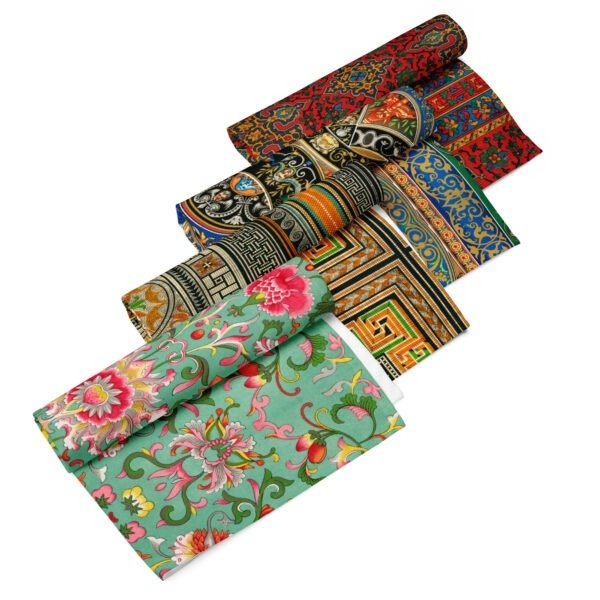
If the recipient responds to a particular tradition, our themed collections draw on Indian, East Asian, and Islamic art.
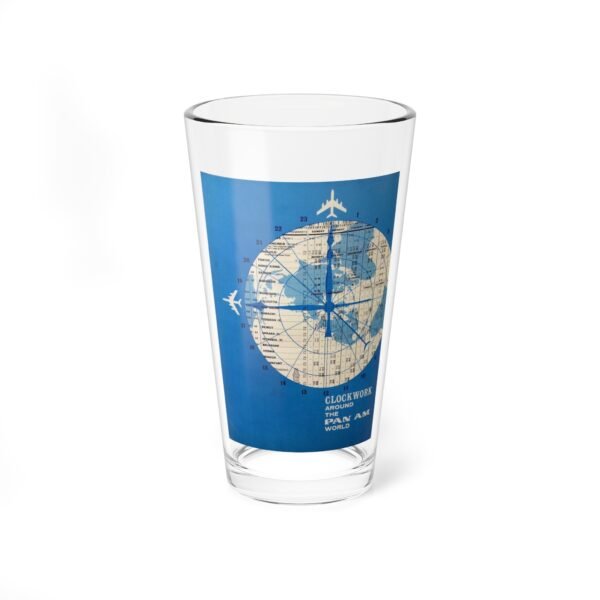
Fine Art Collection East Asian Collection

Gift by color

For the person who has a favorite color

Some people dress, decorate, and shop around one color. The Color Collection is organized into seven sections, from red through violet, so you can go straight to the color they love. It is the quickest way to shop for someone whose favorite color you know but whose style you do not.

Gift for the sun-seeker

For the person heading somewhere warm

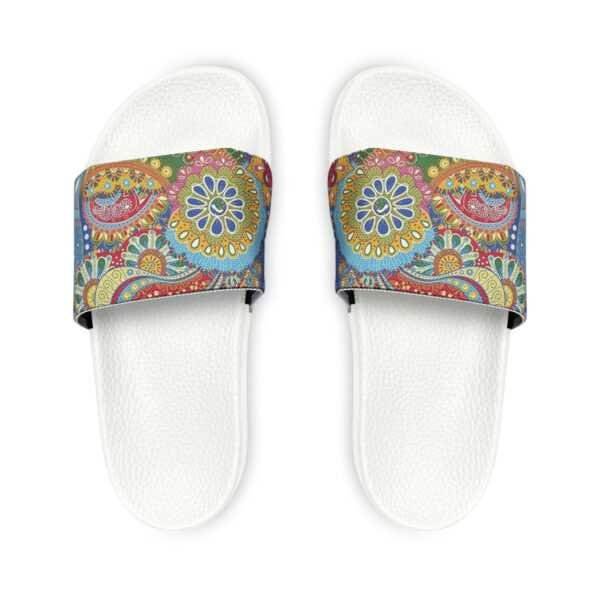
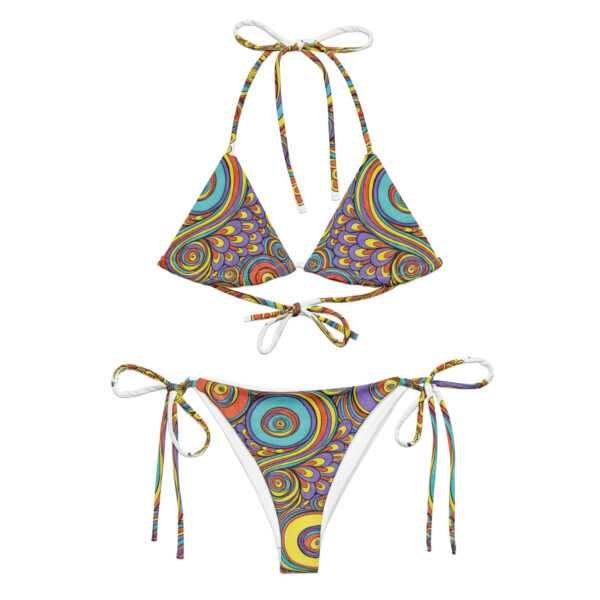
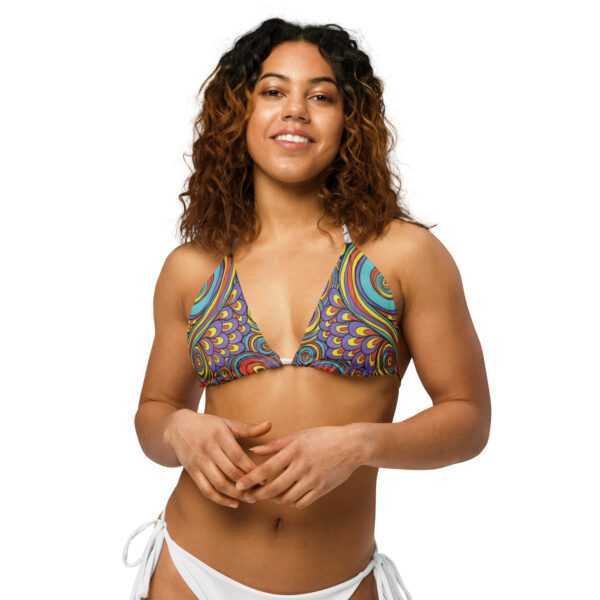
Winter is when many people book a trip south, and swimwear is a gift that gets used right away. Pair it with a piece of travel gear for a complete gift.

Gift with a conscience

For the person who asks where it came from

Some recipients read the label before they read the card. For them, choose from the eco-logical collection, where the recycled-material percentage appears in the product details.

Include a note with the gift that names the percentage, because that is the detail this kind of recipient will look for.

Before you check out

Ordering notes

Order by DECEMBER 12, 2026* to have your gifts arrive before December 25. Shipping times vary by item, so check the estimate on each product page before you check out.

*Express delivery may be available at an additional cost. Please inquire.

Ready when you are

Start shopping

The full cgk.ink shop is open now. Join our email list to hear about new arrivals before they are announced anywhere else.

Visit the shop
  • Gift Guides
  • Holiday 2026
  • Art-Inspired Gifts