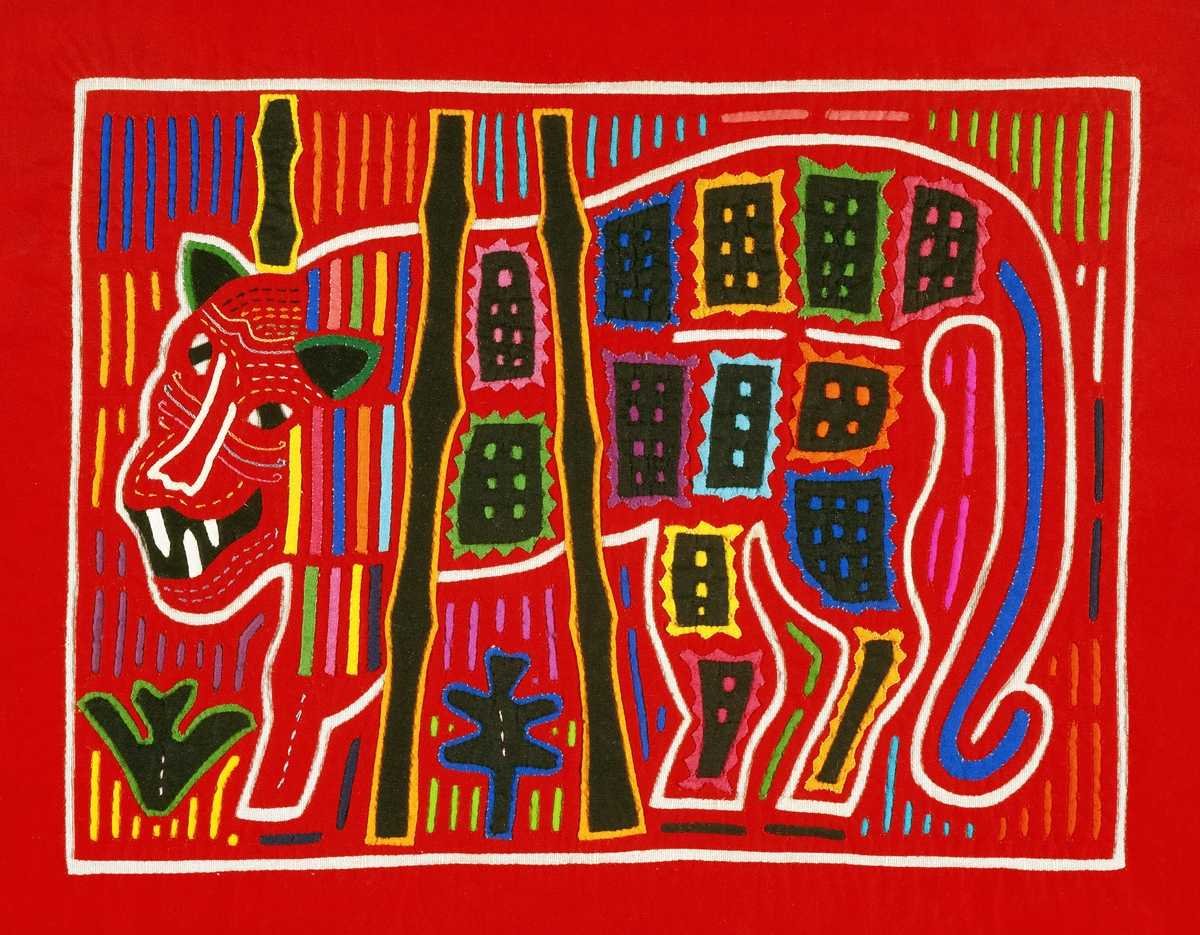
MOLAS: textile design & political identity
MolasTextile design & political identity
A blouse panel, cut and stitched by hand, that helped a people keep their land, their language and their name.
“Clothes aren’t going to change the world. The women who wear them are.”— Anne Klein
What is a mola?
To the Guna, mola simply means clothing. To the rest of the world it means the panels: two vivid, hand-stitched rectangles worn front and back on a woman’s blouse, the centerpiece of a full ensemble of wrapped skirt, headscarf, gold and beaded wini wrapped at wrist and calf.
The Guna live along Panamá’s Caribbean coast and across the San Blas archipelago they call Guna Yala. Their textile art is believed to descend from body painting: the same geometric language moved from skin to cotton once trade cloth and needles reached the islands.
Every mola is a statement of who made it, and of who she is.


Cut down to the color
Stack
Several layers of brightly colored cotton are basted together, darkest or boldest on top.
Cut
The maker slices through the top layer to expose the color beneath, then cuts again, deeper.
Turn
Each raw edge is folded under, so every line of the design becomes a channel of color.
Stitch
Tiny, nearly invisible hand stitches lock it all in place. A complex panel can take weeks or months.
The tell of a great mola: more layers, finer cuts, smaller stitches.
Dress as resistance
Assimilation
Panamá’s government begins pressing the Guna to give up traditional dress, including the mola, nose rings and wini, in favor of Western clothes.
The Guna Revolution
In February, the Guna rise up against police occupation of the islands. Wearing the mola becomes an open act of defiance, and the uprising is still commemorated every year.
Recognition
The San Blas territory is established as a comarca, the first step toward the self-government the Guna fought for.
Guna Yala
An autonomous region governed by the Guna General Congress, where the mola is still worn daily as identity, not costume.
Why it matters for design
Contrast
Saturated reds, oranges and blacks set edge to edge. No gradients, no hedging: color as pure graphic force.
Depth
Layers you can read. The eye travels down through the cloth, which is why the look keeps returning to fashion and interiors.
Story
Birds, sea creatures, maze-like geometry and daily life. Every panel is a narrative before it is a pattern.
Credit the source. When mola aesthetics show up on a runway or a throw pillow, the design debt belongs to Guna women. Name them.
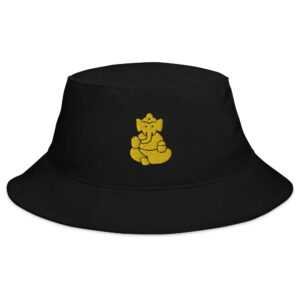
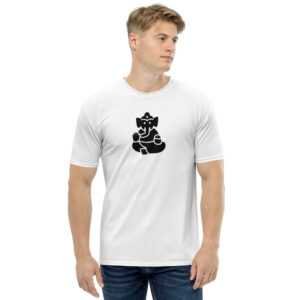
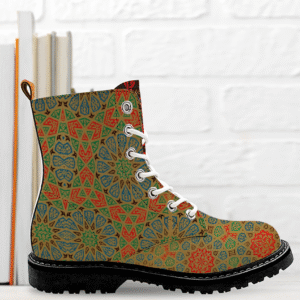
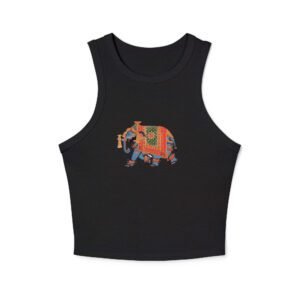
Mola-inspired pieces


These pieces are curated by cgk.ink and inspired by the mola art form. They are not made by Guna artisans. For an authentic mola, buy from cooperatives and sellers who work directly with Guna makers.