
Transcending Horizons: The Ad Astra Collection
Transcending Horizons: The Art of Spaceflight and the Modern Explorer
Showing 1–8 of 15 resultsSorted by latest
-

LUNA Rubber Clogs
$26.00 -

The Future is Supersonic Luggage Tag
$24.00 -

The Future is Supersonic Tee
Price range: $17.20 through $25.48 -

Urbanic Pillow Case
Price range: $28.00 through $32.00 -

Australian Space Agency Round Mouse Pad
$17.60 -

European Space Agency (EAS) Low-profile Baseball Cap
$21.50 -

Deep Space Atomic Clock Pint Glass — 16oz Mixing Glass
$15.00 -
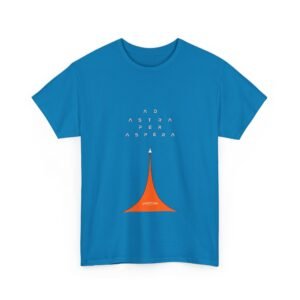
Ad Astra per Aspera Graphic Tee
$19.97
The Cosmos as Fine Art
Galactic Flight & Graphic Tees: We have reimagined the classic wardrobe essential. Our Galactic Flight T-Shirt ($19.97) and Ad Astra per Aspera Graphic Tee ($19.97) elevate casual luxury, featuring premium design work that bridges the gap between everyday style and high art.
The Future is Supersonic: For those who appreciate high-velocity sophistication, our Supersonic Tee ($17.20 – $25.48) offers an exquisite, tailored fit paired with a bold, striking silhouette.
Étienne Trouvelot
Prior to advances in photography, Trouvelot’s drawings of planets, comets, and other astronomical phenomena were the first glimpse into space for a public who had never seen Saturn's rings or Jupiter's giant red spot.
-
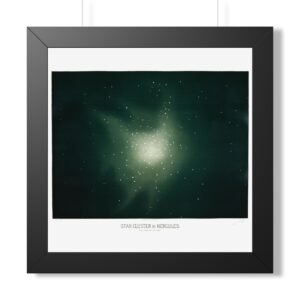
Étienne Trouvelot: Star Cluster in Hercules Astronomical Art Print
$68.00 -
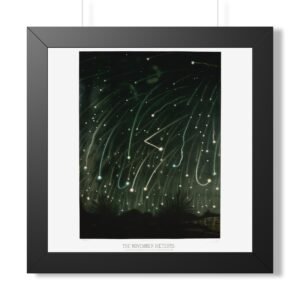
Étienne Trouvelot: The November Meteors Astronomical Art Print
$68.00 -
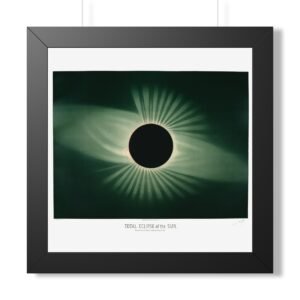
Étienne Trouvelot: Total Eclipse of the Sun Astronomical Art Print
$68.00 -
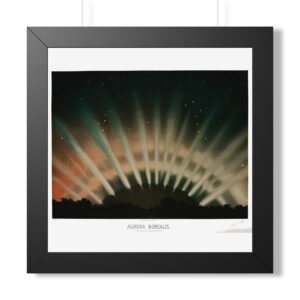
Étienne Trouvelot: Aurora Borealis Astronomical Art Print
$68.00 -
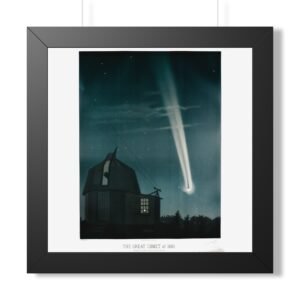
Étienne Trouvelot: The Great Comet of 1881 Astronomical Art Print
$68.00 -
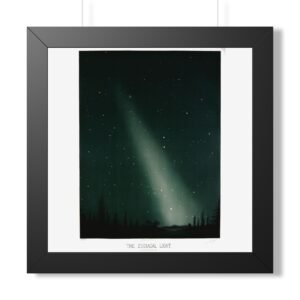
Étienne Trouvelot: The Zodiacal Light Astronomical Art Print
$68.00 -
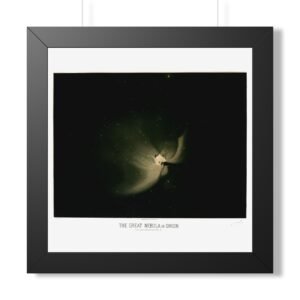
Étienne Trouvelot: The Great Nebula in Orion Astronomical Art Print
$68.00 -
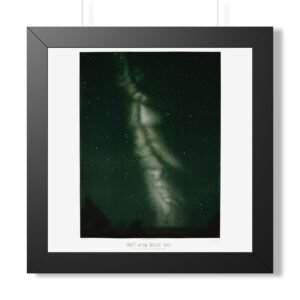
Étienne Trouvelot: Part of the Milky Way Astronomical Art Print
$68.00 -
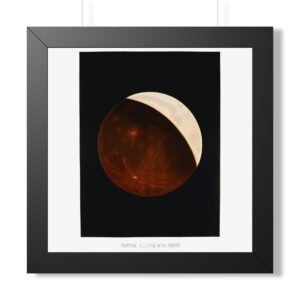
Étienne Trouvelot: Partial Eclipse of the Moon
$68.00 -
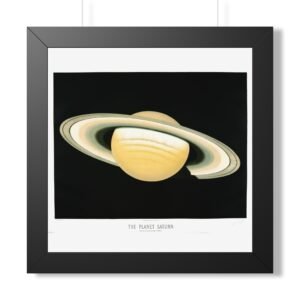
Étienne Trouvelot: The Planet Saturn Astronomical Art Print
$68.00 -
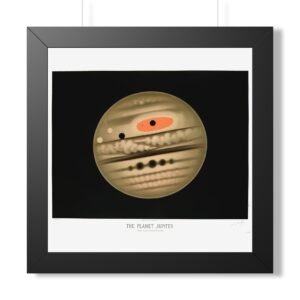
Étienne Trouvelot: The Planet Jupiter Astronomical Art Print
$68.00 -

Étienne Trouvelot: Solar Protuberances Astronomical Art Print
$68.00







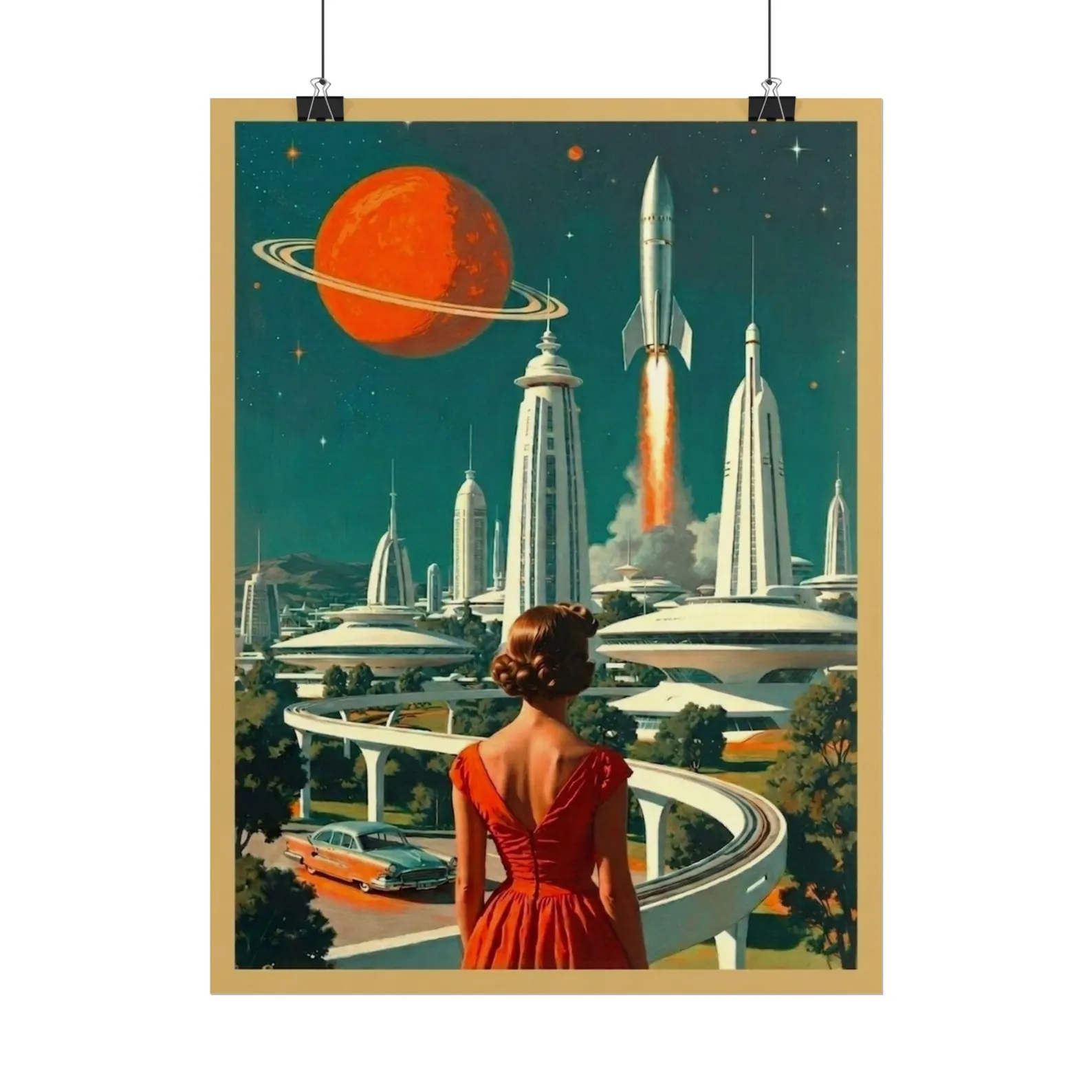

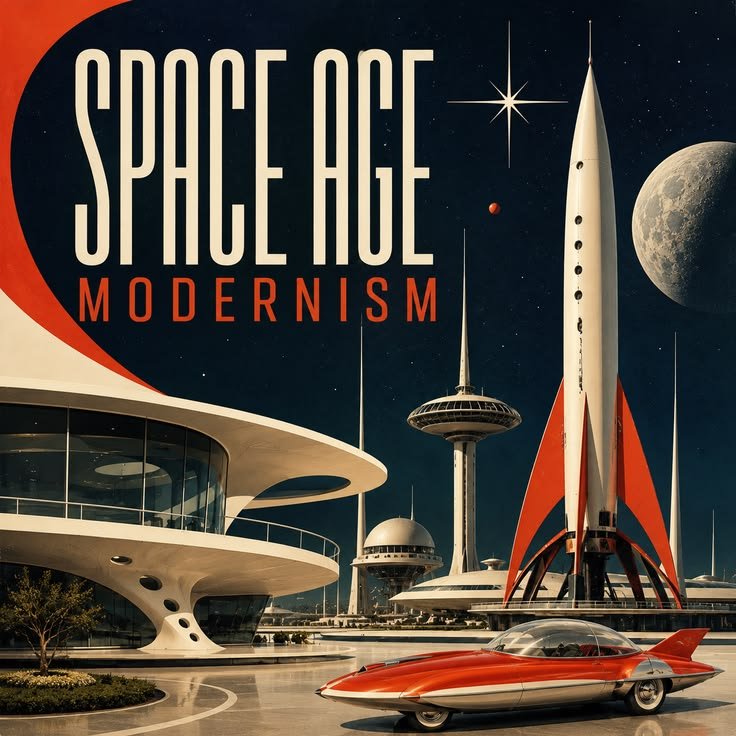
🪐 Curatorial Spotlight: The Aesthetic of Retro-FuturismWithin the Ad Astra collection, we pay homage to Retro-Futurism—the captivating artistic intersection where yesterday's imagination meets tomorrow's reality. By blending the optimistic, bold lines of Mid-Century Space Age design with sophisticated modern textures, we resurrect the romance of early interstellar ambition. It is an aesthetic that celebrates a timeless dream: a sleek, high-speed future where humanity steps elegantly into the cosmos.
Elite Accents for the Global Itinerary
Curated Luggage Covers: Transform standard baggage into a moving gallery. Our bespoke covers—including JPL: The Grand Tour, Ride the Tides on Titan!, and Ice Dive on Europa! ($30.00 – $40.00)—are striking visual anchors that evoke the romance of interplanetary discovery while keeping your belongings pristine. The Supersonic Luggage Tag: Crafted for the minimalist connoisseur, The Future is Supersonic Luggage Tag ($24.00) adds a sharp, architectural statement to your favorite leather weekend bag or travel case.
Showing 1–8 of 62 resultsSorted by latest
-

Pan Am Lounge Dad Hat
$28.50 -

Soma Holiday Saffiano Polyester Luggage Tag, Rectangle
$19.90 -

Max Concorde Passport Cover
$22.38 -
 -36%
-36%TWA Maxi Mini Jet Set Super Drinks Party (with celebrities!) | First Class
Original price was: $785.50.$502.72Current price is: $502.72. -

Travel Multi-Design Greeting Cards (5-Pack)
$16.67 -

Customizable Ornate Hardcover Journal Matte
$14.00 -
 -8%
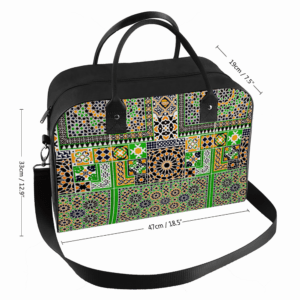
-8%Racinet: Persia Commuter Bag Cross Body Sling
Original price was: $42.97.$39.50Current price is: $39.50. -
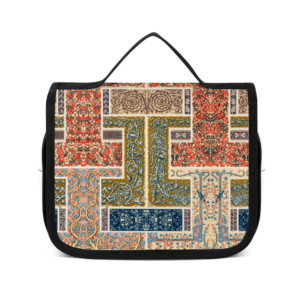
Egrec Hanging Toiletry Bag
$42.00