The History of: A New Luxury

The History of: A New Luxury

cgk.ink writes◆Jun 10, 2026◆Fashion · History · Textiles

the history ofA New Luxury

Luxury manifests opulence, wealth and scarcity. It has also become an integral part of society, culture and humanity.

Enter

There are luxury hotels, de luxe suites and all. Gems, homes and yachts can be luxurious. Even simply being can exhibit it: one can live a life of luxury. You can have the luxury of time while existing.

There are gentlemen and ladies of luxury. You can even (inappropriately) sit in its lap. It is everywhere and universally coveted.

What, exactly, is it?

Of all these types of luxury, perhaps the one material thing most associated with the concept of luxury is fashion. It is certainly the most sensual, wrapping our bodies in rare materials masterfully made. It imparts volumes before we even intend to speak and it is known simply by sight. Fashion, as a concept, embodies so many aspects of our identities that it has become a profoundly important element of our culture.
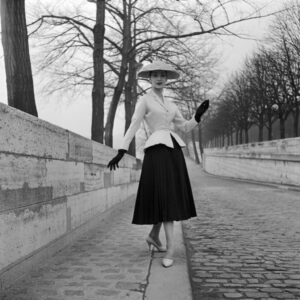
Christian Dior Bar suit, haute couture spring-summer 1947

Luxury in fashion has never stood still. What it means to dress luxuriously has changed with every century, every revolution — social, industrial, digital — and every generation redefines what is worth wanting.

The story is not a straight line from extravagance to restraint. Luxury is a messy spiral: each era reinventing the terms of desire, exclusivity, and self-expression. Understanding where that unruly spiral has been is the only honest way to understand where it is going.

Chapter I

The Origins: Luxury is as old as Power

In the ancient world, luxury clothing was not a matter of taste — it was a matter of law. In Egypt, Greece, and Rome, the quality and material of your garments announced your rank before you spoke a word. Linen, silk, and gold thread were not available to everyone; they were rationed by birth, wealth, and the whims of rulers who understood that the power to dress was the power to govern.
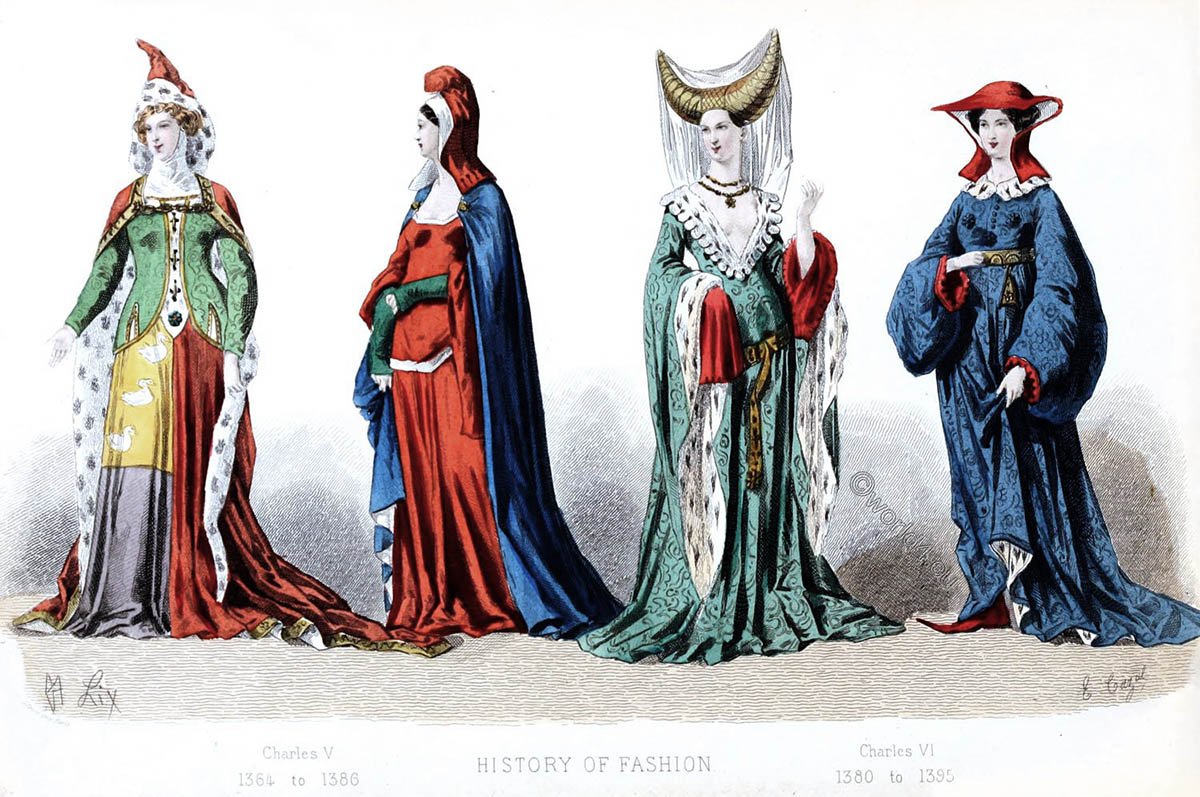
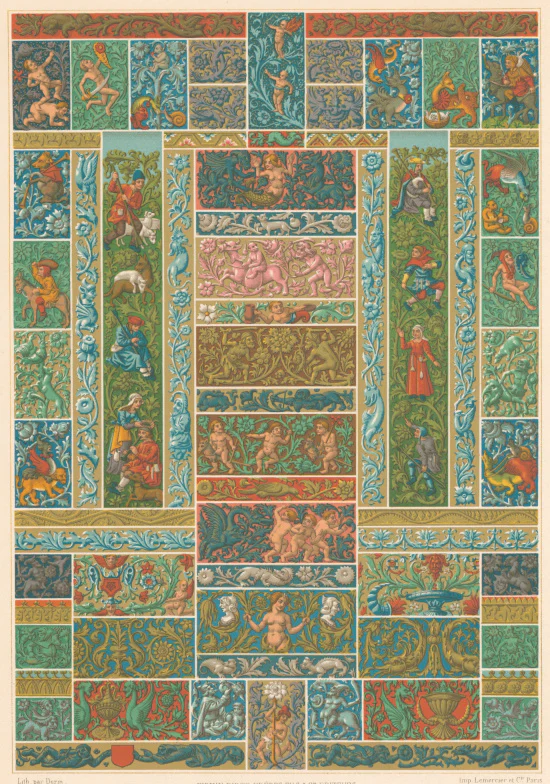
Medieval French fashion history illustration
c 300 BCE – c 800 BC · Antiquity

Luxury as Status Law

Sumptuary laws restrict precious materials to nobility. Clothing is rank made visible. Purple, silk, and gold are politically controlled.

c 400 – 1453 AD

The Semper Fashionable Roman Empire

This logic was formalized: the same sumptuary laws formed by the Sumerians now dictated who could wear purple — the color of Tyrian dye, more expensive by weight than gold — and violations were prosecuted. Clothing was, in the most literal sense, political.

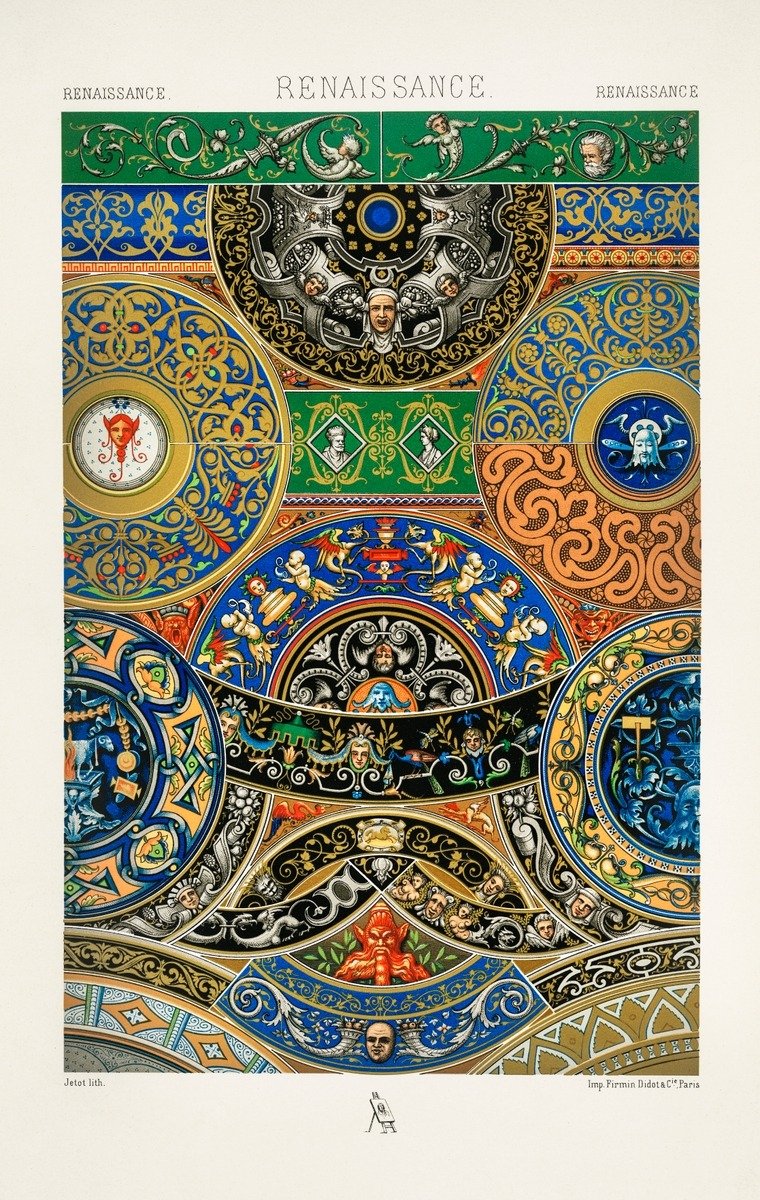
c 12th Century · Medieval & Renaissance

The Court as Stage

Henry VIII aglet

Aristocracy sets the terms of dress. Brocades, lace, and embroidery signal dynastic power. Fashion trickles down — slowly, deliberately.

This logic held largely intact through the medieval period and into the European Renaissance. The court was the center of fashion. The aristocracy dictated terms. Luxury moved in one direction only: downward, from the ruling class to those who could afford to imitate it, at which point the ruling class simply raised the stakes again.

18th Century

The Enlightenment is Lit

"The evolution of luxury fashion since the 18th century was significantly influenced by the Age of Enlightenment, which democratized luxury and separated it from morality, allowing broader access beyond the aristocracy."

The ancien régime collapses. Philosophers challenge excess. Neoclassicism favors simplicity. The French Revolution eliminates the royal court's grip. Taste begins replacing rank as the arbiter of dress.

The Death of Old Luxury

Before 1789, luxury was defined by the court at Versailles. It was heavy, restrictive, and exclusive by law.

  • Sumptuary Laws: These legal decrees dictated exactly who could wear what, based on social rank. Only the highest nobility could wear specific silks, furs, or gold embroidery.12345
  • The "Grand Habit": The ultimate symbol of Old Luxury. These massive court gowns required rigid corsets made of whalebone and skirts spread over wide hoops (paniers), rendering women physically immobile.1
  • The Luxury Statement: Wealth meant spending immense money on garments designed to show you never had to perform physical labor.1
The New Luxury Arrives

The Revolution democratized fashion, turning luxury into a tool of political allegiance. High-quality silk was abandoned for humble cotton and linen, but the craftsmanship remained a luxury.123

  • The Luxury of Muslin: White cotton muslin (mousseline) became the fabric of the elite. While it looked simple and democratic compared to heavy brocade, high-quality imported cotton was actually incredibly expensive. It required meticulous laundering, making it a subtle, "quiet luxury" statement.12
  • The Redefinition of Taste: Luxury was no longer about looking like a gilded statue. It was about channeling the "pure" and "democratic" ideals of Ancient Greece and Rome through flowing, high-waisted neoclassical drapery.1234
The Birth of Counter-Culture Luxury

Once the Reign of Terror ended in 1794, luxury returned with a vengeance, but it was twisted, ironic, and rebellious.

  • Anti-Fashion as Luxury: Subcultures like Les Incroyables and Les Merveilleuses used deliberate untidiness as a luxury statement. They wore impossibly high cravats, sheer fabrics, and wild, unpowdered hair.123
  • The Luxury of Scandal: For the first time, elite luxury was defined by shocking the older generation rather than pleasing the King. It laid the foundational blueprint for modern avant-garde and punk fashion.
19th Century

Haute Couture Is Born

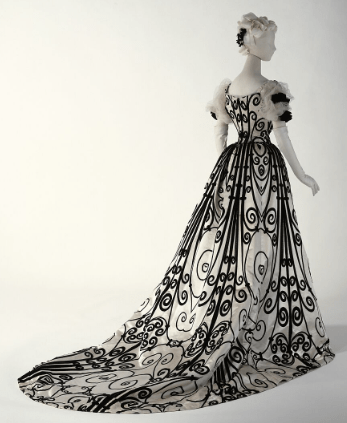
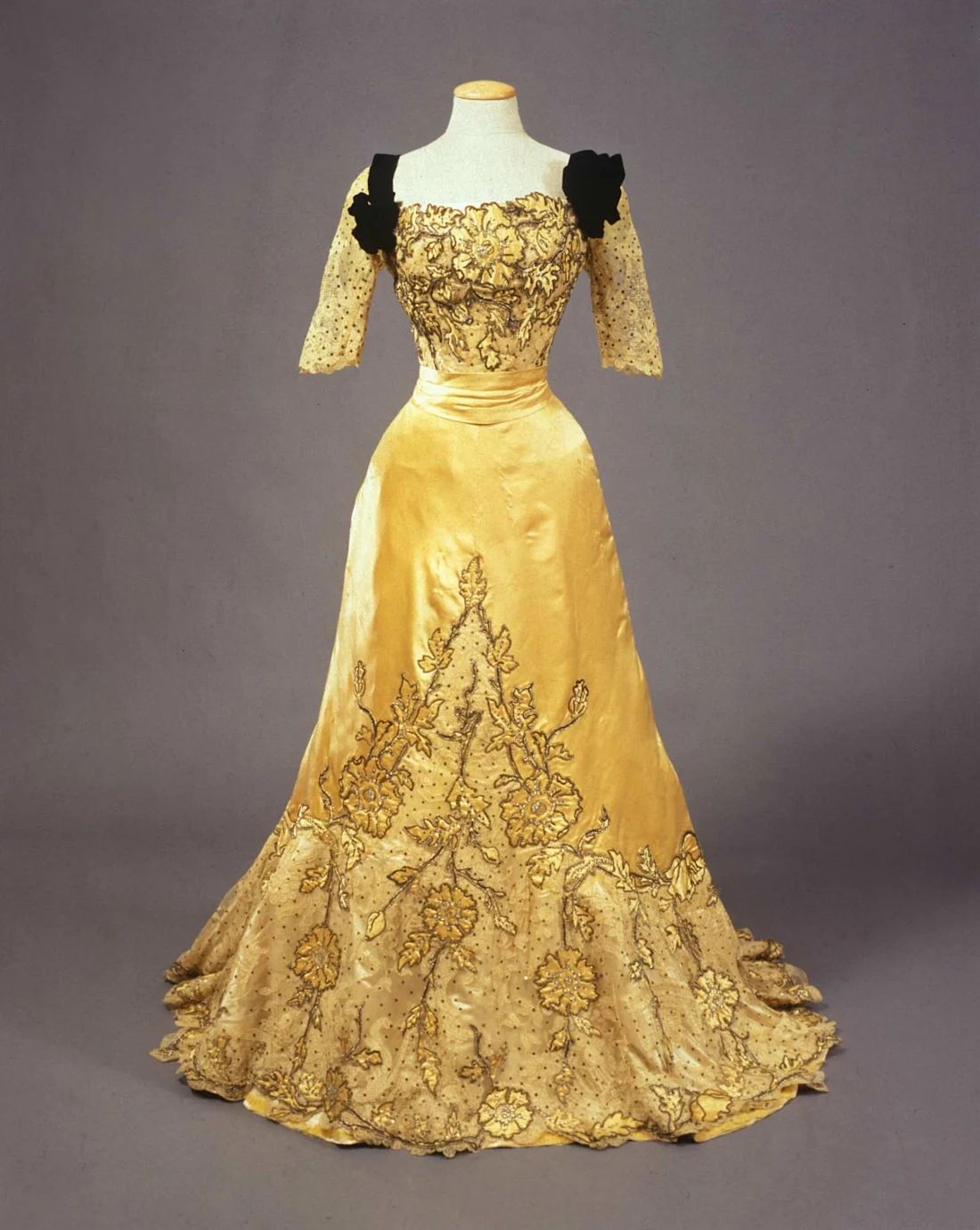
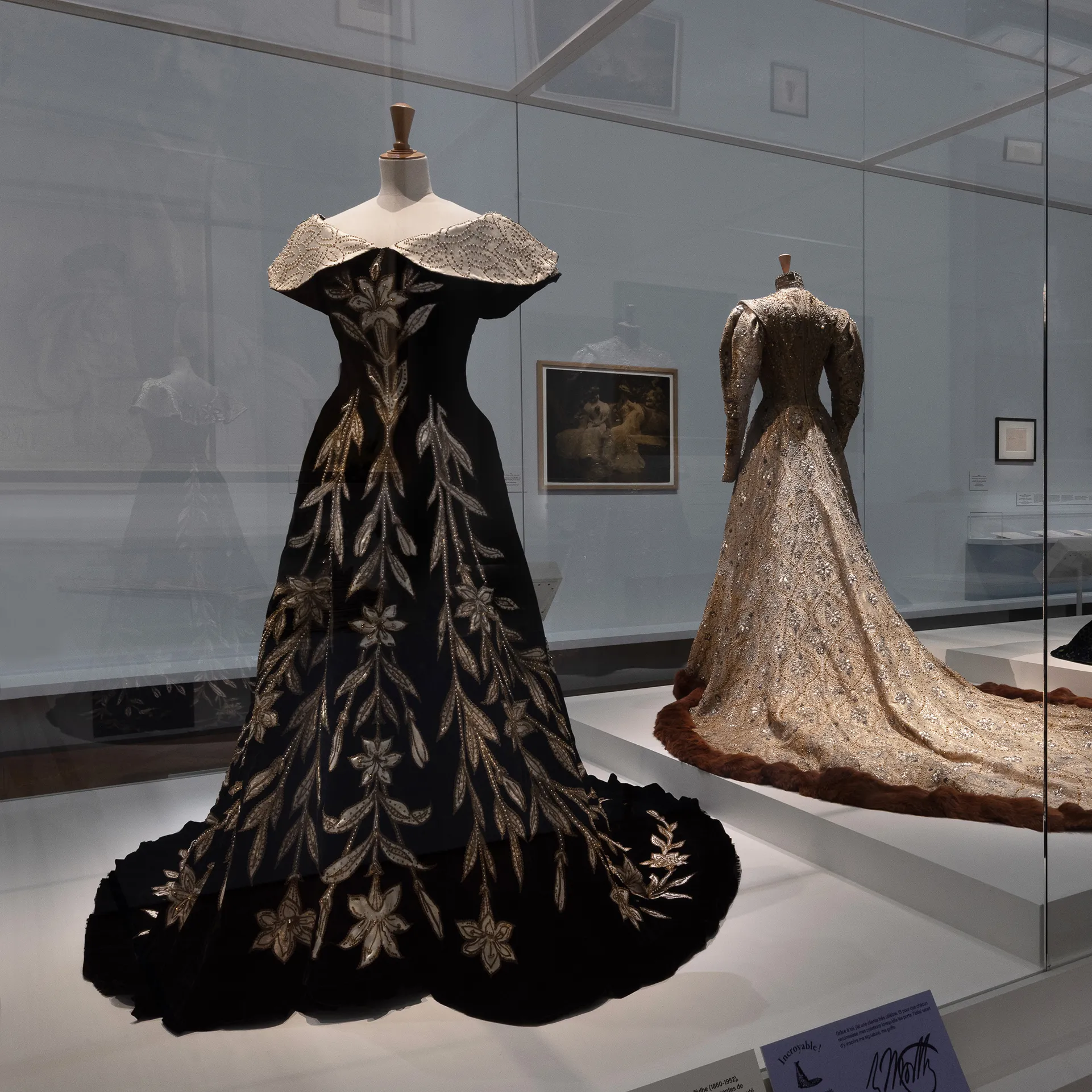
House of Worth gown Worth evening gown Worth in Paris

Charles Frederick Worth and The House of Worth present garments on live models and introduces seasonal collections — inventing the modern fashion house. The sewing machine democratizes silhouette while couture doubles down on exclusivity.
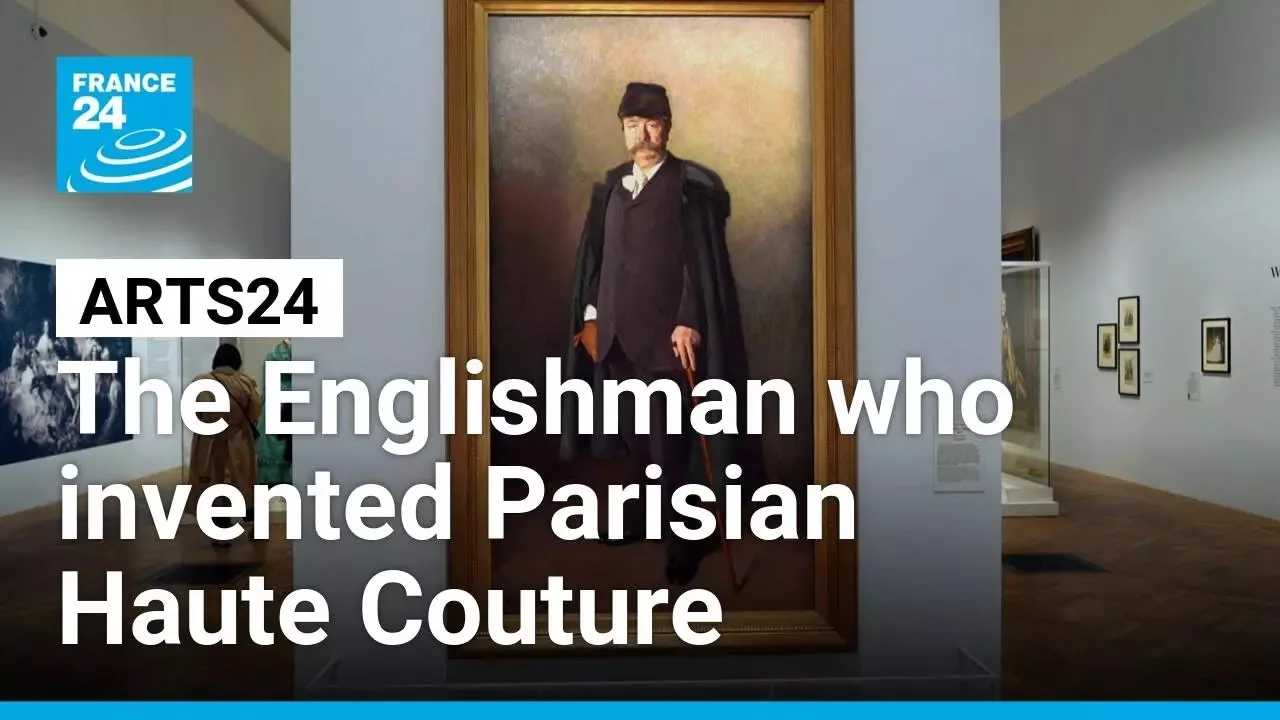
Discovering the Englishman who invented Parisian Haute Couture · France 24

The 20th Century

Democratization and the Designer Myth

The 20th century broke open luxury fashion. Two world wars, an industrial revolution, and a sequence of cultural upheavals forced fashion to remake itself repeatedly — and each remake pushed luxury further from its aristocratic origins and closer to something that could, in theory, be aspired to by anyone.

Chapter II

The Present: A Market Under Pressure

Luxury fashion in 2026 is at an inflection point. The aggressive price hikes of the post-pandemic years — some houses raised prices 40–60% between 2020 and 2024 — have finally alienated the aspirational consumer who had long been the growth engine of the mega-brands. The result is a market that is recalibrating.

−35%Gucci brand value decline (2025)
−4.9%Louis Vuitton brand value (2025)
+17%Hermès brand value growth (2025)
$1.8TGlobal fashion sales (2025)

The data tells a clear story. Hermès — which has never chased the mass aspirational market, never discounted, and has maintained an almost perverse commitment to craft and scarcity — grew its brand value by 17% while peers contracted.

Brands like Ralph Lauren and Burberry are winning back the aspirational middle by offering genuine value rather than inflated prestige. The era of getting away with logo inflation and minimal product improvement is over.

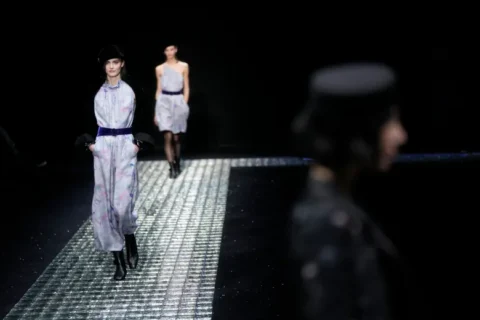
A profound aesthetic reset is underway. The long dominance of quiet luxury — the tonal minimalism, the logo-less understatement — is giving way to something more expressive. High-saturation color has returned to the runway. Accessories have become protagonists rather than punctuation. Sculptural headwear, architectural heels, and oversized jewellery are defining looks rather than completing them.

Sculptural headwear

The message is shifting from “I have nothing to prove” back to “I have something to say.”

Chapter III

The Future: Six Forces Redefining Luxury

The next decade of luxury fashion will be shaped by forces that have no precedent in the industry's history. Some are technological. Some are cultural. All of them point toward a definition of luxury that is fundamentally different from the one the 20th century built.

Break each seal

I

From Exclusivity to Hyper-Individuality

The luxury of the future is not about access. It is about recognition — the garment or object that feels as if it was conceived with you in mind.break the seal

The old model of luxury exclusivity — the thing that is desirable because few can have it — is being supplemented by a new model: the thing that is desirable because it was made specifically for you. AI-driven personalization, bespoke manufacturing at scale, and brands that can offer genuinely individualized experiences are redefining what "exclusive" means.

II

Craft as the Ultimate Counterargument to AI

True luxury, going forward, will increasingly be defined by what AI cannot do.break the seal

As artificial intelligence becomes more prevalent in design and production, the value of the human hand is rising — not falling. Hand-knotted, hand-stitched, hand-formed: the language of artisan luxury is gaining new urgency precisely because it represents what cannot be scaled, replicated, or optimized. The demand for hand-cut gemstones, upcycled couture, and handmade fascinators is not nostalgia. It is a rational response to a world saturated with algorithmic output.

III

Sustainability as Operational Advantage

Sustainability and luxury are converging, not competing.break the seal

Sustainability in 2026 is no longer a marketing slogan. It is an operational advantage and a brand trust signal. Luxury houses that have built transparent, ethical supply chains are reporting better margins, lower overproduction waste, and measurably higher consumer loyalty.

The consumer who buys a $600 hand-crafted piece from a brand that can account for every material and every hand that touched it is not paying extra for ethics — she is paying for the kind of certainty that fast fashion structurally cannot offer.

IV

Experience Over Object

The fashion house of the future may be less a product company and more a cultural institution — with clothing as the most portable expression of its world.break the seal

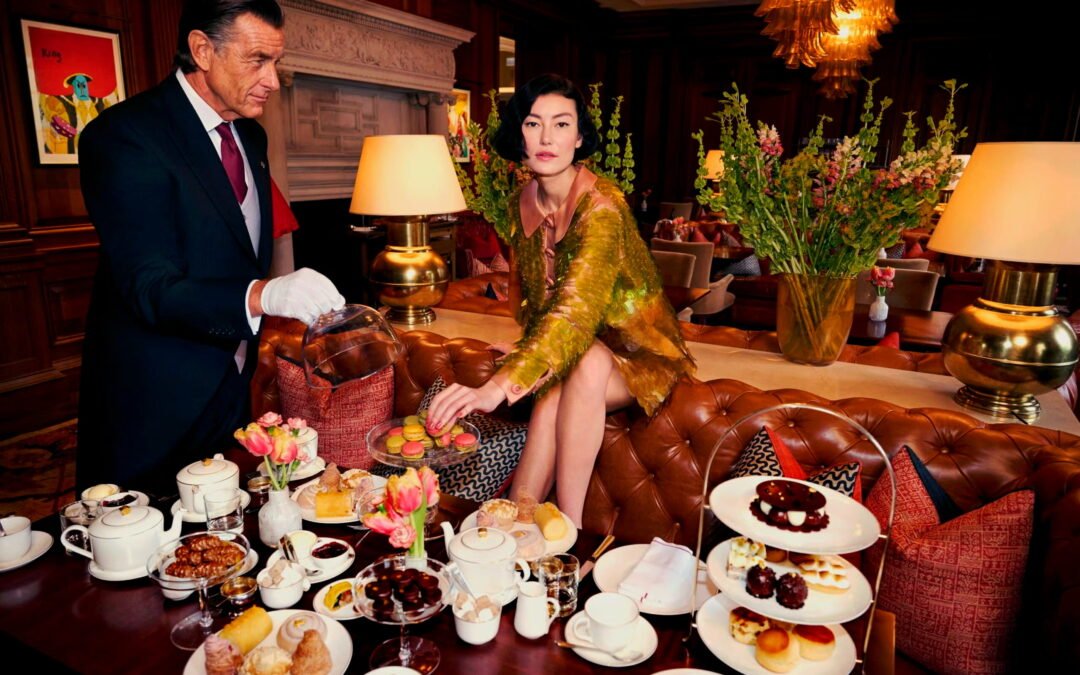
High-net-worth consumers are shifting from acquisition to experience. They no longer want more things — they want things that promise evolution, narrative, and emotional resonance. Luxury is bleeding out of fashion and into hospitality, travel, wellness, and cultural access. Brands that understand this are building thematic retail spaces, exclusive events, and experiences that cannot be purchased online.

V

The Circular Luxury Economy

The $522 billion secondhand market by 2030 will include significant luxury volume.break the seal

Upcycled couture is no longer a niche sub-category — it is a centerpiece of runway shows and a growing revenue line for luxury brands. Resale, archive curation, and the revival of deadstock materials are reshaping how luxury garments move through the world. Collectors no longer want the newest item; they want the item that has survived the test of time. Modern luxury is becoming a dialogue between past and present. The brands that engage with their own archives will own that conversation.

VI

Cultural Intelligence as the New Brand Value

The future of luxury is deeply, specifically, human.break the seal

The luxury brands gaining ground in 2026 are the ones that can read culture with genuine intelligence — not just chase it. Prada's collaboration bringing Kolhapuri artisanship to the global stage. Heritage houses reinterpreting temple jewellery in lighter, contemporary forms. Cross-cultural design that honors tradition while feeling unmistakably present. In a flattened global market, the brands that understand the depth and specificity of cultural context will generate the emotional resonance that generic aspirational marketing cannot buy.

Chapter IV

The Only Constant

What connects ancient Egypt's linen hierarchy to Chanel's jersey revolution to the handmade fascinator worn to Royal Ascot in 2026 is not materials, or price, or brand recognition. It is intention. Every era's luxury has been defined by the things that required the most of someone — the most skill, the most time, the most cultural intelligence, the most personal vision.

The definition of luxury is always in negotiation. But the negotiation is always about the same underlying question: what does it mean to take dress seriously? The future answers that question with craft, with sustainability, with hyper-individuality, and with the kind of cultural depth that cannot be generated at scale. The future of luxury is not about spending more.

It is about meaning more.

For independent designers and brands built on genuine artisanship, cultural reference, and considered production, this is not a threat. It is the market finally arriving at the position they have always held.

Chapter V

The cgk.ink Perspective

cgk.ink was built on the principles the luxury market is only now catching up to: globally art-inspired design, sustainability-first production, and the belief that a garment should carry genuine cultural weight.

Explore our collections — from a growing collection inspired by fine art to our full apparel, décor and accessories collections.

Further Reading
cgk.ink writes

ecommerce, fashion and what comes next.

read more →

SourcesHistory of Luxury · FIT Fashion History Timeline · Advertising Week · Luxury Abode · PAGE Magazine · Flanelle Magazine · GlobalBay · LUXUO · Spa & Beauty Today · Luxebook India · Count Valentine · Historical Today · BrandHistories · WWD · Grazia Magazine · Luster Magazine · JD Institute · myGemma · Glam Observer

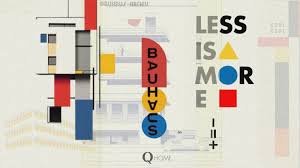
The Enduring Bauhaus: How It Shapes Our World

The Enduring Bauhaus: How It Shapes Our World


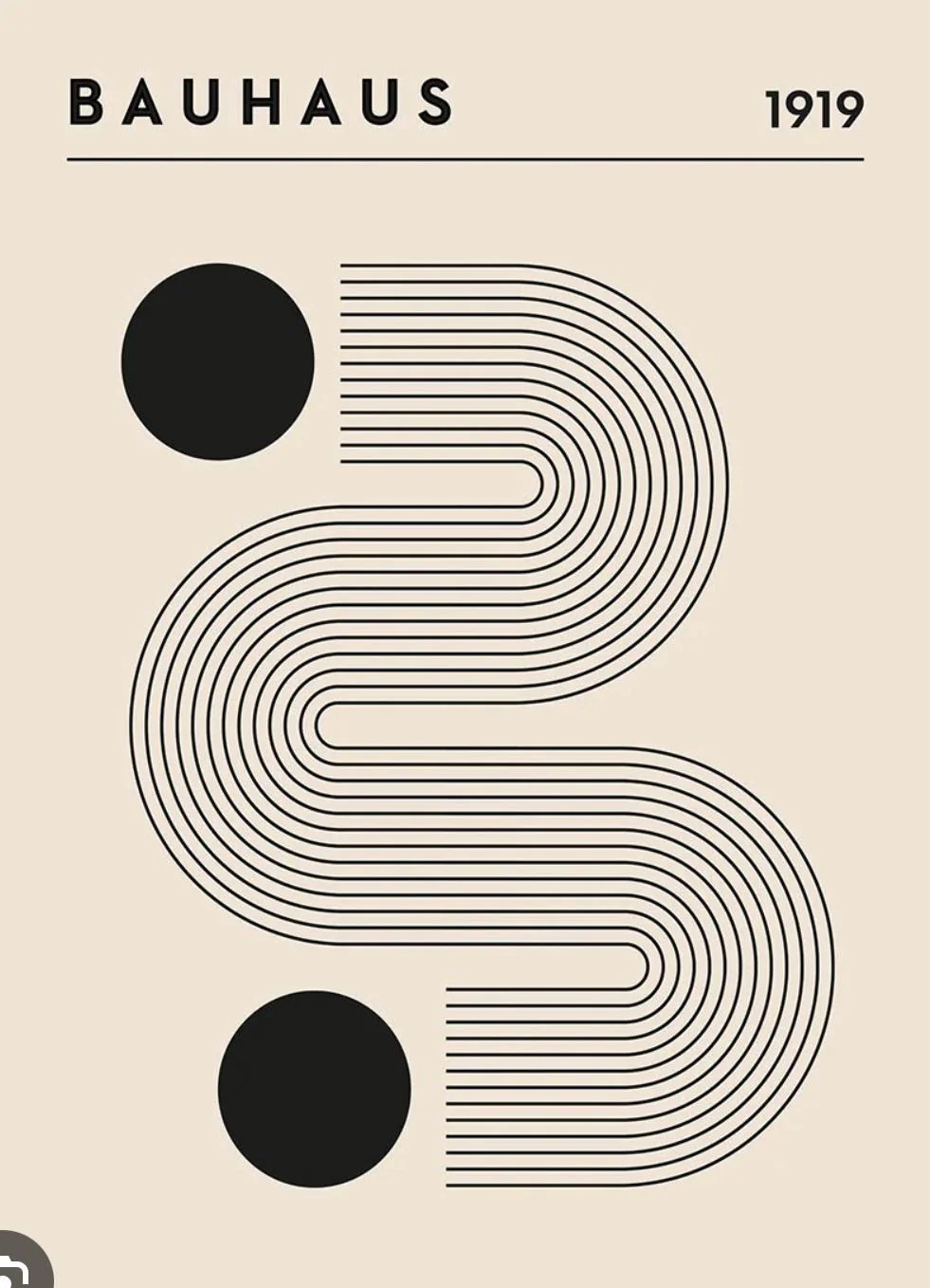
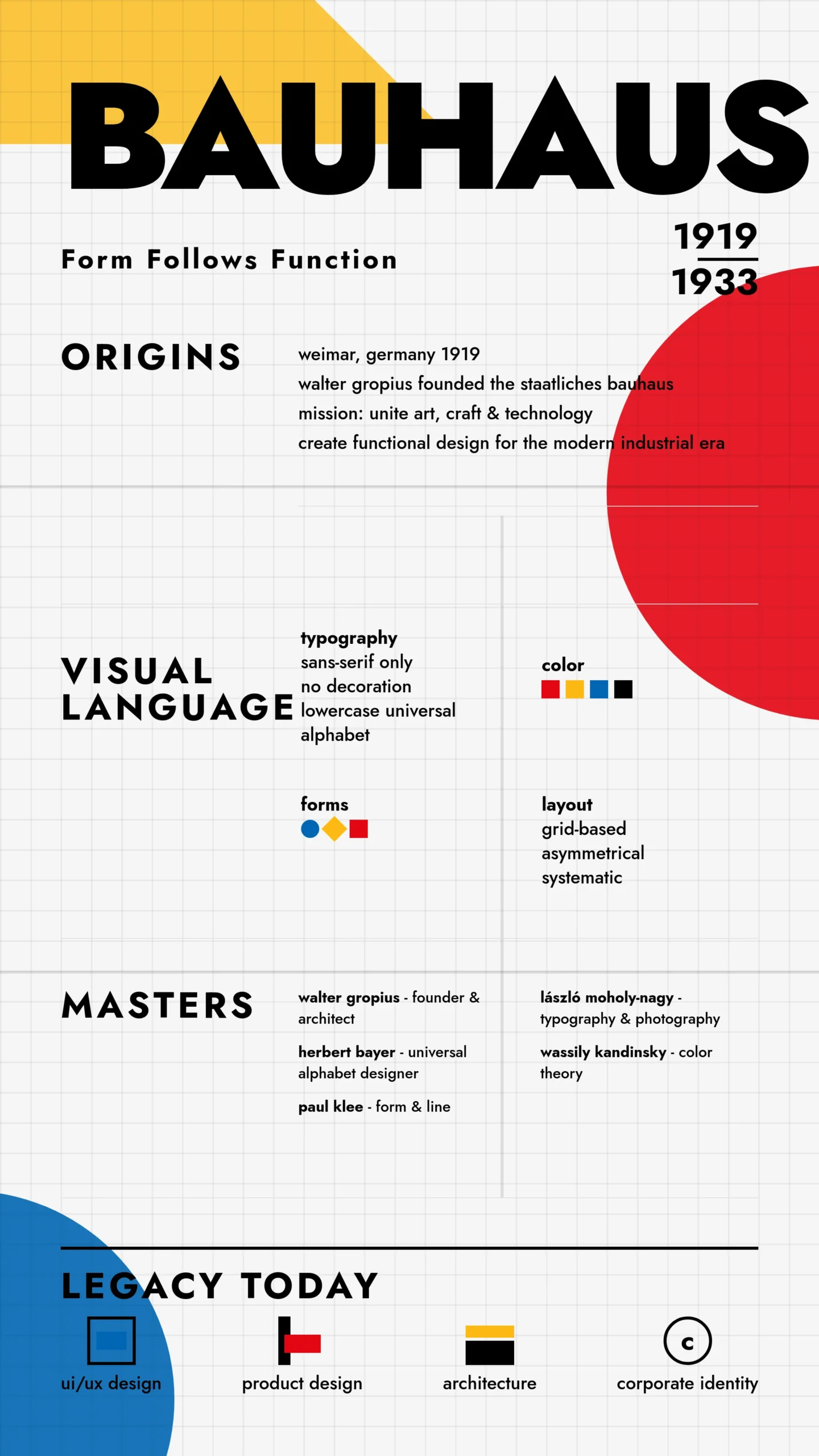
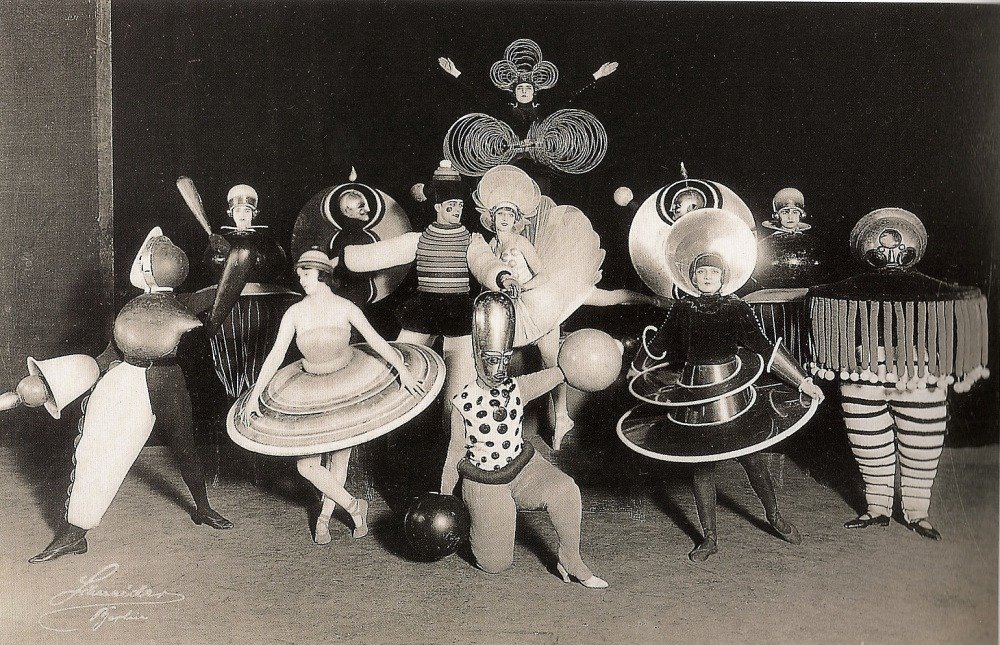
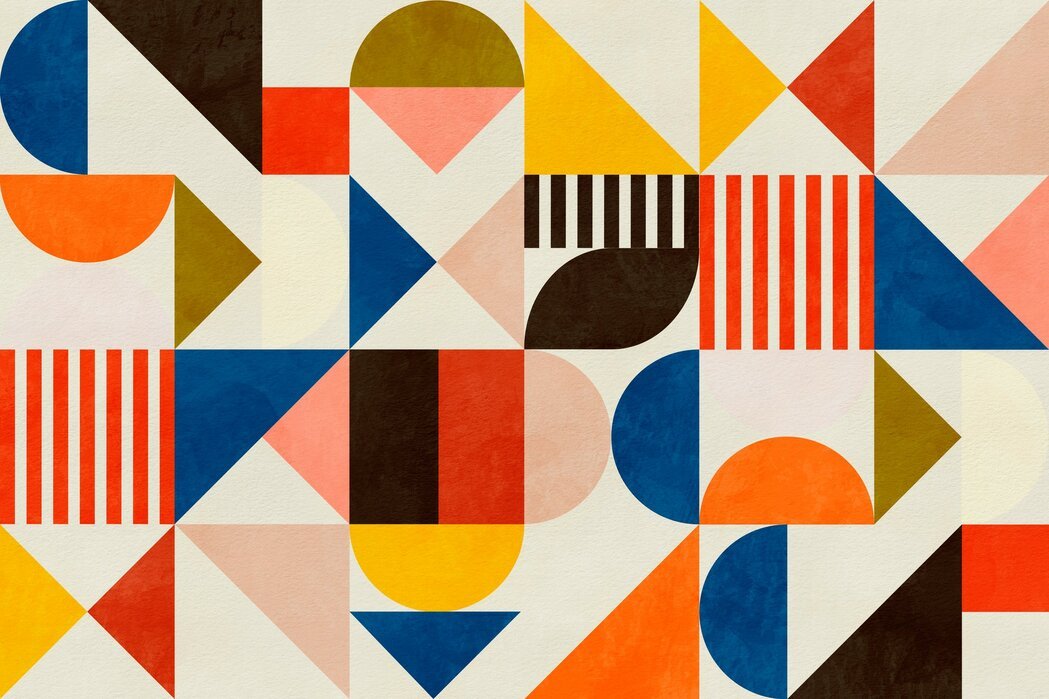
The Bauhaus school (1919–1933) is, arguably, the single most influential design movement of the 20th century. Its impact runs through virtually every discipline of modern design:

Core Philosophy

The Bauhaus broke down the hierarchy between "fine art" and "craft," insisting that good design should unite beauty and function. The famous motto — form follows function — shaped how designers think about every object they make.


Typography & graphic design

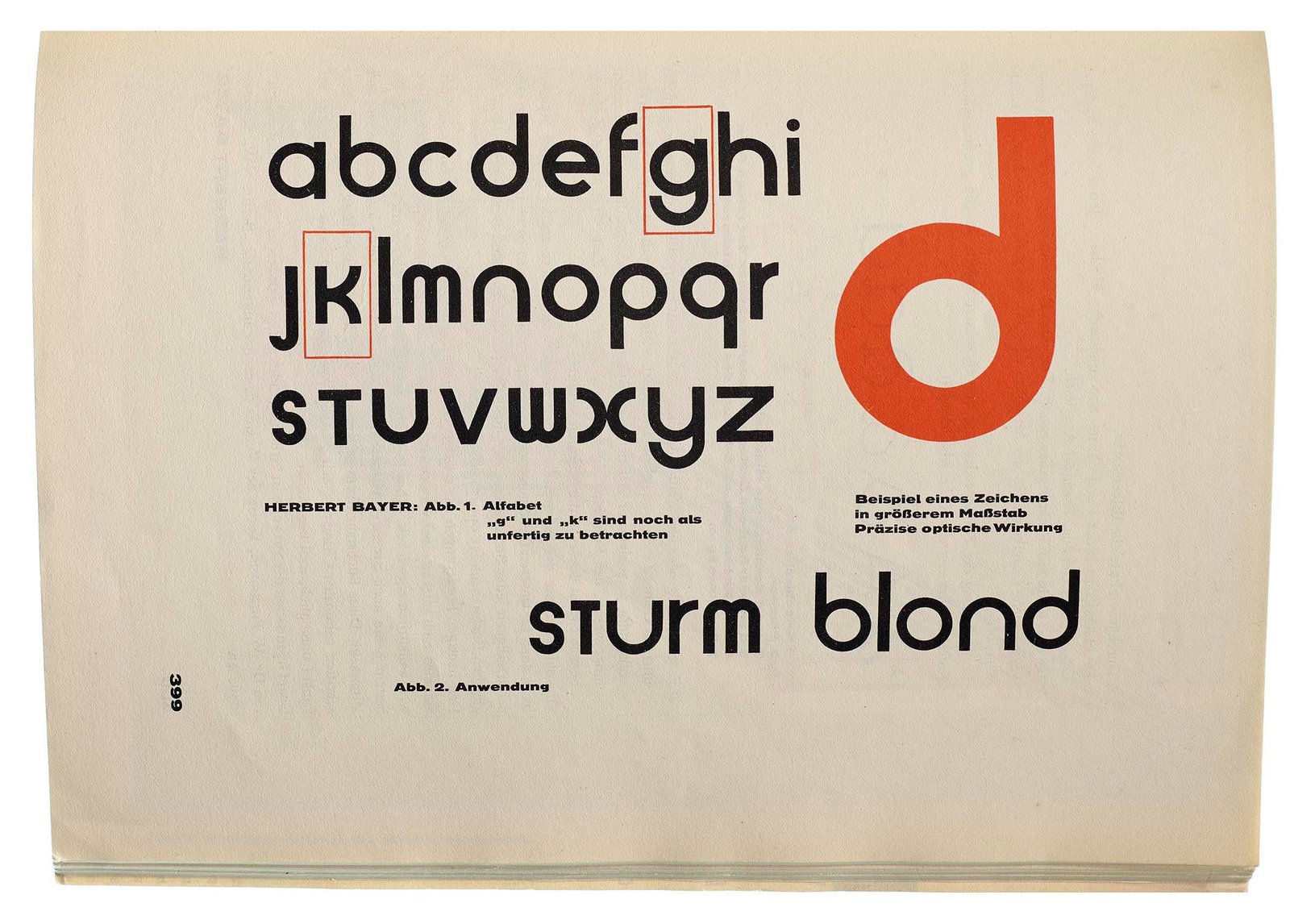
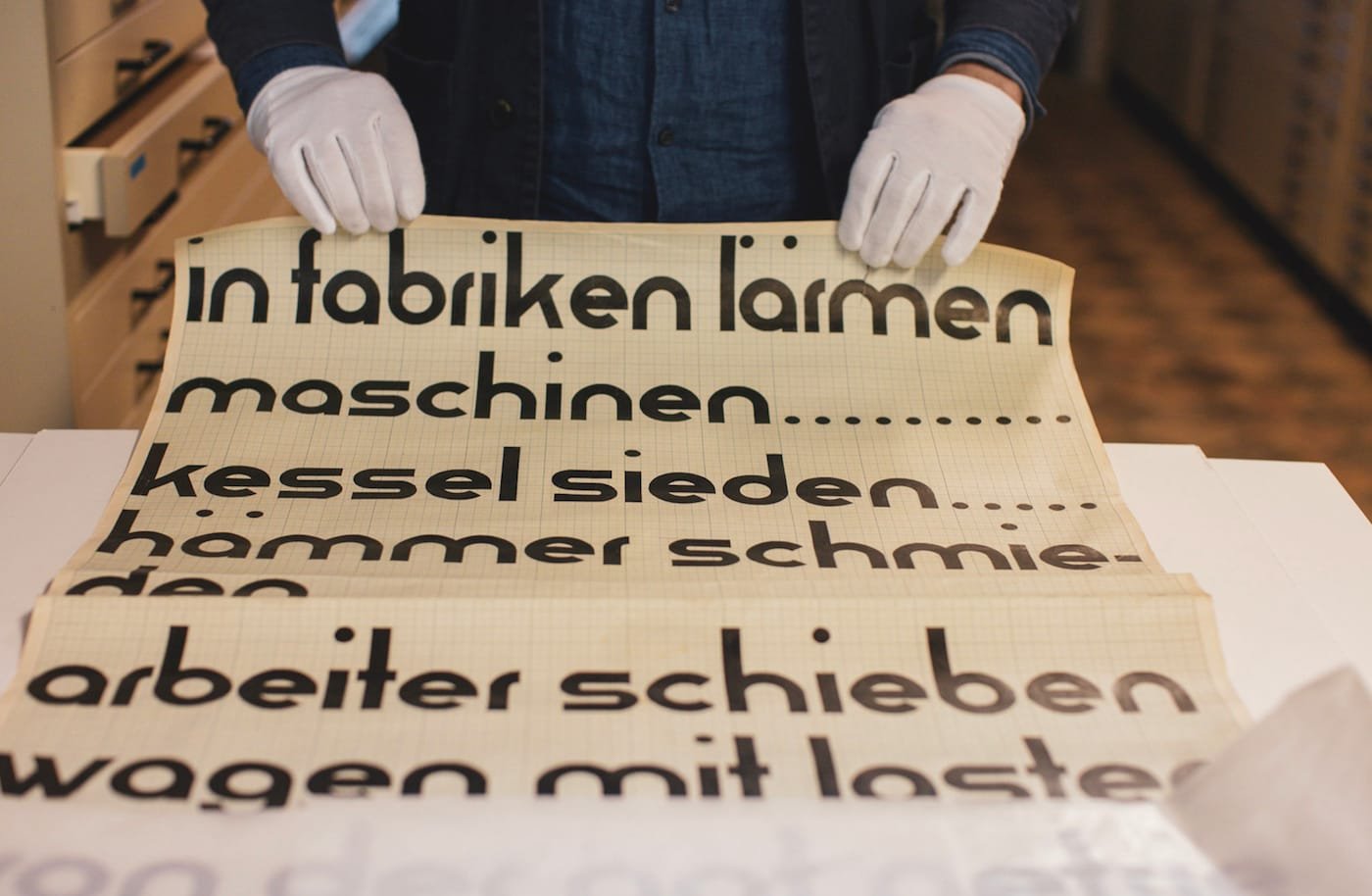
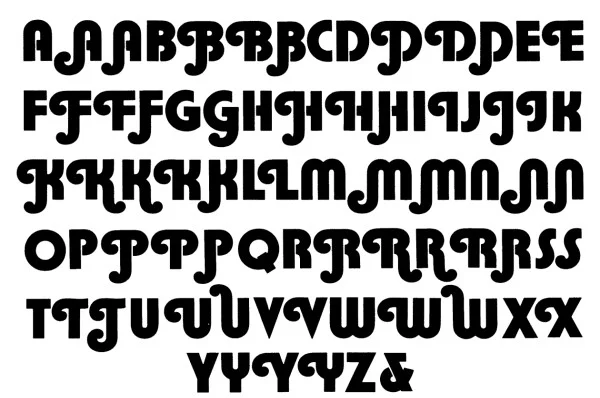
Bauhaus experimented radically with sans-serif typefaces, grid systems, and asymmetric layouts. Designers like Herbert Bayer developed typefaces that stripped away decorative flourishes. You see this DNA in modern UI design, brand identity systems, and the clean sans-serif dominance of digital typography (think Helvetica, Futura, and their descendants).
Industrial & product design

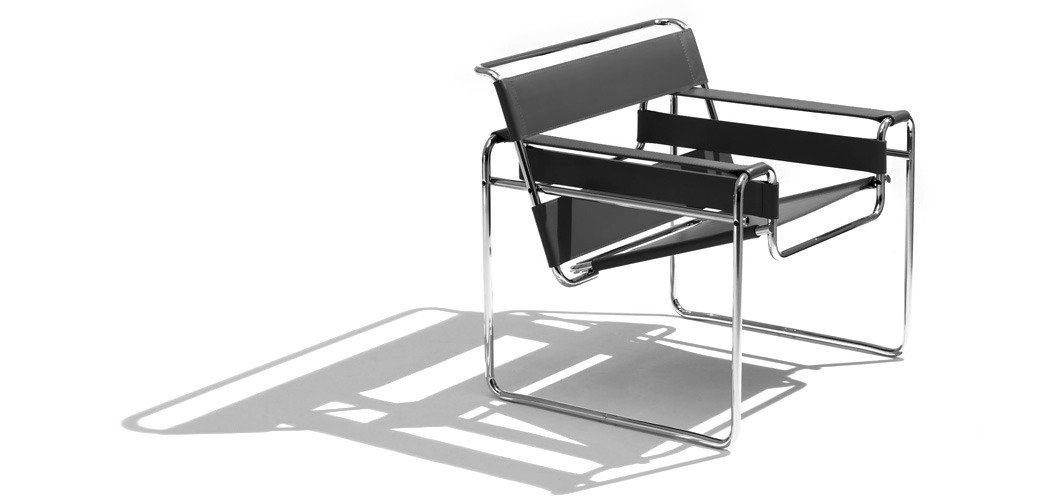
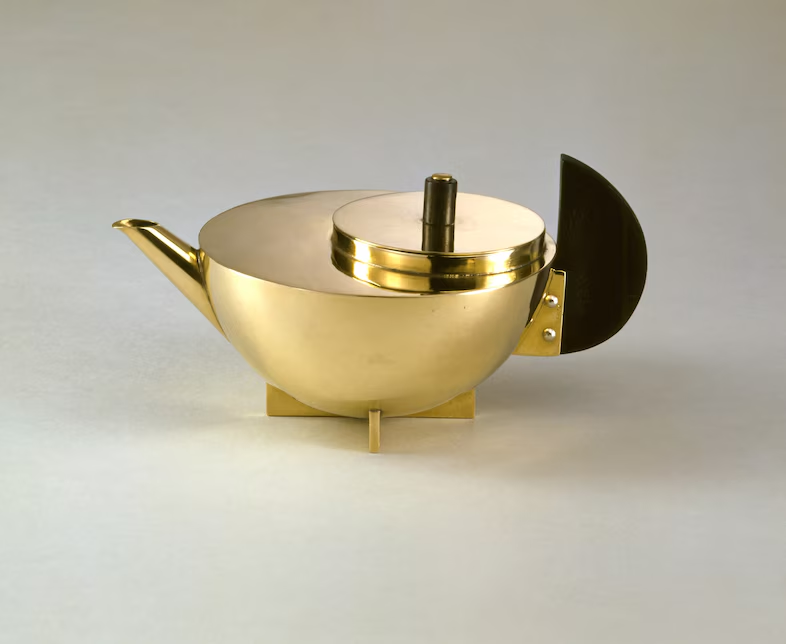
Marcel Breuer's tubular steel furniture, Marianne Brandt's metalwork, and Wilhelm Wagenfeld's lamp are still in production today. The Bauhaus pioneered designing for mass production — objects that were elegant and manufacturable at scale. This is the philosophical foundation of companies like Braun, Apple, and IKEA.

Architecture

Walter Gropius and Ludwig Mies van der Rohe helped launch International Style modernism — open floor plans, flat roofs, glass curtain walls, structural honesty. The glass-and-steel office towers that define every city skyline are a direct inheritance.

UI/UX and digital design

The Bauhaus grid, modular composition, and emphasis on usability translate almost directly into digital interfaces. The idea that a design should guide the user intuitively — without ornamentation for its own sake — is foundational to how apps and websites are built today.

Color theory

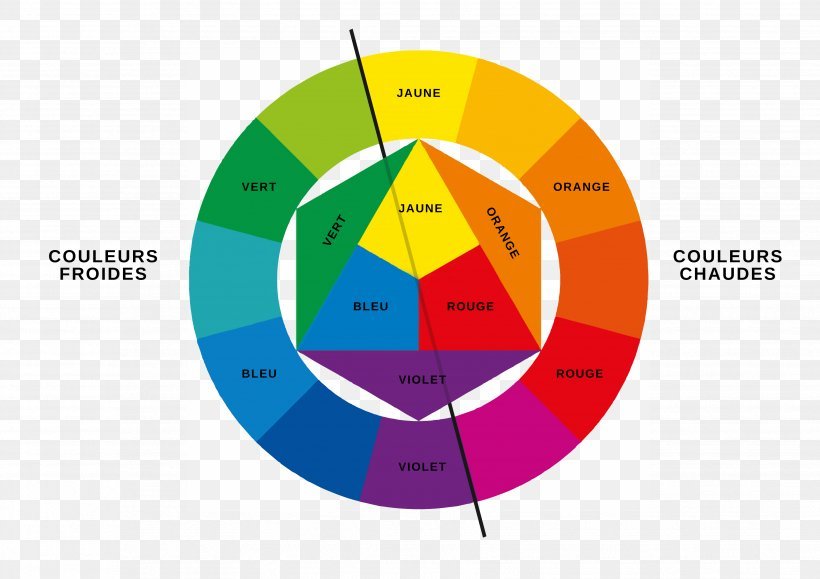
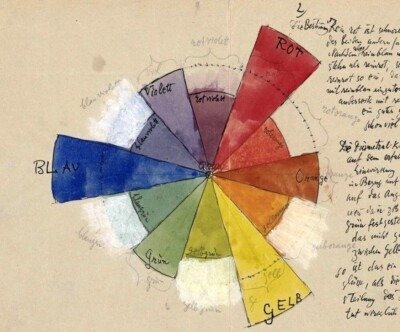
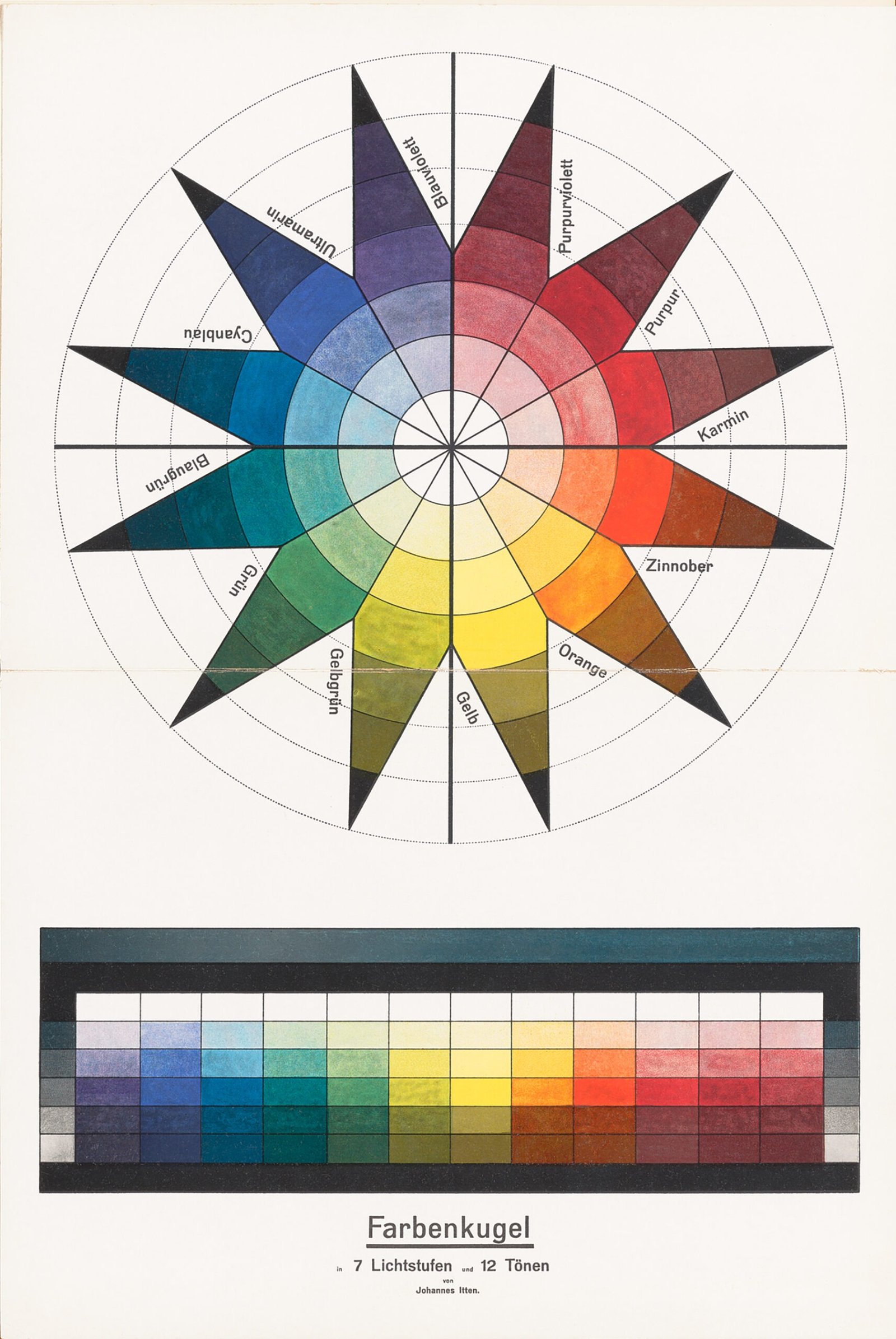
Johannes Itten and Josef Albers developed rigorous, systematic approaches to color interaction that are still taught in every design school and used by brand designers and filmmakers.

Education

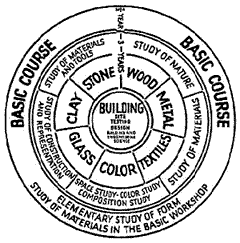
Perhaps the deepest legacy: the Bauhaus pedagogical model — foundation courses, interdisciplinary workshops, learning by making — restructured design education worldwide. Most art and design schools still follow a version of it.

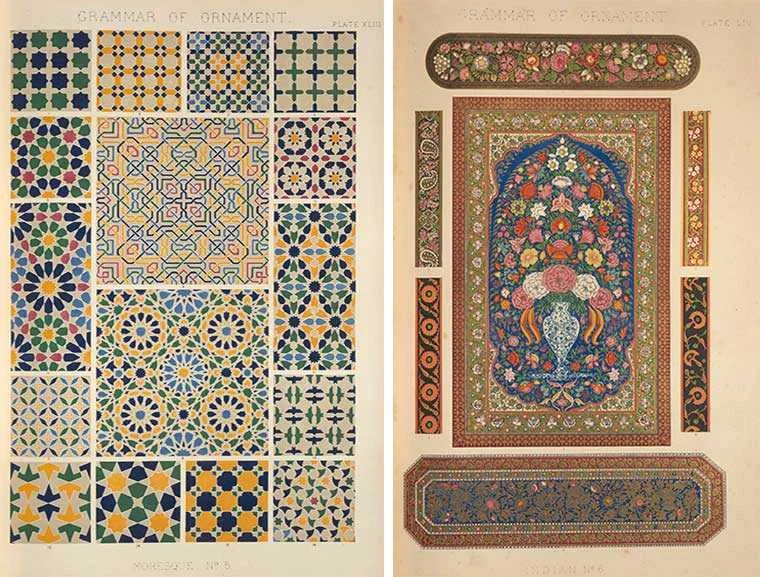
The Grammar of Ornament

The Grammar of Ornament

From the universal testimony of travelers it would appear, that there is scarcely a people, in however early stage of civilisation, with whom the desire to ornament is not a strong instinct. Man's earliest ambition is to create . . . to stamp on this earth the impress of an individual mind.

—Owen Jones, The Grammar of Ornament

While we may often note that current society is changing at a breakneck speed, we do have to take note that this has happened before. Arguably, the 19th Century beats us at our own game on the fundamental-change level.

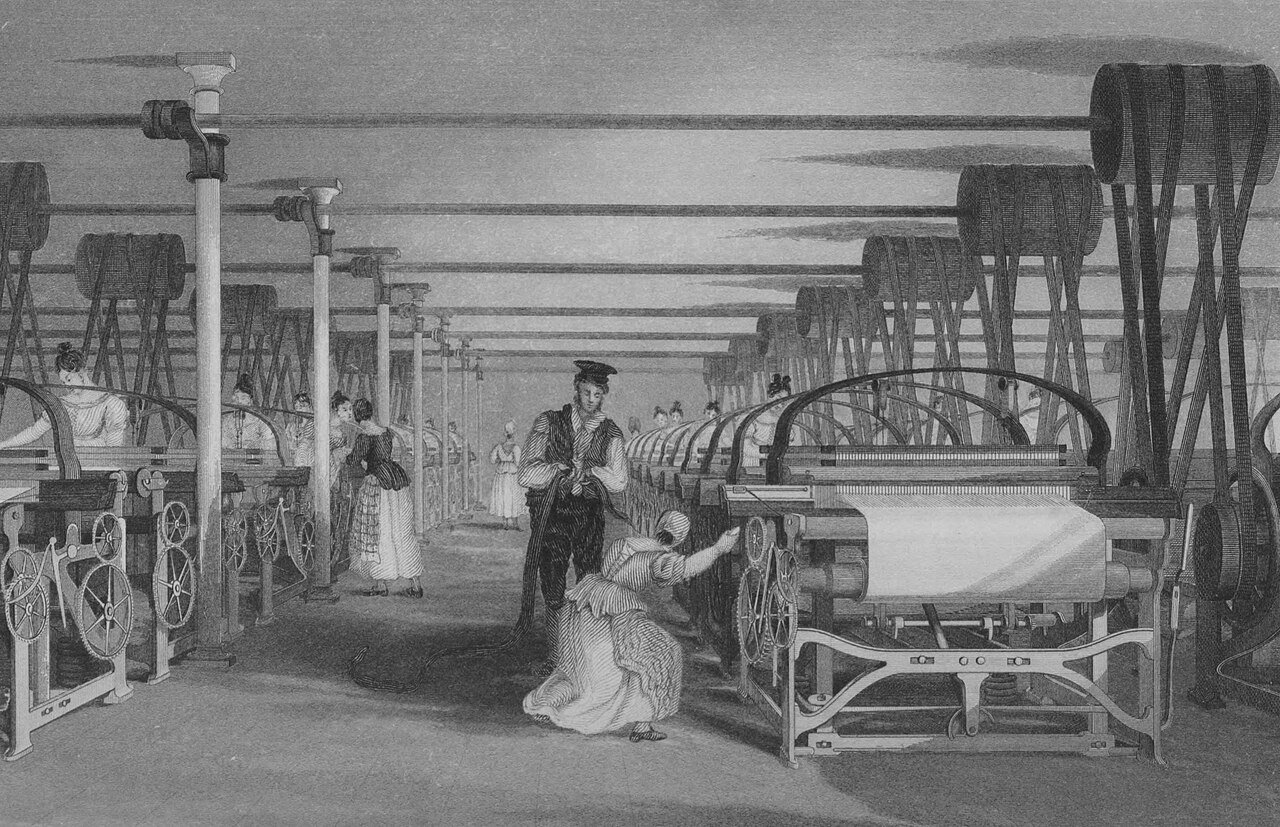
The 19th century was an era of rapidly accelerating scientific discovery and invention, with significant developments in the fields of mathematics, physics, chemistry, biology, electricity, and metallurgy that laid the groundwork for the technological advances of the 20th century. The Industrial Revolution began in Great Britain and spread to continental Europe, North America, and Japan. The Victorian era was notorious for the employment of young children in factories and mines, as well as strict social norms regarding modesty and gender roles.

The 19th century was characterized by vast social upheaval. Slavery was abolished in much of Europe and the Americas. The First Industrial Revolution, though it began in the late 18th century, expanding beyond its British homeland for the first time during this century, particularly remaking the economies and societies of the Low Countries, the Rhineland, Northern Italy, and the Northeastern United States. A few decades later, the Second Industrial Revolution led to ever more massive urbanization and much higher levels of productivity, profit, and prosperity, a pattern that continued into the 20th century.

The first electronics appeared in the 19th century, with the introduction of the electric relay in 1835, the telegraph and its Morse code protocol in 1837, the first telephone call in 1876,[2] and the first functional light bulb in 1878.[3] Society rapidly urbanized, bringing populations increasingly together into smaller spaces. The first notes of globalization brought influences from around the world to the same table, with varying results. From a Western perspective, the new cultures were ripe to be harvested. The Eastern-perspective, it presented new threats and cultural influence without precedent. The world, in fact, was becoming smaller.

The increasingly urbanization of Europe and the United States brought about new challenges to traditional aesthetics and behaviors. How does one distinguish oneself from a sea of common faces? What importance does a dwelling have and how does it become a home? An ever-evolving social hierarchy demanded that new styles, techniques and designs be invented -- and quickly.

the Emergence of Decorative Arts

dec·o·ra·tive arts

/ˌdek(ə)rədiv ˈärts,ˌdekəˌrādiv ˈärts/

noun

plural noun: decorative arts; noun: decorative art

the arts concerned with the production of high-quality objects that are both useful and beautiful.

Ceramics, glassware, basketry, jewelry, metalware, furniture, textiles, clothing, and other such goods are the objects most commonly associated with the decorative arts. Many decorative arts, such as basketry or pottery, are also commonly considered to be craft, but the definitions of both terms are arbitrary.

The term "decorative arts" is not meant to be derogative. It was popular in the 70s to dismiss this as a "lesser" art and thankfully, we've decided collectively to rather group all functional art under the term "design." The artists we discuss in our Fine Arts Collection are very much masters of fine art as well as exquisite craftspeople. I argue that decorative arts are actually more democratic and open to including fine art in our everyday life.

And then there's "retro." We constantly revisit previous eras to gain inspiration for our own, modern times. Likewise, The Victorian era is known for its interpretation and eclectic revival of historic styles mixed with the introduction of Asian and Middle Eastern influences in furniture, fittings, and interior decoration. The Arts and Crafts movement, the aesthetic movement, Anglo-Japanese style, and Art Nouveau style have their beginnings in the late Victorian era and gothic period.

I'm specifically interested in a handful of artists who made a thoughtful, meaningful jump to bring arts to bear weight on everyday existence. We've talked about Racinet. And Morris. There are several dozen others including, Tiffany, Lalique, Tamara de Lempicka, Erté (a great article re: "the top 10" is here, click on it!) are among the most notable.

Owen Jones

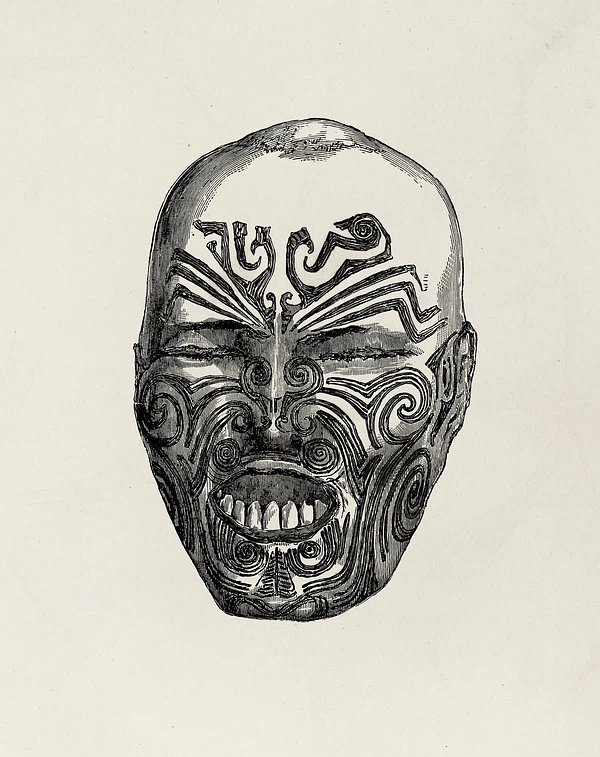
In the opening chapter to his seminal work The Grammar of Ornament, Owen Jones stresses the fact that one of the universal qualities among humankind is the desire to make beautiful things. To illustrate this point, he uses the somewhat macabre example of a severed preserved head of a Maori warrior (mokomokai), then thought to be a woman, which was covered in an elegant pattern of facial tattoos. He admired it particularly for the harmonious way in which the responsible artist had married the tattooed lines with the natural shapes of the human face. Rather than concluding that ornament belongs purely to the primitive, as others would argue later, Jones realized through his confrontation with this ethnological specimen that the Maori possessed an innate understanding of beauty that was alien to modern Western society.

While Jones's ideas slowly took root in art education over the following decades, which in turn influenced the development of new artistic movements such as Arts & Crafts and Art Nouveau, The Grammar of Ornament did not bring about a direct change in artistic practice. In fact, as Jones himself anticipated, we often find patterns and motifs from the book copied and applied to objects and interiors dating from the third quarter of the nineteenth century.

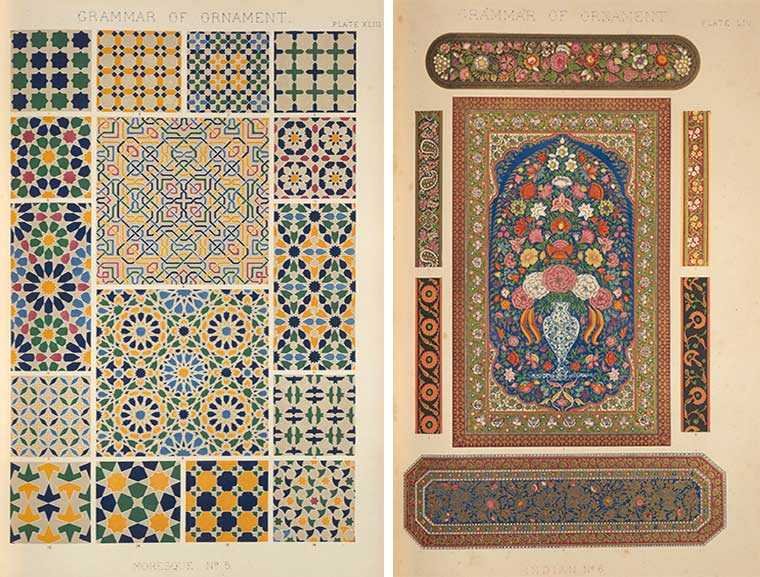
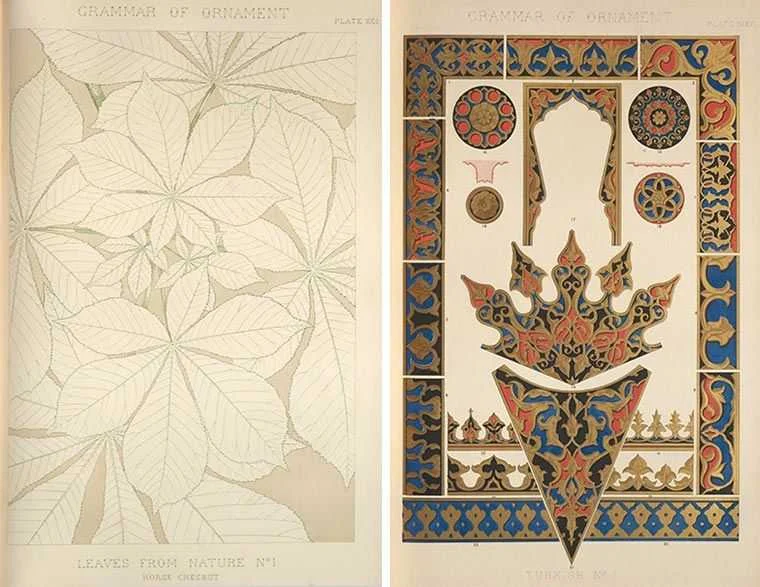
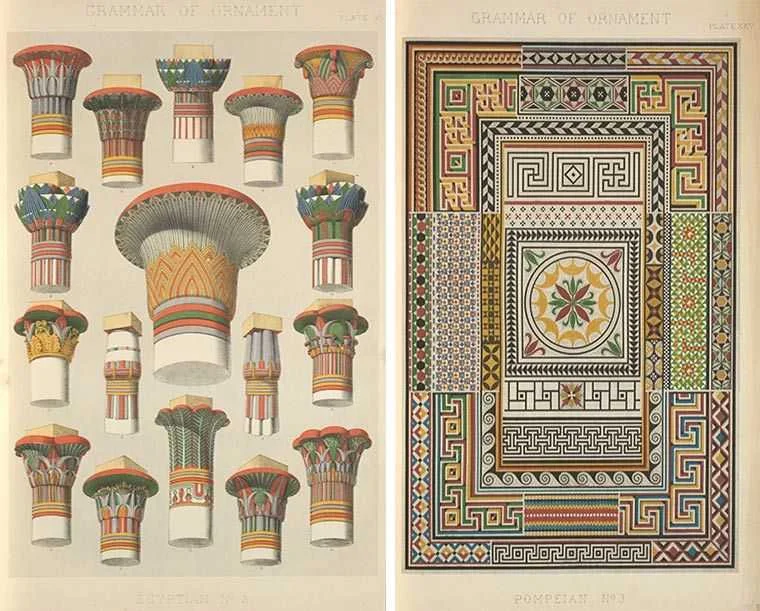
The Grammar was celebrated first and foremost for its outstanding folio-sized color lithographs, which represented the latest and most sophisticated innovations in the field of printmaking. Color lithography had been in use for several decades, but because each color was printed from a separate lithographic stone, most commercial publications were printed in a limited palette of three or four colors. Since color played a crucial role in Jones's work, he took charge of the production himself and employed assistants to work out the patterns on lithographic stones, with certain plates requiring as many as twenty distinct stones. The high quality of Jones's color plates quickly turned the luxurious first edition of the book into a collector's item. Their appeal greatly outlasted Jones’s intellectual arguments, which were omitted altogether in the various posthumous editions, and facsimile reproductions published in the later nineteenth and twentieth century.

As a writer, I have to include at least one reference to literature when discussing art, fine or otherwise.

While he is now seen as the epitome of wit and sophistication, Oscar Wilde was prosecuted and was killed under the same Victorian culture that produced the mentioned artwork.

It is important to note that his trial (3 April 1895) indeed changed the very vocabulary he wrote in: English. Before his trial, there were homosexual acts, however one could not be homosexual. It was not a noun. It was unthinkable to call someone a "homosexual." Certainly a "sodomite" but that's a different word altogether. Your identity was not in question, your acts were. That changed from an adjective to a noun due to his trial.

In 2017, Wilde was among an estimated 50,000 men who were pardoned for homosexual acts that were no longer considered offences under the Policing and Crime Act 2017 (homosexuality was decriminalised in England and Wales in 1967). The 2017 Act implements what is known informally as the Alan Turing law.

Oscar Wilde's Particular Aesthetic

Chief among the literary practitioners of decorative aestheticism was Oscar Wilde, who advocated Victorian decorative individualism in speech, fiction, and essay-form. Wilde’s notion of cultural enlightenment through visual cues echoes that of Alexander von Humboldt who maintained that imagination was not the Romantic figment of scarcity and mystery but rather something anyone could begin to develop with other methods, including organic elements in pteridomania.

By changing one’s immediate dwelling quarters, one changed one’s mind as well;  Wilde believed that the way forward in cosmopolitanism began with as a means eclipse the societally mundane, and that such guidance would be found not in books or classrooms, but through a lived Platonic epistemology. An aesthetic shift in the home’s Victorian decorative arts reached its highest outcome in the literal transformation of the individual into cosmopolitan, as Wilde was regarded and noted among others in his tour of America.

For Wilde, however, the inner meaning of Victorian decorative arts is fourfold: one must first reconstruct one’s inside so as to grasp what is outside in terms of both living quarters and mind, whilst hearkening back to von Humboldt on the way to Plato so as to be immersed in contemporaneous cosmopolitanism, thereby in the ideal state becoming oneself admirably aesthetical.

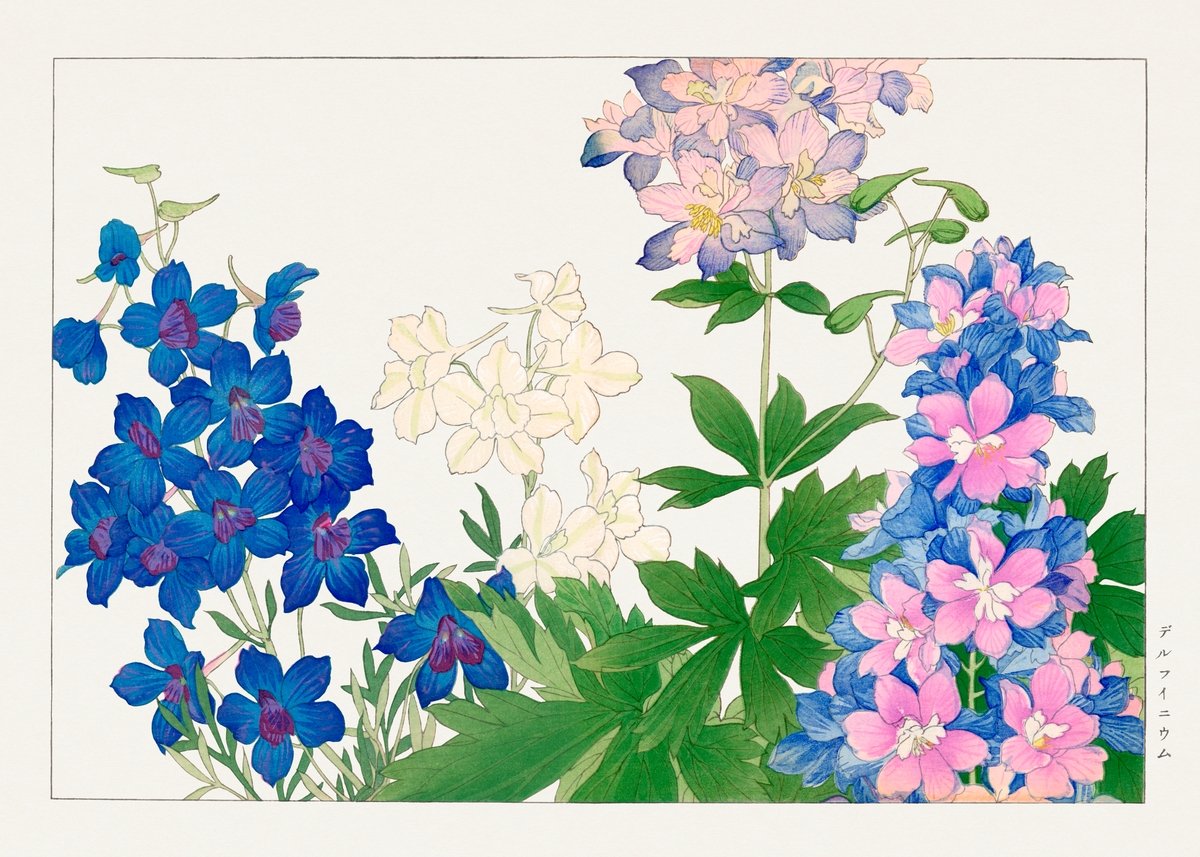
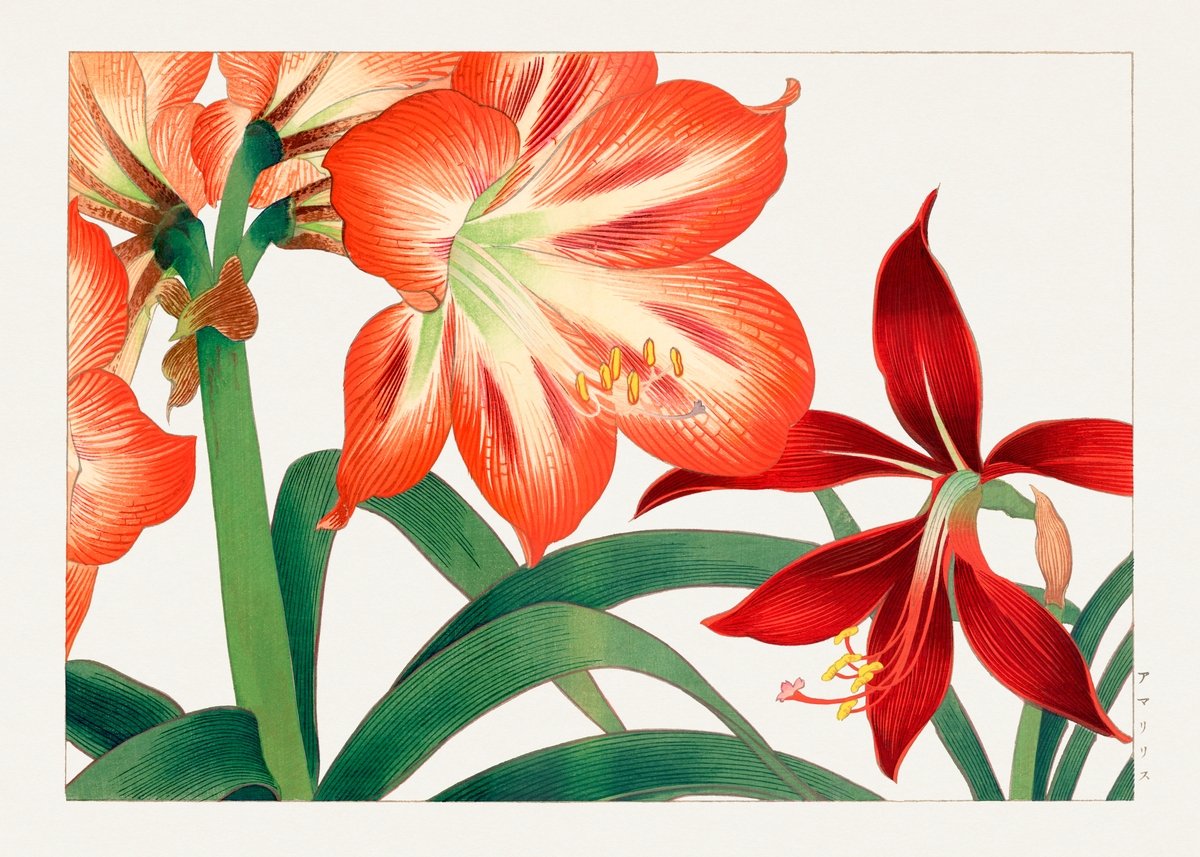
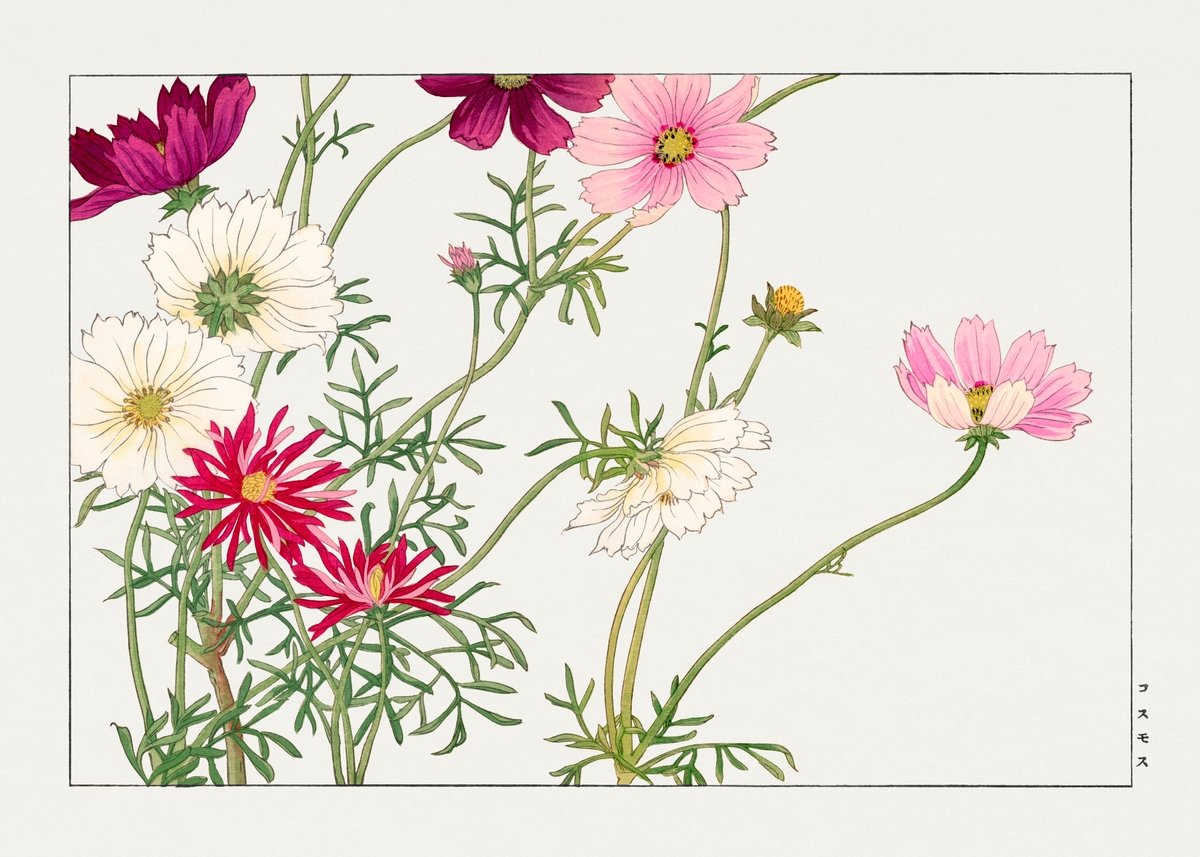
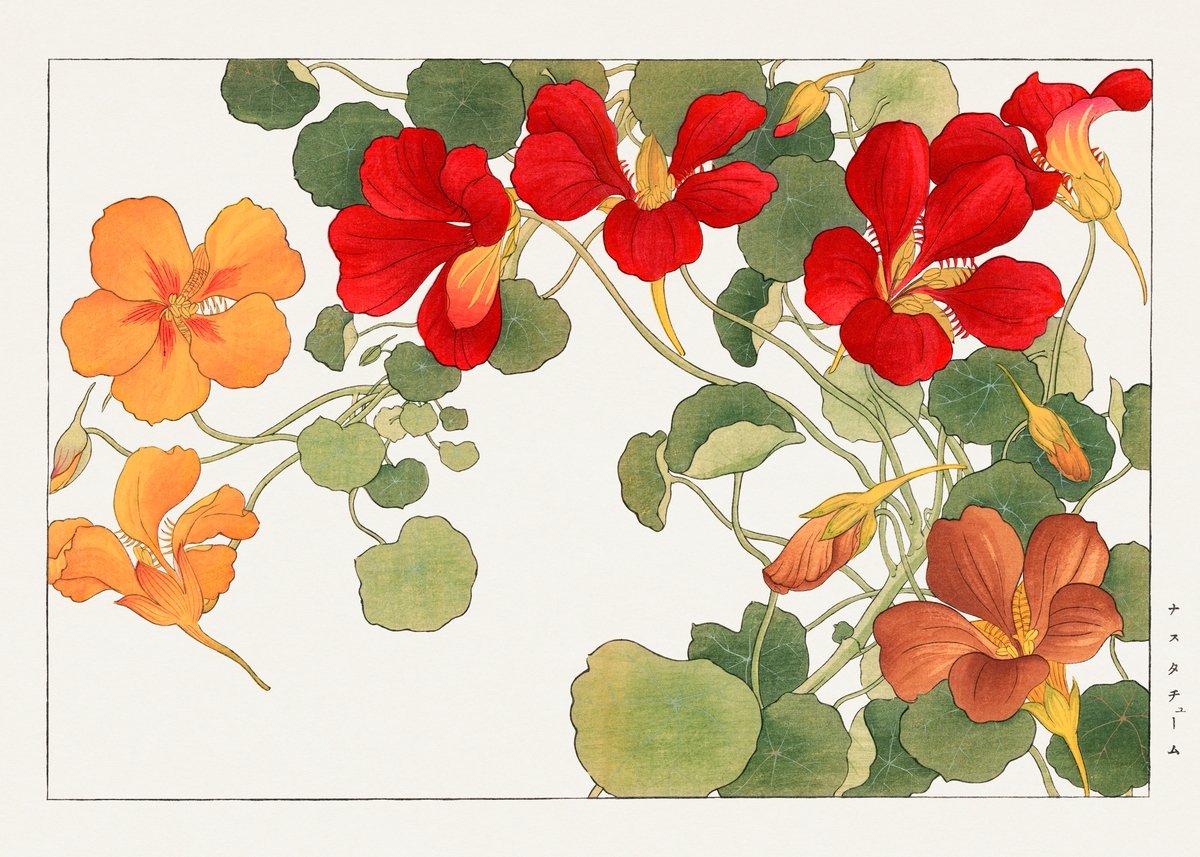
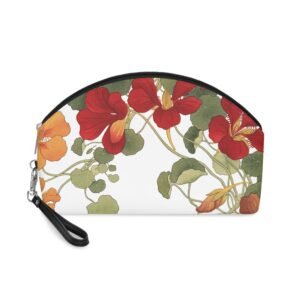
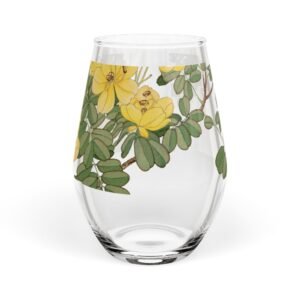
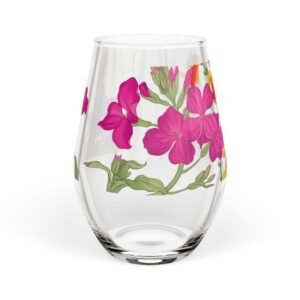
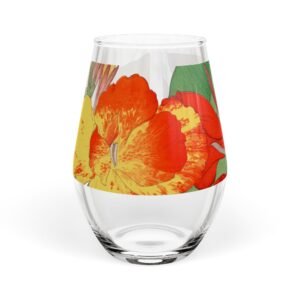
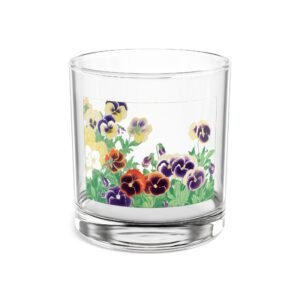
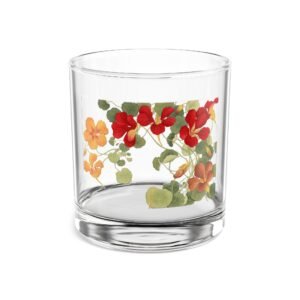
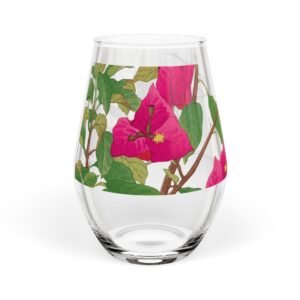
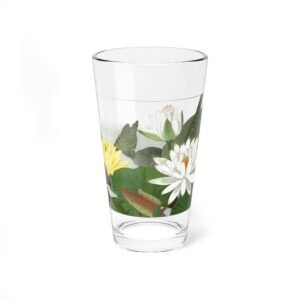
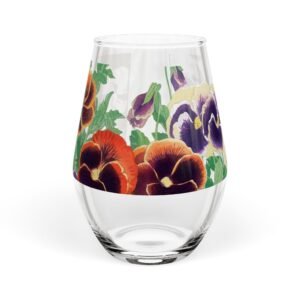
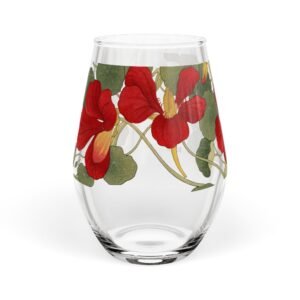
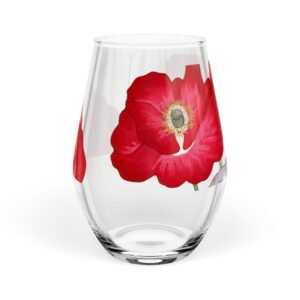
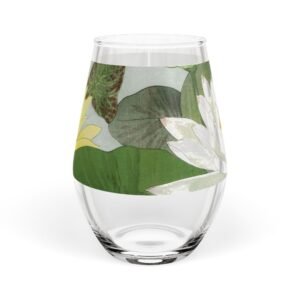
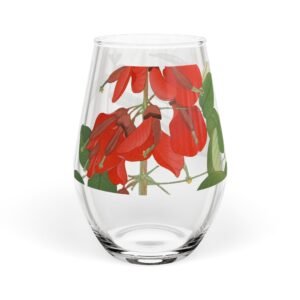
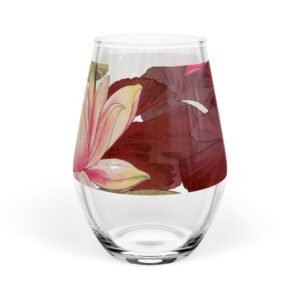
the Flora Glassware COLLECTION: Konan Tanigami (1879-1928)

the Flora Glassware COLLECTION: Konan Tanigami (1879-1928)

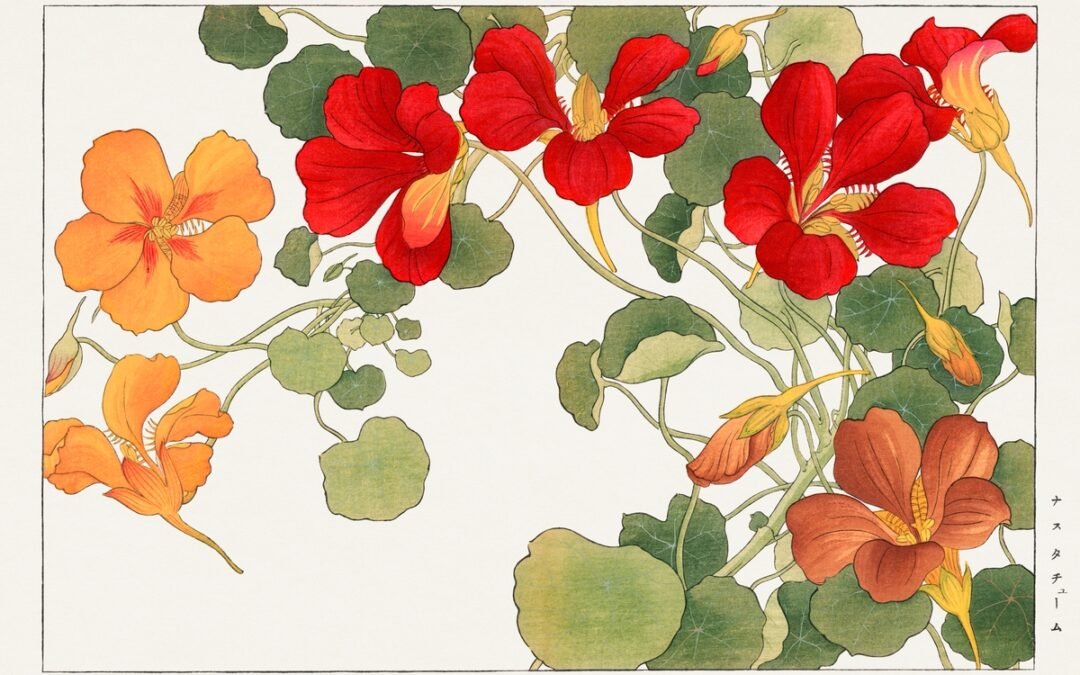
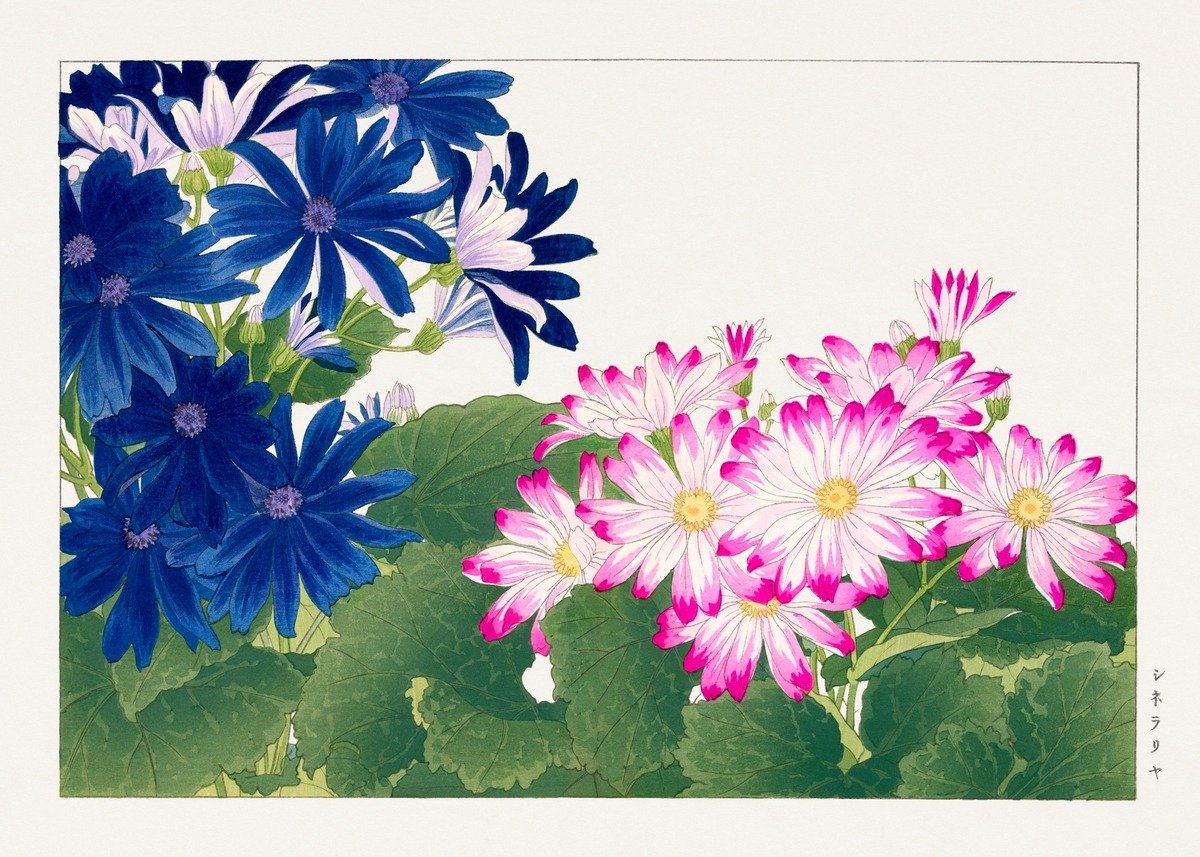
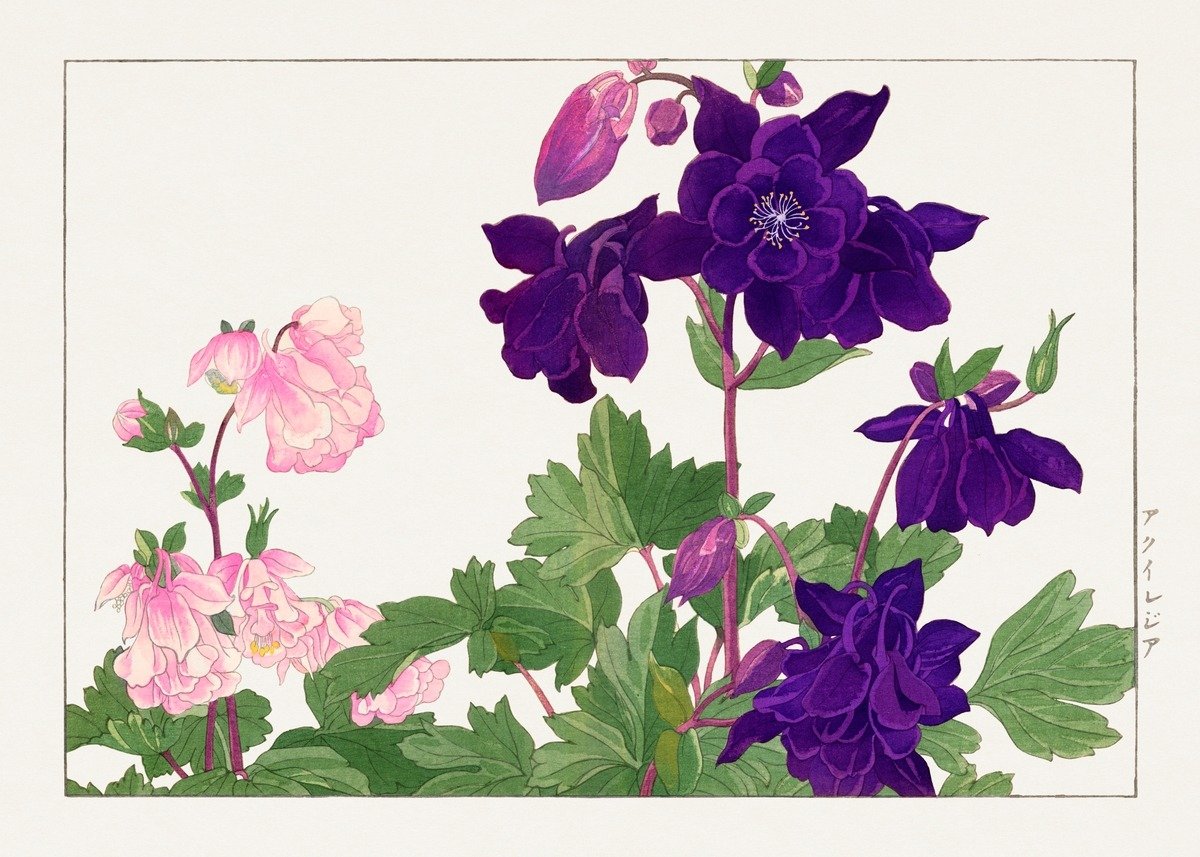
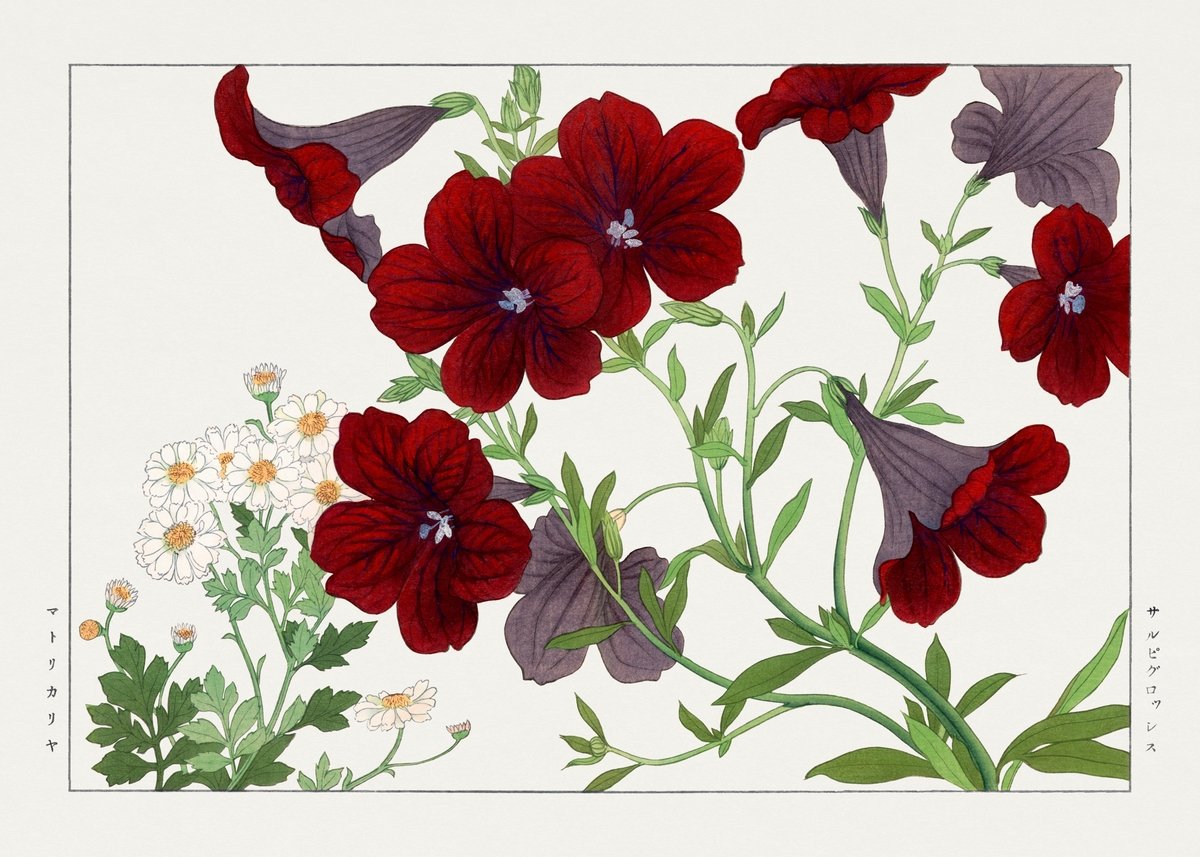
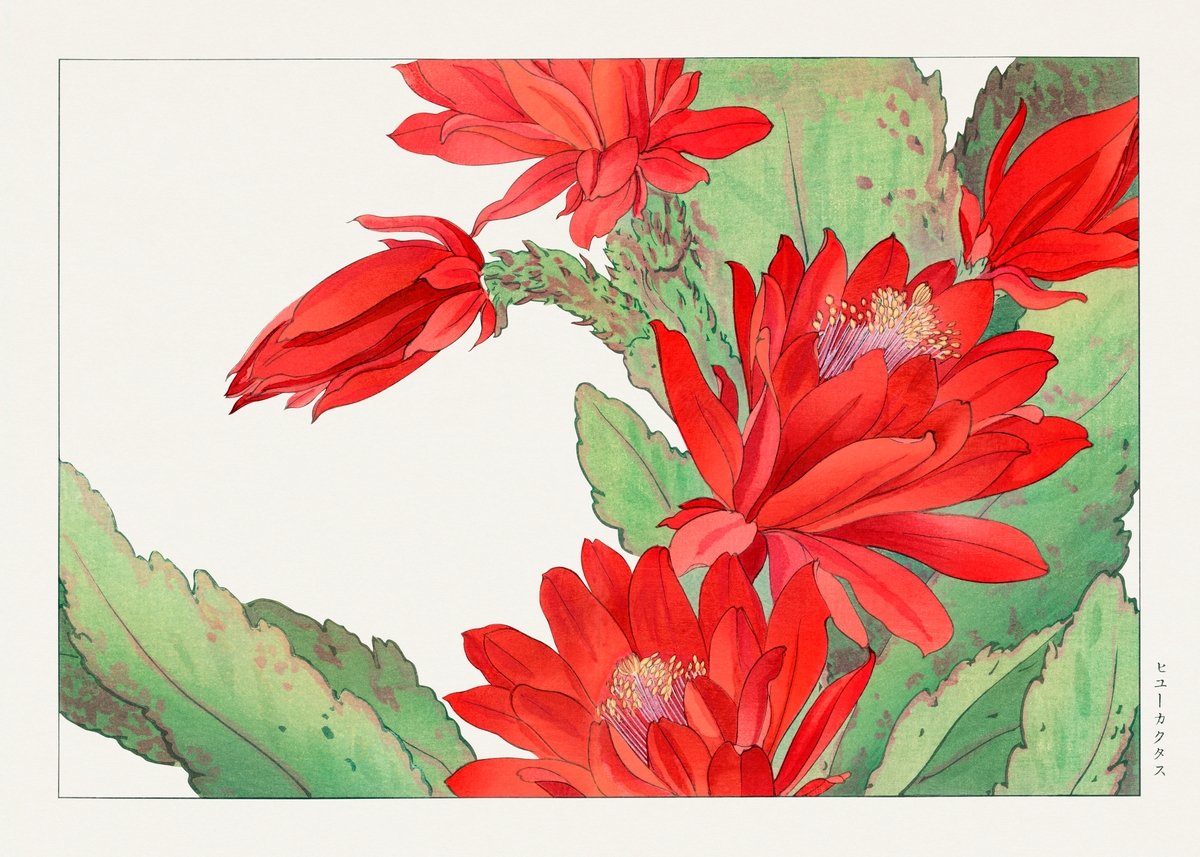
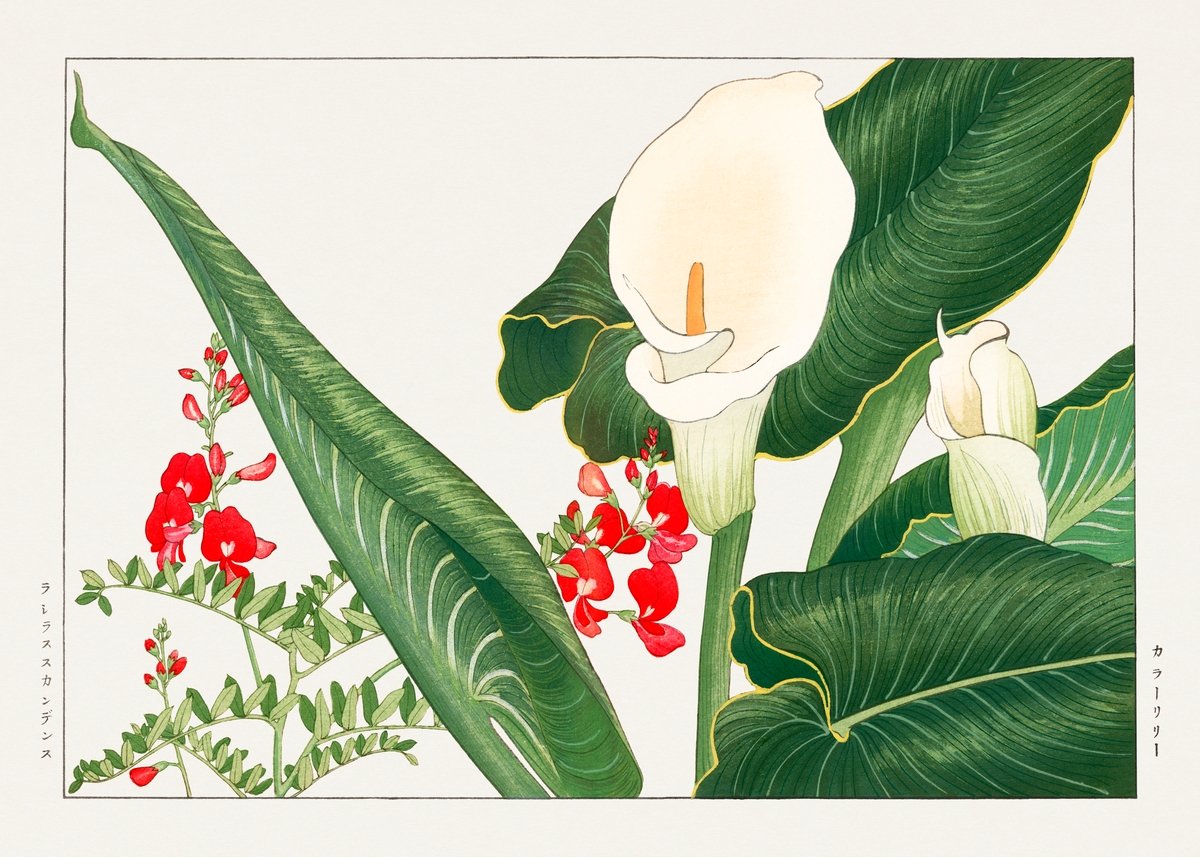
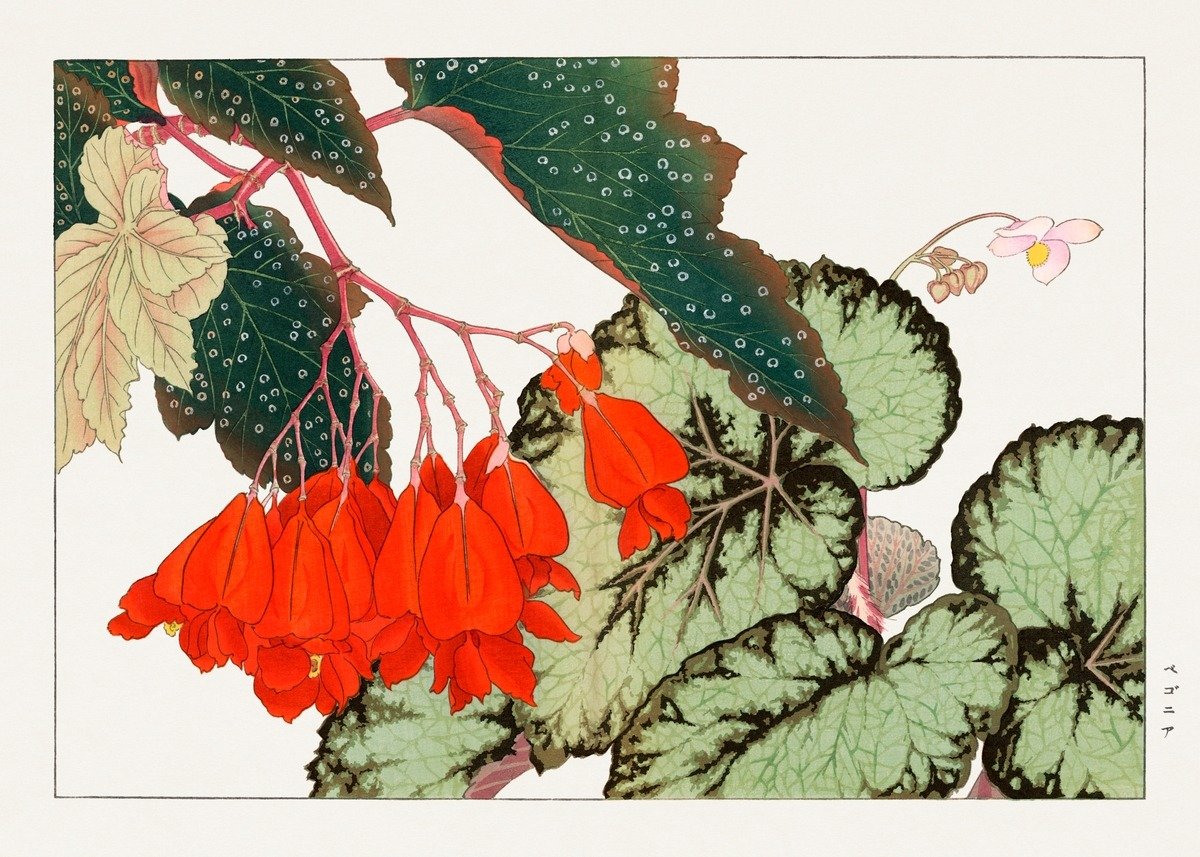
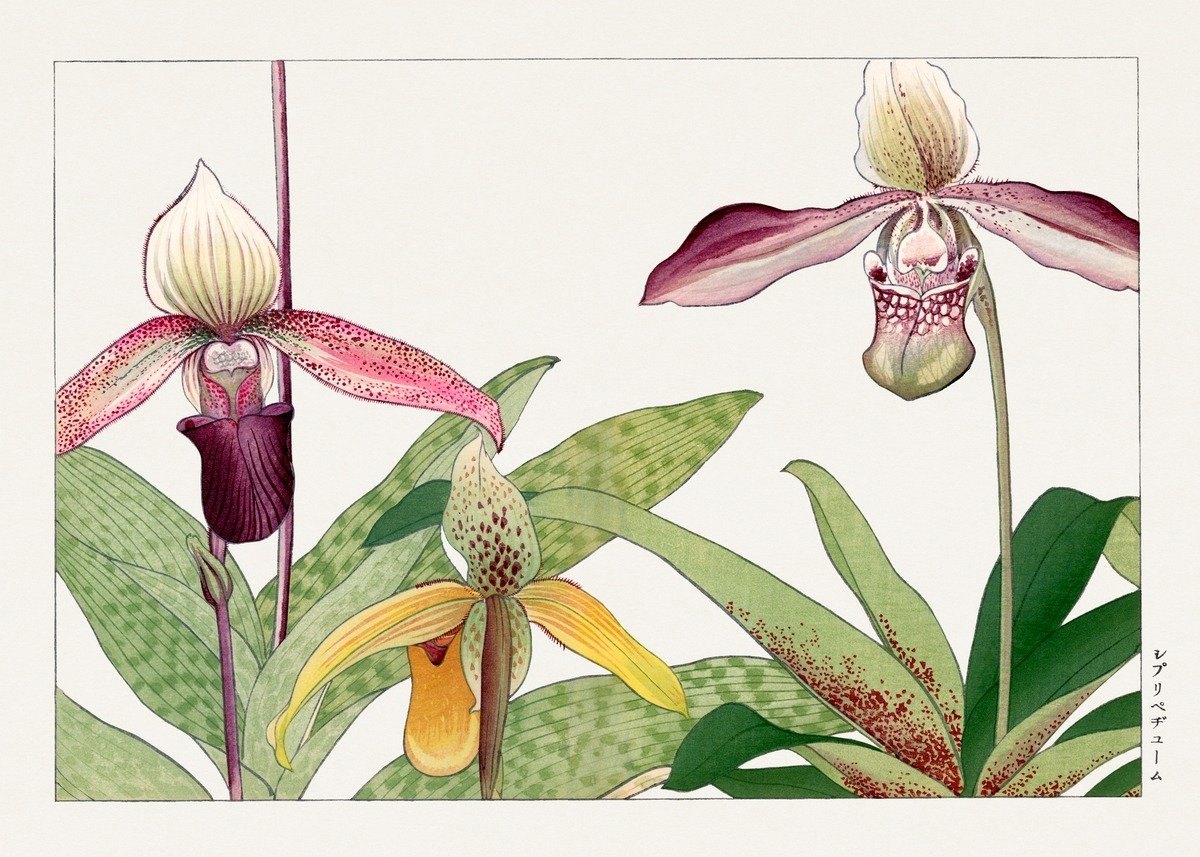
These items display stunning floral imagery, following the tradition of Japanese kacho-e (depictions of flowers and birds). 
Konan Tanigami, a prominent Nihon-ga artist from 1879 to 1928, is celebrated for his exceptional contributions to the Kacho-e genre, which focuses on the intricate depiction of birds and flowers. Notably, he distinguished himself as the first Japanese artist to incorporate Western flowers into his work, bridging the gap between traditional Japanese aesthetics and Western botanical subjects. His innovative approach not only enriched the Kacho-e tradition but also opened new avenues for artistic expression in Japan.
Early Life and Education

Tanigami Konan, born in 1879 in the historical city of Nagoya, Japan, grew up surrounded by the rich cultural tapestry that defined the Meiji era. He was drawn to art from a young age, enrolling in the Kyoto School of Arts where he honed his skills in traditional Nihon-ga techniques. Under the guidance of renowned mentors, Konan developed a keen eye for detail, allowing him to bring a sense of vibrancy to his subjects.

Career Highlights and Milestones

Konan’s artistic journey flourished as he became recognized for his innovative approach to Kacho-e, a genre focused on birds and flowers. His career spanned several decades, during which he not only exhibited widely but also became the first Japanese artist to dive into the world of Western flowers. This daring endeavor, along with his participation in international exhibitions, let the world know that Japanese art was not a solitary island but a bridge connecting diverse natural beauty across oceans.

Definition and Characteristics of Kacho-e

Kacho-e is basically the beautiful lovechild of birds and flowers, taking center stage in the Nihon-ga (Japanese painting) scene. Characterized by delicate brushwork and a focus on natural beauty, Kacho-e pieces often highlight seasonal blooms and graceful wildlife. Imagine a serene setting, where a sparrow is perched on a cherry blossom branch—poetry in visual form. The detail is so fine, it’s like the artist had a mini microscope while painting!

Historical Context of Kacho-e in Japanese Art

Emerging during the Edo period, Kacho-e became a stylish staple for art lovers, reflecting the shifting interests of Japanese society. Capitalizing on the West's fascination with Japanese culture, Kacho-e blossomed in popularity, often embodying a meditative relationship between nature and humanity. So, while Konan painted Western flowers, he was also part of a long tradition that appreciated the beauty of nature—albeit with a modern twist.

Integration of Western Flora into Traditional Techniques

Konan’s reputation as a daring innovator is well-earned, especially when it comes to his approach to Western flowers. He didn’t just dip his toes into unfamiliar waters; he cannonballed right in! Blending the intricate techniques of Nihon-ga with vibrant blooms like roses and daisies, he created an exciting fusion that made flower arrangements feel fresh and new. His work often had viewers wondering, “Is that a bouquet from my garden or the pages of a Western floral catalog?”

Comparison with Contemporary Artists

While many of his contemporaries timidly stuck to traditional Japanese flora, Konan boldly ventured into the uncharted territory of Western botanicals. Artists like Takehisa Yumeji were also experimenting, but none quite captured the same flair for floral diversity as Konan. His ability to intermingle Western aesthetics with Eastern sensibility set him apart, making him a trendsetter in a field that was still finding its footing in a rapidly changing artistic landscape.

Nature and Its Representation in Konan's Work

If there’s one thing that defines Konan’s art, it’s his deep connection with nature. Every brushstroke seemed to whisper an ode to the delicate balance of flora and fauna. With a penchant for detail, his pieces captured not just the visual appeal but also the essence of the natural world. Whether it was the play of light on petals or the rustle of leaves, Konan’s paintings felt alive, as if nature was right there in the room with you.

Western Art Movements and Their Impact

The early 20th century was a melting pot of artistic movements, and Konan wasn’t immune to their influence. The Impressionists, with their focus on light and color, left a mark on him, perhaps inspiring his vivid interpretations of Western flowers. Additionally, the Arts and Crafts movement's emphasis on nature and craftsmanship resonated with his artistic philosophy. This cross-pollination of ideas allowed Konan to create artwork that was a harmonious blend of Eastern and Western aesthetics, proving that art truly knows no boundaries.

Notable Paintings and Their Significance

Tanigami Konan's portfolio features an impressive array of paintings that boast a harmonious blend of traditional Japanese aesthetics and Western botanical influences. His work, such as “Peonies and Birds,” exemplifies this unique fusion, showcasing not just the beauty of the depicted flowers but also a meticulous attention to detail that invites viewers to appreciate the harmony of nature. Konan’s ability to illustrate Western blooms with the grace typical of Kacho-e art not only expanded the thematic repertoire of Nihon-ga but also sparked conversations about Japan's engagement with globalization in the early 20th century.

Innovations in Technique and Style

Konan wasn’t just a pretty face in the art world; he was a trailblazer. His innovative use of color and texture reflected his keen observation of natural forms, elevating the Kacho-e genre. Embracing techniques such as layering and the incorporation of new pigments from Western sources, he created works that were more vivid and lifelike than ever before. This innovation didn’t just set a new standard; it redefined how Japanese artists approached floral and avian subjects, ushering in a fresh era of aesthetic exploration.

Influence on Future Generations of Artists

The ripples of Konan's artistic contributions can be felt even today. Many contemporary artists cite him as an inspiration for their own explorations of nature and the interplay between Eastern and Western art techniques. His fearless approach encourages new generations to experiment with their styles, bridging traditional forms with modern expressions, and invites a re-examination of cultural identity through art.

Preservation and Recognition of His Work Today

Today, Konan’s works are more than just beautiful images; they are treasured artifacts representing the evolution of Japanese art. Museums and galleries around the globe recognize his contributions, often featuring his works in exhibitions that highlight the dialogue between East and West. Art enthusiasts and scholars alike are increasingly dedicated to preserving his legacy, ensuring that the vibrant colors and intricate details of Konan’s flora will continue to flourish for future generations.

Major Exhibitions During His Lifetime

During his lifetime, Tanigami Konan's works were showcased in several high-profile exhibitions, drawing significant attention and acclaim. His participation in the 1910 Japan-British Exhibition introduced Western audiences to his unique vision and helped establish his reputation as a leading Kacho-e artist. These exhibitions paved the way for broader appreciation of Japanese art, allowing Konan to stand confidently in the spotlight of an evolving art scene.

Posthumous Recognition and Awards

Even after his passing in 1928, Konan's art has continued to gain recognition. Various art institutions have posthumously honored his work through exhibitions and special collections that celebrate his contributions to the Nihon-ga movement. Additionally, awards recognizing his influence on the Kacho-e genre further cement his status as a pivotal figure in the history of Japanese art. 

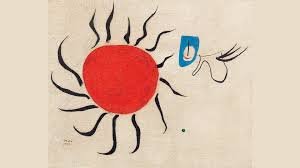
Fine Art Focus: Joan Miró

Fine Art Focus: Joan Miró

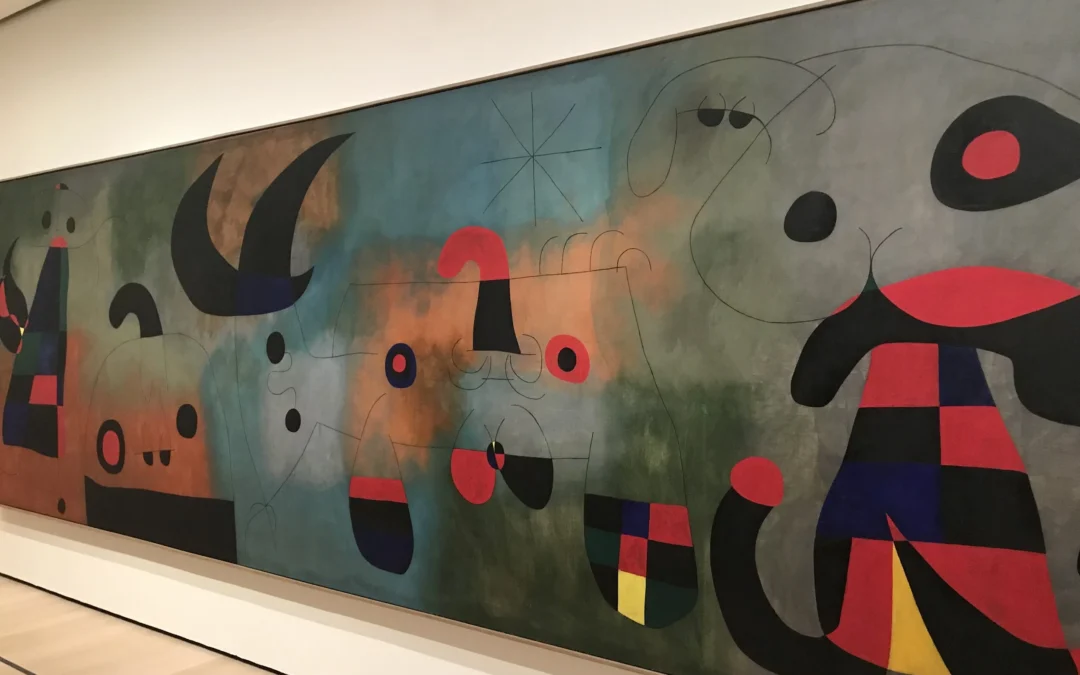
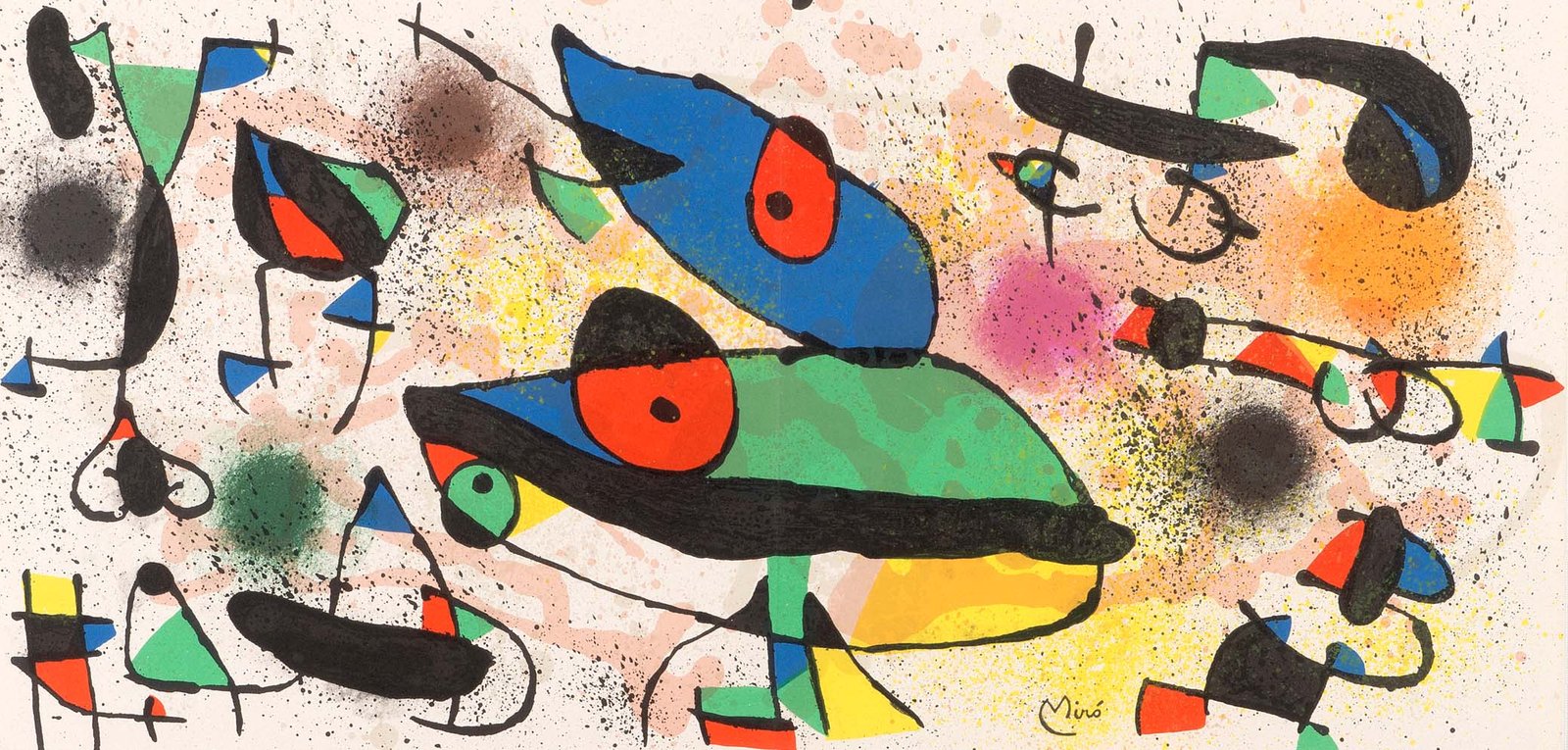
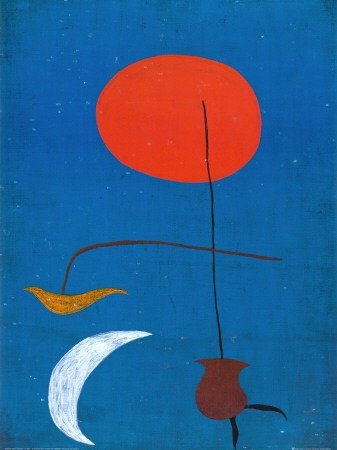
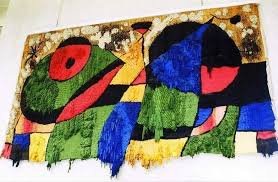
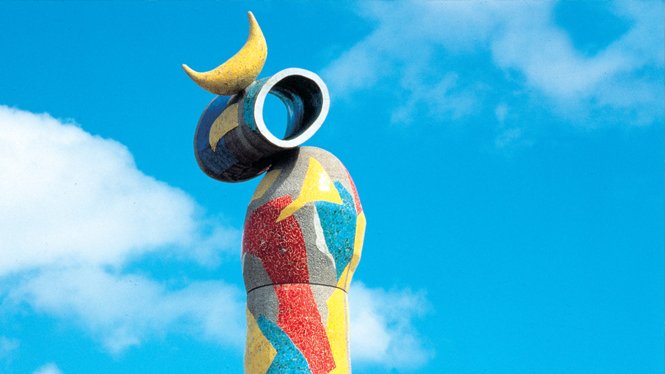
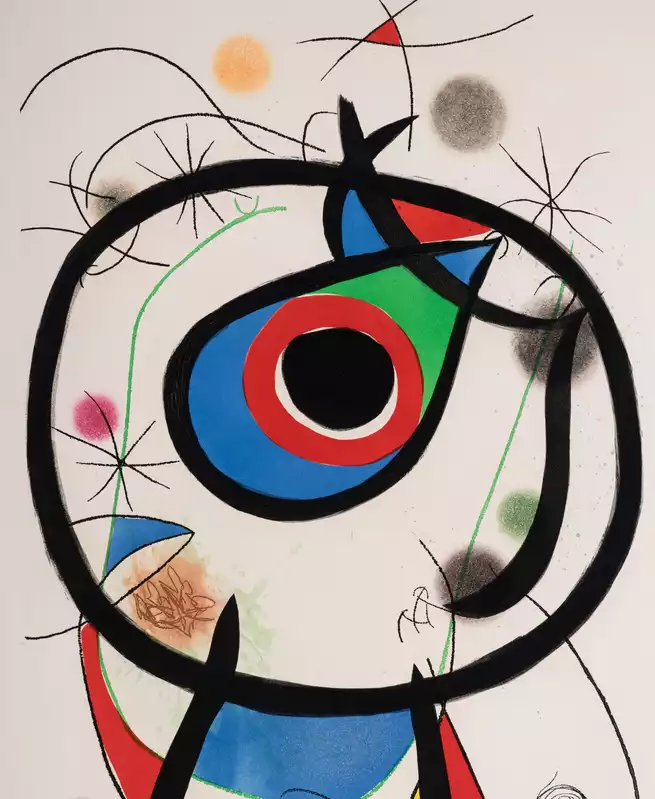
Joan Miró Ferra was born April 20, 1893, in Barcelona. At the age of 14, he went to business school in Barcelona and also attended La Lonja’s Escuela Superior de Artes Industriales y Bellas Artes in the same city. Upon completing three years of art studies, he took a position as a clerk. After suffering a nervous breakdown, he abandoned business and resumed his art studies, attending Francesco Galí’s Escola d’Art in Barcelona from 1912 to 1915. Miró received early encouragement from the dealer José Dalmau, who gave him his first solo show at his gallery in Barcelona in 1918. In 1917 he met Francis Picabia.

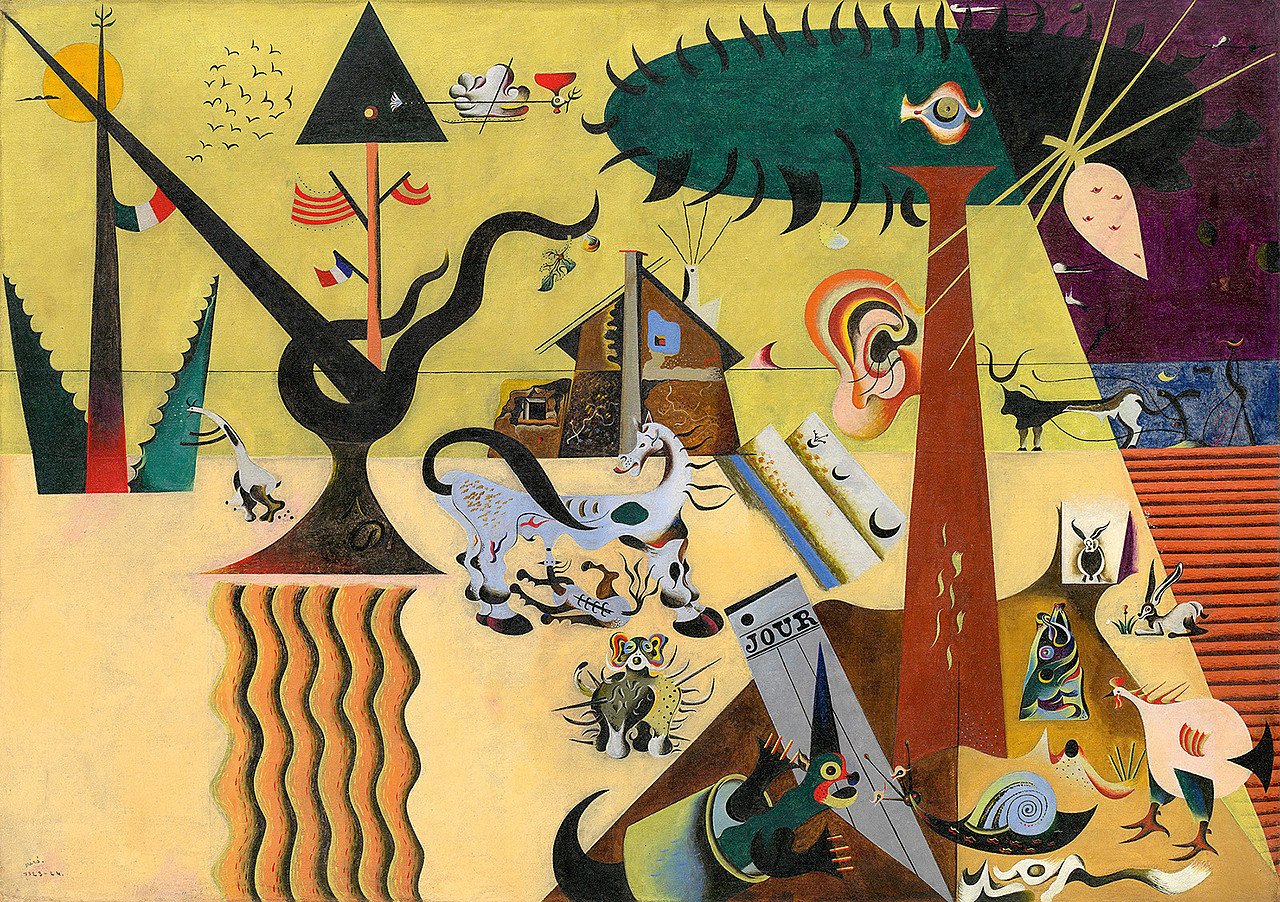
The Tilled Field (La terre labourée), Joan Miró (1923)

Miró’s spirited depiction of The Tilled Field also has political content. The three flags—French, Catalan, and Spanish—refer to Catalonia’s attempts to secede from the central Spanish government. Primo de Rivera, who assumed Spain’s dictatorship in 1923, instituted strict measures, such as banning the Catalan language and flag, to repress Catalan separatism. By depicting the Catalan and French flags together, across the border post from the Spanish flag, Miró announced his allegiance to the Catalan cause.

—Guggenheim New York

Miró made his first trip to Paris, where he met Pablo Picasso. From this time, Miró divided his time between Paris and Montroig, Spain. In Paris he associated with the poets Max Jacob, Pierre Reverdy, and Tristan Tzara and participated in Dada activities. Dalmau organized Miró’s first solo show in Paris, at the Galerie la Licorne in 1921. His work was included in the Salon d’Automne of 1923. In 1924 Miró joined the Surrealist group. His solo show at the Galerie Pierre, Paris, in 1925 was a major Surrealist event; Miró was included in the first Surrealist exhibition at the Galerie Pierre that same year.
Miró left Spain because of the civil war; he returned in 1941. Also in 1936 Miró was included in the exhibitions Cubism and Abstract Art and Fantastic Art, Dada, Surrealism at the Museum of Modern Art, New York. The following year he was commissioned to create a monumental work for the Paris World’s Fair.

During the 1960s he began to work intensively in sculpture. Miró retrospectives took place at the Musée National d’Art Moderne, Paris, in 1962, and the Grand Palais, Paris, in 1974. In 1978 the Musée National d’Art Moderne exhibited over five hundred works in a major retrospective of his drawings.

Miró died on December 25, 1983, in Palma de Mallorca, Spain.

Fine Art Focus: László Moholy-Nagy 

Fine Art Focus: László Moholy-Nagy 

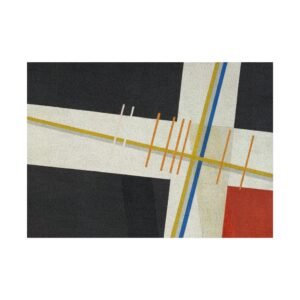
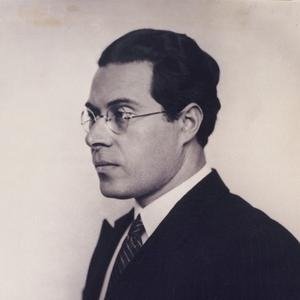
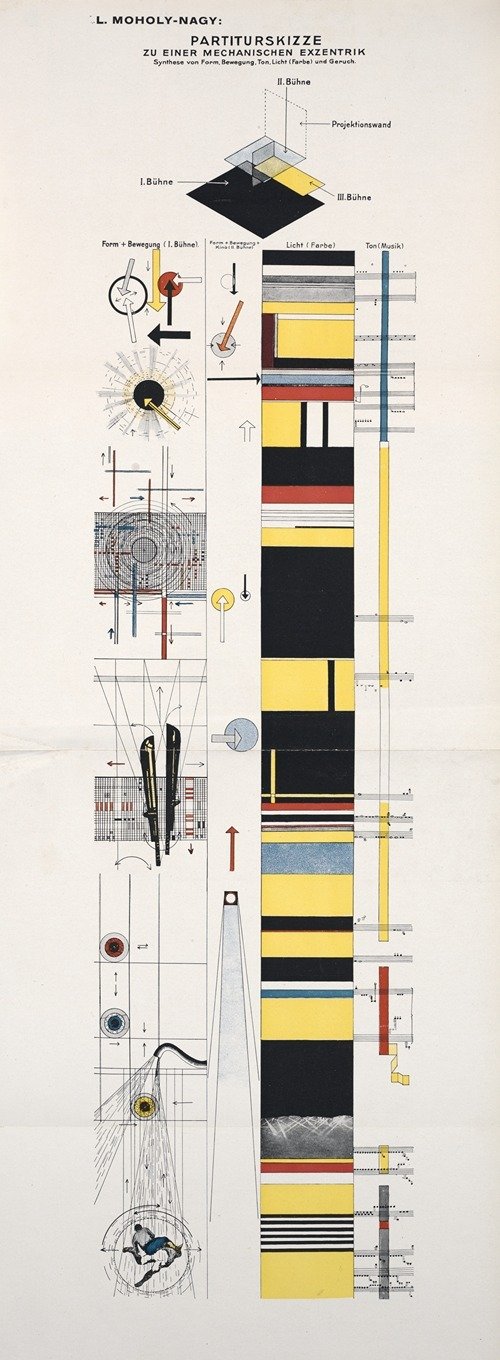
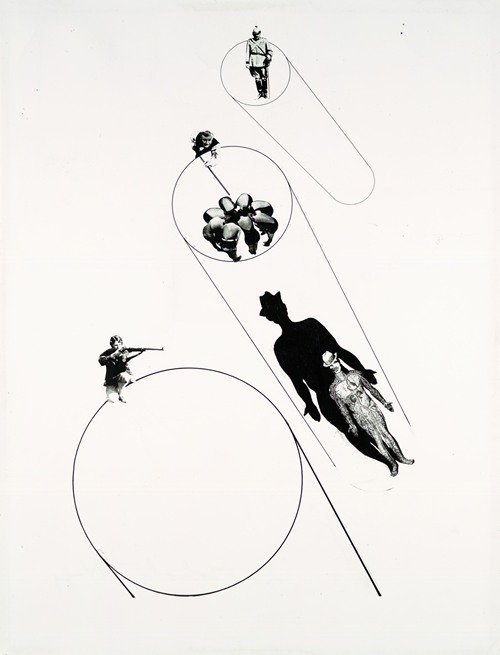
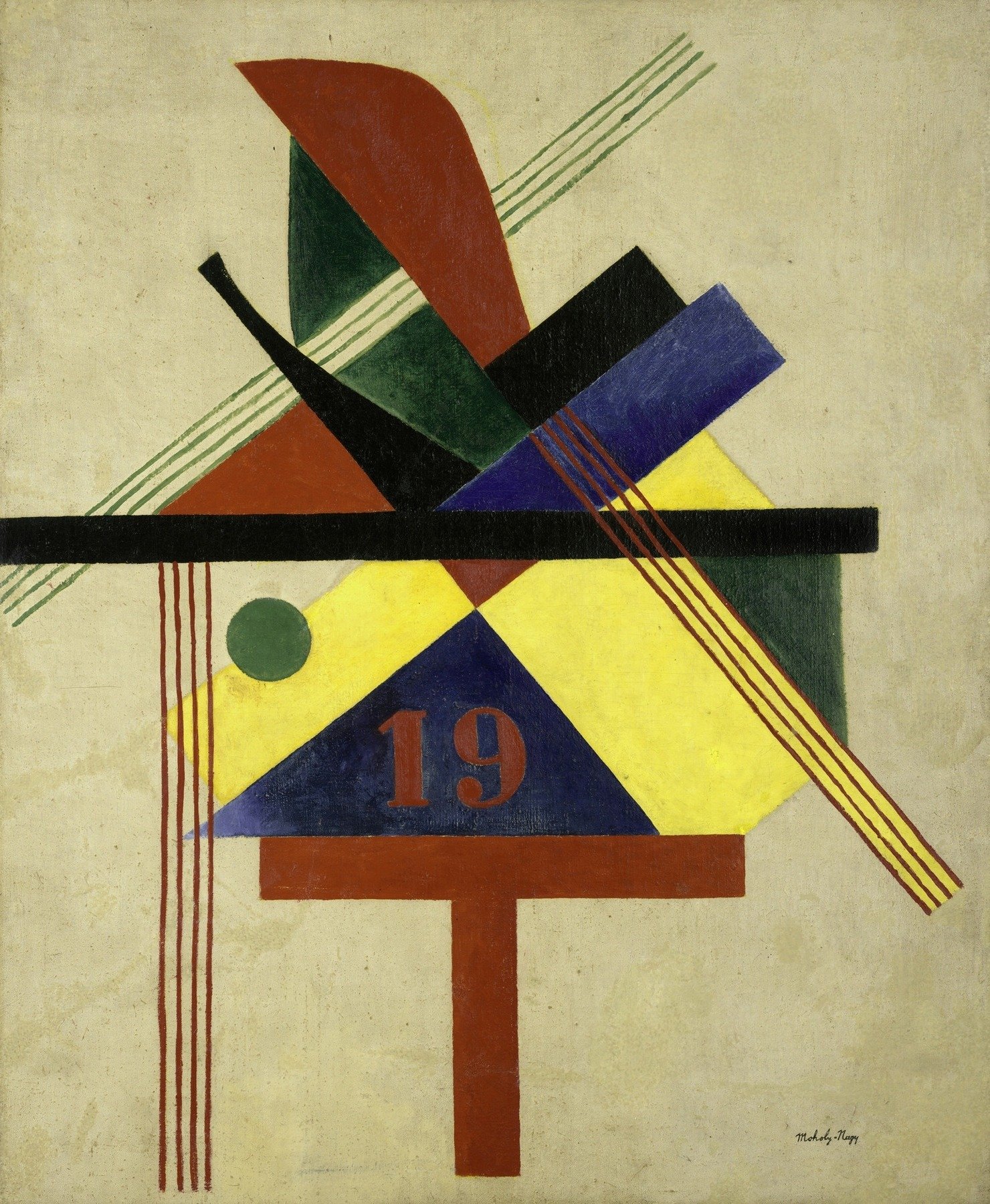
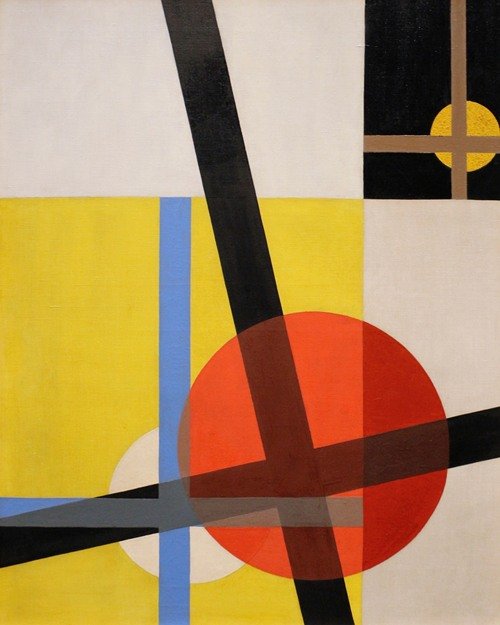
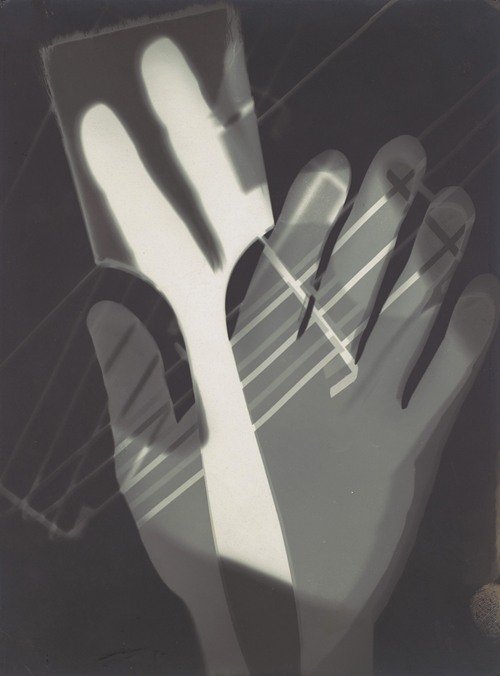
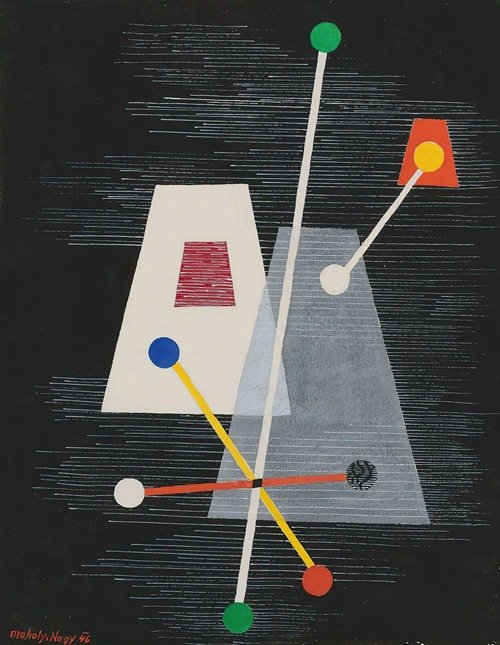
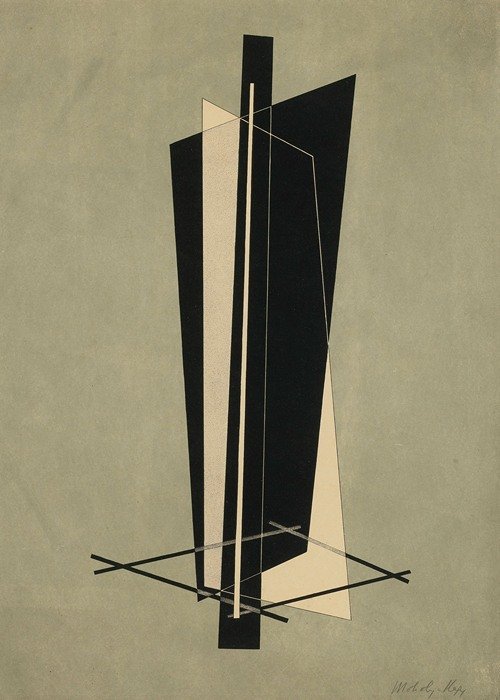
László Moholy-Nagy was a Hungarian painter and photographer as well as a professor in the Bauhaus school. He was highly influenced by constructivism and a strong advocate of the integration of technology and industry into the arts. The art critic Peter Schjeldahl called him "relentlessly experimental" because of his pioneering work in painting, drawing, photography, collage, sculpture, film, theater, and writing.

He also worked collaboratively with other artists, including his first wife Lucia Moholy, Walter Gropius, Marcel Breuer, and Herbert Bayer.

His largest accomplishment may be the School of Design in Chicago, which survives today as part of the Illinois Institute of Technology, which art historian Elizabeth Siegel called "his overarching work of art". He also wrote books and articles advocating a utopian type of high modernism.

Explore all Artists in this Collection: