
You & Polyester: Getting Along, Swimmingly
700,000
Each polyester garment can release up to 700,000 fibers per revolution of a washing machine's drum.
78 million tons
80% used in textiles. It represents about 80% of all synthetic fiber production, driven by its low cost, durability, and popularity in fast fashion
Polyester is the dominant fiber in the textile industry, accounting for approximately 57% to 59% of total global fiber production as of 2023-2024. It makes up over half of all fibers used in apparel and textiles, driven by its affordability and versatility. Nearly 90% of this production is fossil-based.
Polyester fabric is lightweight, wrinkle-resistant, quick-drying, and moisture-wicking, making it ideal for activewear, home textiles, and custom (print-on-demand) apparel.
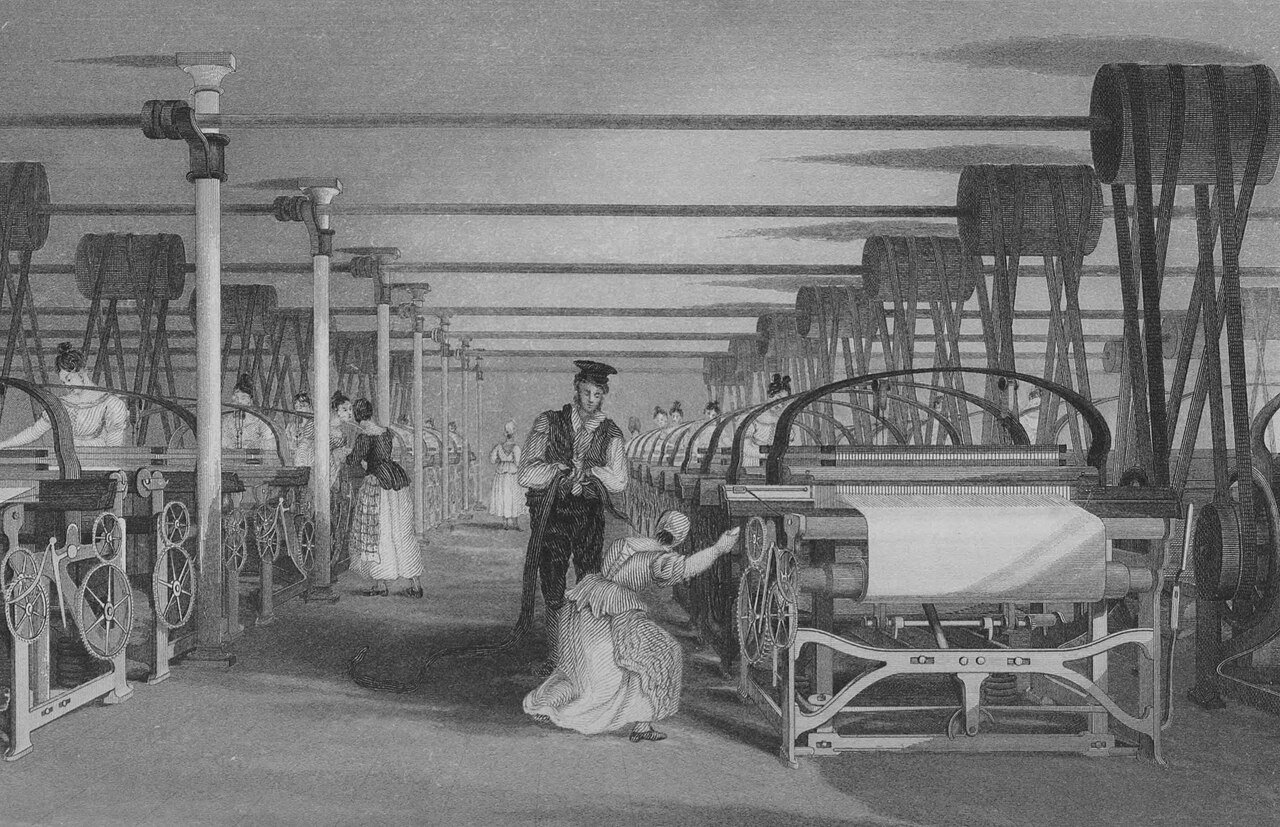
It's also incredibly damaging to the enivironment. Producing nearly 60% of all textiles globally from carbon-dense fossil fuels poses some very serious problems:
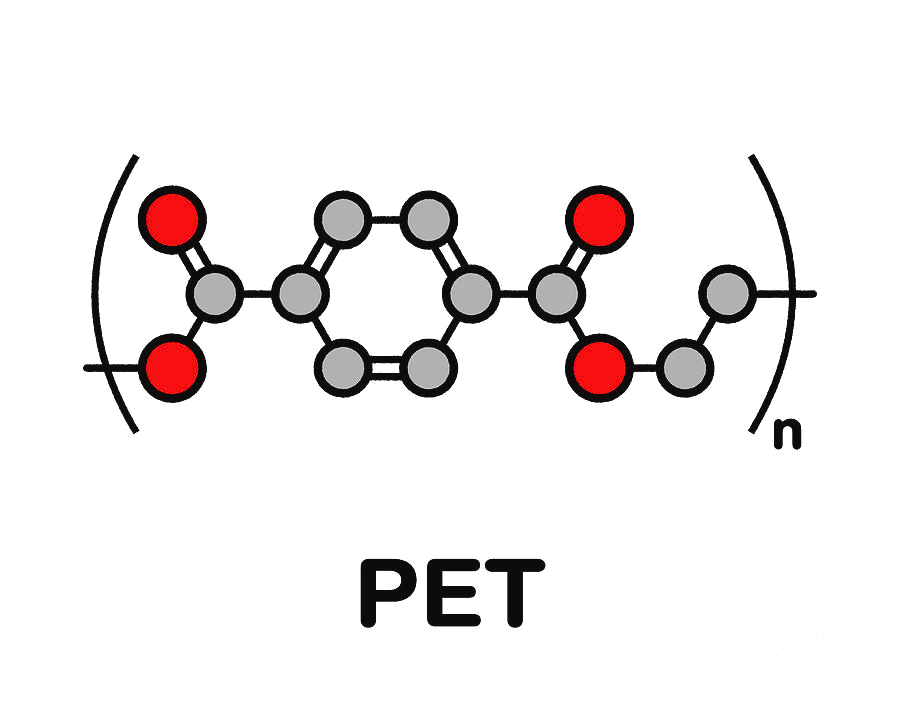
Polyester types include PET, PCDT, microfiber, recycled polyester (rPET), and emerging plant-based polyester fibers.
Recycled polyester helps reduce reliance on fossil fuels, but it still contributes to microplastic pollution during washing.
With the above in mind, we've searched for swimwear for women and men that uses the highest percentage of recycled polyester. We looked for durability, quality and particularly, density of the fabric.
We also made sure that the recycled polyester was, indeed, recycled in accordance with best practices.
These are the best matches we found. Each is uniquely manfactured for you and features our bold, modern designs that will make you shine while while showing off your commitment to the environment.
-
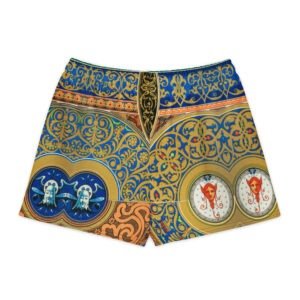
Albert Racinet: Renaissance Cotton Shorts
Price range: $32.00 through $38.00 -
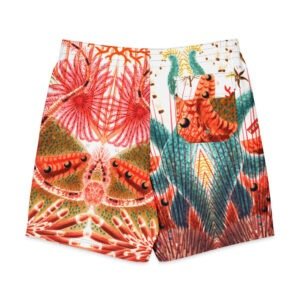
Sea Coral Men’s Board Shorts
$55.00 -
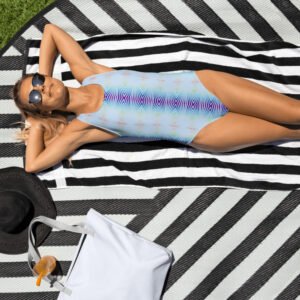
Blue Optic One-Piece Swimsuit
$39.00 -
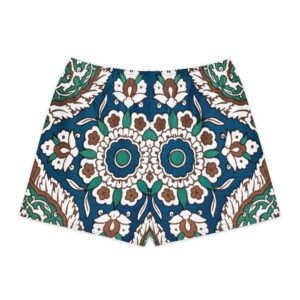
La Decoration Arabe No.49 Cotton Shorts
Price range: $32.00 through $38.00 -
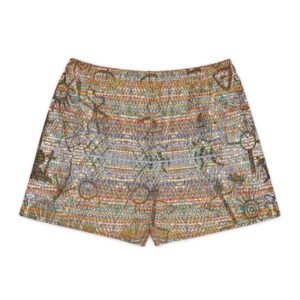
Paul Klee: Ad Parnassum Cotton Shorts
Price range: $32.00 through $38.00 -
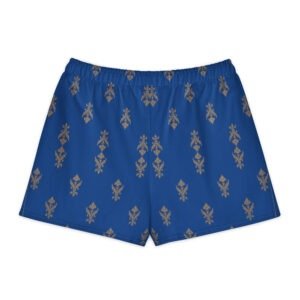
Orleans Cotton Shorts
Price range: $42.00 through $49.00
Women's


-
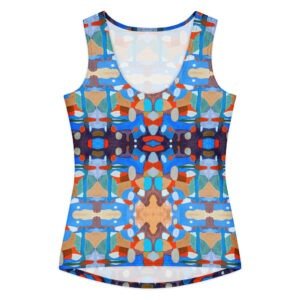
Maurice Estève: Dominant Center Women’s Cotton Tank Top
$30.00 -
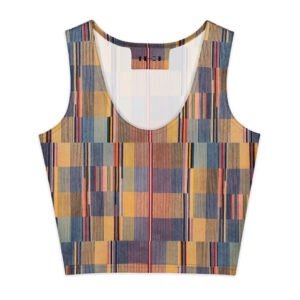
Bauhaus: Cotton Crop Top
$29.00 -
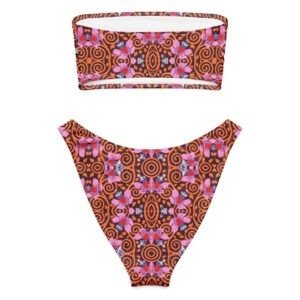
E. A. Séguy Recycled Bandeau Bikini
$46.00 -
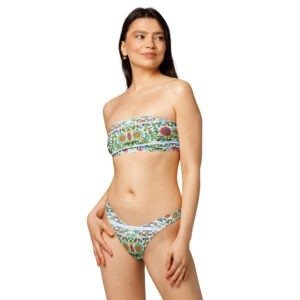
Chinoiserie Recycled Bandeau Bikini
$49.00 -
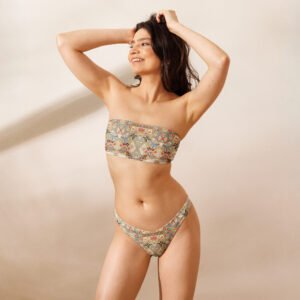
Agra Recycled Bandeau Bikini
$46.00 -
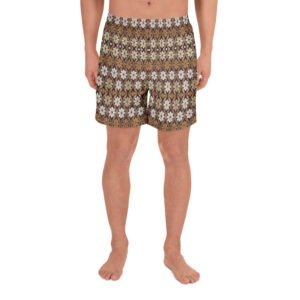
Terra Tile Athletic Long Shorts
Price range: $40.00 through $42.50 -
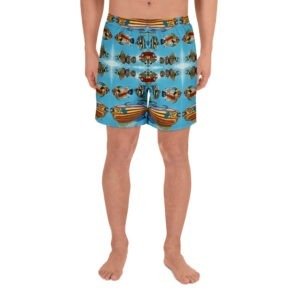
Our Wet Buddies Athletic Long Shorts
Price range: $40.00 through $42.50 -
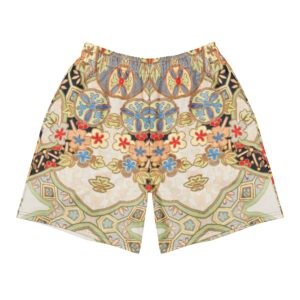
Agra Athletic Long Shorts
Price range: $42.00 through $44.00 -
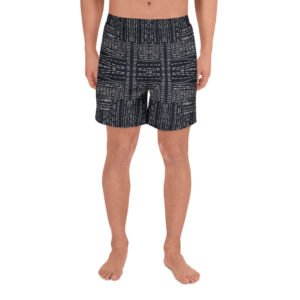
Dark Sashiko Athletic Long Shorts
Price range: $40.00 through $42.50 -
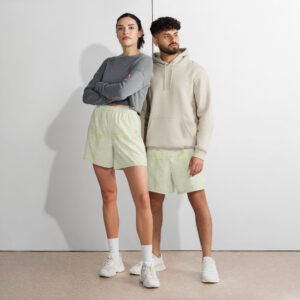
Flight Unisex Athletic Long Shorts
Price range: $40.00 through $42.50 -
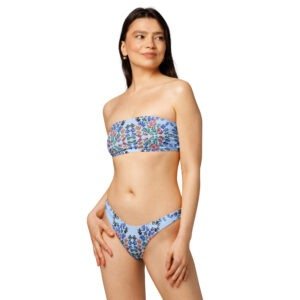
Henri Matisse: The Sheaf (1953) Recycled Bandeau Bikini
$46.00 -
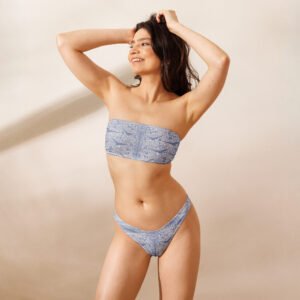
Alight Recycled Bandeau Bikini
$46.00 -
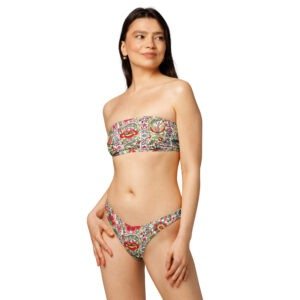
Chinoiserie Floral Print Recycled Bandeau Bikini
$46.00 -
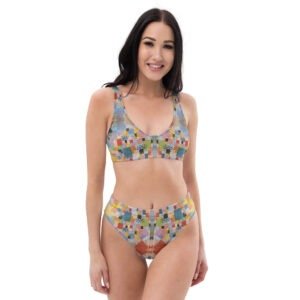
Paul Klee-Inspired Recycled High-waisted Bikini
Price range: $46.00 through $50.00 -
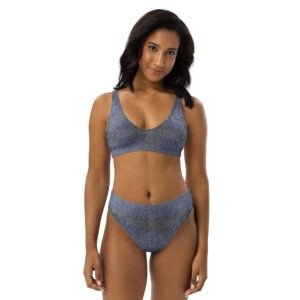
Complex Sashiko Pattern Recycled High-waisted Bikini
Price range: $46.00 through $50.00 -
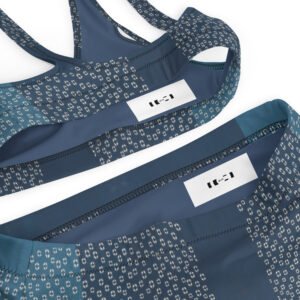
Split Quad Recycled High-waisted Bikini
Price range: $46.00 through $50.00 -
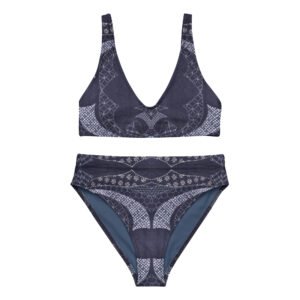
Curved Sashiko Pattern Recycled High-waisted Bikini
Price range: $46.00 through $50.00 -
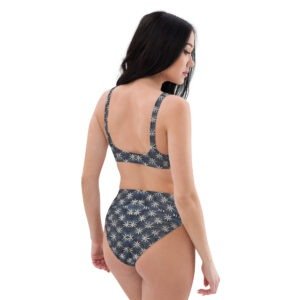
Astra Recycled High-waisted Bikini
Price range: $46.00 through $50.00 -
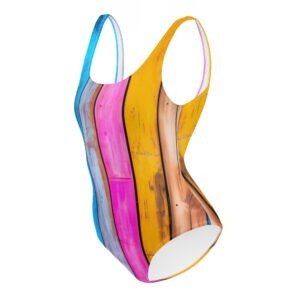
Prism Plank One-Piece Swimsuit
Price range: $35.00 through $42.00 -
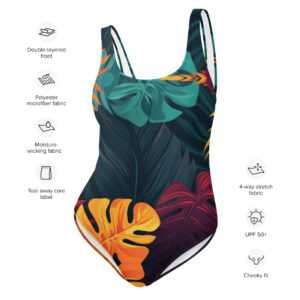
Tropekal One-Piece Swimsuit
Price range: $44.00 through $50.50 -
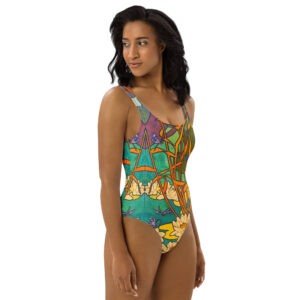
Kano One-Piece Swimsuit
Price range: $44.00 through $50.50 -
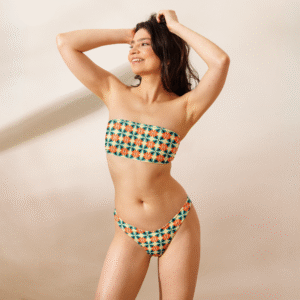
Jolie Recycled Bandeau Bikini
$42.00 -
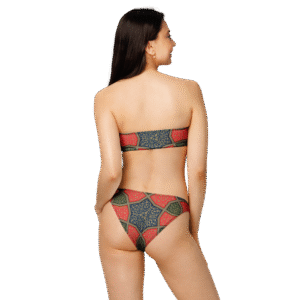
Tasiz Recycled Bandeau Bikini
$42.00 -
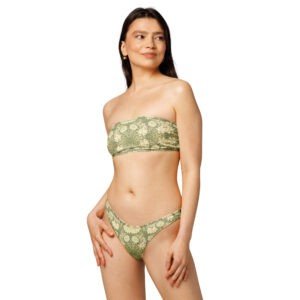
Emblem Recycled Bandeau Bikini
$42.00 -

Arabe Deux Recycled Bandeau Bikini
$42.00 -
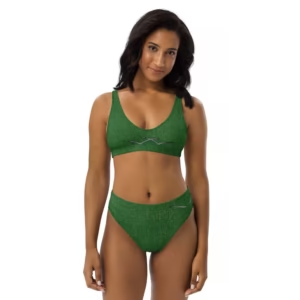
Atsui Recycled High-Waisted Bikini
$49.00 -
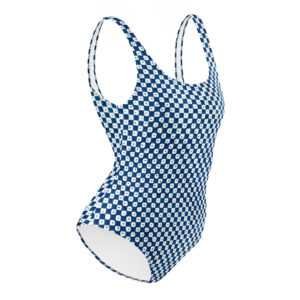
Blue Line One-Piece Swimsuit
$39.00 -
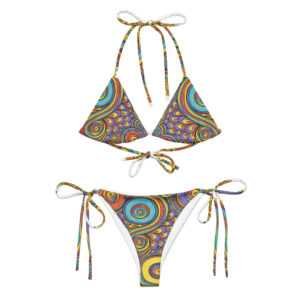
Paisley Mandala Recycled String Bikini
$39.00 -
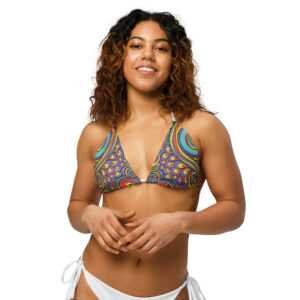
Paisley Mandala Recycled String Bikini Top
$27.00 -
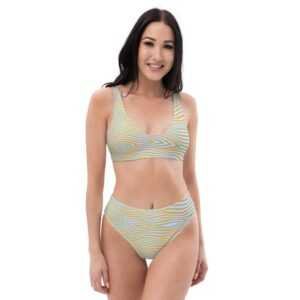
Soft Frequency Recycled High-Waisted Bikini
Price range: $49.00 through $54.00 -
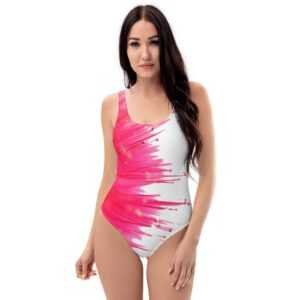
Pistil One-Piece Swimsuit
$49.00
Recycled polyester (rPET), which is made from post-consumer plastic bottles and textile waste, is one of the promising solutions for the swimwear industry. Its use drastically reduces the environmental impact of conventional polyester, which is typically derived from petroleum. It is highly durable and resistant to chlorine, saltwater, and UV rays.
Men's

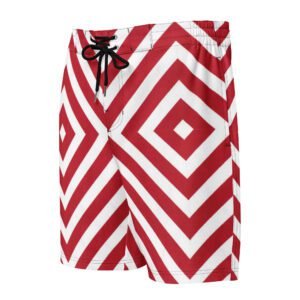
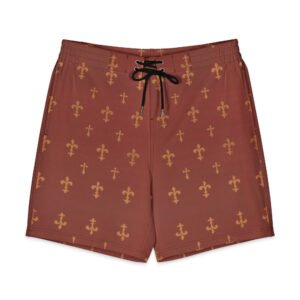
-
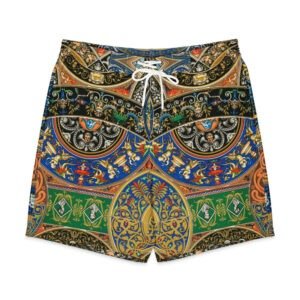
Albert Racinet: Renaissance Men’s Board Shorts
$55.00 -
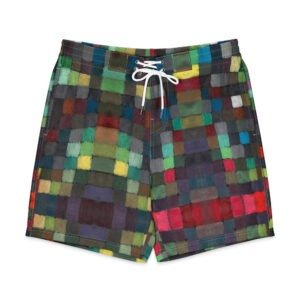
Paul Klee: May Picture Men’s Board Shorts
$55.00 -
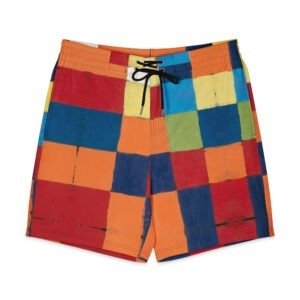
Paul Klee: “Color Chart ‘Qu 1′”Men’s Board Shorts
$55.00 -
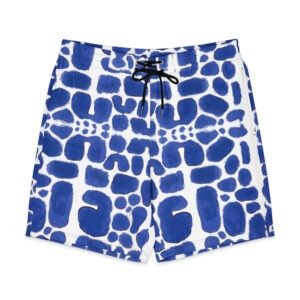
Paul Klee: Late Evening Looking Out of the Woods Men’s Board Shorts
$55.00 -
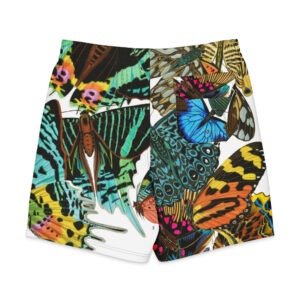
Milles Papillons Men’s Board Shorts
$55.00 -
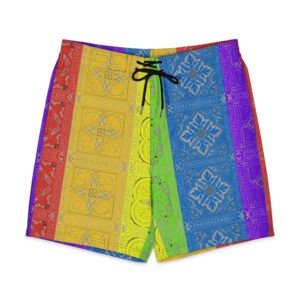
l’arc en ciel Men’s Board Shorts
$55.00 -
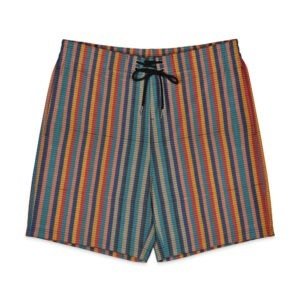
Bauhaus Textiles: Men’s Board Shorts
$55.00 -
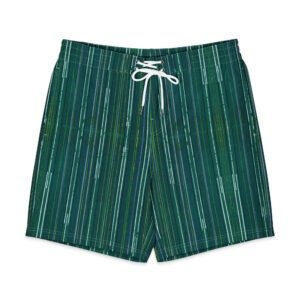
Enjaded Men’s Board Shorts
$55.00 -
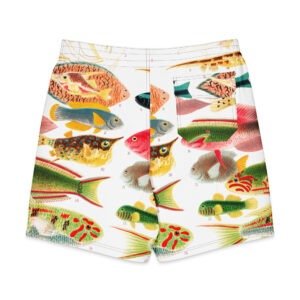
Ocean Friends Men’s Board Shorts
$55.00 -
Sea Coral Men’s Board Shorts
$55.00 -
La Decoration Arabe No.49 Cotton Shorts
Price range: $32.00 through $38.00 -
Paul Klee: Ad Parnassum Cotton Shorts
Price range: $32.00 through $38.00 -
Orleans Cotton Shorts
Price range: $42.00 through $49.00 -
Terra Tile Athletic Long Shorts
Price range: $40.00 through $42.50 -
Our Wet Buddies Athletic Long Shorts
Price range: $40.00 through $42.50 -
Agra Athletic Long Shorts
Price range: $42.00 through $44.00 -
Dark Sashiko Athletic Long Shorts
Price range: $40.00 through $42.50 -
Flight Unisex Athletic Long Shorts
Price range: $40.00 through $42.50 -
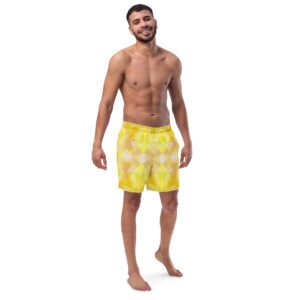
Yellow Tiles Recycled Swim Trunks
$55.00 -
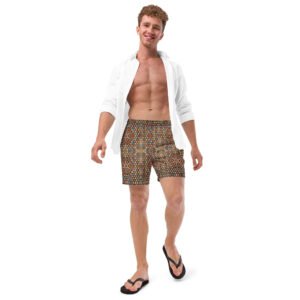
Padre Mosaic Recycled Swim Trunks
$55.00 -
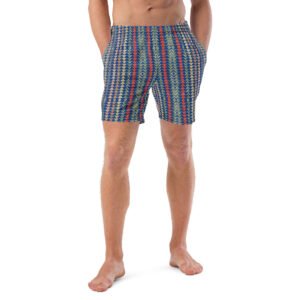
Trident Recycled Swim Trunks
$55.00 -
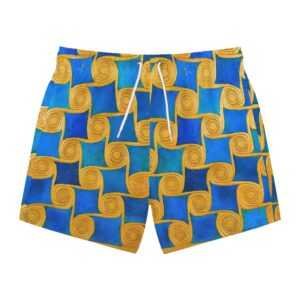
Tourney Men’s Swim Shorts
$44.00 -
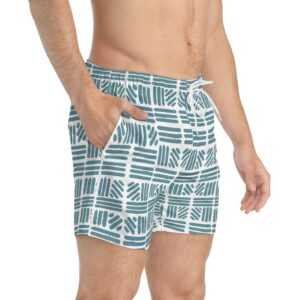
Saragasso Men’s Swim Shorts
$44.00 -

Blue Tile Men’s Board Shorts
$31.00 -

Corfu Men’s Swim Trunks
$49.00 -

Be at Peace Swim Trunks
$42.00 -

Split Blue Swim Trunks
$39.00 -

Blurry Tides Swim Trunks
$39.00 -

Matte Algae Swim Trunks
$39.00 -
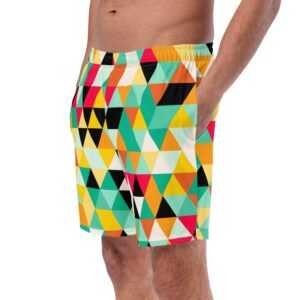
Triangulated Men’s Swim Trunks
$55.00 -
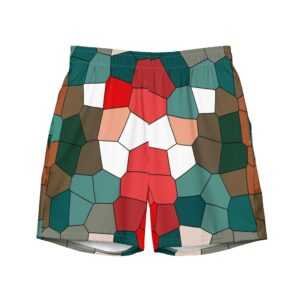
Geo Men’s Swim Trunks
$55.00 -
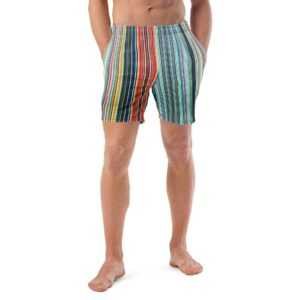
Spectrum Men’s Swim Trunks
$55.00