From Edo to Art Nouveau

From Edo to Art Nouveau

The 1800s Design Revolution

How Asian Art Fueled the Western Decorative Arts Boom

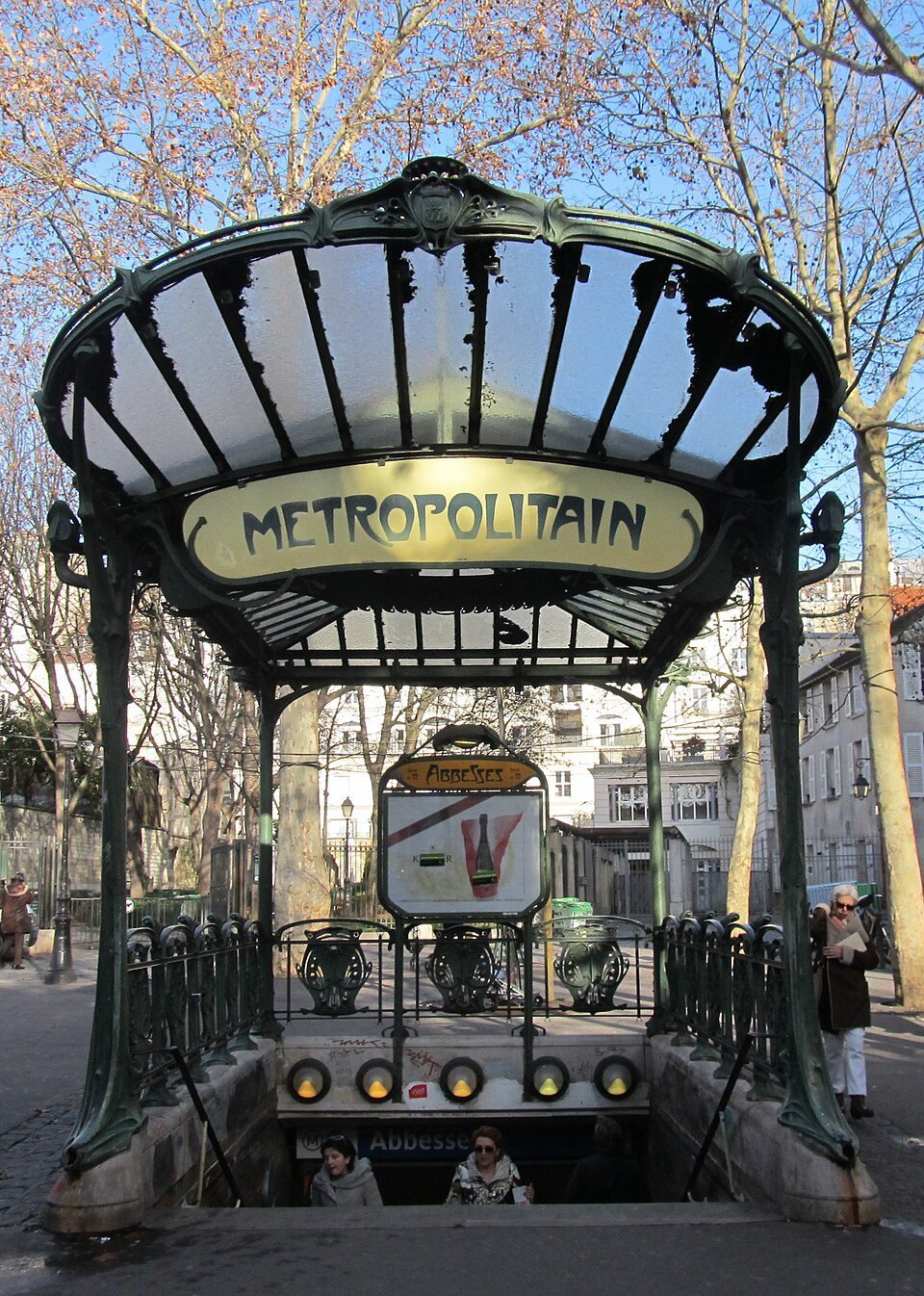
The 19th century witnessed a spectacular revolution in how everyday objects were made, viewed, and integrated into the home. As the Industrial Revolution swept across the globe, it sparked an unprecedented explosion of decorative arts, forever altering interior design, furniture, and textiles.

The most profound catalyst for this transformation did not come from Western factories—it arrived from the East. When global trade routes reopened, an influx of East Asian art fundamentally reshaped E​uropean design, shattering rigid Western traditions and paving the way for modernism.

The Opening of Japan and the Paris World's Fair

For over two centuries, Japan remained largely closed to the West under a strict policy of national isolation. That status quo ended abruptly in 1853 when trade borders reopened. What followed was a cultural tidal wave.

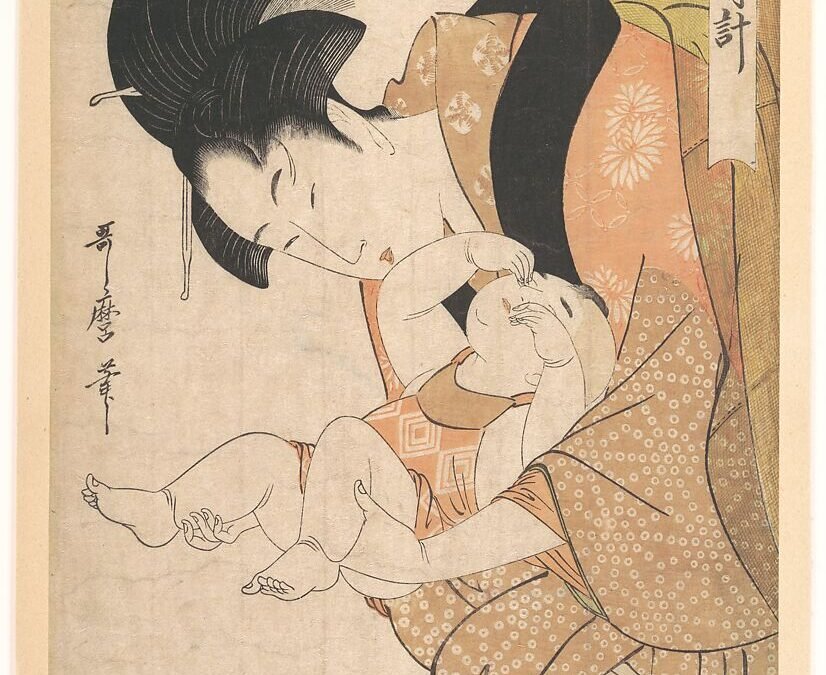
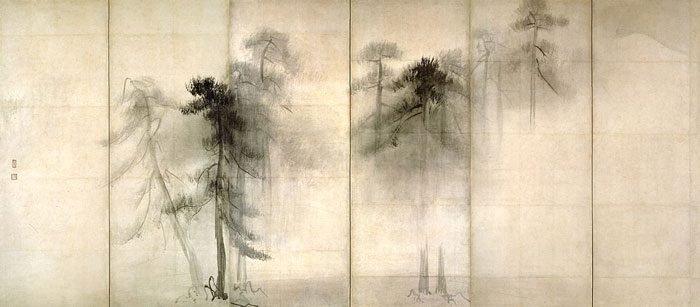
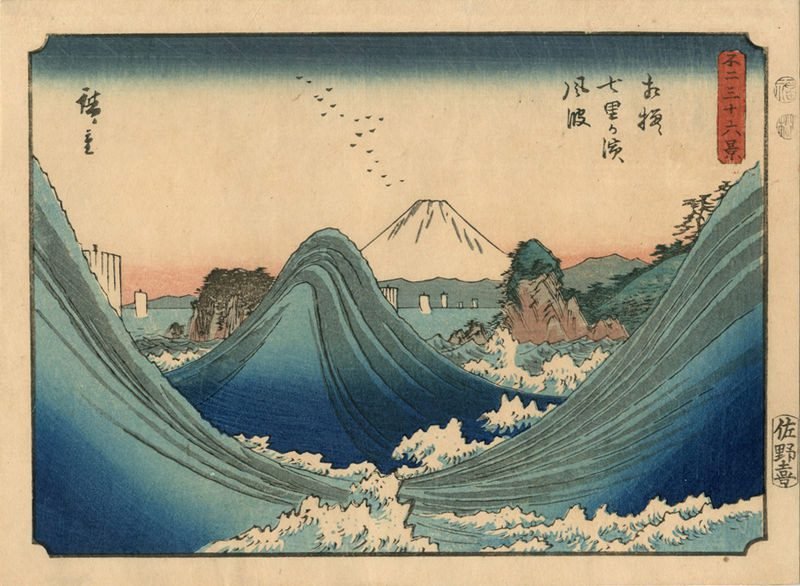
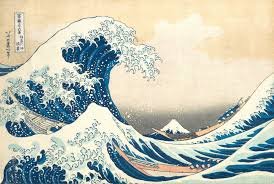
Shiploads of East Asian treasures flooded Western markets: Japanese ukiyo-e woodblock prints, painted porcelain, lacquerware fans, brilliant silks. By the time Japan officially showcased its craftsmanship at the Paris World’s Fair of 1867, a full-blown obsession had taken hold.

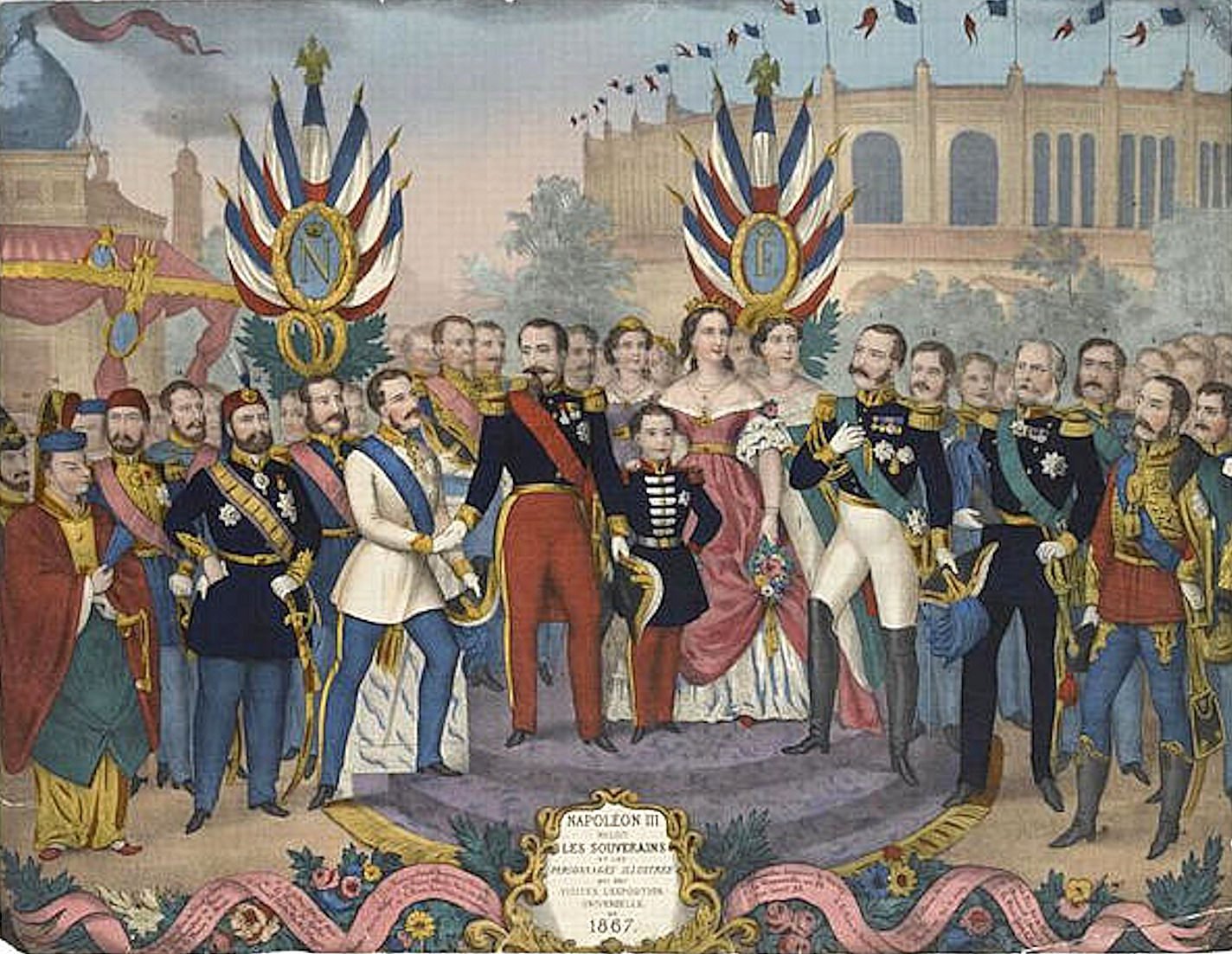
Napoleon III receives the rulers and illustrious men who visited the Exposition universelle of 1867.

Napoleon III receives the rulers and illustrious men who visited the Exposition universelle of 1867.

The Birth of Japonisme

The French dubbed this craze "Japonisme," a fervor ​that rapidly spread across Europe. It permanently infected the decorative arts, shifting the Western aesthetic paradigm away from dense Victorian clutter toward elegant, intentional placement.

Major Artists and Works

Vincent van Gogh: Painted Portrait of Père Tanguy (1887) and Agostina Segatori Sitting in the Café du Tambourin, incorporating background Japanese prints.

Mary Cassatt: Created a famous series of color etchings like Maternal Caress (1890–91) heavily influenced by Japanese spatial design.

James McNeill Whistler: Painted Harmony in Blue and Gold: The Peacock Room (1876–77), blending interior design and Japanese aesthetics.

Edgar Degas: Used high angles and odd off-center placement inspired by prints seen during the era.

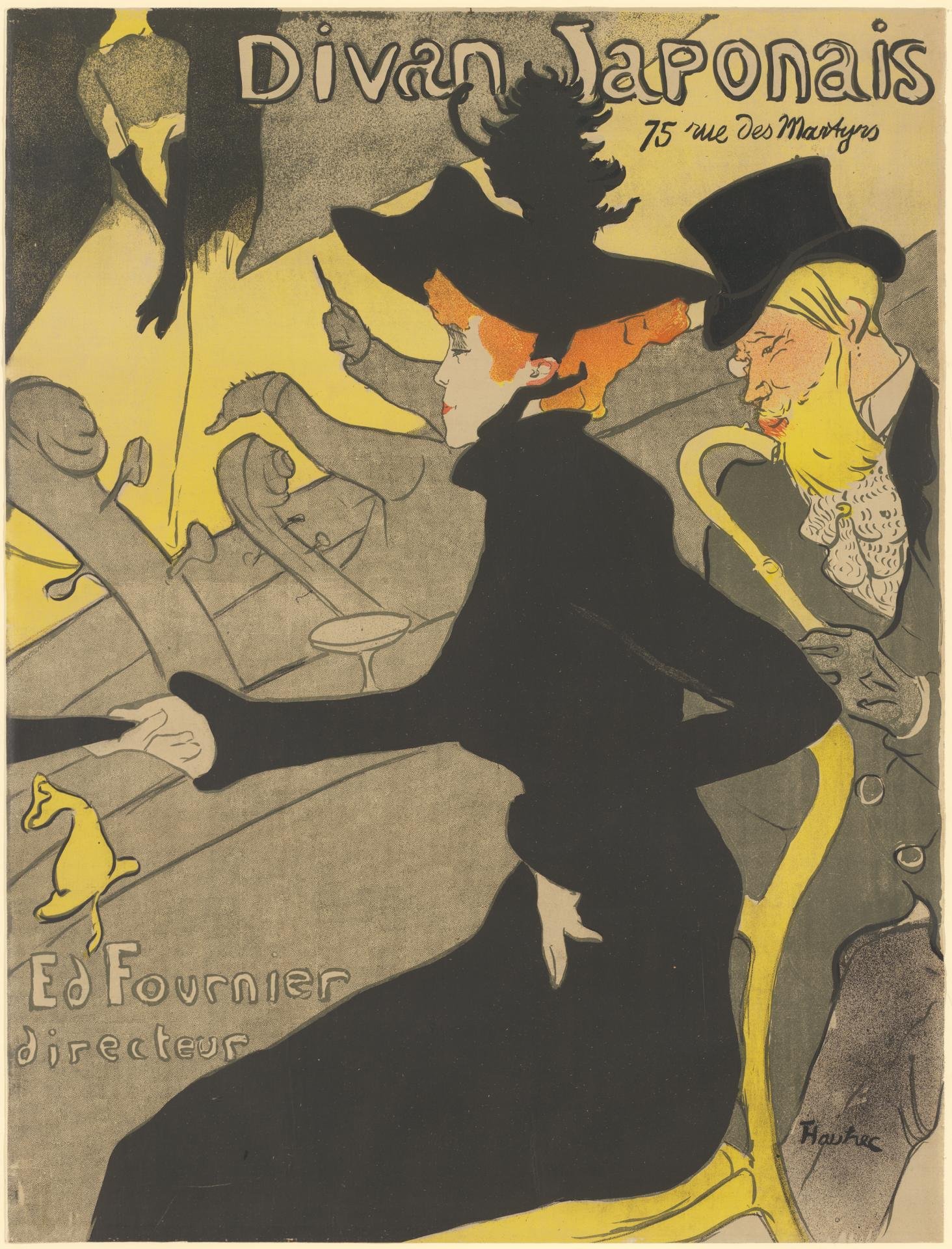
Henri de TOULOUSE-LAUTREC
Divan Japonais 1893

Breaking the Victorian Mold:

Three Principles Borrowed from the East

To European designers, Asian art offered a thrilling alternative to the stuffy, symmetrical, and over-ornamented historical styles of the Victorian era. Western crafters eagerly adopted three revolutionary design philosophies from Eastern masters:

Asymmetry & Space:

Flatness & Geometry

Organic Naturalism

Unlike European design, which demanded absolute symmetry, Asian compositions embraced dynamic imbalance. Designers left intentional empty spaces, allowing the visual layout to breathe.

Traditional Western shading and forced perspective were swapped for bold, flat planes of color, distinct silhouettes, and strong, eye-catching diagonal lines.

Instead of idealized or heavily stylized motifs, Asian art celebrated the raw, unedited beauty of nature—capturing insects, birds, waves, and botanical forms with sweeping fluidity.

From Anglo-Japanese Silver to French Art Nouveau Glass

The artistic cross-pollination completely transformed major European decorative movements on both sides of the English Channel.

The Aesthetic Movement (Great Britain)

Art Nouveau (France)

In Great Britain, the Aesthetic Movement adopted an "Art for Art’s Sake" ethos heavily inspired by Eastern interiors.

Furniture makers crafted "Anglo-Japanese" side chairs, using dark stains to mimic rare Asian ebony and carving crane motifs directly into the woodwork.

Prestigious silversmiths, including Tiffany & Co., abandoned classical scrollwork to engrave sleek, asymmetrical patterns of bamboo and foliage onto their holloware.

Simultaneously, the Art Nouveau movement bloomed in France.

Renowned glassmaker Émile Gallé and jeweler René Lalique directly channeled the sinuous, whip-lash lines of Japanese art into their works.

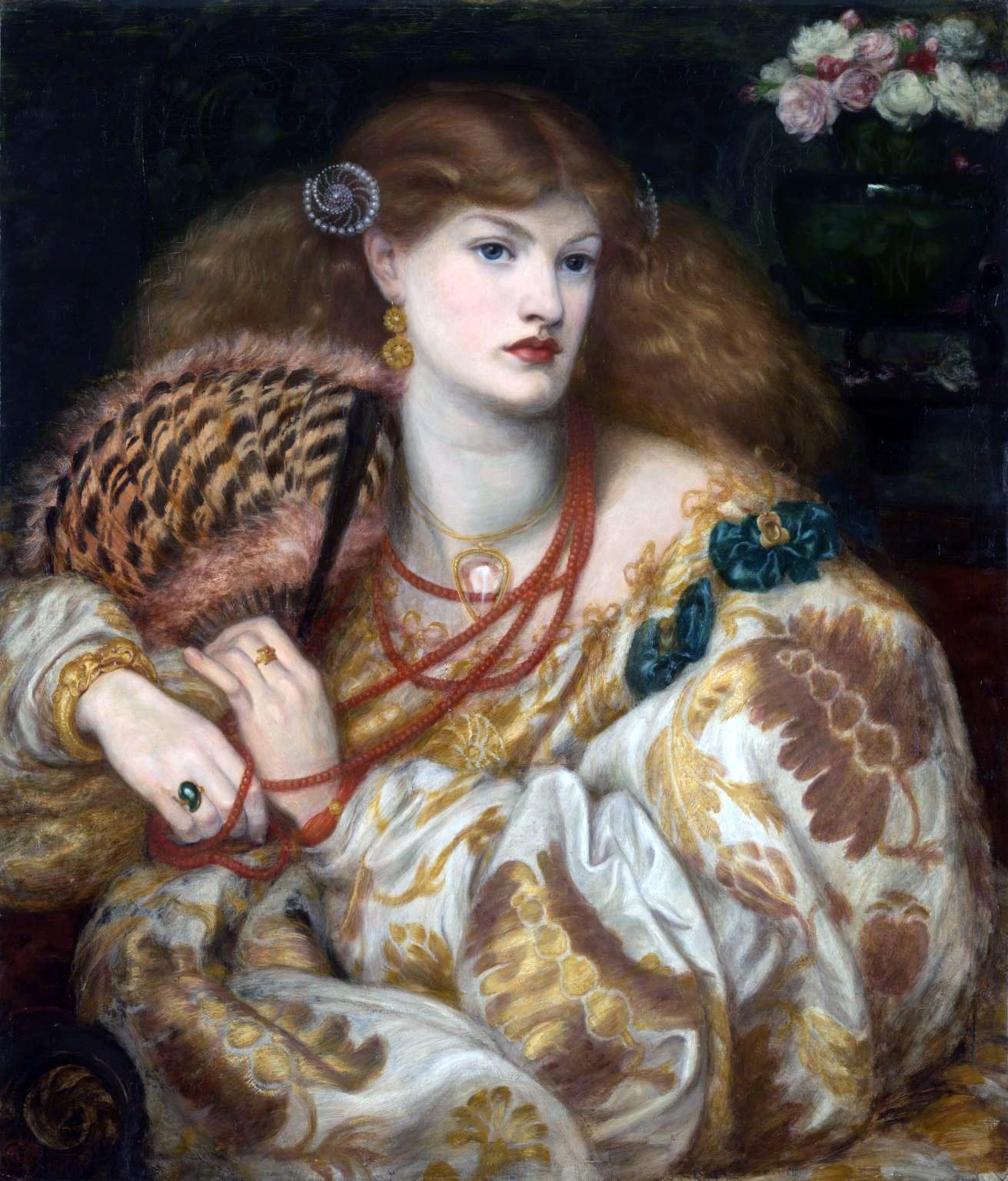
Masterpieces of French furniture and architecture began incorporating the organic curvature of plant stems and waves, a direct nod to the flowing linework popularized by Eastern masters.

The Lasting Legacy of 19th-Century Fusion

The 19th-century decorative art explosion proved that household items could be elevated beyond mere functional utility. By absorbing the minimalism, craftsmanship, and material sensitivity of Asian design, European artisans successfully broke away from the weight of their own past.

In doing so, they laid down the foundational design principles—clean lines, functional beauty, and geometric simplicity—that would eventually define 20th-century modernism.

explore further >

We've created a more in-depth page about this important  culural movement and its context, timeline and important works.

Explore the collection >

This post is part of our expanding FINE ARTS COLLECTION where we write about what inspires us to create the designs that we sell here on cgk.ink

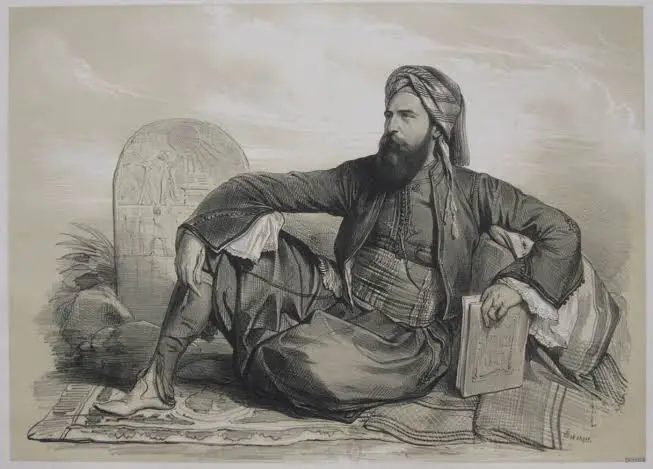
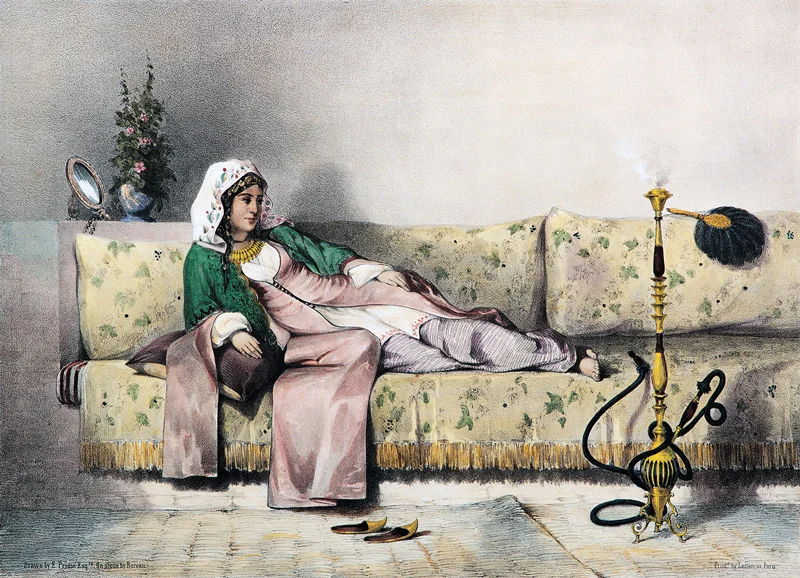
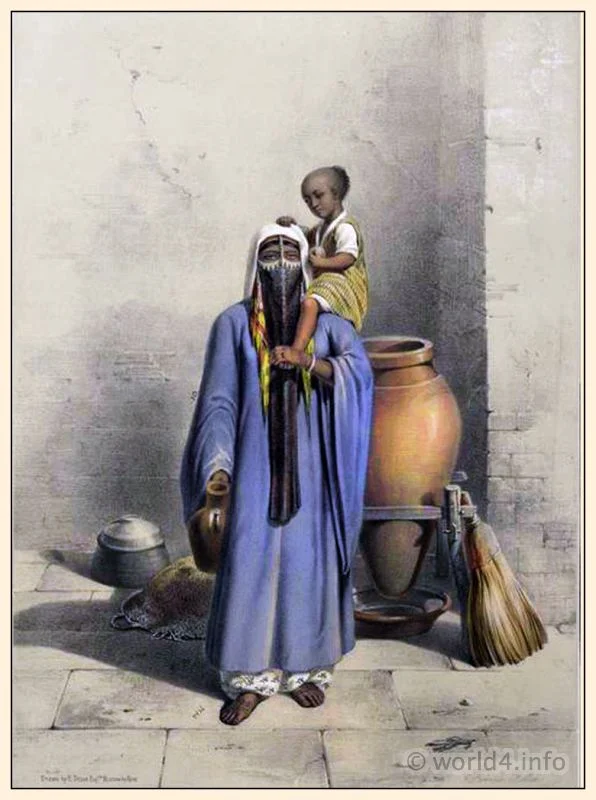
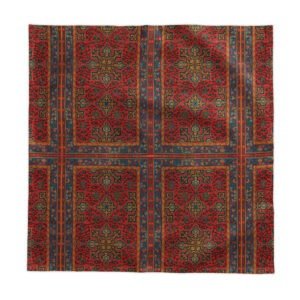
Fine Art Focus: Émile Prisse d’Avennes

Fine Art Focus: Émile Prisse d’Avennes

Prisse d'Avennes was born in Avesnes-sur-Helpe, France, on 27 January 1807, to a noble family of French origin. After the early death of his father in 1814, on the guidance of his grandfather he enrolled at college a year later to train for a career within the legal profession.

Prisse d'Avennes decided to become an archaeologist in 1836 after a period teaching at the infantry school in Damietta.

In 1827 when he reached Egypt, he was hired by the viceroy of Egypt, Muhammad Ali Pasha, as a civil engineer. He spent many years living as an Egyptian, adopting the name Idriss-effendi, learning to speak Arabic and practicing Islam. He stated that adopting Egyptian culture resulted in a greater understanding of Egyptian society and people.

In 1848, he contributed 30 lithograph images depicting the people living on the Nile Valley to a costume book titled Oriental Album written by James Augustus St. John who was a British author and traveler.

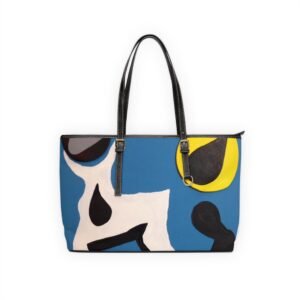
Fine Art Focus: Jean (Hans) Arp

Fine Art Focus: Jean (Hans) Arp

In 1904, after leaving the École des Arts et Métiers in Strasbourg, he went to Paris where he published his poetry for the first time. From 1905 to 1907, he studied at the Weimarer Kunstschule in Germany, where he met his uncle, German landscape painter Carl Arp. In 1908 he returned to Paris, where he attended the Académie Julian. Arp was a founder-member of the first modern art alliance in Switzerland Moderne Bund in Lucerne in 1911, participating in their exhibitions from 1911 to 1913.


In 1912 he went to Munich and called on Wassily Kandinsky, the influential Russian painter and art theorist. Arp was encouraged by him in his researches and exhibited with the Der Blaue Reiter group. Later that year, he took part in a major exhibition in Zürich, along with Henri MatisseRobert Delaunay, and Kandinsky. In Berlin in 1913, he was taken up by Herwarth Walden, the dealer and magazine editor who was at that time one of the most powerful figures in the European avant-garde. 

In 1915 he moved to Switzerland to take advantage of Swiss neutrality. Arp later told the story of how, when he was notified to report to the German consulate in Zürich, he pretended to be mentally ill in order to avoid being drafted into the German Army: after crossing himself whenever he saw a portrait of Paul von Hindenburg, Arp was given paperwork on which he was told to write his date of birth on the first blank line. Accordingly, he wrote "16/9/87"; he then wrote "16/9/87" on every other line as well, then drew one final line beneath them and, "without worrying too much about accuracy", calculated their sum.

Hans Richter, describing this story, noted that "they [the German authorities] believed him."

 In 1916 Hugo Ball opened the Cabaret Voltaire, which was to become the centre of Dada activities in Zürich for a group that included Arp, Marcel JancoTristan Tzara, and others. In 1920, as Hans Arp, along with Max Ernst and the social activist Alfred Grünwald, he set up the Cologne Dada group. In 1925 his work also appeared in the first exhibition of the Surrealist group at the Galérie Pierre in Paris.

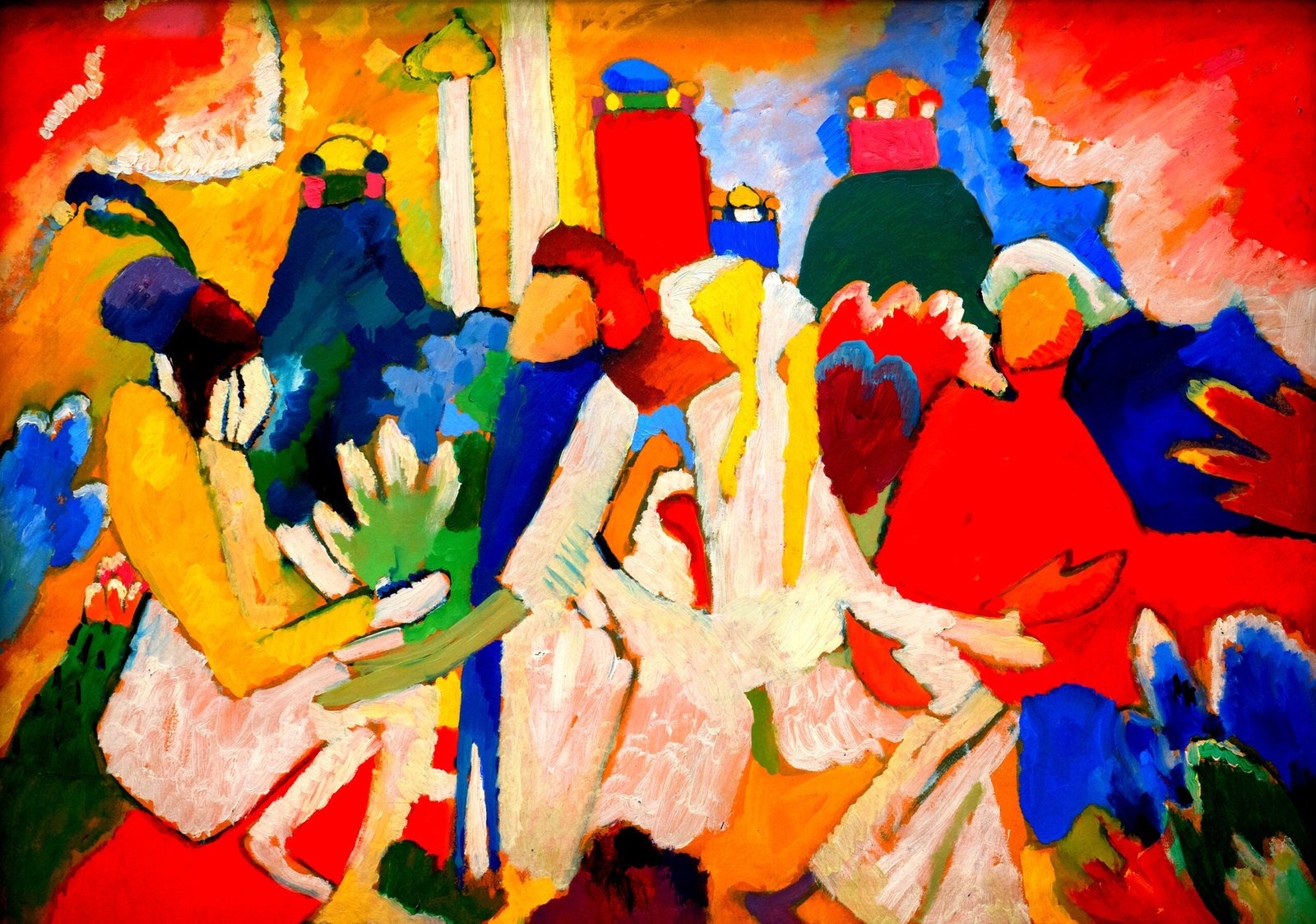
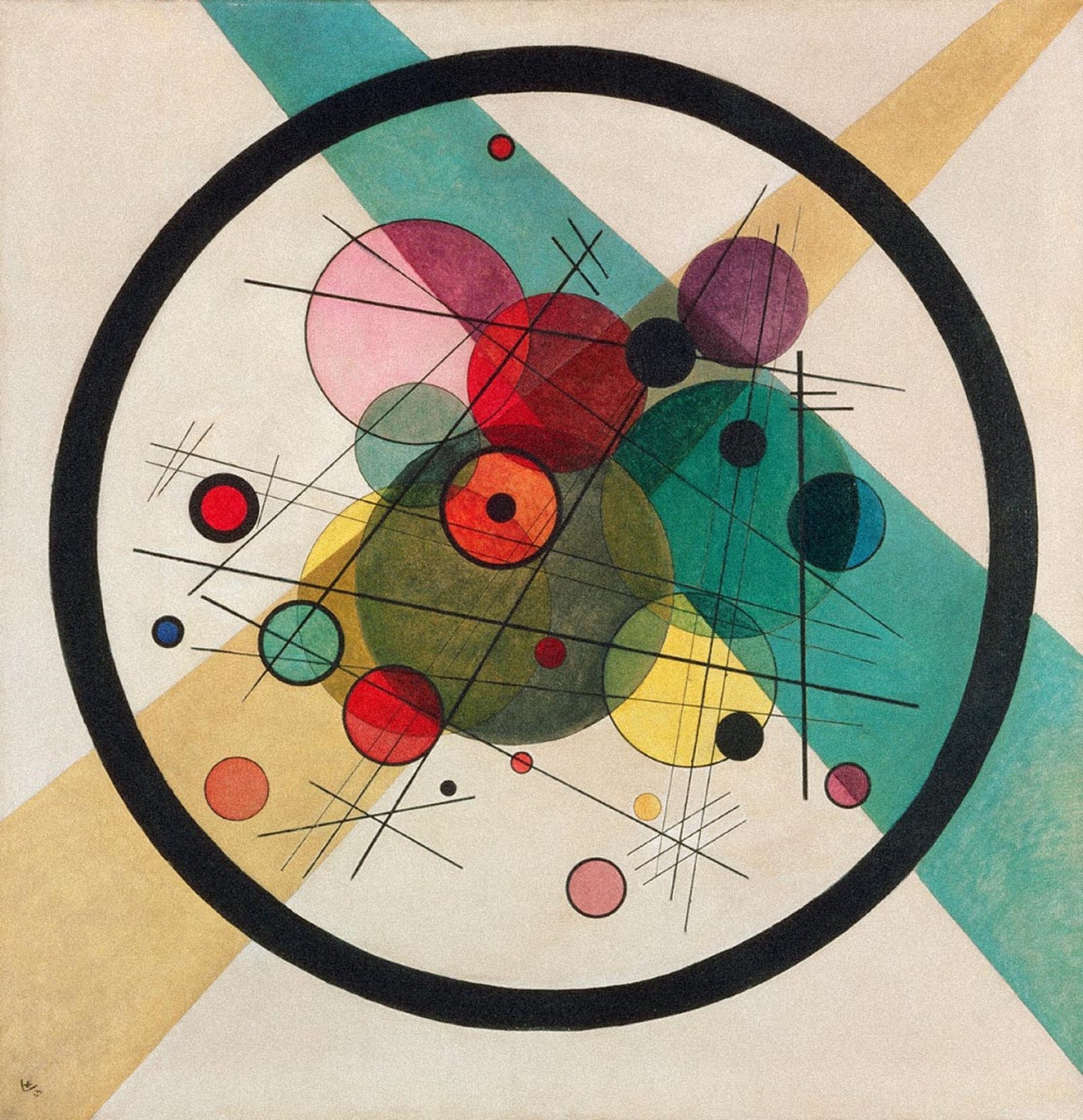
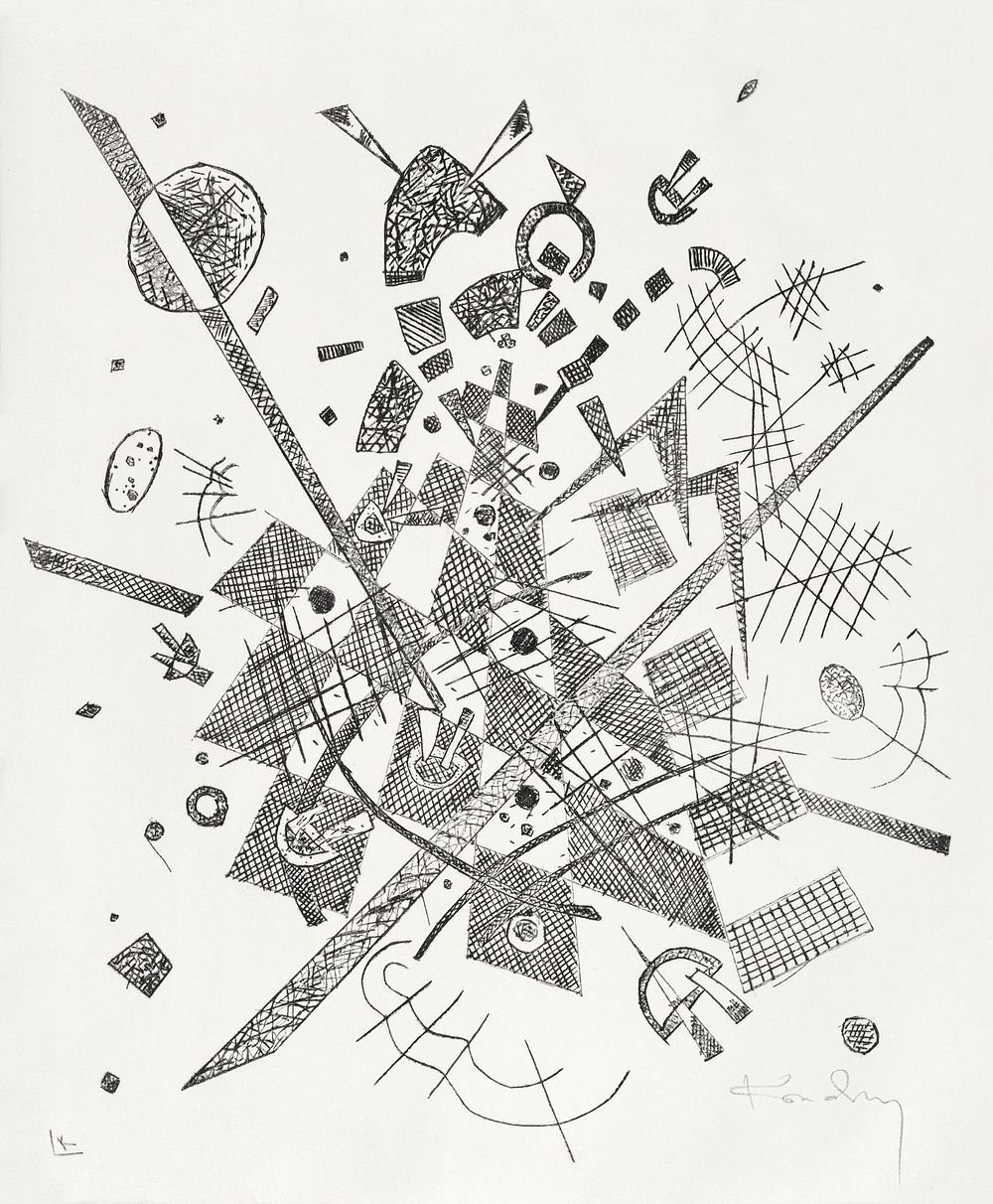
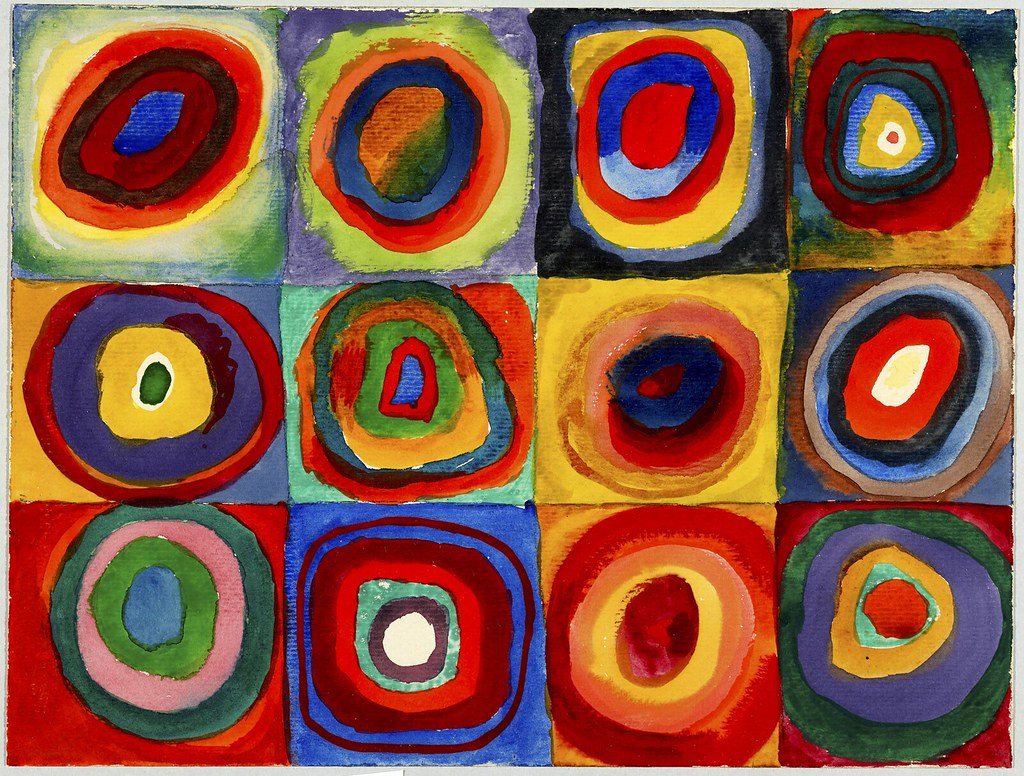
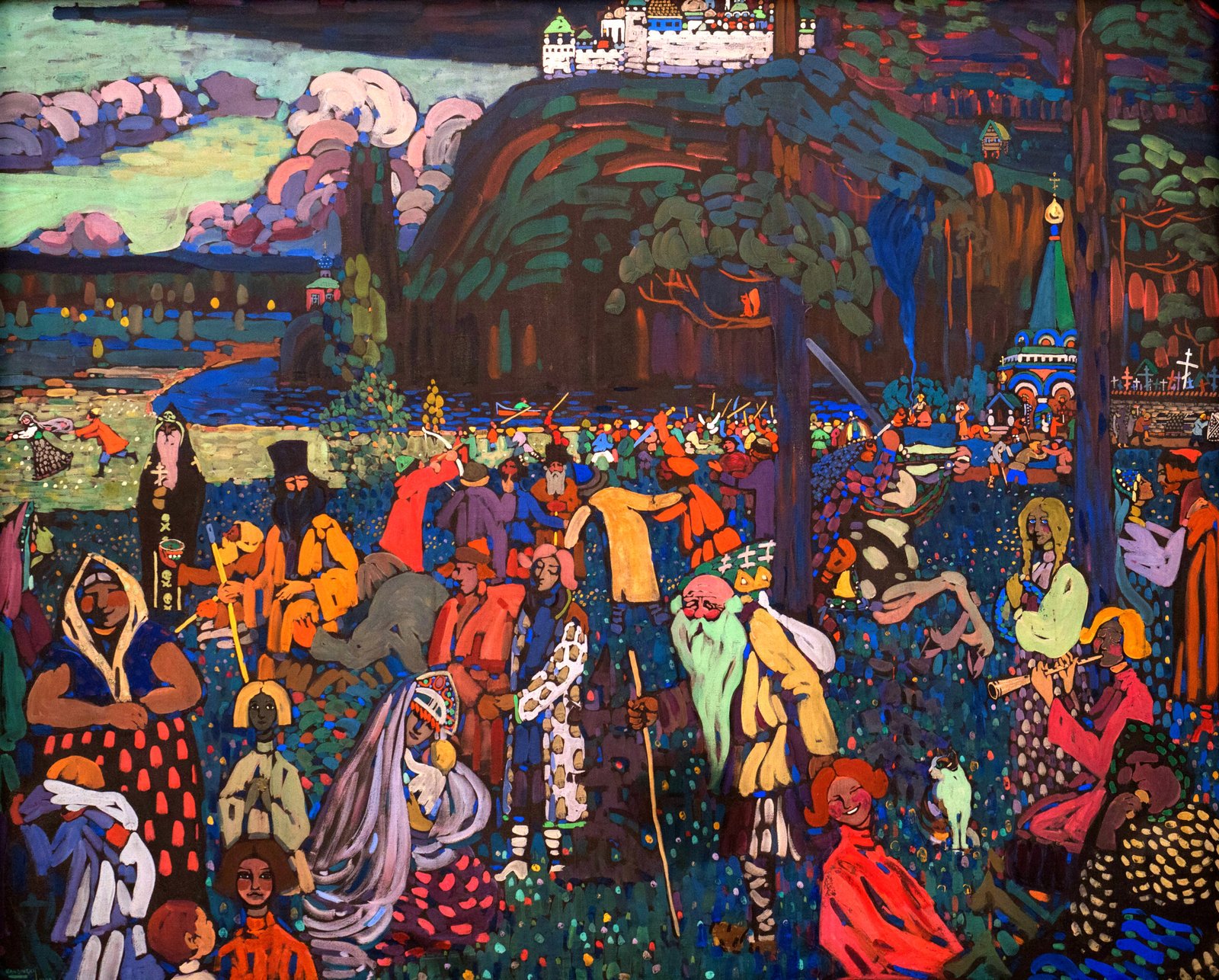
Fine Art Focus: Wassily Kandinsky

Fine Art Focus: Wassily Kandinsky

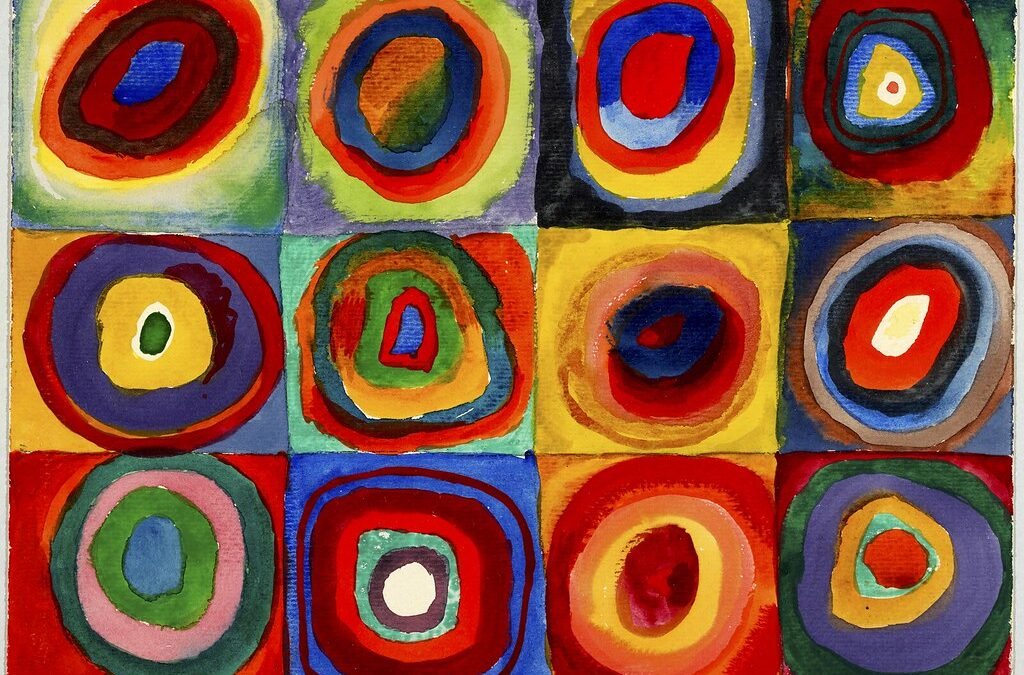
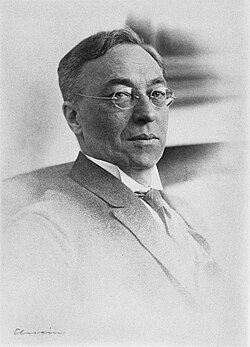
Wassily Wassilyevich Kandinsky (b. 1866) was a Russian painter and art theorist. Kandinsky is generally credited as one of the pioneers of abstraction in western art. Born in Moscow, he began painting studies (life-drawing, sketching and anatomy) at the age of 30.

In 1896, Kandinsky settled in Munich, studying first at Anton Ažbe's private school and then at the Academy of Fine Arts. During this time, he was first the teacher and then the partner of German artist Gabriele Münter. He returned to Moscow in 1914 after the outbreak of World War I. Following the Russian Revolution, Kandinsky "became an insider in the cultural administration of Anatoly Lunacharsky" and helped establish the Museum of the Culture of Painting. However, by then, "his spiritual outlook... was foreign to the argumentative materialism of Soviet society" and opportunities beckoned in Germany, to which he returned in 1920. There, he taught at the Bauhaus school of art and architecture from 1922 until the Nazis closed it in 1933. He then moved to France, where he lived for the rest of his life, becoming a French citizen in 1939 and producing some of his most prominent art. He died in Neuilly-sur-Seine in 1944.

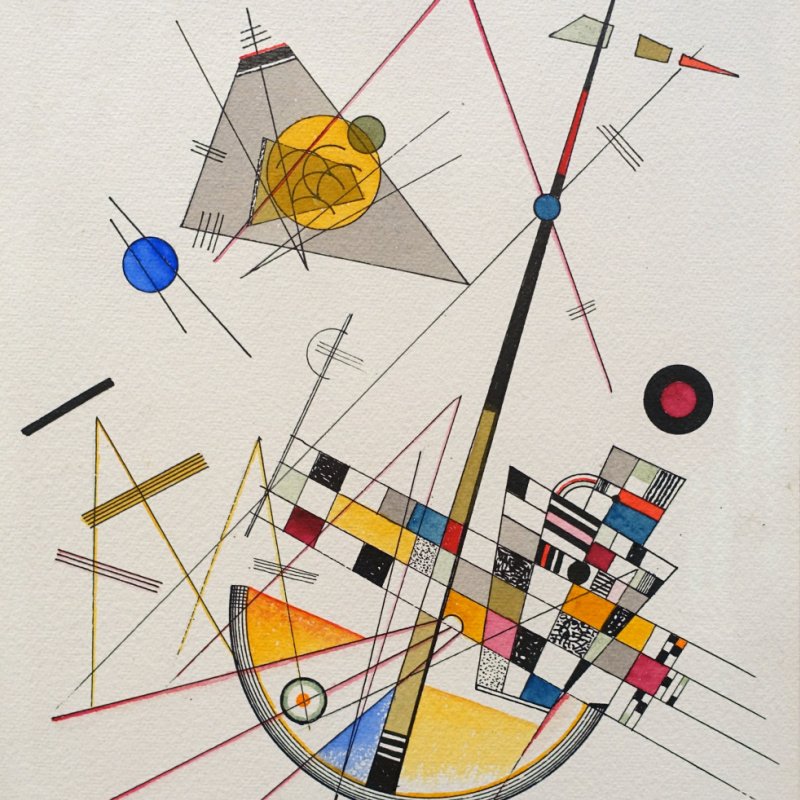
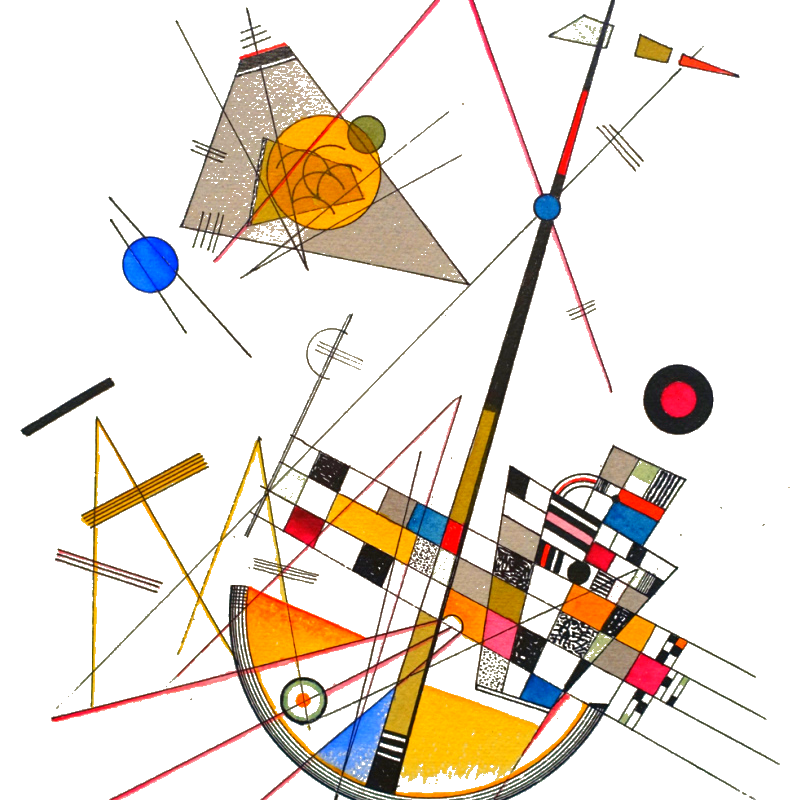
Delicate Tension no. 85

Delicate Tension no. 85, Kandinsky (1923)

Delicate Tension no. 85 was executed by Kandinsky at the Bauhaus during the prestigious school’s most rationalist period under the directorship of Theo van Doesburg, from 1923 to 1925. During these years the initial Expressionistic style of this avant-garde centre evolved towards greater commitment to the Constructivist aesthetic which was spreading internationally. Kandinsky delved more deeply in his investigation of the correspondences between forms and colours, and the geometric shapes found in his works from this period, which is sometimes described as “cold, ” are basically the circle and the triangle, which he considered to be “the two primary, most strongly contrasting plane figures.”

This item is part of our Fine Arts Collection where we design new items influenced by the masters of fine art, design, decorative arts and textiles. Explore our growing list of featured artists.

— learn more here —