
The Delaunays: Two Artists, One Theory of Color
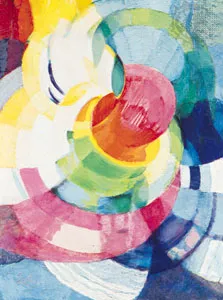
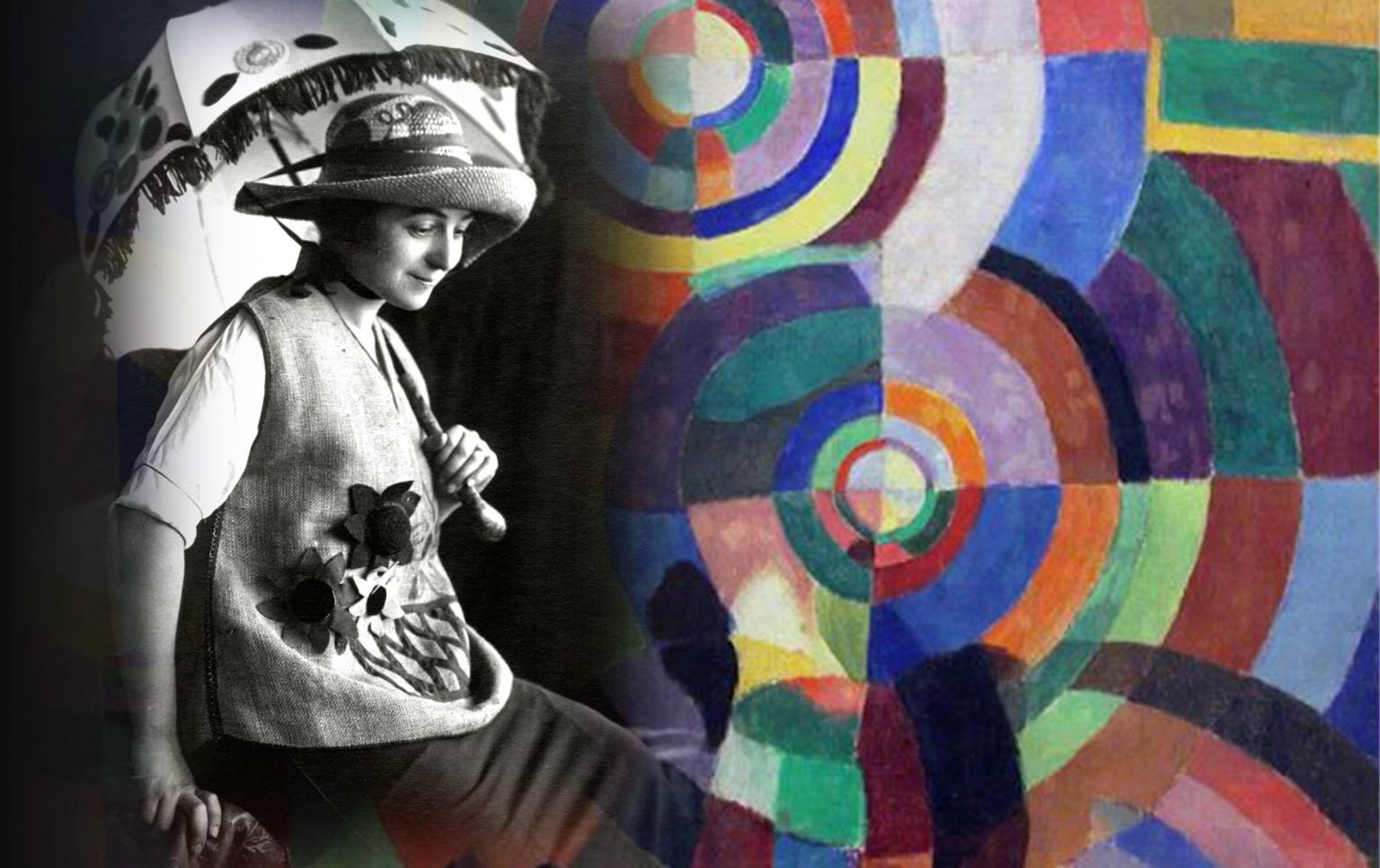
In 1910, two 25-year-old painters married in Paris. Over the next three decades, Robert and Sonia Delaunay built one of the most original ideas in modern art: that color by itself, without outlines or subject matter, could create light, movement and rhythm.
The poet Guillaume Apollinaire called their approach Orphism, after Orpheus, the mythical musician. The name fit. Their work is meant to be felt the way music is felt.
Both artists are now part of our Fine Art Collection. Here's why their story belongs together, and why their work still looks so modern more than a century later.
A Shared Language: Simultaneous Contrast
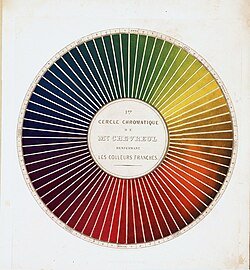
The Delaunays started from a 19th-century discovery by the chemist Michel-Eugène Chevreul. He found that colors change each other when placed side by side. Orange next to blue makes both look brighter and makes the edge between them seem to vibrate. The Delaunays called this simultaneous contrast and made it the base of everything they created.
Cubism, the leading movement of their time, broke objects into muted browns and grays. The Delaunays kept Cubism's fractured structure and filled it with pure, saturated color: discs, arcs and interlocking planes that seem to spin and pulse.
Robert Delaunay (1885–1941): Painting Modern Life
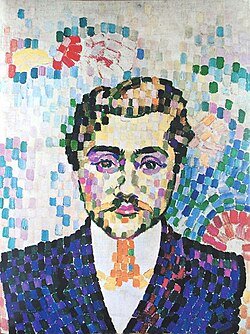
Robert was the theorist of the pair. His paintings take on the energy of the new century: electric light, airplanes, crowds, speed.
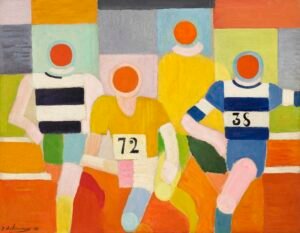
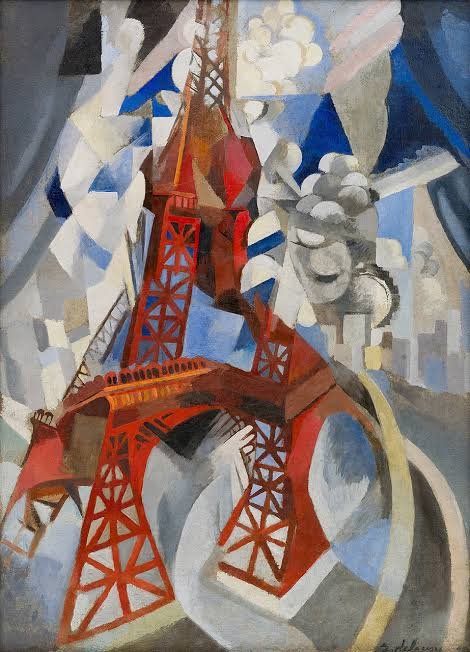
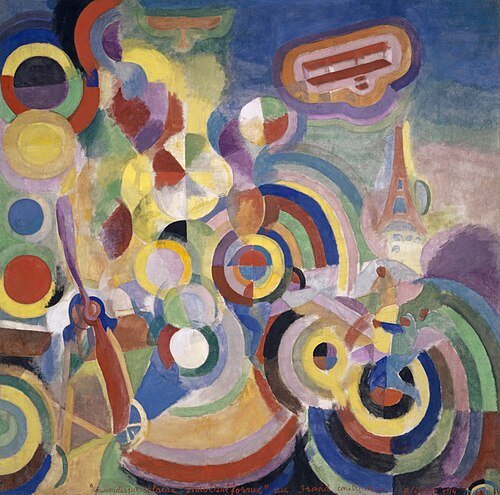
The Eiffel Tower series. He painted the tower more than thirty times between 1909 and 1928, breaking its iron frame into rhythmic, tumbling color. For him it stood for modernity: fractured, luminous and always in motion.
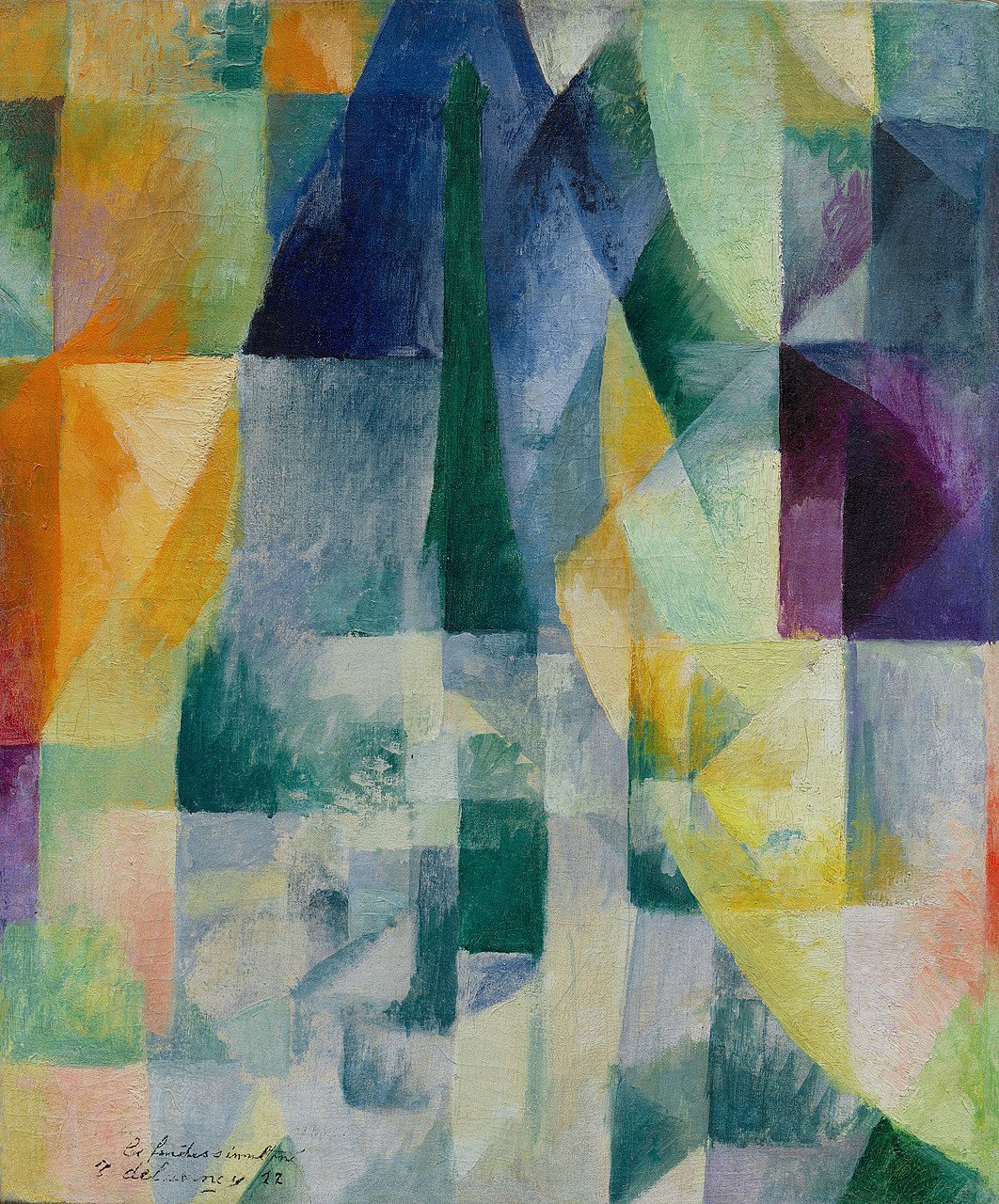
The Windows series (1912). Views of Paris dissolve into overlapping transparent planes of color. These are some of the first paintings where color itself is the subject.
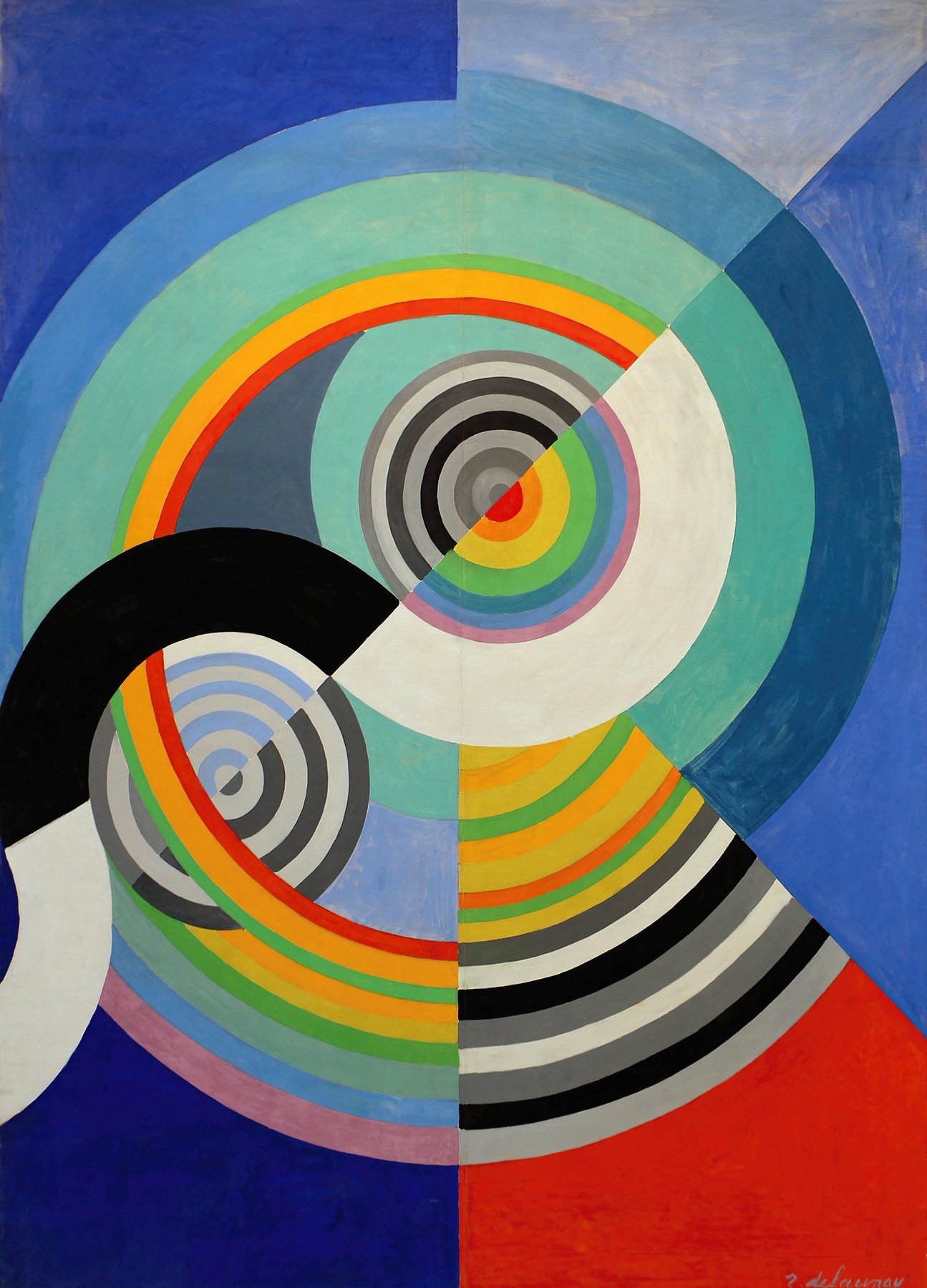
Circular Forms and Rythme. His concentric color discs, often likened to suns, moons and propellers, are among the earliest fully abstract paintings in Western art.
Homage to Blériot (1914). A celebration of flight built from whirling rings of color.
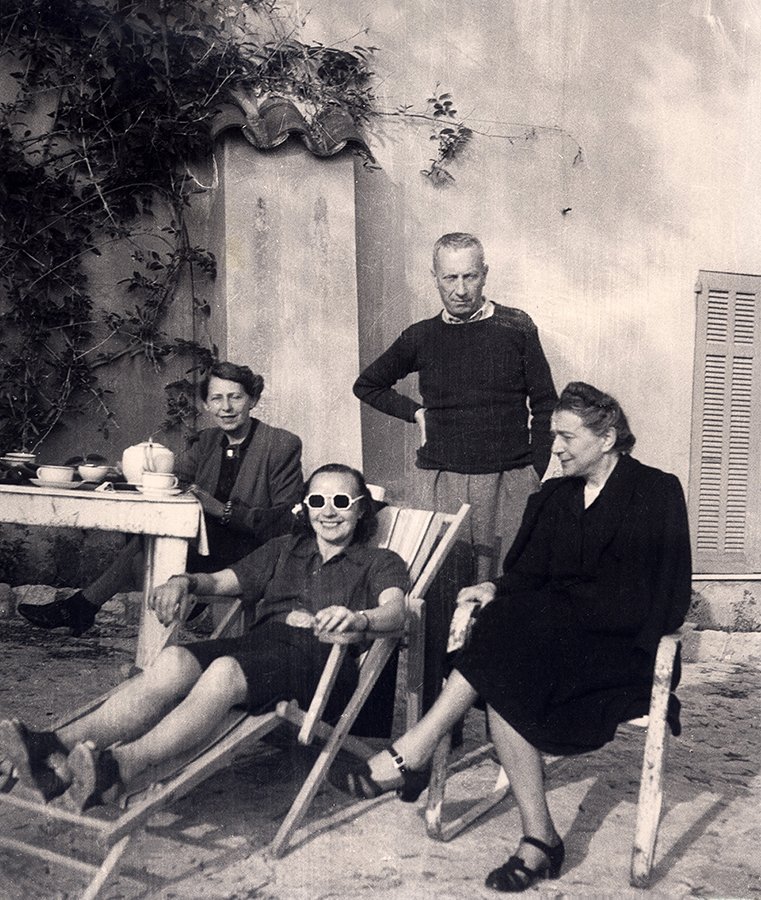
Sonia Delaunay (1885–1979): Taking Color Off the Canvas
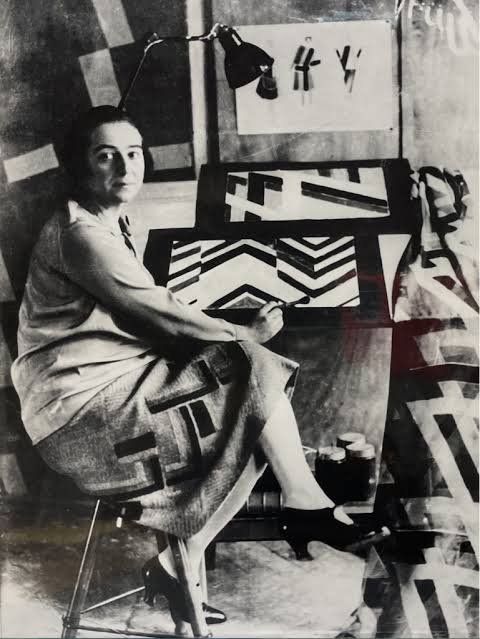
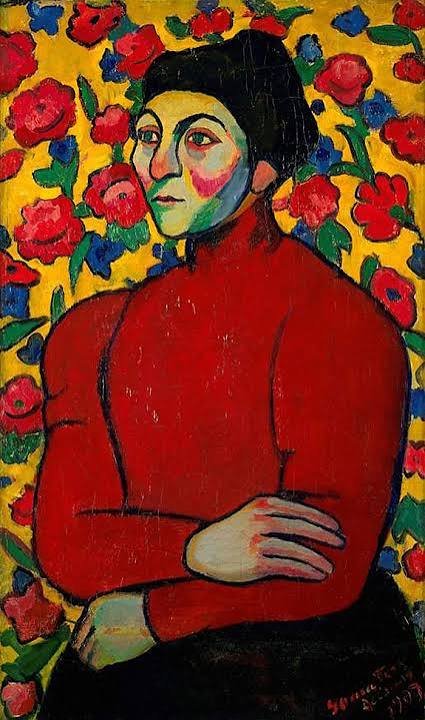
Sonia took the same theory and carried it into everyday life. Where Robert's ideas stayed mostly on the canvas, hers went into fashion, textiles, books, theater and even cars.
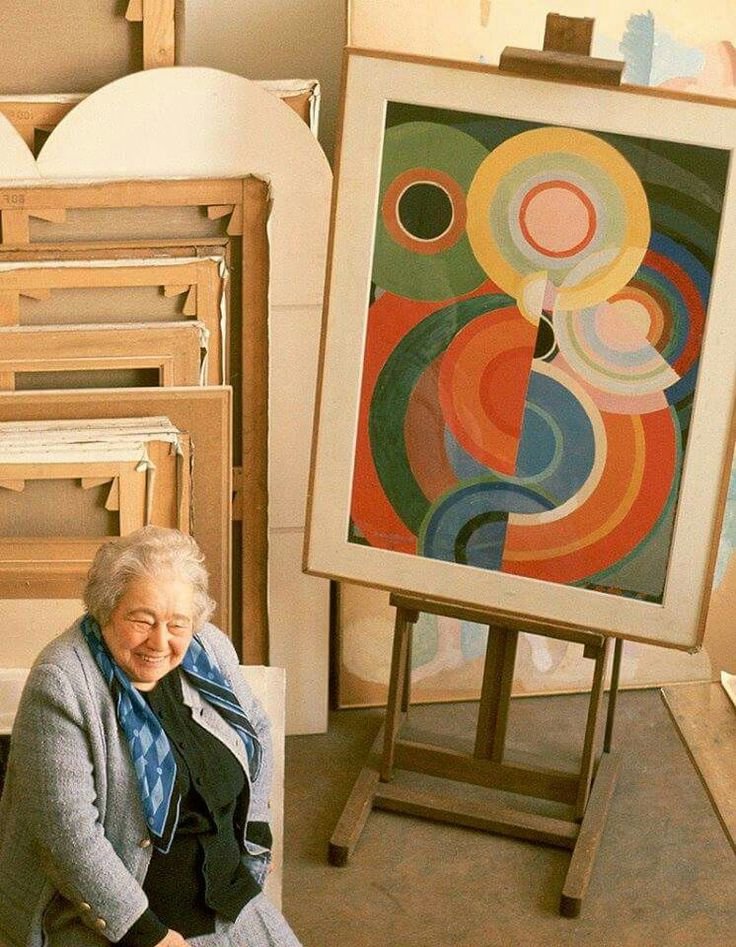
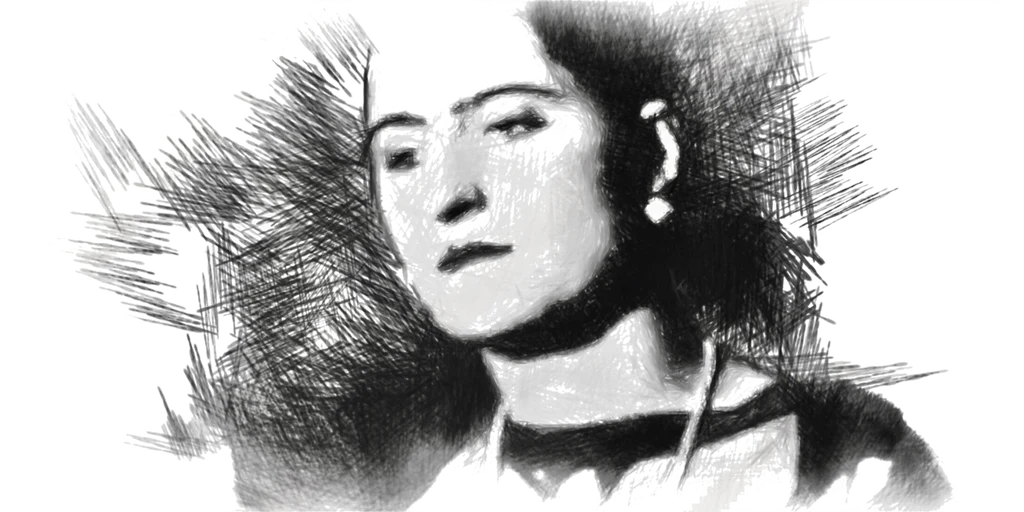
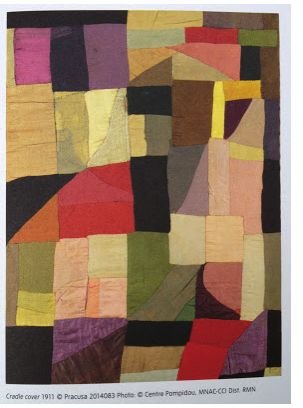
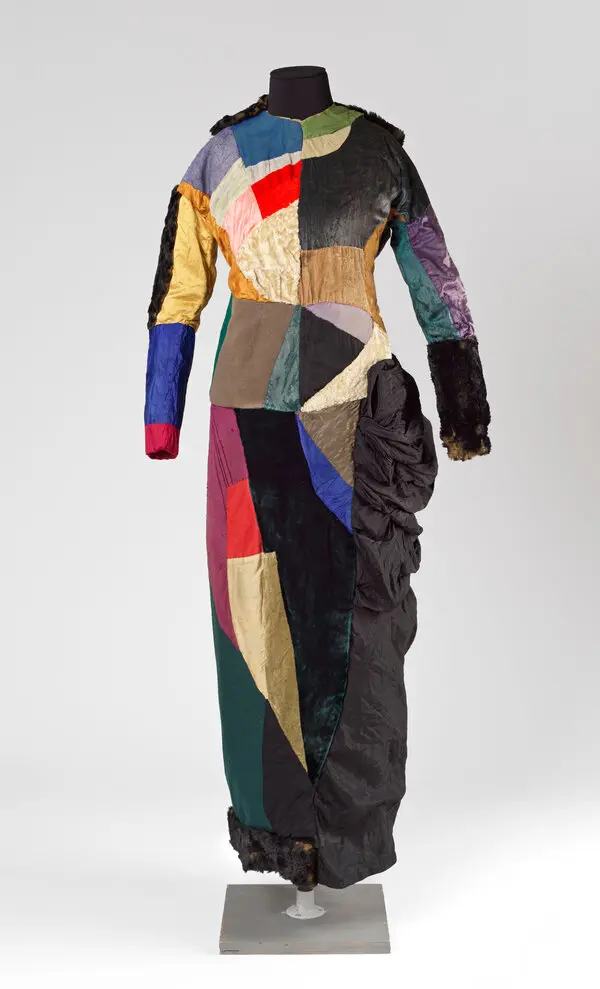
The Quilt (1911). She made a patchwork blanket for their infant son out of fabric scraps, and it became one of her first abstract works. It was art made to be used.
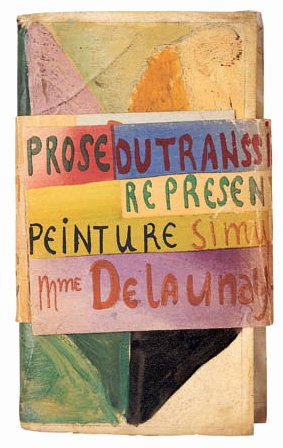
La Prose du Transsibérien (1913). Made with the poet Blaise Cendrars, this two-meter folding book sets poetry beside flowing color. It is one of the landmark artists' books of the century.
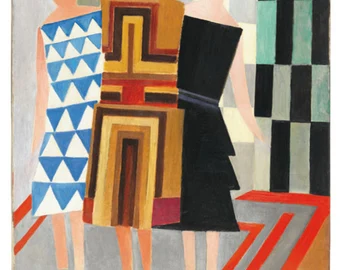
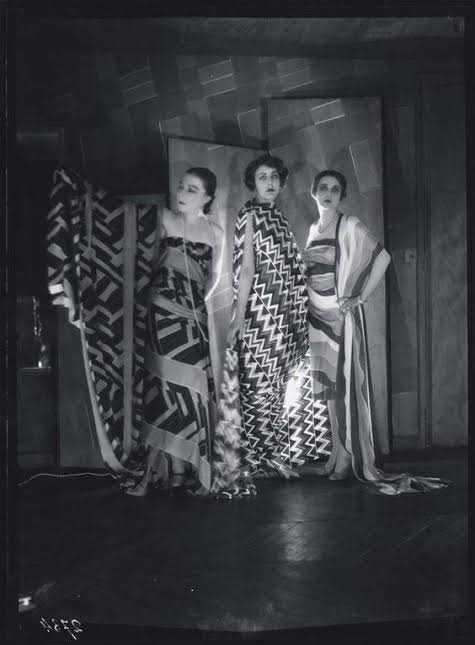
Simultaneous Dresses. She wore her own color-blocked designs to the Bal Bullier dance hall in Paris, turning the dance floor into a moving painting.
Textiles and fashion. Through the 1920s she ran her own design studio and boutique. She created printed fabrics, scarves, coats and costumes, and famously painted a Citroën to match an outfit.
The Louvre (1964). She became the first living woman to receive a retrospective at the Louvre, and she kept working into her nineties.
A Pioneering Couple
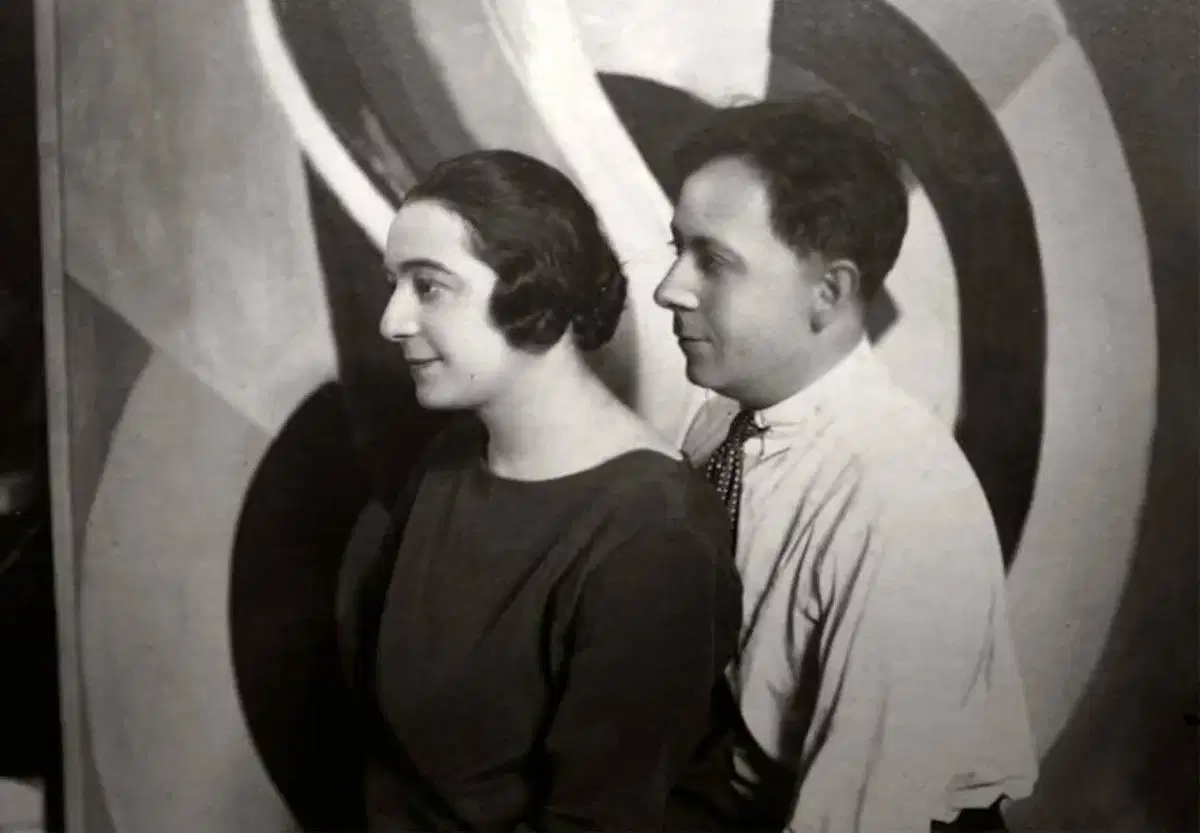
Pioneers of pure abstraction in painting
Pioneers of the idea that fine art and design are one
Painting versus living.
Robert thought of the canvas as a place to experiment and wrote long essays on color and light. Sonia rarely stopped to theorize. She tested ideas by making things: a quilt, a dress, a book cover. His work asks you to look. Hers asks you to wear it, hold it, live with it.
Structure versus flow
Robert's compositions are organized around a center: discs, towers and rings that radiate outward. Sonia's designs tend to be modular and rhythmic. Blocks, stripes and repeating bands of color can extend in any direction, which is exactly what fabric needs.
Recognition over time
Robert was treated as the movement's leading figure during his lifetime, and he died in 1941. Sonia's reputation grew over the following decades. Today many historians see her as the more radical of the two, because she refused to separate "high" art from design. That idea shapes how we think about fashion and product design today.
Why the Delaunays Belong at cgk.ink
At cgk.ink, we curate art-inspired pieces for everyday life. Sonia Delaunay was doing exactly that a hundred years ago. Robert's color discs and Sonia's rhythmic patterns translate naturally into apparel, blankets and home goods, because they were built on the belief that color should surround us.
Explore both artists in our Fine Art Collection, and see how two artists, one marriage and one theory of color changed the look of the modern world.