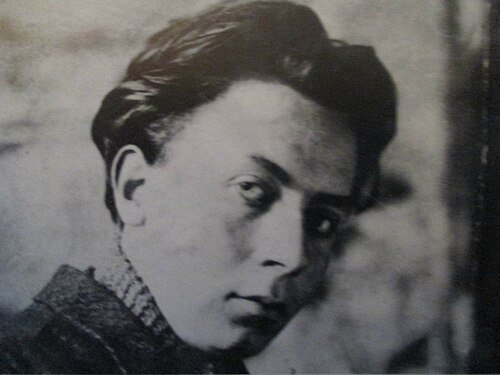
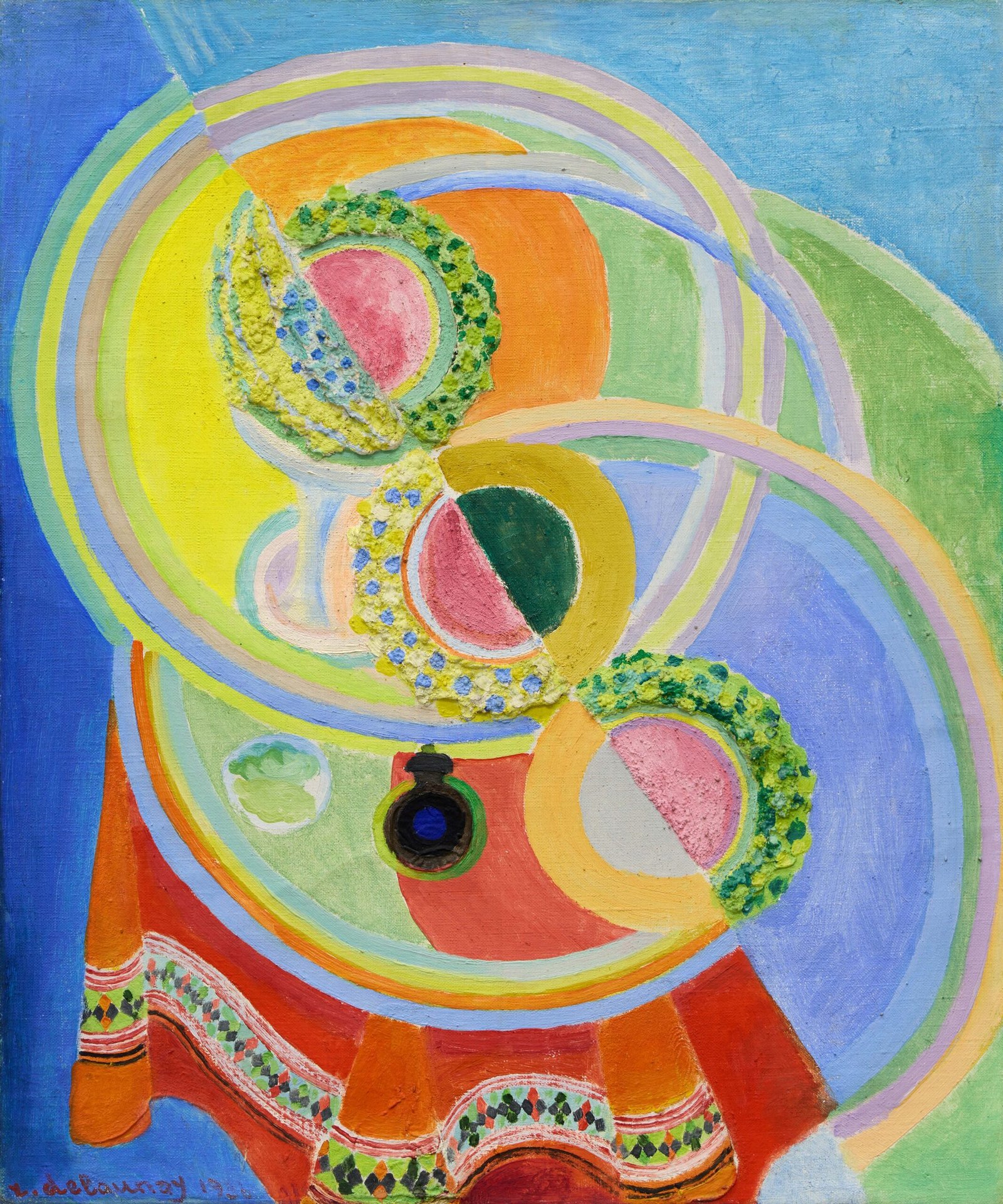
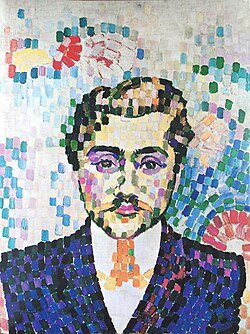
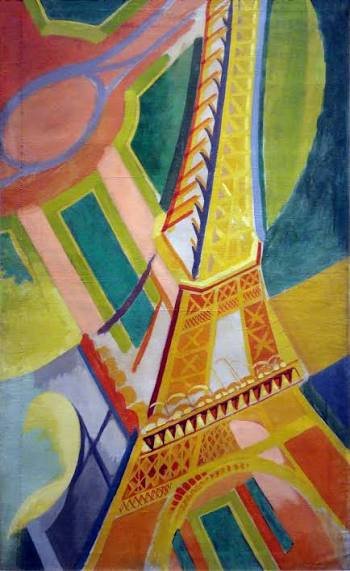
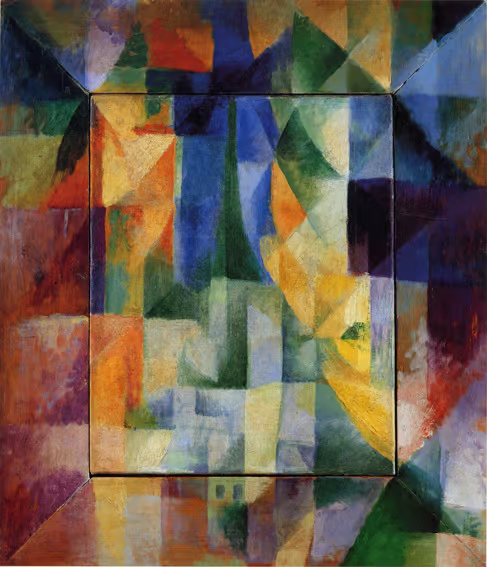
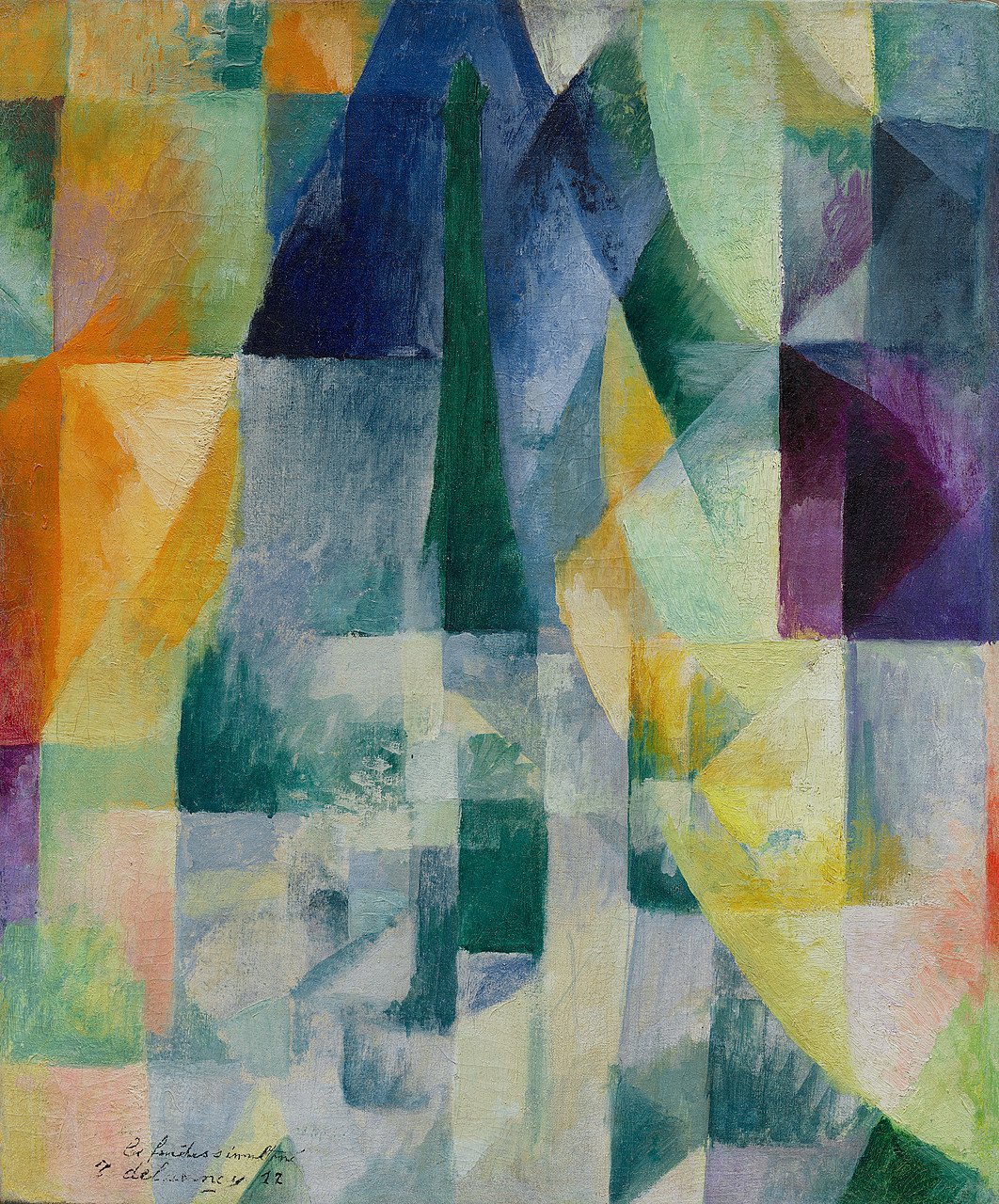
Painter and color theorist, Robert Delaunay (1885–1941) was a founding figure of Orphism — a branch of Cubism that broke from its muted, fractured surfaces toward pure, radiant color. Working alongside his wife and lifelong collaborator, Sonia Delaunay, he developed a language of interlocking discs and prismatic arcs built entirely from the relationships between colors, not lines.
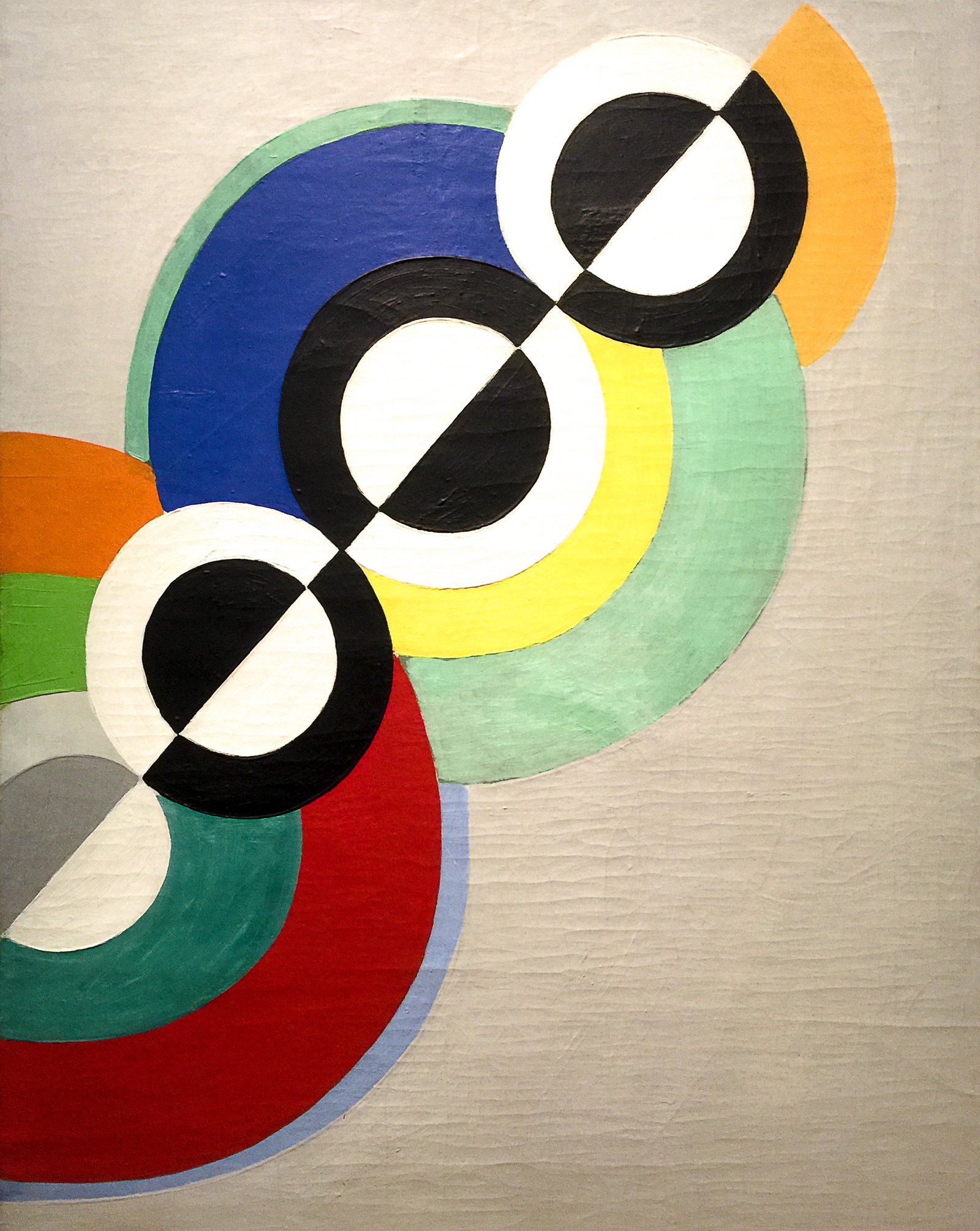
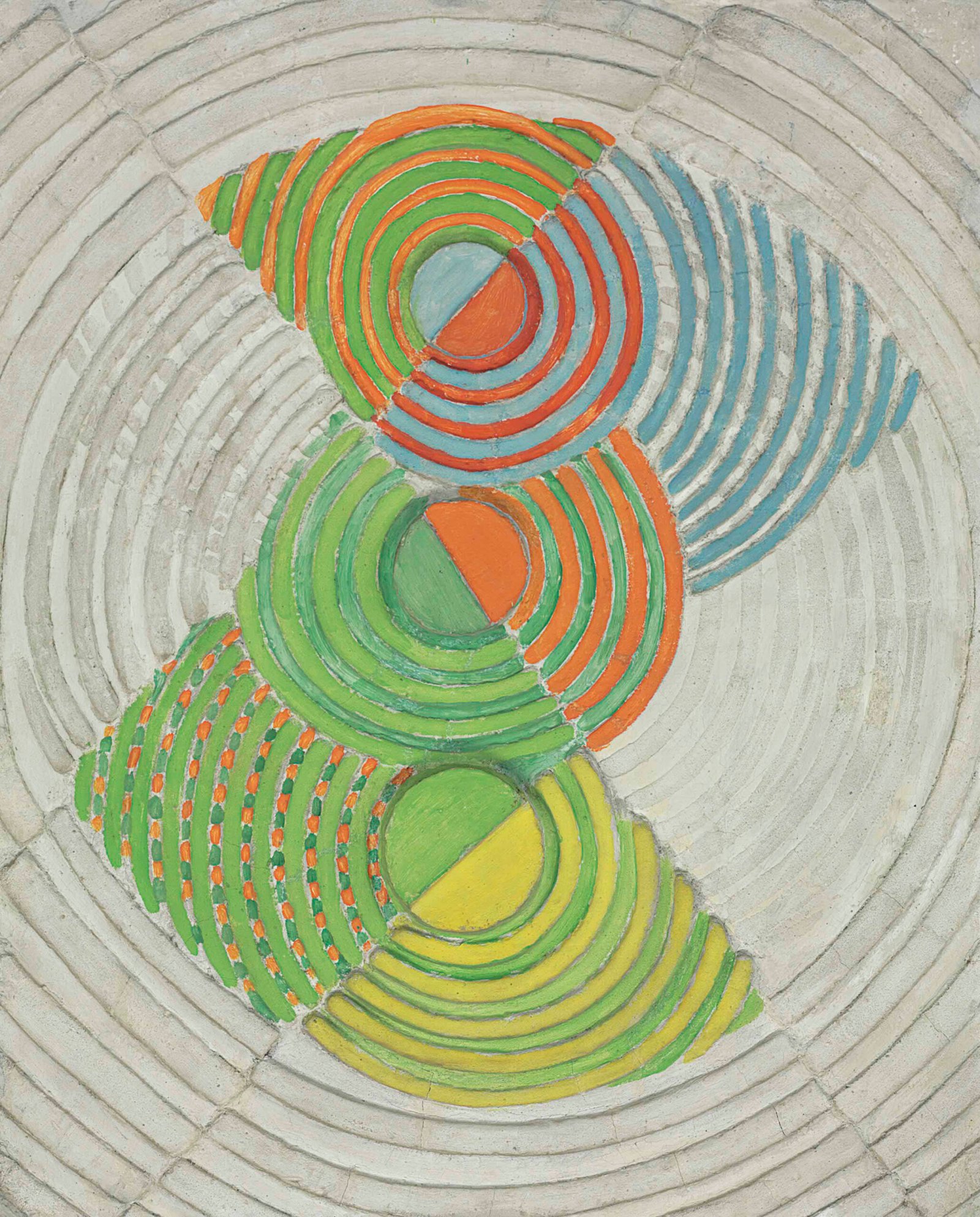
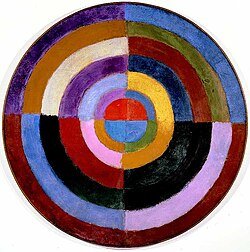
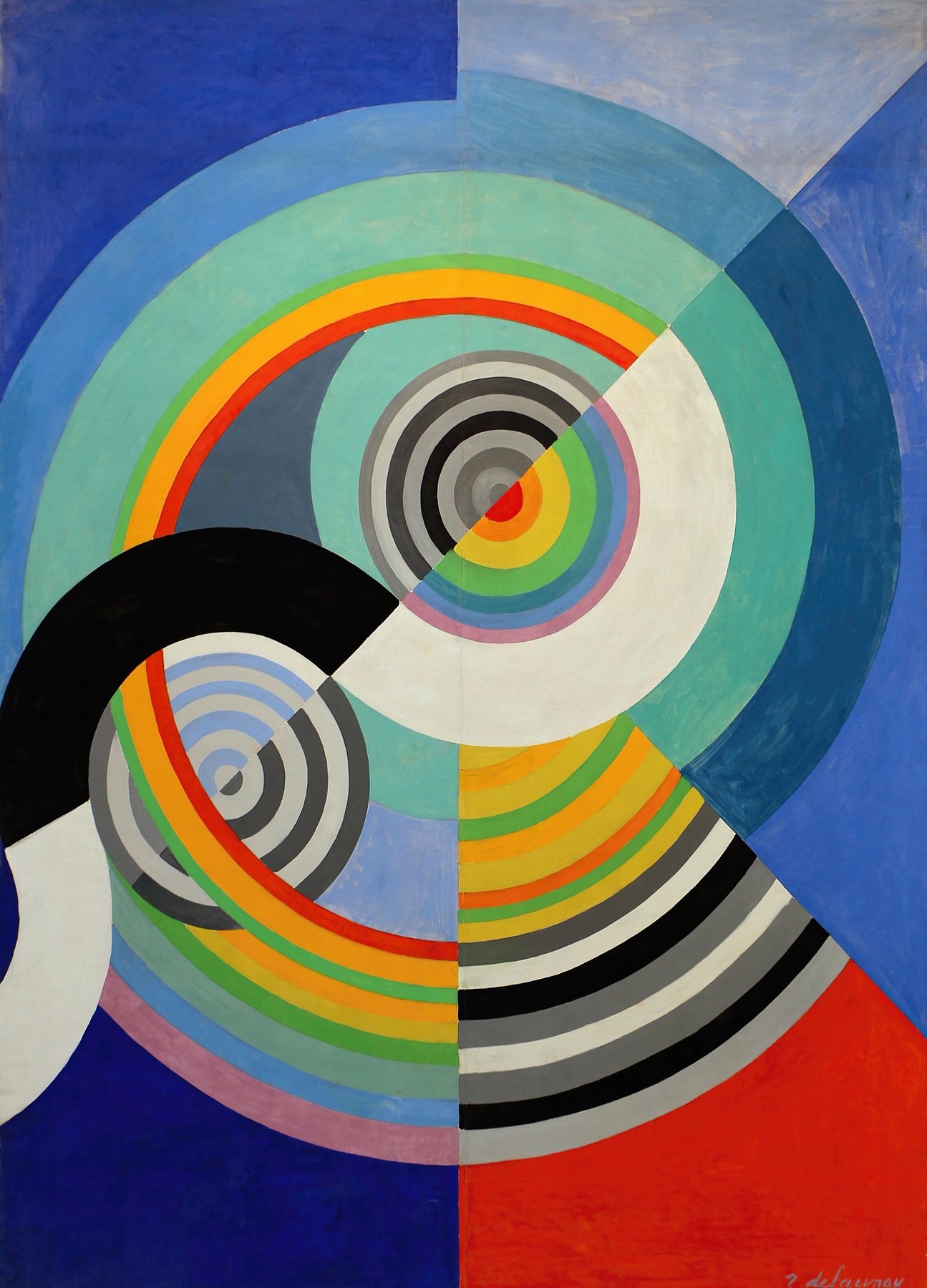
These concentric "Rythme" discs — rings of cobalt, coral, and gold spinning against black and white — became his signature language in the 1930s: color alone generating the sensation of motion and depth, no line required.
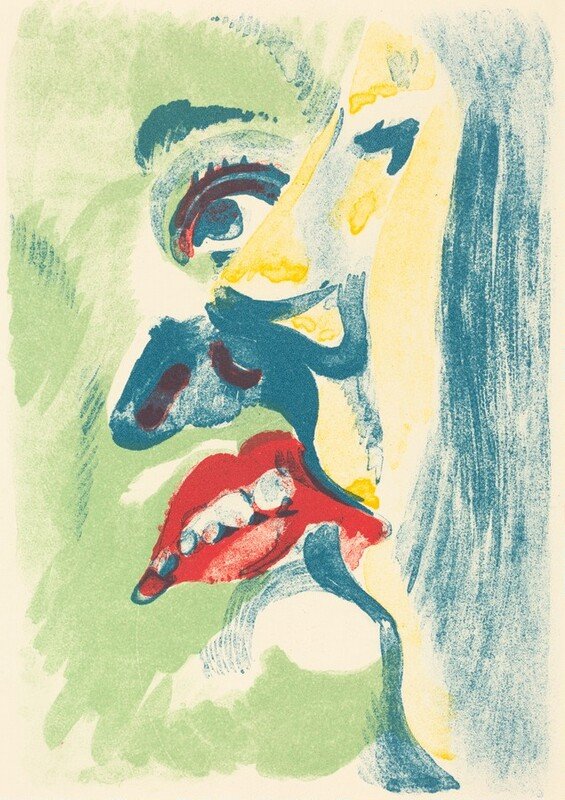
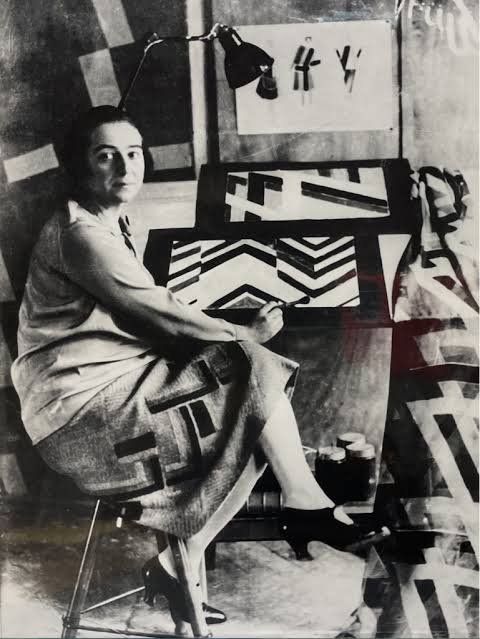
Sonia Delaunay (1885–1979)
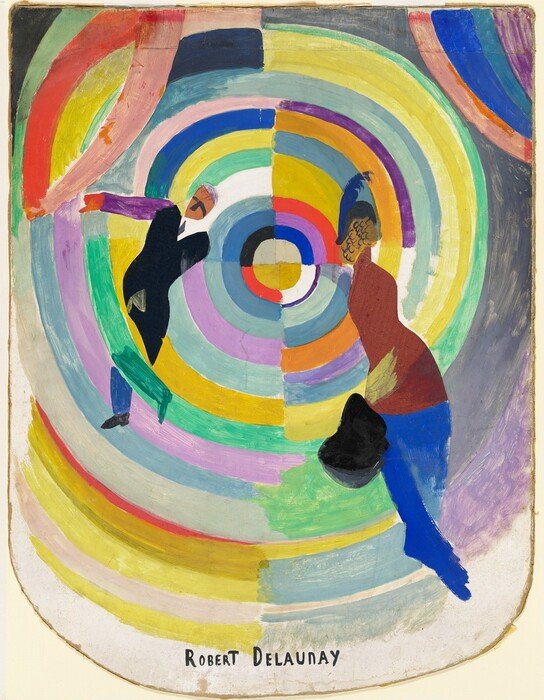
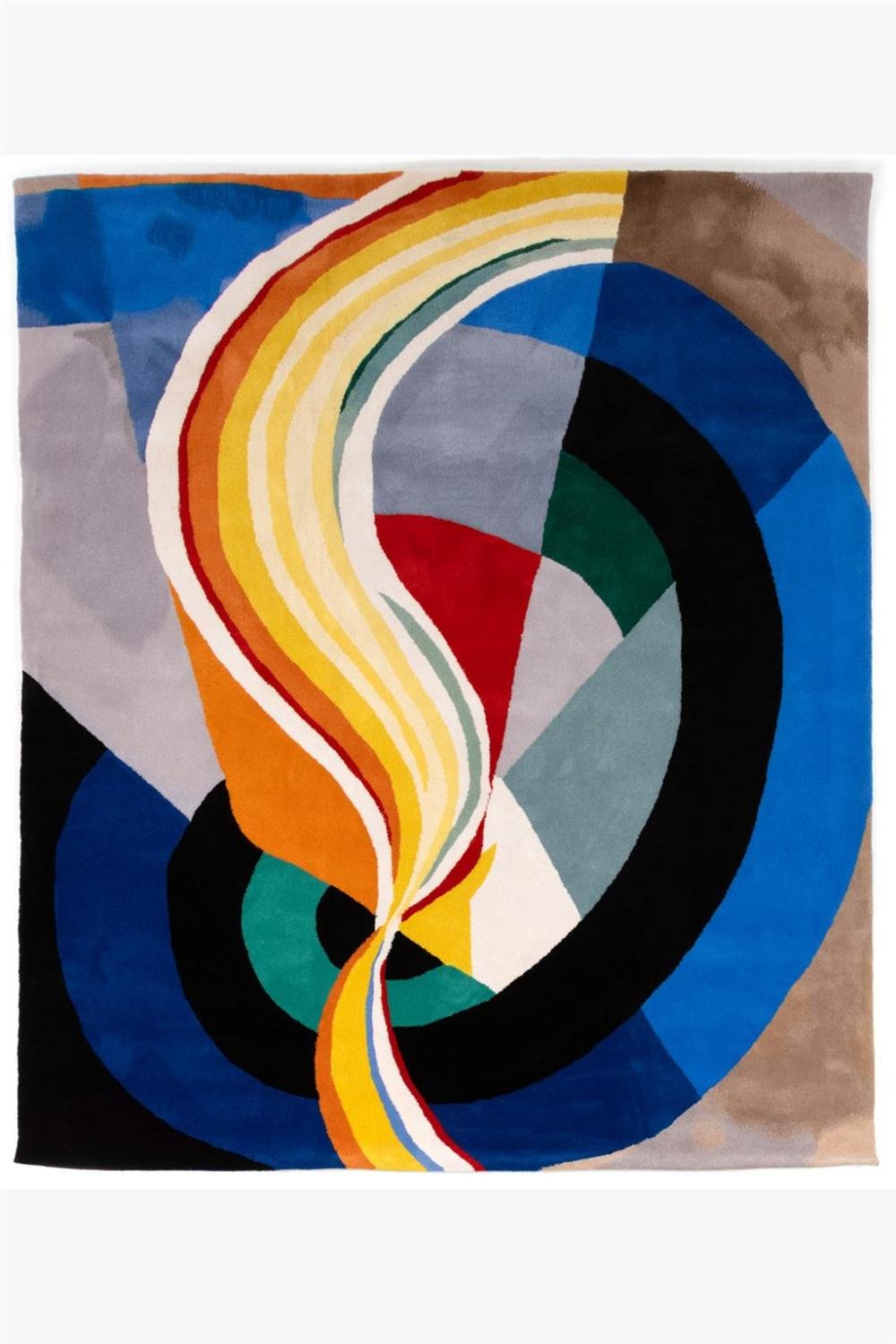
Robert didn't develop Orphism alone — Sonia Delaunay, his wife and equal collaborator, was working the same ideas in parallel, and arguably carried them further. Where Robert painted, Sonia pushed "simultaneous" color theory into textiles, fashion, book covers, and even car paint, treating pattern and dress as seriously as canvas.
In 1964 she became the first living woman to have a retrospective at the Louvre — a distinction Robert, who died in 1941, never lived to see. Her name belongs on this page not as a footnote to his, but as half of the movement itself.
Guillaume Apollinaire, writing about the couple's work, coined the term Orphism to describe this fusion of color, music, and pure form. Delaunay's theory of "simultaneity" held that color contrast alone could generate depth and rhythm — no line, no perspective required.
His influence carried well past painting — into fashion and textiles through Sonia's parallel practice, and into the broader trajectory of abstraction that followed, from the Bauhaus circle to postwar color-field painting.
-
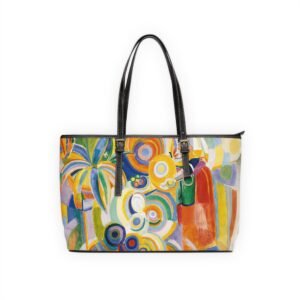
Robert Delaunay: Portuguese Woman Leather Tote Bag
$64.42 -
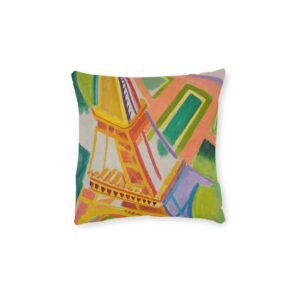
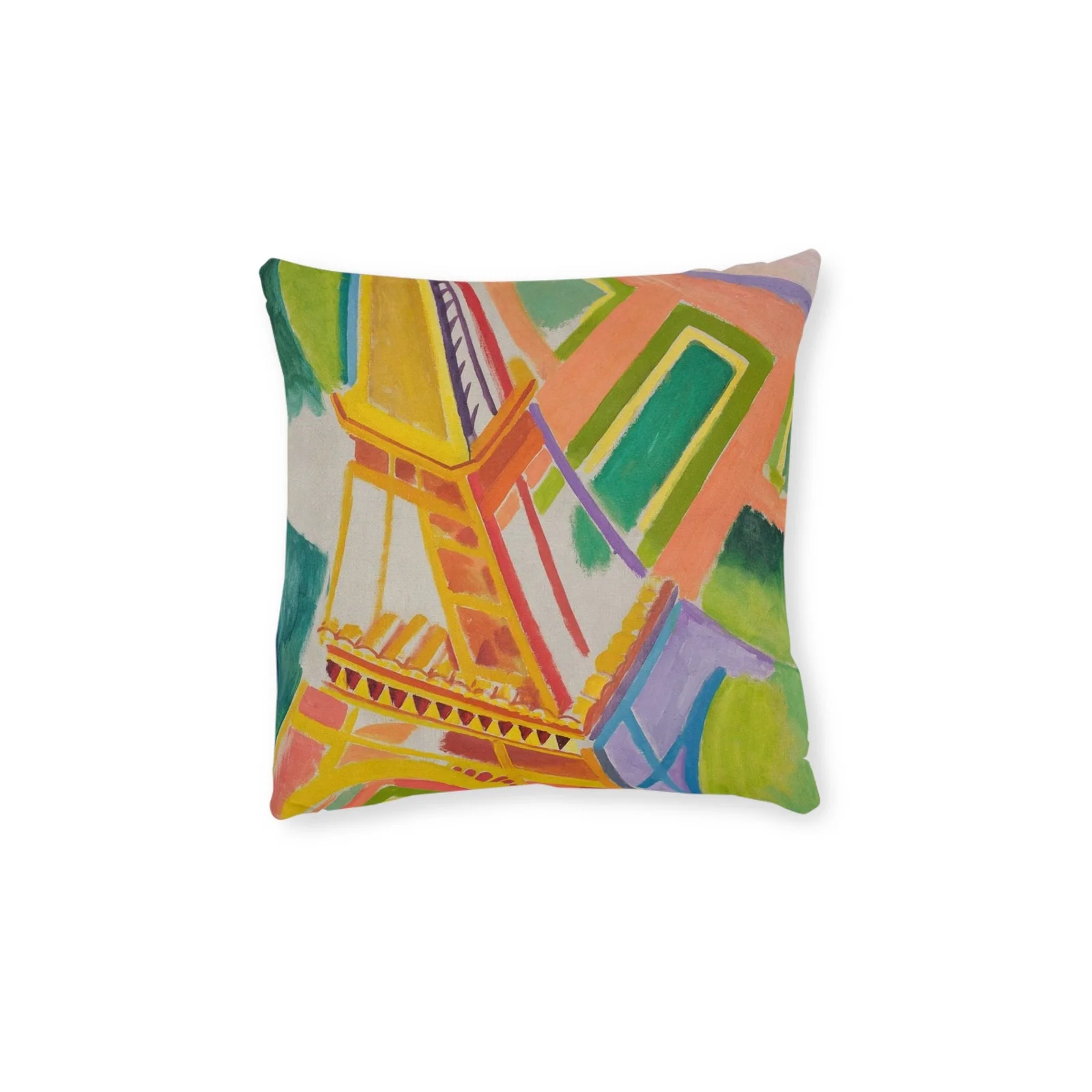
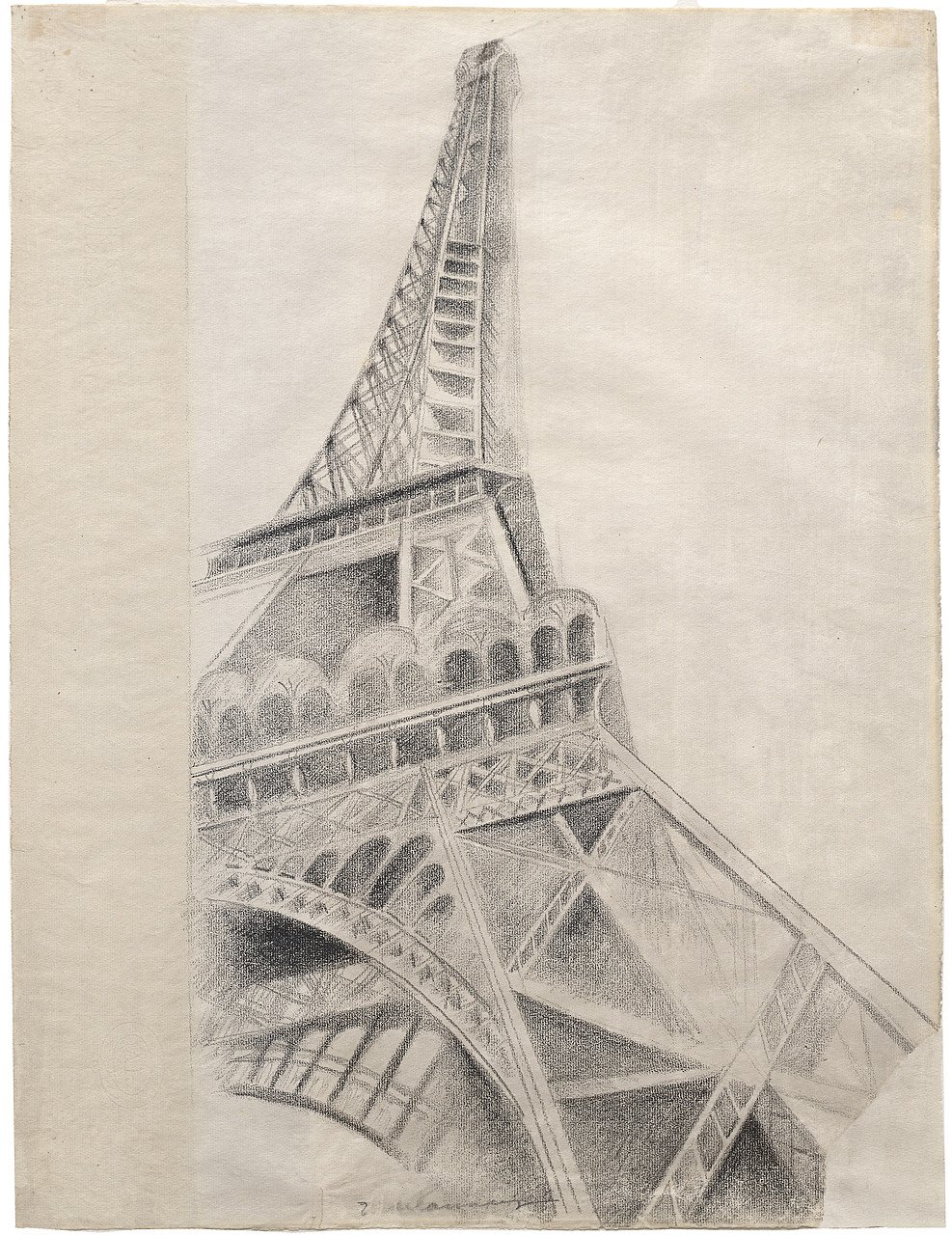
Robert Delaunay’s La Tour Eiffel (1928) Throw Cushion
Price range: $28.00 through $55.00 -
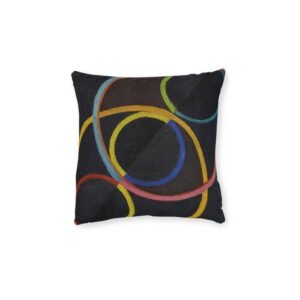
Paul Klee & Robert Delauney: Fish and Circles Throw Pillow
Price range: $28.00 through $55.00 -

Abstract Colorful Circles Stemless Wine Glass — 11.75 oz Modern Art Drinkware
$15.00 -
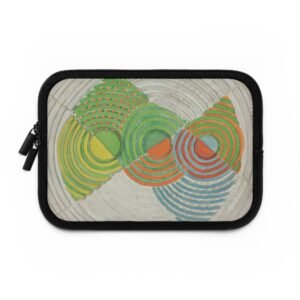
Robert Delaunay: Relief Rythme (1933) Sleeve Laptop & Tablet Sleeve
Price range: $24.50 through $42.42 -
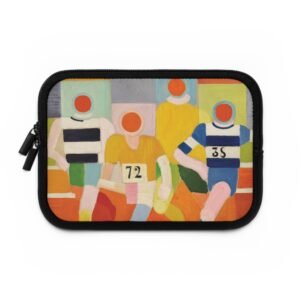
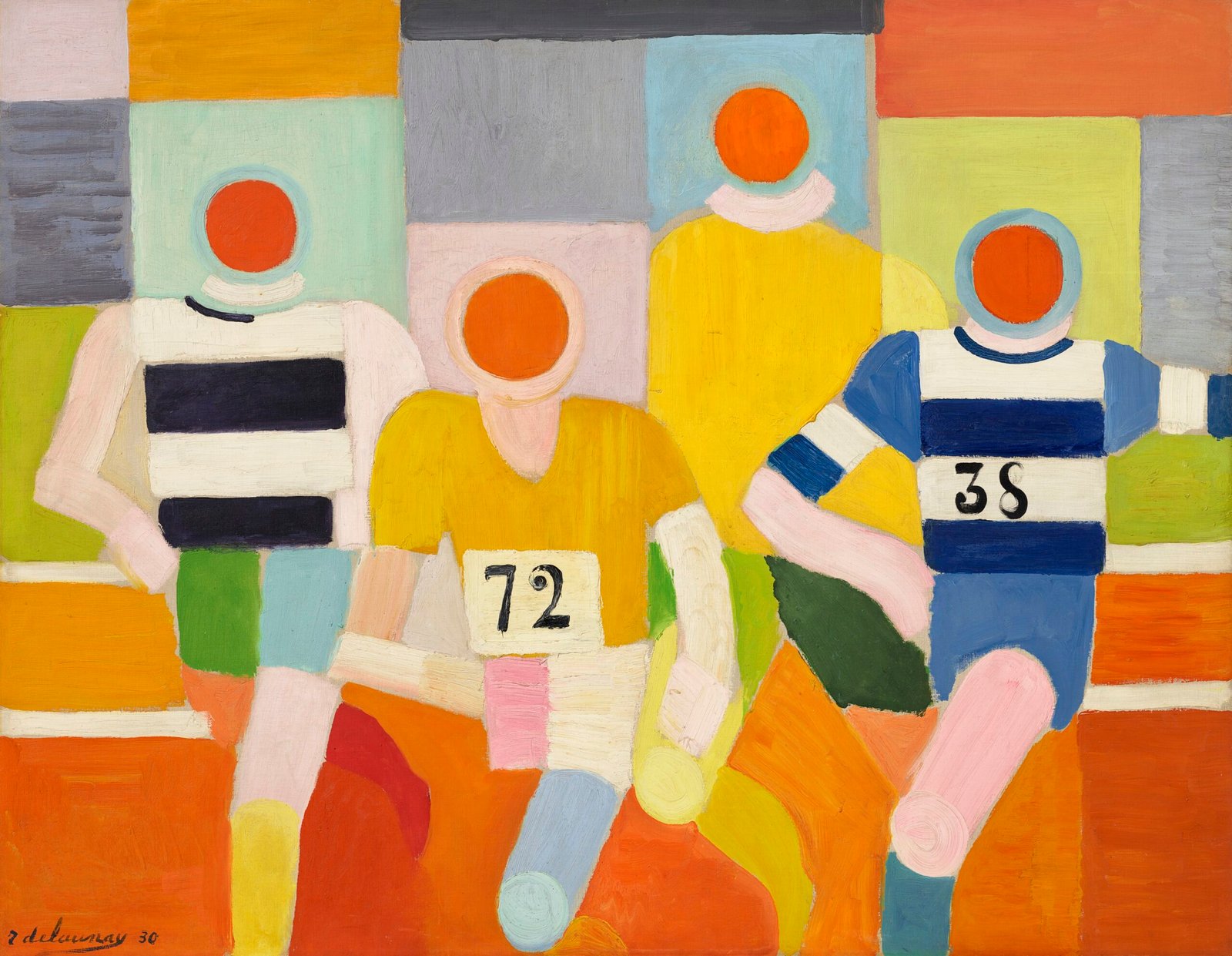
Robert Delaunay: The Runners Laptop & Tablet Sleeve
Price range: $24.50 through $42.42 -
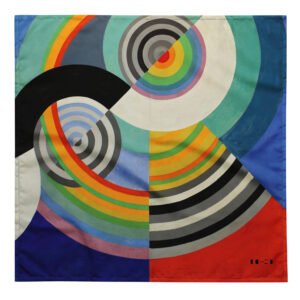
Robert Delaunay: Rythme n°3 Bandana
$15.00
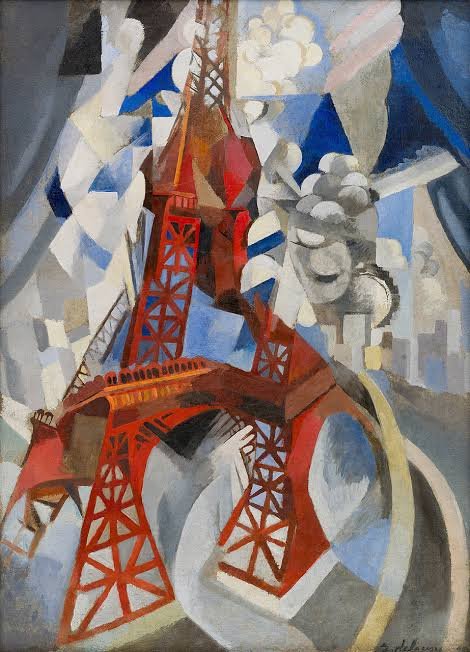
Delaunay died in 1941, but his color discs never stopped spinning. He didn't paint the Eiffel Tower or the sky as objects — he painted them as sensations, rings of pure hue standing in for motion, light, and rhythm itself.