
RED

RED

cgk.ink journal — the color series

620–750 nanometers · a study in four movements

RED

The first color we painted with, the first we named after dark and light, and the last one left in the sky every evening.

Californians know red better than we admit. It's the brake lights stacked up on the 405, the bark of a coast redwood, and the sun dropping into the Pacific like it has somewhere to be. It's also crushed insects, rusted planets, and the longest wave your eye can catch. Here is the color in four parts.

interlude — the range, light to dark

Interlude

Ten reds

One word, ten temperaments. Hover, tap or tab through the range.

Salmon
#FA8072

Named for the fish, which gets its color secondhand from the pigment in the krill and shrimp it eats.

Scarlet
#FF2400

Originally the name of a costly medieval cloth, not a color. The cloth was so often dyed red that the word changed sides.

Vermilion
#E34234

Ground cinnabar, a mercury ore. The red of Chinese lacquer and Pompeii's walls, and mildly poisonous the whole time.

Cadmium Red
#E30022

A twentieth-century arrival, on sale around 1910. Matisse took to it early and never really gave it back.

Crimson
#DC143C

From kermes, a scale insect that lives on Mediterranean oaks. The word shares a root with carmine.

Rosso Corsa
#D40000

"Racing red," the color assigned to Italian cars in early international motor racing. Ferrari simply kept it.

Venetian Red
#C80815

An iron oxide earth and the Renaissance painter's workhorse. Chemically speaking, it's very elegant rust.

Carmine
#960018

Made from cochineal insects, by most counts around 70,000 of them to the pound of dye.

Falu Red
#801818

The red of Swedish cottages and barns, a paint made from the leftovers of the great copper mine at Falun.

Oxblood
#4A0404

Cousin to sang de boeuf, the Chinese copper glaze. Also the official color of good boots and better loafers.

I / IV — trivia, served warm

Movement I

Six things
about red

Small facts, suitable for red lights, red-eye flights and second glasses of red.

01

Third word in

Linguists Brent Berlin and Paul Kay found in 1969 that when a language has only three color words, they are dark, light and red. Every time. Blue and green can wait.

02

Bulls don't care

Cattle are red-green colorblind. The bull charges the movement of the cape, not its color. The red is tradition and theater, and it's for the audience.

03

The Golden Gate isn't

Our most famous red landmark is officially painted International Orange. We've all agreed to call it red anyway, and nobody in San Francisco is going to stop you.

04

Stop signs were yellow

Until 1954, American stop signs were yellow, because nobody could make a red finish that survived the weather without fading. Better coatings arrived and red took the corner.

05

Red wins, slightly

A 2005 study of the Athens Olympics looked at combat sports where red or blue gear was assigned at random. The athletes in red won about 55 percent of the bouts.

06

Read the rubric

Medieval scribes wrote headings and feast days in red ink. That gave us "red-letter day" and the word "rubric," from the Latin rubrica, meaning red ochre.

II / IV — things that have no business being red

Movement II

Strange
reds

Seven places the color shows up uninvited.

01

Blood Falls

Taylor Glacier, Antarctica

A rust-red stain pouring down a white glacier. Iron-rich brine from a buried lake seeps out and oxidizes the moment it meets air.

02

Lake Natron

Northern Tanzania

A caustic soda lake turned red by salt-loving microbes. Flamingos, undeterred, use it as a nursery.

03

Mars

Fourth rock out

An entire planet dusted in iron oxide. The twist is the sunset, which on Mars comes out blue.

04

Red sprites

50 miles above a thunderstorm

Jellyfish-shaped electrical flashes high over storm clouds, glowing red from excited nitrogen and gone in milliseconds.

05

Hippo sweat

Sub-Saharan Africa

Hippos ooze a red secretion once mistaken for blood. It works as sunscreen and antibiotic at once.

06

Cochineal

On a prickly pear near you

The white fuzz on cactus pads hides an insect that crushes to brilliant red. It still colors lipstick, yogurt and candy as carmine.

07

Red tide

La Jolla, California

Plankton blooms stain our surf rust-red by day. After dark the same water breaks in electric blue.

III / IV — a hundred thousand years, abridged

Movement III

Red, a
history

From a seashell in a cave to a diode in a lab.

100,000BCE

The first paint kit

At Blombos Cave in South Africa, someone mixed red ochre in abalone shells and left the tools behind. It is the oldest known paint workshop on Earth.

79CE

Pompeii, sealed in red

Vesuvius buried villas whose walls were painted in vermilion from ground cinnabar, a pigment so prized that Rome regulated its price.

1464

The cardinals change color

With Tyrian purple cut off after the fall of Constantinople, Pope Paul II put his cardinals in scarlet dyed with kermes. They have worn red ever since.

1519

Spain finds the bug

Conquistadors found Aztec markets selling cochineal, a red far stronger than anything in Europe. It became New Spain's most valuable export after silver.

1869

Red from coal tar

Chemists patented synthetic alizarin, the coloring agent in madder root. Within a few years the madder fields of Europe were out of business.

1911

The Red Studio

Matisse flooded his own studio in a single flat red and let the furniture dissolve into outline. Painting has been arguing with it ever since.

1917

The flag goes red

Revolution made red the color of the left for a century. Red Square, though, got its name in the 1600s, when krasnaya also meant beautiful.

1962

The first LED

Nick Holonyak Jr. built the first practical visible-light LED at General Electric. It glowed red, and every standby light since owes it a nod.

IV / IV — the long, slow end of the rainbow

Movement IV

The physics
of red

The longest wave we can see, and the last stop before the invisible.

Red · 620–750 nm
380 nm · violet750 nm · infrared begins

z = (λseen − λsent) / λsent

This is redshift. Light from a galaxy moving away from us arrives stretched toward longer, redder wavelengths. Measure the stretch and you have measured an expanding universe, which is, quite literally, going red.

Long and low

Red has the longest wavelength and the lowest energy of any visible light. One step further and you're in infrared, which you feel as heat instead of seeing.

Why sunsets work

Air scatters blue light roughly five times more than red. At sunset the light crosses so much atmosphere that the blue is scattered away and red is what's left.

The ocean eats it first

Water absorbs red within the first thirty feet or so. Dive off Catalina and a red fish reads as gray, which is why so many deep-sea animals are red: down there it's camouflage.

Your eye is bluffing

The "red" cones in your retina actually peak in yellow-green. Red is something the brain works out by comparing them with their neighbors.

620–750 nmWavelength
400–484 THzFrequency
1.65–2.00 eVPhoton energy
coda — wear it like you mean it

Coda

Red never asks whether you noticed. It already knows.

cgk.ink · the color series · no. 2 — red
MOLAS: textile design & political identity

MOLAS: textile design & political identity

cgk.ink journal — textile & identity
cgk.ink journal · Guna Yala, Panamá

MolasTextile design & political identity

A blouse panel, cut and stitched by hand, that helped a people keep their land, their language and their name.

“Clothes aren’t going to change the world. The women who wear them are.”— Anne Klein
01 / 04 — What is a mola
01
The garment

What is a mola?

molaDulegaya (Guna language): “clothing” or “blouse.”

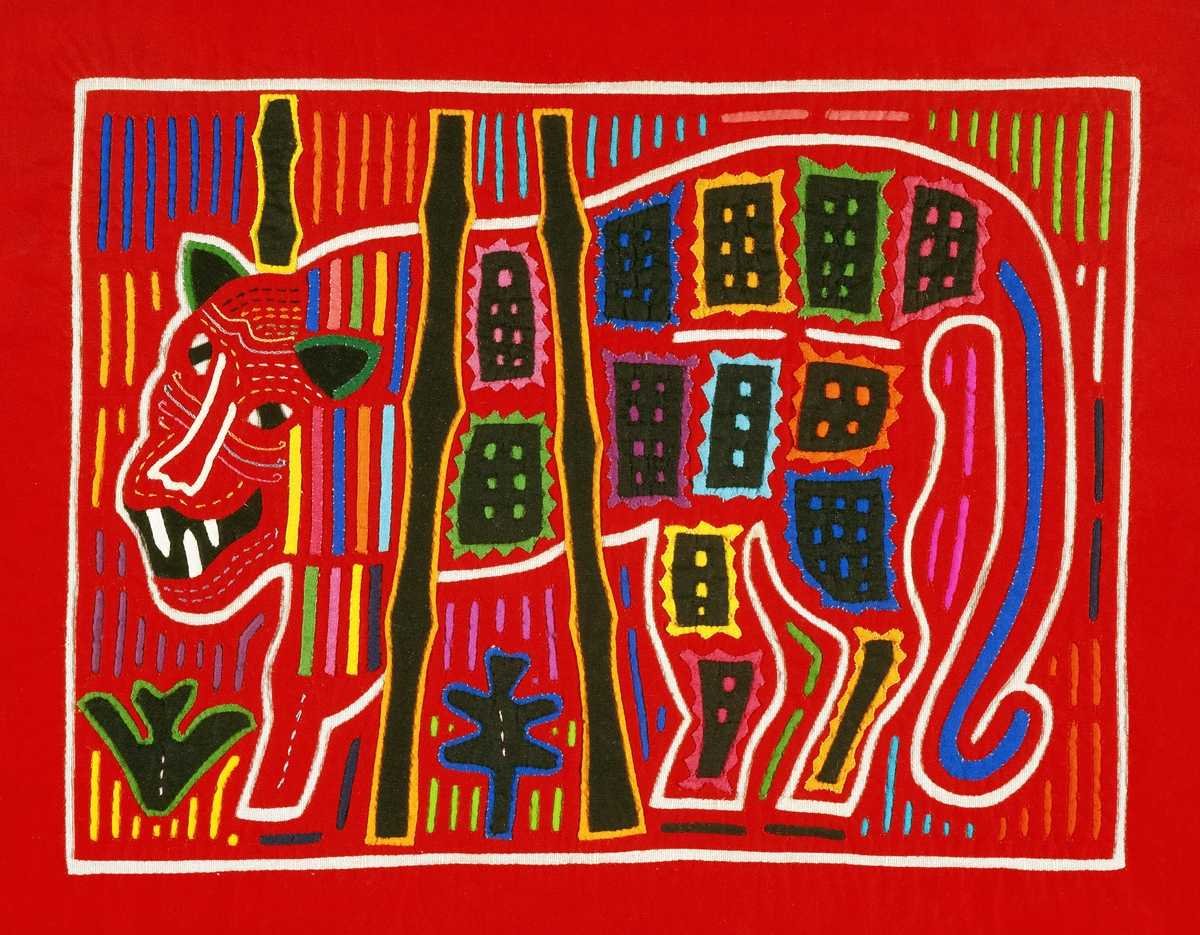
To the Guna, mola simply means clothing. To the rest of the world it means the panels: two vivid, hand-stitched rectangles worn front and back on a woman’s blouse, the centerpiece of a full ensemble of wrapped skirt, headscarf, gold and beaded wini wrapped at wrist and calf.

The Guna live along Panamá’s Caribbean coast and across the San Blas archipelago they call Guna Yala. Their textile art is believed to descend from body painting: the same geometric language moved from skin to cotton once trade cloth and needles reached the islands.

Every mola is a statement of who made it, and of who she is.

Guna mola panel in layered reverse appliqué, Panamá

Layered
Colorful mola textile with geometric and animal motifs
Storied
Detail of a hand-cut mola showing layered cotton and fine stitching
Cut
Mola textile art in red, orange and black
Stitched
02 / 04 — Reverse appliqué
02
The technique

Cut down to the color

Stack

Several layers of brightly colored cotton are basted together, darkest or boldest on top.

Cut

The maker slices through the top layer to expose the color beneath, then cuts again, deeper.

Turn

Each raw edge is folded under, so every line of the design becomes a channel of color.

Stitch

Tiny, nearly invisible hand stitches lock it all in place. A complex panel can take weeks or months.

The tell of a great mola: more layers, finer cuts, smaller stitches.

03 / 04 — Dress as resistance
03
The politics

Dress as resistance

1919

Assimilation

Panamá’s government begins pressing the Guna to give up traditional dress, including the mola, nose rings and wini, in favor of Western clothes.

1925

The Guna Revolution

In February, the Guna rise up against police occupation of the islands. Wearing the mola becomes an open act of defiance, and the uprising is still commemorated every year.

1938

Recognition

The San Blas territory is established as a comarca, the first step toward the self-government the Guna fought for.

Today

Guna Yala

An autonomous region governed by the Guna General Congress, where the mola is still worn daily as identity, not costume.

04 / 04 — Why it matters
04
The influence

Why it matters for design

Contrast

Saturated reds, oranges and blacks set edge to edge. No gradients, no hedging: color as pure graphic force.

Depth

Layers you can read. The eye travels down through the cloth, which is why the look keeps returning to fashion and interiors.

Story

Birds, sea creatures, maze-like geometry and daily life. Every panel is a narrative before it is a pattern.

Credit the source. When mola aesthetics show up on a runway or a throw pillow, the design debt belongs to Guna women. Name them.

Shop — mola-inspired
→
Curated by cgk.ink

Mola-inspired pieces

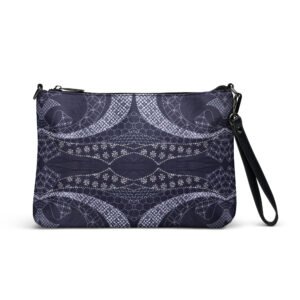
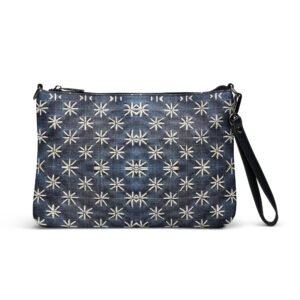
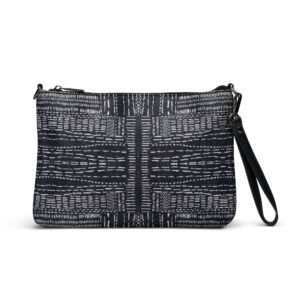
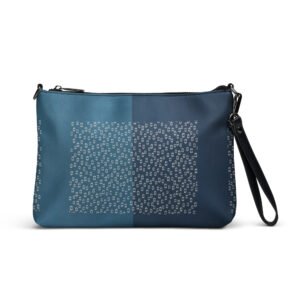
These pieces are curated by cgk.ink and inspired by the mola art form. They are not made by Guna artisans. For an authentic mola, buy from cooperatives and sellers who work directly with Guna makers.

Color is a Scam

Color is a Scam

Color is a Myth

It's all in your head

Color is the ultimate cosmic scam, but your brain is the one pulling the con. 

In physics, objects do not possess inherent color. A strawberry is not red, and the sky is not blue. The universe is a colorless landscape of matter interacting with electromagnetic radiation.
Here is why color is essentially a beautifully orchestrated biological illusion:

Your Brain Makes It All Up 

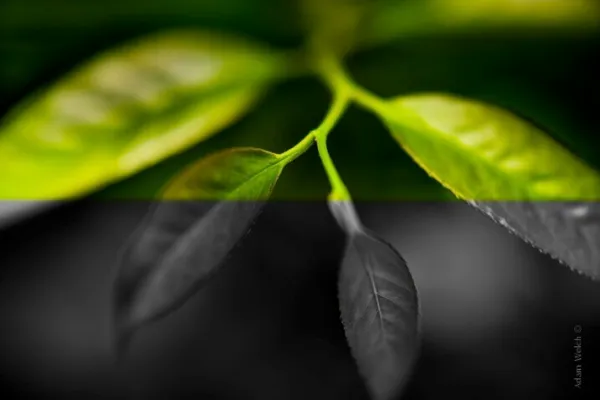
Color only exists inside your skull. When those reflected light waves hit your retina, they trigger three types of cone cells (tuned to red, green, and blue). These cells send electrical pulses to your brain. Your brain processes these signals and paints a conscious experience we call "color" so you can tell a ripe berry from a poisonous leaf. Outside of a conscious mind, color does not exist.


We Are Blind to Most of Reality

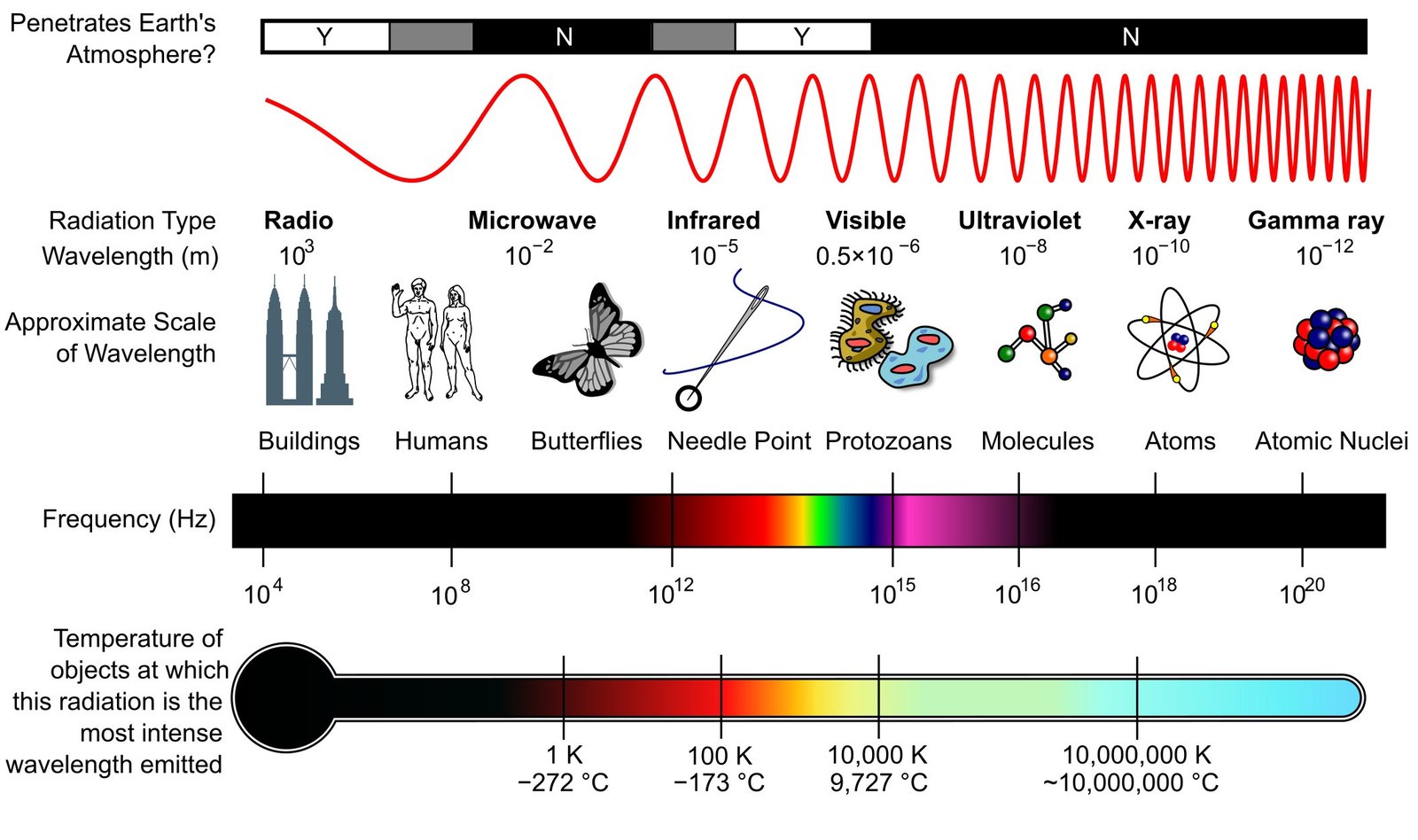
Human vision is incredibly limited. The visible light spectrum is a microscopic sliver—about 0.0035%—of the entire electromagnetic spectrum. We are completely blind to:

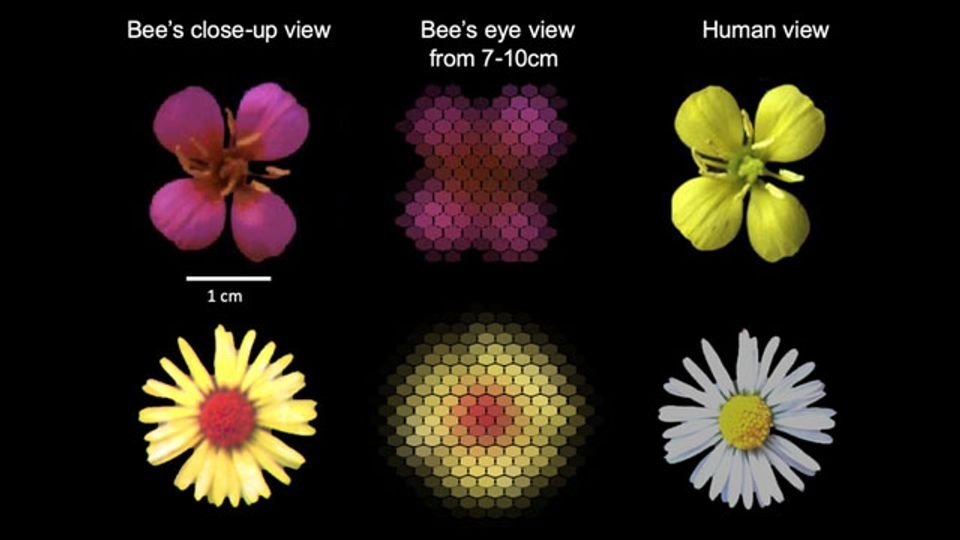
Ultraviolet light: Which bees use to see secret patterns on flowers.

Infrared light: Which pit vipers use to see the heat signatures of prey.

X-rays and Radio waves: Which pass right through or around us undetected.

If human color vision is a scam, animals are the whistleblowers exposing how much of reality we are actually missing.

The Mantis Shrimp (The Ultimate Color Snob)

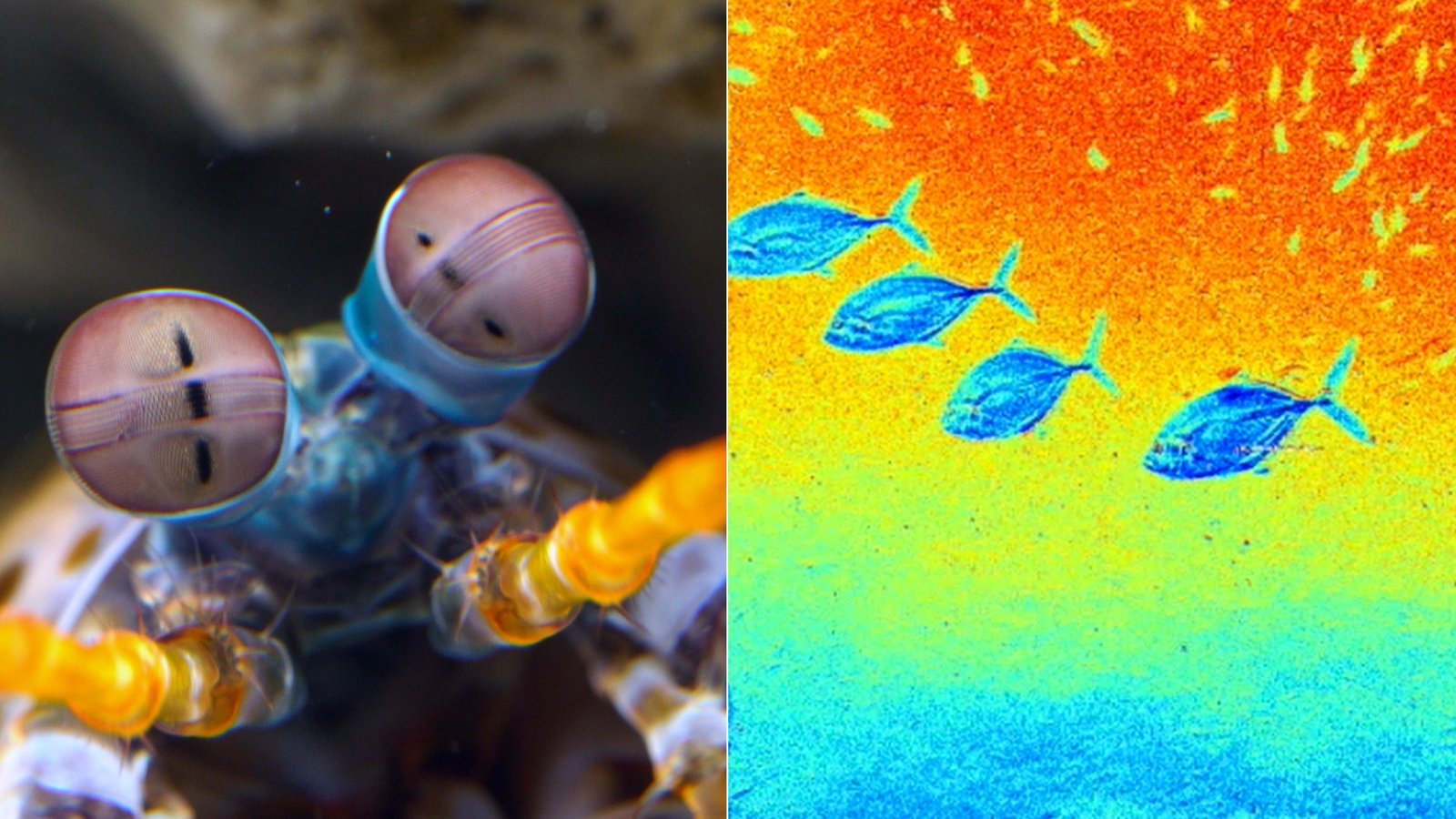
Humans navigate the world using three types of color-receptive cones (red, green, and blue). The mantis shrimp possesses 12 to 16 different color receptors. They do not just see colors more intensely; they can see ultraviolet light, infrared light, and polarized light. To a mantis shrimp, a human eye is essentially colorblind. 

Mantis Shrimp can see cancerous cells (NPR)

Bees and Birds (The Secret Pattern Viewers)

Bees cannot see the color red, but they see ultraviolet (UV) light. Flowers have evolved secret, invisible ultraviolet patterns—like runway landing strips—that guide bees directly to the nectar. Birds also have a fourth cone for UV light, allowing them to spot camouflaged insects and fruits that look completely invisible to humans against green leaves.

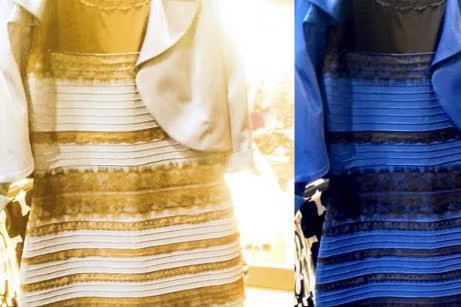
The Dress (2015)

The internet nearly broke over whether a dress was blue and black or white and gold. This happened because of chromatic adaptation. 

The Setup: The photo was taken in ambiguous lighting.

The Trick: Some brains assumed the dress was illuminated by bright daylight, so they filtered out the blue light, seeing the dress as white and gold. Other brains assumed it was under warm, artificial indoor light, so they filtered out the gold, seeing it as blue and black.

Your brain made a split-second executive decision about the lighting source and altered your conscious reality to fit its assumption.

Color is not a static truth; it is a live, edited broadcast produced by your mind.

Read more about how cgk.ink designs with color, seen and unseen:

What’s Your Style?

What’s Your Style?


Sashiko, Kimonos & History

Sashiko, Kimonos & History

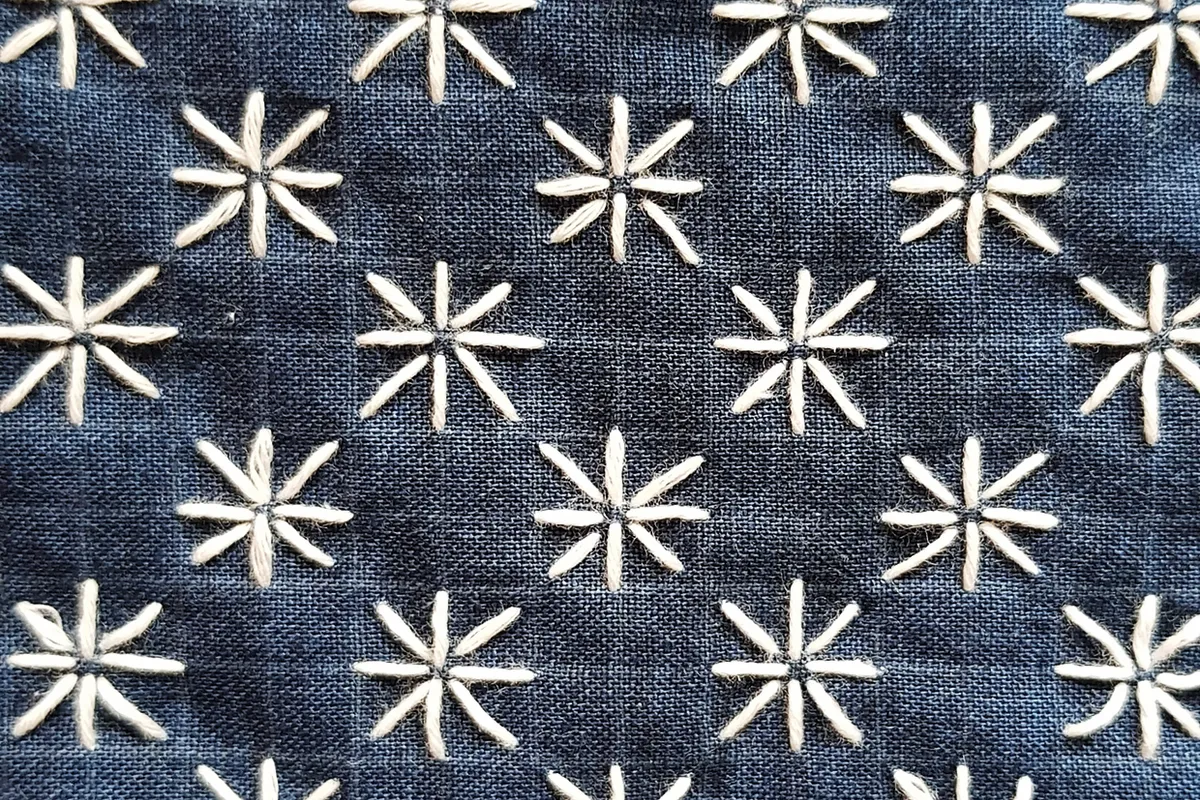
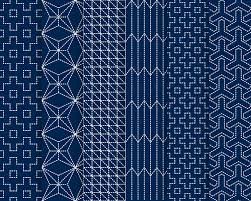
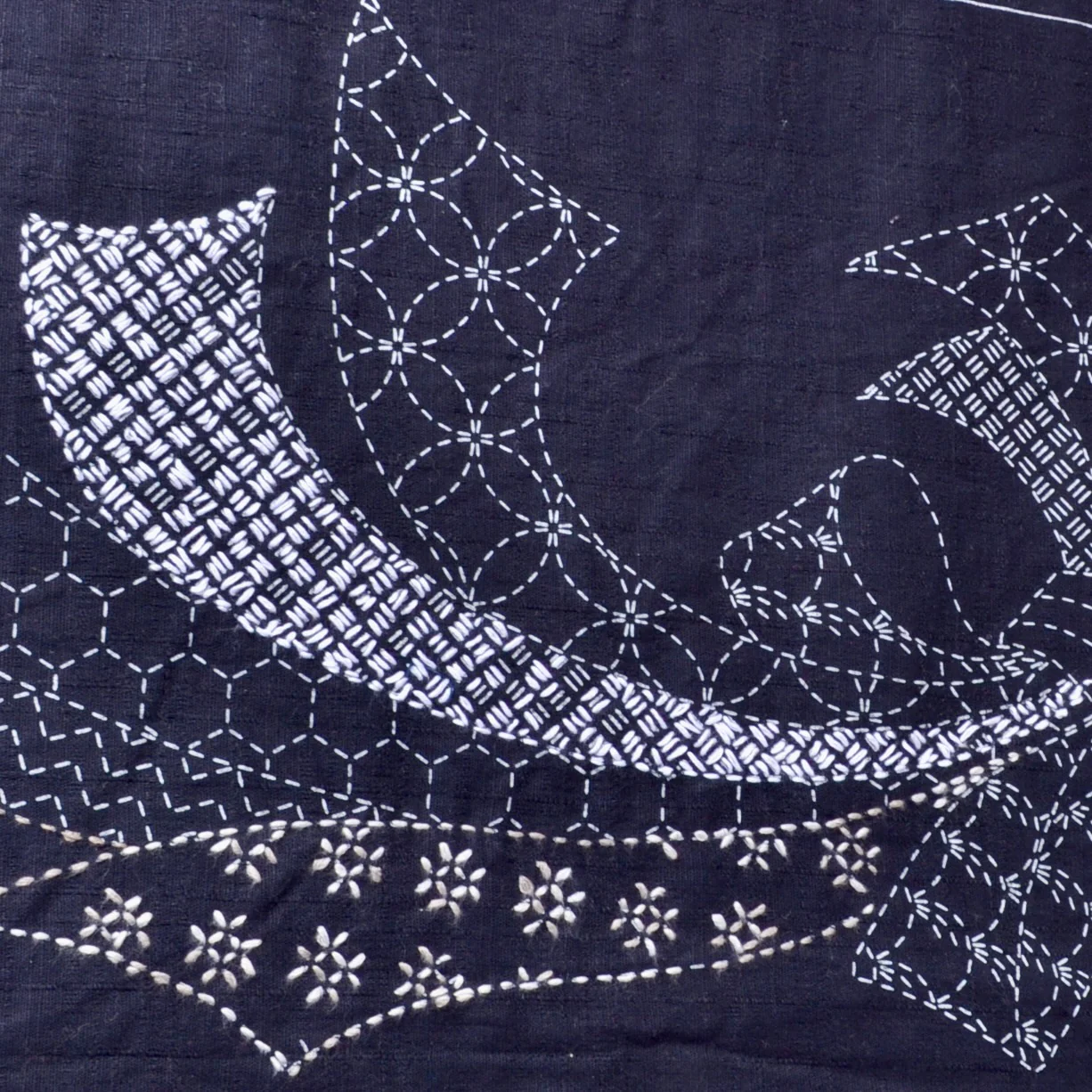
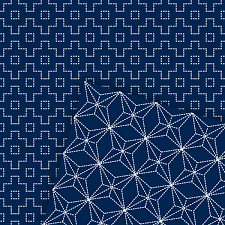
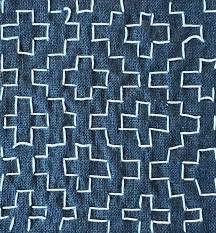
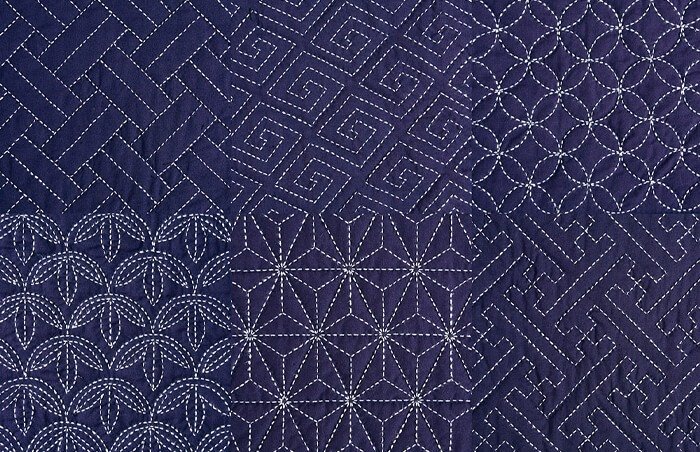
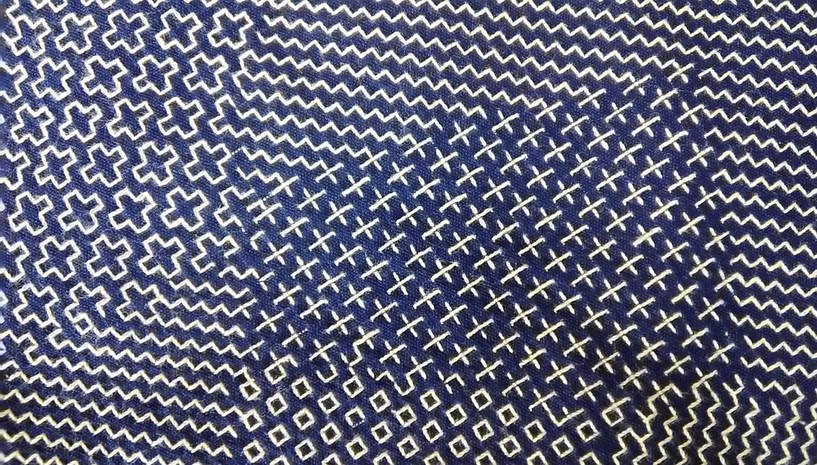
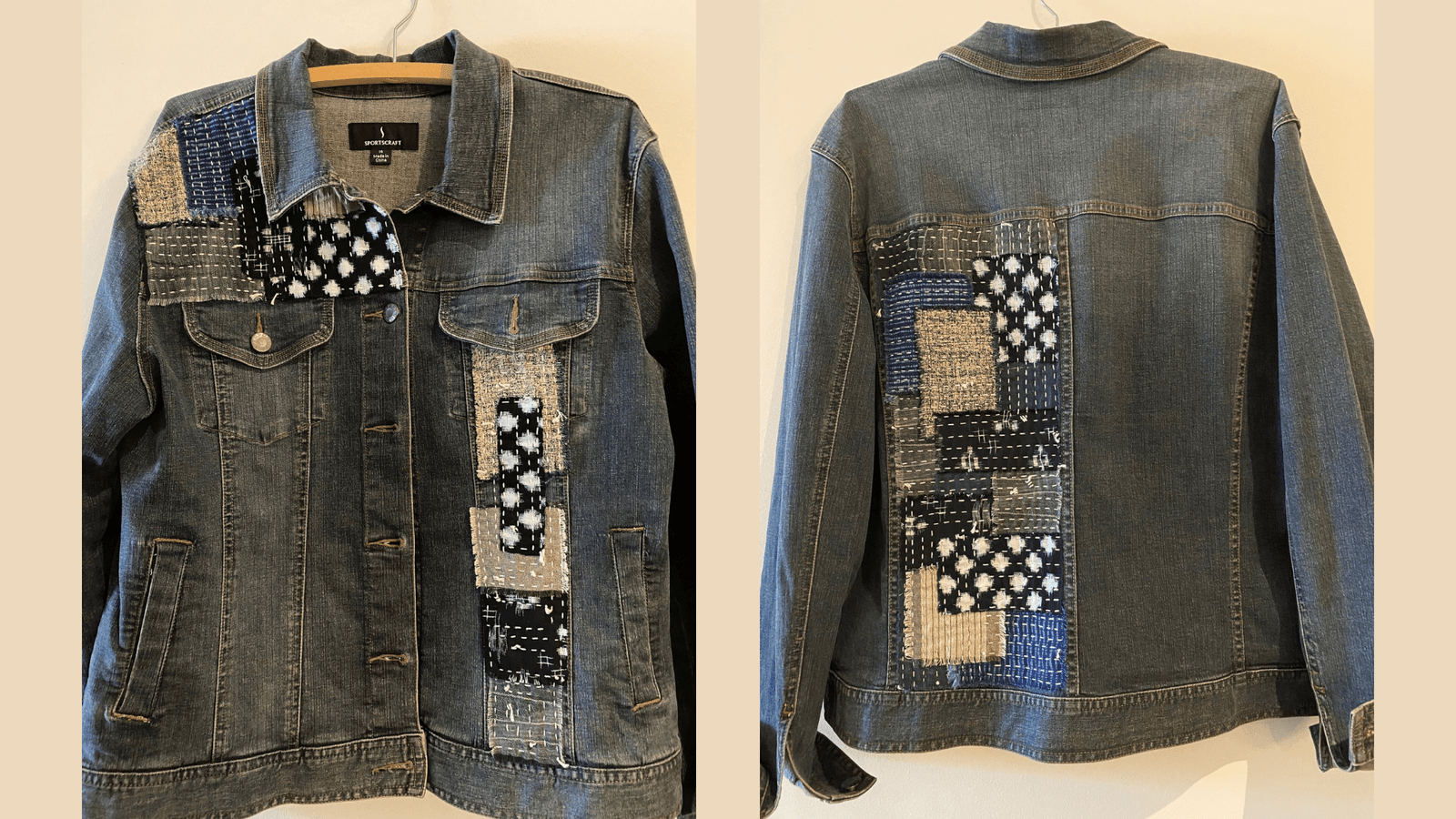
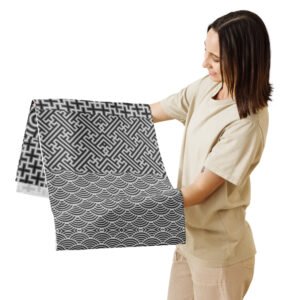
A recent BBC Culture story by Bel Jacobs: The 300-year-old Japanese method of upcycling explores the method of sashiko.

Sashiko emerged through necessity, particularly in poor rural areas, during the Edo period. "Cotton came late to the north of Japan," explains craft and design writer Katie Treggiden. "So the only way people could get hold of it was as tiny rags of fabrics, that were either passed around or bought from tradesmen from the south. Sashiko – literally, 'little stabs' – was a way of connecting all those little pieces into a quilted fabric, known as boro, that would keep them warm."

Textiles say so much about the culture in which they are worn and used.

Clothing can immediately identify who we are and what our history is. One can tell eastern v. western, wealthy v. impoverished, northern v southern. Clothing also tells us about the society that created it.

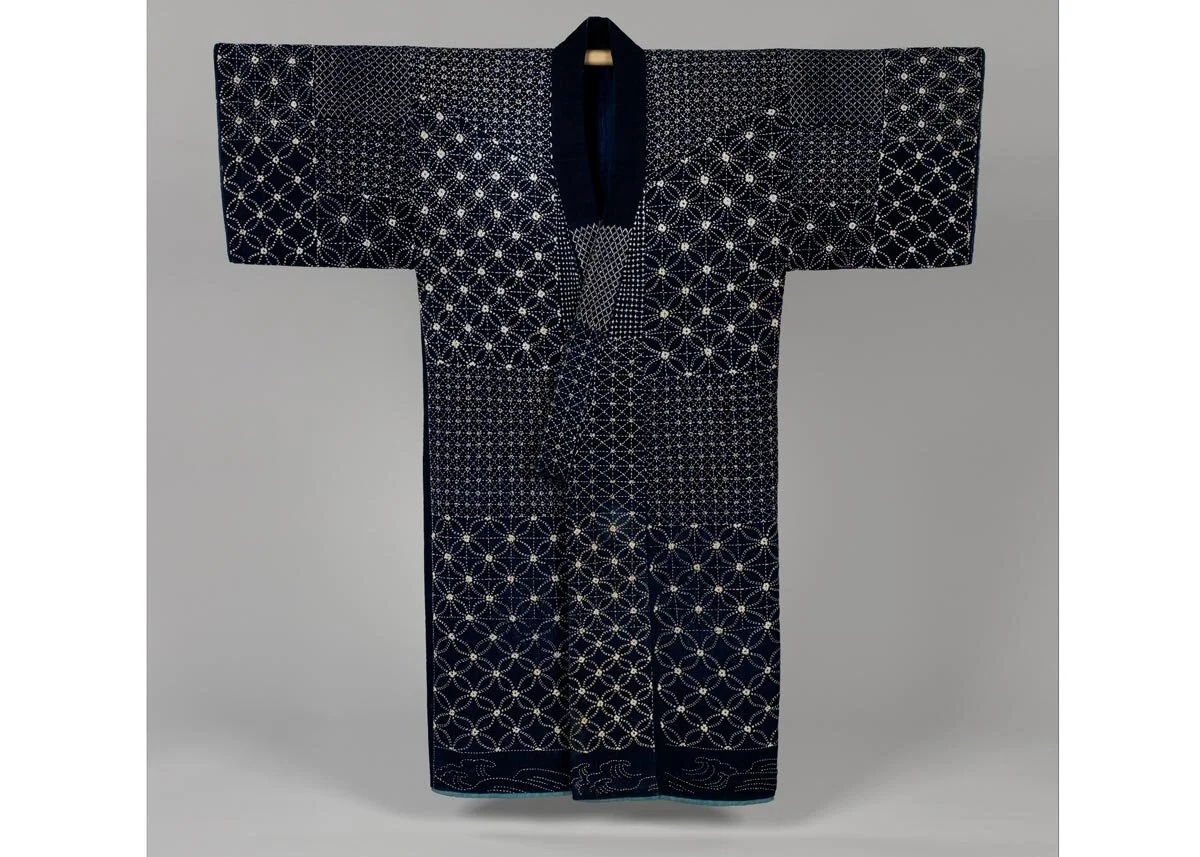
The Surprising History of the Kimono

The first ancestor of the kimono was born in the Heian period (794-1192). Straight cuts of fabric were sewn together to create a garment that fit every sort of body shape. It was easy to wear and infinitely adaptable. By the Edo period (1603-1868) it had evolved into a unisex outer garment called kosode. Literally meaning “small sleeves,” the kosode was characterized by smaller armholes. It was only from the Meiji period (1868-1912) onwards that the garment was called kimono. This last transformation, from the Edo era to modern Japan, is fascinating.

In the early 1600s, First Shogun Tokugawa unified Japan into a feudal shogunate. Edo, renamed Tokyo in 1868, now became Japan’s chief city. The resulting Edo Period (also called the Tokugawa Era) spanned 264 years. The years 1603 to 1868 are known as the last era of traditional Japan. Japanese culture developed with almost no foreign influence during this time. And the kosode was one of the key elements of what it meant to be Japanese.

RGB v. CMYK: Color Theory 101

RGB v. CMYK: Color Theory 101

The Color Series • Design & Print Craft

RGB vs. CMYK: Why Screens Glow and Prints Breathe

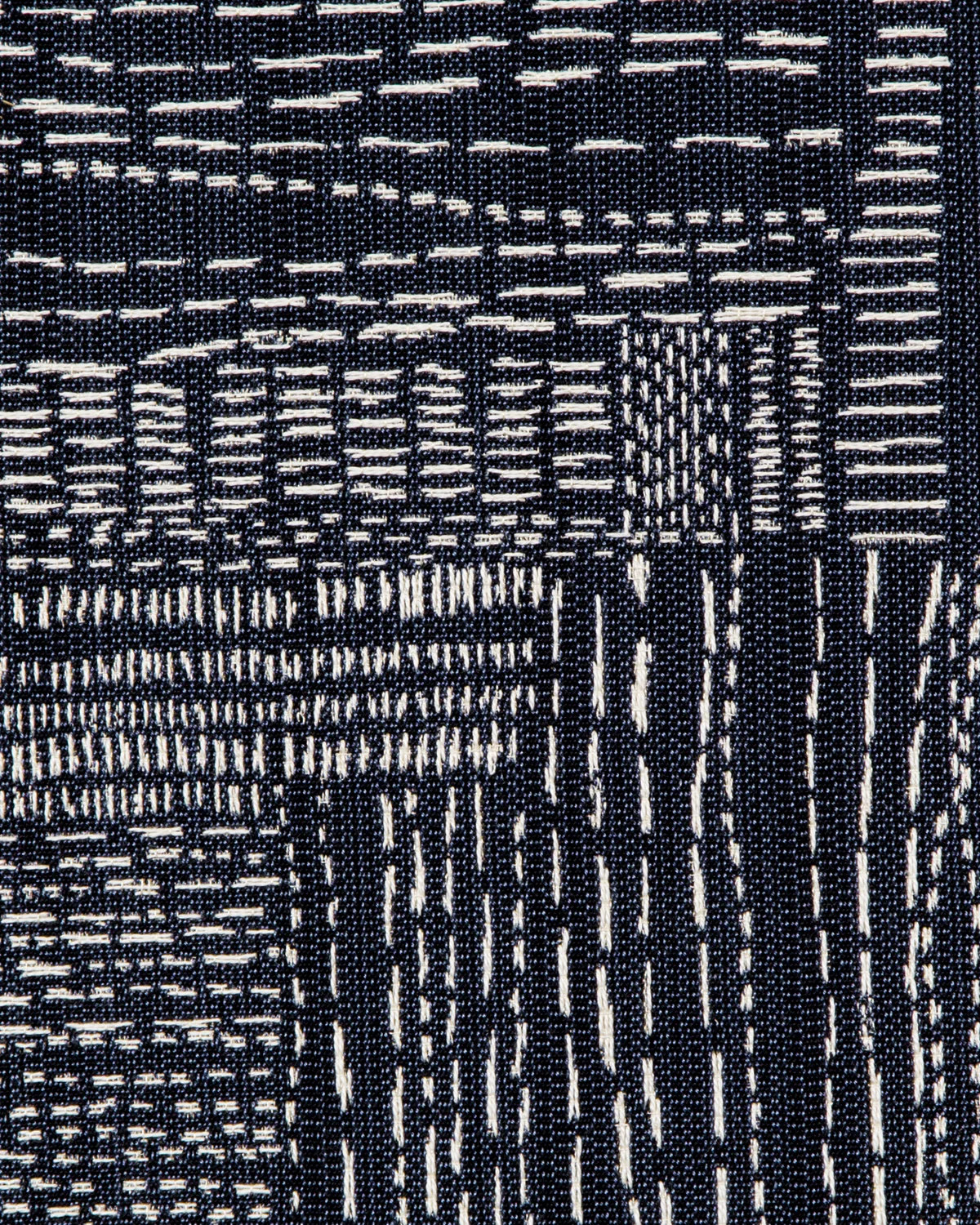
Color is never just decoration—it is physics, medium, and craft. At cgk.ink, translating intricate patterns, archival fine art, and bold modern graphics onto physical textiles and home goods requires bridging two entirely different worlds: the glowing glass of your screen and the tactile weave of fabric and paper.

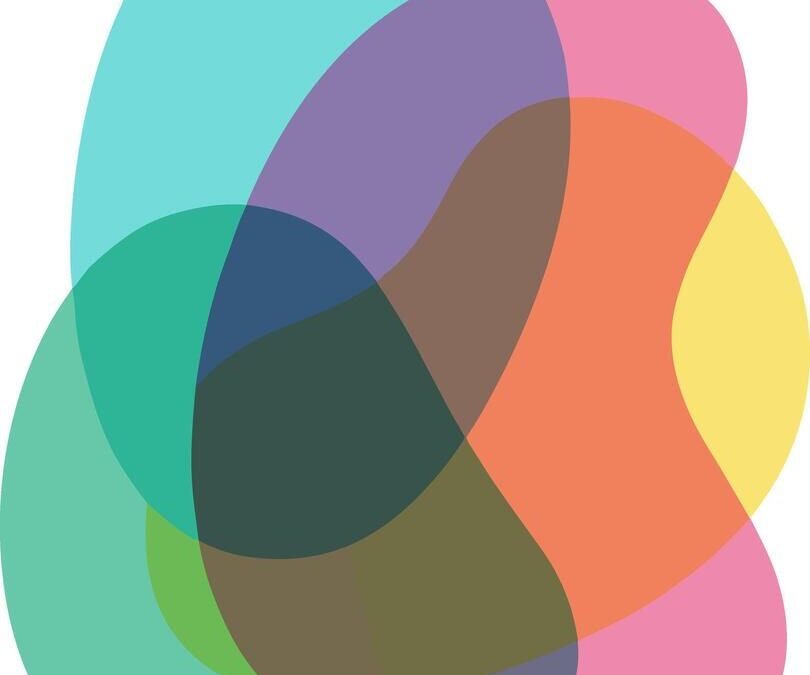
1. RGB: Painting with Light (Additive)

Digital screens—from smartphones to studio monitors—operate in RGB (Red, Green, Blue) by emitting light directly to your eyes.

  • The Physics: Microscopic red, green, and blue pixels blend together on your retina.
  • The Extremes: Maxing all channels to 255 creates pure white; turning them down to 0 leaves pure black.

2. CMYK: Sculpting with Pigment (Subtractive)

Physical printing—on stationery, art prints, and custom textiles—relies on CMYK (Cyan, Magenta, Yellow, Key/Black).

  • The Physics: Transparent ink halftones absorb (subtract) wavelengths of ambient light and reflect the rest.
  • The Extremes: At 0% ink, you see the natural white paper; layering toward 100% absorbs light to create deep black.
RGB Additive (Screen) 0 – 255
rgb(220, 60, 90)
R220
G60
B90
CMYK Subtractive (Print) 0% – 100%
C:15% M:80% Y:60% K:5%
C15%
M80%
Y60%
K5%

Screen-to-Print Gamut Preview

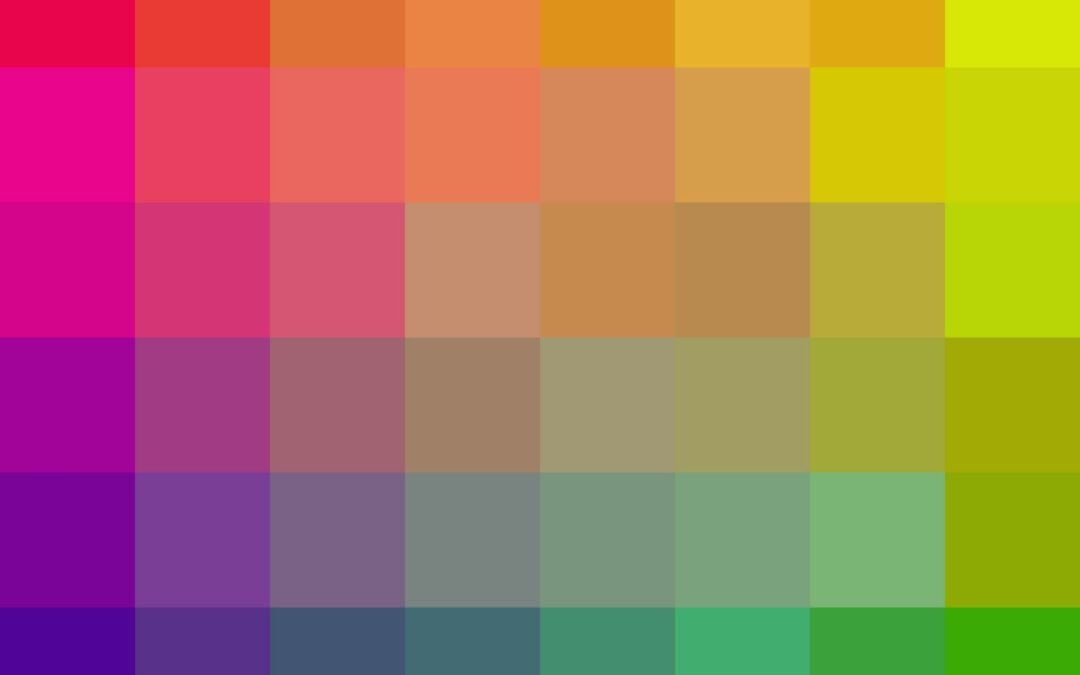
Click a shade below to compare how backlit RGB colors translate onto physical cotton and archival paper:

Screen (RGB Light)
Backlit Display: Emits direct light through glass pixels for high-luminance saturation.
Print (CMYK Ink)
Electric cobalt loses its backlit neon glow on paper, settling into a rich, archival ultramarine pigment.

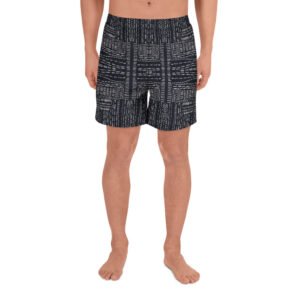
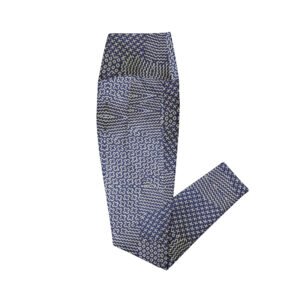
Why This Matters for Your Space & Wardrobe: When we prepare a piece for the Fine Art Collection or Travel Gear, our production workflow carefully maps digital RGB artwork into calibrated print profiles—ensuring every brushstroke, sashiko motif, and geometric pattern arrives with the exact warmth and depth intended by the artist.