the EXPANDED FINE ART COLLECTION

the EXPANDED FINE ART COLLECTION

Henri Matisse, “Nymphe et faune rouge” (Nymph and Red Faun), (1939)

“Everything has its beauty, but not everyone sees it.”

—Andy Warhol

Guernica, oil on canvas by Pablo Picasso, 1937

Guernica by Pablo Picasso (1937)

Exploring the great masters of fine art is a suprisingly fun way of developing this ecommerce site.

The chance to learn more about Master Artists is wonderfully accessible and frustratingly difficult to understand.

cgk.ink has created the FINE ART COLLECTION to explore, unveil and to delve into the artists who continue to shape our world.

We’re focusing on Modern Art right now. And we’re adding to this collection often.

The main page of the FINE ART COLLECTION features the work of artist’s who crurrently are inspiring us to create.

Right now, we’re focusing on modern art masterpieces. This page will serve as our main gallery and we’ll be adding new artists constantly.

When an artist is selected, information regarding their influences and impacts on larger artistic movements are discussed.

We’ ve gathered the information from the world’s leading museums, universities and private collectors.

Explore all current arists

Items that are inspired by that artist’s work are featured at the bottom of the page which displays related work, more details and available discounts.

These collections are changing quickly, so check often for new items.

We welcome your feedback and are eager to hear about artists that inspire you!

the Elegance and Subtle Formality of Kimonos

the Elegance and Subtle Formality of Kimonos

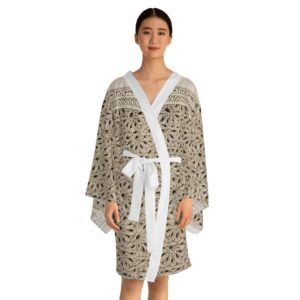
The haori (羽織) is a traditional Japanese jacket worn over a kimono. Resembling a shortened kimono with no overlapping front panels (okumi), the haori typically features a thinner collar than that of a kimono, and is sewn with the addition of two thin, triangular panels at either side seam. The haori is usually tied at the front with two short cords, known as haori himo, which attach to small loops sewn inside the garment.

During the Edo period, economic growth within the wealthy but low-status merchant classes resulted in an excess of disposable income, much of which was spent on clothing. It was during this period that, due to various edicts on dress mandated by the ruling classes, merchant-class Japanese men began to wear haori with plain external designs and lavishly-decorated linings, a trend still seen in men’s haori

types of kimonos

Komon (小紋)

Komon (小紋): The lowest form of normal kimono. Meaning “Small Pattern,” it is characterized by its repeating patterns that can either be printed, painted, stencilled, or woven. They are worn as everyday wear, like when shopping or being out and around town.

It is a versatile and everyday kimono style that features repeating patterns. Whether you’re out shopping or exploring the town, Komon is the perfect choice for casual wear. Its charming designs add a touch of elegance to your daily activities, making you stand out with effortless style.

Iromuji (色無地)

Iromuji (色無地): The second lowest of the normal kimono and the lowest of all formal kimono. Iromuji means “Single Solid Colour” and consists of just one colour with no decoration whatsoever. The only adornment that may be found would be patterns woven into the silk itself, but otherwise is quite plain. Weaving designs into silk is called Rinzu (綸子). Iromuji is also the lowest formality in which you will find Kamon (家紋). Meaning “Family Crest,” they are added to kimono as a sign of formality. Kamon can be added in sets of five, being the most formal, three, being the second most formal, and one, being the least formal. The number of kamon must also match the level of formality for the kimono, so you will only ever find a single kamon on an iromuji.

Tsukesage (付け下げ)

Tsukesage (付け下げ): The middle level of formality of all kimono. The term comes from the placement of its patterns as Tsueksage means “To Put Down.” Kimono are stitched together from long, rectangular pieces of fabric known as Tan (反), which are visible at the seam lines. When it comes to a tsueksage the decoration will always stay within the individual tan and not cross over to create larger or more cohesive patterns. When seen from afar the patterns seem to flow downwards, hence the name. They are almost always made of silk and can feature kamon, but only up to three.

Houmongi (訪問着)

Houmongi (訪問着): The second most formal kimono and considered suitable to wear to all formal occasions. They are often considered the most beautiful kimono because they are covered by flowing patterns and motifs that stretch across the entire garment. The name houmongi means “Visiting Wear” as they were originally worn to pay respects to neighbours on formal occasions. They will feature kamon more often than not and can have anywhere between one and five of them present. Du to their high formality they are always made from silk.

Furisode (振袖)

Furisode (振袖): The most formal type of kimono for unmarried women. When it comes to furisode there are three different sleeve lengths. They are: Ko Furisode (小振袖), meaning “Small Swinging Sleeves,” Chū Furisode (中振袖), meaning “Middle Swinging Sleeves,” and Ō Furisode (大振袖), meaning “Large Swinging Sleeves.” Today the word furisode brings to mind the ō furisode as it’s the most commonly worn type, but prior to World War II it was very common to also see ko furisode and chū furisode as sleeve length determined how formal a kimono was. Ko furisode and chū furisode are considered semi-formal wear, but are rarely ever made anymore due to the decline in kimono ownership.

Tomesode (留袖)

Tomesode (留袖): The most formal kimono of all. It is characterized by its solid colour background, usually black, and motifs that are only found bellow the waist. Black used to be the hardest colour dye to produce before synthetic or imported dyes were introduced, so it was considered a precious colour that would only be used for the most important garments. Tomesode means “Fastened Sleeves” as traditionally a bride would cut the sleeves from her furisode and then wear that kimono as a married woman in the form of a tomesode. They will always feature five crests and are worn by married women to formal occasions, usually the mother of the bride or groom at a wedding.

source

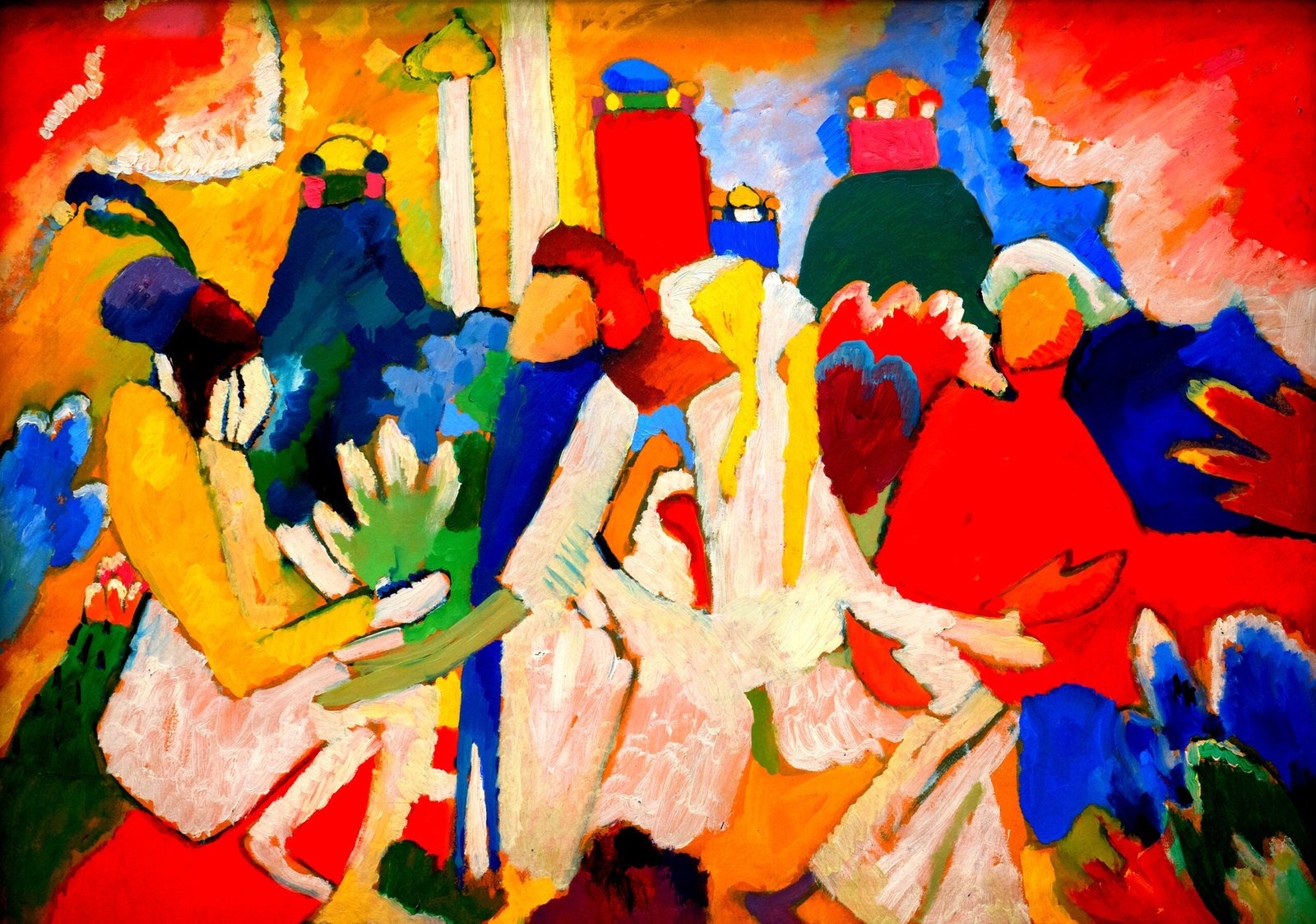
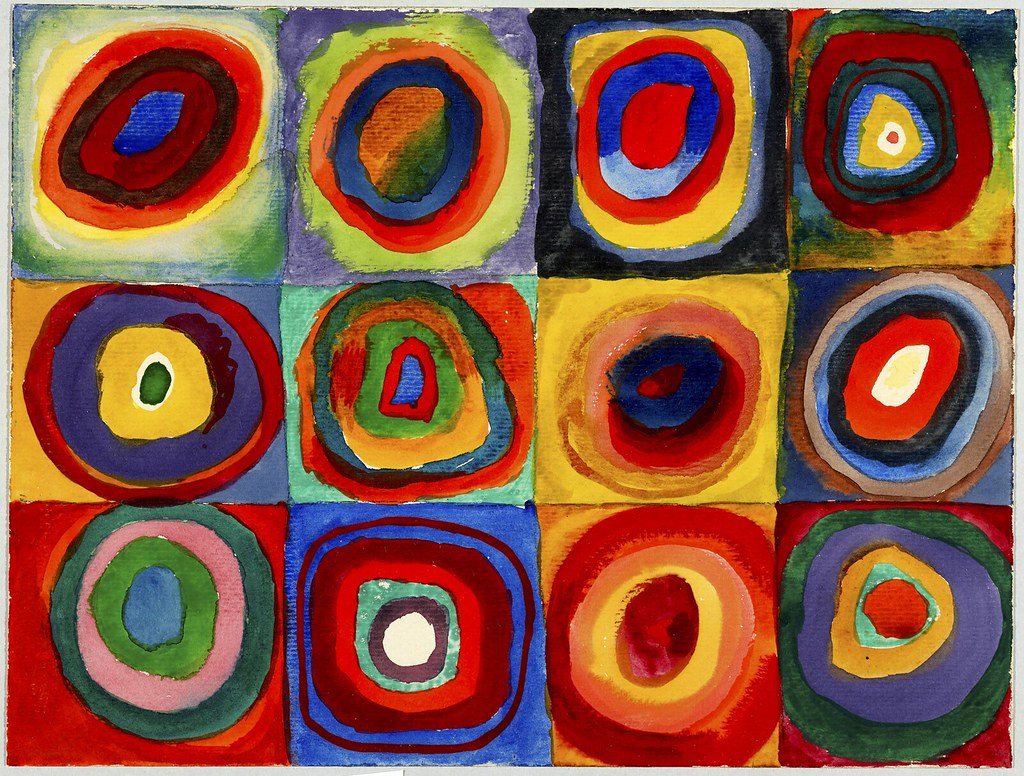
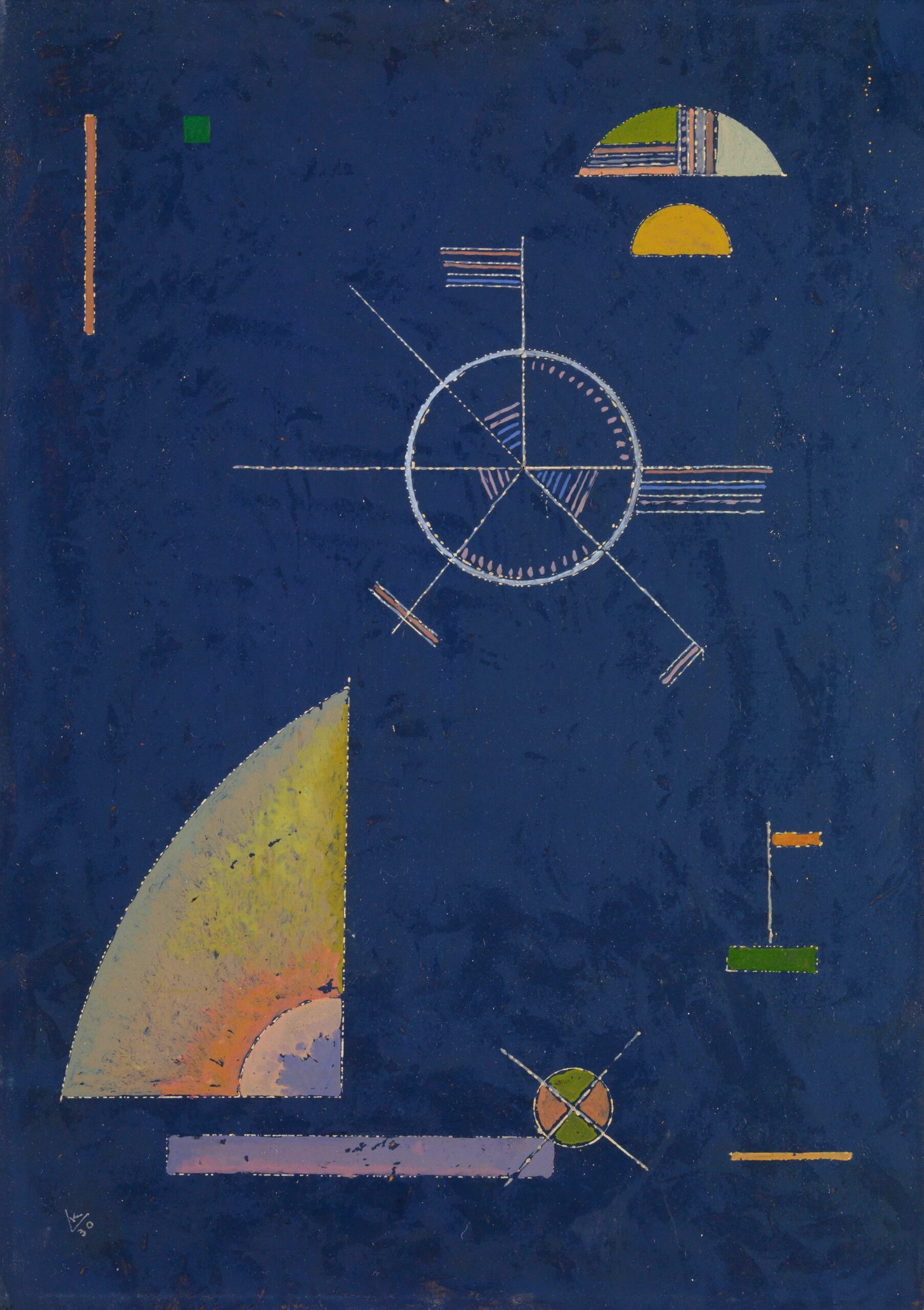
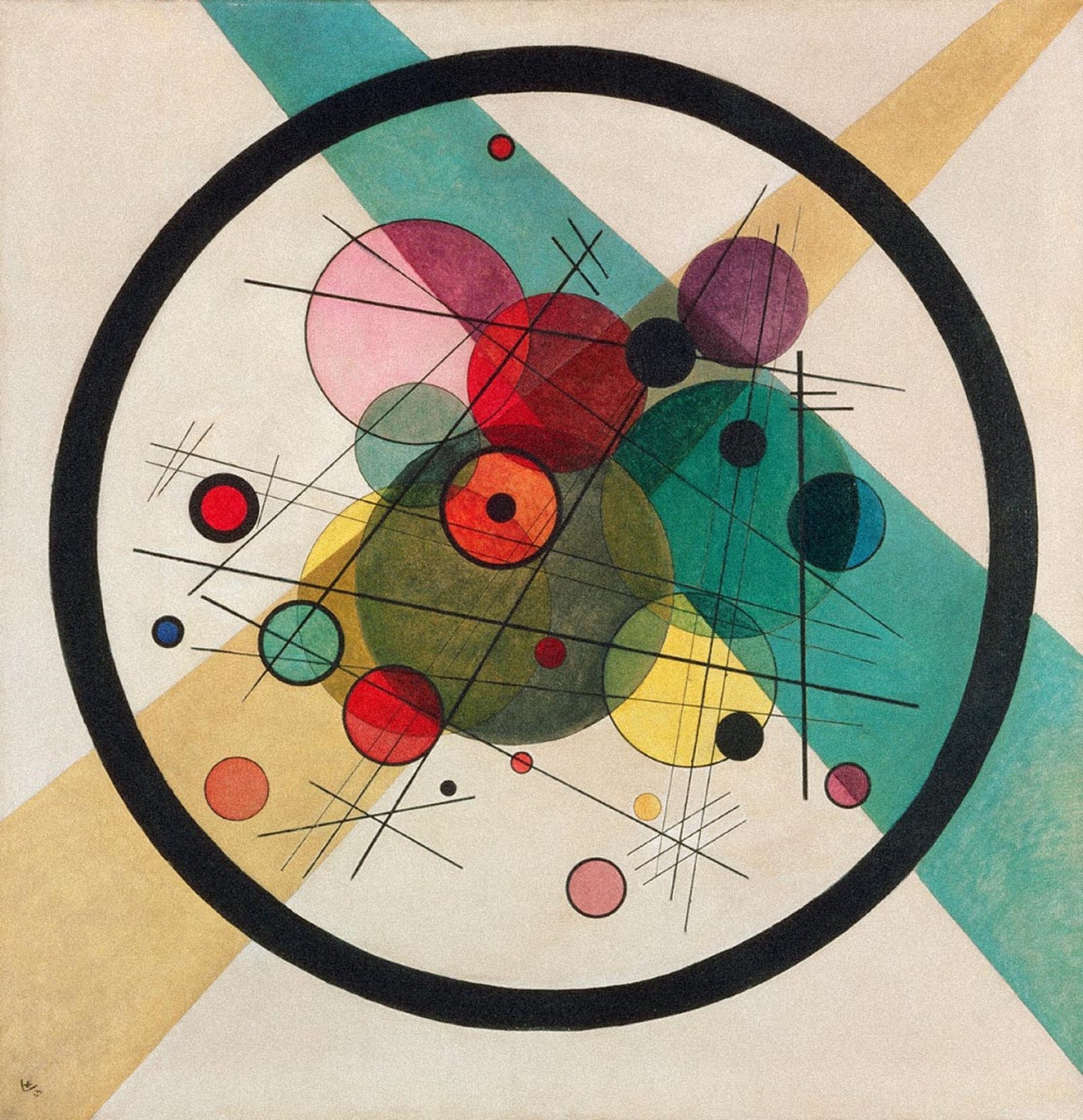
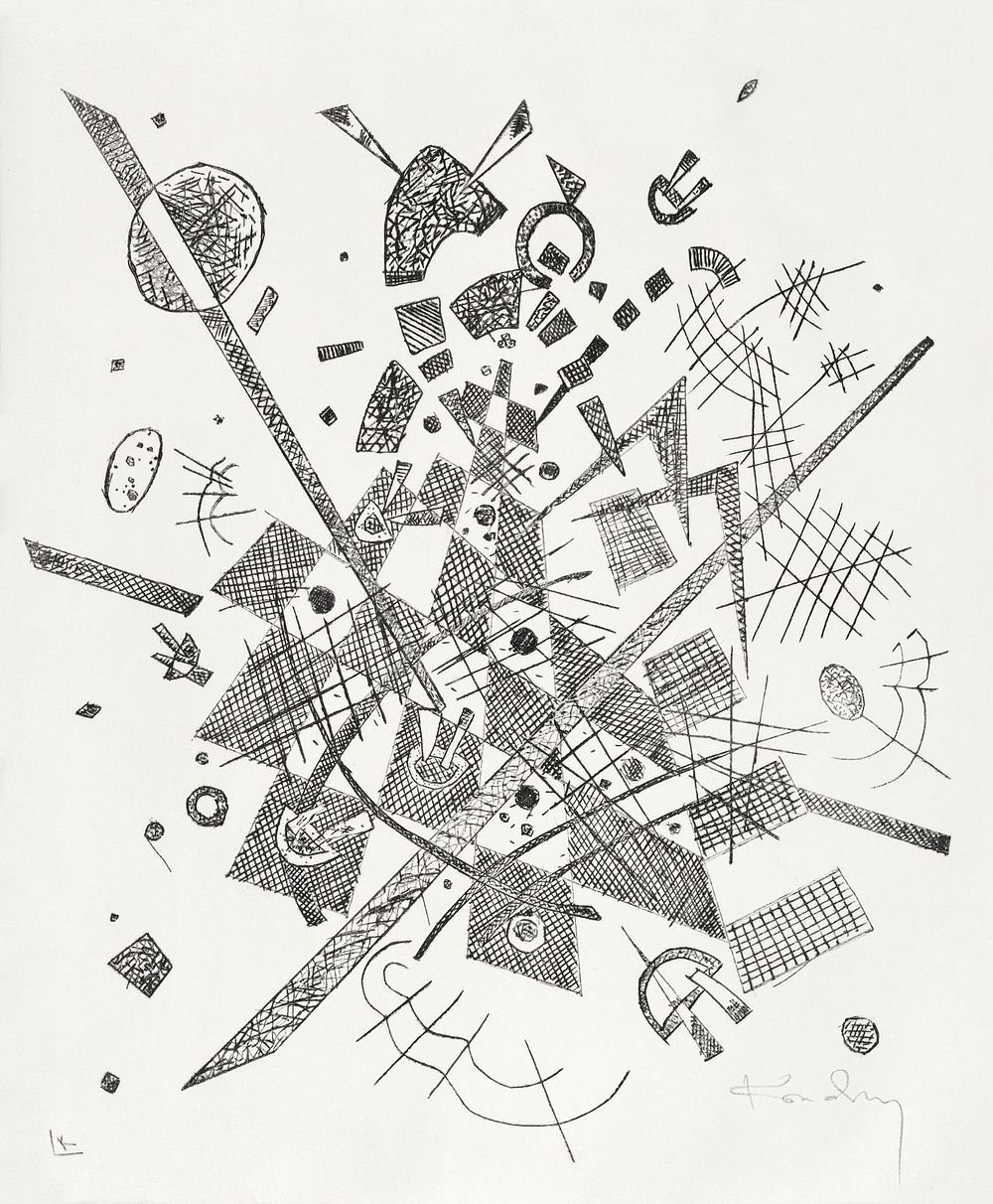
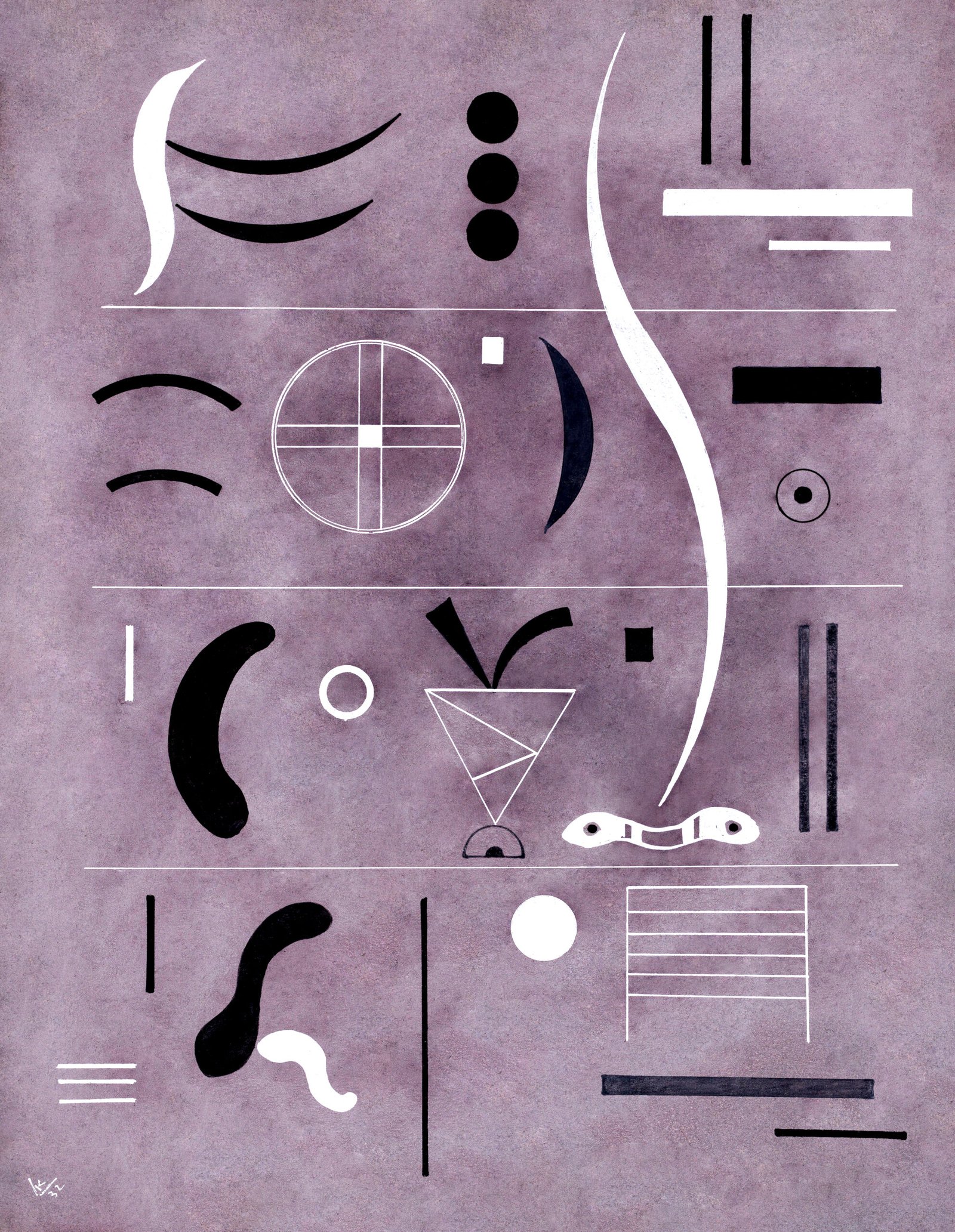
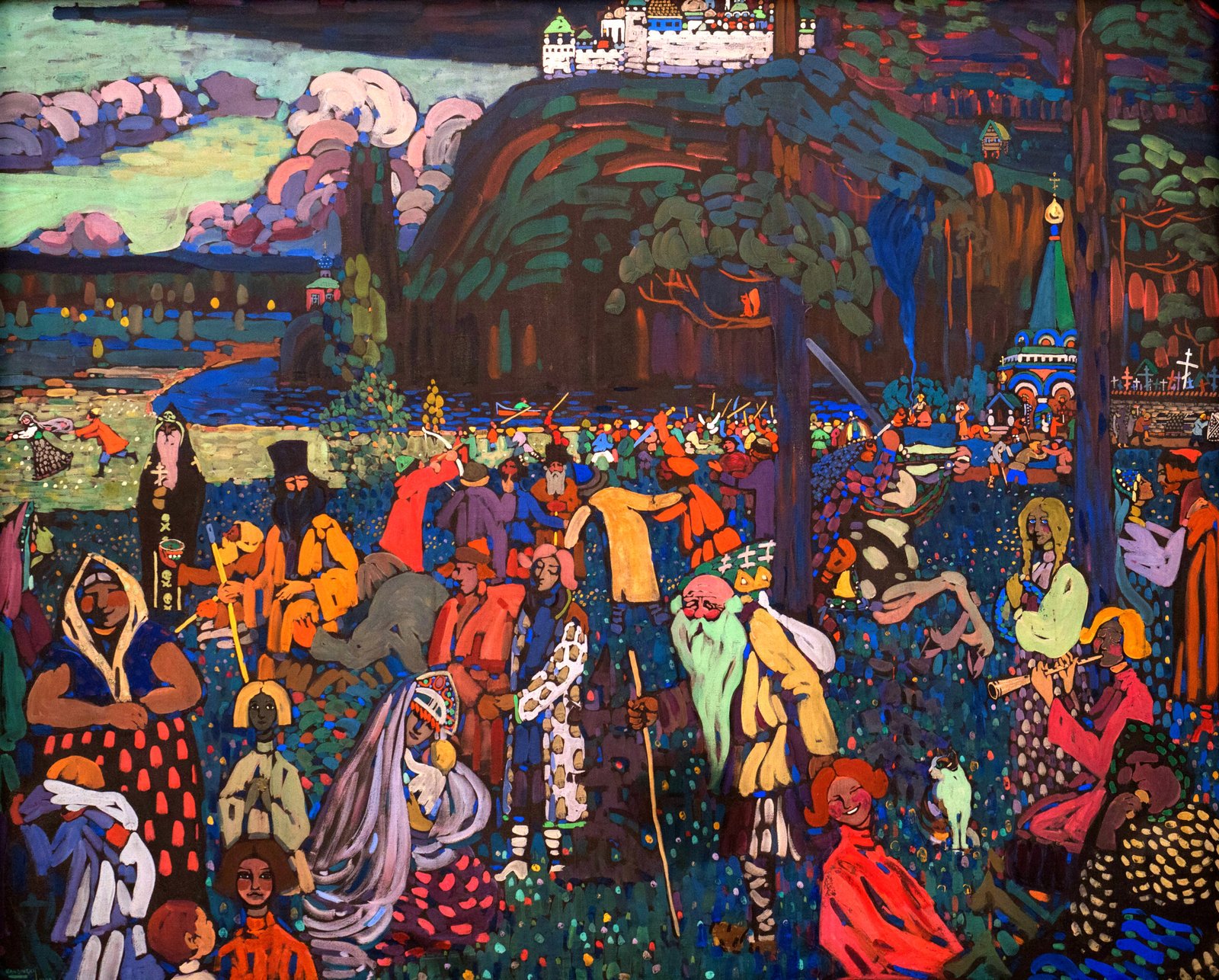
Fine Art Focus: Wassily Kandinsky

Fine Art Focus: Wassily Kandinsky

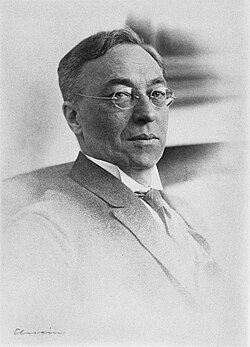
Wassily Wassilyevich Kandinsky (b. 1866) was a Russian painter and art theorist. Kandinsky is generally credited as one of the pioneers of abstraction in western art. Born in Moscow, he began painting studies (life-drawing, sketching and anatomy) at the age of 30.

In 1896, Kandinsky settled in Munich, studying first at Anton Ažbe’s private school and then at the Academy of Fine Arts. During this time, he was first the teacher and then the partner of German artist Gabriele Münter. He returned to Moscow in 1914 after the outbreak of World War I. Following the Russian Revolution, Kandinsky “became an insider in the cultural administration of Anatoly Lunacharsky” and helped establish the Museum of the Culture of Painting. However, by then, “his spiritual outlook… was foreign to the argumentative materialism of Soviet society” and opportunities beckoned in Germany, to which he returned in 1920. There, he taught at the Bauhaus school of art and architecture from 1922 until the Nazis closed it in 1933. He then moved to France, where he lived for the rest of his life, becoming a French citizen in 1939 and producing some of his most prominent art. He died in Neuilly-sur-Seine in 1944.

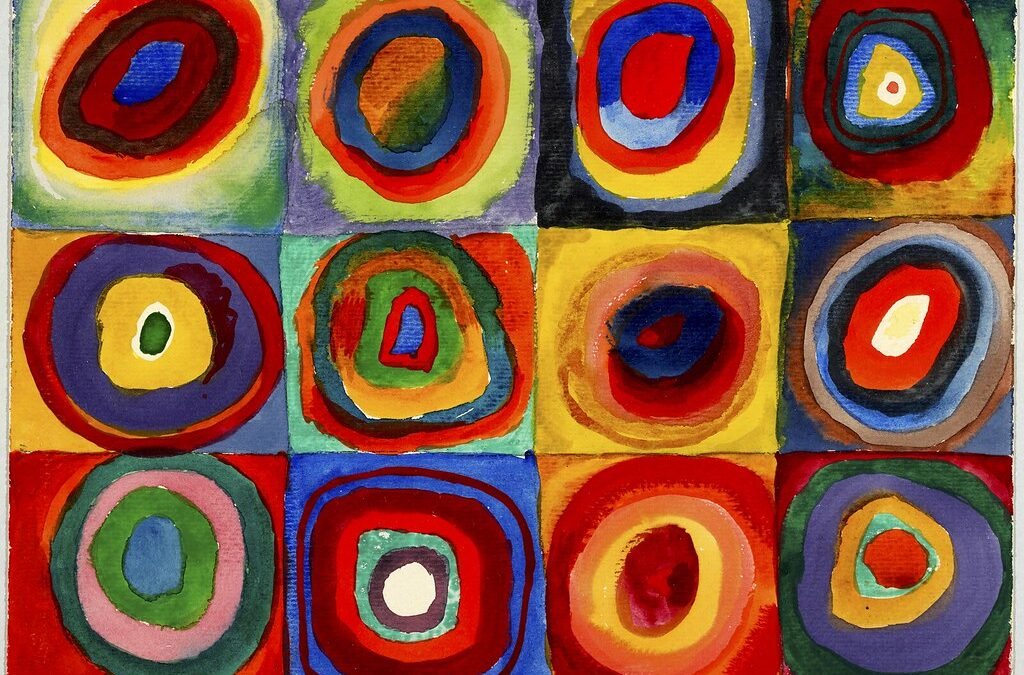
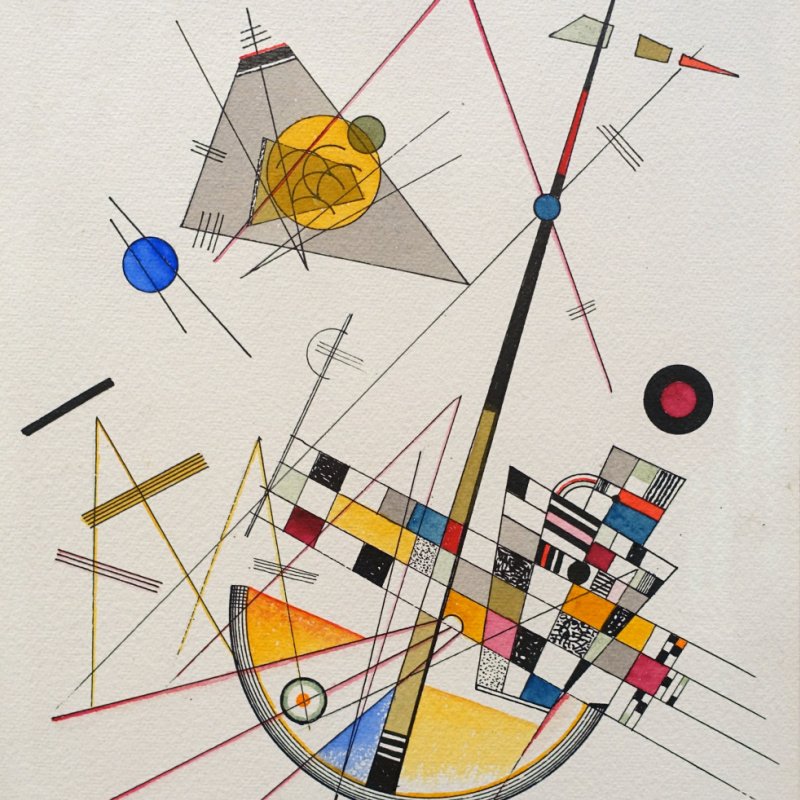
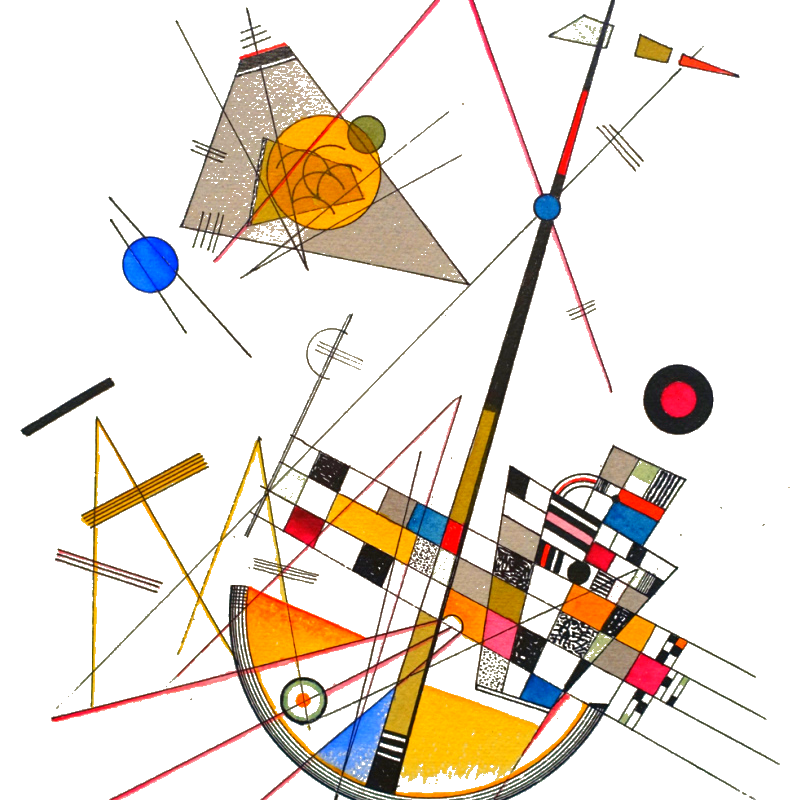
Delicate Tension no. 85

Delicate Tension no. 85, Kandinsky (1923)

Delicate Tension no. 85 was executed by Kandinsky at the Bauhaus during the prestigious school’s most rationalist period under the directorship of Theo van Doesburg, from 1923 to 1925. During these years the initial Expressionistic style of this avant-garde centre evolved towards greater commitment to the Constructivist aesthetic which was spreading internationally. Kandinsky delved more deeply in his investigation of the correspondences between forms and colours, and the geometric shapes found in his works from this period, which is sometimes described as “cold, ” are basically the circle and the triangle, which he considered to be “the two primary, most strongly contrasting plane figures.”

This item is part of our Fine Arts Collection where we design new items influenced by the masters of fine art, design, decorative arts and textiles. Explore our growing list of featured artists.

— learn more here —

[et_pb_wpdt_wc_product_carousel effect=”coverflow” centered_slides=”on” enable_coverflow_slide_shadow=”on” criteria=”custom_filter” tags=”868″ _builder_version=”4.27.4″ _module_preset=”default” global_colors_info=”{}”][/et_pb_wpdt_wc_product_carousel]

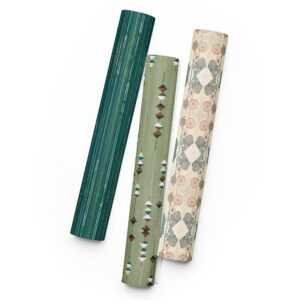
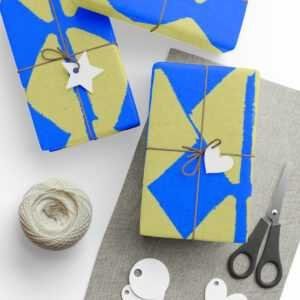
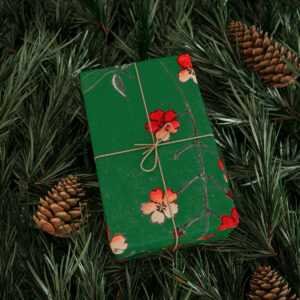
next-level gift wrapping

next-level gift wrapping

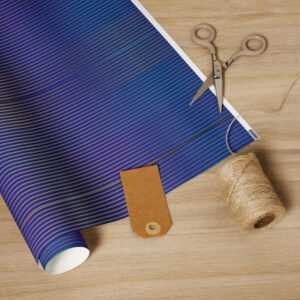
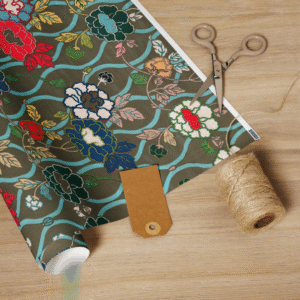
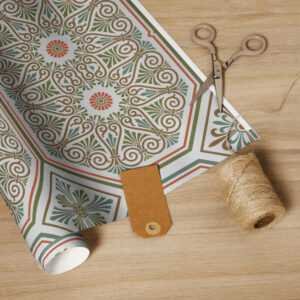
Giftwrap has been around since the invention of paper itself, which has been around since at least 105 A.D. in China.

The Japanese (and Chinese and Koreans) take their gift wrapping seriously. Like most East Asian arts and crafts, the level of attention and skills required is an extension of the creator’s emotions and thoughts behind the object being given

When giving gifts or sending presents in Japan, it is customary to show special care not only to the contents, but to the way a gift is wrapped and the wrapping itself. In Japanese culture, gift wrapping can be as important as the gift, where the gift is viewed as a form of communication between the giver and the receiver. The chosen gift wrapping serves an important role in shaping the messaging associated with the gift. In short, the wrapping is considered as part of the gift itself and should reflect both the gift being given and the emotions behind the gift.

The distinction of a gift being wrapped is an important one when it comes to receiving a gift. Except among close family members, gifts must not be unwrapped in front of the donor of the gift. The recipient should wait until later to open the gift.

There are many rules and customs of associated with Japanese gift wrapping, many of which imply how you feel towards the person and the the message behind the gift. The gift wrap color choices are one of ways that this communication takes place. Also, the wrapping of the gift is not necessarily meant to hide the gift, but to accentuate it — with gift wraps designed to reveal some items while concealing others. A couple of other methods of symbolism that can be used…

  • Pleating — providing an odd number of pleats in your wrapping symbolizes joy
  • Yin & Yang — combining two different materials symbolizes the yin-yang that represent the interconnected and interdependent forces of the natural world
  • Asymmetry — asymmetry is considered more visually appealing in Japan culture

Tsutsumi or Origata

One style of Japanese gift wrapping, called tsutsumi — which means to cover, conceal or wrap — or origata uses paper and fabric to wrappings for gifts, presents and packages. The unique aspect of this technique is that the paper and/or fabric is never cut. Instead it is pleated, folded and tied. Ranging from the simple to the sophisticated, this technique traditionally uses handmade paper (washi) to express beauty, etiquette and culture and often employs techniques seen in origami.

The intent with this wrapping style is not to conceal the gift, but to enhance it’s shape and to give some clue to the contents. This style allows the gift itself to be exposed. For example, high quality tea leaves are often given as a present in Japan. When wrapping black tea (known as ko-cha, or “red tea”), red paper inserted in a slit on the top of the package, then overlaid with a film to provide a glimpse into what is in the package.

A sophisticated system of rules has been created for origata wrapping. The style depends on the gift recipient, the occasion, and even the season.

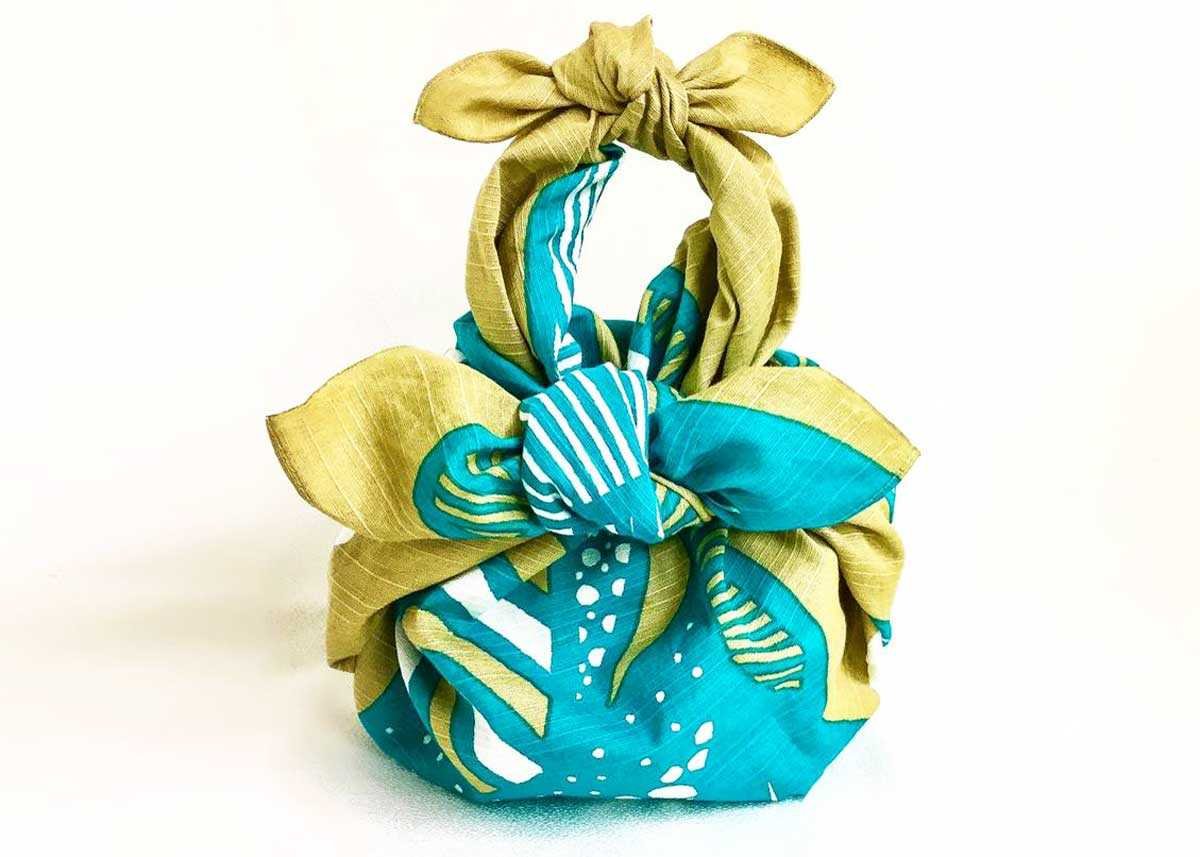
Furoshiki

furoshiki is the technique of wrapping a gift with fabric. This style is perfect for birthdays, holidays, weddings, or everyday marketing and shopping and was originally used to carry clothes to the bathhouse. Made in a variety of sizes, the cloth is extremely handy and can be folded up after each use to wrap or carry something else. It ‘s very flexible as a wrapping technique and lends itself to various shapes and sizes of packages. There is even a way to wrap and carry two bottles together.

The Japanese Ministry of Environment has been promoting furoshiki to promote recycling, as the cloth can be reused for different occasions, helping to reduce the wasting of paper.

Thanks to Giftypedia.com for the info!
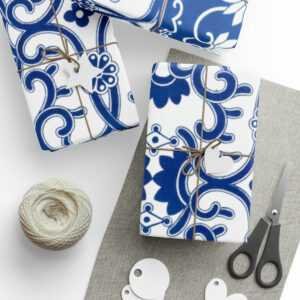
MAKE IT YOURS: CUSTOM PERSONALIZATION

MAKE IT YOURS: CUSTOM PERSONALIZATION

Output onlinepngtools (9)

cgk.ink offers various personalization options for most of our products. You can customize items like: 

Our designs are digital, so we can (mostly) take any design and place it on any other item. So, if you like the design of, say, a shirt, we can replicate it on a wine glass, duvet cover or anything, really. Tell us what you have in mind!

apparel

Personalized tees are a great example of how customization can be accessible to everyone. Dates, names, events and, well… anything can be designed to make each item your own.

17907571181893324659 2048.jpeg
[et_pb_wpdt_wc_product_carousel effect=”coverflow” slides_per_view=”2″ space_between=”0″ centered_slides=”on” enable_coverflow_slide_shadow=”on” criteria=”custom_filter” categories=”150″ orderby=”rand” posts_per_page=”99″ _builder_version=”4.27.4″ _module_preset=”default” global_colors_info=”{}”][/et_pb_wpdt_wc_product_carousel]

entertaining

Create a truly unique celebration by providing your guests with bespoke items at your next event. Glassware, napkins, ice buckets, aprons and tableware are a few of the items we’ve customized for customers.

Twa airlines service 1952
[et_pb_wpdt_wc_product_carousel effect=”coverflow” slides_per_view=”2″ space_between=”0″ centered_slides=”on” enable_coverflow_slide_shadow=”on” criteria=”custom_filter” categories=”633″ orderby=”rand” posts_per_page=”99″ _builder_version=”4.27.4″ _module_preset=”default” global_colors_info=”{}”][/et_pb_wpdt_wc_product_carousel]

stationery

A personalized journal makes the personal content visible. Each journal has it’s own tone, purpose and utility. Express yourself with a personalized journal or card.

Hardcover journal matte white 8x5.75 front 68806d895689c
[et_pb_wpdt_wc_product_carousel effect=”coverflow” slides_per_view=”2″ space_between=”0″ centered_slides=”on” enable_coverflow_slide_shadow=”on” criteria=”custom_filter” categories=”116″ orderby=”rand” posts_per_page=”99″ _builder_version=”4.27.4″ _module_preset=”default” global_colors_info=”{}”][/et_pb_wpdt_wc_product_carousel]

gifts

Making a gift personal is, perhaps, the best use of the capability to customize almost any item at cgk.ink! Jewelry boxes, posters, mugs and more.

All over print crossbody bag black product details 687a9ab122412
[et_pb_wpdt_wc_product_carousel effect=”coverflow” slides_per_view=”2″ space_between=”0″ centered_slides=”on” enable_coverflow_slide_shadow=”on” criteria=”custom_filter” categories=”78″ orderby=”rand” posts_per_page=”99″ _builder_version=”4.27.4″ _module_preset=”default” global_colors_info=”{}”][/et_pb_wpdt_wc_product_carousel]
To inquire about collaborations, cross-selling, affiliate marketing, or placing a custom order, you can use the contact form below. You can upload files for customization through this form as well. Submitted files are used to estimate fees (if any) and gauge the scope of detail. Files are destroyed 21 business days after production in case of a reorder or problem with delivery.