the EXPANDED FINE ART COLLECTION

the EXPANDED FINE ART COLLECTION

Henri Matisse, “Nymphe et faune rouge” (Nymph and Red Faun), (1939)

“Everything has its beauty, but not everyone sees it.”

—Andy Warhol

Guernica, oil on canvas by Pablo Picasso, 1937

Guernica by Pablo Picasso (1937)

Exploring the great masters of fine art is a suprisingly fun way of developing this ecommerce site.

The chance to learn more about Master Artists is wonderfully accessible and frustratingly difficult to understand.

cgk.ink has created the FINE ART COLLECTION to explore, unveil and to delve into the artists who continue to shape our world.

We’re focusing on Modern Art right now. And we’re adding to this collection often.

The main page of the FINE ART COLLECTION features the work of artist’s who crurrently are inspiring us to create.

Right now, we’re focusing on modern art masterpieces. This page will serve as our main gallery and we’ll be adding new artists constantly.

When an artist is selected, information regarding their influences and impacts on larger artistic movements are discussed.

We’ ve gathered the information from the world’s leading museums, universities and private collectors.

Explore all current arists

Items that are inspired by that artist’s work are featured at the bottom of the page which displays related work, more details and available discounts.

These collections are changing quickly, so check often for new items.

We welcome your feedback and are eager to hear about artists that inspire you!

the Elegance and Subtle Formality of Kimonos

the Elegance and Subtle Formality of Kimonos

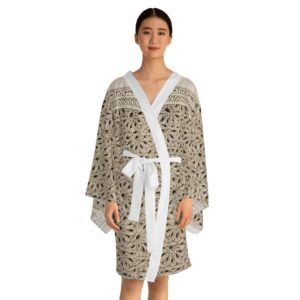
The haori (羽織) is a traditional Japanese jacket worn over a kimono. Resembling a shortened kimono with no overlapping front panels (okumi), the haori typically features a thinner collar than that of a kimono, and is sewn with the addition of two thin, triangular panels at either side seam. The haori is usually tied at the front with two short cords, known as haori himo, which attach to small loops sewn inside the garment.

During the Edo period, economic growth within the wealthy but low-status merchant classes resulted in an excess of disposable income, much of which was spent on clothing. It was during this period that, due to various edicts on dress mandated by the ruling classes, merchant-class Japanese men began to wear haori with plain external designs and lavishly-decorated linings, a trend still seen in men’s haori

types of kimonos

Komon (小紋)

Komon (小紋): The lowest form of normal kimono. Meaning “Small Pattern,” it is characterized by its repeating patterns that can either be printed, painted, stencilled, or woven. They are worn as everyday wear, like when shopping or being out and around town.

It is a versatile and everyday kimono style that features repeating patterns. Whether you’re out shopping or exploring the town, Komon is the perfect choice for casual wear. Its charming designs add a touch of elegance to your daily activities, making you stand out with effortless style.

Iromuji (色無地)

Iromuji (色無地): The second lowest of the normal kimono and the lowest of all formal kimono. Iromuji means “Single Solid Colour” and consists of just one colour with no decoration whatsoever. The only adornment that may be found would be patterns woven into the silk itself, but otherwise is quite plain. Weaving designs into silk is called Rinzu (綸子). Iromuji is also the lowest formality in which you will find Kamon (家紋). Meaning “Family Crest,” they are added to kimono as a sign of formality. Kamon can be added in sets of five, being the most formal, three, being the second most formal, and one, being the least formal. The number of kamon must also match the level of formality for the kimono, so you will only ever find a single kamon on an iromuji.

Tsukesage (付け下げ)

Tsukesage (付け下げ): The middle level of formality of all kimono. The term comes from the placement of its patterns as Tsueksage means “To Put Down.” Kimono are stitched together from long, rectangular pieces of fabric known as Tan (反), which are visible at the seam lines. When it comes to a tsueksage the decoration will always stay within the individual tan and not cross over to create larger or more cohesive patterns. When seen from afar the patterns seem to flow downwards, hence the name. They are almost always made of silk and can feature kamon, but only up to three.

Houmongi (訪問着)

Houmongi (訪問着): The second most formal kimono and considered suitable to wear to all formal occasions. They are often considered the most beautiful kimono because they are covered by flowing patterns and motifs that stretch across the entire garment. The name houmongi means “Visiting Wear” as they were originally worn to pay respects to neighbours on formal occasions. They will feature kamon more often than not and can have anywhere between one and five of them present. Du to their high formality they are always made from silk.

Furisode (振袖)

Furisode (振袖): The most formal type of kimono for unmarried women. When it comes to furisode there are three different sleeve lengths. They are: Ko Furisode (小振袖), meaning “Small Swinging Sleeves,” Chū Furisode (中振袖), meaning “Middle Swinging Sleeves,” and Ō Furisode (大振袖), meaning “Large Swinging Sleeves.” Today the word furisode brings to mind the ō furisode as it’s the most commonly worn type, but prior to World War II it was very common to also see ko furisode and chū furisode as sleeve length determined how formal a kimono was. Ko furisode and chū furisode are considered semi-formal wear, but are rarely ever made anymore due to the decline in kimono ownership.

Tomesode (留袖)

Tomesode (留袖): The most formal kimono of all. It is characterized by its solid colour background, usually black, and motifs that are only found bellow the waist. Black used to be the hardest colour dye to produce before synthetic or imported dyes were introduced, so it was considered a precious colour that would only be used for the most important garments. Tomesode means “Fastened Sleeves” as traditionally a bride would cut the sleeves from her furisode and then wear that kimono as a married woman in the form of a tomesode. They will always feature five crests and are worn by married women to formal occasions, usually the mother of the bride or groom at a wedding.

source

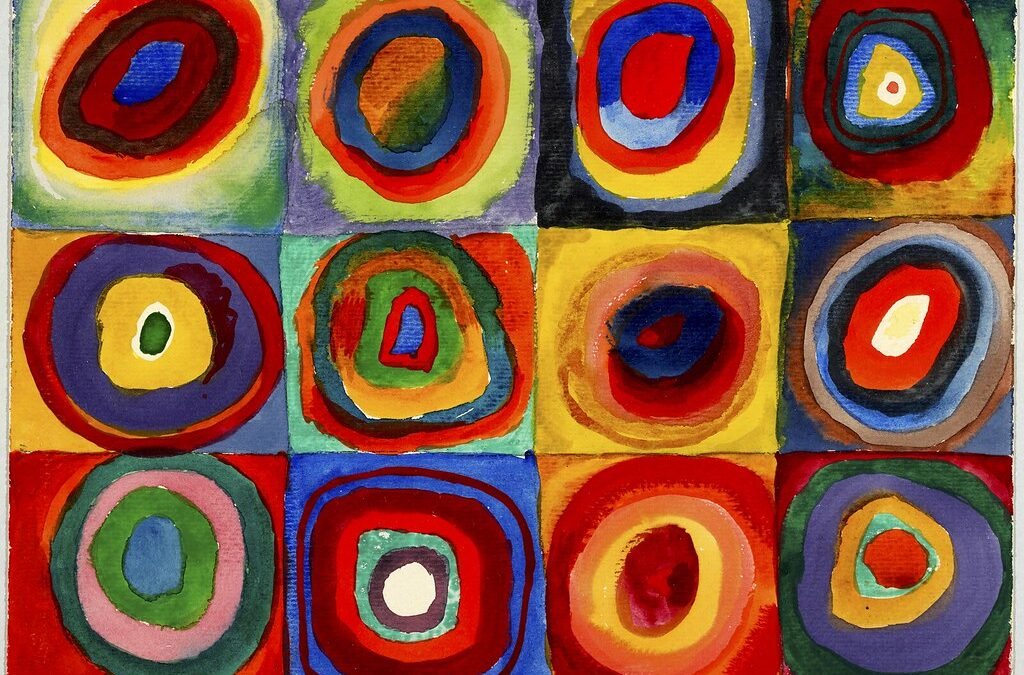
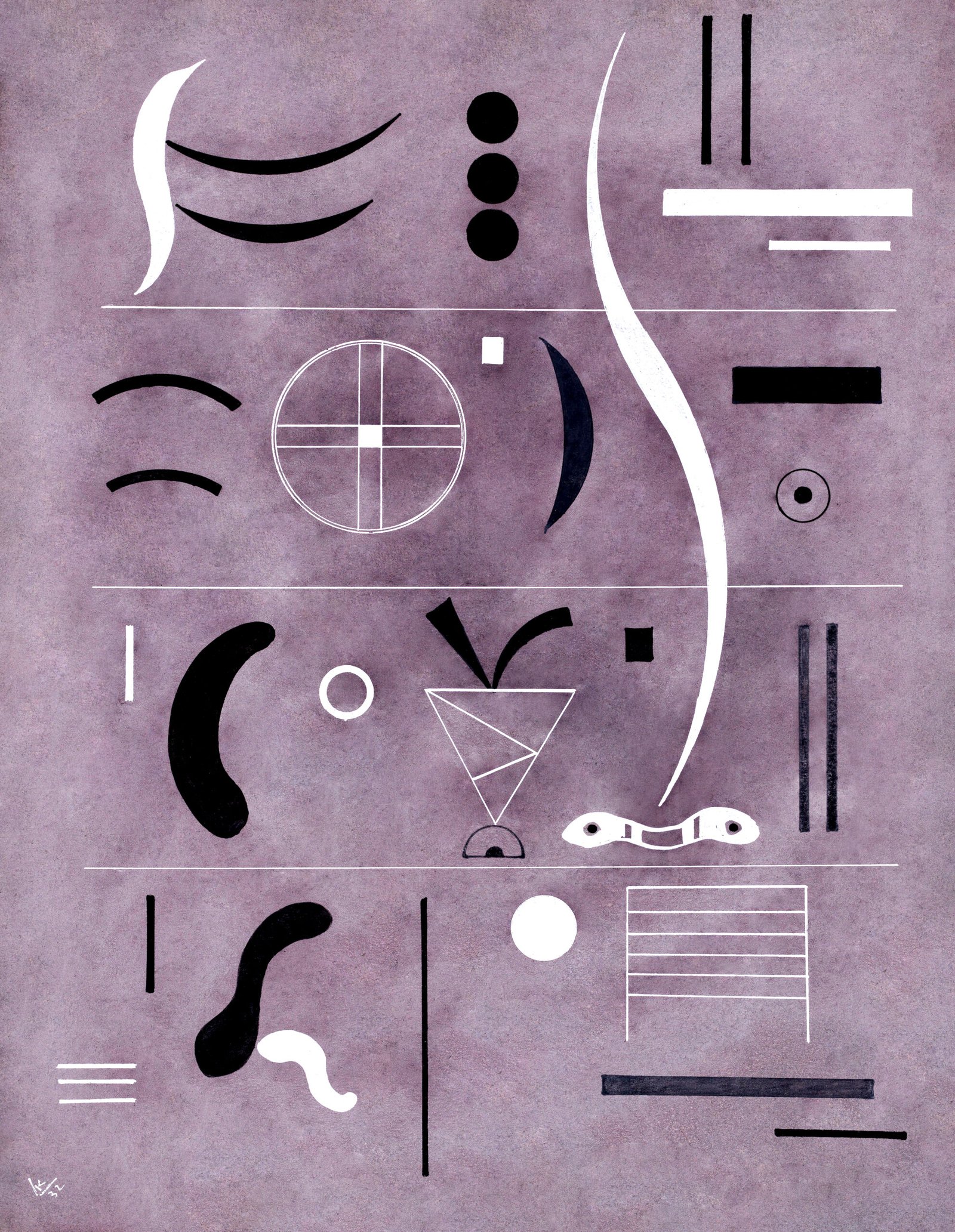
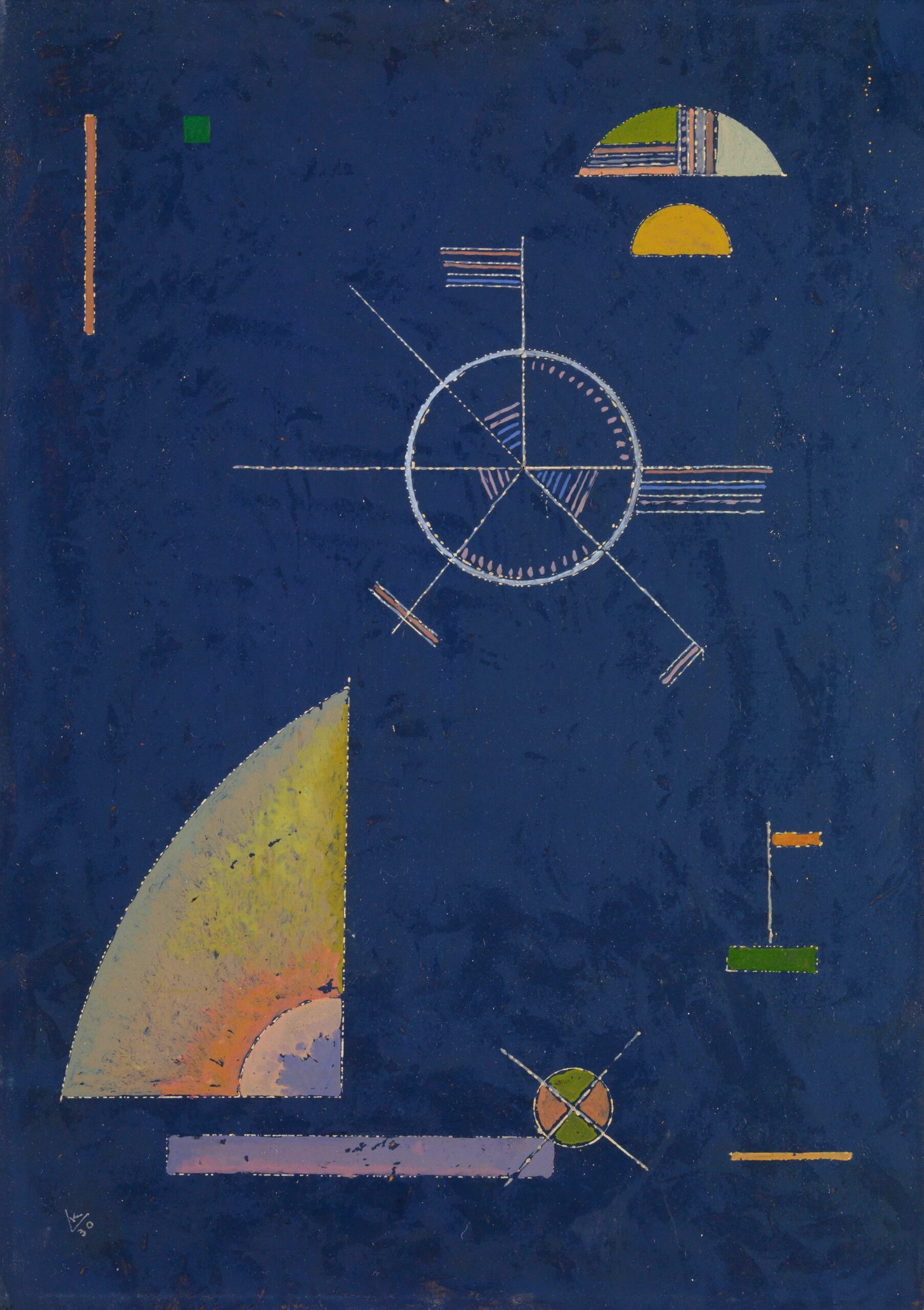
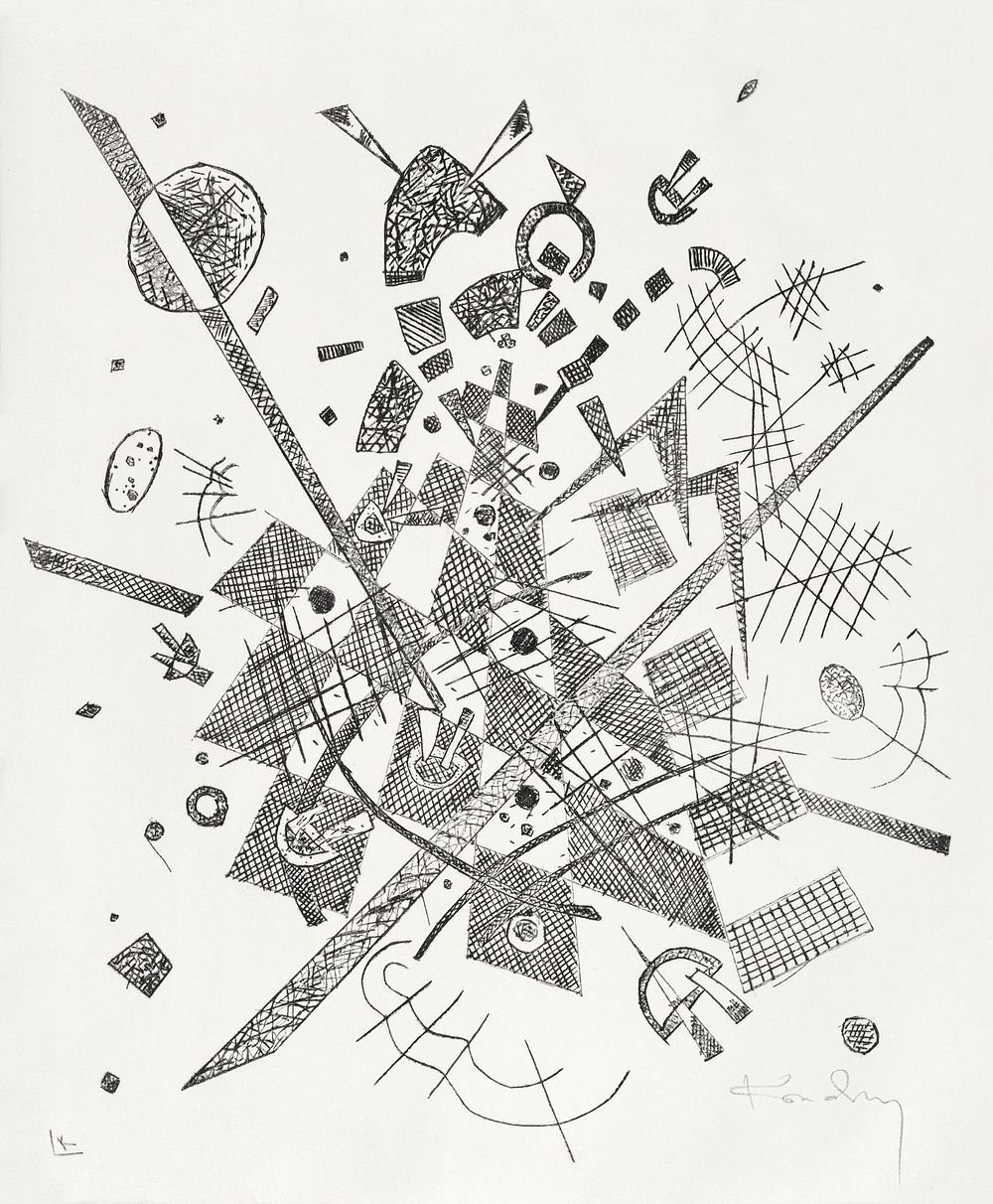
Fine Art Focus: Wassily Kandinsky

Fine Art Focus: Wassily Kandinsky

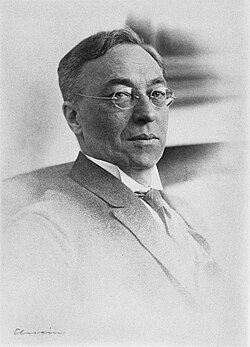
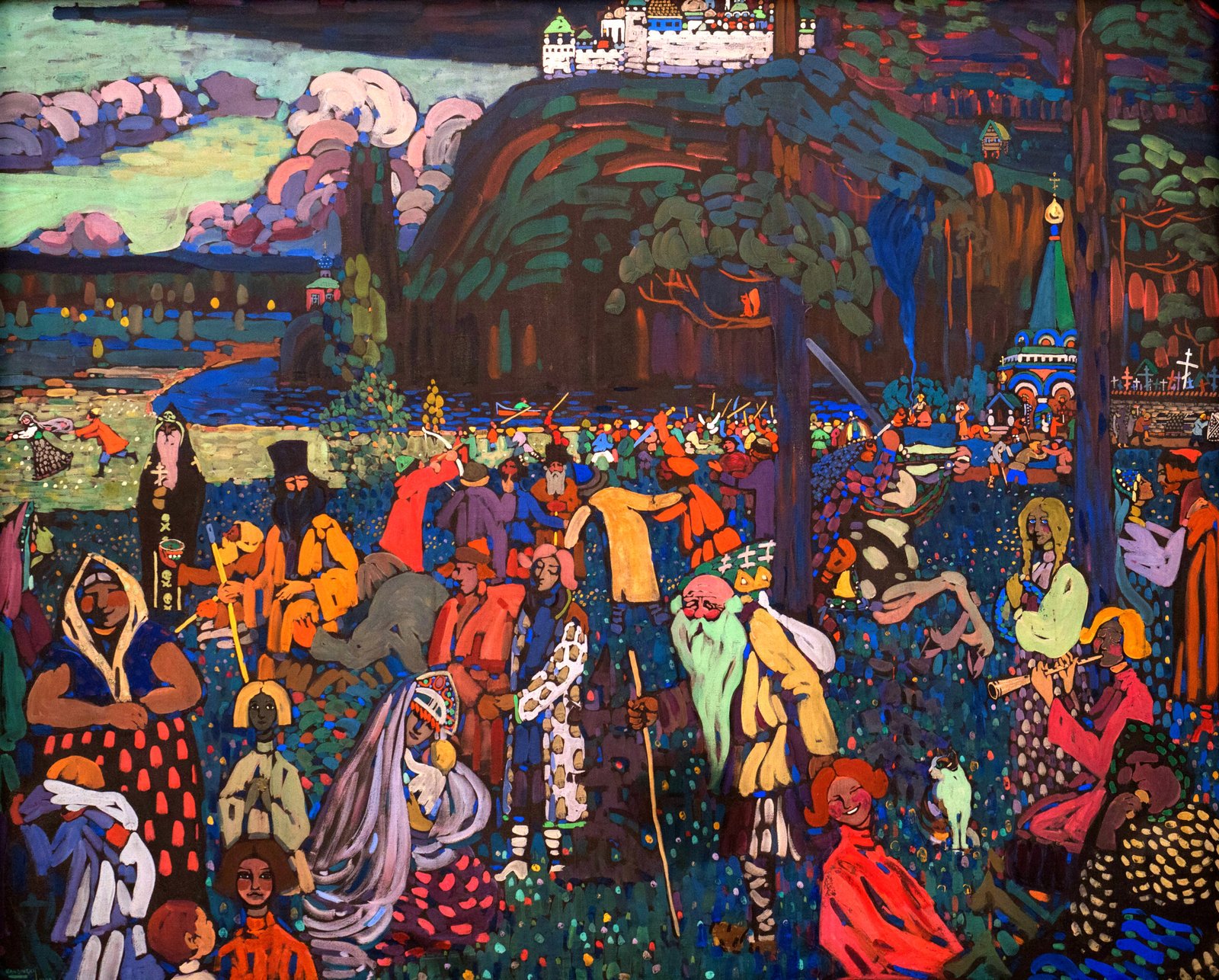
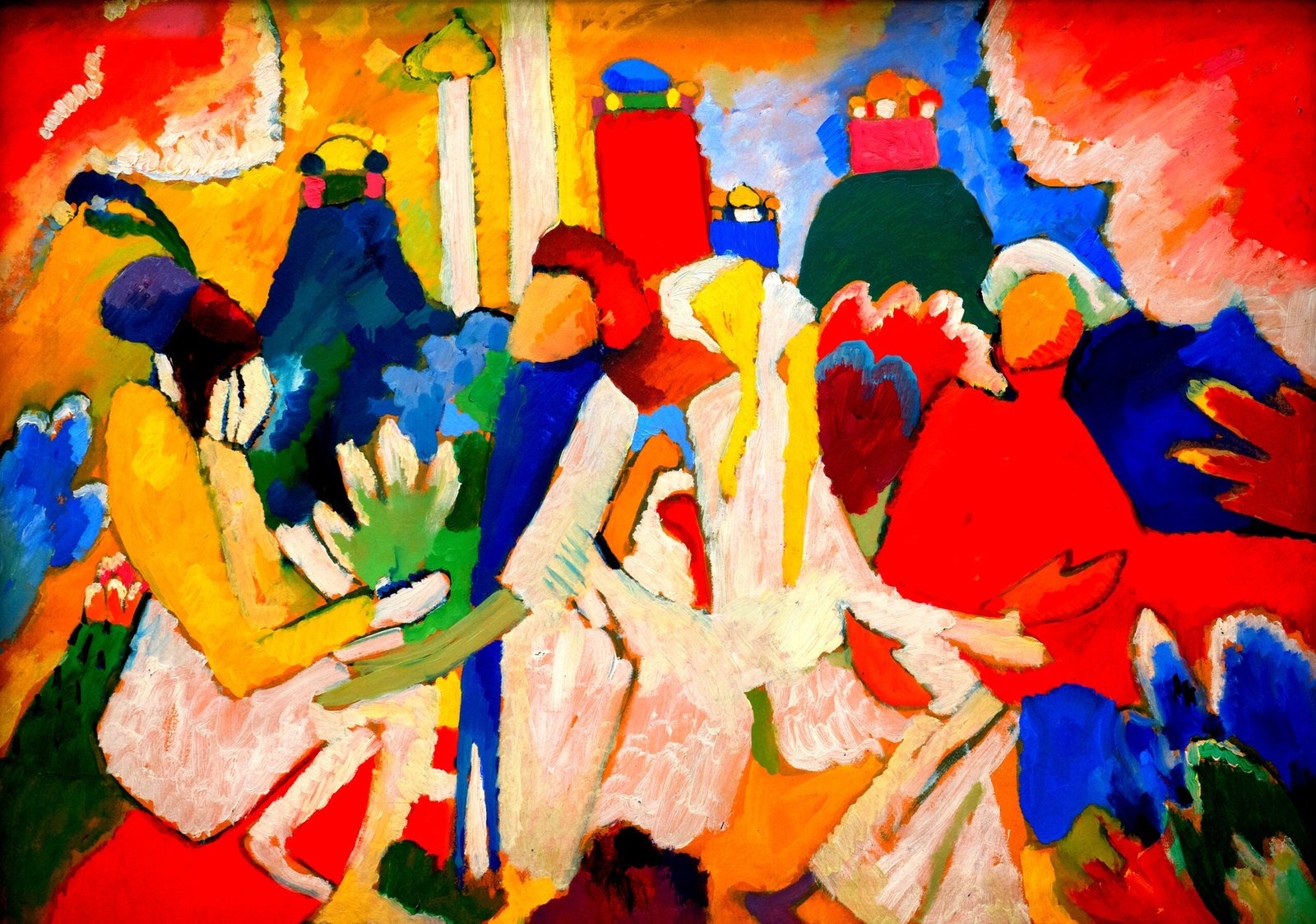
Wassily Wassilyevich Kandinsky (b. 1866) was a Russian painter and art theorist. Kandinsky is generally credited as one of the pioneers of abstraction in western art. Born in Moscow, he began painting studies (life-drawing, sketching and anatomy) at the age of 30.

In 1896, Kandinsky settled in Munich, studying first at Anton Ažbe’s private school and then at the Academy of Fine Arts. During this time, he was first the teacher and then the partner of German artist Gabriele Münter. He returned to Moscow in 1914 after the outbreak of World War I. Following the Russian Revolution, Kandinsky “became an insider in the cultural administration of Anatoly Lunacharsky” and helped establish the Museum of the Culture of Painting. However, by then, “his spiritual outlook… was foreign to the argumentative materialism of Soviet society” and opportunities beckoned in Germany, to which he returned in 1920. There, he taught at the Bauhaus school of art and architecture from 1922 until the Nazis closed it in 1933. He then moved to France, where he lived for the rest of his life, becoming a French citizen in 1939 and producing some of his most prominent art. He died in Neuilly-sur-Seine in 1944.

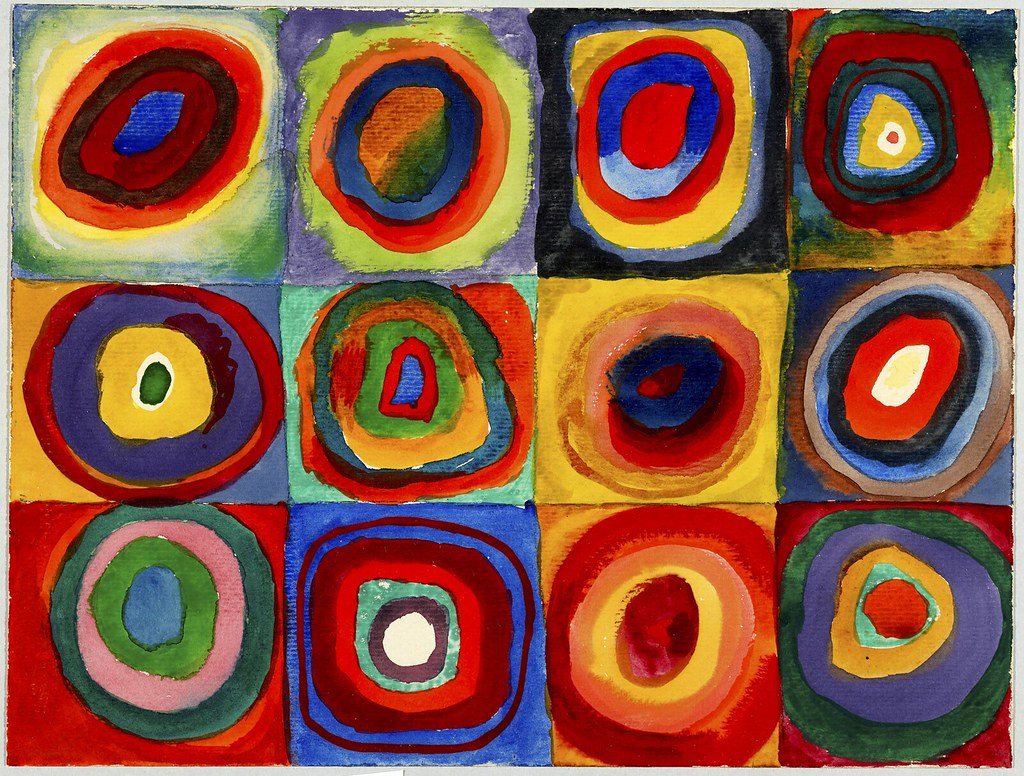
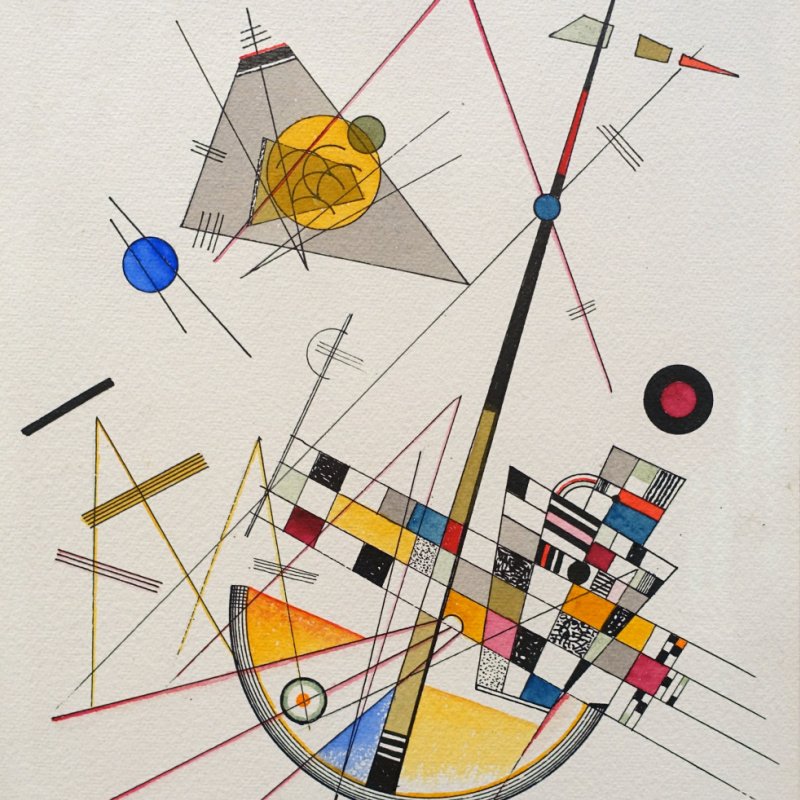
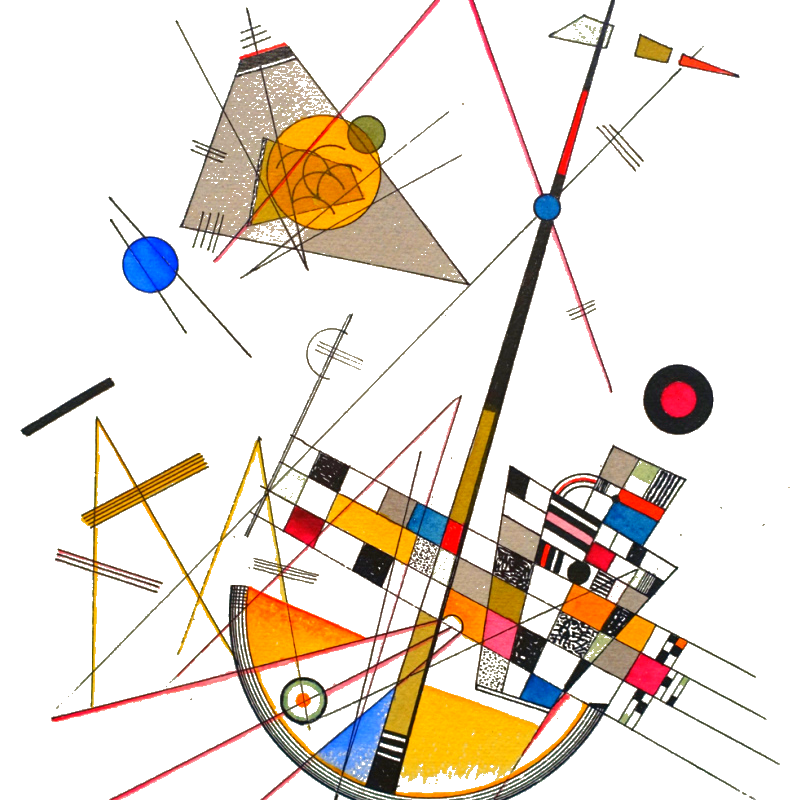
Delicate Tension no. 85

Delicate Tension no. 85, Kandinsky (1923)

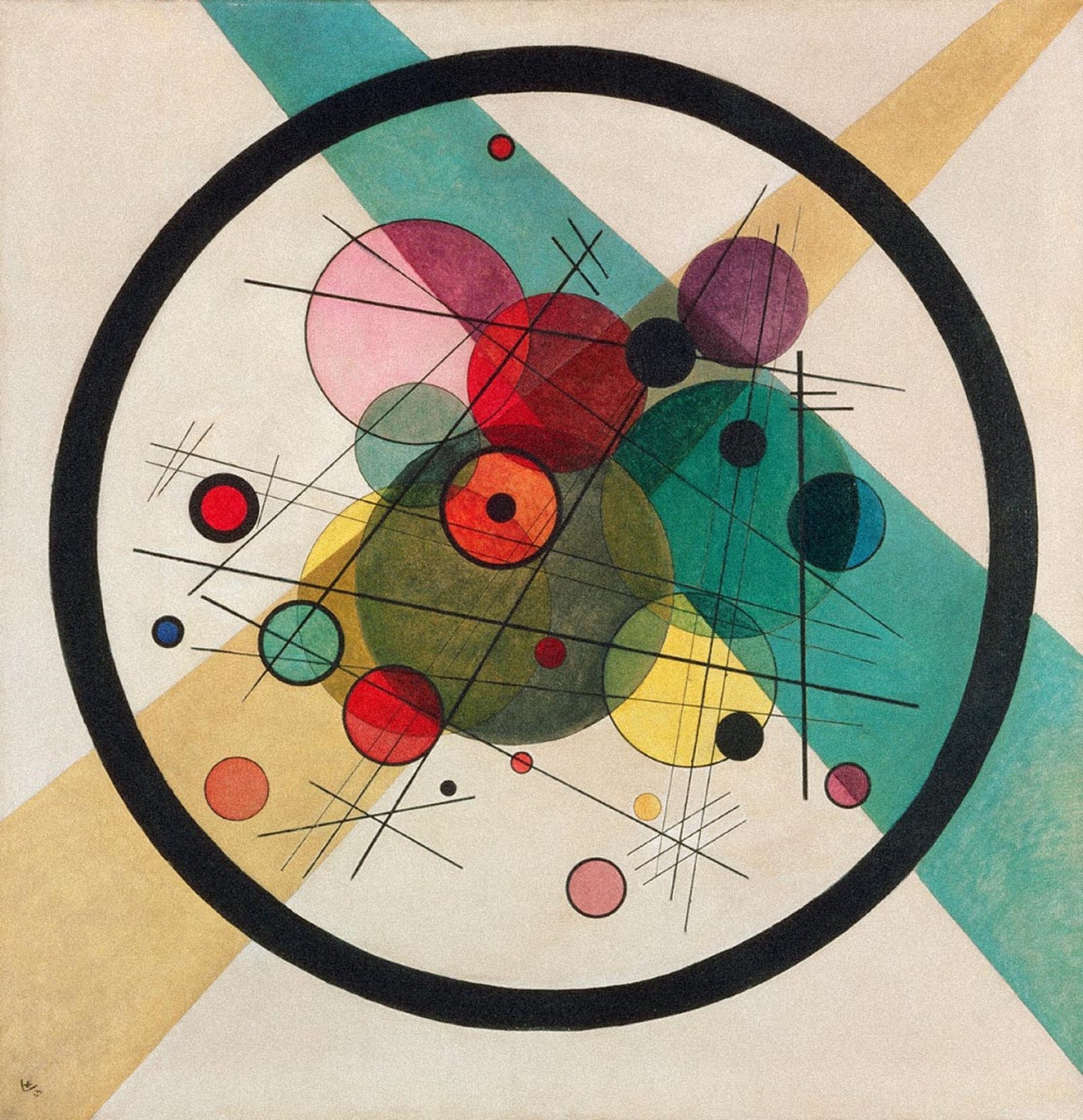
Delicate Tension no. 85 was executed by Kandinsky at the Bauhaus during the prestigious school’s most rationalist period under the directorship of Theo van Doesburg, from 1923 to 1925. During these years the initial Expressionistic style of this avant-garde centre evolved towards greater commitment to the Constructivist aesthetic which was spreading internationally. Kandinsky delved more deeply in his investigation of the correspondences between forms and colours, and the geometric shapes found in his works from this period, which is sometimes described as “cold, ” are basically the circle and the triangle, which he considered to be “the two primary, most strongly contrasting plane figures.”

This item is part of our Fine Arts Collection where we design new items influenced by the masters of fine art, design, decorative arts and textiles. Explore our growing list of featured artists.

— learn more here —

[et_pb_wpdt_wc_product_carousel effect=”coverflow” centered_slides=”on” enable_coverflow_slide_shadow=”on” criteria=”custom_filter” tags=”868″ _builder_version=”4.27.4″ _module_preset=”default” global_colors_info=”{}”][/et_pb_wpdt_wc_product_carousel]

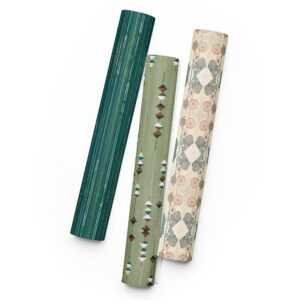
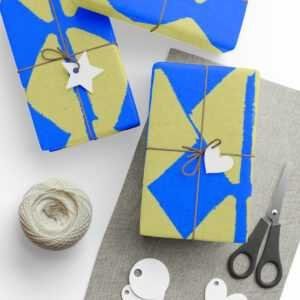
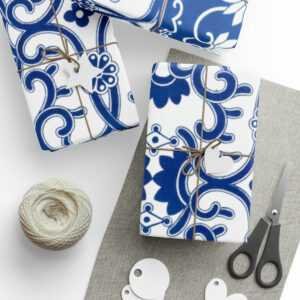
next-level gift wrapping

next-level gift wrapping

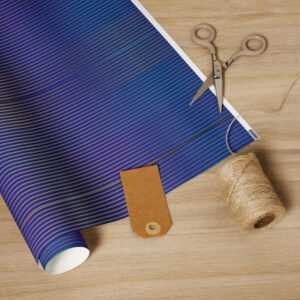
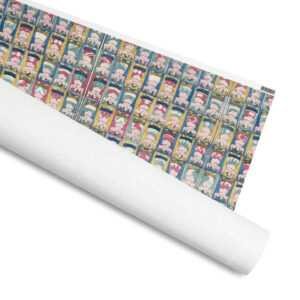
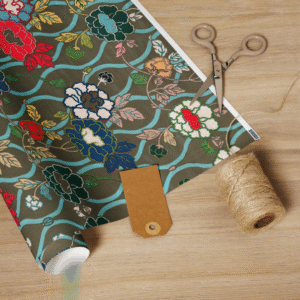
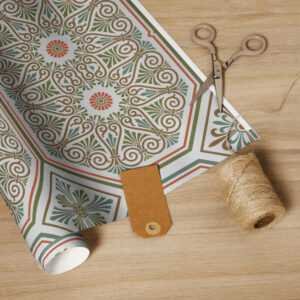
Giftwrap has been around since the invention of paper itself, which has been around since at least 105 A.D. in China.

The Japanese (and Chinese and Koreans) take their gift wrapping seriously. Like most East Asian arts and crafts, the level of attention and skills required is an extension of the creator’s emotions and thoughts behind the object being given

When giving gifts or sending presents in Japan, it is customary to show special care not only to the contents, but to the way a gift is wrapped and the wrapping itself. In Japanese culture, gift wrapping can be as important as the gift, where the gift is viewed as a form of communication between the giver and the receiver. The chosen gift wrapping serves an important role in shaping the messaging associated with the gift. In short, the wrapping is considered as part of the gift itself and should reflect both the gift being given and the emotions behind the gift.

The distinction of a gift being wrapped is an important one when it comes to receiving a gift. Except among close family members, gifts must not be unwrapped in front of the donor of the gift. The recipient should wait until later to open the gift.

There are many rules and customs of associated with Japanese gift wrapping, many of which imply how you feel towards the person and the the message behind the gift. The gift wrap color choices are one of ways that this communication takes place. Also, the wrapping of the gift is not necessarily meant to hide the gift, but to accentuate it — with gift wraps designed to reveal some items while concealing others. A couple of other methods of symbolism that can be used…

  • Pleating — providing an odd number of pleats in your wrapping symbolizes joy
  • Yin & Yang — combining two different materials symbolizes the yin-yang that represent the interconnected and interdependent forces of the natural world
  • Asymmetry — asymmetry is considered more visually appealing in Japan culture

Tsutsumi or Origata

One style of Japanese gift wrapping, called tsutsumi — which means to cover, conceal or wrap — or origata uses paper and fabric to wrappings for gifts, presents and packages. The unique aspect of this technique is that the paper and/or fabric is never cut. Instead it is pleated, folded and tied. Ranging from the simple to the sophisticated, this technique traditionally uses handmade paper (washi) to express beauty, etiquette and culture and often employs techniques seen in origami.

The intent with this wrapping style is not to conceal the gift, but to enhance it’s shape and to give some clue to the contents. This style allows the gift itself to be exposed. For example, high quality tea leaves are often given as a present in Japan. When wrapping black tea (known as ko-cha, or “red tea”), red paper inserted in a slit on the top of the package, then overlaid with a film to provide a glimpse into what is in the package.

A sophisticated system of rules has been created for origata wrapping. The style depends on the gift recipient, the occasion, and even the season.

Furoshiki

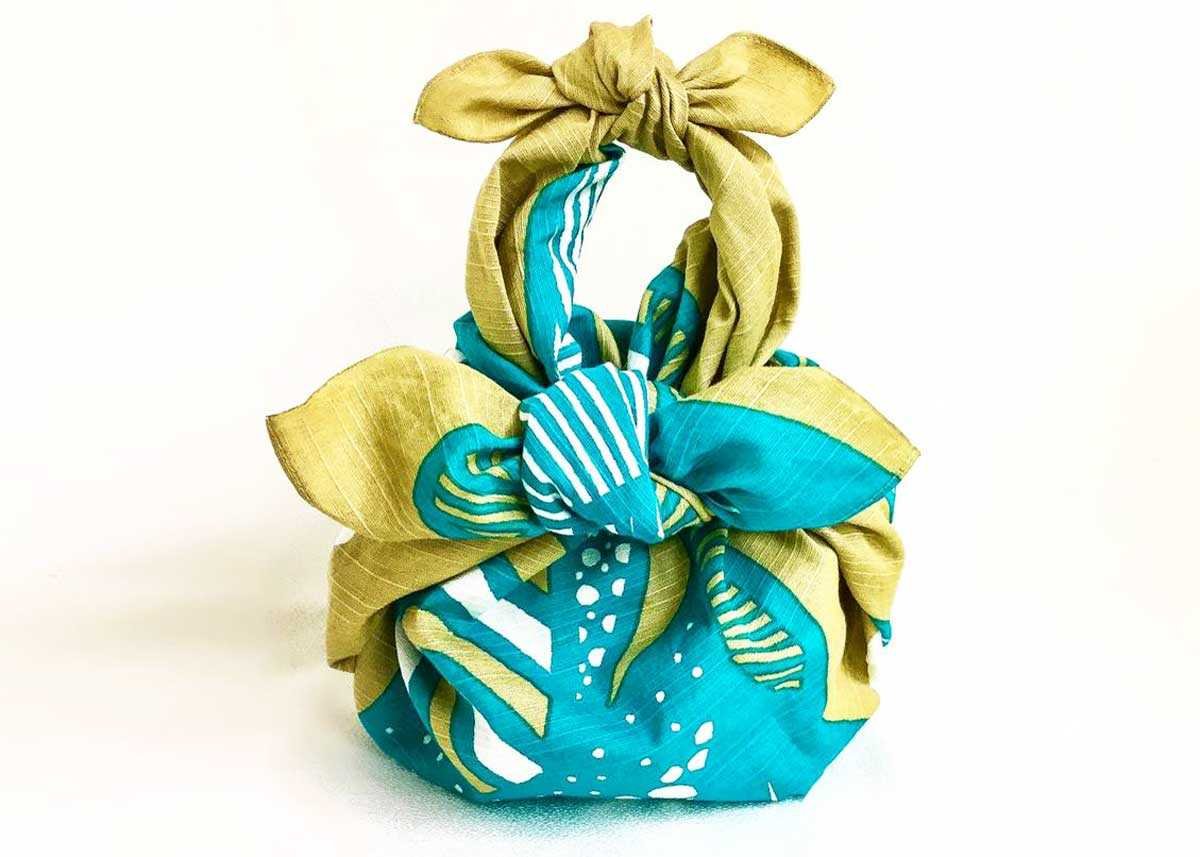
furoshiki is the technique of wrapping a gift with fabric. This style is perfect for birthdays, holidays, weddings, or everyday marketing and shopping and was originally used to carry clothes to the bathhouse. Made in a variety of sizes, the cloth is extremely handy and can be folded up after each use to wrap or carry something else. It ‘s very flexible as a wrapping technique and lends itself to various shapes and sizes of packages. There is even a way to wrap and carry two bottles together.

The Japanese Ministry of Environment has been promoting furoshiki to promote recycling, as the cloth can be reused for different occasions, helping to reduce the wasting of paper.

Thanks to Giftypedia.com for the info!
The anti-Trump: The NEW DEAL & HOW THOUGHTFUL GOVERNMENT RESTORED A BATTERED Nation

The anti-Trump: The NEW DEAL & HOW THOUGHTFUL GOVERNMENT RESTORED A BATTERED Nation

71uaokxem+l. uf1000,1000 ql80

It’s difficult to imagine today that, at one point, the US led the world in creating societal safety nets; made signifigant investments in the arts and enouraged diversity (and equity and inclusion).

The Great Depression, starting in 1929, was a severe global economic downturn characterized by widespread unemployment, poverty, and financial instability. The U.S. saw a quarter of its workforce unemployed, industrial production plummet, and millions lose their homes and savings. The crisis impacted not just the U.S. but also economies worldwide, marking the deepest and longest economic recession in modern history. 

In response, FDR created The New Deal, a major, long-term response to the Depression’s bleak outcome. A large segment of The New Deal was the WPA

These programs reached the entire popoulation and made sizeable, results-driven improvements to the US and world economies.

We’re exploring some of the period’s artwork. Explore:

It’s important to remind ourselves that we are all immigrants to this nation.
Output onlinepngtools (4)
The logo of the Federal Art Project (FAP), a component of the Works Progress Administration (WPA) during the Great Depression era in the United States.

Federal Project Number One

A significant aspect of the Works Progress Administration was the Federal Project Number One, which had five different parts: the Federal Art Project, the Federal Music Project, the Federal Theatre Project, the Federal Writers’ Project, and the Historical Records Survey. The government wanted to provide new federal cultural support instead of just providing direct grants to private institutions. After only one year, over 40,000 artists and other talented workers had been employed through this project in the United States. Cedric Larson stated that “The impact made by the five major cultural projects of the WPA upon the national consciousness is probably greater in total than anyone readily realizes. As channels of communication between the administration and the country at large, both directly and indirectly, the importance of these projects cannot be overestimated, for they all carry a tremendous appeal to the eye, the ear, or the intellect—or all three.”

Federal Art Project

This project was directed by Holger Cahill, and in 1936 employment peaked at over 5,300 artists. The Arts Service Division created illustrations and posters for the WPA writers, musicians, and theaters. The Exhibition Division had public exhibitions of artwork from the WPA, and artists from the Art Teaching Division were employed in settlement houses and community centers to give classes to an estimated 50,000 children and adults. They set up over 100 art centers around the country that served an estimated eight million individuals.

Federal Music Project

Noon-hour WPA band concert in Lafayette SquareNew Orleans (1940)

Directed by Nikolai Sokoloff, former principal conductor of the Cleveland Orchestra, the Federal Music Project employed over 16,000 musicians at its peak. Its purpose was to create jobs for unemployed musicians, It established new ensembles such as chamber groups, orchestras, choral units, opera units, concert bands, military bands, dance bands, and theater orchestras. They gave 131,000 performances and programs to 92 million people each week. The Federal Music Project performed plays and dances, as well as radio dramas. In addition, the Federal Music Project gave music classes to an estimated 132,000 children and adults every week, recorded folk music, served as copyists, arrangers, and librarians to expand the availability of music, and experimented in music therapy. Sokoloff stated, “Music can serve no useful purpose unless it is heard, but these totals on the listeners’ side are more eloquent than statistics as they show that in this country there is a great hunger and eagerness for music.”

Federal Theatre Program

Main article: Federal Theatre Project

In 1929, Broadway alone had employed upwards of 25,000 workers, onstage and backstage; in 1933, only 4,000 still had jobs. The Actors’ Dinner Club and the Actors’ Betterment Association were giving out free meals every day. Every theatrical district in the country suffered as audiences dwindled. The New Deal project was directed by playwright Hallie Flanagan, and employed 12,700 performers and staff at its peak. They presented more than 1,000 performances each month to almost one million people, produced 1,200 plays in the four years it was established, and introduced 100 new playwrights. Many performers later became successful in Hollywood including Orson Welles, John Houseman, Burt Lancaster, Joseph Cotten, Canada Lee, Will Geer, Joseph Losey, Virgil Thomson, Nicholas Ray, E.G. Marshall and Sidney Lumet. The Federal Theatre Project was the first project to end; it was terminated in June 1939 after Congress zeroed out the funding.

Federal Writers’ Project

This project was directed by Henry Alsberg and employed 6,686 writers at its peak in 1936. The FWP created the American Guide Series which, when completed, consisted of 378 books and pamphlets providing a thorough analysis of the history, social life and culture for every state, city and village in the United States including descriptions of towns, waterways, historic sites, oral histories, photographs, and artwork. An association or group that put up the cost of publication sponsored each book, the cost was anywhere from $5,000 to $10,000. In almost all cases, the book sales were able to reimburse their sponsors. Additionally, another important part of this project was to record oral histories to create archives such as the Slave Narratives and collections of folklore. These writers also participated in research and editorial services to other government agencies.

Historical Records Survey

This project was the smallest of Federal Project Number One and served to identify, collect, and conserve United States’ historical records. It is one of the biggest bibliographical efforts and was directed by Luther H. Evans. At its peak, this project employed more than 4,400 workers.

Usaworkprogramwpa

The Works Progress Administration (WPA; from 1935 to 1939, then known as the Work Projects Administration from 1939 to 1943) was an American New Deal agency that employed millions of jobseekers (mostly men who were not formally educated) to carry out public works projects, including the construction of public buildings and roads. It was set up on May 6, 1935, by presidential order, as a key part of the Second New Deal.

The WPA’s first appropriation in 1935 was $4.9 billion (about $15 per person in the U.S., around 6.7 percent of the 1935 GDP). Headed by Harry Hopkins, the WPA supplied paid jobs to the unemployed during the Great Depression in the United States, while building up the public infrastructure of the US, such as parks, schools, and roads. Most of the jobs were in construction, building more than 620,000 miles (1,000,000 km) of streets and over 10,000 bridges, in addition to many airports and much housing. In 1942, the WPA played a key role in both building and staffing internment camps to incarcerate Japanese Americans.

These ordinary men and women proved to be extraordinary beyond all expectation. They were golden threads woven in the national fabric. In this, they shamed the political philosophy that discounted their value and rewarded the one that placed its faith in them, thus fulfilling the founding vision of a government by and for its people. All its people.

— Nick Taylor, American-Made: The Enduring Legacy of the WPA

The WPA reached its peak employment of 3,334,594 people in November 1938. To be eligible for WPA employment, an individual had to be an American citizen, 18 or older, able-bodied, unemployed, and certified as in need by a local public relief agency approved by the WPA. The WPA Division of Employment selected the worker’s placement to WPA projects based on previous experience or training. Worker pay was based on three factors: the region of the country, the degree of urbanization, and the individual’s skill. It varied from $19 per month to $94 per month, with the average wage being about $52.50 (equivalent to $1,200 in 2024). The goal was to pay the local prevailing wage, but limit the hours of work to 8 hours a day or 40 hours a week; the stated minimum being 30 hours a week, or 120 hours a month.

National Park Service

WPA's INFLUENCE

GIVE ME your wretched refuse

Send these, the homeless, tempest-tost to me,

Something quite important happened in the US from 1939-1943. The New Deal. Crippled by an economic collapse, a sitting US President actually did something good. FDR had the clarity to see what America stands for: equality, freedome and agency.

Fdr 1944 campaign portrait (retouched, cropped) (1)
New colossus emma lazarus statue of liberty

Not like the brazen giant of Greek fame,
With conquering limbs astride from land to land;
Here at our sea-washed, sunset gates shall stand
A mighty woman with a torch, whose flame
Is the imprisoned lightning, and her name
Mother of Exiles. From her beacon-hand
Glows world-wide welcome; her mild eyes command
The air-bridged harbor that twin cities frame.
“Keep, ancient lands, your storied pomp!” cries she
With silent lips. “Give me your tired, your poor,
Your huddled masses yearning to breathe free,
The wretched refuse of your teeming shore.
Send these, the homeless, tempest-tost to me,
I lift my lamp beside the golden door!”

Emma Lazarus
November 2, 1883

22