
The Enduring Bauhaus: How It Shapes Our World

The Enduring Bauhaus: How It Shapes Our World


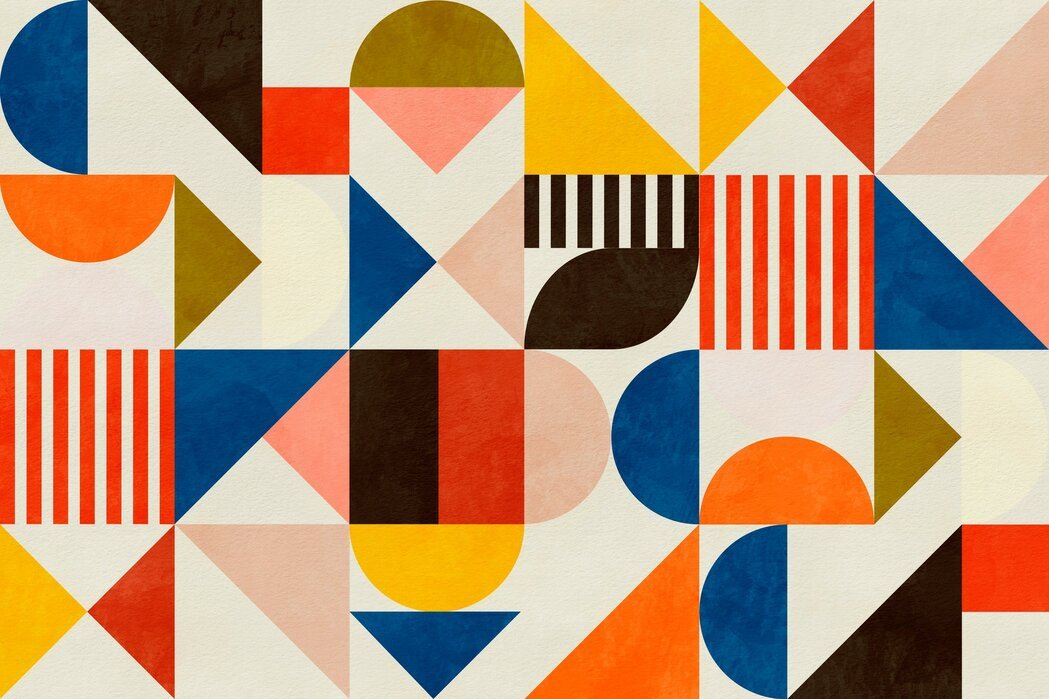
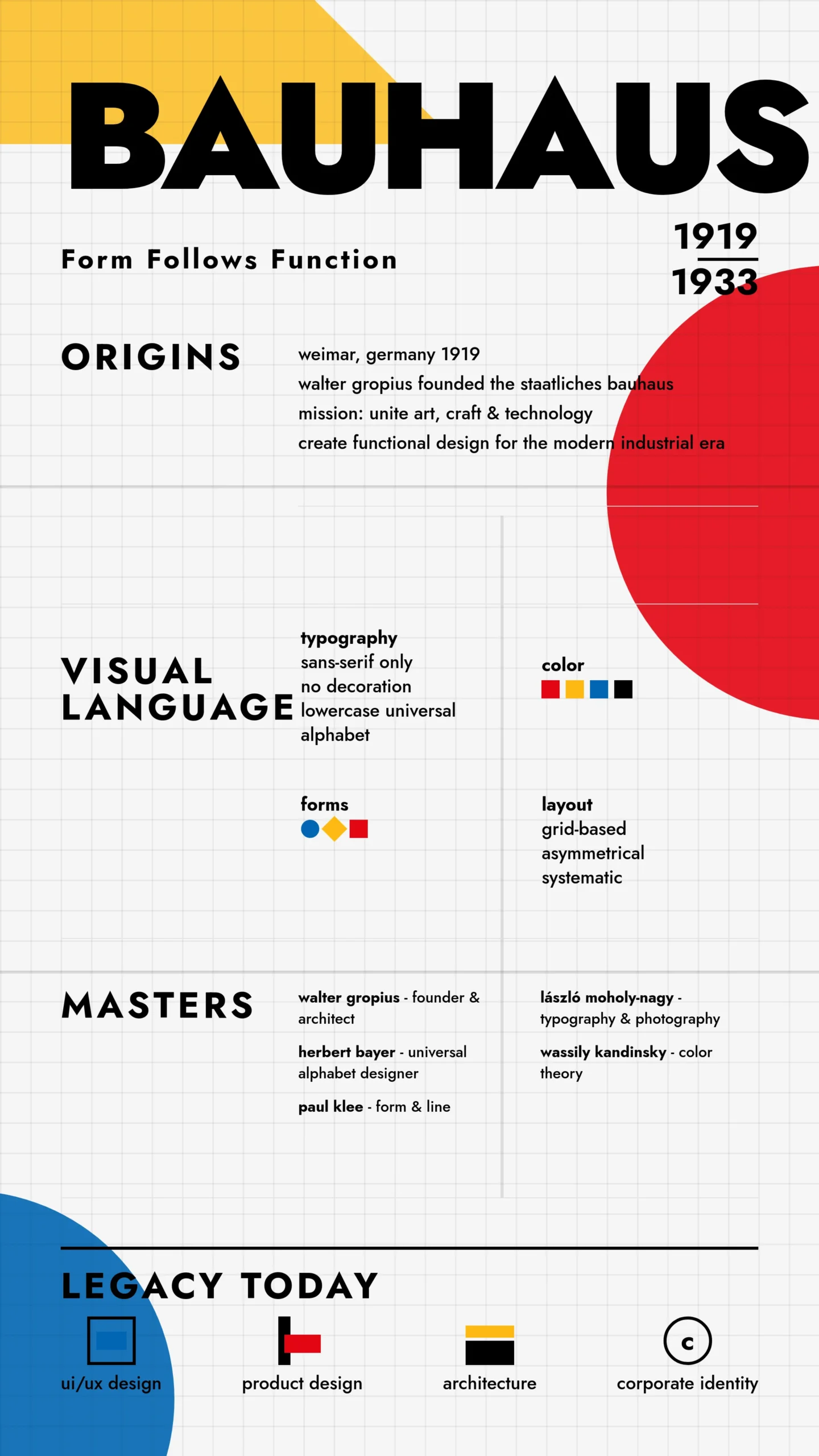
The Bauhaus school (1919–1933) is, arguably, the single most influential design movement of the 20th century. Its impact runs through virtually every discipline of modern design:
Core Philosophy

The Bauhaus broke down the hierarchy between "fine art" and "craft," insisting that good design should unite beauty and function. The famous motto — form follows function — shaped how designers think about every object they make.


Typography & graphic design

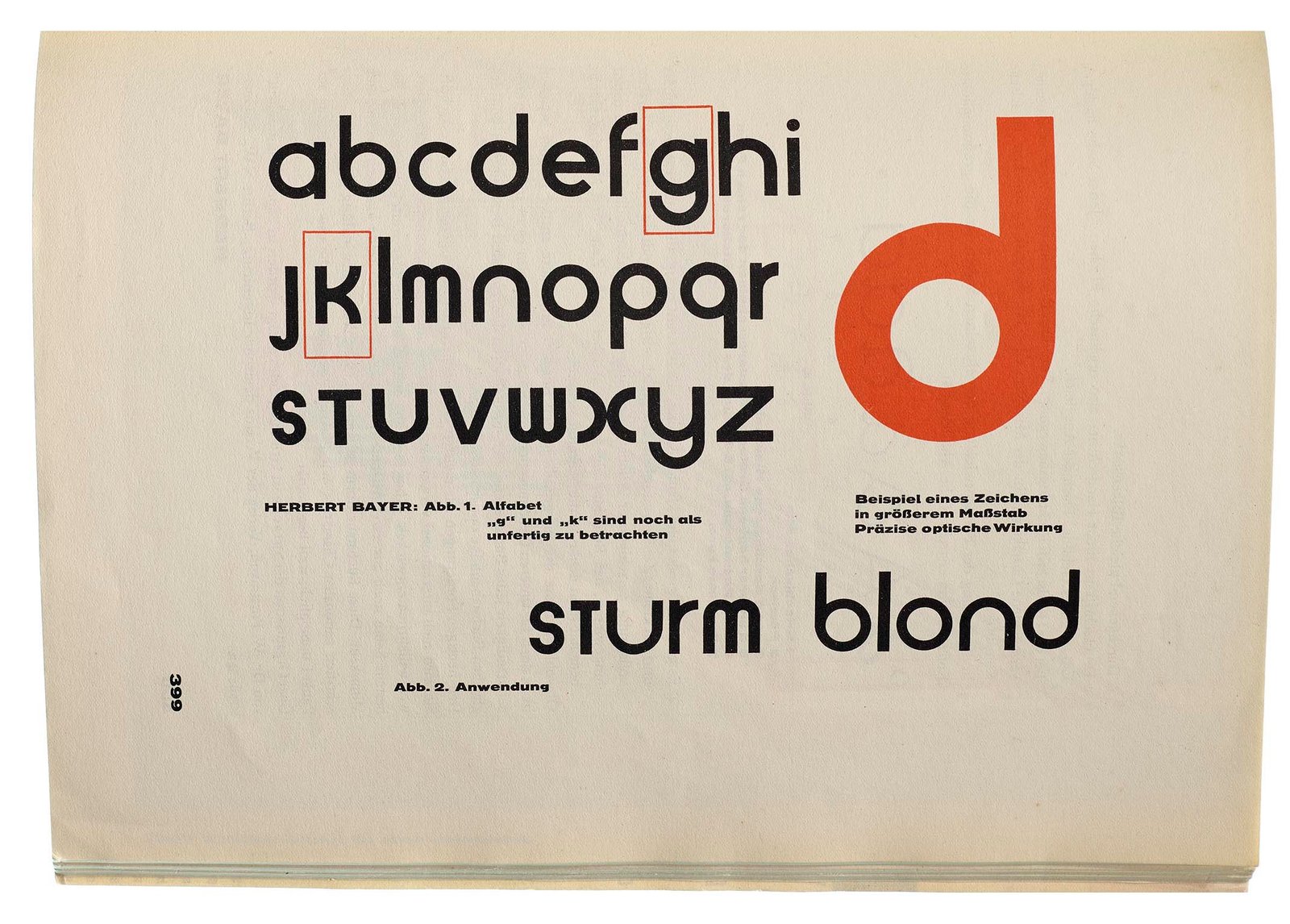
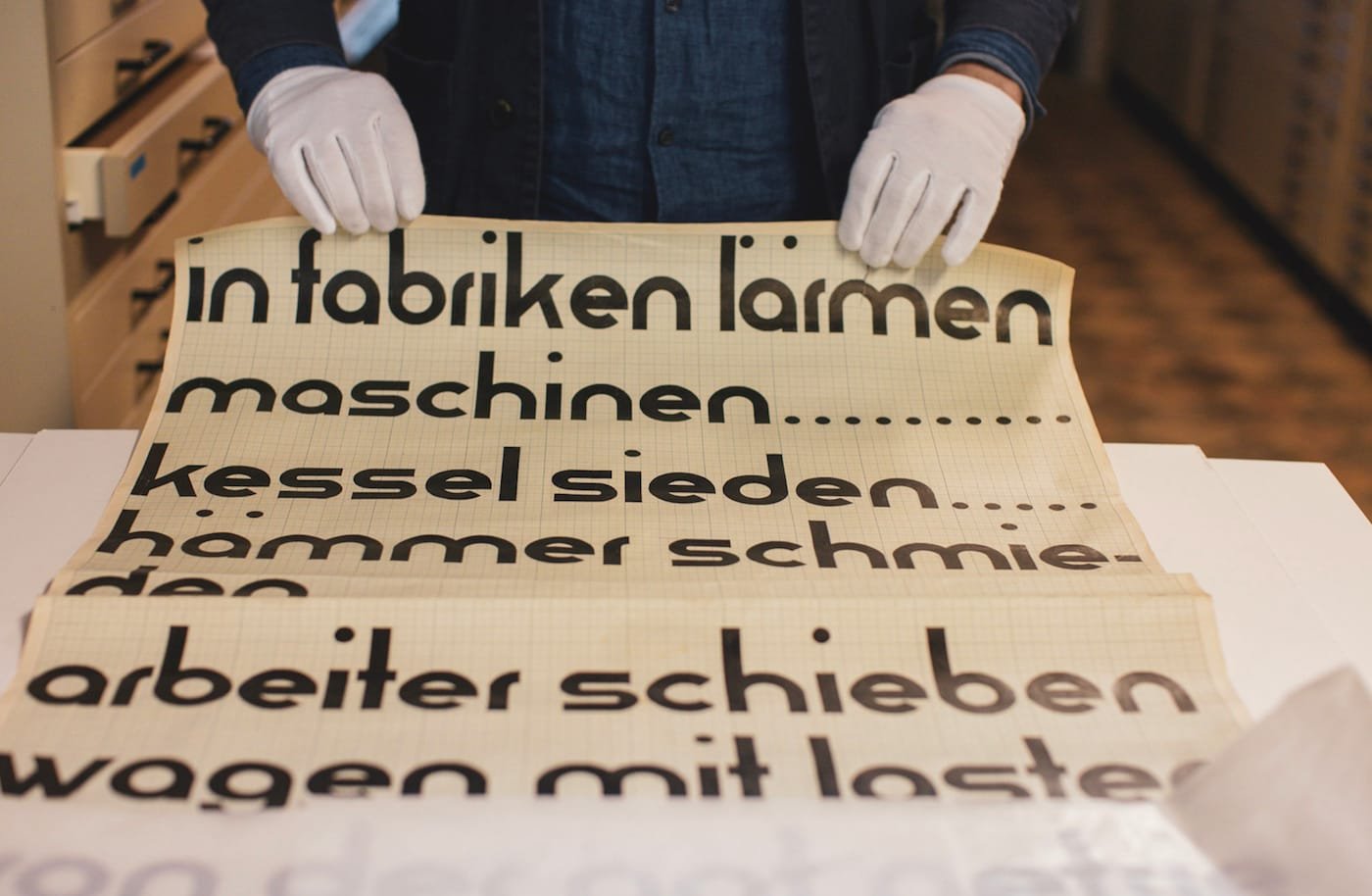
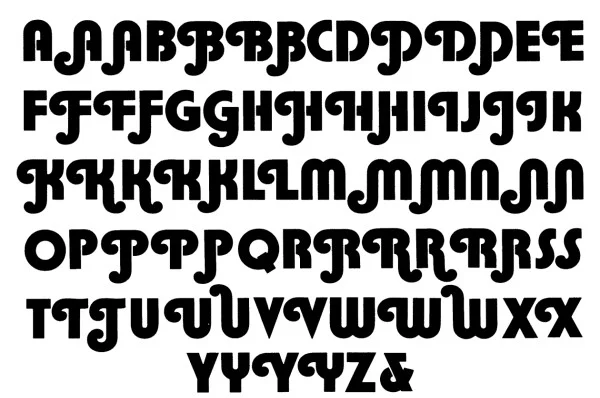
Bauhaus experimented radically with sans-serif typefaces, grid systems, and asymmetric layouts. Designers like Herbert Bayer developed typefaces that stripped away decorative flourishes. You see this DNA in modern UI design, brand identity systems, and the clean sans-serif dominance of digital typography (think Helvetica, Futura, and their descendants).
Industrial & product design

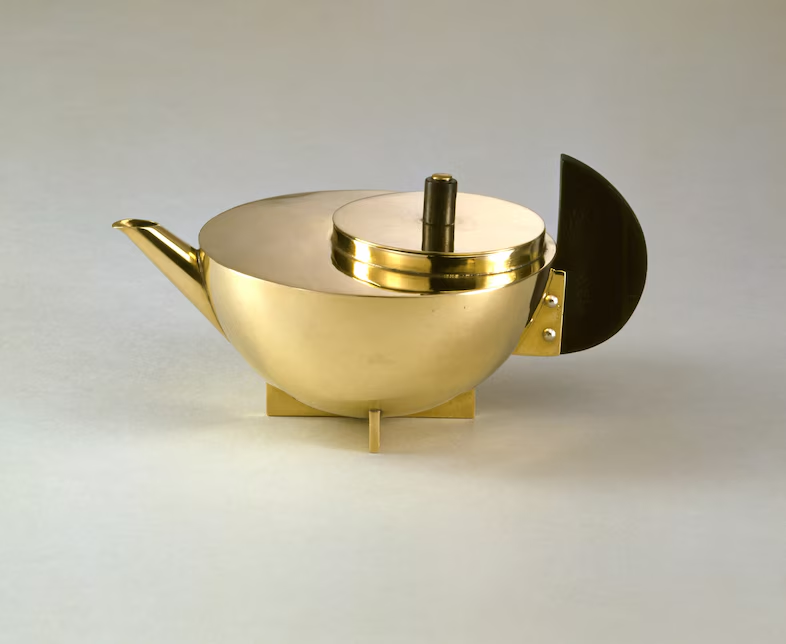
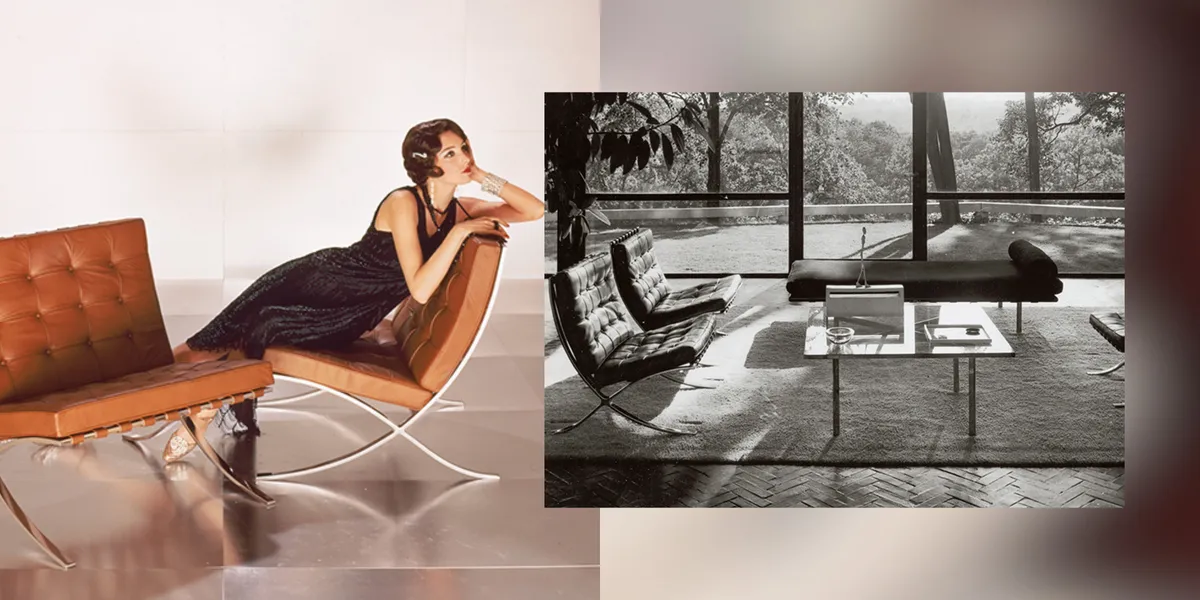
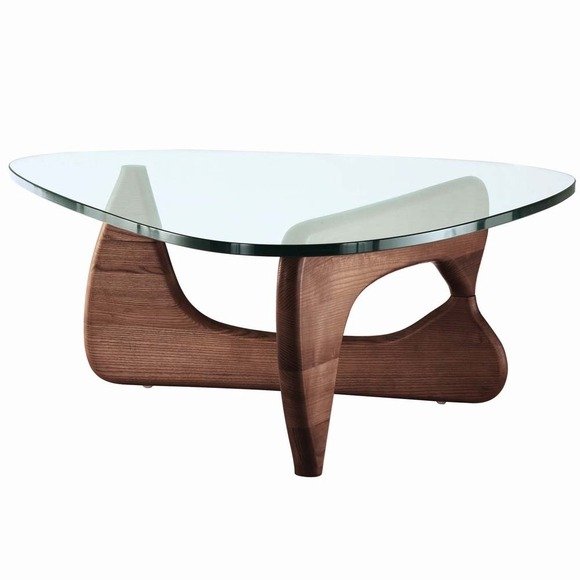
Marcel Breuer's tubular steel furniture, Marianne Brandt's metalwork, and Wilhelm Wagenfeld's lamp are still in production today. The Bauhaus pioneered designing for mass production — objects that were elegant and manufacturable at scale. This is the philosophical foundation of companies like Braun, Apple, and IKEA.
Architecture

Walter Gropius and Ludwig Mies van der Rohe helped launch International Style modernism — open floor plans, flat roofs, glass curtain walls, structural honesty. The glass-and-steel office towers that define every city skyline are a direct inheritance.


UI/UX and digital design

The Bauhaus grid, modular composition, and emphasis on usability translate almost directly into digital interfaces. The idea that a design should guide the user intuitively — without ornamentation for its own sake — is foundational to how apps and websites are built today.

Color theory
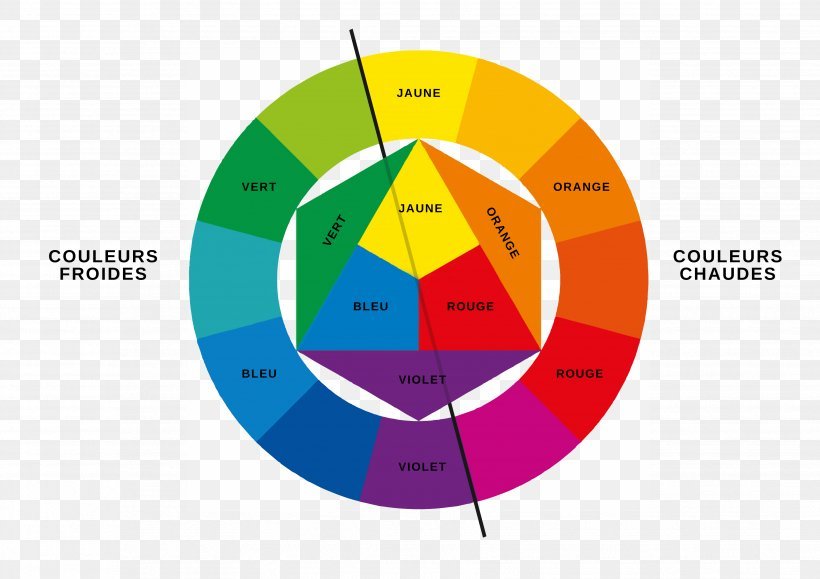
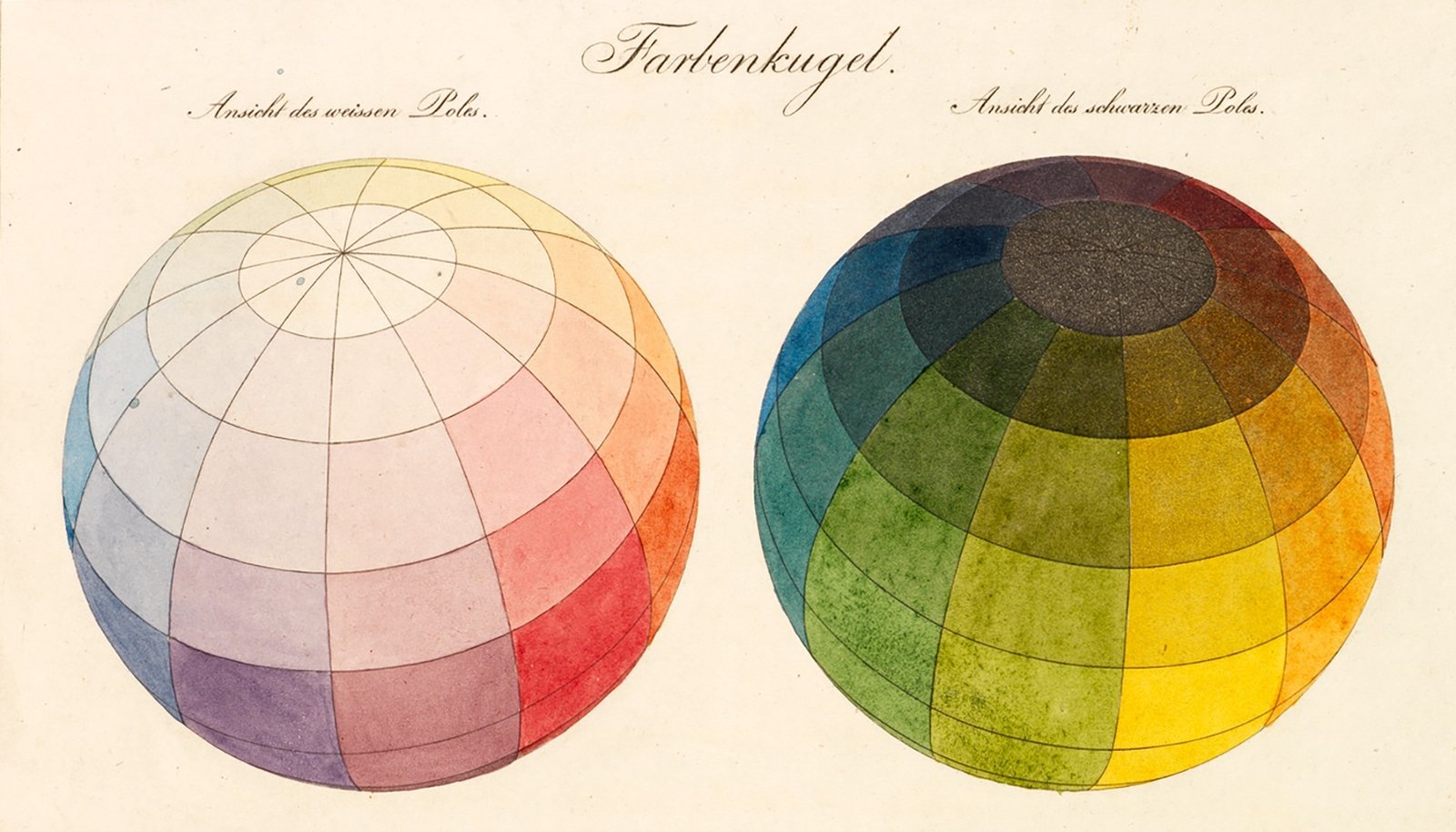
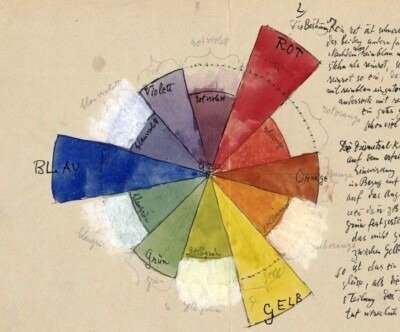
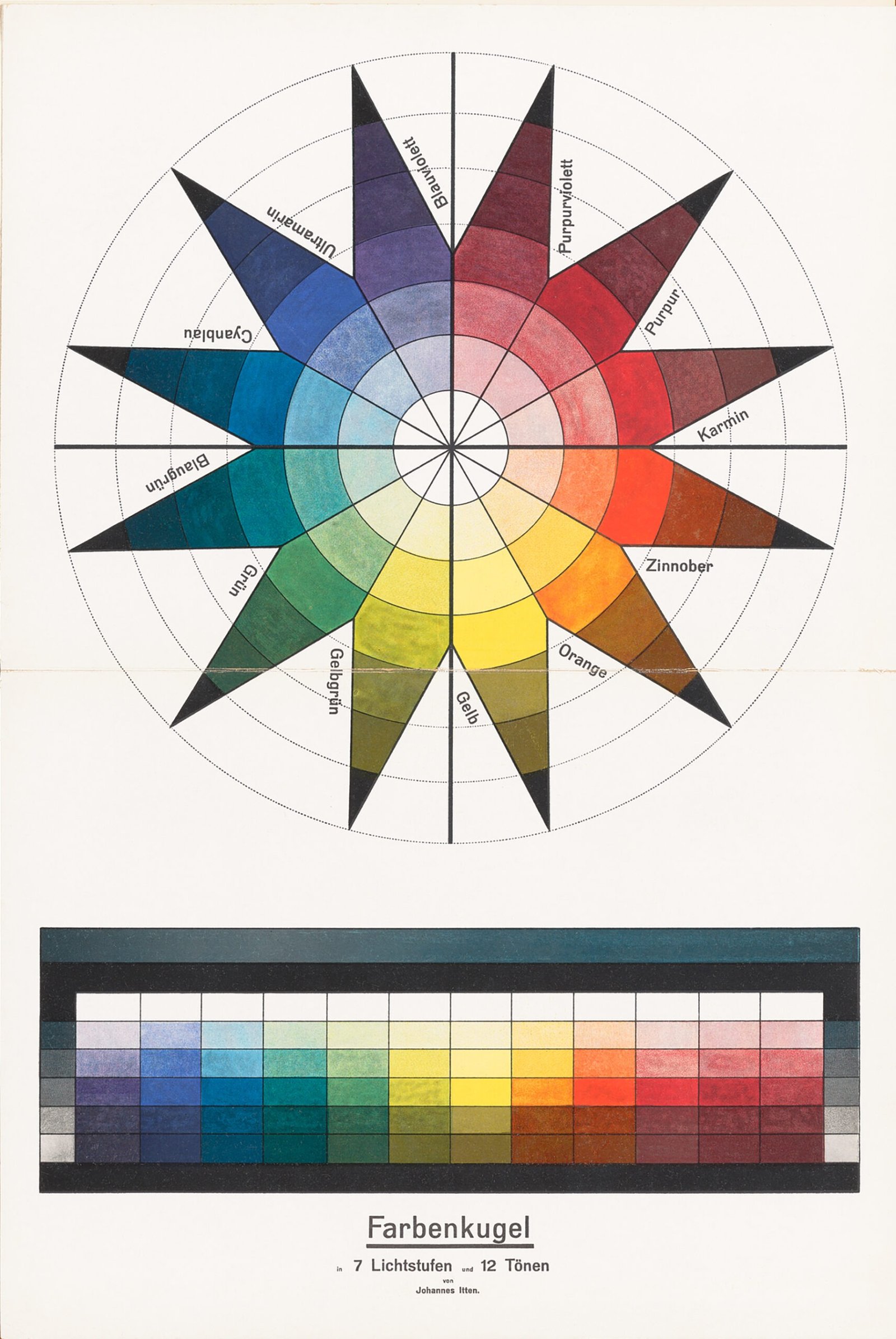
Johannes Itten and Josef Albers developed rigorous, systematic approaches to color interaction that are still taught in every design school and used by brand designers and filmmakers.
Education
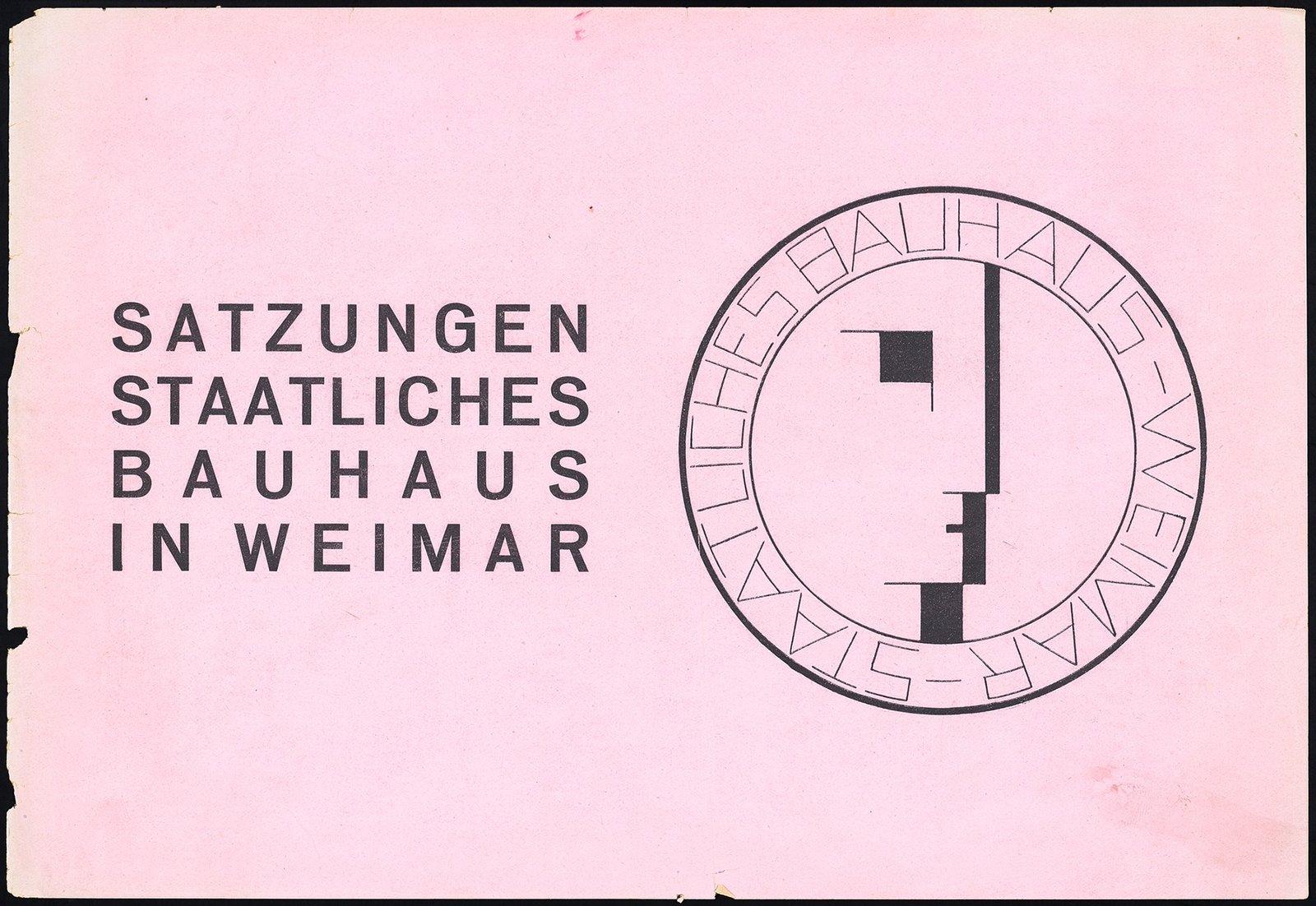
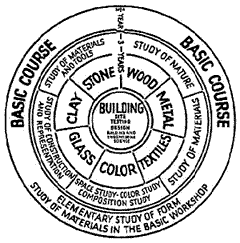
Perhaps the deepest legacy: the Bauhaus pedagogical model — foundation courses, interdisciplinary workshops, learning by making — restructured design education worldwide. Most art and design schools still follow a version of it.
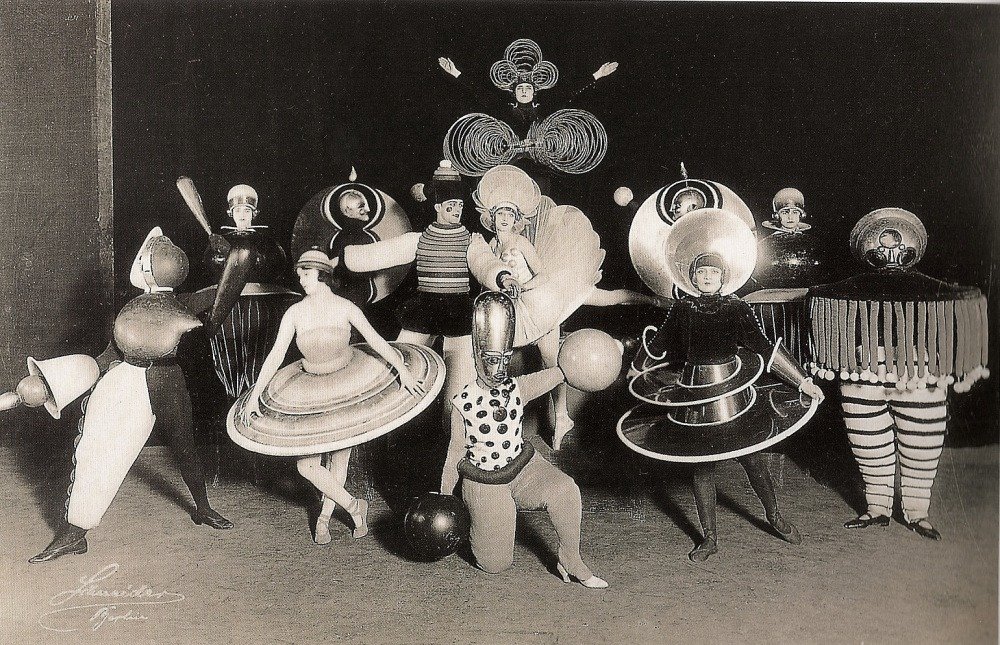
If you've used a clean sans-serif font, sat in a cantilevered chair, used an intuitive app, or admired a glass building, you're living in the Bauhaus's long shadow.

Showing 37–37 of 37 resultsSorted by latest
What’s Your Style?

What’s Your Style?


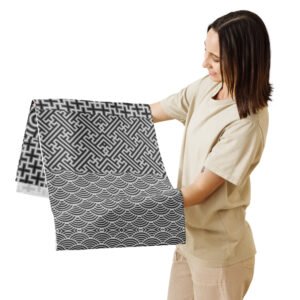
Sashiko, Kimonos & History

Sashiko, Kimonos & History

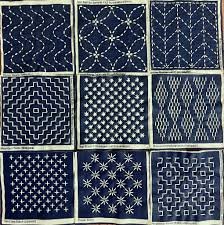
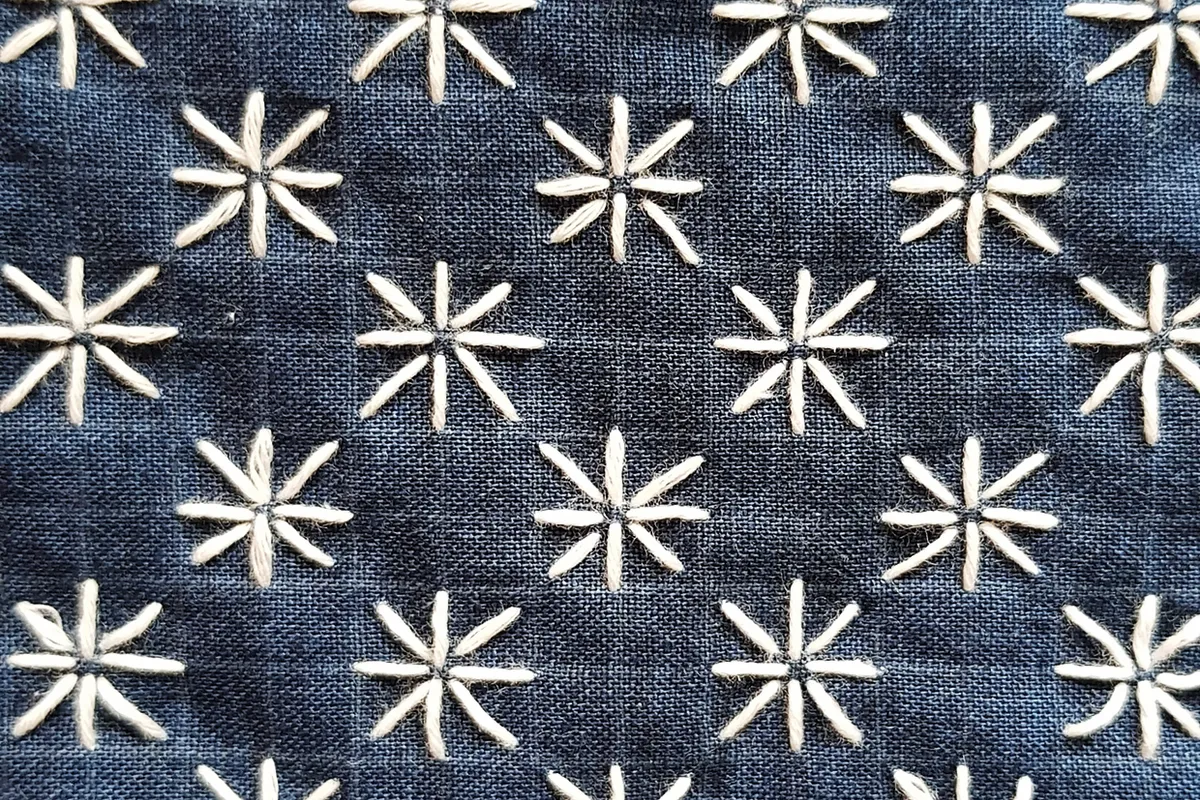
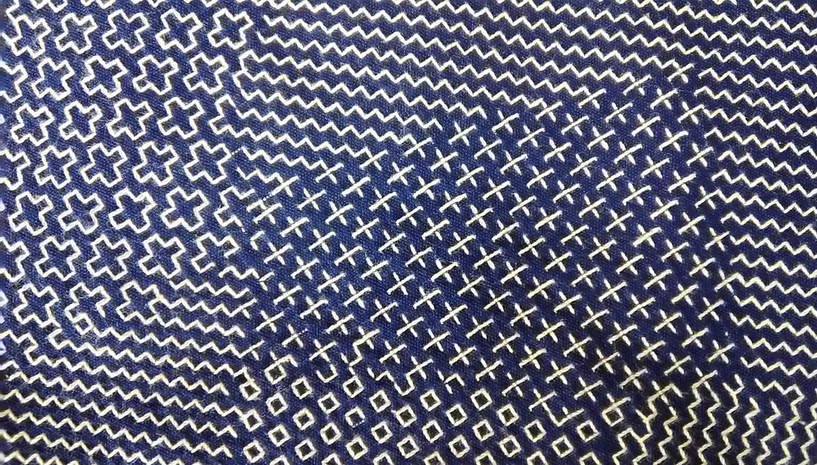
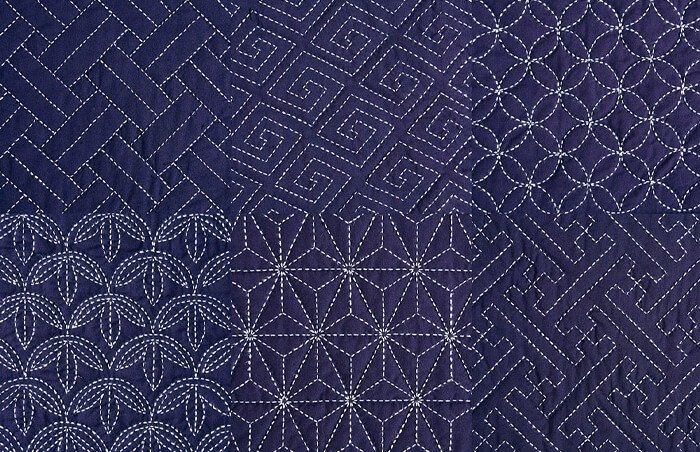
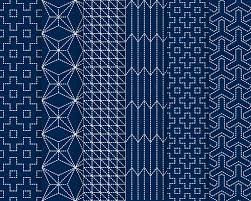
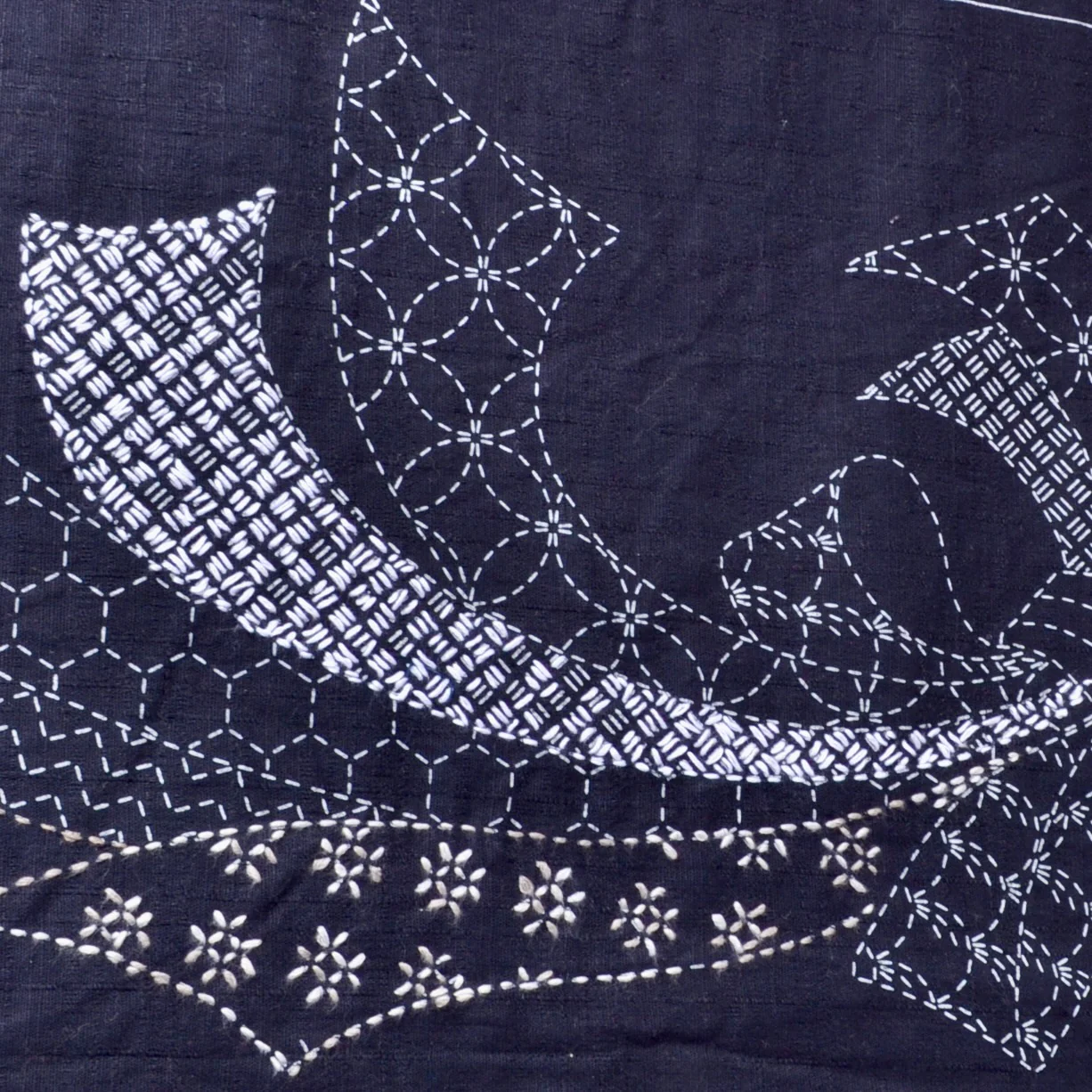
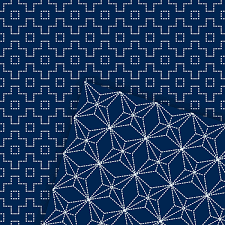
A recent BBC Culture story by Bel Jacobs: The 300-year-old Japanese method of upcycling explores the method of sashiko.

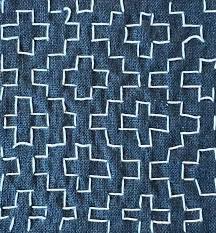
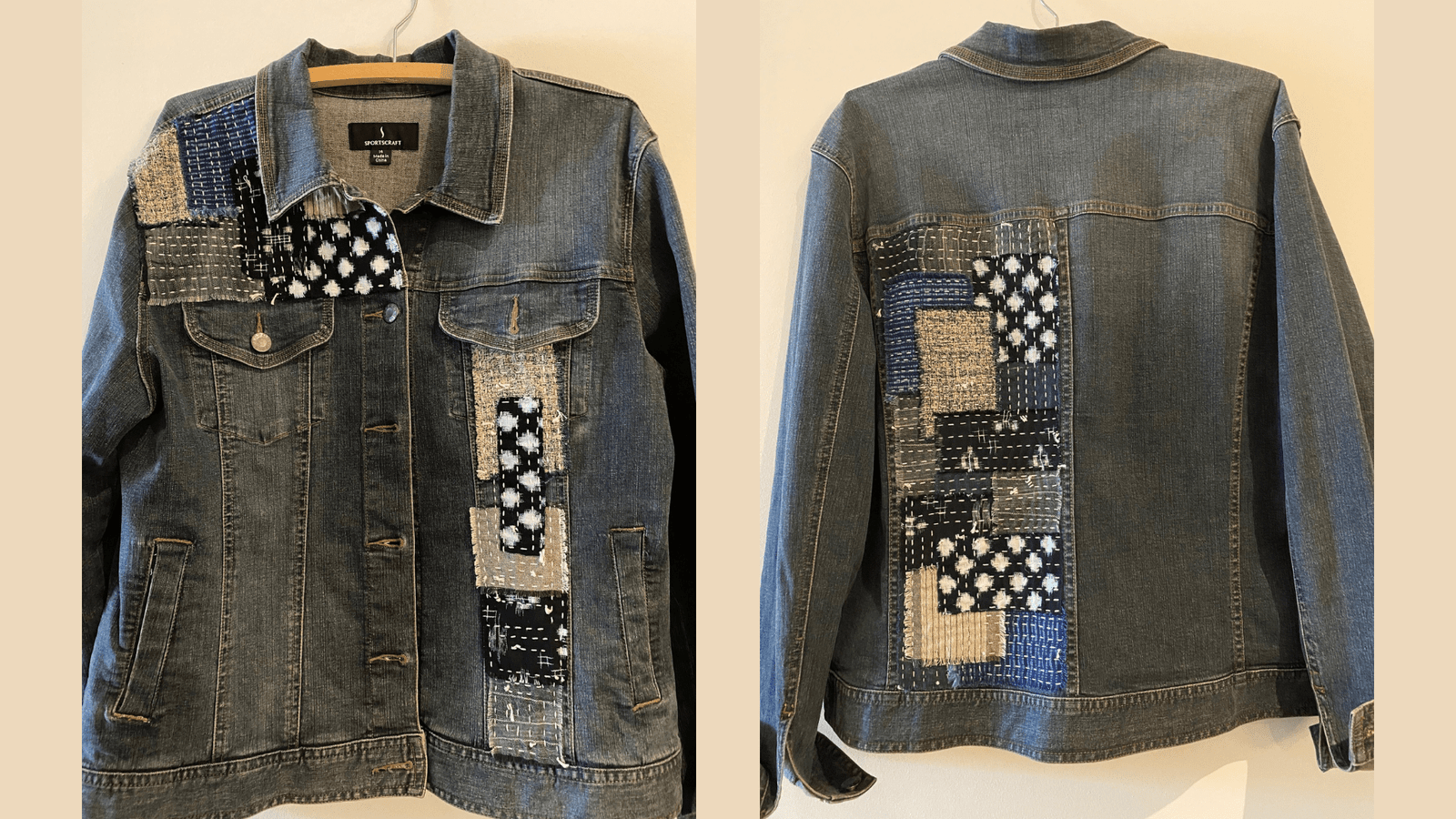
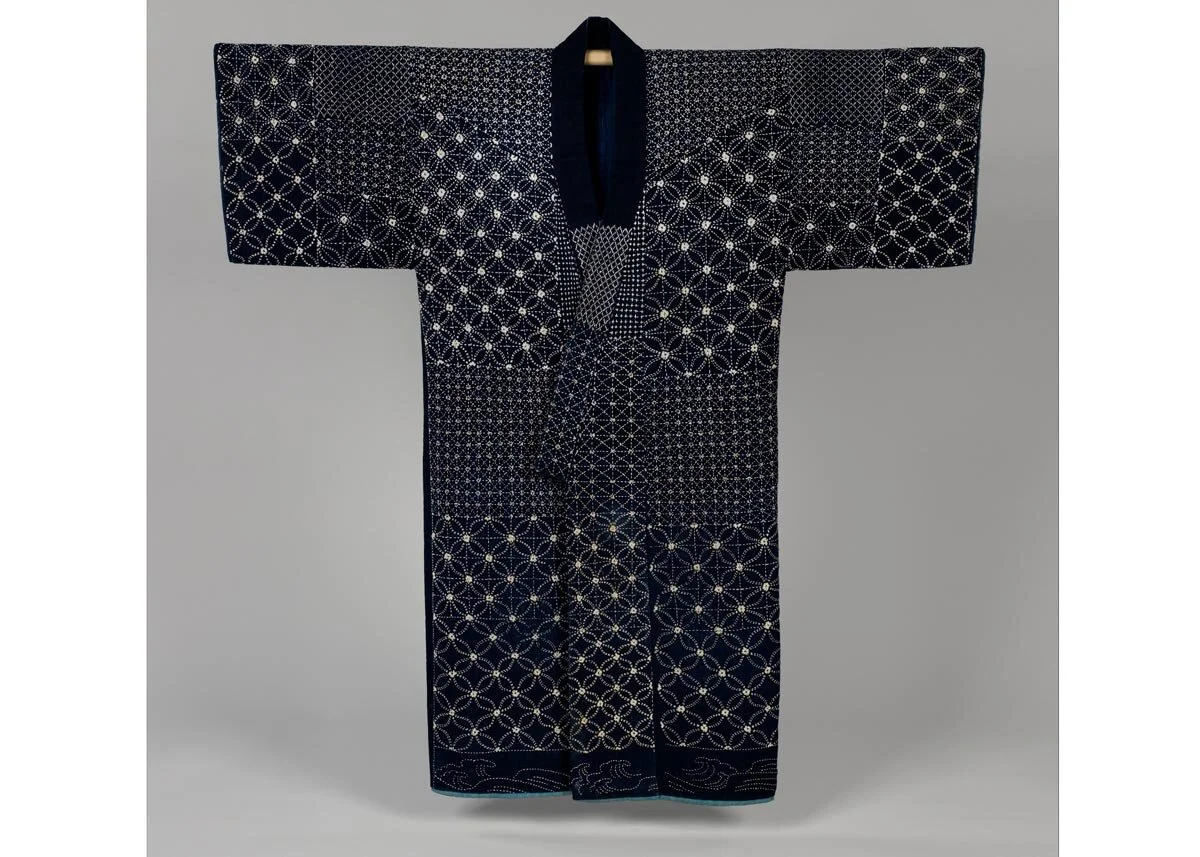
Sashiko emerged through necessity, particularly in poor rural areas, during the Edo period. "Cotton came late to the north of Japan," explains craft and design writer Katie Treggiden. "So the only way people could get hold of it was as tiny rags of fabrics, that were either passed around or bought from tradesmen from the south. Sashiko – literally, 'little stabs' – was a way of connecting all those little pieces into a quilted fabric, known as boro, that would keep them warm."

Textiles say so much about the culture in which they are worn and used.

Clothing can immediately identify who we are and what our history is. One can tell eastern v. western, wealthy v. impoverished, northern v southern. Clothing also tells us about the society that created it.

The Surprising History of the Kimono

The first ancestor of the kimono was born in the Heian period (794-1192). Straight cuts of fabric were sewn together to create a garment that fit every sort of body shape. It was easy to wear and infinitely adaptable. By the Edo period (1603-1868) it had evolved into a unisex outer garment called kosode. Literally meaning “small sleeves,” the kosode was characterized by smaller armholes. It was only from the Meiji period (1868-1912) onwards that the garment was called kimono. This last transformation, from the Edo era to modern Japan, is fascinating.

In the early 1600s, First Shogun Tokugawa unified Japan into a feudal shogunate. Edo, renamed Tokyo in 1868, now became Japan’s chief city. The resulting Edo Period (also called the Tokugawa Era) spanned 264 years. The years 1603 to 1868 are known as the last era of traditional Japan. Japanese culture developed with almost no foreign influence during this time. And the kosode was one of the key elements of what it meant to be Japanese.

the POWER of the MANDALA

the POWER of the MANDALA

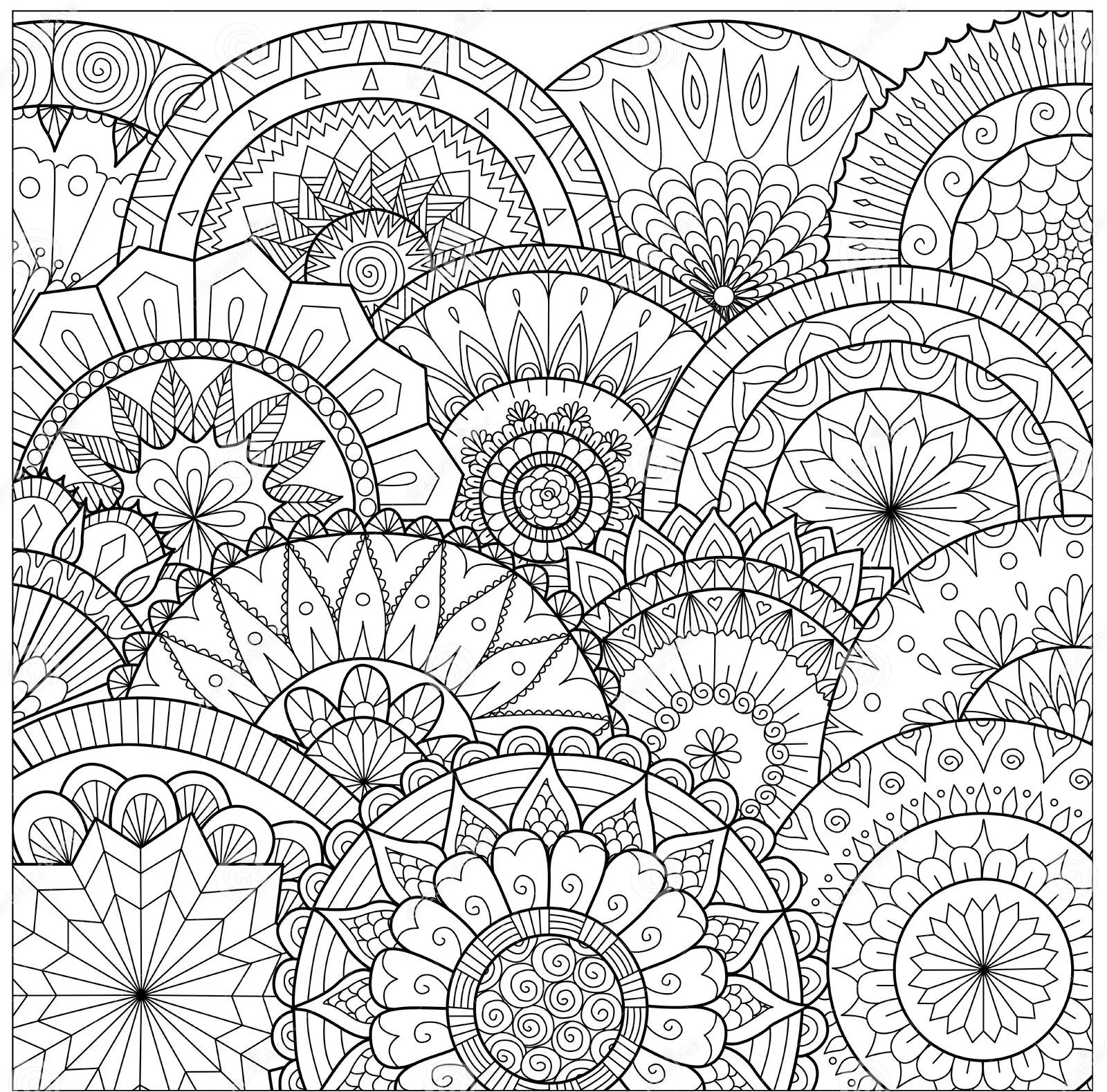
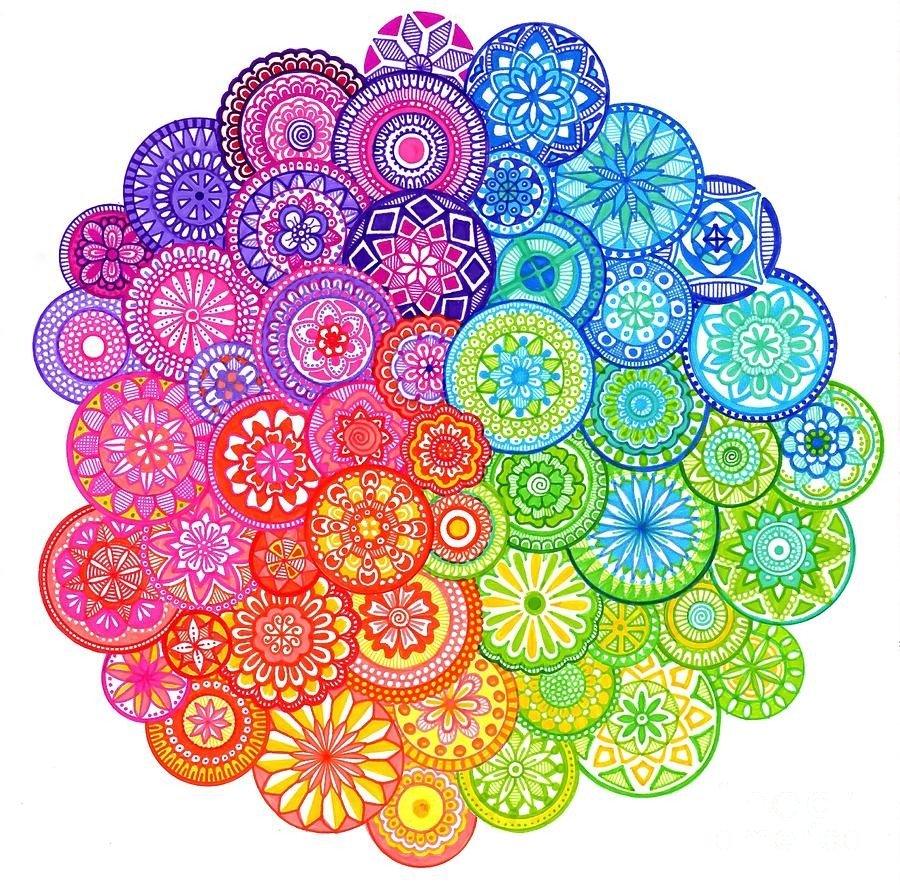
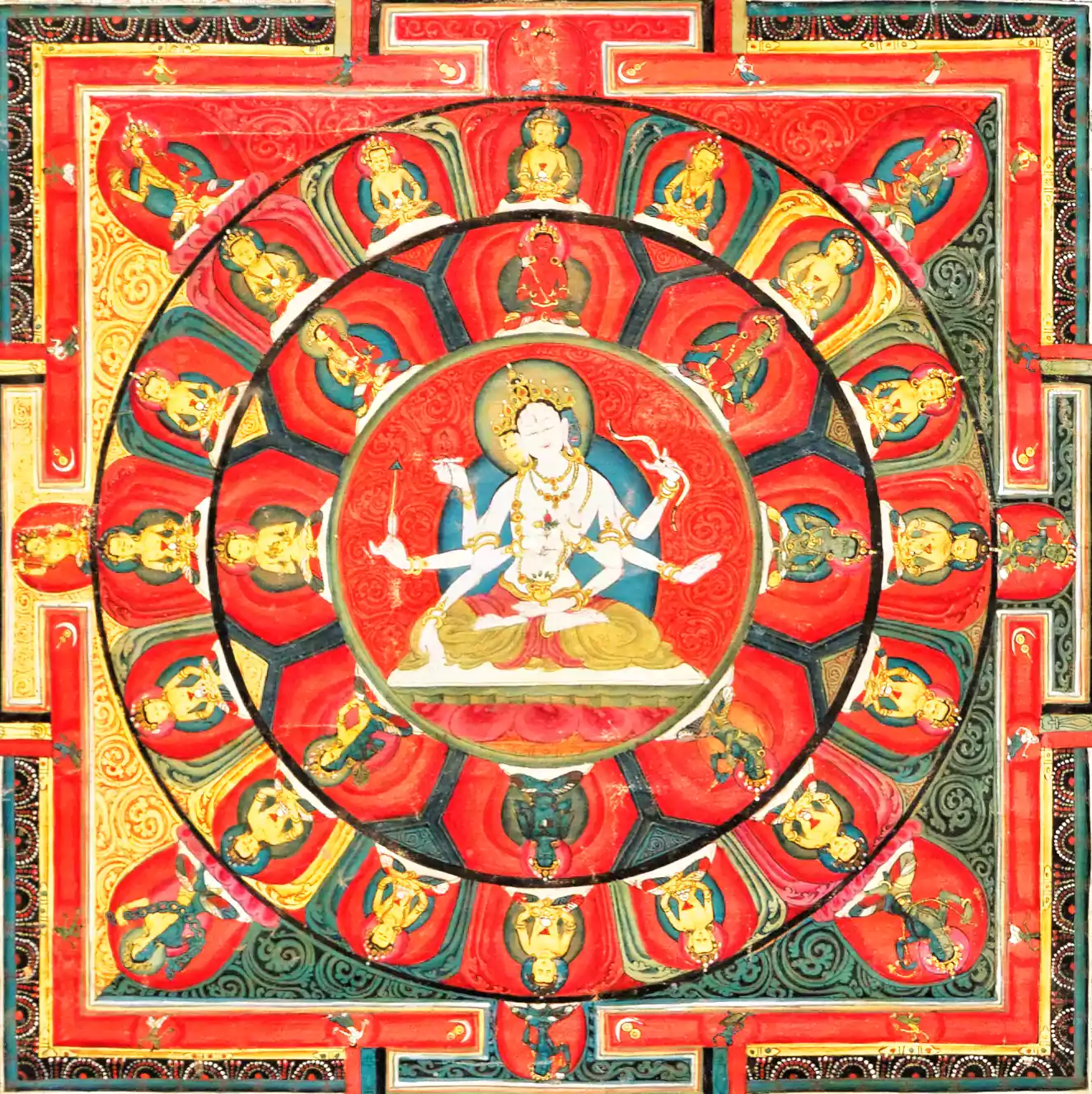
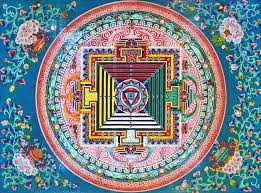
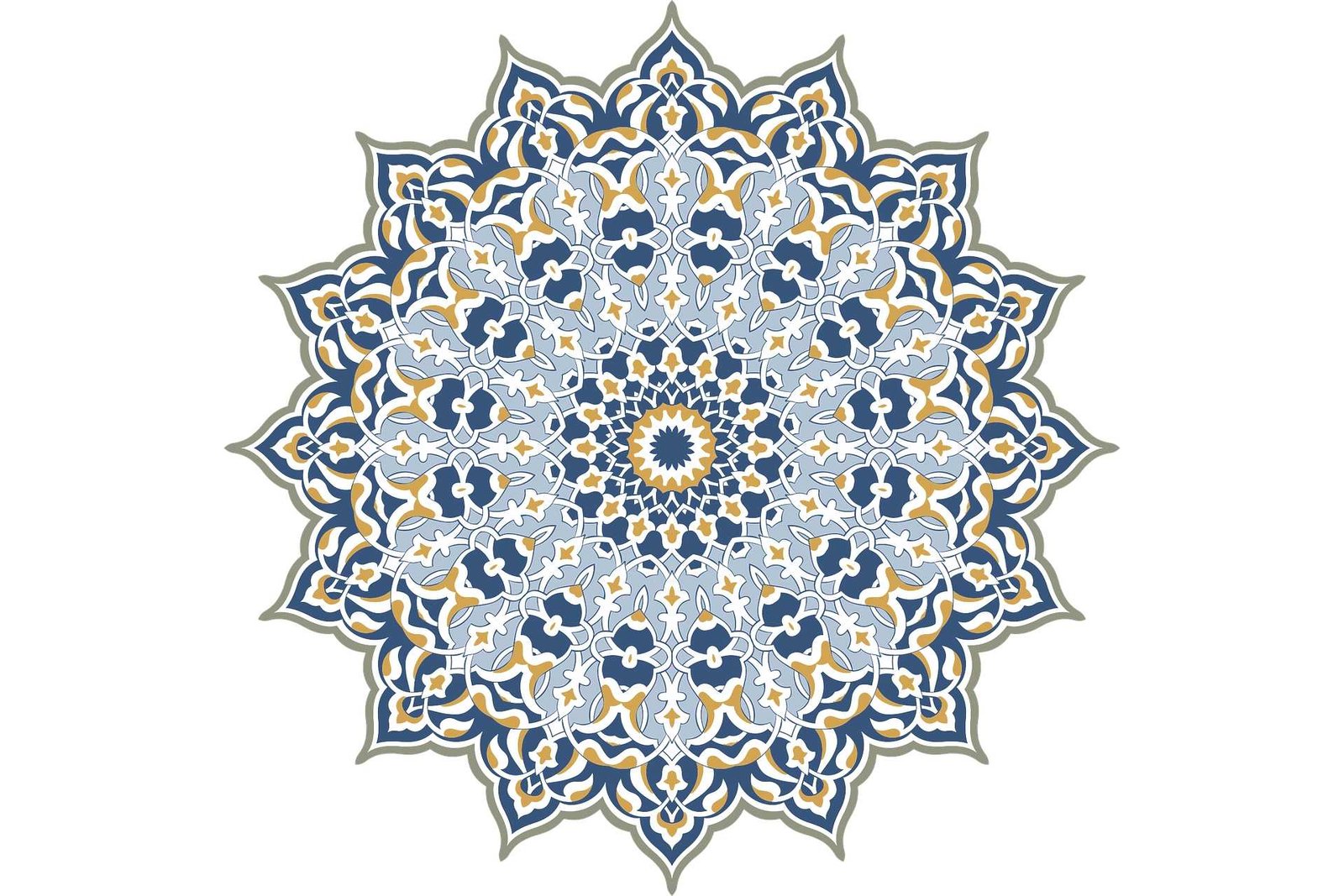
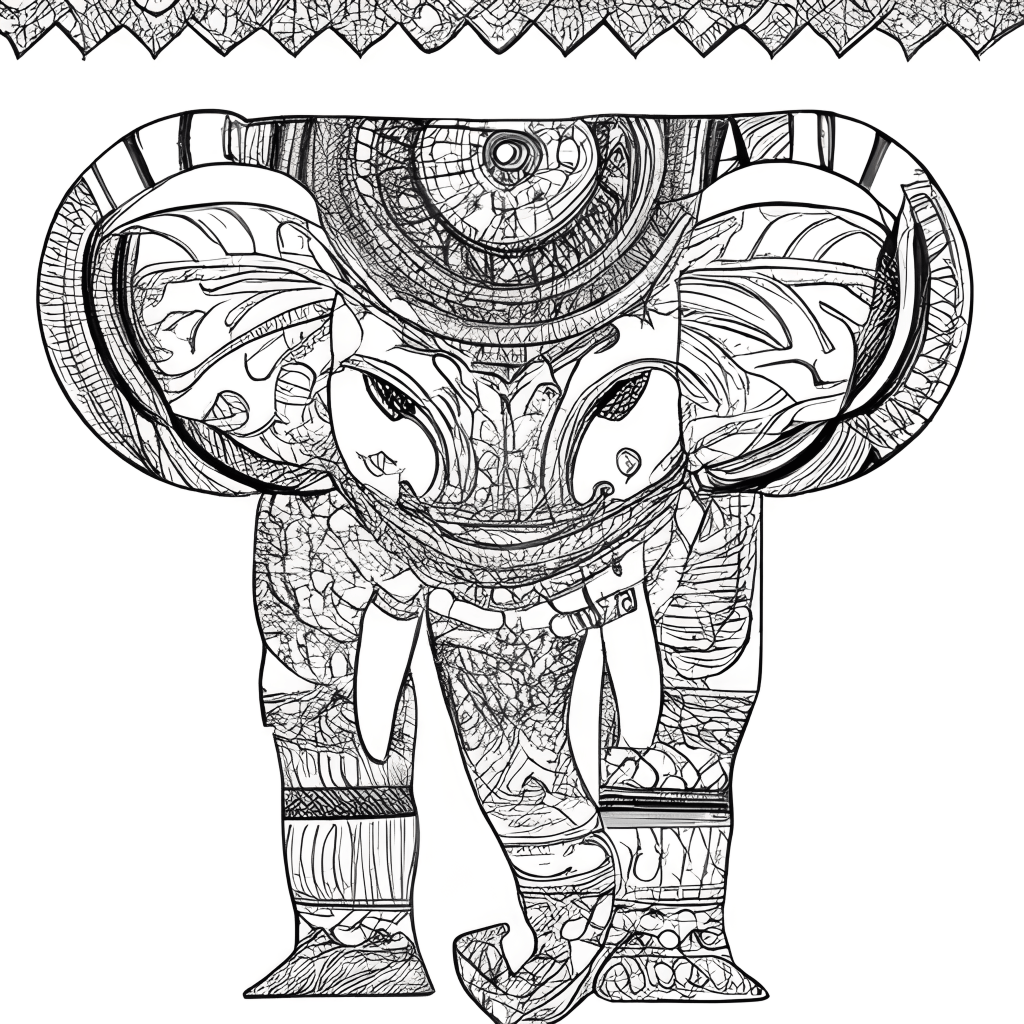
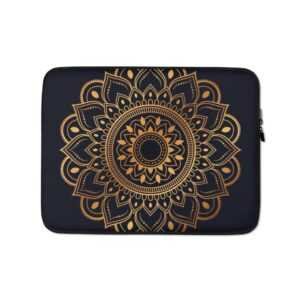
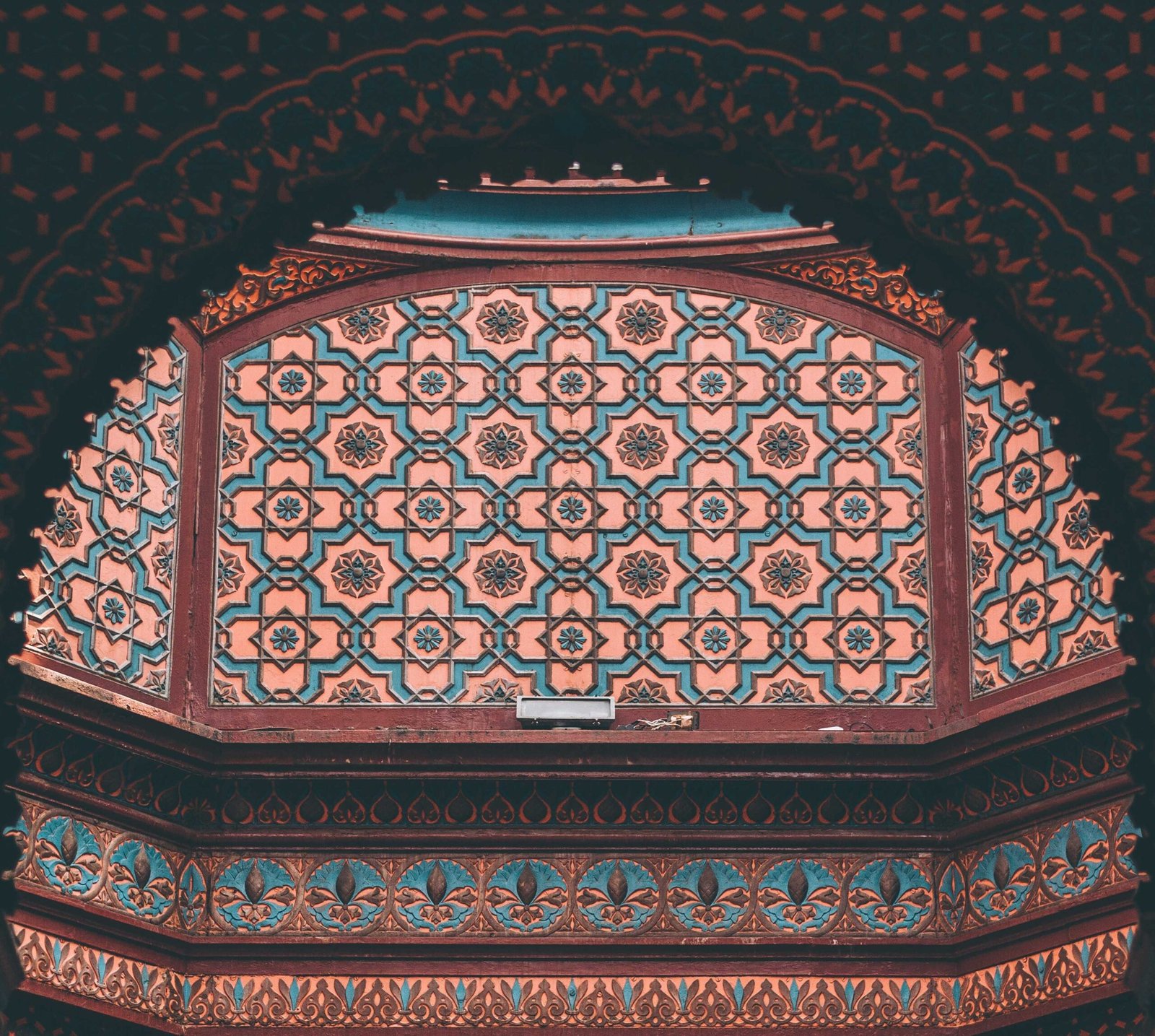
The word mandala means “circle” in Sanskrit and is the name given to geometric patterns that Buddhists have used in the practice of meditation for centuries.

Carl Jung, the renowned Swiss psychiatrist and psychoanalyst, had a deep fascination with mandalas. He considered them to be powerful symbols of wholeness and individuation, representing the integration of the conscious and unconscious aspects of the self.

According to Jung, mandalas can be seen as archetypal images that emerge from the collective unconscious, reflecting the universal patterns of human experience.

For Jung, mandalas served as a tool for self-exploration and self-transformation. He often encouraged his patients to create mandalas as a means of accessing and expressing the unconscious. By engaging in the process of creating a mandala, individuals could gain insight into their own psyche, discover hidden aspects of themselves, and achieve a sense of harmony and balance.

Jung believed that the circular and symmetrical design of mandalas had a calming and stabilizing effect on the psyche. They represented a microcosm of the universe and symbolized the unity of all things. Mandalas can be found across different cultures and religions, such as Buddhism, Hinduism, and Native American traditions, each with their own unique interpretations and spiritual significance.

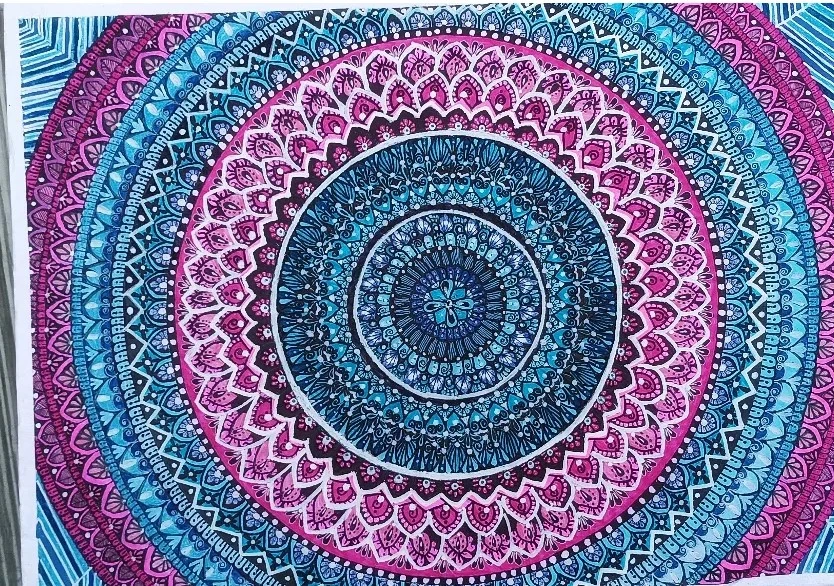
Today, mandalas continue to be used as tools for meditation, self-reflection, and personal growth. Creating or coloring mandalas can be a therapeutic practice, allowing individuals to relax, focus their attention, and tap into their inner wisdom. Whether you appreciate them for their rich symbolism, artistic beauty, or meditative qualities, mandalas offer a profound way to connect with the deeper aspects of ourselves and the universe we inhabit.

Examples of mandala can be found in all the ancient cultures. We find it in Christianity under the form of frescos with animal images representing apostles (and the zodiac). The astrological zodiac and its versions are examples of mandala. Also, in the Indian spiritual practices we find fascinating examples of mandala, with symbols of the local pantheon.

In yoga practices, mandala can be a support for meditation or an image that must be internalized through mental absorption. This image organizes the inner energies and forces of the practitioner and puts them in relationship with his ego-consciousness.

“I sketched every morning in a notebook a small circular drawing … which seemed to correspond to my inner situation at the time. … Only gradually did I discover what the mandala really is: … the Self, the wholeness of the personality, which if all goes well, is harmonious."

— Carl Jung, Memories, Dreams, Reflections, pp. 195–196.”

the HAWAIIAN SHIRT COLLECTION: MAHALO!

the HAWAIIAN SHIRT COLLECTION: MAHALO!

Hawaiian style is all about ease and comfort. It's also about celebrating the colors and forms of this unique tropical, Pacific location.

As with most creative expression, we always seek out the most profane, bastardized version of whatever we are are admiring.

A few of the worst Hawaiian shirts a short Google Image Search uncovered:


Though its precise origins are lost to history, the aloha shirt first appeared in Hawaii in the 1920s or ’30s, probably when local Japanese women adapted kimono fabric for use in men’s shirting. The shirts achieved some popularity among tourists to Hawaii and found greater commercial success when they hit the mainland in the mid-1930s. America at the time was riddled with hardship and anxiety, with many men out of work and many others struggling to hold on to their breadwinner status. Perhaps in response, hyper-manliness came into vogue—the popularity of bodybuilding skyrocketed, Superman burst onto the scene. It may seem paradoxical that men embraced a garment with such feminine appeal. “You’d better get two or three because it’s a cinch your daughter, sister, wife or even mother will want this bright-colored shirt as soon as she sees it,” the Los Angeles Times teased in 1936. That didn’t stop men from buying. By 1940, aloha shirts were bringing in more than $11 million annually (in today’s money).

By the 1960s, the shirt had become truly ubiquitous. Aloha Fridays were a fixture of a certain kind of workplace, and everyone—from Elvis to the decidedly unhip Richard Nixon—seemed to have an aloha shirt. Over time, perhaps inevitably, it lapsed into the realm of corny suburban-dad-wear.

Yet in just the past five years, fashion magazines have been heralding a comeback, and high-end labels like Gucci are taking the aloha shirt to new heights, with prints that draw on Japanese designs favored in the garment’s early days. Meanwhile, some shirtmakers from Hawaii’s old guard are still going strong. Kahala, founded in 1936 as one of the first brands producing aloha shirts, has been raiding its vaults to reproduce designs dating back to the 1930s—including some popularized by Duke Kahanamoku. “People are looking to bring some light, some color, some vibrancy into their lives,” says Jason Morgan, Kahala’s general manager. “I think that’s needed now more than ever. If an aloha shirt can help improve somebody’s day, I think that’s pretty powerful.”

Source: Smithonian Magazine May, 2020