Fine Art Focus: Joan Miró

Fine Art Focus: Joan Miró
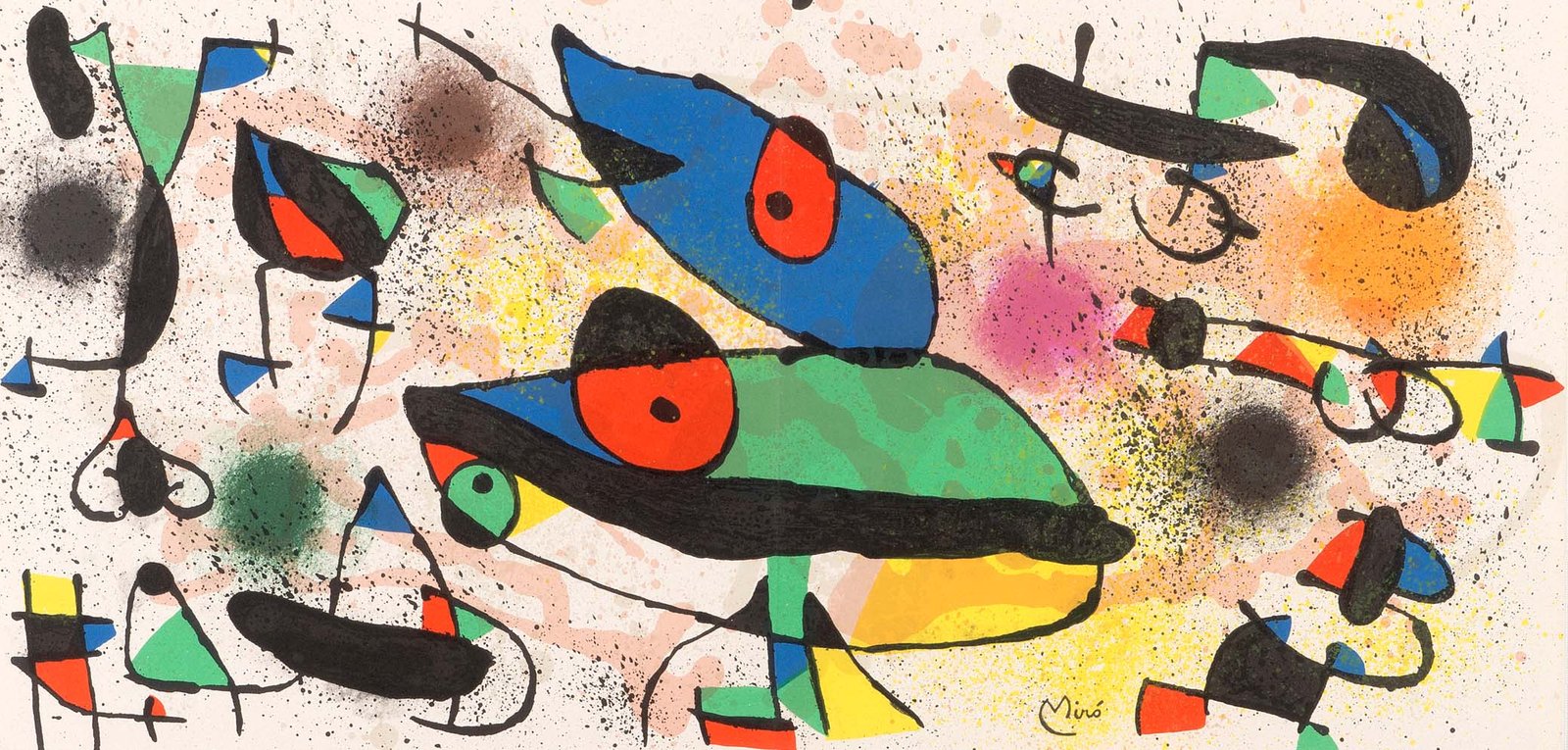
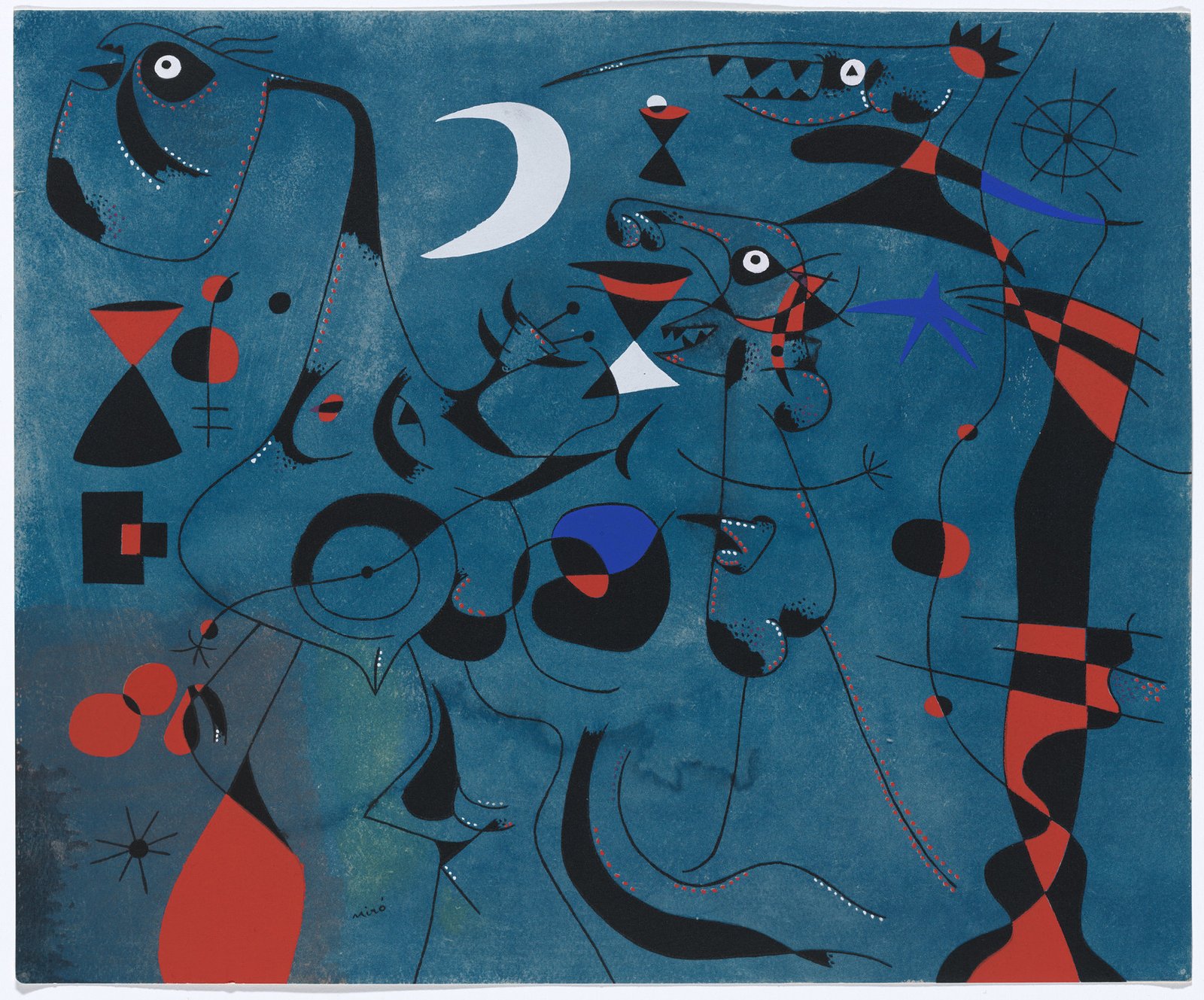
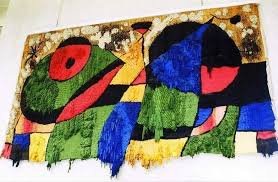
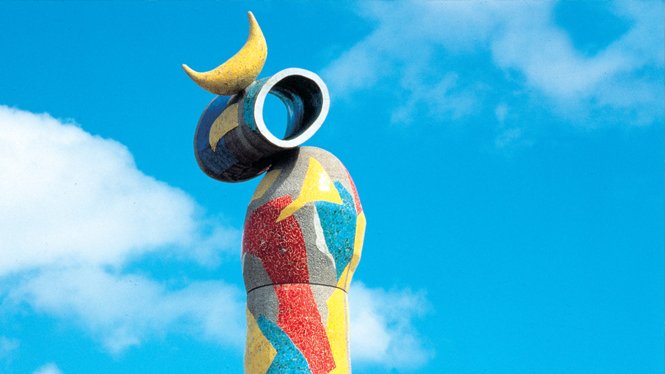
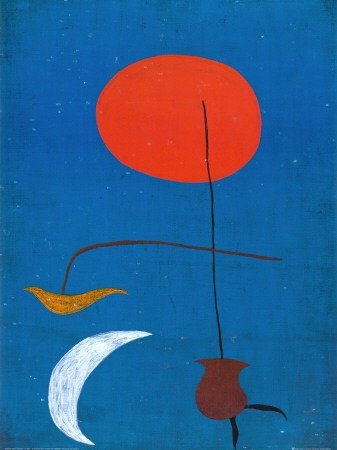
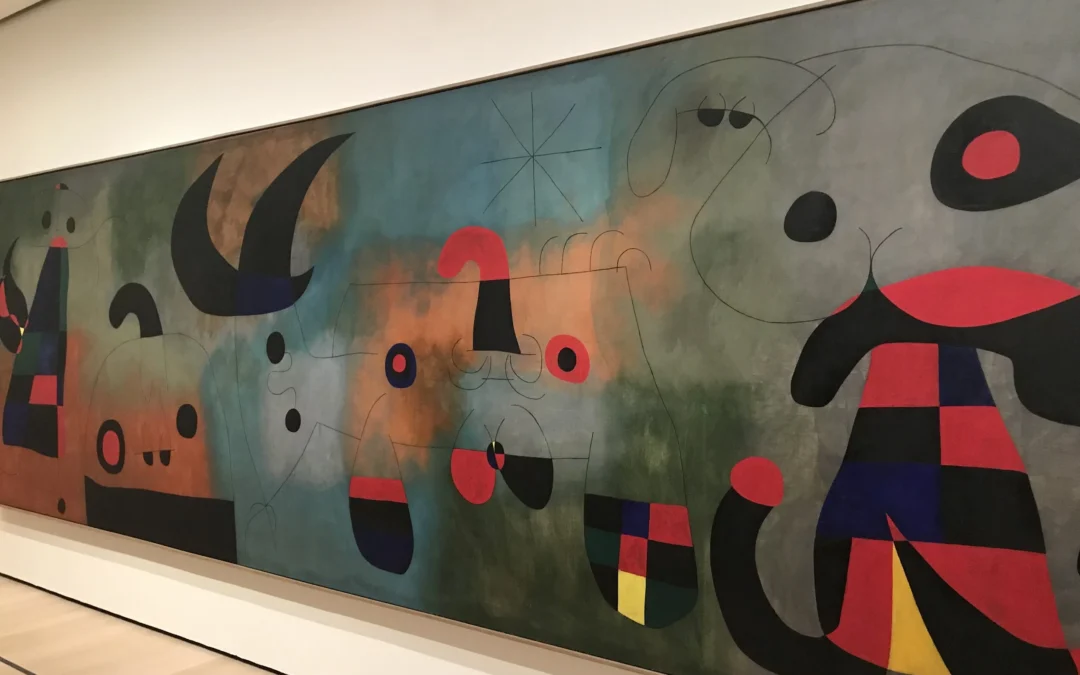
Joan Miró Ferra was born April 20, 1893, in Barcelona. At the age of 14, he went to business school in Barcelona and also attended La Lonja’s Escuela Superior de Artes Industriales y Bellas Artes in the same city. Upon completing three years of art studies, he took a position as a clerk. After suffering a nervous breakdown, he abandoned business and resumed his art studies, attending Francesco Galí’s Escola d’Art in Barcelona from 1912 to 1915. Miró received early encouragement from the dealer José Dalmau, who gave him his first solo show at his gallery in Barcelona in 1918. In 1917 he met Francis Picabia.
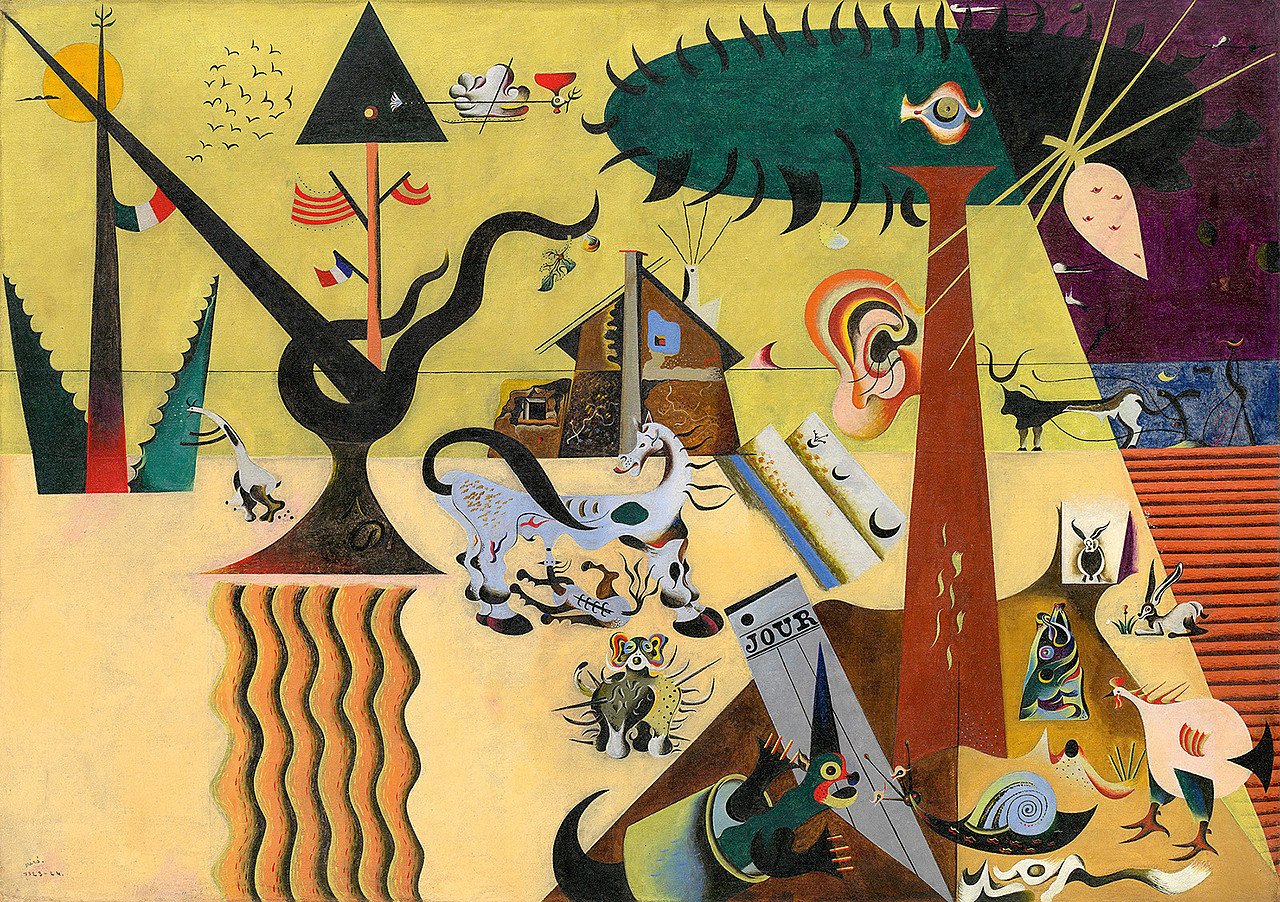
The Tilled Field (La terre labourée), Joan Miró (1923)

Miró’s spirited depiction of The Tilled Field also has political content. The three flags—French, Catalan, and Spanish—refer to Catalonia’s attempts to secede from the central Spanish government. Primo de Rivera, who assumed Spain’s dictatorship in 1923, instituted strict measures, such as banning the Catalan language and flag, to repress Catalan separatism. By depicting the Catalan and French flags together, across the border post from the Spanish flag, Miró announced his allegiance to the Catalan cause.
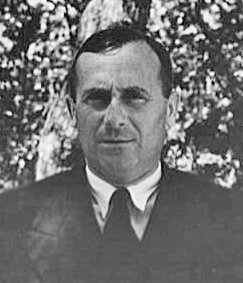
—Guggenheim New York

Miró made his first trip to Paris, where he met Pablo Picasso. From this time, Miró divided his time between Paris and Montroig, Spain. In Paris he associated with the poets Max Jacob, Pierre Reverdy, and Tristan Tzara and participated in Dada activities. Dalmau organized Miró’s first solo show in Paris, at the Galerie la Licorne in 1921. His work was included in the Salon d’Automne of 1923. In 1924 Miró joined the Surrealist group. His solo show at the Galerie Pierre, Paris, in 1925 was a major Surrealist event; Miró was included in the first Surrealist exhibition at the Galerie Pierre that same year.
Miró left Spain because of the civil war; he returned in 1941. Also in 1936 Miró was included in the exhibitions Cubism and Abstract Art and Fantastic Art, Dada, Surrealism at the Museum of Modern Art, New York. The following year he was commissioned to create a monumental work for the Paris World’s Fair.

During the 1960s he began to work intensively in sculpture. Miró retrospectives took place at the Musée National d’Art Moderne, Paris, in 1962, and the Grand Palais, Paris, in 1974. In 1978 the Musée National d’Art Moderne exhibited over five hundred works in a major retrospective of his drawings.

Miró died on December 25, 1983, in Palma de Mallorca, Spain.
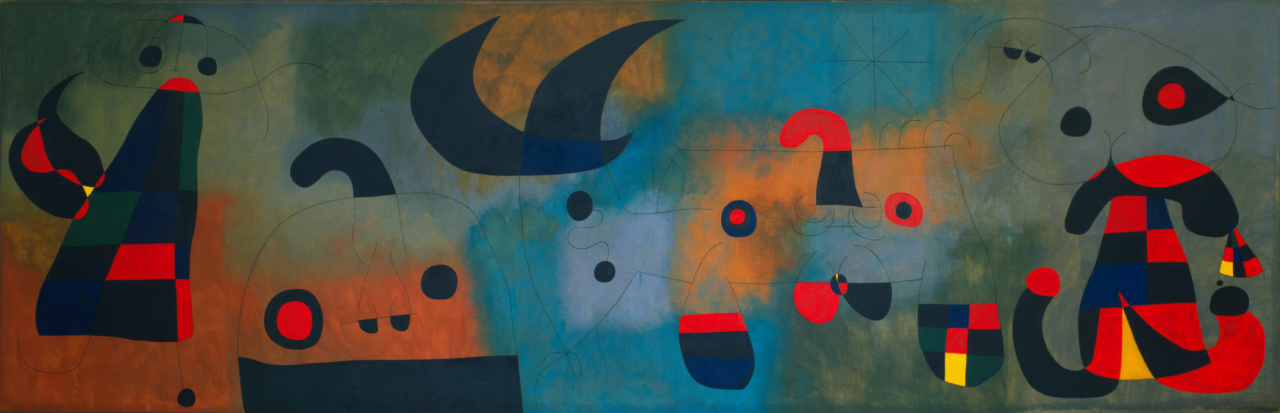
No products were found matching your selection.
Fine Art Focus: László Moholy-Nagy 

Fine Art Focus: László Moholy-Nagy 

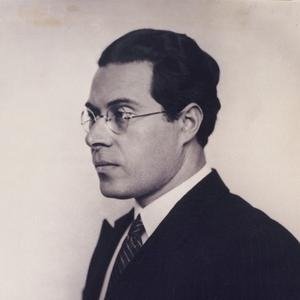
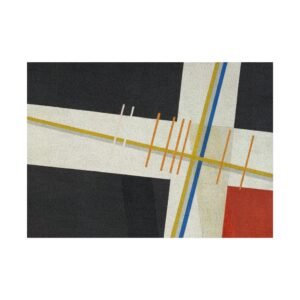
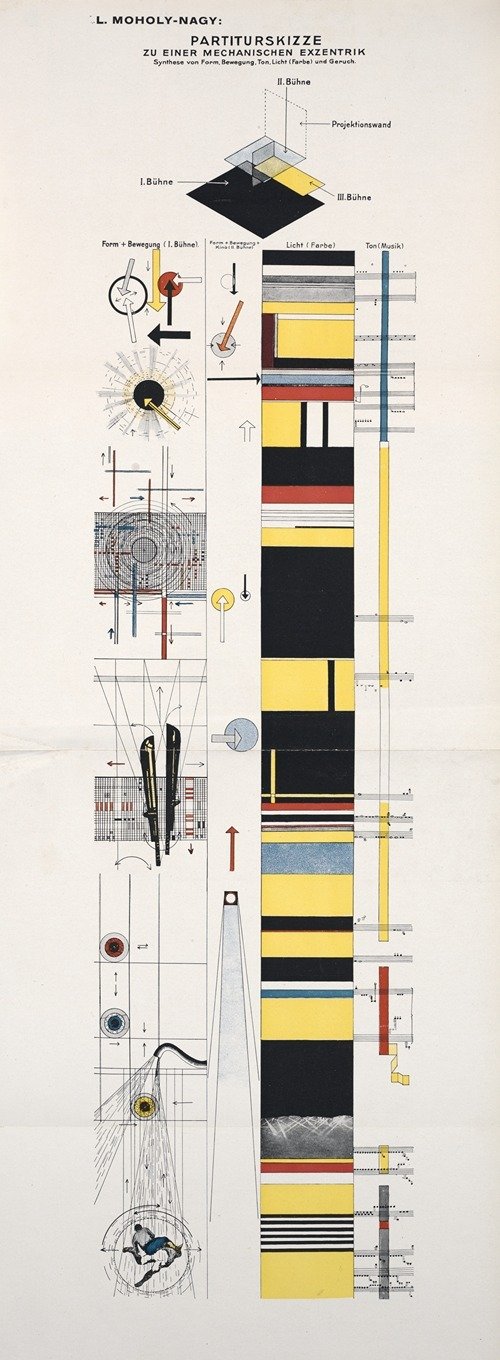
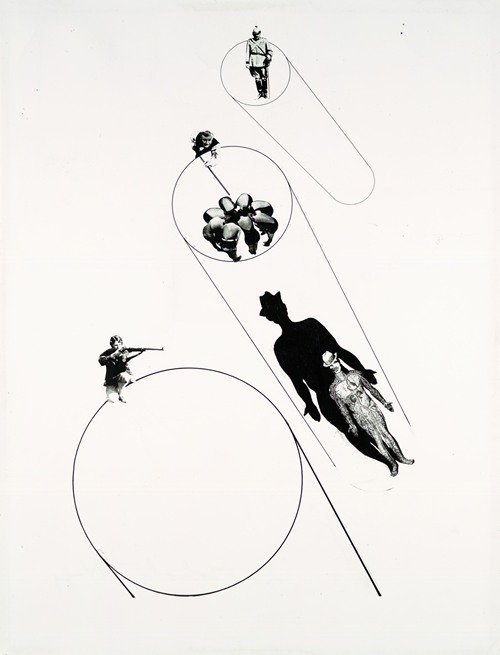
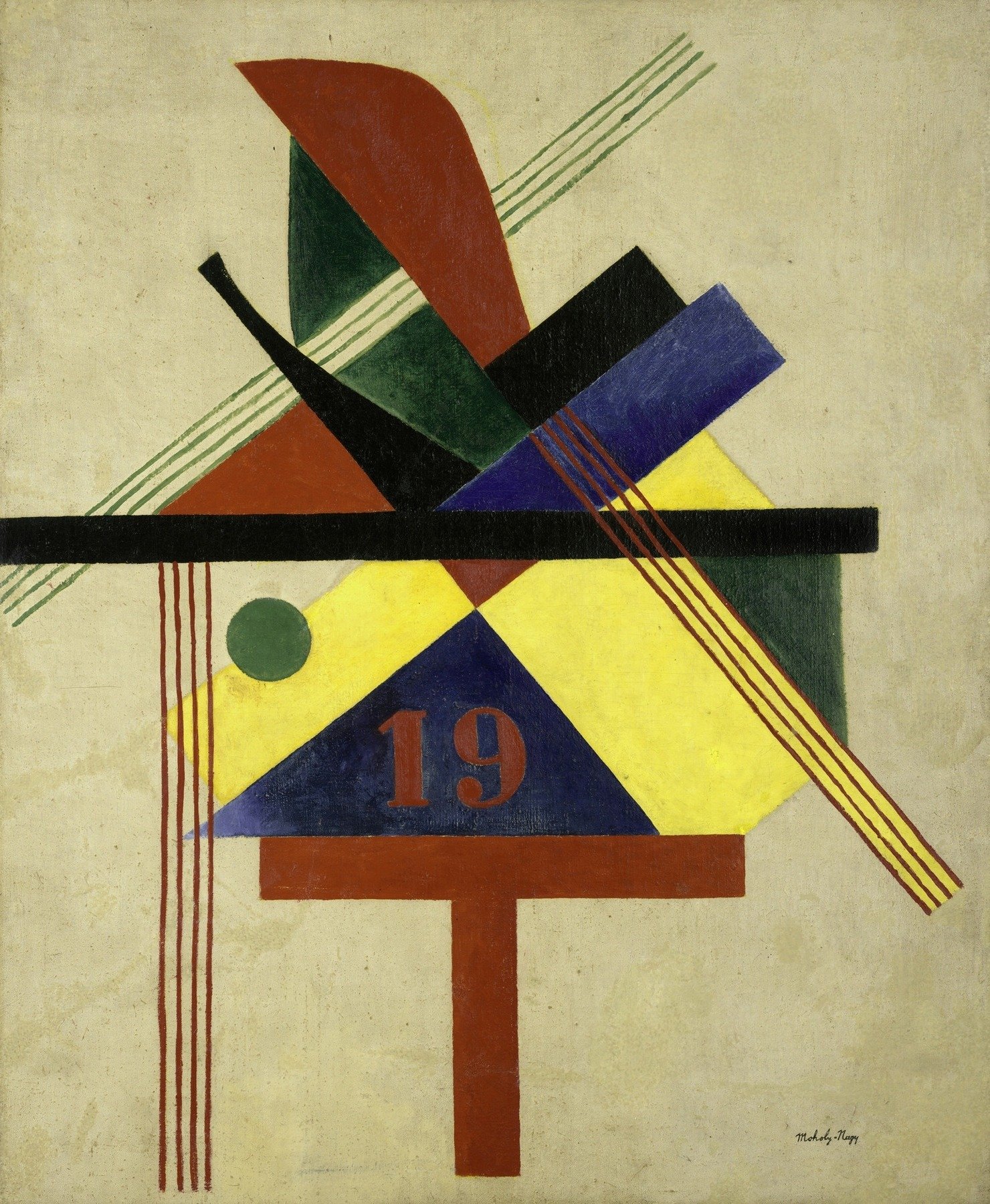
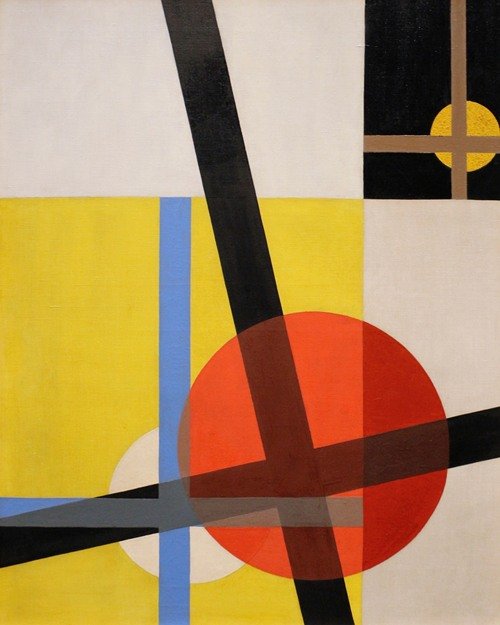
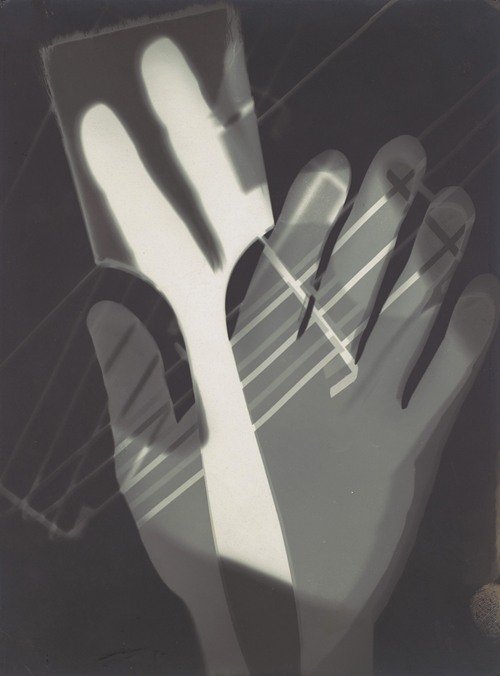
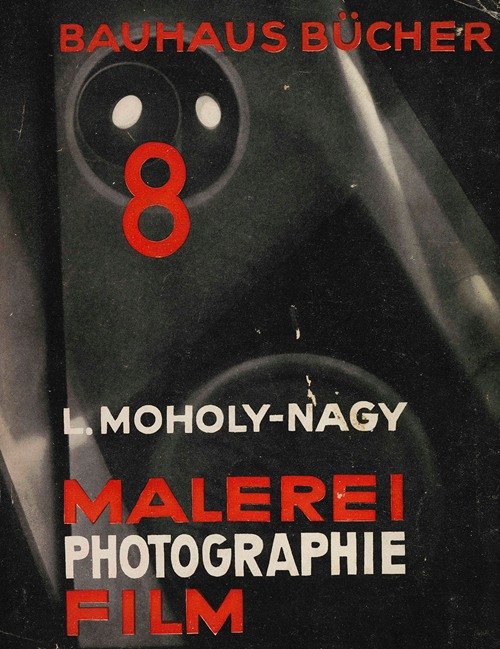
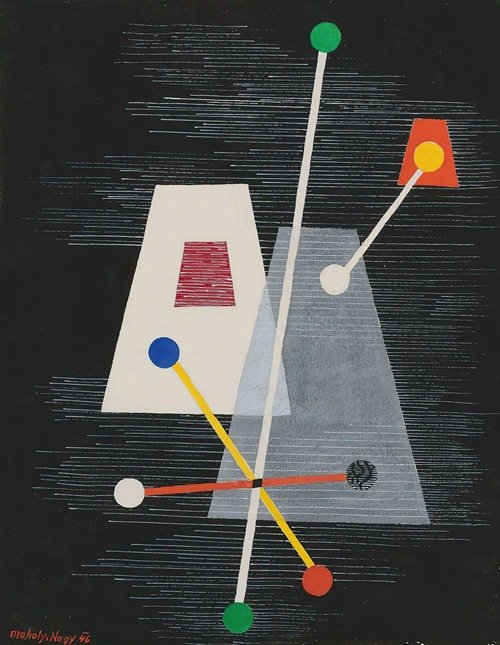
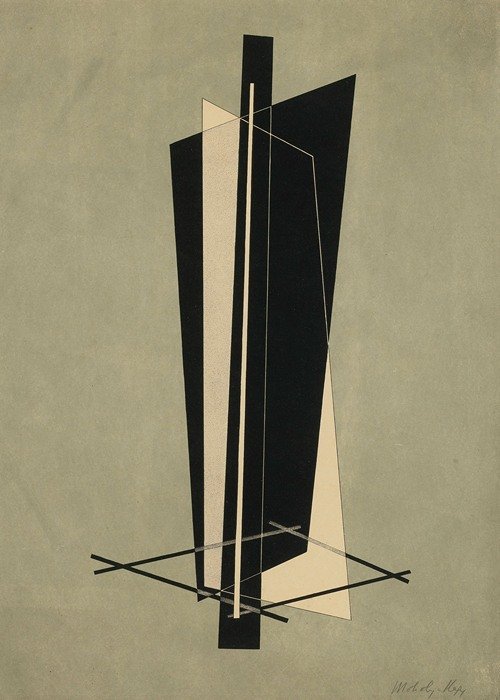
László Moholy-Nagy was a Hungarian painter and photographer as well as a professor in the Bauhaus school. He was highly influenced by constructivism and a strong advocate of the integration of technology and industry into the arts. The art critic Peter Schjeldahl called him "relentlessly experimental" because of his pioneering work in painting, drawing, photography, collage, sculpture, film, theater, and writing.

He also worked collaboratively with other artists, including his first wife Lucia Moholy, Walter Gropius, Marcel Breuer, and Herbert Bayer.

His largest accomplishment may be the School of Design in Chicago, which survives today as part of the Illinois Institute of Technology, which art historian Elizabeth Siegel called "his overarching work of art". He also wrote books and articles advocating a utopian type of high modernism.

Explore all Artists in this Collection:

Fine Art Focus: Jean (Hans) Arp

Fine Art Focus: Jean (Hans) Arp

In 1904, after leaving the École des Arts et Métiers in Strasbourg, he went to Paris where he published his poetry for the first time. From 1905 to 1907, he studied at the Weimarer Kunstschule in Germany, where he met his uncle, German landscape painter Carl Arp. In 1908 he returned to Paris, where he attended the Académie Julian. Arp was a founder-member of the first modern art alliance in Switzerland Moderne Bund in Lucerne in 1911, participating in their exhibitions from 1911 to 1913.


In 1912 he went to Munich and called on Wassily Kandinsky, the influential Russian painter and art theorist. Arp was encouraged by him in his researches and exhibited with the Der Blaue Reiter group. Later that year, he took part in a major exhibition in Zürich, along with Henri Matisse, Robert Delaunay, and Kandinsky. In Berlin in 1913, he was taken up by Herwarth Walden, the dealer and magazine editor who was at that time one of the most powerful figures in the European avant-garde. 

In 1915 he moved to Switzerland to take advantage of Swiss neutrality. Arp later told the story of how, when he was notified to report to the German consulate in Zürich, he pretended to be mentally ill in order to avoid being drafted into the German Army: after crossing himself whenever he saw a portrait of Paul von Hindenburg, Arp was given paperwork on which he was told to write his date of birth on the first blank line. Accordingly, he wrote "16/9/87"; he then wrote "16/9/87" on every other line as well, then drew one final line beneath them and, "without worrying too much about accuracy", calculated their sum.

Hans Richter, describing this story, noted that "they [the German authorities] believed him."

 In 1916 Hugo Ball opened the Cabaret Voltaire, which was to become the centre of Dada activities in Zürich for a group that included Arp, Marcel Janco, Tristan Tzara, and others. In 1920, as Hans Arp, along with Max Ernst and the social activist Alfred Grünwald, he set up the Cologne Dada group. In 1925 his work also appeared in the first exhibition of the Surrealist group at the Galérie Pierre in Paris.

RGB v. CMYK: Color Theory 101

RGB v. CMYK: Color Theory 101

The Color Series • Design & Print Craft

RGB vs. CMYK: Why Screens Glow and Prints Breathe

Color is never just decoration—it is physics, medium, and craft. At cgk.ink, translating intricate patterns, archival fine art, and bold modern graphics onto physical textiles and home goods requires bridging two entirely different worlds: the glowing glass of your screen and the tactile weave of fabric and paper.

1. RGB: Painting with Light (Additive)

Digital screens—from smartphones to studio monitors—operate in RGB (Red, Green, Blue) by emitting light directly to your eyes.

  • The Physics: Microscopic red, green, and blue pixels blend together on your retina.
  • The Extremes: Maxing all channels to 255 creates pure white; turning them down to 0 leaves pure black.

2. CMYK: Sculpting with Pigment (Subtractive)

Physical printing—on stationery, art prints, and custom textiles—relies on CMYK (Cyan, Magenta, Yellow, Key/Black).

  • The Physics: Transparent ink halftones absorb (subtract) wavelengths of ambient light and reflect the rest.
  • The Extremes: At 0% ink, you see the natural white paper; layering toward 100% absorbs light to create deep black.
RGB Additive (Screen) 0 – 255
rgb(220, 60, 90)
R220
G60
B90
CMYK Subtractive (Print) 0% – 100%
C:15% M:80% Y:60% K:5%
C15%
M80%
Y60%
K5%

Screen-to-Print Gamut Preview

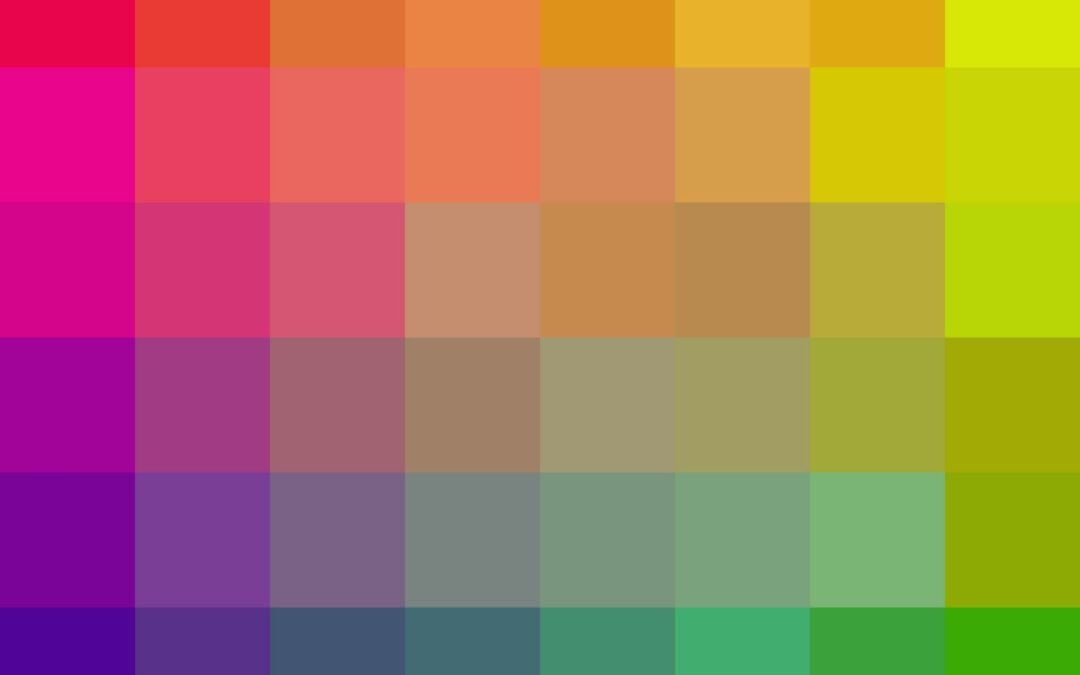
Click a shade below to compare how backlit RGB colors translate onto physical cotton and archival paper:

Screen (RGB Light)
Backlit Display: Emits direct light through glass pixels for high-luminance saturation.
Print (CMYK Ink)
Electric cobalt loses its backlit neon glow on paper, settling into a rich, archival ultramarine pigment.

Why This Matters for Your Space & Wardrobe: When we prepare a piece for the Fine Art Collection or Travel Gear, our production workflow carefully maps digital RGB artwork into calibrated print profiles—ensuring every brushstroke, sashiko motif, and geometric pattern arrives with the exact warmth and depth intended by the artist.