The Enduring Bauhaus: How It Shapes Our World

The Enduring Bauhaus: How It Shapes Our World


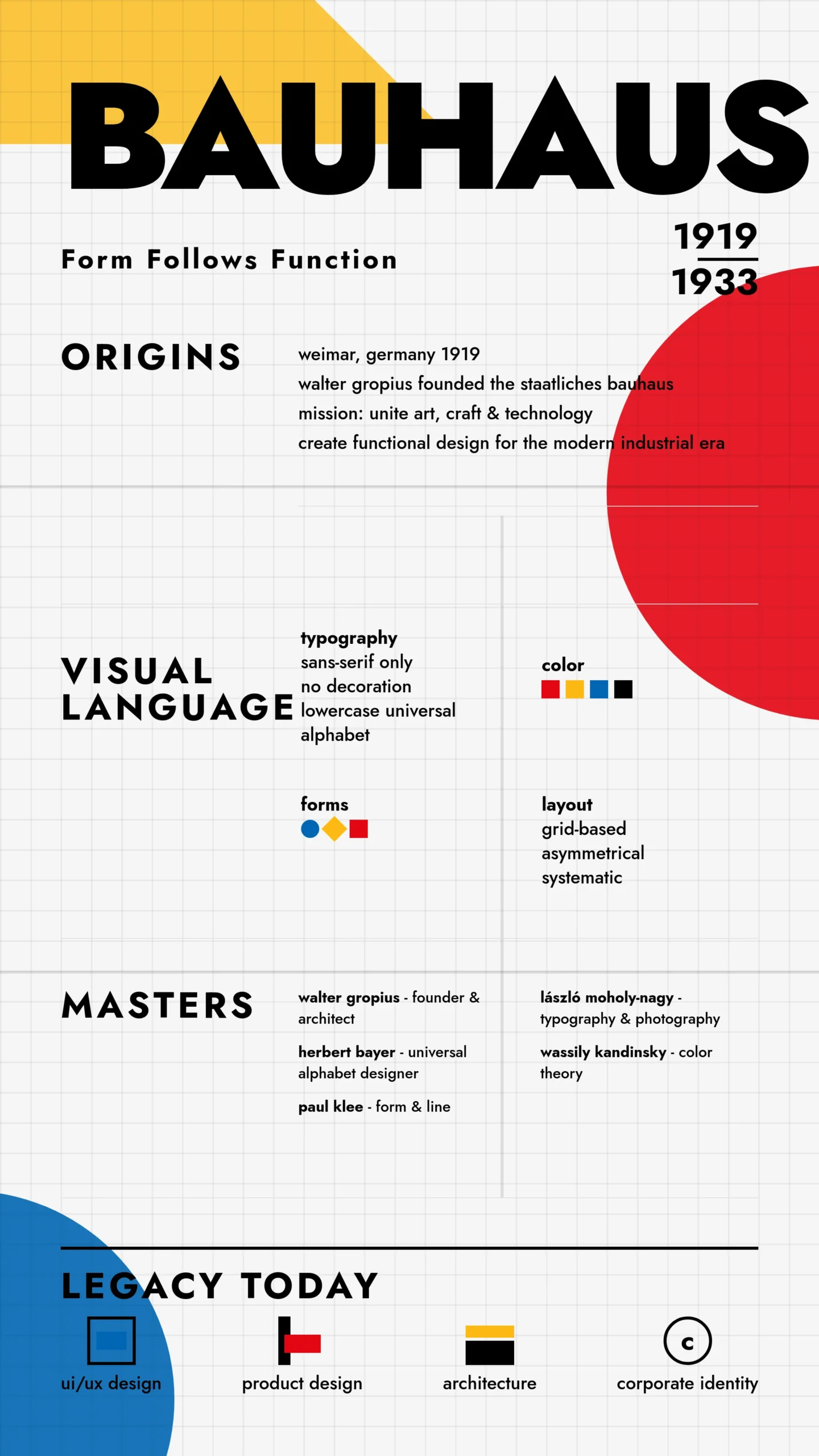
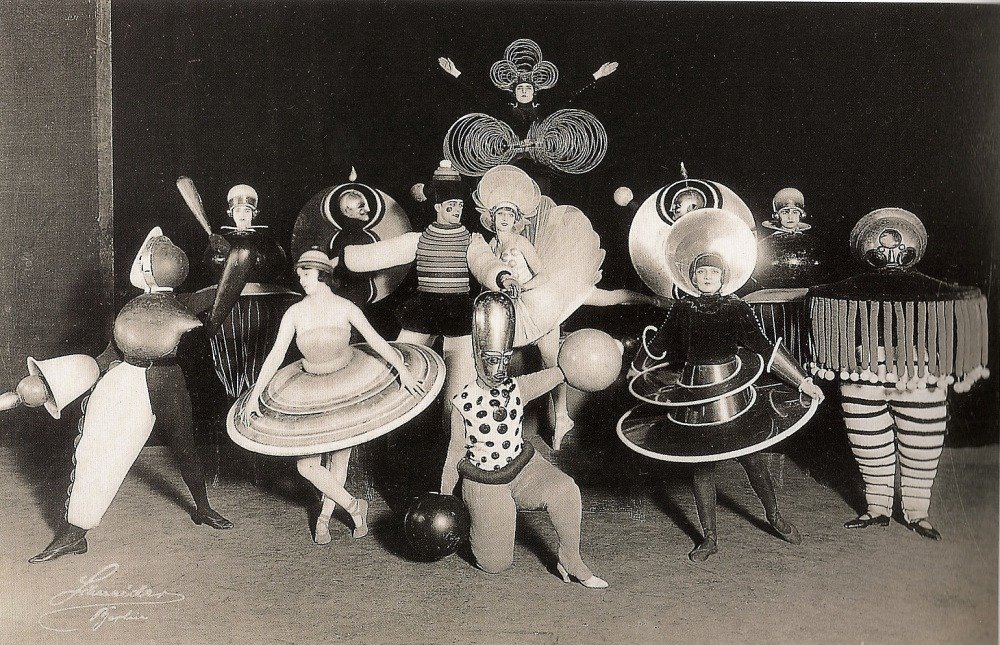
The Bauhaus school (1919–1933) is, arguably, the single most influential design movement of the 20th century. Its impact runs through virtually every discipline of modern design:

Core Philosophy

The Bauhaus broke down the hierarchy between "fine art" and "craft," insisting that good design should unite beauty and function. The famous motto — form follows function — shaped how designers think about every object they make.


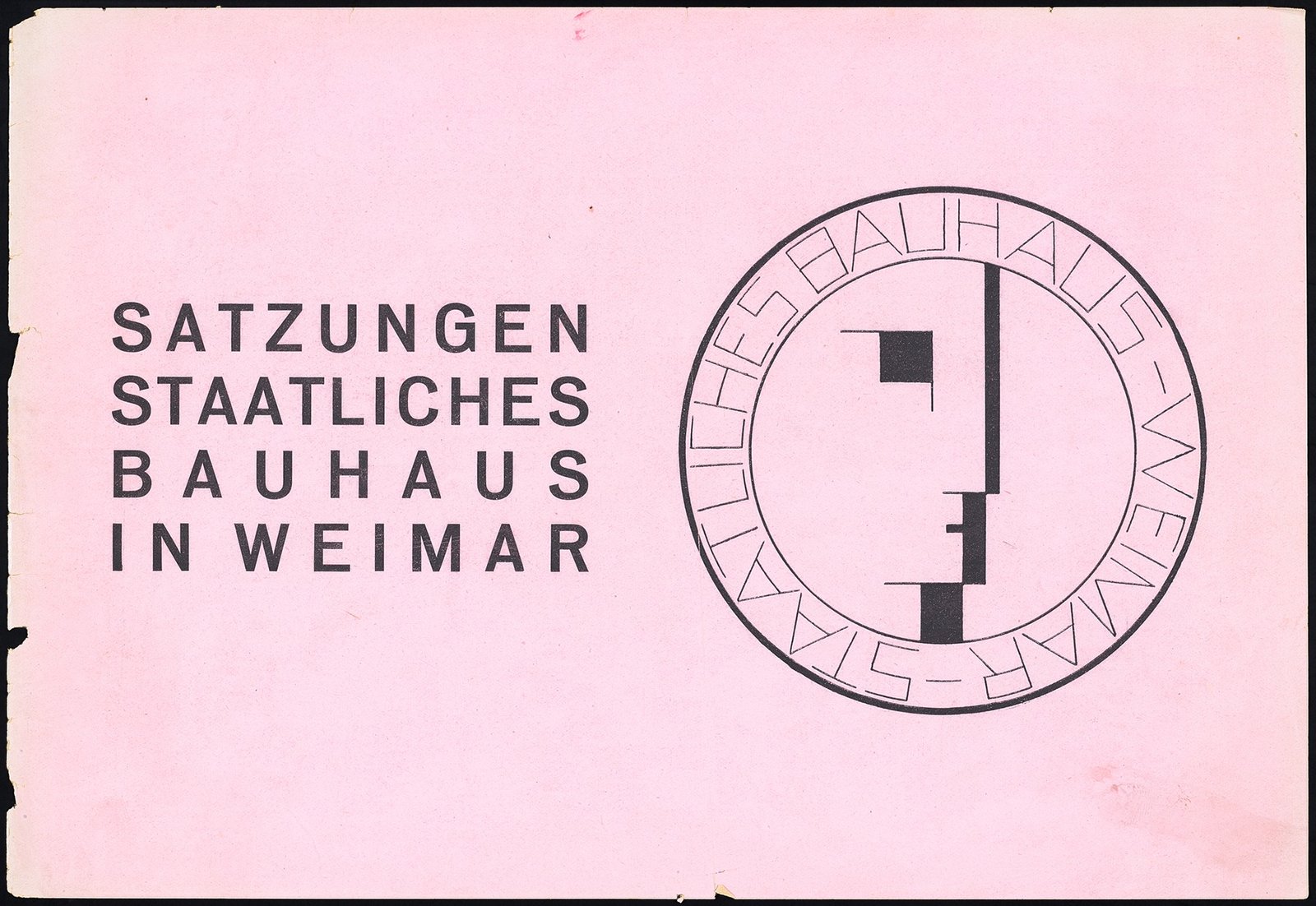
Typography & graphic design
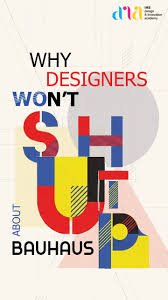
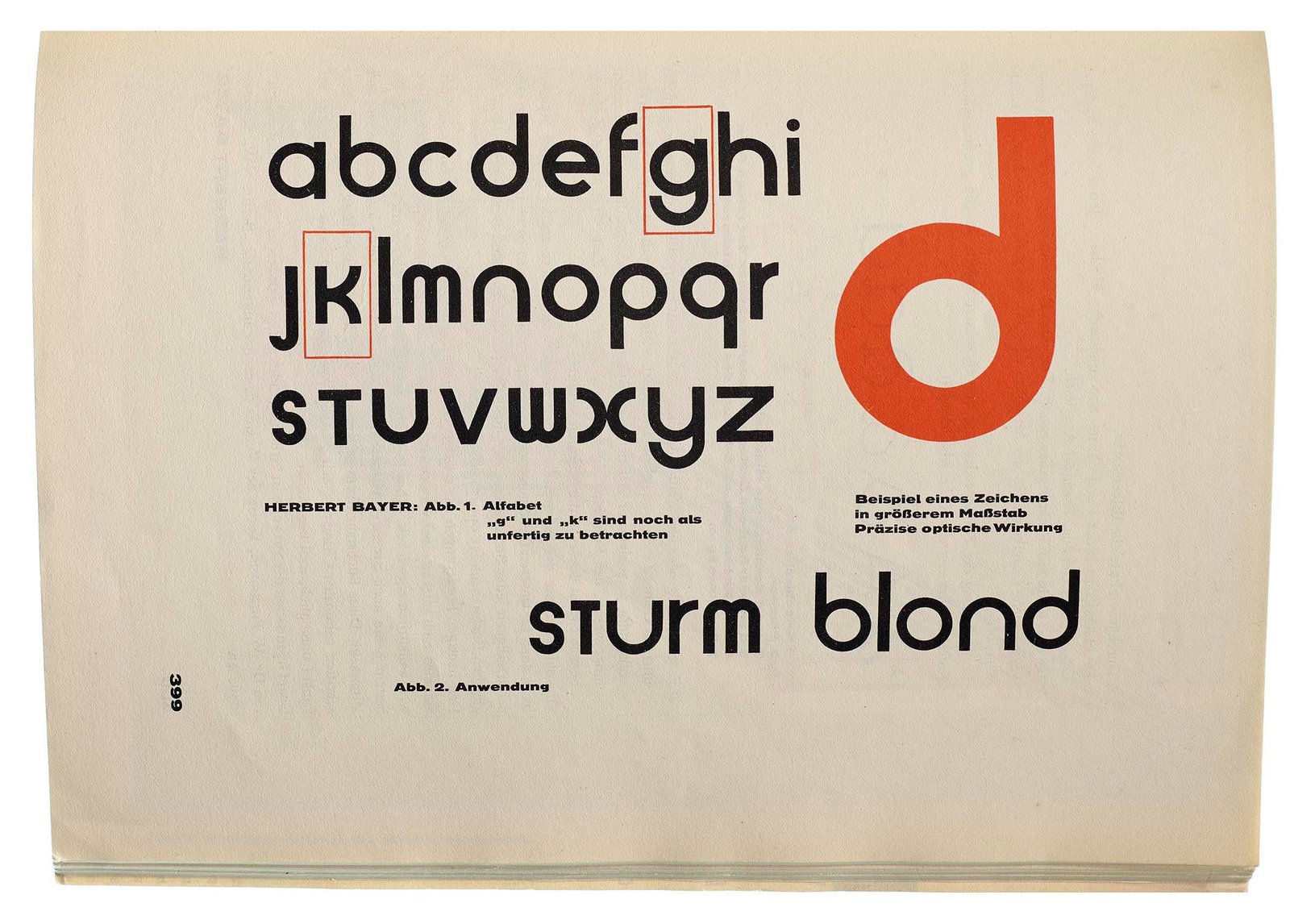
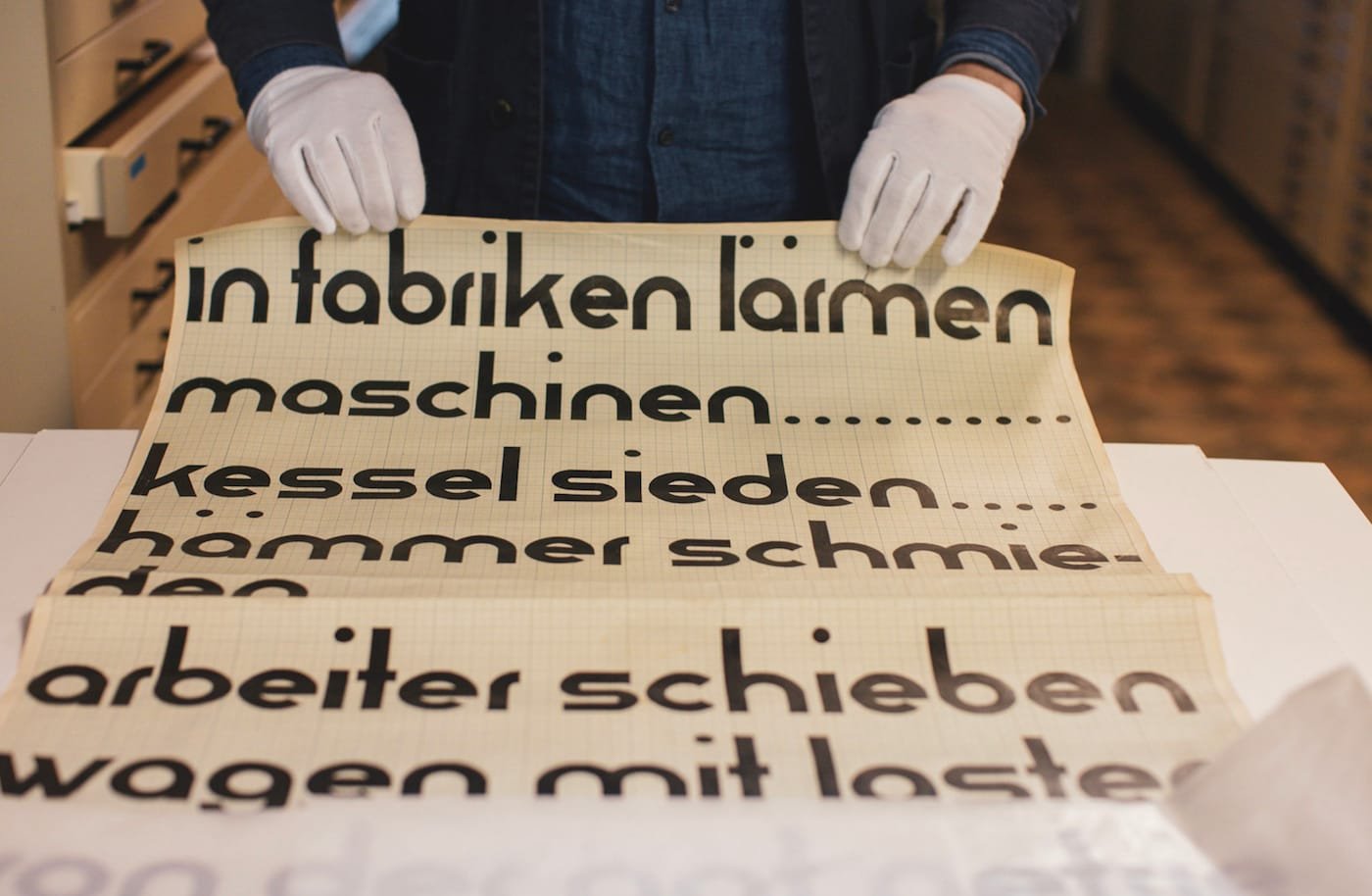
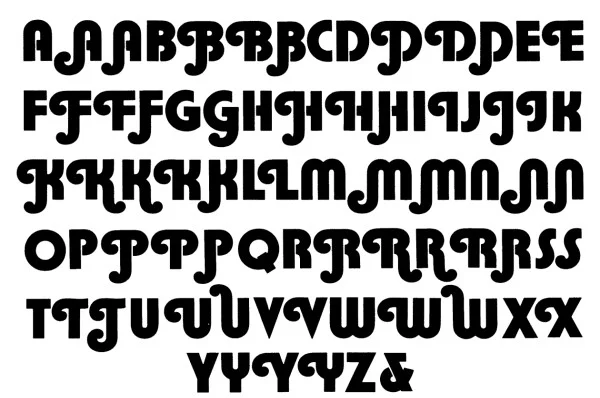
Bauhaus experimented radically with sans-serif typefaces, grid systems, and asymmetric layouts. Designers like Herbert Bayer developed typefaces that stripped away decorative flourishes. You see this DNA in modern UI design, brand identity systems, and the clean sans-serif dominance of digital typography (think Helvetica, Futura, and their descendants).
Industrial & product design
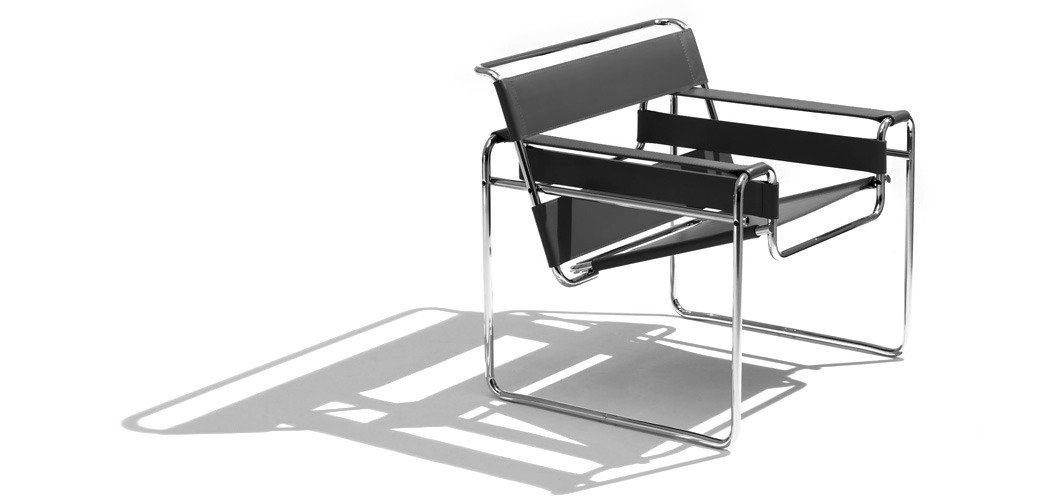
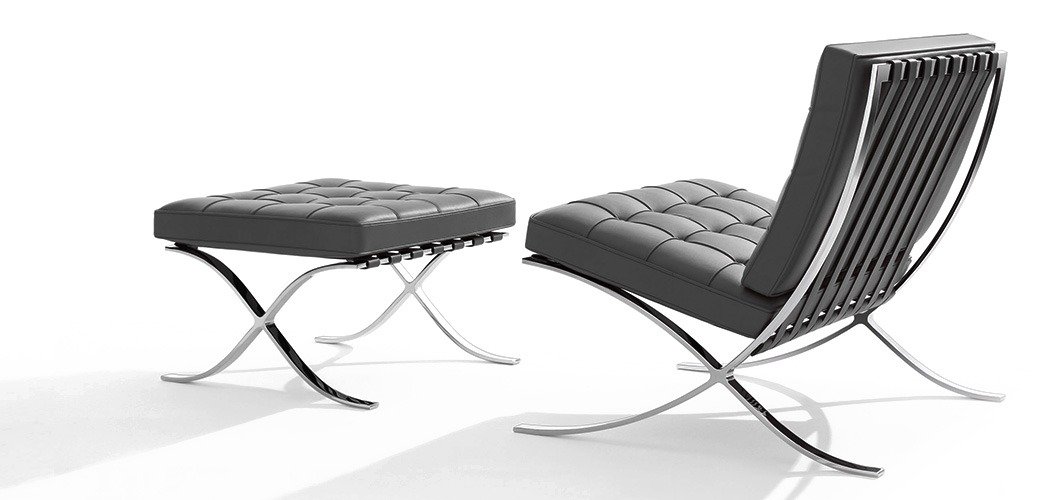
Marcel Breuer's tubular steel furniture, Marianne Brandt's metalwork, and Wilhelm Wagenfeld's lamp are still in production today. The Bauhaus pioneered designing for mass production — objects that were elegant and manufacturable at scale. This is the philosophical foundation of companies like Braun, Apple, and IKEA.
Architecture

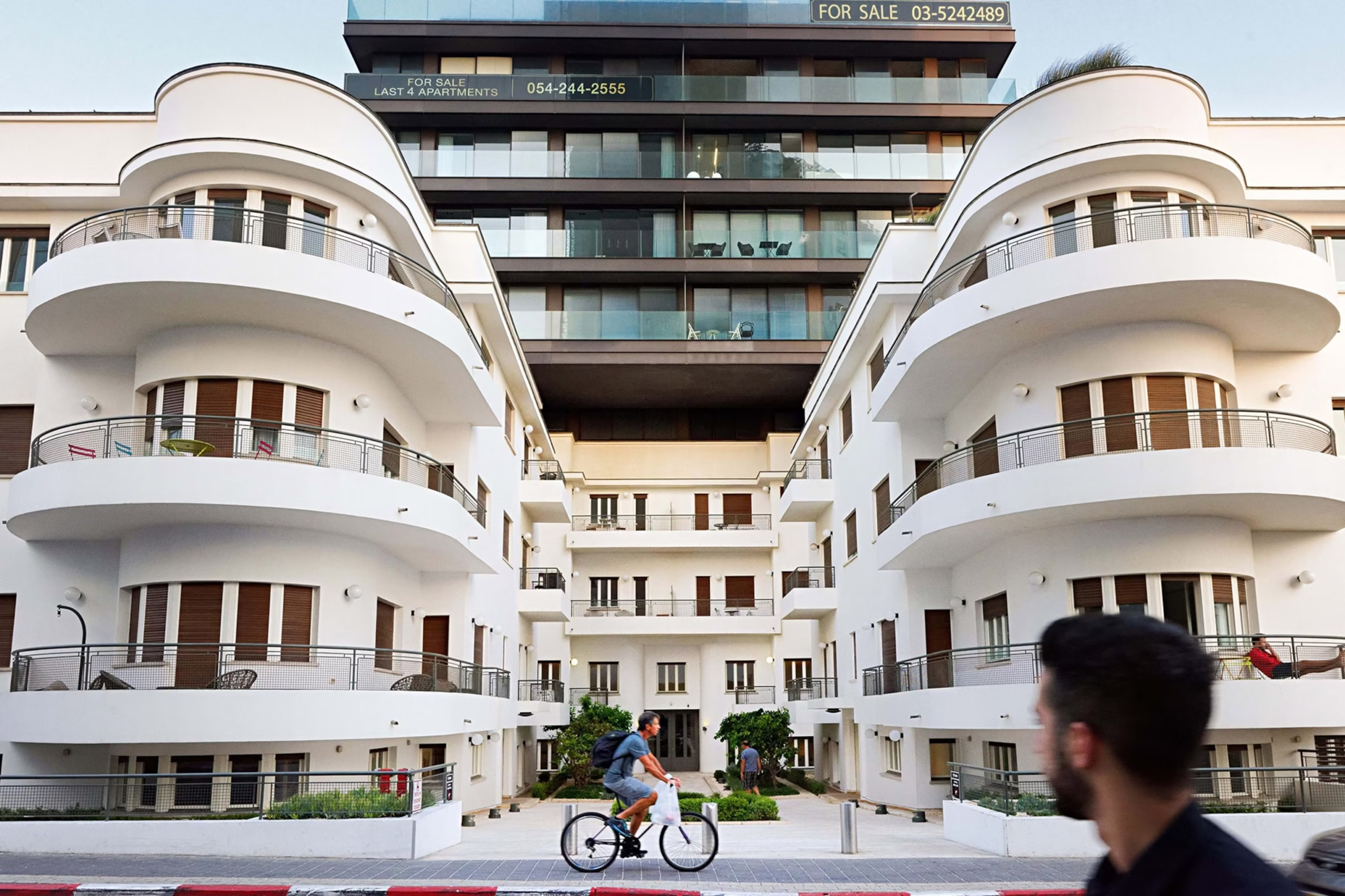
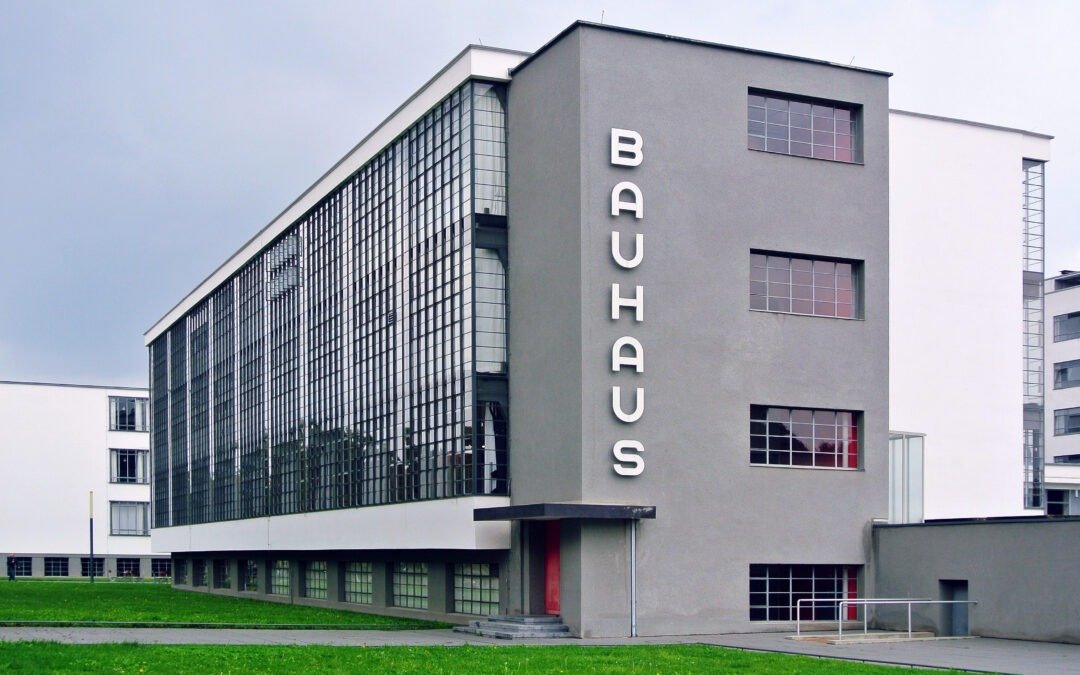
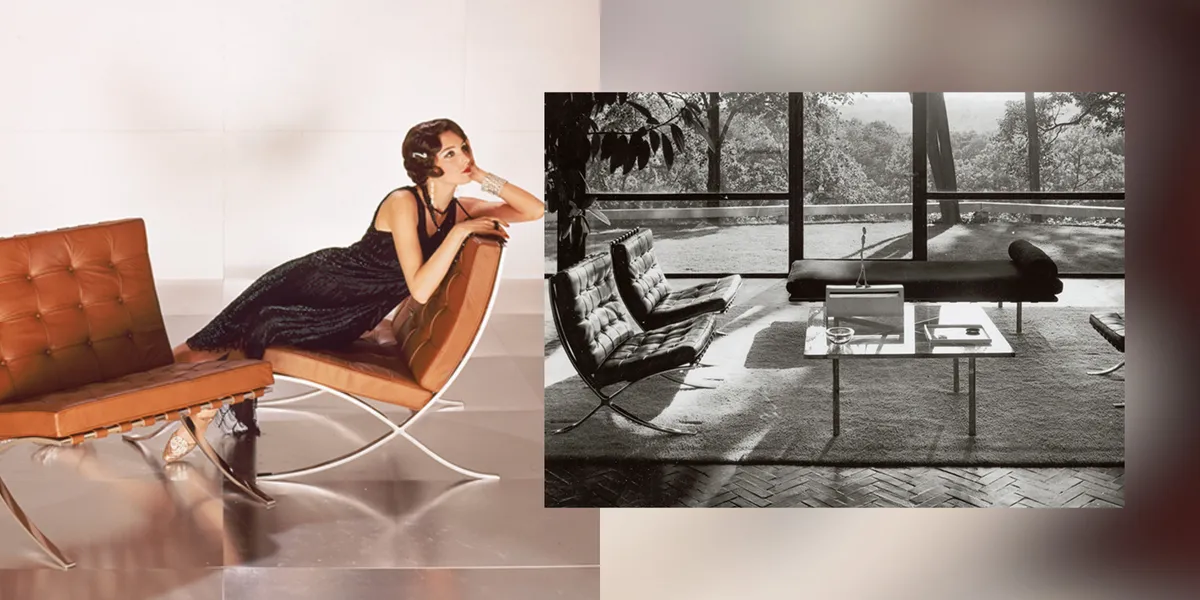
Walter Gropius and Ludwig Mies van der Rohe helped launch International Style modernism — open floor plans, flat roofs, glass curtain walls, structural honesty. The glass-and-steel office towers that define every city skyline are a direct inheritance.


UI/UX and digital design

The Bauhaus grid, modular composition, and emphasis on usability translate almost directly into digital interfaces. The idea that a design should guide the user intuitively — without ornamentation for its own sake — is foundational to how apps and websites are built today.
Color theory
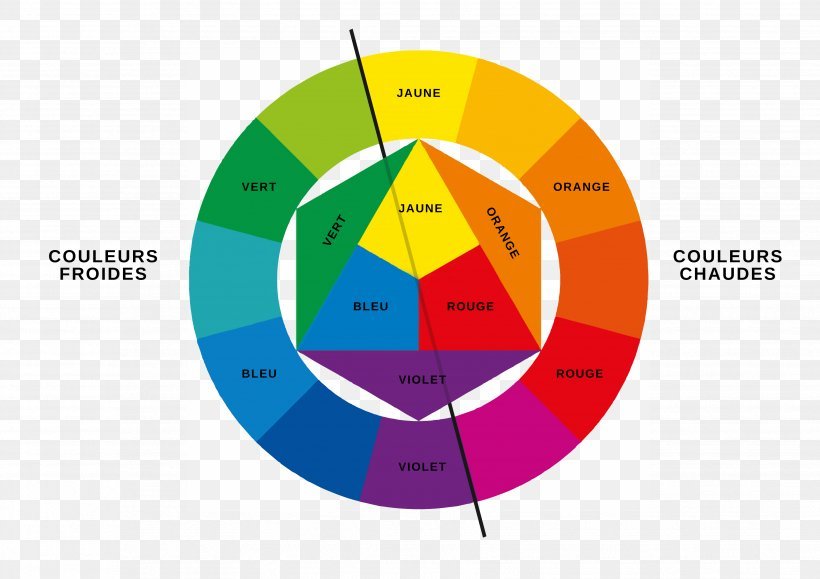
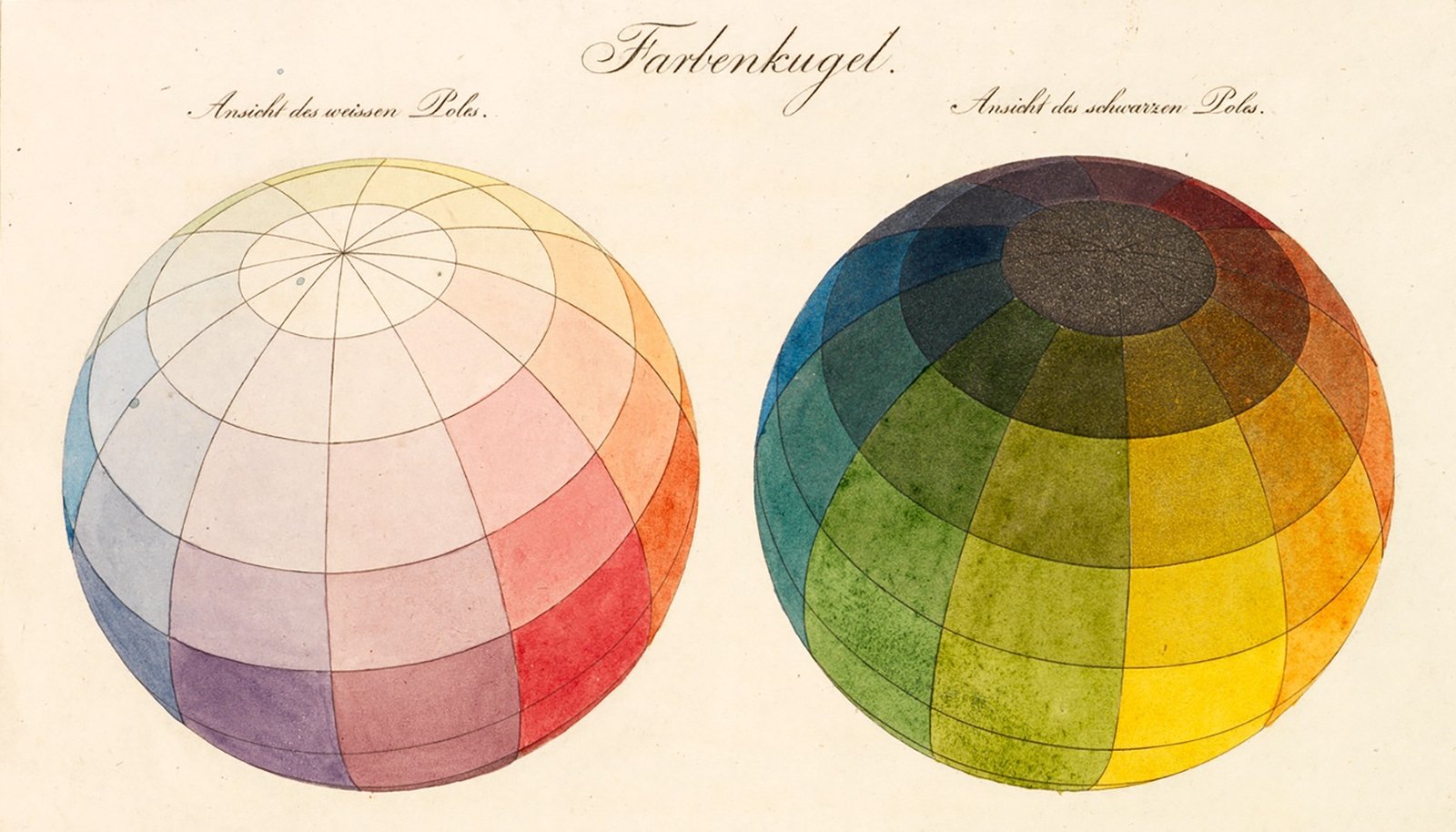
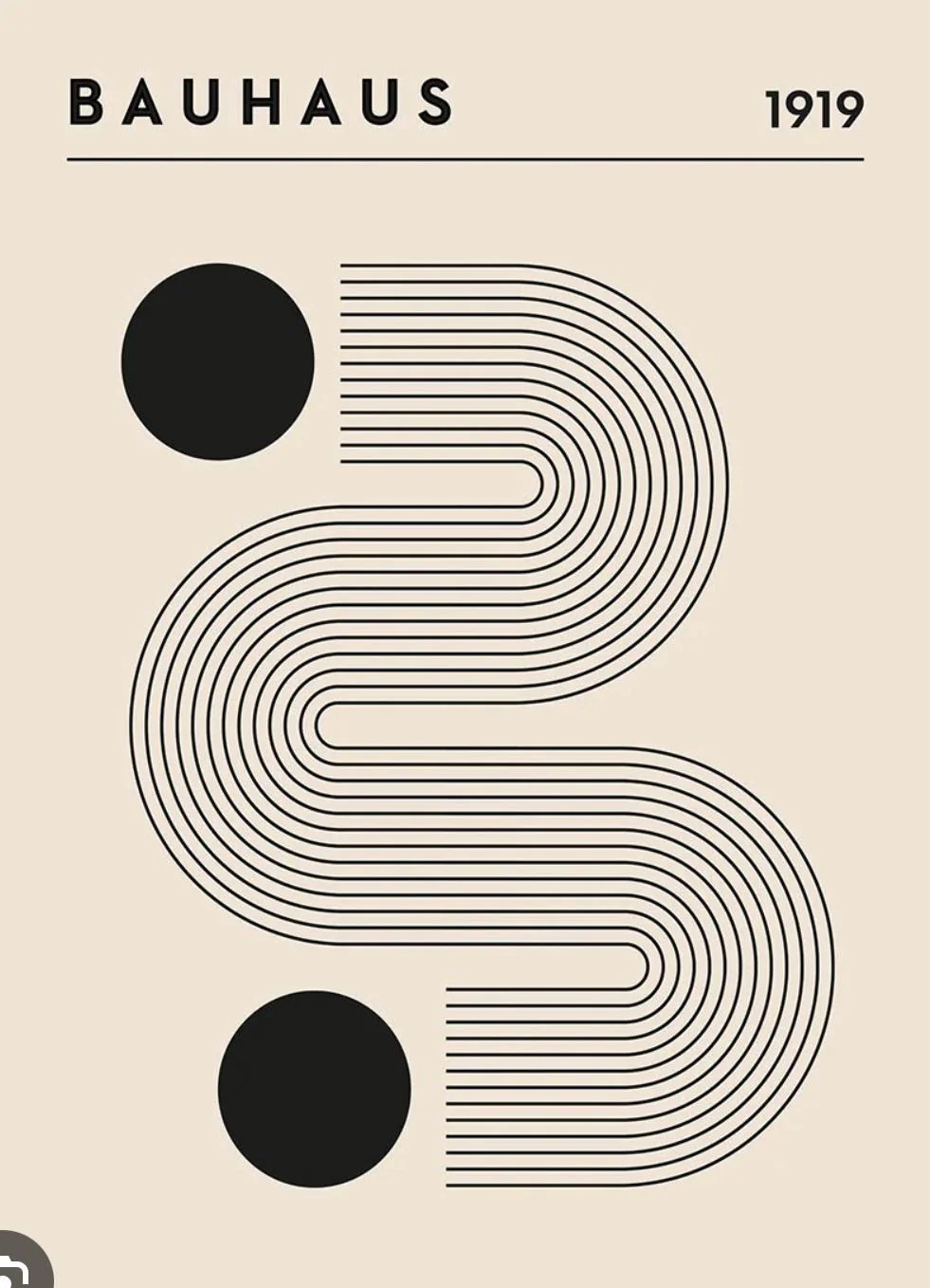
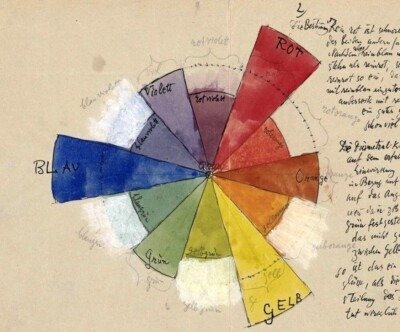
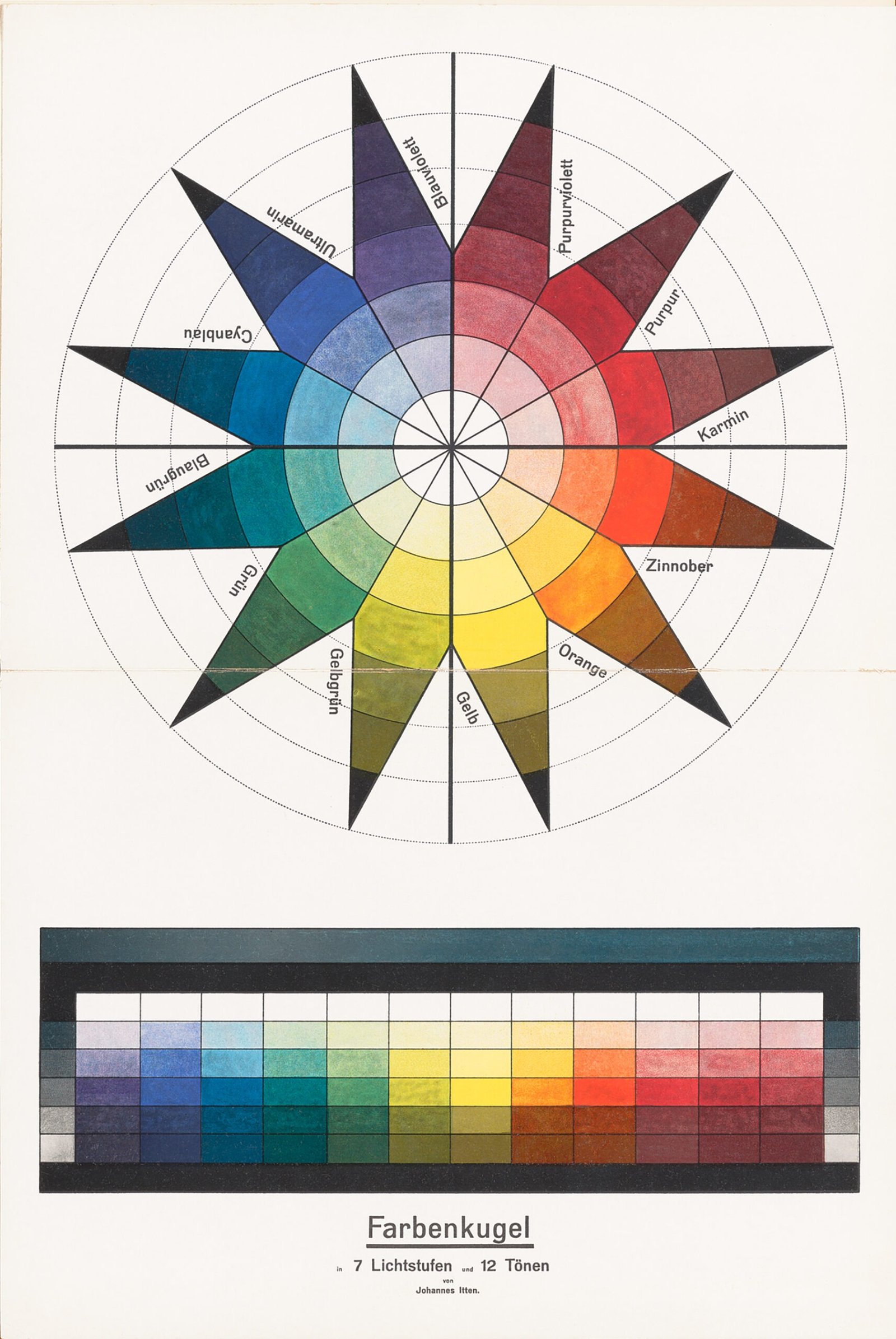
Johannes Itten and Josef Albers developed rigorous, systematic approaches to color interaction that are still taught in every design school and used by brand designers and filmmakers.
Education
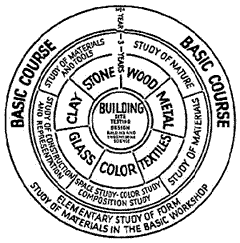
Perhaps the deepest legacy: the Bauhaus pedagogical model — foundation courses, interdisciplinary workshops, learning by making — restructured design education worldwide. Most art and design schools still follow a version of it.

If you've used a clean sans-serif font, sat in a cantilevered chair, used an intuitive app, or admired a glass building, you're living in the Bauhaus's long shadow.

No products were found matching your selection.
What’s Your Style?

What’s Your Style?


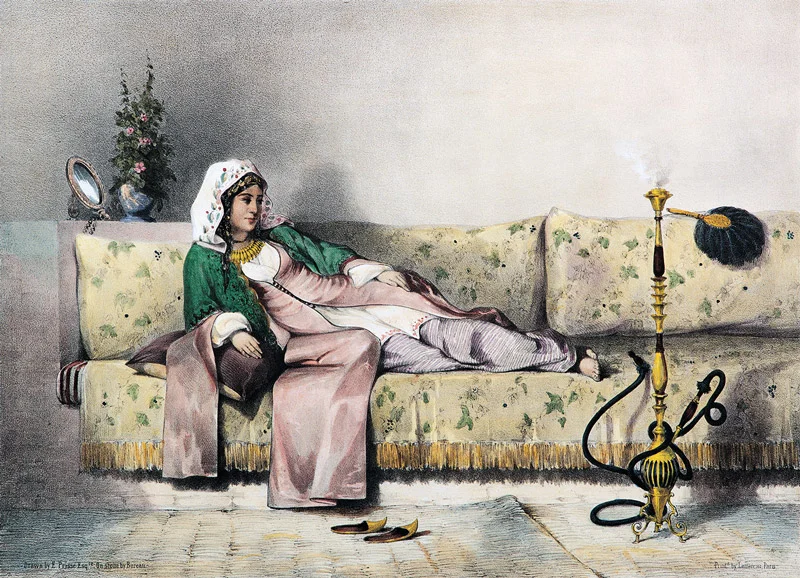
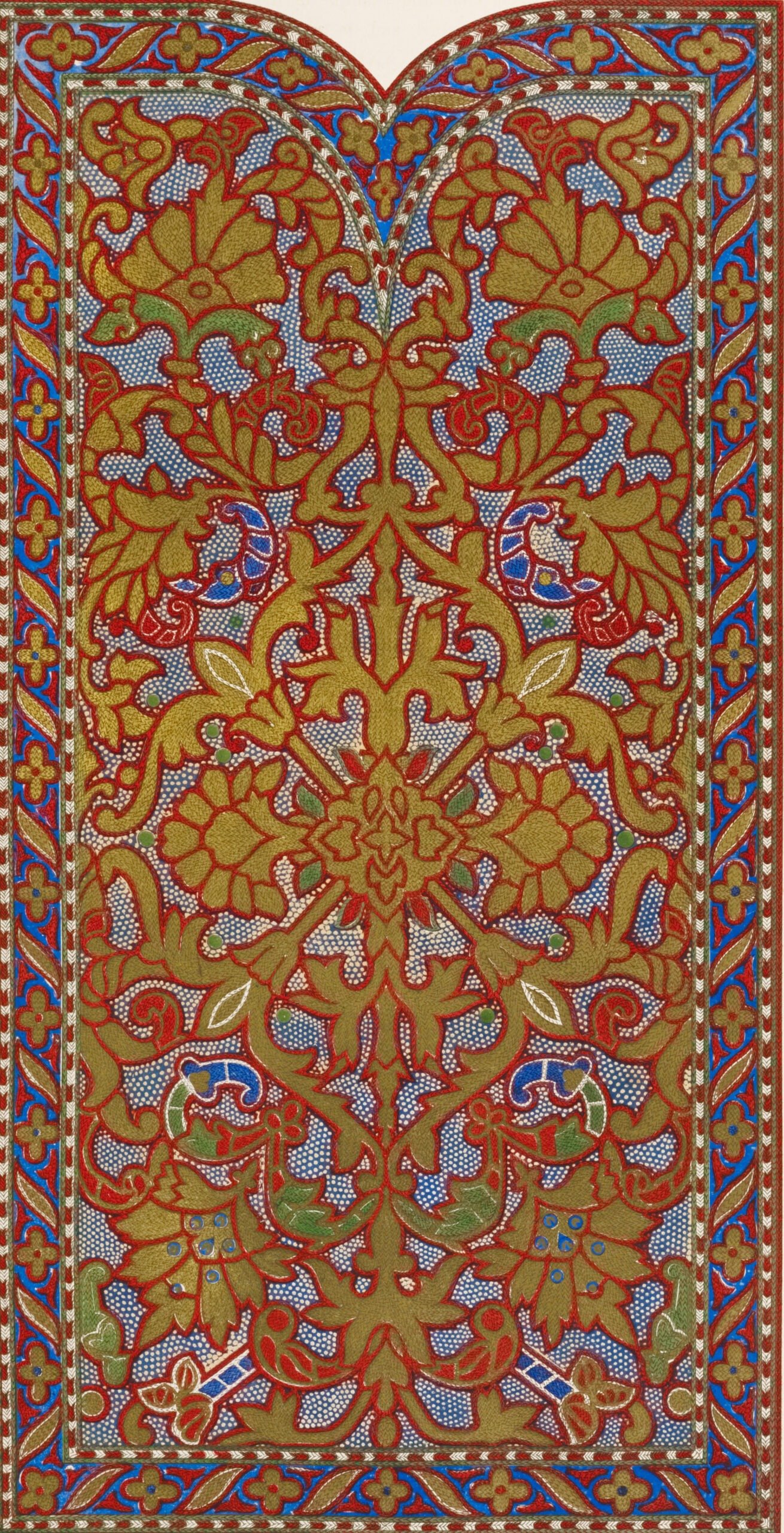
Fine Art Focus: Émile Prisse d’Avennes

Fine Art Focus: Émile Prisse d’Avennes

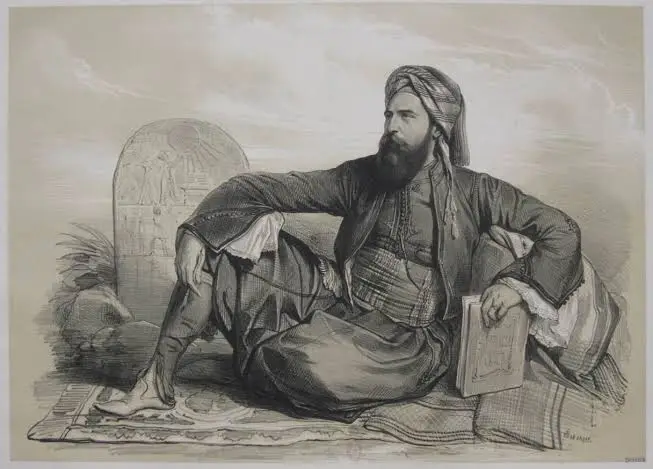
Prisse d'Avennes was born in Avesnes-sur-Helpe, France, on 27 January 1807, to a noble family of French origin. After the early death of his father in 1814, on the guidance of his grandfather he enrolled at college a year later to train for a career within the legal profession.

Prisse d'Avennes decided to become an archaeologist in 1836 after a period teaching at the infantry school in Damietta.

In 1827 when he reached Egypt, he was hired by the viceroy of Egypt, Muhammad Ali Pasha, as a civil engineer. He spent many years living as an Egyptian, adopting the name Idriss-effendi, learning to speak Arabic and practicing Islam. He stated that adopting Egyptian culture resulted in a greater understanding of Egyptian society and people.

In 1848, he contributed 30 lithograph images depicting the people living on the Nile Valley to a costume book titled Oriental Album written by James Augustus St. John who was a British author and traveler.

No products were found matching your selection.
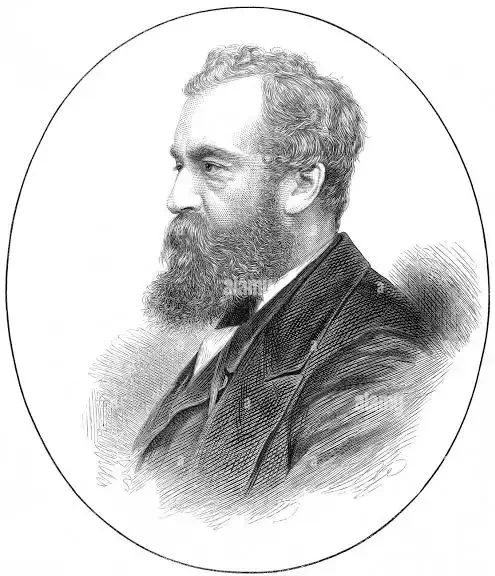
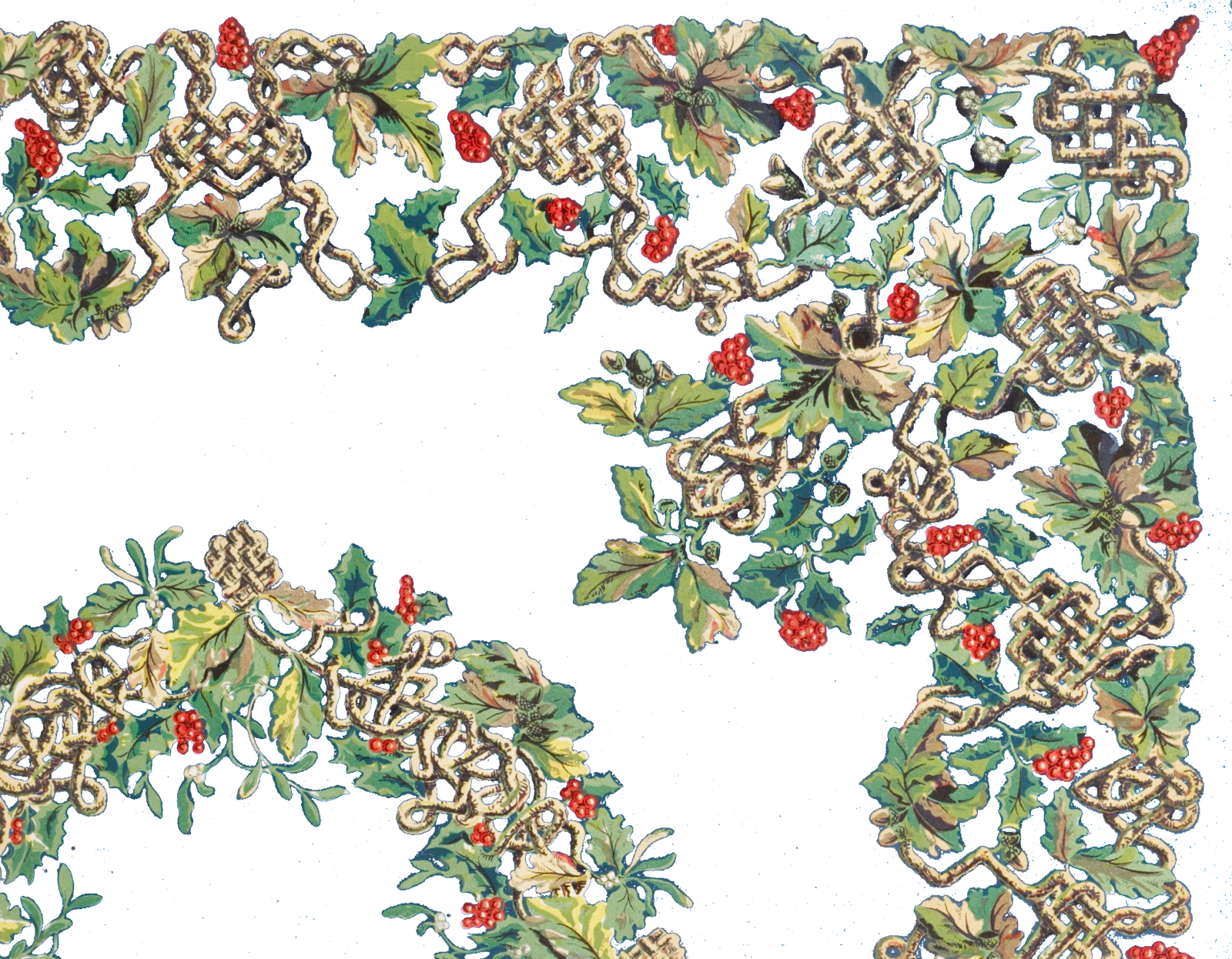
Fine Art Focus: Matthew Digby Wyatt

Fine Art Focus: Matthew Digby Wyatt

Sir Matthew Digby Wyatt (28 July 1820 – 21 May 1877) was a British architect and art historian who became Secretary of the Great Exhibition, Surveyor of the East India Company and the first Slade Professor of Fine Art at the University of Cambridge. From 1855 until 1859 he was honorary secretary of the Royal Institute of British Architects, and in 1866 received the Royal Gold Medal.

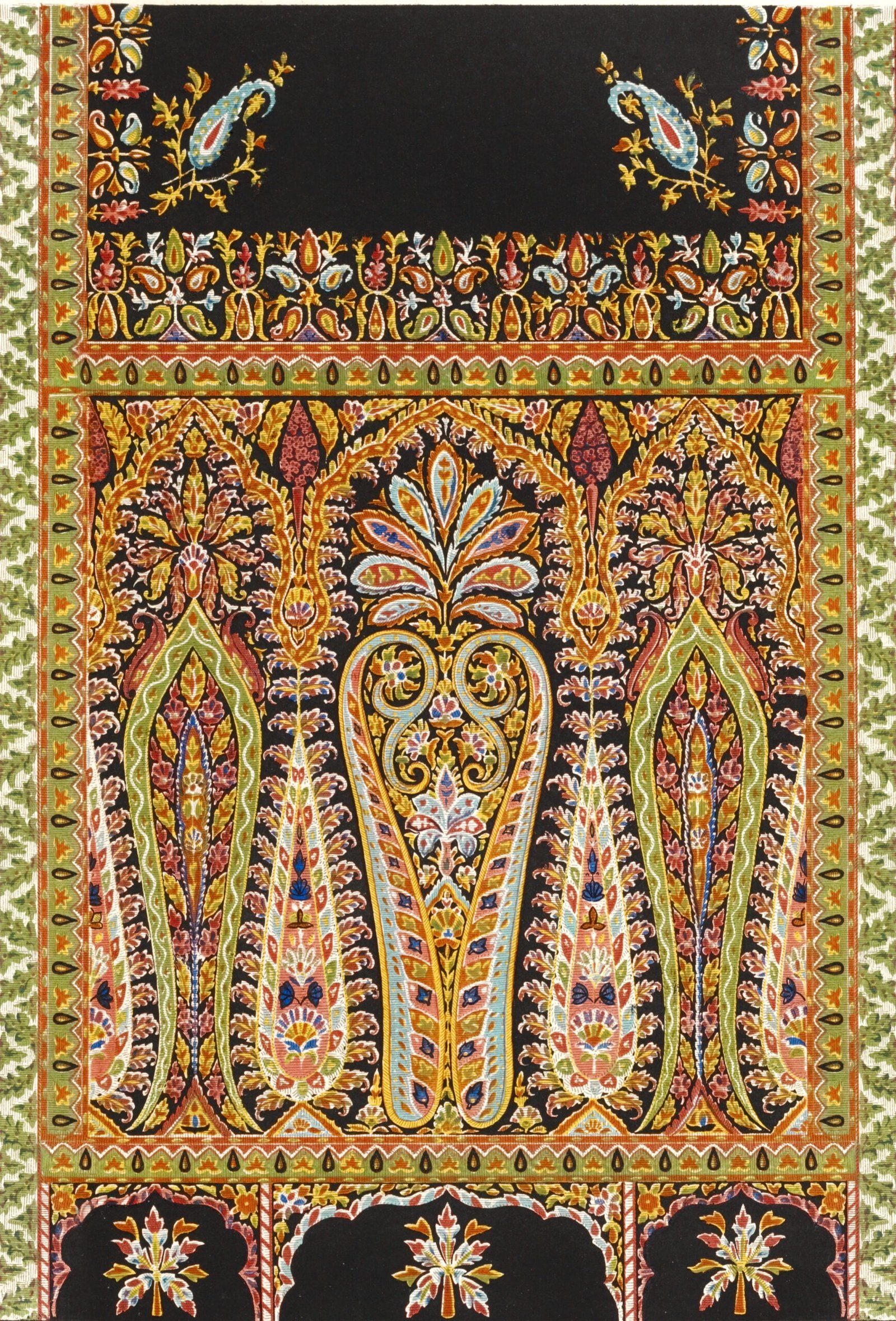
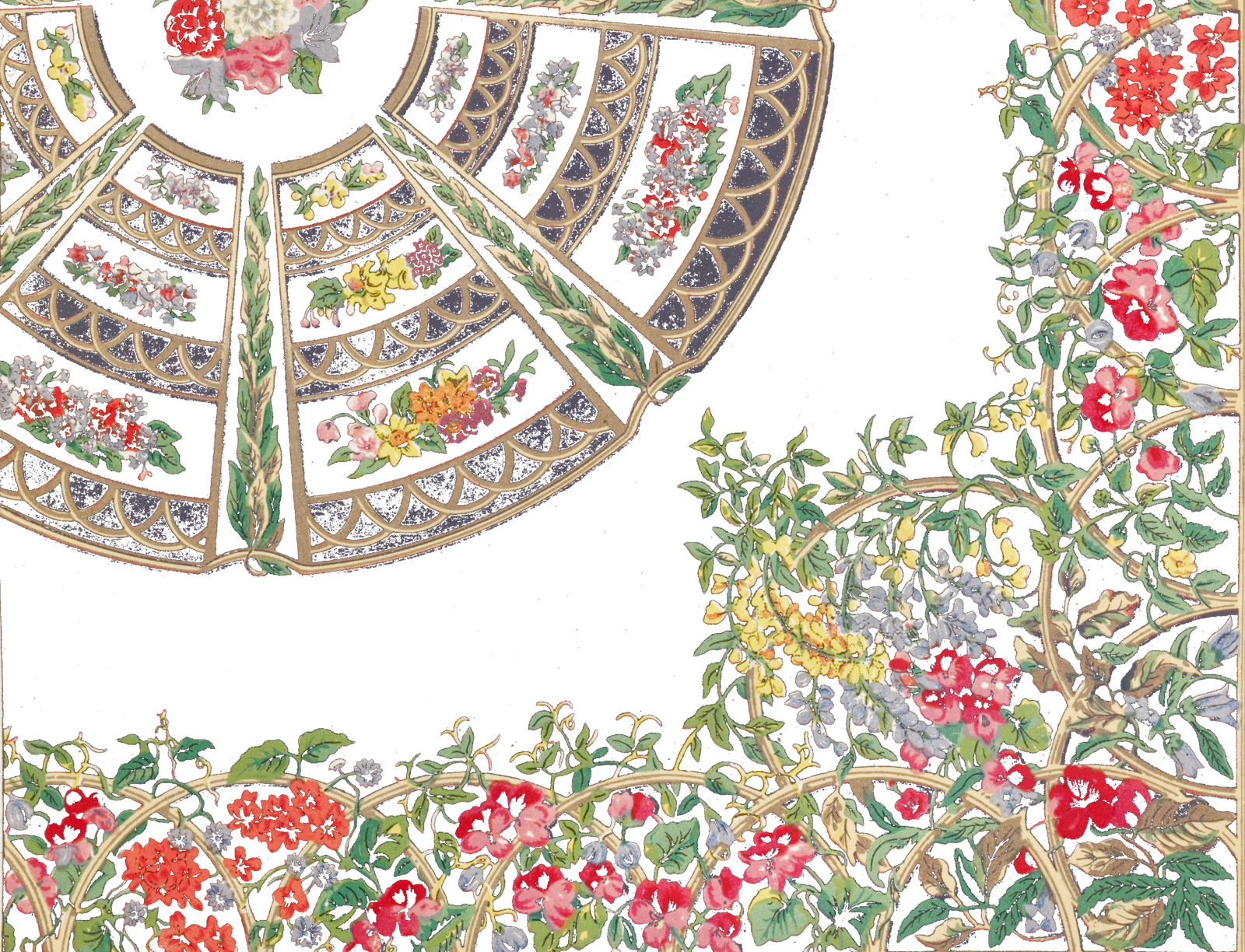
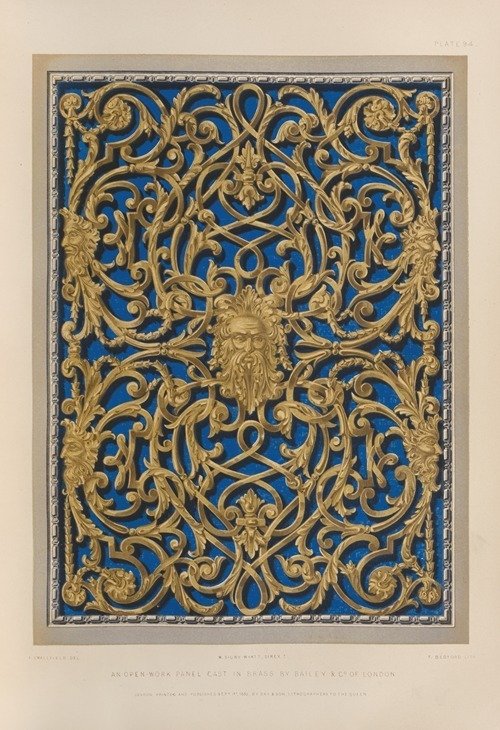
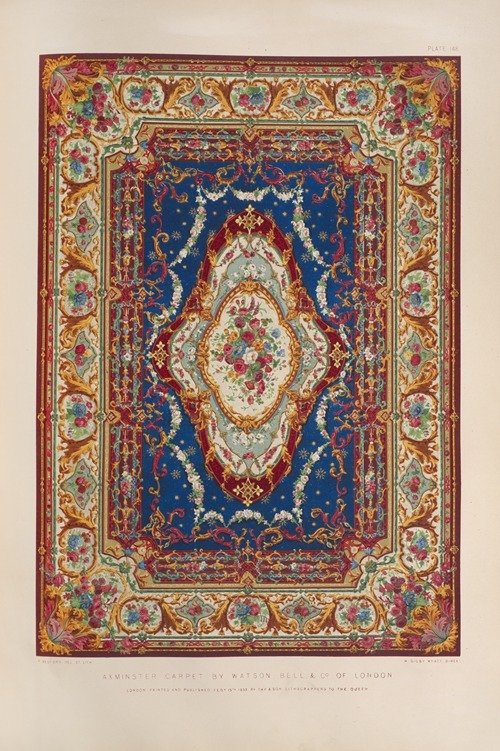
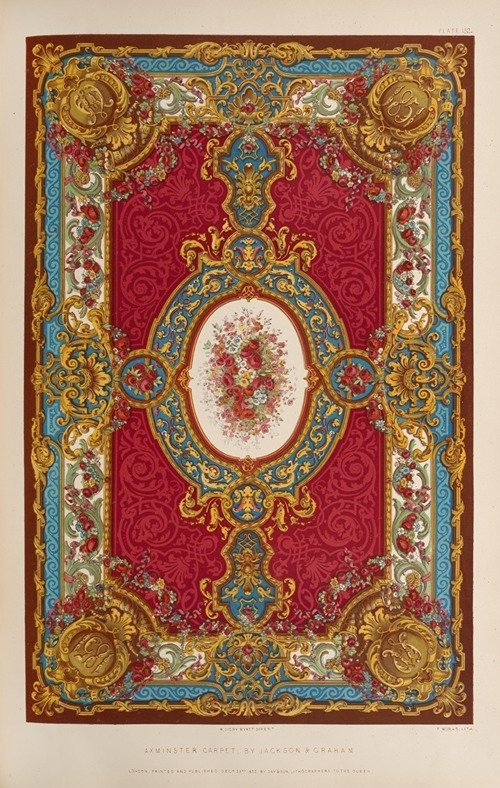
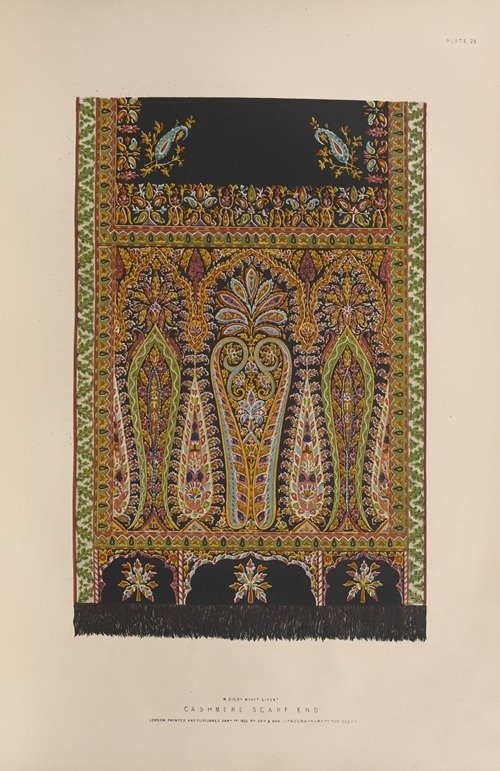
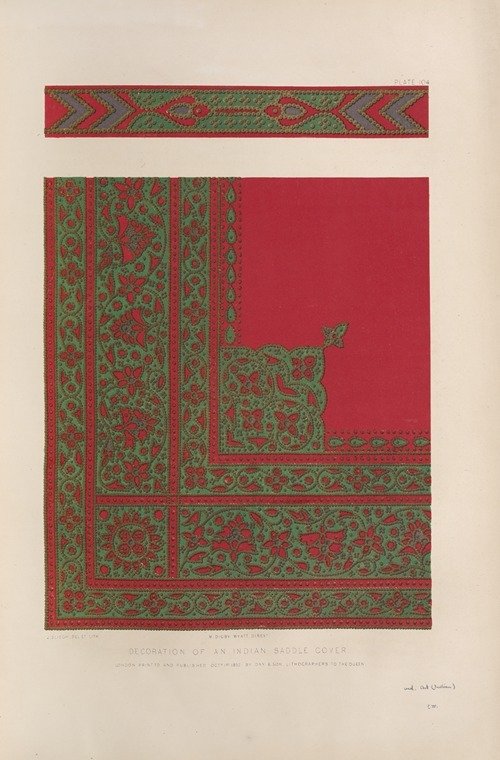
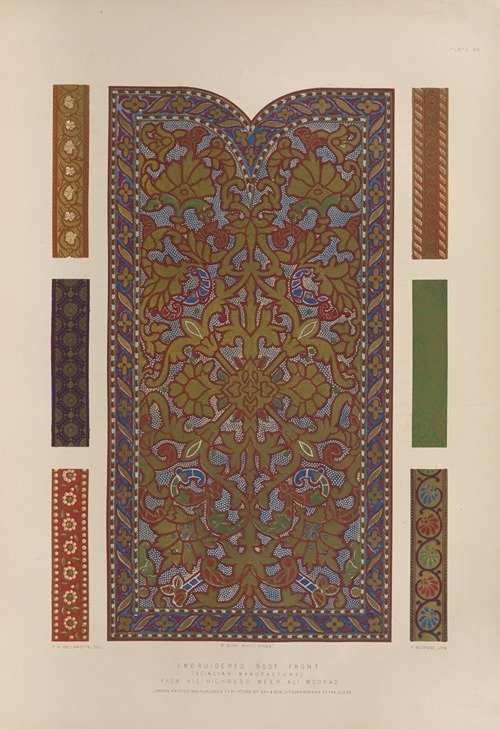
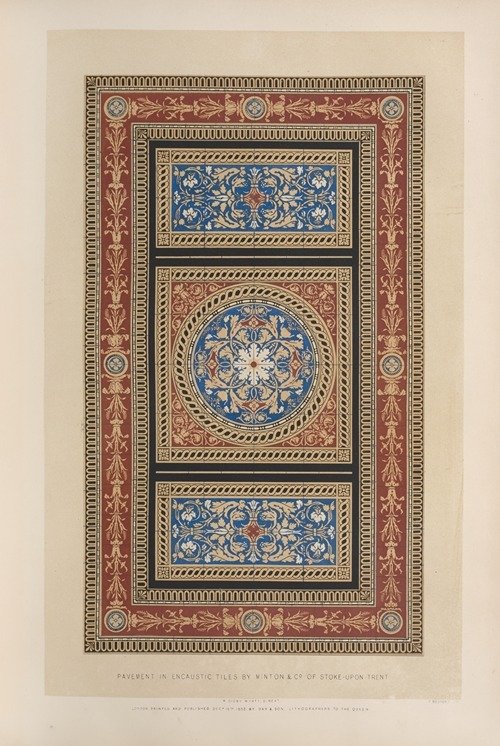
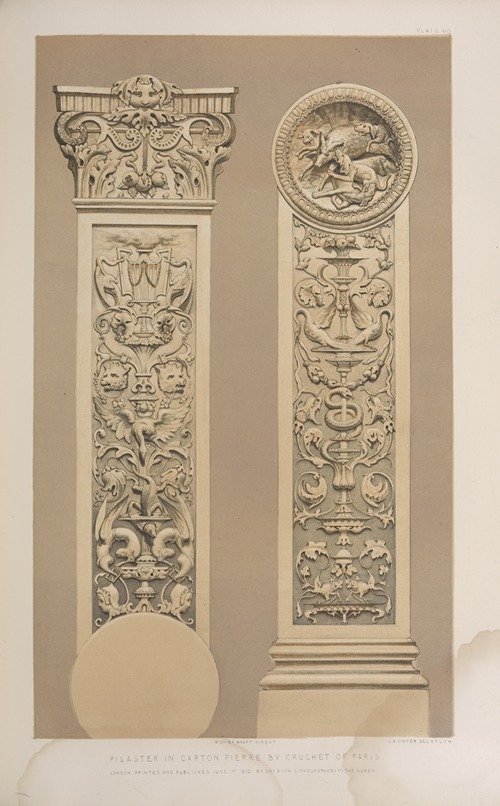
In 1851, Wyatt produced the book The Industrial Arts of the Nineteenth Century, an imposing imperial folio in two volumes which illustrates a selection of items from the Great Exhibition of 1851. The book, which has won widespread acclaim for the quality of its plates, appeared in two parts, with the first dated 1 October 1851, through to the extra-illustrated title pages dated 15 March 1853. There are 160 chromolithographed plates produced by a team of artists and lithographers including Francis Bedford, J. A. Vinter and Henry Rafter.

He was appointed to the post of Surveyor of the East India Company in 1855, shortly before its role in governing India was taken over by the Crown, and subsequently became Architect to the Council of India. In this role he designed the interiors of the India Office in London (1867: now part of the Foreign & Commonwealth Office) and the Royal Indian Engineering College (1871-3: now the Runnymede campus of Brunel University).