From Edo to Art Nouveau

From Edo to Art Nouveau

The 1800s Design Revolution

How Asian Art Fueled the Western Decorative Arts Boom

The 19th century witnessed a spectacular revolution in how everyday objects were made, viewed, and integrated into the home. As the Industrial Revolution swept across the globe, it sparked an unprecedented explosion of decorative arts, forever altering interior design, furniture, and textiles.

The most profound catalyst for this transformation did not come from Western factories—it arrived from the East. When global trade routes reopened, an influx of East Asian art fundamentally reshaped E​uropean design, shattering rigid Western traditions and paving the way for modernism.

The Opening of Japan and the Paris World's Fair

For over two centuries, Japan remained largely closed to the West under a strict policy of national isolation. That status quo ended abruptly in 1853 when trade borders reopened. What followed was a cultural tidal wave.

Shiploads of East Asian treasures flooded Western markets: Japanese ukiyo-e woodblock prints, painted porcelain, lacquerware fans, brilliant silks. By the time Japan officially showcased its craftsmanship at the Paris World’s Fair of 1867, a full-blown obsession had taken hold.
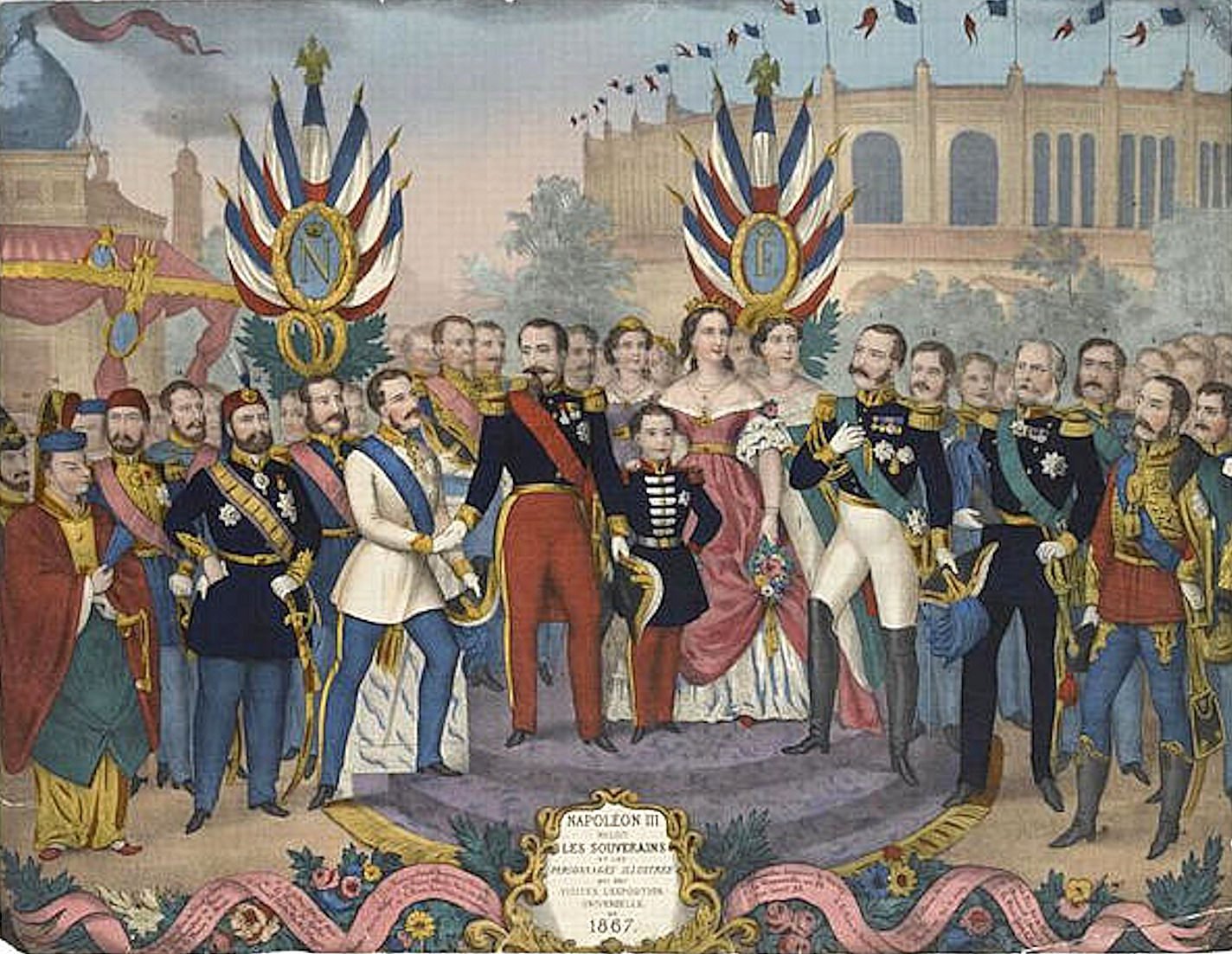
Napoleon III receives the rulers and illustrious men who visited the Exposition universelle of 1867.

Napoleon III receives the rulers and illustrious men who visited the Exposition universelle of 1867.

The Birth of Japonisme

The French dubbed this craze "Japonisme," a fervor ​that rapidly spread across Europe. It permanently infected the decorative arts, shifting the Western aesthetic paradigm away from dense Victorian clutter toward elegant, intentional placement.

Major Artists and Works

Vincent van Gogh: Painted Portrait of Père Tanguy (1887) and Agostina Segatori Sitting in the Café du Tambourin, incorporating background Japanese prints.

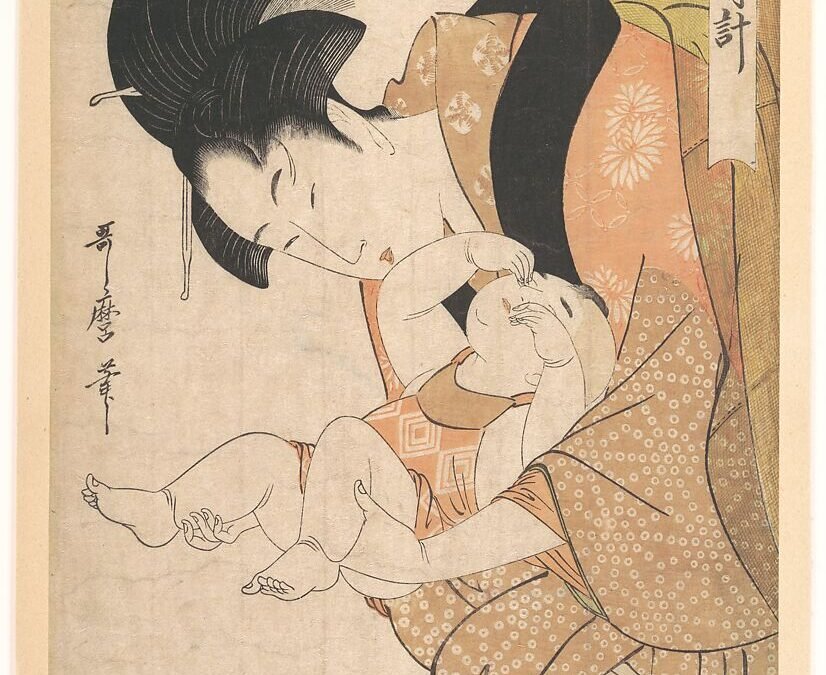
Mary Cassatt: Created a famous series of color etchings like Maternal Caress (1890–91) heavily influenced by Japanese spatial design.

James McNeill Whistler: Painted Harmony in Blue and Gold: The Peacock Room (1876–77), blending interior design and Japanese aesthetics.

Edgar Degas: Used high angles and odd off-center placement inspired by prints seen during the era.
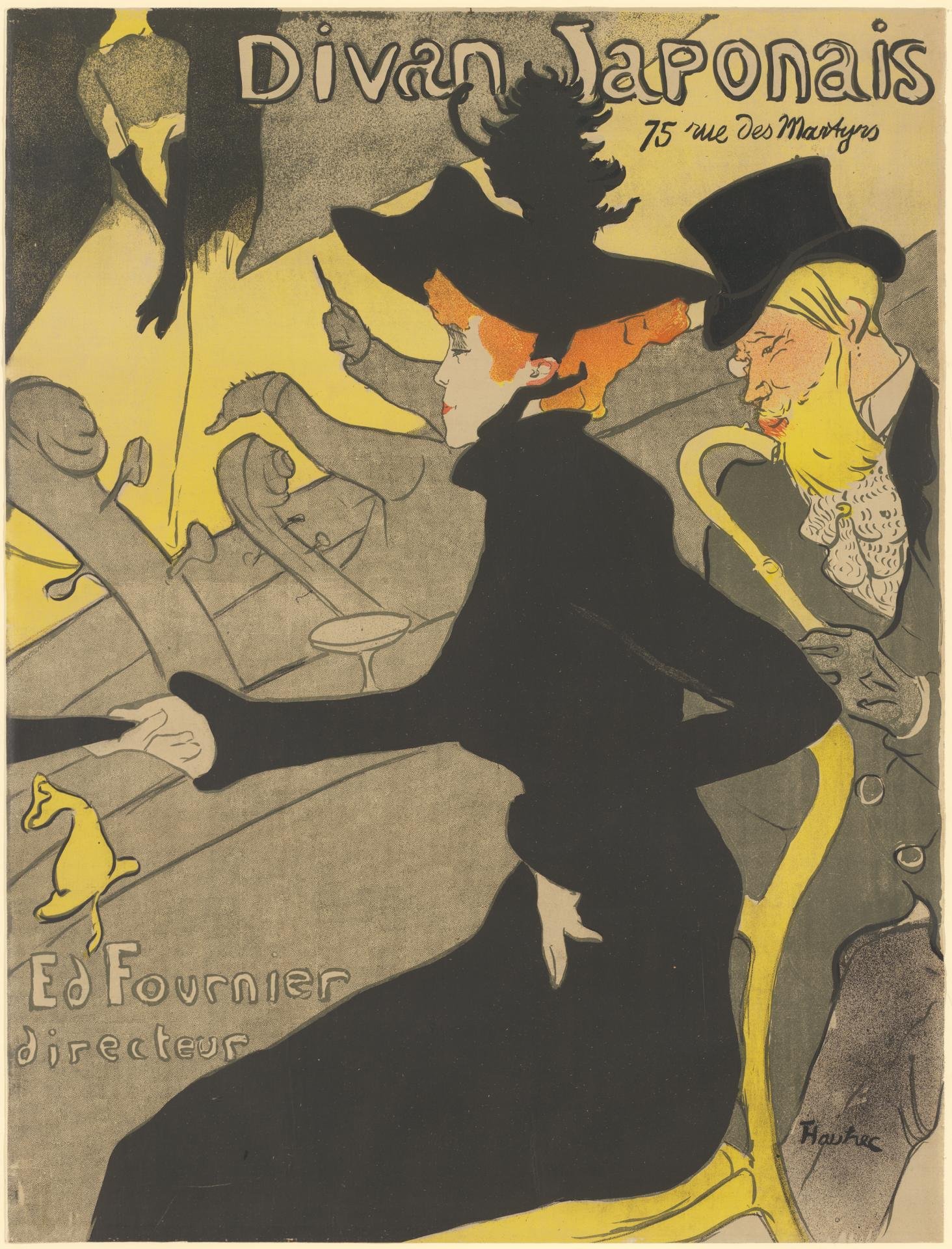
Henri de TOULOUSE-LAUTREC
Divan Japonais 1893

Breaking the Victorian Mold:

Three Principles Borrowed from the East

To European designers, Asian art offered a thrilling alternative to the stuffy, symmetrical, and over-ornamented historical styles of the Victorian era. Western crafters eagerly adopted three revolutionary design philosophies from Eastern masters:

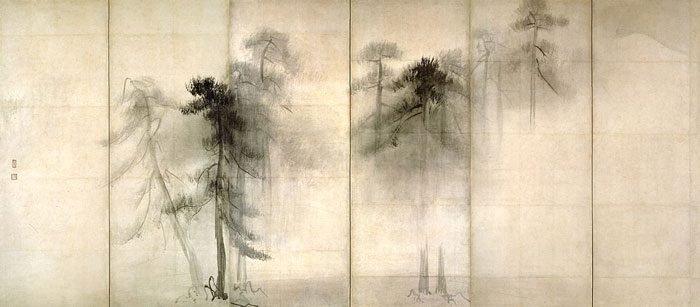
Asymmetry & Space:
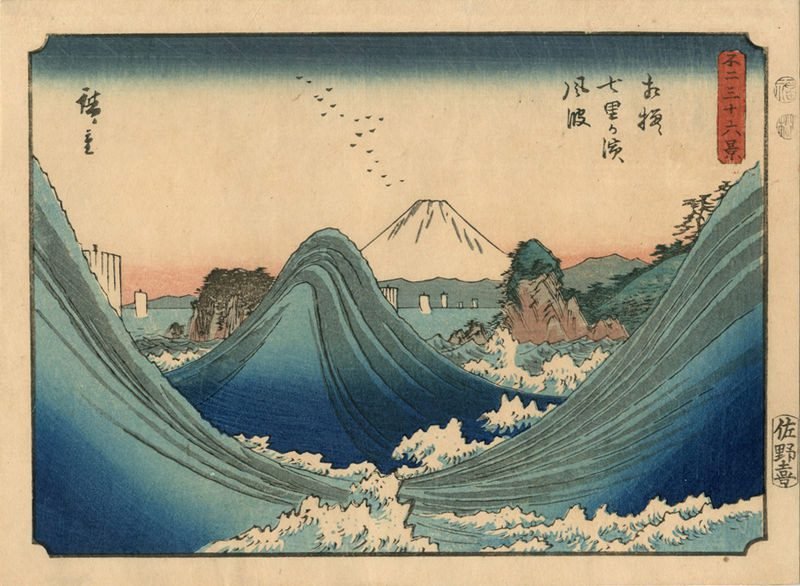
Flatness & Geometry
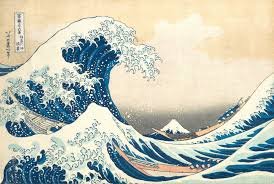
Organic Naturalism
Unlike European design, which demanded absolute symmetry, Asian compositions embraced dynamic imbalance. Designers left intentional empty spaces, allowing the visual layout to breathe.

Traditional Western shading and forced perspective were swapped for bold, flat planes of color, distinct silhouettes, and strong, eye-catching diagonal lines.

Instead of idealized or heavily stylized motifs, Asian art celebrated the raw, unedited beauty of nature—capturing insects, birds, waves, and botanical forms with sweeping fluidity.

From Anglo-Japanese Silver to French Art Nouveau Glass

The artistic cross-pollination completely transformed major European decorative movements on both sides of the English Channel.

The Aesthetic Movement (Great Britain)

Art Nouveau (France)
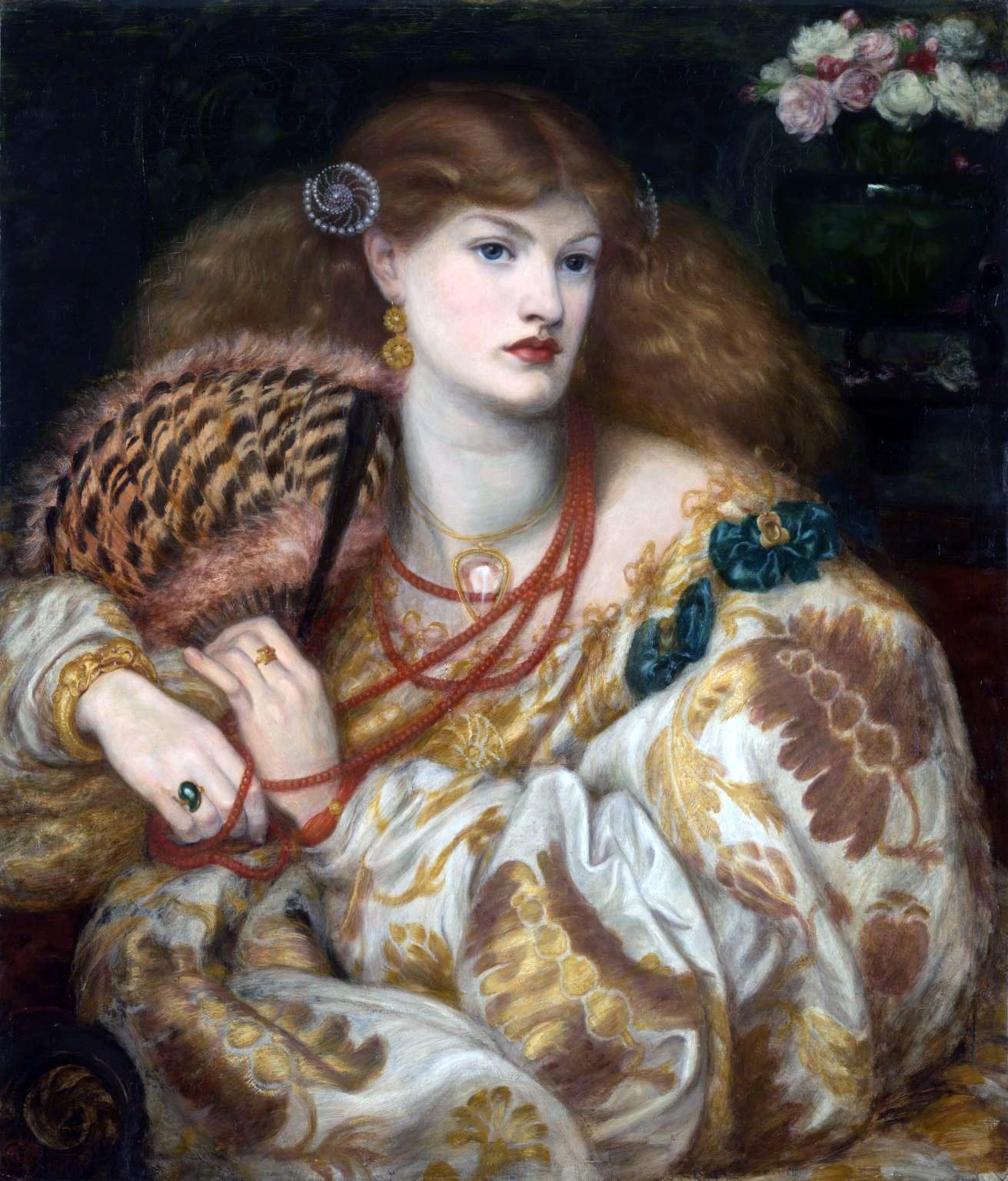
In Great Britain, the Aesthetic Movement adopted an "Art for Art’s Sake" ethos heavily inspired by Eastern interiors.

Furniture makers crafted "Anglo-Japanese" side chairs, using dark stains to mimic rare Asian ebony and carving crane motifs directly into the woodwork.

Prestigious silversmiths, including Tiffany & Co., abandoned classical scrollwork to engrave sleek, asymmetrical patterns of bamboo and foliage onto their holloware.
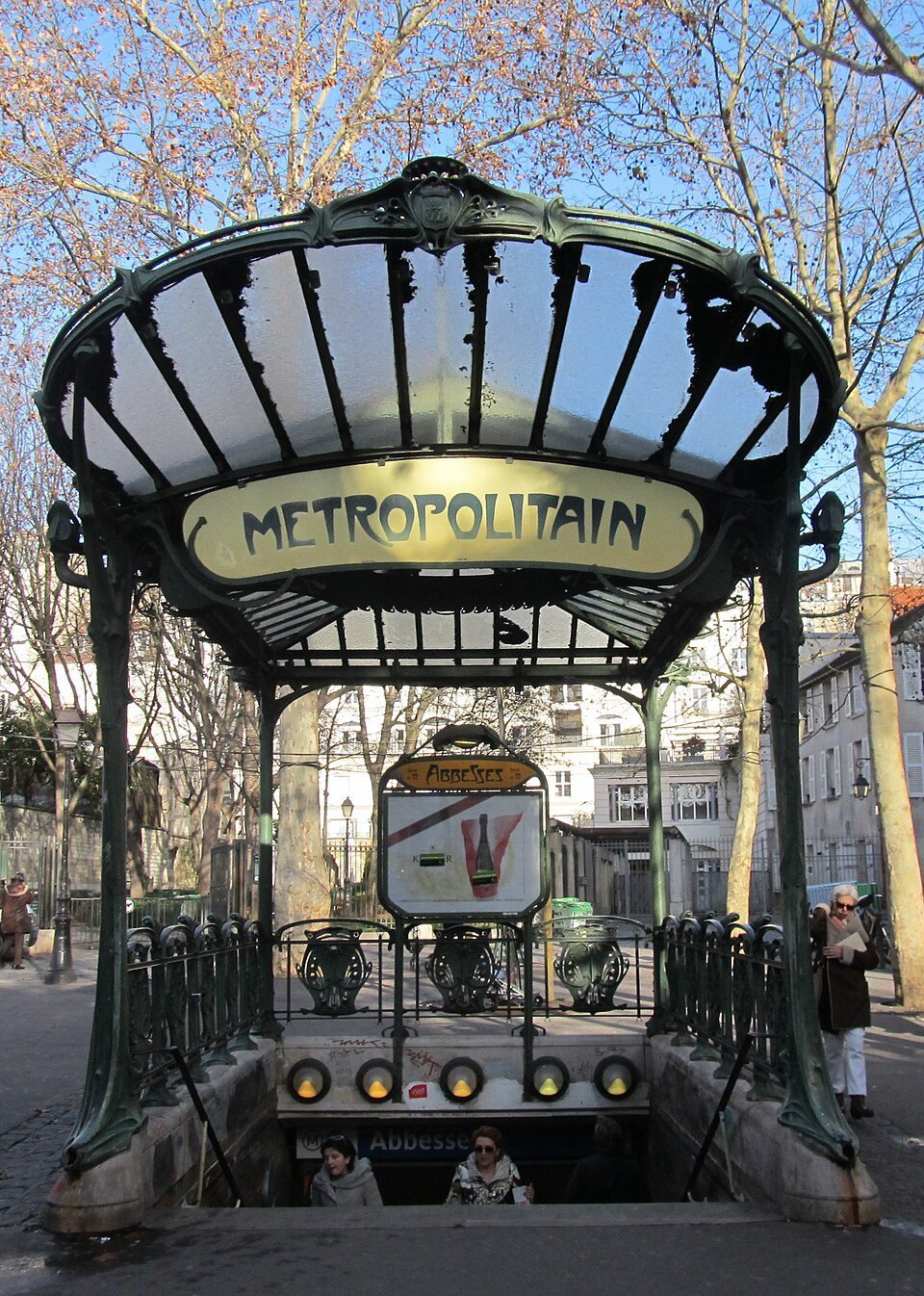
Simultaneously, the Art Nouveau movement bloomed in France.

Renowned glassmaker Émile Gallé and jeweler René Lalique directly channeled the sinuous, whip-lash lines of Japanese art into their works.

Masterpieces of French furniture and architecture began incorporating the organic curvature of plant stems and waves, a direct nod to the flowing linework popularized by Eastern masters.

The Lasting Legacy of 19th-Century Fusion

The 19th-century decorative art explosion proved that household items could be elevated beyond mere functional utility. By absorbing the minimalism, craftsmanship, and material sensitivity of Asian design, European artisans successfully broke away from the weight of their own past.

In doing so, they laid down the foundational design principles—clean lines, functional beauty, and geometric simplicity—that would eventually define 20th-century modernism.
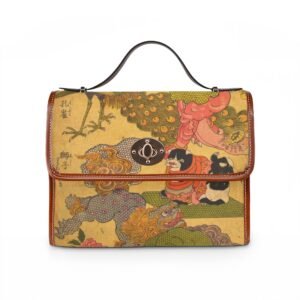
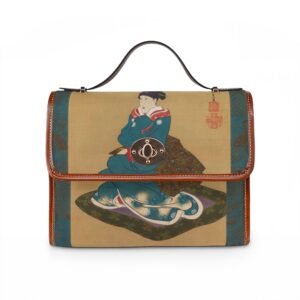
explore further >

We've created a more in-depth page about this important  culural movement and its context, timeline and important works.

Explore the collection >

This post is part of our expanding FINE ARTS COLLECTION where we write about what inspires us to create the designs that we sell here on cgk.ink
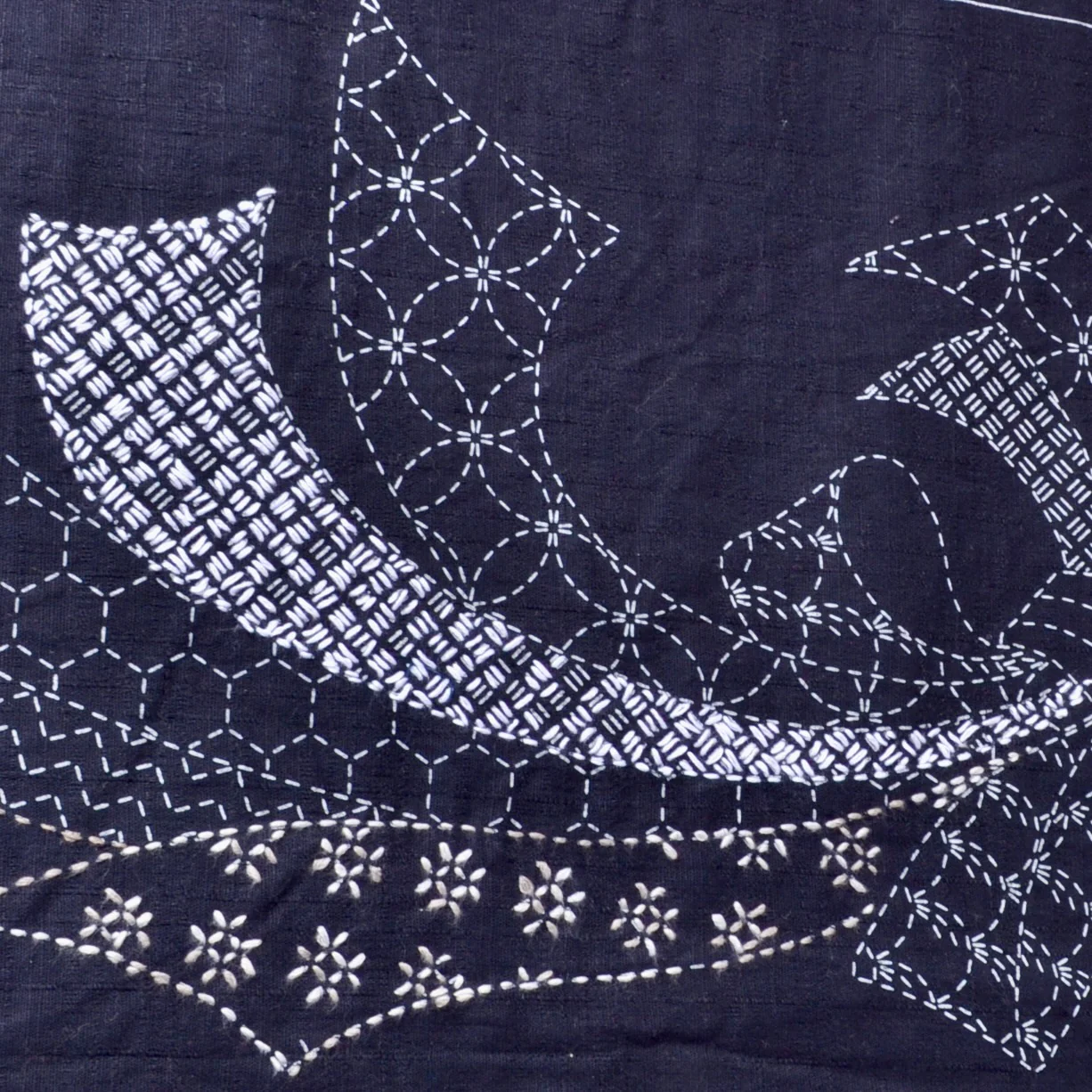
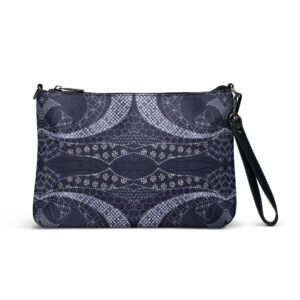
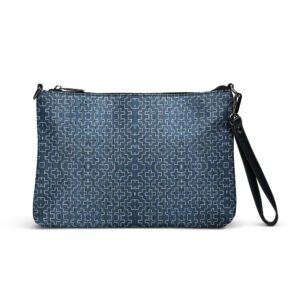
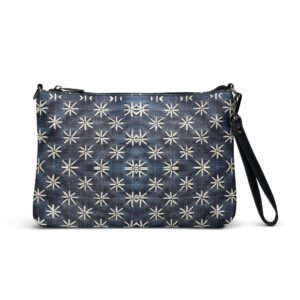
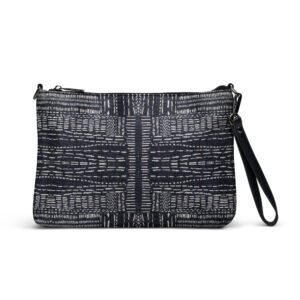
Sashiko, Kimonos & History

Sashiko, Kimonos & History

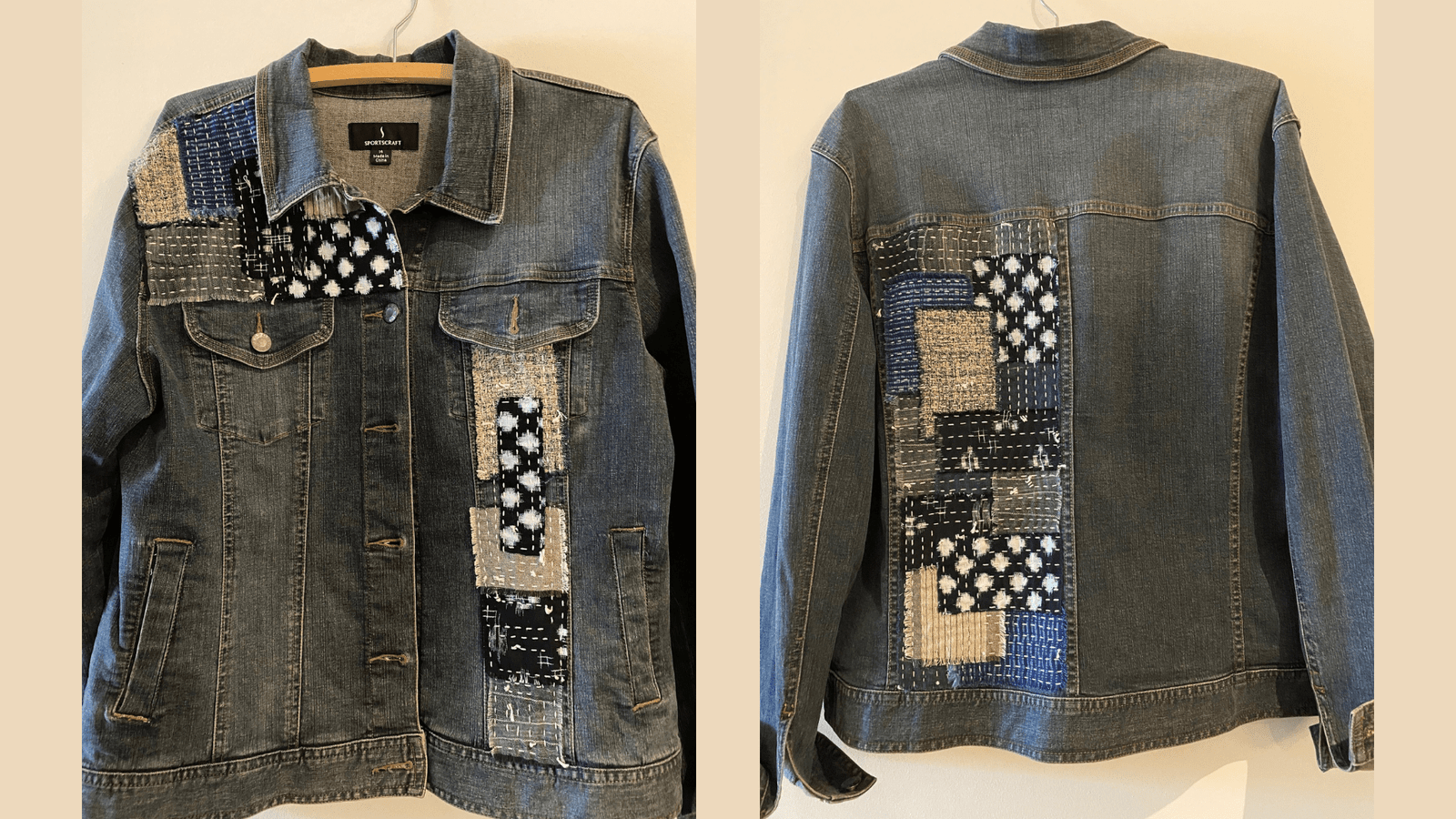
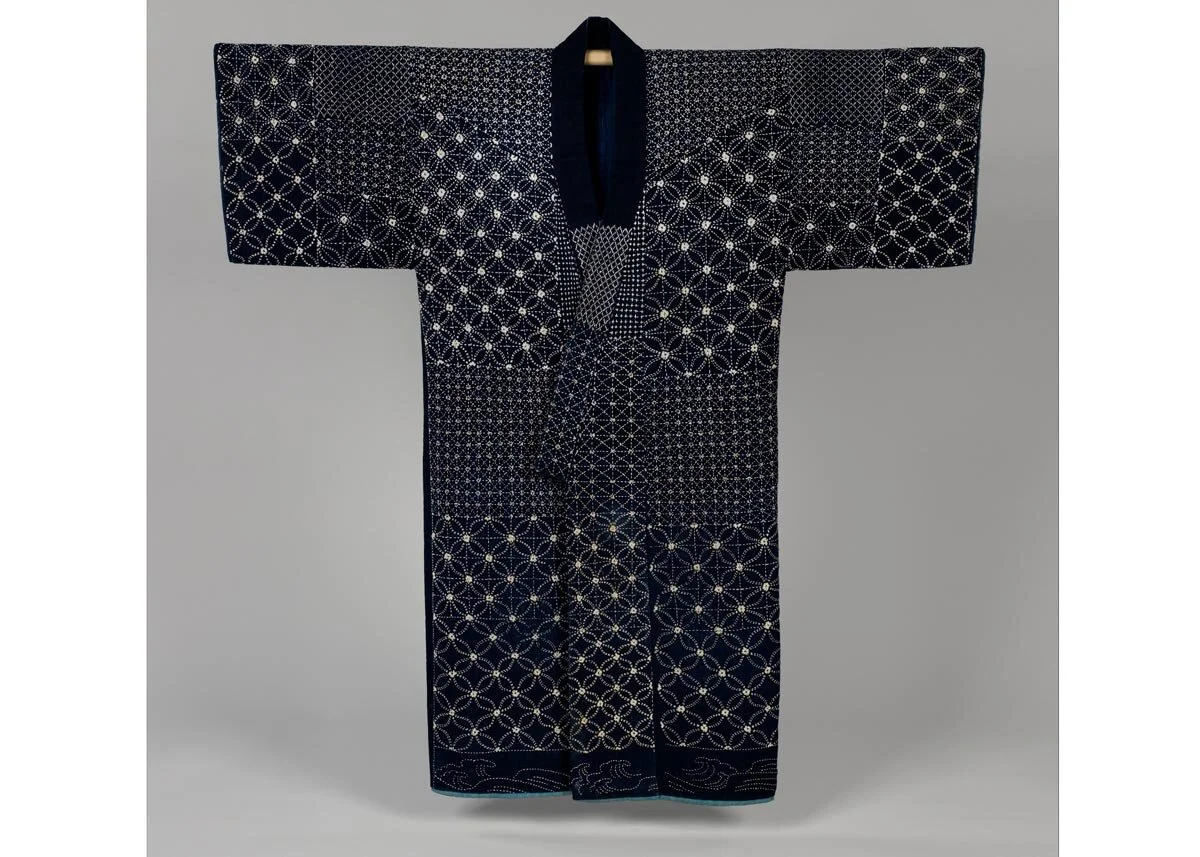
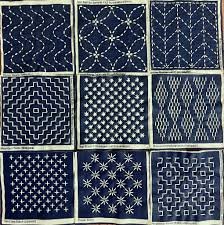
A recent BBC Culture story by Bel Jacobs: The 300-year-old Japanese method of upcycling explores the method of sashiko.

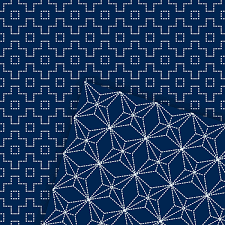
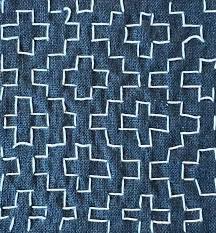
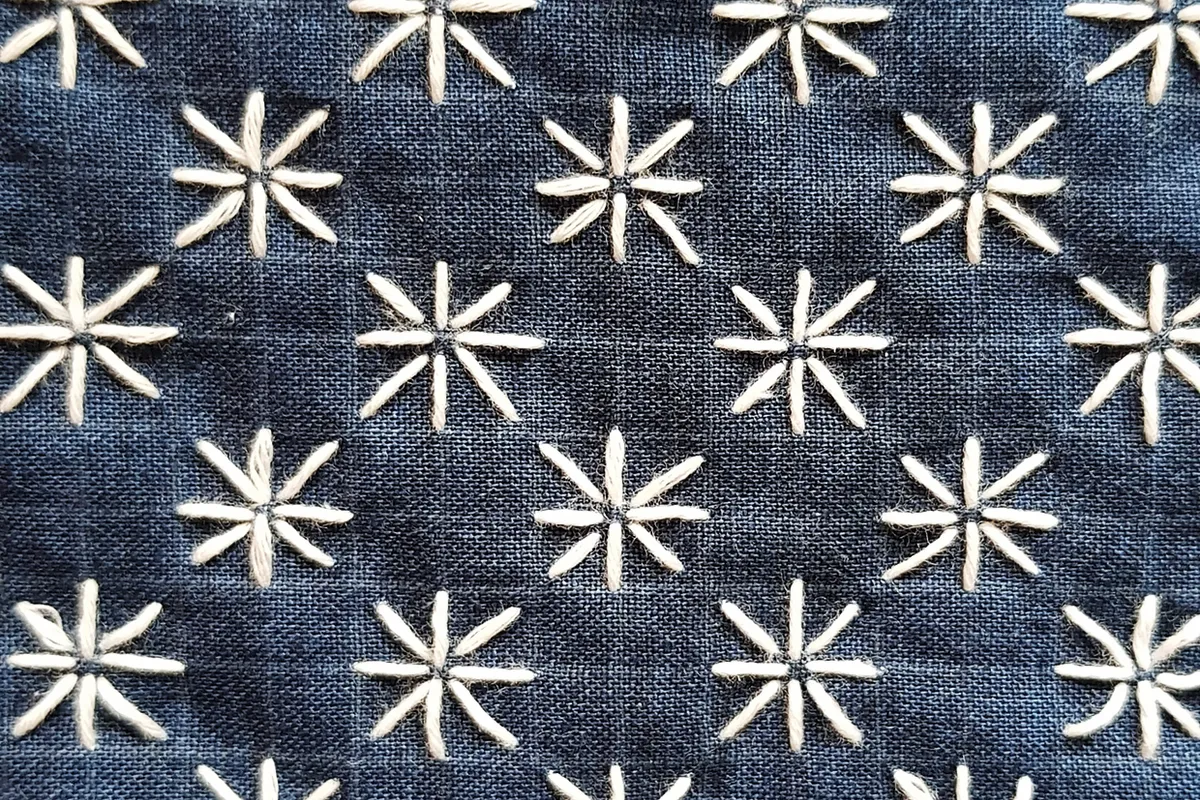
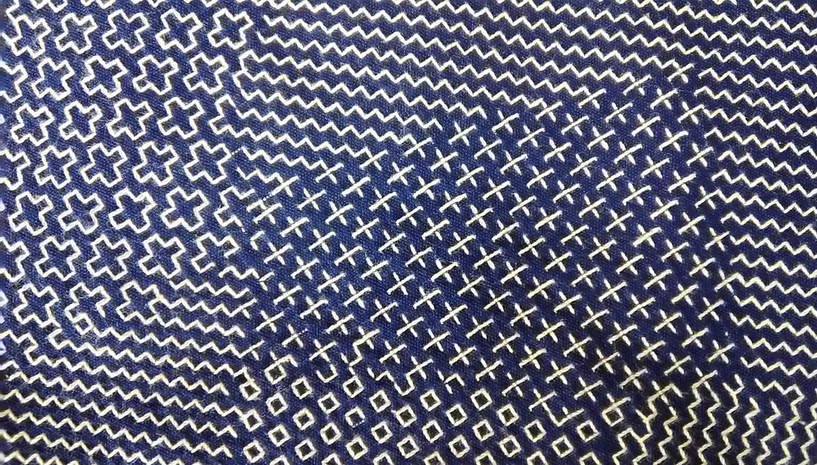
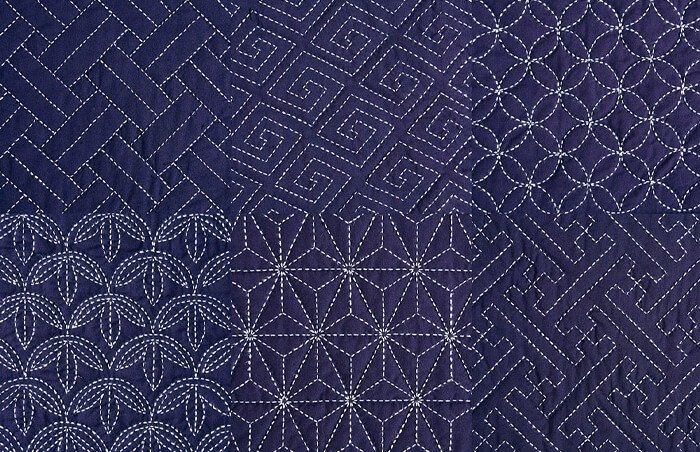
Sashiko emerged through necessity, particularly in poor rural areas, during the Edo period. "Cotton came late to the north of Japan," explains craft and design writer Katie Treggiden. "So the only way people could get hold of it was as tiny rags of fabrics, that were either passed around or bought from tradesmen from the south. Sashiko – literally, 'little stabs' – was a way of connecting all those little pieces into a quilted fabric, known as boro, that would keep them warm."

Textiles say so much about the culture in which they are worn and used.

Clothing can immediately identify who we are and what our history is. One can tell eastern v. western, wealthy v. impoverished, northern v southern. Clothing also tells us about the society that created it.

The Surprising History of the Kimono

The first ancestor of the kimono was born in the Heian period (794-1192). Straight cuts of fabric were sewn together to create a garment that fit every sort of body shape. It was easy to wear and infinitely adaptable. By the Edo period (1603-1868) it had evolved into a unisex outer garment called kosode. Literally meaning “small sleeves,” the kosode was characterized by smaller armholes. It was only from the Meiji period (1868-1912) onwards that the garment was called kimono. This last transformation, from the Edo era to modern Japan, is fascinating.

In the early 1600s, First Shogun Tokugawa unified Japan into a feudal shogunate. Edo, renamed Tokyo in 1868, now became Japan’s chief city. The resulting Edo Period (also called the Tokugawa Era) spanned 264 years. The years 1603 to 1868 are known as the last era of traditional Japan. Japanese culture developed with almost no foreign influence during this time. And the kosode was one of the key elements of what it meant to be Japanese.

the Elegance and Subtle Formality of Kimonos

the Elegance and Subtle Formality of Kimonos

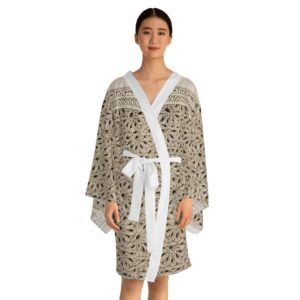
The haori (羽織) is a traditional Japanese jacket worn over a kimono. Resembling a shortened kimono with no overlapping front panels (okumi), the haori typically features a thinner collar than that of a kimono, and is sewn with the addition of two thin, triangular panels at either side seam. The haori is usually tied at the front with two short cords, known as haori himo, which attach to small loops sewn inside the garment.

During the Edo period, economic growth within the wealthy but low-status merchant classes resulted in an excess of disposable income, much of which was spent on clothing. It was during this period that, due to various edicts on dress mandated by the ruling classes, merchant-class Japanese men began to wear haori with plain external designs and lavishly-decorated linings, a trend still seen in men's haori

types of kimonos

Komon (小紋)

Komon (小紋): The lowest form of normal kimono. Meaning “Small Pattern,” it is characterized by its repeating patterns that can either be printed, painted, stencilled, or woven. They are worn as everyday wear, like when shopping or being out and around town.

It is a versatile and everyday kimono style that features repeating patterns. Whether you're out shopping or exploring the town, Komon is the perfect choice for casual wear. Its charming designs add a touch of elegance to your daily activities, making you stand out with effortless style.

Iromuji (色無地)

Iromuji (色無地): The second lowest of the normal kimono and the lowest of all formal kimono. Iromuji means “Single Solid Colour” and consists of just one colour with no decoration whatsoever. The only adornment that may be found would be patterns woven into the silk itself, but otherwise is quite plain. Weaving designs into silk is called Rinzu (綸子). Iromuji is also the lowest formality in which you will find Kamon (家紋). Meaning “Family Crest,” they are added to kimono as a sign of formality. Kamon can be added in sets of five, being the most formal, three, being the second most formal, and one, being the least formal. The number of kamon must also match the level of formality for the kimono, so you will only ever find a single kamon on an iromuji.

Tsukesage (付け下げ)

Tsukesage (付け下げ): The middle level of formality of all kimono. The term comes from the placement of its patterns as Tsueksage means “To Put Down.” Kimono are stitched together from long, rectangular pieces of fabric known as Tan (反), which are visible at the seam lines. When it comes to a tsueksage the decoration will always stay within the individual tan and not cross over to create larger or more cohesive patterns. When seen from afar the patterns seem to flow downwards, hence the name. They are almost always made of silk and can feature kamon, but only up to three.

Houmongi (訪問着)

Houmongi (訪問着): The second most formal kimono and considered suitable to wear to all formal occasions. They are often considered the most beautiful kimono because they are covered by flowing patterns and motifs that stretch across the entire garment. The name houmongi means “Visiting Wear” as they were originally worn to pay respects to neighbours on formal occasions. They will feature kamon more often than not and can have anywhere between one and five of them present. Du to their high formality they are always made from silk.

Furisode (振袖)

Furisode (振袖): The most formal type of kimono for unmarried women. When it comes to furisode there are three different sleeve lengths. They are: Ko Furisode (小振袖), meaning “Small Swinging Sleeves,” Chū Furisode (中振袖), meaning “Middle Swinging Sleeves,” and Ō Furisode (大振袖), meaning “Large Swinging Sleeves.” Today the word furisode brings to mind the ō furisode as it’s the most commonly worn type, but prior to World War II it was very common to also see ko furisode and chū furisode as sleeve length determined how formal a kimono was. Ko furisode and chū furisode are considered semi-formal wear, but are rarely ever made anymore due to the decline in kimono ownership.

Tomesode (留袖)

Tomesode (留袖): The most formal kimono of all. It is characterized by its solid colour background, usually black, and motifs that are only found bellow the waist. Black used to be the hardest colour dye to produce before synthetic or imported dyes were introduced, so it was considered a precious colour that would only be used for the most important garments. Tomesode means “Fastened Sleeves” as traditionally a bride would cut the sleeves from her furisode and then wear that kimono as a married woman in the form of a tomesode. They will always feature five crests and are worn by married women to formal occasions, usually the mother of the bride or groom at a wedding.

source