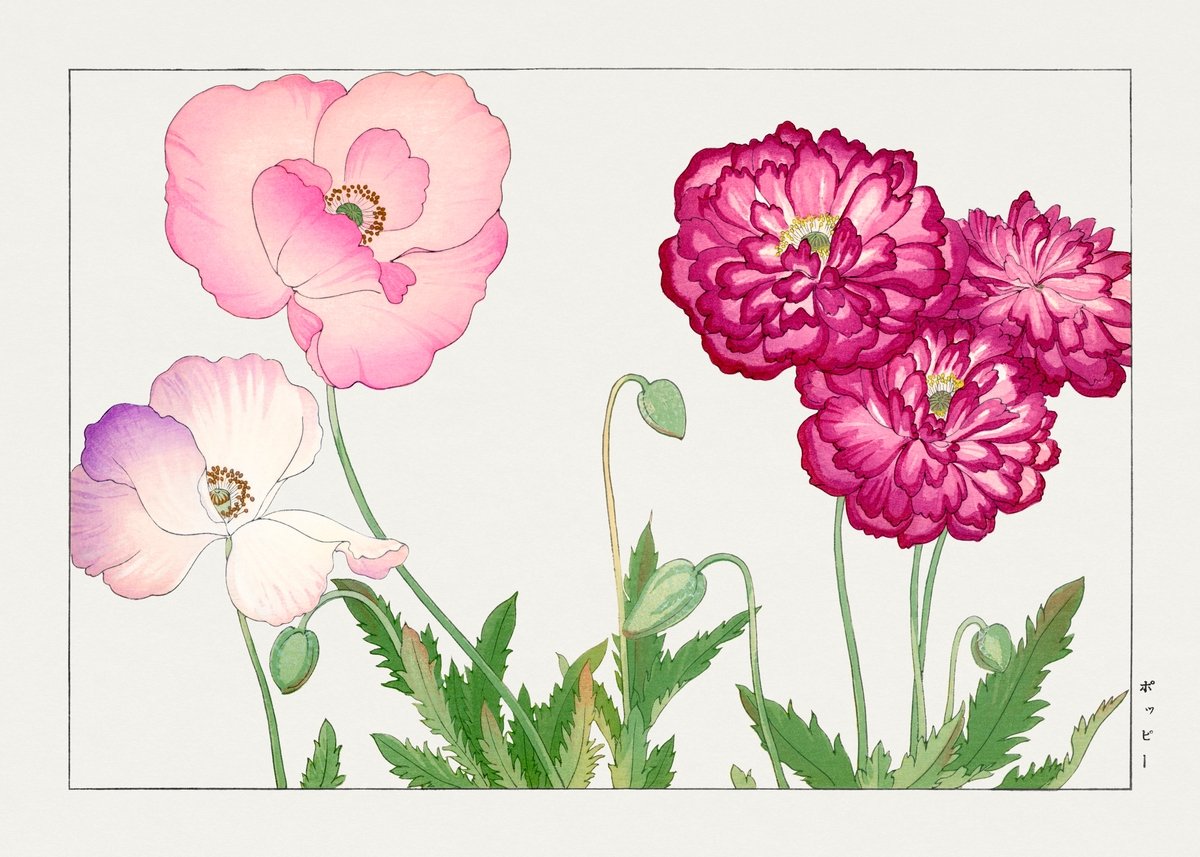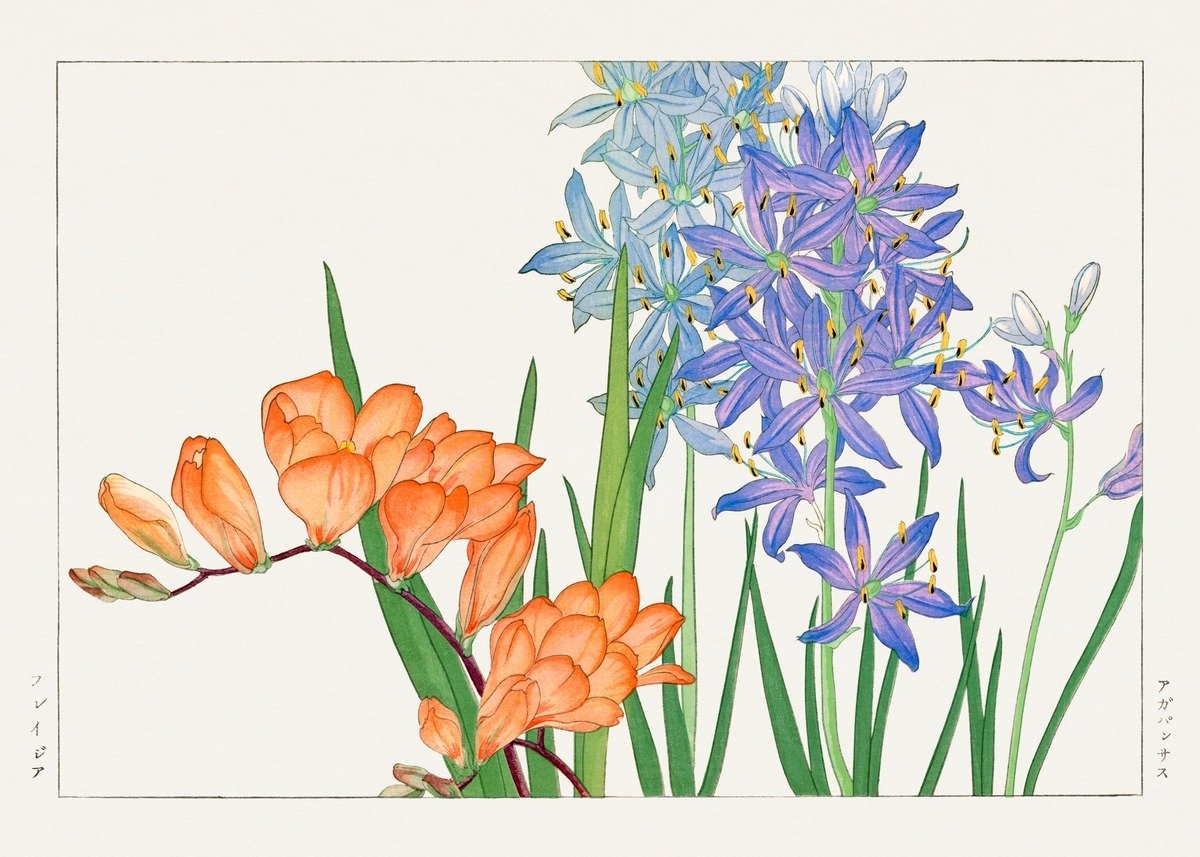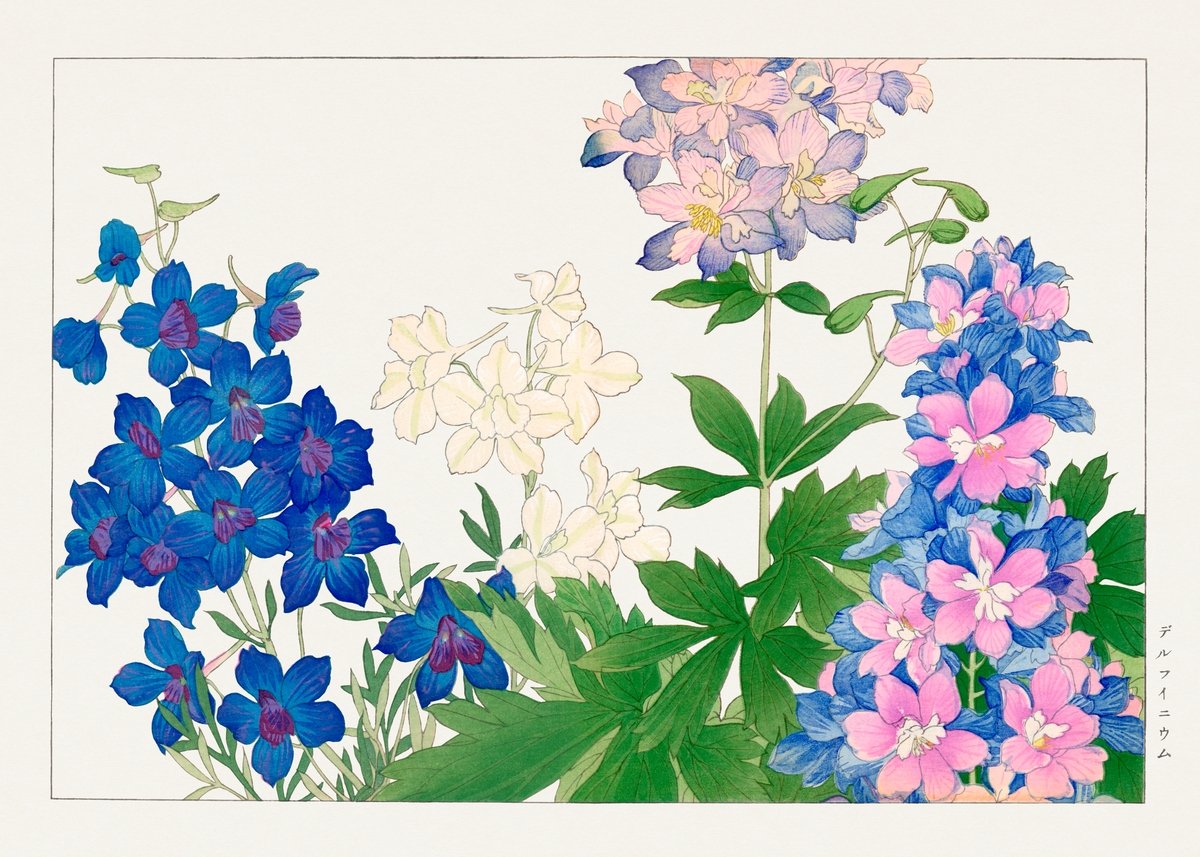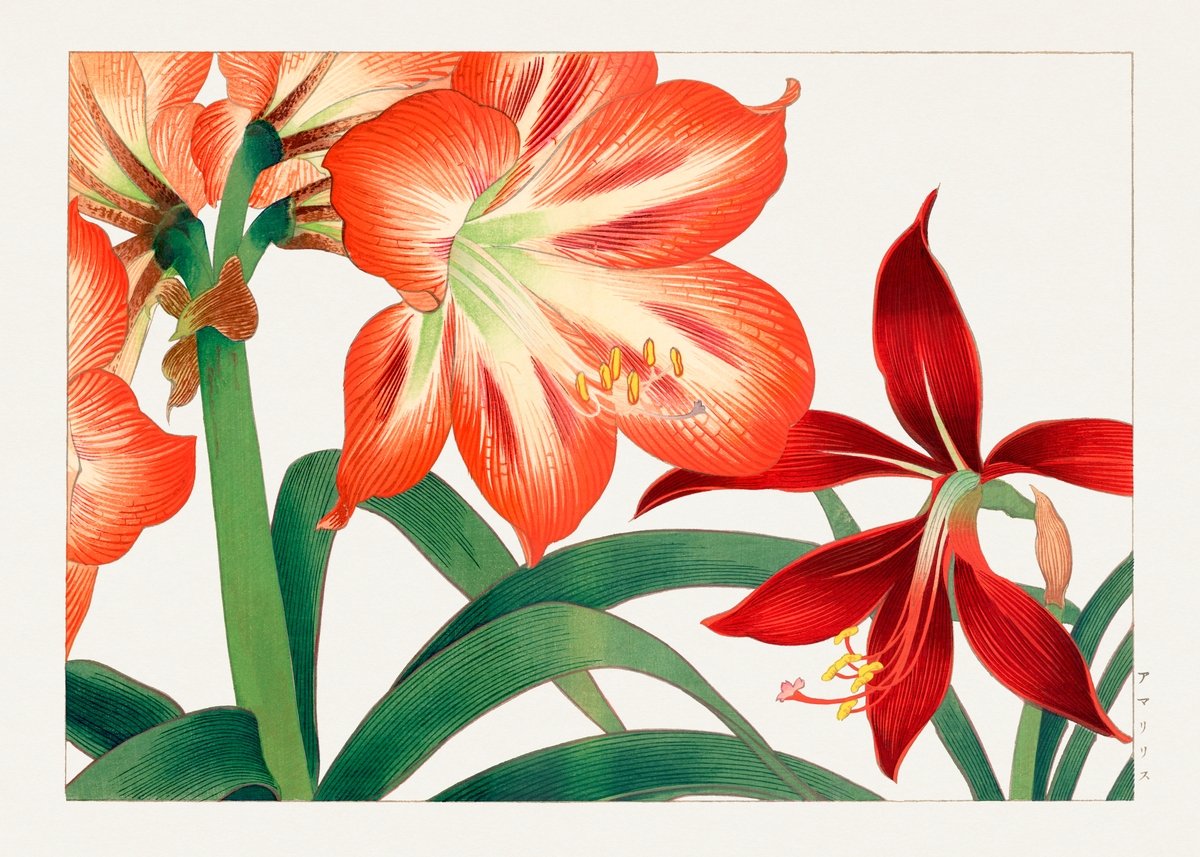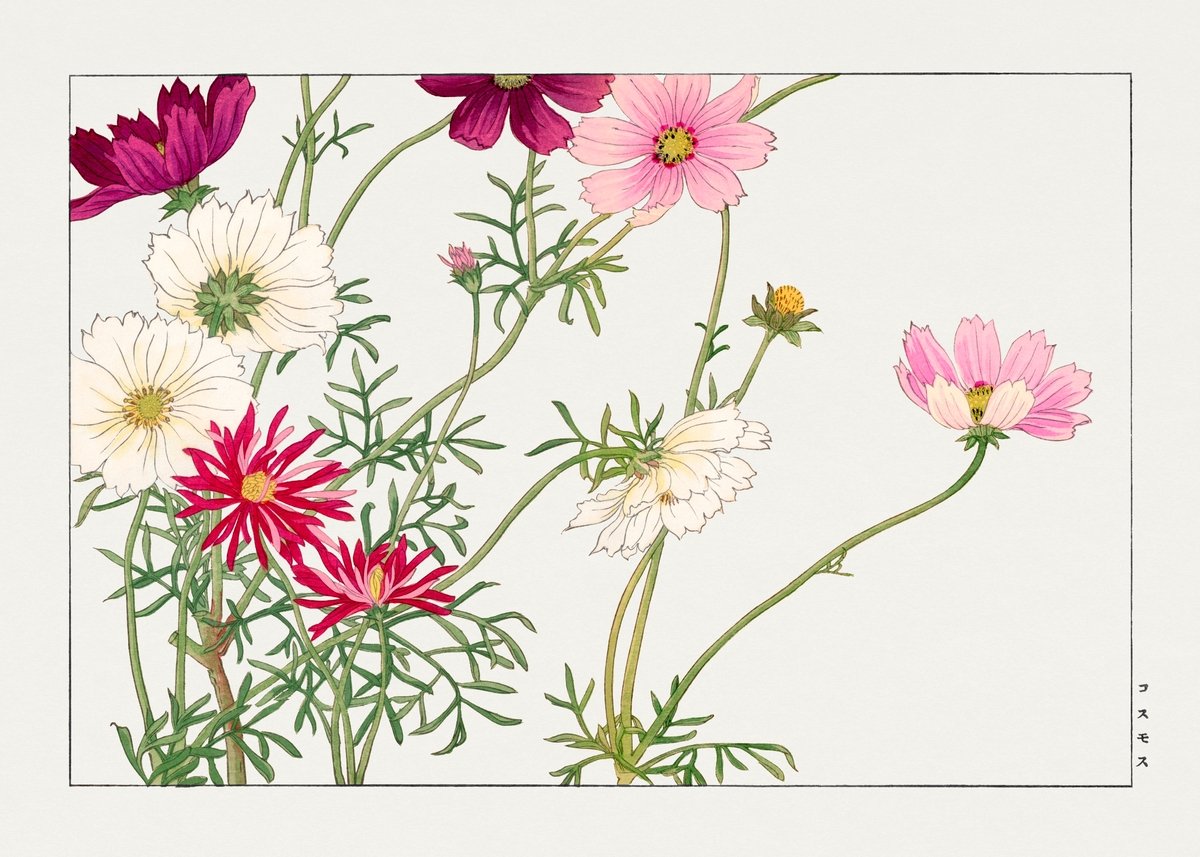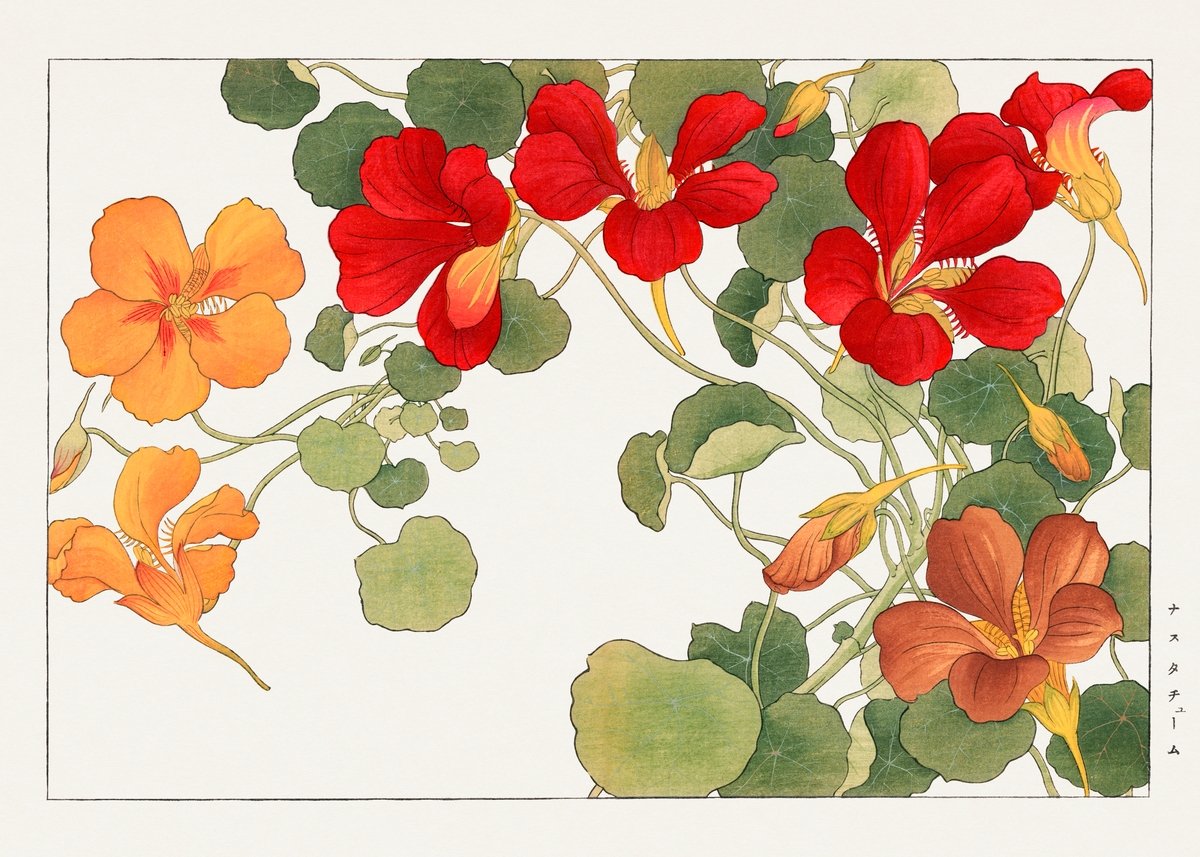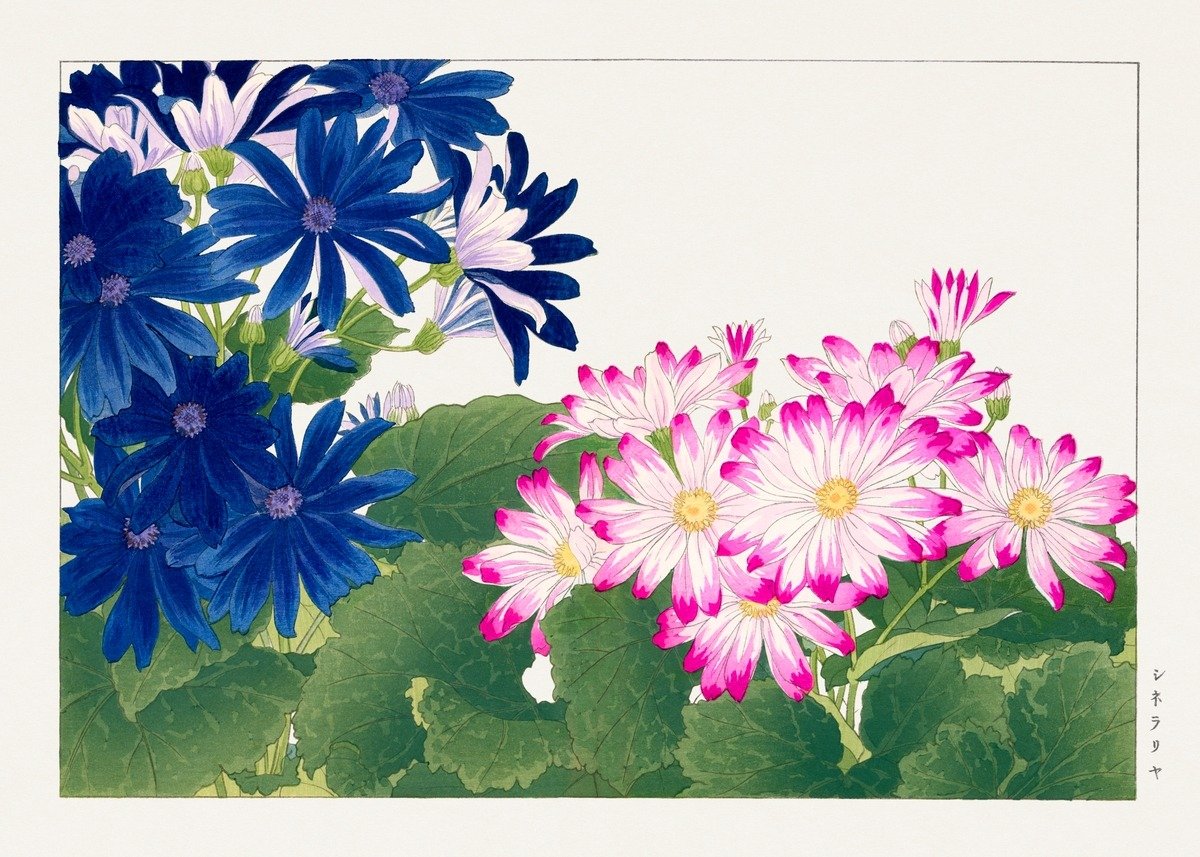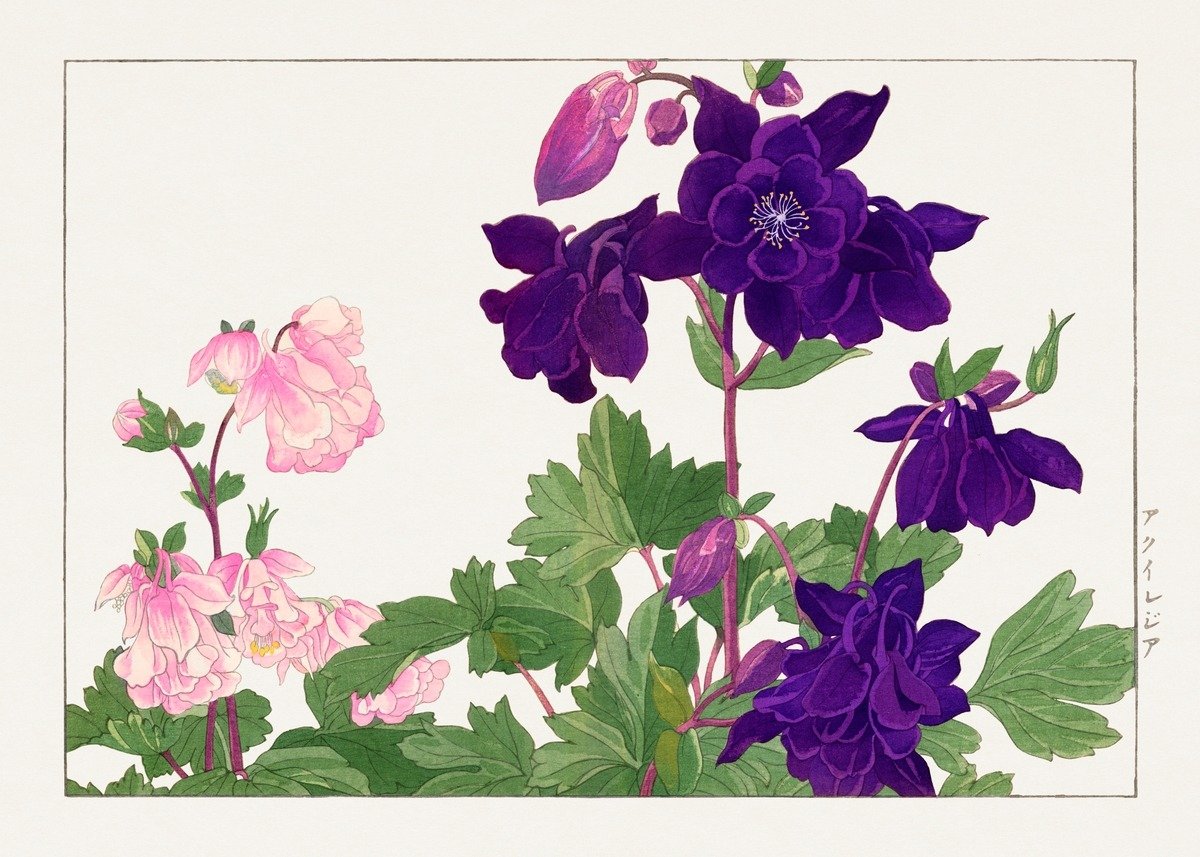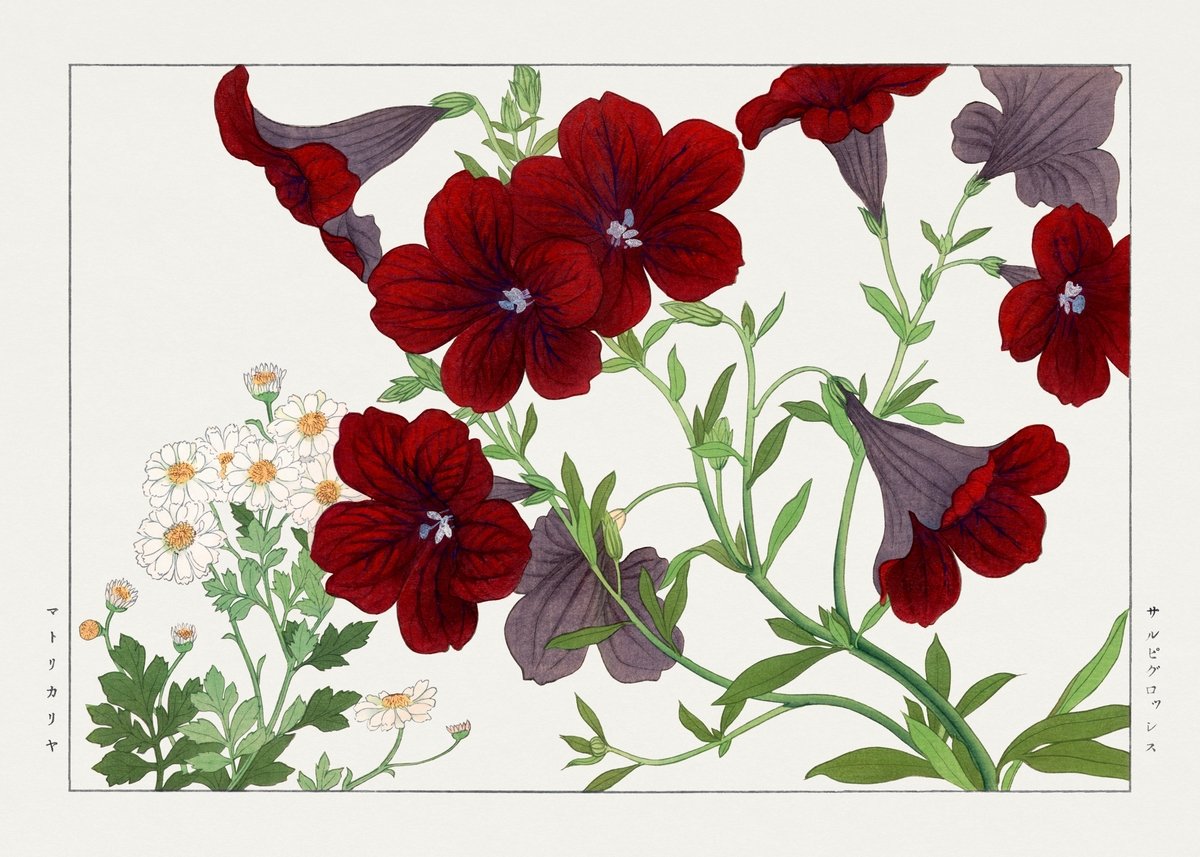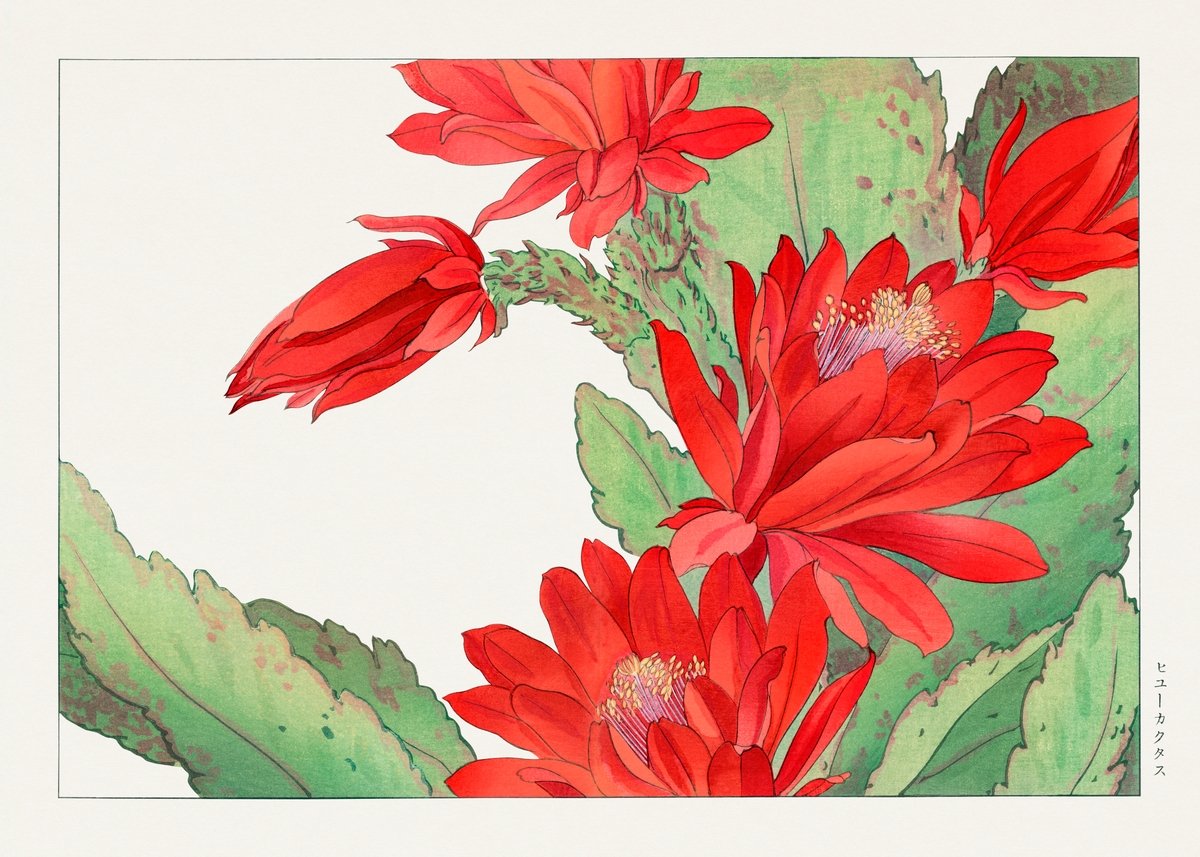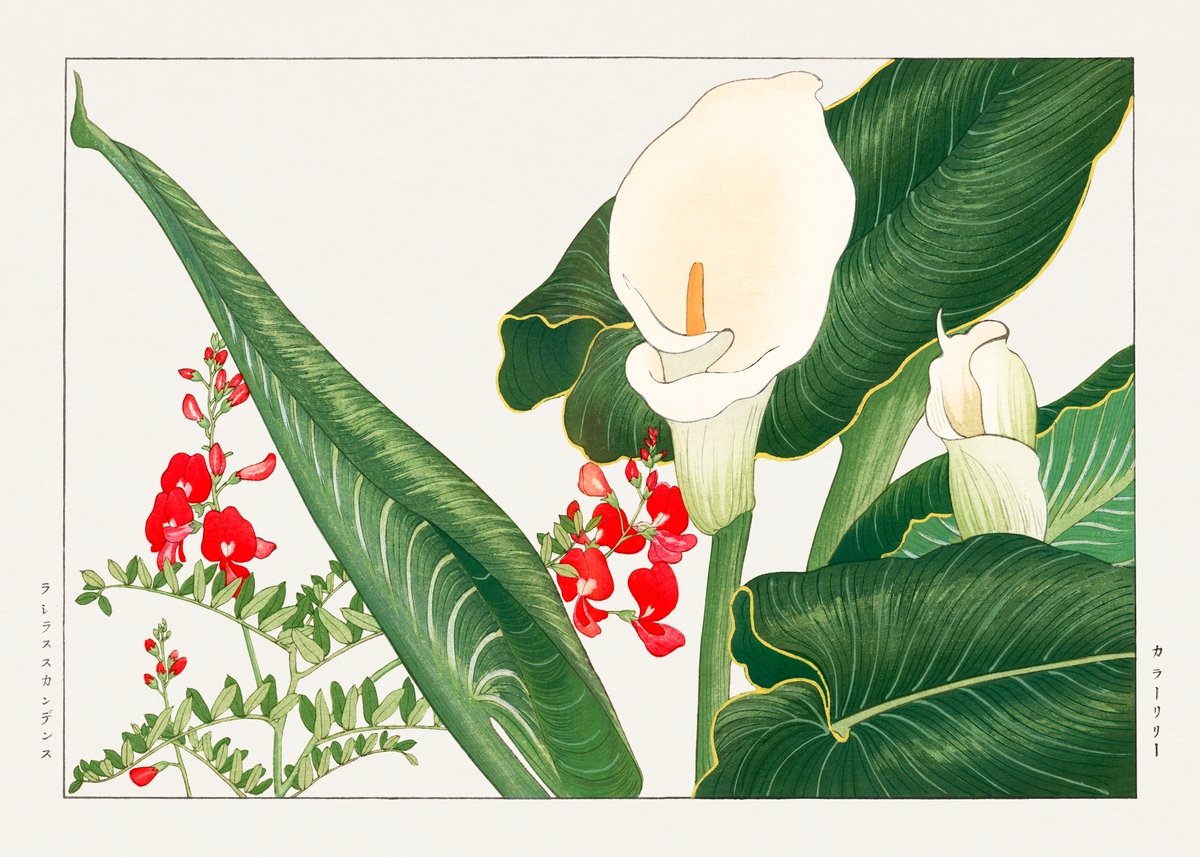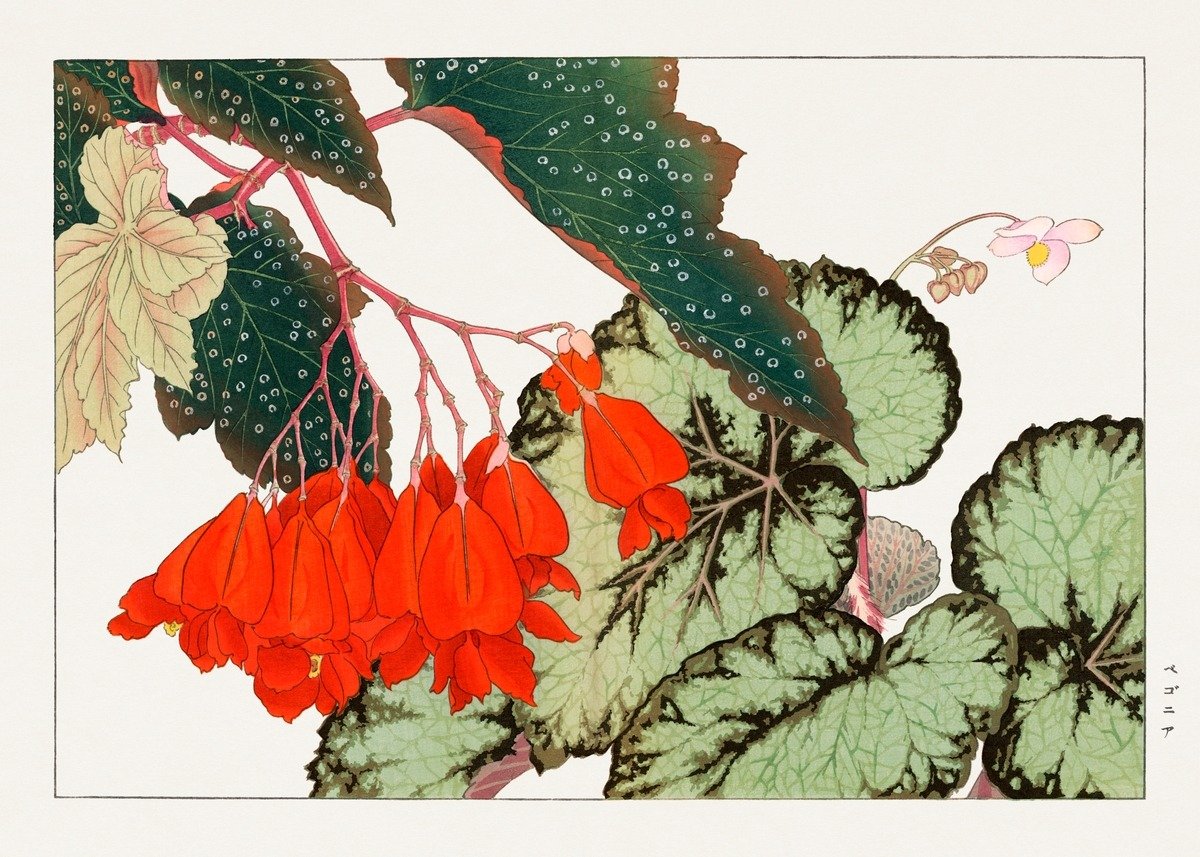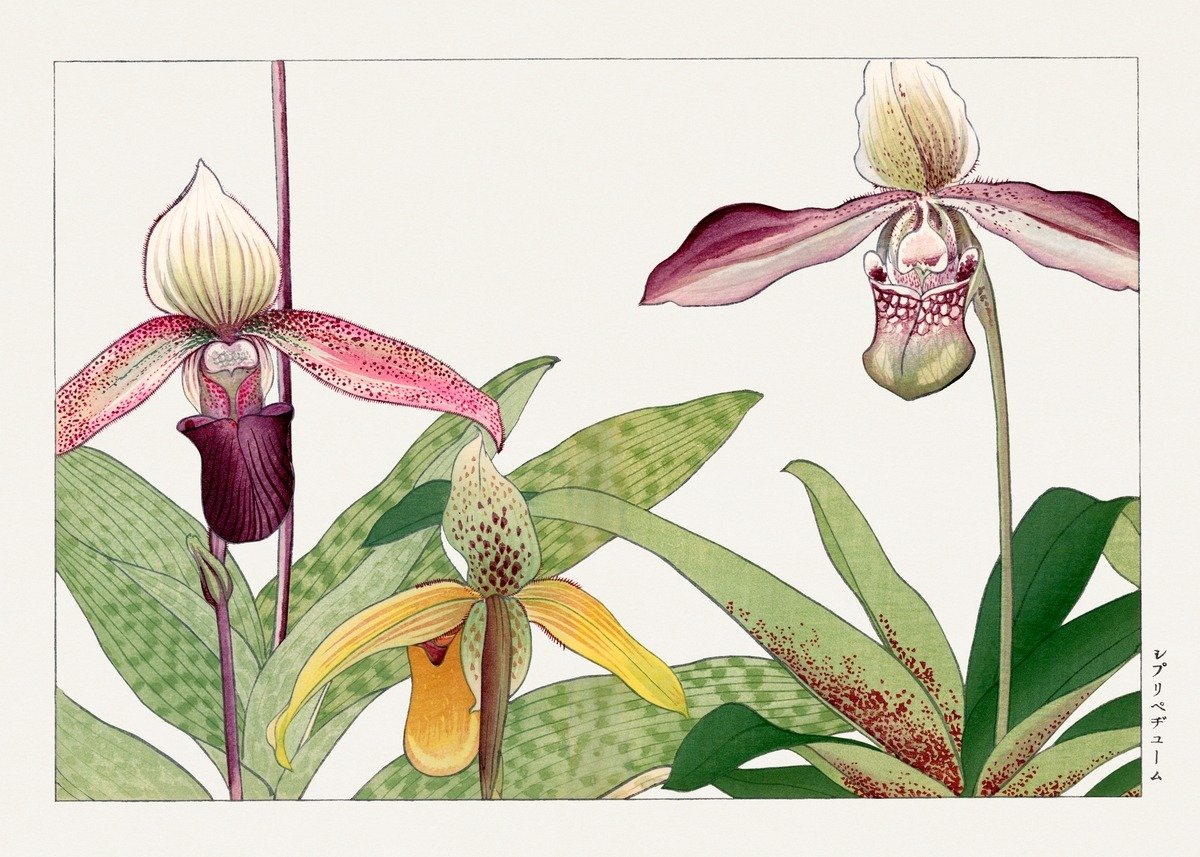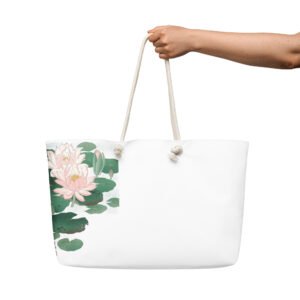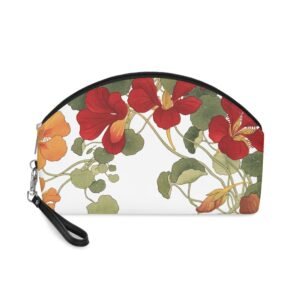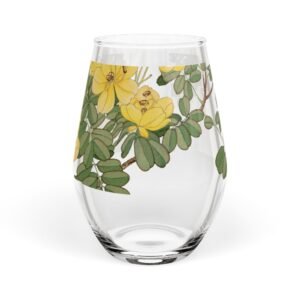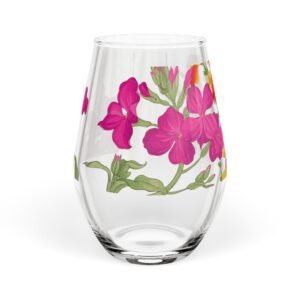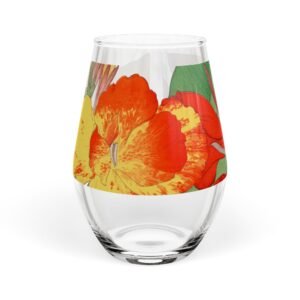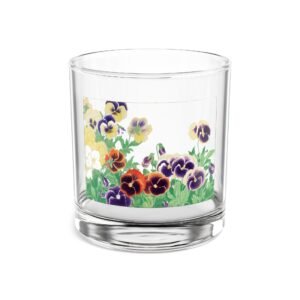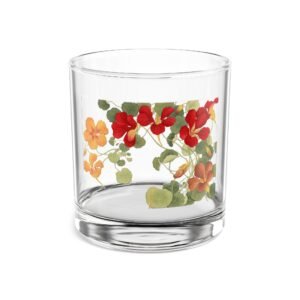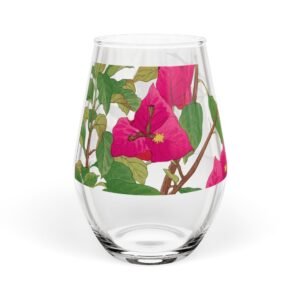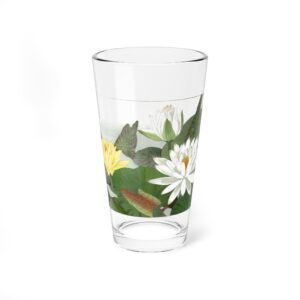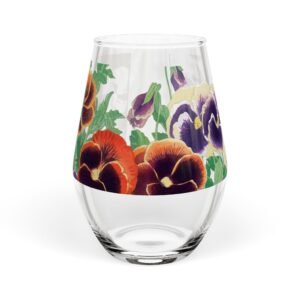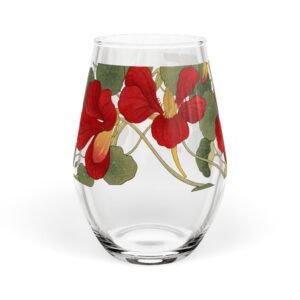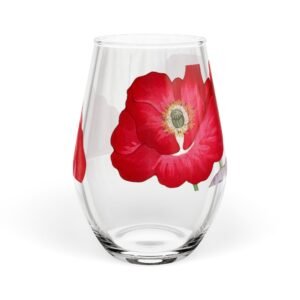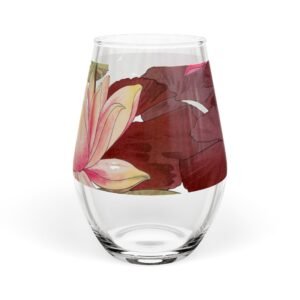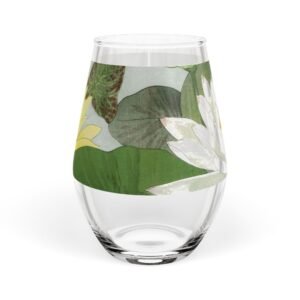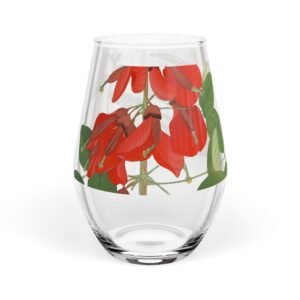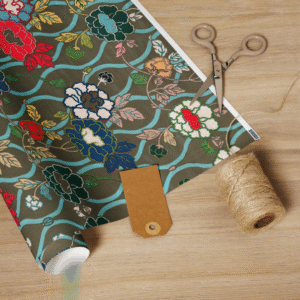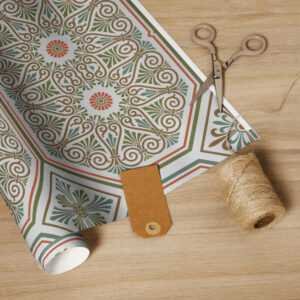
the Flora Glassware COLLECTION: Konan Tanigami (1879-1928)

the Flora Glassware COLLECTION: Konan Tanigami (1879-1928)

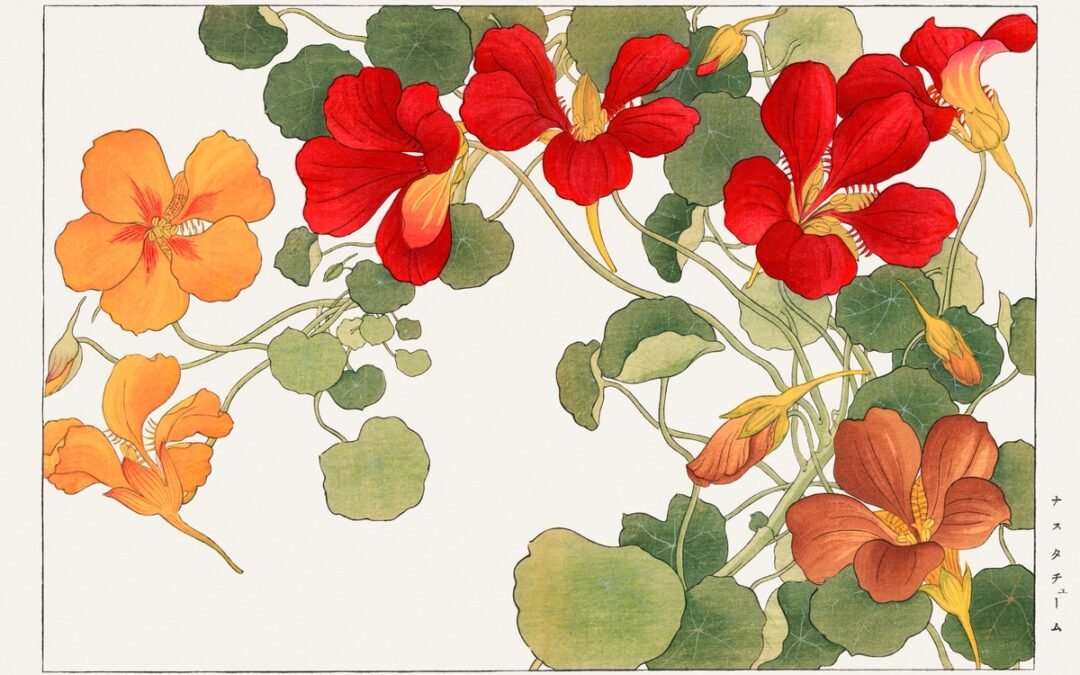
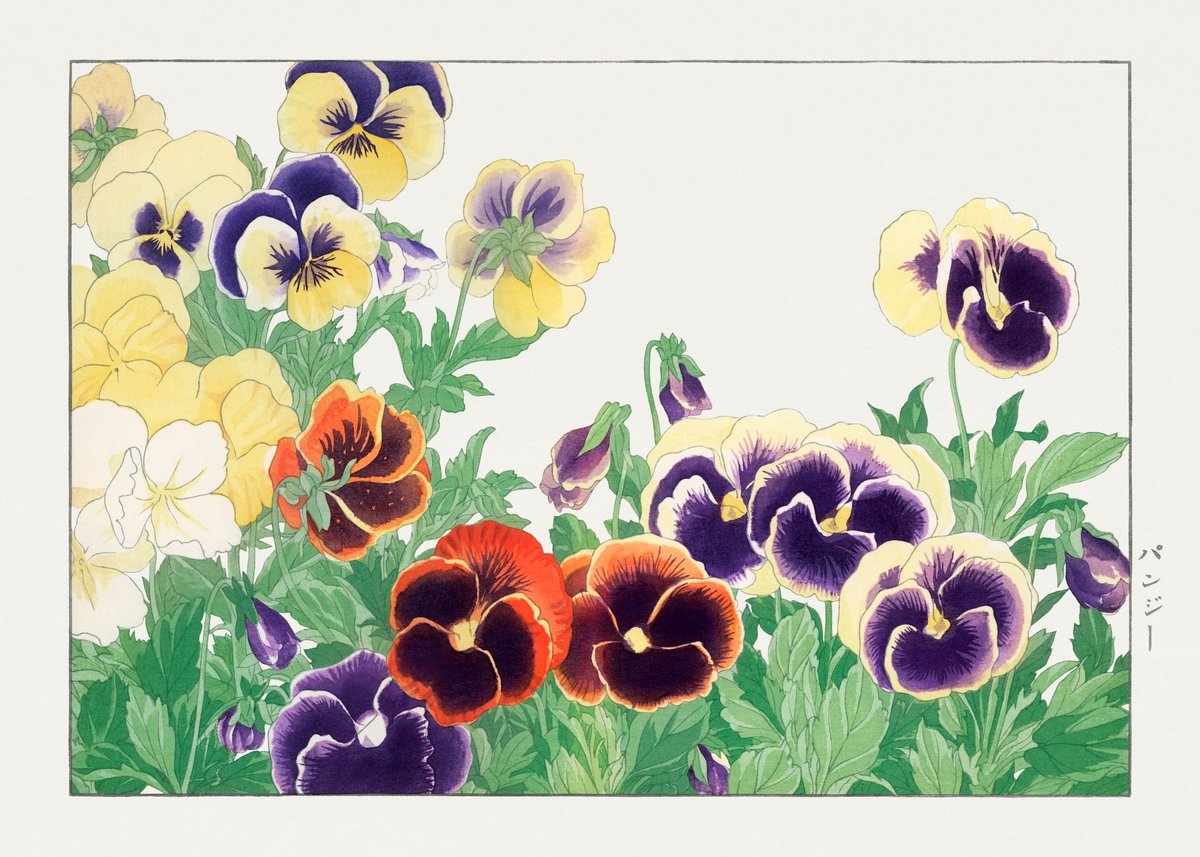
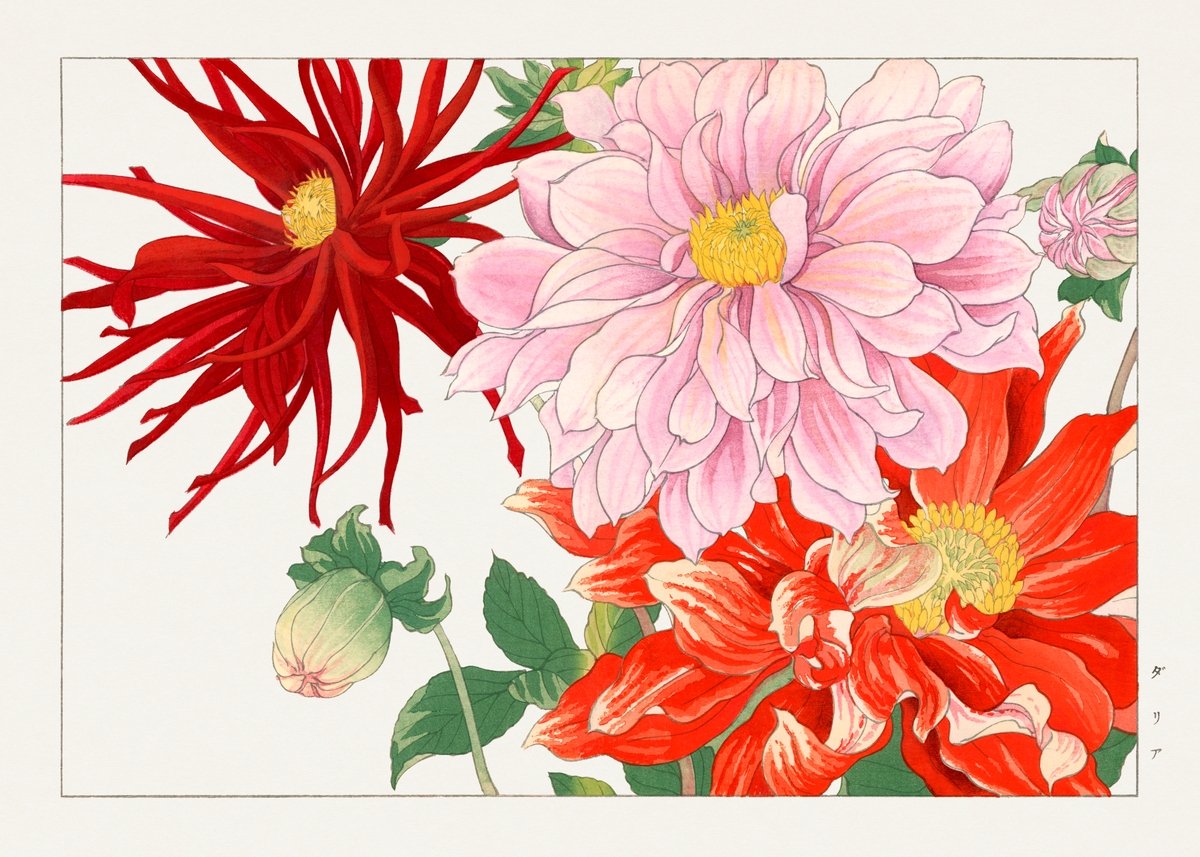
Konan Tanigami, a prominent Nihon-ga artist from 1879 to 1928, is celebrated for his exceptional contributions to the Kacho-e genre, which focuses on the intricate depiction of birds and flowers. Notably, he distinguished himself as the first Japanese artist to incorporate Western flowers into his work, bridging the gap between traditional Japanese aesthetics and Western botanical subjects. His innovative approach not only enriched the Kacho-e tradition but also opened new avenues for artistic expression in Japan.

Early Life and Education

Tanigami Konan, born in 1879 in the historical city of Nagoya, Japan, grew up surrounded by the rich cultural tapestry that defined the Meiji era. He was drawn to art from a young age, enrolling in the Kyoto School of Arts where he honed his skills in traditional Nihon-ga techniques. Under the guidance of renowned mentors, Konan developed a keen eye for detail, allowing him to bring a sense of vibrancy to his subjects.

Career Highlights and Milestones

Konan’s artistic journey flourished as he became recognized for his innovative approach to Kacho-e, a genre focused on birds and flowers. His career spanned several decades, during which he not only exhibited widely but also became the first Japanese artist to dive into the world of Western flowers. This daring endeavor, along with his participation in international exhibitions, let the world know that Japanese art was not a solitary island but a bridge connecting diverse natural beauty across oceans.

Definition and Characteristics of Kacho-e

Kacho-e is basically the beautiful lovechild of birds and flowers, taking center stage in the Nihon-ga (Japanese painting) scene. Characterized by delicate brushwork and a focus on natural beauty, Kacho-e pieces often highlight seasonal blooms and graceful wildlife. Imagine a serene setting, where a sparrow is perched on a cherry blossom branch—poetry in visual form. The detail is so fine, it’s like the artist had a mini microscope while painting!

Historical Context of Kacho-e in Japanese Art

Emerging during the Edo period, Kacho-e became a stylish staple for art lovers, reflecting the shifting interests of Japanese society. Capitalizing on the West’s fascination with Japanese culture, Kacho-e blossomed in popularity, often embodying a meditative relationship between nature and humanity. So, while Konan painted Western flowers, he was also part of a long tradition that appreciated the beauty of nature—albeit with a modern twist.

Integration of Western Flora into Traditional Techniques

Konan’s reputation as a daring innovator is well-earned, especially when it comes to his approach to Western flowers. He didn’t just dip his toes into unfamiliar waters; he cannonballed right in! Blending the intricate techniques of Nihon-ga with vibrant blooms like roses and daisies, he created an exciting fusion that made flower arrangements feel fresh and new. His work often had viewers wondering, “Is that a bouquet from my garden or the pages of a Western floral catalog?”

Comparison with Contemporary Artists

While many of his contemporaries timidly stuck to traditional Japanese flora, Konan boldly ventured into the uncharted territory of Western botanicals. Artists like Takehisa Yumeji were also experimenting, but none quite captured the same flair for floral diversity as Konan. His ability to intermingle Western aesthetics with Eastern sensibility set him apart, making him a trendsetter in a field that was still finding its footing in a rapidly changing artistic landscape.

Nature and Its Representation in Konan’s Work

If there’s one thing that defines Konan’s art, it’s his deep connection with nature. Every brushstroke seemed to whisper an ode to the delicate balance of flora and fauna. With a penchant for detail, his pieces captured not just the visual appeal but also the essence of the natural world. Whether it was the play of light on petals or the rustle of leaves, Konan’s paintings felt alive, as if nature was right there in the room with you.

Western Art Movements and Their Impact

The early 20th century was a melting pot of artistic movements, and Konan wasn’t immune to their influence. The Impressionists, with their focus on light and color, left a mark on him, perhaps inspiring his vivid interpretations of Western flowers. Additionally, the Arts and Crafts movement’s emphasis on nature and craftsmanship resonated with his artistic philosophy. This cross-pollination of ideas allowed Konan to create artwork that was a harmonious blend of Eastern and Western aesthetics, proving that art truly knows no boundaries.

Notable Paintings and Their Significance

Tanigami Konan’s portfolio features an impressive array of paintings that boast a harmonious blend of traditional Japanese aesthetics and Western botanical influences. His work, such as “Peonies and Birds,” exemplifies this unique fusion, showcasing not just the beauty of the depicted flowers but also a meticulous attention to detail that invites viewers to appreciate the harmony of nature. Konan’s ability to illustrate Western blooms with the grace typical of Kacho-e art not only expanded the thematic repertoire of Nihon-ga but also sparked conversations about Japan’s engagement with globalization in the early 20th century.

Innovations in Technique and Style

Konan wasn’t just a pretty face in the art world; he was a trailblazer. His innovative use of color and texture reflected his keen observation of natural forms, elevating the Kacho-e genre. Embracing techniques such as layering and the incorporation of new pigments from Western sources, he created works that were more vivid and lifelike than ever before. This innovation didn’t just set a new standard; it redefined how Japanese artists approached floral and avian subjects, ushering in a fresh era of aesthetic exploration.

Influence on Future Generations of Artists

The ripples of Konan’s artistic contributions can be felt even today. Many contemporary artists cite him as an inspiration for their own explorations of nature and the interplay between Eastern and Western art techniques. His fearless approach encourages new generations to experiment with their styles, bridging traditional forms with modern expressions, and invites a re-examination of cultural identity through art.

Preservation and Recognition of His Work Today

Today, Konan’s works are more than just beautiful images; they are treasured artifacts representing the evolution of Japanese art. Museums and galleries around the globe recognize his contributions, often featuring his works in exhibitions that highlight the dialogue between East and West. Art enthusiasts and scholars alike are increasingly dedicated to preserving his legacy, ensuring that the vibrant colors and intricate details of Konan’s flora will continue to flourish for future generations.

Major Exhibitions During His Lifetime

During his lifetime, Tanigami Konan’s works were showcased in several high-profile exhibitions, drawing significant attention and acclaim. His participation in the 1910 Japan-British Exhibition introduced Western audiences to his unique vision and helped establish his reputation as a leading Kacho-e artist. These exhibitions paved the way for broader appreciation of Japanese art, allowing Konan to stand confidently in the spotlight of an evolving art scene.

Posthumous Recognition and Awards

Even after his passing in 1928, Konan’s art has continued to gain recognition. Various art institutions have posthumously honored his work through exhibitions and special collections that celebrate his contributions to the Nihon-ga movement. Additionally, awards recognizing his influence on the Kacho-e genre further cement his status as a pivotal figure in the history of Japanese art. 

the Elegance and Subtle Formality of Kimonos

the Elegance and Subtle Formality of Kimonos

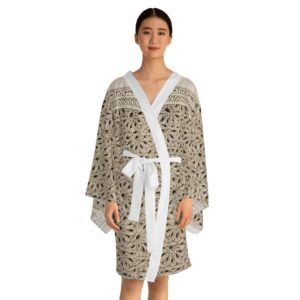
The haori (羽織) is a traditional Japanese jacket worn over a kimono. Resembling a shortened kimono with no overlapping front panels (okumi), the haori typically features a thinner collar than that of a kimono, and is sewn with the addition of two thin, triangular panels at either side seam. The haori is usually tied at the front with two short cords, known as haori himo, which attach to small loops sewn inside the garment.

During the Edo period, economic growth within the wealthy but low-status merchant classes resulted in an excess of disposable income, much of which was spent on clothing. It was during this period that, due to various edicts on dress mandated by the ruling classes, merchant-class Japanese men began to wear haori with plain external designs and lavishly-decorated linings, a trend still seen in men’s haori

types of kimonos

Komon (小紋)

Komon (小紋): The lowest form of normal kimono. Meaning “Small Pattern,” it is characterized by its repeating patterns that can either be printed, painted, stencilled, or woven. They are worn as everyday wear, like when shopping or being out and around town.

It is a versatile and everyday kimono style that features repeating patterns. Whether you’re out shopping or exploring the town, Komon is the perfect choice for casual wear. Its charming designs add a touch of elegance to your daily activities, making you stand out with effortless style.

Iromuji (色無地)

Iromuji (色無地): The second lowest of the normal kimono and the lowest of all formal kimono. Iromuji means “Single Solid Colour” and consists of just one colour with no decoration whatsoever. The only adornment that may be found would be patterns woven into the silk itself, but otherwise is quite plain. Weaving designs into silk is called Rinzu (綸子). Iromuji is also the lowest formality in which you will find Kamon (家紋). Meaning “Family Crest,” they are added to kimono as a sign of formality. Kamon can be added in sets of five, being the most formal, three, being the second most formal, and one, being the least formal. The number of kamon must also match the level of formality for the kimono, so you will only ever find a single kamon on an iromuji.

Tsukesage (付け下げ)

Tsukesage (付け下げ): The middle level of formality of all kimono. The term comes from the placement of its patterns as Tsueksage means “To Put Down.” Kimono are stitched together from long, rectangular pieces of fabric known as Tan (反), which are visible at the seam lines. When it comes to a tsueksage the decoration will always stay within the individual tan and not cross over to create larger or more cohesive patterns. When seen from afar the patterns seem to flow downwards, hence the name. They are almost always made of silk and can feature kamon, but only up to three.

Houmongi (訪問着)

Houmongi (訪問着): The second most formal kimono and considered suitable to wear to all formal occasions. They are often considered the most beautiful kimono because they are covered by flowing patterns and motifs that stretch across the entire garment. The name houmongi means “Visiting Wear” as they were originally worn to pay respects to neighbours on formal occasions. They will feature kamon more often than not and can have anywhere between one and five of them present. Du to their high formality they are always made from silk.

Furisode (振袖)

Furisode (振袖): The most formal type of kimono for unmarried women. When it comes to furisode there are three different sleeve lengths. They are: Ko Furisode (小振袖), meaning “Small Swinging Sleeves,” Chū Furisode (中振袖), meaning “Middle Swinging Sleeves,” and Ō Furisode (大振袖), meaning “Large Swinging Sleeves.” Today the word furisode brings to mind the ō furisode as it’s the most commonly worn type, but prior to World War II it was very common to also see ko furisode and chū furisode as sleeve length determined how formal a kimono was. Ko furisode and chū furisode are considered semi-formal wear, but are rarely ever made anymore due to the decline in kimono ownership.

Tomesode (留袖)

Tomesode (留袖): The most formal kimono of all. It is characterized by its solid colour background, usually black, and motifs that are only found bellow the waist. Black used to be the hardest colour dye to produce before synthetic or imported dyes were introduced, so it was considered a precious colour that would only be used for the most important garments. Tomesode means “Fastened Sleeves” as traditionally a bride would cut the sleeves from her furisode and then wear that kimono as a married woman in the form of a tomesode. They will always feature five crests and are worn by married women to formal occasions, usually the mother of the bride or groom at a wedding.

source

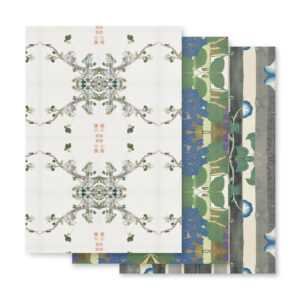
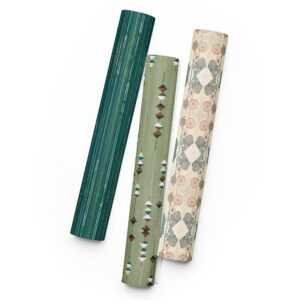
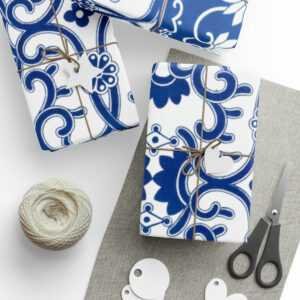
next-level gift wrapping

next-level gift wrapping

Giftwrap has been around since the invention of paper itself, which has been around since at least 105 A.D. in China.

The Japanese (and Chinese and Koreans) take their gift wrapping seriously. Like most East Asian arts and crafts, the level of attention and skills required is an extension of the creator’s emotions and thoughts behind the object being given

When giving gifts or sending presents in Japan, it is customary to show special care not only to the contents, but to the way a gift is wrapped and the wrapping itself. In Japanese culture, gift wrapping can be as important as the gift, where the gift is viewed as a form of communication between the giver and the receiver. The chosen gift wrapping serves an important role in shaping the messaging associated with the gift. In short, the wrapping is considered as part of the gift itself and should reflect both the gift being given and the emotions behind the gift.

The distinction of a gift being wrapped is an important one when it comes to receiving a gift. Except among close family members, gifts must not be unwrapped in front of the donor of the gift. The recipient should wait until later to open the gift.

There are many rules and customs of associated with Japanese gift wrapping, many of which imply how you feel towards the person and the the message behind the gift. The gift wrap color choices are one of ways that this communication takes place. Also, the wrapping of the gift is not necessarily meant to hide the gift, but to accentuate it — with gift wraps designed to reveal some items while concealing others. A couple of other methods of symbolism that can be used…

  • Pleating — providing an odd number of pleats in your wrapping symbolizes joy
  • Yin & Yang — combining two different materials symbolizes the yin-yang that represent the interconnected and interdependent forces of the natural world
  • Asymmetry — asymmetry is considered more visually appealing in Japan culture

Tsutsumi or Origata

One style of Japanese gift wrapping, called tsutsumi — which means to cover, conceal or wrap — or origata uses paper and fabric to wrappings for gifts, presents and packages. The unique aspect of this technique is that the paper and/or fabric is never cut. Instead it is pleated, folded and tied. Ranging from the simple to the sophisticated, this technique traditionally uses handmade paper (washi) to express beauty, etiquette and culture and often employs techniques seen in origami.

The intent with this wrapping style is not to conceal the gift, but to enhance it’s shape and to give some clue to the contents. This style allows the gift itself to be exposed. For example, high quality tea leaves are often given as a present in Japan. When wrapping black tea (known as ko-cha, or “red tea”), red paper inserted in a slit on the top of the package, then overlaid with a film to provide a glimpse into what is in the package.

A sophisticated system of rules has been created for origata wrapping. The style depends on the gift recipient, the occasion, and even the season.

Furoshiki

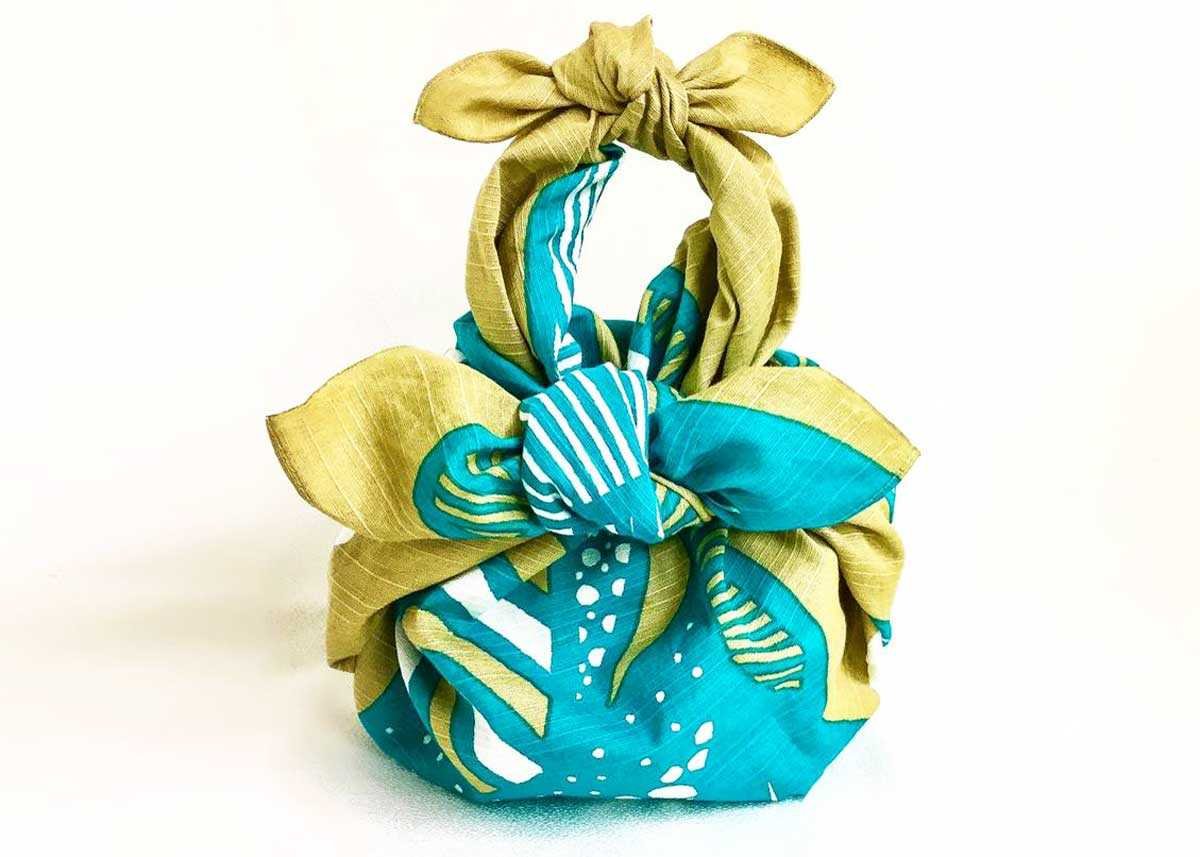
furoshiki is the technique of wrapping a gift with fabric. This style is perfect for birthdays, holidays, weddings, or everyday marketing and shopping and was originally used to carry clothes to the bathhouse. Made in a variety of sizes, the cloth is extremely handy and can be folded up after each use to wrap or carry something else. It ‘s very flexible as a wrapping technique and lends itself to various shapes and sizes of packages. There is even a way to wrap and carry two bottles together.

The Japanese Ministry of Environment has been promoting furoshiki to promote recycling, as the cloth can be reused for different occasions, helping to reduce the wasting of paper.

Thanks to Giftypedia.com for the info!

sashiko, kimonos & history

sashiko, kimonos & history

Textiles say so much about the culture in which they are worn and used.

Clothing can immediately identify who we are and what our history is. One can tell eastern v. western, wealthy v. impoverished, northern v southern. Clothing also tells us about the society that created it.

A recent BBC Culture story by Bel Jacobs: The 300-year-old Japanese method of upcycling explores the method of sashiko.

Kimono screen
Seventeenth century screen by Iwasa Matabei (via Wikimedia Commons)

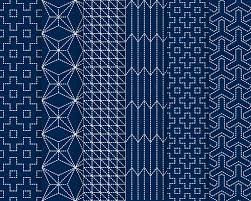
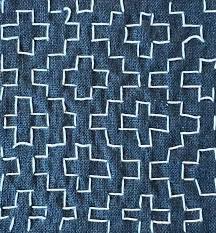
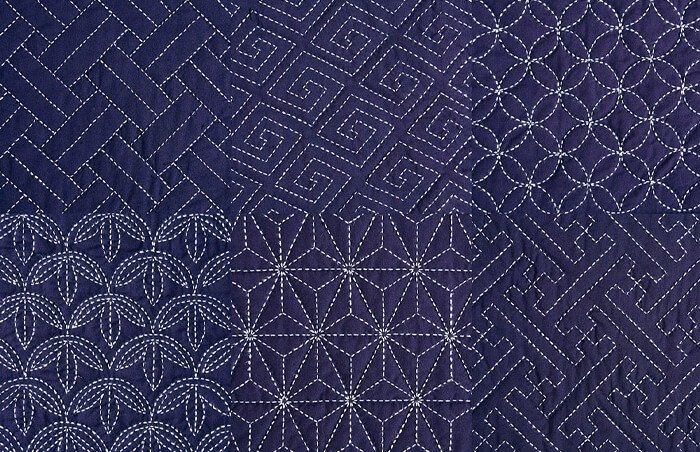
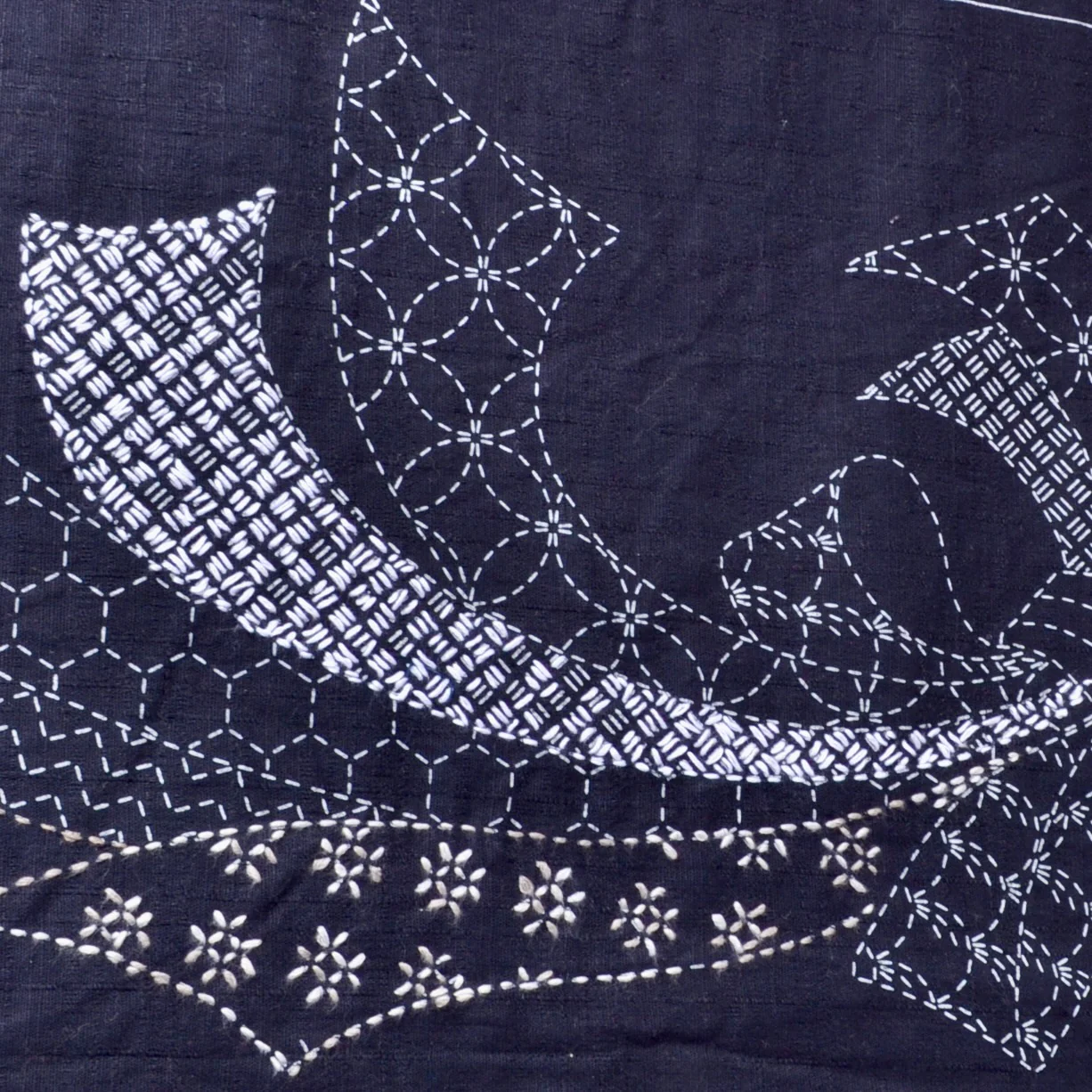
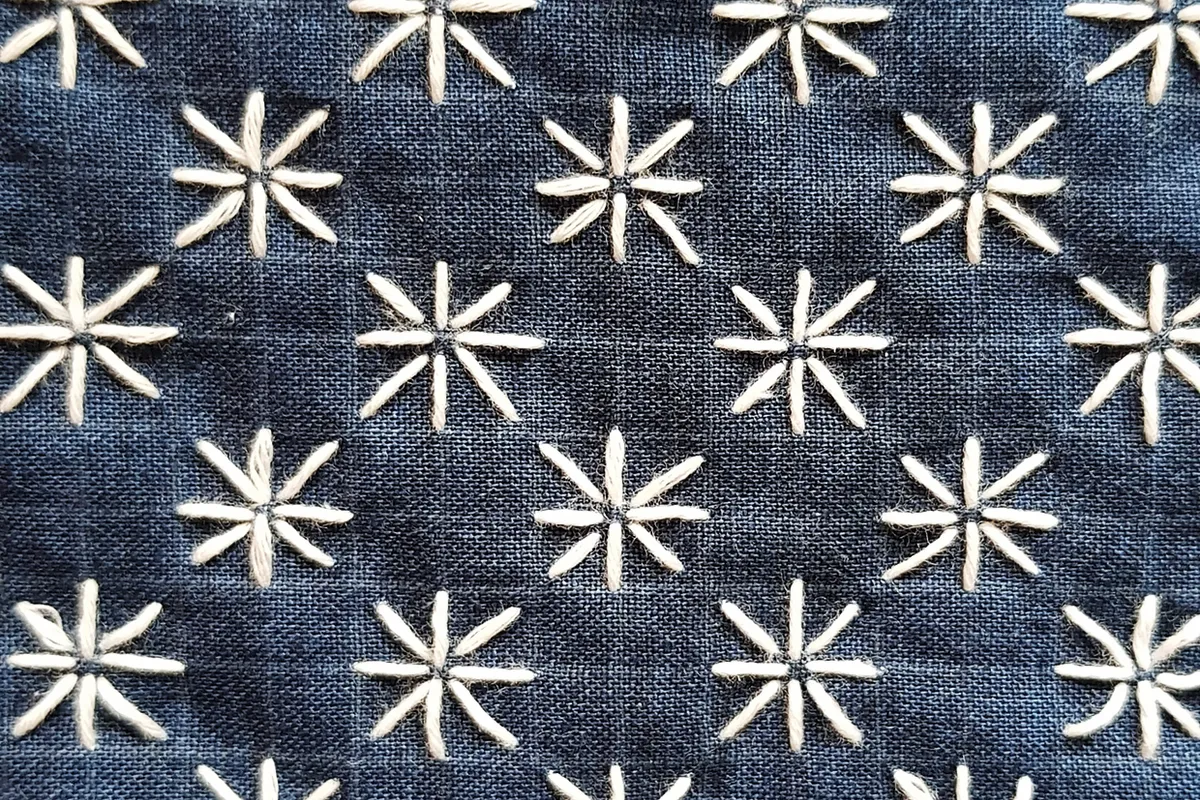
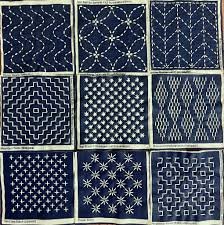
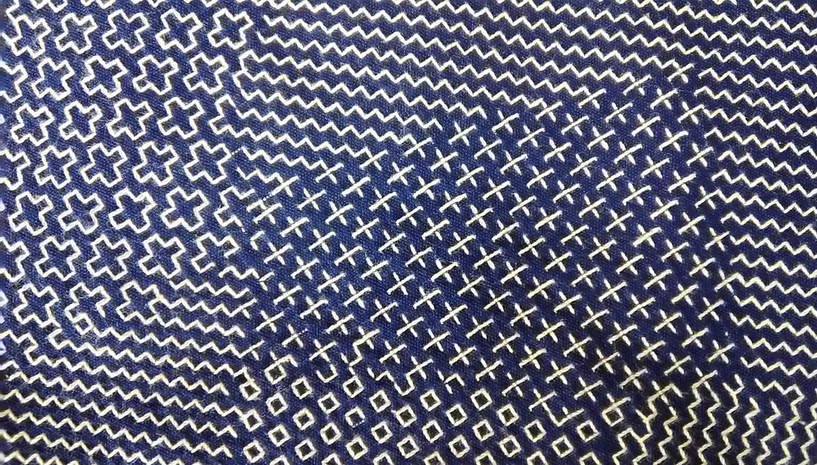
Sashiko emerged through necessity, particularly in poor rural areas, during the Edo period. “Cotton came late to the north of Japan,” explains craft and design writer Katie Treggiden. “So the only way people could get hold of it was as tiny rags of fabrics, that were either passed around or bought from tradesmen from the south. Sashiko – literally, ‘little stabs’ – was a way of connecting all those little pieces into a quilted fabric, known as boro, that would keep them warm.”    
The Surprising History of the Kimono

The first ancestor of the kimono was born in the Heian period (794-1192). Straight cuts of fabric were sewn together to create a garment that fit every sort of body shape. It was easy to wear and infinitely adaptable. By the Edo period (1603-1868) it had evolved into a unisex outer garment called kosode. Literally meaning “small sleeves,” the kosode was characterized by smaller armholes. It was only from the Meiji period (1868-1912) onwards that the garment was called kimono. This last transformation, from the Edo era to modern Japan, is fascinating.

In the early 1600s, First Shogun Tokugawa unified Japan into a feudal shogunate. Edo, renamed Tokyo in 1868, now became Japan’s chief city. The resulting Edo Period (also called the Tokugawa Era) spanned 264 years. The years 1603 to 1868 are known as the last era of traditional Japan. Japanese culture developed with almost no foreign influence during this time. And the kosode was one of the key elements of what it meant to be Japanese.
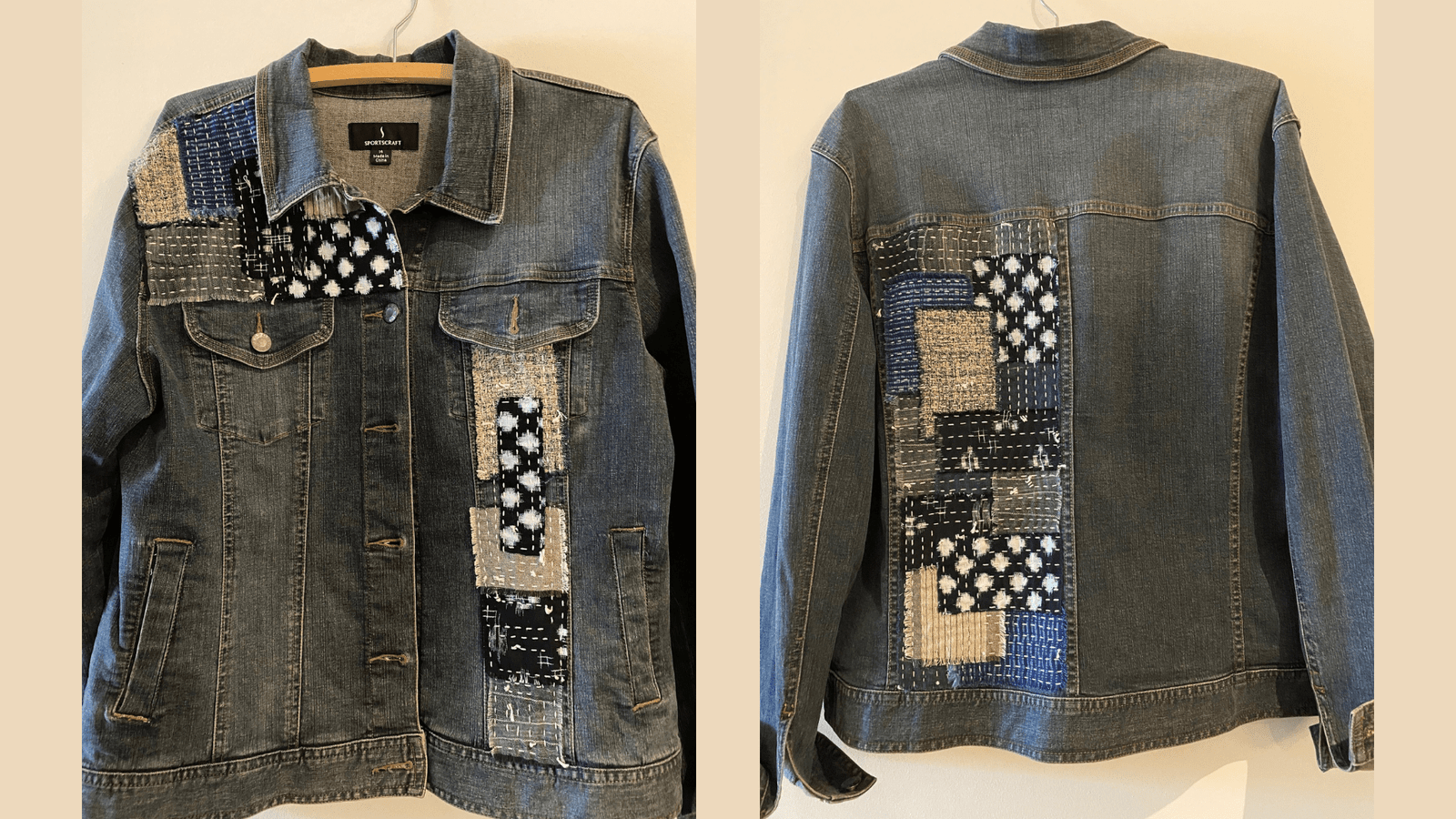
(Source: Gabrielle Berlinger via jstor.org)

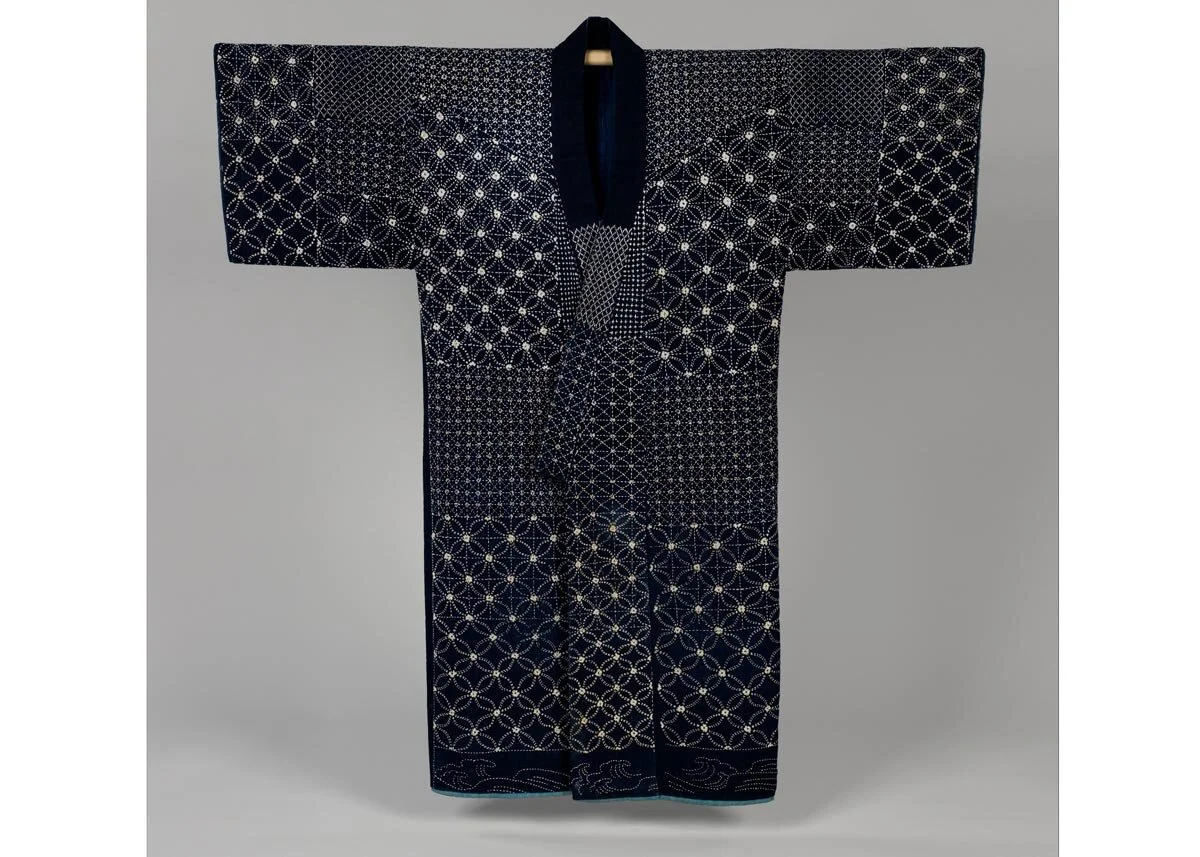
A fisherman's jacket – or donza – created in the Meji Period is a stunning example of sashiko craftsmanship (Credit: Metropolitan Museum of Art)