MAKE IT YOURS: CUSTOM PERSONALIZATION

MAKE IT YOURS: CUSTOM PERSONALIZATION

Output onlinepngtools (9)

cgk.ink offers various personalization options for most of our products. You can customize items like: 

Our designs are digital, so we can (mostly) take any design and place it on any other item. So, if you like the design of, say, a shirt, we can replicate it on a wine glass, duvet cover or anything, really. Tell us what you have in mind!

apparel

Personalized tees are a great example of how customization can be accessible to everyone. Dates, names, events and, well... anything can be designed to make each item your own.

17907571181893324659 2048.jpeg

entertaining

Create a truly unique celebration by providing your guests with bespoke items at your next event. Glassware, napkins, ice buckets, aprons and tableware are a few of the items we've customized for customers.

Twa airlines service 1952

stationery

A personalized journal makes the personal content visible. Each journal has it's own tone, purpose and utility. Express yourself with a personalized journal or card.

Hardcover journal matte white 8x5.75 front 68806d895689c

gifts

Making a gift personal is, perhaps, the best use of the capability to customize almost any item at cgk.ink! Jewelry boxes, posters, mugs and more.

All over print crossbody bag black product details 687a9ab122412
To inquire about collaborations, cross-selling, affiliate marketing, or placing a custom order, you can use the contact form below. You can upload files for customization through this form as well. Submitted files are used to estimate fees (if any) and gauge the scope of detail. Files are destroyed 21 business days after production in case of a reorder or problem with delivery.

Fine Art FOCUS: LEONETTO CAPPIELLO: ADVERTISEMENT as FINE ART

Fine Art FOCUS: LEONETTO CAPPIELLO: ADVERTISEMENT as FINE ART

the LEONETTO CAPPIELLO AESTHETIC

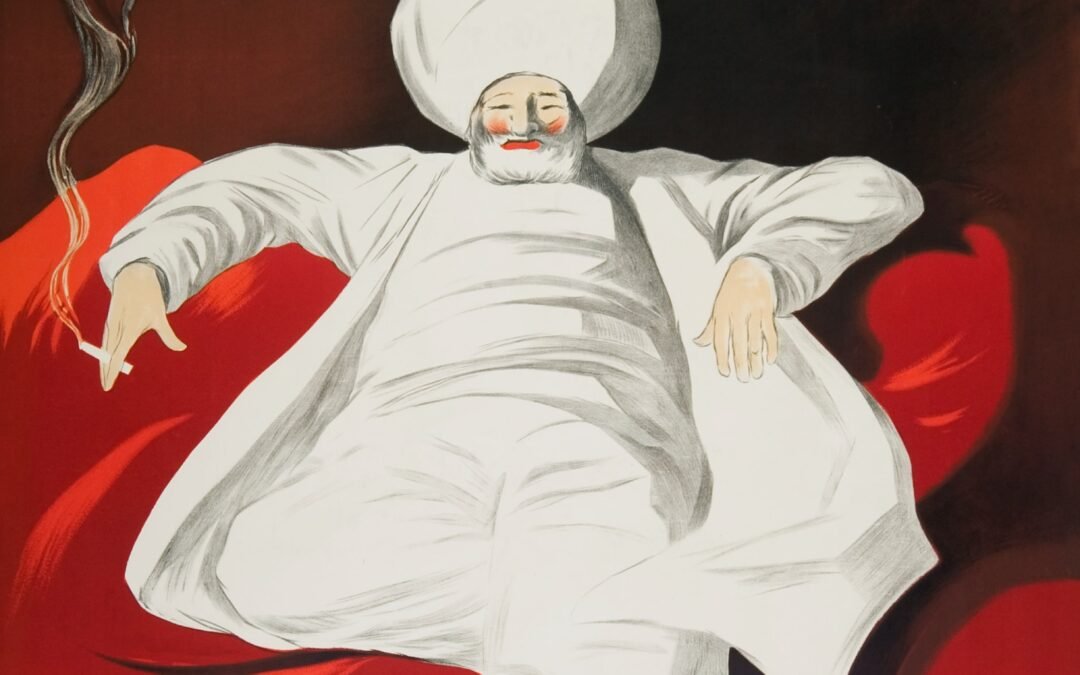
He is credited to revolutionize the old thinking of poster illustration during his time. Cappiello’s concept of poster art was simple, to simply engage audience faster by creating unconventional visual impact. He was the first poster artist to boldly experiment and innovate new graphical styles at the time. His presentation was straight forward with use of enlarged bold subjects with unconventional colors,contrasted by the very dark background, which make his art “pop out”. By doing so he moved away from illustrating intricate details in his artworks, which was famous at the time as art nouveau movement was popular.

His new functionalist style of graphic art, in which a single bold image would be used to grab the viewer’s attention. This graphic design proved highly effective, not only in drawing attention to the product but also in building a brand. It made Capiello the acknowledged master of the advertising poster in his time for almost 20 years.

Source

Retrographik.com
the HAWAIIAN SHIRT COLLECTION: MAHALO!

the HAWAIIAN SHIRT COLLECTION: MAHALO!

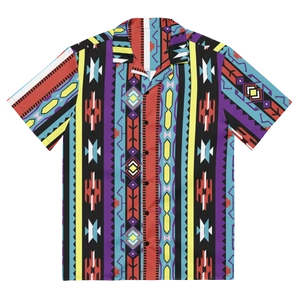
Hawaiian style is all about ease and comfort. It's also about celebrating the colors and forms of this unique tropical, Pacific location.

As with most creative expression, we always seek out the most profane, bastardized version of whatever we are are admiring.

A few of the worst Hawaiian shirts a short Google Image Search uncovered:


Though its precise origins are lost to history, the aloha shirt first appeared in Hawaii in the 1920s or ’30s, probably when local Japanese women adapted kimono fabric for use in men’s shirting. The shirts achieved some popularity among tourists to Hawaii and found greater commercial success when they hit the mainland in the mid-1930s. America at the time was riddled with hardship and anxiety, with many men out of work and many others struggling to hold on to their breadwinner status. Perhaps in response, hyper-manliness came into vogue—the popularity of bodybuilding skyrocketed, Superman burst onto the scene. It may seem paradoxical that men embraced a garment with such feminine appeal. “You’d better get two or three because it’s a cinch your daughter, sister, wife or even mother will want this bright-colored shirt as soon as she sees it,” the Los Angeles Times teased in 1936. That didn’t stop men from buying. By 1940, aloha shirts were bringing in more than $11 million annually (in today’s money).

By the 1960s, the shirt had become truly ubiquitous. Aloha Fridays were a fixture of a certain kind of workplace, and everyone—from Elvis to the decidedly unhip Richard Nixon—seemed to have an aloha shirt. Over time, perhaps inevitably, it lapsed into the realm of corny suburban-dad-wear.

Yet in just the past five years, fashion magazines have been heralding a comeback, and high-end labels like Gucci are taking the aloha shirt to new heights, with prints that draw on Japanese designs favored in the garment’s early days. Meanwhile, some shirtmakers from Hawaii’s old guard are still going strong. Kahala, founded in 1936 as one of the first brands producing aloha shirts, has been raiding its vaults to reproduce designs dating back to the 1930s—including some popularized by Duke Kahanamoku. “People are looking to bring some light, some color, some vibrancy into their lives,” says Jason Morgan, Kahala’s general manager. “I think that’s needed now more than ever. If an aloha shirt can help improve somebody’s day, I think that’s pretty powerful.”

Source: Smithonian Magazine May, 2020