the Flora Glassware COLLECTION: Konan Tanigami (1879-1928)
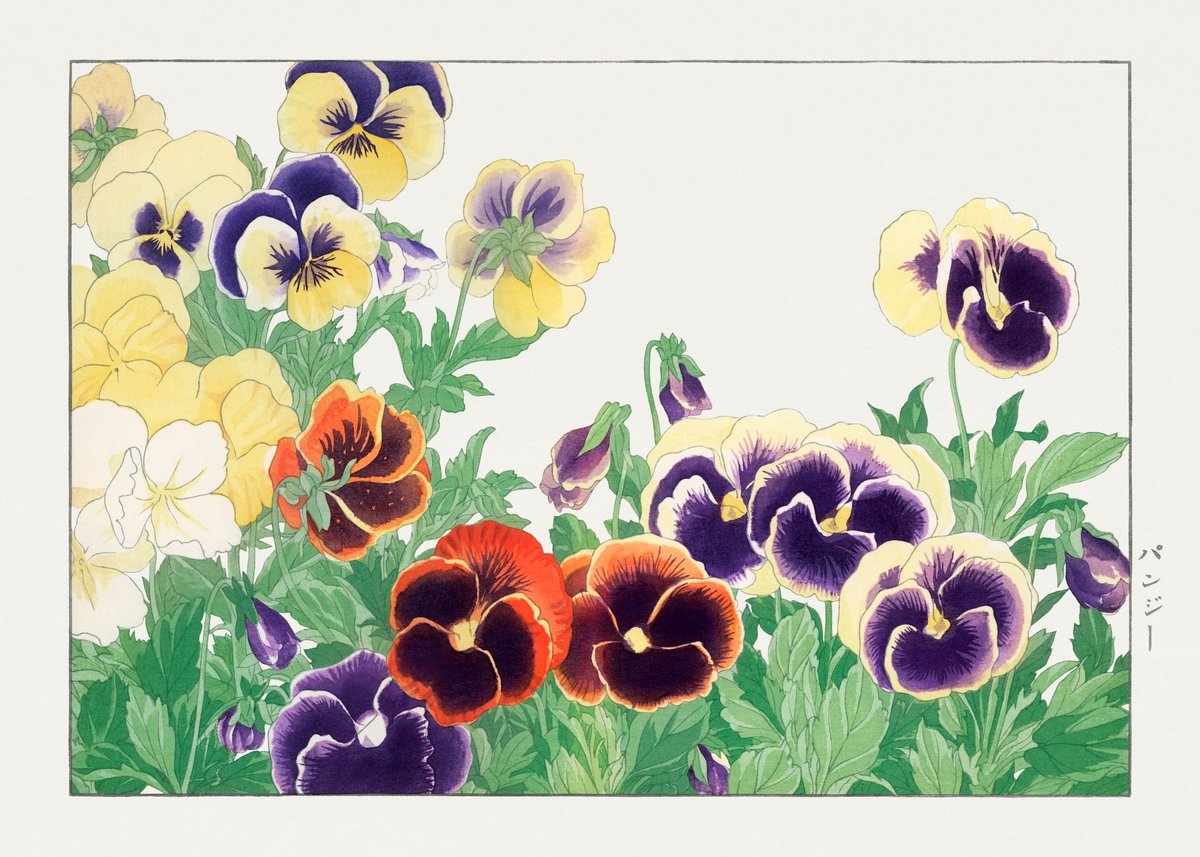
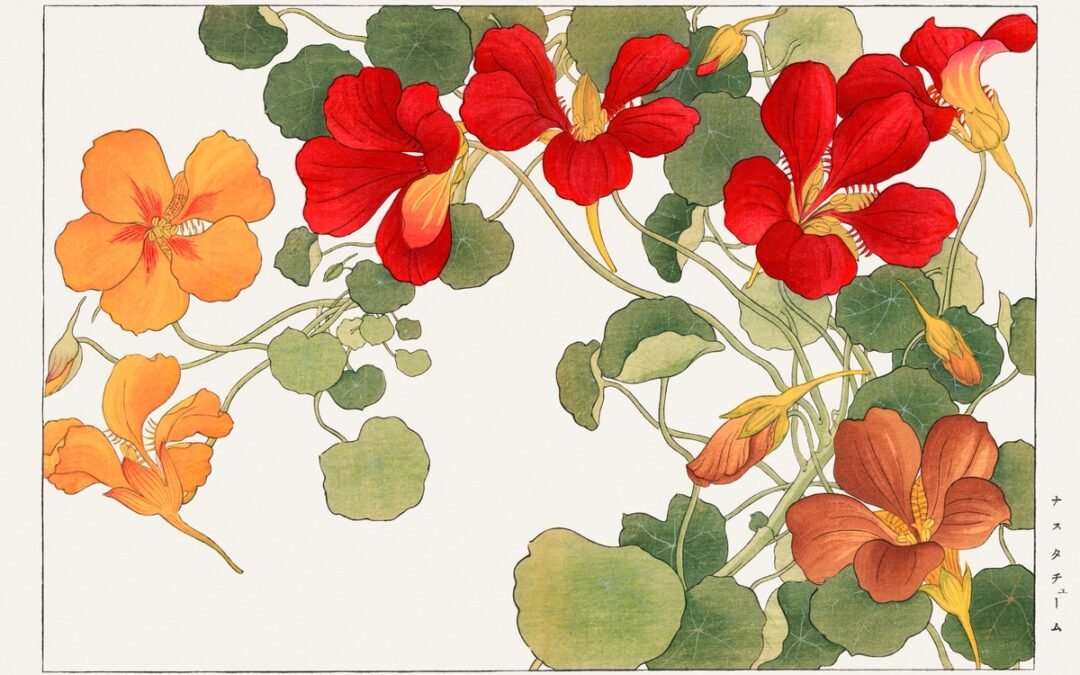
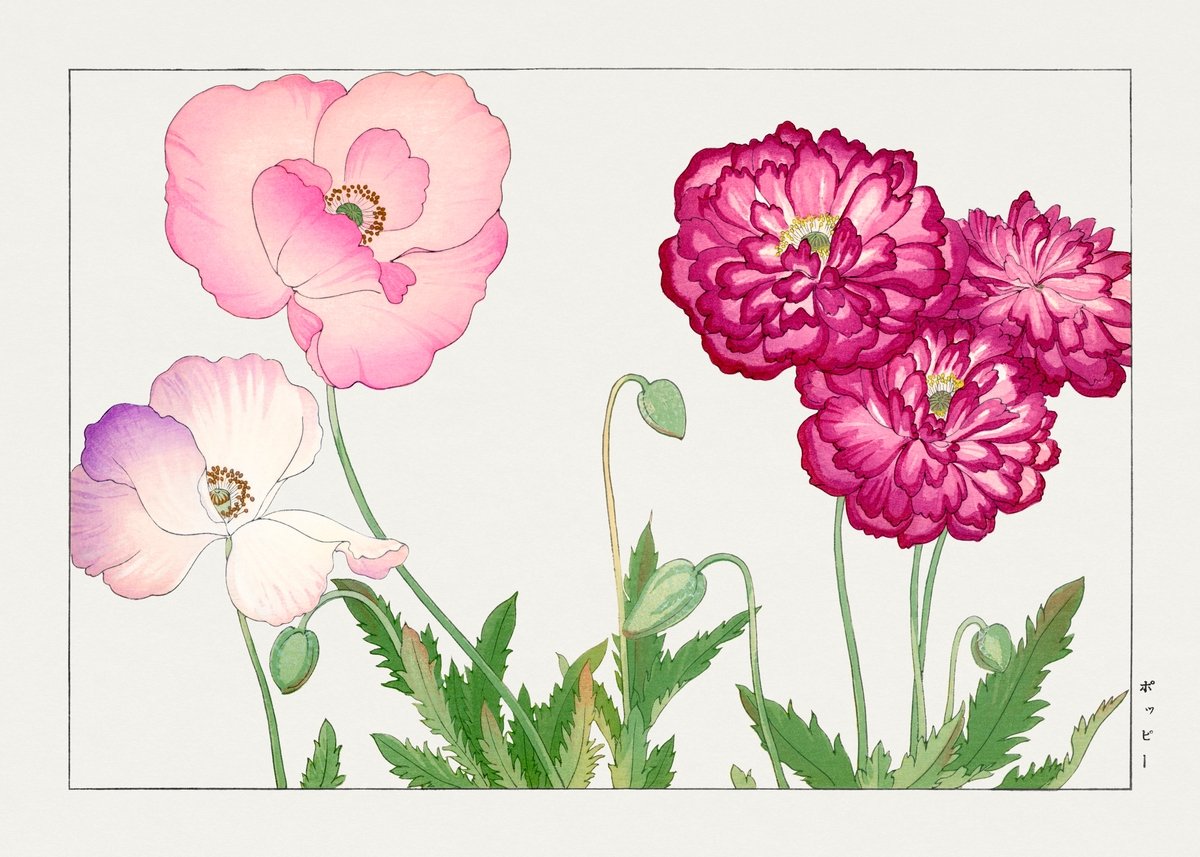
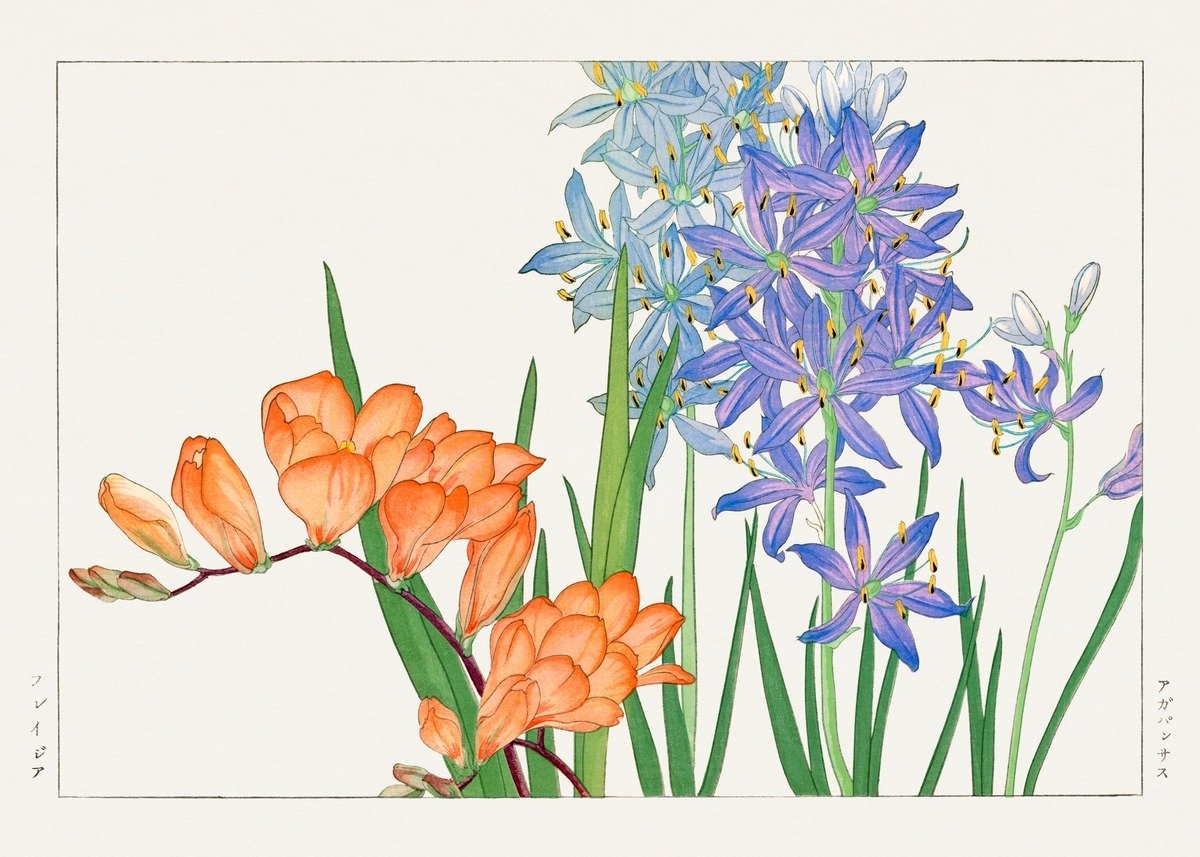
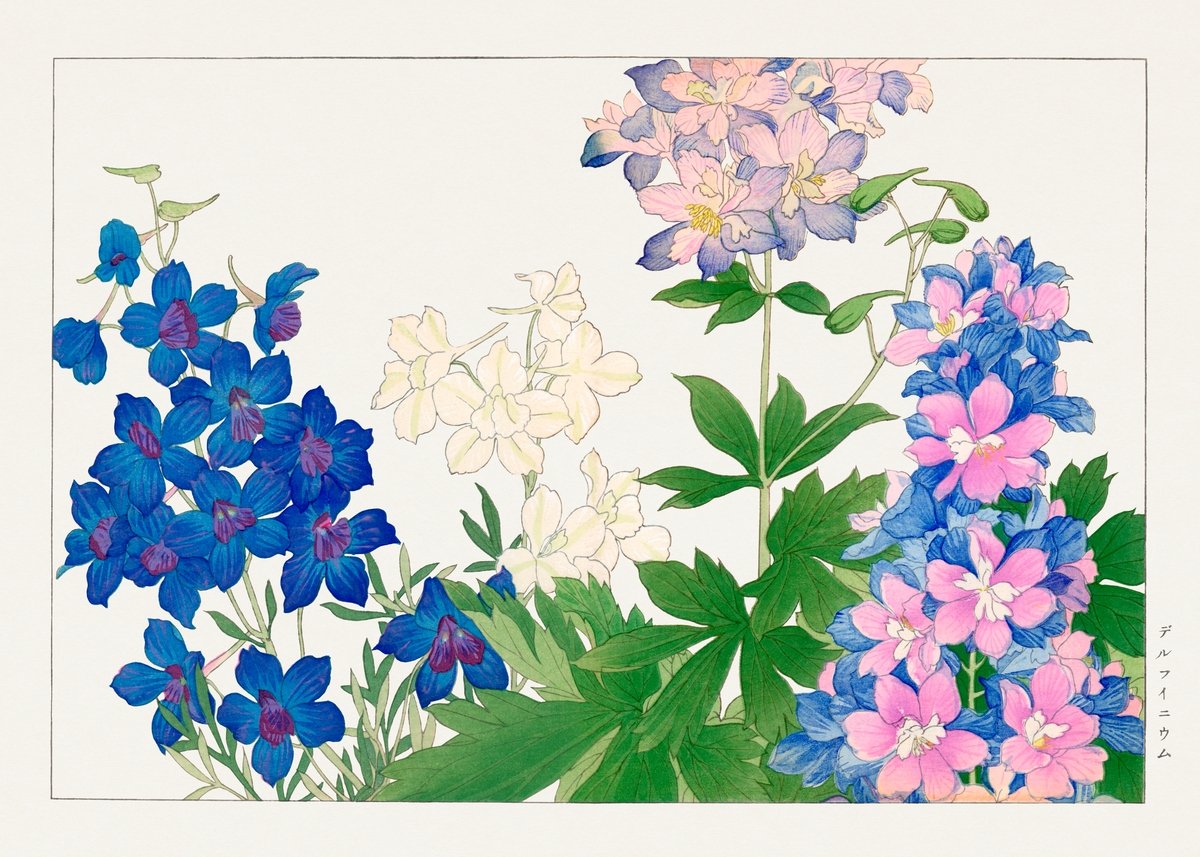
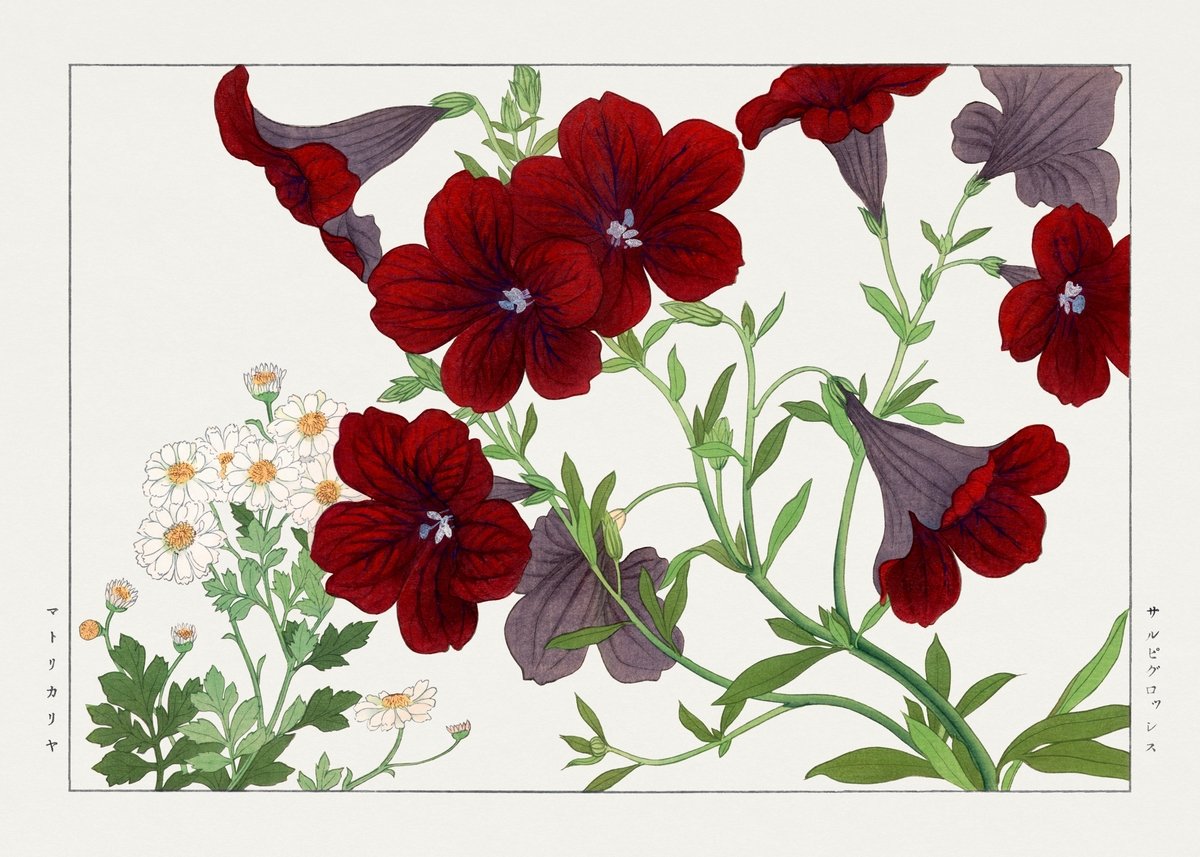
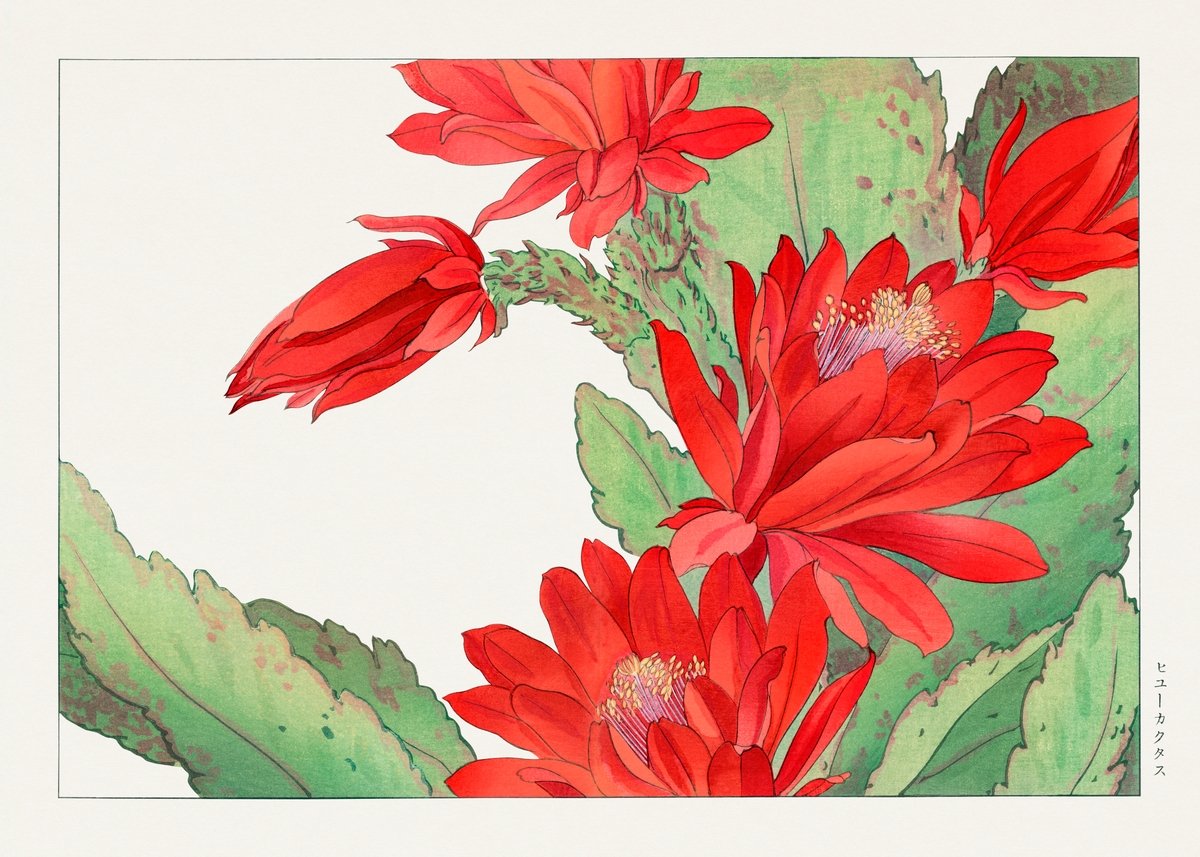
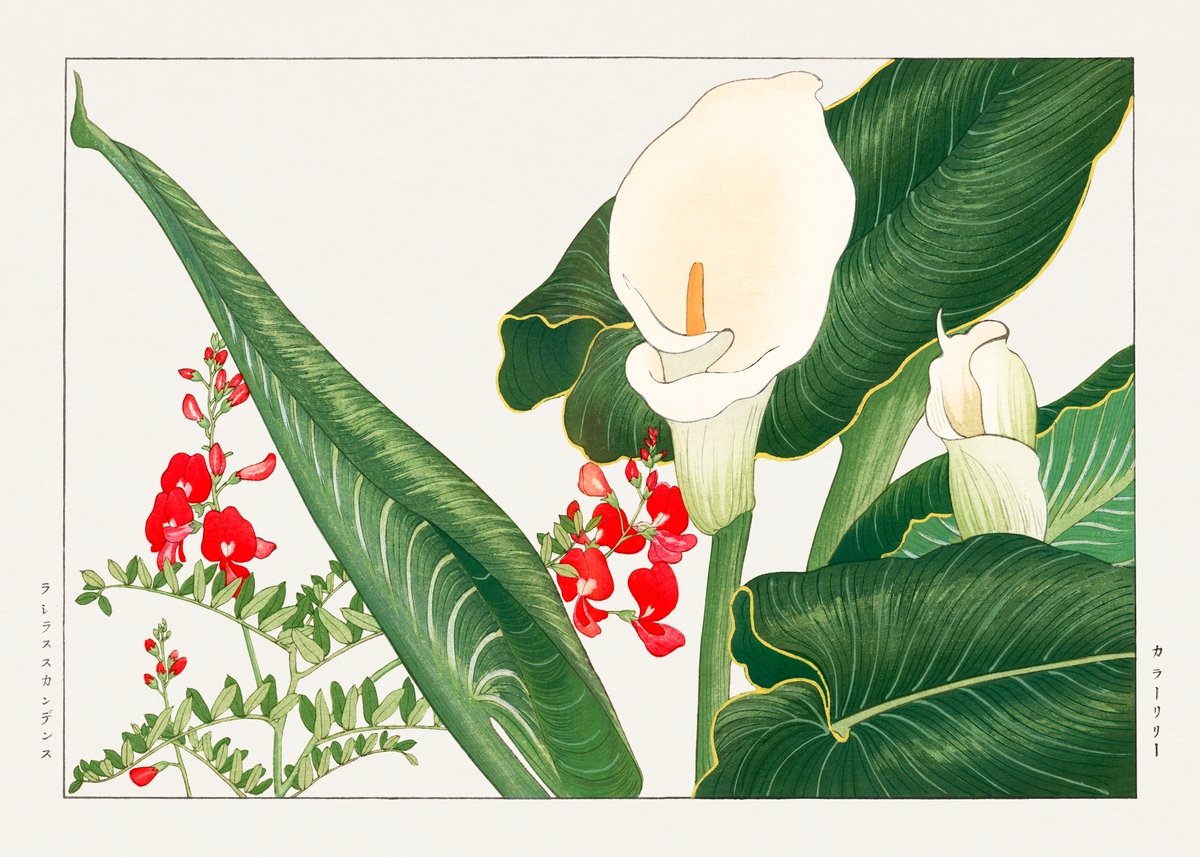
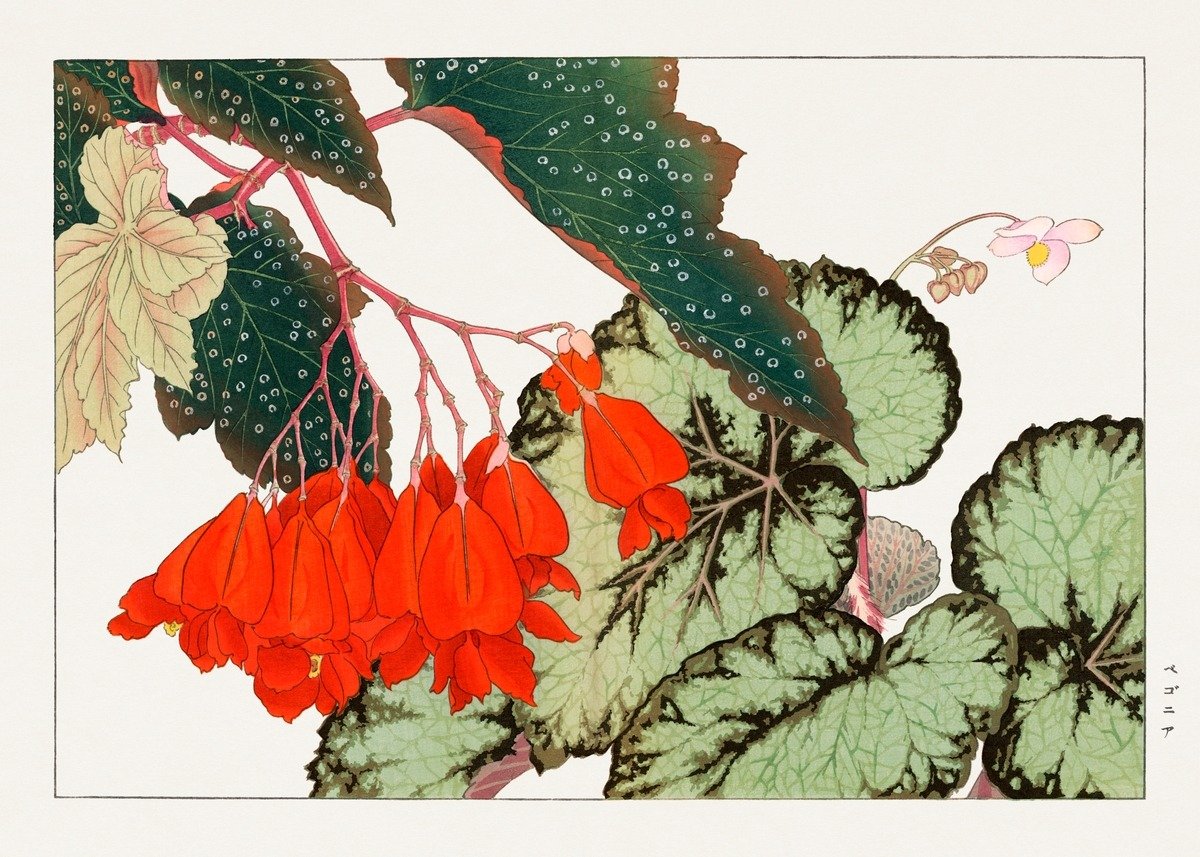
These items display stunning floral imagery, following the tradition of Japanese kacho-e (depictions of flowers and birds).
Konan Tanigami, a prominent Nihon-ga artist from 1879 to 1928, is celebrated for his exceptional contributions to the Kacho-e genre, which focuses on the intricate depiction of birds and flowers. Notably, he distinguished himself as the first Japanese artist to incorporate Western flowers into his work, bridging the gap between traditional Japanese aesthetics and Western botanical subjects. His innovative approach not only enriched the Kacho-e tradition but also opened new avenues for artistic expression in Japan.
Early Life and Education
Tanigami Konan, born in 1879 in the historical city of Nagoya, Japan, grew up surrounded by the rich cultural tapestry that defined the Meiji era. He was drawn to art from a young age, enrolling in the Kyoto School of Arts where he honed his skills in traditional Nihon-ga techniques. Under the guidance of renowned mentors, Konan developed a keen eye for detail, allowing him to bring a sense of vibrancy to his subjects.
Career Highlights and Milestones
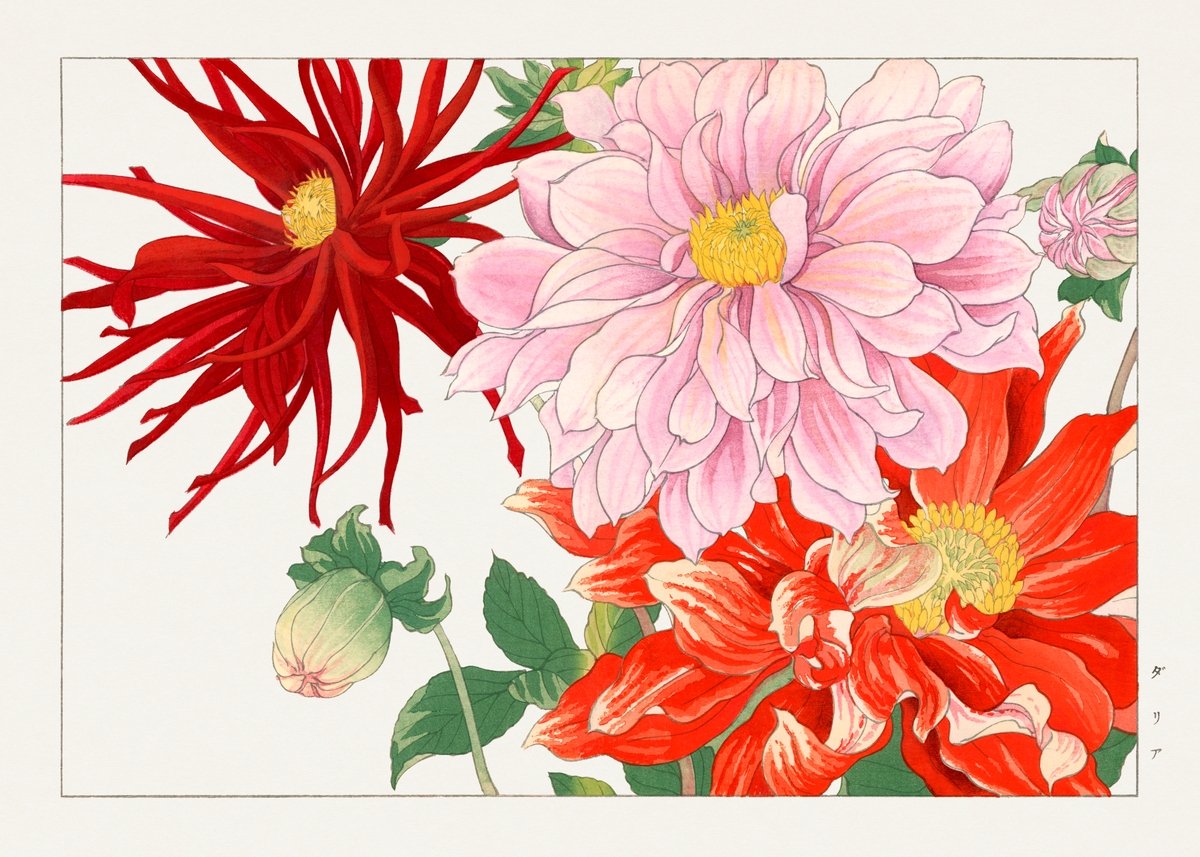
Konan’s artistic journey flourished as he became recognized for his innovative approach to Kacho-e, a genre focused on birds and flowers. His career spanned several decades, during which he not only exhibited widely but also became the first Japanese artist to dive into the world of Western flowers. This daring endeavor, along with his participation in international exhibitions, let the world know that Japanese art was not a solitary island but a bridge connecting diverse natural beauty across oceans.
Definition and Characteristics of Kacho-e
Kacho-e is basically the beautiful lovechild of birds and flowers, taking center stage in the Nihon-ga (Japanese painting) scene. Characterized by delicate brushwork and a focus on natural beauty, Kacho-e pieces often highlight seasonal blooms and graceful wildlife. Imagine a serene setting, where a sparrow is perched on a cherry blossom branch—poetry in visual form. The detail is so fine, it’s like the artist had a mini microscope while painting!
Historical Context of Kacho-e in Japanese Art
Emerging during the Edo period, Kacho-e became a stylish staple for art lovers, reflecting the shifting interests of Japanese society. Capitalizing on the West's fascination with Japanese culture, Kacho-e blossomed in popularity, often embodying a meditative relationship between nature and humanity. So, while Konan painted Western flowers, he was also part of a long tradition that appreciated the beauty of nature—albeit with a modern twist.
Integration of Western Flora into Traditional Techniques
Konan’s reputation as a daring innovator is well-earned, especially when it comes to his approach to Western flowers. He didn’t just dip his toes into unfamiliar waters; he cannonballed right in! Blending the intricate techniques of Nihon-ga with vibrant blooms like roses and daisies, he created an exciting fusion that made flower arrangements feel fresh and new. His work often had viewers wondering, “Is that a bouquet from my garden or the pages of a Western floral catalog?”
Comparison with Contemporary Artists
While many of his contemporaries timidly stuck to traditional Japanese flora, Konan boldly ventured into the uncharted territory of Western botanicals. Artists like Takehisa Yumeji were also experimenting, but none quite captured the same flair for floral diversity as Konan. His ability to intermingle Western aesthetics with Eastern sensibility set him apart, making him a trendsetter in a field that was still finding its footing in a rapidly changing artistic landscape.
Nature and Its Representation in Konan's Work
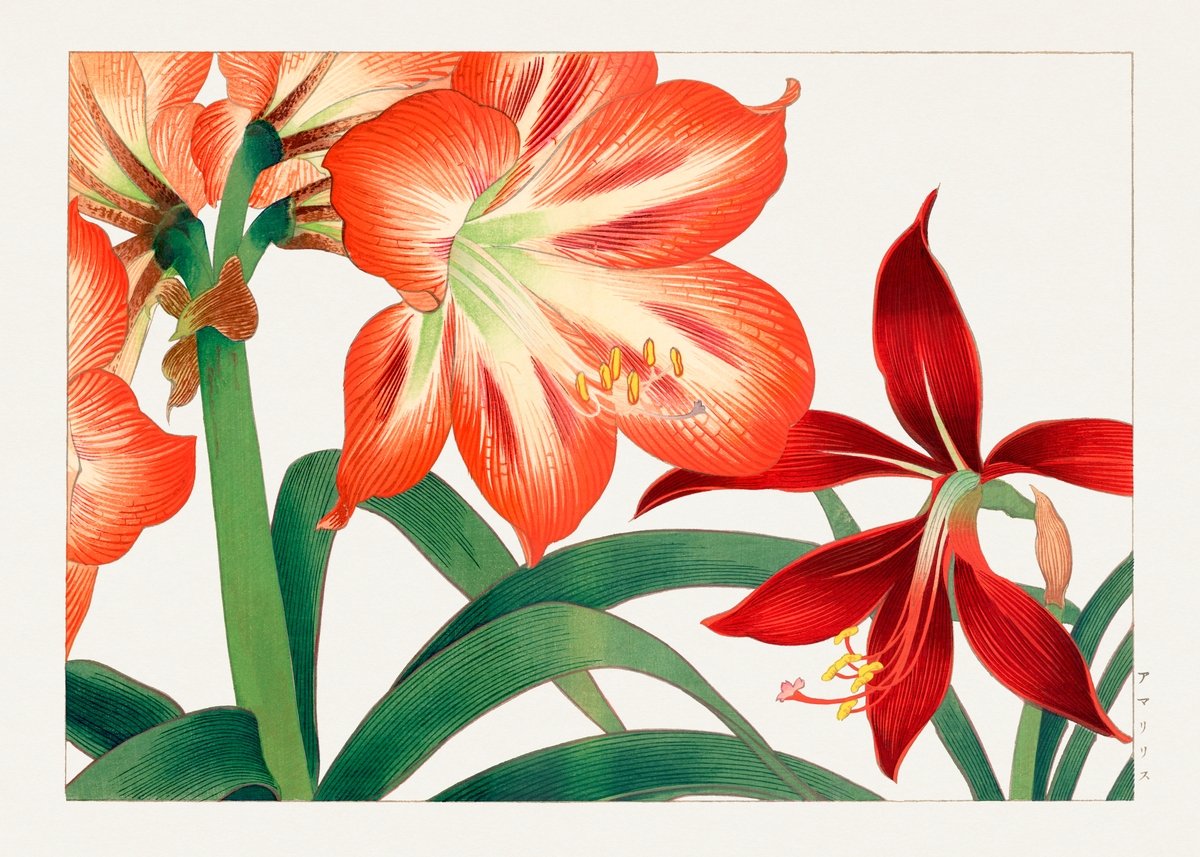
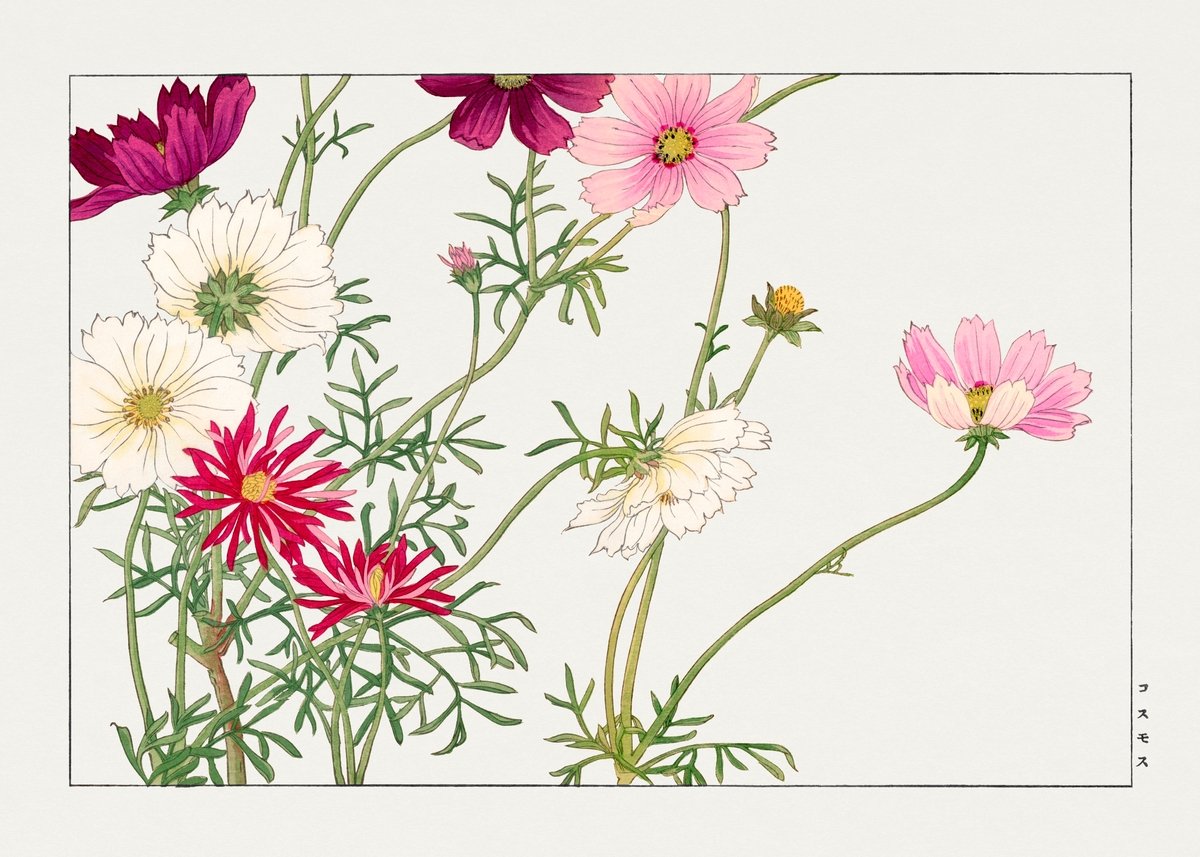
If there’s one thing that defines Konan’s art, it’s his deep connection with nature. Every brushstroke seemed to whisper an ode to the delicate balance of flora and fauna. With a penchant for detail, his pieces captured not just the visual appeal but also the essence of the natural world. Whether it was the play of light on petals or the rustle of leaves, Konan’s paintings felt alive, as if nature was right there in the room with you.
Western Art Movements and Their Impact
The early 20th century was a melting pot of artistic movements, and Konan wasn’t immune to their influence. The Impressionists, with their focus on light and color, left a mark on him, perhaps inspiring his vivid interpretations of Western flowers. Additionally, the Arts and Crafts movement's emphasis on nature and craftsmanship resonated with his artistic philosophy. This cross-pollination of ideas allowed Konan to create artwork that was a harmonious blend of Eastern and Western aesthetics, proving that art truly knows no boundaries.
Notable Paintings and Their Significance
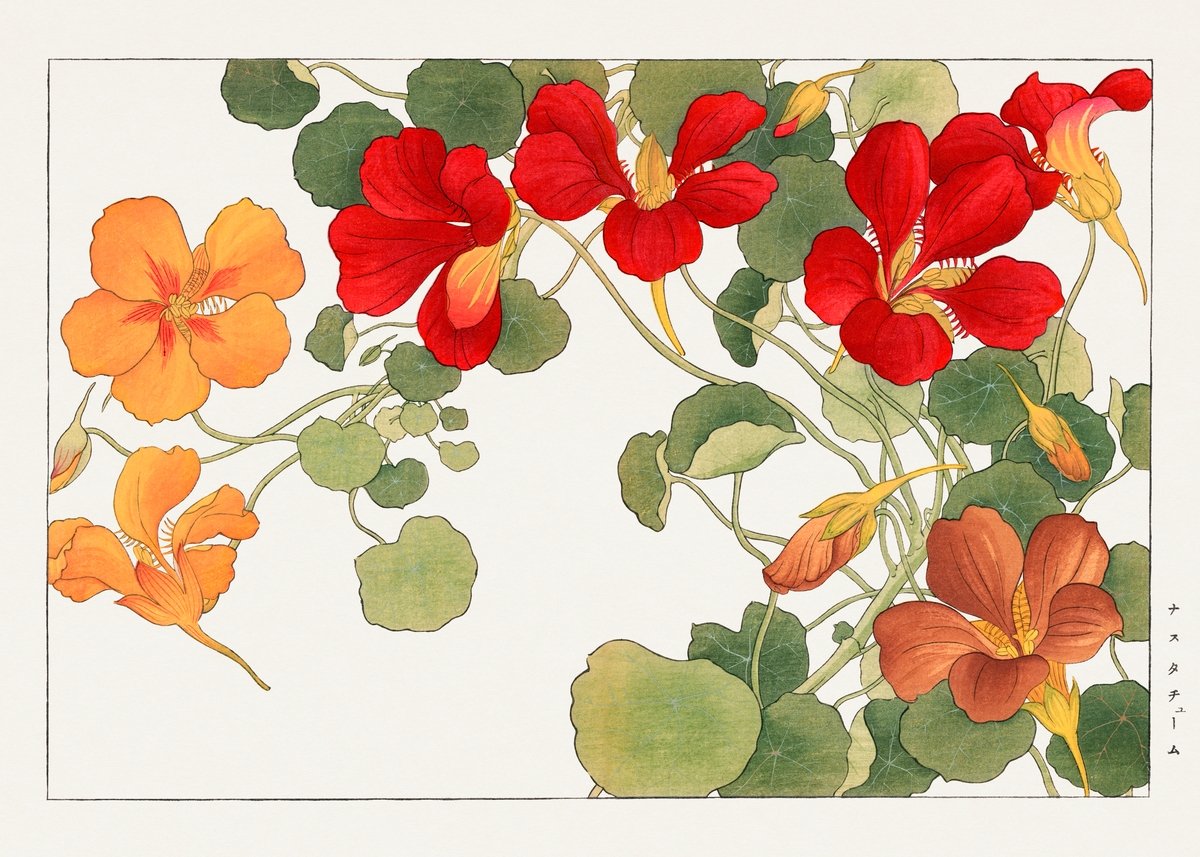
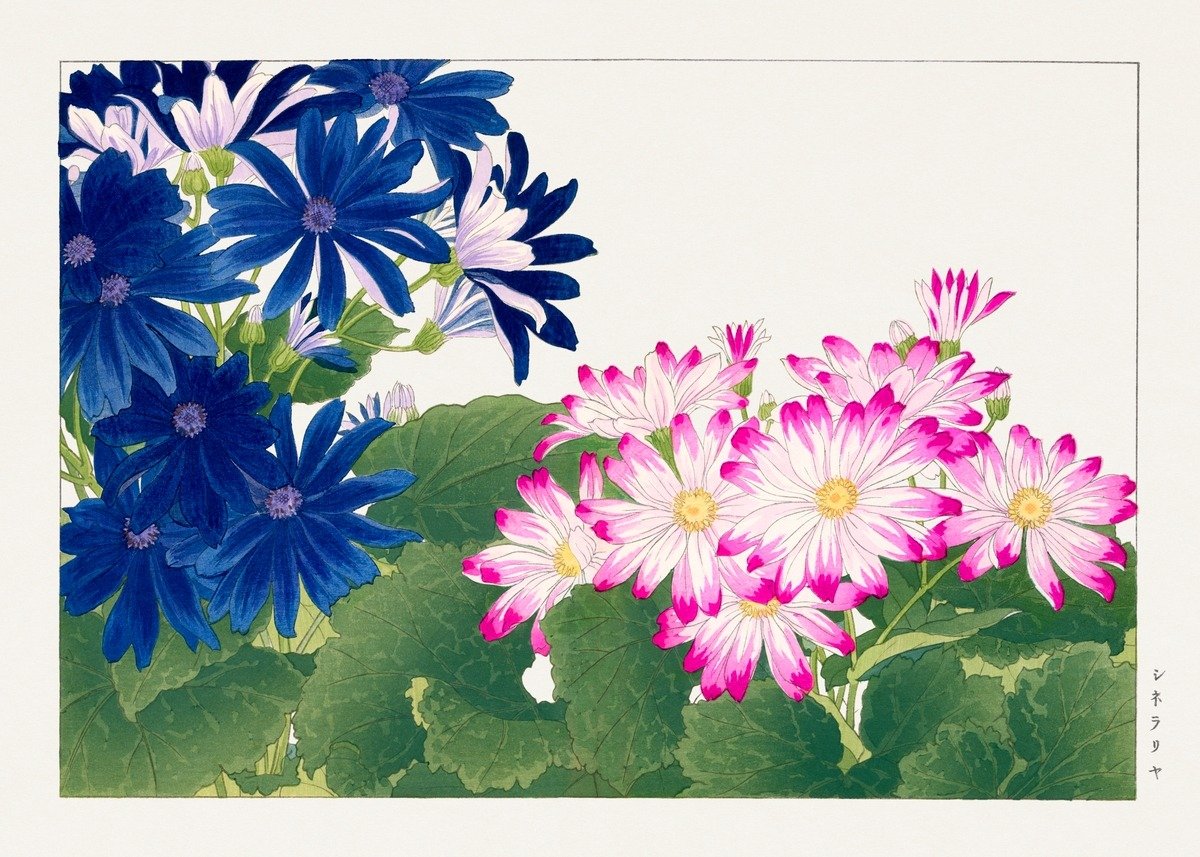
Tanigami Konan's portfolio features an impressive array of paintings that boast a harmonious blend of traditional Japanese aesthetics and Western botanical influences. His work, such as “Peonies and Birds,” exemplifies this unique fusion, showcasing not just the beauty of the depicted flowers but also a meticulous attention to detail that invites viewers to appreciate the harmony of nature. Konan’s ability to illustrate Western blooms with the grace typical of Kacho-e art not only expanded the thematic repertoire of Nihon-ga but also sparked conversations about Japan's engagement with globalization in the early 20th century.
Innovations in Technique and Style
Konan wasn’t just a pretty face in the art world; he was a trailblazer. His innovative use of color and texture reflected his keen observation of natural forms, elevating the Kacho-e genre. Embracing techniques such as layering and the incorporation of new pigments from Western sources, he created works that were more vivid and lifelike than ever before. This innovation didn’t just set a new standard; it redefined how Japanese artists approached floral and avian subjects, ushering in a fresh era of aesthetic exploration.
Influence on Future Generations of Artists
The ripples of Konan's artistic contributions can be felt even today. Many contemporary artists cite him as an inspiration for their own explorations of nature and the interplay between Eastern and Western art techniques. His fearless approach encourages new generations to experiment with their styles, bridging traditional forms with modern expressions, and invites a re-examination of cultural identity through art.
Preservation and Recognition of His Work Today
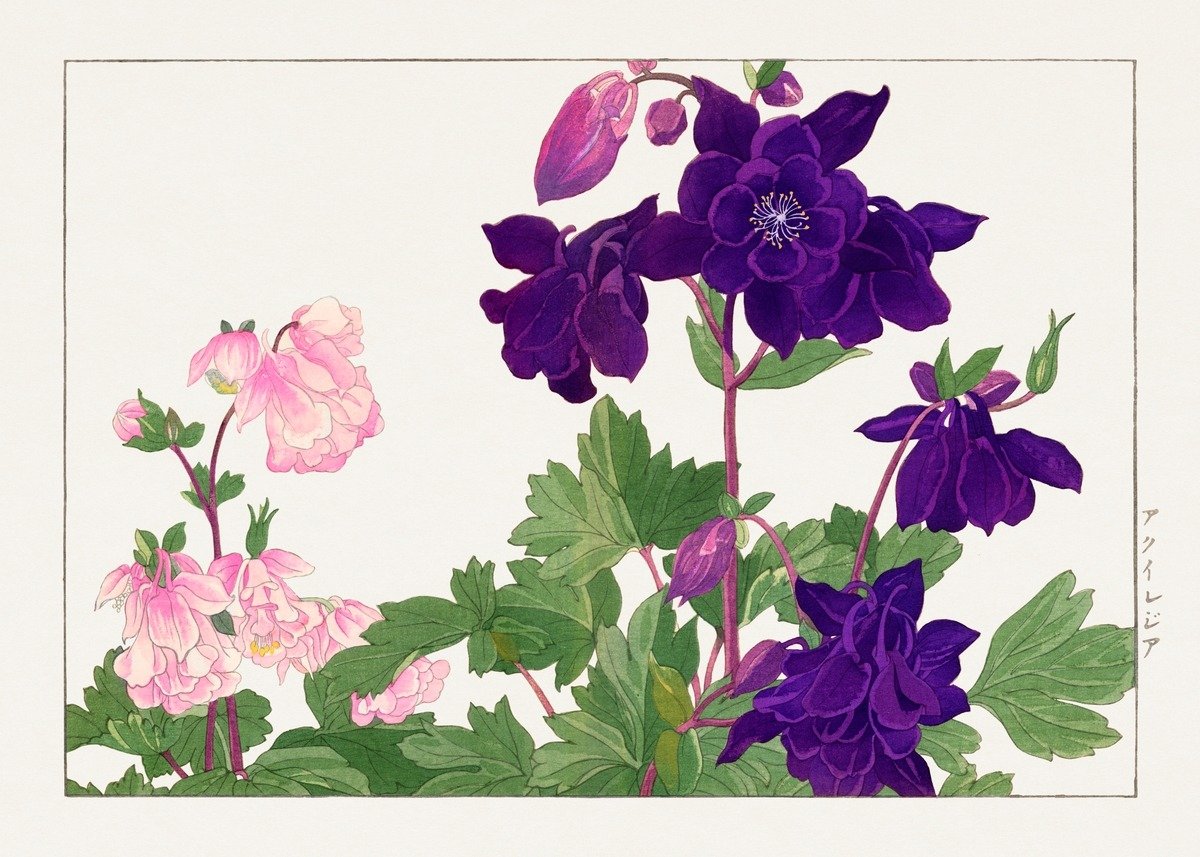
Today, Konan’s works are more than just beautiful images; they are treasured artifacts representing the evolution of Japanese art. Museums and galleries around the globe recognize his contributions, often featuring his works in exhibitions that highlight the dialogue between East and West. Art enthusiasts and scholars alike are increasingly dedicated to preserving his legacy, ensuring that the vibrant colors and intricate details of Konan’s flora will continue to flourish for future generations.
Major Exhibitions During His Lifetime
During his lifetime, Tanigami Konan's works were showcased in several high-profile exhibitions, drawing significant attention and acclaim. His participation in the 1910 Japan-British Exhibition introduced Western audiences to his unique vision and helped establish his reputation as a leading Kacho-e artist. These exhibitions paved the way for broader appreciation of Japanese art, allowing Konan to stand confidently in the spotlight of an evolving art scene.
Posthumous Recognition and Awards
Even after his passing in 1928, Konan's art has continued to gain recognition. Various art institutions have posthumously honored his work through exhibitions and special collections that celebrate his contributions to the Nihon-ga movement. Additionally, awards recognizing his influence on the Kacho-e genre further cement his status as a pivotal figure in the history of Japanese art.
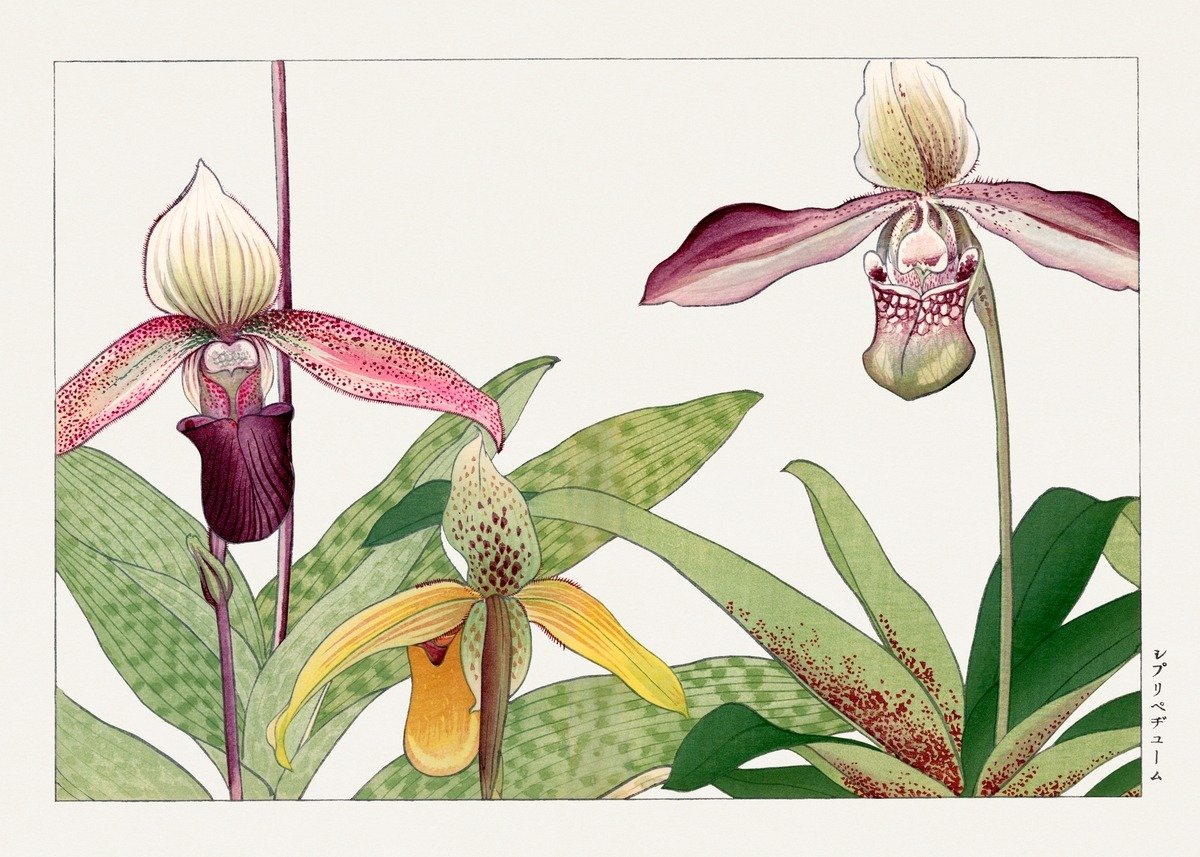
the Featured Design Gallery
-
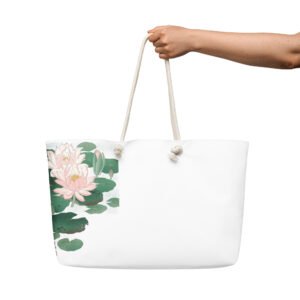
Flora Oversized Weekender Bag
$48.00 -
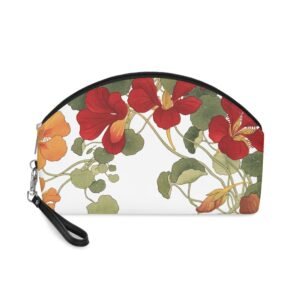
Flora Collection: Nasturtiums & Pansies Makeup Bag
$17.00 -
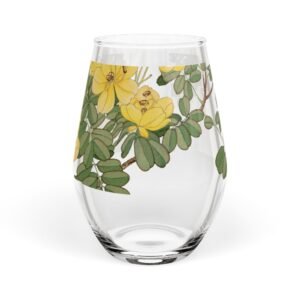
Flora Glassware: Yellow Trumpet Vine Stemless Wine Glass
$15.00 -
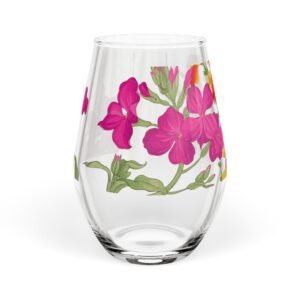
Flora Glassware: Pink Phlox Stemless Wine Glass
$15.00 -
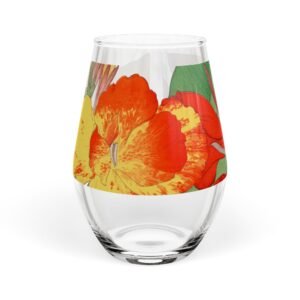
Flora Glassware: Orange and Yellow Canna Stemless Wine Glass
$15.00 -
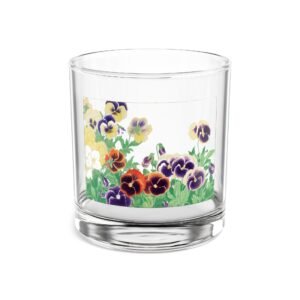
Flora Glassware: Pansy Rocks Glass
$15.00 -
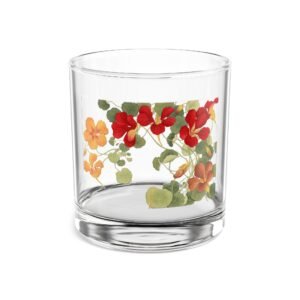
Flora Glassware: Nasturtium Rocks Glass
$15.00 -
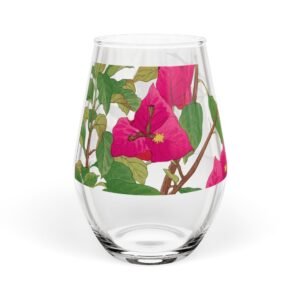
Flora Glassware: Bougainvillea Stemless Wine Glass
$15.00 -
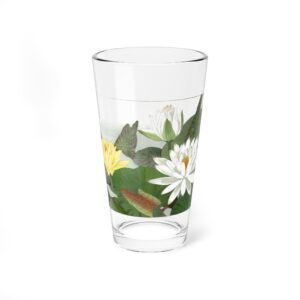
Flora Glassware: Day Lotus 16oz Floral Mixing Glass
$15.00 -
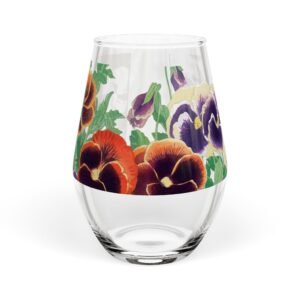
Flora Glassware: Pansy Stemless Wine Glass
$15.00 -
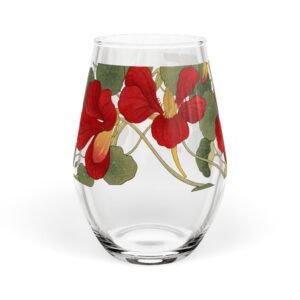
Flora Glassware: Nasturtium Stemless Wine Glass
$15.00 -
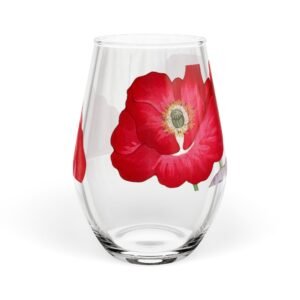
Flora Glassware: Poppy Stemless Wine Glass
$15.00 -
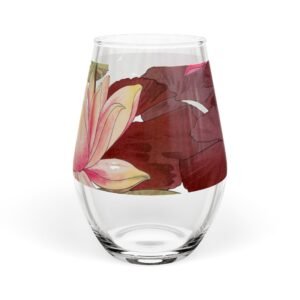
Flora Glassware: Rose Lotus
$15.00 -
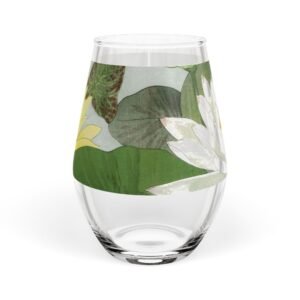
Flora Glassware: Day Lotus
$15.00 -
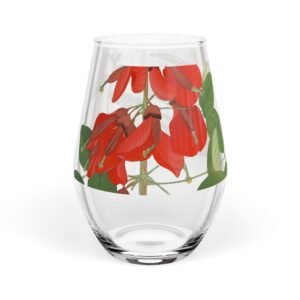
Flora Glassware: Panicum Flower Stemless Wine Glass
$15.00