Nov 24, 2025 | bauhaus, cgk.ink writes:, design, fine art, historical, Hungarian
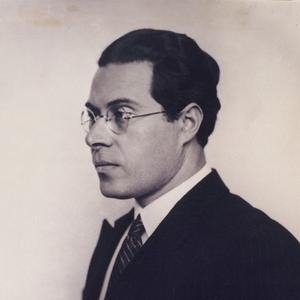
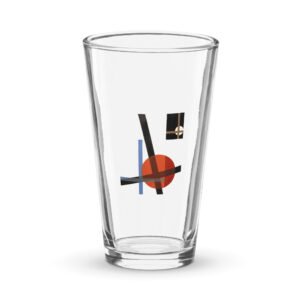
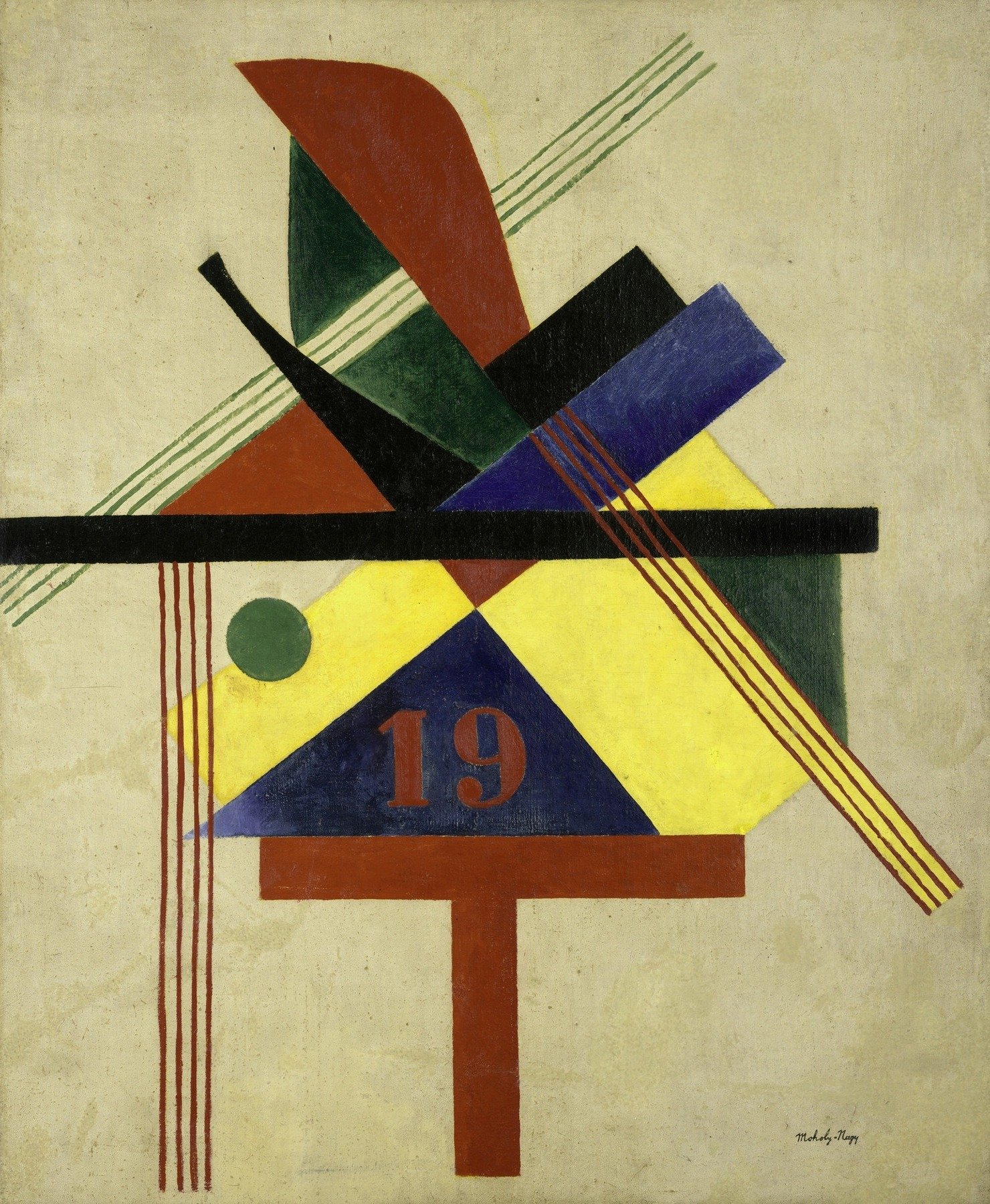
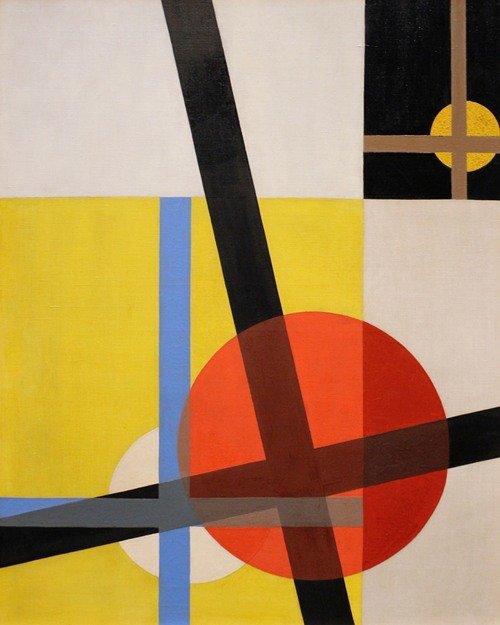
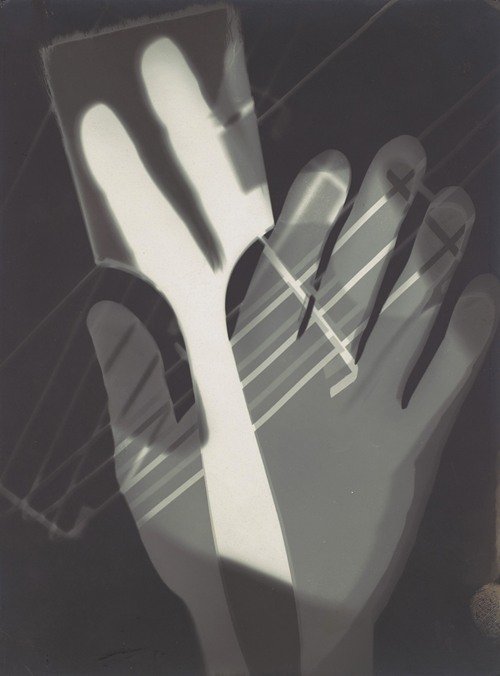
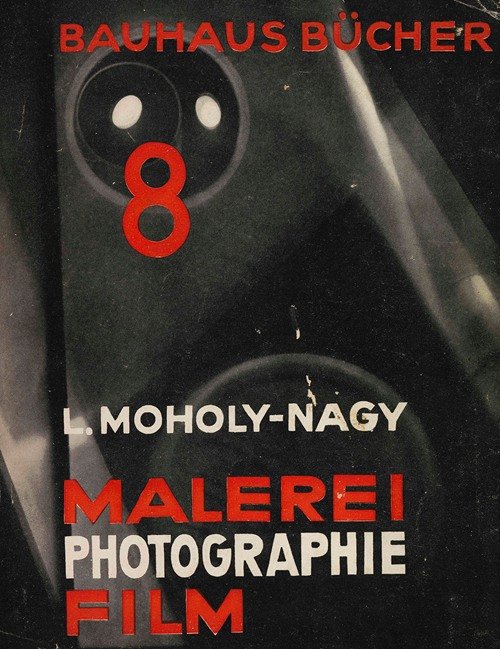
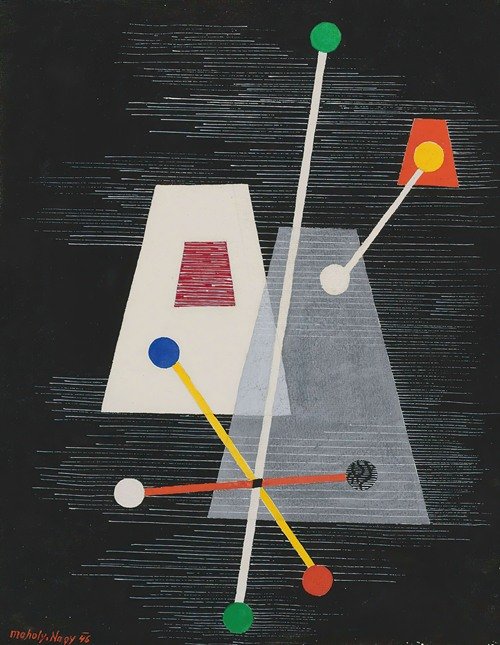
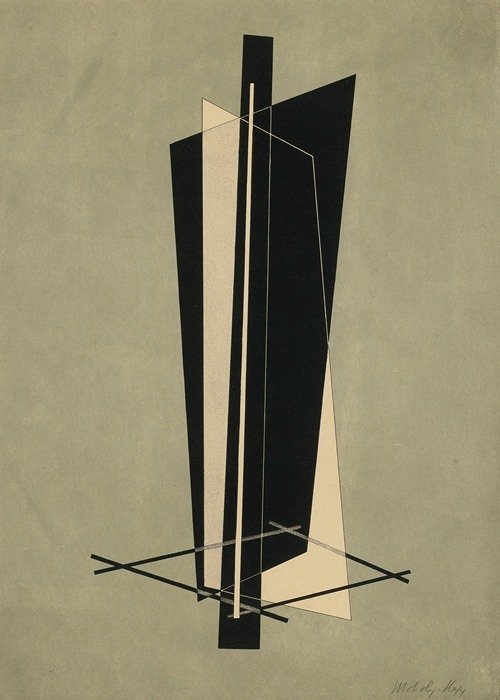
László Moholy-Nagy was a Hungarian painter and photographer as well as a professor in the
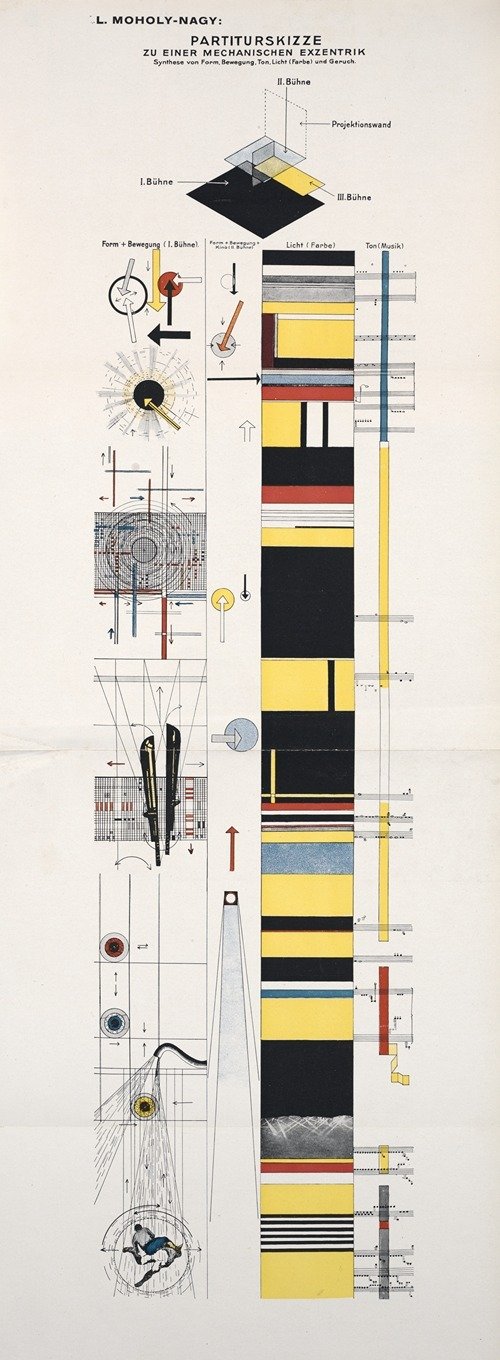
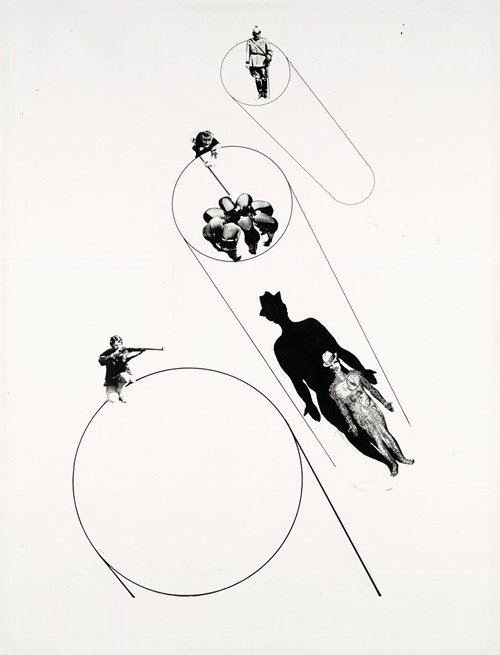
Bauhaus school. He was highly influenced by constructivism and a strong advocate of the integration of technology and industry into the arts. The art critic Peter Schjeldahl called him "relentlessly experimental" because of his pioneering work in painting, drawing, photography, collage, sculpture, film, theater, and writing.
He also worked collaboratively with other artists, including his first wife Lucia Moholy, Walter Gropius, Marcel Breuer, and Herbert Bayer.
His largest accomplishment may be the School of Design in Chicago, which survives today as part of the Illinois Institute of Technology, which art historian Elizabeth Siegel called "his overarching work of art". He also wrote books and articles advocating a utopian type of high modernism.
Explore all Artists in this Collection:

Nov 21, 2025 | Arp, fine art, French, historical
In 1904, after leaving the École des Arts et Métiers in Strasbourg, he went to Paris where he published his poetry for the first time. From 1905 to 1907, he studied at the Weimarer Kunstschule in Germany, where he met his uncle, German landscape painter Carl Arp. In 1908 he returned to Paris, where he attended the Académie Julian. Arp was a founder-member of the first modern art alliance in Switzerland Moderne Bund in Lucerne in 1911, participating in their exhibitions from 1911 to 1913.
In 1912 he went to Munich and called on Wassily Kandinsky, the influential Russian painter and art theorist. Arp was encouraged by him in his researches and exhibited with the Der Blaue Reiter group. Later that year, he took part in a major exhibition in Zürich, along with Henri Matisse, Robert Delaunay, and Kandinsky. In Berlin in 1913, he was taken up by Herwarth Walden, the dealer and magazine editor who was at that time one of the most powerful figures in the European avant-garde.
In 1915 he moved to Switzerland to take advantage of Swiss neutrality. Arp later told the story of how, when he was notified to report to the German consulate in Zürich, he pretended to be mentally ill in order to avoid being drafted into the German Army: after crossing himself whenever he saw a portrait of Paul von Hindenburg, Arp was given paperwork on which he was told to write his date of birth on the first blank line. Accordingly, he wrote "16/9/87"; he then wrote "16/9/87" on every other line as well, then drew one final line beneath them and, "without worrying too much about accuracy", calculated their sum.
Hans Richter, describing this story, noted that "they [the German authorities] believed him."
In 1916 Hugo Ball opened the Cabaret Voltaire, which was to become the centre of Dada activities in Zürich for a group that included Arp, Marcel Janco, Tristan Tzara, and others. In 1920, as Hans Arp, along with Max Ernst and the social activist Alfred Grünwald, he set up the Cologne Dada group. In 1925 his work also appeared in the first exhibition of the Surrealist group at the Galérie Pierre in Paris.

Oct 22, 2025 | cgk.ink writes:, fine art, historical
Henri Matisse, "Nymphe et faune rouge" (Nymph and Red Faun), (1939)
“Everything has its beauty, but not everyone sees it.”
—Andy Warhol
Guernica by Pablo Picasso (1937)
Exploring the great masters of fine art is a suprisingly fun way of developing this ecommerce site.
The chance to learn more about Master Artists is wonderfully accessible and frustratingly difficult to understand.
cgk.ink has created the FINE ART COLLECTION to explore, unveil and to delve into the artists who continue to shape our world.
We're focusing on Modern Art right now. And we're adding to this collection often.
The main page of the FINE ART COLLECTION features the work of artist's who crurrently are inspiring us to create.
Right now, we're focusing on modern art masterpieces. This page will serve as our main gallery and we'll be adding new artists constantly.
When an artist is selected, information regarding their influences and impacts on larger artistic movements are discussed.
We' ve gathered the information from the world's leading museums, universities and private collectors.
Explore all current arists
Items that are inspired by that artist's work are featured at the bottom of the page which displays related work, more details and available discounts.
These collections are changing quickly, so check often for new items.
We welcome your feedback and are eager to hear about artists that inspire you!
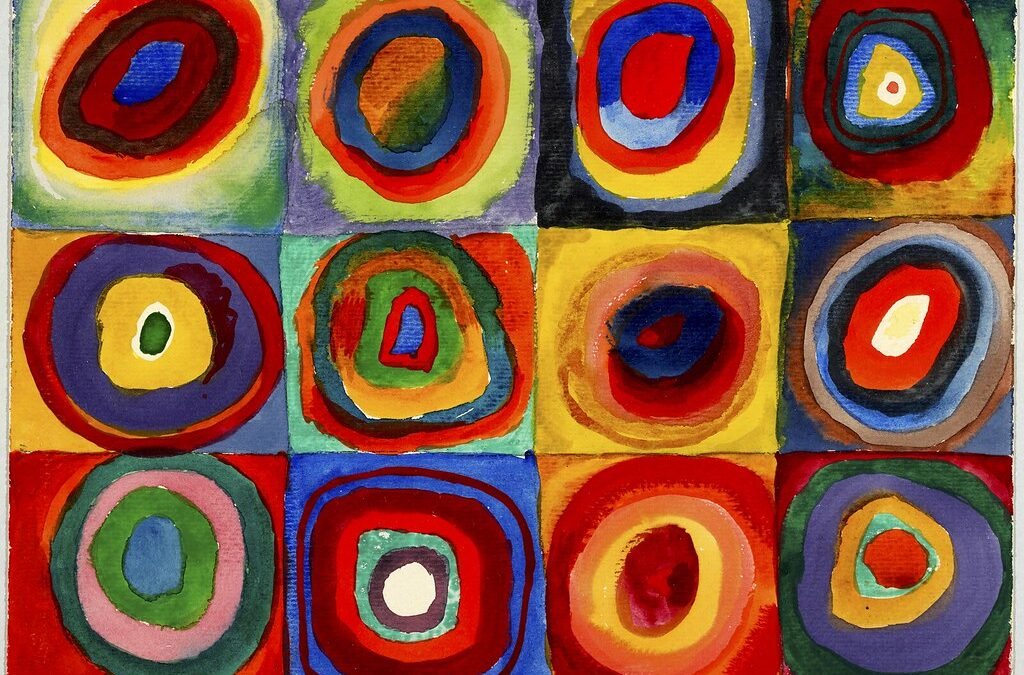
Sep 19, 2025 | cgk.ink writes:, design, fine art, French, historical, kandinsky
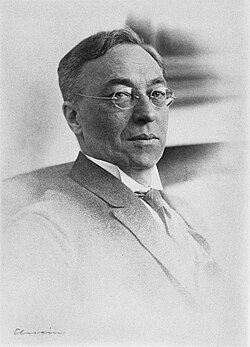
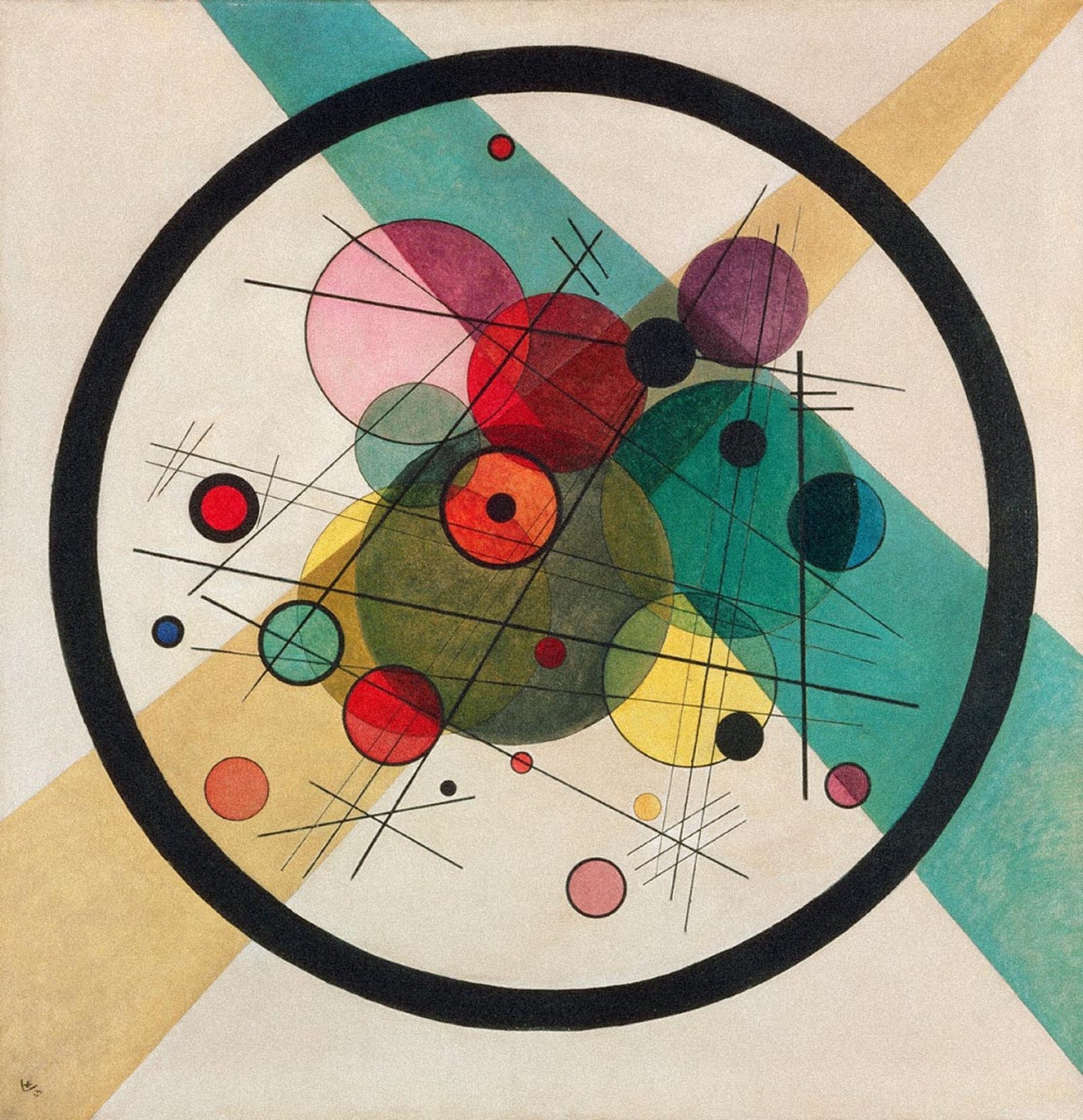
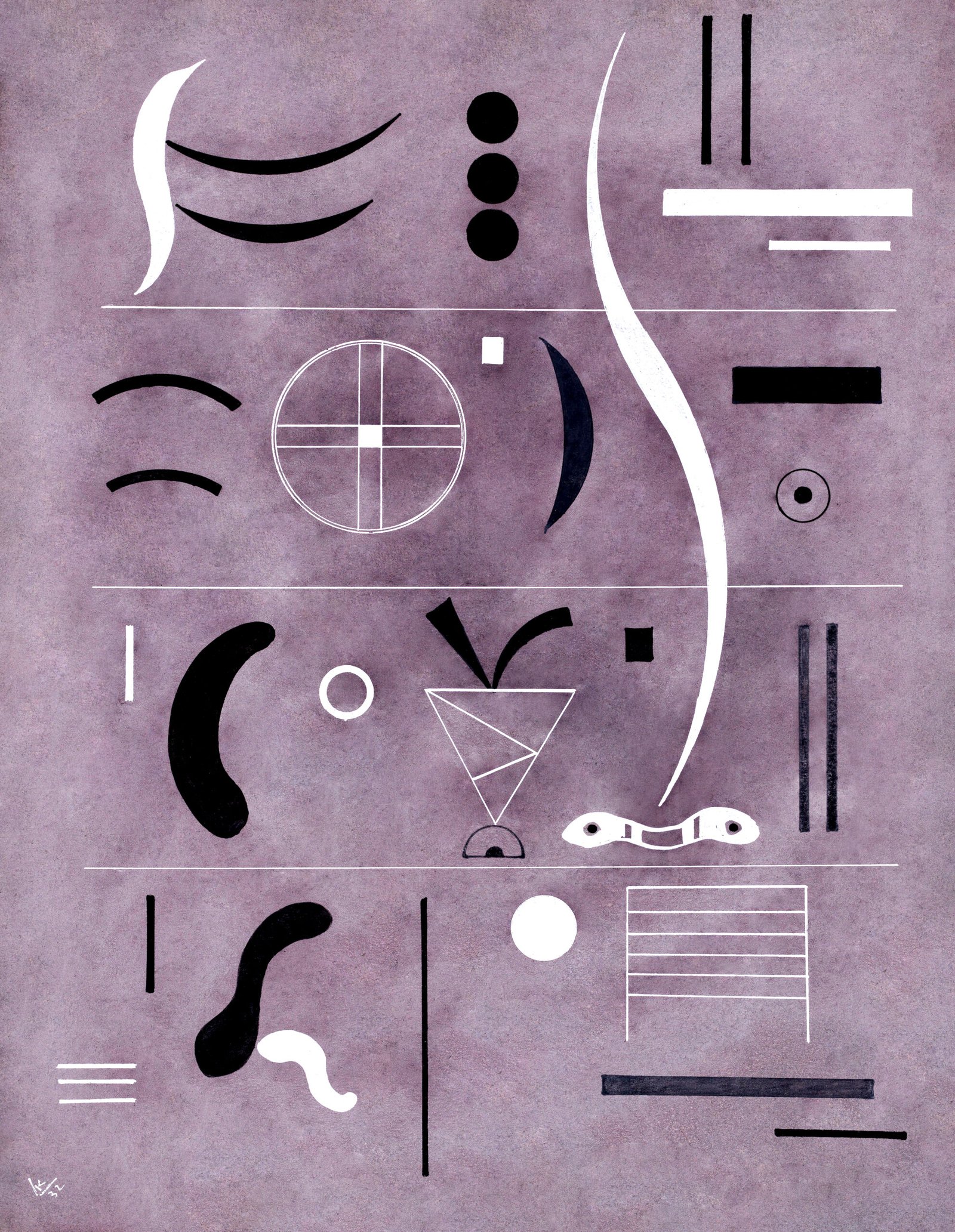
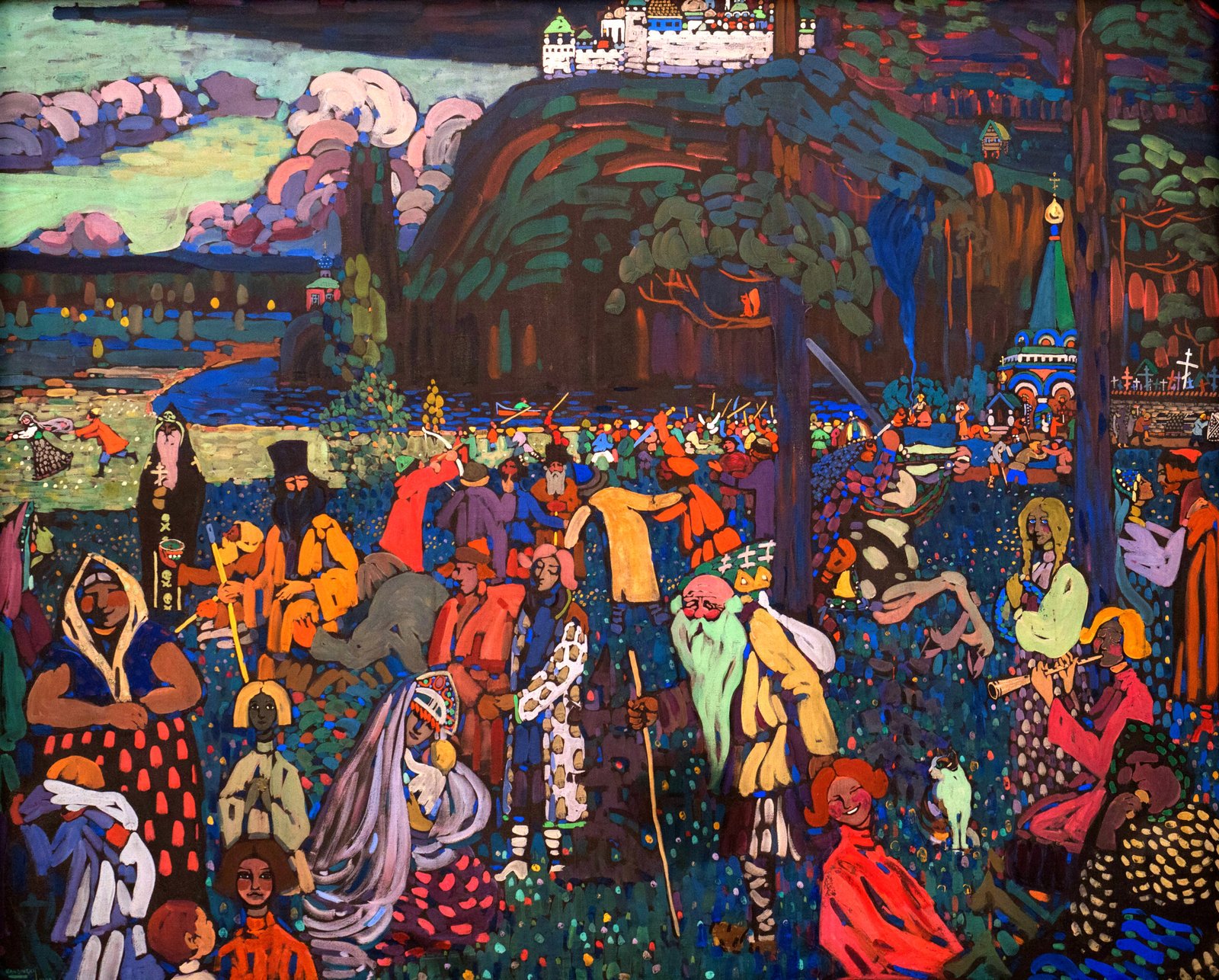
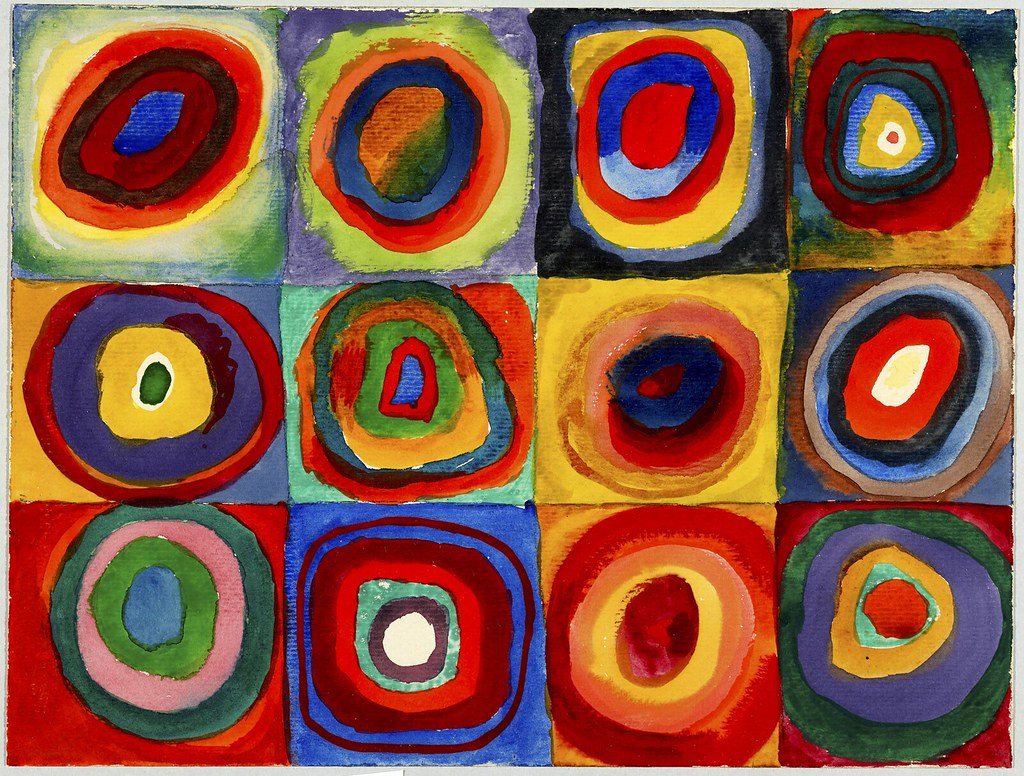
Wassily Wassilyevich Kandinsky (b. 1866) was a Russian painter and art theorist. Kandinsky is generally credited as one of the pioneers of abstraction in western art. Born in Moscow, he began painting studies (life-drawing, sketching and anatomy) at the age of 30.
In 1896, Kandinsky settled in Munich, studying first at Anton Ažbe's private school and then at the Academy of Fine Arts. During this time, he was first the teacher and then the partner of German artist Gabriele Münter. He returned to Moscow in 1914 after the outbreak of World War I. Following the Russian Revolution, Kandinsky "became an insider in the cultural administration of Anatoly Lunacharsky" and helped establish the Museum of the Culture of Painting. However, by then, "his spiritual outlook... was foreign to the argumentative materialism of Soviet society" and opportunities beckoned in Germany, to which he returned in 1920. There, he taught at the Bauhaus school of art and architecture from 1922 until the Nazis closed it in 1933. He then moved to France, where he lived for the rest of his life, becoming a French citizen in 1939 and producing some of his most prominent art. He died in Neuilly-sur-Seine in 1944.
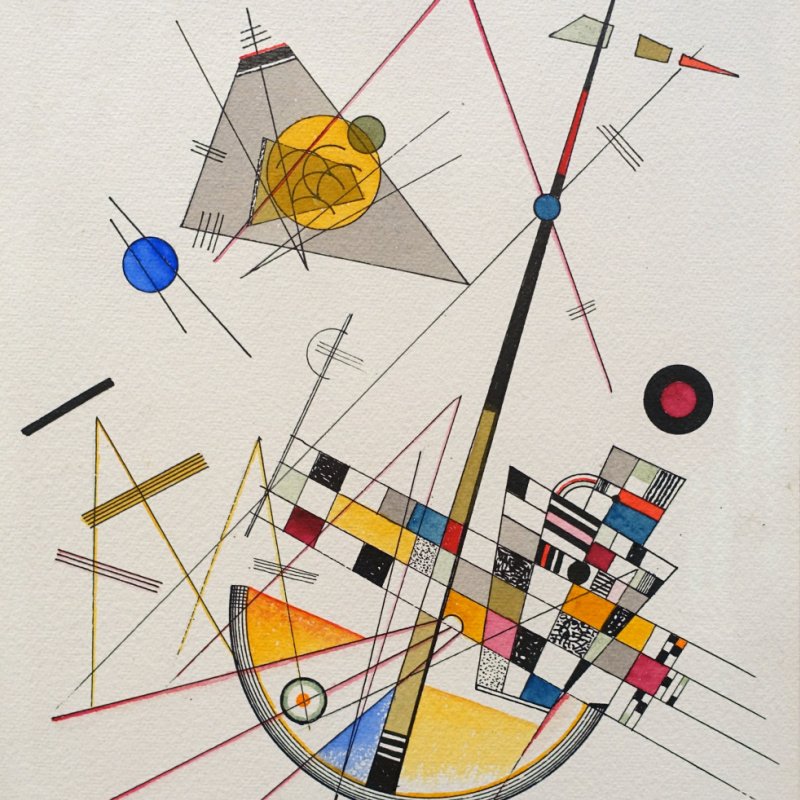
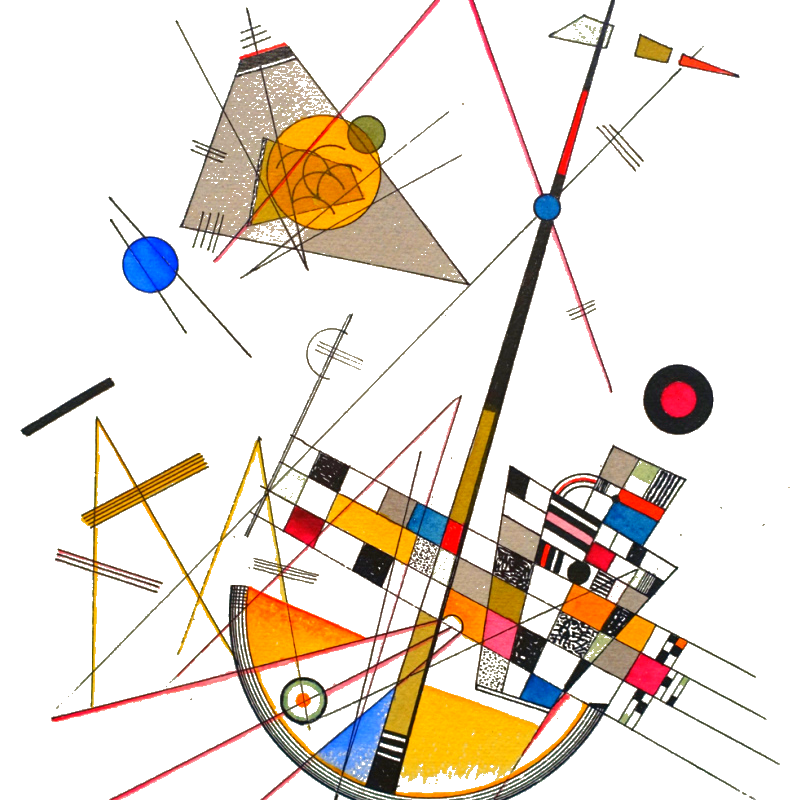
Delicate Tension no. 85, Kandinsky (1923)
Delicate Tension no. 85 was executed by Kandinsky at the Bauhaus during the prestigious school’s most rationalist period under the directorship of Theo van Doesburg, from 1923 to 1925. During these years the initial Expressionistic style of this avant-garde centre evolved towards greater commitment to the Constructivist aesthetic which was spreading internationally. Kandinsky delved more deeply in his investigation of the correspondences between forms and colours, and the geometric shapes found in his works from this period, which is sometimes described as “cold, ” are basically the circle and the triangle, which he considered to be “the two primary, most strongly contrasting plane figures.”
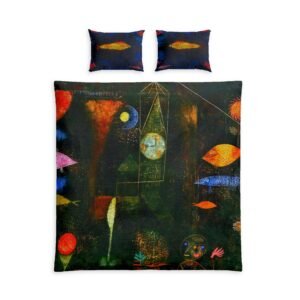
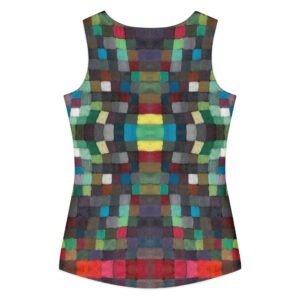
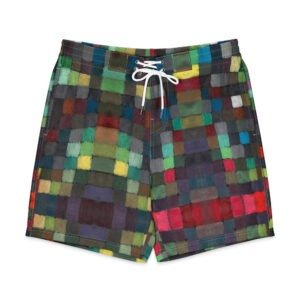
This item is part of our Fine Arts Collection where we design new items influenced by the masters of fine art, design, decorative arts and textiles. Explore our growing list of featured artists.
— learn more here —

Dec 18, 2023 | cgk.ink writes:, fine art, historical
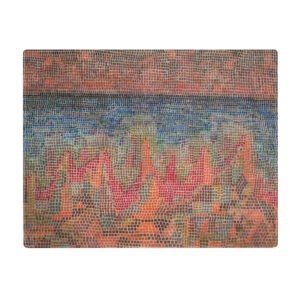
Paul Klee (German: [paʊ̯l ˈkleː]; 18 December 1879 – 29 June 1940) was a Swiss-born German artist. His highly individual style was influenced by movements in art that included expressionism, cubism, and surrealism. Klee was a natural draftsman who experimented with and eventually deeply explored color theory, writing about it extensively; his lectures Writings on Form and Design Theory (Schriften zur Form und Gestaltungslehre), published in English as the Paul Klee Notebooks, are held to be as important for modern art as Leonardo da Vinci's A Treatise on Painting was for the Renaissance.[1][2][3] He and his colleague, Russian painter Wassily Kandinsky, both taught at the Bauhaus school of art, design and architecture in Germany. His works reflect his dry humor and his sometimes childlike perspective, his personal moods and beliefs, and his musicality.
Klee was at the peak of his creative output. His Ad Parnassum (1932) is considered his masterpiece and the best example of his pointillist style; it is also one of his largest, most finely worked paintings.[53][54] He produced nearly 500 works in 1933 during his last year in Germany.[55] However, in 1933, Klee began experiencing the symptoms of what was diagnosed as scleroderma after his death. The progression of his fatal disease, which made swallowing very difficult, can be followed through the art he created in his last years. His output in 1936 was only 25 pictures. In the later 1930s, his health recovered somewhat and he was encouraged by a visit from Kandinsky and Picasso.[56] Klee's simpler and larger designs enabled him to keep up his output in his final years, and in 1939 he created over 1,200 works, a career high for one year.[57] He used heavier lines and mainly geometric forms with fewer but larger blocks of color. His varied color palettes, some with bright colors and others somber, perhaps reflected his alternating moods of optimism and pessimism.[58] Back in Germany in 1937, seventeen of Klee's pictures were included in an exhibition of "Degenerate art" and 102 of his works in public collections were seized by the Nazis.[59]
Klee has been variously associated with Expressionism, Cubism, Futurism, Surrealism, and Abstraction, but his pictures are difficult to classify. He generally worked in isolation from his peers, and interpreted new art trends in his own way. He was inventive in his methods and technique. Klee worked in many different media—oil paint, watercolor, ink, pastel, etching, and others. He often combined them into one work. He used canvas, burlap, muslin, linen, gauze, cardboard, metal foils, fabric, wallpaper, and newsprint.[65] Klee employed spray paint, knife application, stamping, glazing, and impasto, and mixed media such as oil with watercolor, watercolor with pen and India ink, and oil with tempera.[66]
Source: Wikipedia