Étienne Trouvelot

Étienne Trouvelot

Étienne Trouvelot

(1827 - 1895)

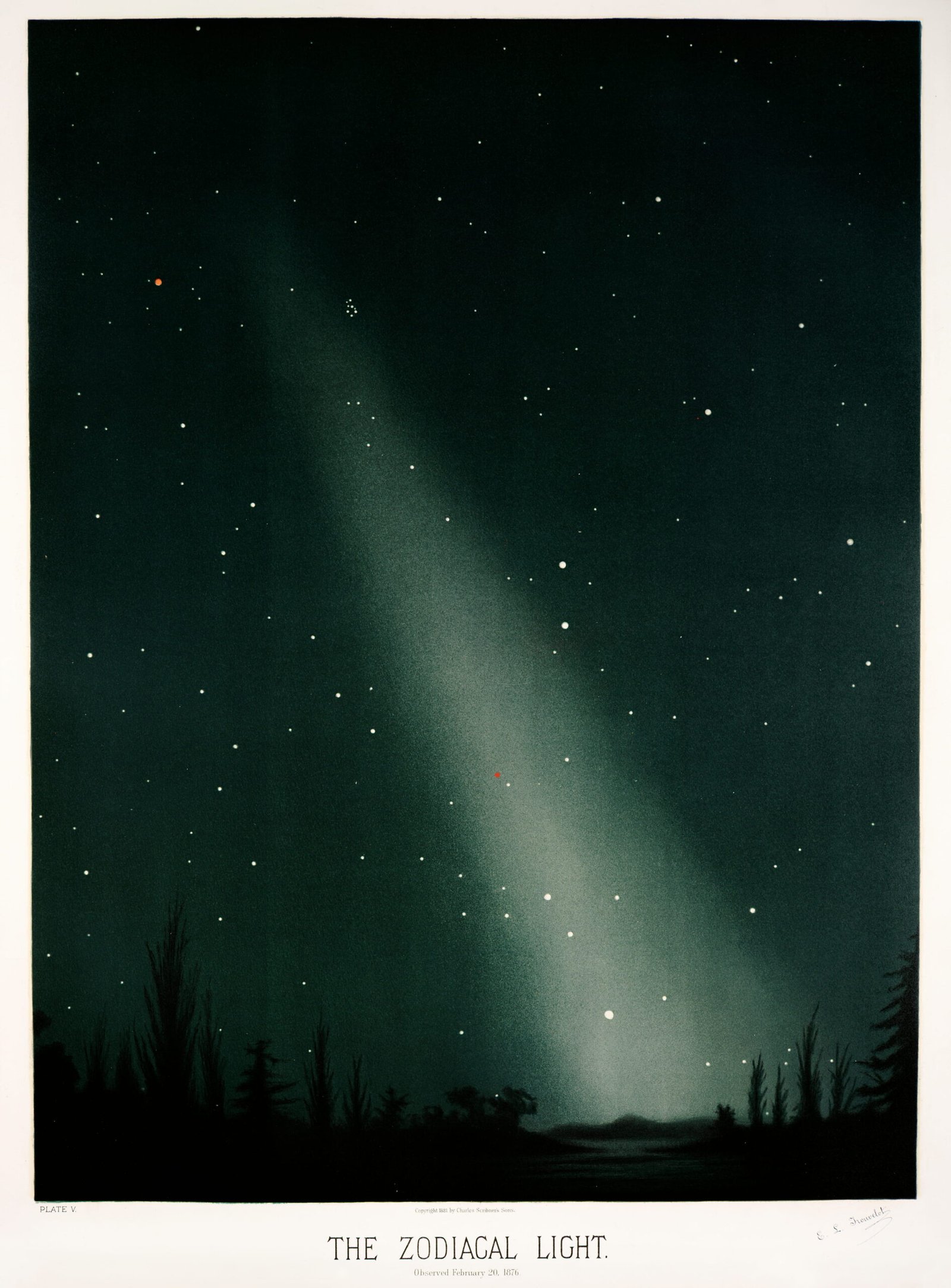
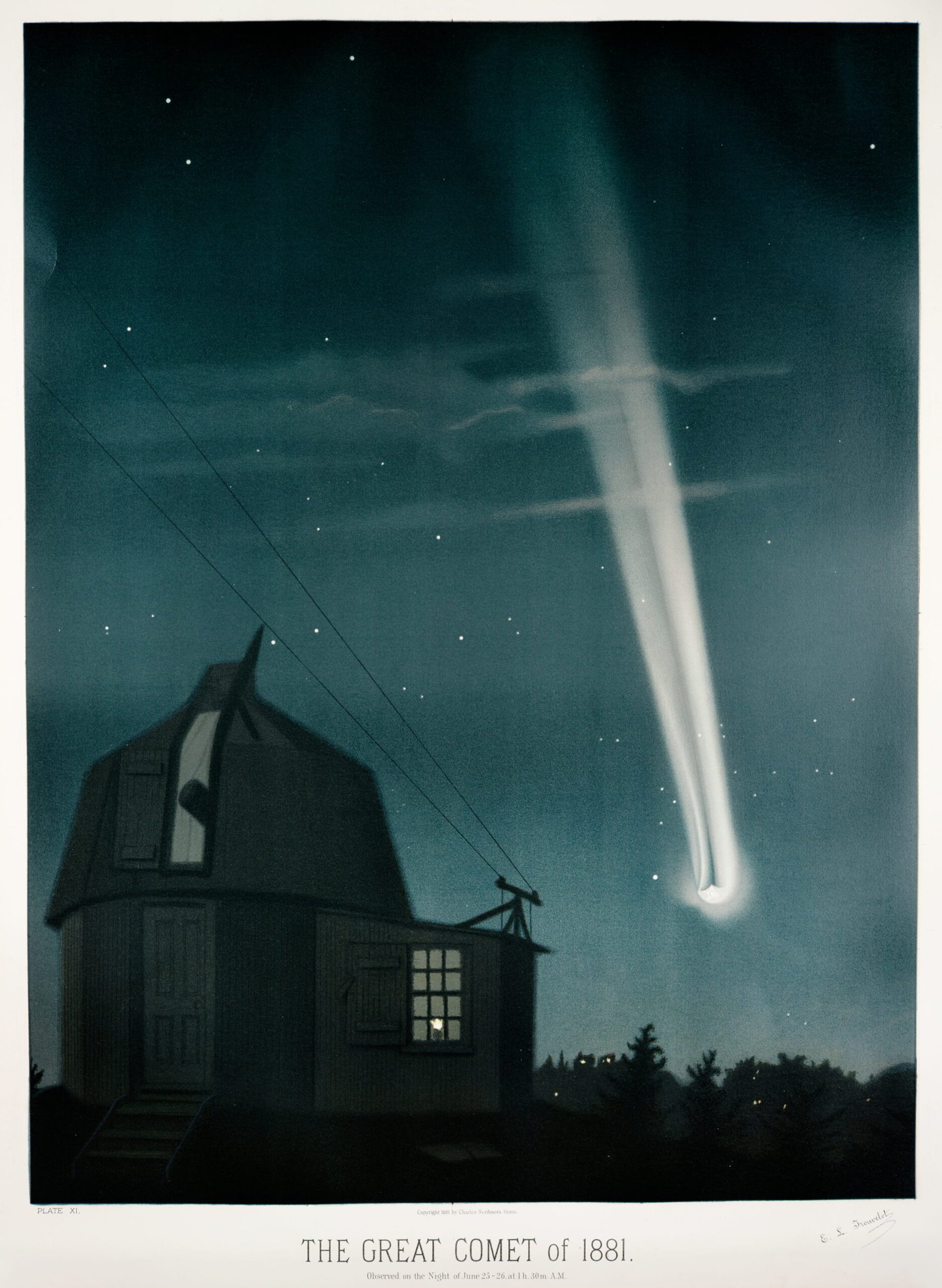
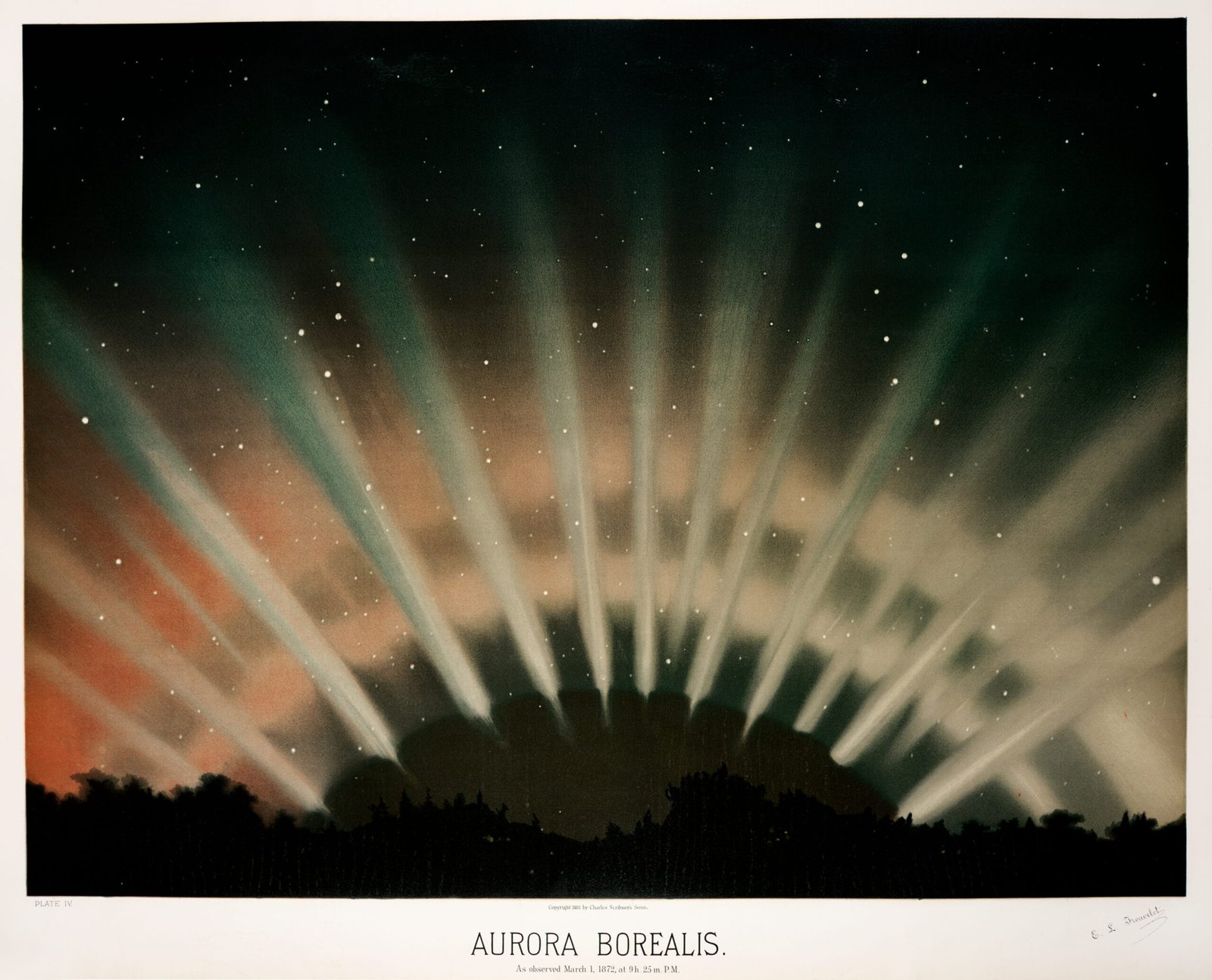
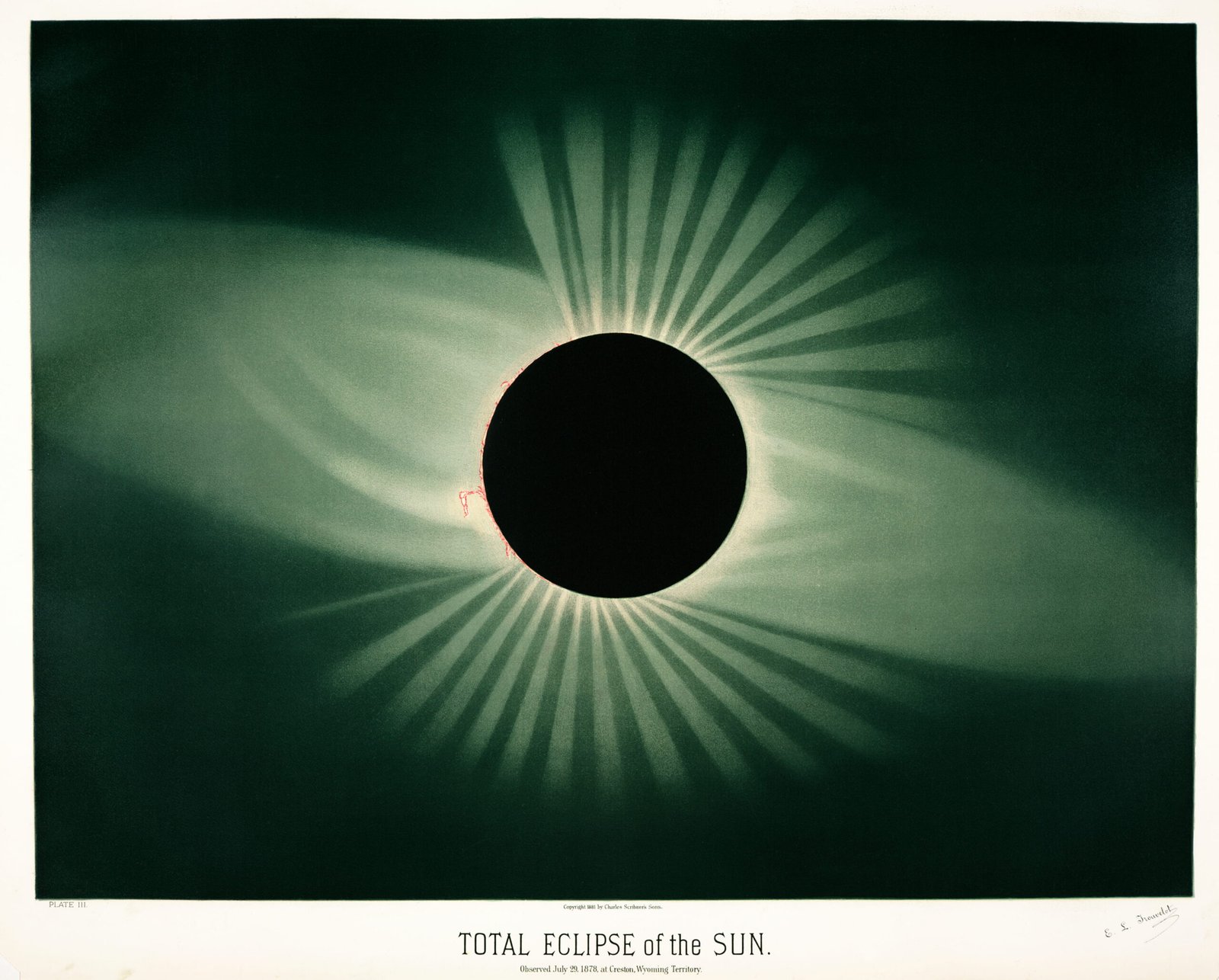
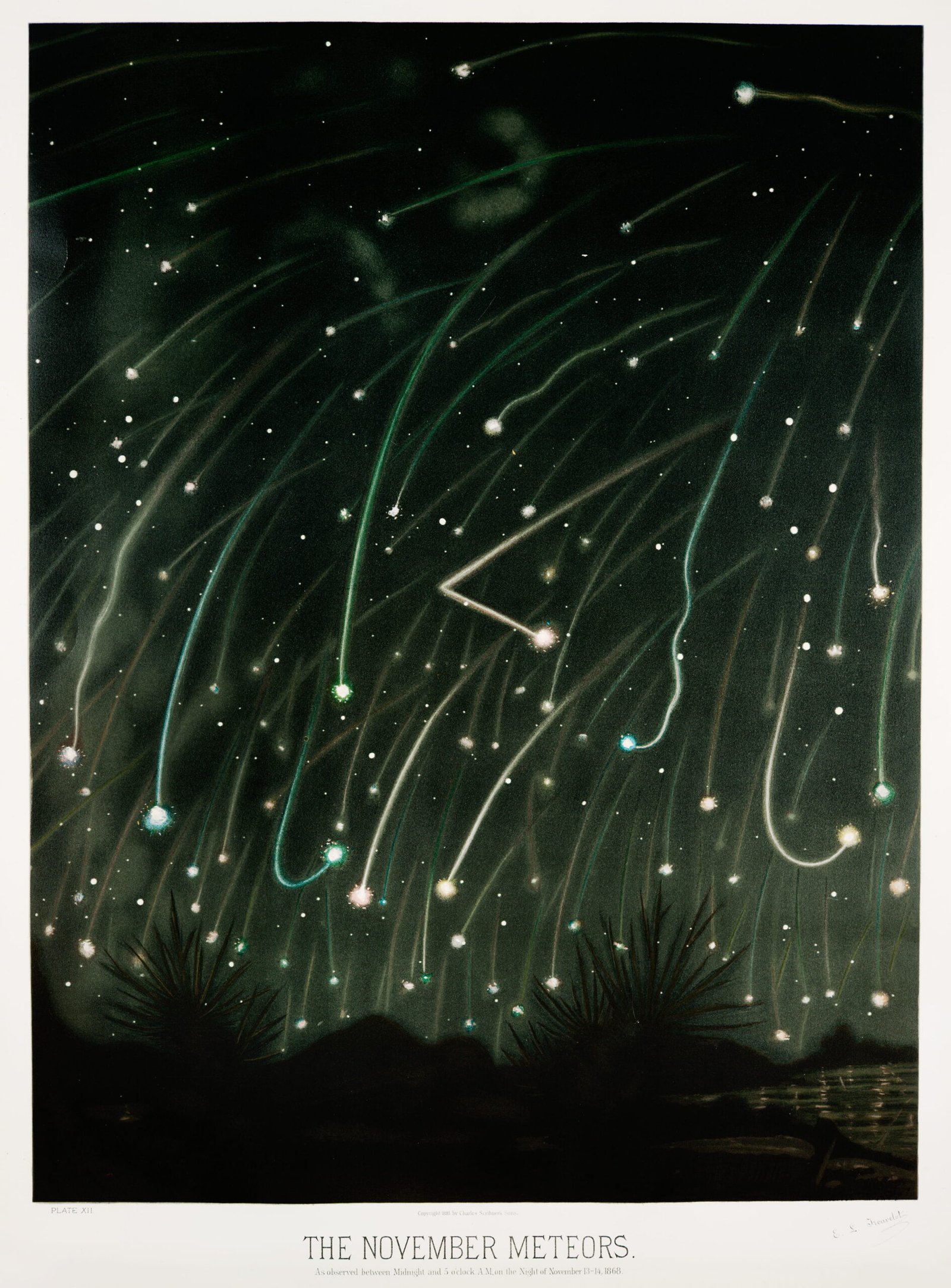
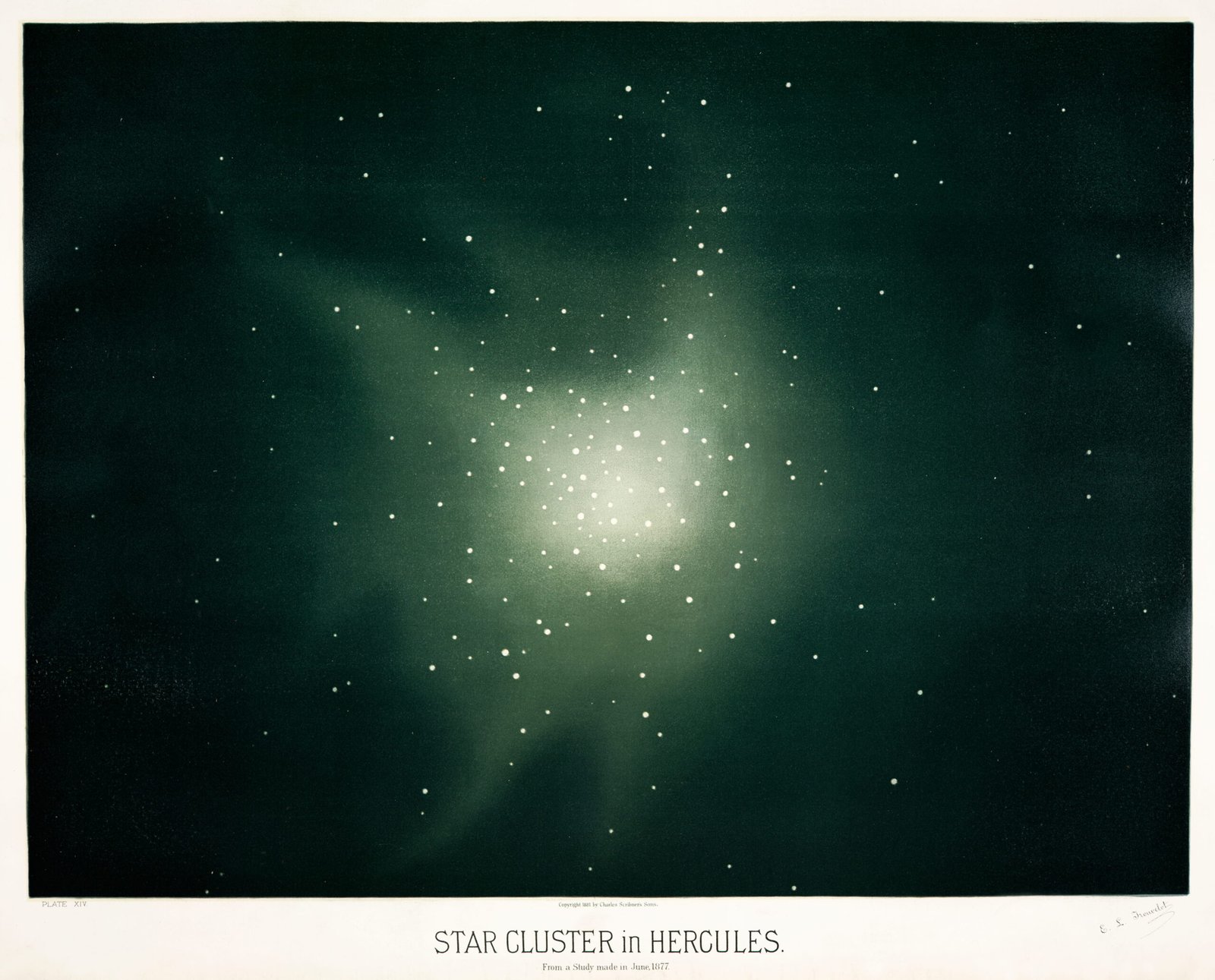
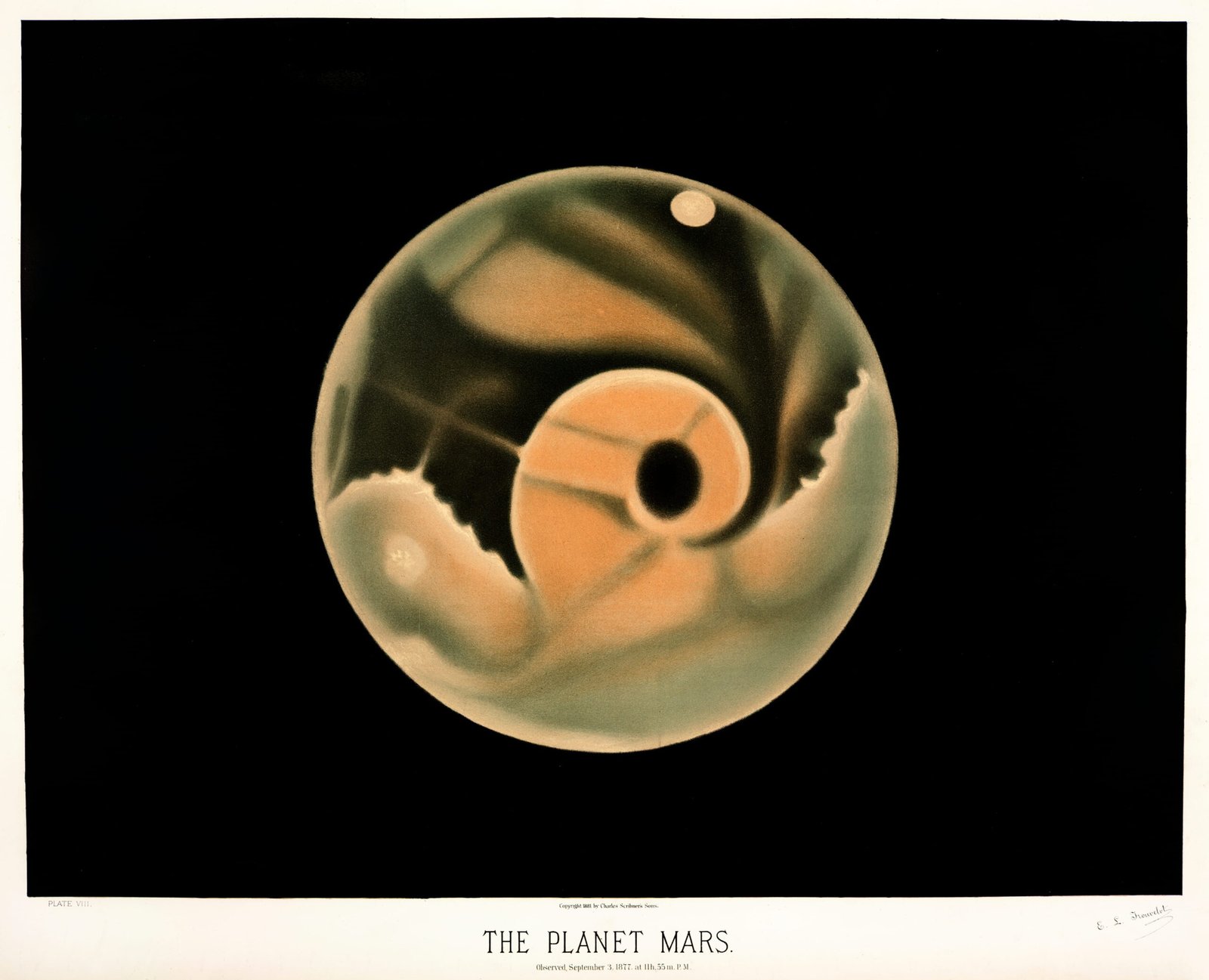
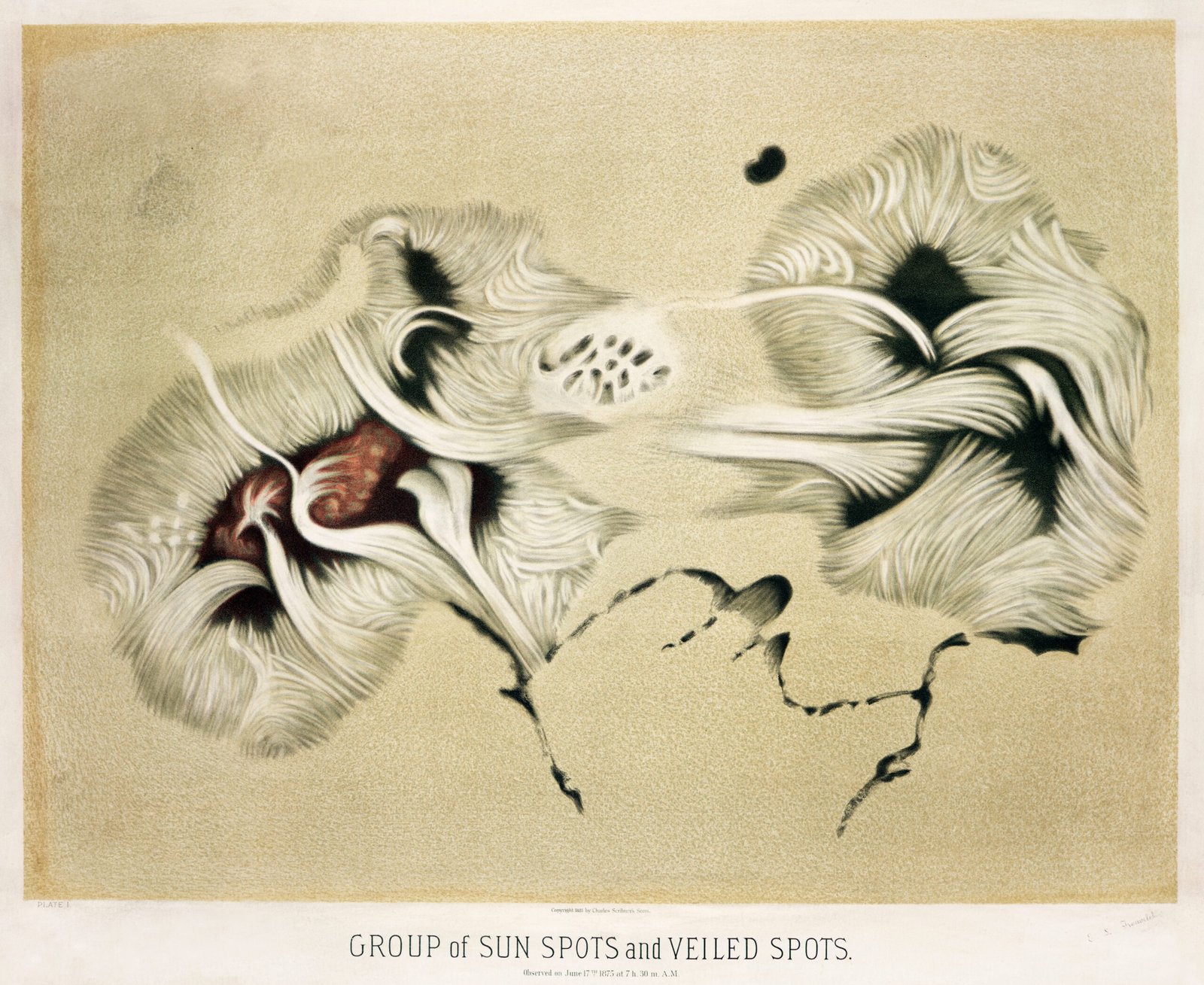
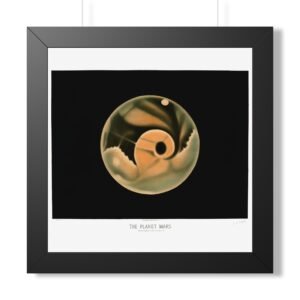
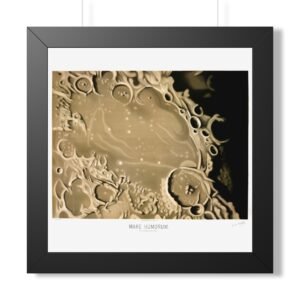
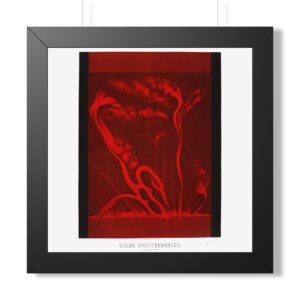
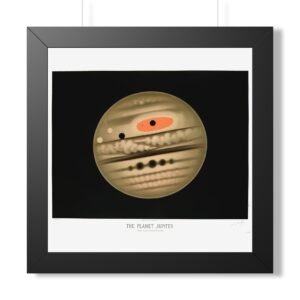
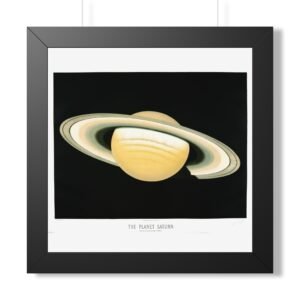
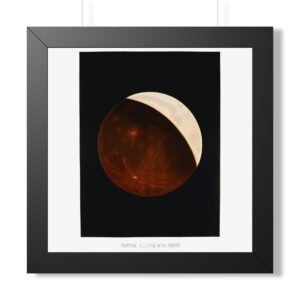
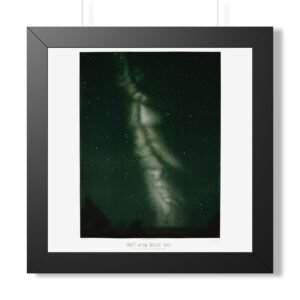
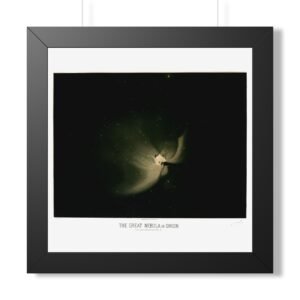
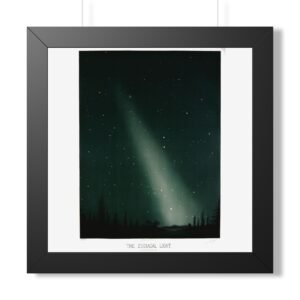
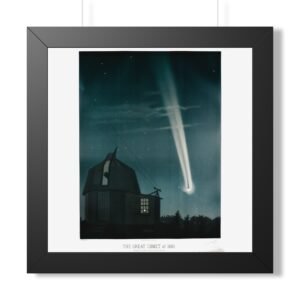
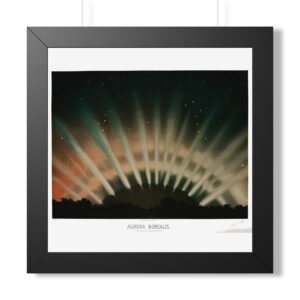
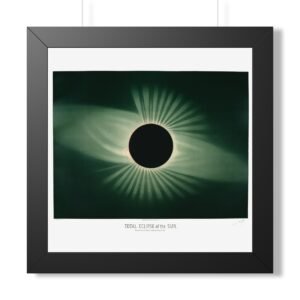
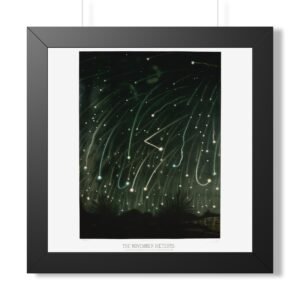
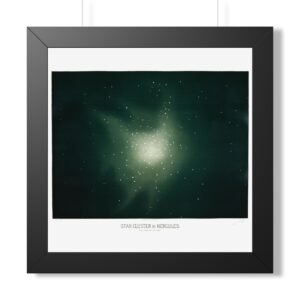
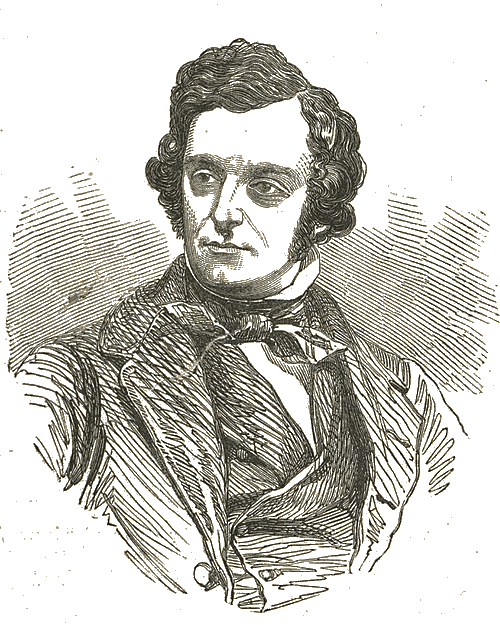
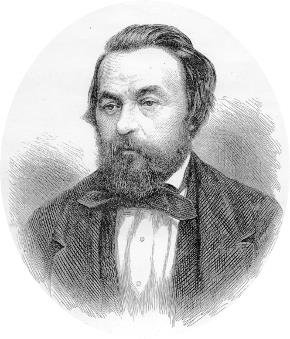
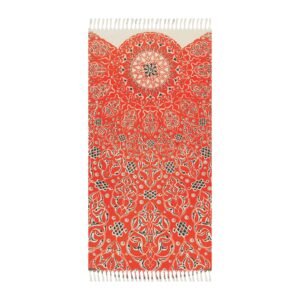
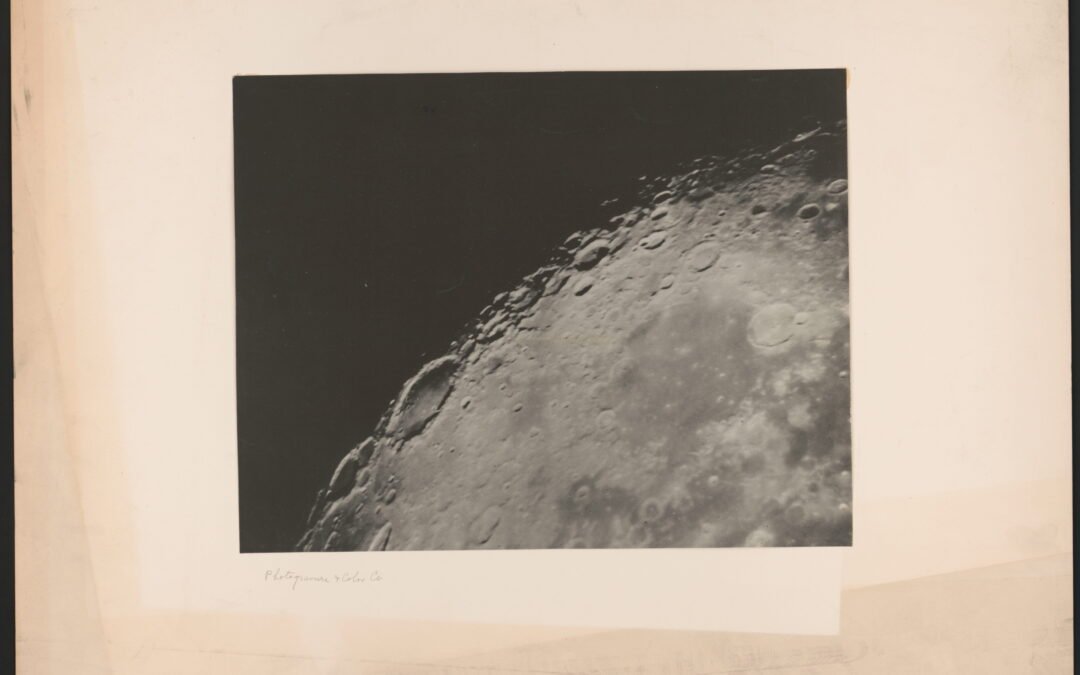
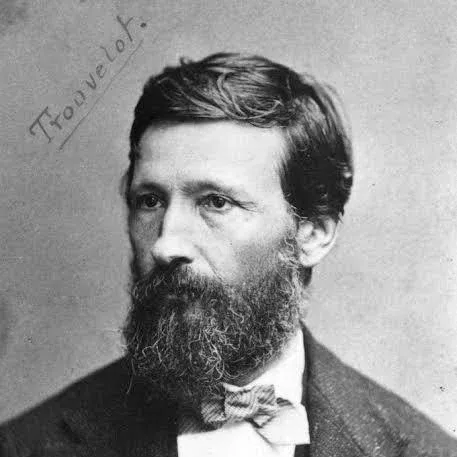
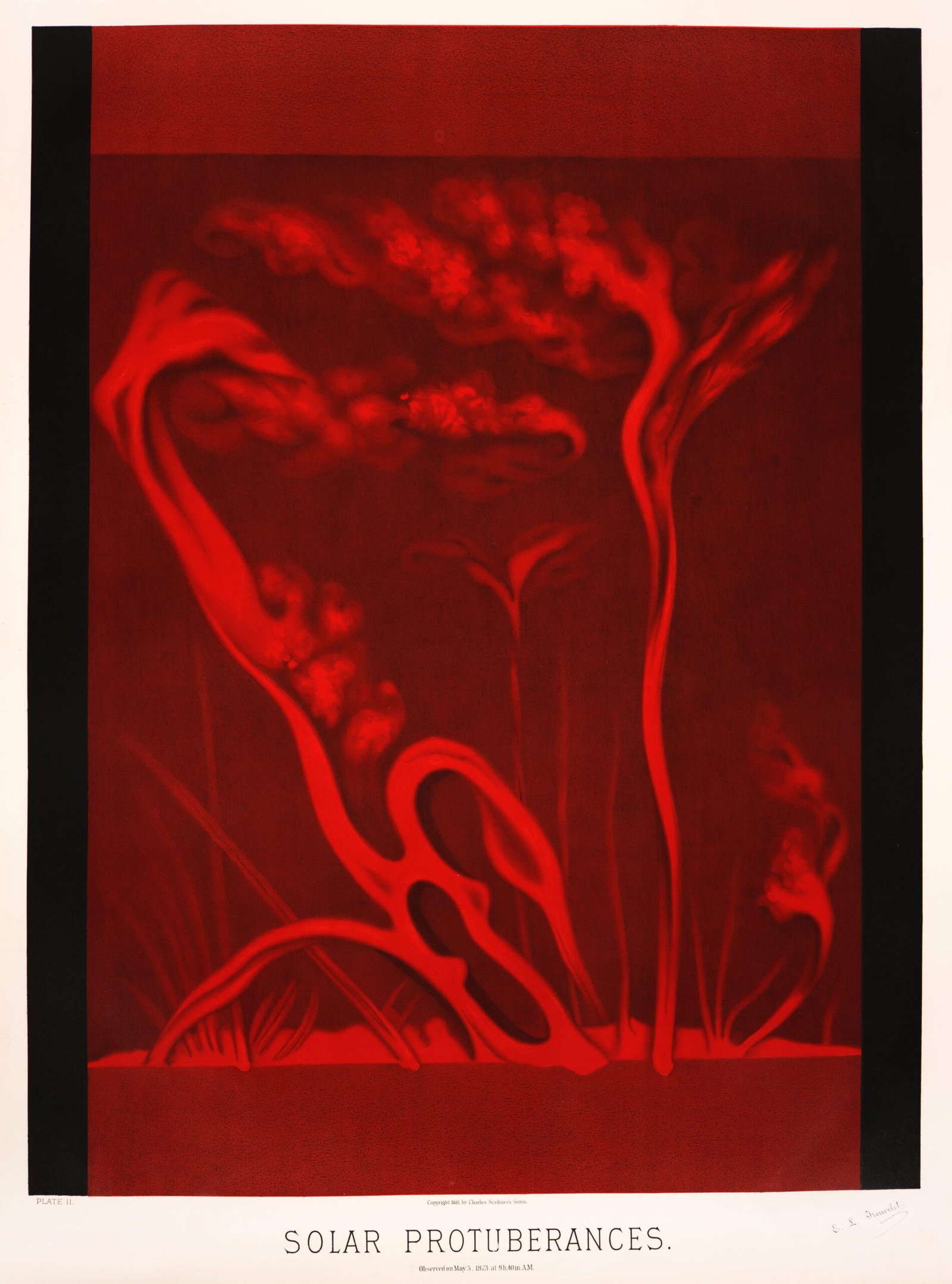
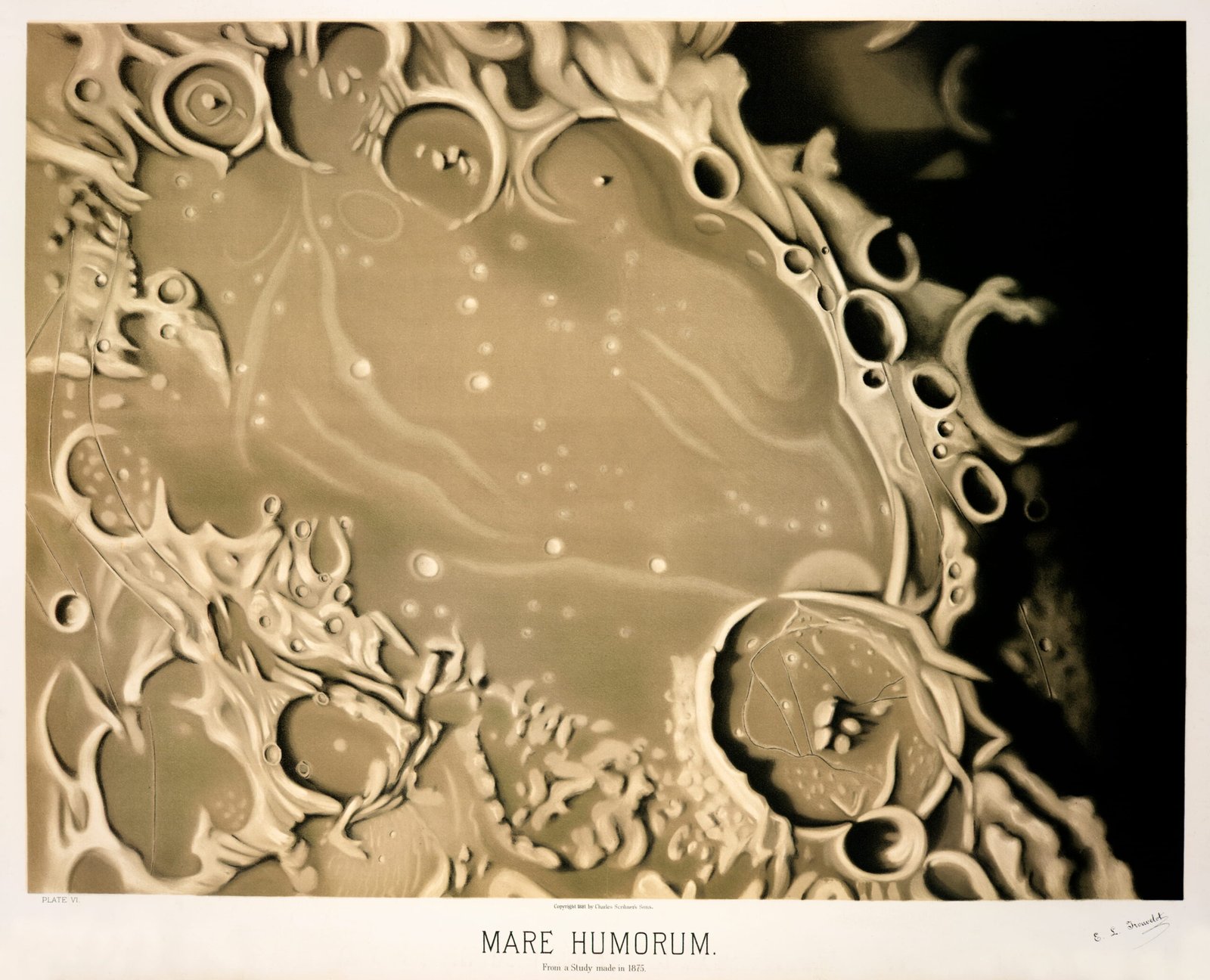
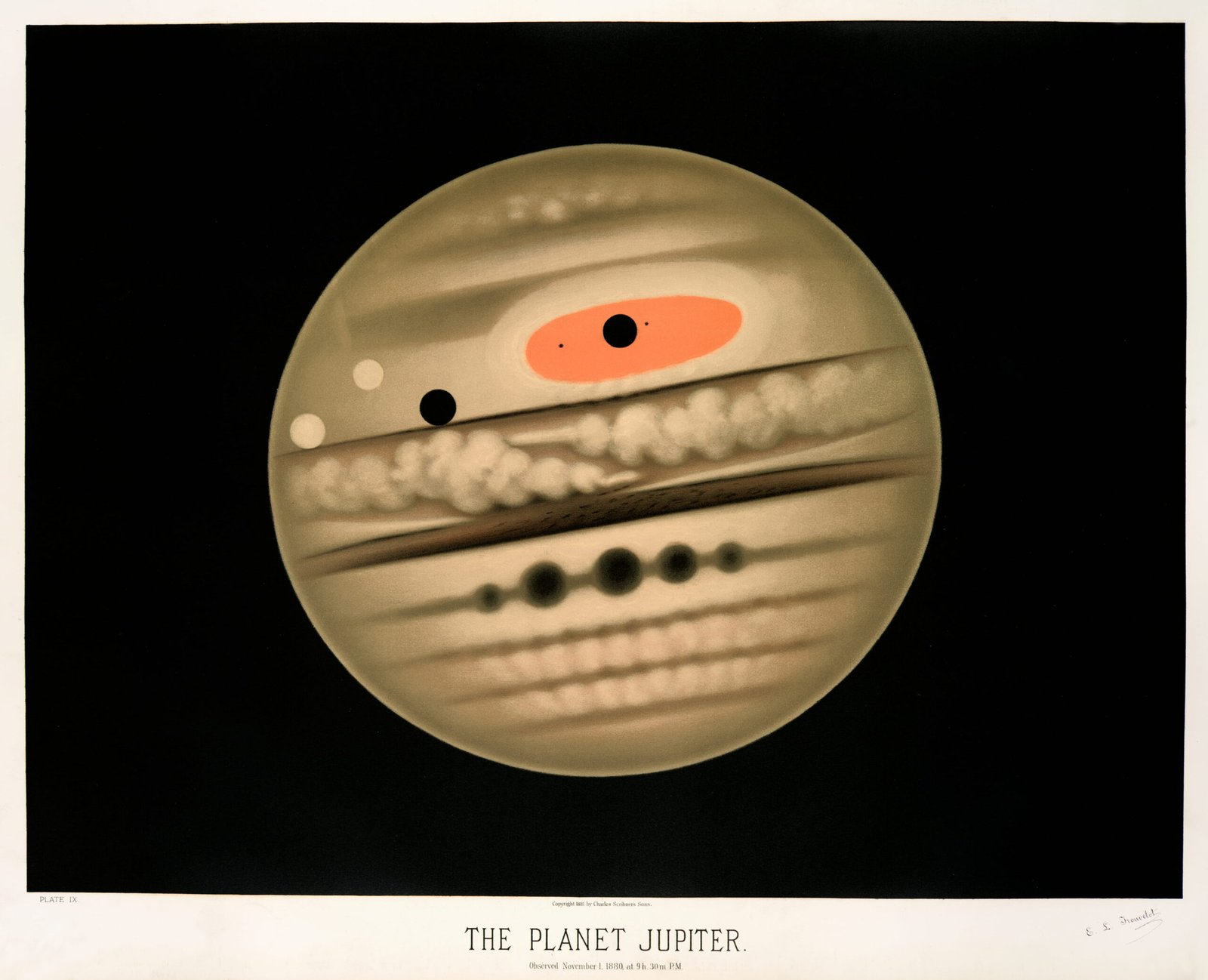
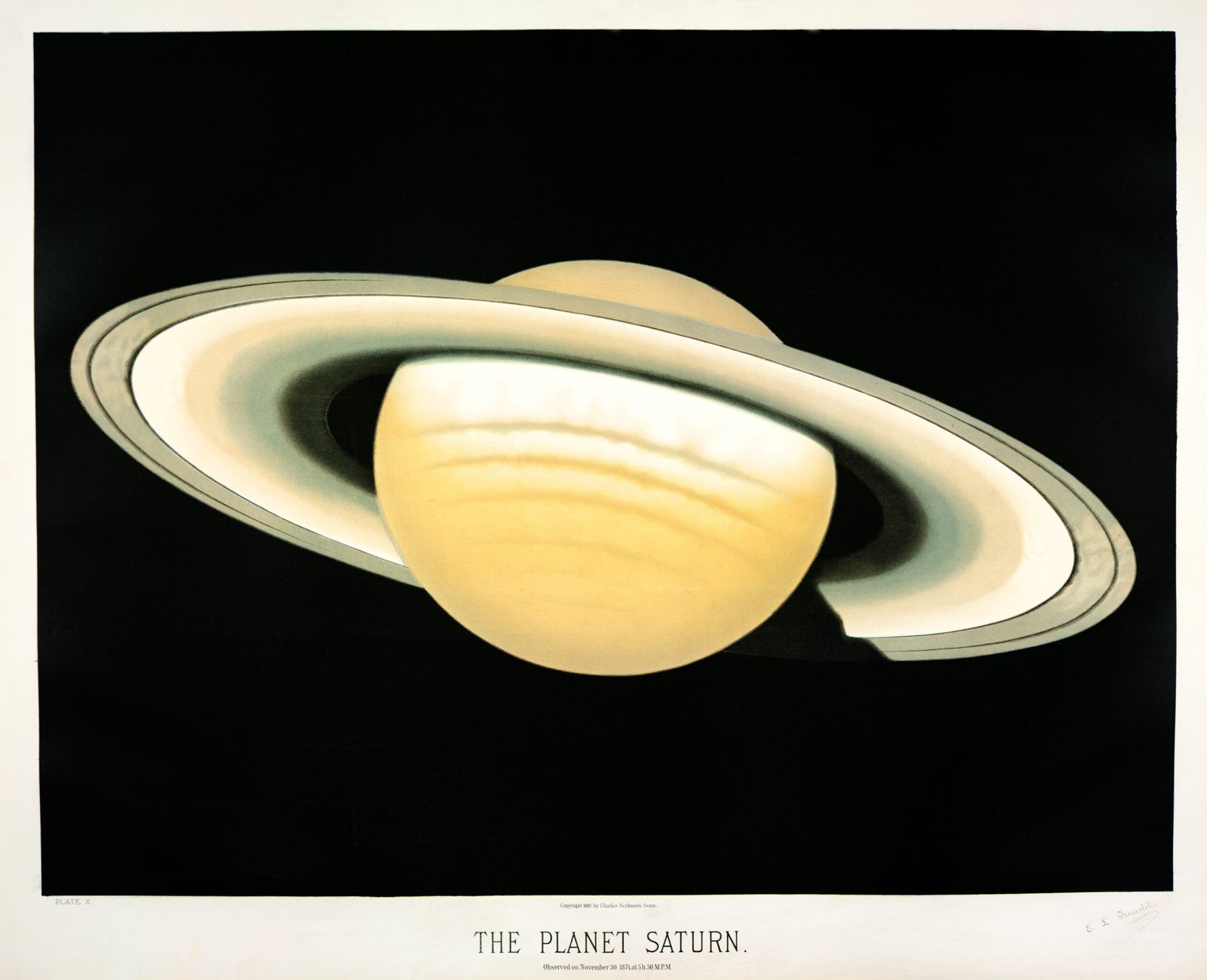
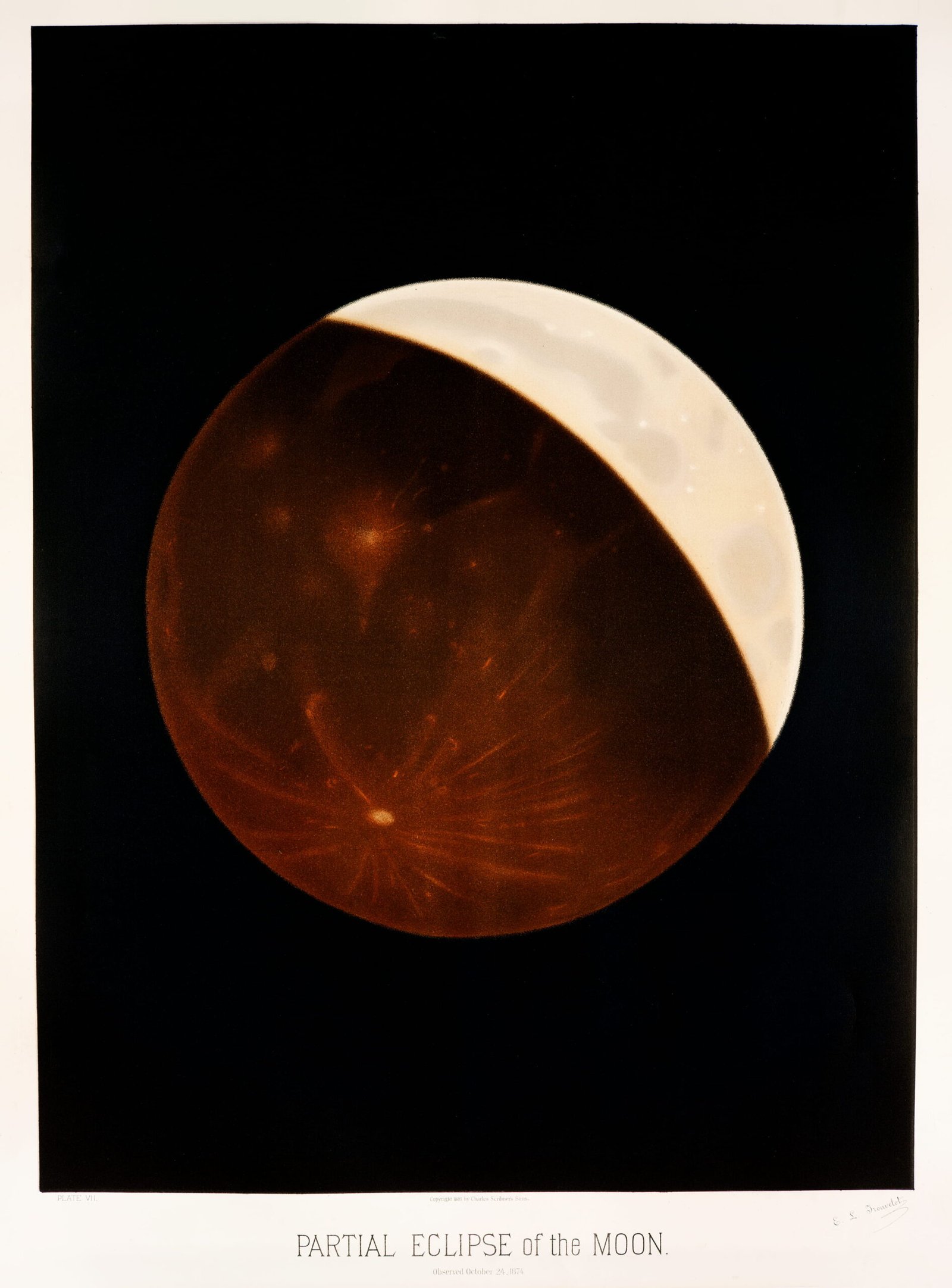
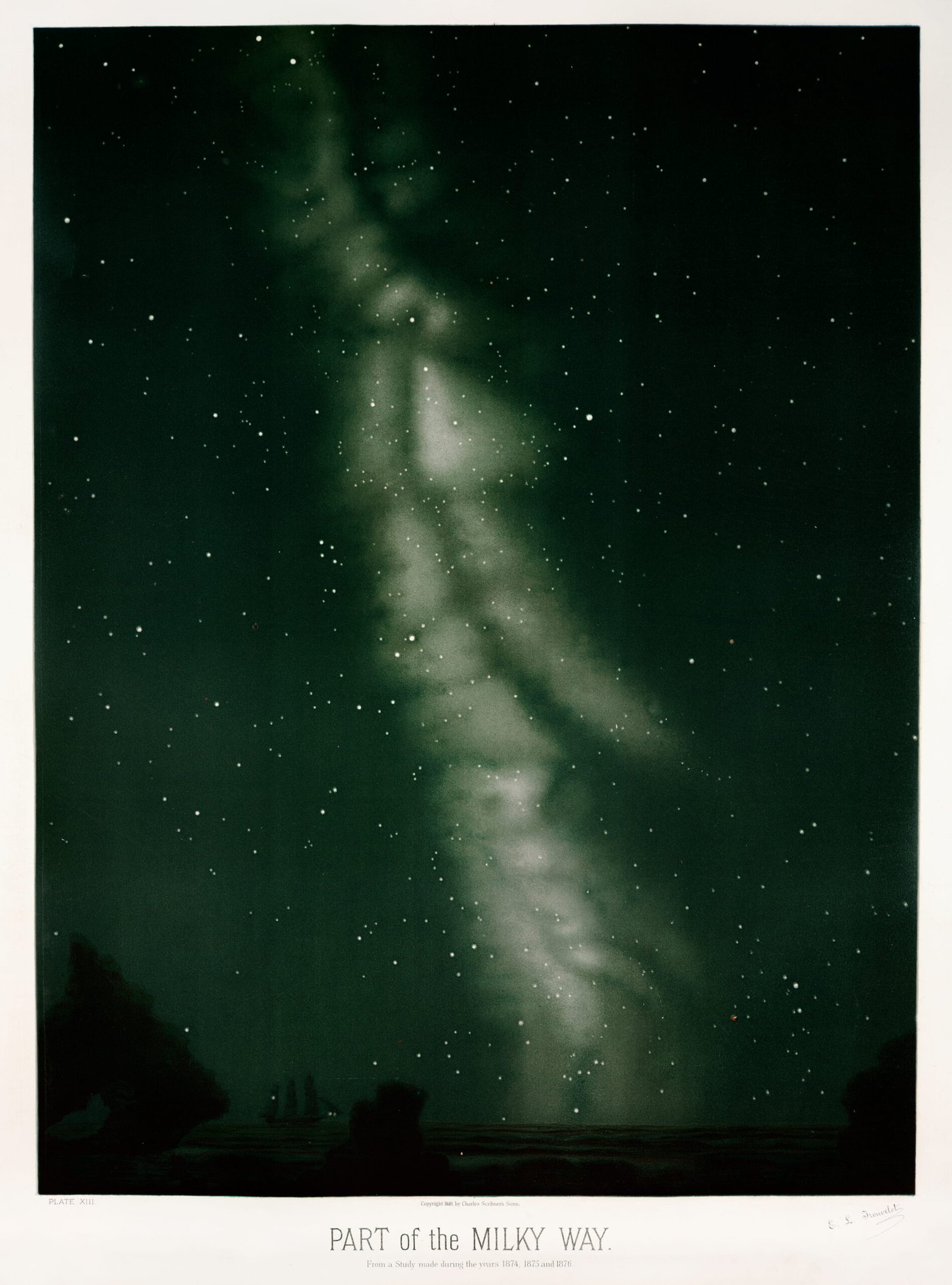
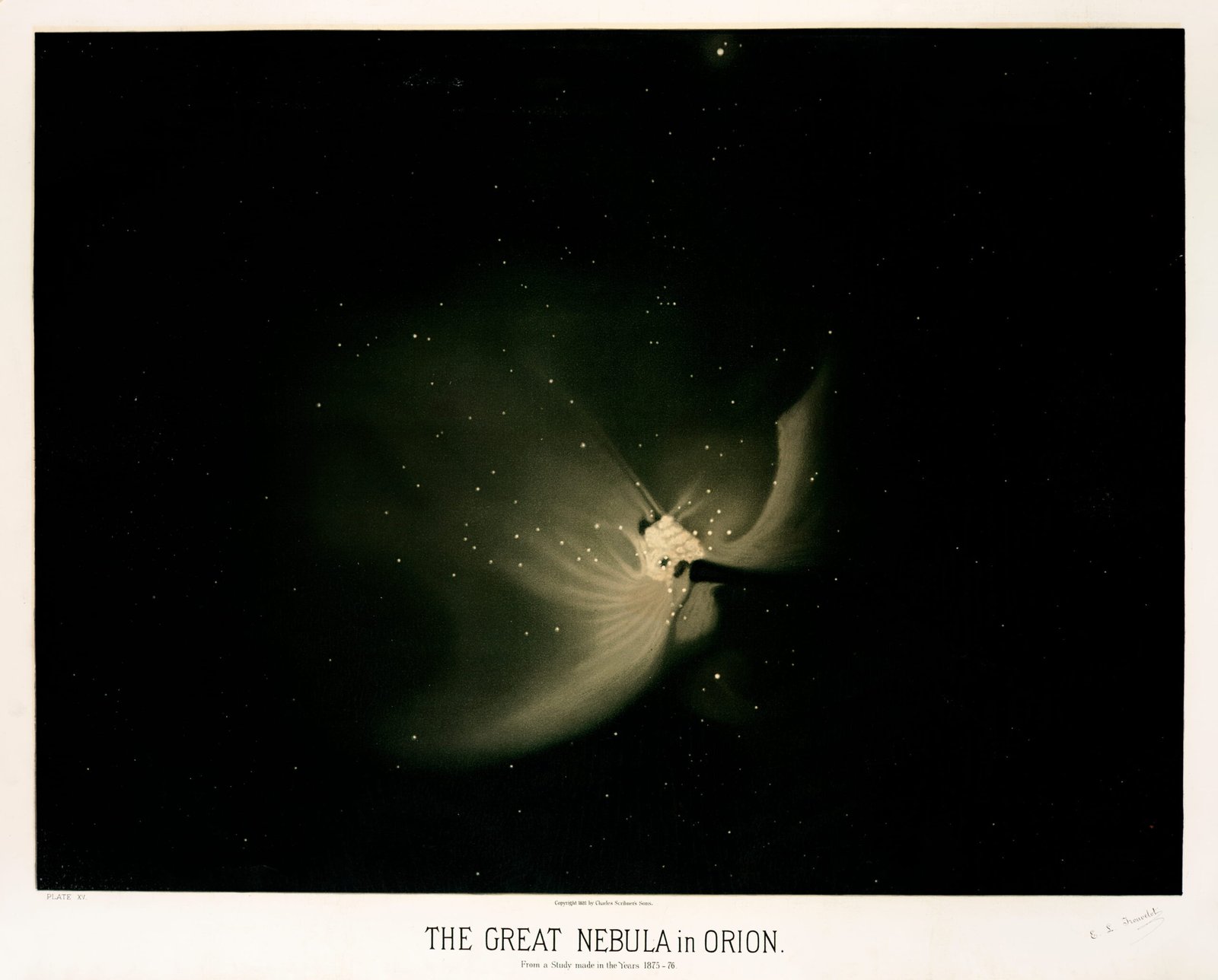
The French artist, astronomer and amateur entomologist Étienne Léopold Trouvelot is noted for two major contributions in his lifetime. The first, and the one we are celebrating in this post, is the 7000 or so illustrations he created from his astronomical observations, the quality of which reached their zenith in the 15 exquisite pastel works which were published as The Trouvelot Astronomical Drawings in 1882 (and reproduced in this post). Trouvelot was invited onto the staff of the Harvard College Observatory when the then director Joseph Winlock saw the quality of his illustrations, and in 1875 he was invited to use the U. S. Naval Observatory's 26-inch refractor for a year. As well as his illustrations, Trouvelot also published some 50 scientific papers, and waÉtienne Trouvelots credited with discovering "veiled spots" on the Sun in 1875.

The second and rather more unfortunate legacy Trouvelot left the world was the accidental widespread introduction of the highly destructive European Gyspy moth onto North American soil. With the intention of interbreeding Gypsy moths with silk worms to develop a silkworm industry, he'd brought some egg masses over from Europe in the mid-1860s and began raising gypsy moth larvae in the forest behind his house. It is unclear what exactly happened, but some of the larvae ended up escaping into the nearby woods. Although he reportedly notified some nearby entomologists and relevant officials no action was taken. A few decades later the species was rife.
Explore all artists in this collection
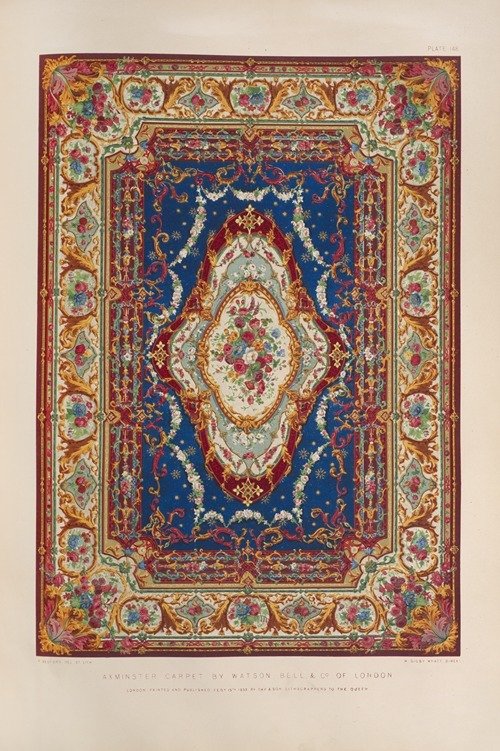
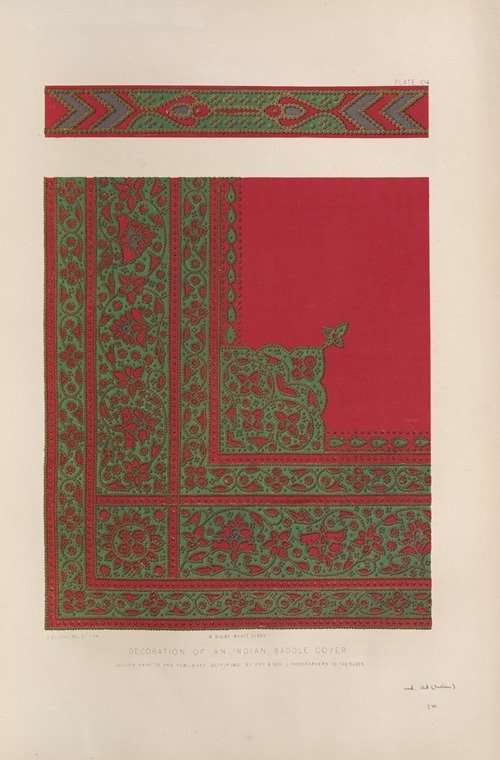
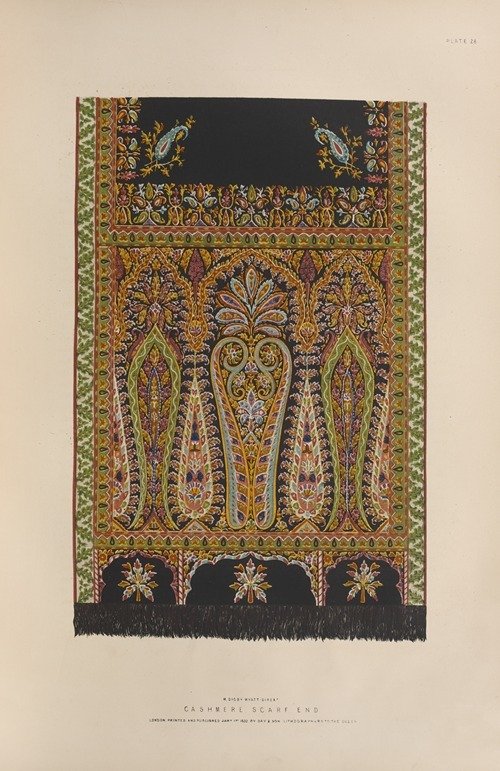
Matthew Digby Wyatt

Matthew Digby Wyatt

Matthew Digby Wyatt

(1820 -1877)

Explore all artists in this collection
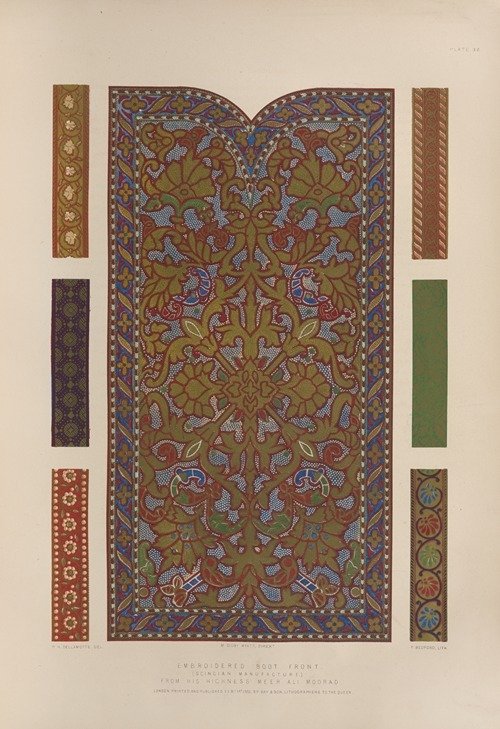
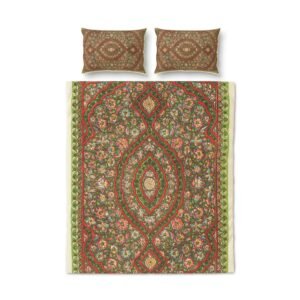
Sir Matthew Digby Wyatt (28 July 1820 – 21 May 1877) was a British architect and art historian who became Secretary of the Great Exhibition, Surveyor of the East India Company and the first Slade Professor of Fine Art at the University of Cambridge.

From 1855 until 1859 he was honorary secretary of the Royal Institute of British Architects, and in 1866 received the Royal Gold Medal.

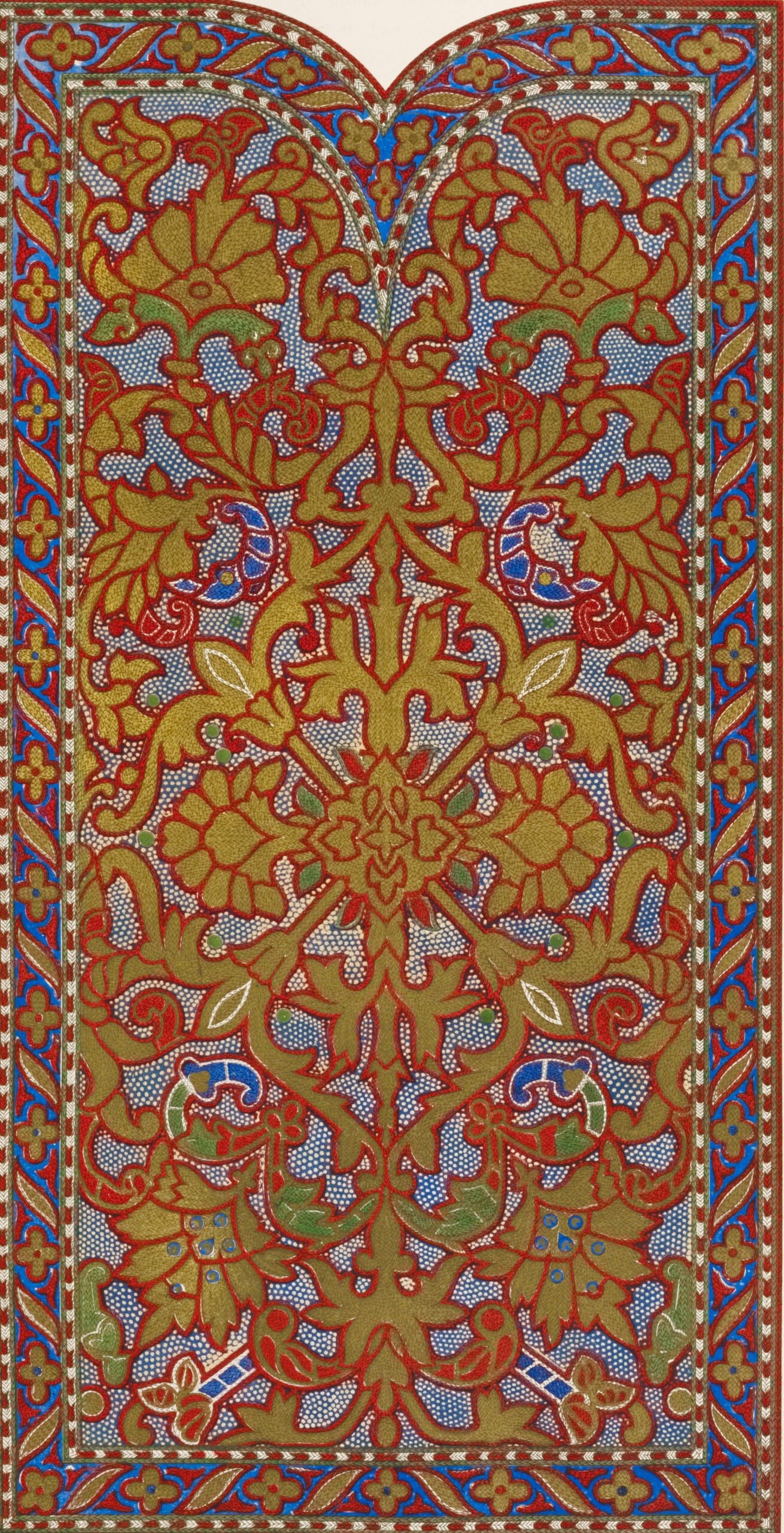
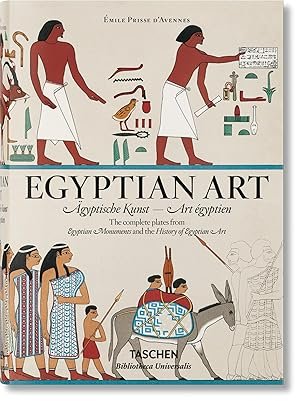
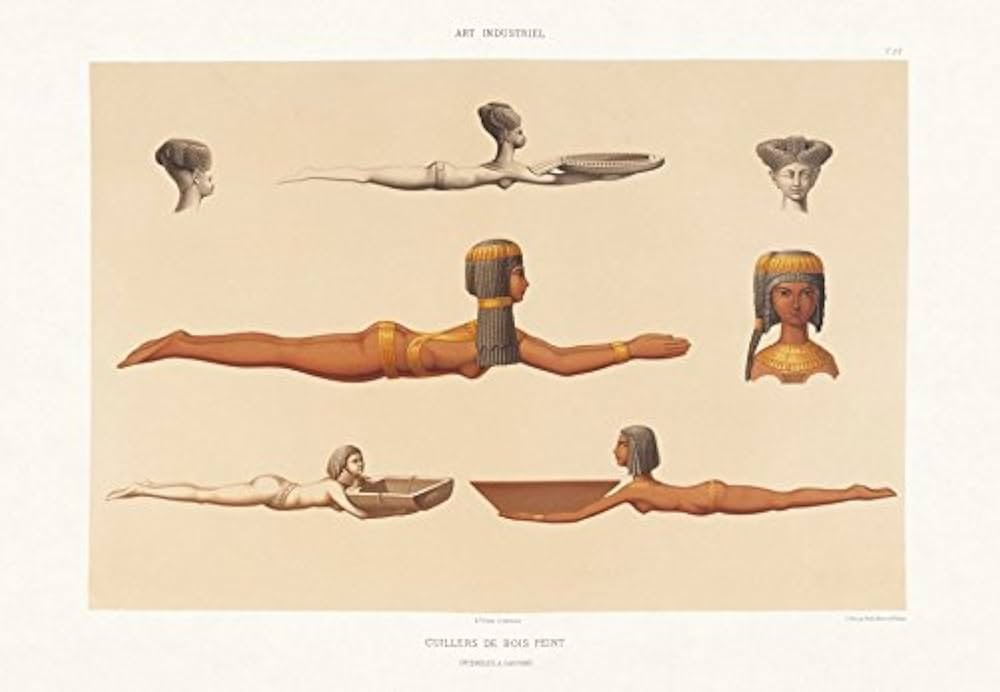
Émile Prisse d’Avennes

Émile Prisse d’Avennes

Émile Prisse d'Avennes

(1807 - 1879)

Explore all artists in this collection
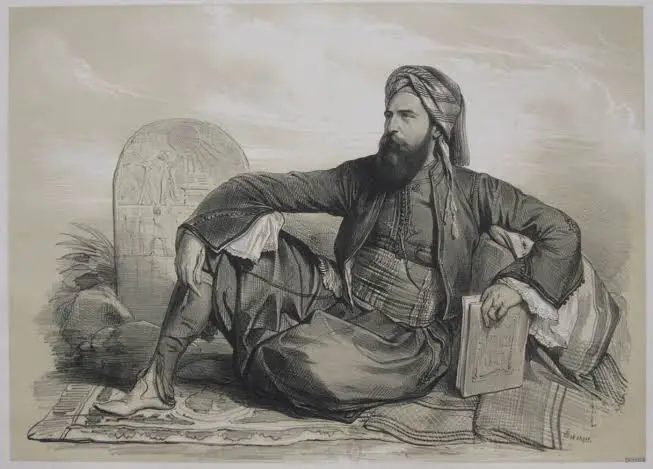
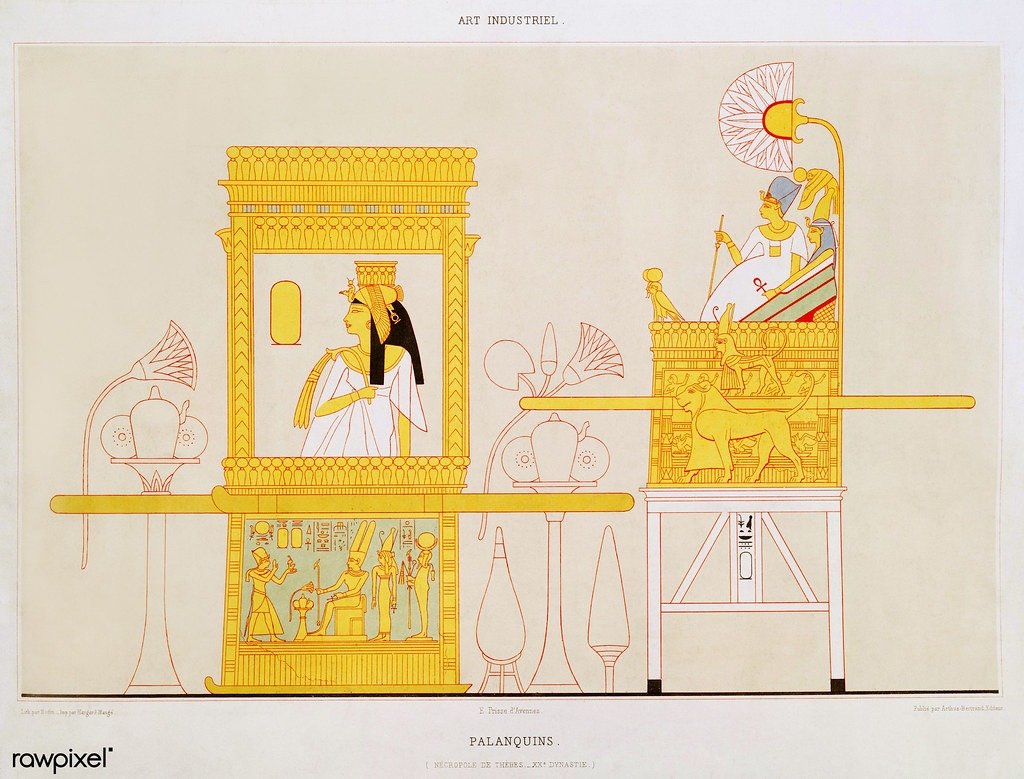
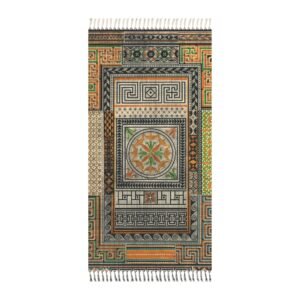
Achille-Constant-Théodore-Émile Prisse d'Avennes (27 January 1807, Avesnes-sur-Helpe – 16 February 1879, Paris) was a French archaeologist, Egyptologist, architect and writer.

Prisse d'Avennes was born in Avesnes-sur-Helpe, France, on 27 January 1807, to a noble family of French origin. After the early death of his father in 1814, on the guidance of his grandfather he enrolled at college a year later to train for a career within the legal profession. Prisse d'Avennes decided to become an archaeologist in 1836 after a period teaching at the infantry school in Damietta.

In 1826, with the weakening of the Ottoman Empire by the Treaty of Akkerman , he joined the fight for the Greek War of Independence . Following this campaign, he became secretary to the Governor-General of India, before resigning his post to go to Palestine, to Jericho. While staying in Jerusalem, he was made a Knight of the Holy Sepulchre for saving the Temple from being looted. He went to Egypt where, some time after his arrival, he entered the service of Pasha Muhammad Ali as a civil engineer and hydrographer. He received an Arabic name, Edris-Effendi, got used to wearing official clothes and became familiar with the Egyptian dialect and local customs and traditions.

Towards the end of May 1835, he fought, as his father had in 1831, against the epidemics that were spreading in Egypt. In turn, he contracted dysentery and was unable to resume his duties until the beginning of the following September. In January 1836, the year the Saint-Simonians returned to France, weary of the demands of the Governor of the Infantry School in Damietta, he submitted his resignation and, finally free, undertook the study of hieroglyphs, in which he became an expert, on par with Champollion. He began to travel through Turkey, Persia, Palestine, Arabia, Lower and Upper Egypt, Nubia, Ethiopia, Abyssinia, Syria, etc., where he spent seventeen years, living off the proceeds of his drawings, his pen, or his family's resources

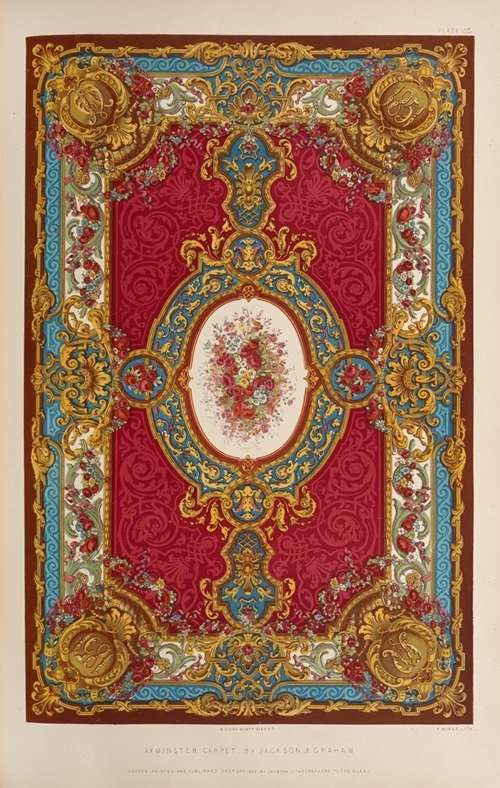
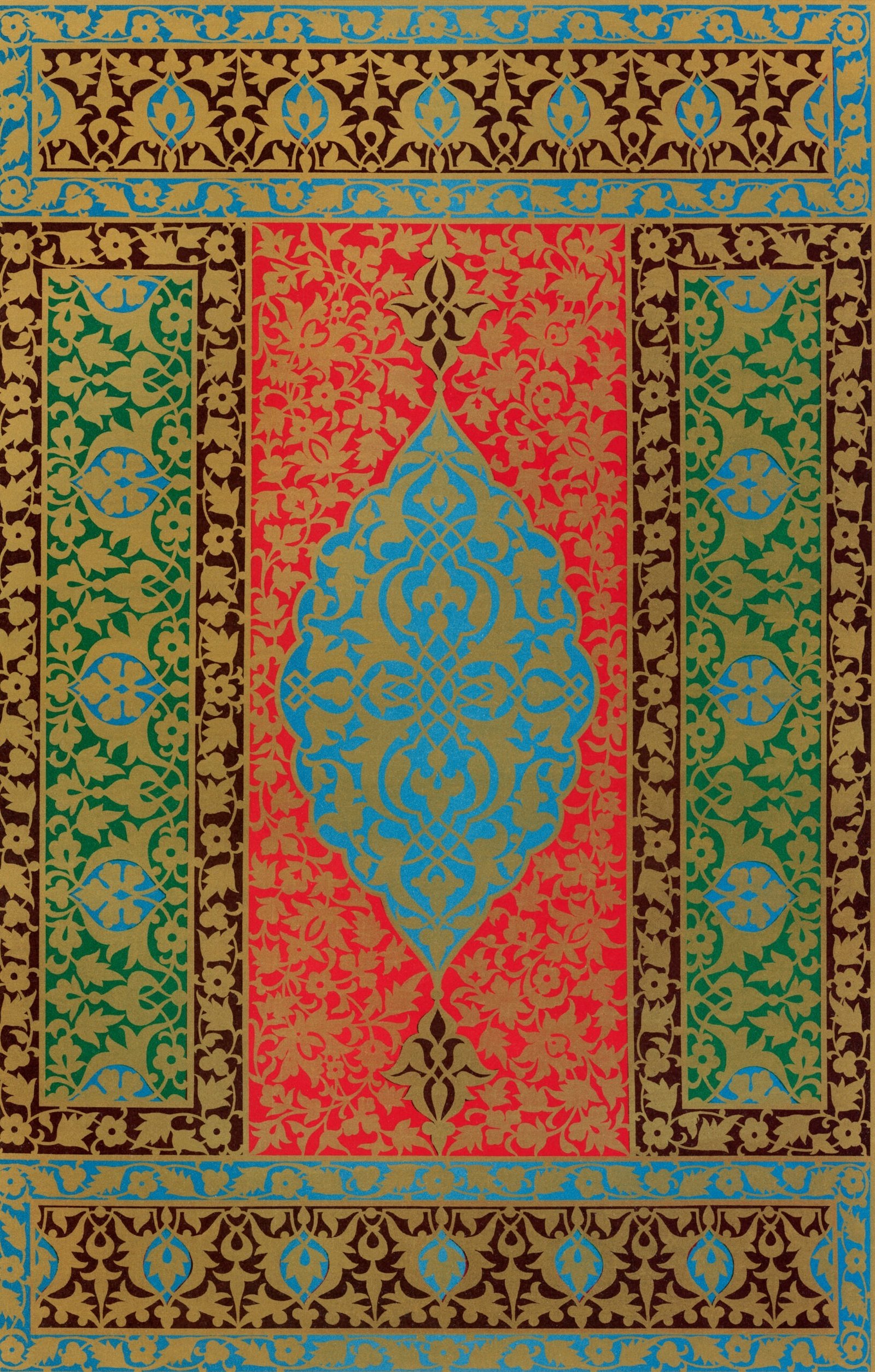
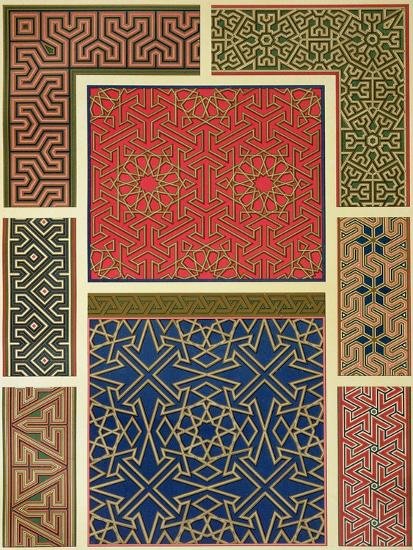
Owen Jones

Owen Jones

Owen Jones

(1809 - 1874)

Explore all artists in this collection
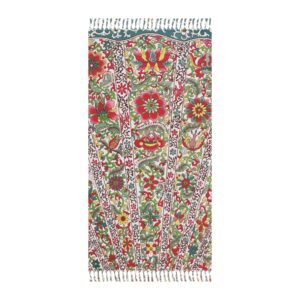
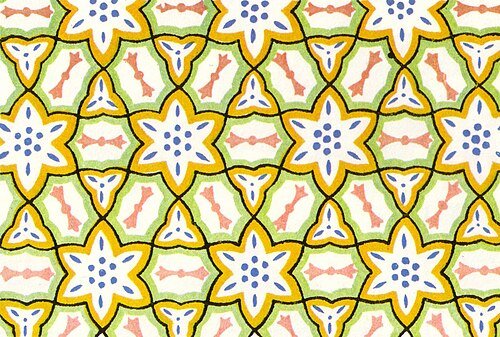
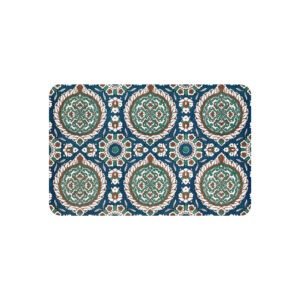
Owen Jones (15 February 1809 – 19 April 1874) was a British architect. A versatile architect and designer, he was also one of the most influential design theorists of the nineteenth century. He helped pioneer modern colour theory, and his theories on flat patterning and ornament still resonate with contemporary designers today.

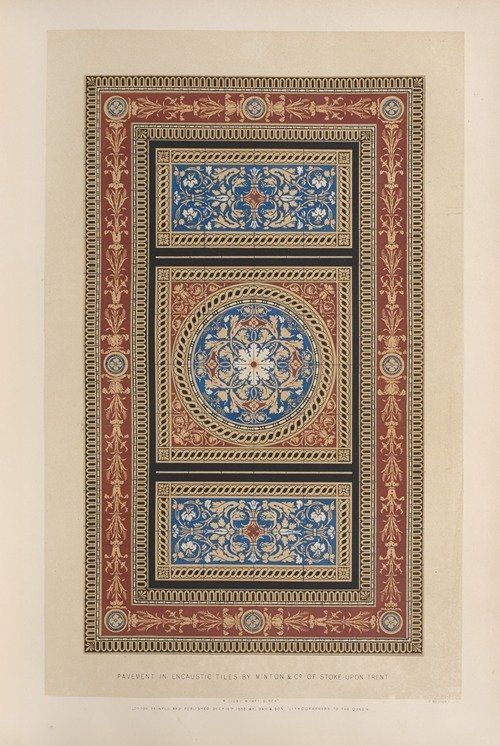
Jones was able to disseminate his theories on pattern and ornament through his work for several of the key manufacturers of the period, thus facilitating public consumption of his decorative visions in a number of diverse contexts. During the 1840s, having been inspired by the tilework at the Alhambra, Jones became known for his designs for mosaics and tessellated pavements, working for firms such as Maw & Co., Blashfield and Minton.

He designed wallpapers for several firms from the 1840s until the 1870s including Townsend and Parker, Trumble & Sons and Jeffrey & Co. Jones was also prolific in the field of textiles – designing silks for Warner, Sillett & Ramm and carpets for Brinton and James Templeton & Co. Jones also immersed himself in a number of decorative schemes for domestic interiors, most notably working in collaboration with the London firm Jackson & Graham to produce furniture and other fittings.

Explore all artists in this collection
Franz Marc

Franz Marc

Franz Marc

(1880 - 1916)

Explore all artists in this collection
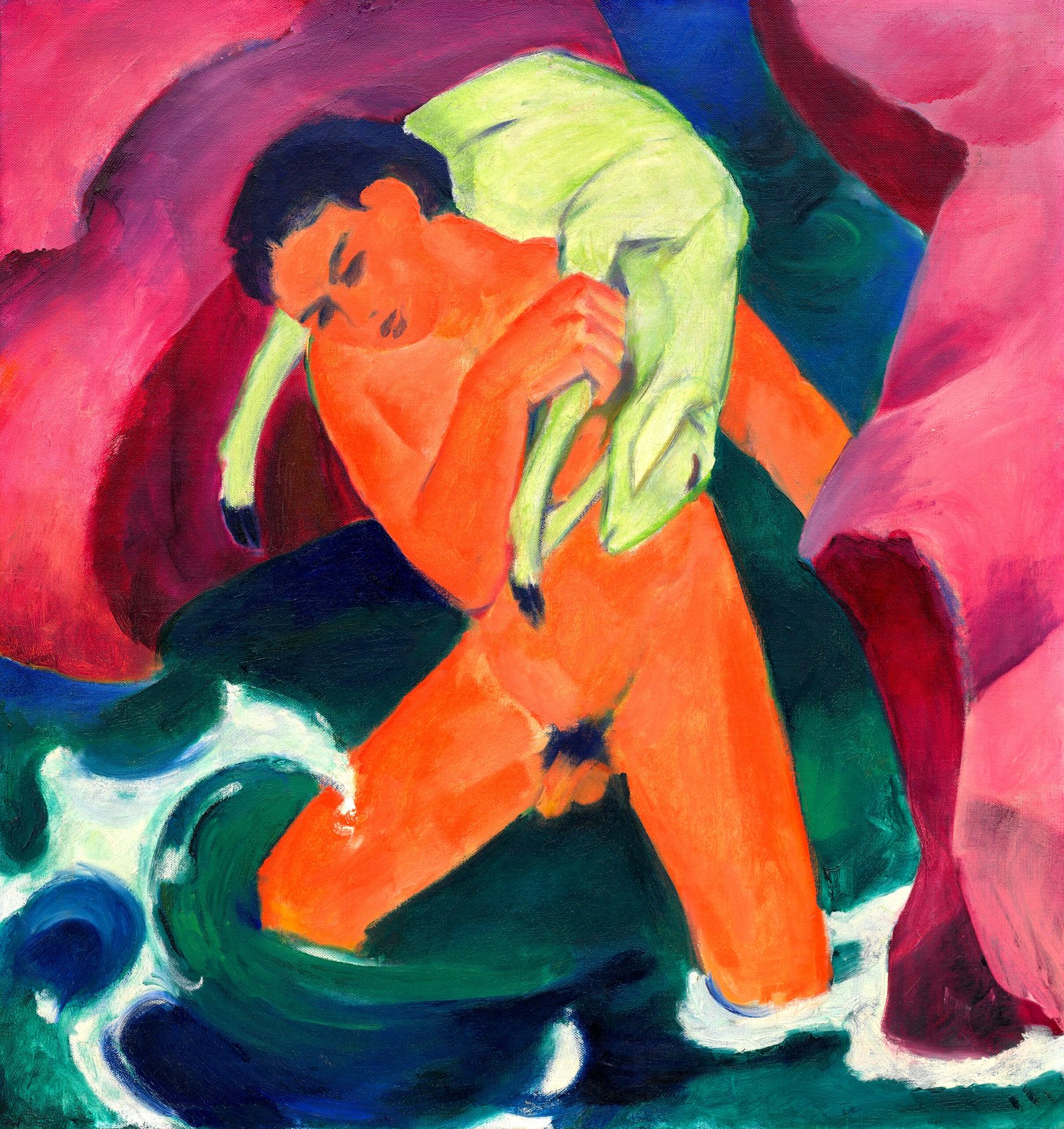
Franz Marc was born in 1880 in Munich, the erstwhile-capital of the Kingdom of Bavaria. His father, Wilhelm Marc, was a professional landscape painter; his mother, Sophie, was a homemaker and a devout, socially liberal Calvinist. At the age of 17 Marc wanted to study theology, as his older brother Paul had. Two years later, however, he enrolled in the arts program of Munich University.

He was first required to serve in the military for a year, after which, in 1900, he began studies instead at the Academy of Fine Arts, Munich, where his teachers included Gabriel von Hackl and Wilhelm von Diez. In 1903 and 1907, he spent time in France, particularly in Paris, visiting the museums in the city and copying many paintings, a traditional way for artists to study and develop technique. In Paris, Marc frequented artistic circles, meeting numerous artists and the actress Sarah Bernhardt. He discovered a strong affinity for the work of painter Vincent van Gogh. After the 1903 trip, he ceased attending the Academy of Fine Arts.

During his 20s, Marc was involved in a number of stormy relationships, including an affair lasting for many years with Annette Von Eckhardt, a married antique dealer nine years his senior. He married twice, first to Marie Schnür, then to Maria Franck; both were artists.

In 1906, Marc traveled with his elder brother Paul, a Byzantine expert, to Thessaloniki, Mount Athos, and various other Greek locations. A few years later, in 1910, Marc developed an important friendship with the artist August Macke. In 1910 Marc painted Nude with Cat and Grazing Horses, and showed works in the second exhibition of the Neue Künstlervereinigung (New Artists' Association), of which Marc was briefly a member) at the Thannhauser Galleries in Munich.

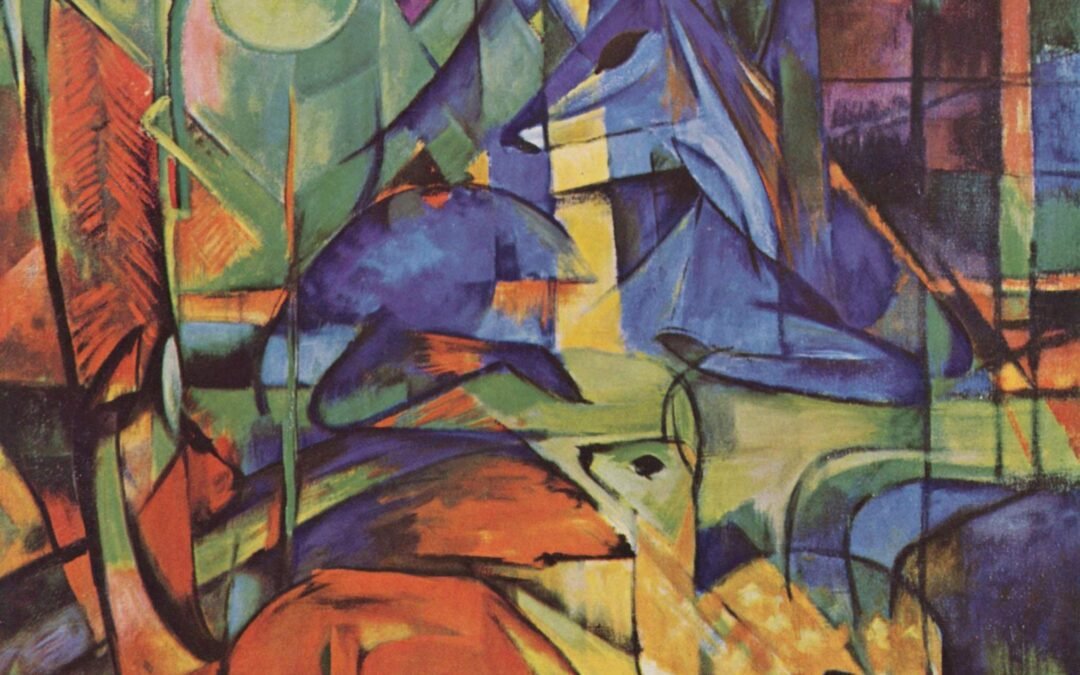
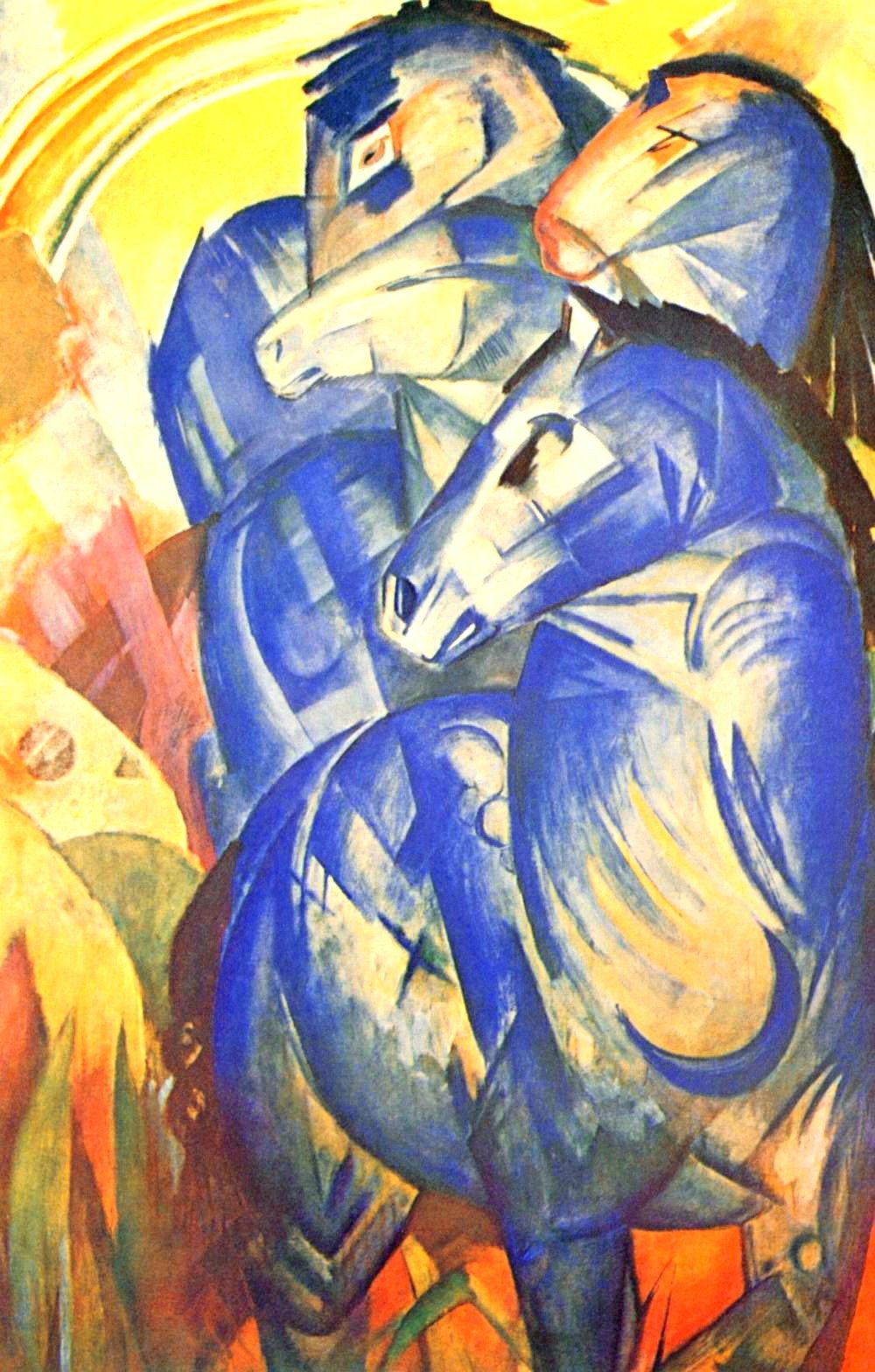
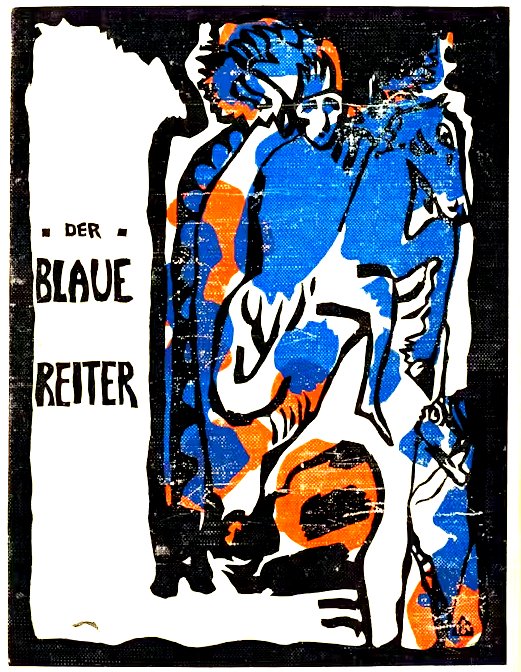
In 1911, Marc founded the Der Blaue Reiter journal, which became the center of an artist circle, along with Macke, Wassily Kandinsky, and others who had decided to split off from the Neue Künstlervereinigung movement. Though Marc showed several of his works in the first Der Blaue Reiter exhibition at the Thannhauser Galleries in Munich between December 1911 and January 1912, as it was the apex of the German expressionist movement, the exhibit also showed in Berlin, Cologne, Hagen, and Frankfurt. In 1912, Marc met Robert Delaunay, whose use of color and the Cubist method was a major influence on Marc's work; fascinated by Futurism and Cubism, Marc created art that increasingly was stark in nature, painting natural abstract forms which found spiritual value in color. He painted The Tiger and Red Deer in 1912 and The Tower of Blue Horses, The Foxes, and Fate of the Animals in 1913.

With the outbreak of World War I in 1914, Marc was drafted into the Imperial German Army as a cavalryman. By February 1916, as shown in a letter to his wife, he had gravitated to military camouflage. His technique for hiding artillery from aerial observation was to paint canvas covers in broadly pointillist style. He took pleasure in creating a series of nine such tarpaulin covers in styles varying "from Manet to Kandinsky", suspecting that the latter could be the most effective against aircraft flying at 2,000 metres (6,600 ft) or higher.
By 1916, he had been promoted to lieutenant and awarded the Iron Cross.

After mobilization of the German Army, the government identified notable artists to be withdrawn from combat for their own safety. Marc was on the list but was struck in the head and killed instantly by a shell splinter during the Battle of Verdun in 1916 before orders for reassignment could reach him.

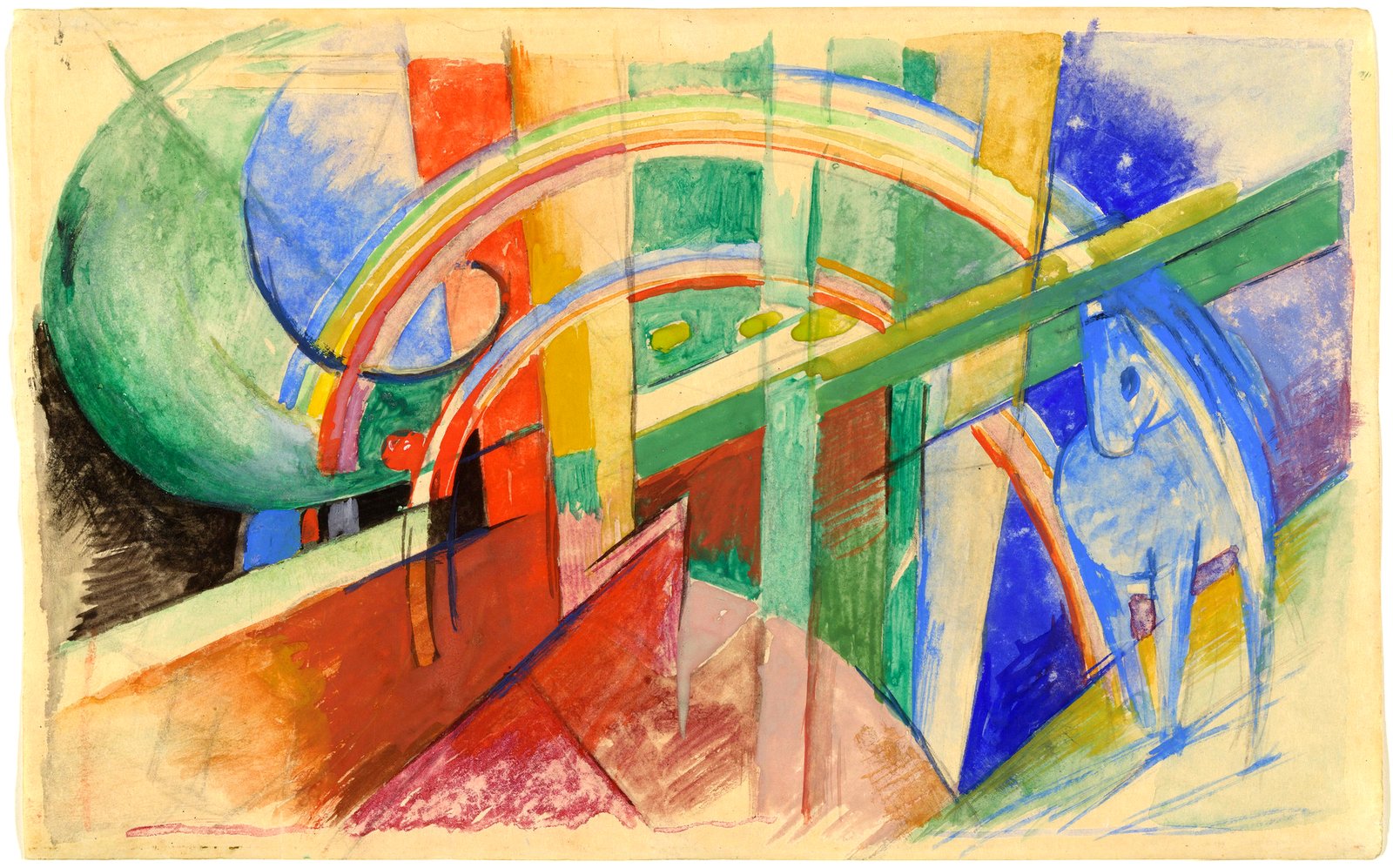
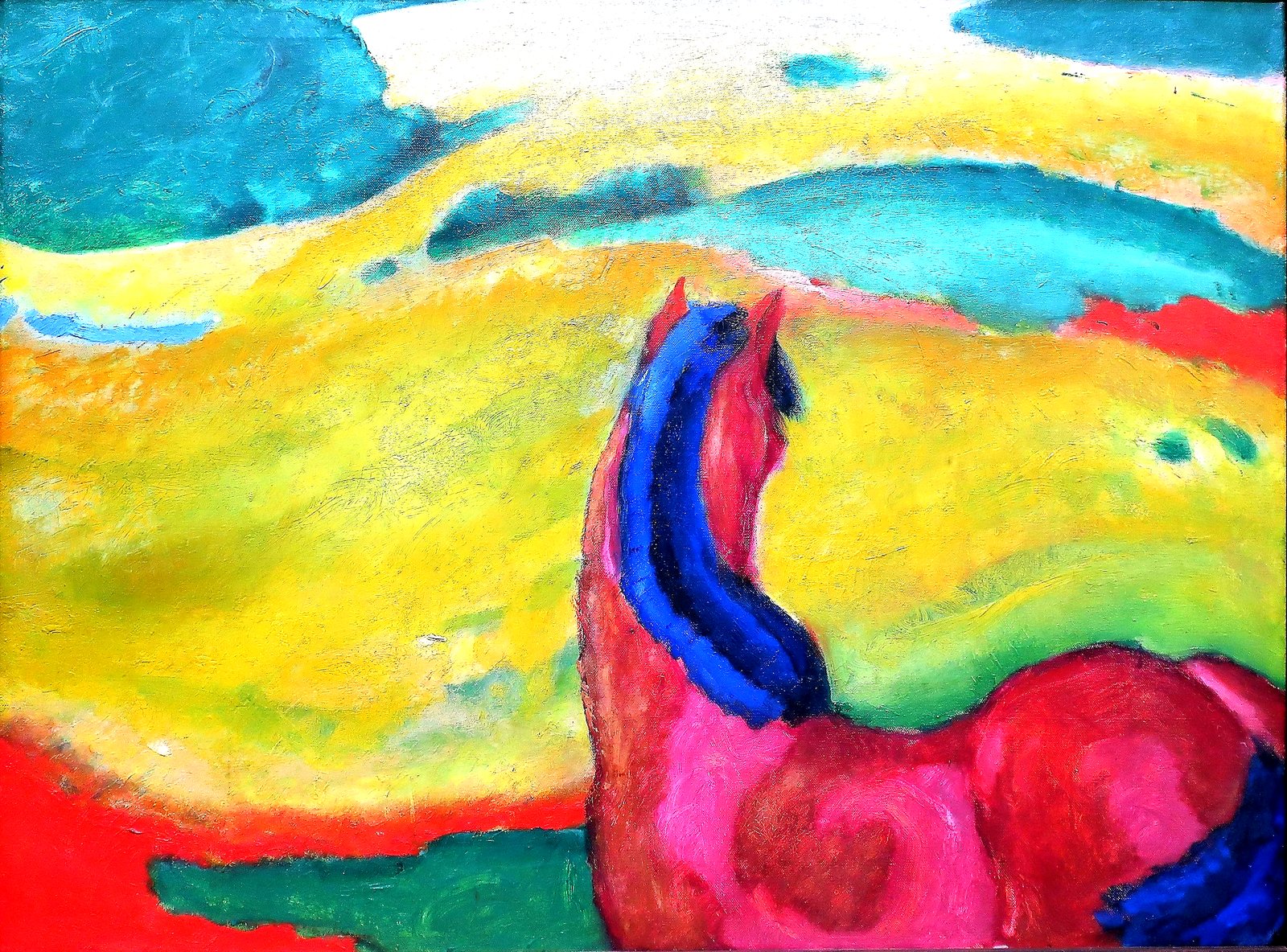
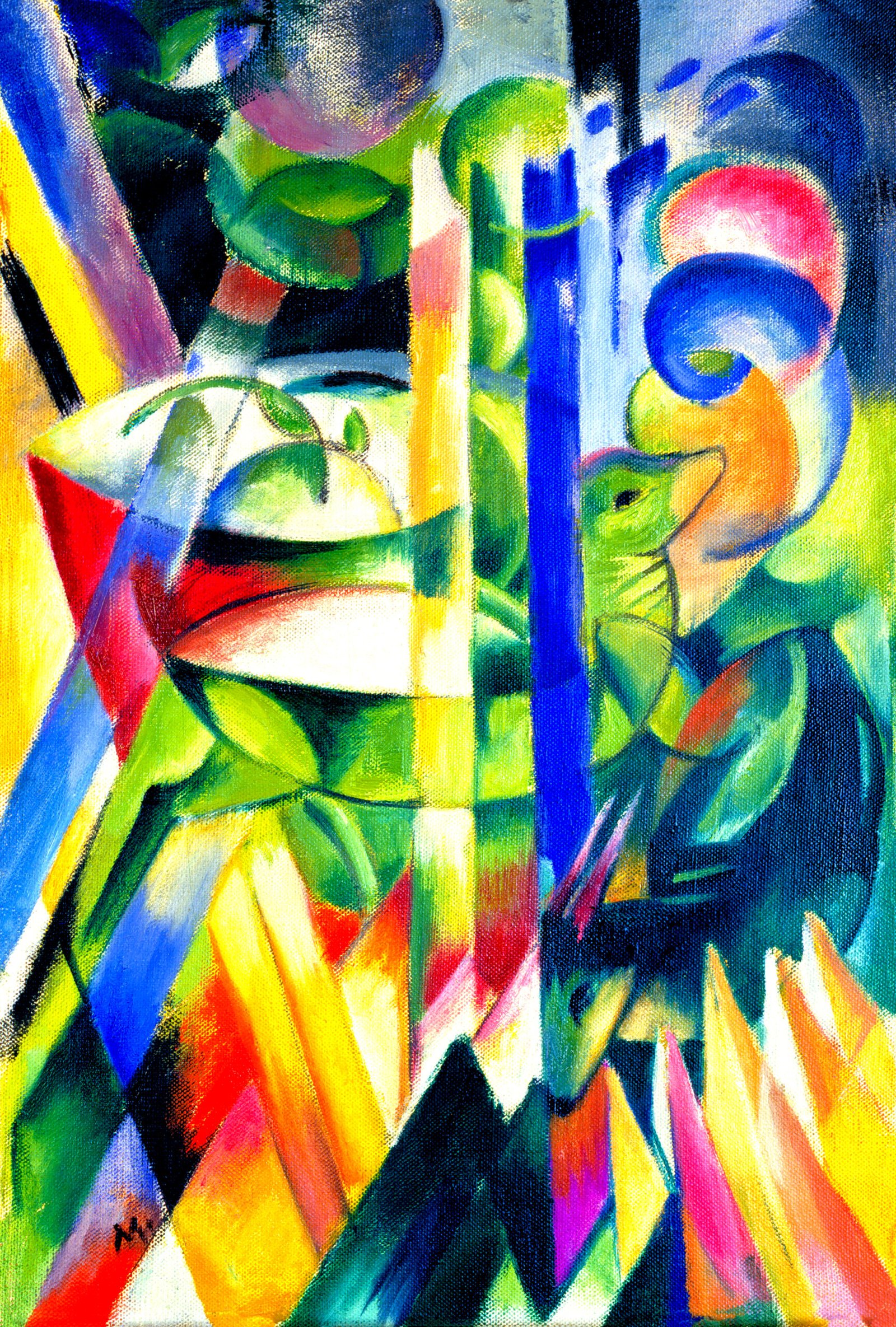
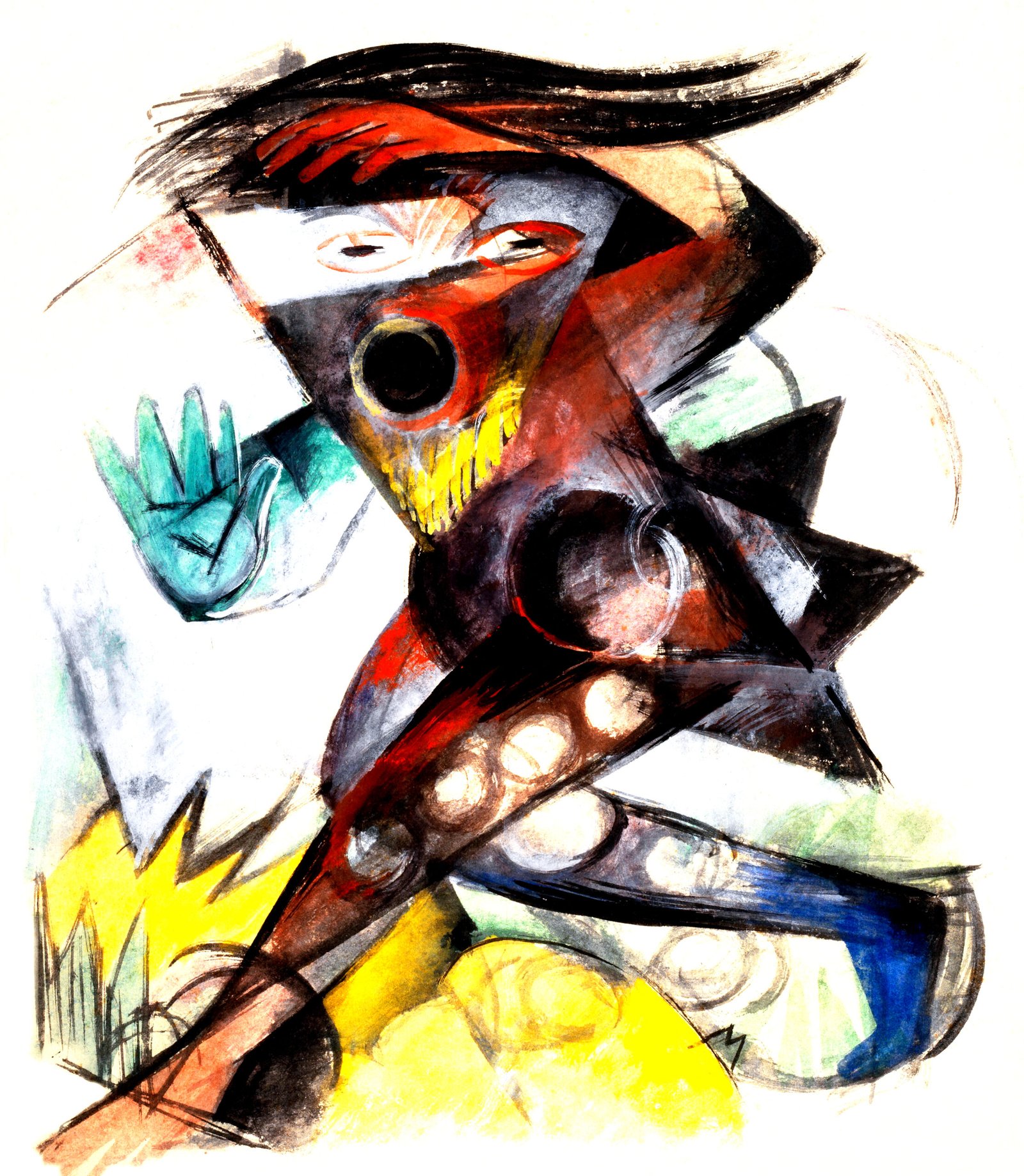
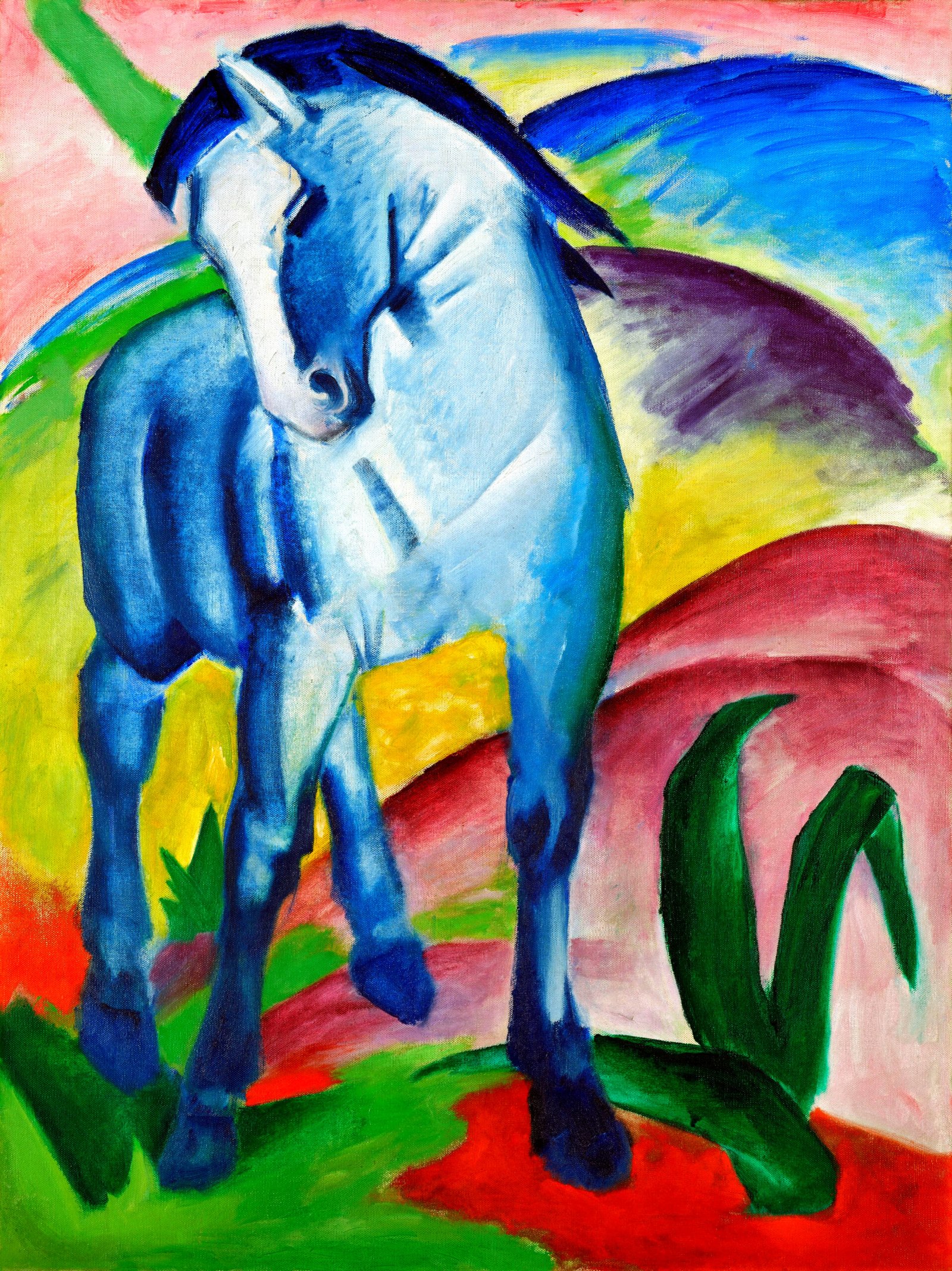
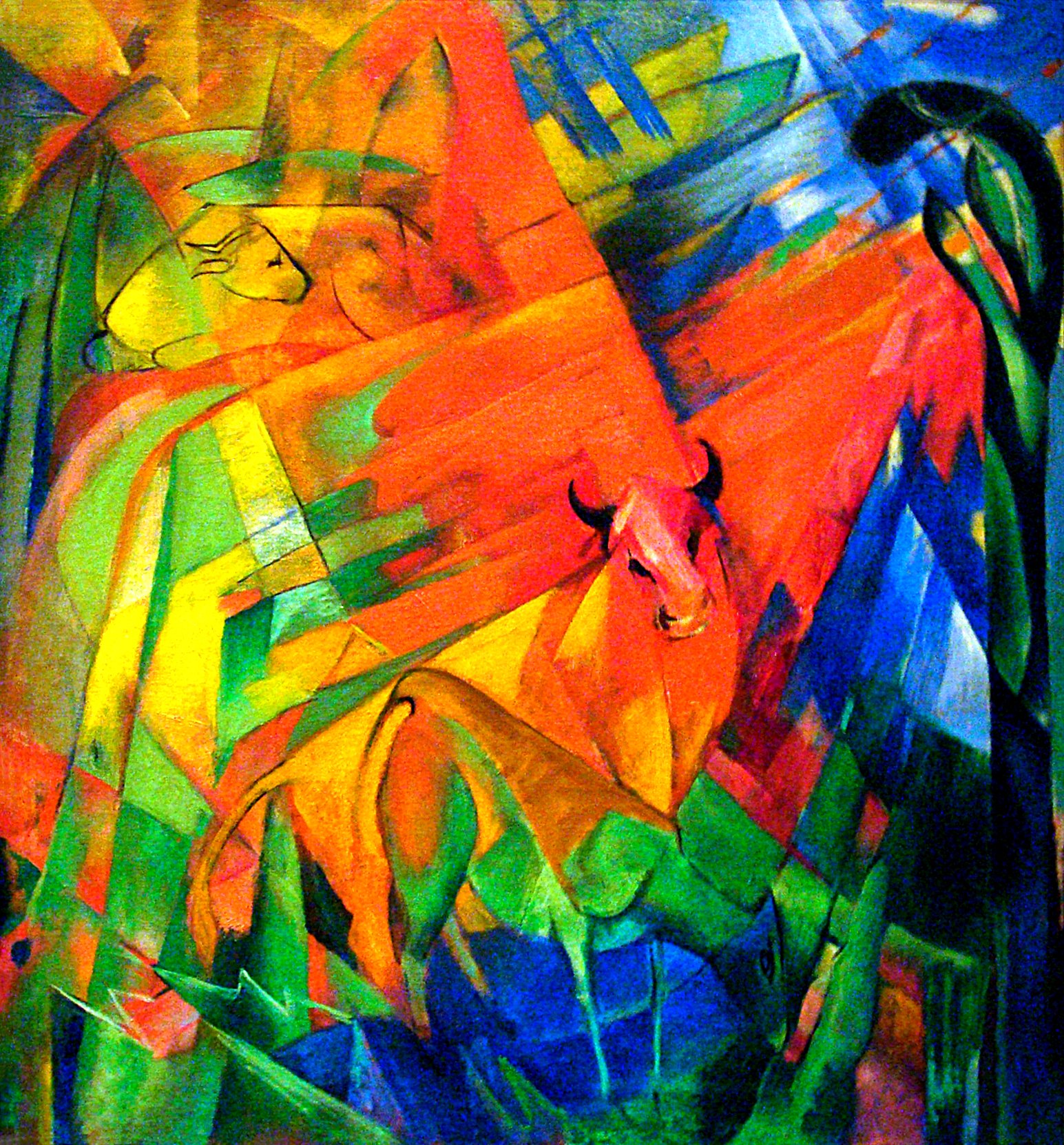
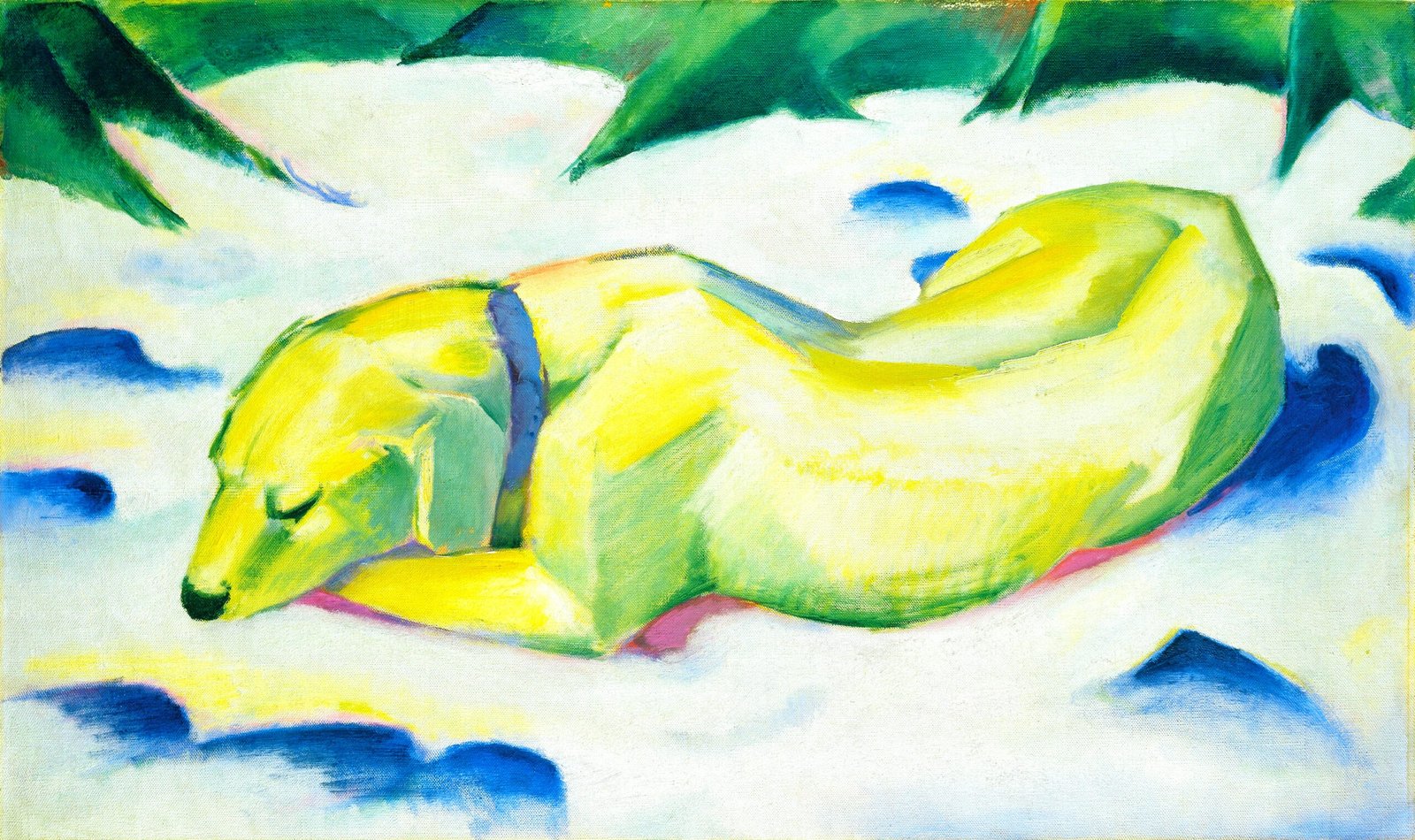
Marc made some sixty prints in woodcut and lithography. Most of his mature work portrays animals, usually in natural settings. His work is characterized by bright primary color, an almost cubist portrayal of animals, stark simplicity and a profound sense of emotion. Even in his own time, his work attracted notice in influential circles. Marc gave an emotional meaning or purpose to the colors he used in his work: blue was used to portray masculinity and spirituality, yellow represented feminine joy, and red encased the sound of violence.

One of Marc's best-known paintings is Tierschicksale (Animal Destinies or Fate of the Animals), which hangs in the Kunstmuseum Basel. Marc had completed the work in 1913, when "the tension of impending cataclysm had pervaded society", as one art historian noted. On the back of the canvas, Marc wrote, "Und Alles Sein ist flammend Leid" ("And all being is flaming agony"). Serving in World War I, Marc wrote to his wife about the painting, "[it] is like a premonition of this war – horrible and shattering. I can hardly conceive that I painted it."

After the National Socialists took power, they suppressed modern art; in 1936 and 1937, the Nazis condemned the late Marc as an entarteter Künstler (degenerate artist) and ordered approximately 130 of his works removed from exhibition in German museums. The Blue Horses was auctioned off at the infamous Theodor Fischer gallery "degenerate art" sale in Lucerne, on 29 June 1939, and acquired by the Musée des Beaux-Arts in Liège. His painting Landscape With Horses was discovered in 2012 along with more than a thousand other paintings, in the Munich apartment of Cornelius Gurlitt whose father, Hildebrand Gurlitt, was one of Hitler's four official art dealers of Modernist art the Nazis called "degenerate" which the Nazis sold or traded to raise cash for the Third Reich.

In 2017, the family of Kurt Grawi demanded the restitution of Marc's painting The Foxes (1913) from Düsseldorf's Kunstpalast. Grawi, a German Jewish banker who had owned the painting before the Nazis rose to power was arrested on Kristallnacht and incarcerated in Sachsenhausen concentration camp in 1938, before he managed to flee to Chile in 1939. The painting passed through Galerie Nierendorf, and William and Charlotte Dieterle, according to the German Lost Art Foundation. In 2021, the German Advisory Commission recommended that the city of Düsseldorf restitute the painting to Grawi's heirs;this was done, and the painting was sold at Christie's by Grawi's heirs in 2022.

In October 1998, several of Marc's paintings garnered record prices at Christie's art auction house in London, including Rote Rehe I (Red Deer I), which sold for $3.3 million. In October 1999, his Der Wasserfall (The Waterfall) was sold by Sotheby's in London for $5.06 million. This price set a record for Franz Marc's work and for twentieth-century German painting. In 2008, the former record was again broken when Marc's Weidende Pferde III (Grazing Horses III) was sold for £12,340,500 ($24,376,190) at Sotheby's. This record was again beaten by the £42.6m sale of The Foxes in 2022.

Explore all artists in this collection