László Moholy-Nagy

László Moholy-Nagy

László Moholy-Nagy

(1895–1946)
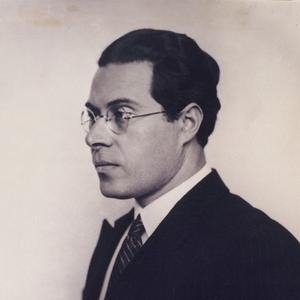
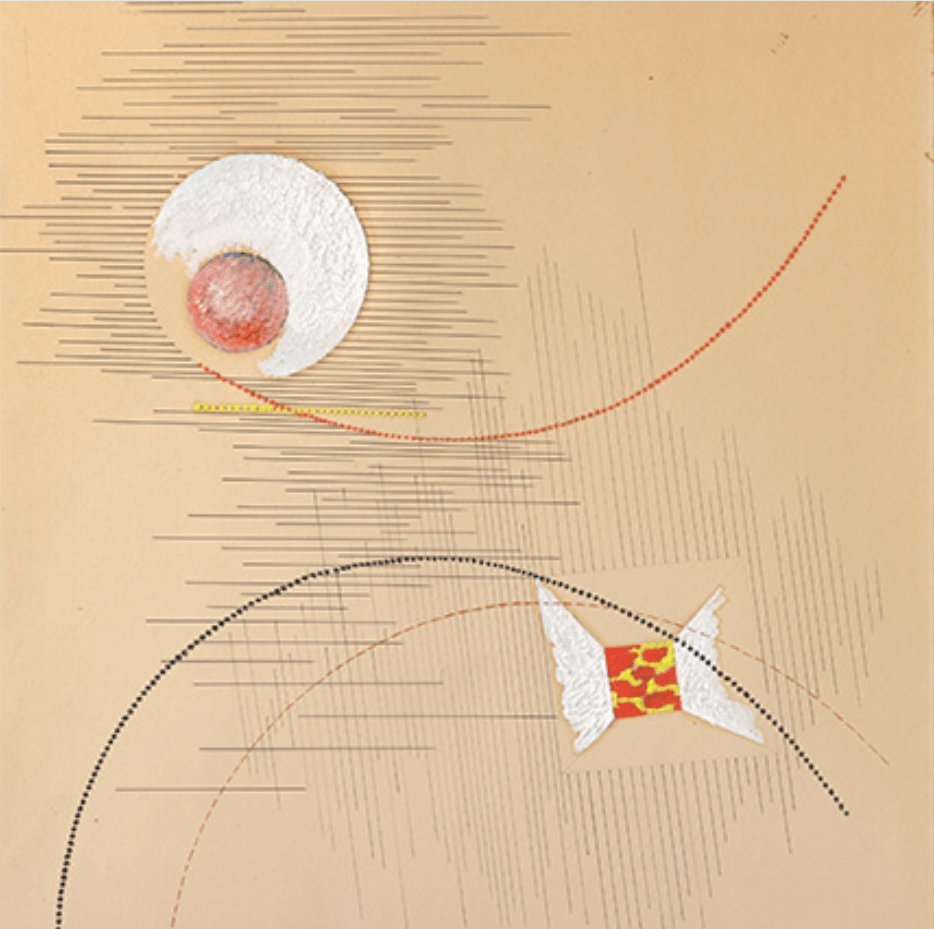
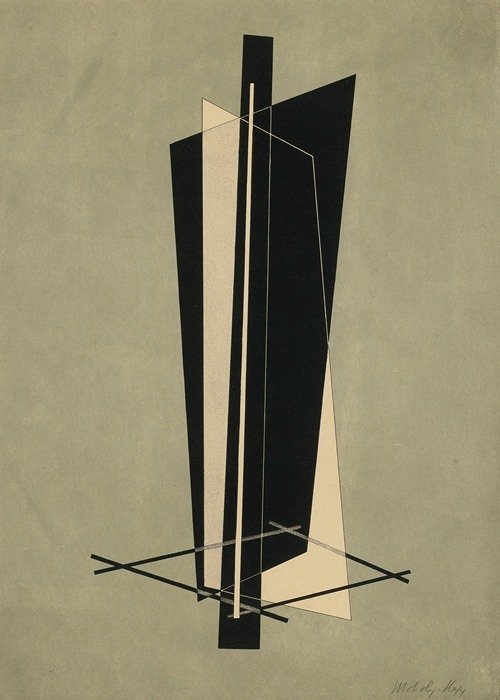
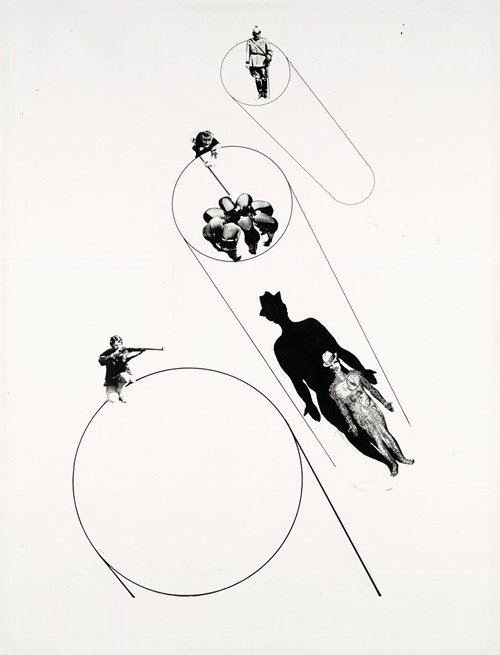
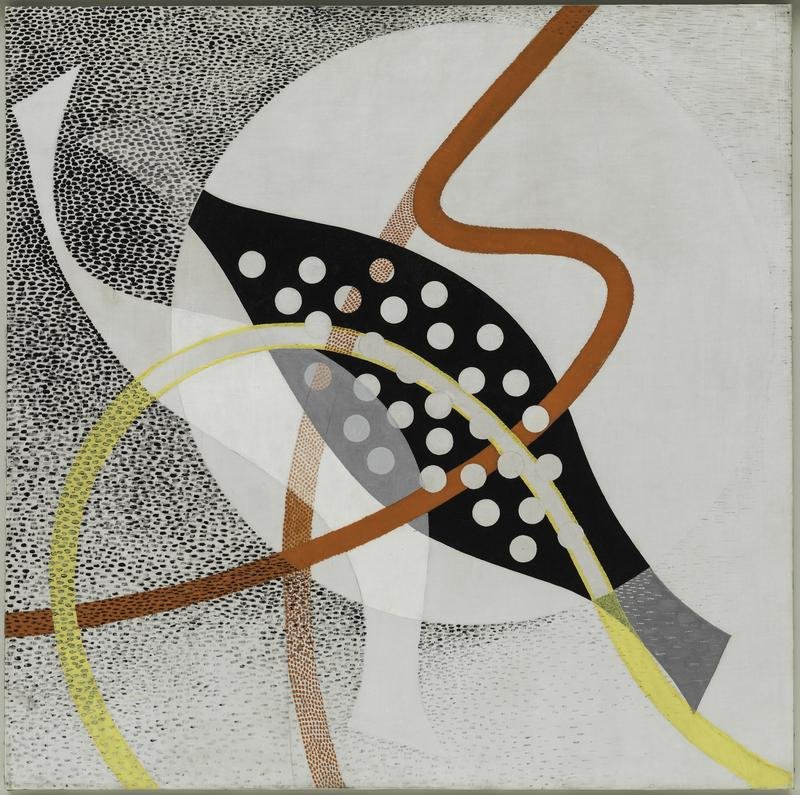
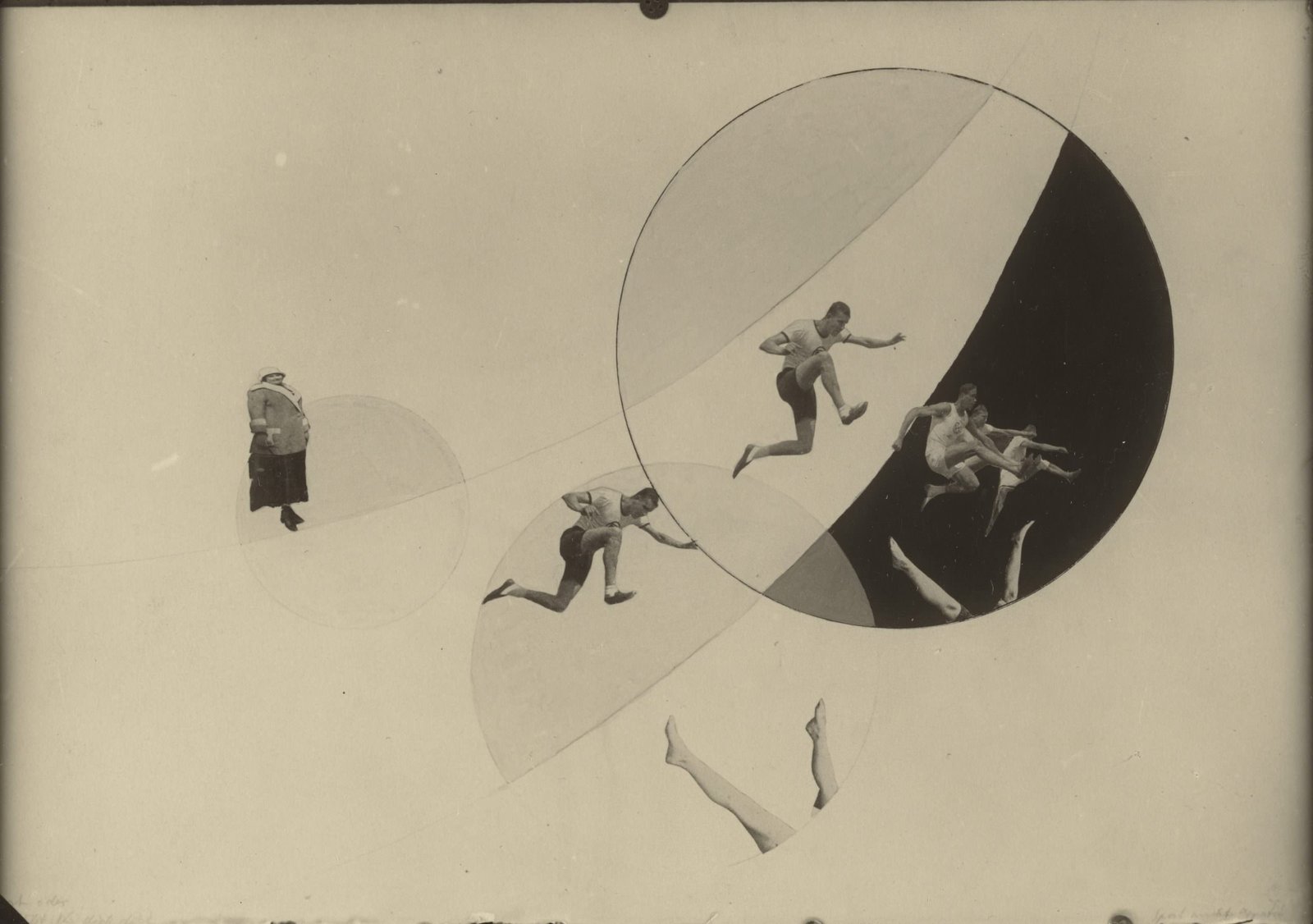
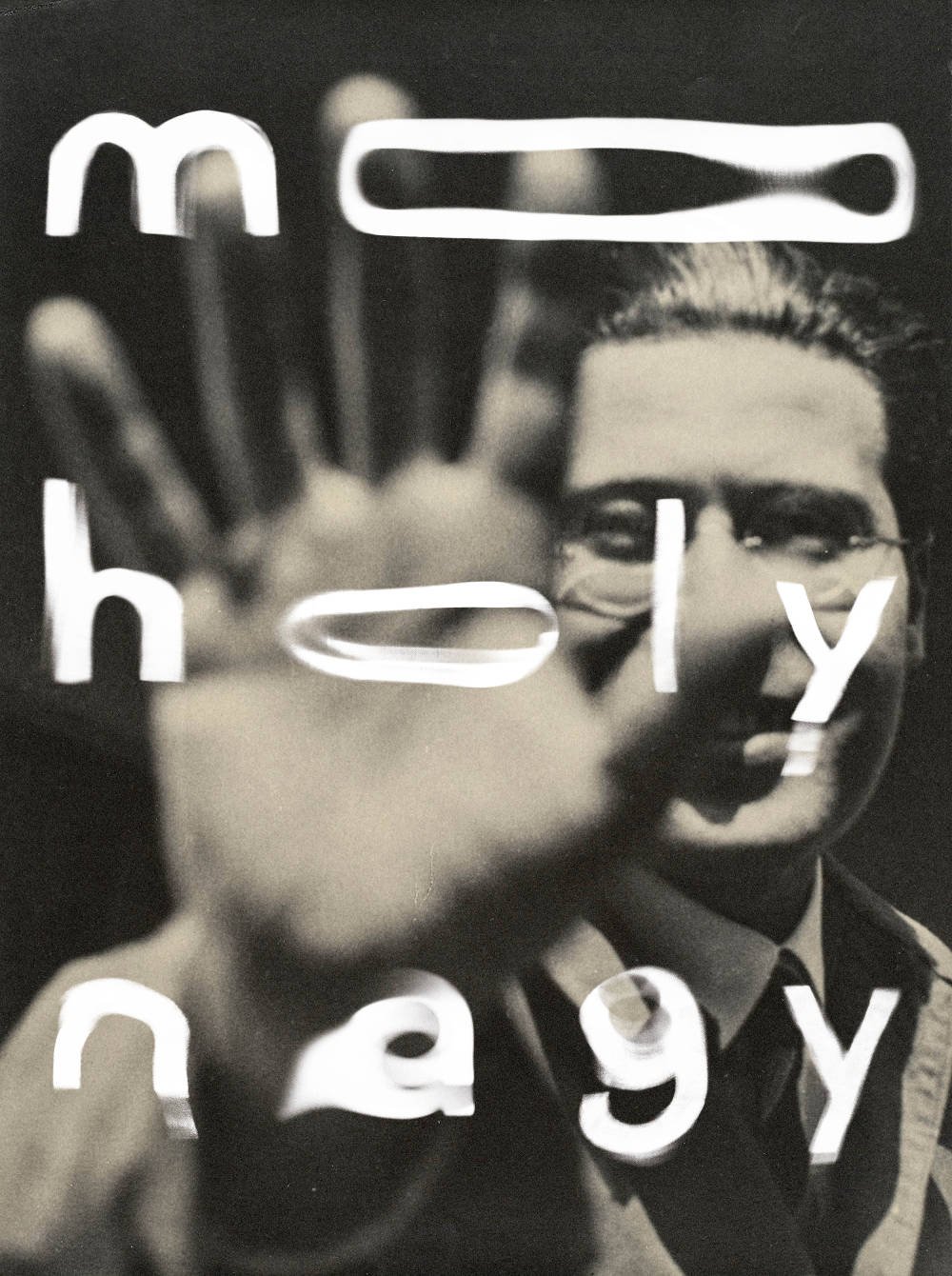
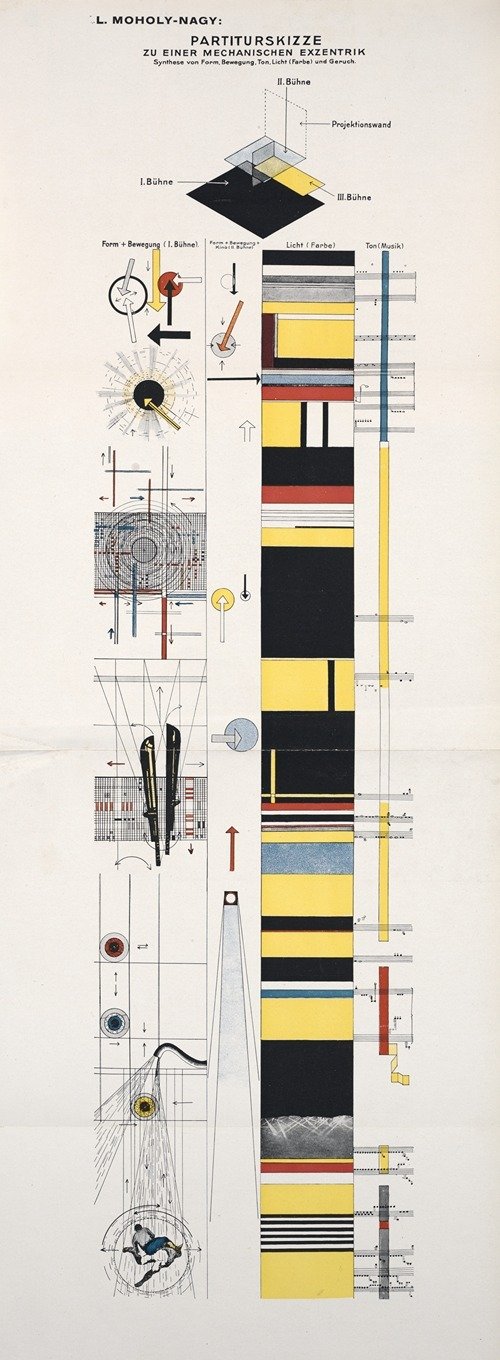
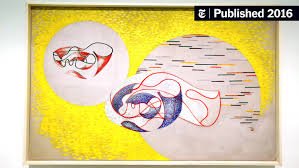
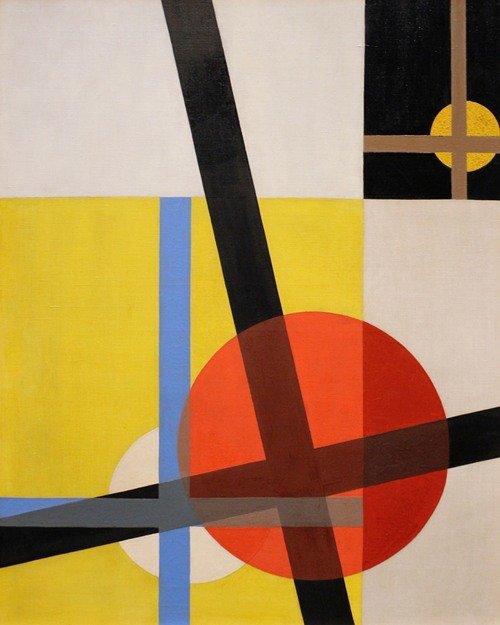
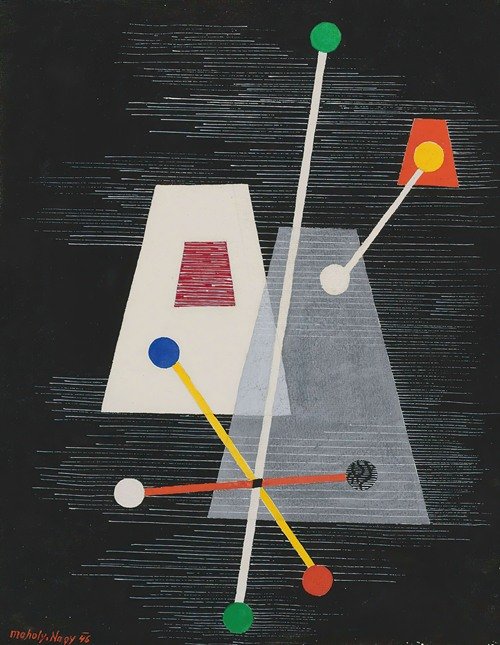
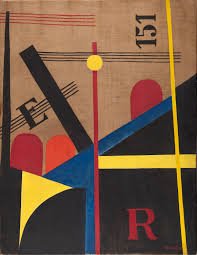
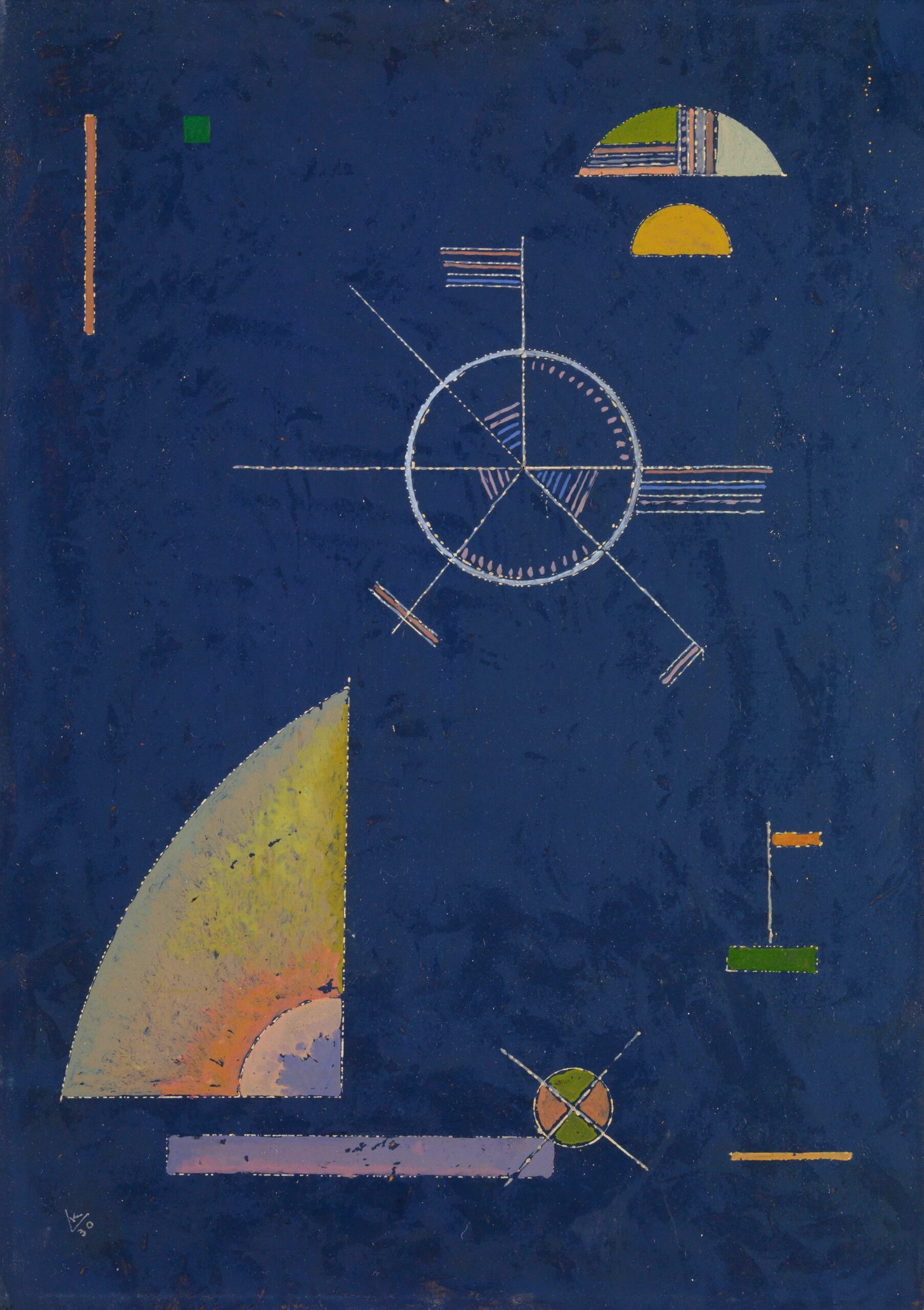
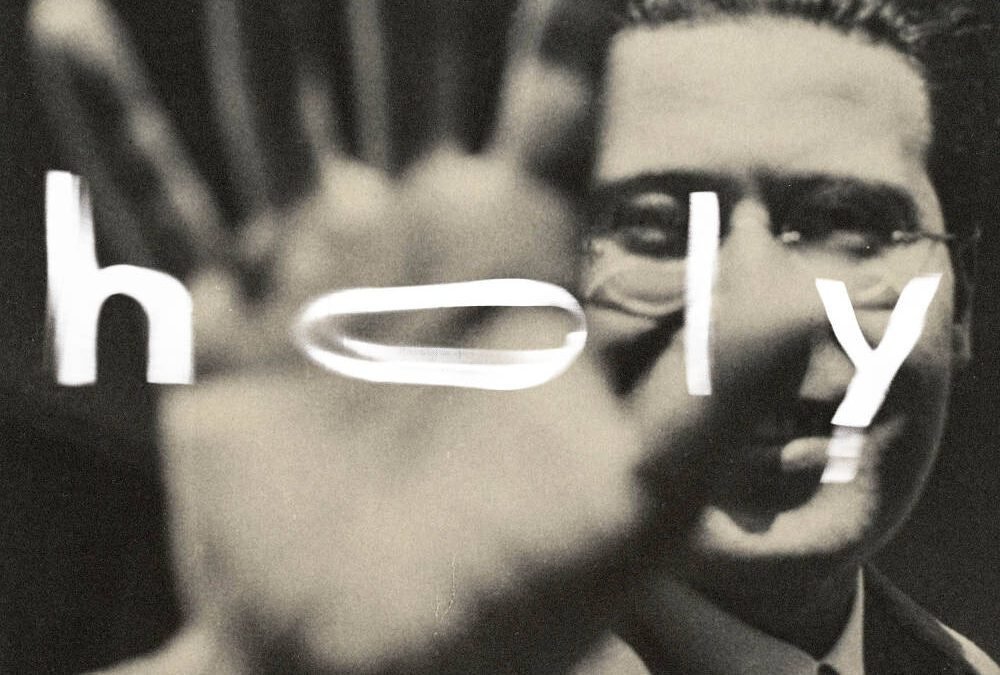
Writer, theorist, teacher, painter, philosopher, photographer, sculptor and curator, László Moholy-Nagy (1895–1946) was one of 20th-century art’s great innovators. ‘Openness to exploration, to experimentation, is very much part of his aesthetic’, affirms Carol Eliel, who curated Moholy-Nagy: Future Present  at LACMA, the first American retrospective of the artist since 1969.

Explore all artists in this collection

Moholy-Nagy became active in the Berlin scene, enthusiastically absorbing Europe’s new art movements. ‘He did a number of drawings and paintings in Hungary which were really influenced by Cubism, before Dada seeped into his consciousness,’ the curator explains. The Dada aesthetic of experimentation and radicalism particularly appealed to Moholy-Nagy, as did Constructivist abstraction.

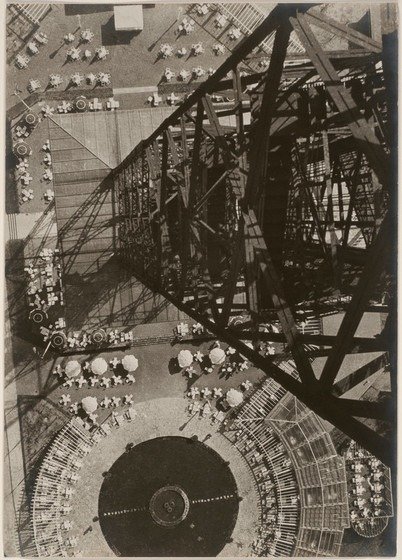
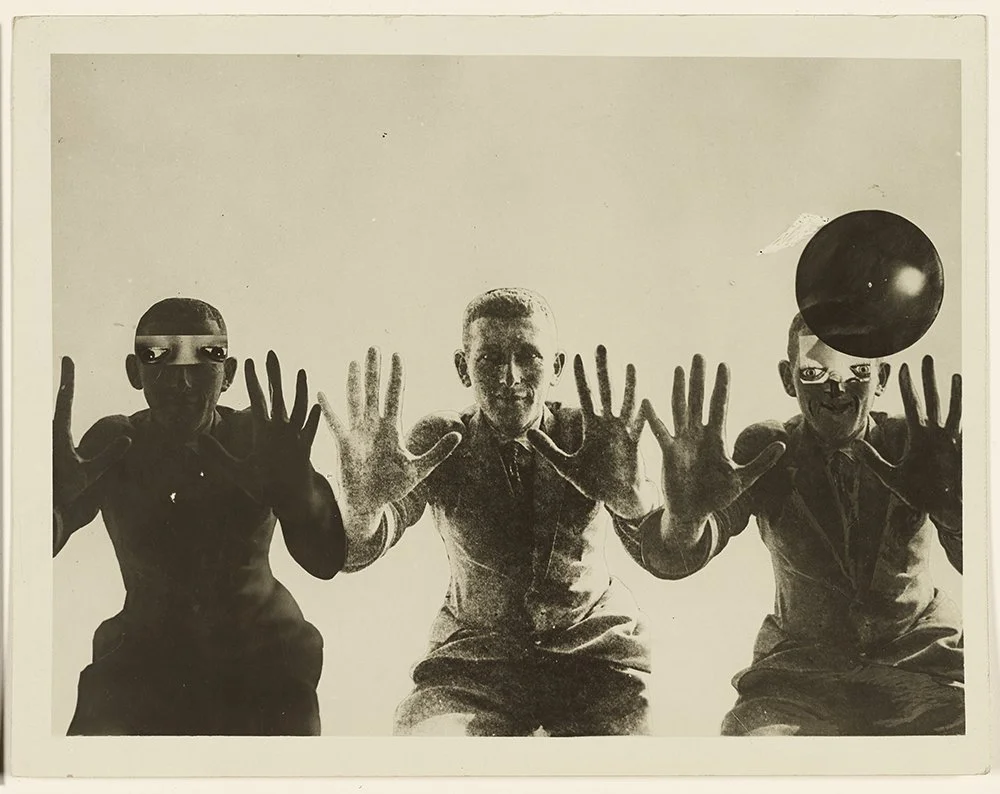
Moholy-Nagy believed that photography was ‘the essential visual vocabulary of the day’, and that a lack of familiarity with photography made one, on an artistic level, ‘illiterate’.

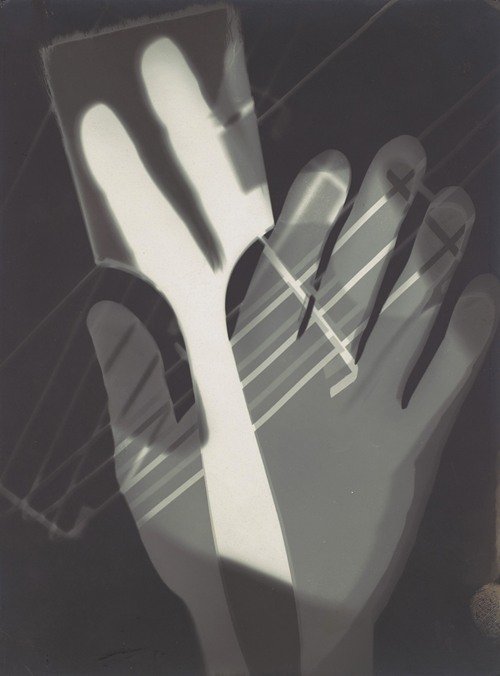
‘The notion of experimentation was critical to his practice,’ continues Eliel, describing how he went on to invent the photogram — a photograph made without a camera. To create a photogram, Moholy-Nagy laid objects on light-sensitive paper and exposed them to light, with a longer exposure creating a brighter image.

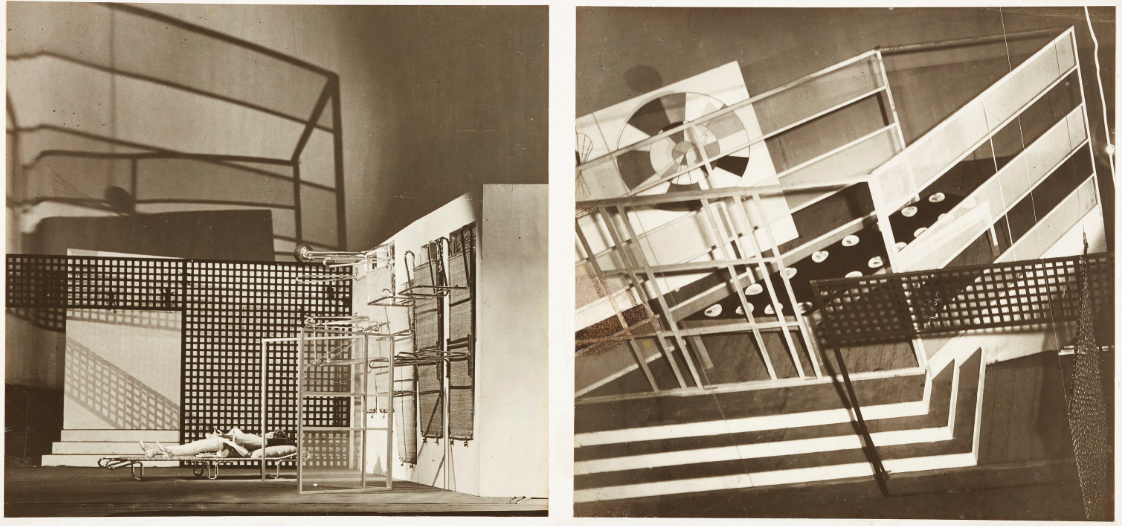
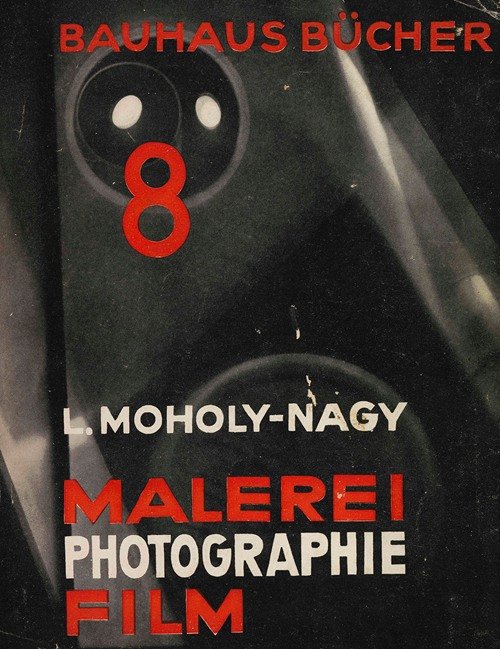
Moholy-Nagy’s artistic reputation grew, bringing with it a career-defining opportunity at the Bauhaus in 1923. ‘Walter Gropius, the head of the Bauhaus at the time, invited him to teach there. Moholy-Nagy was interested in the connections between art, industry and technology, and Gropius wanted to strengthen that aspect of training,’ Eliel explains.

Moholy-Nagy taught the foundation course as well as in the metal workshop, but his role went considerably beyond that of teacher, says the curator. ‘Moholy-Nagy was very influential in creating — with others — the graphic look of the Bauhaus. He became a pillar of Bauhaus aesthetics.’
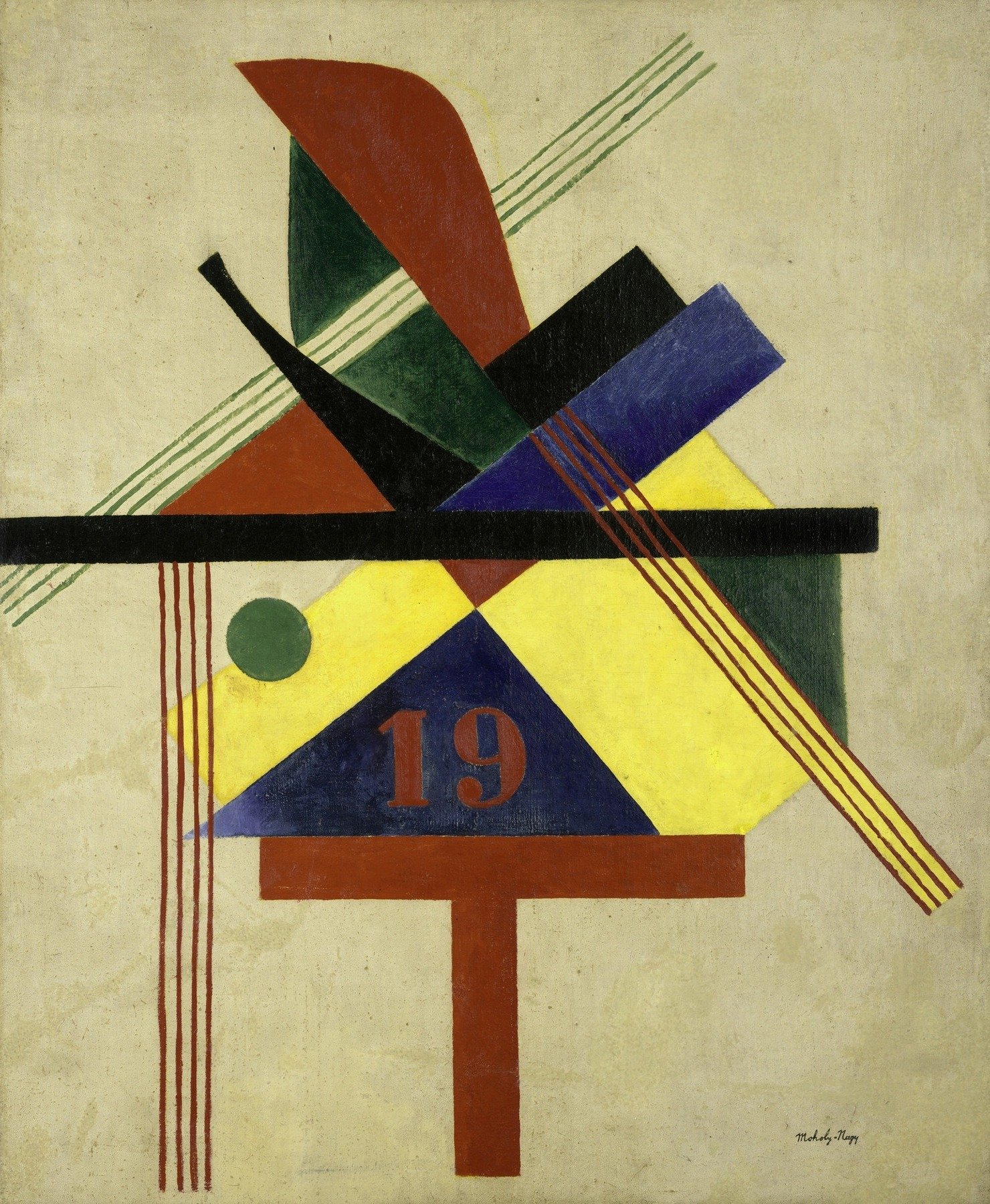
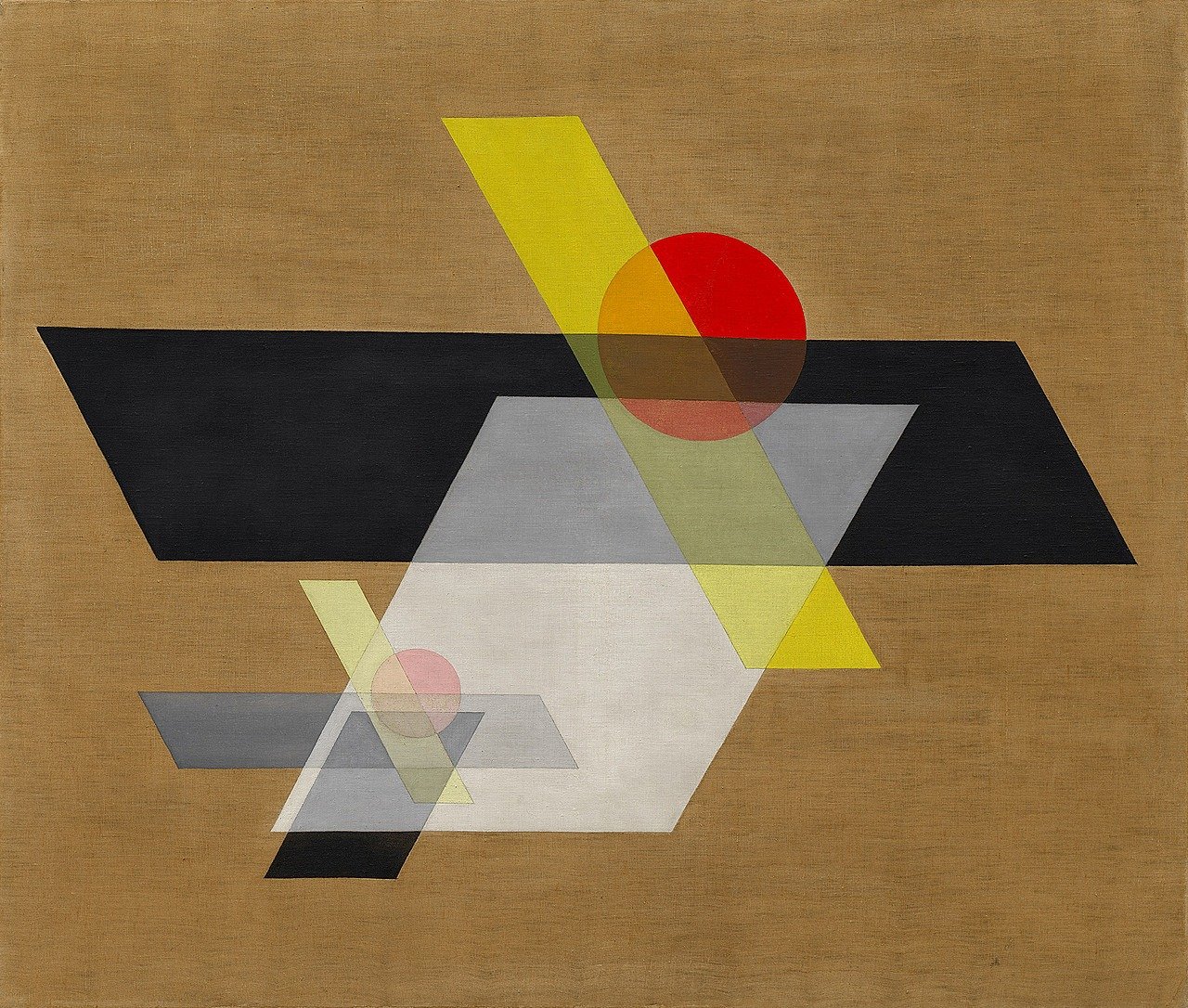
Moholy-Nagy died in 1946, at the age of 51. Had he lived to see the computer age, believes Eliel, he would have been thrilled. ‘He would be all over digital media, computer art and the internet,’ she says. ‘Those are exactly the kind of intellectual ideas that would have completely fascinated and inspired him — the notion of the endlessly reproducible image that can go out into the world on a multitude of platforms is something he would have loved.’

—Source: Christie's
Explore all artists in this collection

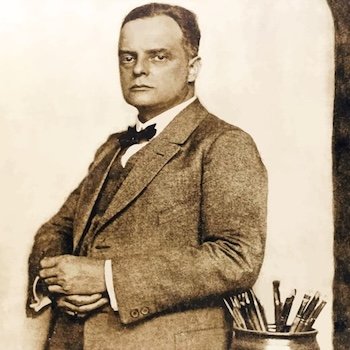
Paul Klee

Paul Klee

Paul Klee

(1879 - 1940)

Explore all artists in this collection

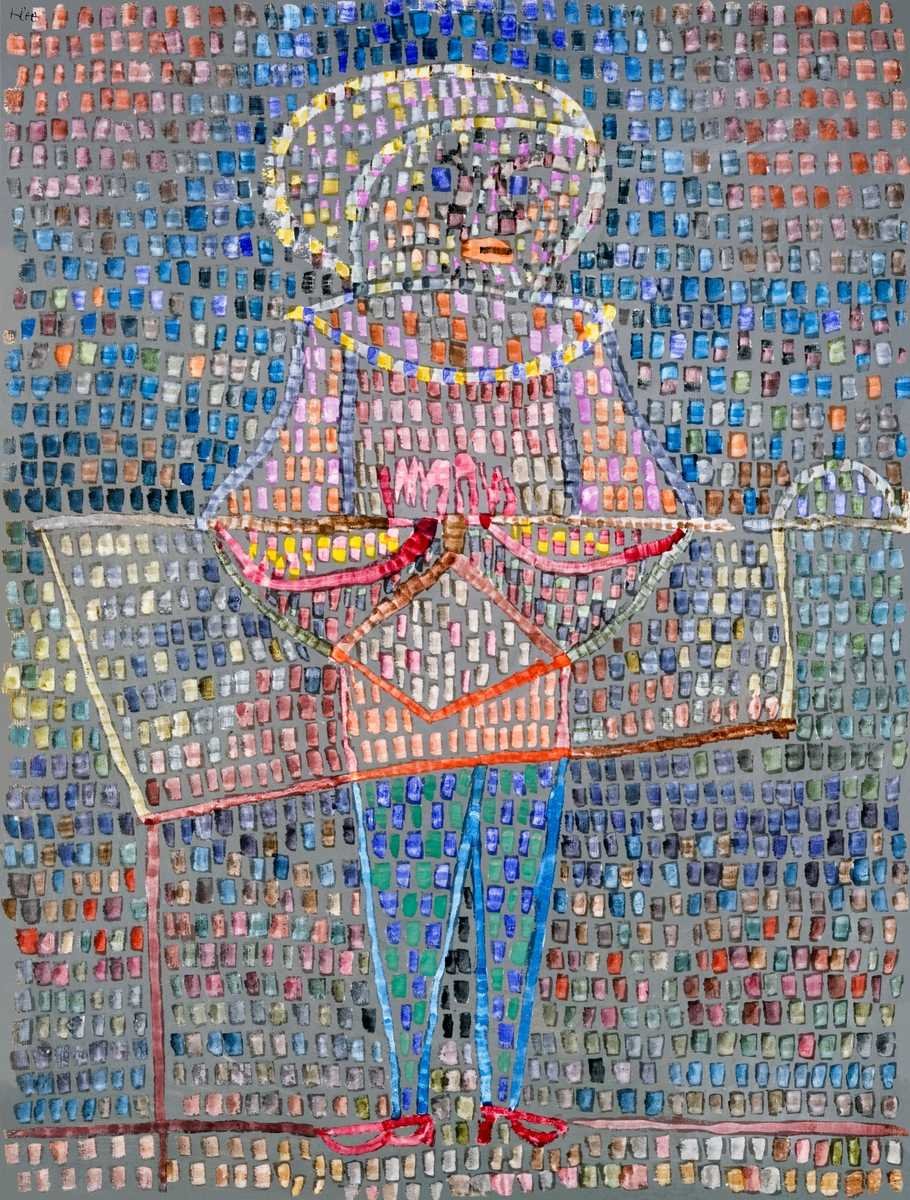
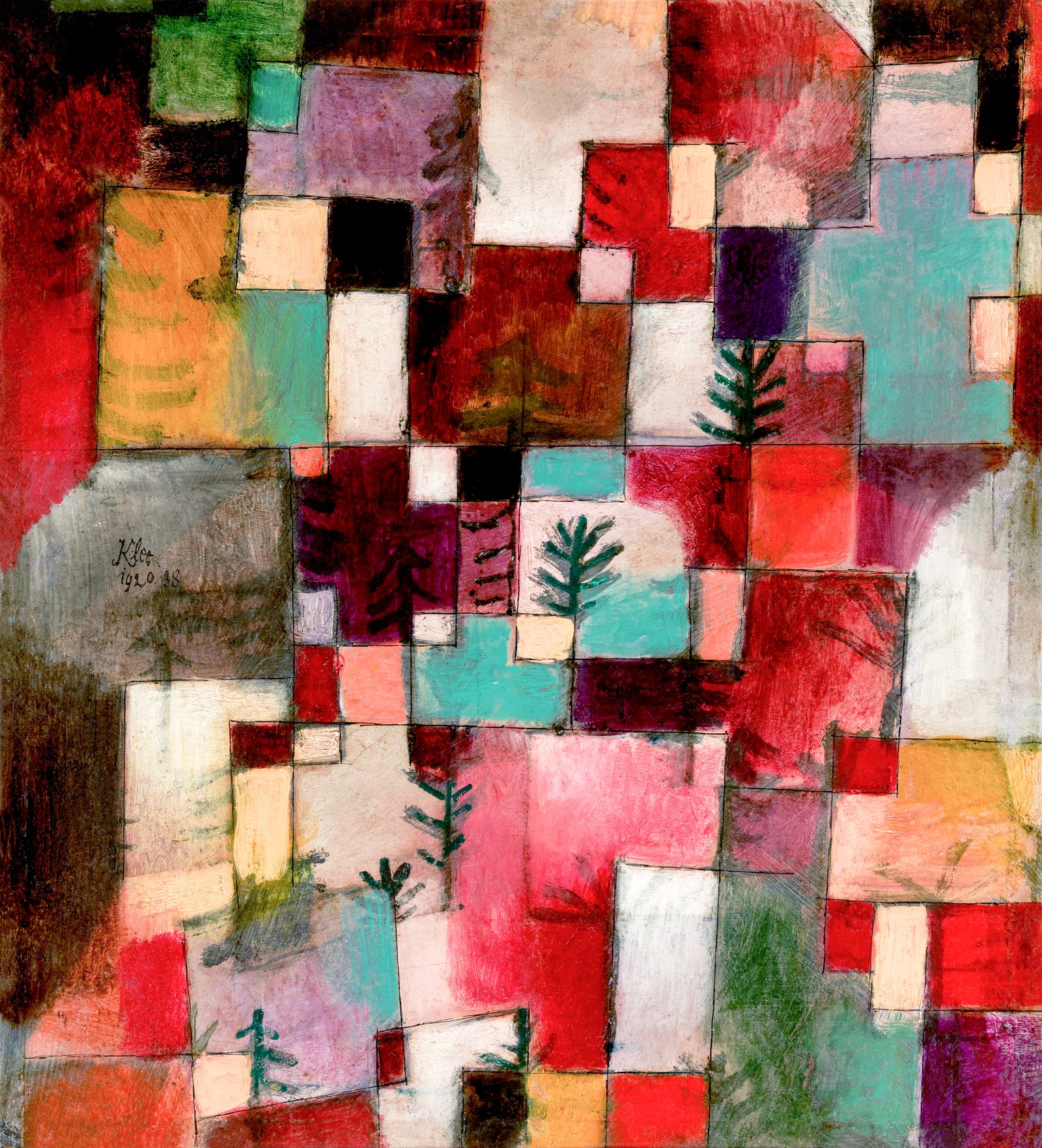
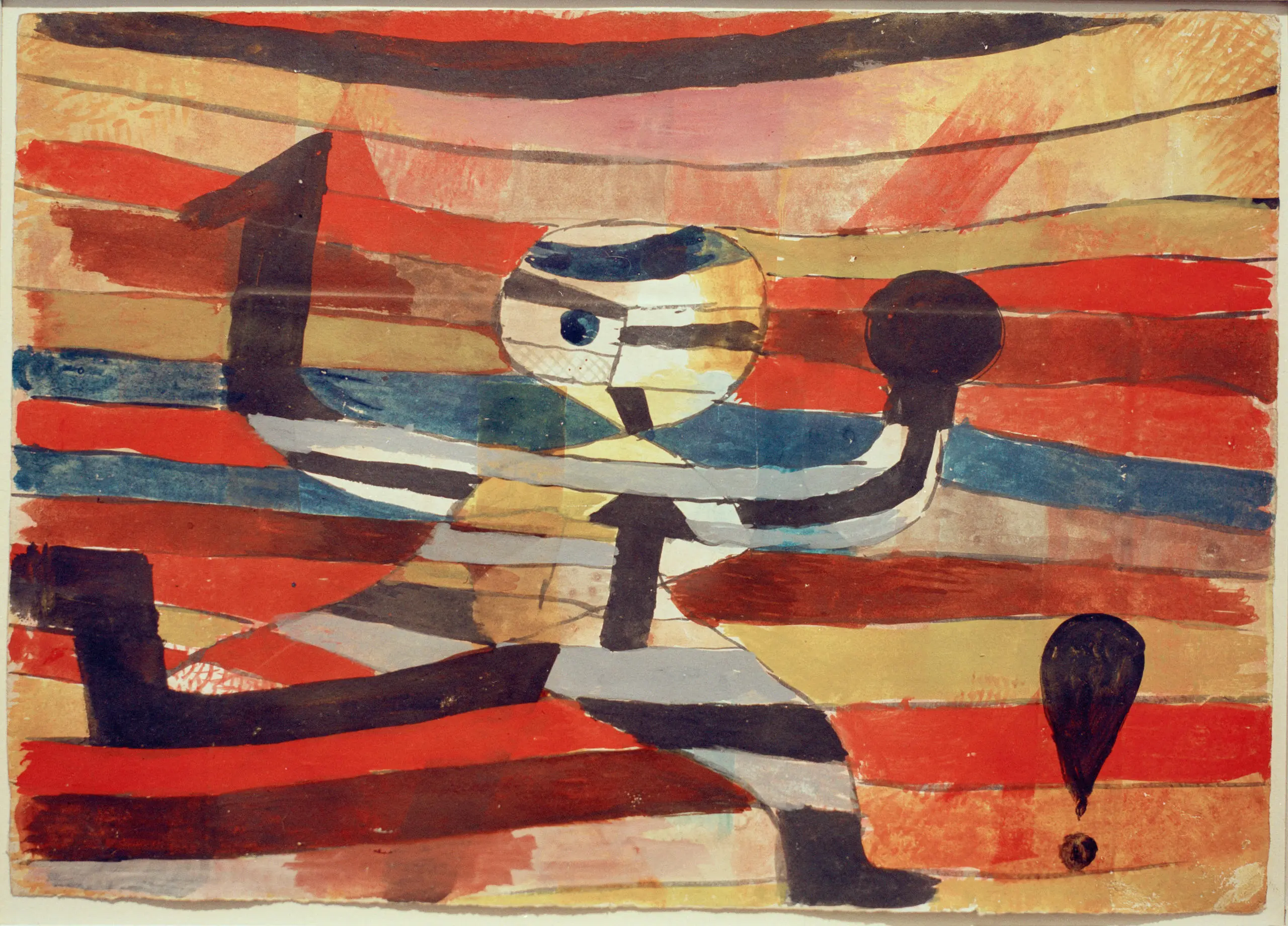
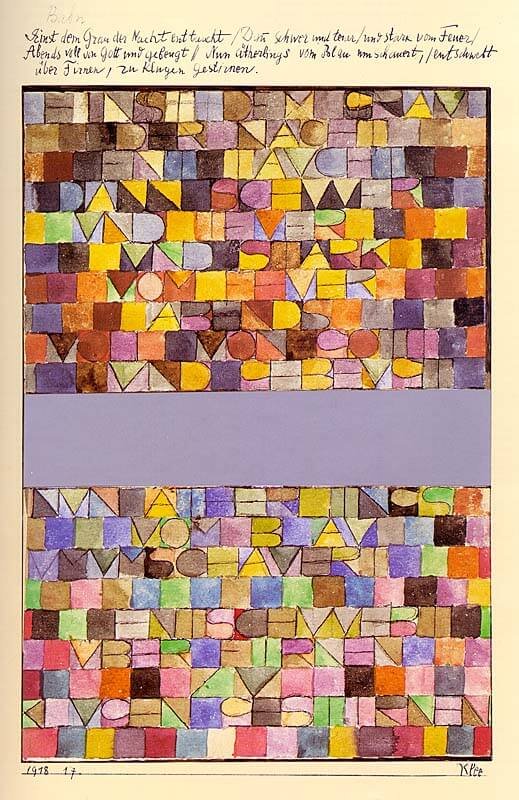
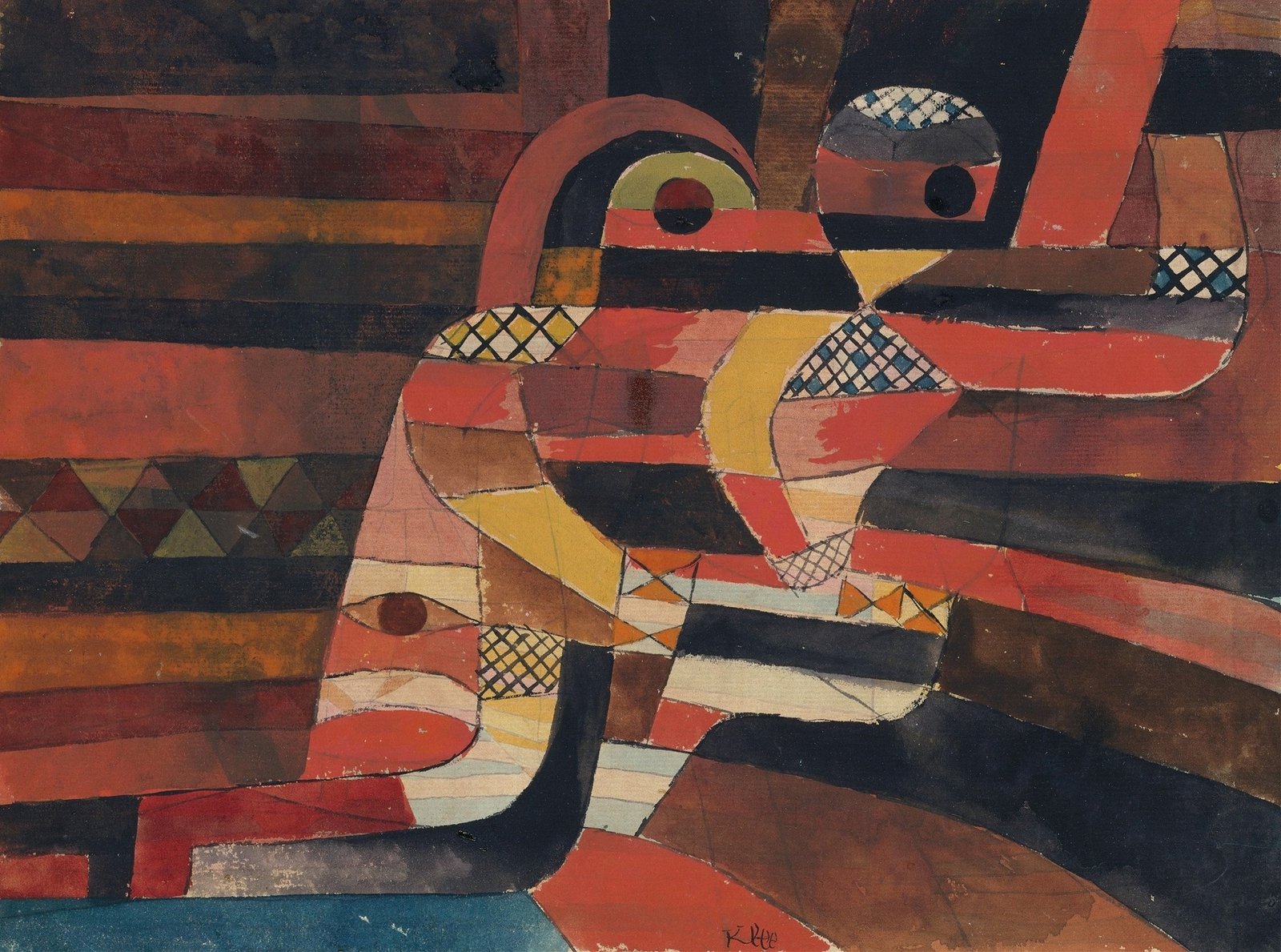
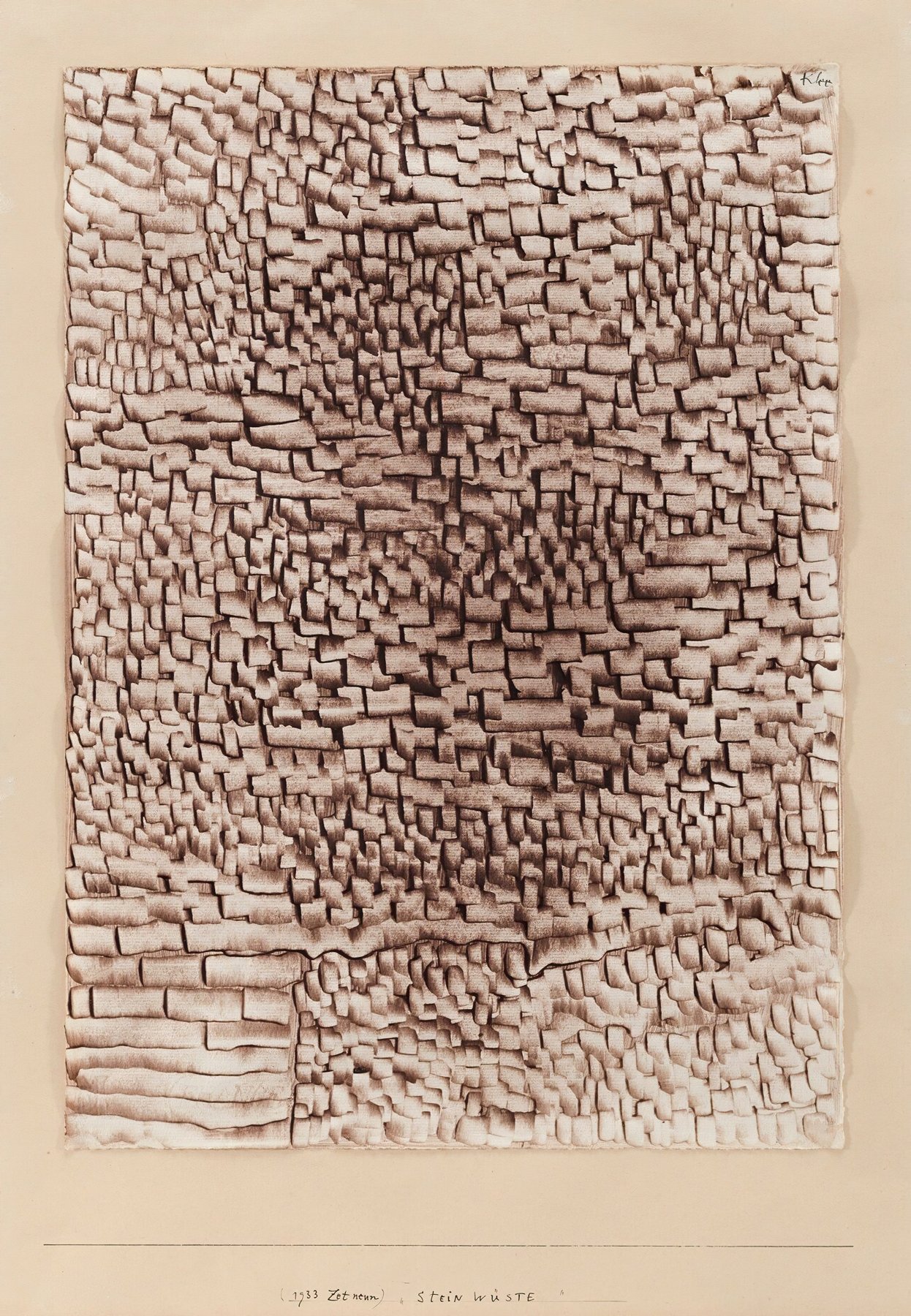
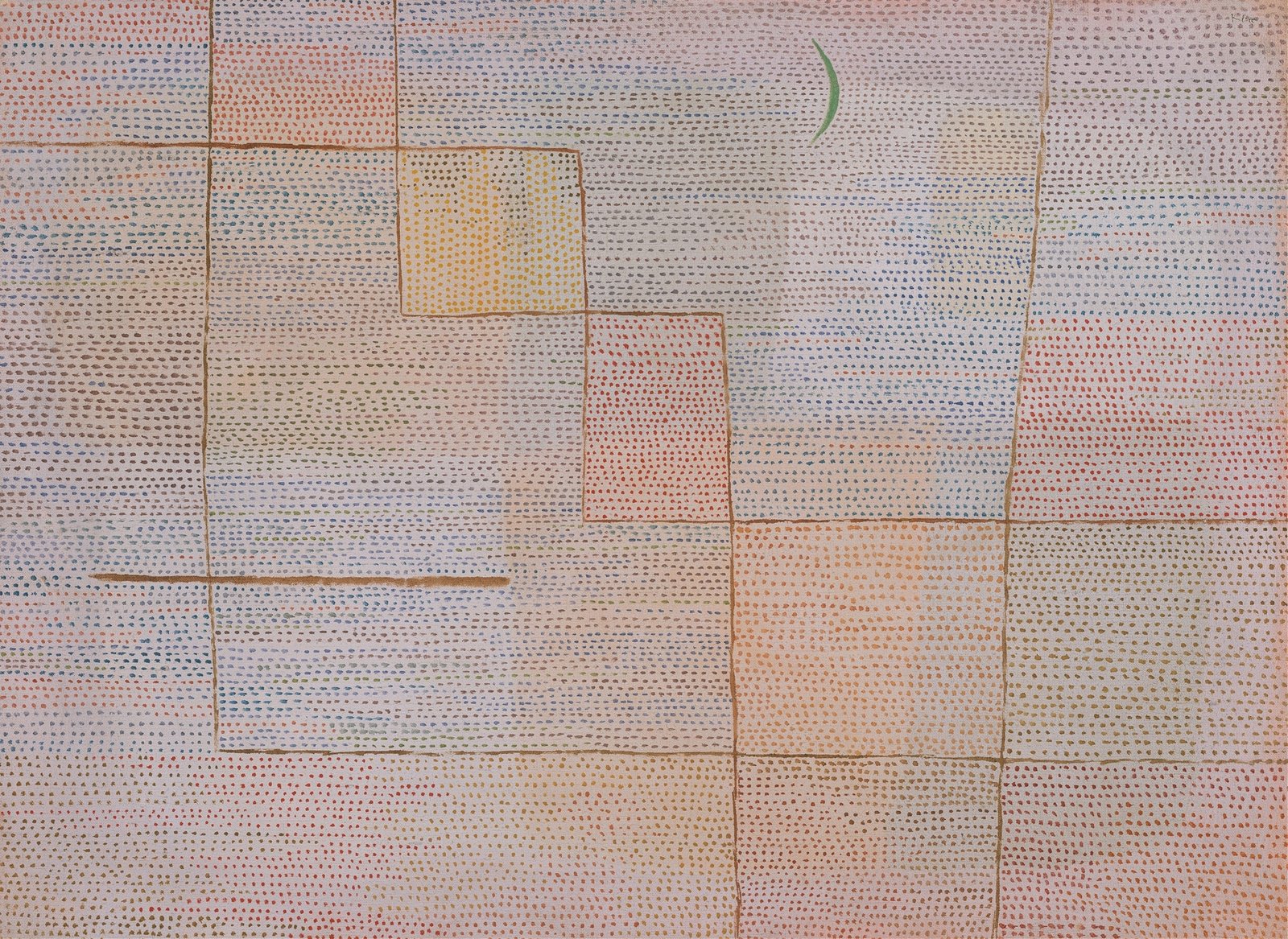
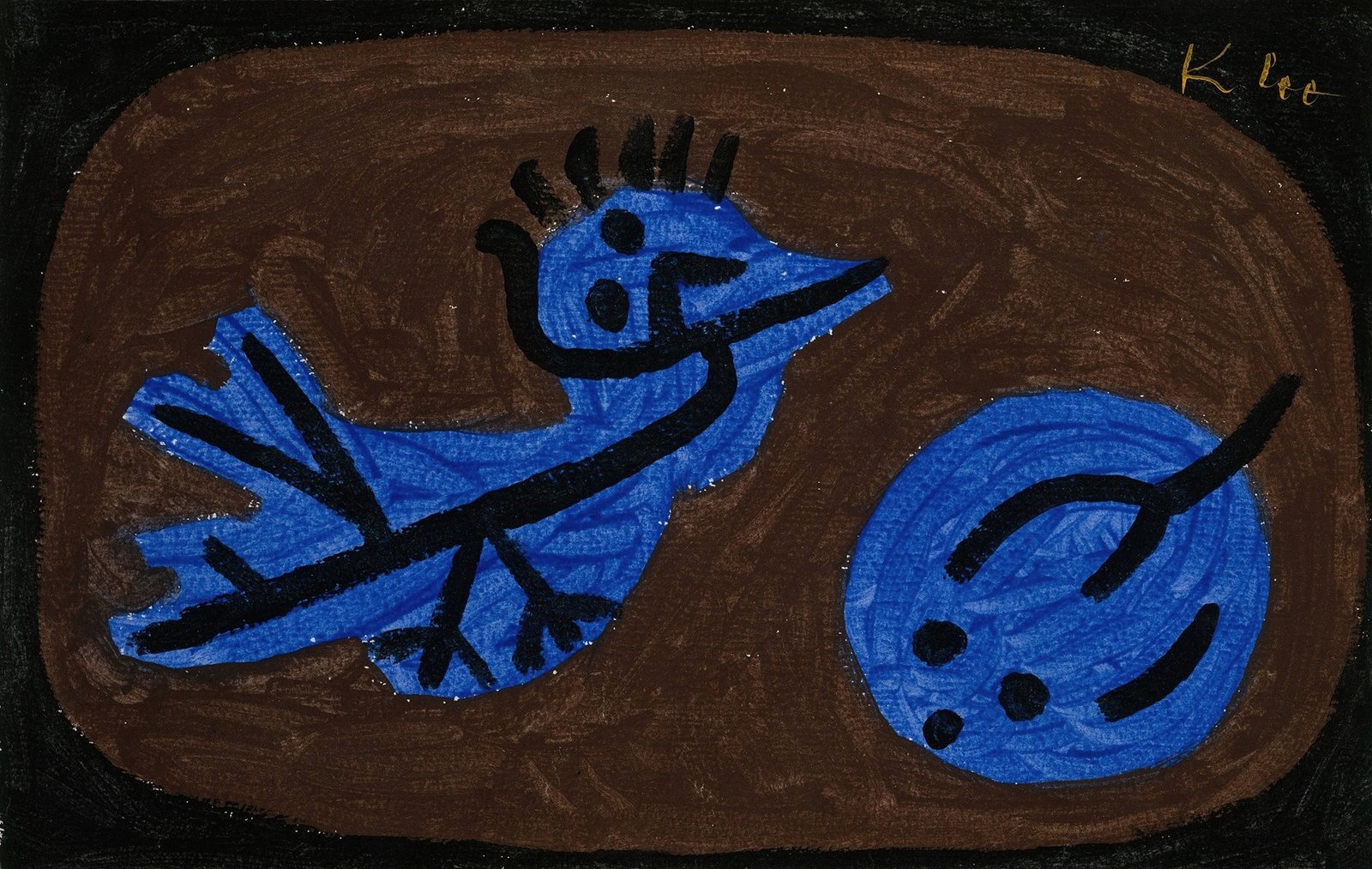
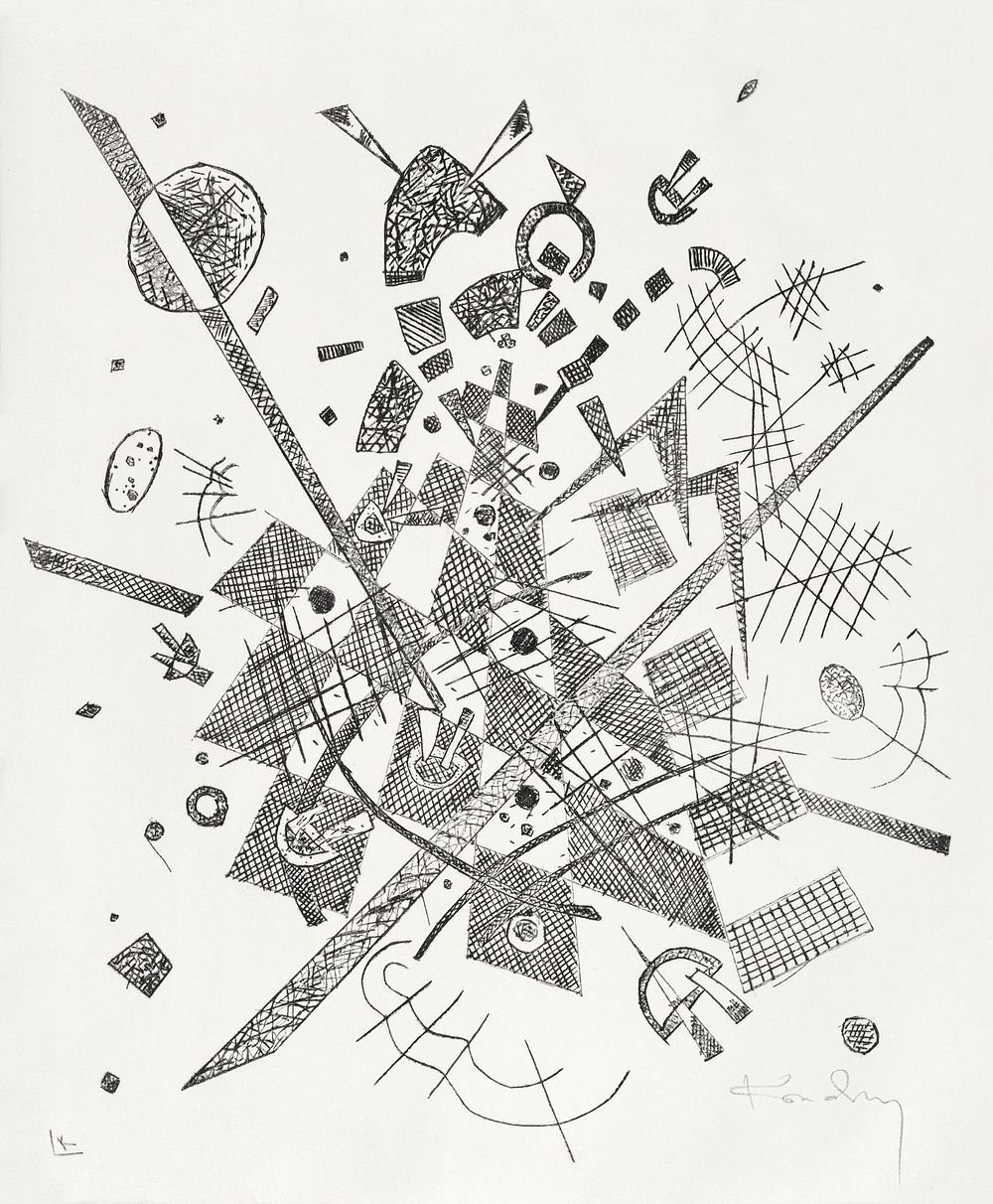
Paul Klee was a Swiss-born German artist. His highly individual style was influenced by movements in art that included expressionism, cubism, and surrealism.

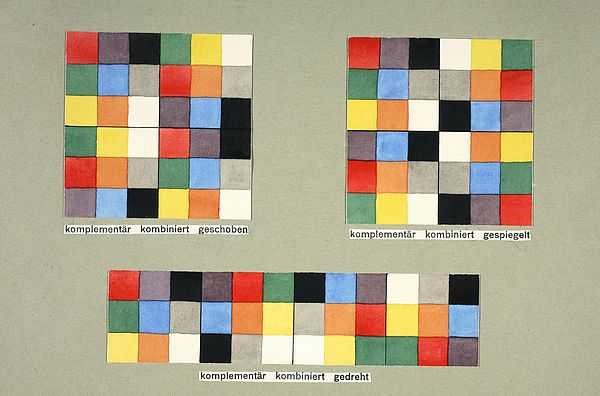
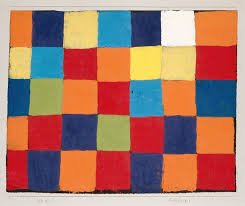
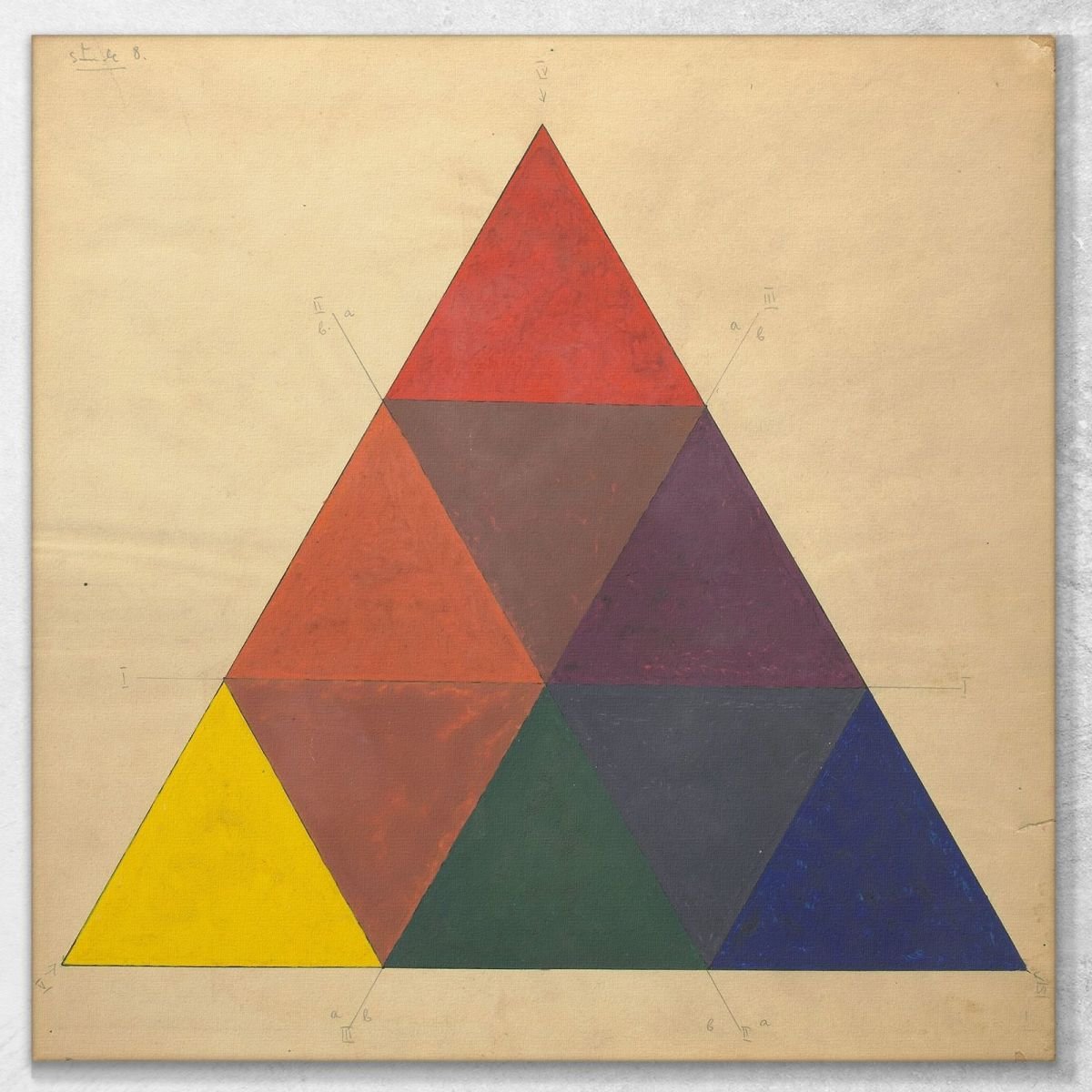
Klee was a natural draftsman who experimented with and eventually deeply explored color theory, writing about it extensively. His lectures Writings on Form and Design Theory (Schriften zur Form und Gestaltungslehre), published in English as the Paul Klee Notebooks, are held to be as important for modern art as Leonardo da Vinci's A Treatise on Painting was for the Renaissance.
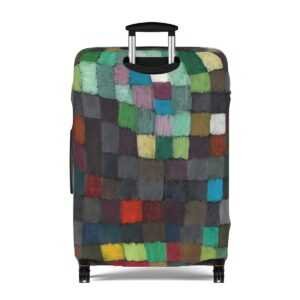
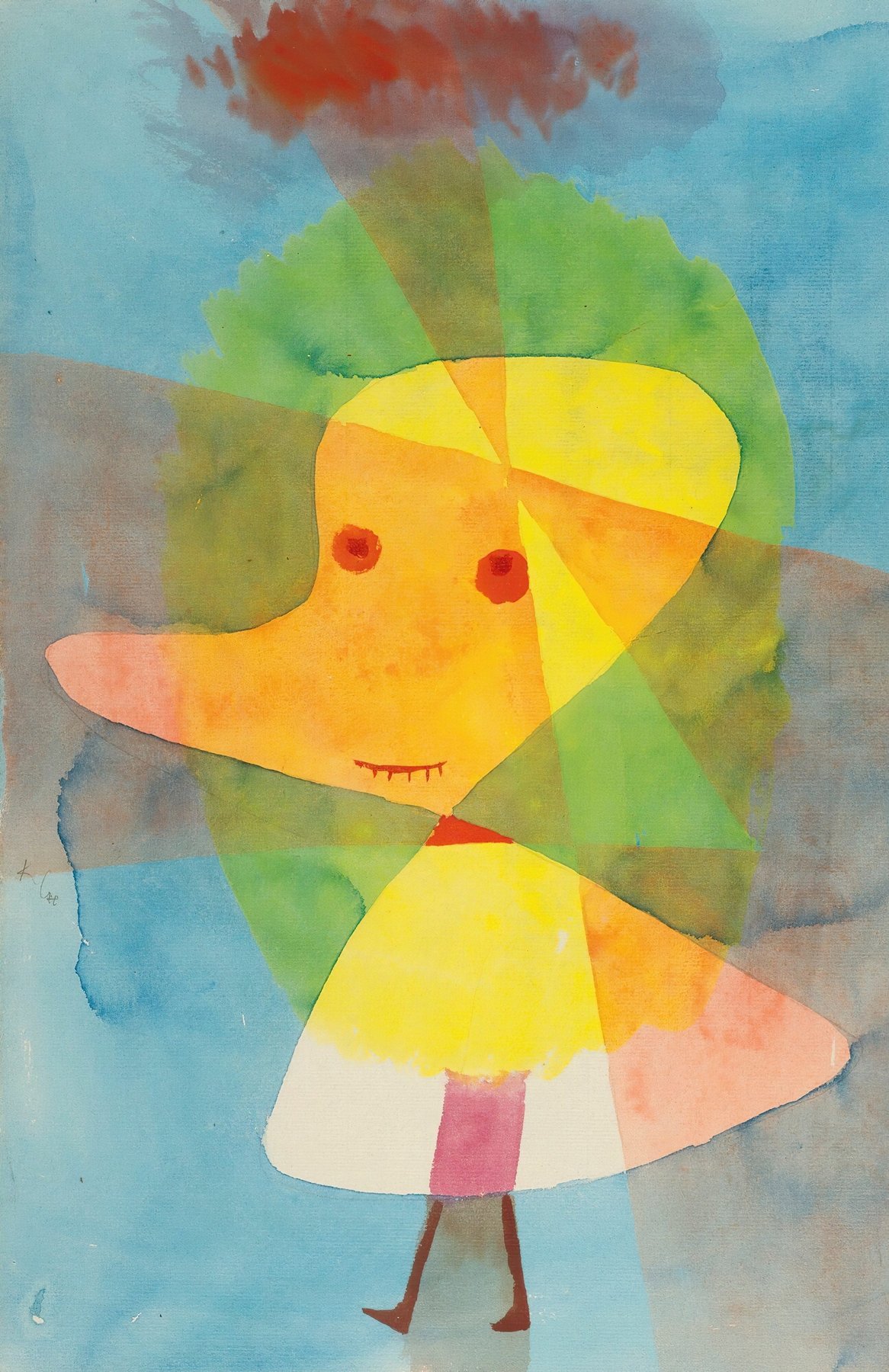
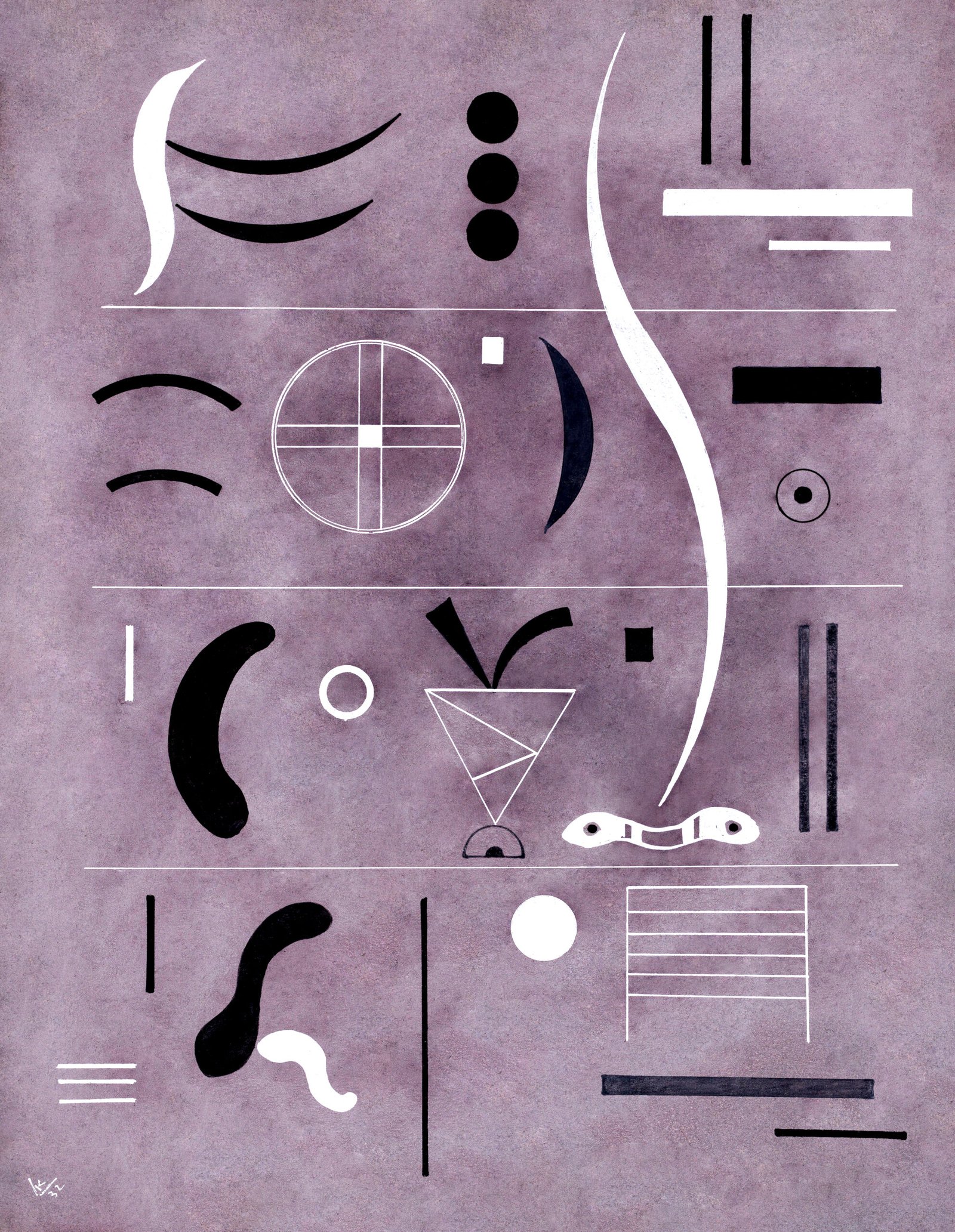
He and his colleague, Russian painter Wassily Kandinsky, both taught at the Bauhaus school of art, design and architecture in Germany. His works reflect his dry humor and his sometimes childlike perspective, his personal moods and beliefs, and his musicality.

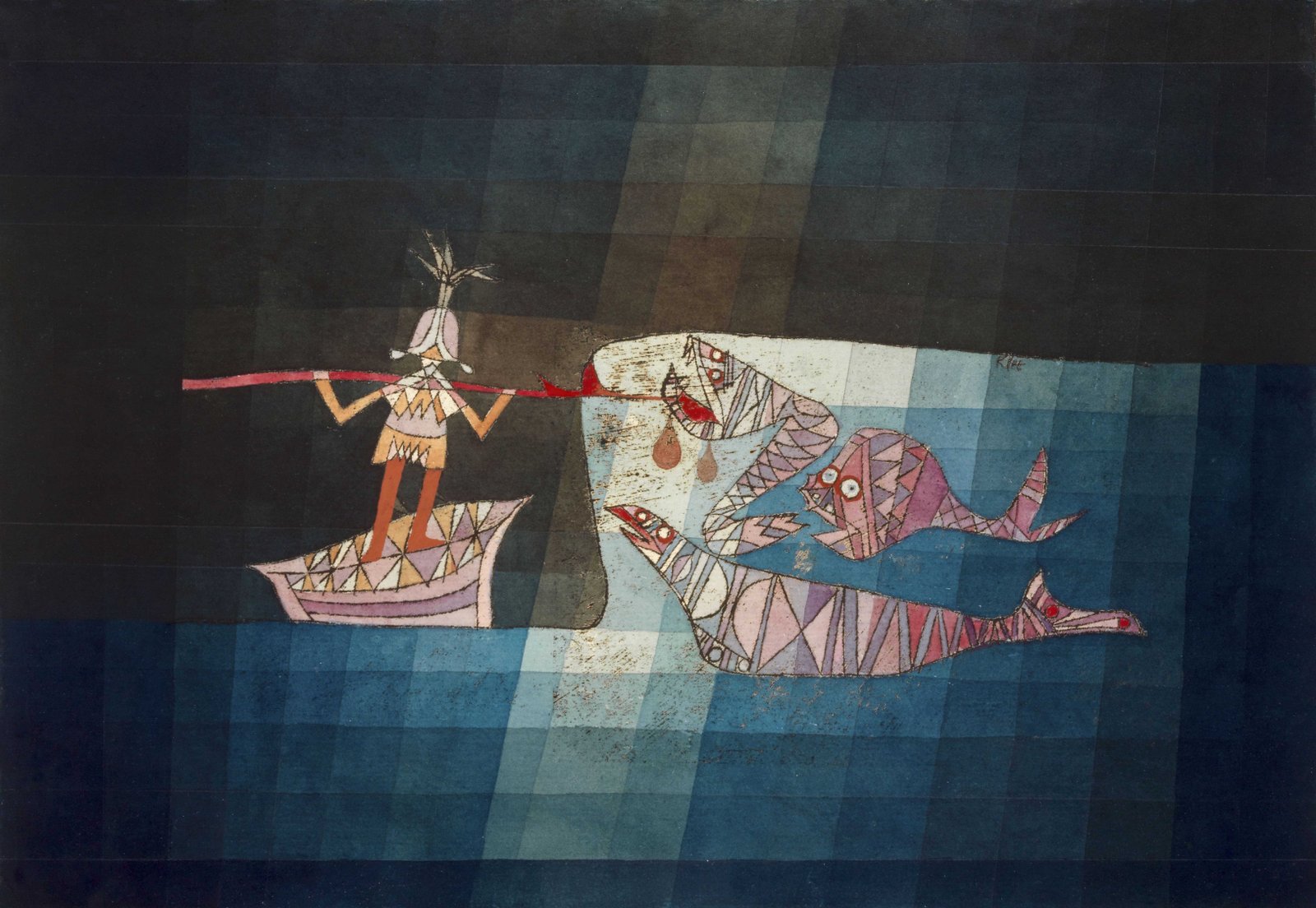
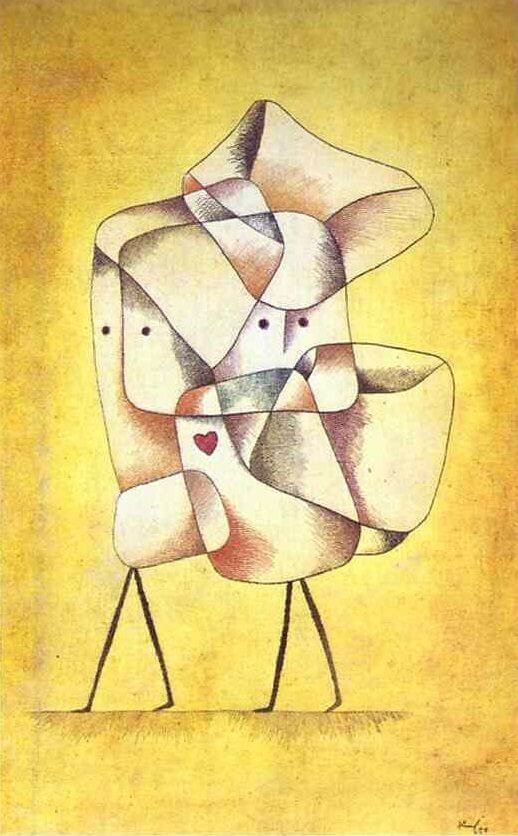
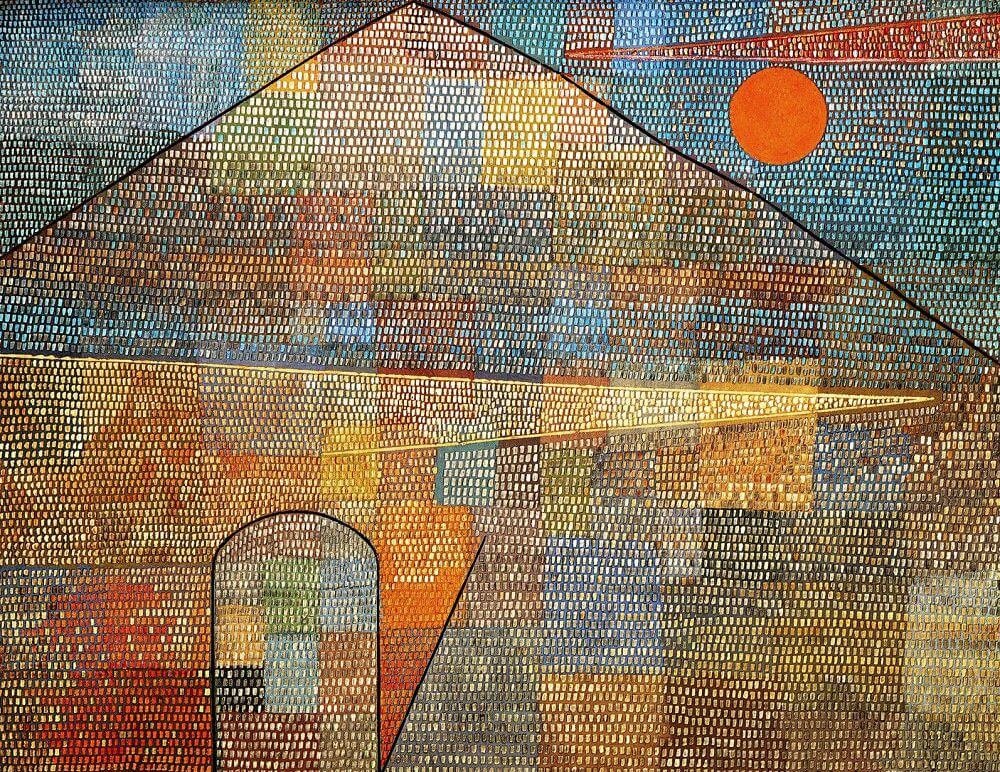
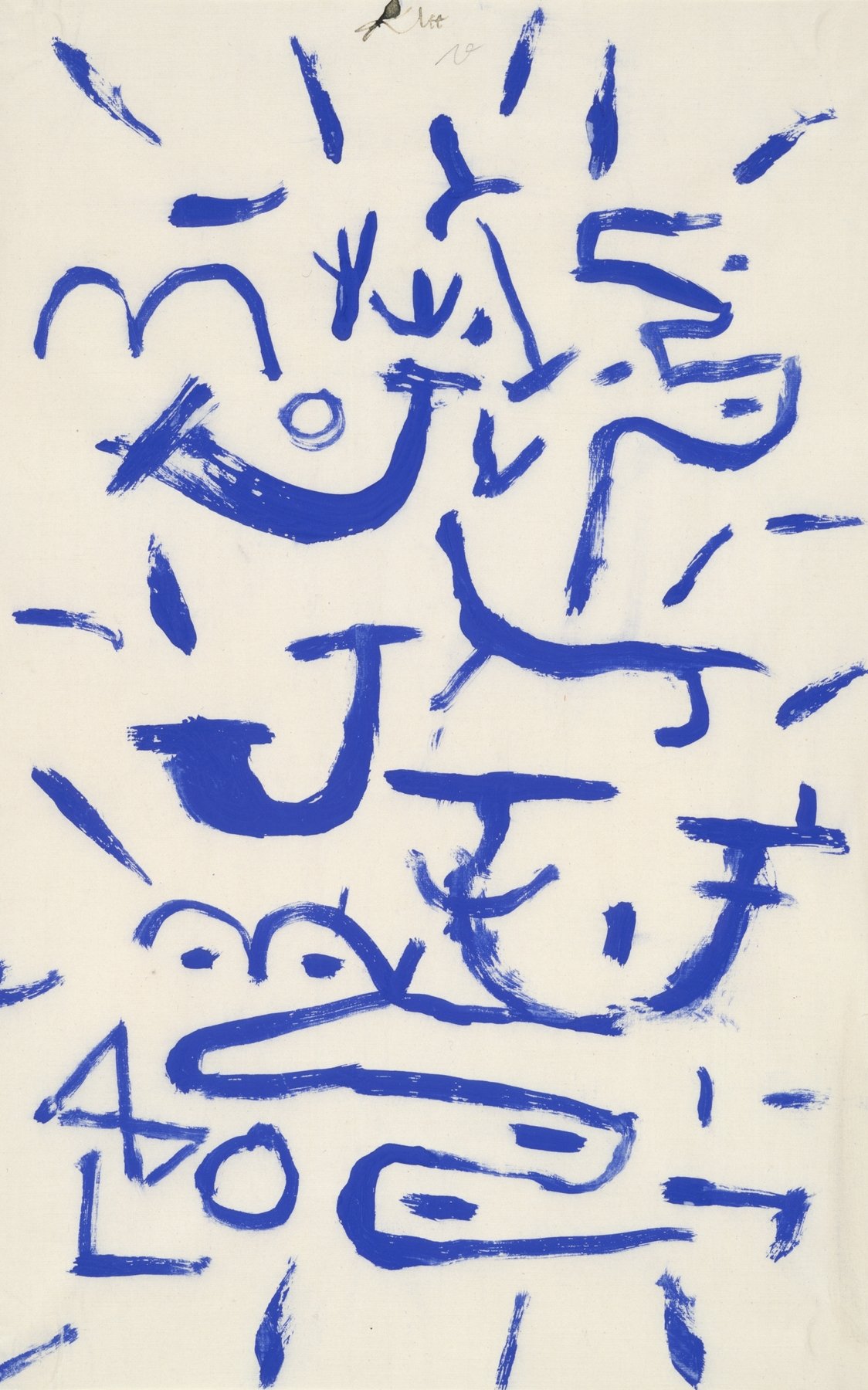
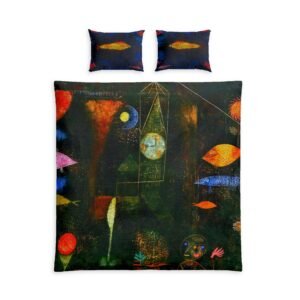
Klee is known for his simple stick figures, suspended fish, moon faces, eyes, arrows, and quilts of color, which he orchestrated into fantastic and childlike yet deeply meditative works.

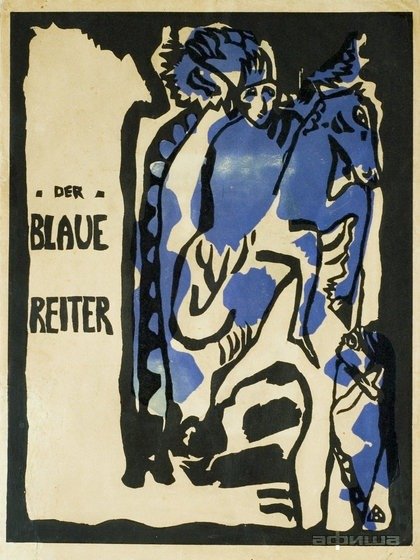
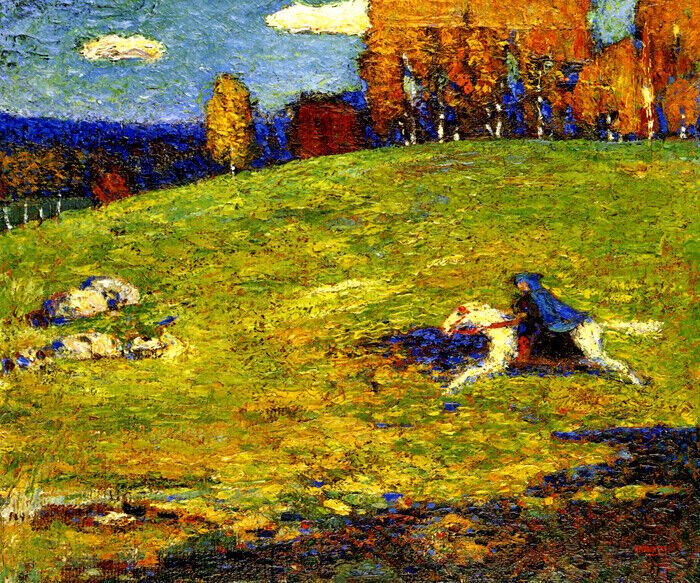
His training as a painter began in 1898 when he studied drawing and painting in Munich for three years. By 1911, he had returned to that city, where he became involved with the German Expressionist group Der Blaue Reiter (The Blue Rider), founded by Vasily Kandinsky and Franz Marc in 1911. Klee and Kandinsky became lifelong friends, and the support of the older painter provided much-needed encouragement. Until then, Klee had worked in relative isolation, experimenting with various styles and media, such as making caricatures and Symbolist drawings, and later producing small works on paper mainly in black and white. His work was also influenced by the Cubism of Pablo Picasso and Georges Braque, and the abstract translucent color planes of Robert Delaunay.

Explore all artists in this collection

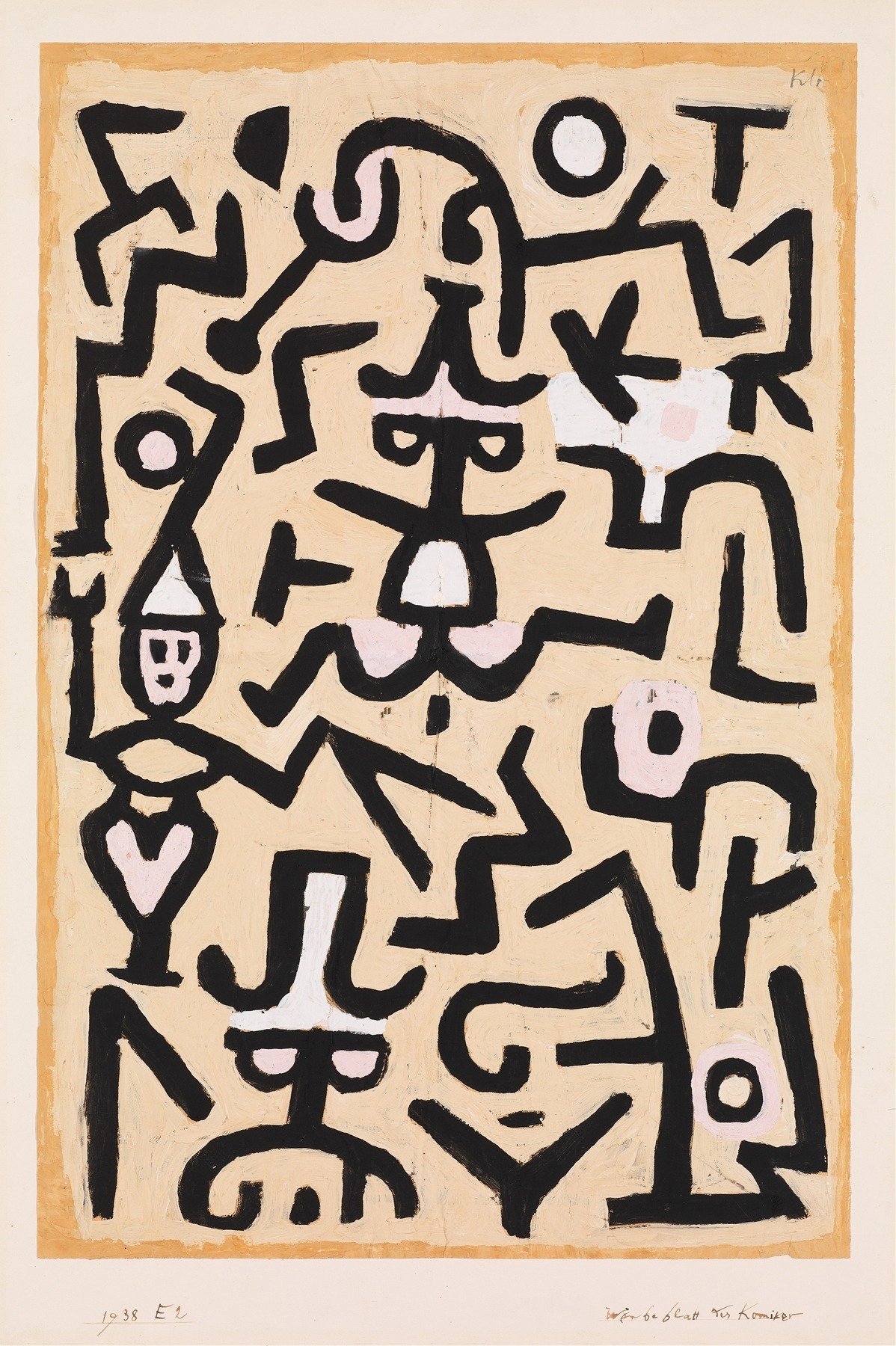
From 1931 to December 1933, Klee taught at the Academy of Fine Arts in Düsseldorf. When the National Socialists declared his art “degenerate” in 1933, Klee returned to his native Bern. Personal hardship and the increasing gravity of the political situation in Europe are reflected in the somber tone of his late work. Lines turn into black bars, forms become broad and generalized, scale larger, and colors simpler, as in Comedians’ Handbill (1938; 1984.315.57) or Angel Applicant (1939; 1984.315.60).

Wassily Kandinsky

Wassily Kandinsky

Wassily Kandinsky

(1866 - 1944)

Explore all artists in this collection

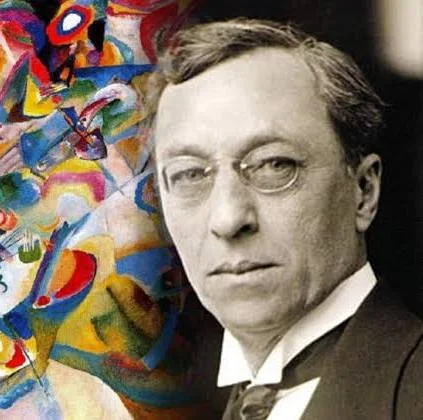
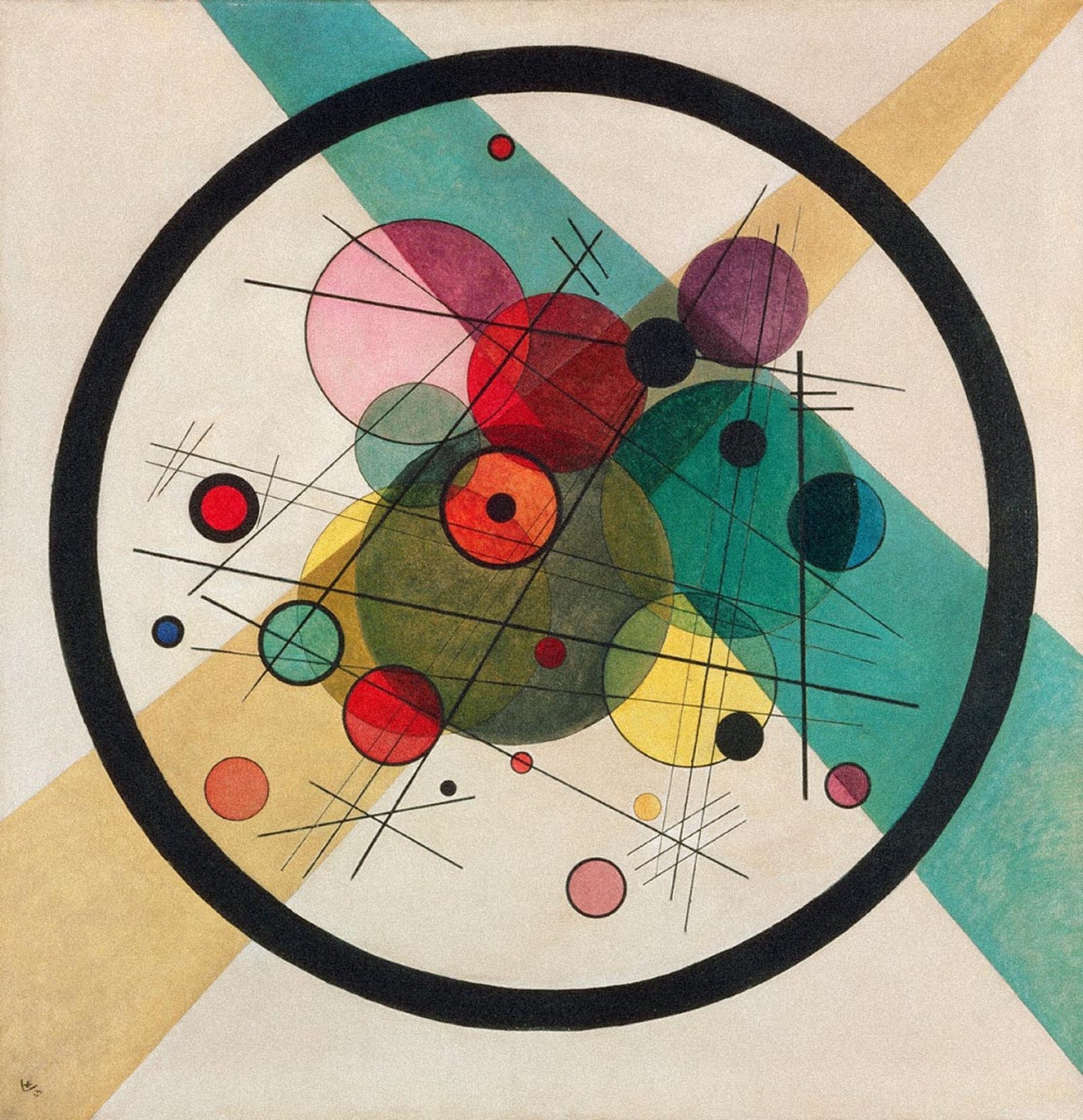
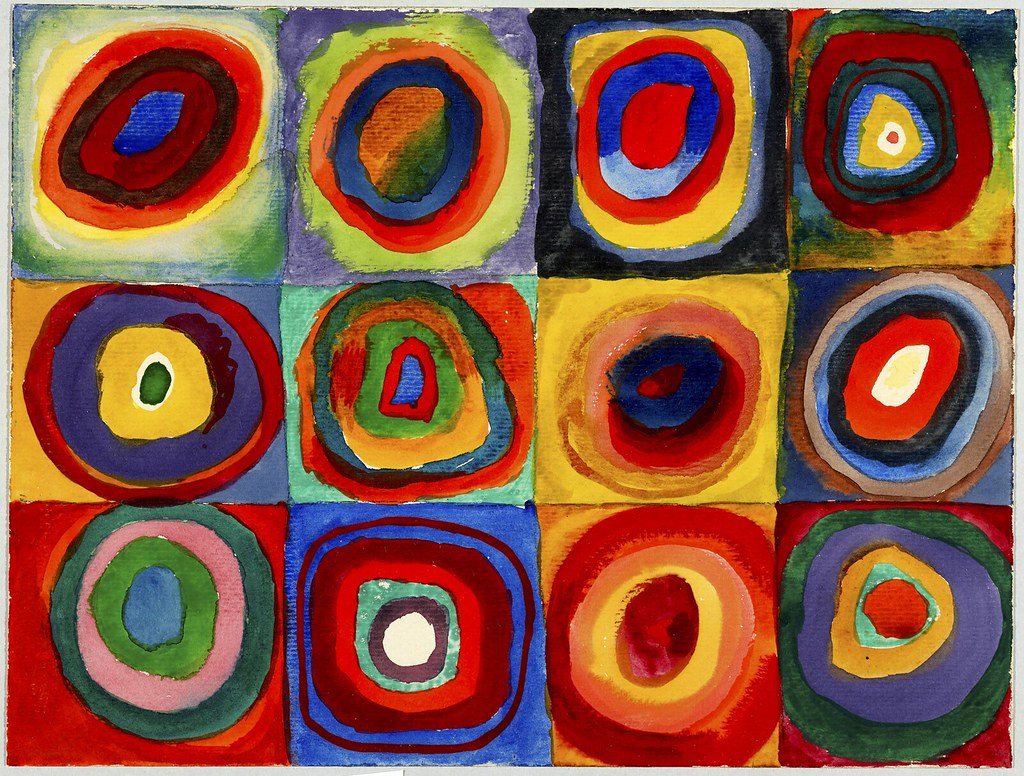
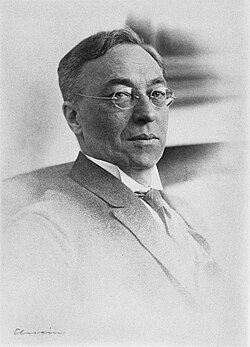
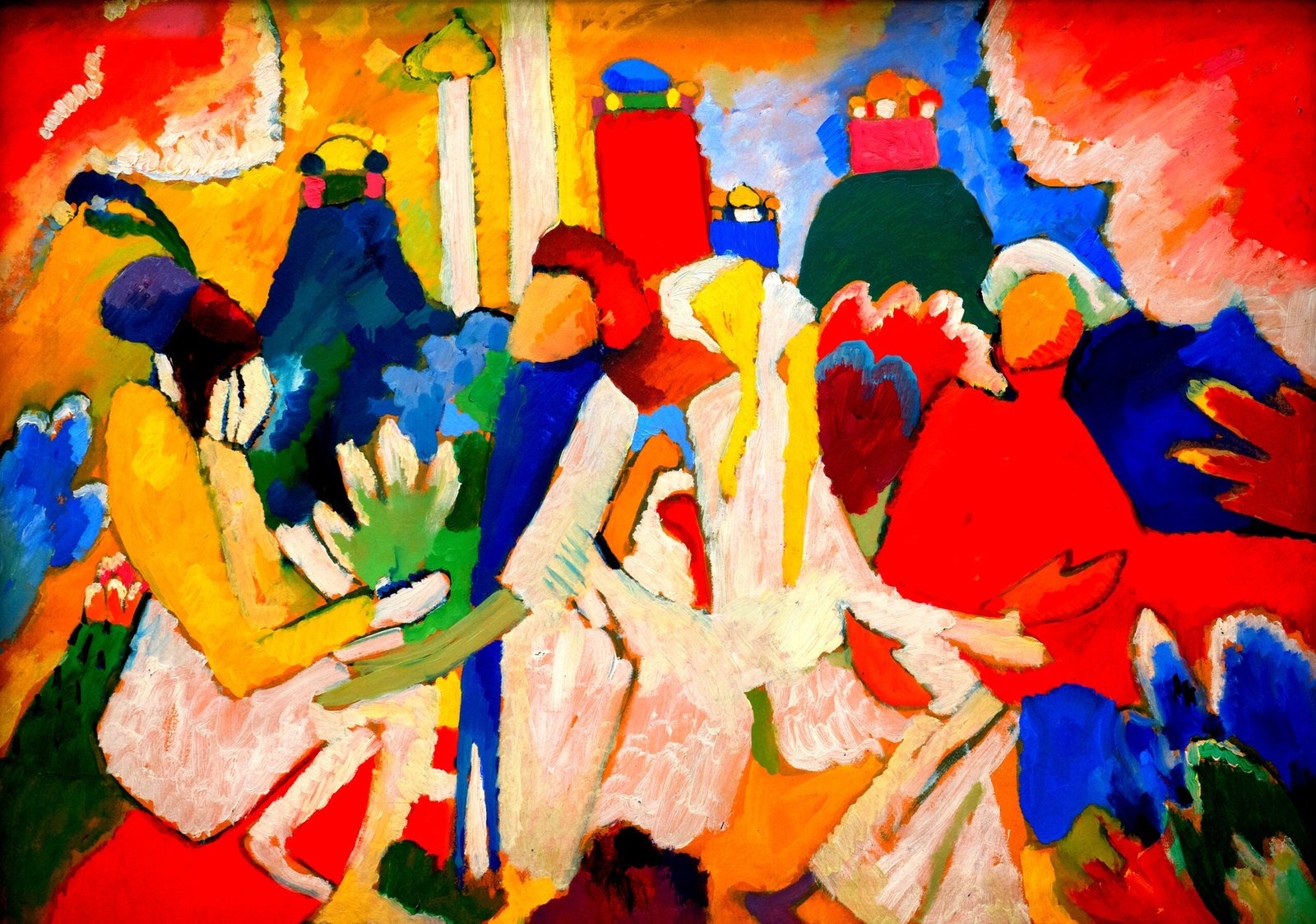
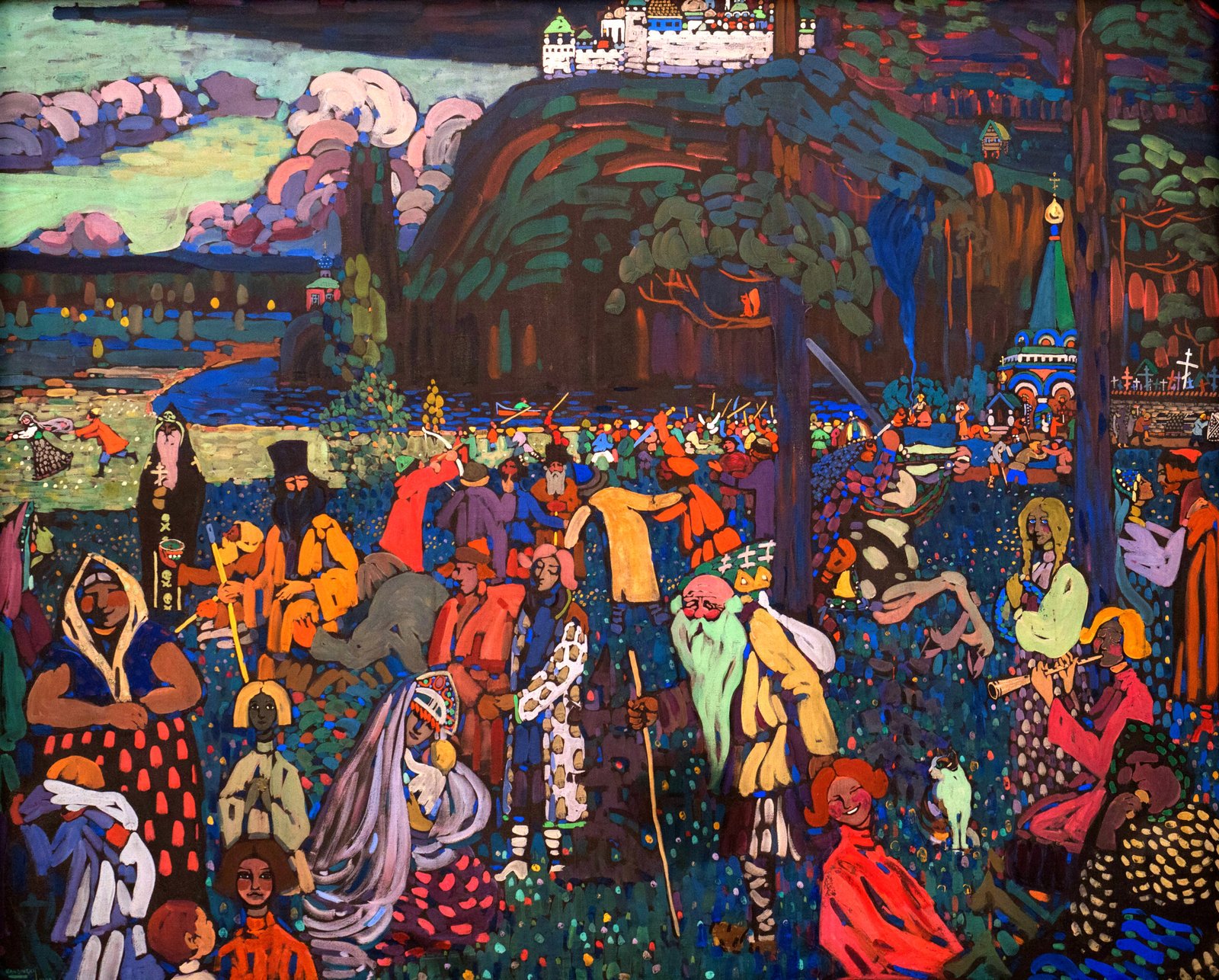
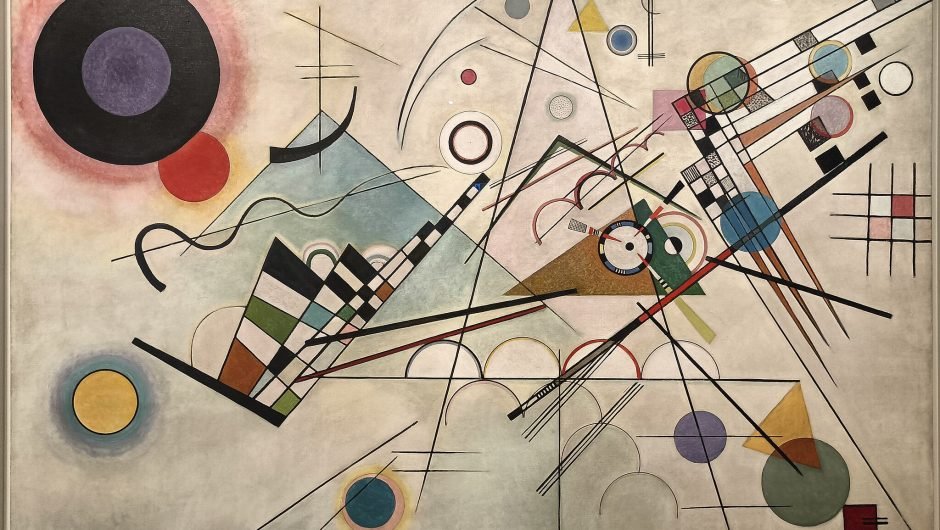
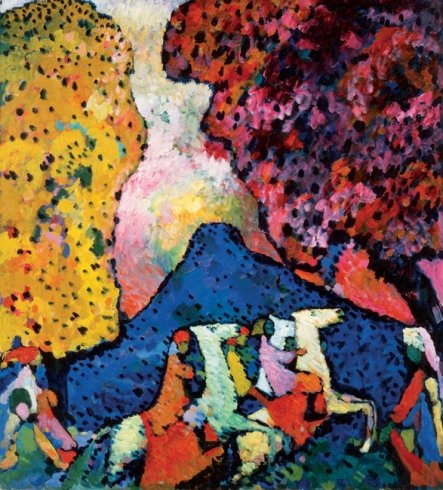
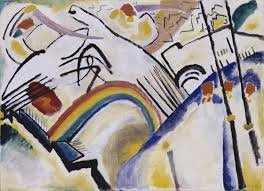
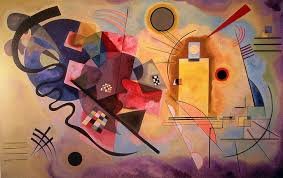
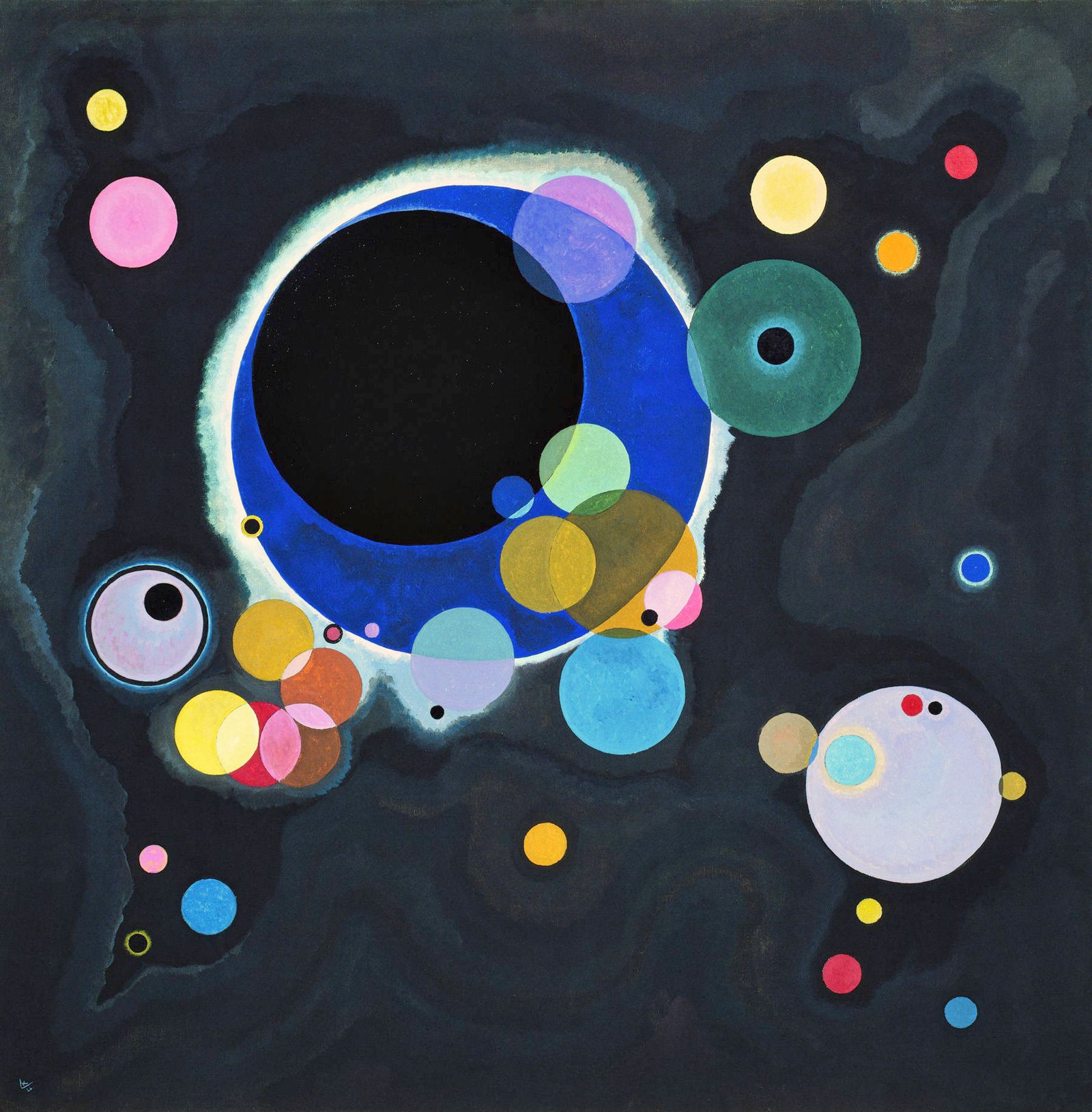
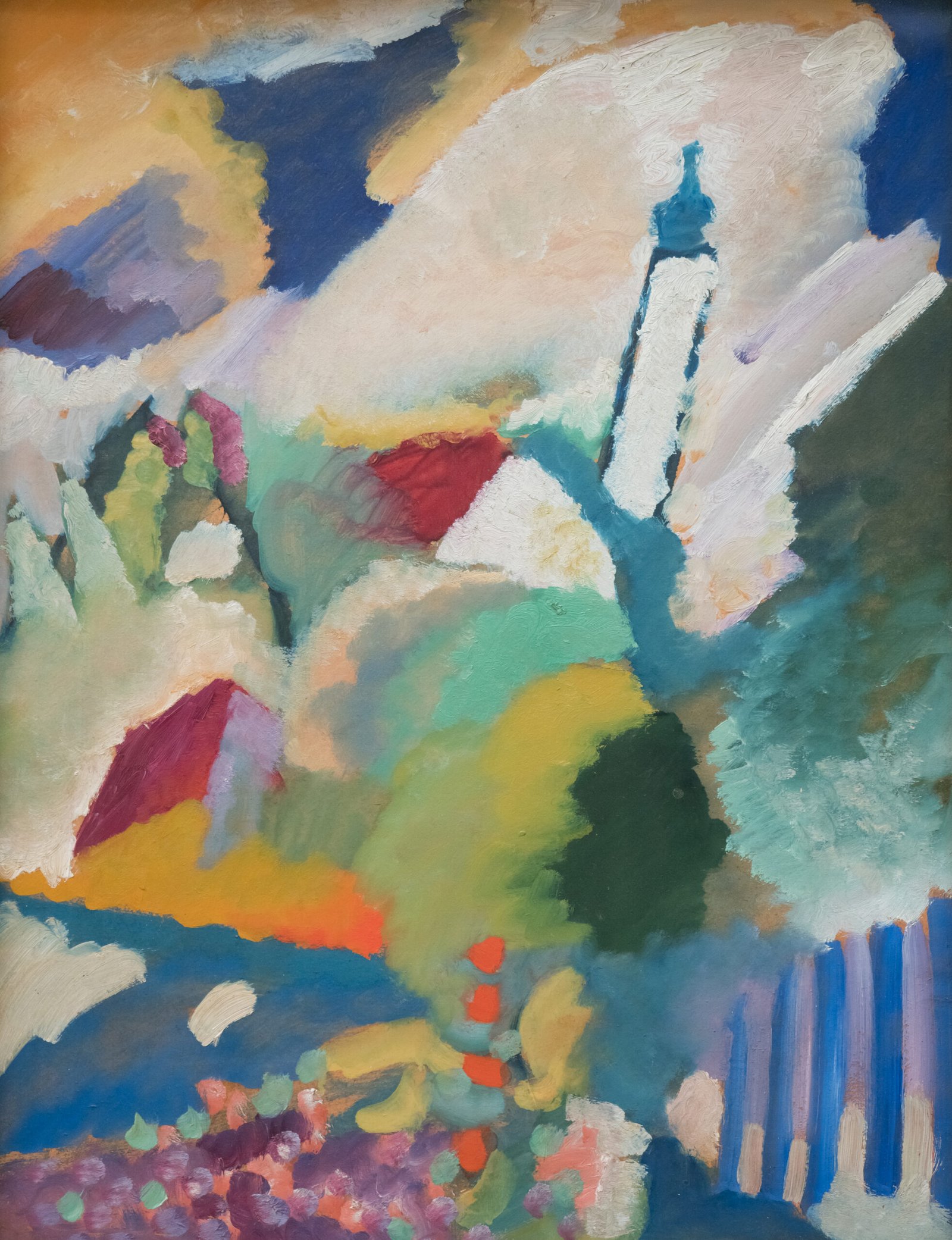
Wassily Kandinsky was a Russian-born painter and art theorist who is widely considered a pioneer of abstract art, known for his spiritual approach to painting and his belief in art's ability to evoke emotion and inner necessity. He transitioned from a career in law to art in his thirties, moving to Munich to study painting and eventually co-founding the Der Blaue Reiter (The Blue Rider) group with Franz Marc. Kandinsky's abstract works, which use color, line, and form to convey meaning rather than represent the visible world, were inspired by his love of music and his possible synesthesia (a condition where senses are mixed).
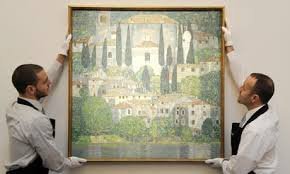
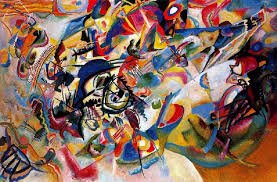
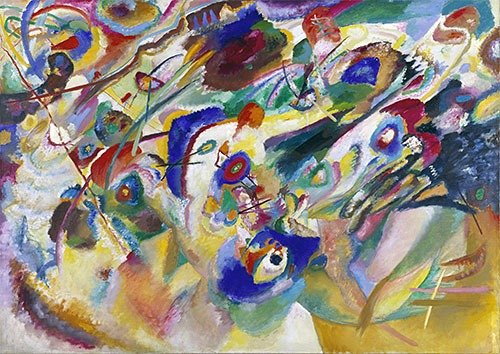
Composition VII by Wassily Kandinsky

Wassily Kandinsky's most famous painting is widely considered to be Composition VII, an abstract oil painting from 1913. It is known for its complex, swirling composition of colors and shapes, which Kandinsky believed could evoke a powerful emotional and auditory experience, much like music. 

The painting is a prime example of pure abstraction, moving away from representational art to focus on the emotional and spiritual qualities of color and form. Despite its chaotic appearance, it was meticulously planned with over 30 sketches before its creation. 

It is thought to combine several apocalyptic themes, including the Flood, the Last Judgment, the Resurrection, and the Garden of Eden. 

The painting is housed in the Tretyakov Gallery in Moscow. 

Explore all artists in this collection

Henri Rousseau

Henri Rousseau

Henri Rousseau

(1844 - 1910)

Explore all artists in this collection

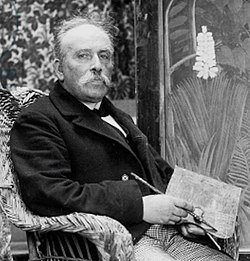
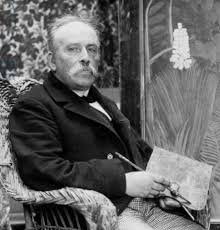
Rousseau was born in Laval, Mayenne, France, in 1844 into the family of a tinsmith; he was forced to work there as a young child. He attended Laval High School as a day student, and then as a boarder after his father became a debtor and his parents had to leave the town upon the seizure of their house. Though mediocre in some of his high school subjects, Rousseau won prizes for drawing and music.

After high school, he worked for a lawyer and studied law, but "attempted a small perjury and sought refuge in the army." He served four years, starting in 1863. With his father's death, Rousseau moved to Paris in 1868 to support his widowed mother as a government employee.

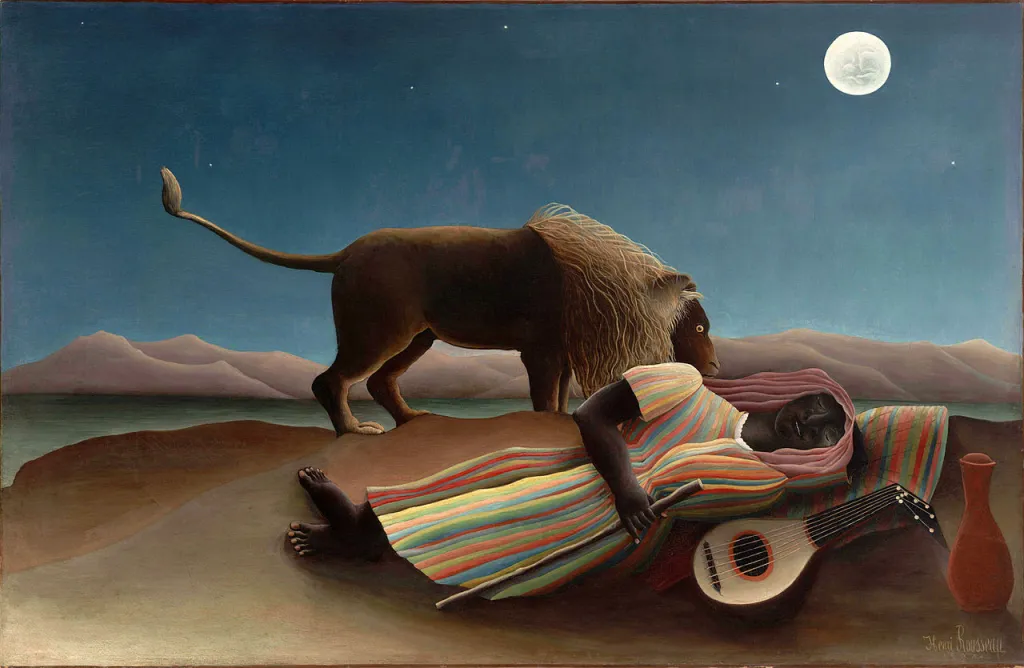
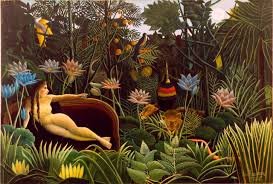
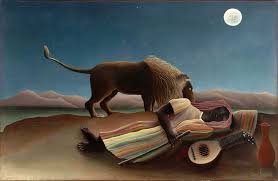
The Sleeping Gypsy (La Bohémienne endormie) is an 1897 oil on canvas painting by the French Naïve (fauve) artist Henri Rousseau. It is a fantastical depiction of a lion musing over a sleeping woman on a moonlit night. It is held by the Museum of Modern Art in New York City, to which it was donated by Mrs. Simon Guggenheim in 1939.


We salute you Gentle Rousseau you can hear us.
Delaunay, his wife, Monsieur Queval and myself.
Let our luggage pass duty free through the gates of heaven.
We will bring you brushes, paints and canvas.
That you may spend your sacred leisure in the
light and Truth of Painting.
As you once did my portrait facing the stars, lion and the gypsy.

In 1868, he married Clémence Boitard, his landlord's 15-year-old daughter, with whom he had six children (only one survived). In 1871, he was appointed as a collector of the octroi of Paris, collecting taxes on goods entering Paris. His wife died in 1888 and he married Josephine Noury in 1898.

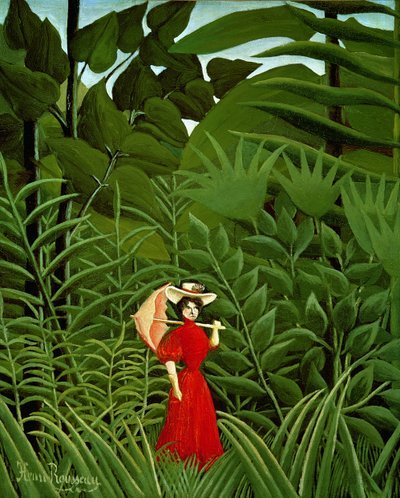
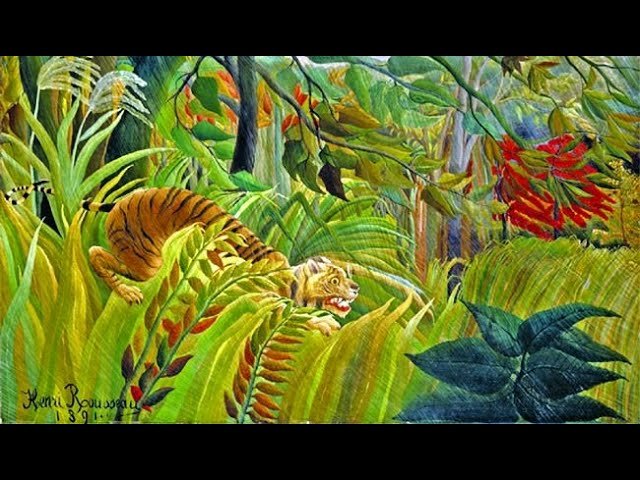
From 1886, he exhibited regularly in the Salon des Indépendants, and, although his work was not placed prominently, it drew an increasing following over the years. Tiger in a Tropical Storm (Surprised!) was exhibited in 1891, and Rousseau received his first serious review when the young artist Félix Vallotton wrote: "His tiger surprising its prey ought not to be missed; it's the alpha and omega of painting." Yet it was more than a decade before Rousseau returned to depicting his vision of jungles.

In 1893, Rousseau moved to a studio in Montparnasse where he lived and worked until his death in 1910. In 1897, he produced one of his most famous paintings, La Bohémienne endormie (The Sleeping Gypsy).

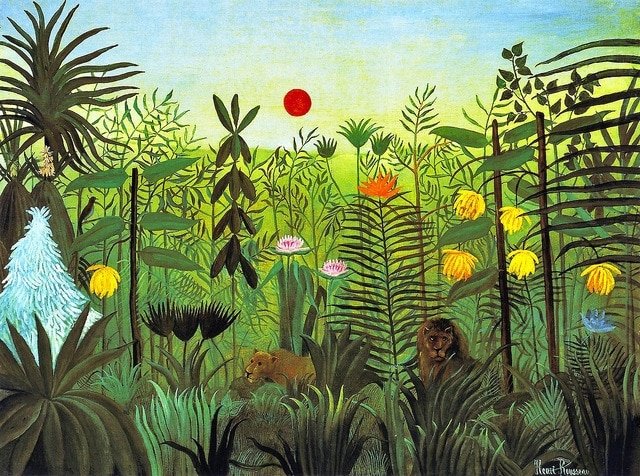
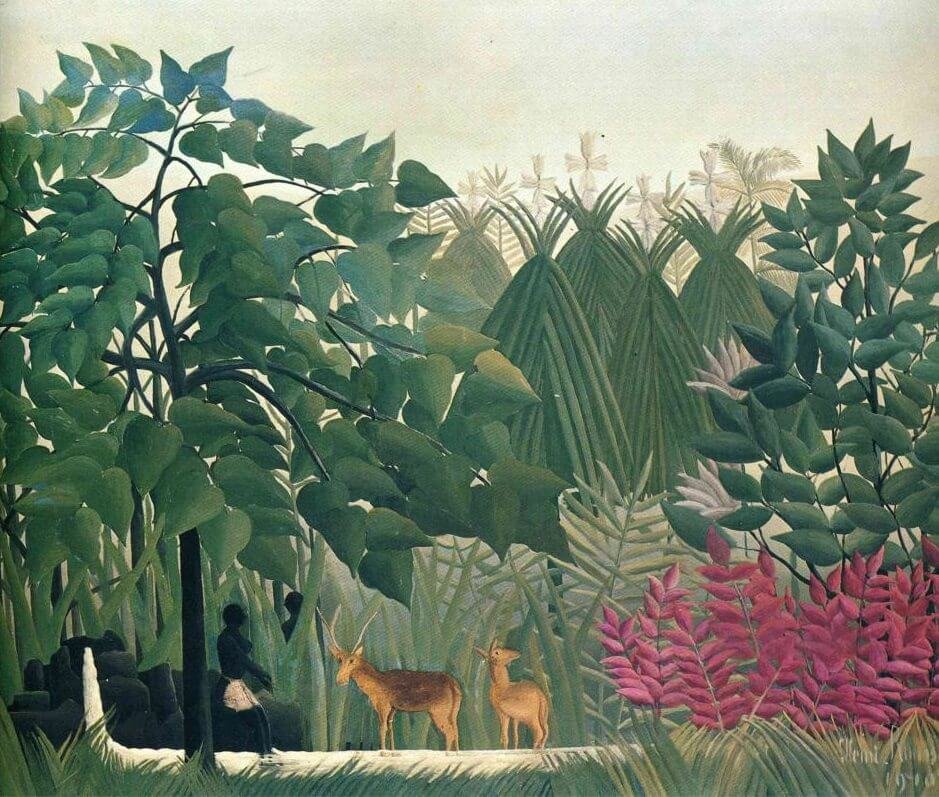
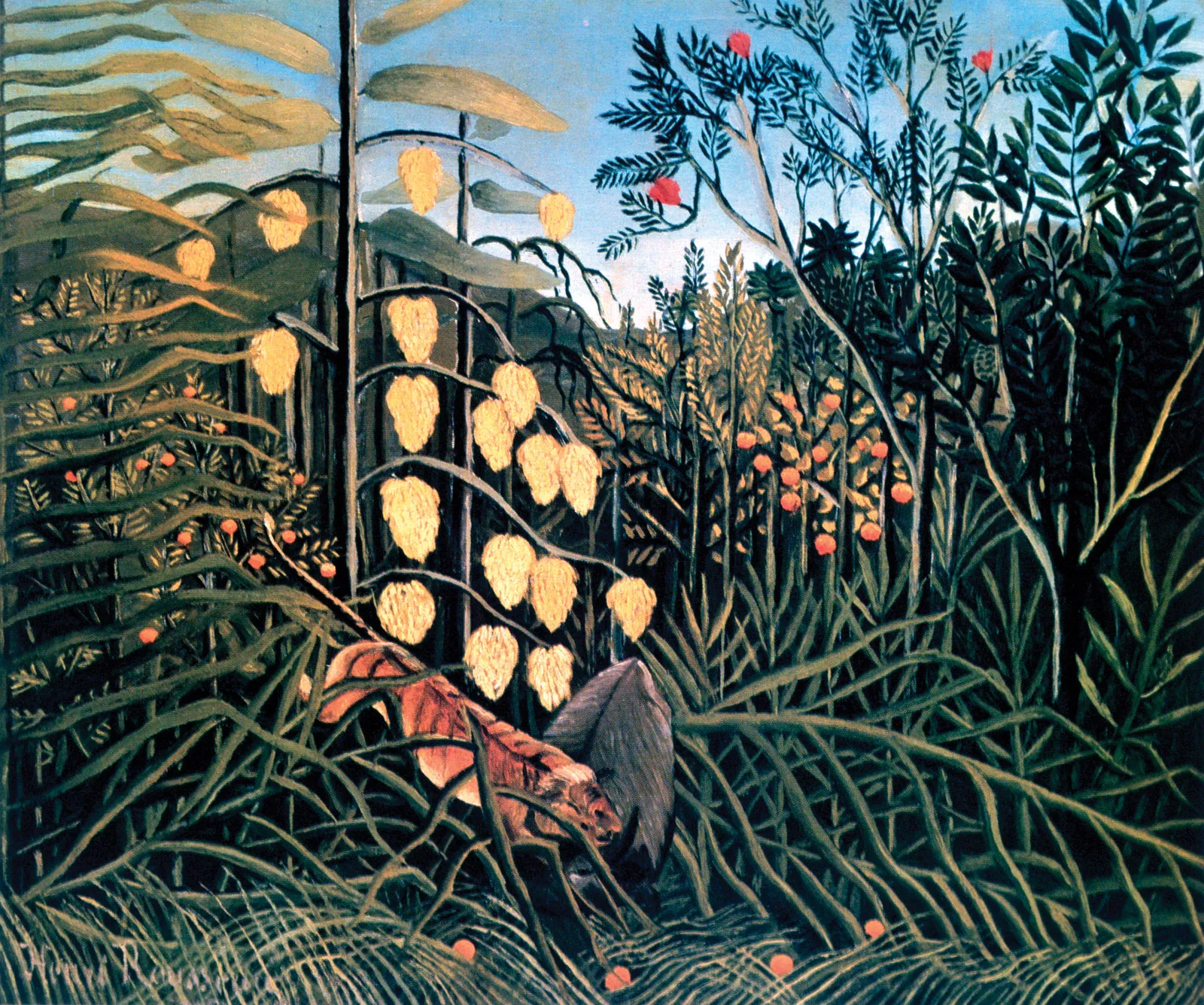
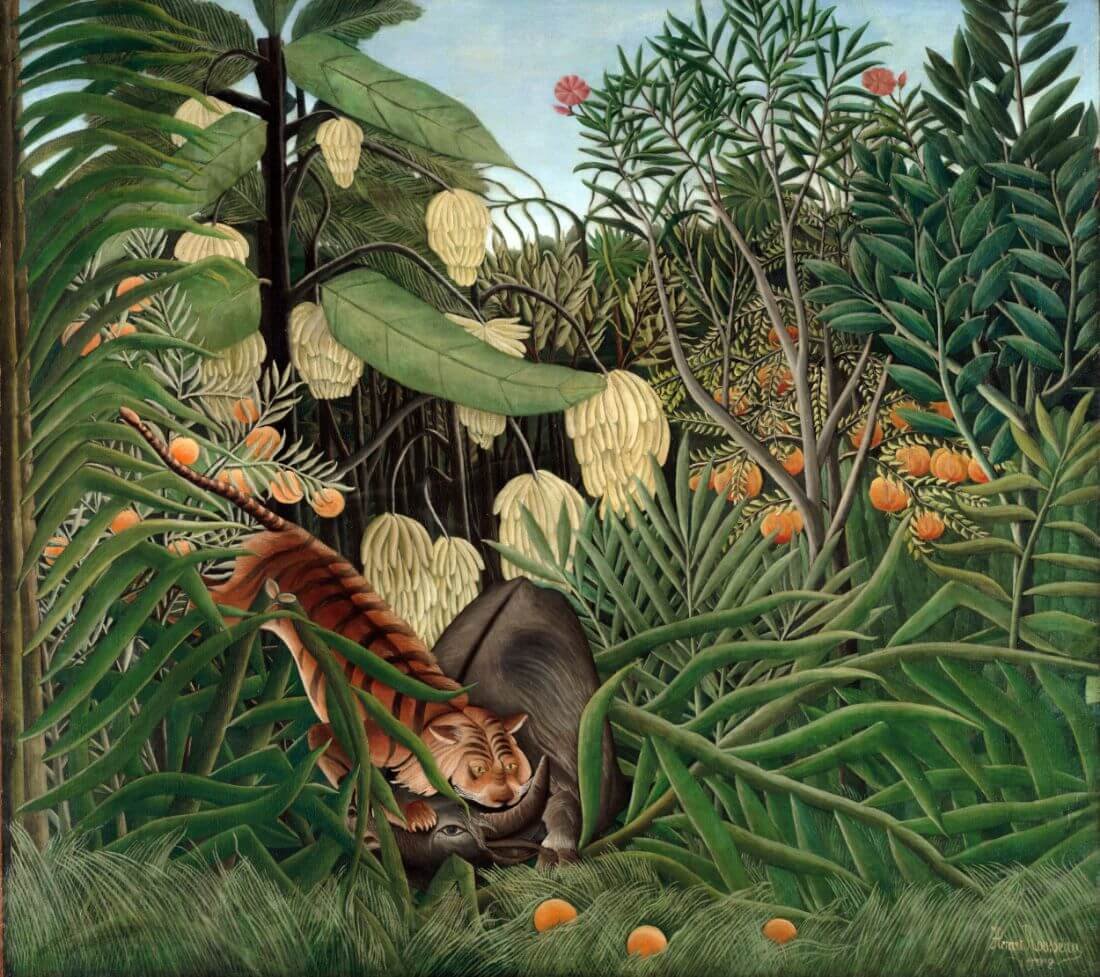
In 1905, Rousseau's large jungle scene The Hungry Lion Throws Itself on the Antelope was exhibited at the Salon des Indépendants near works by younger leading avant-garde artists such as Henri Matisse, in what is now seen as the first showing of The Fauves. Rousseau's painting may even have influenced the naming of the Fauves.

In 1907, he was commissioned by artist Robert Delaunay's mother, Berthe, Comtesse de Delaunay, to paint The Snake Charmer.

Maurice Raynal, in Les Soirées de Paris, 15 January 1914, p. 69, wrote about "Le Banquet Rousseau".

After Rousseau's retirement in 1893, he supplemented his small pension with part-time jobs and work such as playing a violin in the streets. He also worked briefly at Le petit Journal, where he produced a number of its covers.

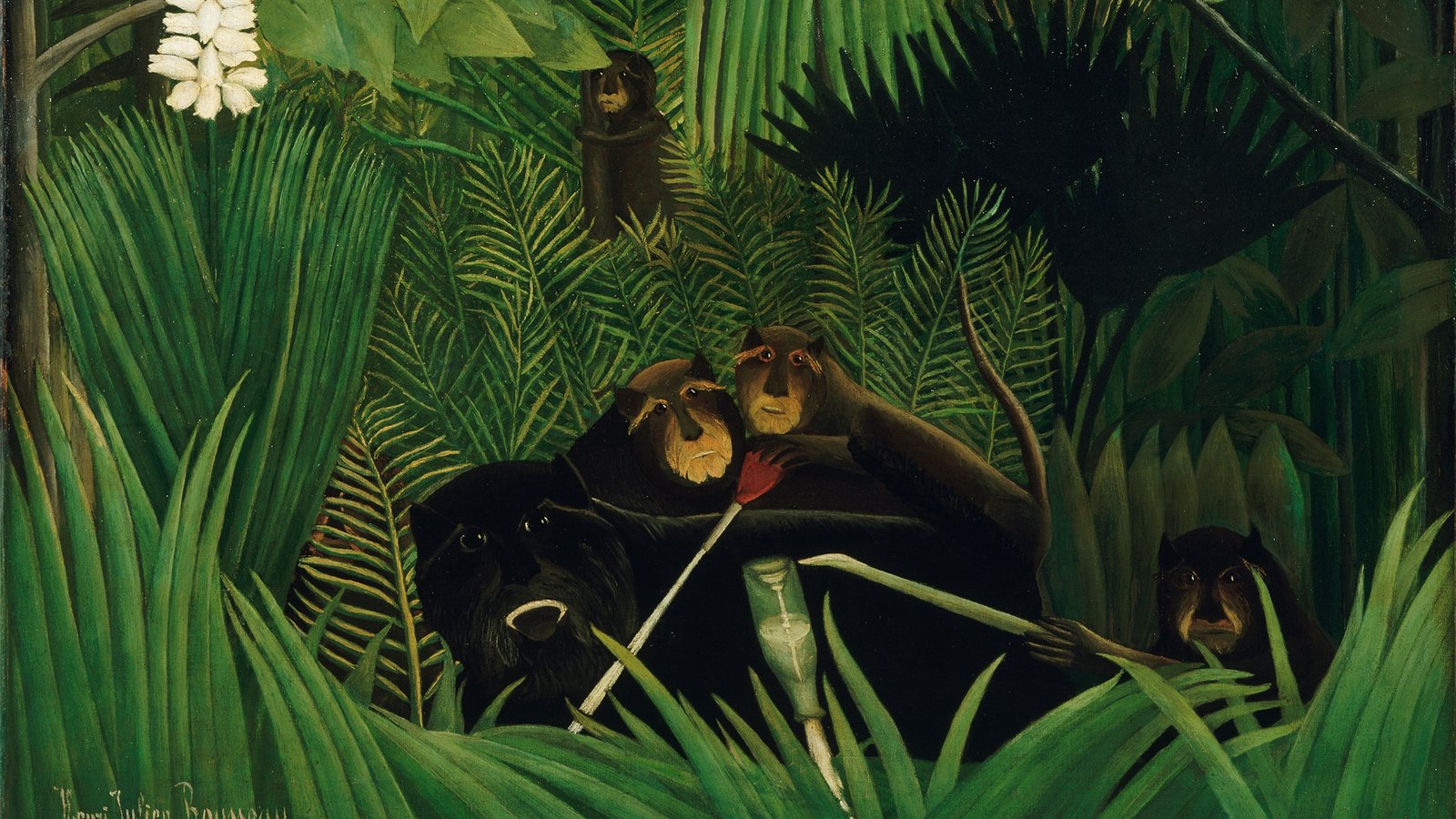
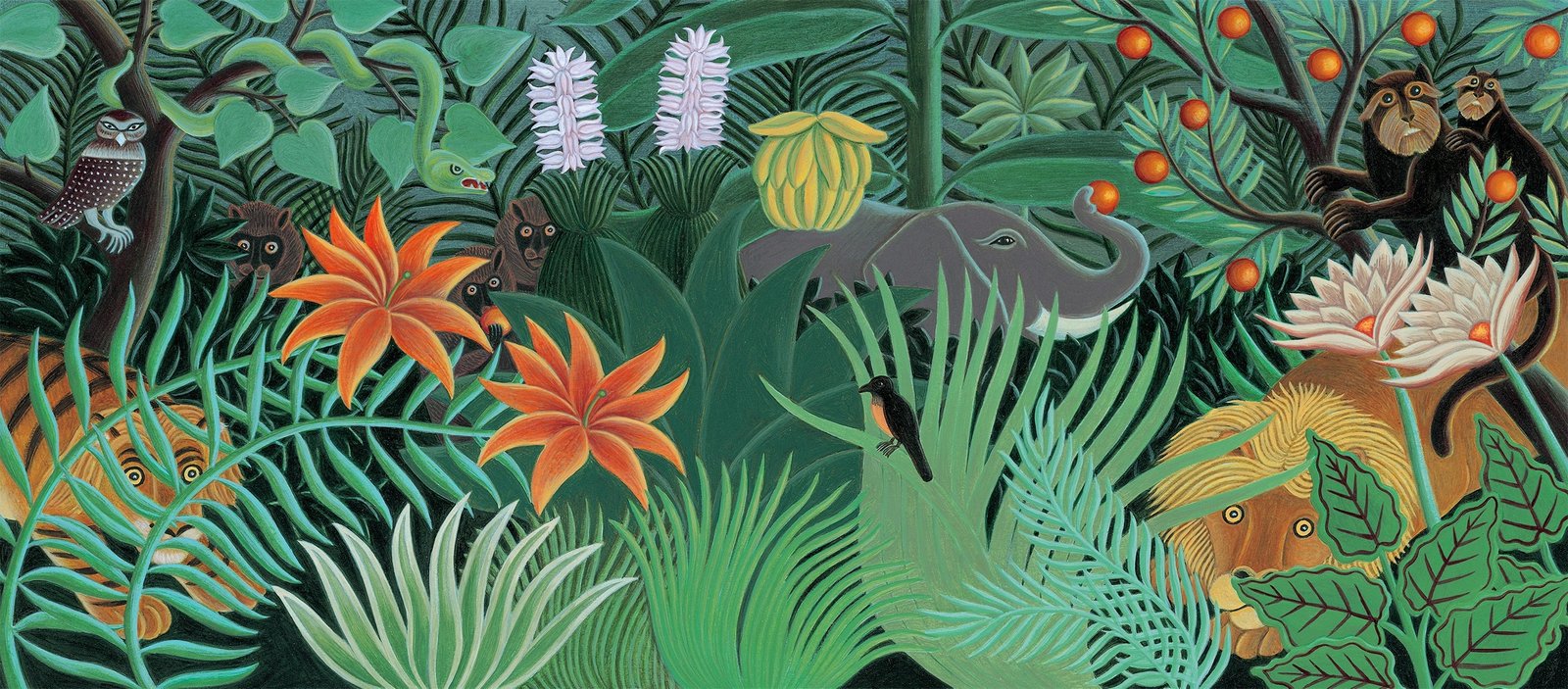
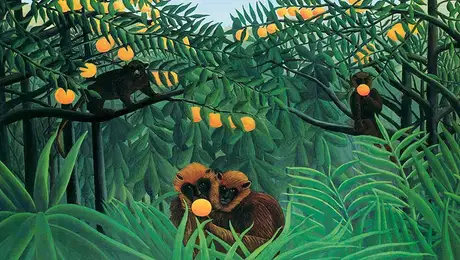
An equally famous work by Rousseau, included in the collection of John Hay Whitney, is Tropical Forest with Monkeys, which was painted during the last months of his life. It shows one of his signature exotic landscapes, lush, tropical, and virgin. Many of the animals in Rousseau's images have human faces or attributes. The central monkeys in this painting hold green sticks from which strings appear to dangle, suggesting fishing poles and human leisure activities, thereby emphasizing the quasi-human experience of the animals. In this sense Rousseau's anthropomorphized primates can be seen not as true wild beasts, but rather as representing an escape from the "jungle" of Paris and the everyday grind of civilized life.

In the same month Rousseau suffered a phlegmon in his leg, one which he ignored.[16] In August, when he was admitted to the Necker Hospital[17] in Paris where his son had died, he was found to have gangrene in his leg. After an operation, he died from a blood clot on 2 September 1910.

Le Banquet Rousseau

When Pablo Picasso happened upon a painting by Rousseau being sold on the street as a canvas to be painted over, the younger artist instantly recognised Rousseau's genius and went to meet him. In 1908, Picasso held a half serious, half burlesque banquet in his studio at Le Bateau-Lavoir in Rousseau's honour.[1] Le Banquet Rousseau, "one of the most notable social events of the twentieth century," wrote American poet and literary critic John Malcolm Brinnin, "was neither an orgiastic occasion nor even an opulent one. Its subsequent fame grew from the fact that it was a colorful happening within a revolutionary art movement at a point of that movement's earliest success, and from the fact that it was attended by individuals whose separate influences radiated like spokes of creative light across the art world for generations."[11]

Guests at the banquet Rousseau included: Guillaume Apollinaire, Jean Metzinger, Juan Gris, Max Jacob, Marie Laurencin, André Salmon, Maurice Raynal, Daniel-Henri Kahnweiler, Leo Stein, and Gertrude Stein.[12]

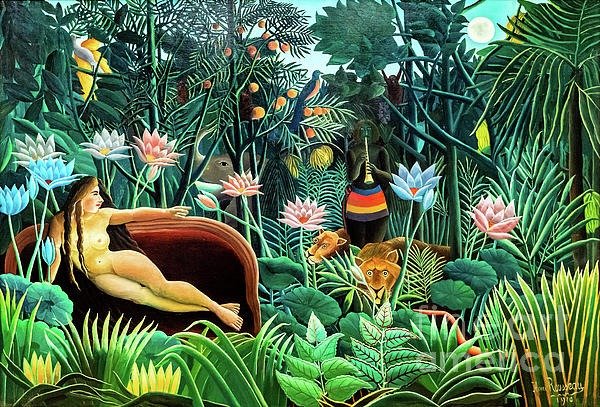
Rousseau exhibited his final painting, The Dream, in March 1910, at the Salon des Independants.

At his funeral, seven friends stood at his grave: the painters Paul Signac and Manuel Ortiz de Zárate; the artist couple Robert Delaunay and Sonia Terk; the sculptor Constantin Brâncuși; Rousseau's landlord Armand Queval, and Guillaume Apollinaire, who wrote the epitaph Brâncuși put on the tombstone

Auguste Racinet

Auguste Racinet

Albert Racinet

(1825 - 1893)

Auguste Racinet

(1825 - 1893)

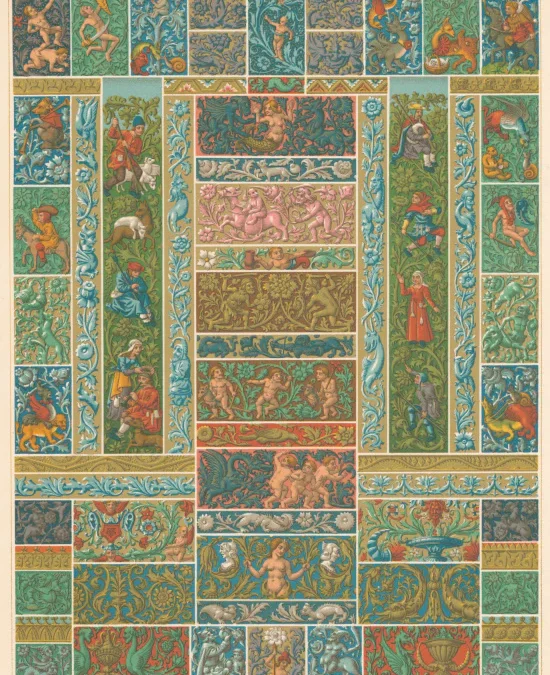
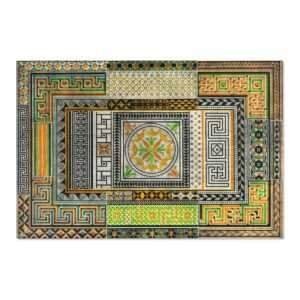
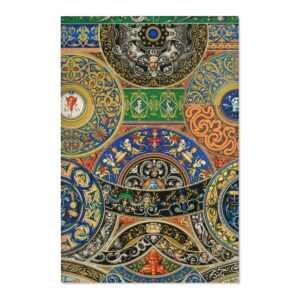
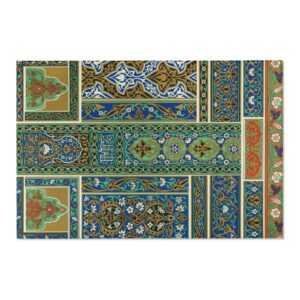
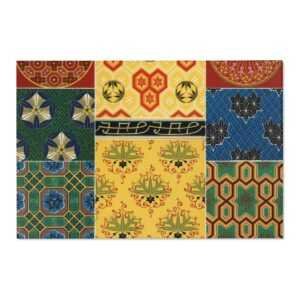
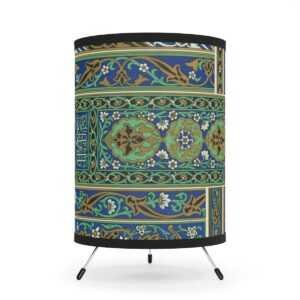
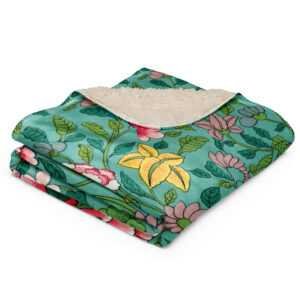
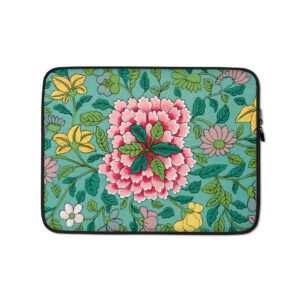
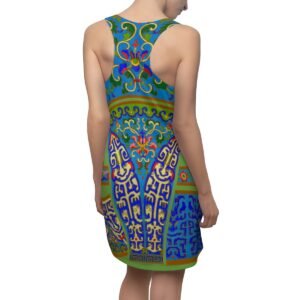
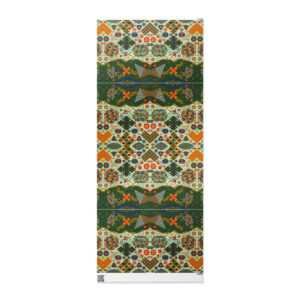
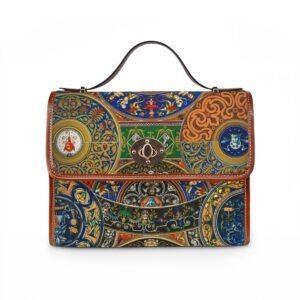
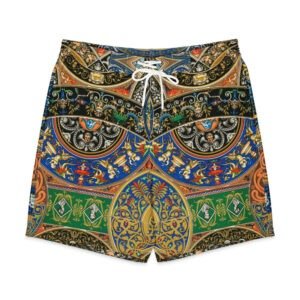
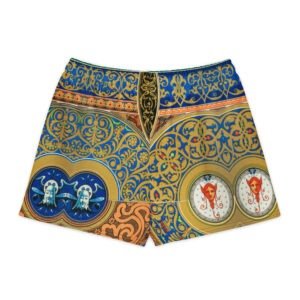
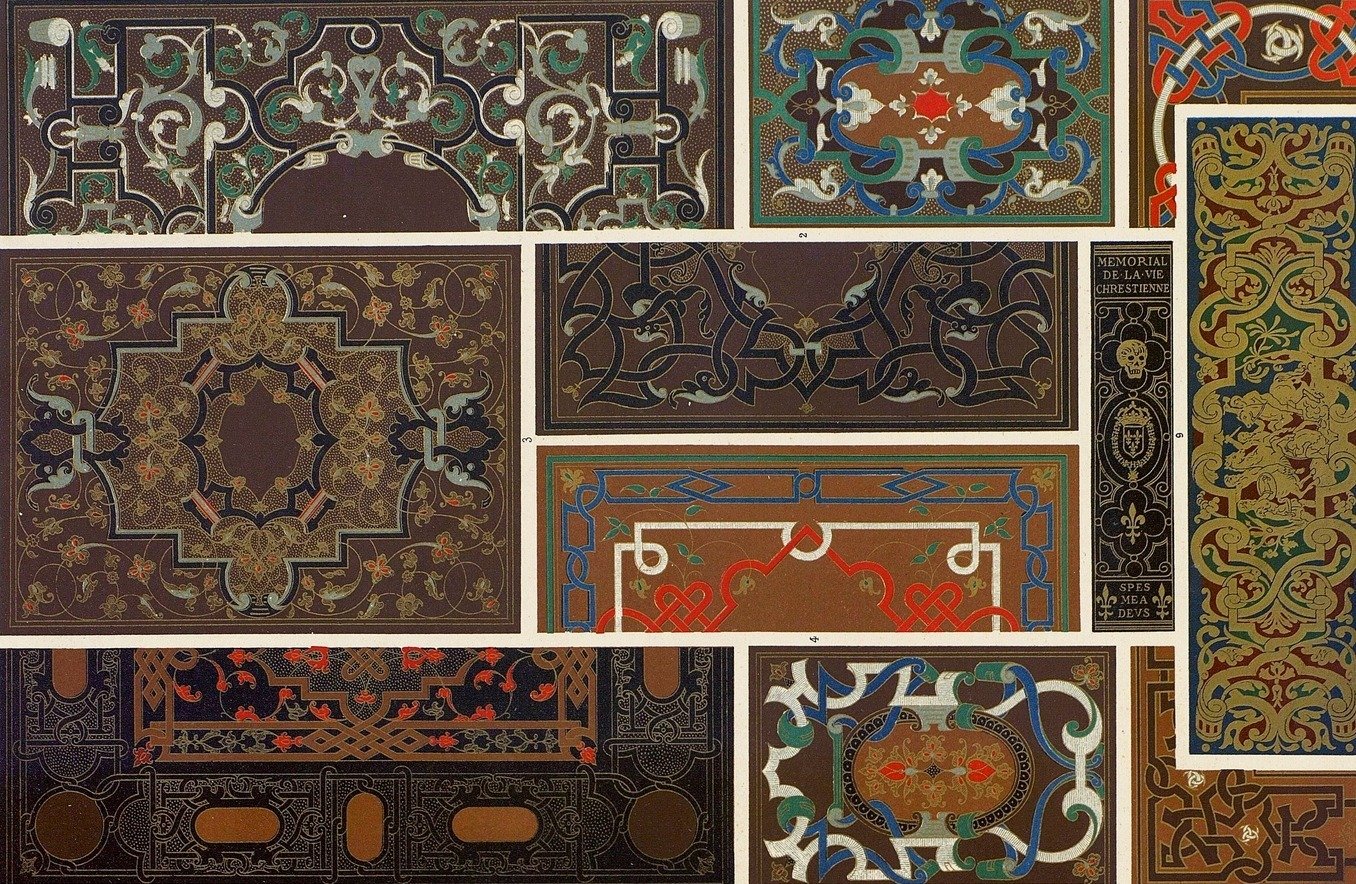
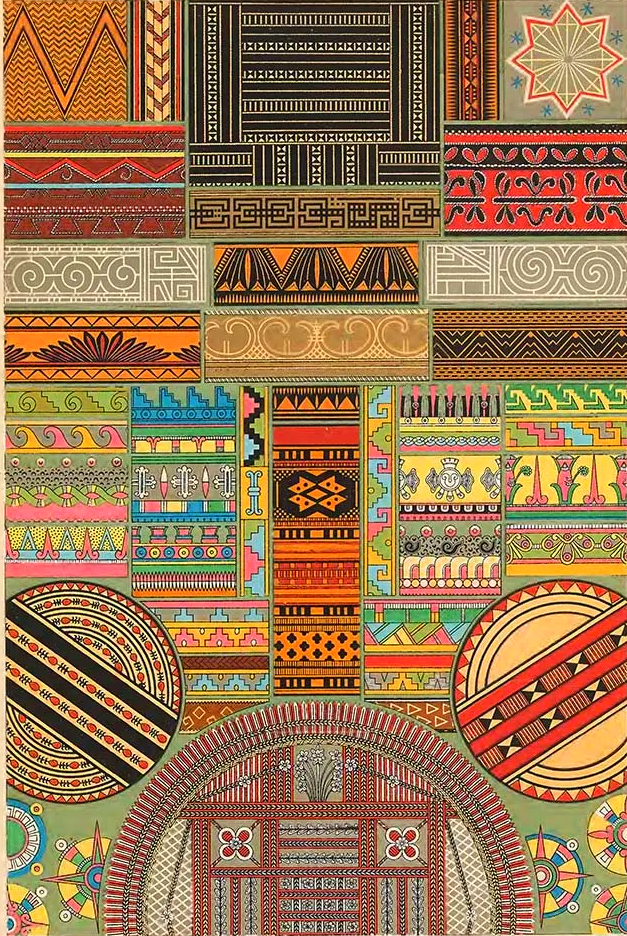
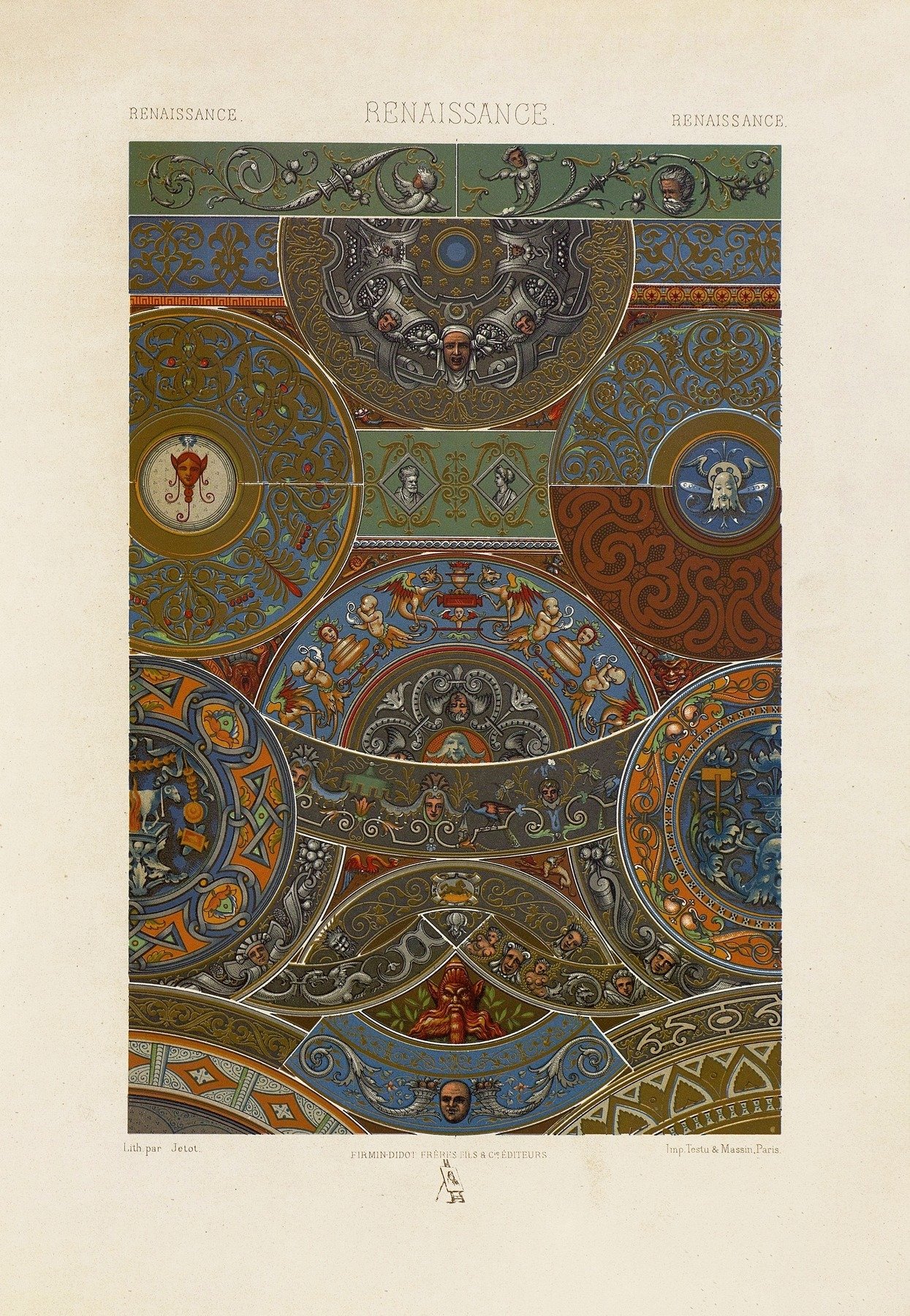
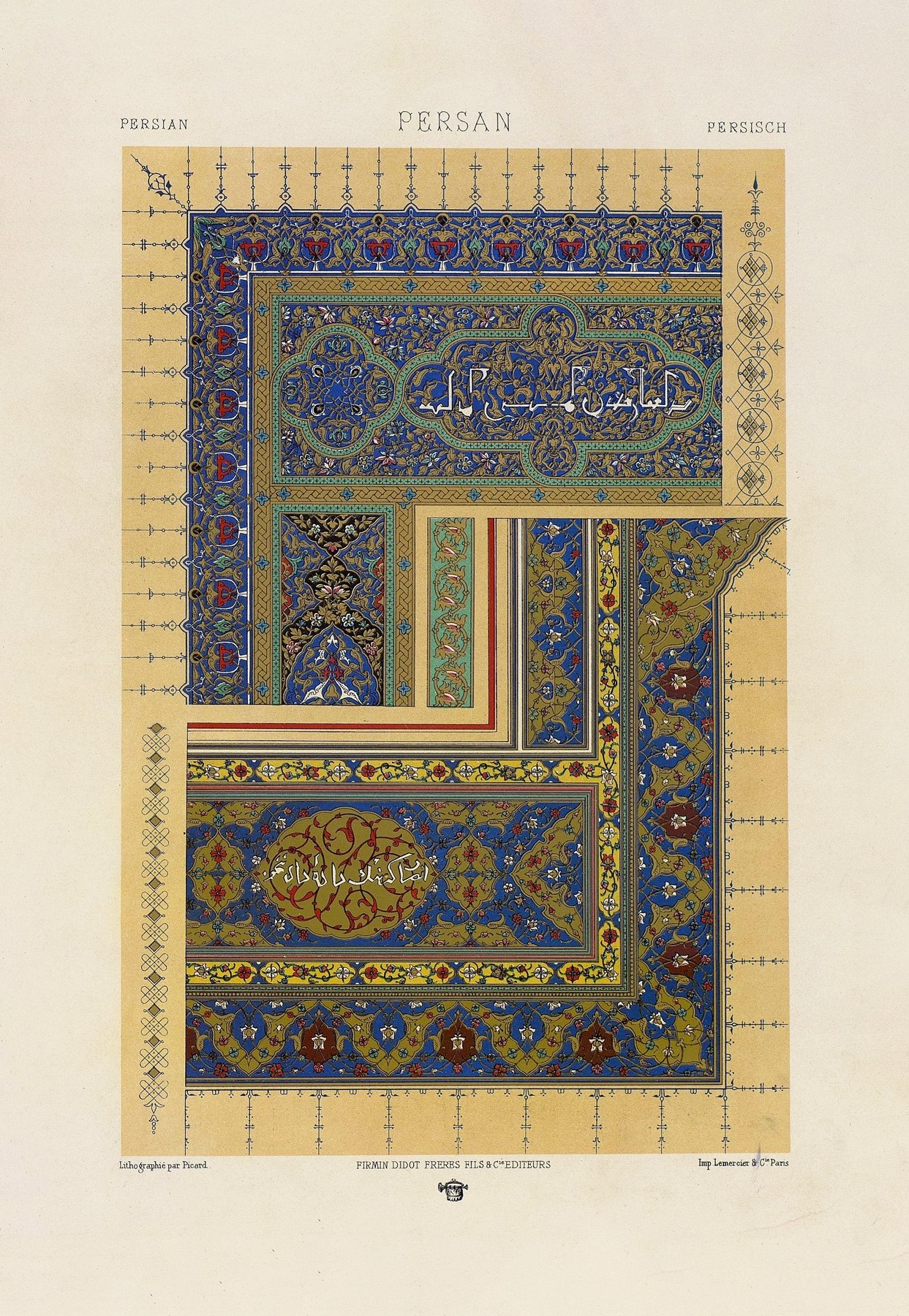
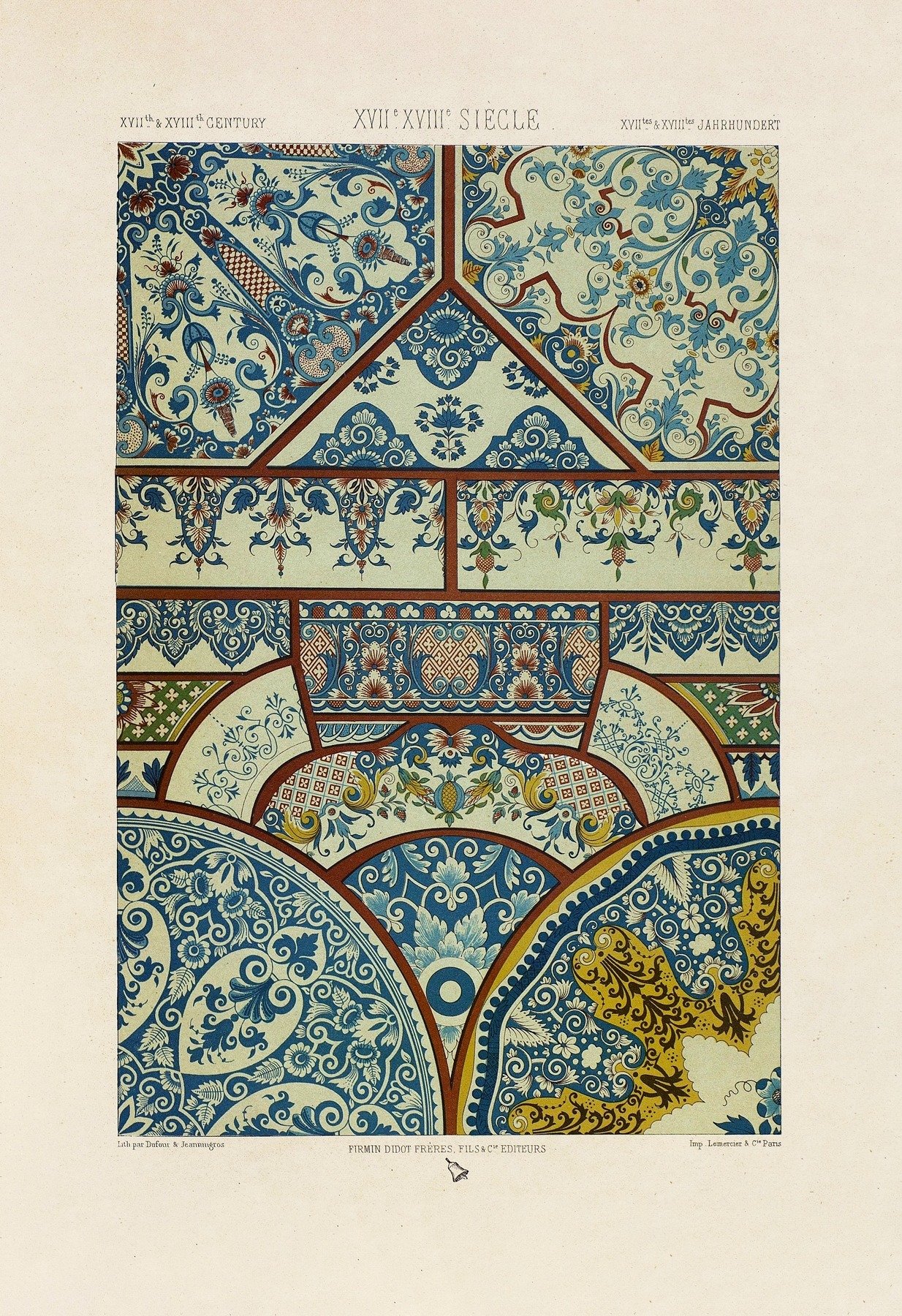
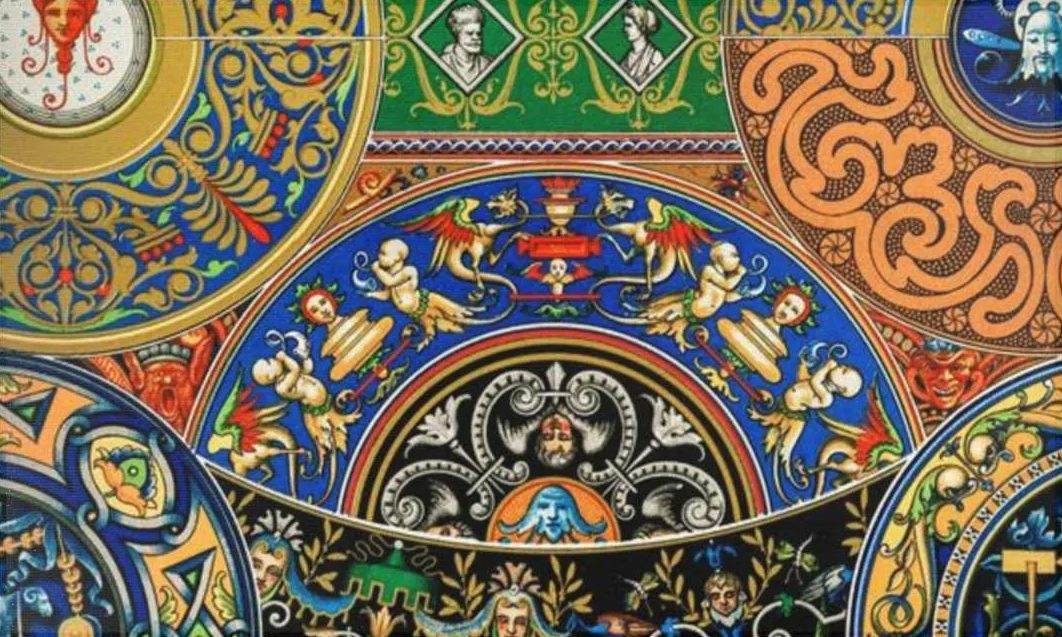
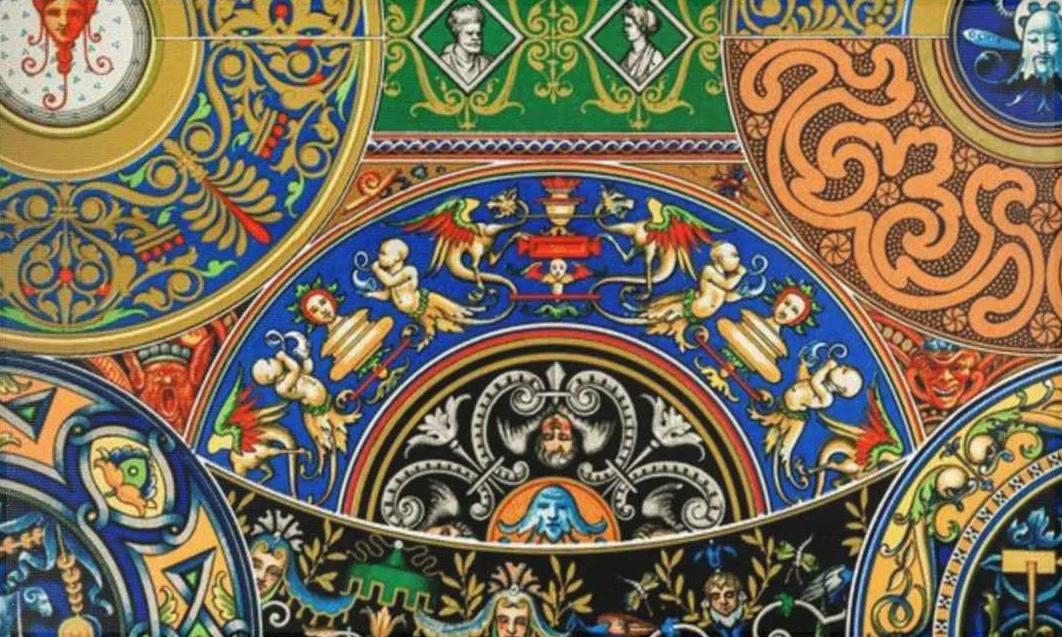
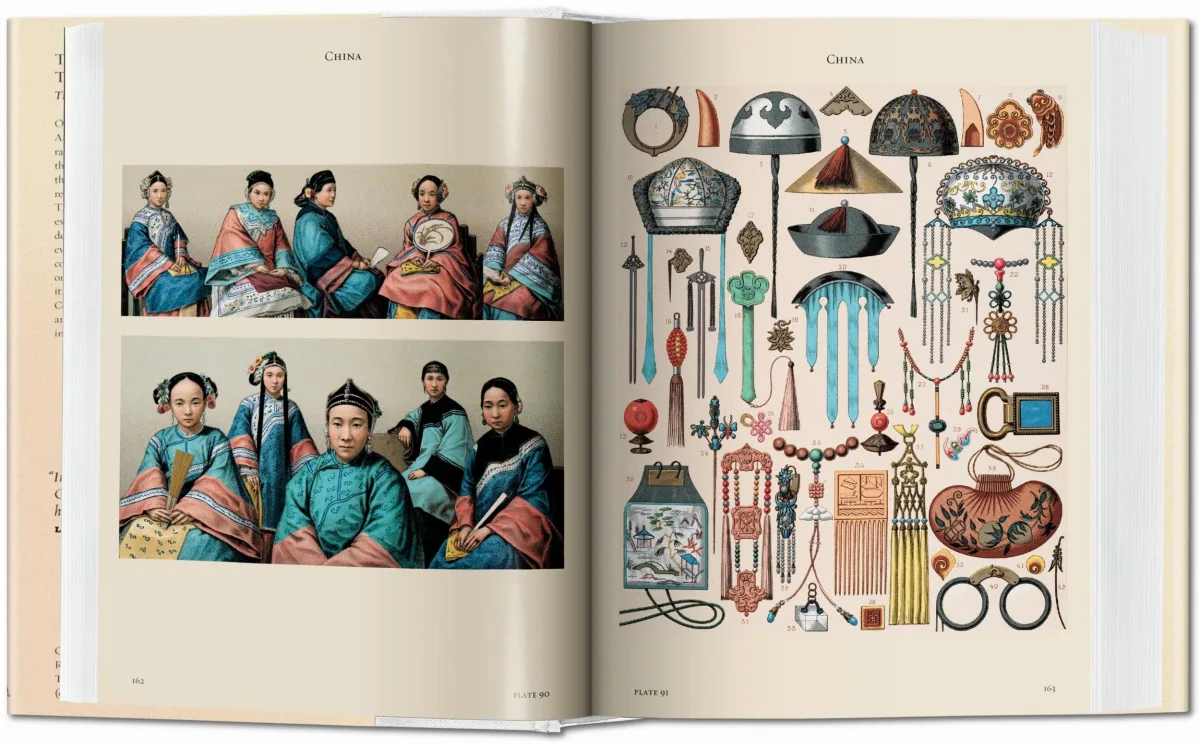
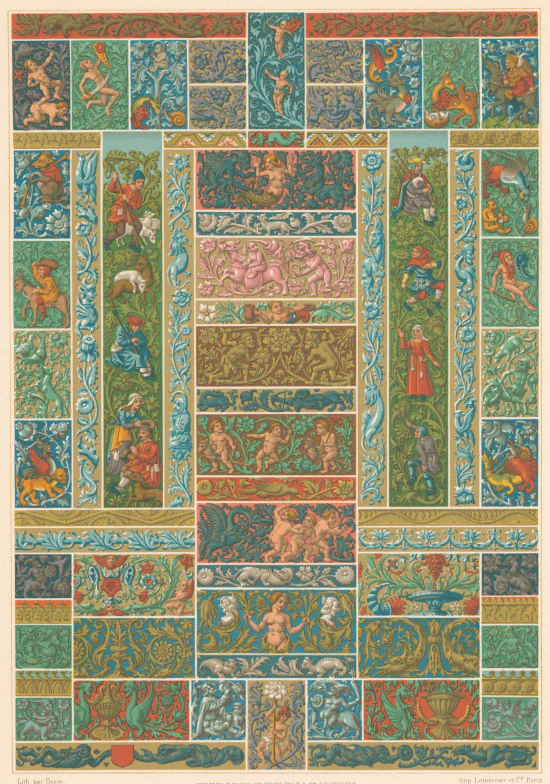
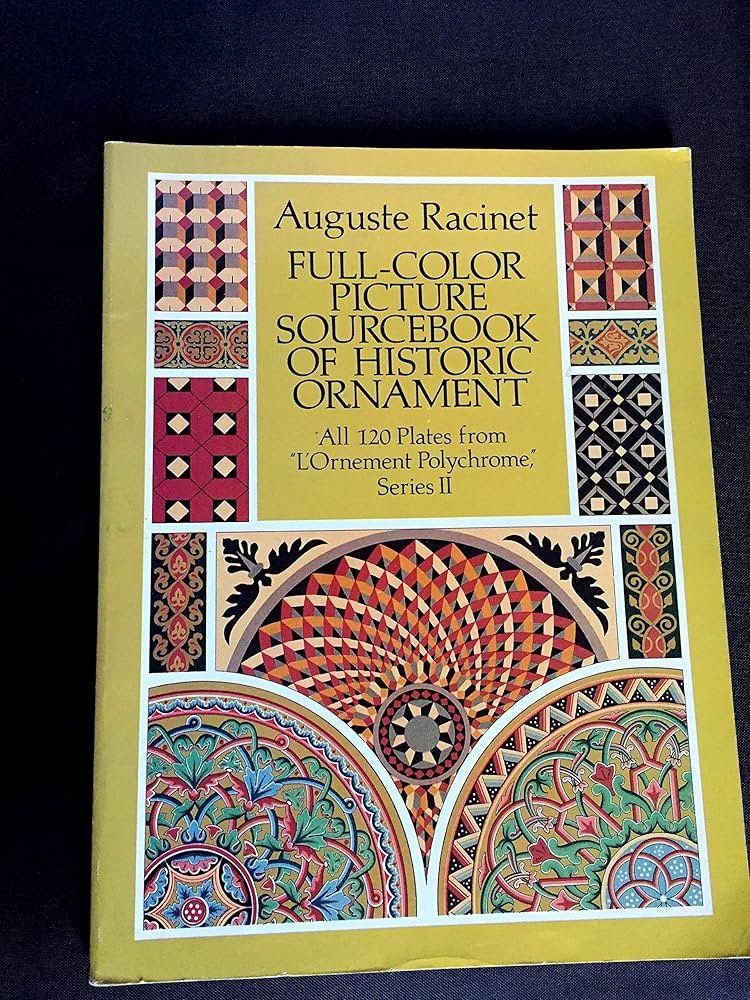
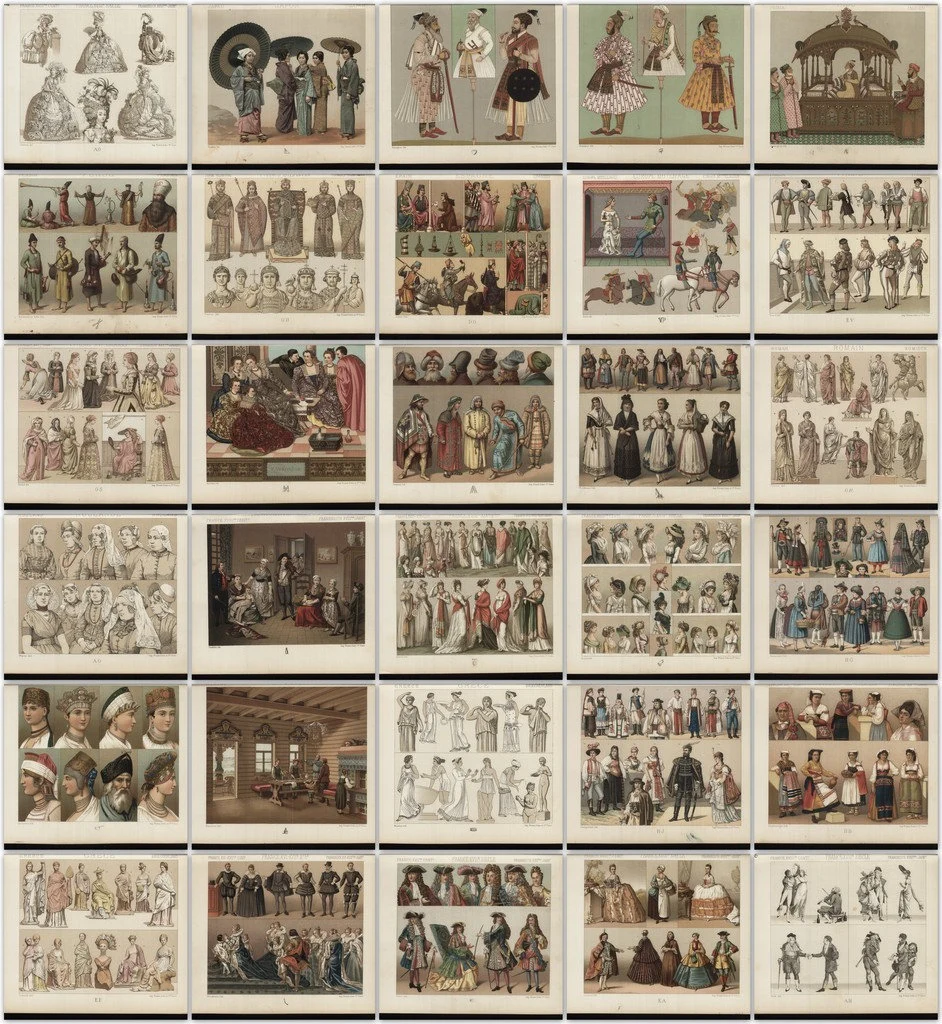
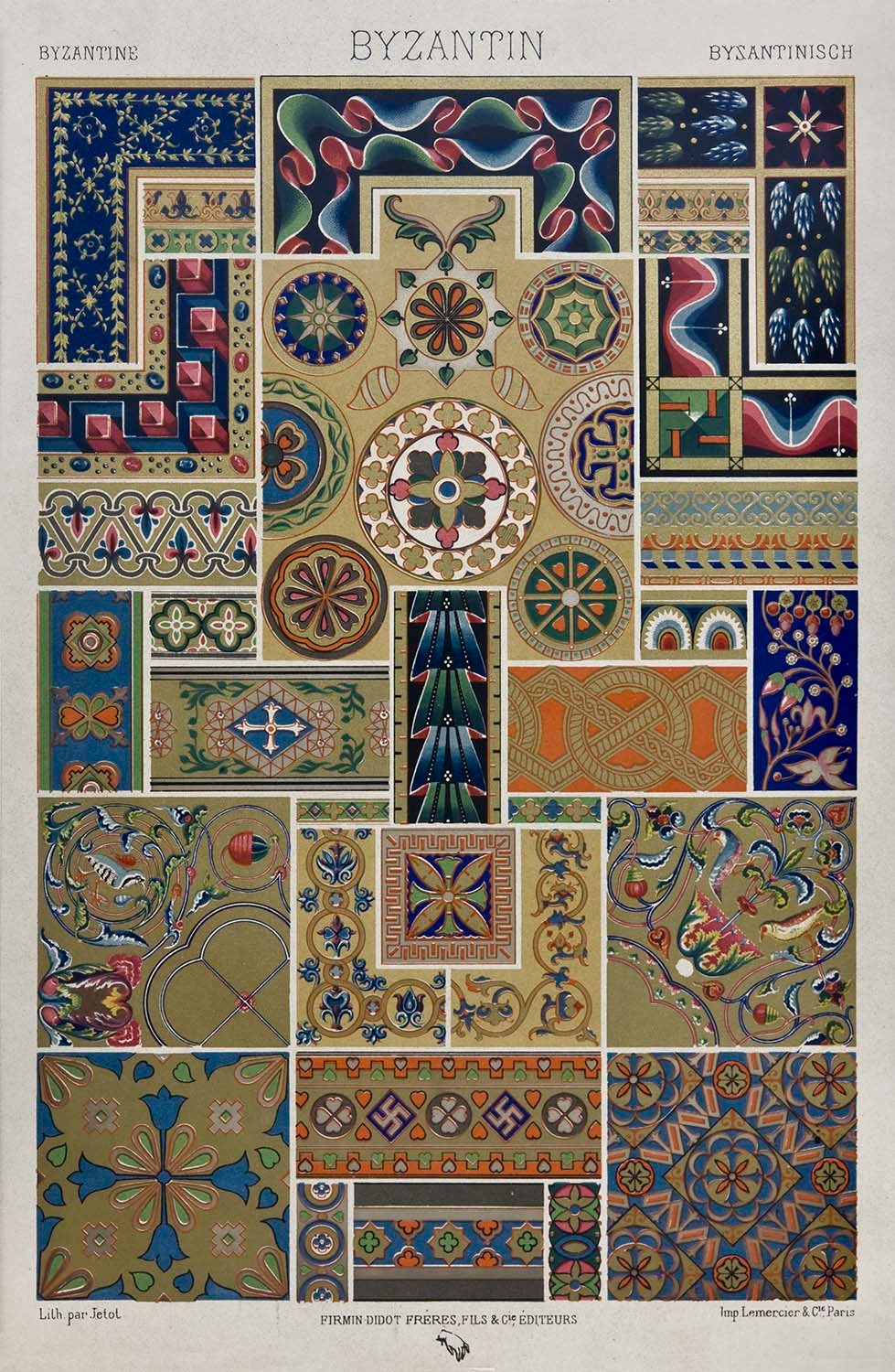
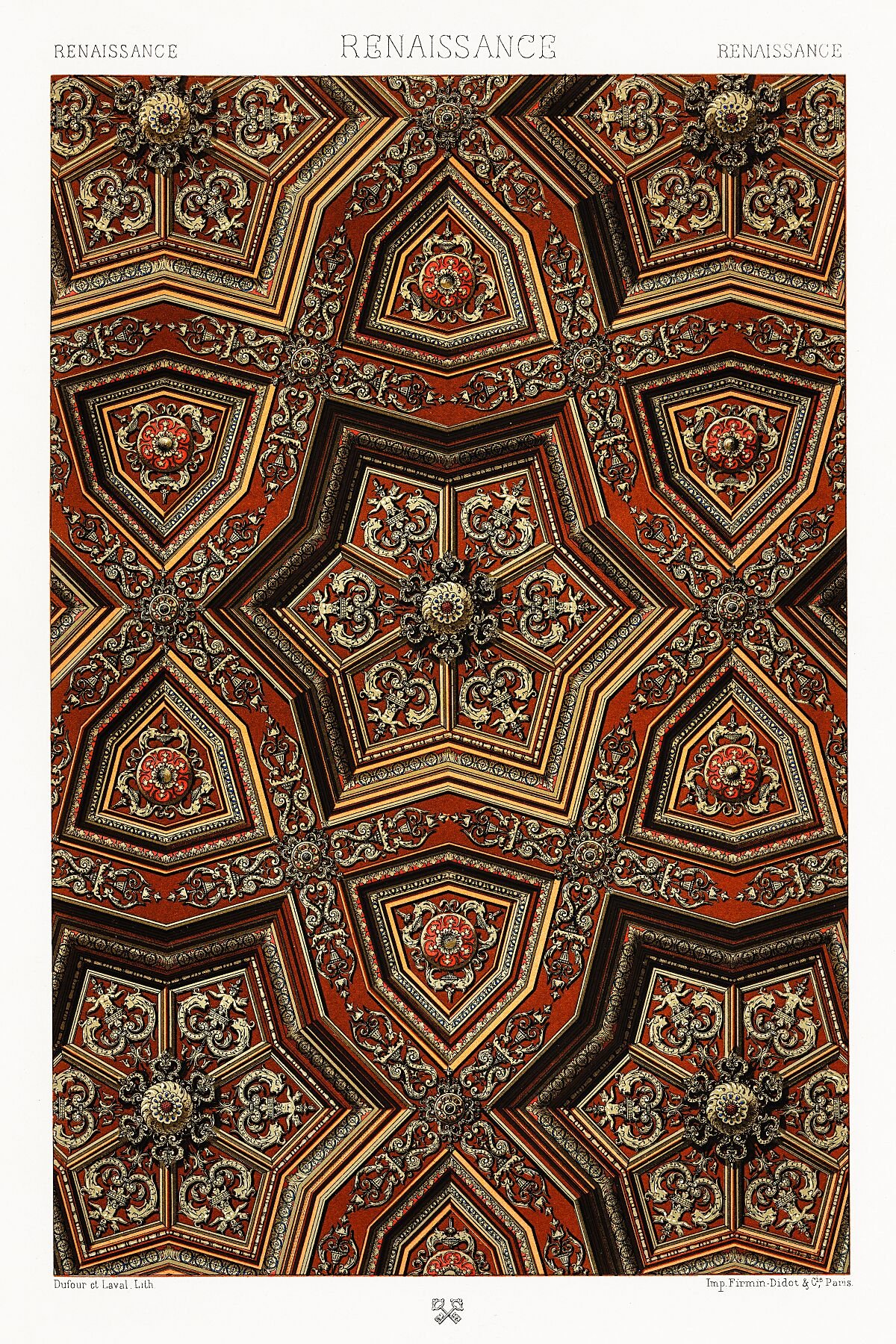
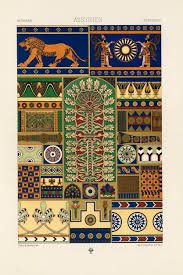
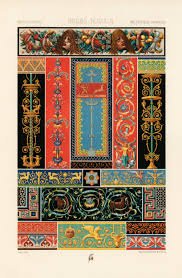
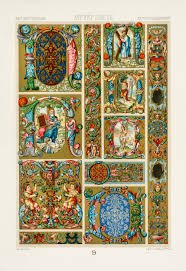
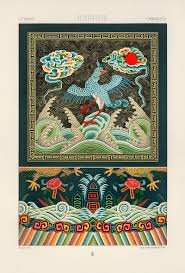
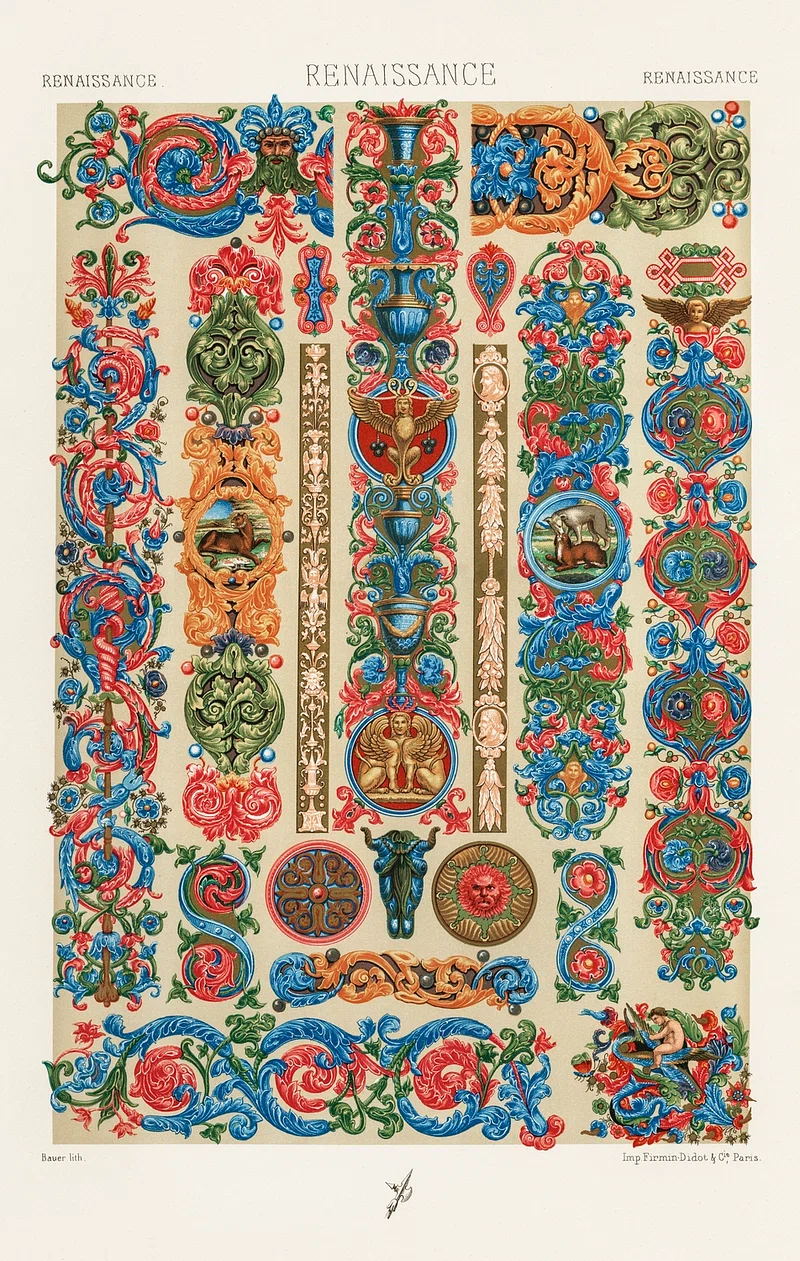
Albert-Charles-Auguste Racinet himself an accomplished artist, is best known today for publishing two major pictorial works on the history of design — Le costume historique and L'Ornement polychrome — while engraver and artistic director at the Parisian publisher Firmin Didot et Cie. Published in ten instalments between 1869 and 1873, the first iteration of L'Ornement polychrome (Colour ornament) is a visual record in 100 plates of the decorative arts from antiquity to the eighteenth century.

Explore all artists in this collection

Showing all 21 resultsSorted by latest

Explore all artists in this collection

The work was such a huge success that in 1885–7 Racinet brought out a second series, this time of 120 plates, and updated to include designs of the nineteenth century as well. The imagery presented in both series is drawn from a wide array of various mediums, including woodwork, metalwork, architecture, textiles, painting, and pottery, and from cultures all over the world.

Explore all artists in this collection