Modernism: A Brief History of the Future
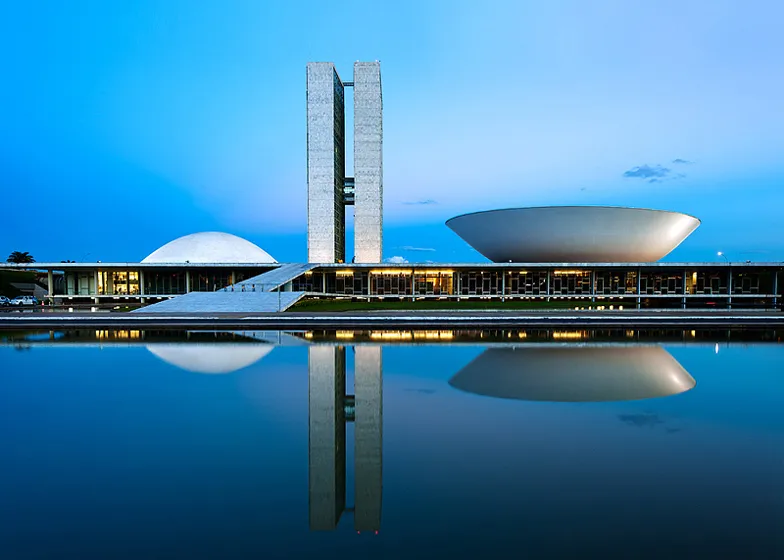
The National Congress of Brazil in Brasília is a masterpiece of modernist architecture designed by Oscar Niemeyer and completed in 1960.
Modernism Never Left: How a Century-Old Idea Still Shapes Culture
Modernism is usually filed away as art history — a movement with a start date, an end date, and a museum wing. But the instincts behind it never actually stopped working. They just moved into new materials: our phones, our apartments, our feeds, our closets.
Every few years, someone declares Modernism dead. Postmodernism buried it in the '70s and '80s with irony and ornament. Maximalism keeps trying to bury it again with pattern-clash and clutter-core. And yet the white walls, the grid layouts, the unornamented objects, the "form follows function" reflex — they keep coming back, because Modernism was never really a look. It was an argument: that design should be honest about what it is and what it's for. A century later, that argument is still the operating system for most of what we build, use, and scroll past every day.

It's the reason your apps look like that
Open your phone and you're looking at Modernism. The flat icons, the generous white space, the sans-serif type, the grid of tiles — that's Bauhaus logic running on a screen instead of a page. Apple's industrial design under Jony Ive borrowed directly from Dieter Rams, who borrowed directly from the Bauhaus principle that ornament is a distraction from function. "Flat design," the style that swept UI in the 2010s and still dominates, is essentially a restatement of Mondrian and the De Stijl grid: primary shapes, clean color blocks, no fake shadows pretending to be real objects. Every time a startup ships a minimalist landing page — one bold headline, a lot of empty space, a single accent color — it's running a hundred-year-old playbook without knowing it.
Primary colors, real life.
The Color Collection carries that same De Stijl red-blue-yellow logic into everyday pieces.
Shop the Color CollectionCities keep arguing about it
Walk through almost any growing skyline and you're standing inside an unresolved Modernist argument. Glass-and-steel towers descended from Mies van der Rohe's Seagram Building still define "serious" corporate architecture worldwide, even as critics call them cold and interchangeable — the same critique Robert Venturi made in the 1960s when he pushed back with "less is a bore." That tension never resolved; it just cycles. Neo-modernist architects like Tadao Ando and Richard Meier reintroduced Modernist discipline in the '80s and '90s, stripped of its utopian claims. Now developers reach for the same clean geometry again, because minimal towers are cheaper to build and easier to sell as "timeless." The style keeps getting rediscovered by people who think they're doing something new.
Minimalism isn't a trend that resurfaces. It's a default that culture keeps drifting back toward.
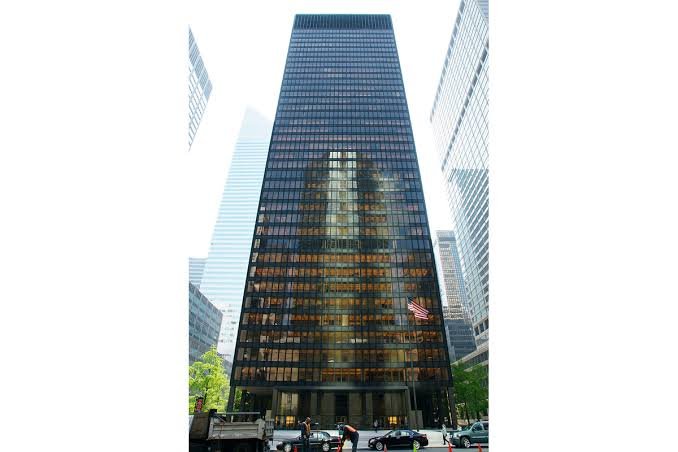
Architects: Designed by the iconic modernist architect Ludwig Mies van der Rohe and architect Philip Johnson.
Completed: Finished in 1958 after construction began in 1954.
Architectural Style: Built in the International Style, known for its clean lines and simple geometric shapes.
Materials: Uses a steel frame covered with amber-tinted glass and distinct bronze metal outer beams.
Open Plaza: Features a wide open public plaza with fountains at the street level, which changed how city skyscrapers were designed


Your closet and your kitchen are in on it too
The instinct shows up well outside art and architecture. "Capsule wardrobes," neutral palettes, unbranded packaging, the entire aesthetic of a certain kind of design-forward home goods brand — all of it descends from the same root as the Bauhaus and the International Style: strip away what isn't earning its place. Muji built a global retail empire on almost nothing but that idea. IKEA's flat-pack logic is functionalism applied to furniture logistics. Even the backlash trends — cottagecore, maximalism, grandmillennial clutter — define themselves in opposition to Modernism, which is its own kind of proof that it's still the thing everyone is reacting to.
Form follows function, sustainably.
The Eco-Logic Collection shares that same instinct: no ornament that isn't earning its place.
Shop Eco-LogicThe argument is the legacy
What makes Modernism different from most art-historical movements is that it never really closed. Impressionism, Cubism, Futurism — these are chapters people study. Modernism is a set of live questions people are still fighting over: Does a thing need decoration to be beautiful? Does new technology demand a new visual language? Should form serve function, or is function itself a kind of aesthetic? Every generation answers those questions a little differently, and every answer ends up looking, in some way, like a rerun of Cézanne breaking a landscape into planes or Mies deciding that less could be more. That's not nostalgia. That's a century-old idea that turned out to be durable enough to keep being useful.
An idea that's still being made.
The Fine Art Collection draws from the same instincts that are still shaping design today — pieces built on a century of arguments that never really ended.
Shop the Fine Art CollectionModernism: A History of Rupture and Renewal
From the industrial upheavals of the 1860s to the glass towers of the postwar city, Modernism was less a single style than a century-long argument about what art should do once tradition could no longer be trusted. It's also the throughline behind our Fine Art Collection.
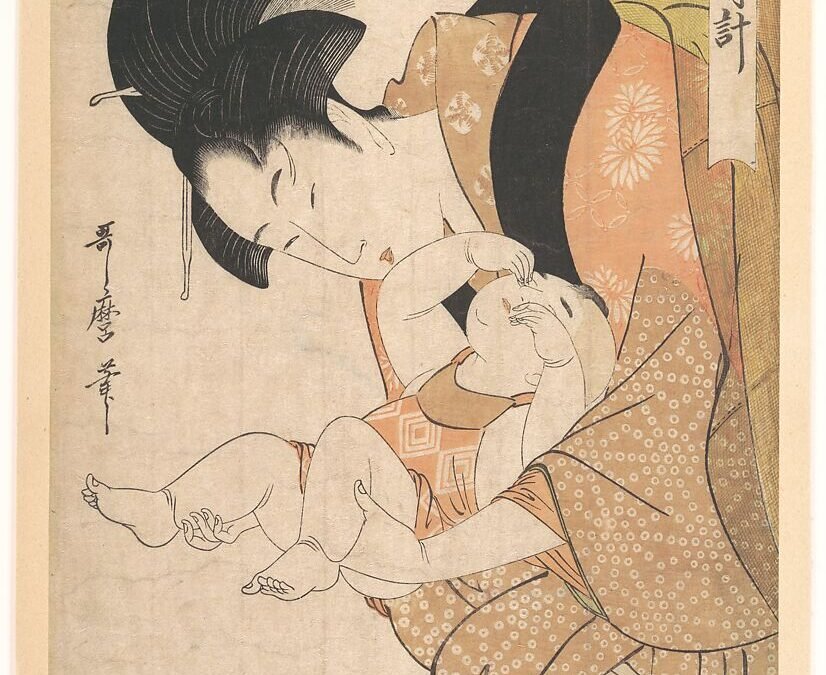
From Edo to Art Nouveau
The 1800s Design Revolution
How Asian Art Fueled the Western Decorative Arts Boom
The 19th century witnessed a spectacular revolution in how everyday objects were made, viewed, and integrated into the home. As the Industrial Revolution swept across the globe, it sparked an unprecedented explosion of decorative arts, forever altering interior design, furniture, and textiles.
The most profound catalyst for this transformation did not come from Western factories—it arrived from the East. When global trade routes reopened, an influx of East Asian art fundamentally reshaped European design, shattering rigid Western traditions and paving the way for modernism.
The Opening of Japan and the Paris World's Fair
For over two centuries, Japan remained largely closed to the West under a strict policy of national isolation. That status quo ended abruptly in 1853 when trade borders reopened. What followed was a cultural tidal wave.
Shiploads of East Asian treasures flooded Western markets: Japanese ukiyo-e woodblock prints, painted porcelain, lacquerware fans, brilliant silks. By the time Japan officially showcased its craftsmanship at the Paris World’s Fair of 1867, a full-blown obsession had taken hold.
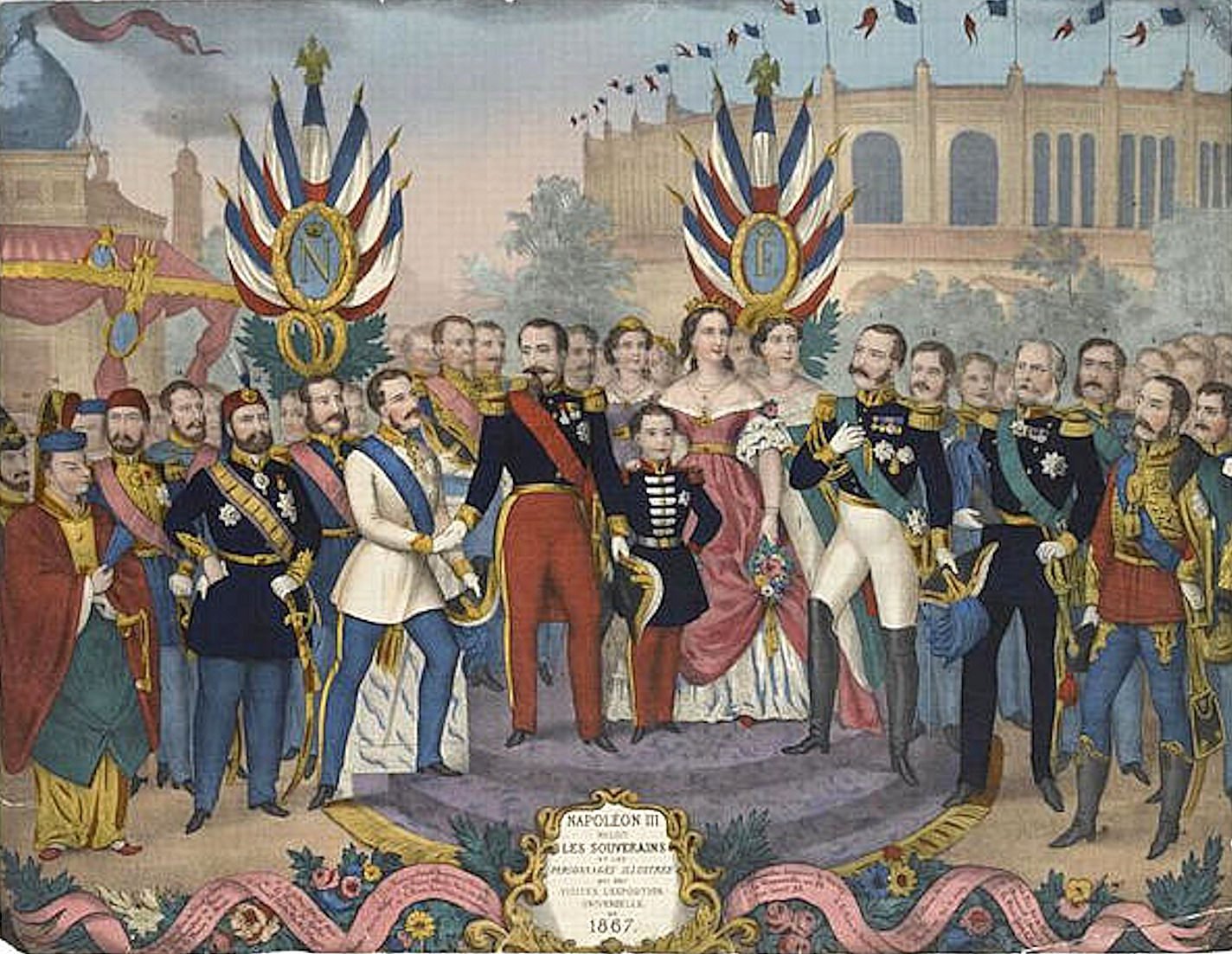
Napoleon III receives the rulers and illustrious men who visited the Exposition universelle of 1867.
The Birth of Japonisme
The French dubbed this craze "Japonisme," a fervor that rapidly spread across Europe. It permanently infected the decorative arts, shifting the Western aesthetic paradigm away from dense Victorian clutter toward elegant, intentional placement.
Vincent van Gogh: Painted Portrait of Père Tanguy (1887) and Agostina Segatori Sitting in the Café du Tambourin, incorporating background Japanese prints.
Mary Cassatt: Created a famous series of color etchings like Maternal Caress (1890–91) heavily influenced by Japanese spatial design.
James McNeill Whistler: Painted Harmony in Blue and Gold: The Peacock Room (1876–77), blending interior design and Japanese aesthetics.
Edgar Degas: Used high angles and odd off-center placement inspired by prints seen during the era.
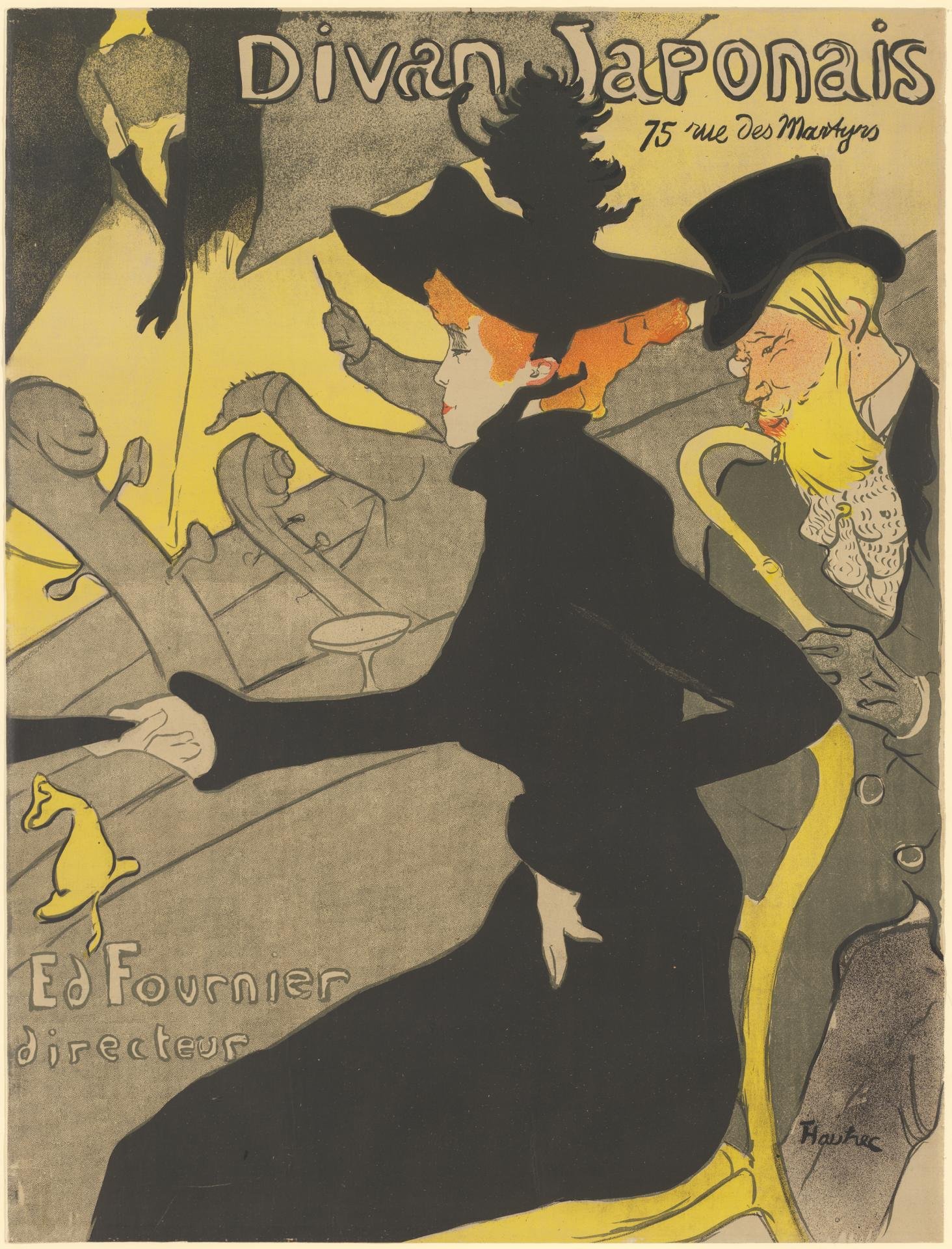
Henri de TOULOUSE-LAUTREC
Divan Japonais 1893
Breaking the Victorian Mold:
Three Principles Borrowed from the East
To European designers, Asian art offered a thrilling alternative to the stuffy, symmetrical, and over-ornamented historical styles of the Victorian era. Western crafters eagerly adopted three revolutionary design philosophies from Eastern masters:
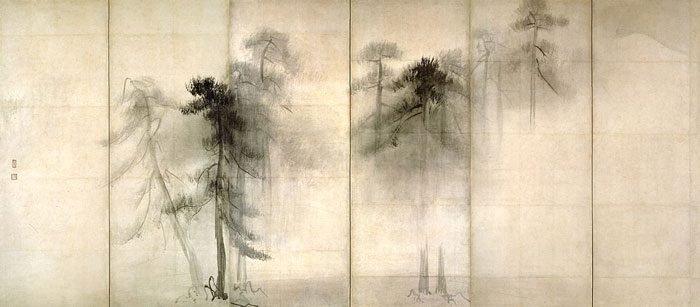
Asymmetry & Space:
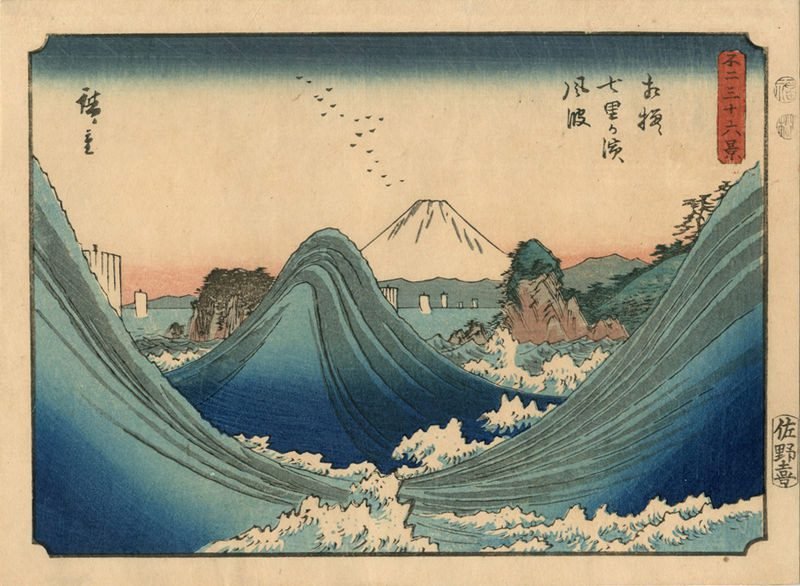
Flatness & Geometry
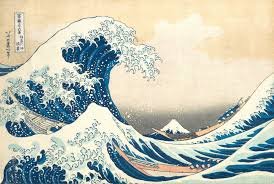
Organic Naturalism
Unlike European design, which demanded absolute symmetry, Asian compositions embraced dynamic imbalance. Designers left intentional empty spaces, allowing the visual layout to breathe.
Traditional Western shading and forced perspective were swapped for bold, flat planes of color, distinct silhouettes, and strong, eye-catching diagonal lines.
Instead of idealized or heavily stylized motifs, Asian art celebrated the raw, unedited beauty of nature—capturing insects, birds, waves, and botanical forms with sweeping fluidity.
From Anglo-Japanese Silver to French Art Nouveau Glass
The artistic cross-pollination completely transformed major European decorative movements on both sides of the English Channel.
The Aesthetic Movement (Great Britain)
Art Nouveau (France)
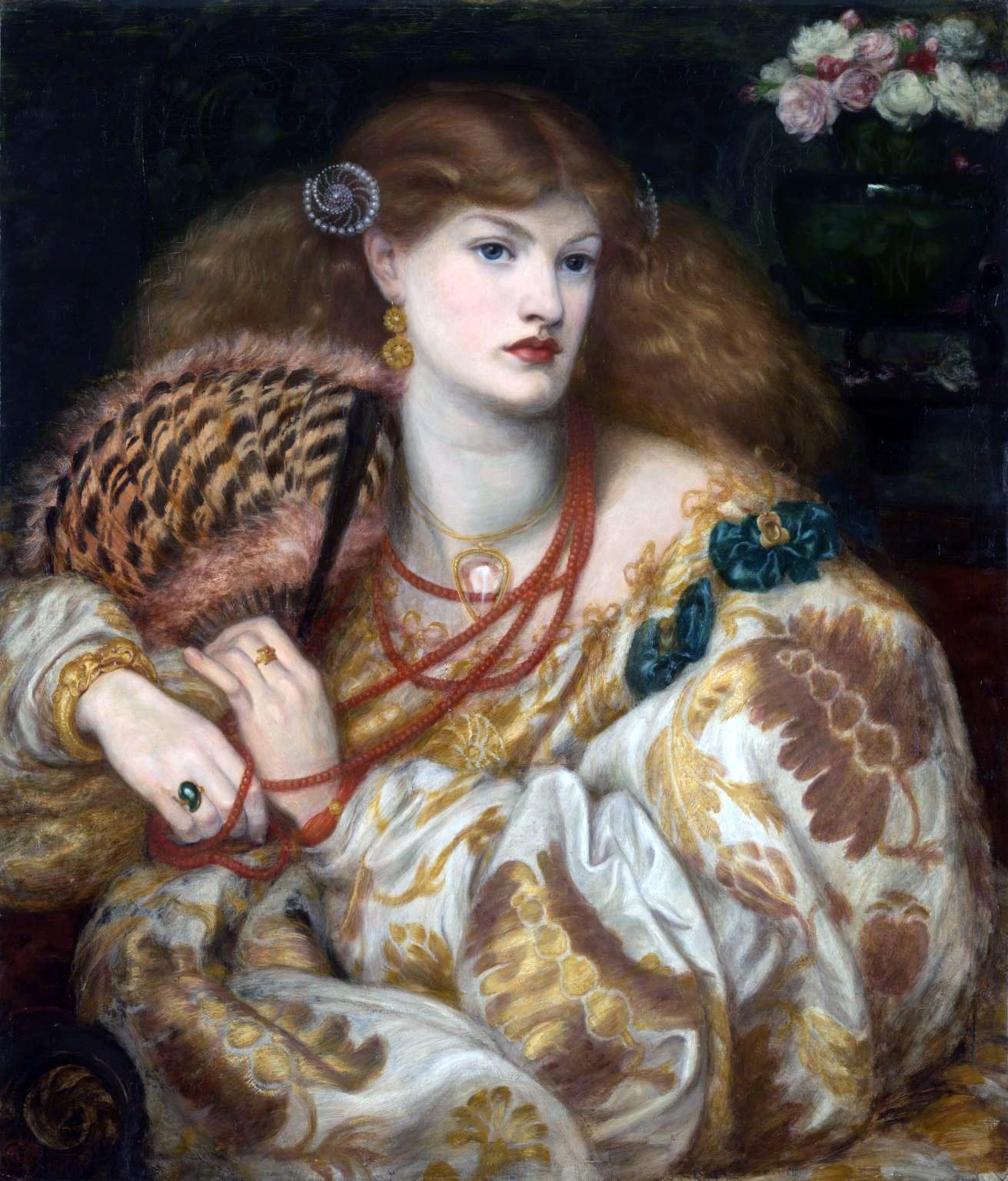
In Great Britain, the Aesthetic Movement adopted an "Art for Art’s Sake" ethos heavily inspired by Eastern interiors.
Furniture makers crafted "Anglo-Japanese" side chairs, using dark stains to mimic rare Asian ebony and carving crane motifs directly into the woodwork.
Prestigious silversmiths, including Tiffany & Co., abandoned classical scrollwork to engrave sleek, asymmetrical patterns of bamboo and foliage onto their holloware.
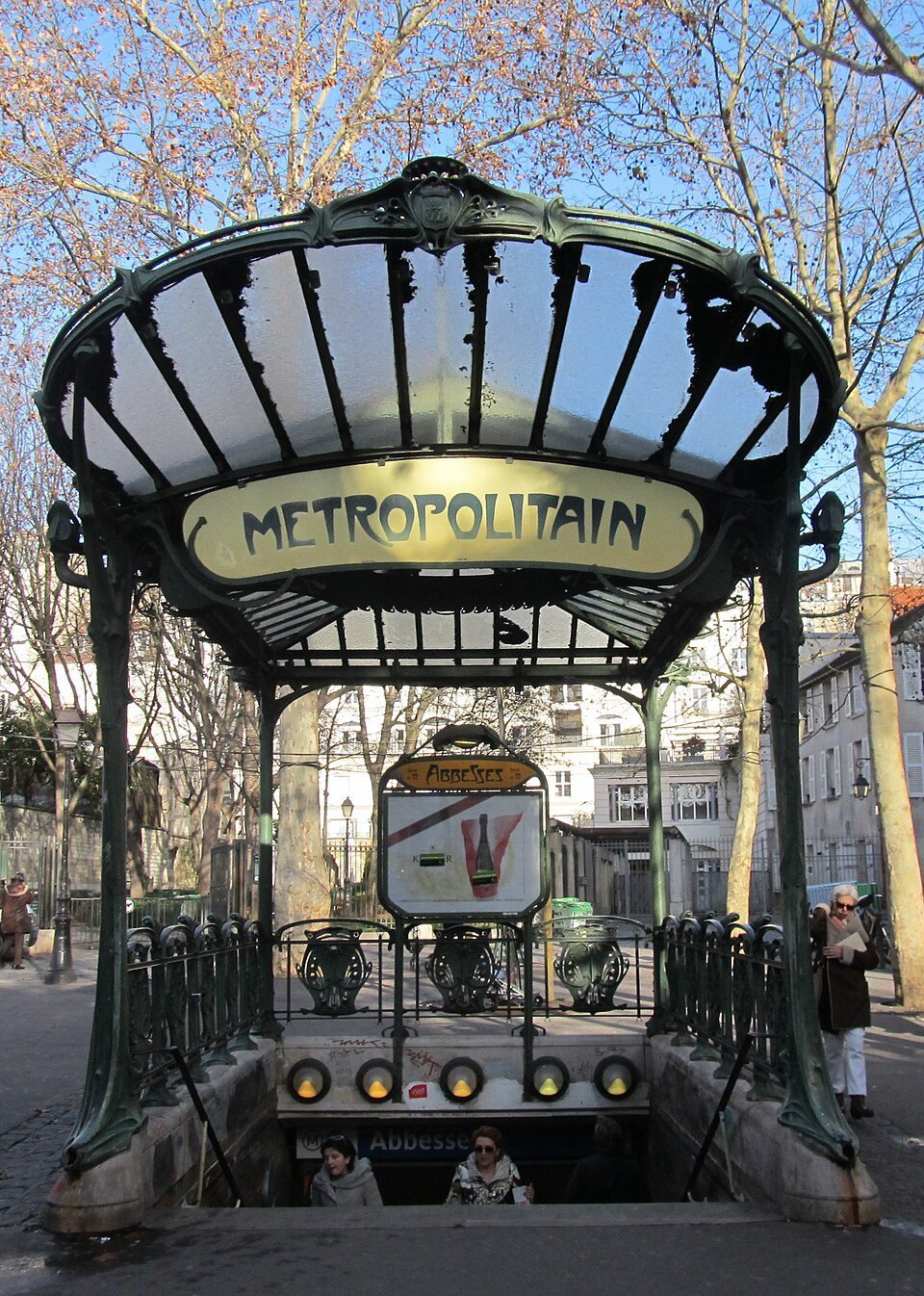
Simultaneously, the Art Nouveau movement bloomed in France.
Renowned glassmaker Émile Gallé and jeweler René Lalique directly channeled the sinuous, whip-lash lines of Japanese art into their works.
Masterpieces of French furniture and architecture began incorporating the organic curvature of plant stems and waves, a direct nod to the flowing linework popularized by Eastern masters.
The Lasting Legacy of 19th-Century Fusion
The 19th-century decorative art explosion proved that household items could be elevated beyond mere functional utility. By absorbing the minimalism, craftsmanship, and material sensitivity of Asian design, European artisans successfully broke away from the weight of their own past.
In doing so, they laid down the foundational design principles—clean lines, functional beauty, and geometric simplicity—that would eventually define 20th-century modernism.
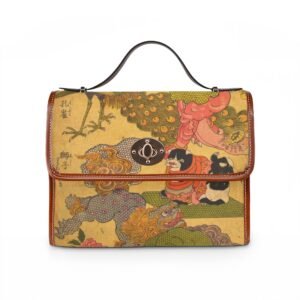
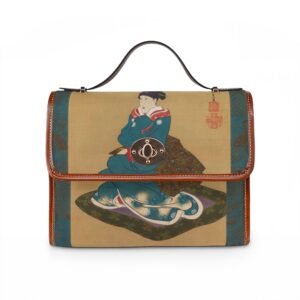
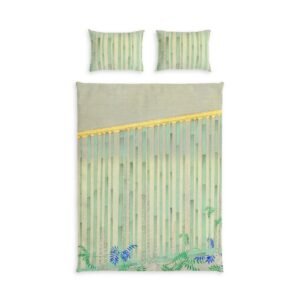
explore further >
We've created a more in-depth page about this important culural movement and its context, timeline and important works.
Explore the collection >
This post is part of our expanding FINE ARTS COLLECTION where we write about what inspires us to create the designs that we sell here on cgk.ink
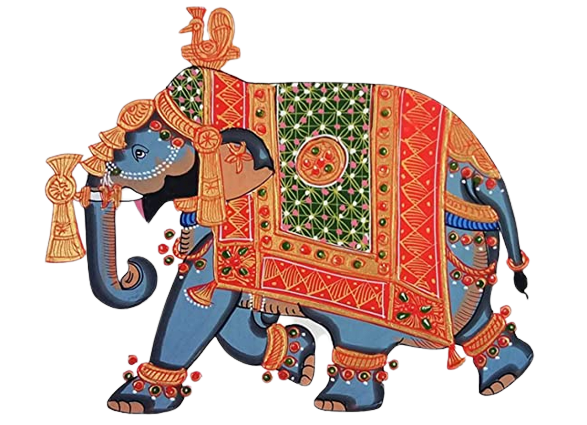
The Importance of Elephants
Elephants in Fine Art: Sacred, Symbolic, and the Sublime
Few animals have captured the imagination of artists across cultures and centuries quite like the elephant. Massive yet gentle, intelligent, long-lived, and deeply social, elephants have been rendered in stone, bronze, silk, and pigment as symbols of royalty, divinity, wisdom, and strength. This post surveys how elephants have appeared across major artistic traditions, with a special focus on the rich visual cultures of India and Southeast Asia, where the elephant holds a uniquely sacred status.
IMAGE: The Elephants (1948), Salvador Dalí
Elephants in Western Art
In European art, elephants were long considered exotic curiosities, appearing mostly through secondhand accounts before live specimens reached royal courts. Medieval bestiaries depicted elephants with fanciful, often inaccurate features, since most illustrators worked from written descriptions rather than direct observation. By the Renaissance, as trade routes expanded and menageries became a status symbol among European nobility, artists gained access to actual elephants and began rendering them with greater anatomical accuracy.
The animal became a favorite subject for artists interested in scale, texture, and the sublime — the wrinkled hide, the improbable trunk, the sheer bulk of the creature offered a technical challenge that appealed to draftsmen and printmakers alike. Later, the elephant became a fixture of Orientalist painting in the 19th century, often depicted in exoticized hunting or ceremonial scenes set in Africa or Asia, reflecting the colonial gaze of the period rather than the animal's actual cultural context.
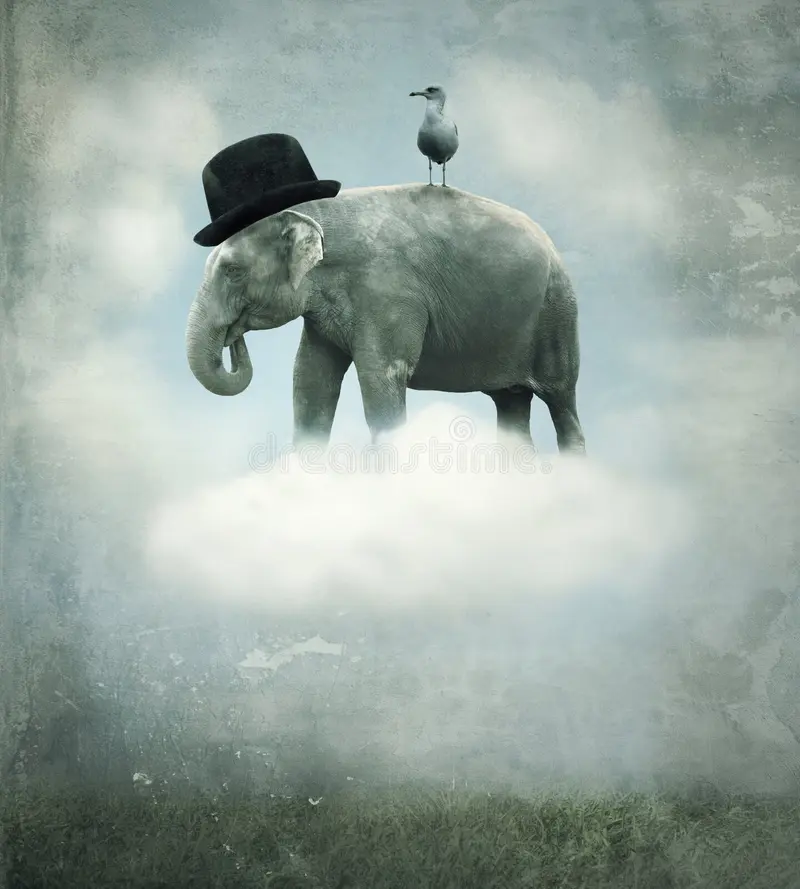
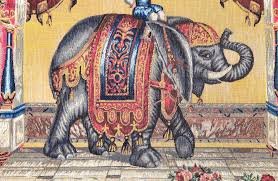
An orientalist elephant refers to 19th-century and early 20th-century Western decorative arts, paintings, and sculptures depicting elephants in romanticized, opulent, or exoticized South and West Asian royal settings. These pieces often feature majestic pachyderms adorned with ornate howdahs (seats) and ceremonial trappings.
Elephants in African Art
Across the African continent, the elephant has long been a symbol of leadership, power, and continuity. In West African traditions, particularly among the Akan peoples of Ghana, elephant motifs appear in goldweights, textiles, and royal regalia, often associated with chieftaincy and the durability of communal memory. Ivory carving — though now rightly restricted due to conservation concerns — was historically one of the most prized art forms across Central and West Africa, with elephant tusks transformed into ceremonial objects, masks, and finely detailed figural carvings.
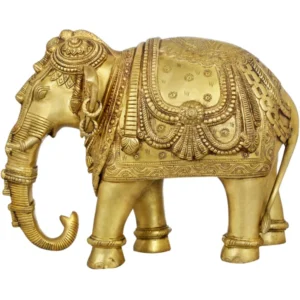
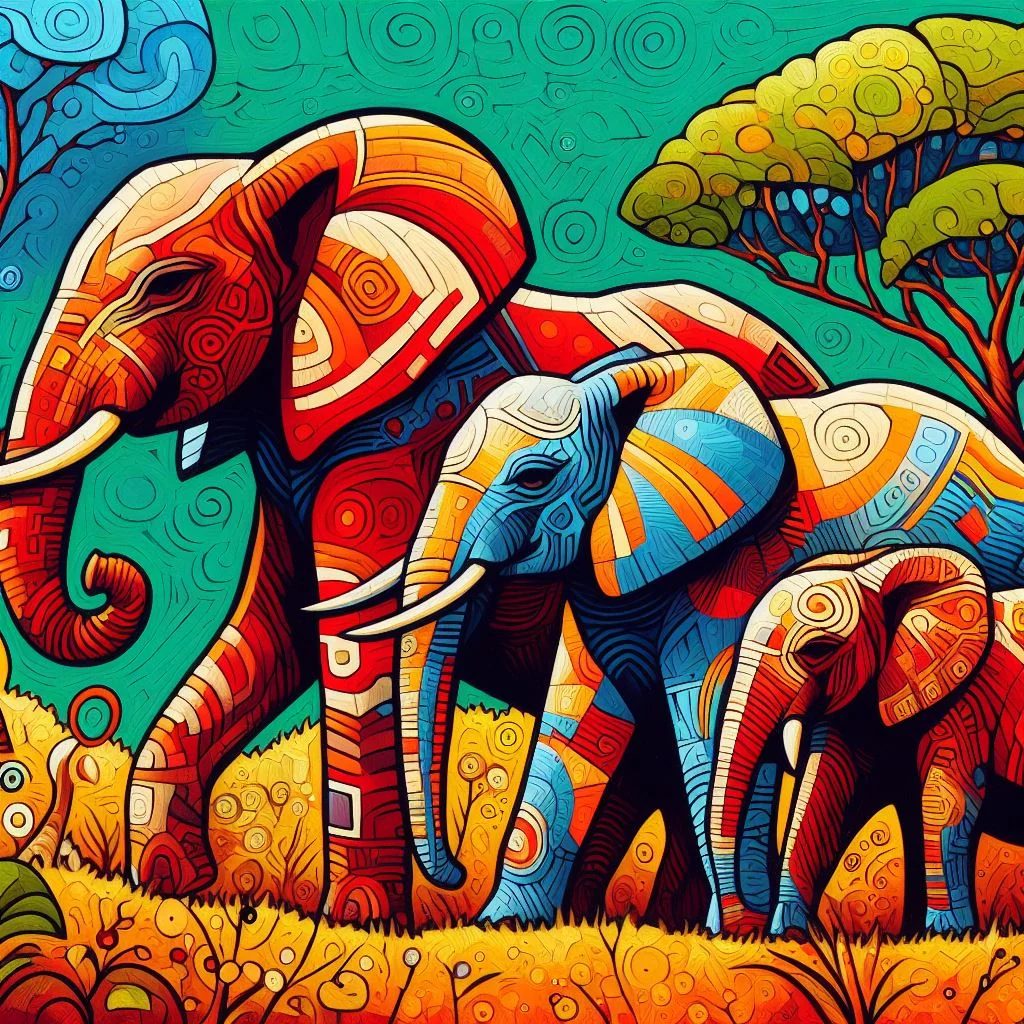
Contemporary African and African-diaspora sculptors continue to work with the elephant as a subject, frequently in bronze, celebrating the animal's association with matriarchal social structures, memory, and environmental stewardship — themes that resonate strongly with elephants' real-world social behavior.
Elephants in Indian and Southeast Asian Fine Art
Nowhere is the elephant more central to a visual and spiritual tradition than in South and Southeast Asia, where the animal is woven into religious cosmology, royal iconography, and everyday decorative art.
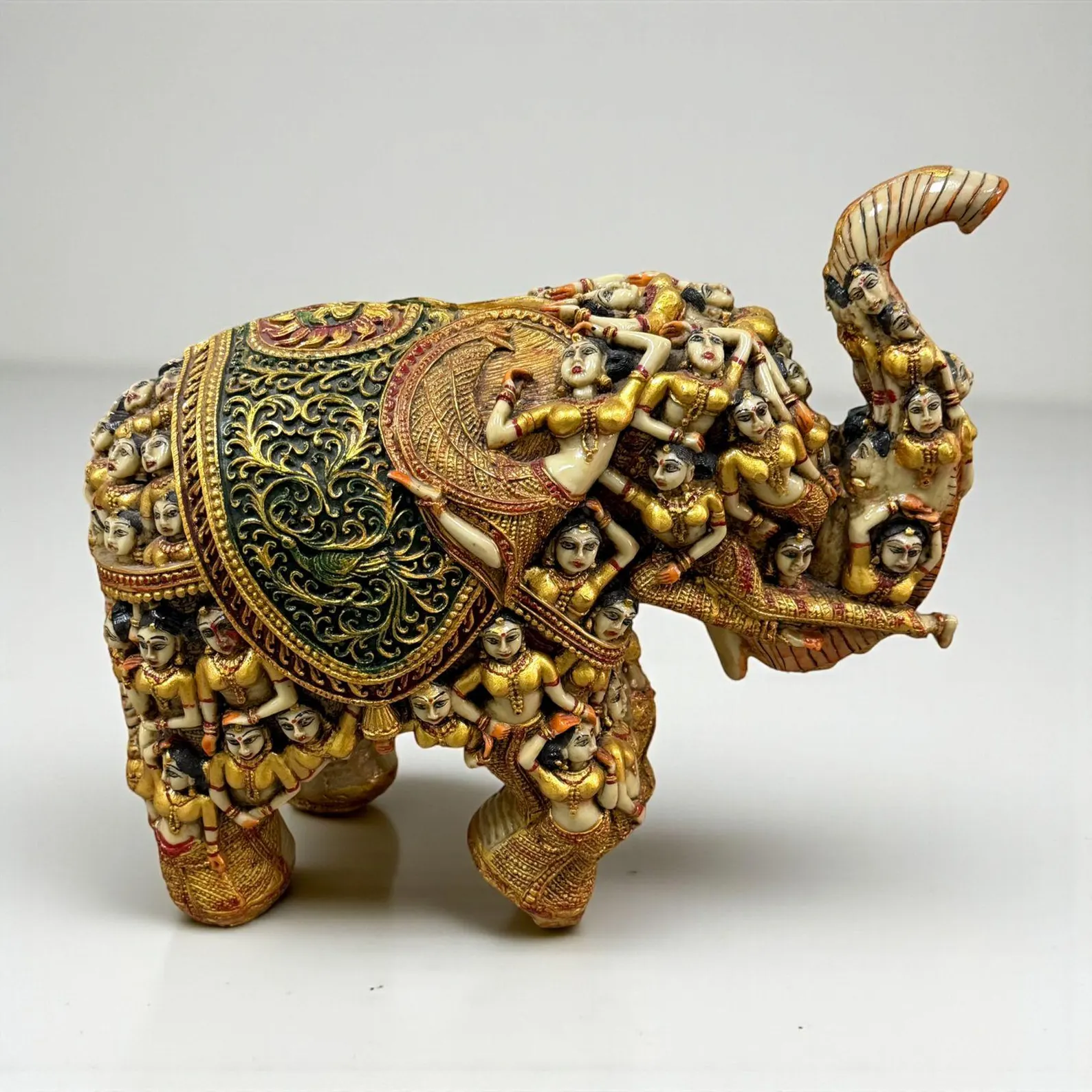
Ganesha and Hindu Sculpture
The elephant-headed deity Ganesha is among the most widely reproduced figures in Indian art, appearing in temple stone carvings, bronze icons, and household shrines across the subcontinent and wherever Hindu communities have settled. Ganesha sculptures range from monumental temple guardians to small portable icons, but nearly all share the recognizable iconography of the elephant head atop a human body, symbolizing wisdom, the removal of obstacles, and the union of intellect and strength.
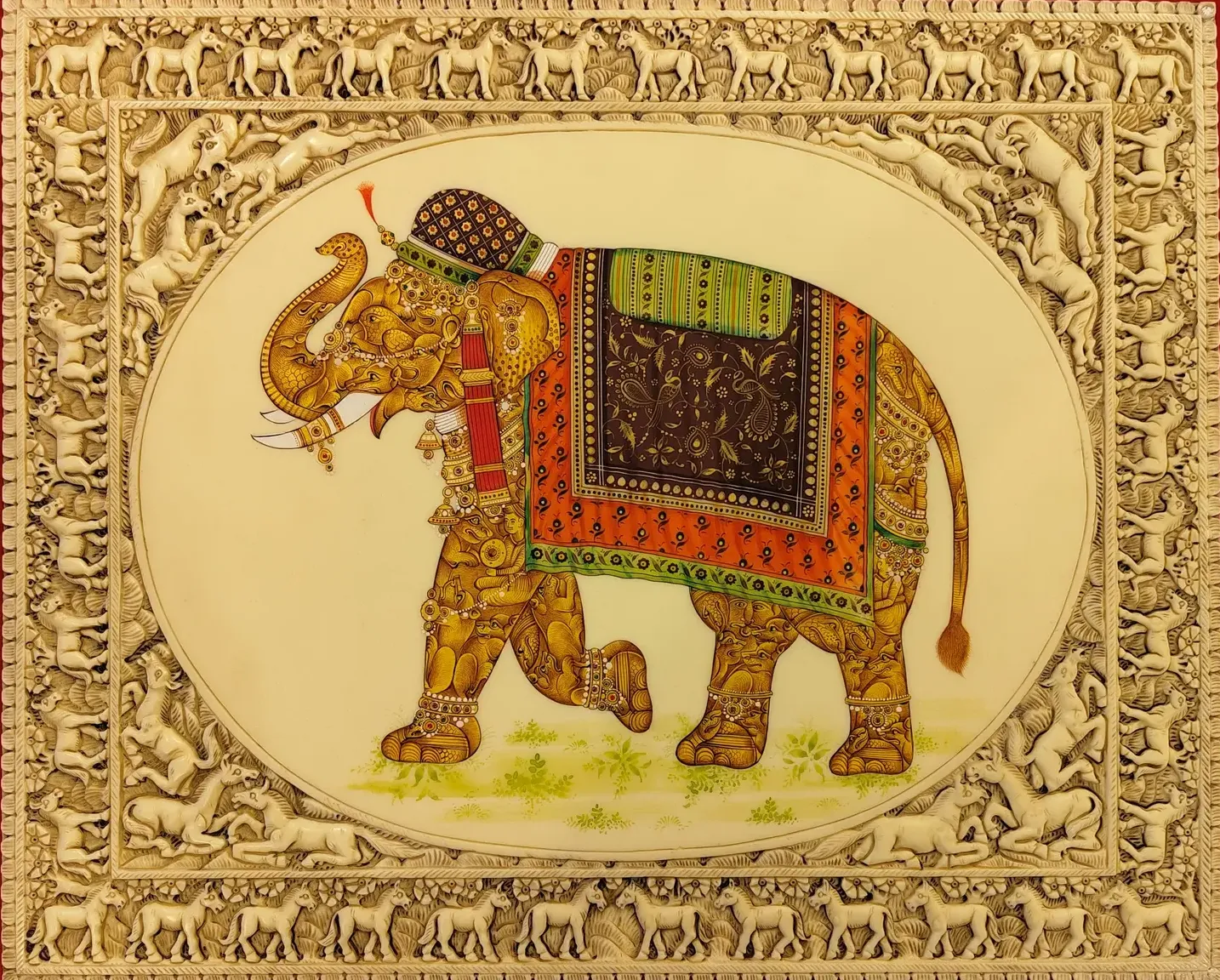
Mughal and Rajput Miniature Painting
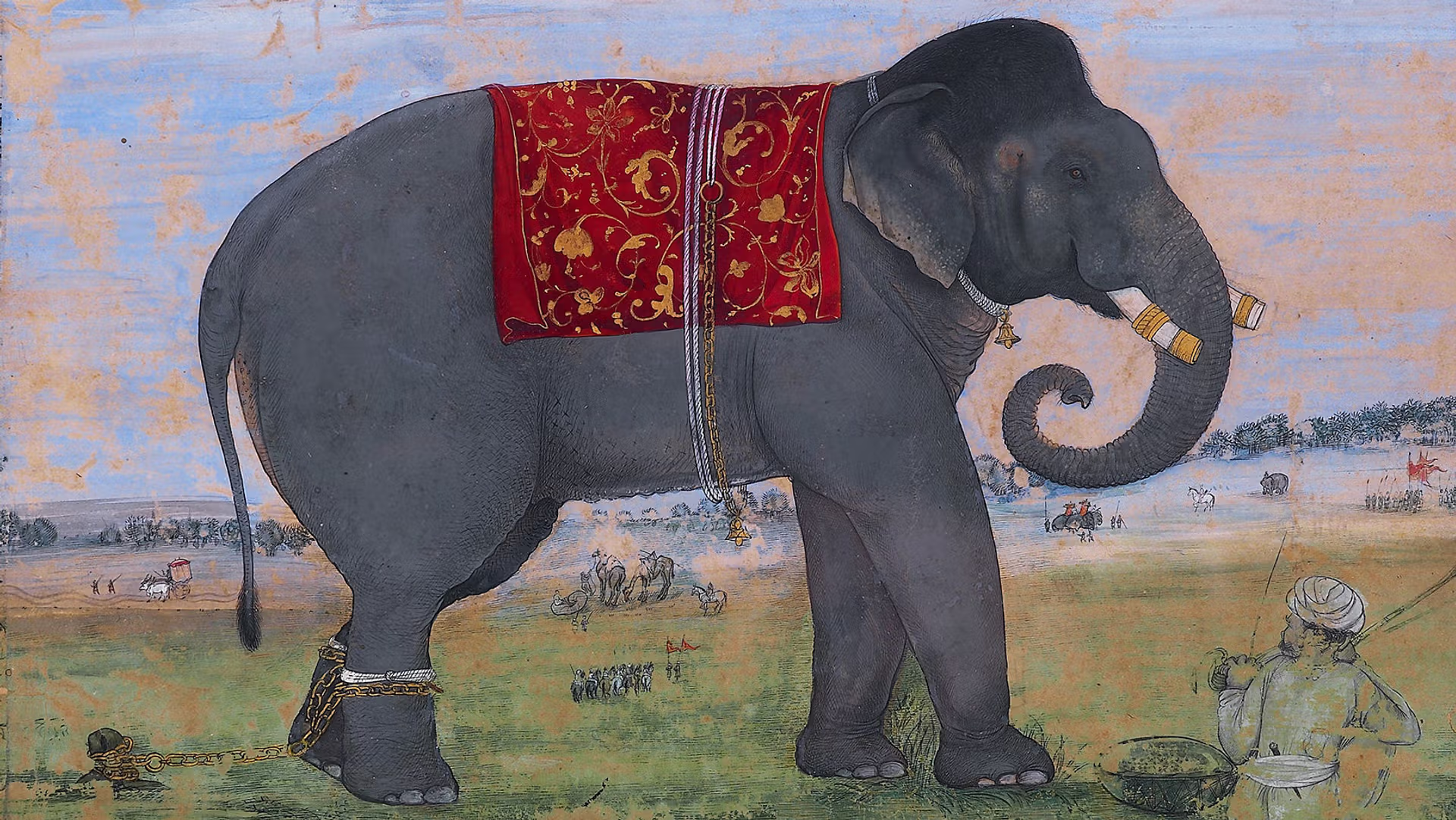
During the Mughal era, court painters developed an extraordinarily refined tradition of miniature painting, and elephants were among their favorite subjects. Royal processions, hunting expeditions, and elephant duels (a courtly sport) were rendered in intricate detail, with painters capturing not just the animal's anatomy but its caparison — the elaborate painted and jeweled trappings used to dress ceremonial elephants.
These paintings served as records of royal power, since the number and quality of a ruler's elephants was a direct measure of prestige.
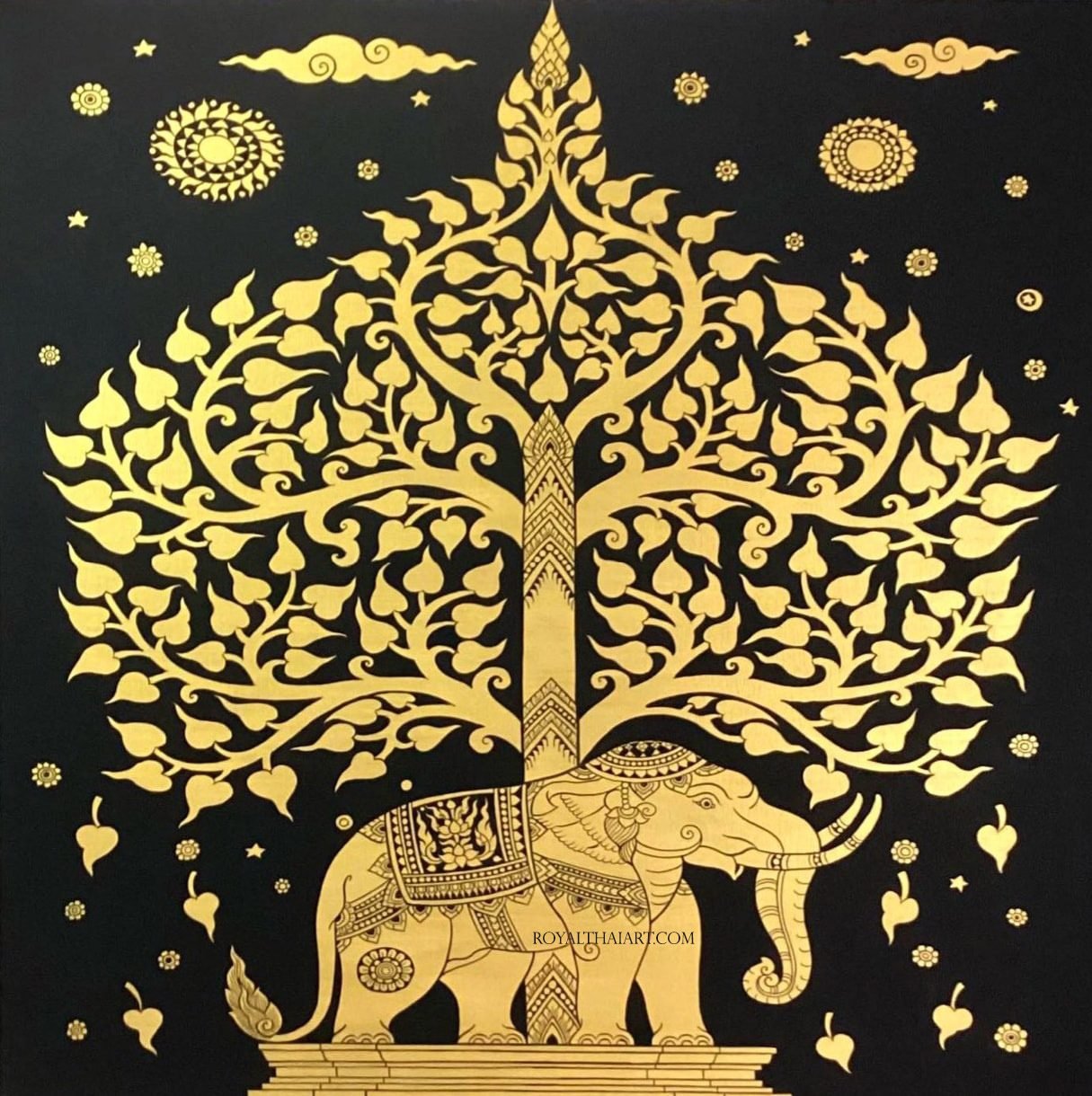
In Thailand, the white elephant holds special significance as a symbol of royal legitimacy and Buddhist merit, tied to legends of the Buddha's birth. Temple murals (often found lining the interior walls of a wat) frequently depict elephants in scenes from the Jataka tales — stories of the Buddha's previous lives — as well as in courtly and battle scenes. These murals, painted in vivid mineral pigments, remain some of the most vibrant surviving examples of Southeast Asian narrative art.
Across the region, elephants also appear constantly in decorative and applied arts: batik and songket textiles, wood carving, shadow puppetry (wayang) in Indonesia, and lacquerware, reflecting how deeply the animal is embedded in daily cultural life rather than confined to elite or religious commissions.
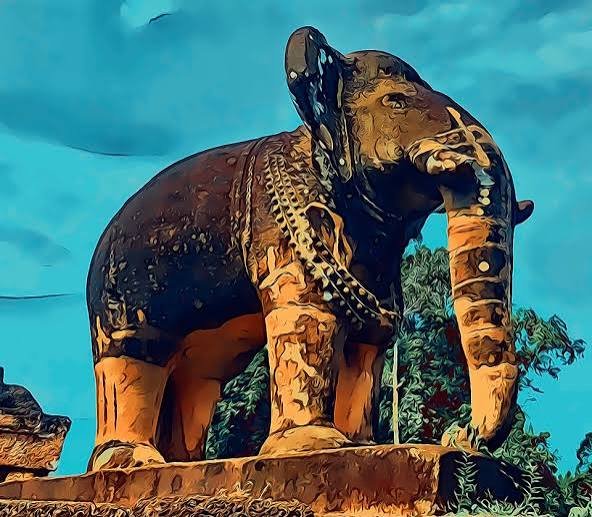
Southeast Asian Temple Art
In Cambodia, the bas-reliefs of Angkor Wat and the Bayon depict elephants in both mythological and historical contexts — as war mounts in the depicted battles of the Khmer Empire and as vehicles of gods and kings. The stone carvers achieved remarkable dynamism, showing elephants mid-stride or engaged in combat, their forms integrated seamlessly into the larger narrative reliefs that wrap the temple walls..
Elephant Soul, Indian Brush
Our Brothers & Sisters: Octopuses
Eight Arms, Limitless Mystery
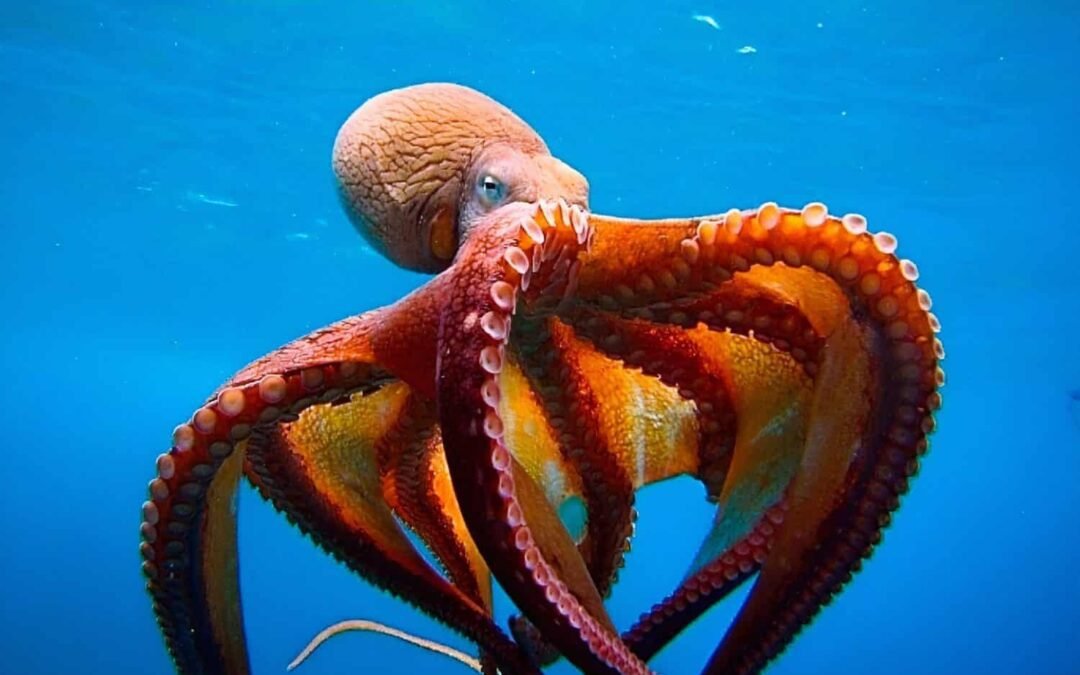
Octopuses have long fascinated artists, appearing in works that span centuries and continents. From the intricate cephalopod motifs found on ancient Minoan pottery to the dramatic, tentacled creatures of Japanese ukiyo-e prints, these creatures have symbolized everything from mystery and intelligence to eroticism and the unknowable depths of the sea. Their fluid, alien forms — capable of near-total transformation in color and shape — offer artists a subject that resists easy representation, making the octopus a recurring emblem of metamorphosis and otherness in visual culture. Whether rendered in delicate line work, bold woodblock printing, or contemporary surrealist compositions, the octopus continues to captivate as both a natural wonder and a rich artistic symbol.
... and by the way, while we're on the topic, it's Octopuses: following the standard English plural formed by adding -es. It is the most widely used and recommended choice.
Octopi: A historical form based on the mistaken idea that octopus is a Latin word needing a Latin -i ending. It is common in casual speech but etymologically incorrect.
Octopodes: Pronounced oc-TOP-uh-deez, this follows the original Greek root (oktōpous). It is rarely used.
Eight Arms, Infinite Meanings: The Octopus in Fine Art
From Minoan pottery to Surrealist canvases, no other creature has slipped so easily between the sacred, the erotic, and the monstrous. Here's why artists keep reaching for the octopus.
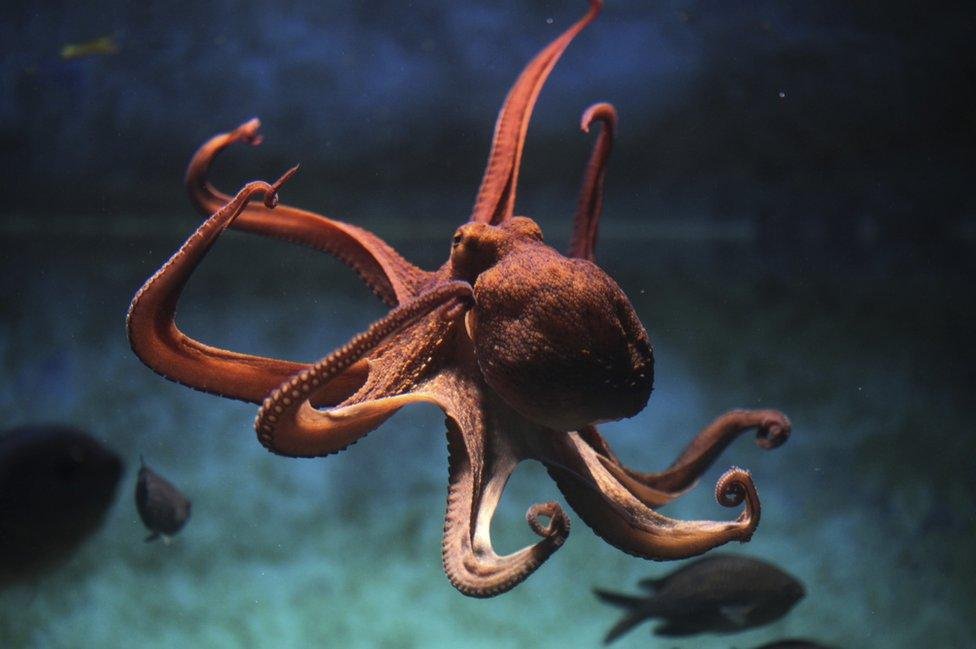
Long before marine biologists could explain how an octopus reasons with three hearts and a brain distributed through its arms, artists had already cast it as a symbol of everything human vision struggles to hold at once: intelligence and alienness, seduction and horror, chaos and grace. Few creatures have moved through so many artistic traditions while keeping their charge intact. The octopus doesn't just appear in art — it argues with it, twisting the frame the way it twists its own body through impossible spaces.
The Ancient Aegean: A Creature of the Sea's Own Logic
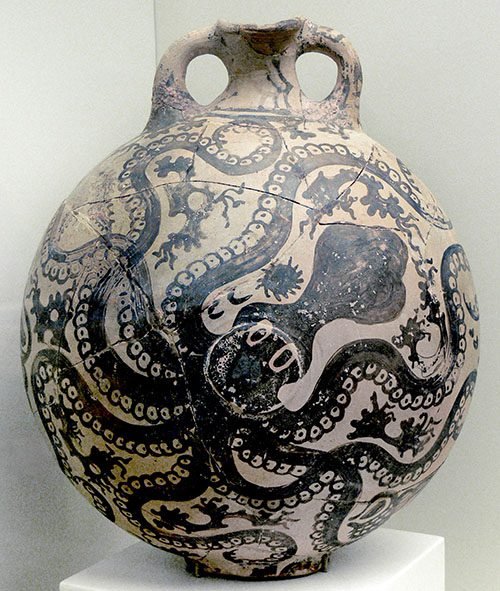
The octopus's art-historical career begins over 3,500 years ago, on the Greek island of Crete. Minoan potters covered their vessels with octopuses whose arms curled outward to fill the curved surface of a jar or flask, an approach so well suited to the animal's form that art historians still point to Minoan "Marine Style" pottery as an early masterclass in letting subject and structure shape each other. There's no anxiety in these images — the octopus reads as a creature of abundance, tied to the rhythms of a seafaring culture that depended on the ocean for survival and trade. It is decorative, yes, but also votive: an emblem of a world where the boundary between land and water, human and animal, felt porous rather than threatening.
Edo Japan and the Erotic Sublime
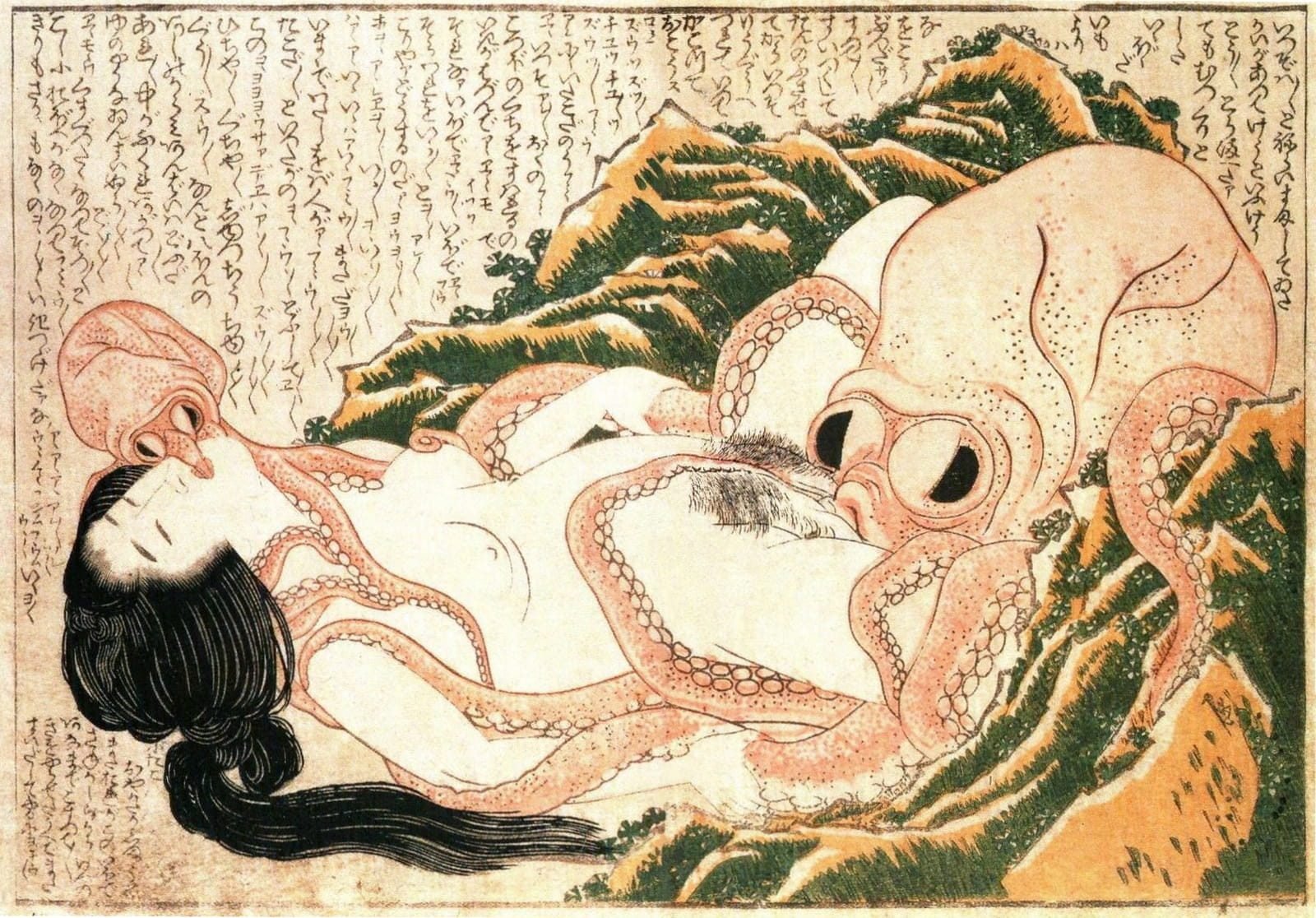
The most famous octopus in art history is arguably a woodblock print: Katsushika Hokusai's The Dream of the Fisherman's Wife (1814), part of his erotic shunga tradition. A pearl diver is shown in an intimate embrace with two octopuses, one large and one small, in a composition so frank it startled Western audiences when it resurfaced in the 20th century. The print draws on older Japanese folklore about sea creatures as both erotic and supernatural agents, and it set a visual template — human and octopus intertwined — that later Western Surrealists and contemporary artists would return to again and again, whether or not they knew the source.
The octopus becomes shorthand for a desire that exceeds ordinary human proportion — too many arms, too much intimacy, too much knowing.
Victorian Naturalism and the Monstrous Unknown
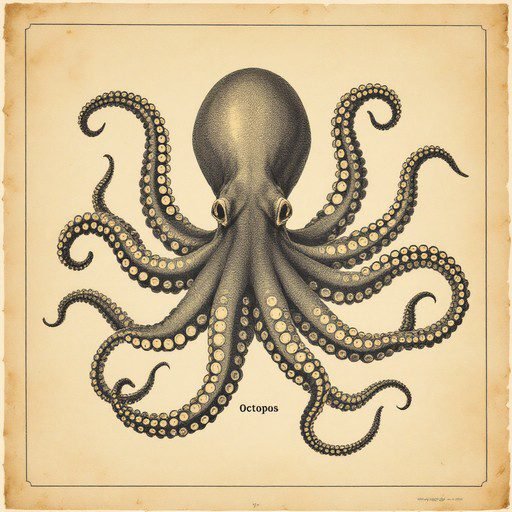
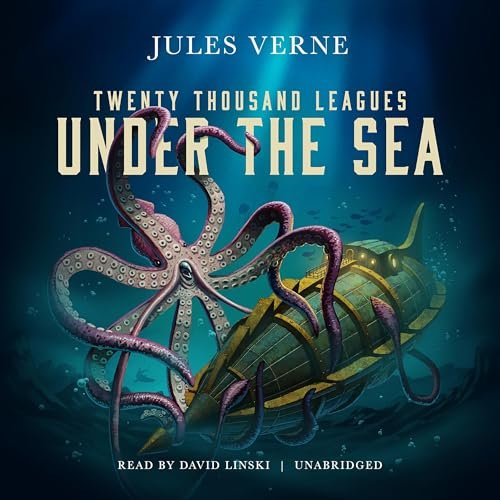
By the 19th century, as naturalists began cataloguing deep-sea life and Jules Verne sent readers twenty thousand leagues under the sea, the octopus took on a darker charge in the Western imagination. Victor Hugo — better known as a novelist, but also a serious draftsman — filled his own ink washes with monstrous octopus-like beings, using the creature's tentacled form to visualize obsession, temptation, and cosmic dread. Illustrators of Verne's novels gave the giant squid and octopus their now-iconic role as ship-swallowing menace: a stand-in for everything the era's scientific confidence couldn't yet explain. This is where the "kraken" association hardens into popular culture — the octopus as chaos made flesh, an intelligence too foreign to reason with.
Art Nouveau: The Octopus as Ornament
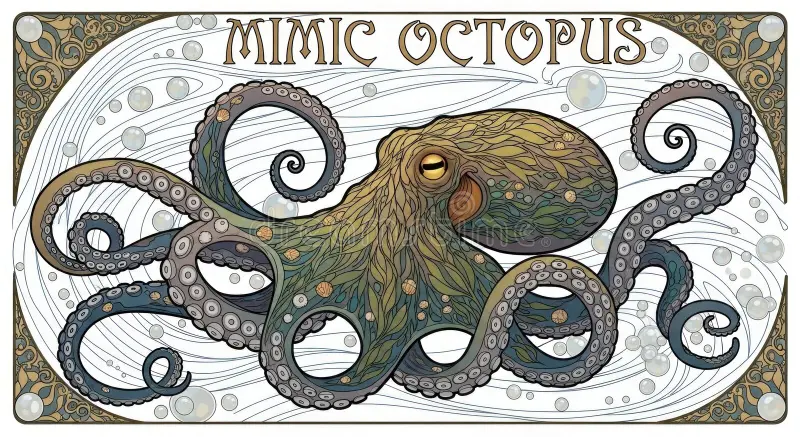
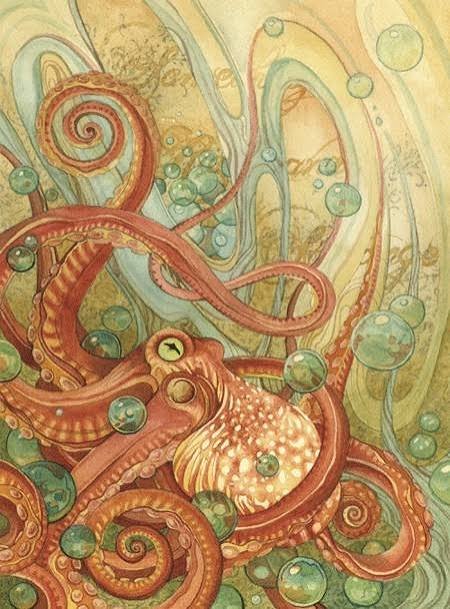
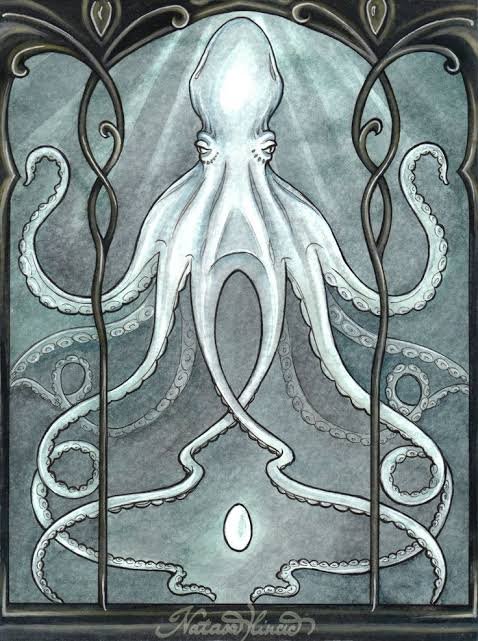
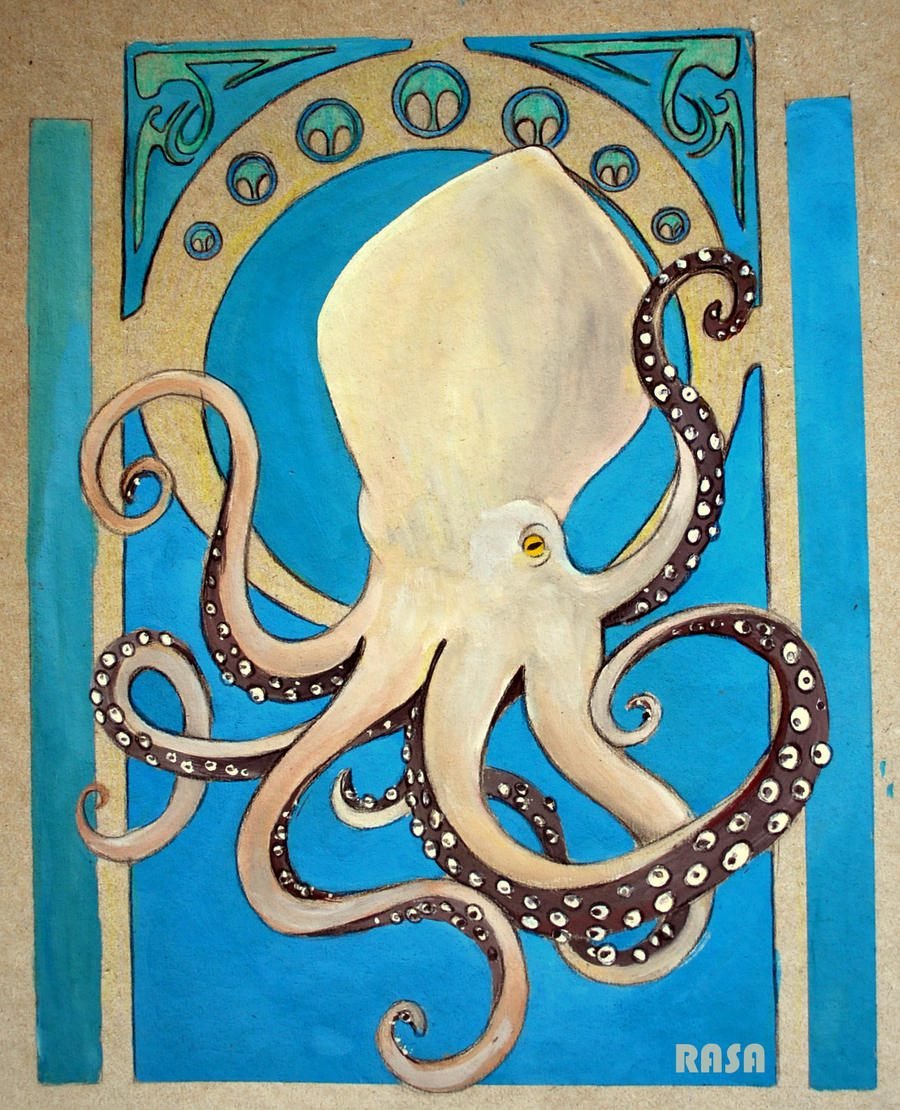
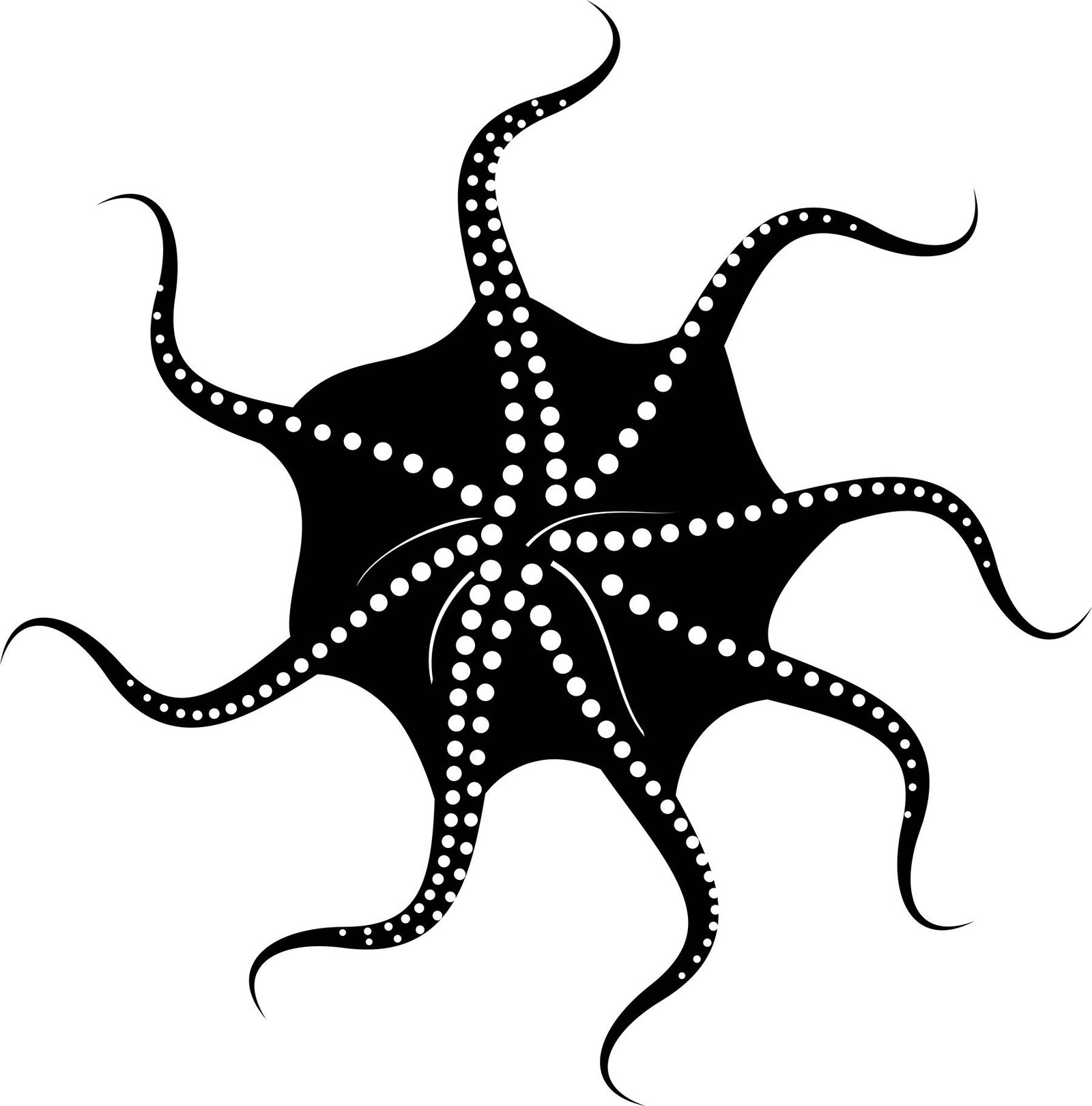
At the turn of the 20th century, Art Nouveau designers rehabilitated the octopus into pure decorative grace. Its curling arms mapped naturally onto the movement's whiplash line — the same sinuous curve that shaped Tiffany glass, Mucha's posters, and Gaudí's ironwork. Here the octopus loses most of its menace and becomes instead a study in organic asymmetry, proof that nature itself was the era's greatest designer. It's a useful reminder that the octopus's meaning was never fixed; each period projected its own preoccupations onto that same eight-armed silhouette.
Surrealism and the Unconscious Made Visible
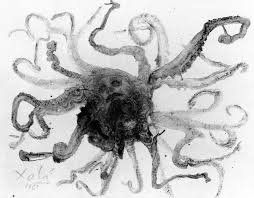
The Surrealists, hunting for images that could bypass rational thought entirely, found the octopus irresistible. Its boneless, shape-shifting body, its alien intelligence, and its associations with the unconscious depths of the ocean made it a natural metaphor for the unconscious mind itself. Salvador Dalí and his contemporaries returned to cephalopod forms as symbols of metamorphosis and the instability of identity — a body that refuses to hold one shape is a perfect image for a psyche that refuses to hold one meaning.
Why the Symbolism Endures
Intelligence without a familiar mind. The octopus is one of the few creatures whose evident intelligence doesn't resemble our own, making it a natural symbol for knowledge or consciousness that exceeds human categories.
Camouflage and transformation. Its ability to change color and texture instantly has made it an emblem of disguise, adaptability, and the instability of appearances.
Too many arms. The multiplicity of limbs reads as both erotic excess and monstrous threat — the same visual fact producing opposite emotional effects depending on the era.
The deep unknown. As a creature of the ocean depths, it carries the same symbolic weight as the sea itself: the unconscious, the unmapped, the sublime.
The Contemporary Afterlife
Today the octopus is everywhere in art and design again, from gallery ceramics to editorial illustration to the art-inspired textiles and home goods that draw on centuries of this same visual language. What's remarkable is how much of the old symbolism survives intact even in playful, contemporary treatments — a curling tentacle motif still carries a faint charge of mystery and transformation, whether the artist intends it or not. Few creatures offer that kind of built-in depth: pull an octopus into a composition, and three and a half thousand years of meaning come with it.
“Truly obscure animals, like the axolotl (a type of salamander) or the Wunderpus photogenicus (a type of octopus which, true to its name, is very photogenic), don't have nicknames in common use, although I expect to hear from the Association for Researchers of the Axolotl and the Wunderpus Photogenicus (ARAWP?) any day now informing me that they say them often enough that they've devised more efficient names for them.”
― Because Internet: Understanding the New Rules of Language
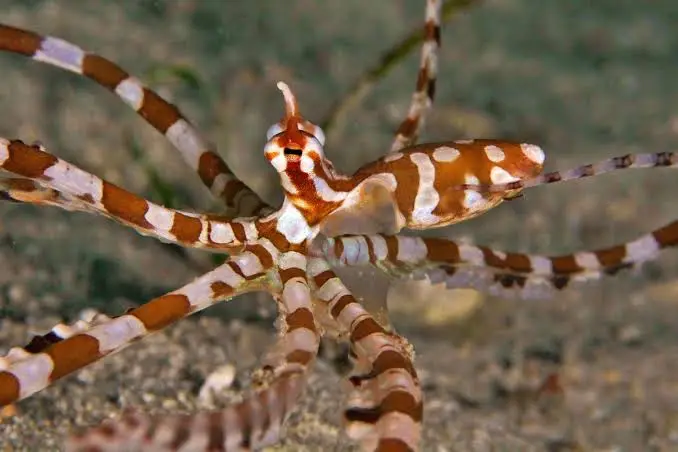
Wunderpus photogenicus, the wunderpus octopus, is a small-bodied species of octopus with distinct white and rusty brown coloration. 'Wunderpus' from German "wunder" meaning 'marvel' or 'wonder'. Due to the appearance and behavior of the wunderpus, it is frequently confused with its close relative, the mimic octopus. Wikipedia

Cheap Fashion: Expensive Consequences
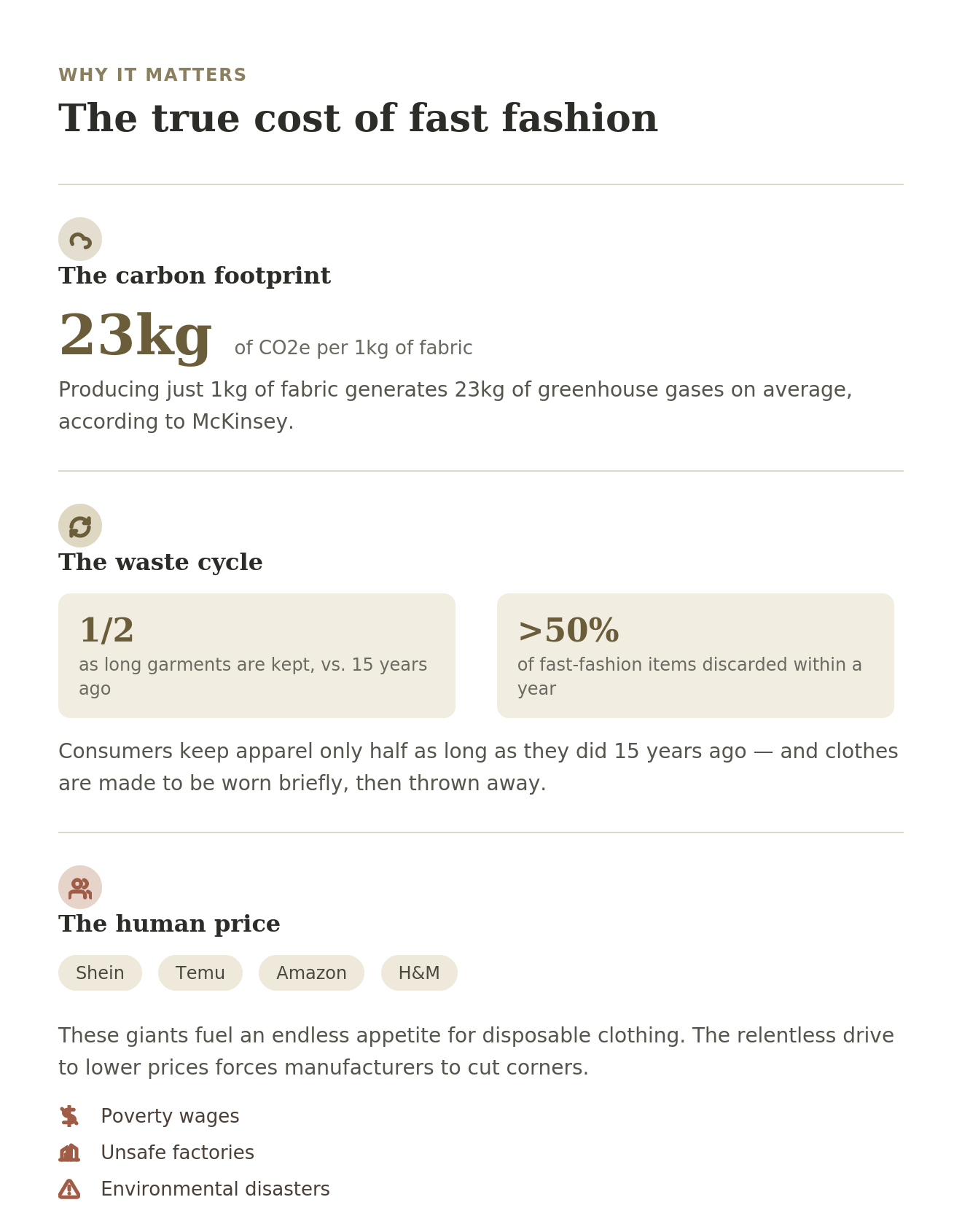
Your daily choices create immediate, measurable ripples across the globe. Nowhere is this impact more visible—or more destructive—than in the multi-trillion-dollar fashion industry. Behind the glamour of affordable style lies an environmental, human, and cultural crisis second only to oil production.
Our Blueprint for Change: What cgk.ink is Doing
Sourcing Responsibly: We selectively source environmentally beneficial materials. You can view our sustainable designs by choosing the Eco-Logical Collection from our Special Collections menu.
Carbon-Neutral Shipping: We provide a transparent carbon-offset option at checkout to neutralize the emissions generated by moving your order from our doors to yours.
Stripe Climate Partnership: As an early member of the Stripe Climate initiative alongside 200,000 global businesses, we contribute 1% of every payment fee directly to advanced carbon removal technologies.
Human-Centric Mindfulness: Sustainability includes people. We partner exclusively with suppliers who guarantee fair, equitable compensation and strictly adhere to international labor laws.
The Toxic Cultural Shift: Transforming How We Live
The 52-Season Cycle: Traditional spring/summer and autumn/winter models are dead. Brands now push weekly micro-seasons to hook you on constant novelty.
The Disposable Mentality: Clothing is no longer viewed as a durable investment. Instead, aggressive corporate marketing trains us to treat garments like chewing gum or cigarettes—to be used up once and immediately thrown away.
The Illusion of Wealth: Rock-bottom price tags deceive shoppers into feeling wealthy because they can buy in massive quantities. In reality, it masks financial regression while making corporate owners billionaires.
The Psychological Toll: Psychological studies prove that as materialistic values rise, personal happiness plummets. The continuous cycle of "retail therapy" creates chronic anxiety and persistent dissatisfaction.
Erasing Global Heritage: The flood of cheap, secondhand clothing dumped onto developing countries completely wipes out proud, historical local tailoring and textile sectors.
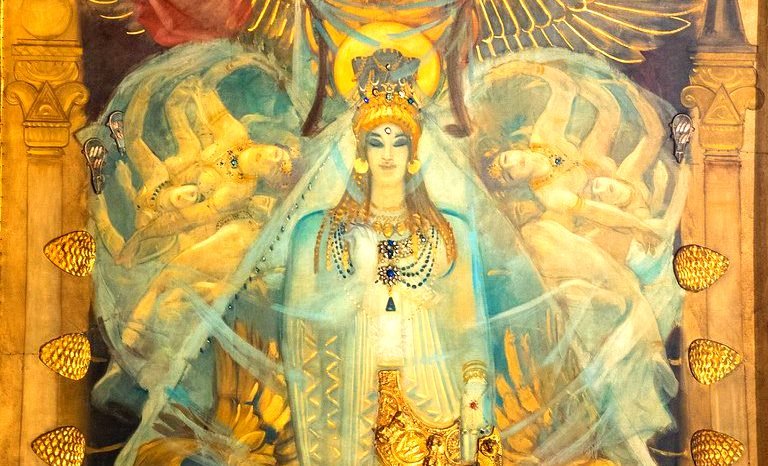
Fine Art Focus: John Singer Sargent
John Singer Sargent: The Triumph of Religion
The Triumph of Religion is an ambitious mural cycle painted by renowned artist John Singer Sargent at the Boston Public Library.
Spanning 84 feet long and located in the third-floor Sargent Hall, the masterpiece took 29 years to complete (1890-1919) and illustrates the evolution of religious history from pagan gods to Christianity
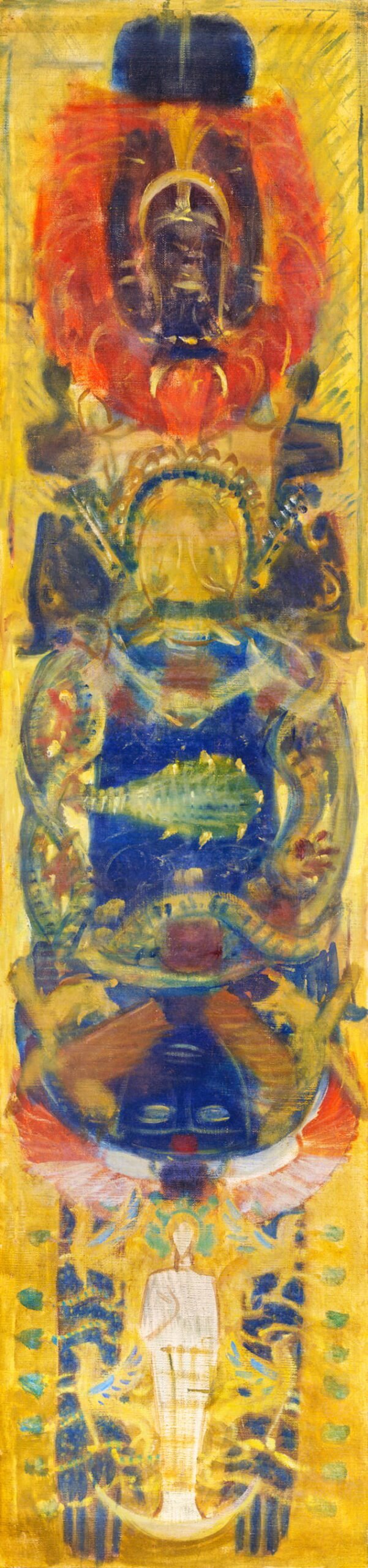
Pagan Heads
John Singer Sargent, created around 1890–1895.
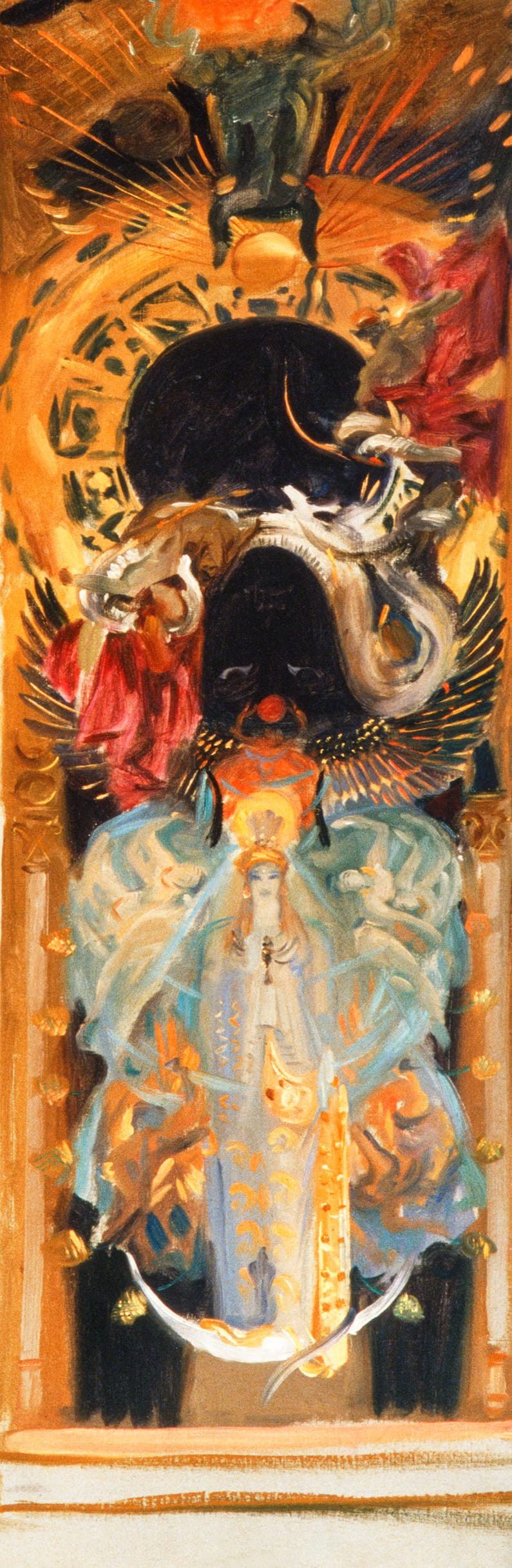
Astarte
John Singer Sargent, created around 1890–1895.
John Singer Sargent’s epic mural cycle, the Triumph of Religion, adorns the walls of the third floor of the McKim Building at the Boston Public Library. The enormously ambitious project involved much preparation on the part of Sargent, who executed the paintings in his London studio and accompanied them to Boston to oversee their installation. These newly digitized sketches for the mural were a vital part of the preparatory work.
Sargent had begun conceiving of the murals in 1890, brought into the project by architect Charles Follen McKim. In a series of installations from 1895 to 1919, Sargent produced nineteen panels depicting key moments in the history of early Egyptian and Assyrian belief system, Judaism, and Christianity.