
Color is a Scam

Color is a Scam

Color is a Myth

It's all in your head

Color is the ultimate cosmic scam, but your brain is the one pulling the con. 

In physics, objects do not possess inherent color. A strawberry is not red, and the sky is not blue. The universe is a colorless landscape of matter interacting with electromagnetic radiation.
Here is why color is essentially a beautifully orchestrated biological illusion:

Your Brain Makes It All Up 

Color only exists inside your skull. When those reflected light waves hit your retina, they trigger three types of cone cells (tuned to red, green, and blue). These cells send electrical pulses to your brain. Your brain processes these signals and paints a conscious experience we call "color" so you can tell a ripe berry from a poisonous leaf. Outside of a conscious mind, color does not exist.


We Are Blind to Most of Reality

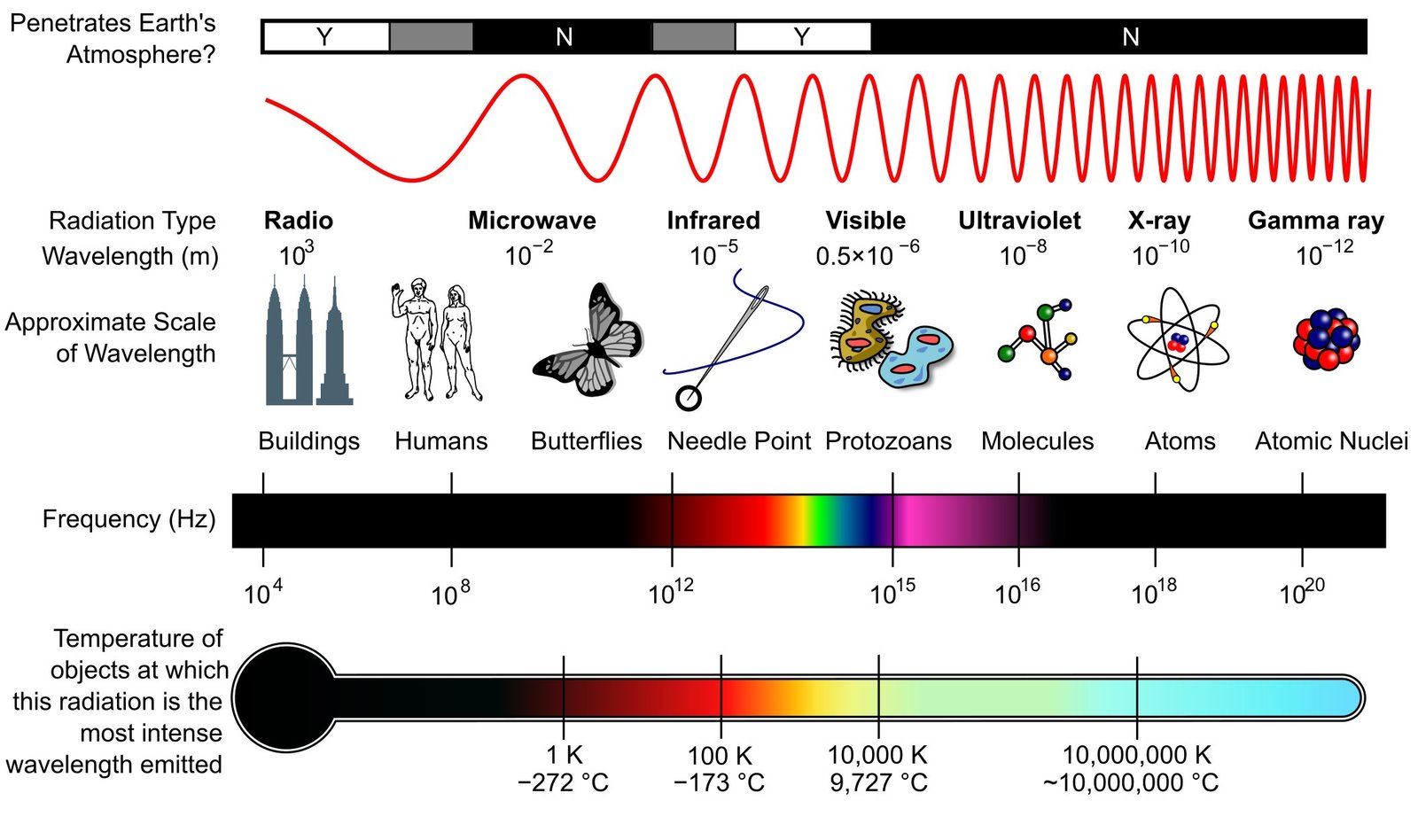
Human vision is incredibly limited. The visible light spectrum is a microscopic sliver—about 0.0035%—of the entire electromagnetic spectrum. We are completely blind to:

Ultraviolet light: Which bees use to see secret patterns on flowers.

Infrared light: Which pit vipers use to see the heat signatures of prey.

X-rays and Radio waves: Which pass right through or around us undetected.

If human color vision is a scam, animals are the whistleblowers exposing how much of reality we are actually missing.

The Mantis Shrimp (The Ultimate Color Snob)
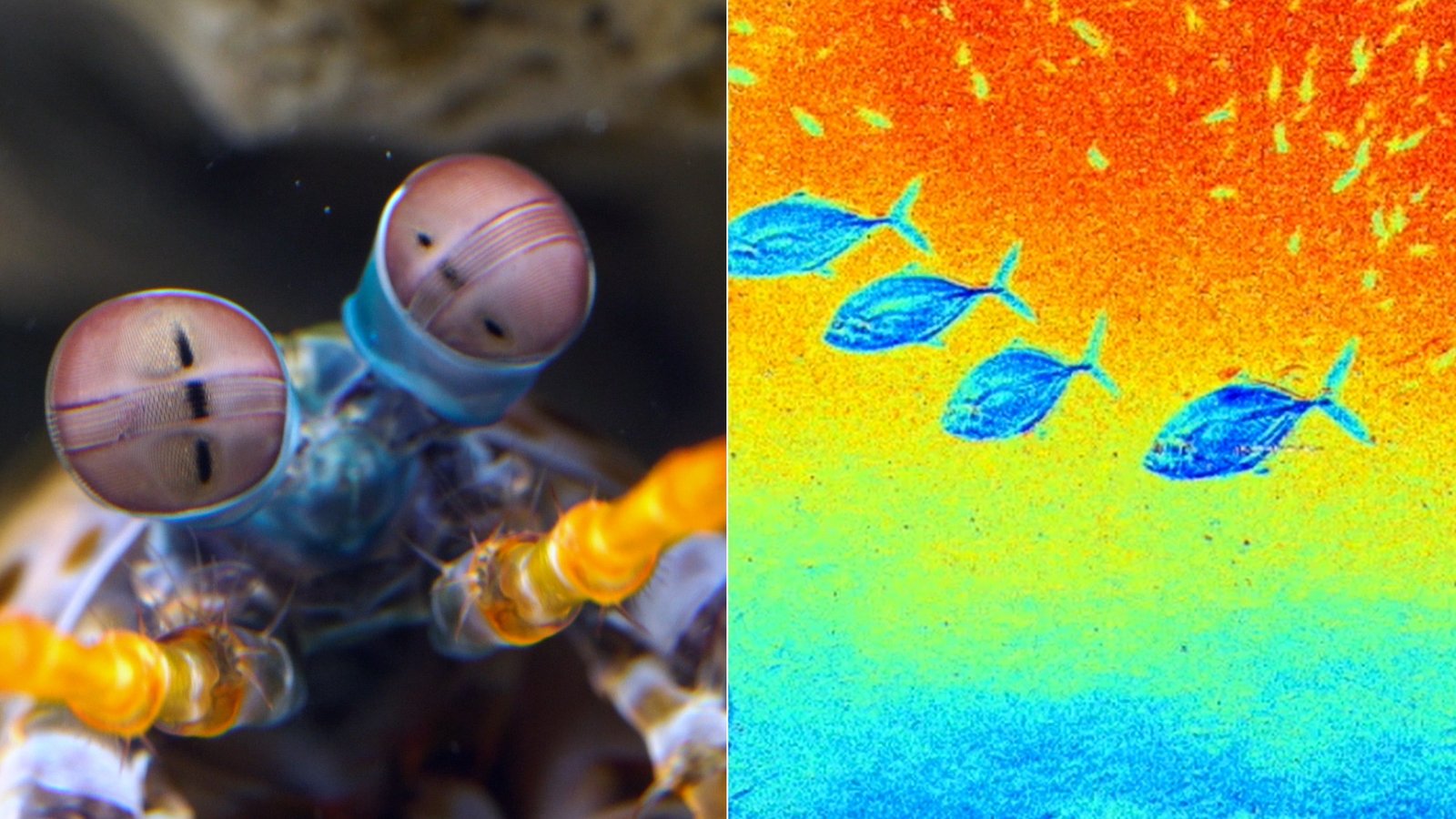
Humans navigate the world using three types of color-receptive cones (red, green, and blue). The mantis shrimp possesses 12 to 16 different color receptors. They do not just see colors more intensely; they can see ultraviolet light, infrared light, and polarized light. To a mantis shrimp, a human eye is essentially colorblind. 

Mantis Shrimp can see cancerous cells (NPR)

Bees and Birds (The Secret Pattern Viewers)
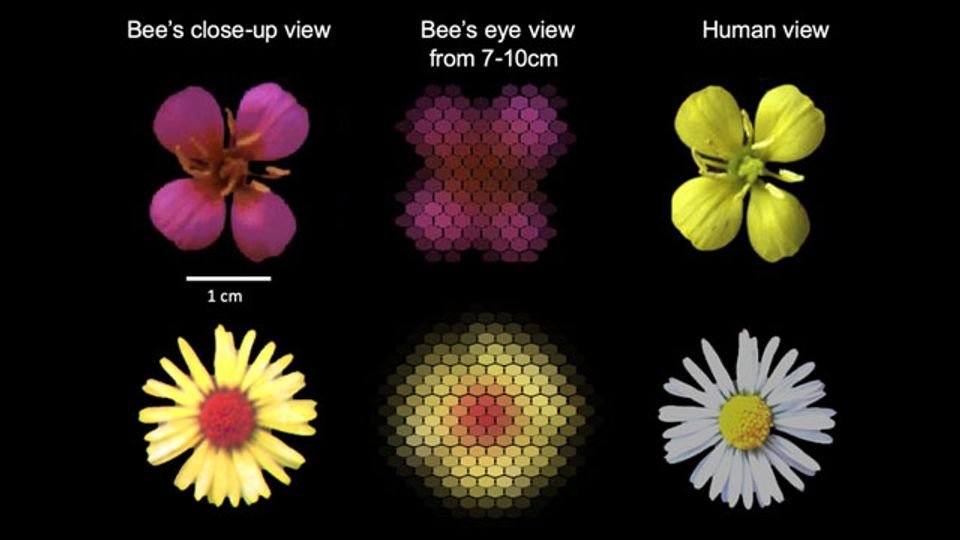
Bees cannot see the color red, but they see ultraviolet (UV) light. Flowers have evolved secret, invisible ultraviolet patterns—like runway landing strips—that guide bees directly to the nectar. Birds also have a fourth cone for UV light, allowing them to spot camouflaged insects and fruits that look completely invisible to humans against green leaves.

The Dress (2015)

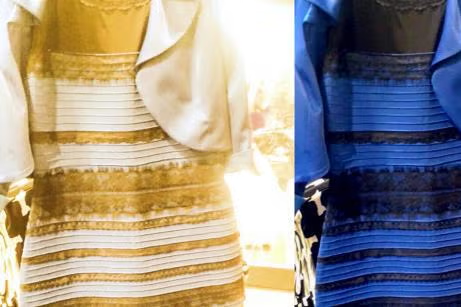
The internet nearly broke over whether a dress was blue and black or white and gold. This happened because of chromatic adaptation. 

The Setup: The photo was taken in ambiguous lighting.

The Trick: Some brains assumed the dress was illuminated by bright daylight, so they filtered out the blue light, seeing the dress as white and gold. Other brains assumed it was under warm, artificial indoor light, so they filtered out the gold, seeing it as blue and black.

Your brain made a split-second executive decision about the lighting source and altered your conscious reality to fit its assumption.

Color is not a static truth; it is a live, edited broadcast produced by your mind.

Read more about how cgk.ink designs with color, seen and unseen:
RGB v. CMYK: Color Theory 101

RGB v. CMYK: Color Theory 101

Color is one of the most essential design elements. This site uses many different techniques to deliver items that are as sharp and vivid as the images that are presented on the web site.

There are very specific differences between what is displayed versus what is printed. Let's take a quick look at some basic physics of rendering colors:

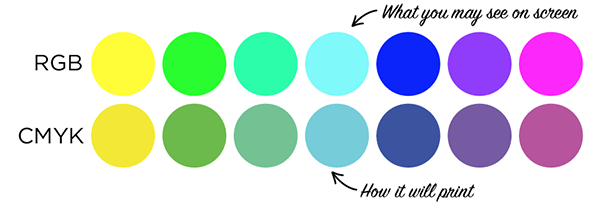
RGB is an additive color model, while CMYK is subtractive.

RGB uses white as a combination of all primary colors and black as the absence of light. CMYK, on the other hand, uses white as the natural color of the print background and black as a combination of colored inks. Graphic designers and print providers use the RGB color model for any type of media that transmits light, such as computer screens. RGB is ideal for digital media designs because these mediums emit color as red, green, or blue light.

RGB is best for websites and digital communications, while CMYK is better for print materials. Most design fields recognize RGB as the primary colors, while CMYK is a subtractive model of color.

With the RGB color model, pixels on a digital monitor are – if viewed with a magnifying glass – all one of three colors: red, green, or blue. The white light emitted through the screen blends the three colors on the eye’s retina to create a wide range of other perceived colors. With RGB, the more color beams the device emits, the closer the color gets to white. Not emitting any beams, however, leads to the color black.

This is the opposite of how CMYK works.

CMYK is best for print materials because print mediums use colored inks for messaging. CMYK subtracts colors from natural white light and turns them into pigments or dyes. Printers then put these pigments onto paper in tiny cyan, magenta, yellow, and black dots – spread out or close together to create the desired colors. With CYMK, the more colored ink placed on a page, the closer the color gets to black. Subtracting cyan, magenta, yellow, and black inks create white – or the original color of the paper or background. RGB color values range from 0 to 255, while CMYK ranges from 0-100%.