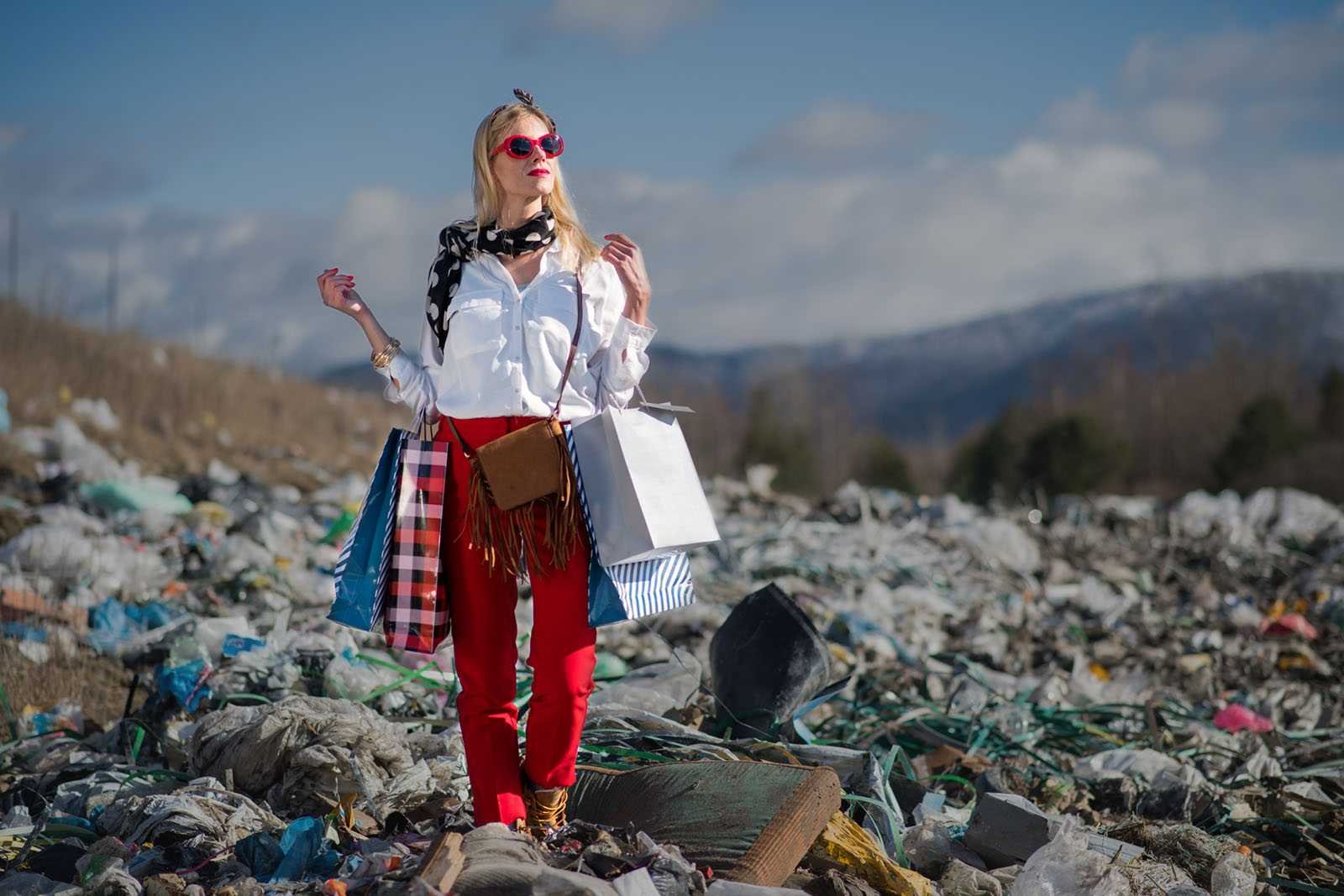
Cheap Fashion: Expensive Consequences

Cheap Fashion: Expensive Consequences

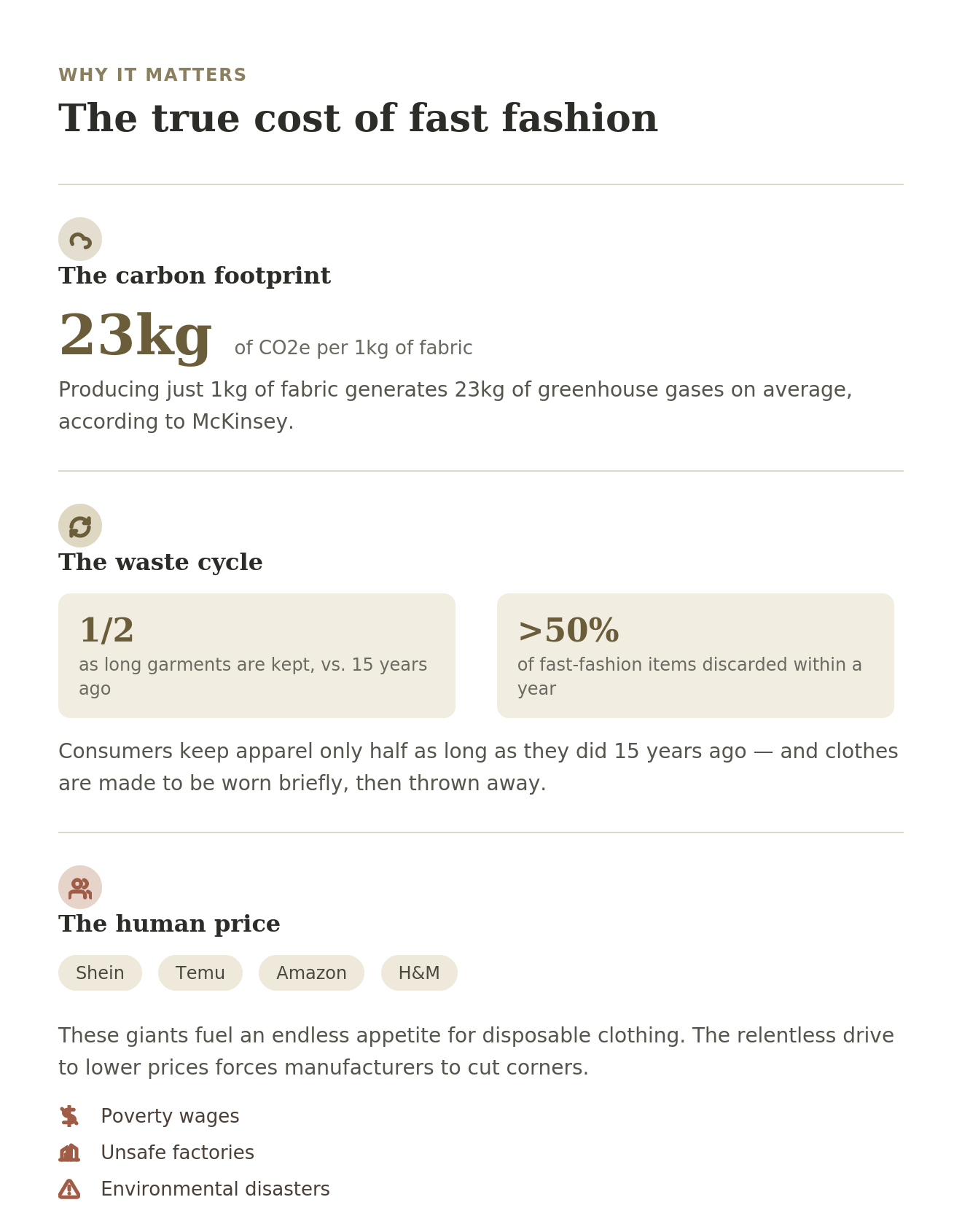
Your daily choices create immediate, measurable ripples across the globe. Nowhere is this impact more visible—or more destructive—than in the multi-trillion-dollar fashion industry. Behind the glamour of affordable style lies an environmental, human, and cultural crisis second only to oil production.

Our Blueprint for Change: What cgk.ink is Doing

We refuse to participate in careless production and mindless consumption.
Here is how we are actively lowering our footprint and supporting global equity:


Sourcing Responsibly:
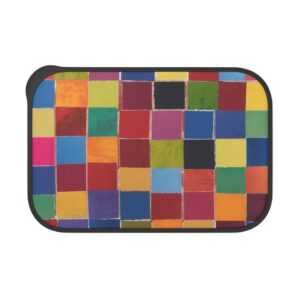
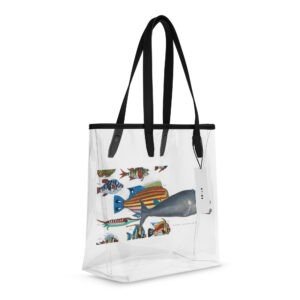
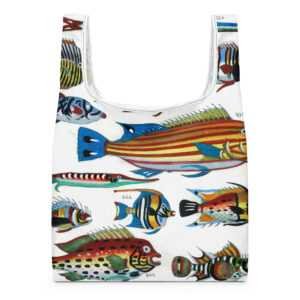
We selectively source environmentally beneficial materials. You can view our sustainable designs by choosing the
Eco-Logical Collection from our Special Collections menu.

Carbon-Neutral Shipping: We provide a transparent carbon-offset option at checkout to neutralize the emissions generated by moving your order from our doors to yours.

Stripe Climate Partnership: As an early member of the Stripe Climate initiative alongside 200,000 global businesses, we contribute 1% of every payment fee directly to advanced carbon removal technologies.

Human-Centric Mindfulness: Sustainability includes people. We partner exclusively with suppliers who guarantee fair, equitable compensation and strictly adhere to international labor laws.
Care to Join Us?
True style outlasts temporary trends. Choose durability over disposability. Explore the Eco-Logical Collection today and vote for a cleaner, fairer world with your wallet.

The Toxic Cultural Shift: Transforming How We Live

Fast fashion doesn't just pollute our air and rivers; it fundamentally re-engineers our psychology, habits, and global communities.

The 52-Season Cycle: Traditional spring/summer and autumn/winter models are dead. Brands now push weekly micro-seasons to hook you on constant novelty.

The Disposable Mentality: Clothing is no longer viewed as a durable investment. ​Instead, aggressive corporate marketing trains us to treat garments like chewing gum or cigarettes—to be used up once and immediately thrown away.

The Illusion of Wealth: Rock-bottom price tags deceive shoppers into feeling wealthy because they can buy in massive quantities. In reality, it masks financial regression while making corporate owners billionaires.

The Psychological Toll: Psychological studies prove that as materialistic values rise, personal happiness plummets.  The continuous cycle of "retail therapy" creates chronic anxiety and persistent dissatisfaction.

Erasing Global Heritage: The flood of cheap, secondhand clothing dumped onto developing countries completely wipes out proud, historical local tailoring and textile sectors.


 

A Green Christmas

A Green Christmas

Sustainable ecommerce

How we're working to reduce ecommerce's climate impact

Carbon offsetting is a way to compensate for the carbon dioxide we spew into the atmosphere by funding projects that reduce greenhouse gases or absorb carbon from the air. At cgk.ink, this means investing in renewable energy sources, reforestation efforts, and energy-efficient technologies that help balance out the environmental impact of shipping and packaging. 

Stripe Climate is the easiest way to help promising permanent carbon removal technologies launch and scale. cgk.ink has  joined a growing group of ambitious businesses that are changing the course of carbon removal.

Of every purchase on cgk.ink, 1% of the total price is donated, without an increase in cost to you. 

Carbon Balance Pte. Ltd. is a sustainability platform based in Singapore providing a calculator API to measure the GHG footprint of ecommerce transactions and an Integration Plugin for popular ecommerce enablers such as WooCommerce, EasyStore, Shopify with flexible options to offset footprint by contributing to trustworthy projects.

These pieces of software complement our other intiatives, such as:

  • Combining shipping when available to further reduce our carbon footprint
  • Allowing you to control the speed of delivery so excessive emmissions are avoided
  • Using recyclable packaging to reduce the overall impact of shipping.

Examples of current carbon-offsetting efforts:

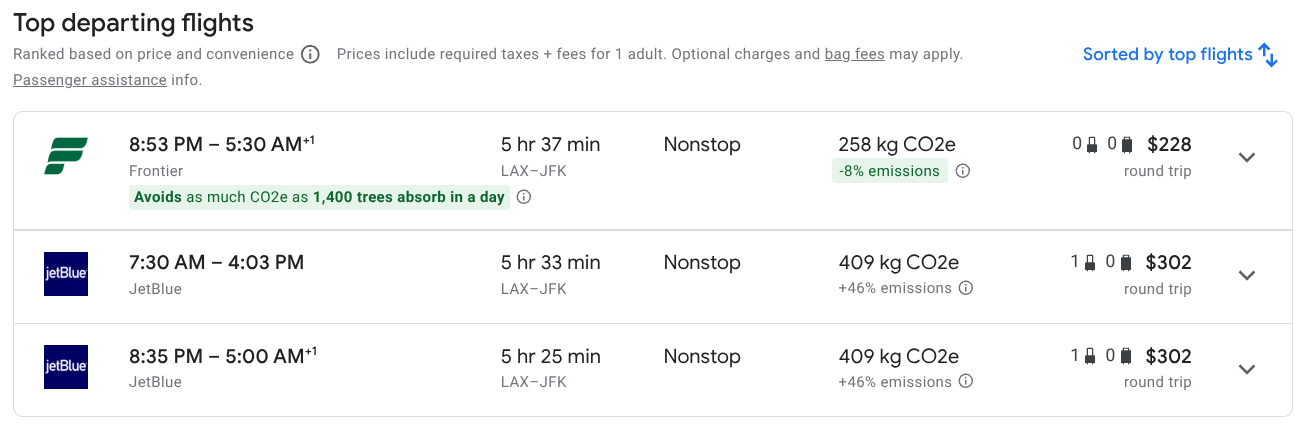
Google Travel, as well as other travel and hotel search sites, have formulated a way to compare carbon emission variations among similar routes. The impetus is on both the airline and the consumer to choose among the available options with ecological criteria being included.