Étienne Trouvelot

Étienne Trouvelot

Étienne Trouvelot

(1827 - 1895)

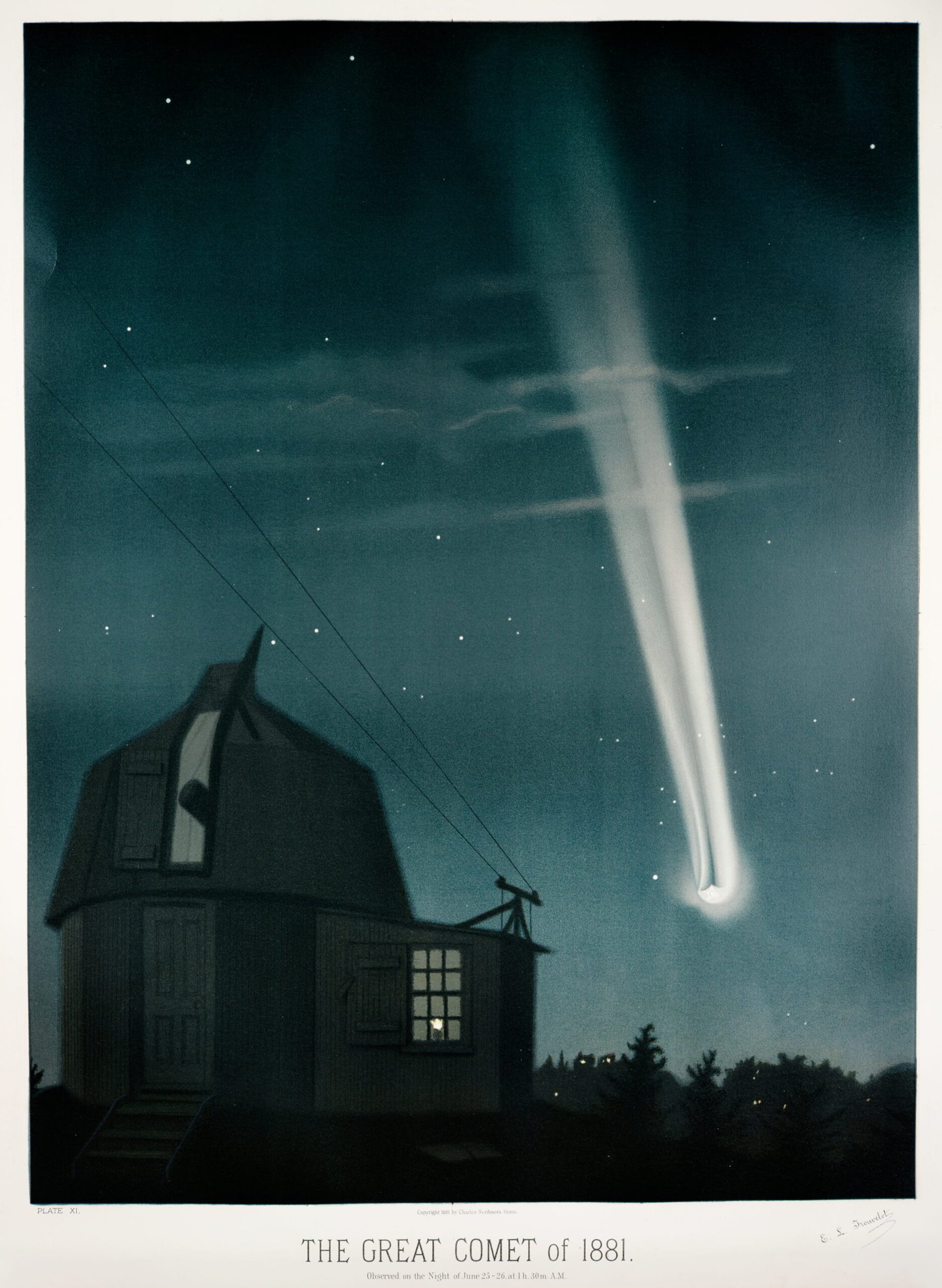
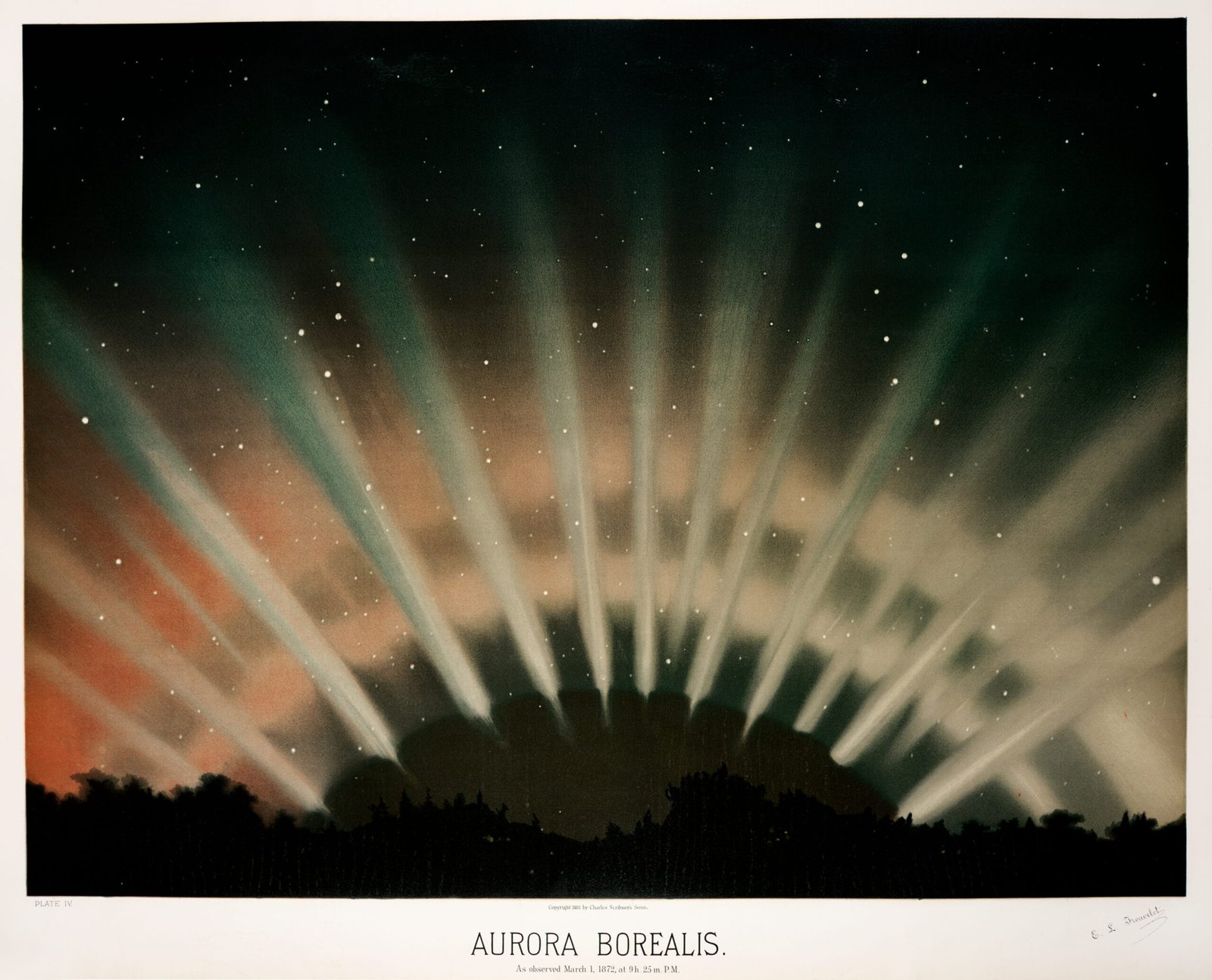
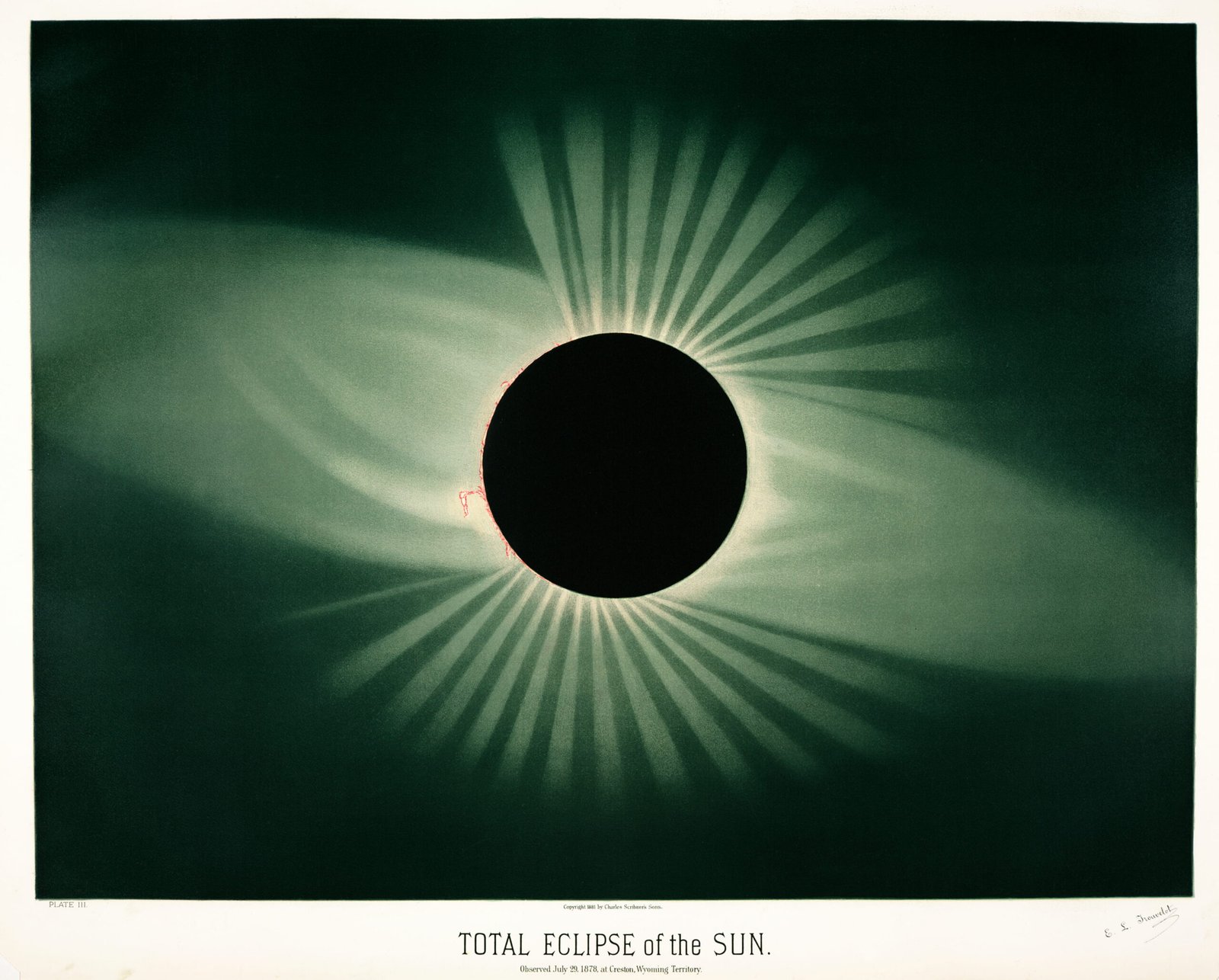
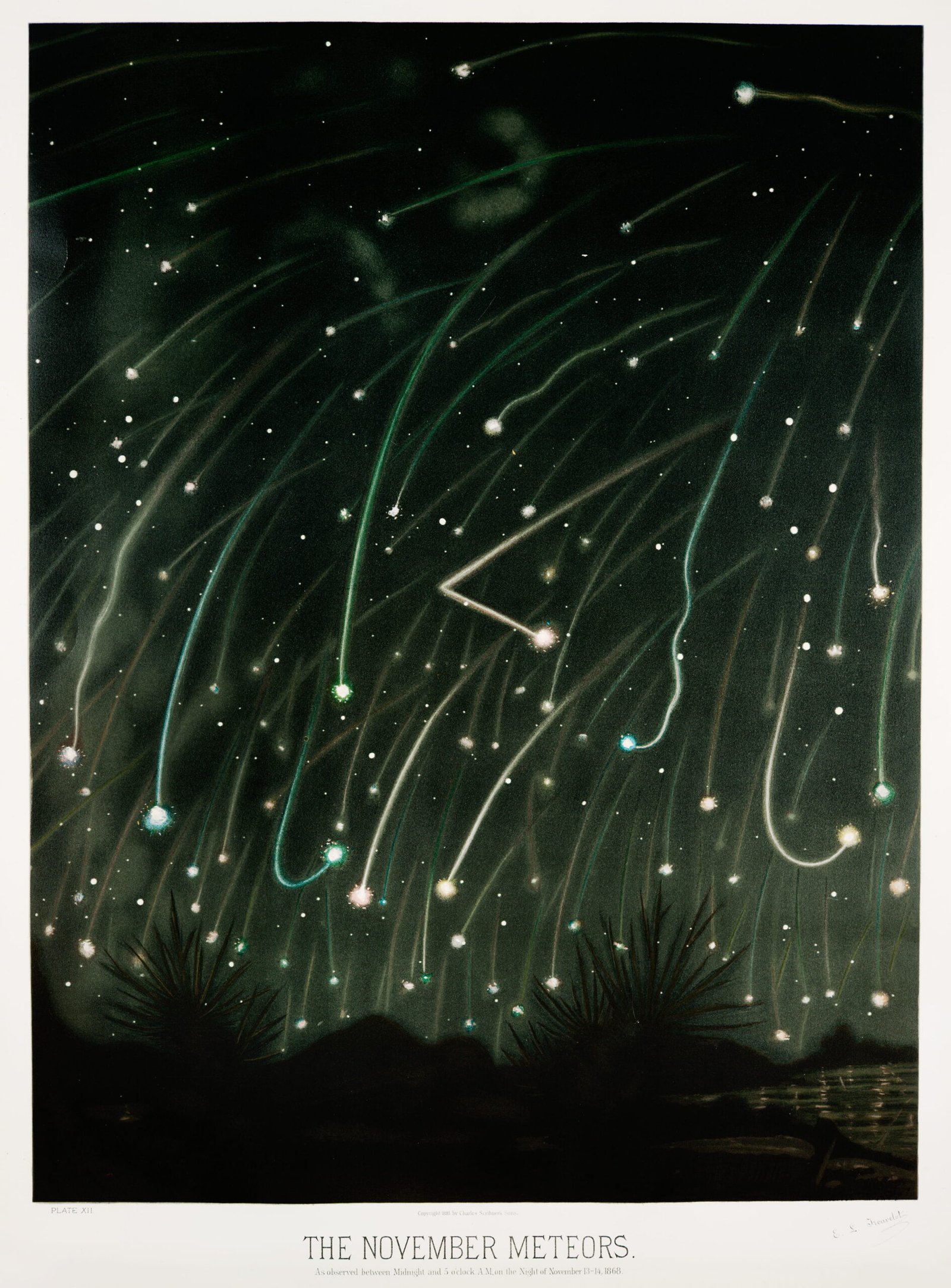
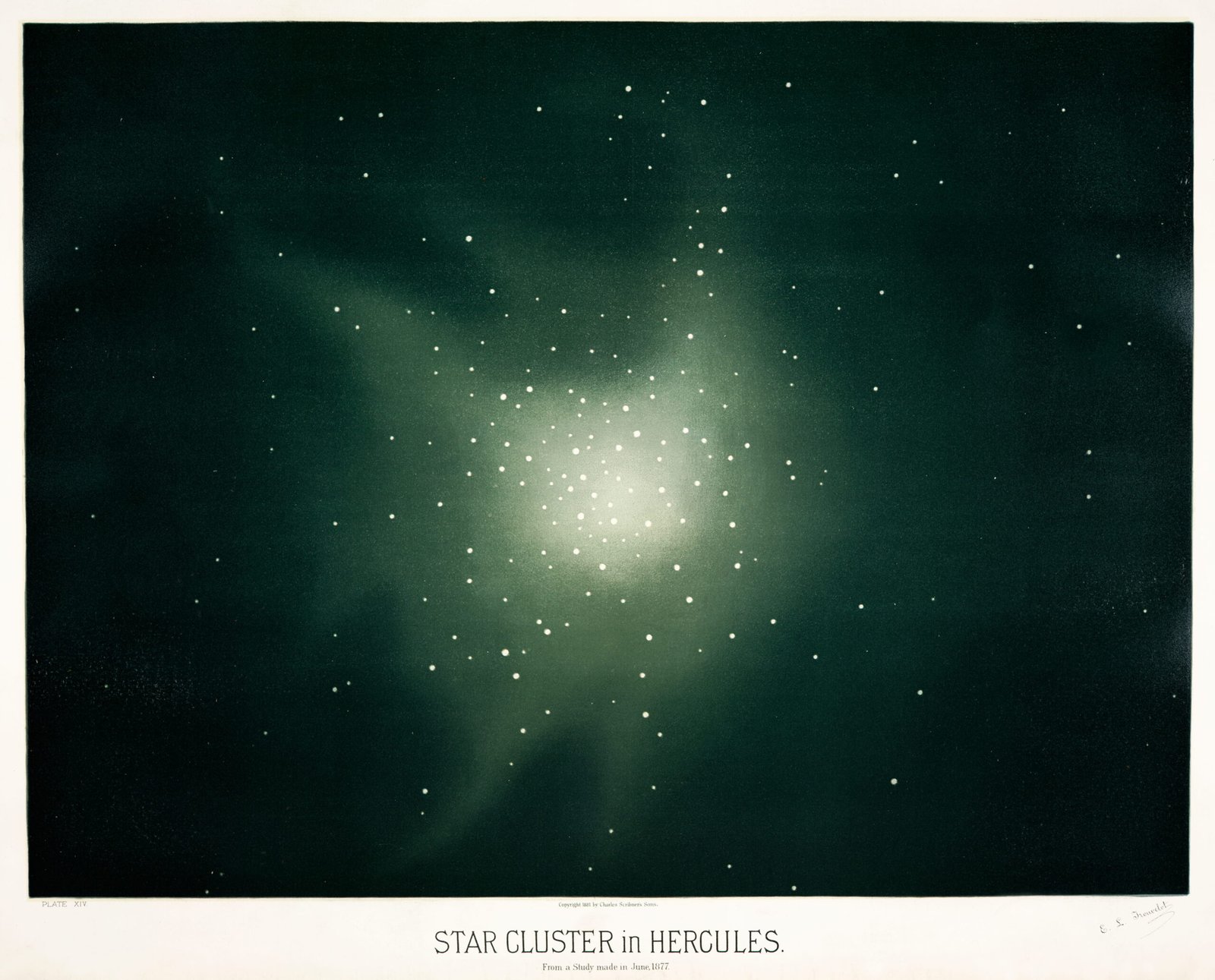
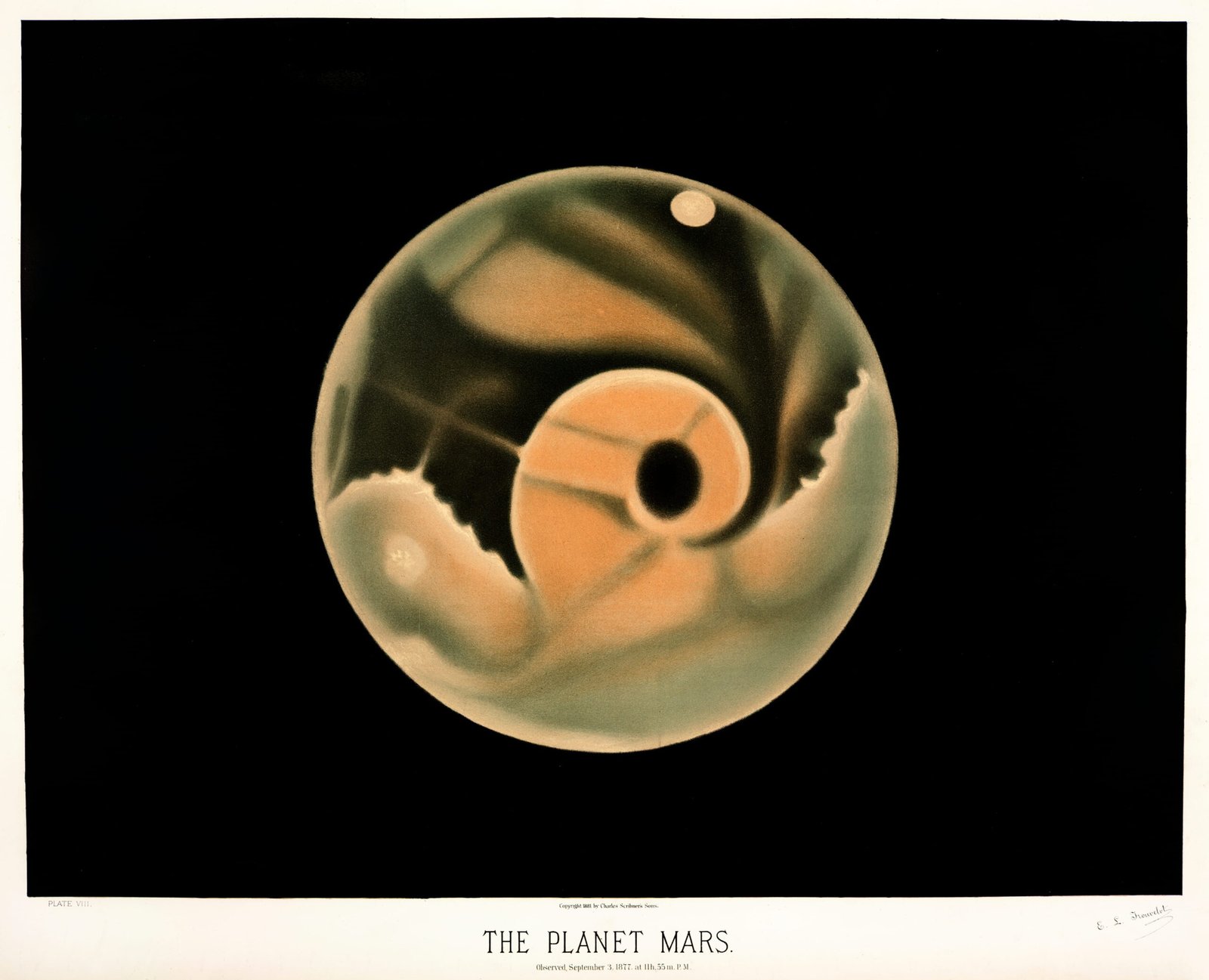
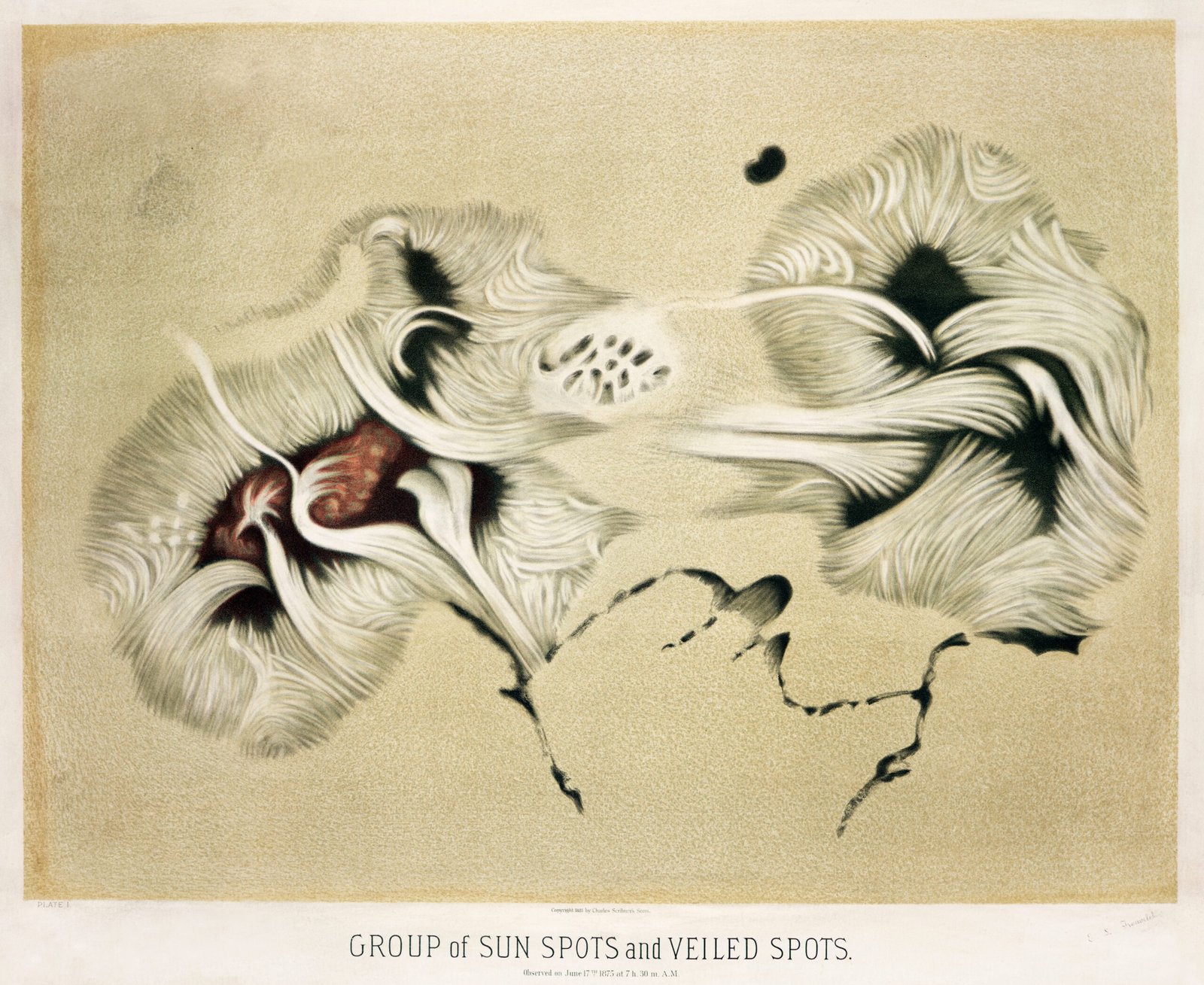
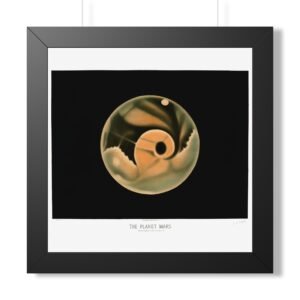
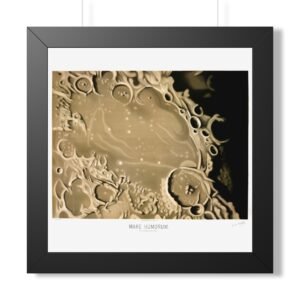
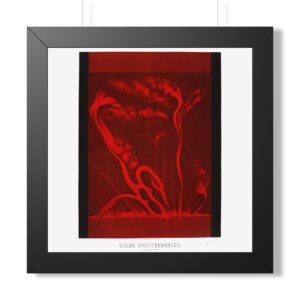
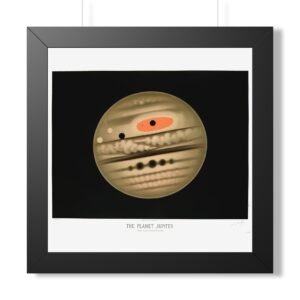
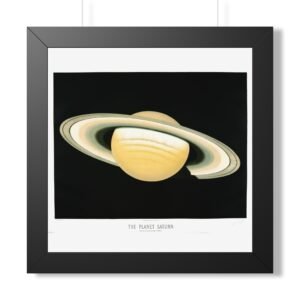
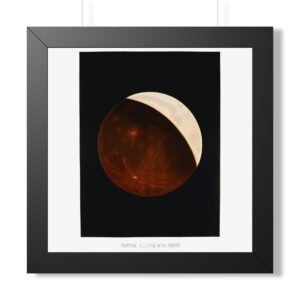
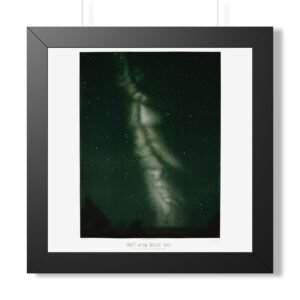
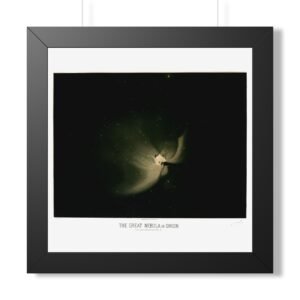
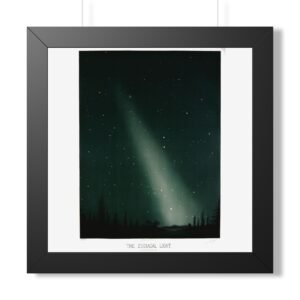
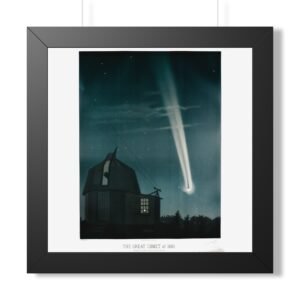
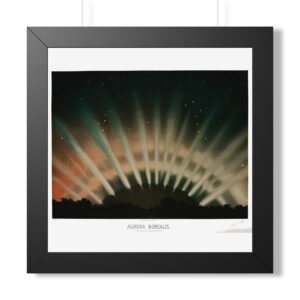
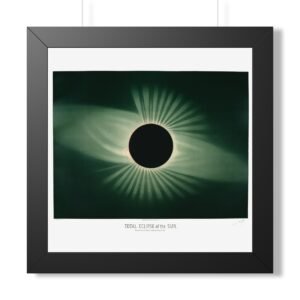
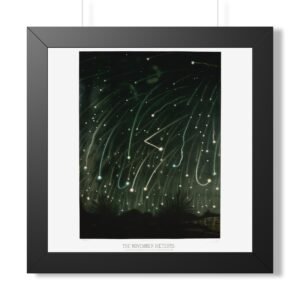
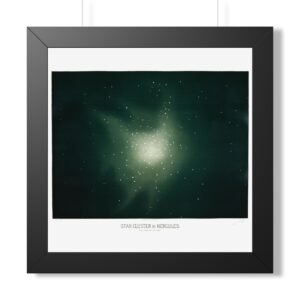
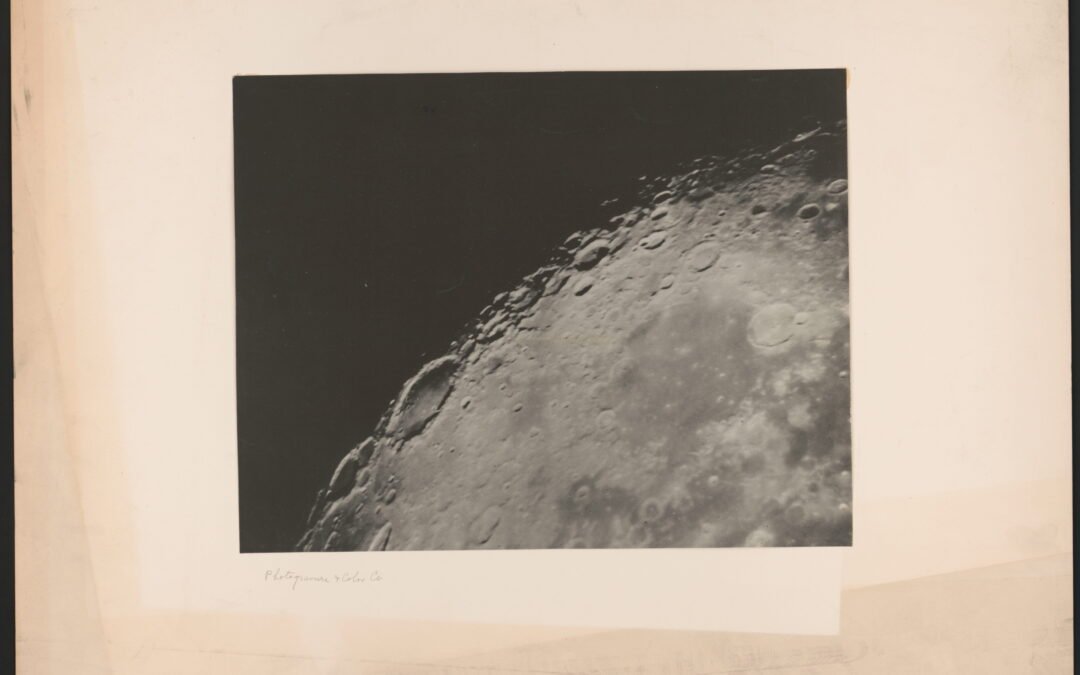
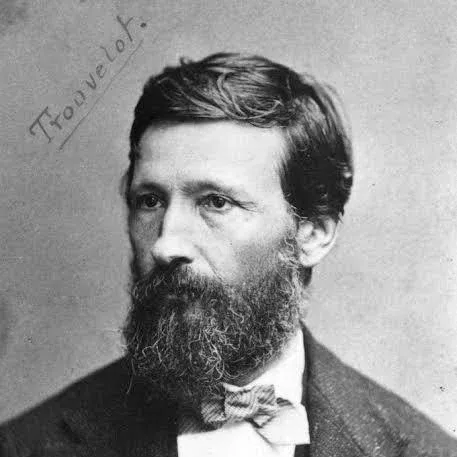
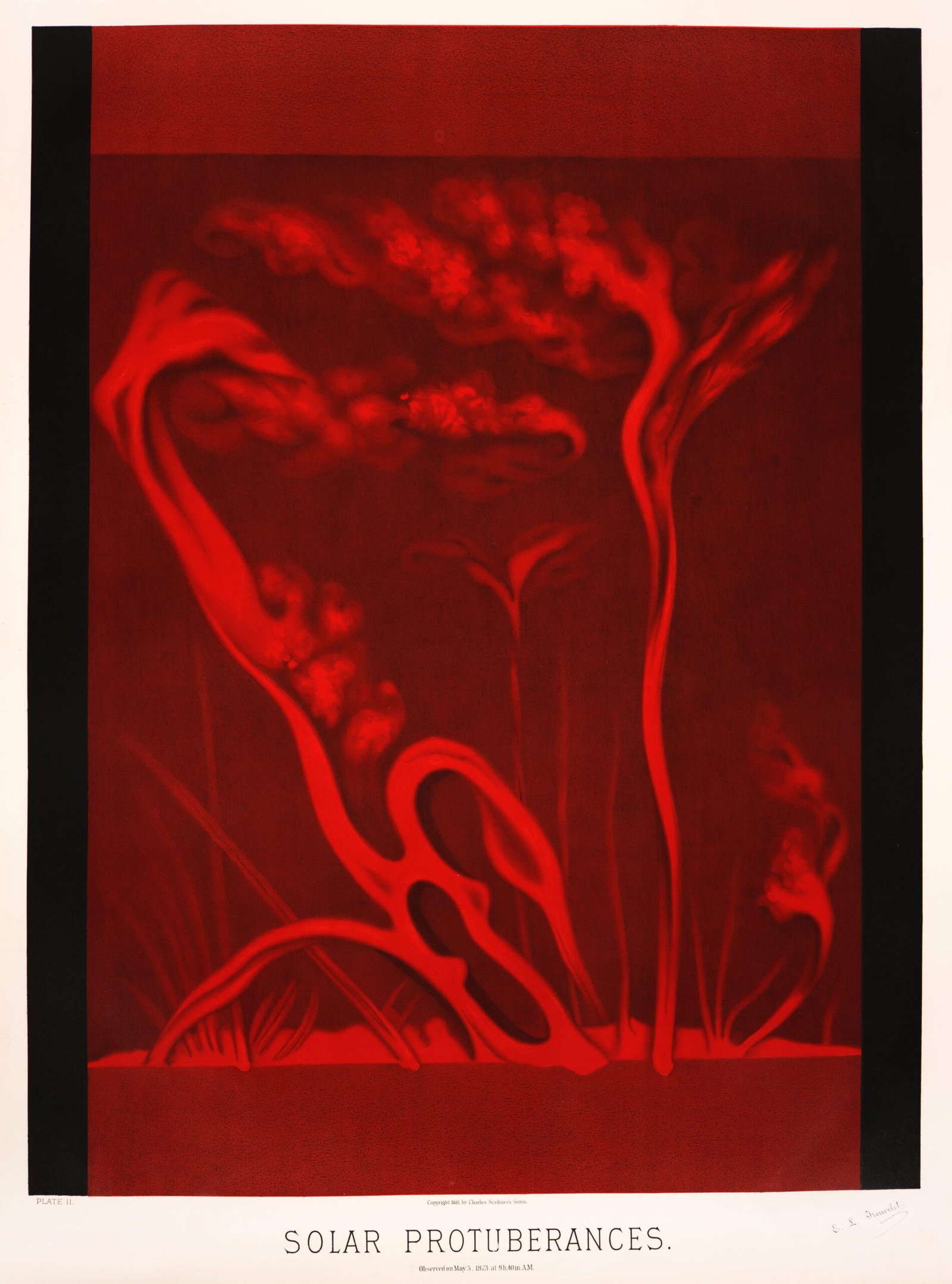
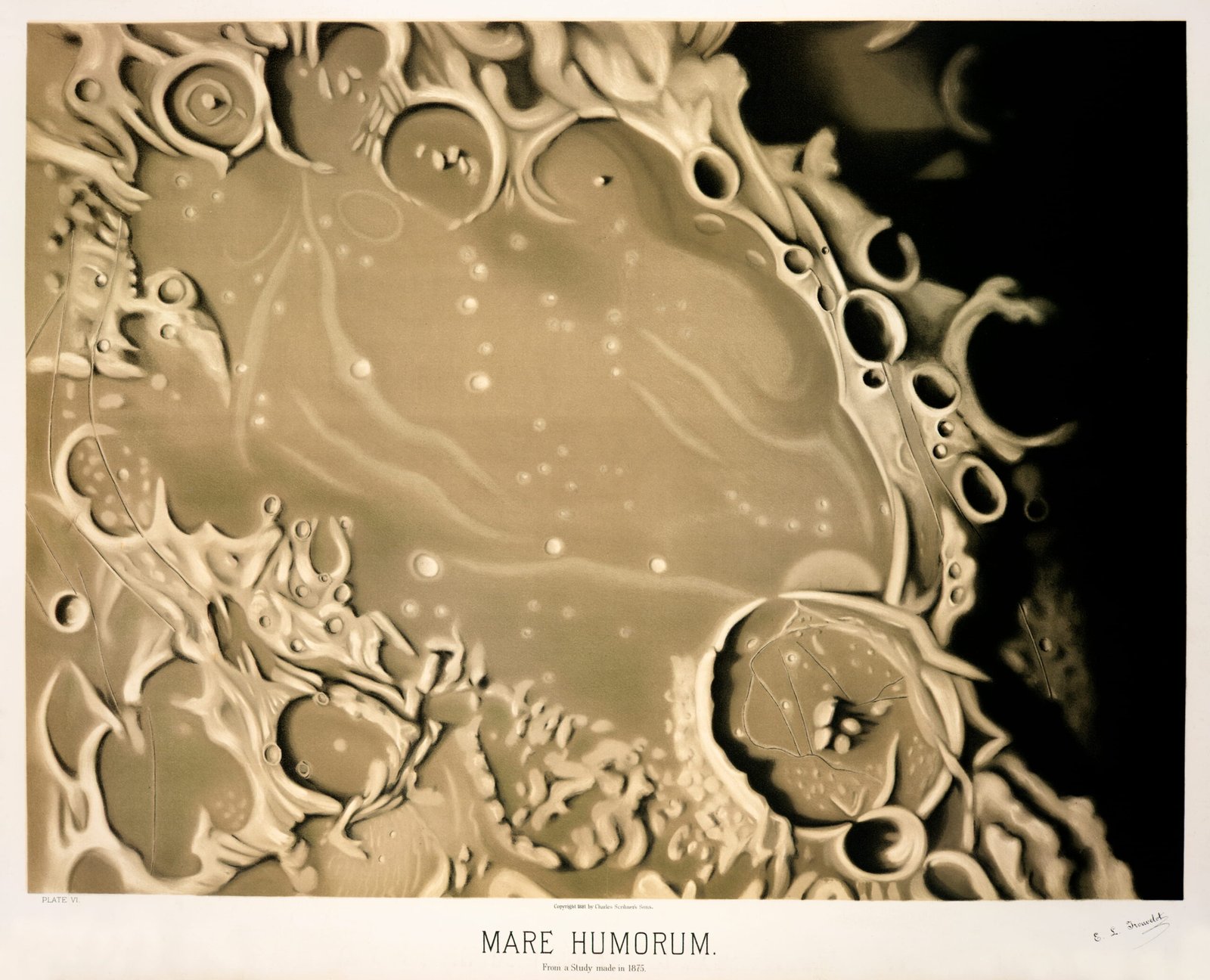
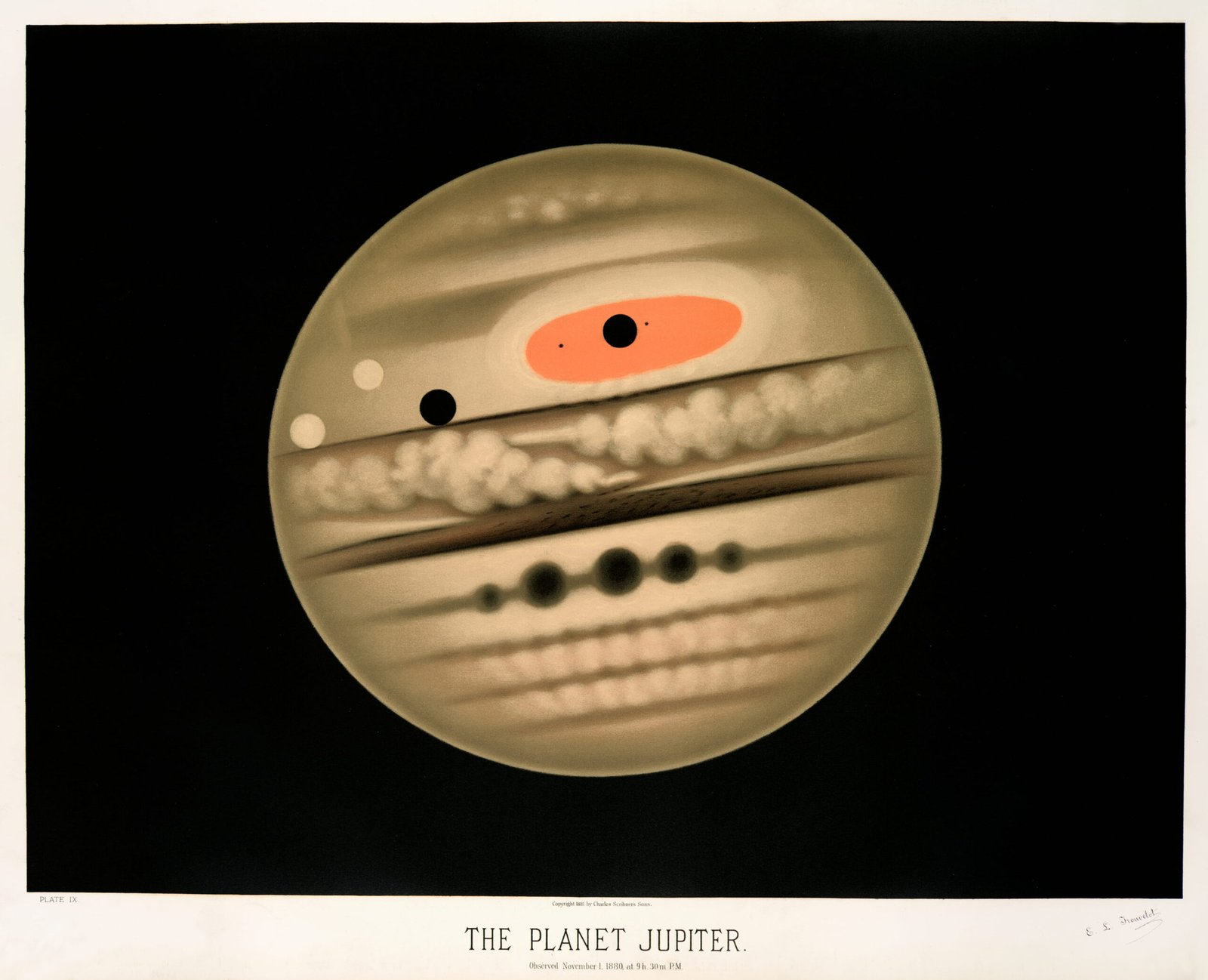
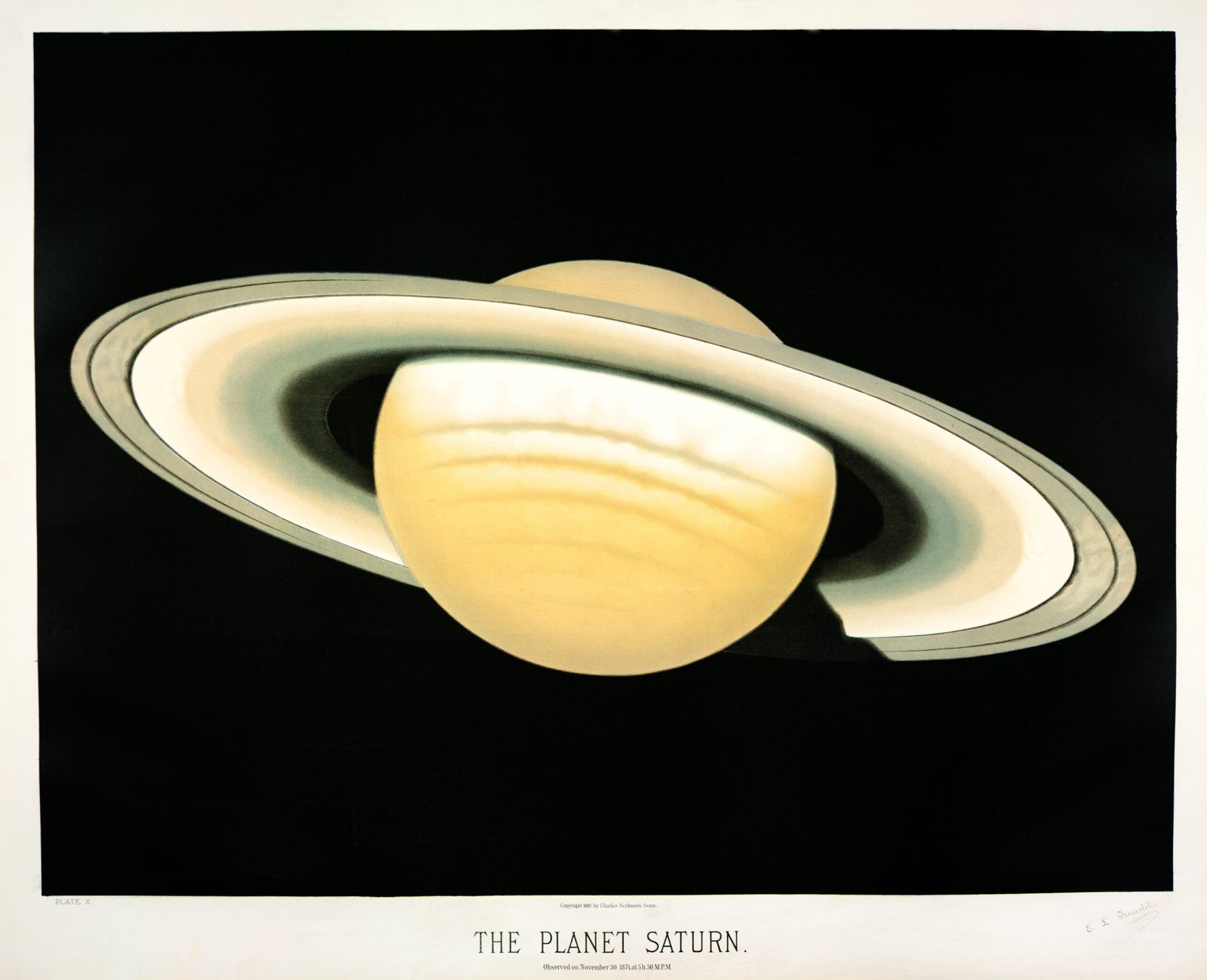
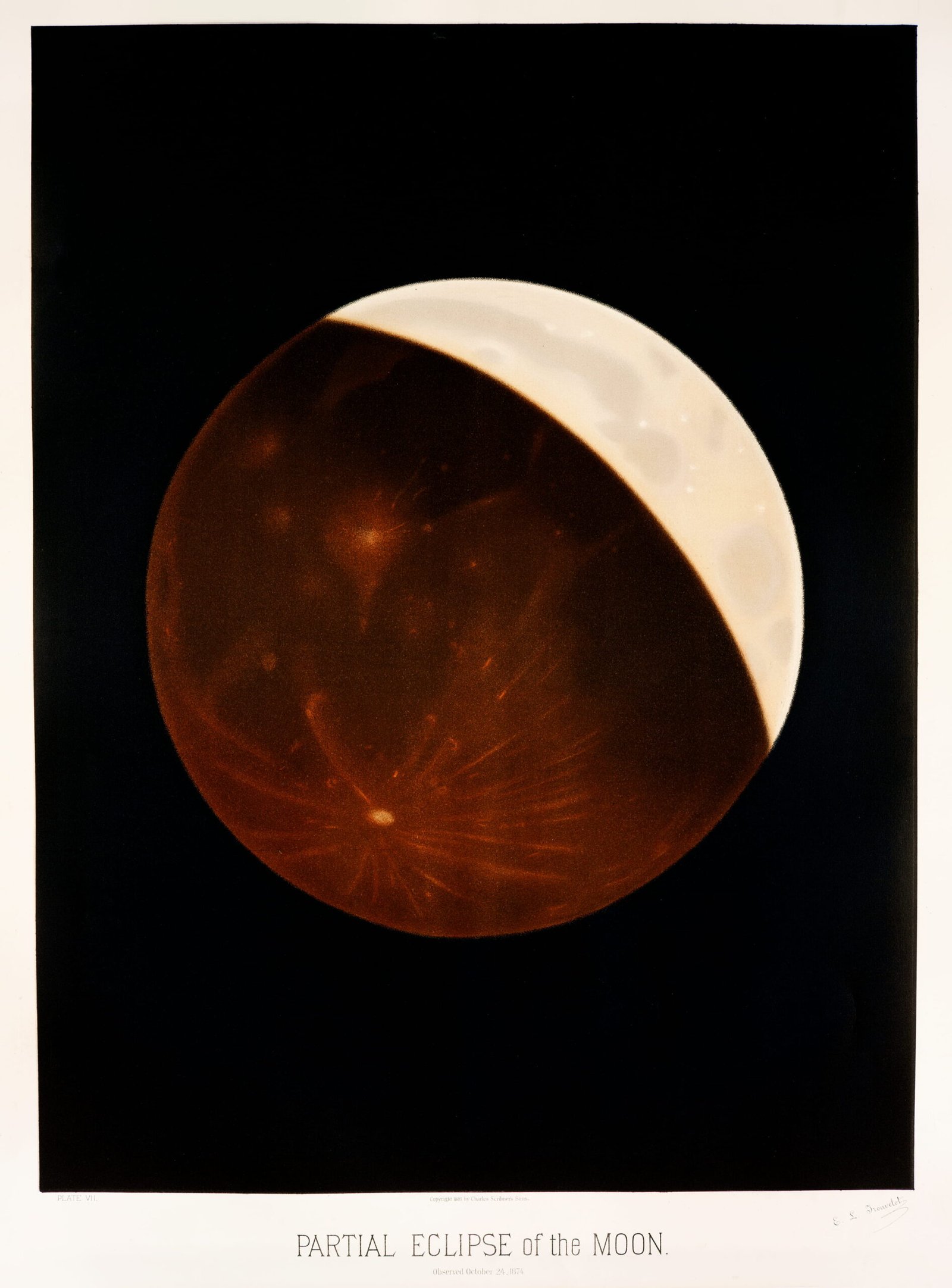
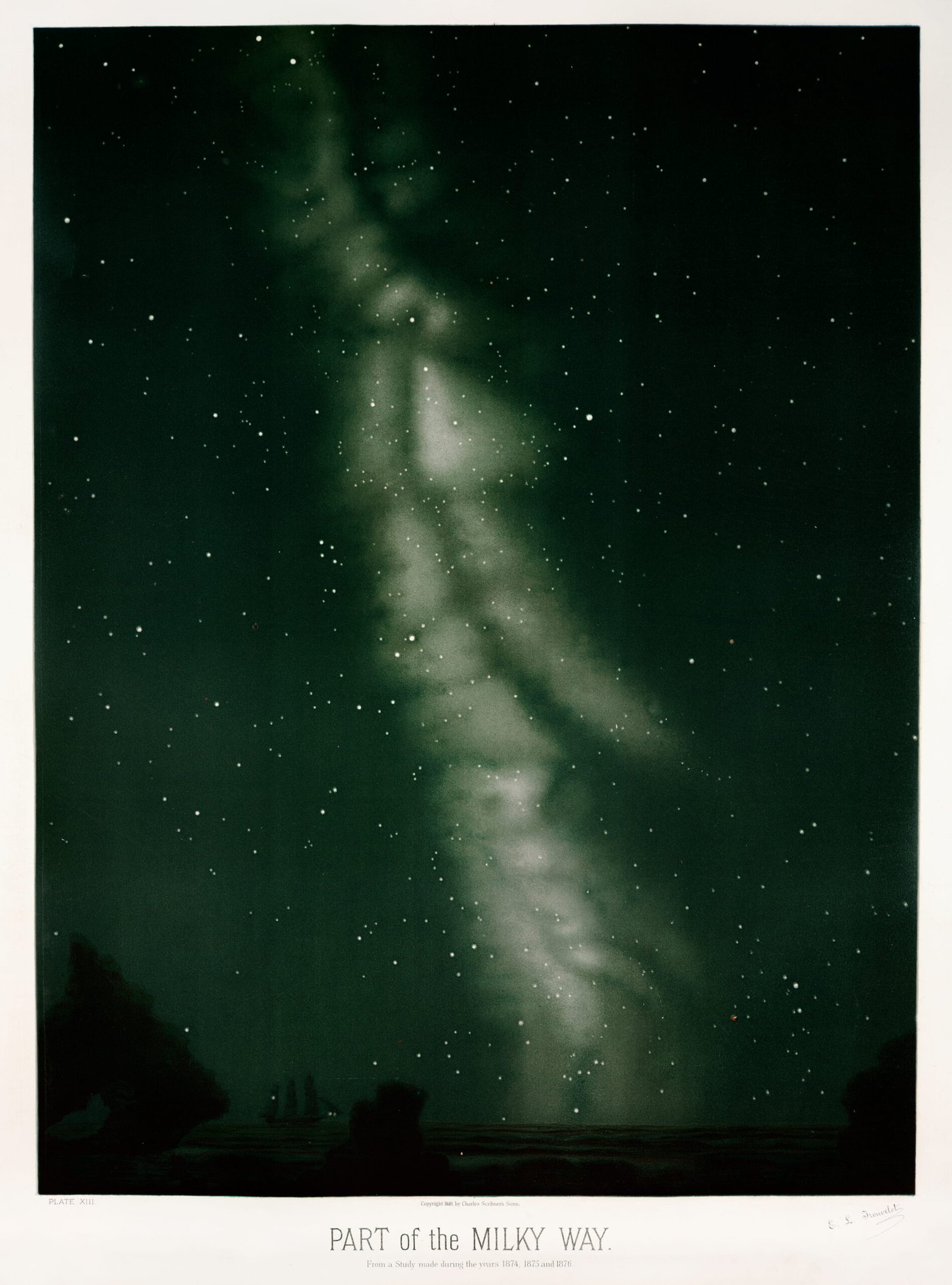
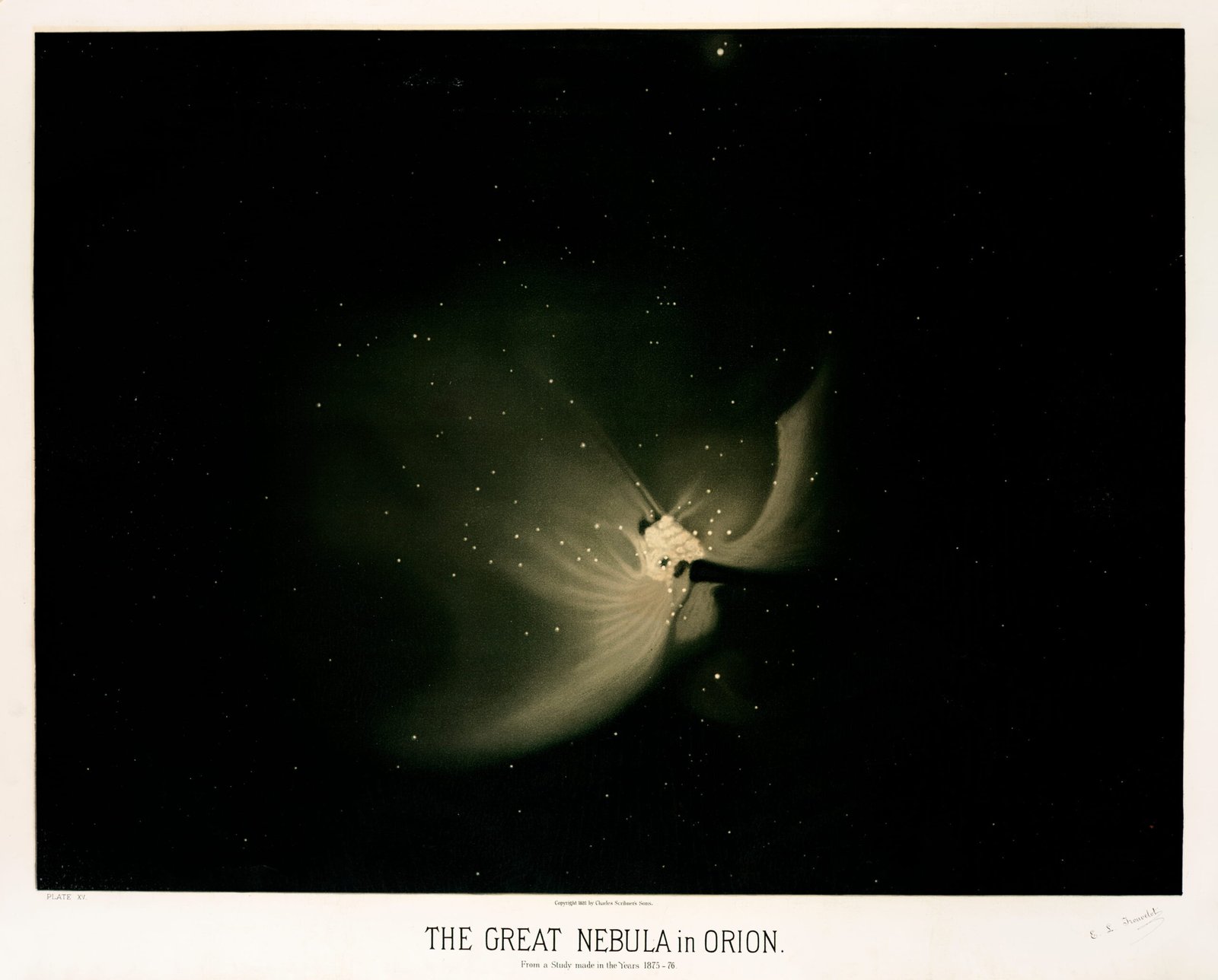
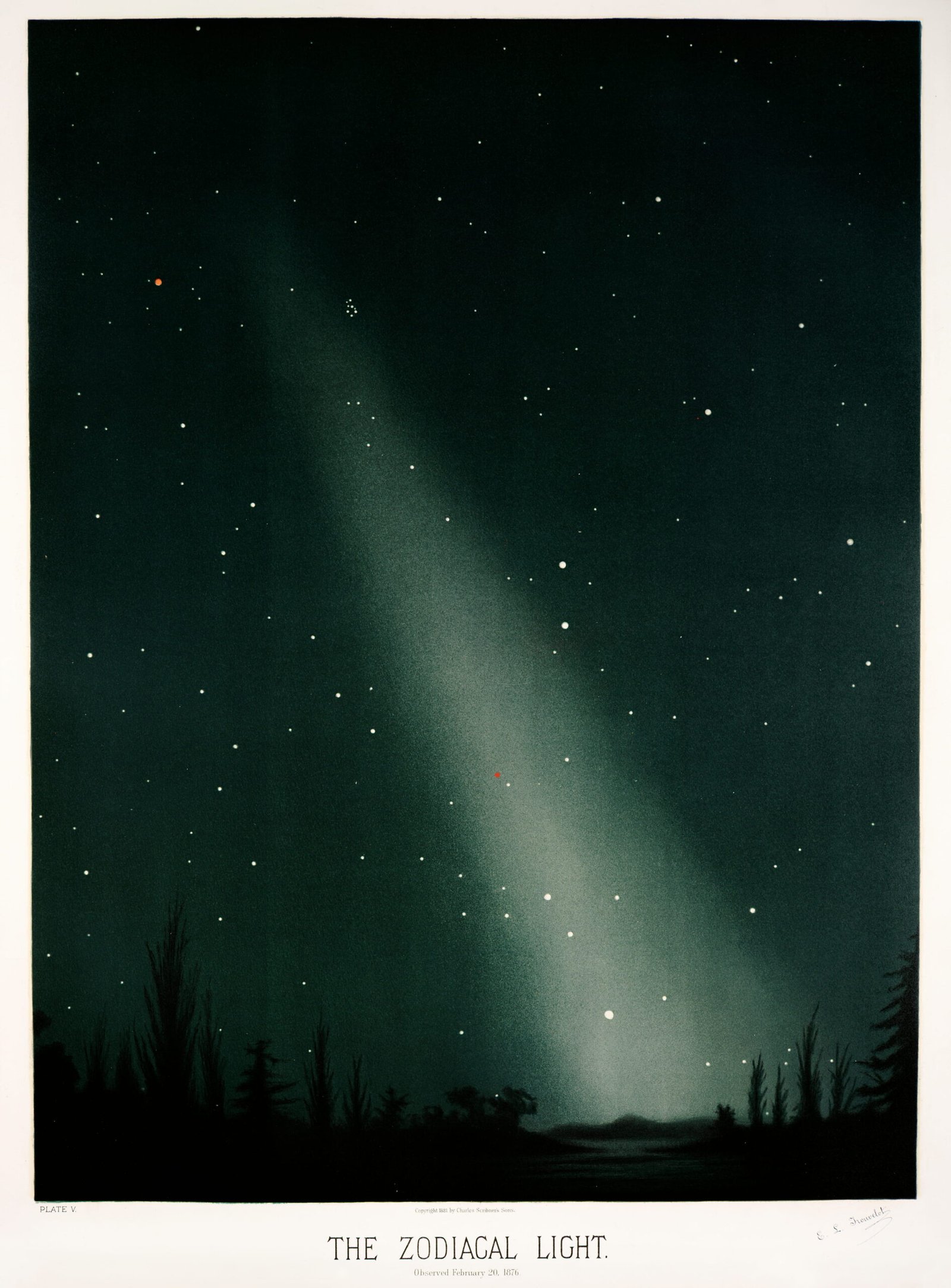
The French artist, astronomer and amateur entomologist Étienne Léopold Trouvelot is noted for two major contributions in his lifetime. The first, and the one we are celebrating in this post, is the 7000 or so illustrations he created from his astronomical observations, the quality of which reached their zenith in the 15 exquisite pastel works which were published as The Trouvelot Astronomical Drawings in 1882 (and reproduced in this post). Trouvelot was invited onto the staff of the Harvard College Observatory when the then director Joseph Winlock saw the quality of his illustrations, and in 1875 he was invited to use the U. S. Naval Observatory's 26-inch refractor for a year. As well as his illustrations, Trouvelot also published some 50 scientific papers, and waÉtienne Trouvelots credited with discovering "veiled spots" on the Sun in 1875.

The second and rather more unfortunate legacy Trouvelot left the world was the accidental widespread introduction of the highly destructive European Gyspy moth onto North American soil. With the intention of interbreeding Gypsy moths with silk worms to develop a silkworm industry, he'd brought some egg masses over from Europe in the mid-1860s and began raising gypsy moth larvae in the forest behind his house. It is unclear what exactly happened, but some of the larvae ended up escaping into the nearby woods. Although he reportedly notified some nearby entomologists and relevant officials no action was taken. A few decades later the species was rife.
Explore all artists in this collection
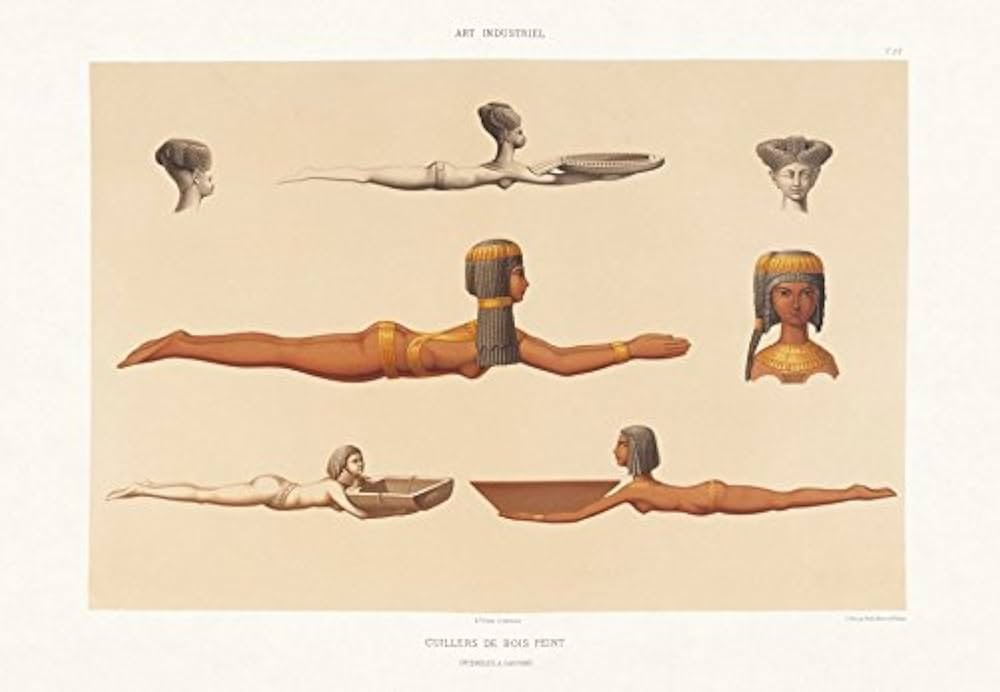
Émile Prisse d’Avennes

Émile Prisse d’Avennes

Émile Prisse d'Avennes

(1807 - 1879)

Explore all artists in this collection
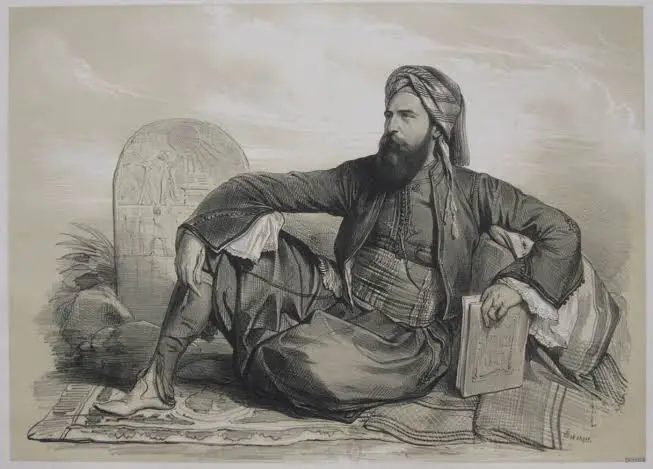
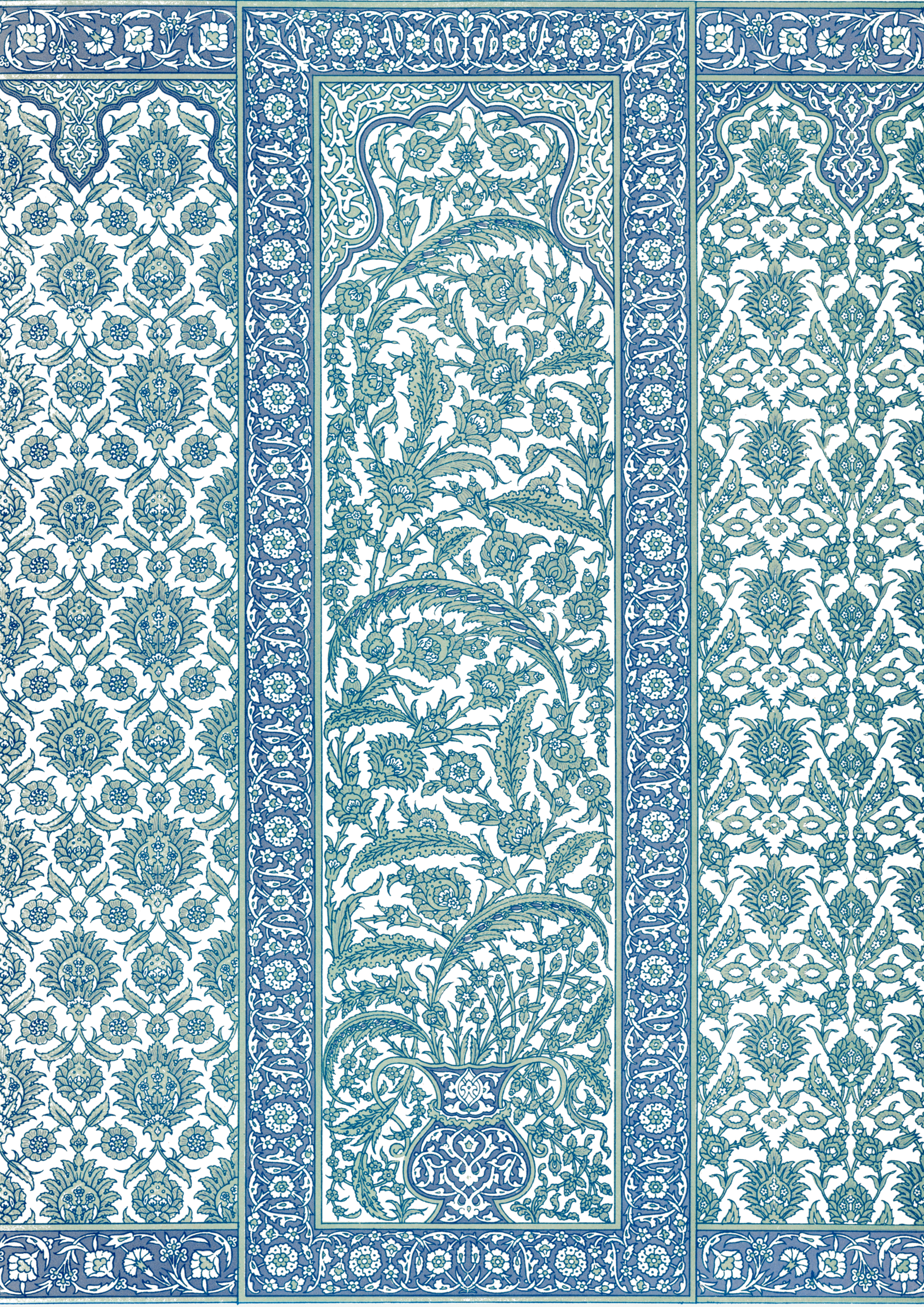
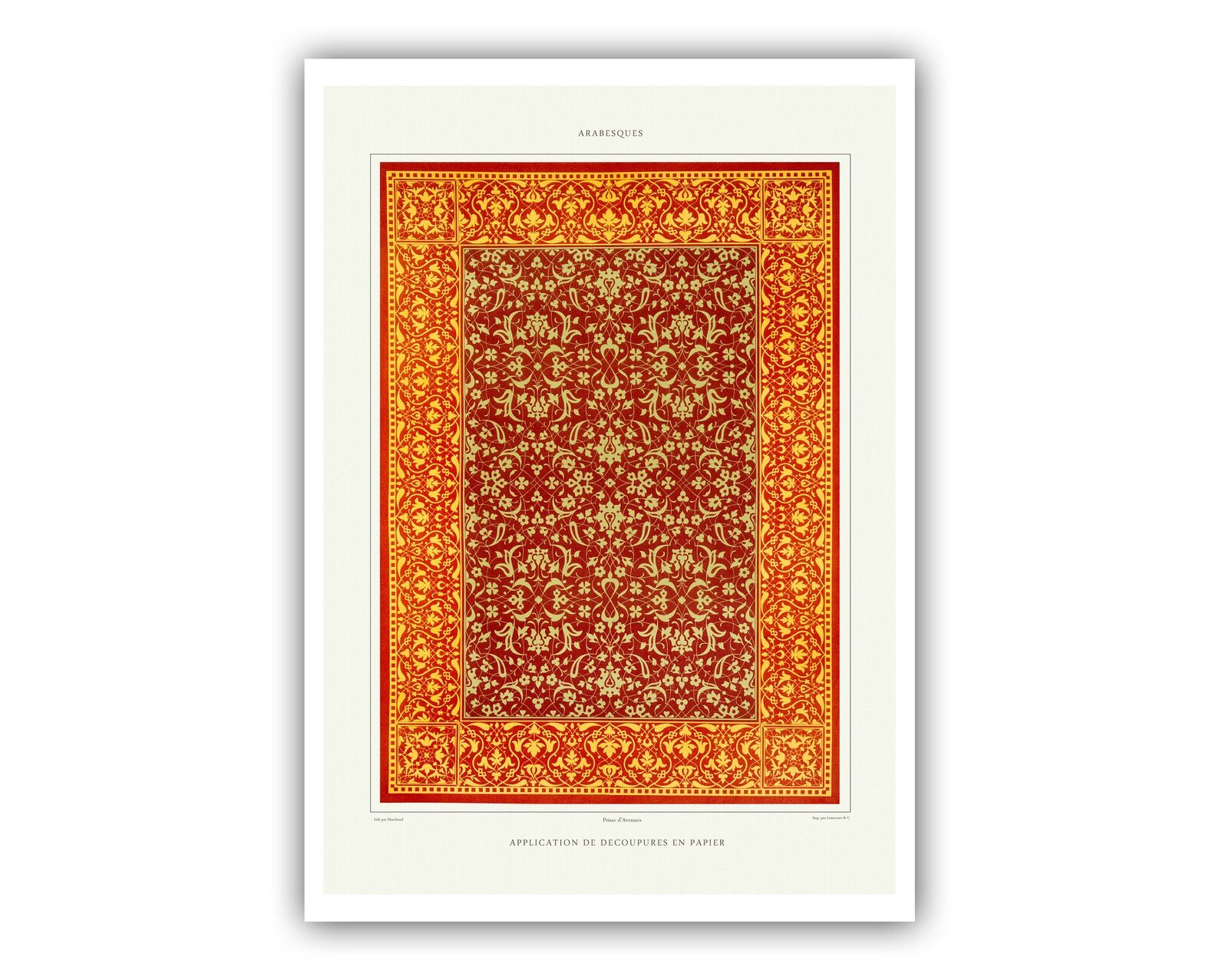
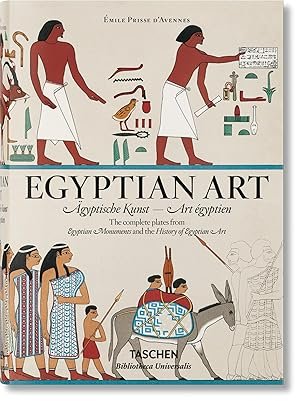
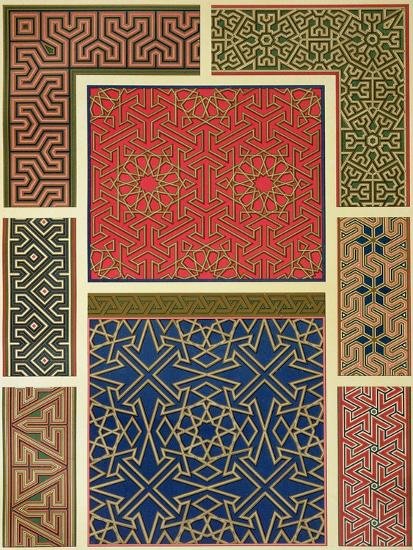
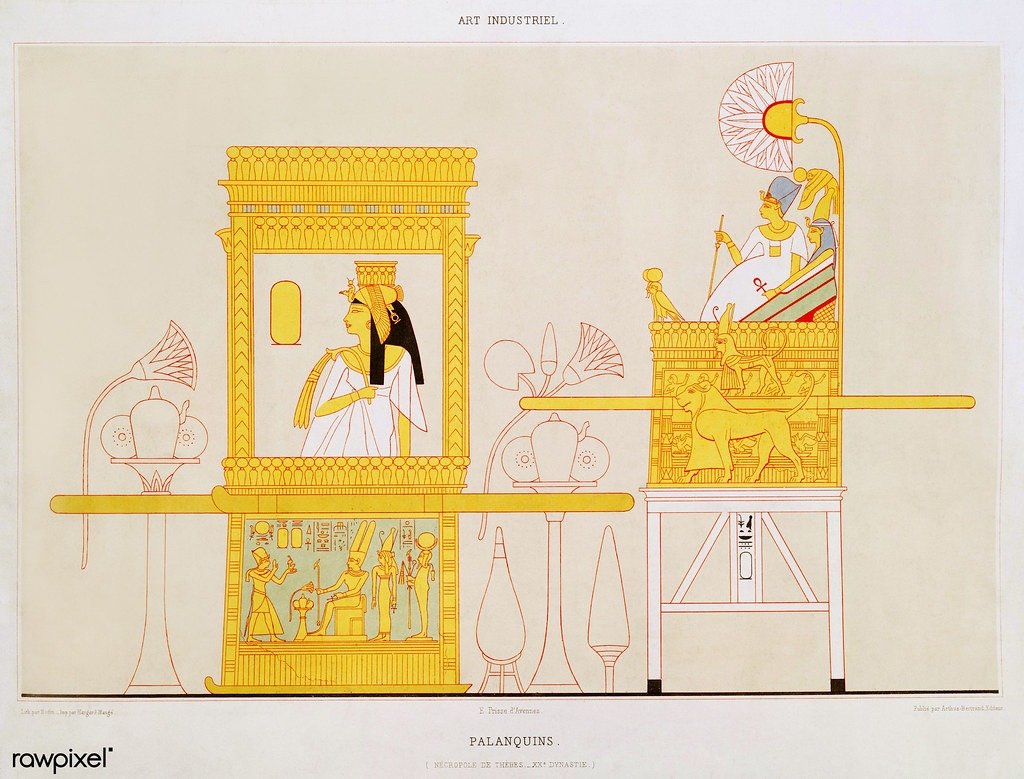
Achille-Constant-Théodore-Émile Prisse d'Avennes (27 January 1807, Avesnes-sur-Helpe – 16 February 1879, Paris) was a French archaeologist, Egyptologist, architect and writer.

Prisse d'Avennes was born in Avesnes-sur-Helpe, France, on 27 January 1807, to a noble family of French origin. After the early death of his father in 1814, on the guidance of his grandfather he enrolled at college a year later to train for a career within the legal profession. Prisse d'Avennes decided to become an archaeologist in 1836 after a period teaching at the infantry school in Damietta.

In 1826, with the weakening of the Ottoman Empire by the Treaty of Akkerman , he joined the fight for the Greek War of Independence . Following this campaign, he became secretary to the Governor-General of India, before resigning his post to go to Palestine, to Jericho. While staying in Jerusalem, he was made a Knight of the Holy Sepulchre for saving the Temple from being looted. He went to Egypt where, some time after his arrival, he entered the service of Pasha Muhammad Ali as a civil engineer and hydrographer. He received an Arabic name, Edris-Effendi, got used to wearing official clothes and became familiar with the Egyptian dialect and local customs and traditions.

Towards the end of May 1835, he fought, as his father had in 1831, against the epidemics that were spreading in Egypt. In turn, he contracted dysentery and was unable to resume his duties until the beginning of the following September. In January 1836, the year the Saint-Simonians returned to France, weary of the demands of the Governor of the Infantry School in Damietta, he submitted his resignation and, finally free, undertook the study of hieroglyphs, in which he became an expert, on par with Champollion. He began to travel through Turkey, Persia, Palestine, Arabia, Lower and Upper Egypt, Nubia, Ethiopia, Abyssinia, Syria, etc., where he spent seventeen years, living off the proceeds of his drawings, his pen, or his family's resources

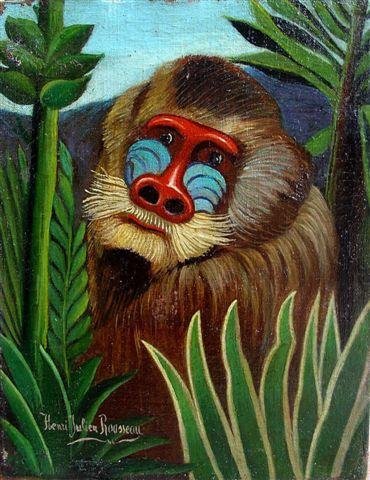
Henri Rousseau

Henri Rousseau

Henri Rousseau

(1844 - 1910)

Explore all artists in this collection
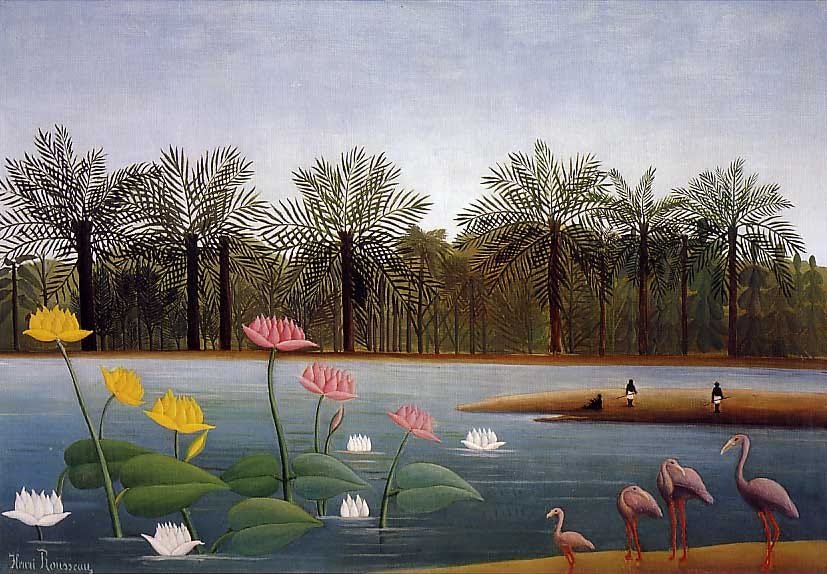
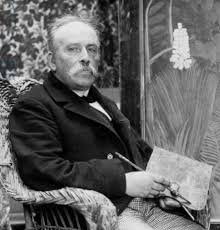
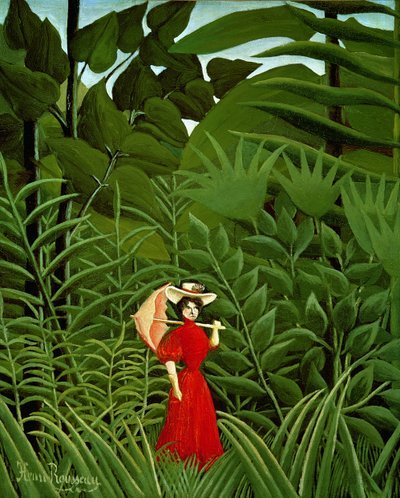
Rousseau was born in Laval, Mayenne, France, in 1844 into the family of a tinsmith; he was forced to work there as a young child. He attended Laval High School as a day student, and then as a boarder after his father became a debtor and his parents had to leave the town upon the seizure of their house. Though mediocre in some of his high school subjects, Rousseau won prizes for drawing and music.

After high school, he worked for a lawyer and studied law, but "attempted a small perjury and sought refuge in the army." He served four years, starting in 1863. With his father's death, Rousseau moved to Paris in 1868 to support his widowed mother as a government employee.

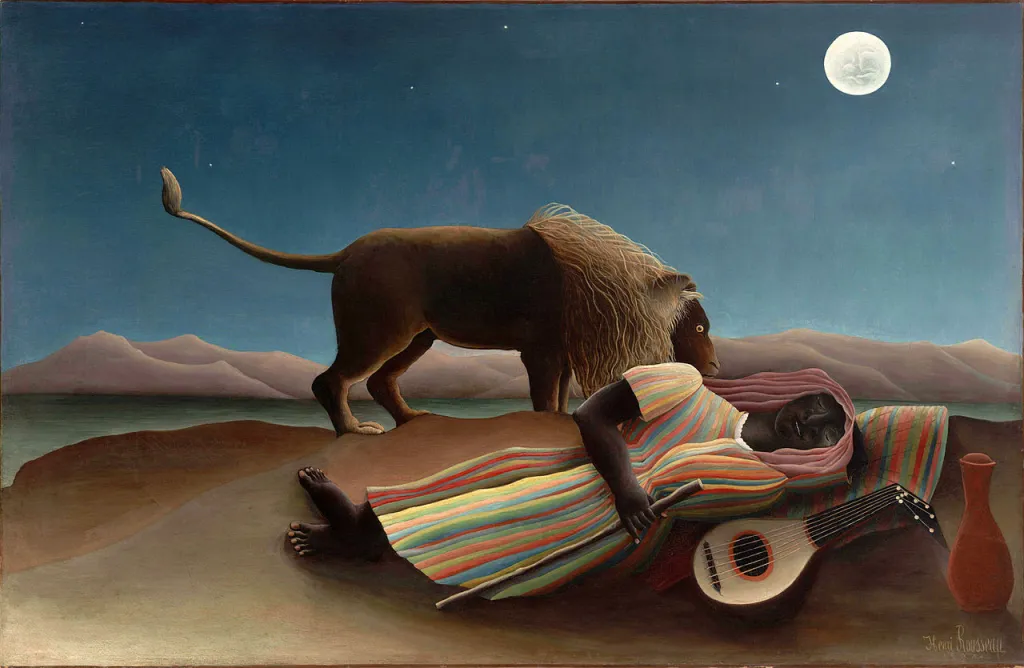
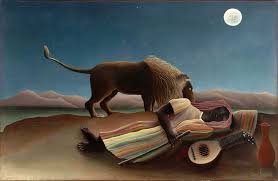
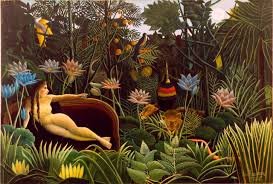
The Sleeping Gypsy (La Bohémienne endormie) is an 1897 oil on canvas painting by the French Naïve (fauve) artist Henri Rousseau. It is a fantastical depiction of a lion musing over a sleeping woman on a moonlit night. It is held by the Museum of Modern Art in New York City, to which it was donated by Mrs. Simon Guggenheim in 1939.


We salute you Gentle Rousseau you can hear us.
Delaunay, his wife, Monsieur Queval and myself.
Let our luggage pass duty free through the gates of heaven.
We will bring you brushes, paints and canvas.
That you may spend your sacred leisure in the
light and Truth of Painting.
As you once did my portrait facing the stars, lion and the gypsy.

In 1868, he married Clémence Boitard, his landlord's 15-year-old daughter, with whom he had six children (only one survived). In 1871, he was appointed as a collector of the octroi of Paris, collecting taxes on goods entering Paris. His wife died in 1888 and he married Josephine Noury in 1898.

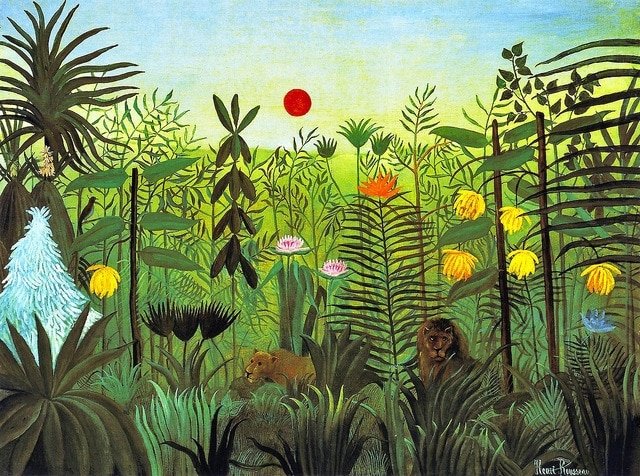
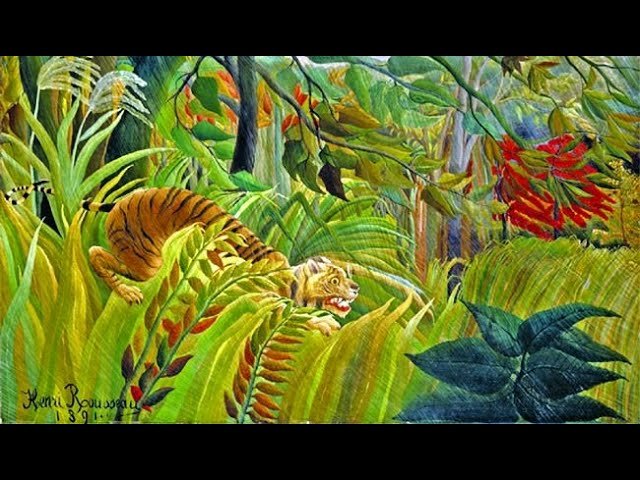
From 1886, he exhibited regularly in the Salon des Indépendants, and, although his work was not placed prominently, it drew an increasing following over the years. Tiger in a Tropical Storm (Surprised!) was exhibited in 1891, and Rousseau received his first serious review when the young artist Félix Vallotton wrote: "His tiger surprising its prey ought not to be missed; it's the alpha and omega of painting." Yet it was more than a decade before Rousseau returned to depicting his vision of jungles.

In 1893, Rousseau moved to a studio in Montparnasse where he lived and worked until his death in 1910. In 1897, he produced one of his most famous paintings, La Bohémienne endormie (The Sleeping Gypsy).

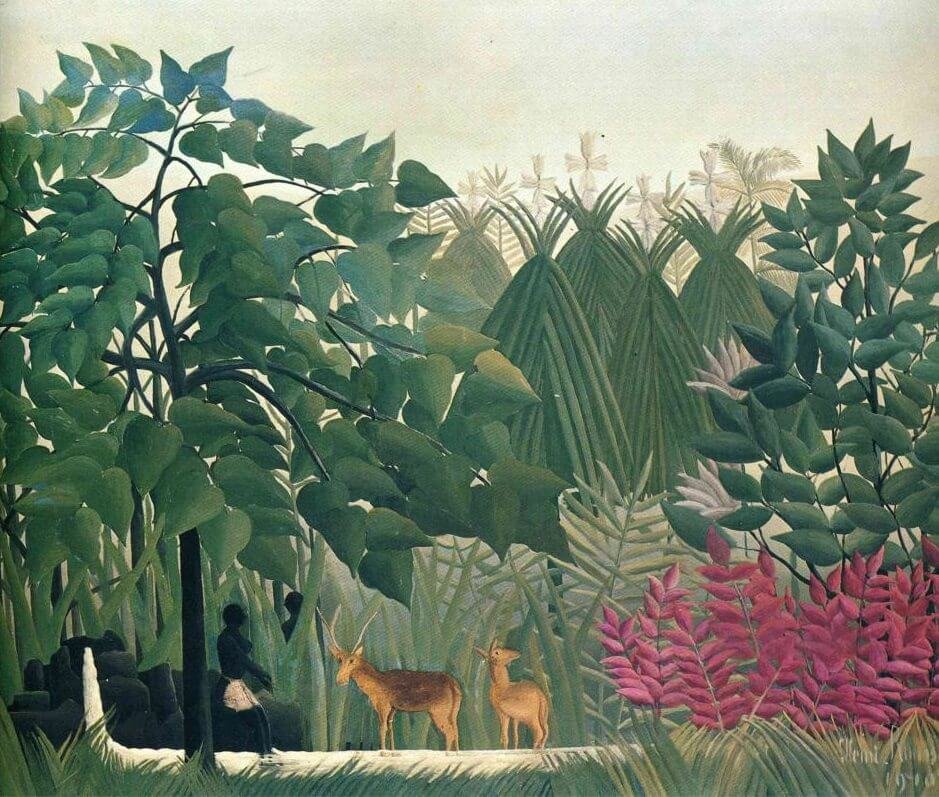
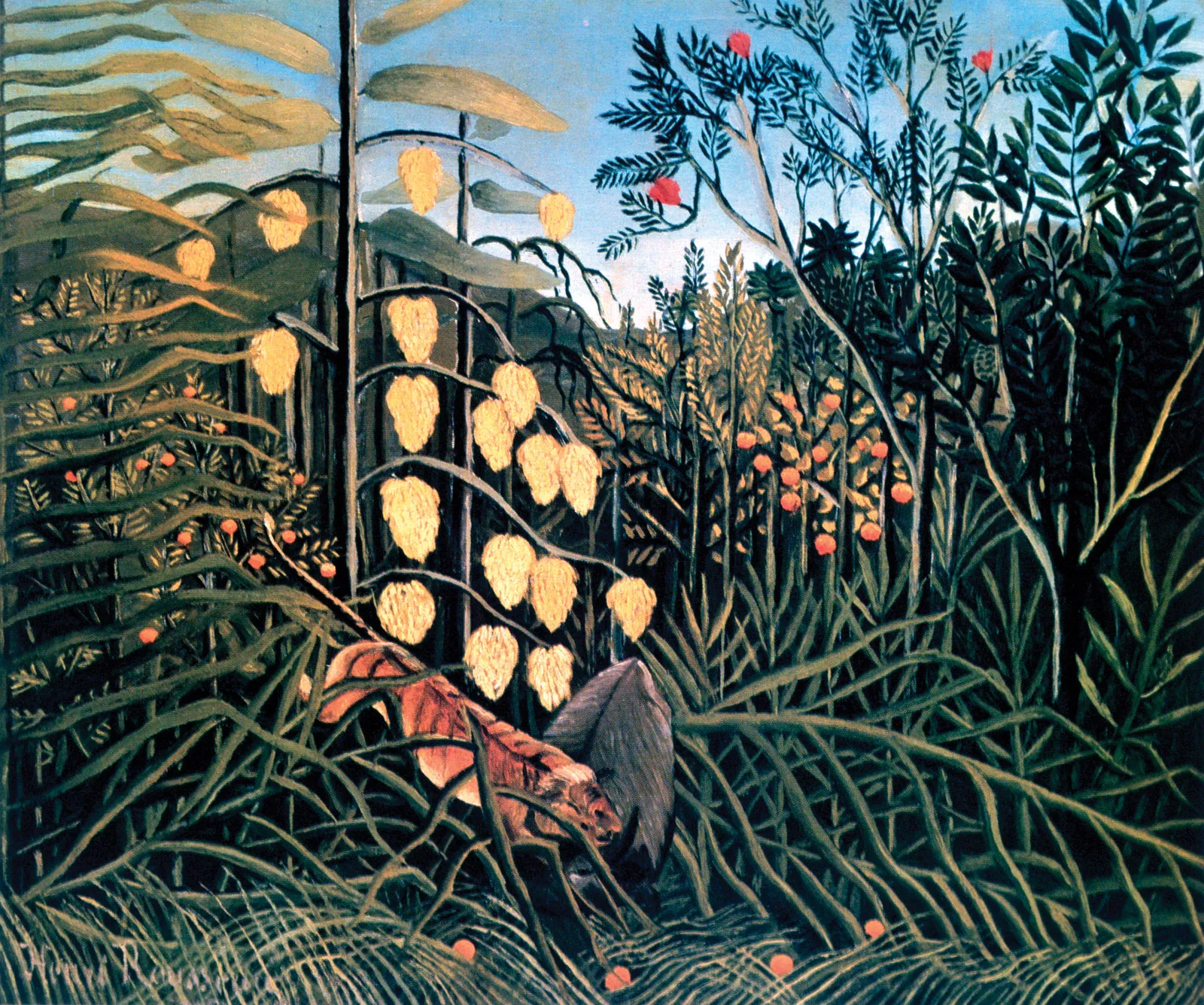
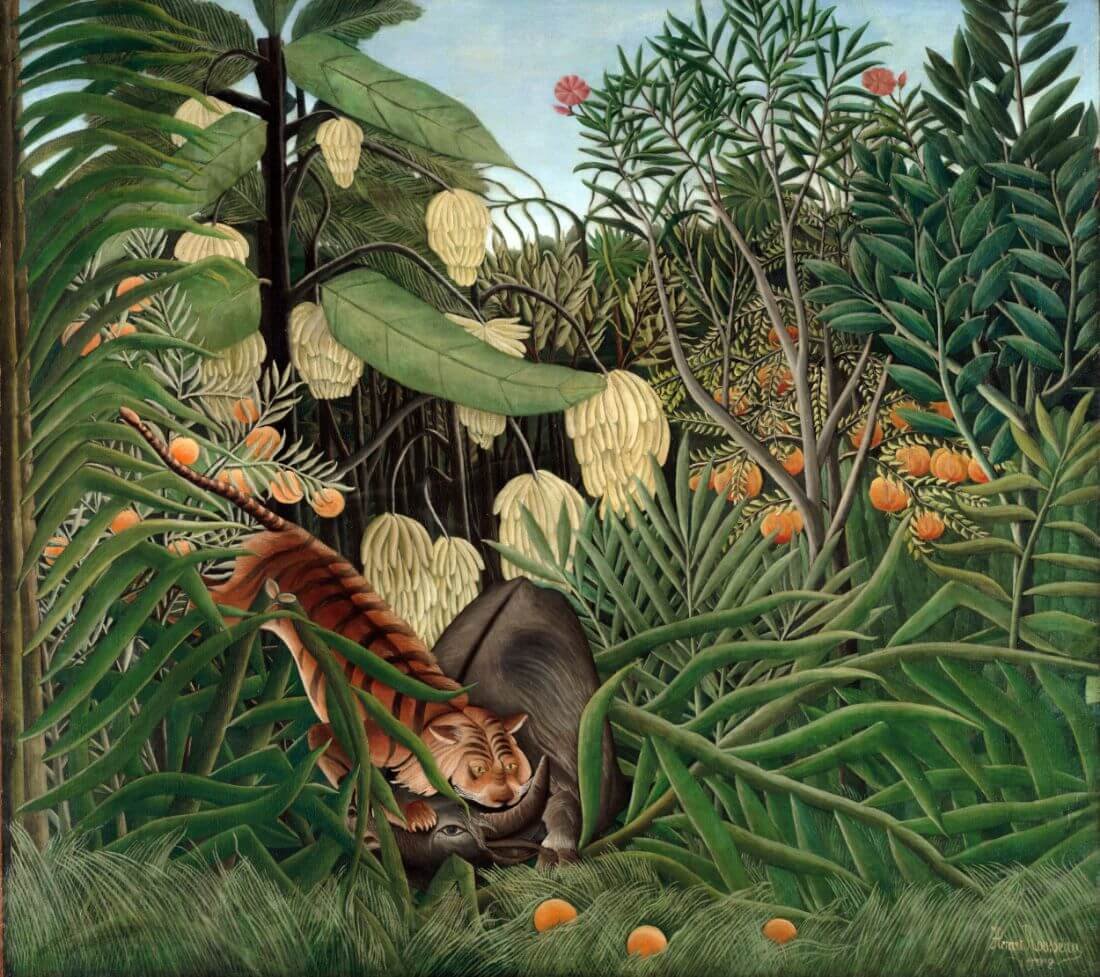
In 1905, Rousseau's large jungle scene The Hungry Lion Throws Itself on the Antelope was exhibited at the Salon des Indépendants near works by younger leading avant-garde artists such as Henri Matisse, in what is now seen as the first showing of The Fauves. Rousseau's painting may even have influenced the naming of the Fauves.

In 1907, he was commissioned by artist Robert Delaunay's mother, Berthe, Comtesse de Delaunay, to paint The Snake Charmer.

Maurice Raynal, in Les Soirées de Paris, 15 January 1914, p. 69, wrote about "Le Banquet Rousseau".

After Rousseau's retirement in 1893, he supplemented his small pension with part-time jobs and work such as playing a violin in the streets. He also worked briefly at Le petit Journal, where he produced a number of its covers.

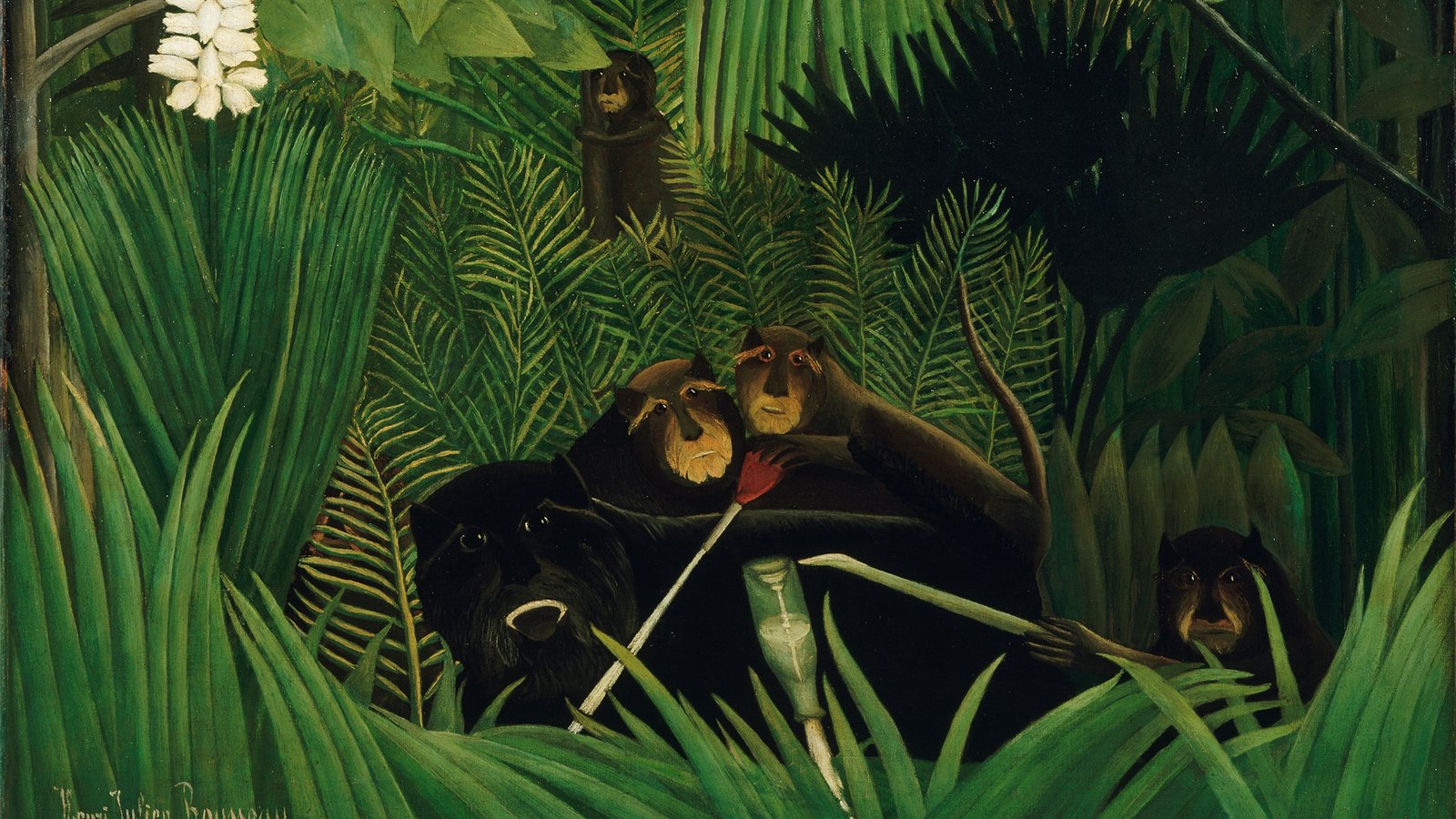
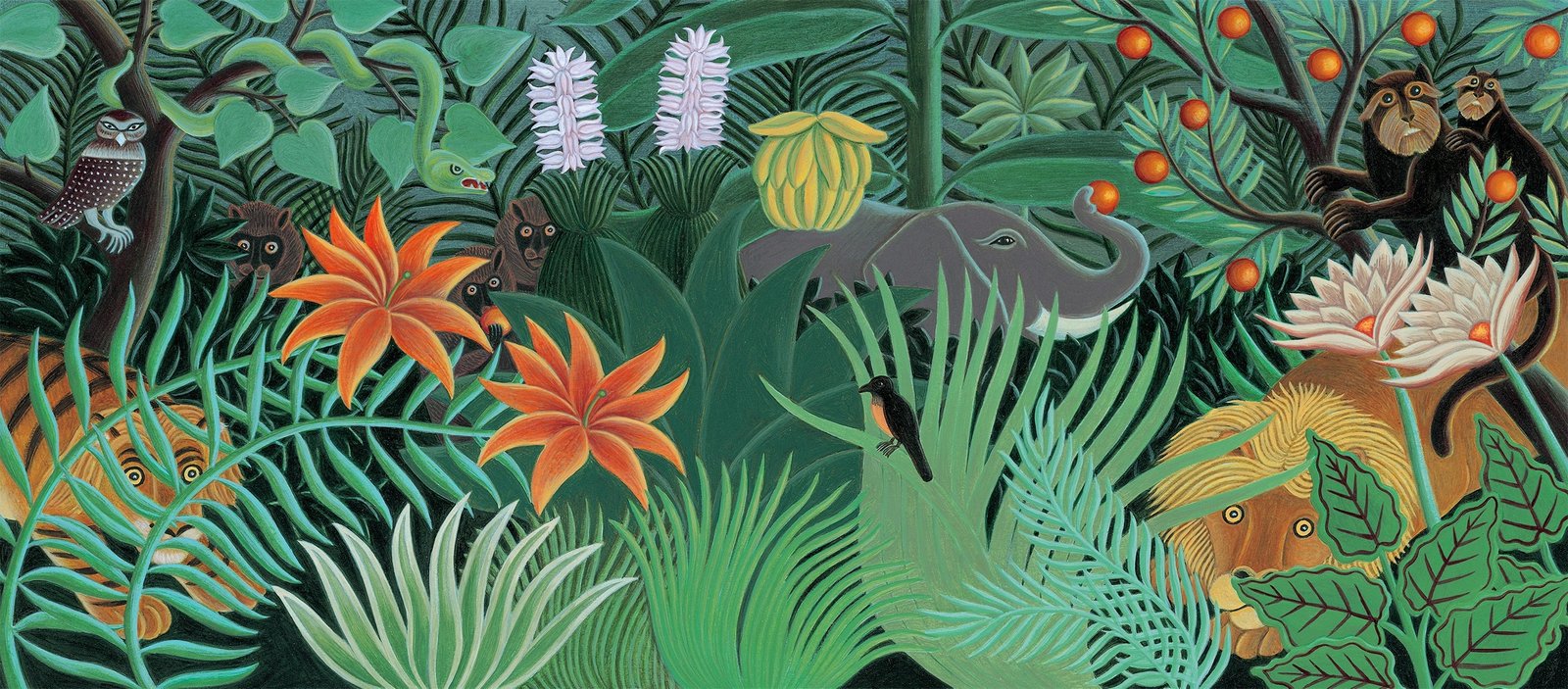
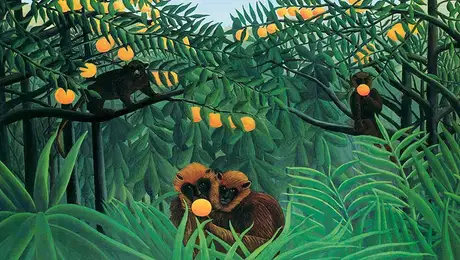
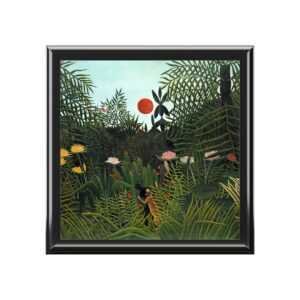
An equally famous work by Rousseau, included in the collection of John Hay Whitney, is Tropical Forest with Monkeys, which was painted during the last months of his life. It shows one of his signature exotic landscapes, lush, tropical, and virgin. Many of the animals in Rousseau's images have human faces or attributes. The central monkeys in this painting hold green sticks from which strings appear to dangle, suggesting fishing poles and human leisure activities, thereby emphasizing the quasi-human experience of the animals. In this sense Rousseau's anthropomorphized primates can be seen not as true wild beasts, but rather as representing an escape from the "jungle" of Paris and the everyday grind of civilized life.

In the same month Rousseau suffered a phlegmon in his leg, one which he ignored.[16] In August, when he was admitted to the Necker Hospital[17] in Paris where his son had died, he was found to have gangrene in his leg. After an operation, he died from a blood clot on 2 September 1910.

Le Banquet Rousseau

When Pablo Picasso happened upon a painting by Rousseau being sold on the street as a canvas to be painted over, the younger artist instantly recognised Rousseau's genius and went to meet him. In 1908, Picasso held a half serious, half burlesque banquet in his studio at Le Bateau-Lavoir in Rousseau's honour.[1] Le Banquet Rousseau, "one of the most notable social events of the twentieth century," wrote American poet and literary critic John Malcolm Brinnin, "was neither an orgiastic occasion nor even an opulent one. Its subsequent fame grew from the fact that it was a colorful happening within a revolutionary art movement at a point of that movement's earliest success, and from the fact that it was attended by individuals whose separate influences radiated like spokes of creative light across the art world for generations."[11]

Guests at the banquet Rousseau included: Guillaume Apollinaire, Jean Metzinger, Juan Gris, Max Jacob, Marie Laurencin, André Salmon, Maurice Raynal, Daniel-Henri Kahnweiler, Leo Stein, and Gertrude Stein.[12]

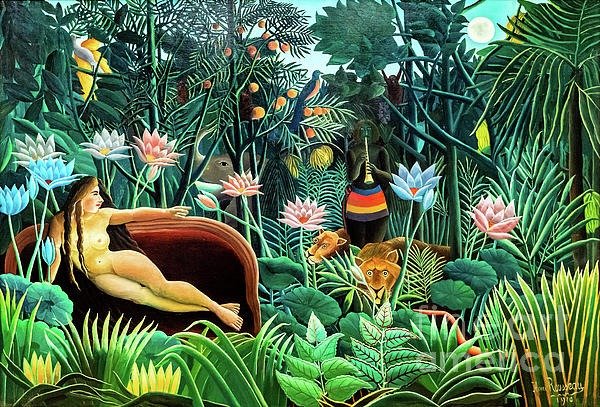
Rousseau exhibited his final painting, The Dream, in March 1910, at the Salon des Independants.

At his funeral, seven friends stood at his grave: the painters Paul Signac and Manuel Ortiz de Zárate; the artist couple Robert Delaunay and Sonia Terk; the sculptor Constantin Brâncuși; Rousseau's landlord Armand Queval, and Guillaume Apollinaire, who wrote the epitaph Brâncuși put on the tombstone

Auguste Racinet

Auguste Racinet

Albert Racinet

(1825 - 1893)

Auguste Racinet

(1825 - 1893)

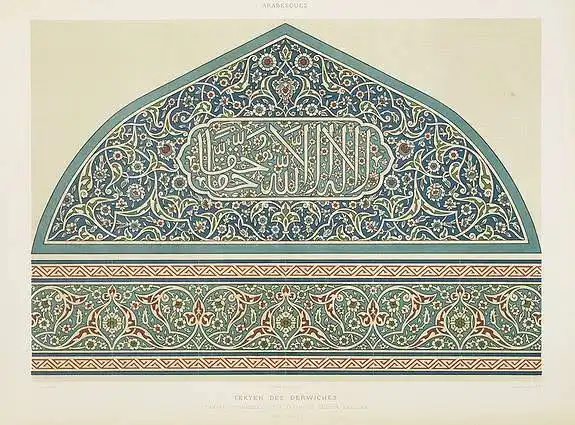
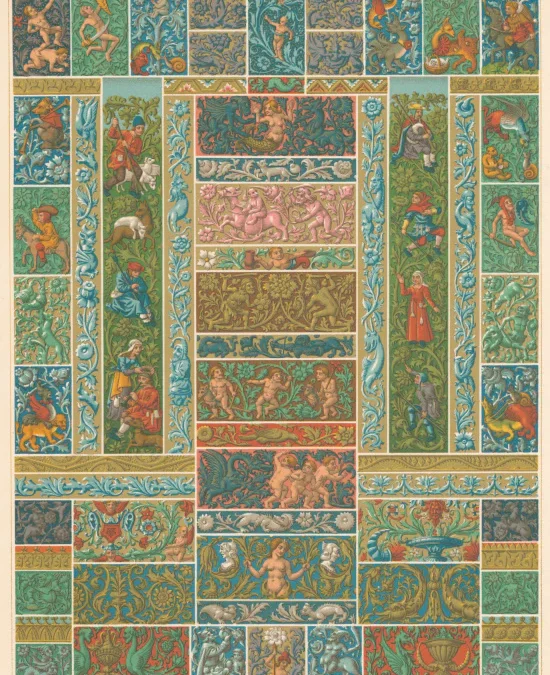
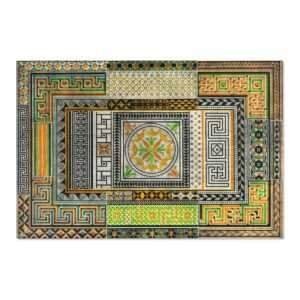
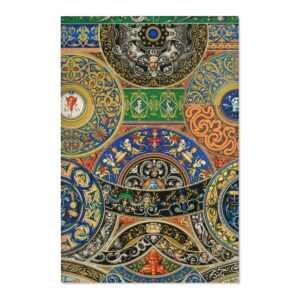
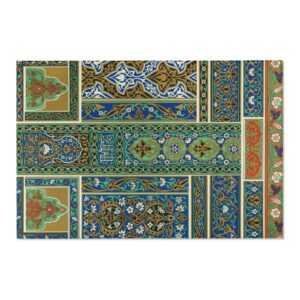
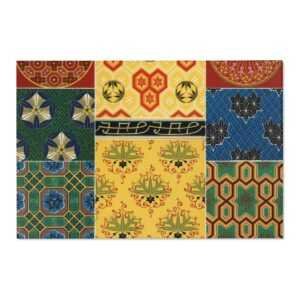
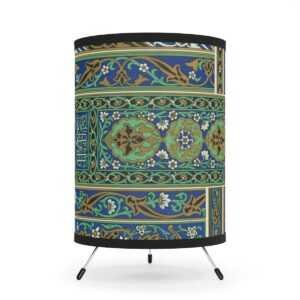
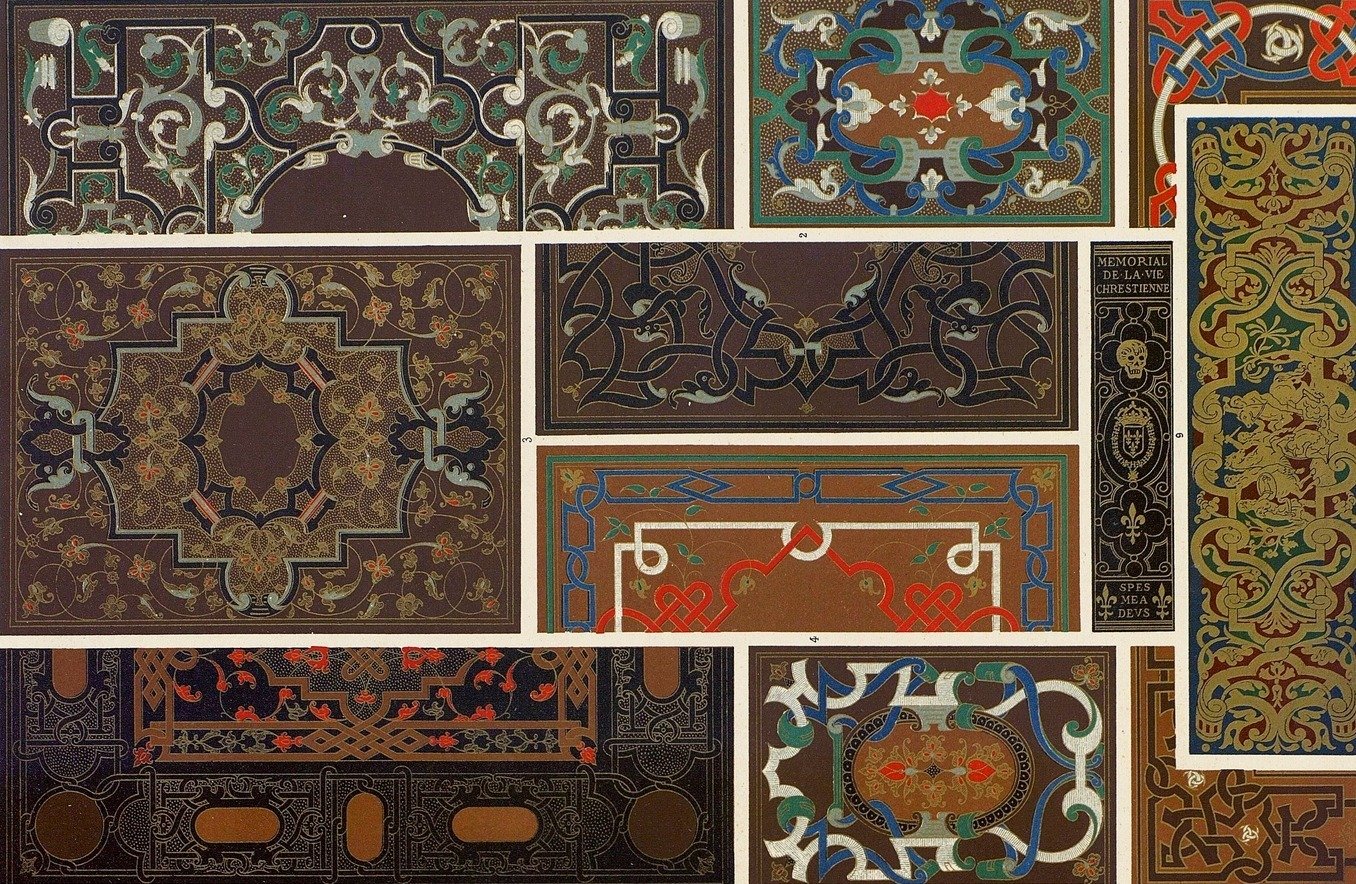
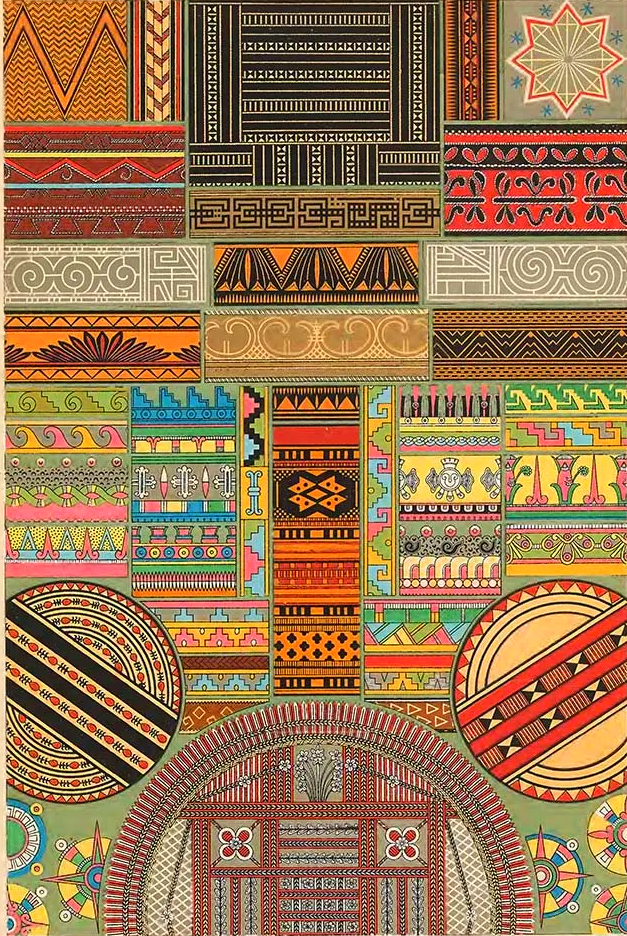
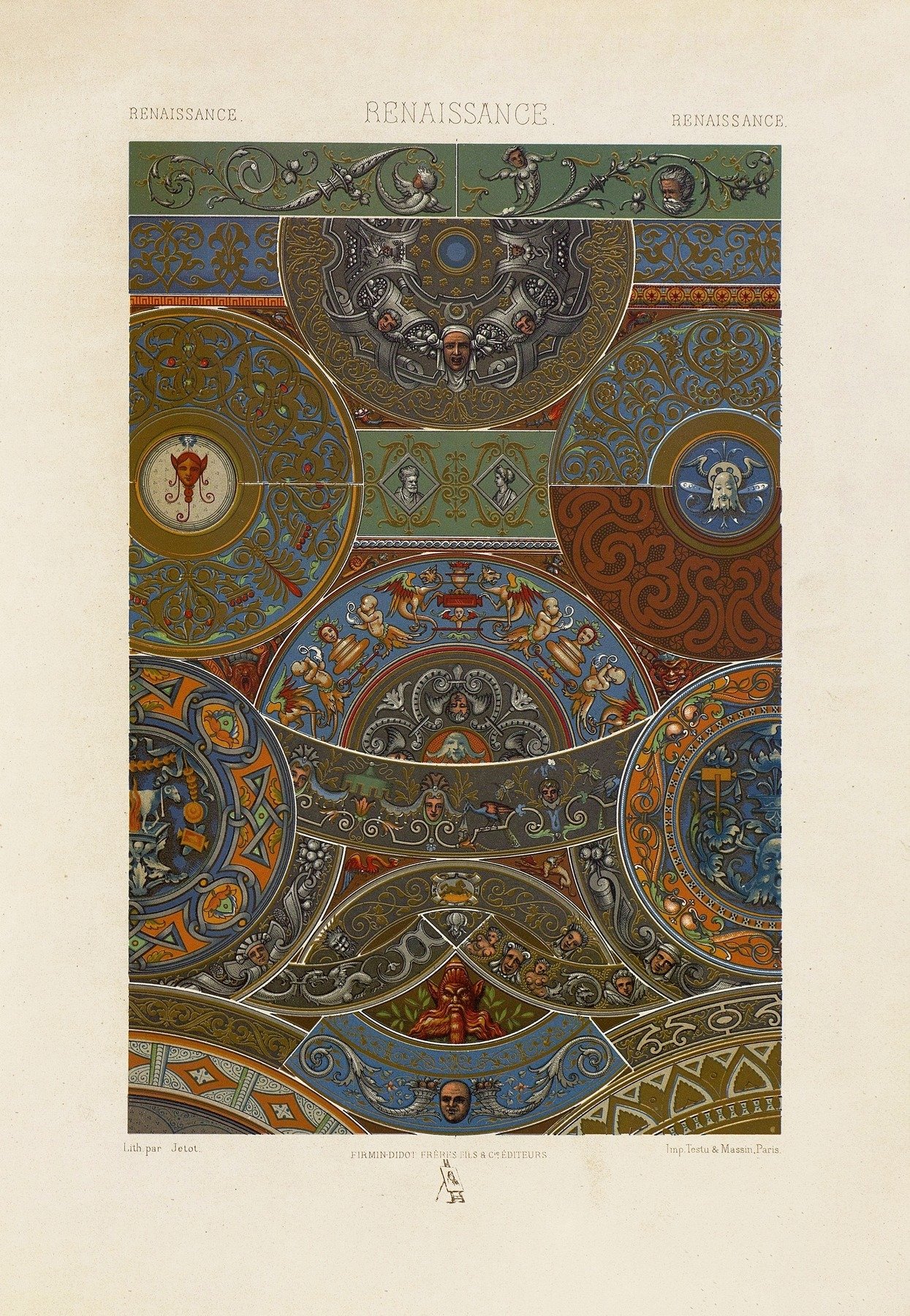
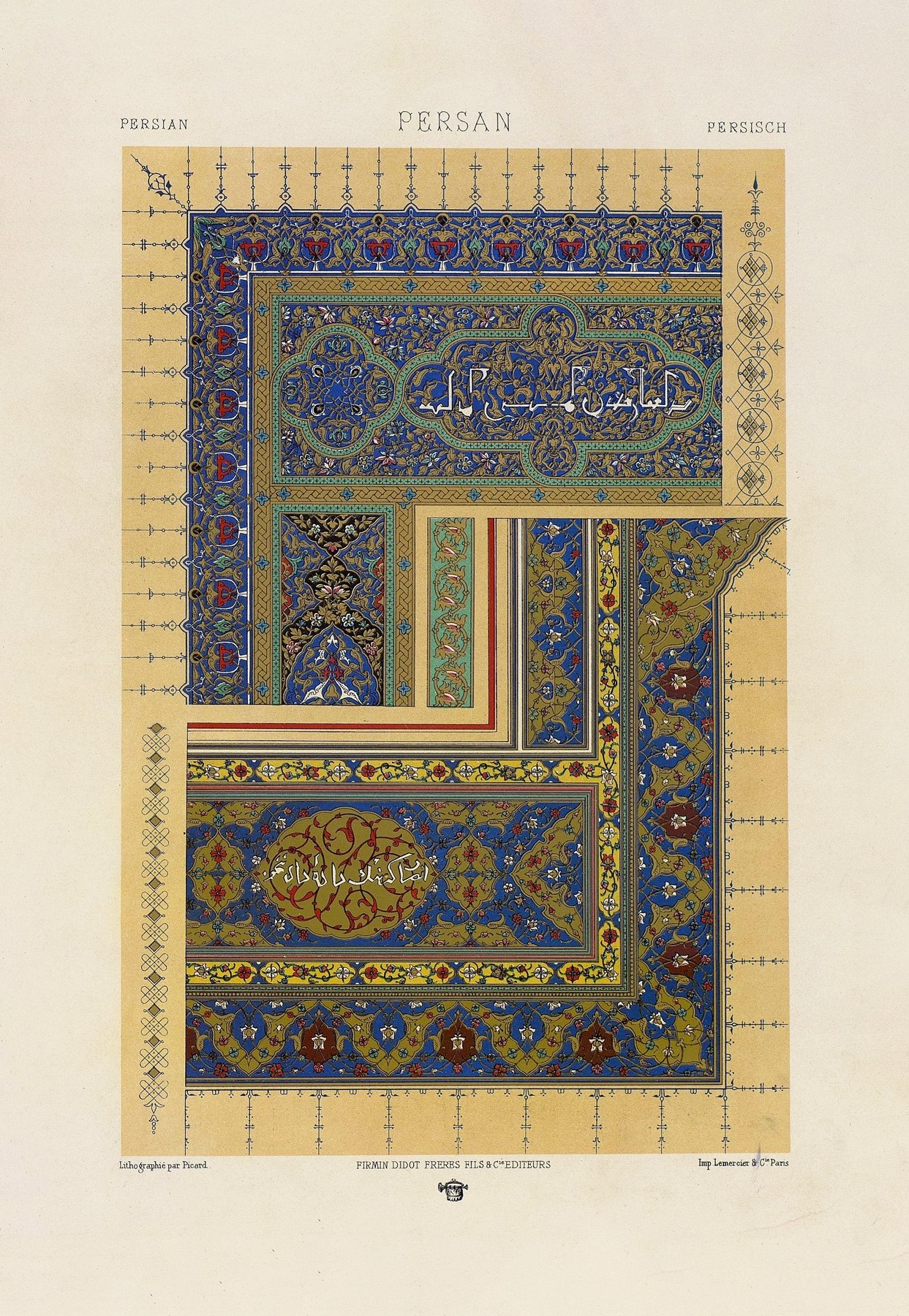
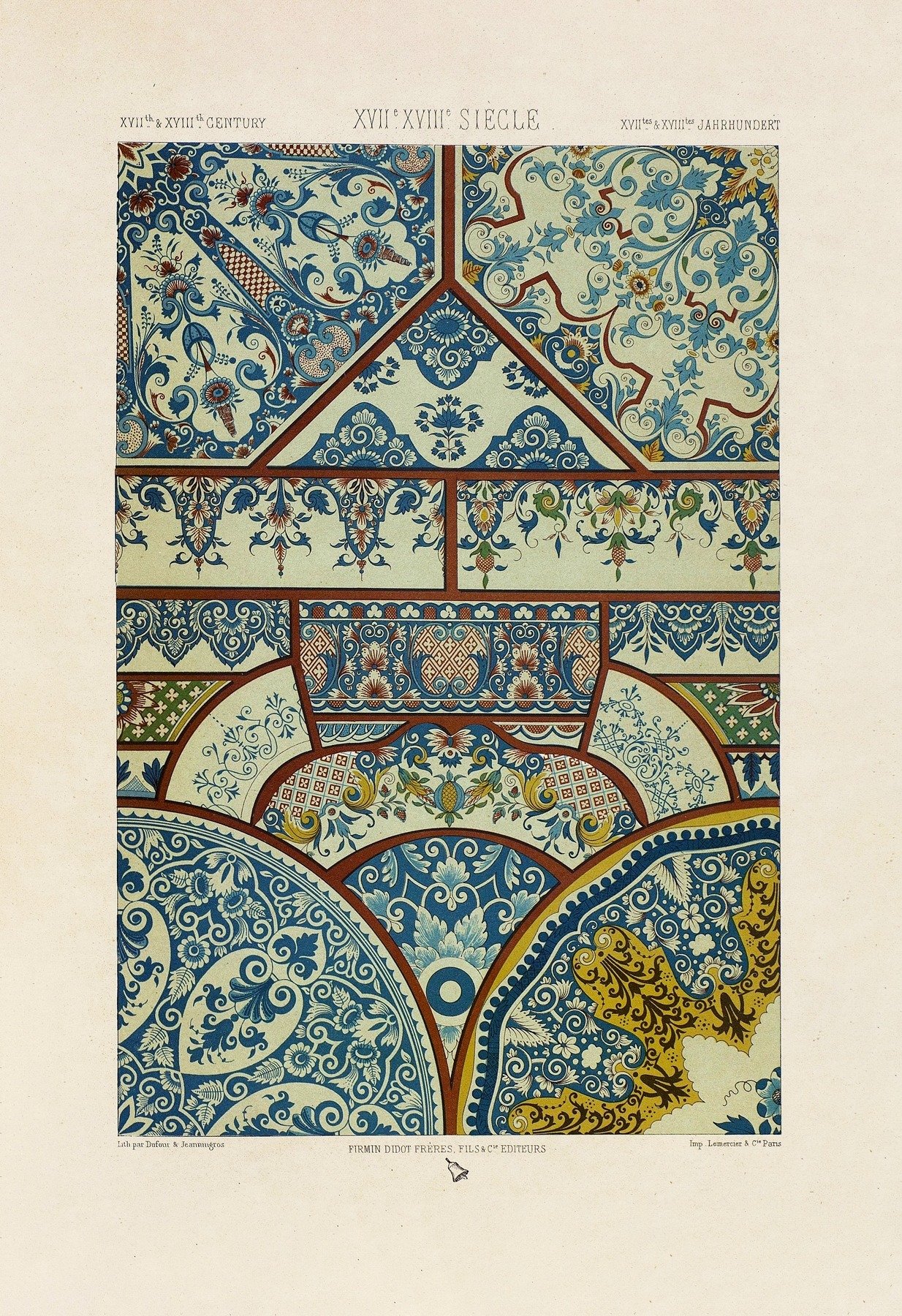
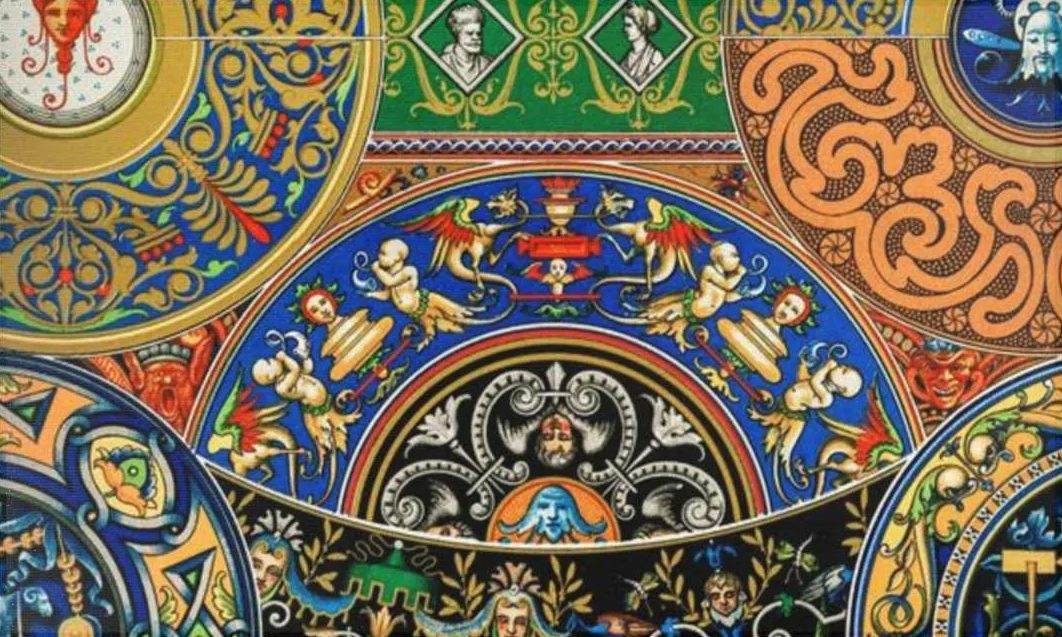
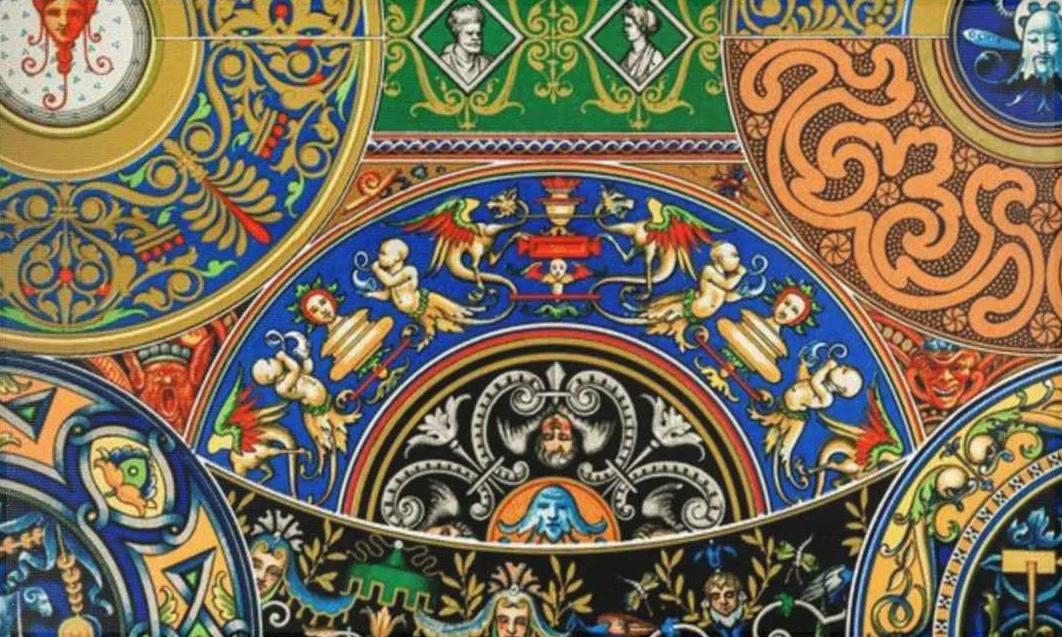
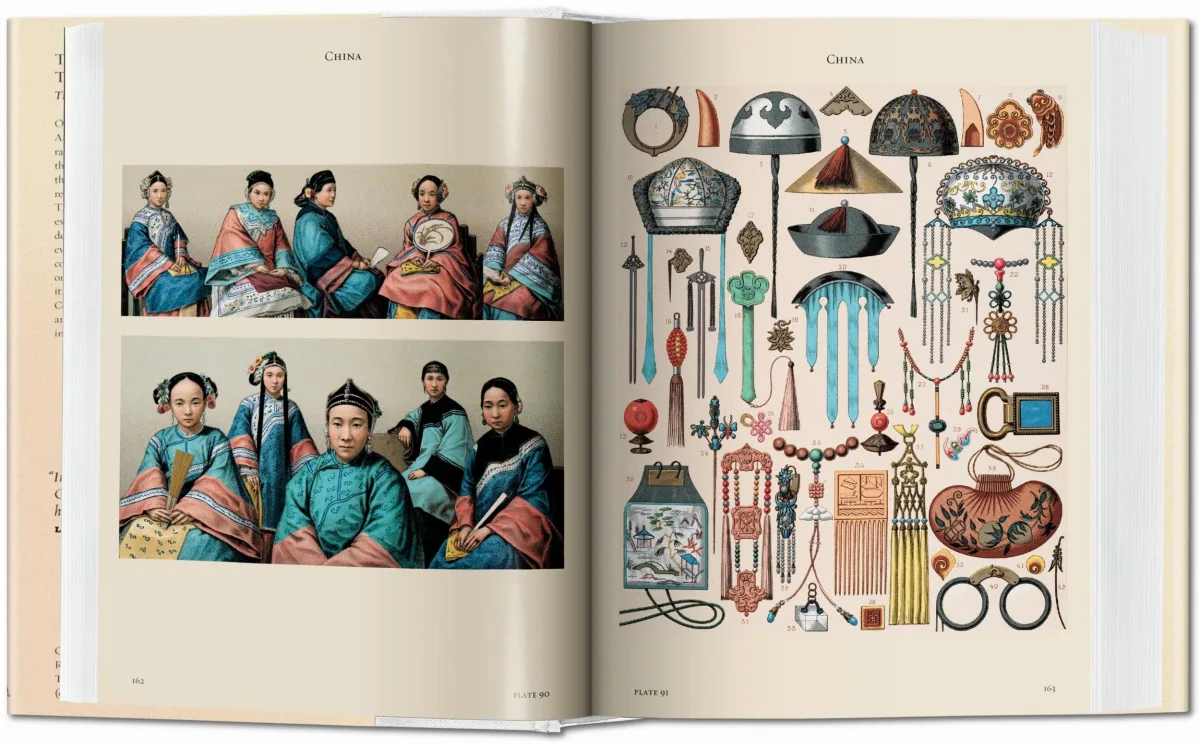
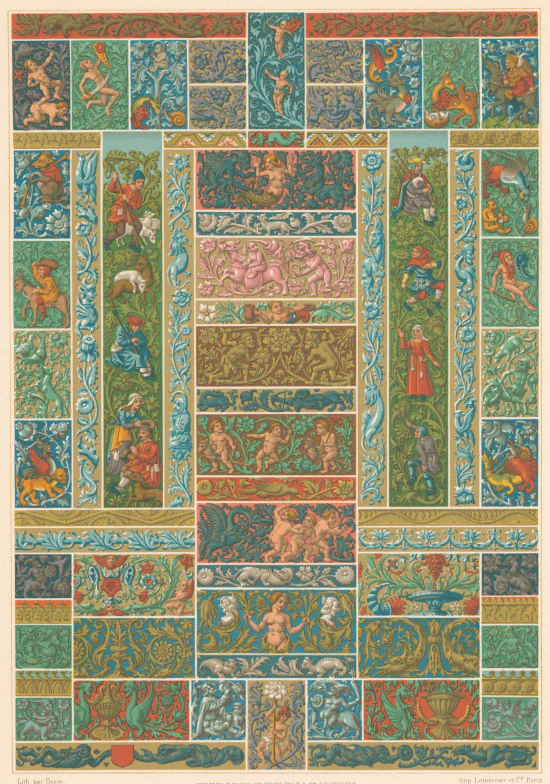
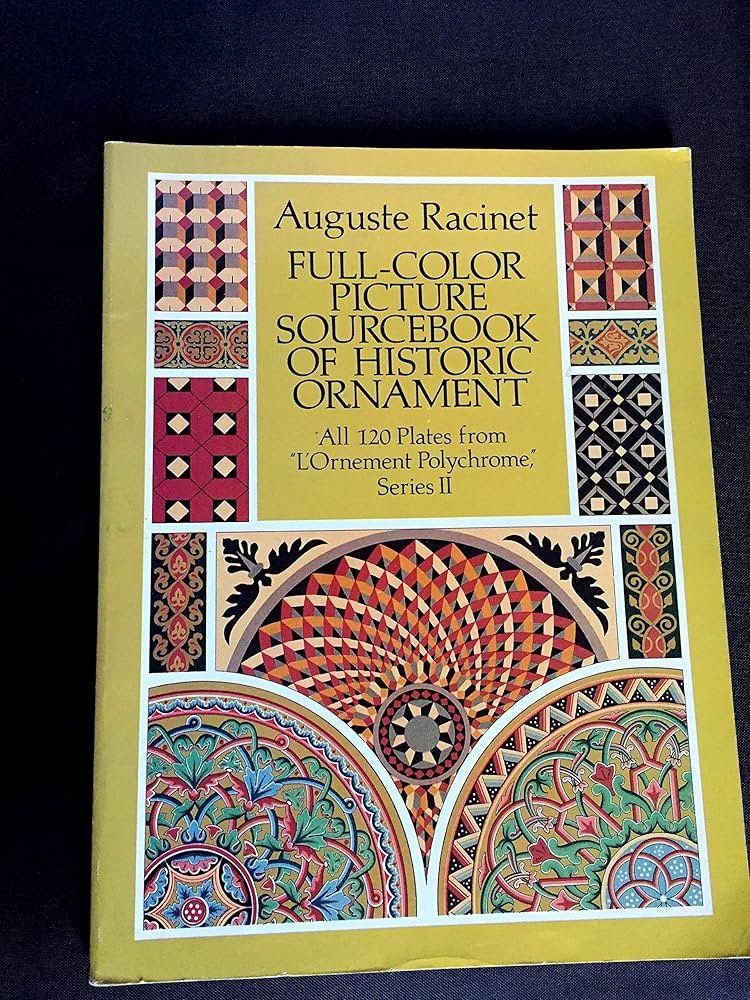
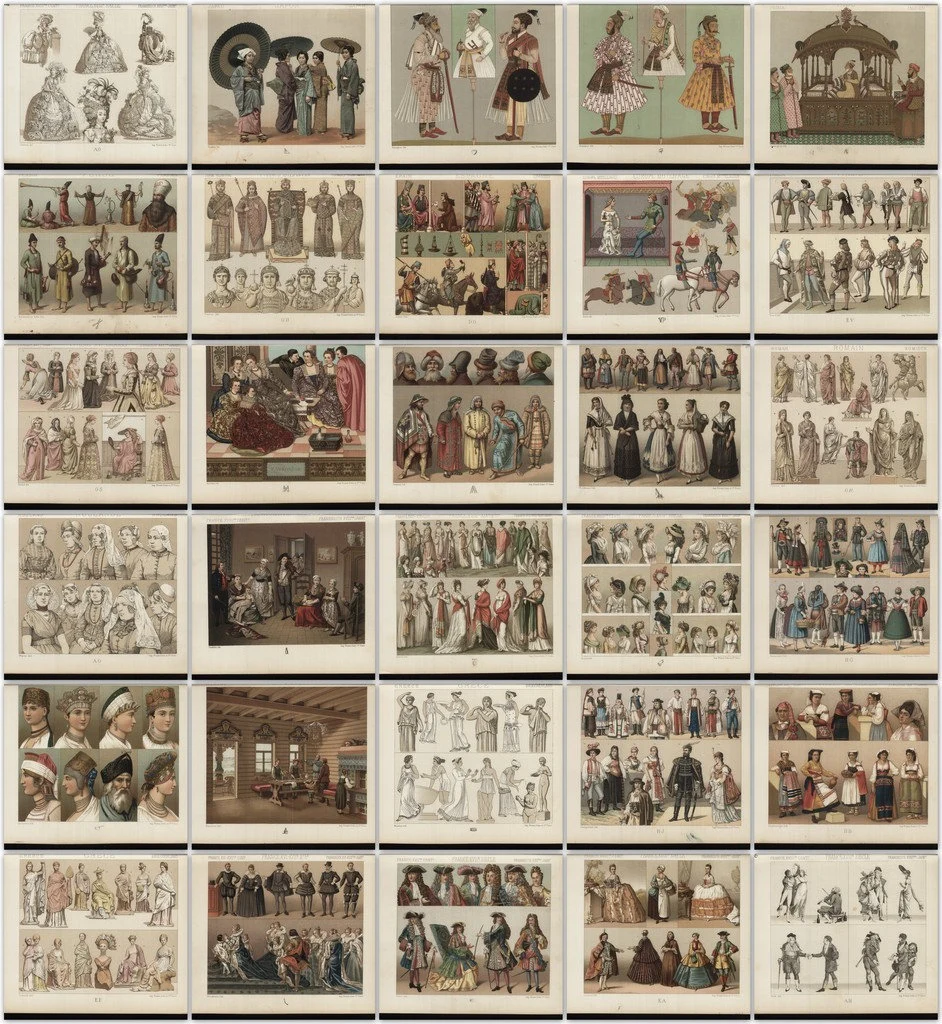
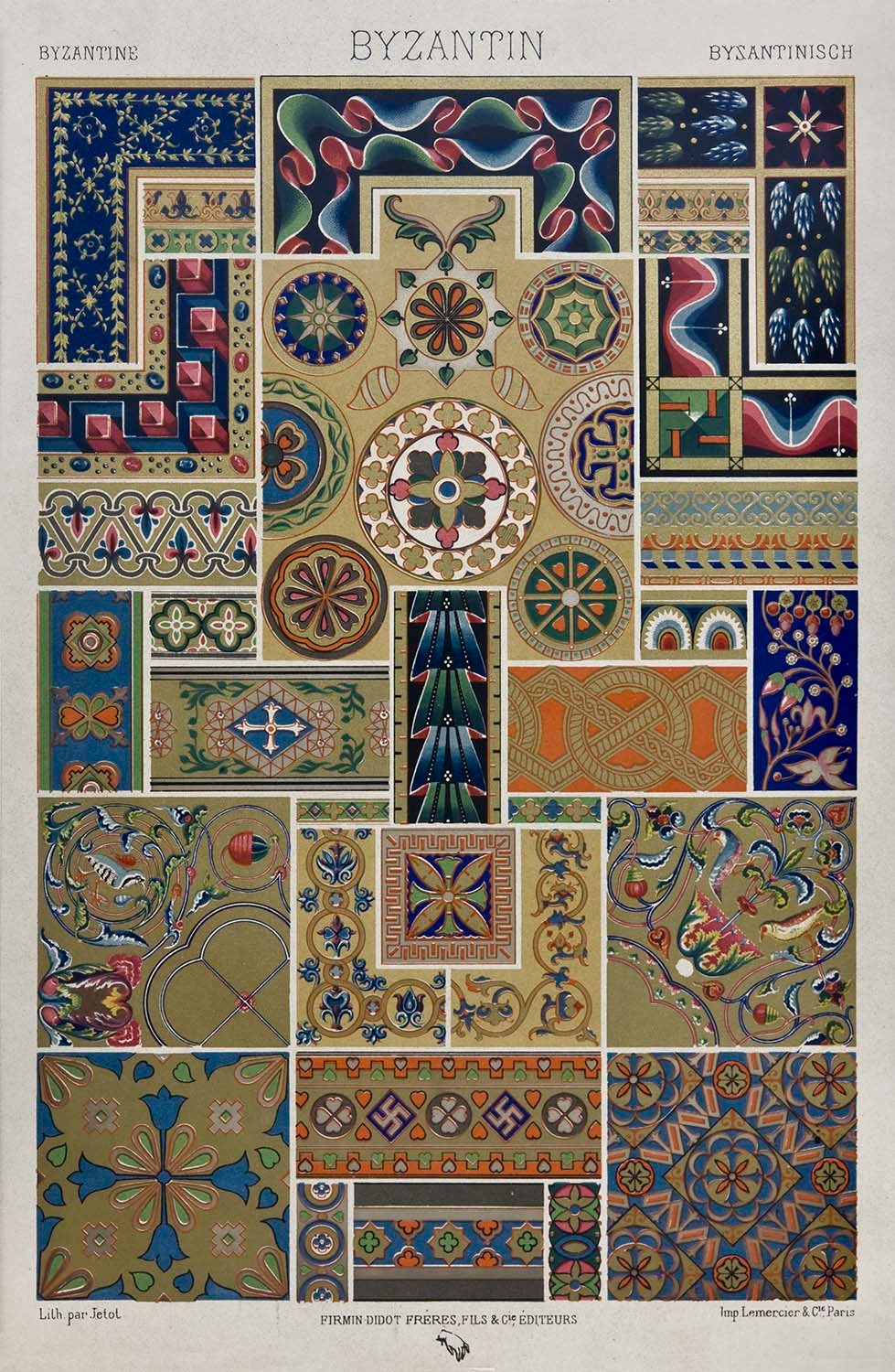
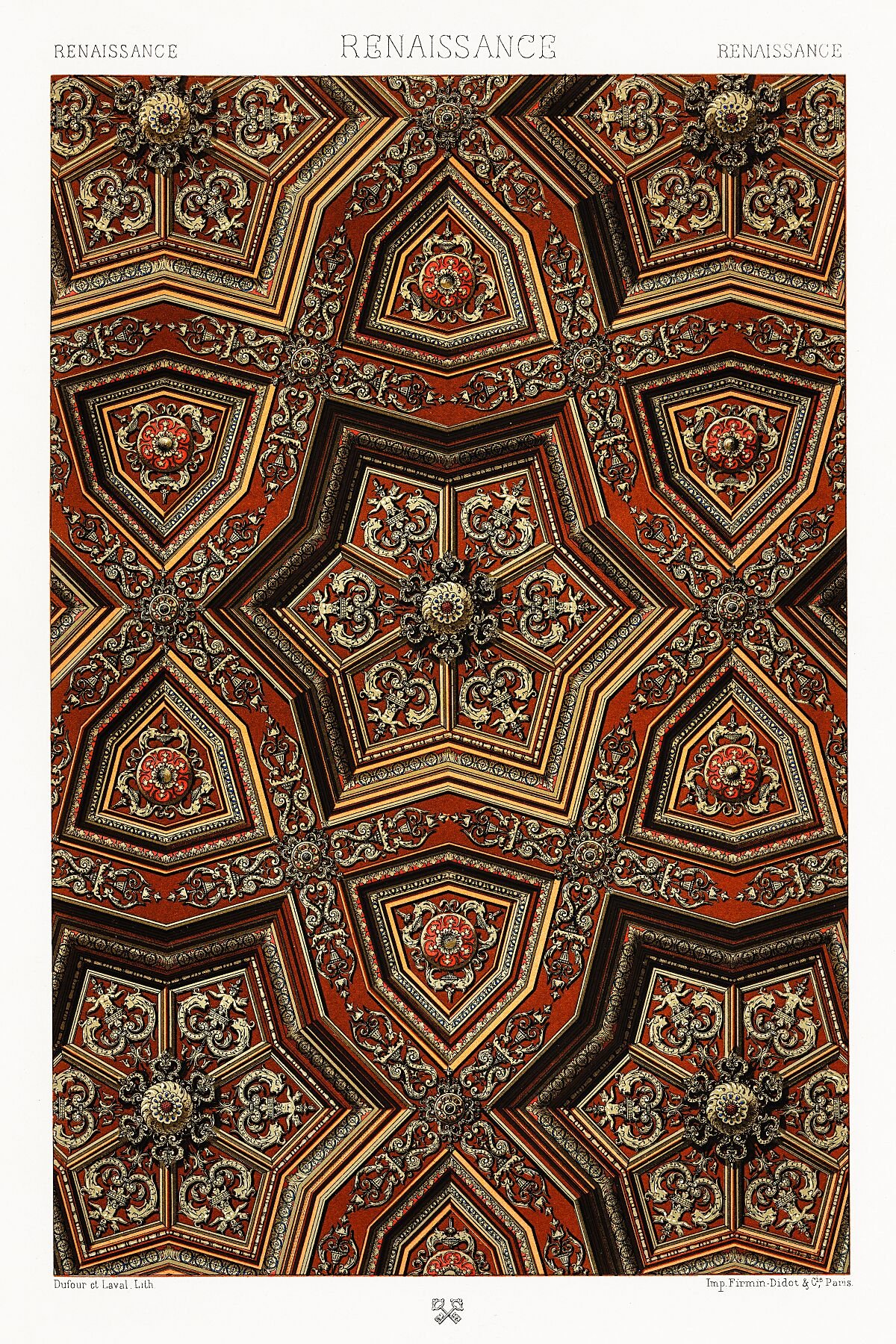
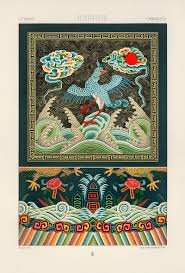
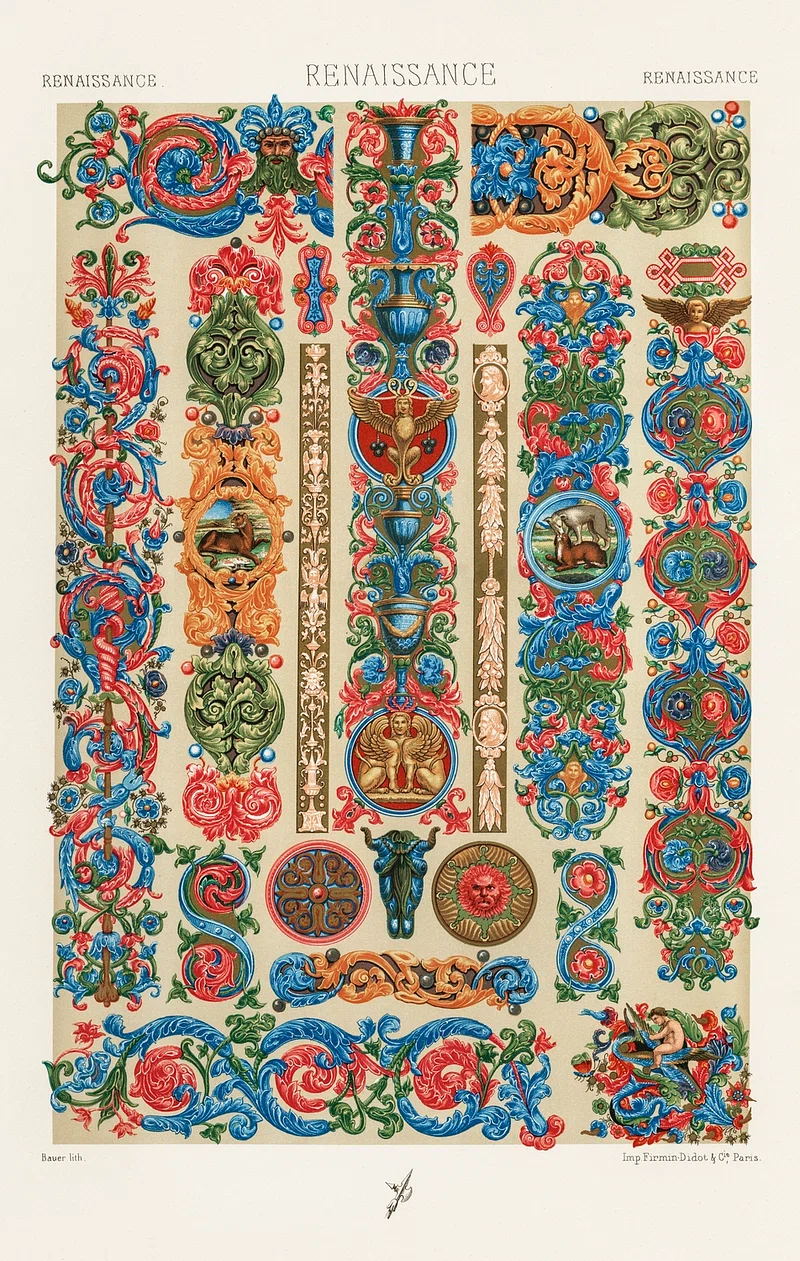
Albert-Charles-Auguste Racinet himself an accomplished artist, is best known today for publishing two major pictorial works on the history of design — Le costume historique and L'Ornement polychrome — while engraver and artistic director at the Parisian publisher Firmin Didot et Cie. Published in ten instalments between 1869 and 1873, the first iteration of L'Ornement polychrome (Colour ornament) is a visual record in 100 plates of the decorative arts from antiquity to the eighteenth century.

Explore all artists in this collection
Showing all 21 resultsSorted by latest

Explore all artists in this collection
The work was such a huge success that in 1885–7 Racinet brought out a second series, this time of 120 plates, and updated to include designs of the nineteenth century as well. The imagery presented in both series is drawn from a wide array of various mediums, including woodwork, metalwork, architecture, textiles, painting, and pottery, and from cultures all over the world.

Explore all artists in this collection
E. A. Séguy

E. A. Séguy

E. A. Séguy

(1890 - 1985)

Explore all artists in this collection
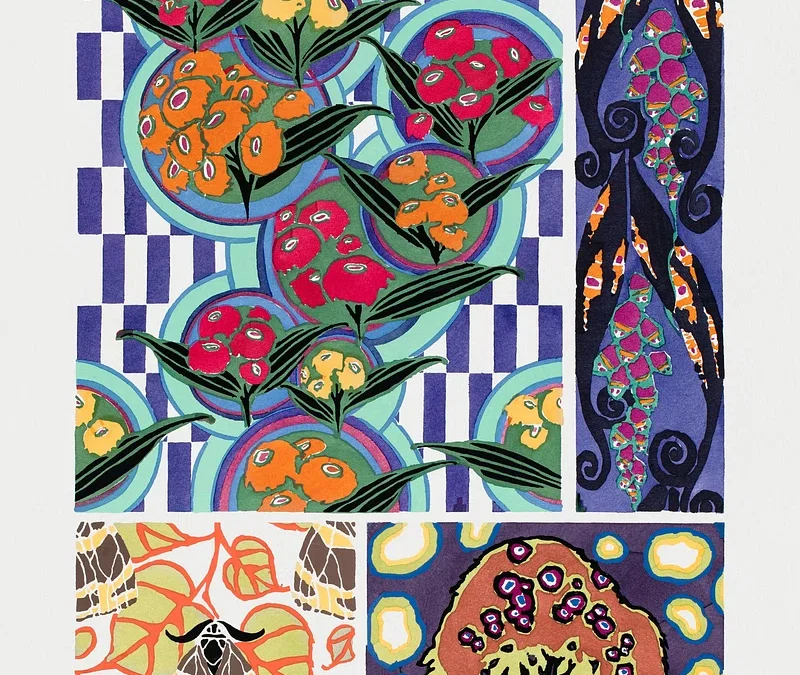
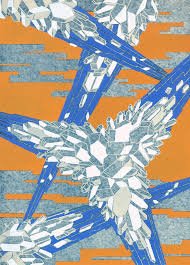
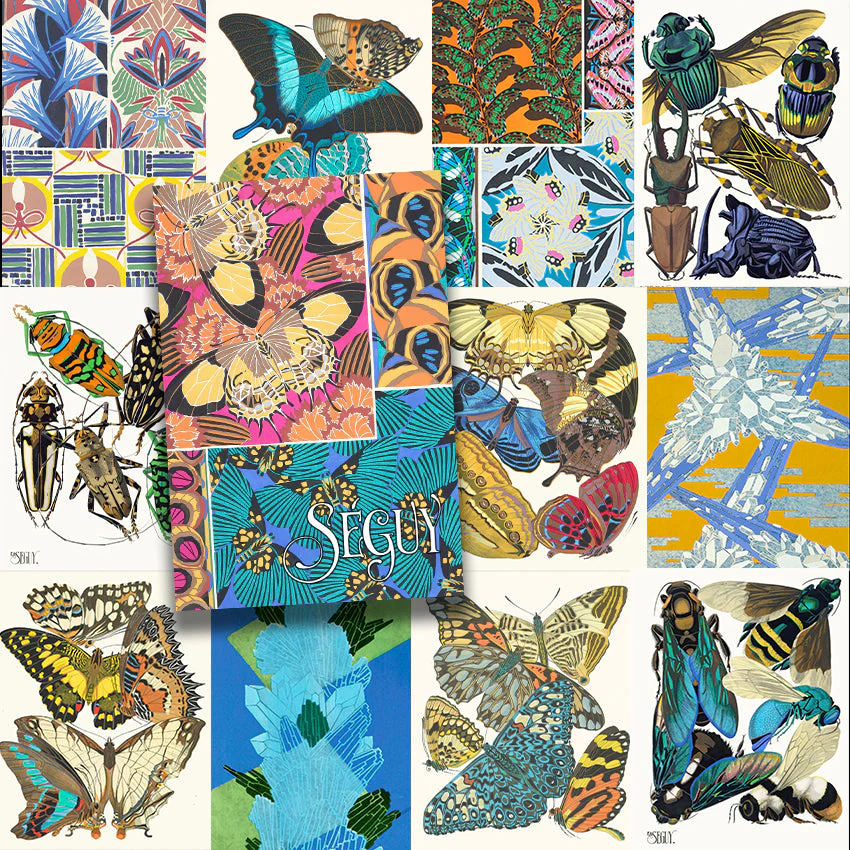
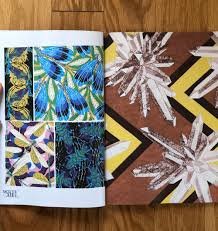
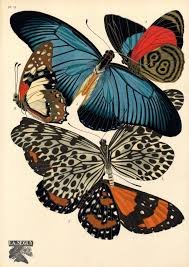
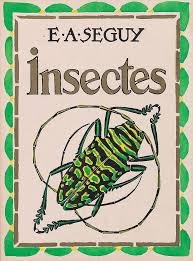
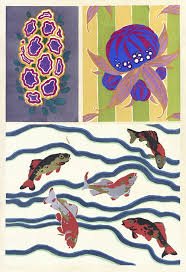
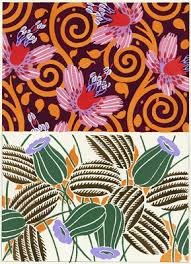
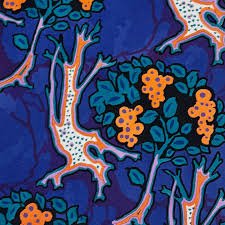
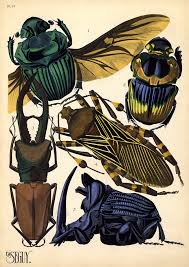
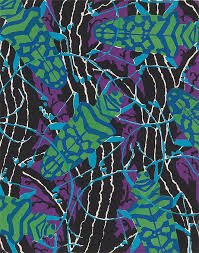
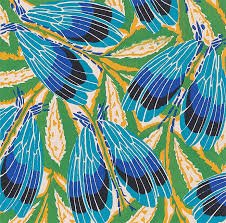
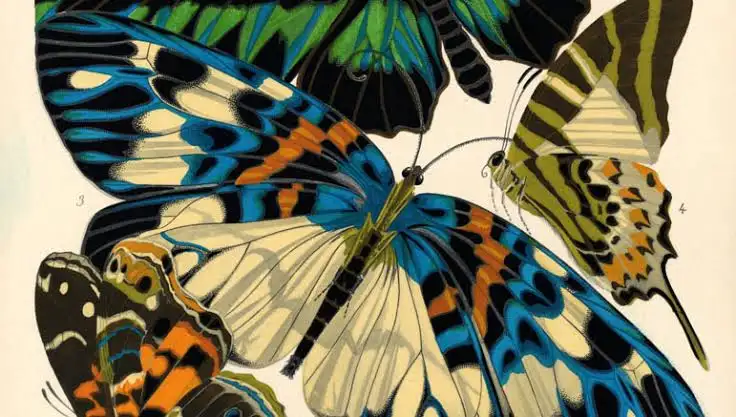
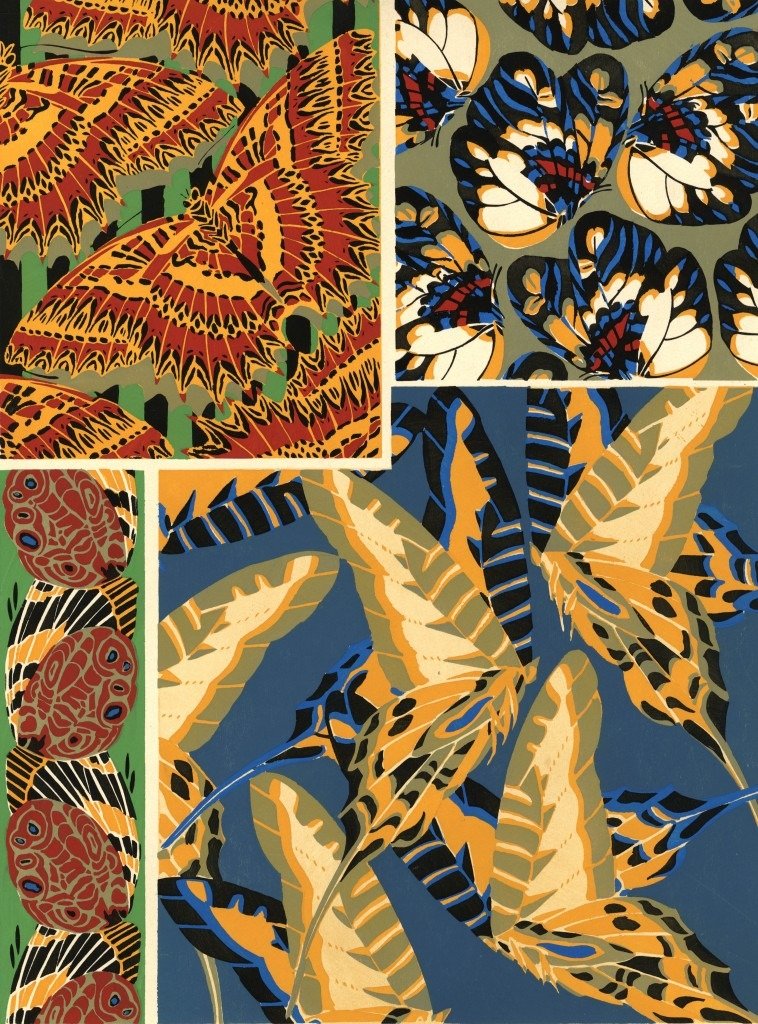
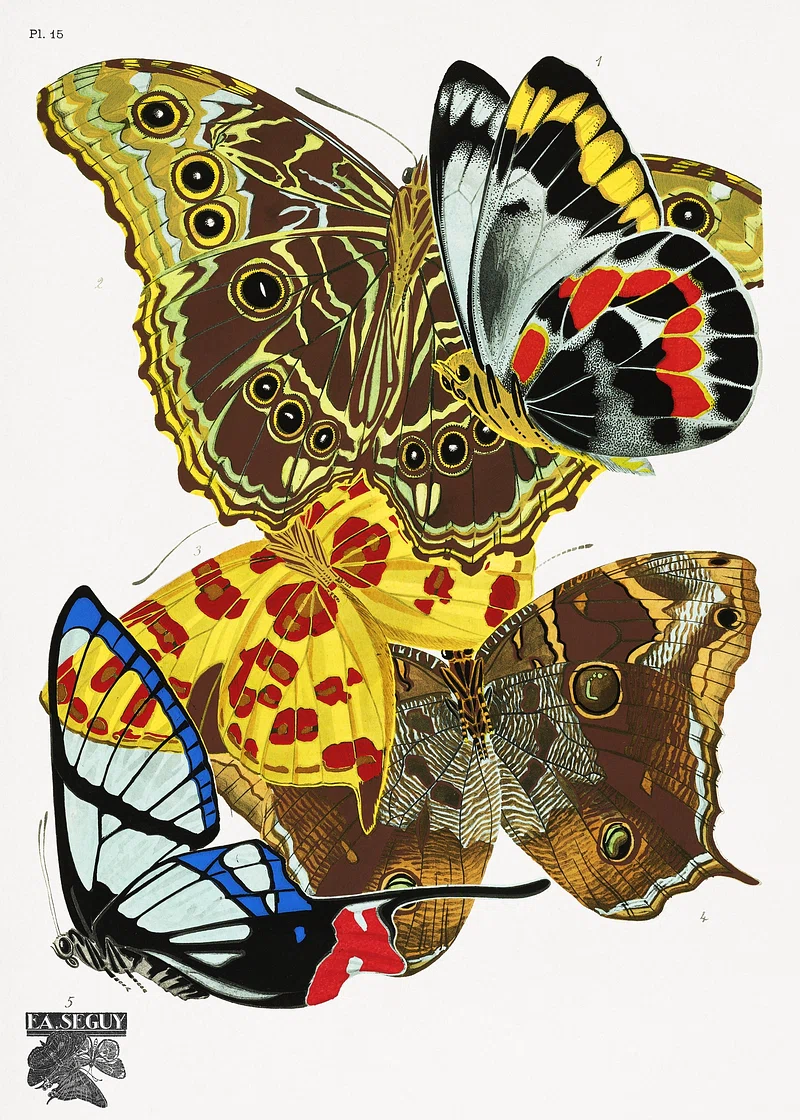
Emile-Allain Séguy, professionally known as E.A. Séguy, was a French designer during the Art Deco and Art Nouveau movements of the 1920s. He primarily created patterns and textiles inspired by the natural world. Because of his particular fascination with insects, he has been confused with Eugene Séguy, a French entomologist active during the same time period. However, it is Emile-Allain who created the popular Papillons and Insectes books, filled with illustrations of vividly colored butterflies and insects made using the pochoir—French for “stencil”—technique.

Seguy’s albums were created using a unique printing process called pochoir, which was popular in France at the turn of the 20th century. Pochoir is a process that utilizes the method of applying pigment to paper through the use of stencils. First, the artist created an image in watercolor or gouache. The design was then analyzed to determine the necessary colors and number of stencils needed. The stencils could be cut from any number of materials, including copper, zinc, oiled cardboard, or celluloid. The paint was applied through the stencils by brushes or pompons. The prints were produced entirely by hand assembly line style, and each one was individually examined and approved upon completion.

While simple in concept, pochoir could become quite complex in practice, with some images requiring the use of 100 or so stencils to produce a single print. The technique was regularly used to produce plates in French fashion journals as well as being used to illustrate industrial design, textile, interiors, and architecture folios.
Pochoir is thought to be a reaction to what was seen as a general debasement of machine printing technology during the time period. Jean Saudé, the individual who most influenced the pochoir technique, believed that pochoir was the only process which translated the artist’s original intent because it was entirely done by hand.

Pochoir is thought to be a reaction to what was seen as a general debasement of machine printing technology during the time period. Jean Saudé, the individual who most influenced the pochoir technique, believed that pochoir was the only process which translated the artist’s original intent because it was entirely done by hand.