Henri Matisse

Henri Matisse

Henri Matisse

(1869 - 1954)

Explore all artists in this collection

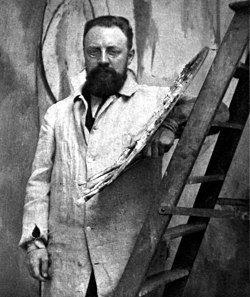
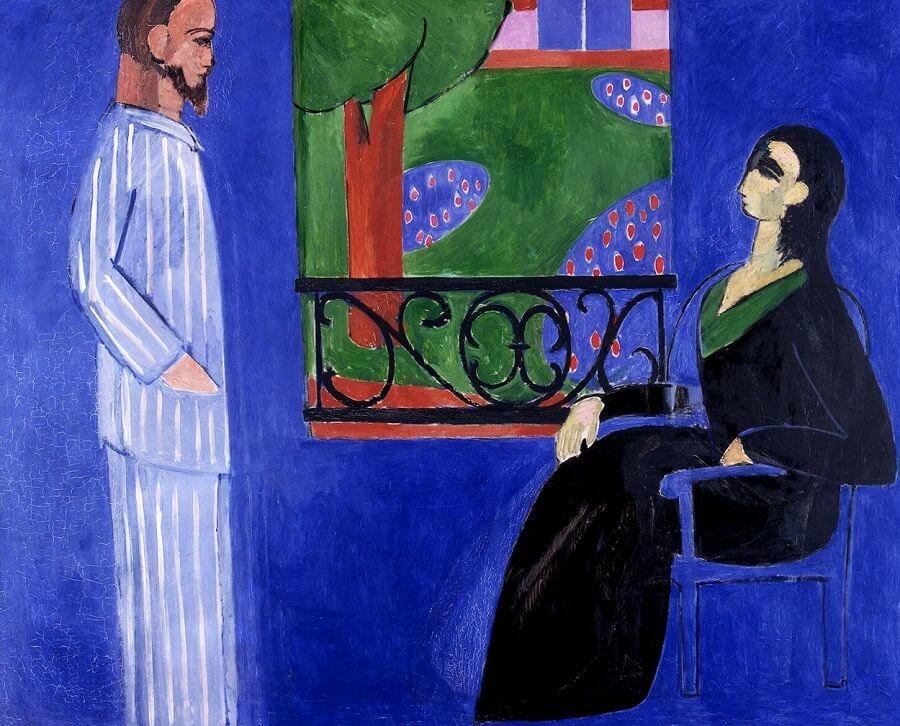
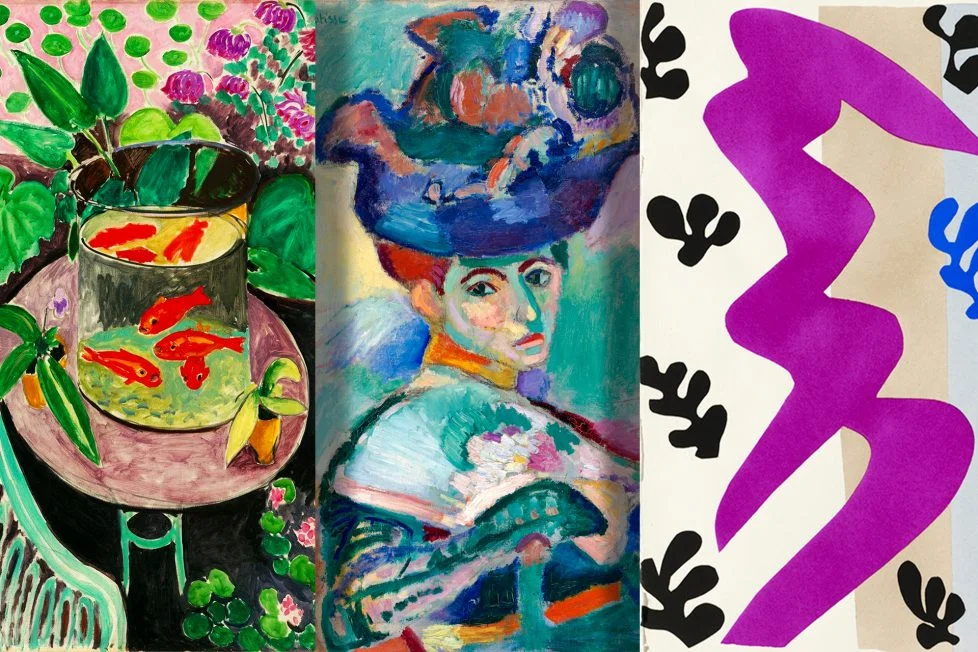
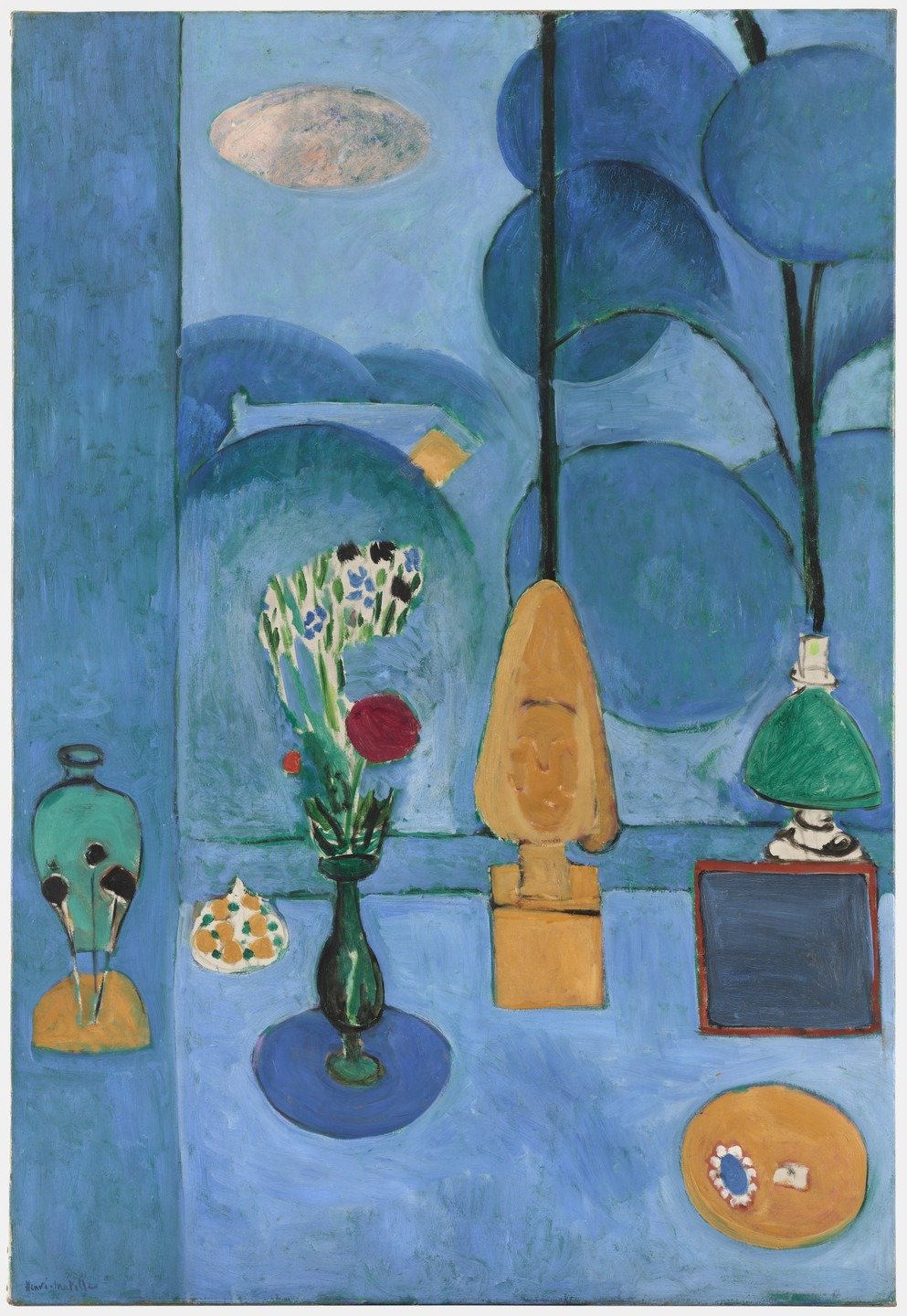
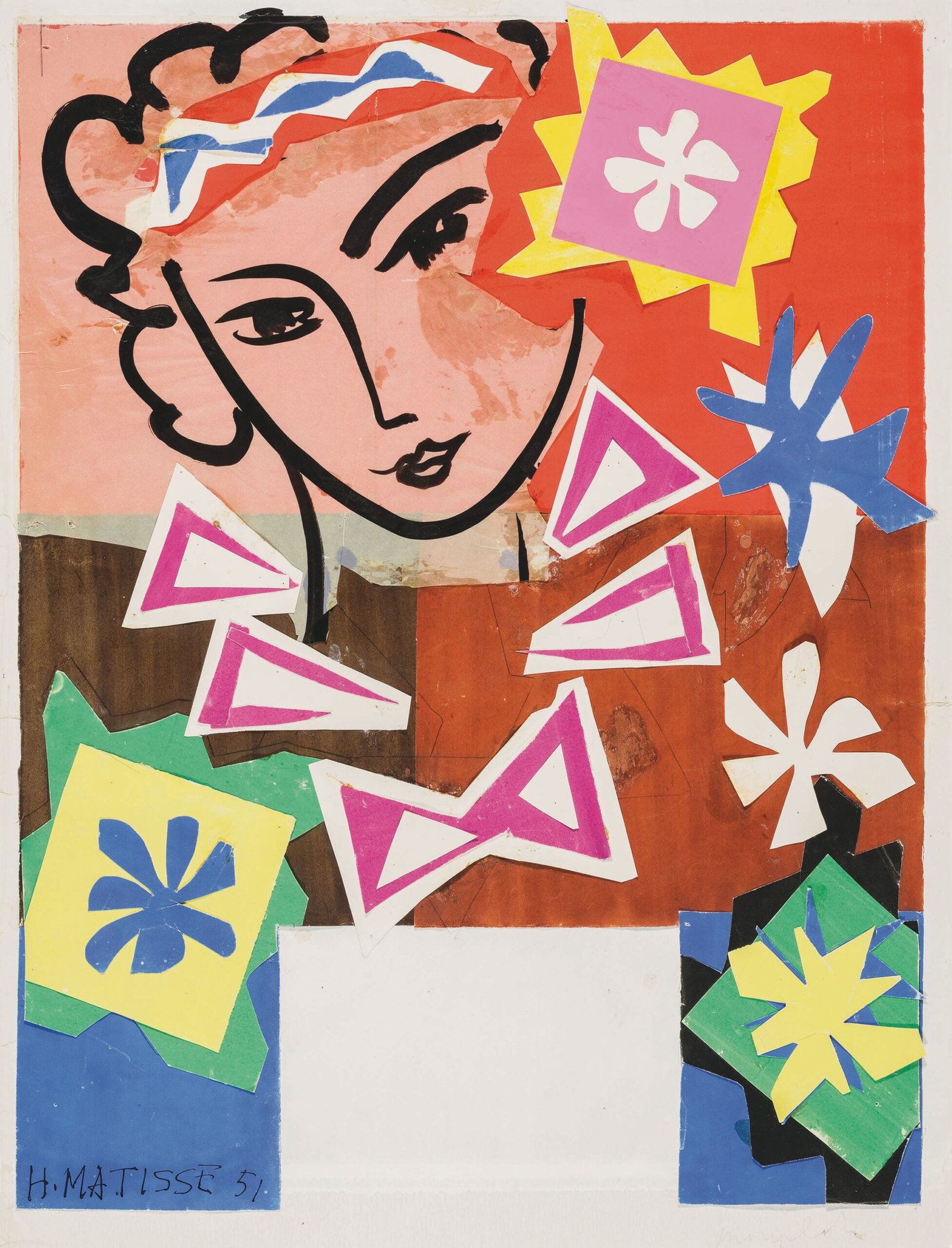
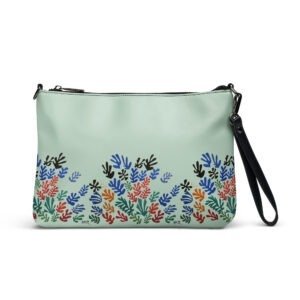
French visual artist, known for both his use of colour and his fluid and original draughtsmanship. He was a draughtsmanprintmaker, and sculptor, but is known primarily as a painter.

Matisse is commonly regarded, along with Pablo Picasso, as one of the artists who best helped to define the revolutionary developments in the visual arts throughout the opening decades of the twentieth century, responsible for significant developments in painting and sculpture.
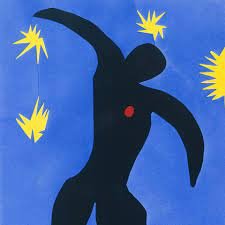
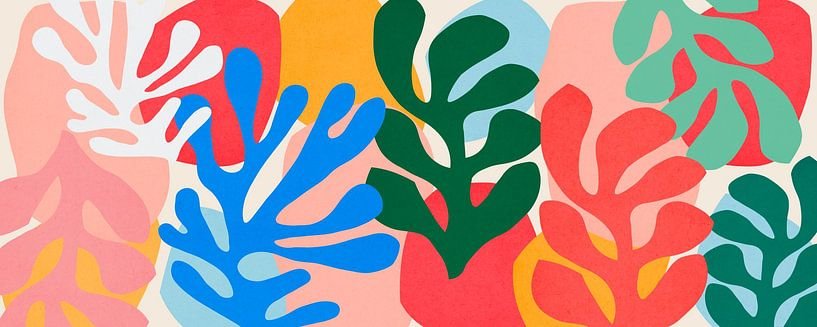
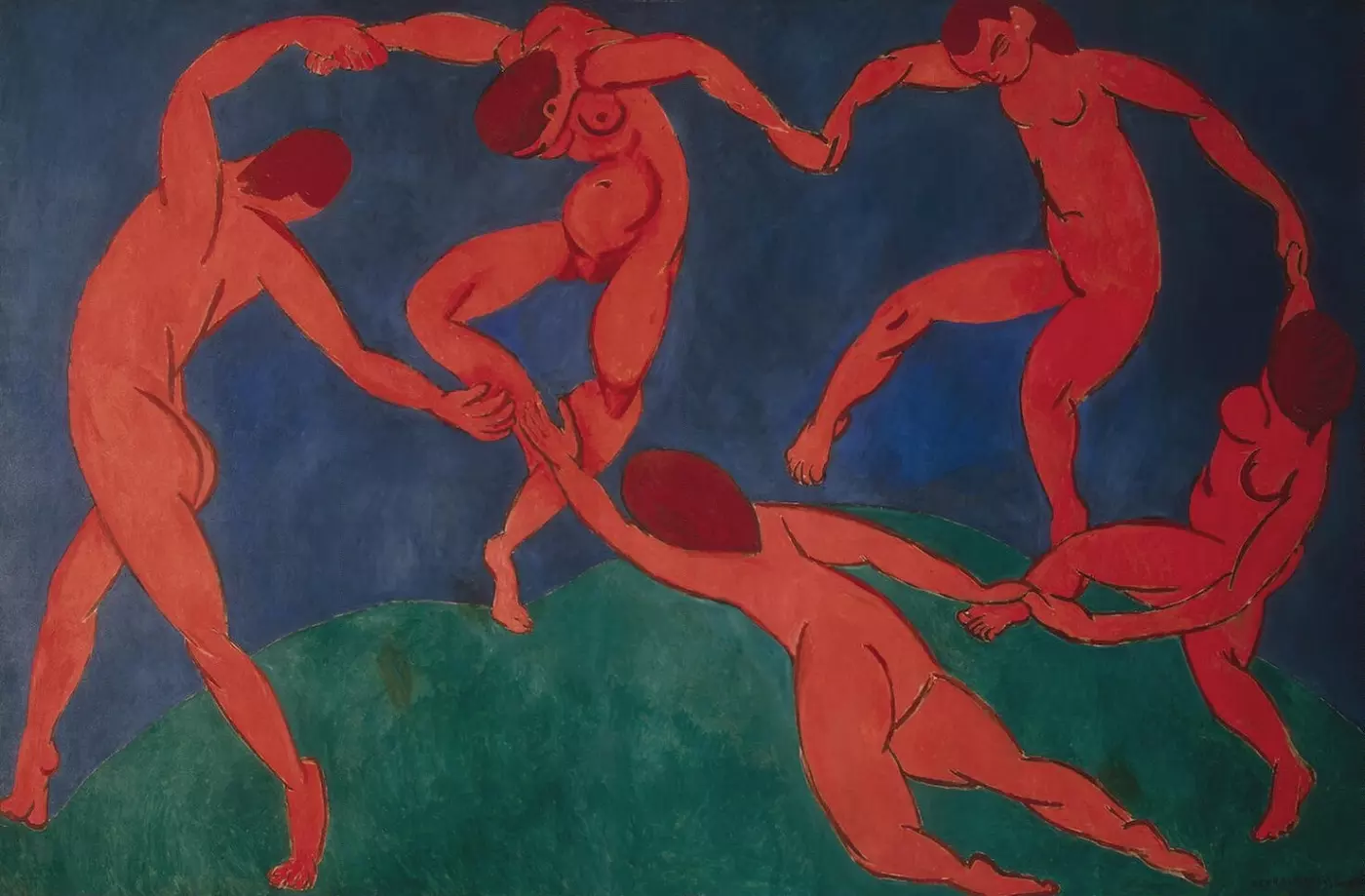
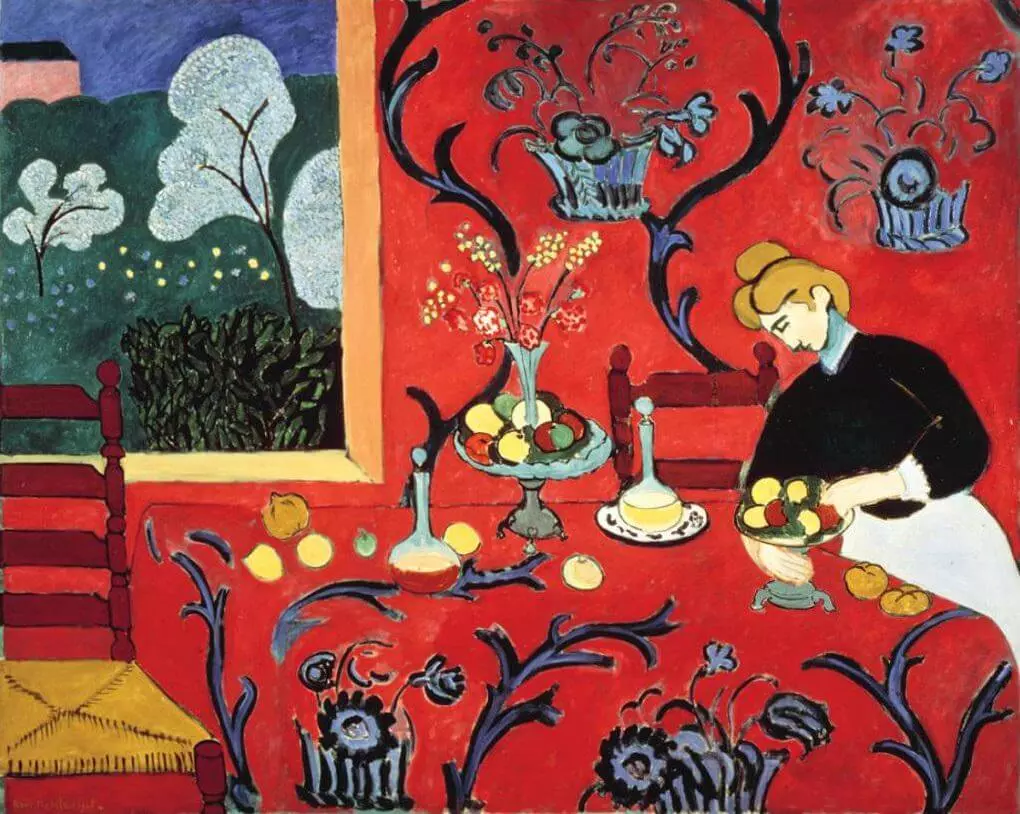
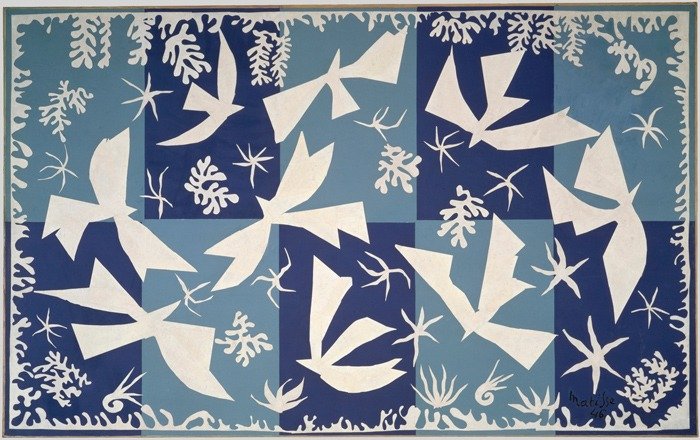
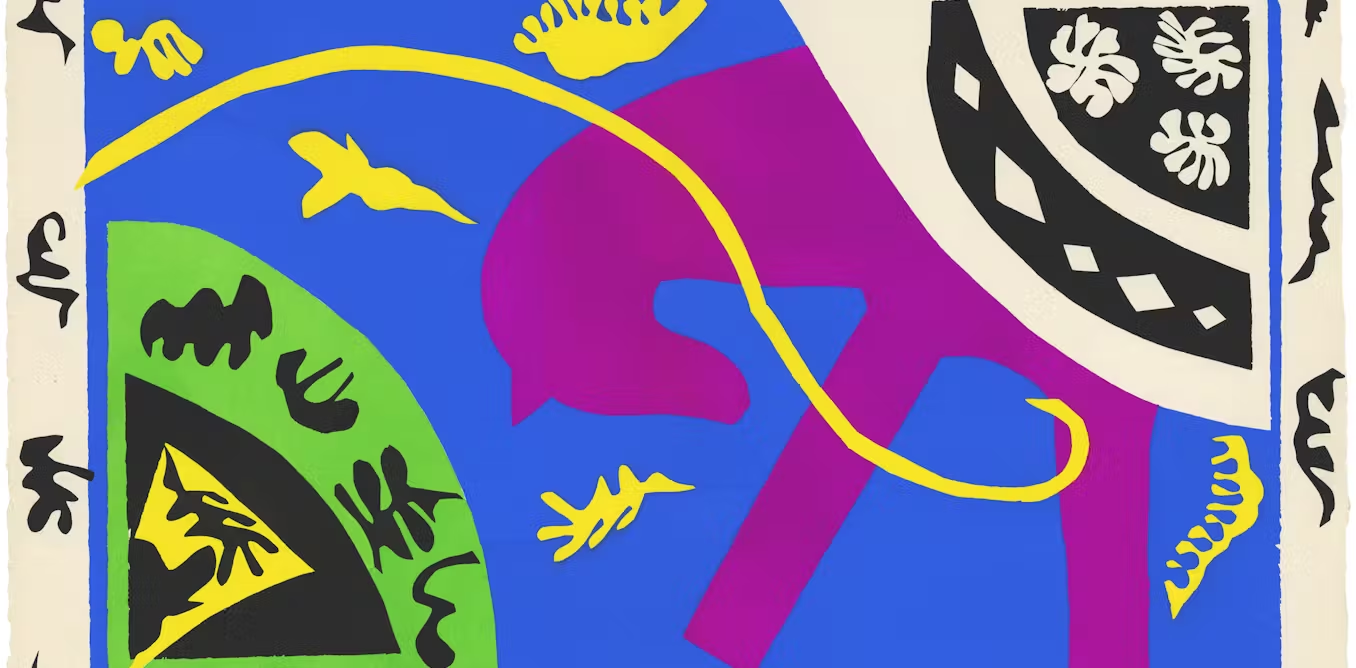
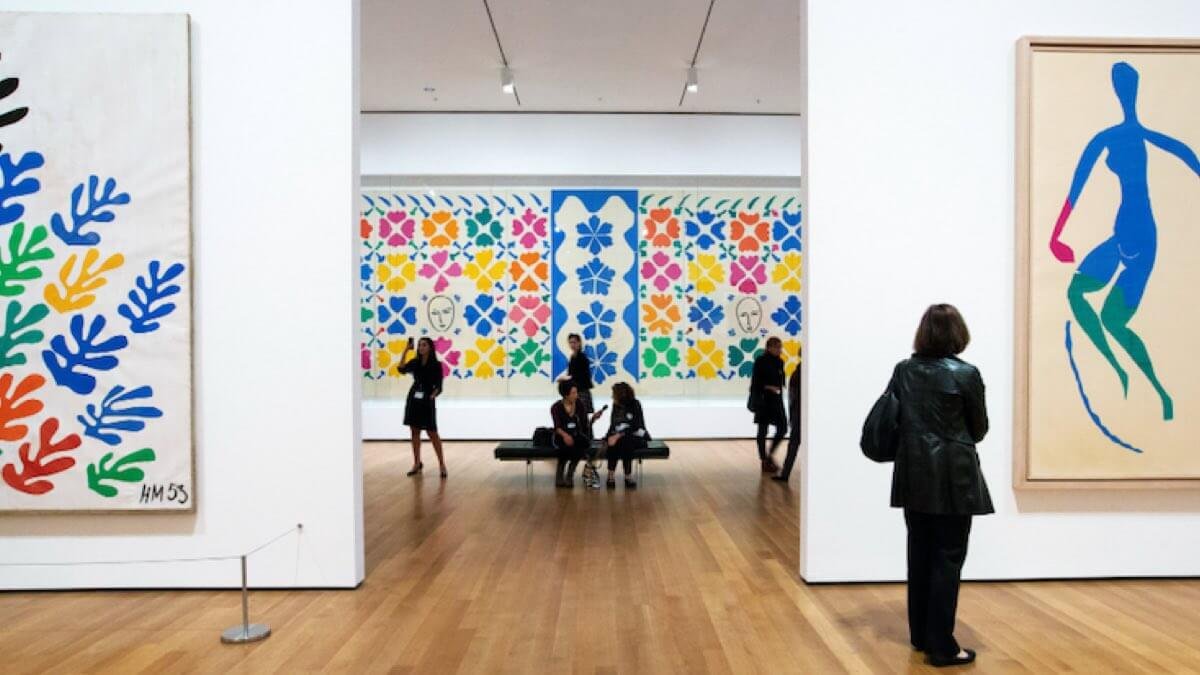
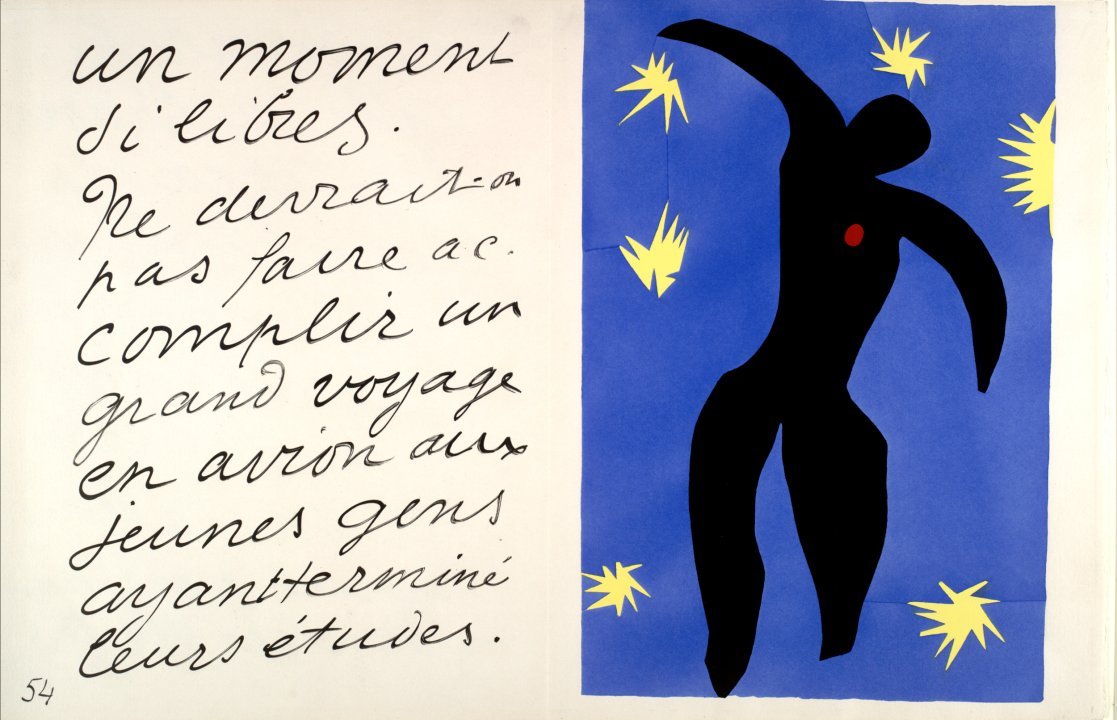
The intense colourism of the works he painted between 1900 and 1905 brought him notoriety as one of the Fauves (French for “wild beasts”). Many of his finest works were created in the decade or so after 1906, when he developed a rigorous style that emphasized flattened forms and decorative pattern. In 1917, he relocated to a suburb of Nice on the French Riviera, and the more relaxed style of his work during the 1920s gained him critical acclaim as an upholder of the classical tradition in French painting. After 1930, he adopted a bolder simplification of form. When ill health in his final years prevented him from painting, he created an important body of work in the medium of cut paper collage.

His mastery of the expressive language of colour and drawing, displayed in a body of work spanning over a half-century, won him recognition as a leading figure in modern art.

Explore all artists in this collection

Erté

Erté

Erté

(1892 - 1990)

Explore all artists in this collection

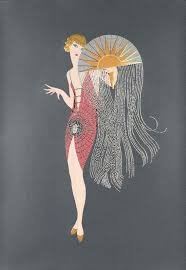
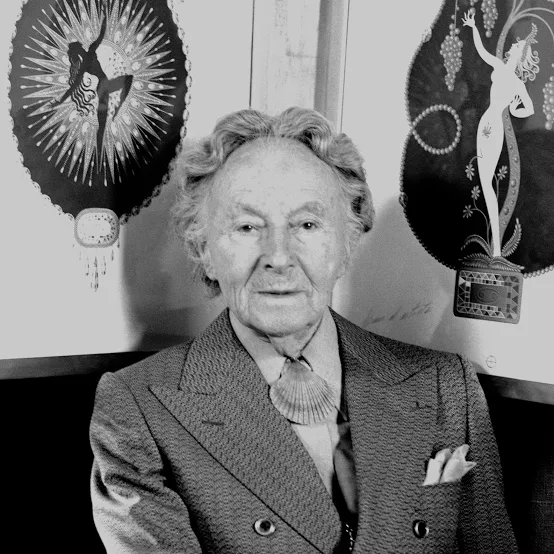
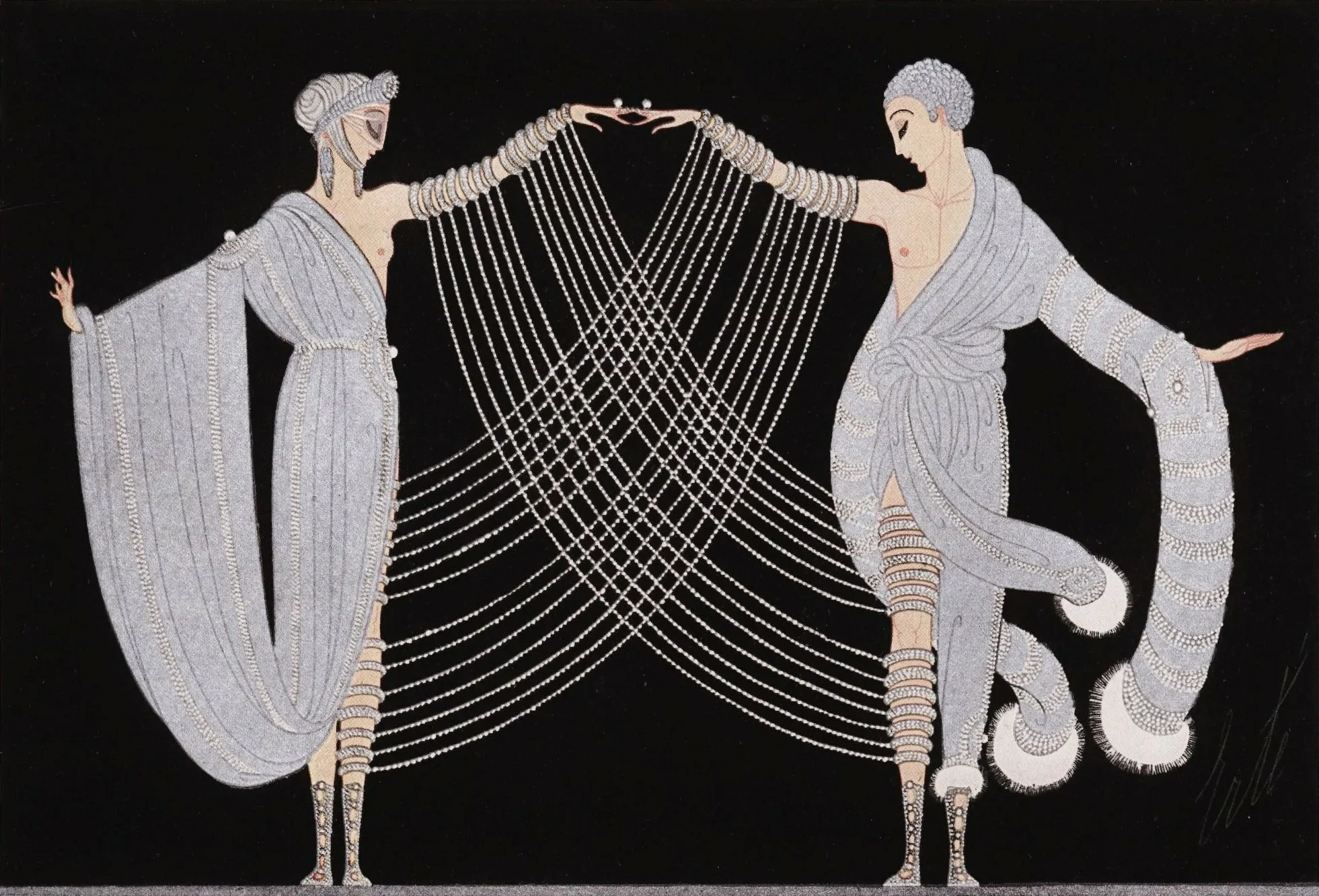
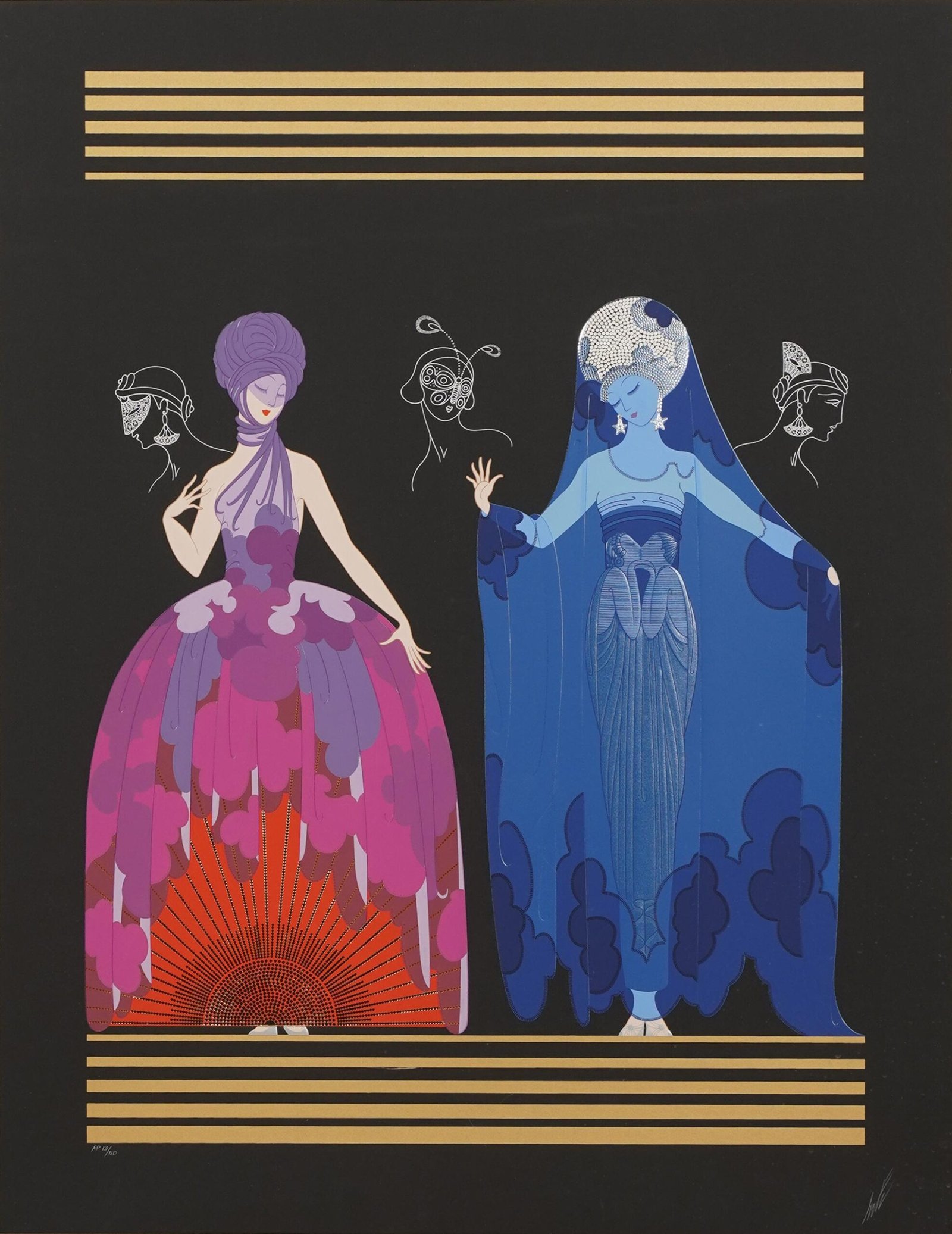
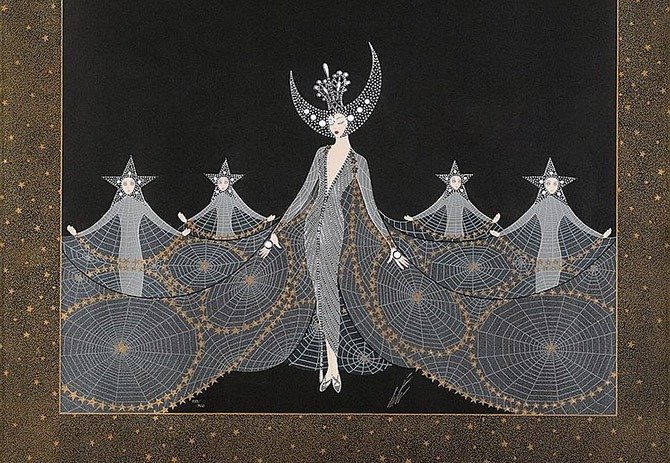
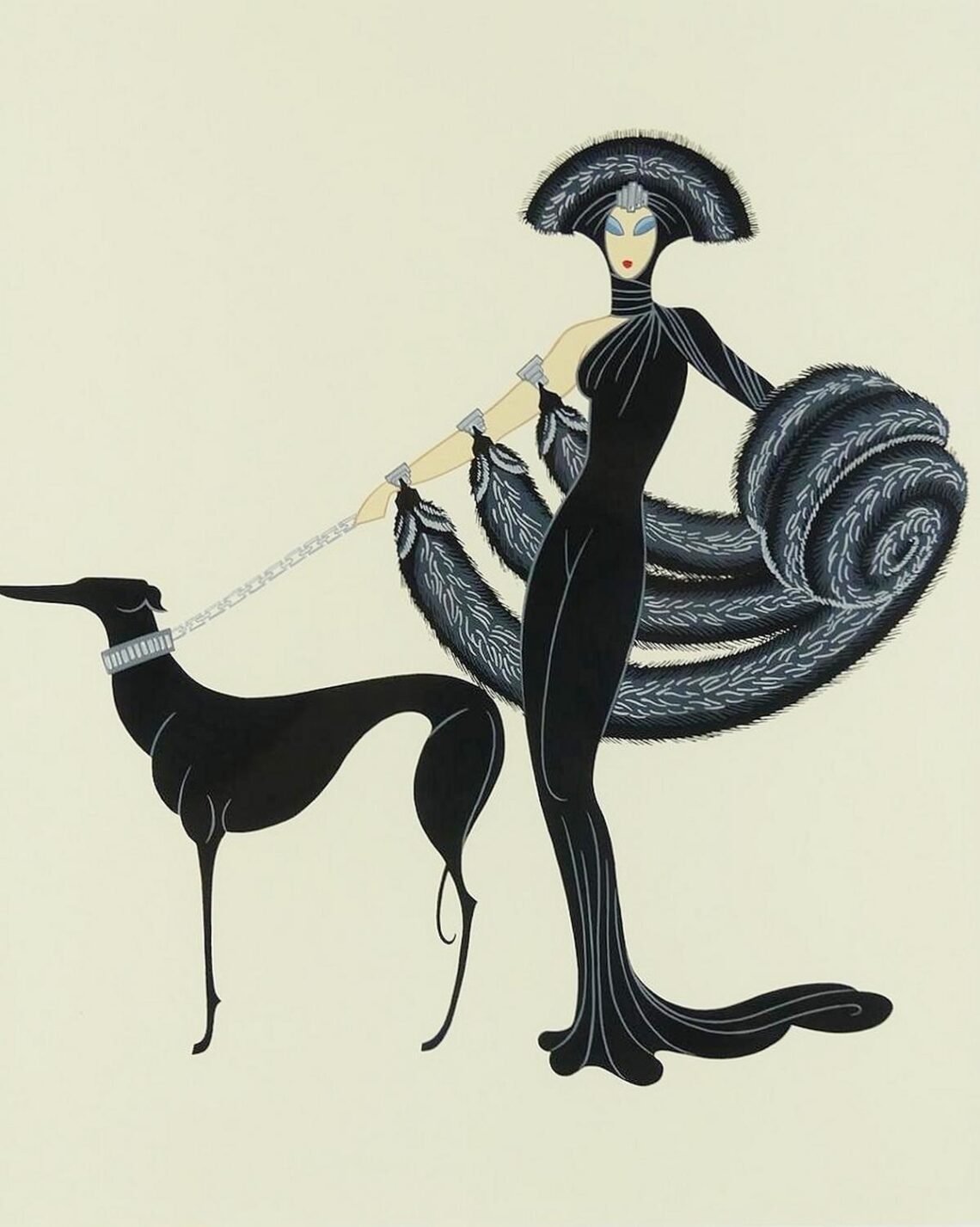
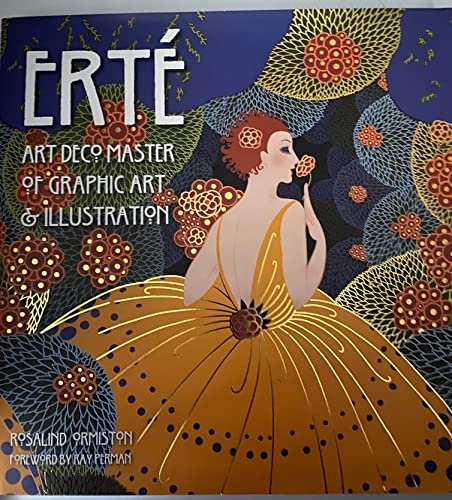
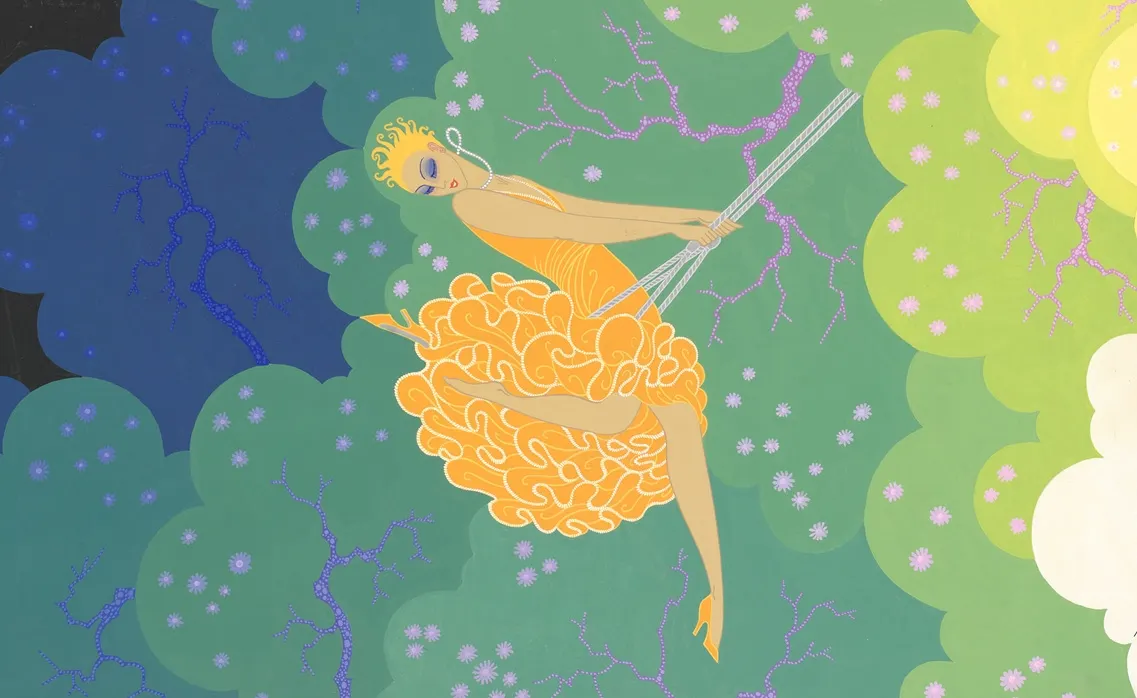
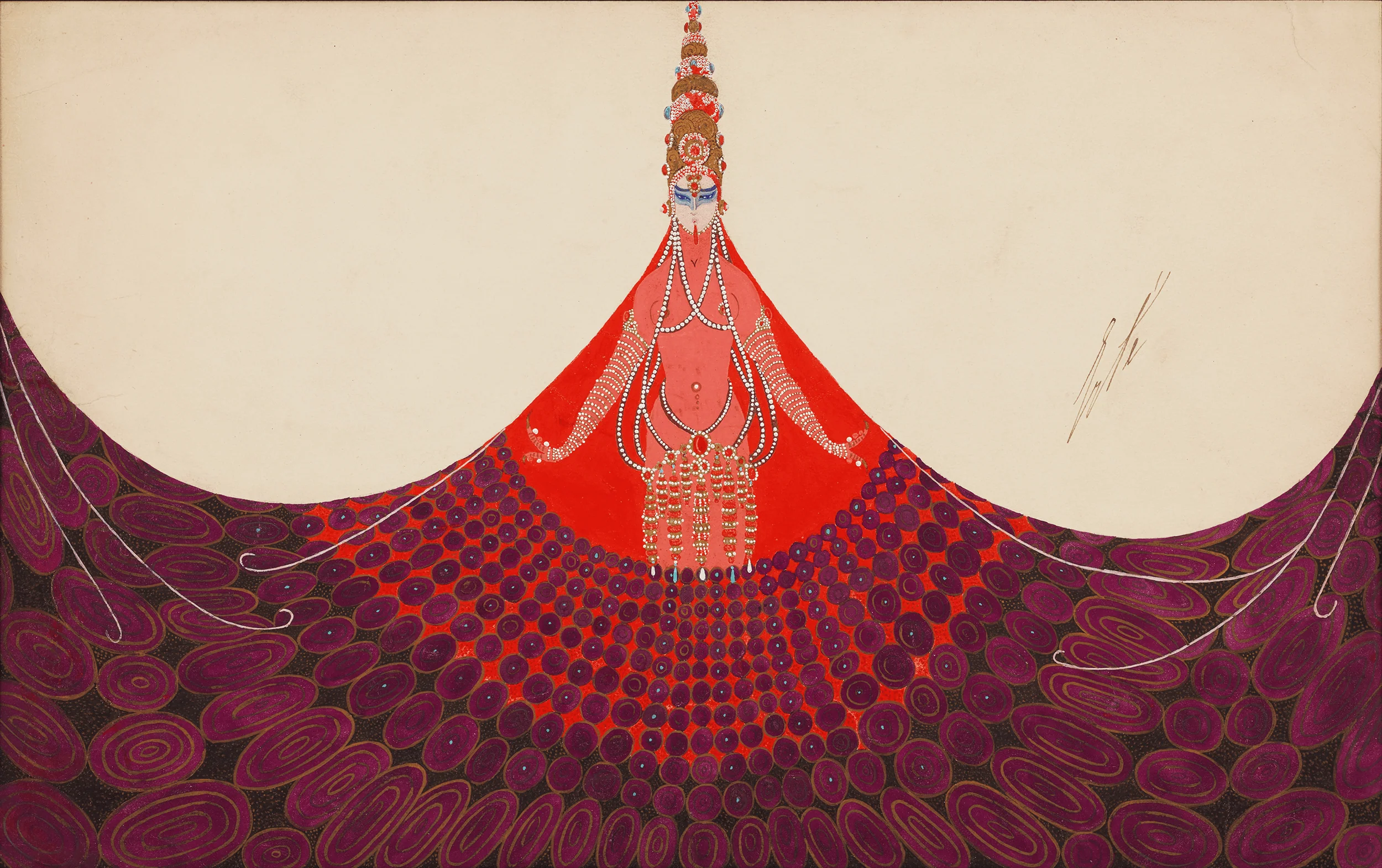
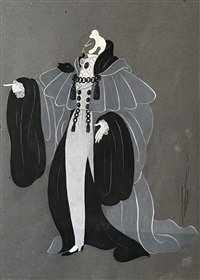
Romain de Tirtoff, known by the pseudonym Erté, was a Russian-born French artist and designer. He worked in several fields, including fashion, jewellery, graphic arts, costume, set design for film, theatre, and opera, and interior decor.

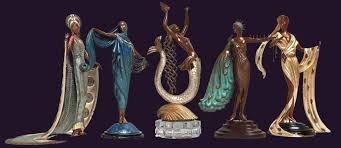
His work is quintessentially emblematic of the Art Deco style in its use of tapering lines and simplified ornamentation inspired by the natural world, and his figurines are internationally known and desired as collectible objects.
Erté moved to Paris in 1910, disobeying his father’s wishes for him to become a naval officer. In 1915, he secured a contract with Harper’s Bazaar magazine, producing numerous illustrations and other media. Today, Erté’s work can be found in the collections of the Metropolitan Museum of Art in New York, the Los Angeles County Museum of Art, and the Victoria and Albert Museum in London. He died on April 21, 1990 in Paris, France.
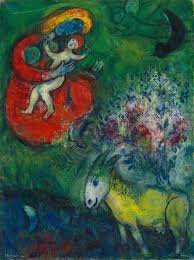
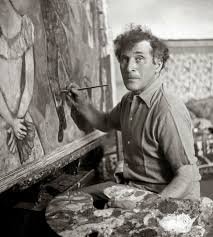
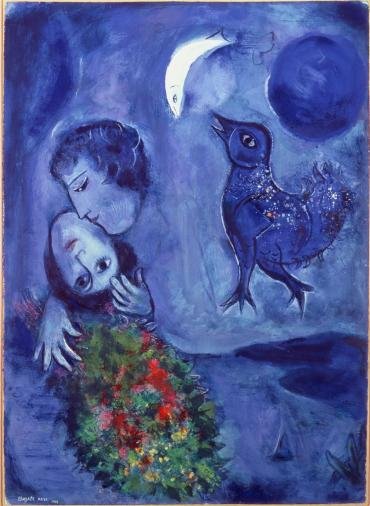
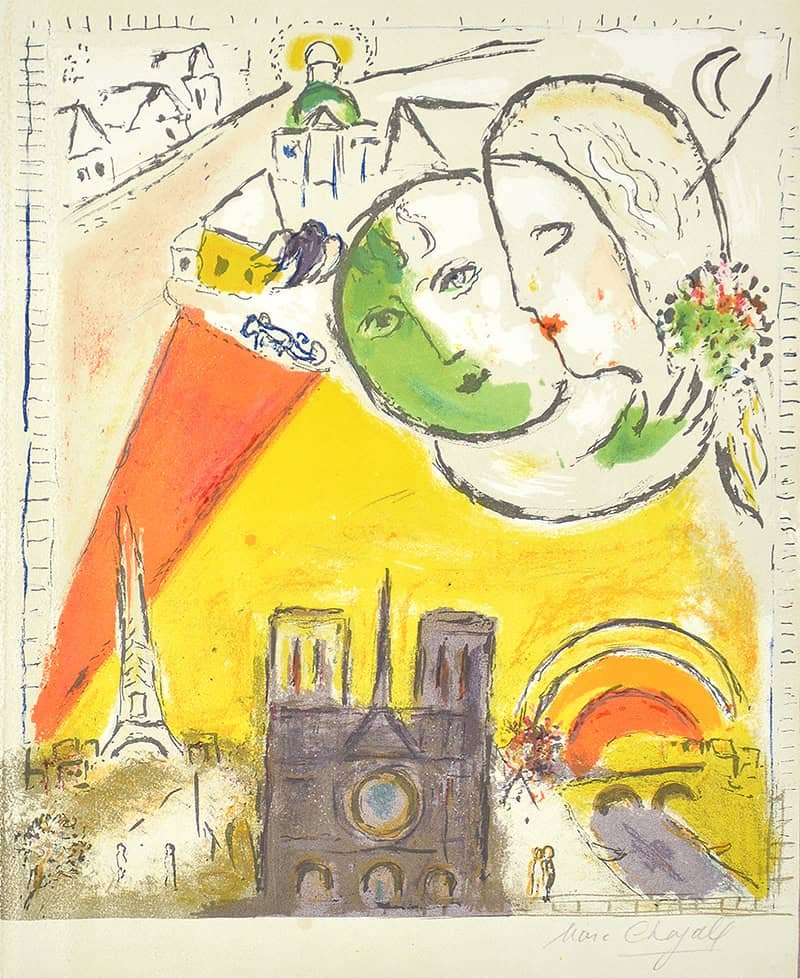
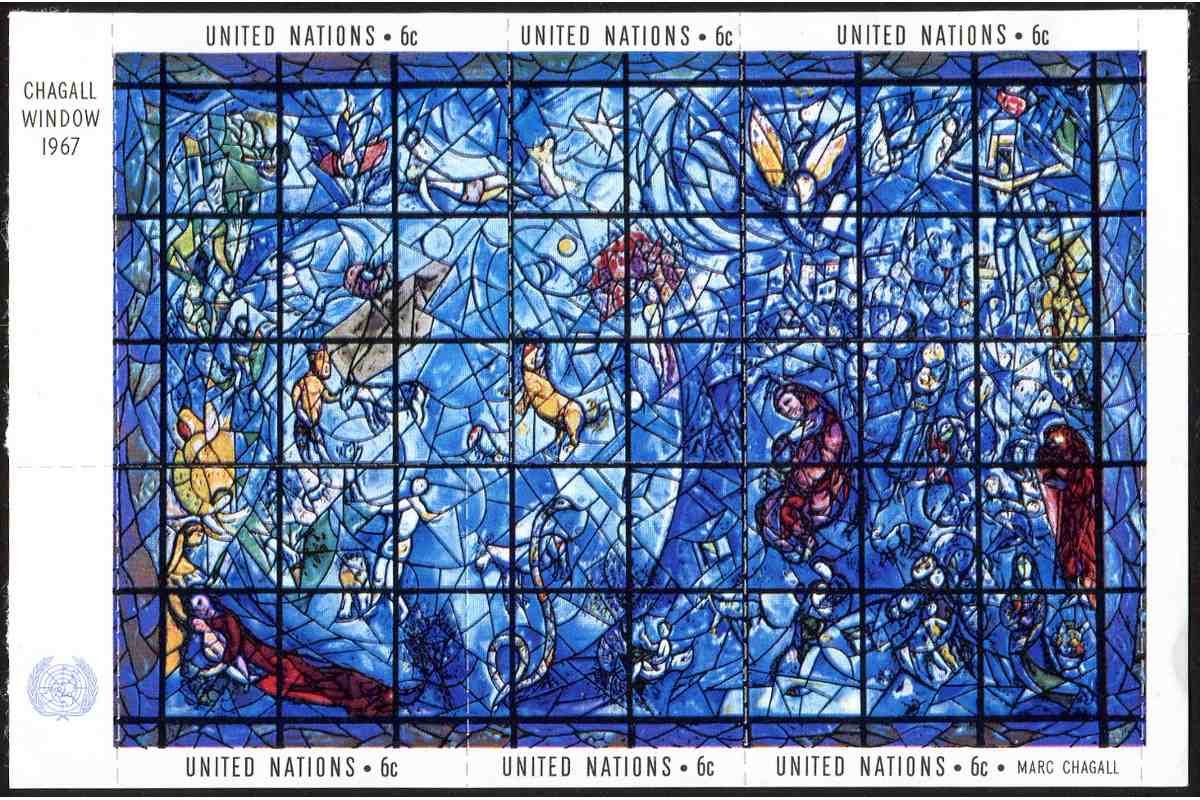
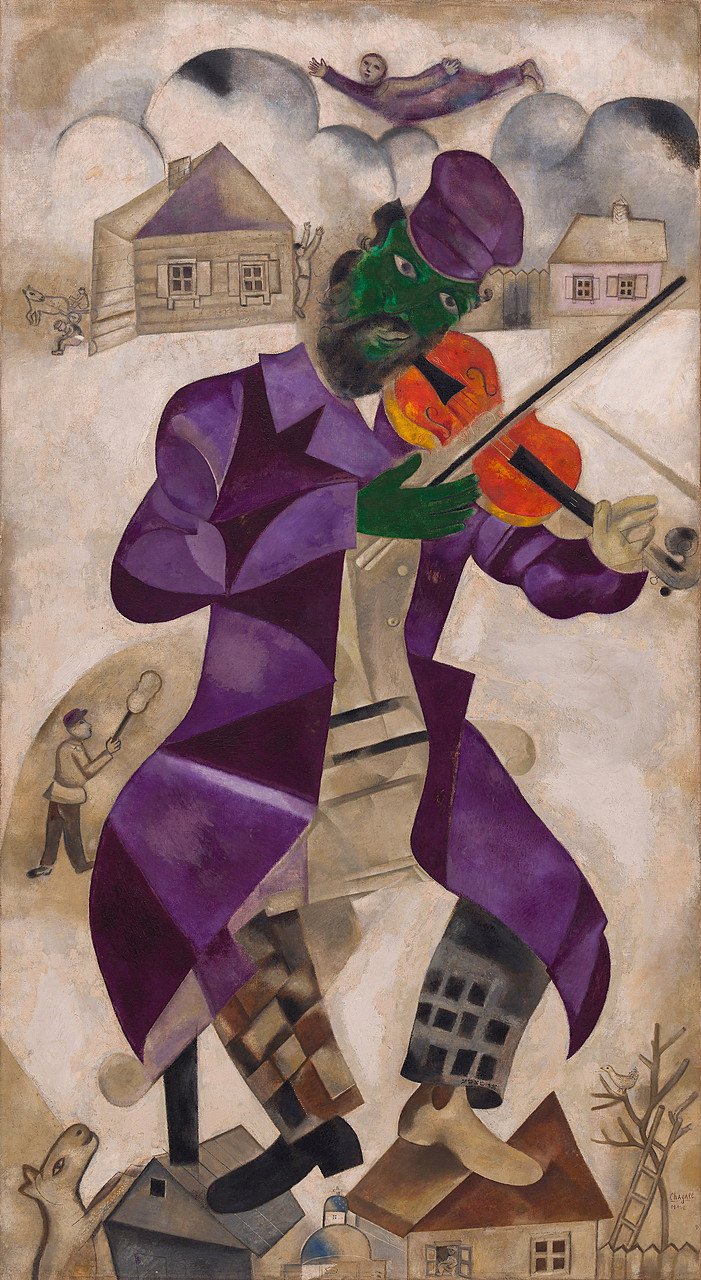
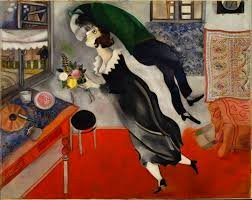
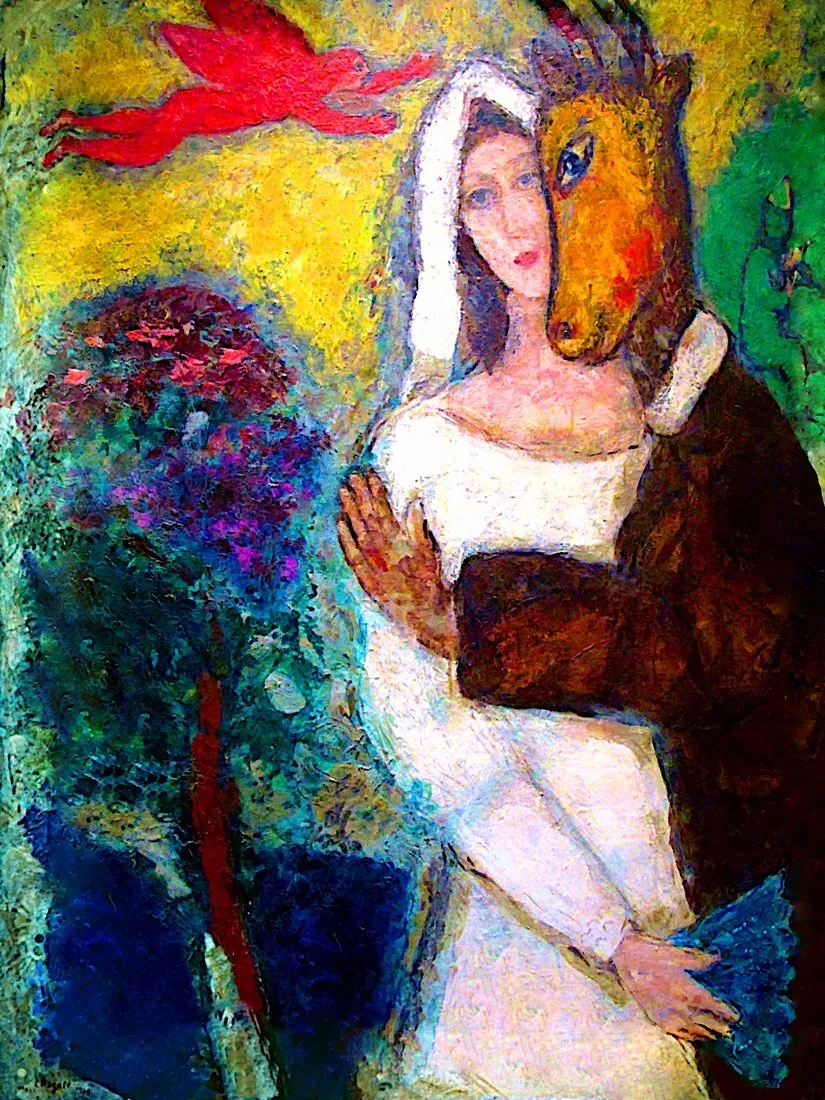
Marc Chagall

Marc Chagall

Marc Chagall

(1887 - 1985)

Explore all artists in this collection

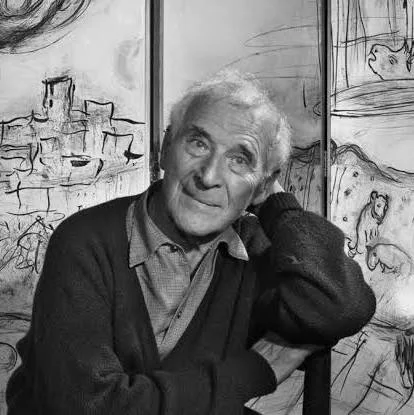
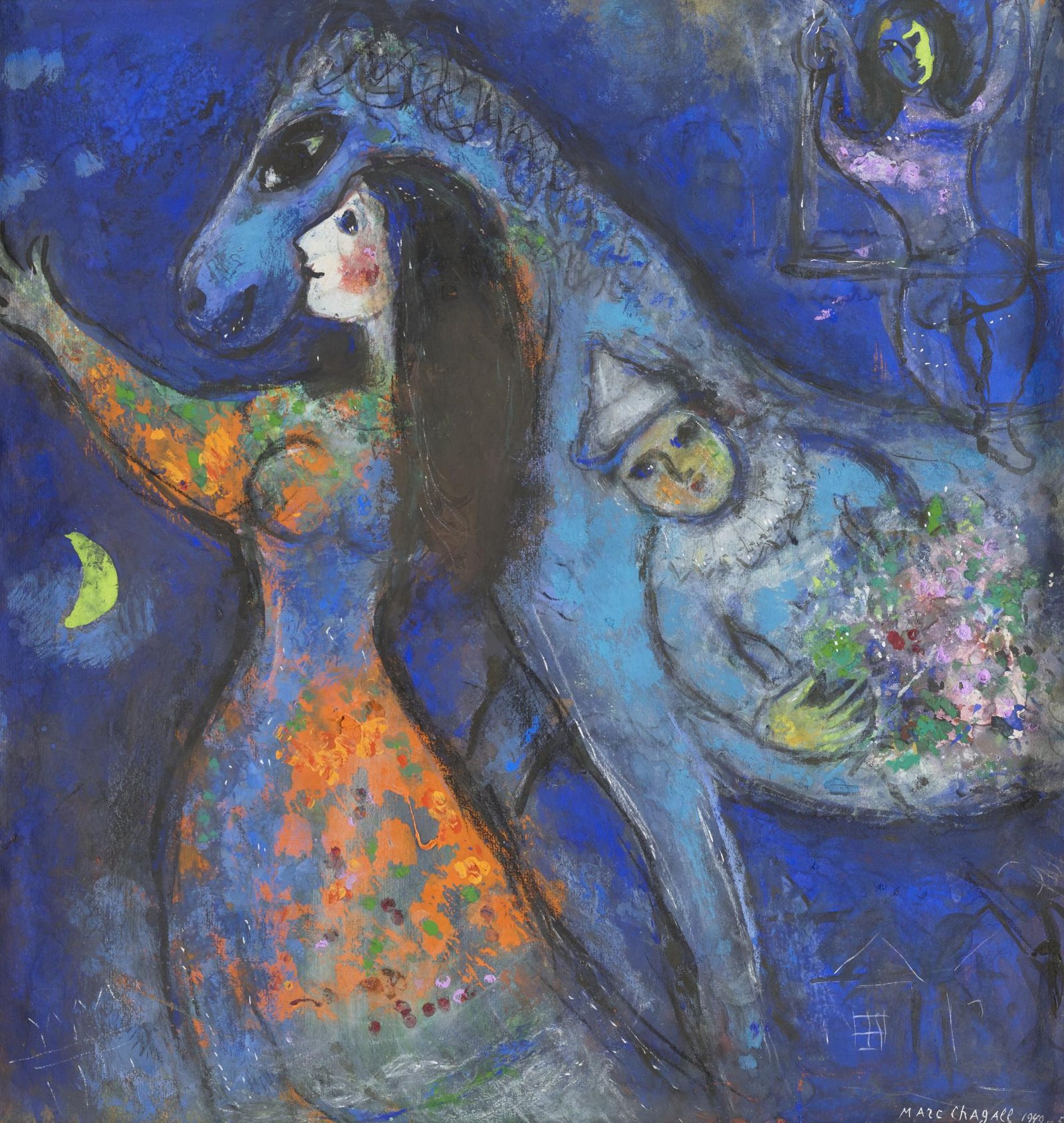
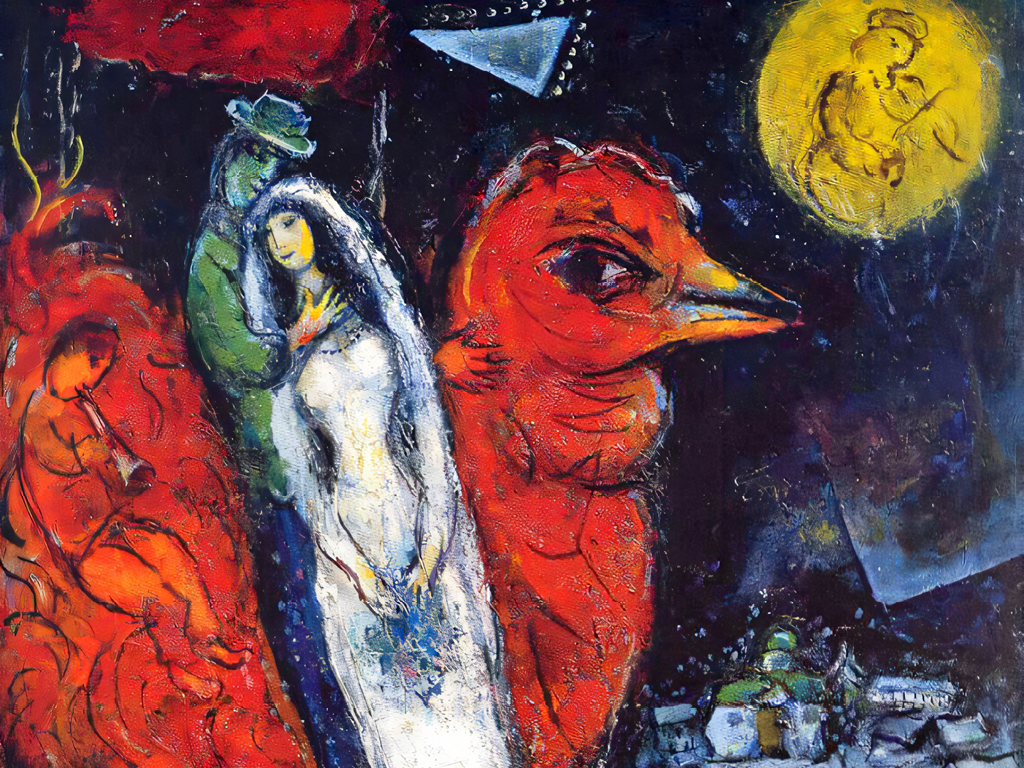
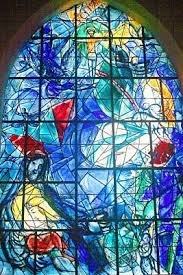
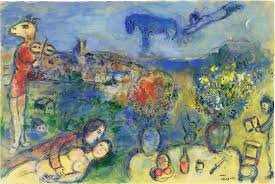
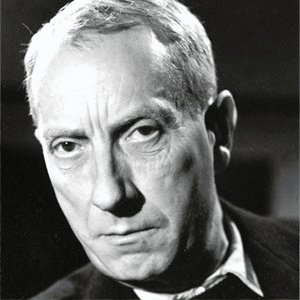
Marc Chagall was a Belarusian-born French artist whose work anticipated the dream-like imagery of Surrealism. Over the course of his career, Chagall developed the poetic, amorphous, and deeply personal visual language evident in paintings like I and the Village (1911). “When I am finishing a picture, I hold some God-made object up to it—a rock, a flower, the branch of a tree or my hand as a final test,” he said. “If the painting stands up beside a thing man cannot make, the painting is authentic. If there's a clash between the two, it's bad art.”

|

“If the painting stands up beside a thing man cannot make, the painting is authentic. If there's a clash between the two, it's bad art.”

Born Moishe Shagal on July 7, 1887 in Vitebsk, Russia (present-day Belarus) to a Hasidic Jewish family, the artist was raised immersed in Jewish culture and iconography. Studying under the artist Yehuda Pen as a youth, the Judaic traditions and folklore of his hometown permeated Chagall’s paintings. After studying in St. Petersburg, the artist moved to Paris in 1910, where he quickly befriended members of the French avant-garde, including Robert Delaunay and Fernand Léger.
Explore all artists in this collection

Visiting Russia in 1914, the artist was prevented from returning to Paris due to the outbreak of World War I until 1926. In addition to his paintings, Chagall was also noted for his vibrant works in stained glass and lithography. Forced to flee Paris during World War II, Chagall lived in the United States and traveled through to Israel before returning to France in 1948. The artist died in Saint-Paul-de-Vence, France on March 28, 1985. Today, his works are held in the collections of The Museum of Modern Art in New York, the Tate Gallery in London, the Tel Aviv Museum of Art, and the Albertina in Vienna, among others.

Jean (Hans) Arp

Jean (Hans) Arp

Jean (Hans) Arp

1886 - 1966

Explore all artists in this collection

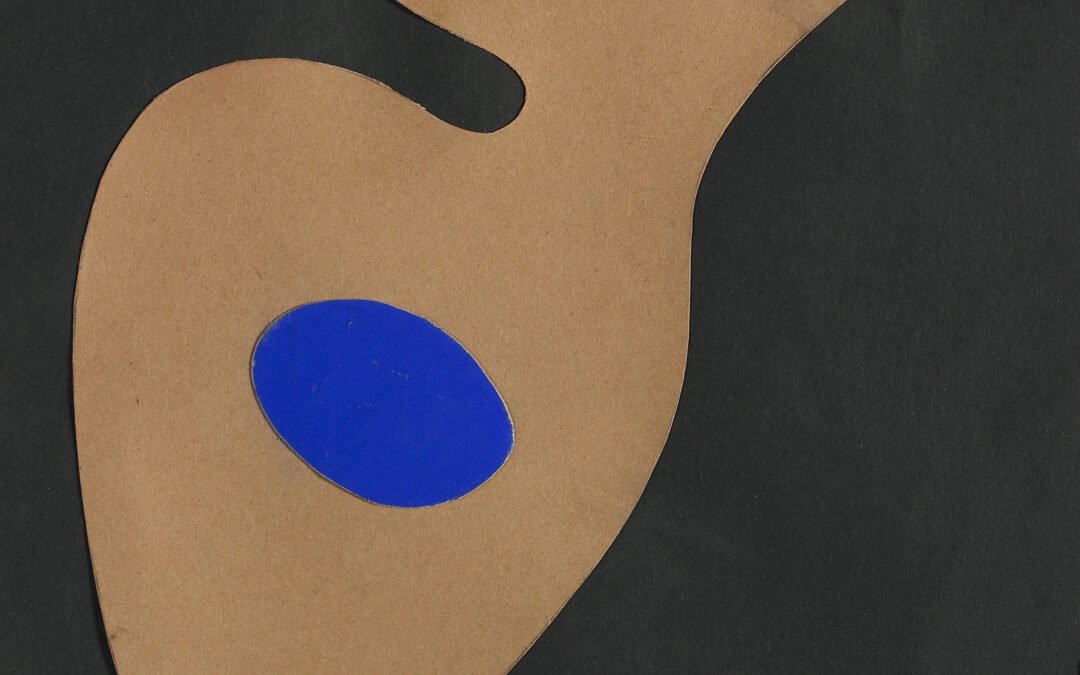
In 1904, after leaving the École des Arts et Métiers, Strasbourg, he visited Paris and published his poetry for the first time. From 1905 to 1907, Arp studied at the Kunstschule, Weimar, and in 1908 went to Paris, where he attended the Académie Julian. In 1909, he moved to Switzerland and in 1911 was a founder of the Moderner Bund group there. The following year, he met Robert and Sonia Delaunay in Paris and Vasily Kandinsky in Munich. Arp participated in the Erste deutsche Herbstsalon in 1913 at the gallery Der Sturm, Berlin. After returning to Paris in 1914, he became acquainted with Guillaume Apollinaire, Max Jacob, Amadeo Modigliani, and Pablo Picasso. In 1915, he moved to Zurich, where he executed collages and tapestries, often in collaboration with his future wife Sophie Taeuber (who became known as Sophie Taeuber-Arp after they married in 1922).

In 1916, Hugo Ball opened the Cabaret Voltaire, which was to become the center of Dada activities in Zurich for a group that included Arp, Marcel Janco, Tristan Tzara, and others. Arp continued his involvement with Dada after moving to Cologne in 1919. In 1922, he participated in the Kongress der Konstruktivisten in Weimar and the Exposition Internationale Dada at Galerie Montaigne in Paris. Soon thereafter, he began contributing to magazines such as Merz, Mécano, De Stijl, and later to La Révolution surréaliste. Arp’s work appeared in the first exhibition of the Surrealist group at the Galerie Pierre, Paris, in 1925. In 1926, he settled in Meudon, France.

In 1931, Arp was associated with the Paris-based group Abstraction-Création and the periodical Transition. Throughout the 1930s and until the end of his life, he continued to write and publish poetry and essays. In 1942, he fled Meudon for Zurich; he was to make Meudon his primary residence again in 1946. The artist visited New York in 1949 on the occasion of his solo show at Curt Valentin’s Buchholz Gallery. In 1950, he was invited to execute a relief for the Harvard Graduate Center in Cambridge, Massachusetts. In 1954, Arp received the Grand Prize for Sculpture at the Venice Biennale. A retrospective of his work was held at the Museum of Modern Art, New York, in 1958, followed by another at the Musée National d’Art Moderne, Paris, in 1962. Arp died June 7, 1966, in Basel.

Explore all artists in this collection