
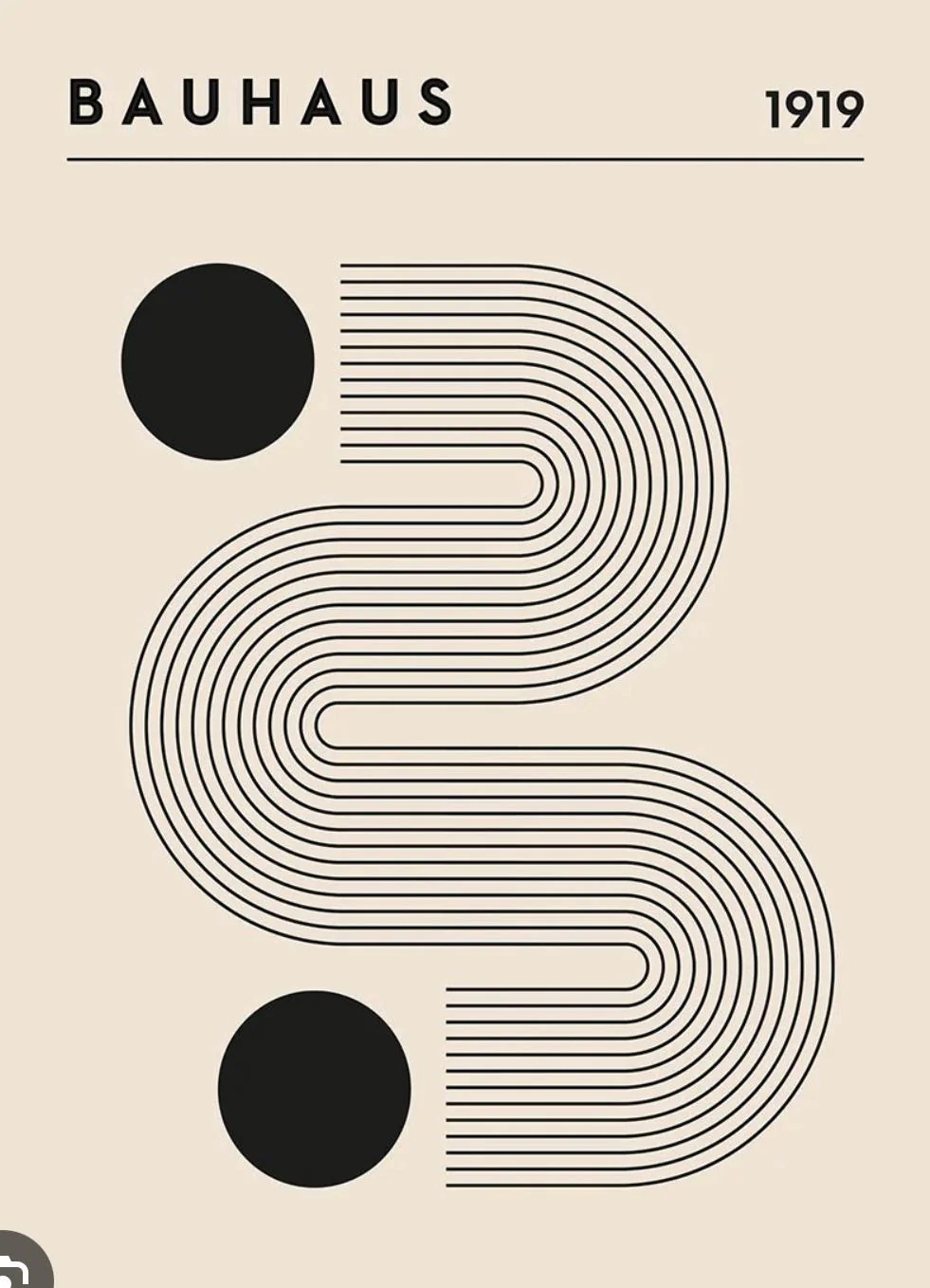
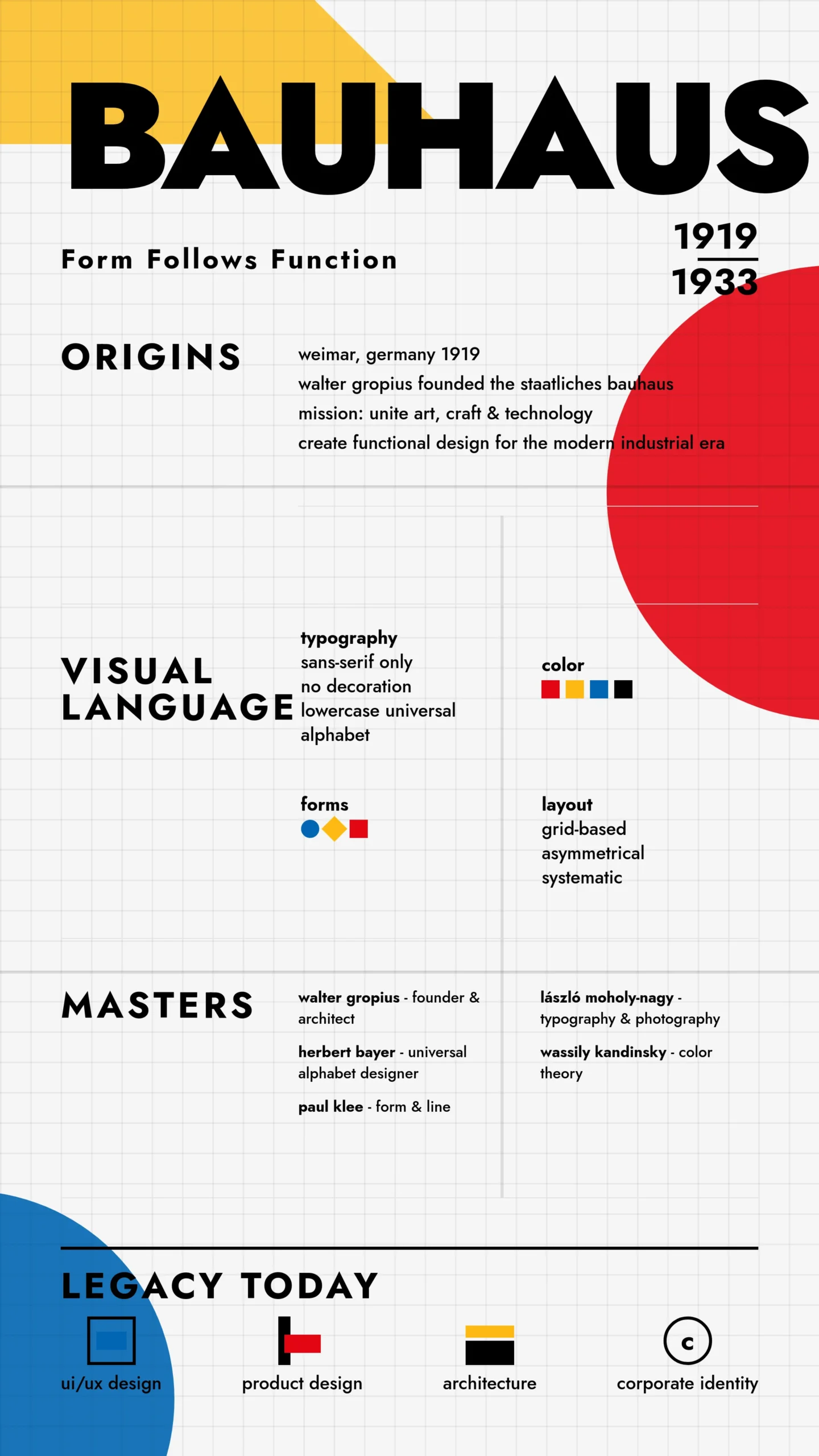
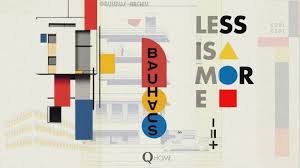
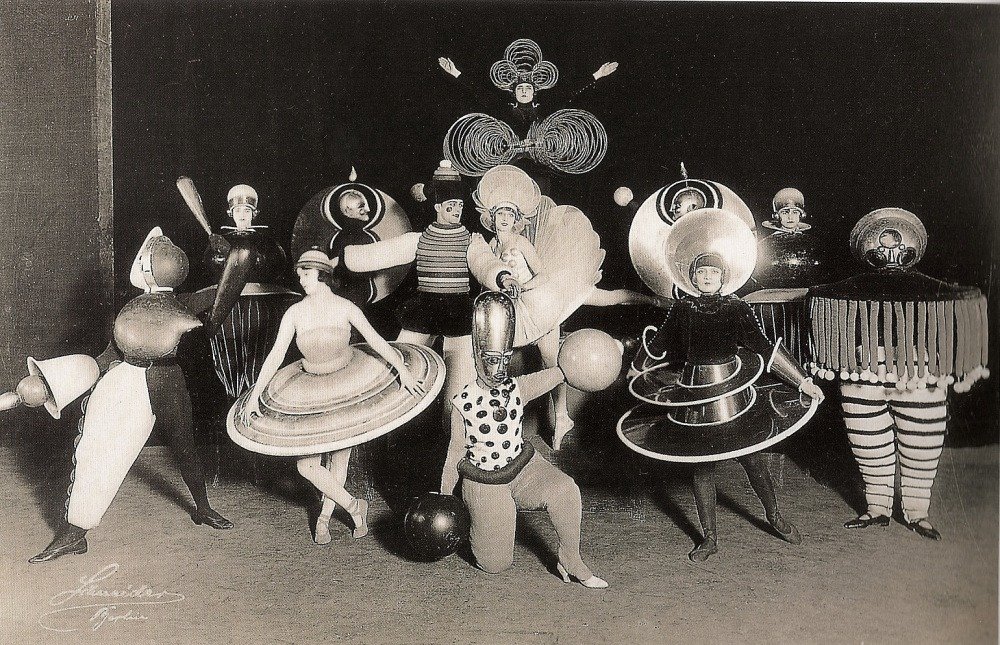
The Bauhaus school (1919–1933) is, arguably, the single most influential design movement of the 20th century. Its impact runs through virtually every discipline of modern design:
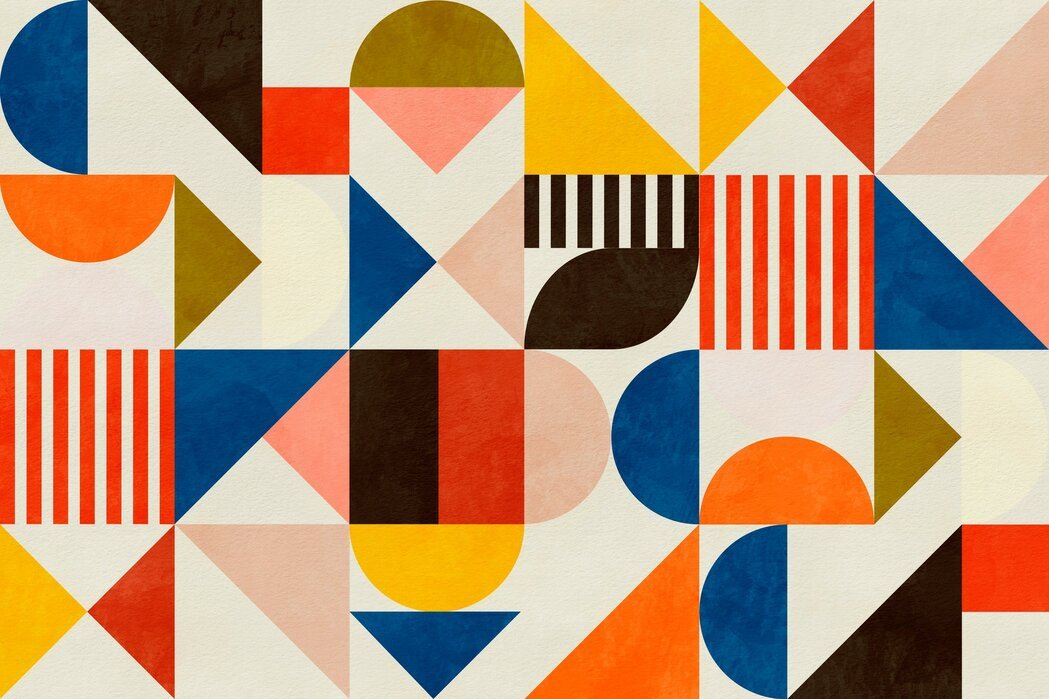
Core Philosophy
The Bauhaus broke down the hierarchy between "fine art" and "craft," insisting that good design should unite beauty and function. The famous motto — form follows function — shaped how designers think about every object they make.
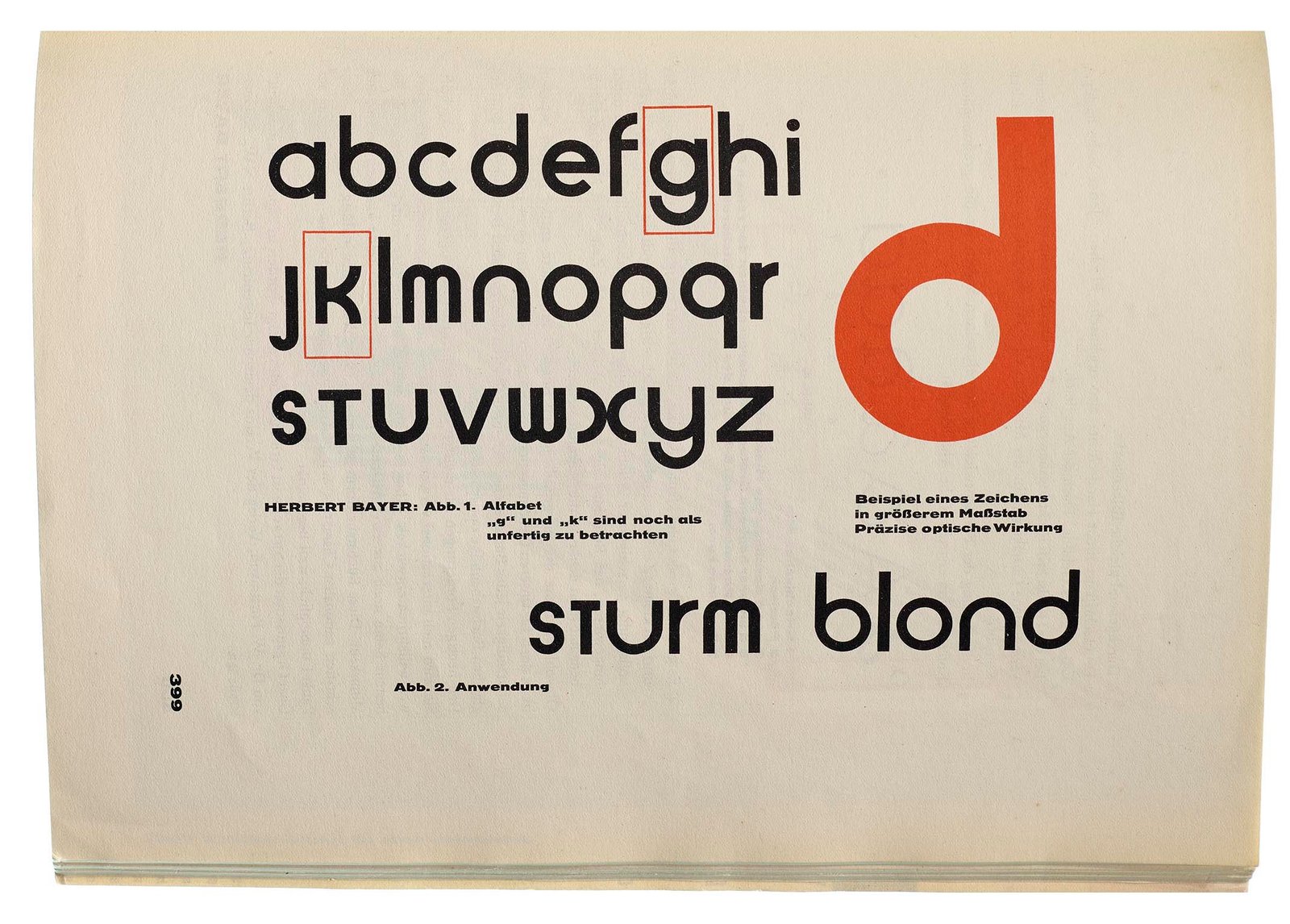
Typography & graphic design
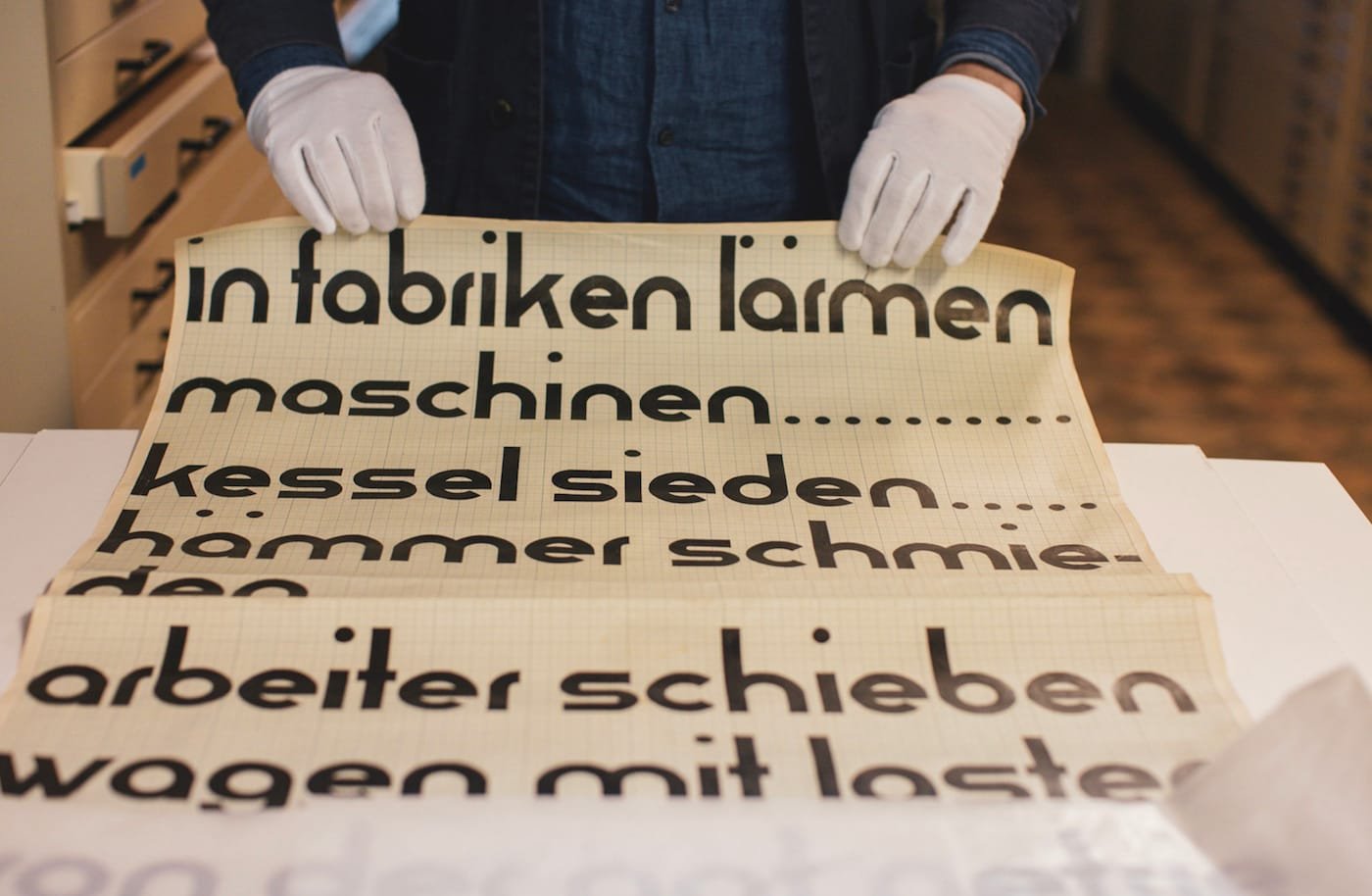
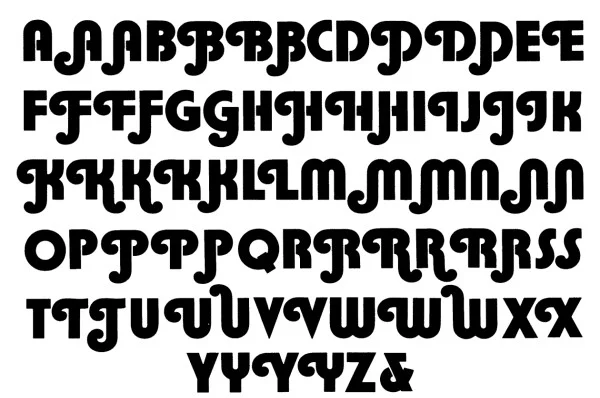
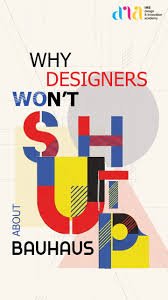 Bauhaus experimented radically with sans-serif typefaces, grid systems, and asymmetric layouts. Designers like Herbert Bayer developed typefaces that stripped away decorative flourishes. You see this DNA in modern UI design, brand identity systems, and the clean sans-serif dominance of digital typography (think Helvetica, Futura, and their descendants).
Industrial & product design
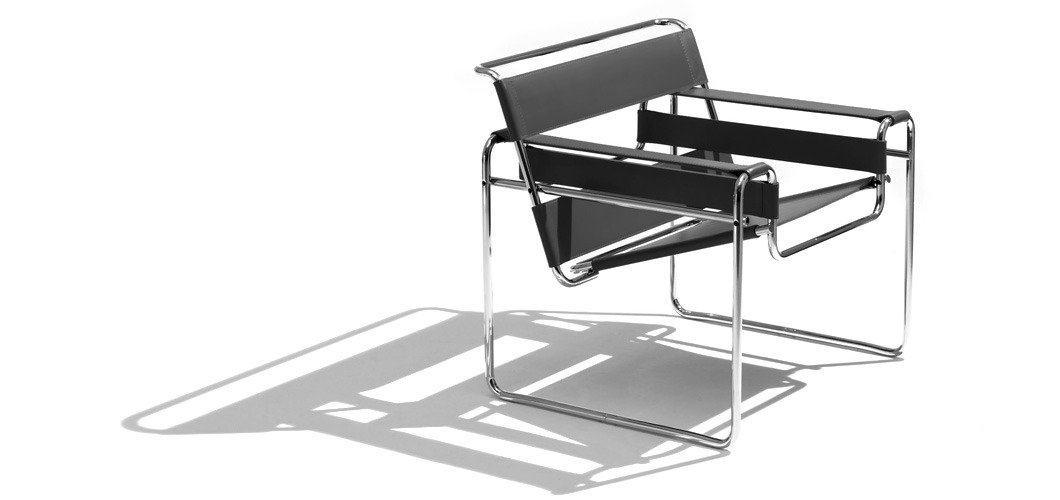
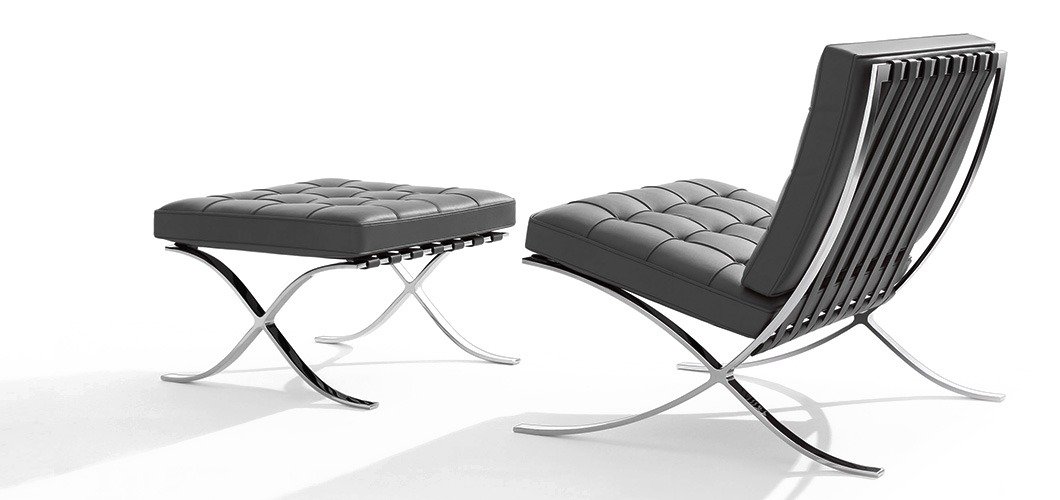
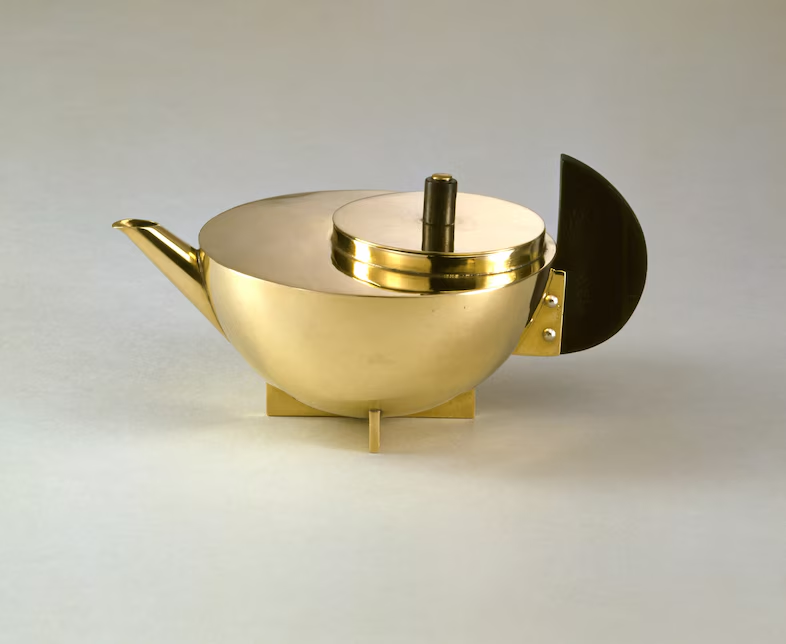
Marcel Breuer's tubular steel furniture, Marianne Brandt's metalwork, and Wilhelm Wagenfeld's lamp are still in production today. The Bauhaus pioneered designing for mass production — objects that were elegant and manufacturable at scale. This is the philosophical foundation of companies like Braun, Apple, and IKEA.
Architecture
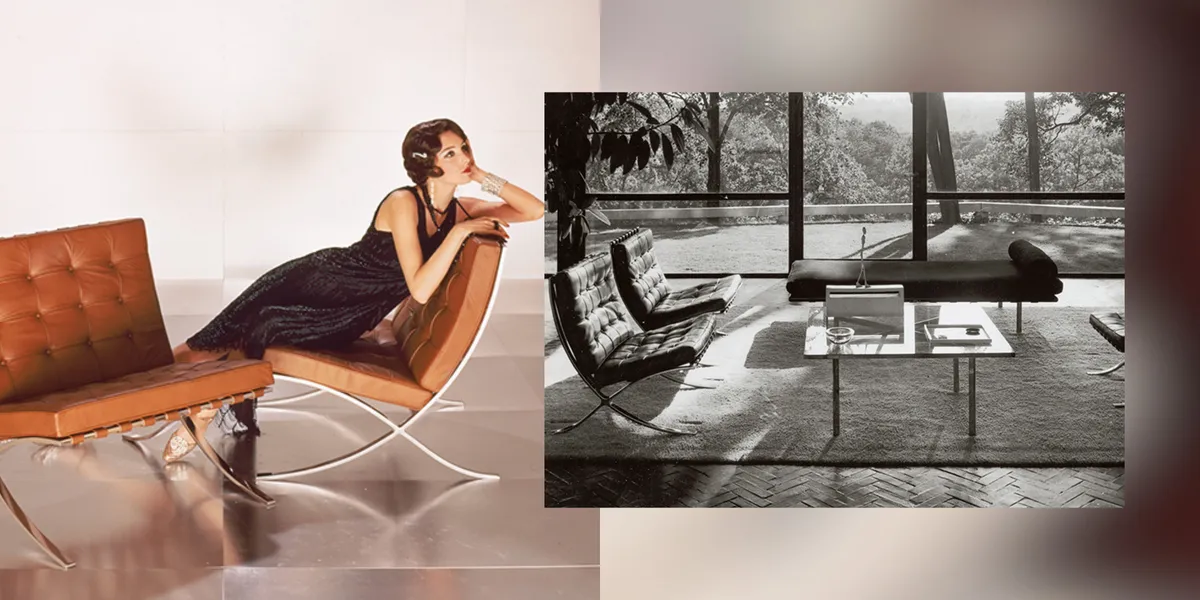
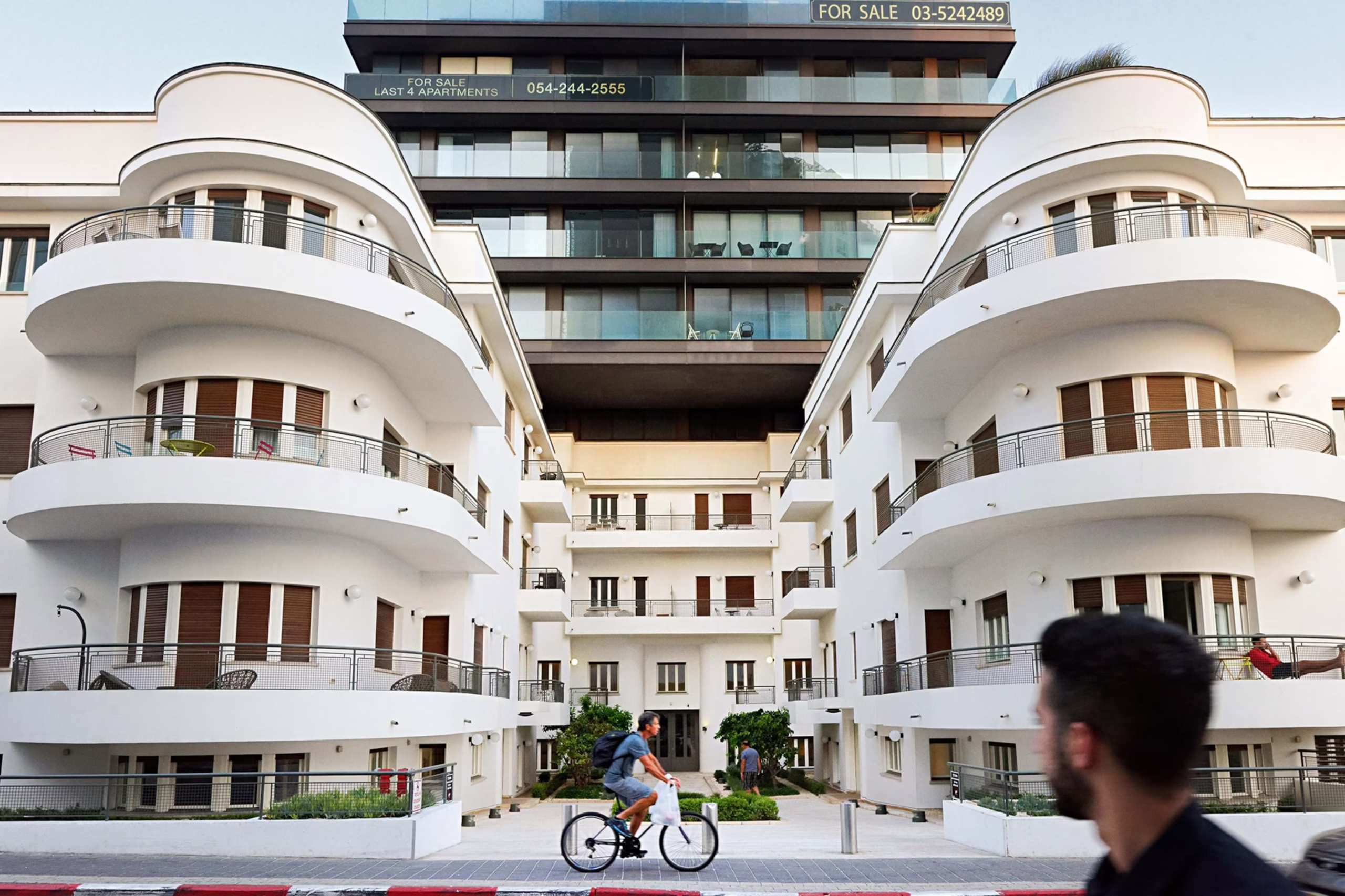
Walter Gropius and Ludwig Mies van der Rohe helped launch International Style modernism — open floor plans, flat roofs, glass curtain walls, structural honesty. The glass-and-steel office towers that define every city skyline are a direct inheritance.


UI/UX and digital design
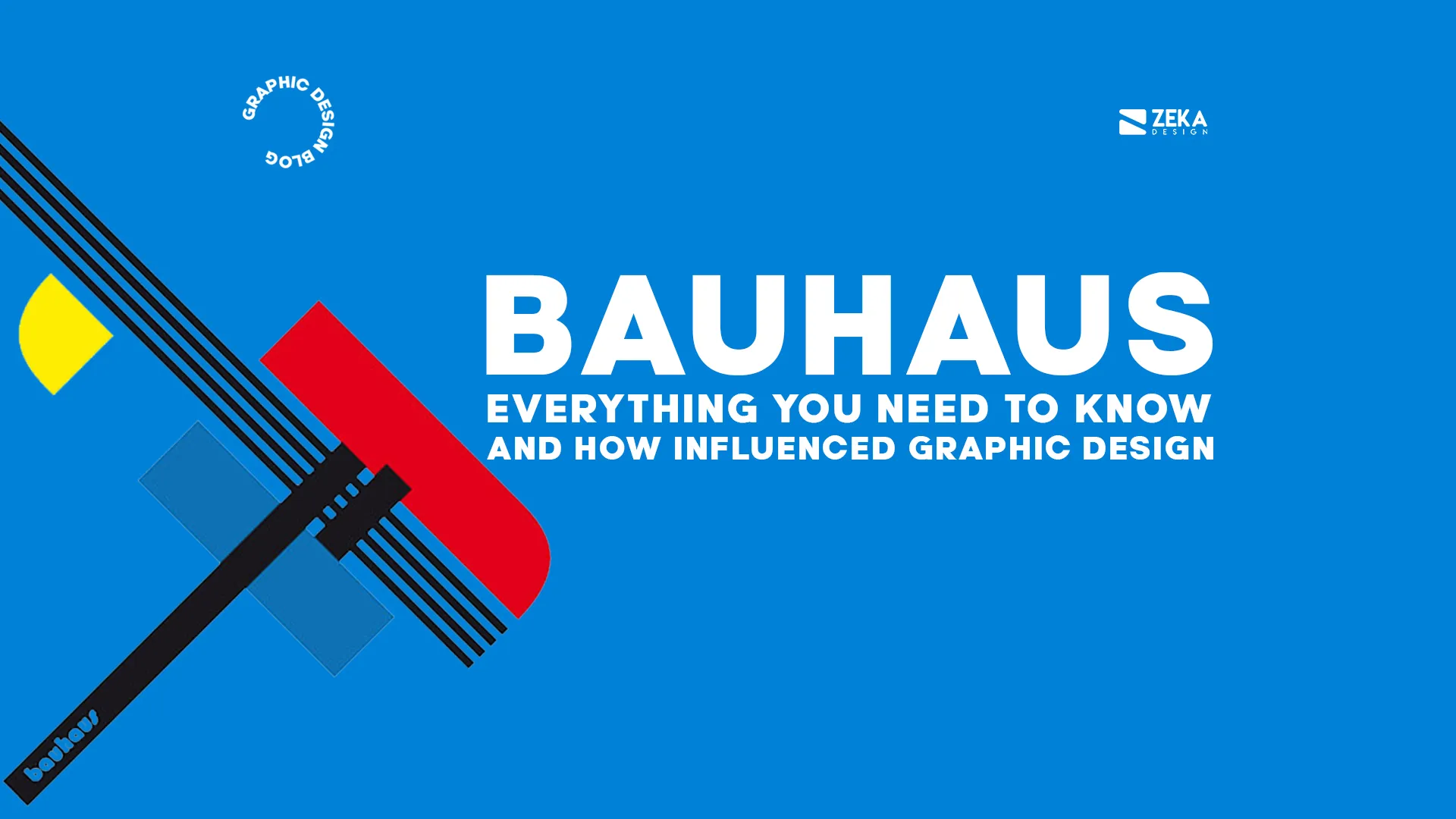
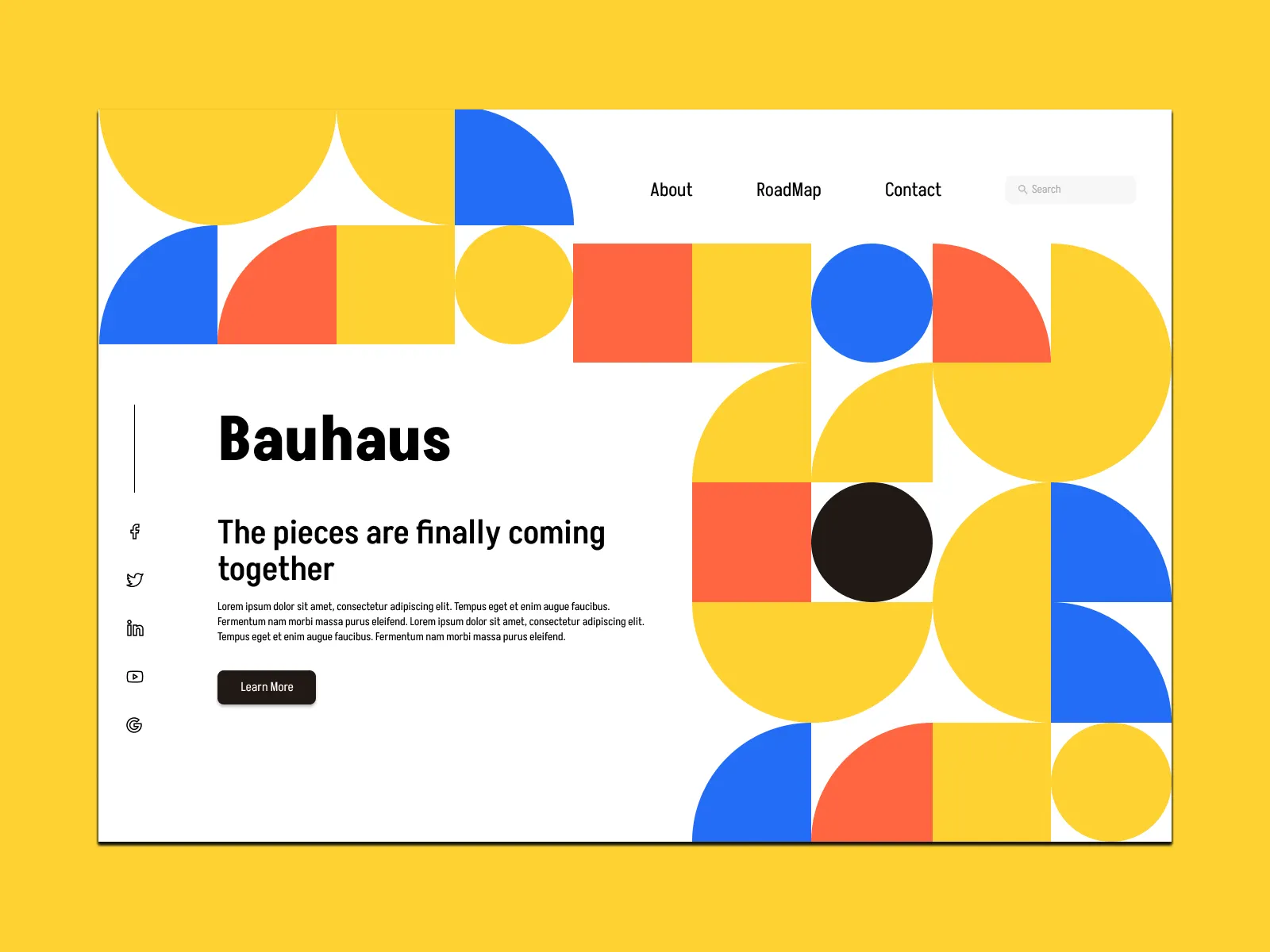
The Bauhaus grid, modular composition, and emphasis on usability translate almost directly into digital interfaces. The idea that a design should guide the user intuitively — without ornamentation for its own sake — is foundational to how apps and websites are built today.
Color theory
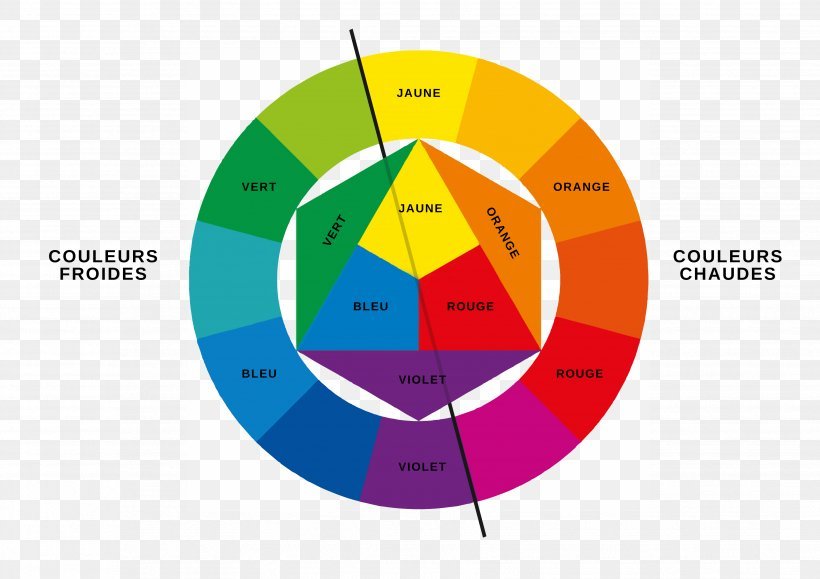
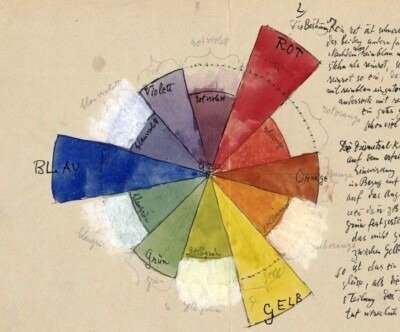
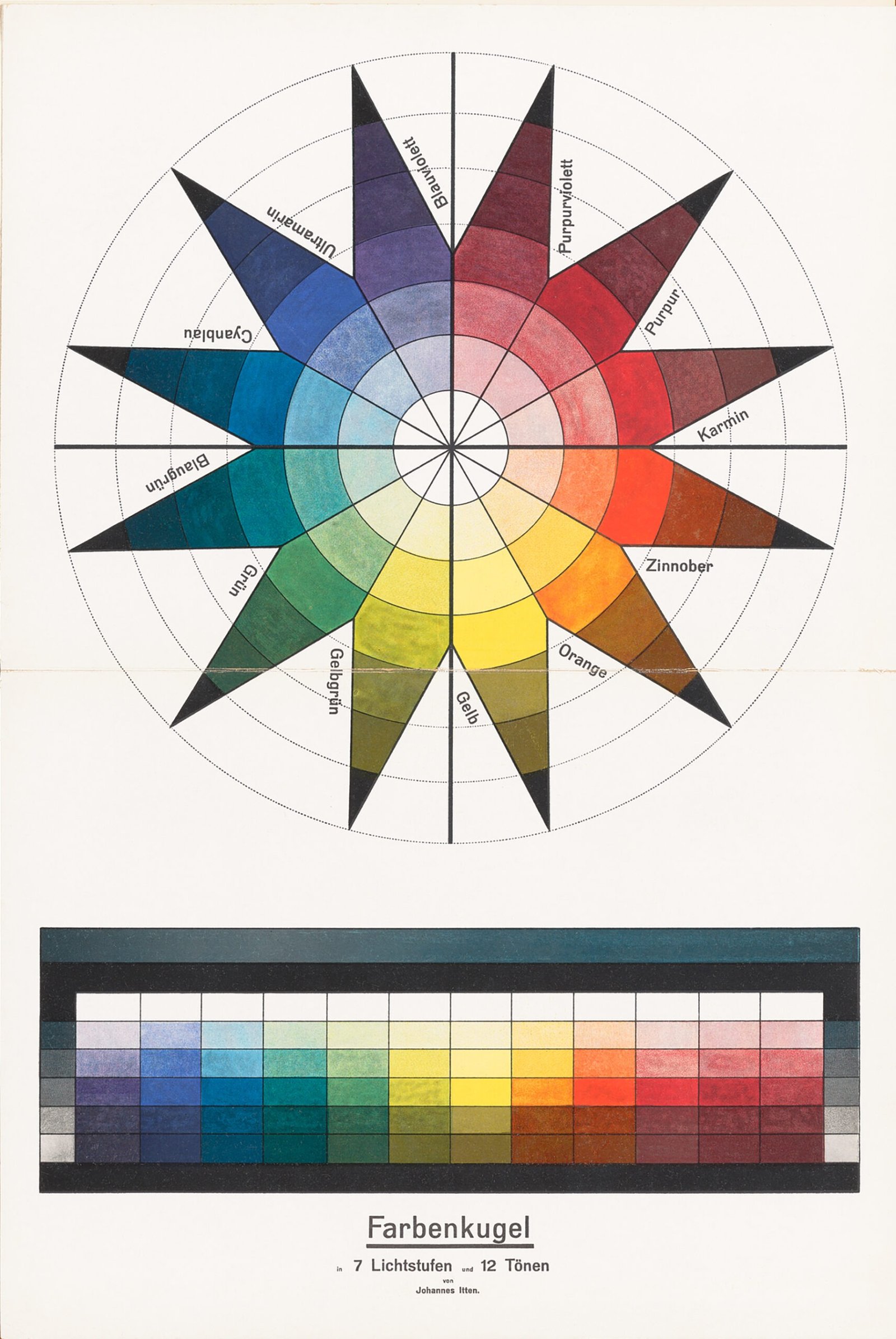
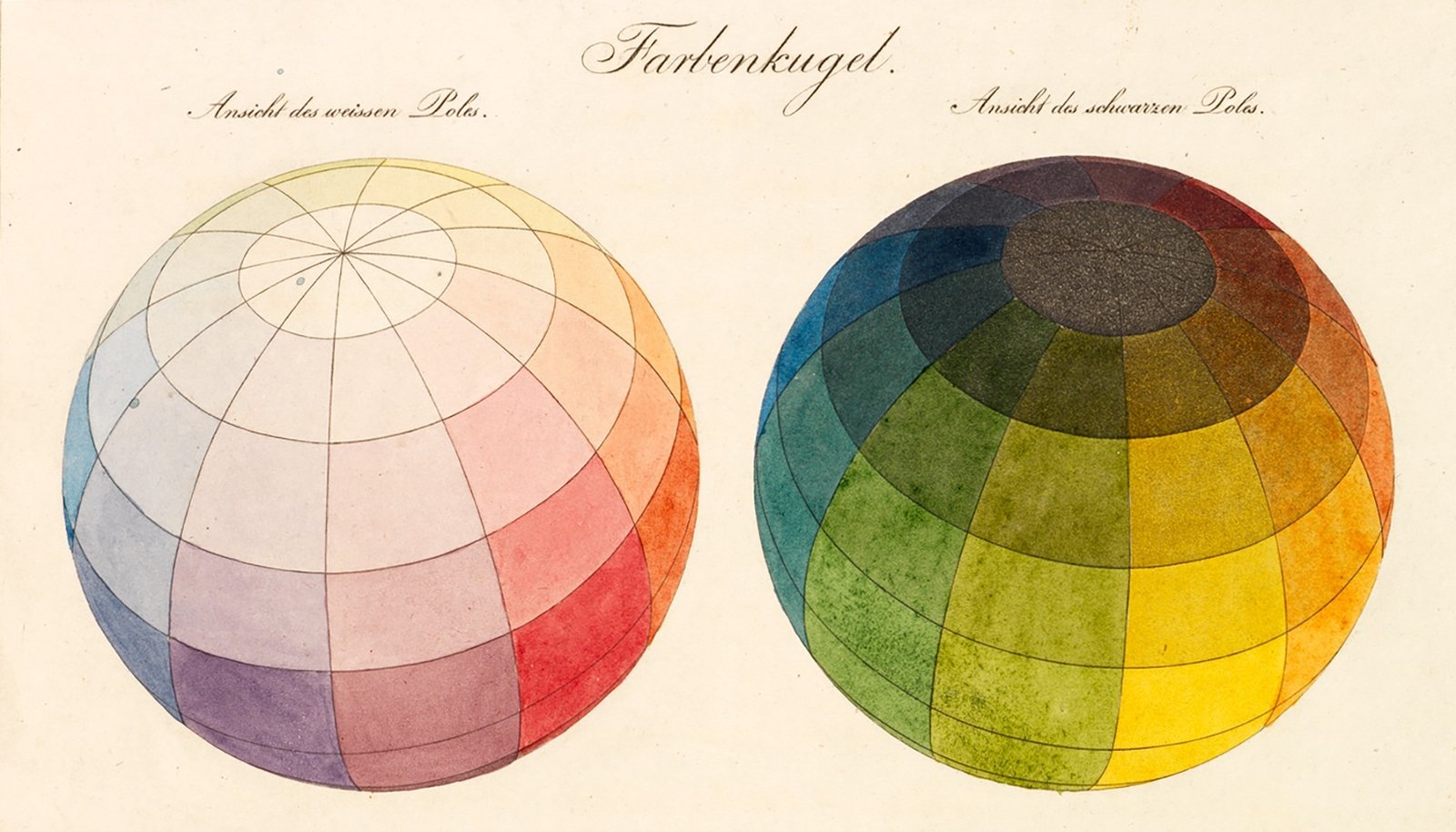
Johannes Itten and Josef Albers developed rigorous, systematic approaches to color interaction that are still taught in every design school and used by brand designers and filmmakers.
Education
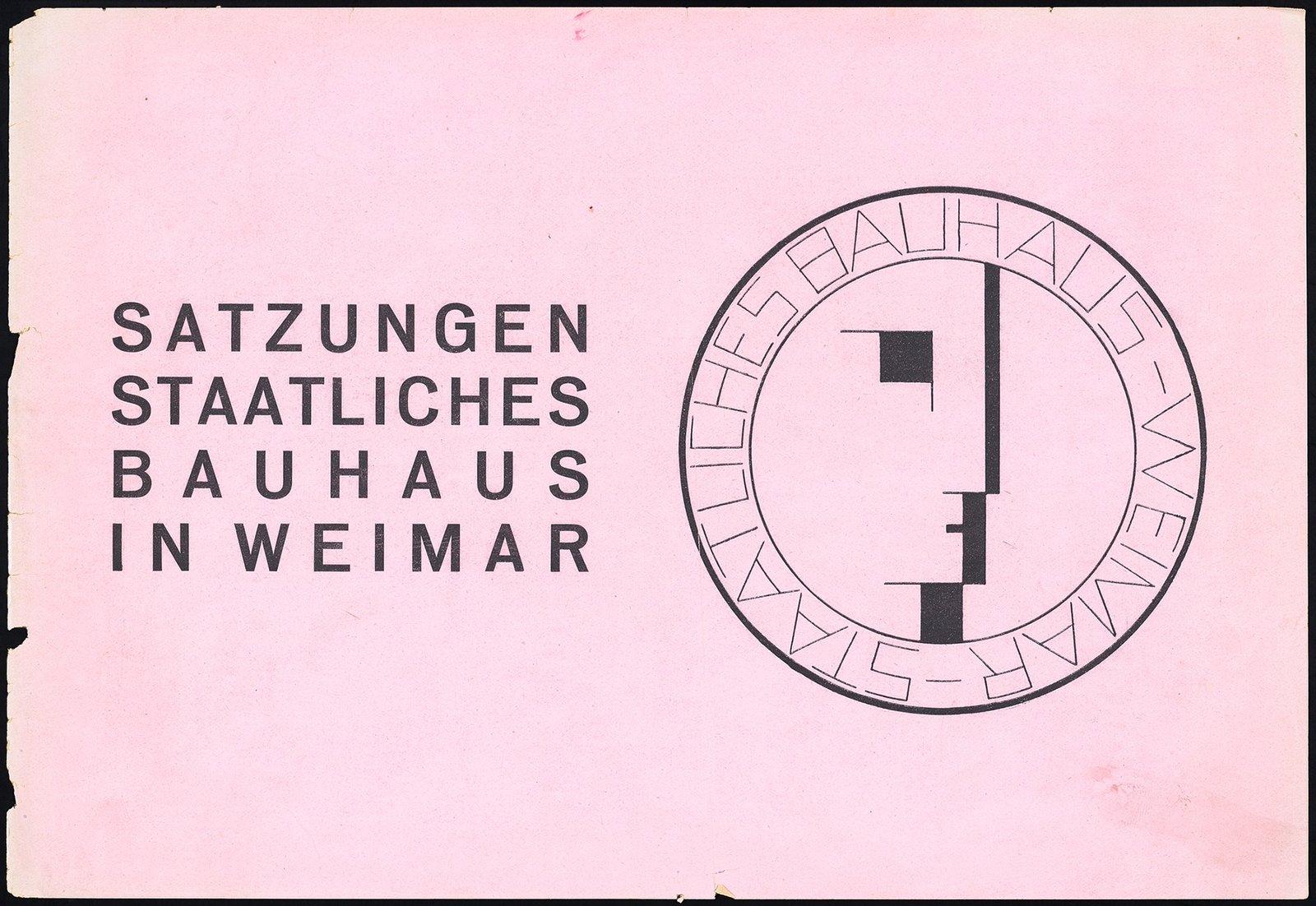
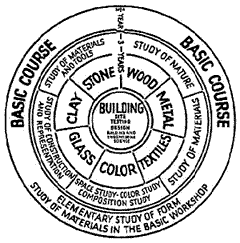
Perhaps the deepest legacy: the Bauhaus pedagogical model — foundation courses, interdisciplinary workshops, learning by making — restructured design education worldwide. Most art and design schools still follow a version of it.
If you've used a clean sans-serif font, sat in a cantilevered chair, used an intuitive app, or admired a glass building, you're living in the Bauhaus's long shadow.
Showing 25–36 of 37 resultsSorted by latest
-

Paul Klee: “The Firmanent Above the Temple” Microfiber Pillow Sham
Price range: $32.00 through $35.00 -
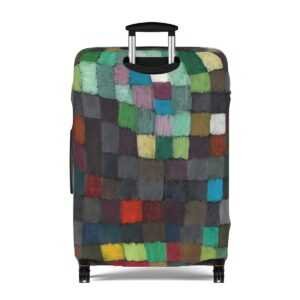
Klee’s Color Chart Luggage Cover
Price range: $30.00 through $40.00 -

Paul Klee Duet Tufted Floor Pillow, Square
Price range: $51.00 through $75.00 -

Paul Klee: “Old City” (1928) Fleece Sherpa Blanket
Price range: $50.00 through $65.00 -

Paul Klee: Color Chart Shoulder Handbag
$49.00 -

Paul Klee Color Chart Glass Cutting Board
Price range: $22.00 through $30.00 -
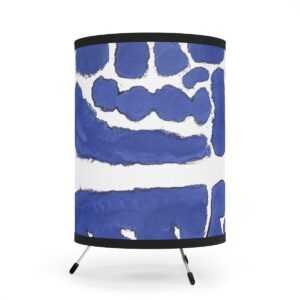
Paul Klee: “Late Evening Looking Out of the Woods ” Tripod Lamp
$60.00 -
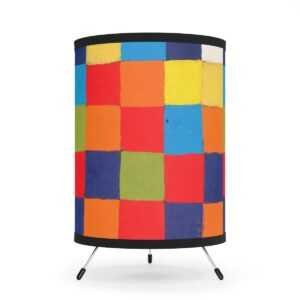
Paul Klee: “Qu1” Tripod Lamp
$60.00 -

Klee’s “Late Evening” Area Rug
Price range: $40.00 through $120.00 -

Klee’s “Untitled” Area Rug
Price range: $40.00 through $120.00 -

Klee’s “Qu 1” Color Chart Area Rug
Price range: $40.00 through $120.00 -

Klee: Polyphonic Architecture Custom Shower Curtain
$41.00
