Owen Jones

Owen Jones

Owen Jones

(1809 - 1874)
Explore all artists in this collection

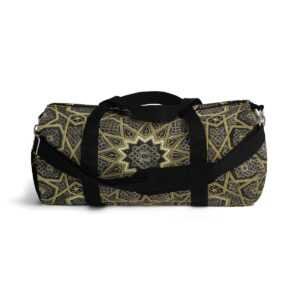
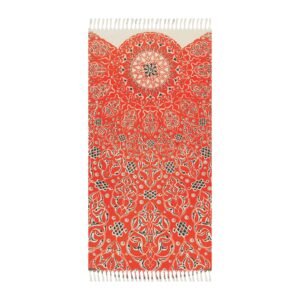
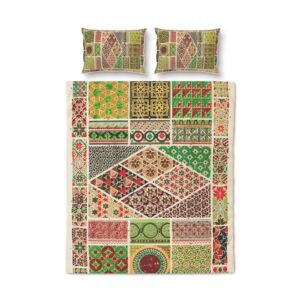
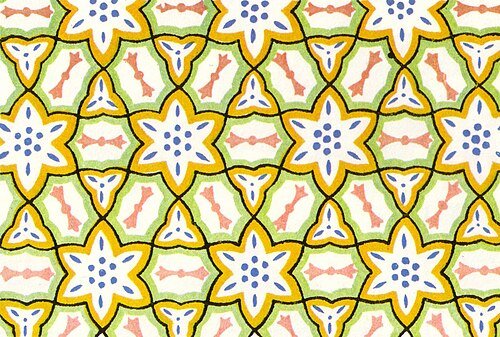
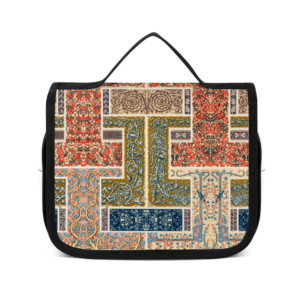
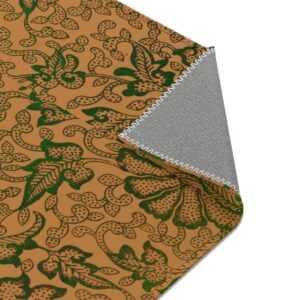
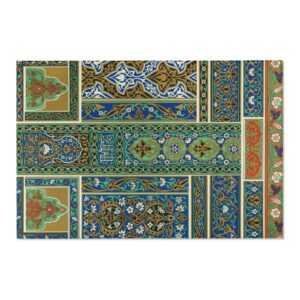
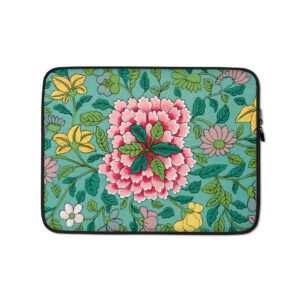
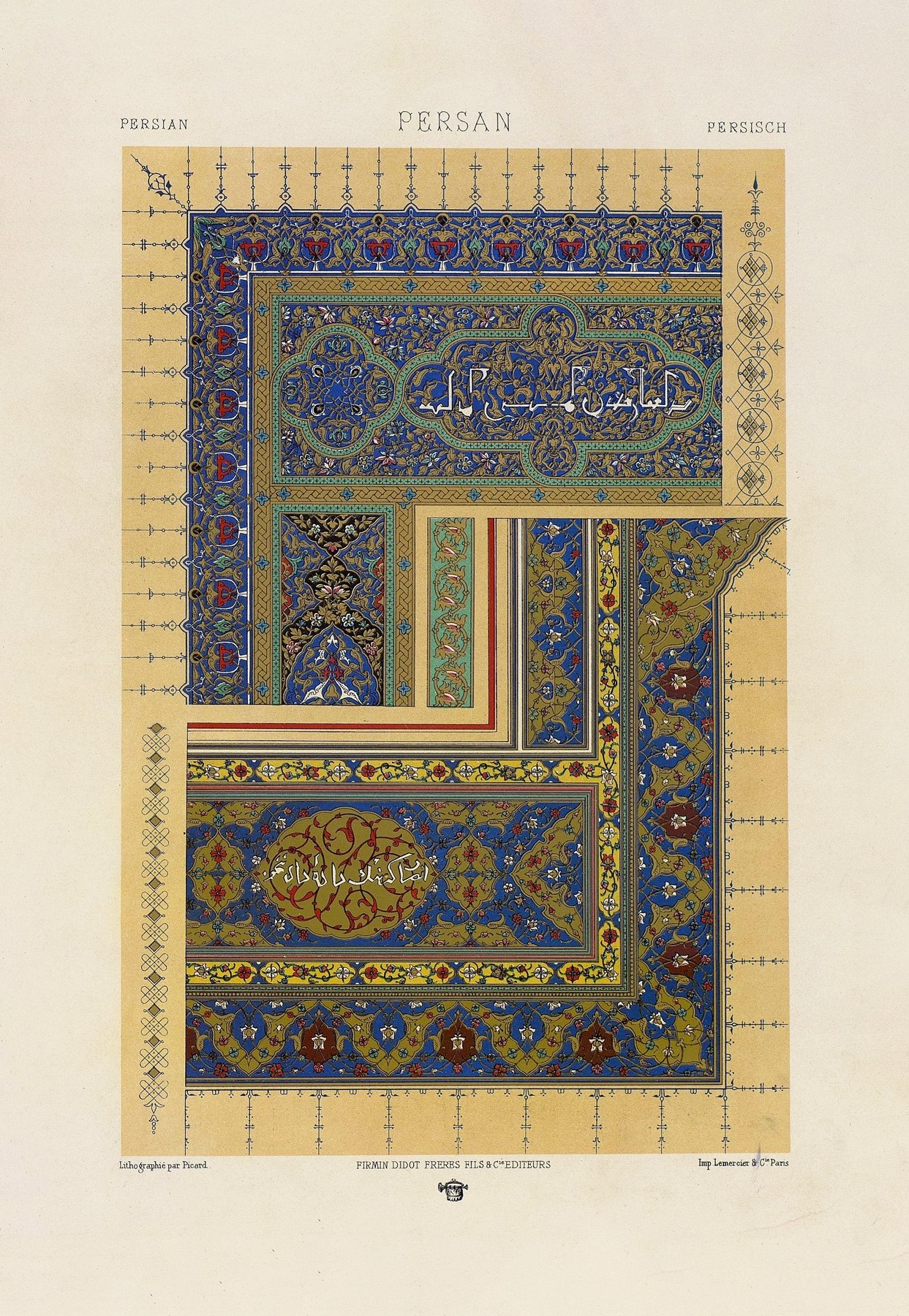
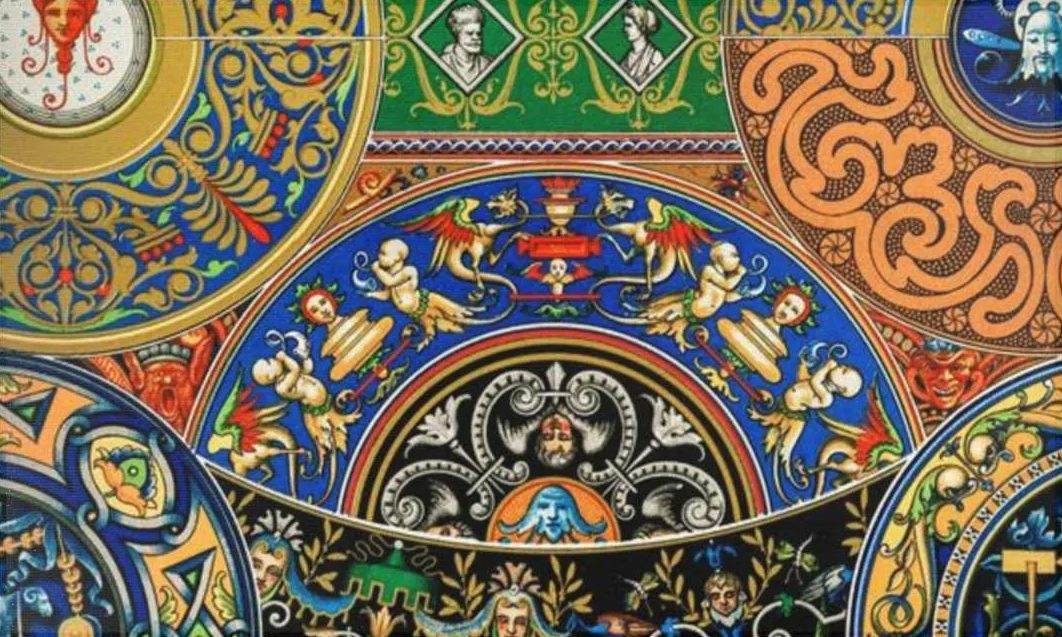
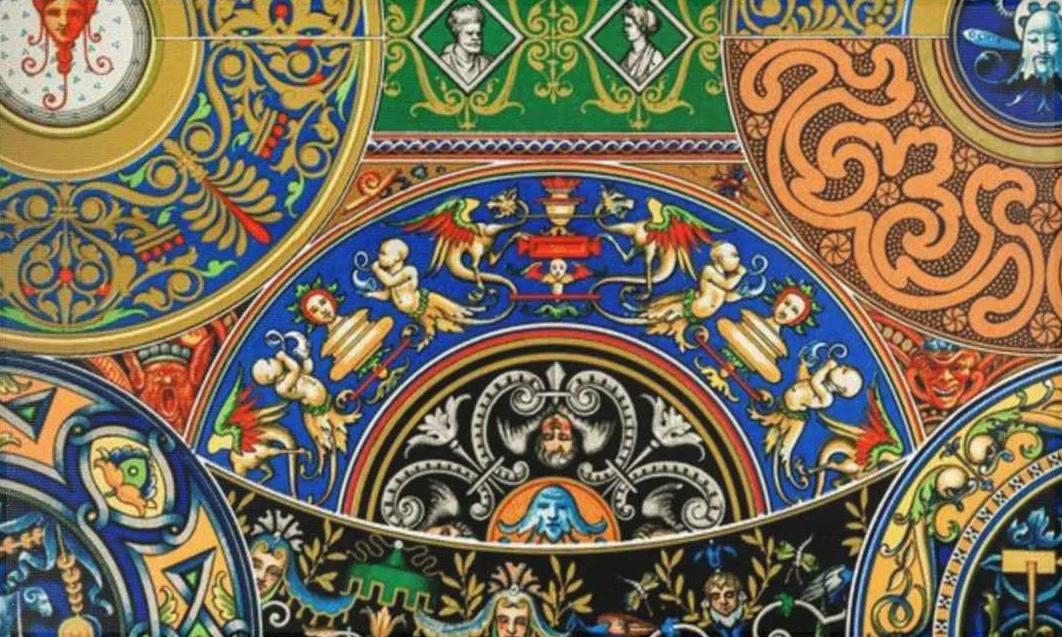
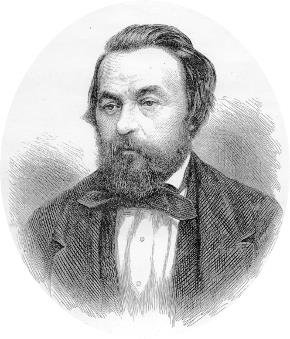
Owen Jones (15 February 1809 – 19 April 1874) was a British architect. A versatile architect and designer, he was also one of the most influential design theorists of the nineteenth century. He helped pioneer modern colour theory, and his theories on flat patterning and ornament still resonate with contemporary designers today.

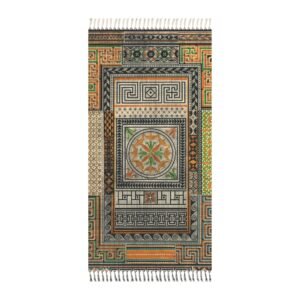
Jones was able to disseminate his theories on pattern and ornament through his work for several of the key manufacturers of the period, thus facilitating public consumption of his decorative visions in a number of diverse contexts. During the 1840s, having been inspired by the tilework at the Alhambra, Jones became known for his designs for mosaics and tessellated pavements, working for firms such as Maw & Co., Blashfield and Minton.

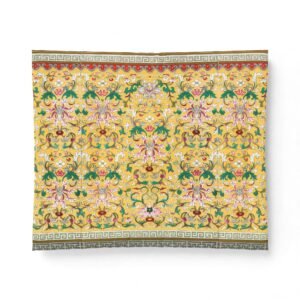
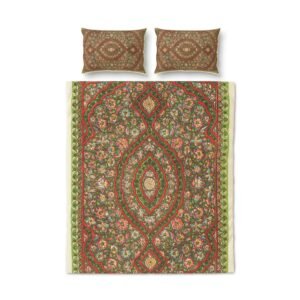
He designed wallpapers for several firms from the 1840s until the 1870s including Townsend and Parker, Trumble & Sons and Jeffrey & Co. Jones was also prolific in the field of textiles – designing silks for Warner, Sillett & Ramm and carpets for Brinton and James Templeton & Co. Jones also immersed himself in a number of decorative schemes for domestic interiors, most notably working in collaboration with the London firm Jackson & Graham to produce furniture and other fittings.
Explore all artists in this collection

Auguste Racinet

Auguste Racinet

Albert Racinet

(1825 - 1893)

Auguste Racinet

(1825 - 1893)

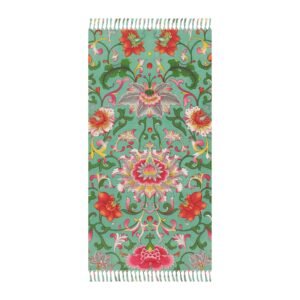
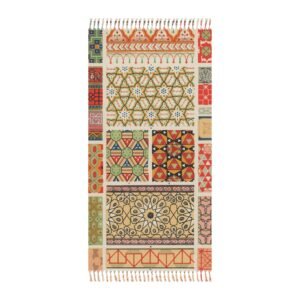
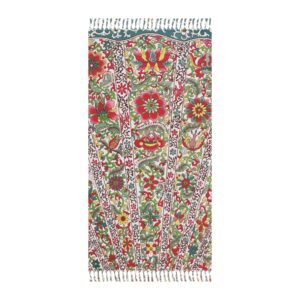
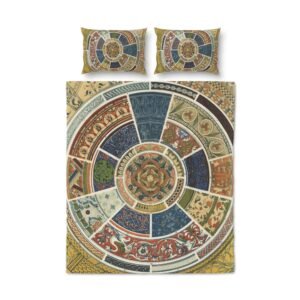
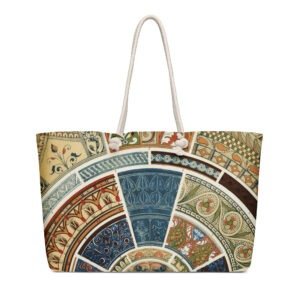
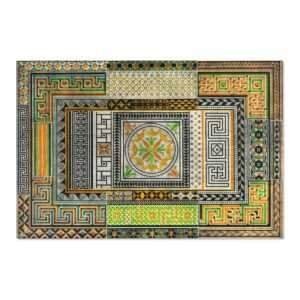
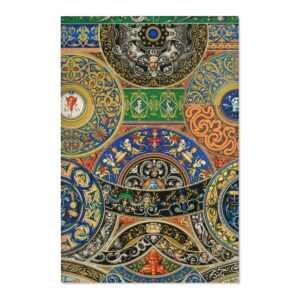
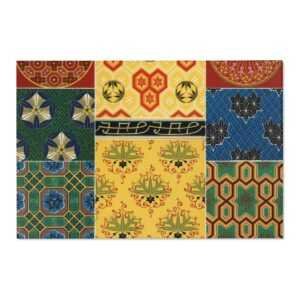
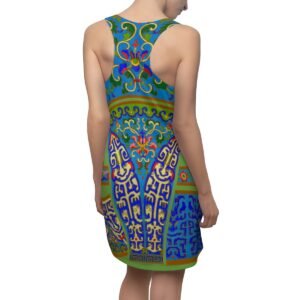
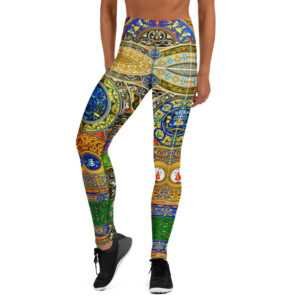
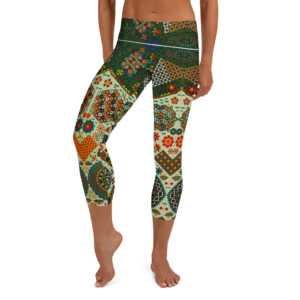
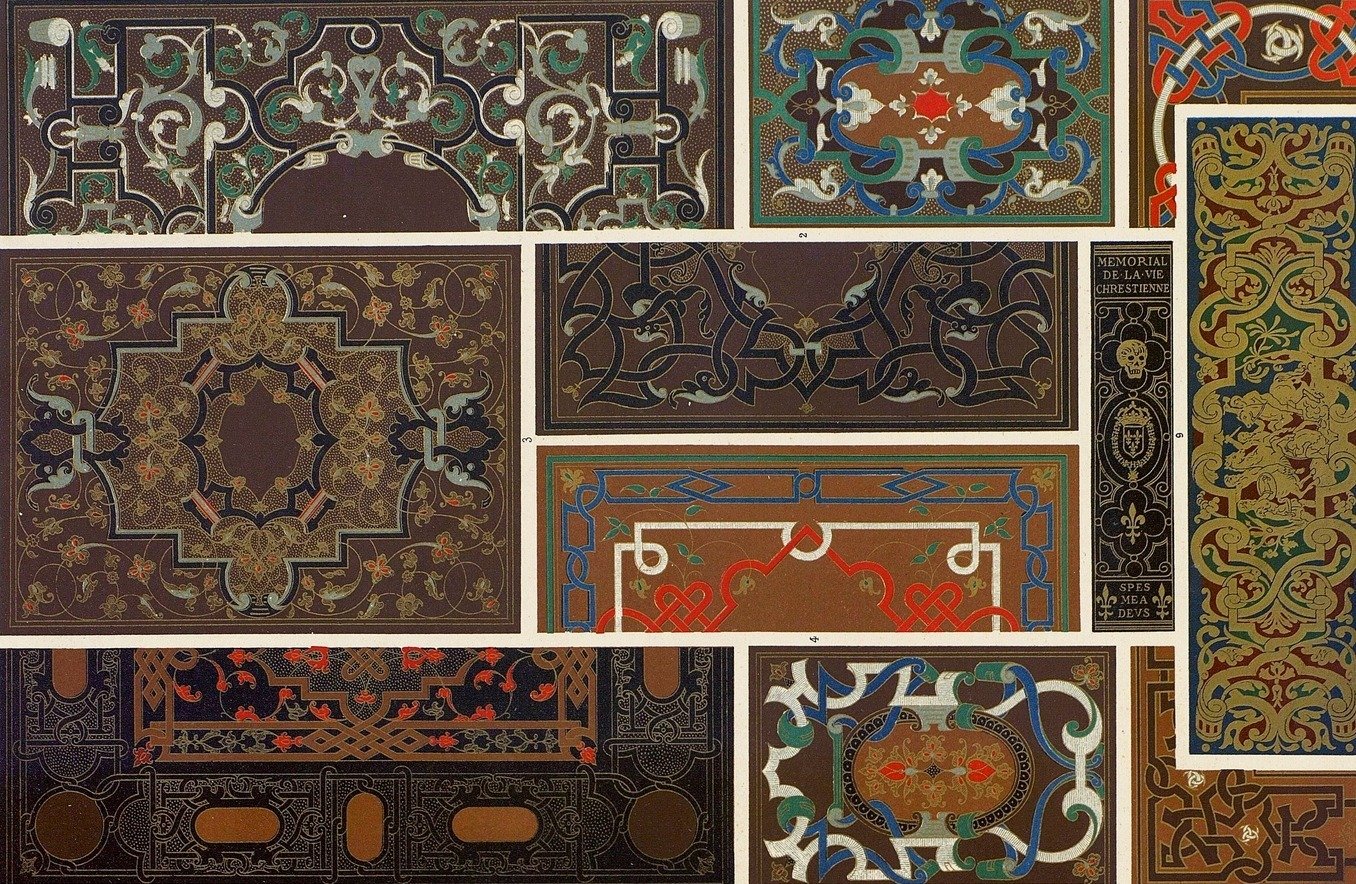
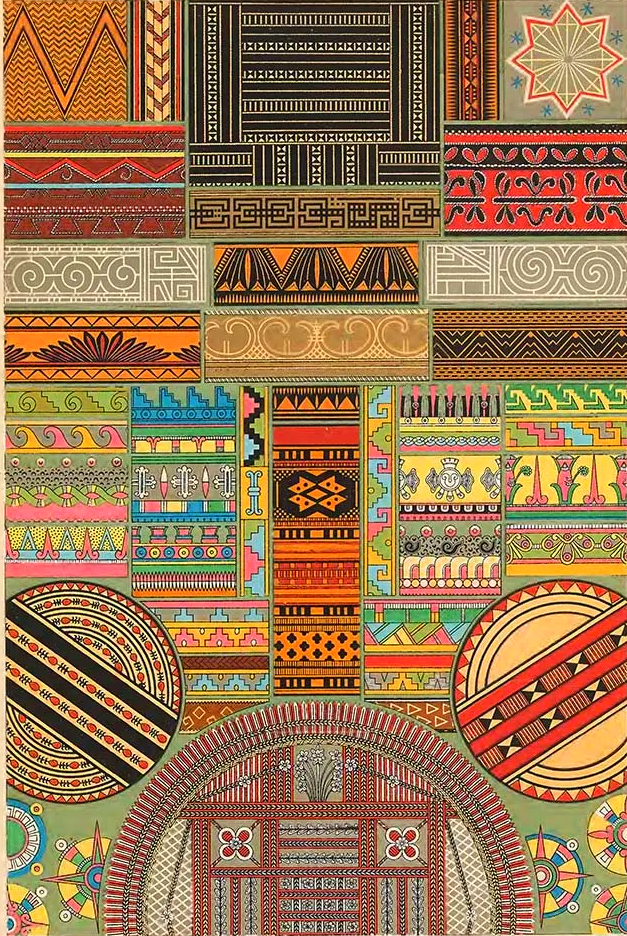
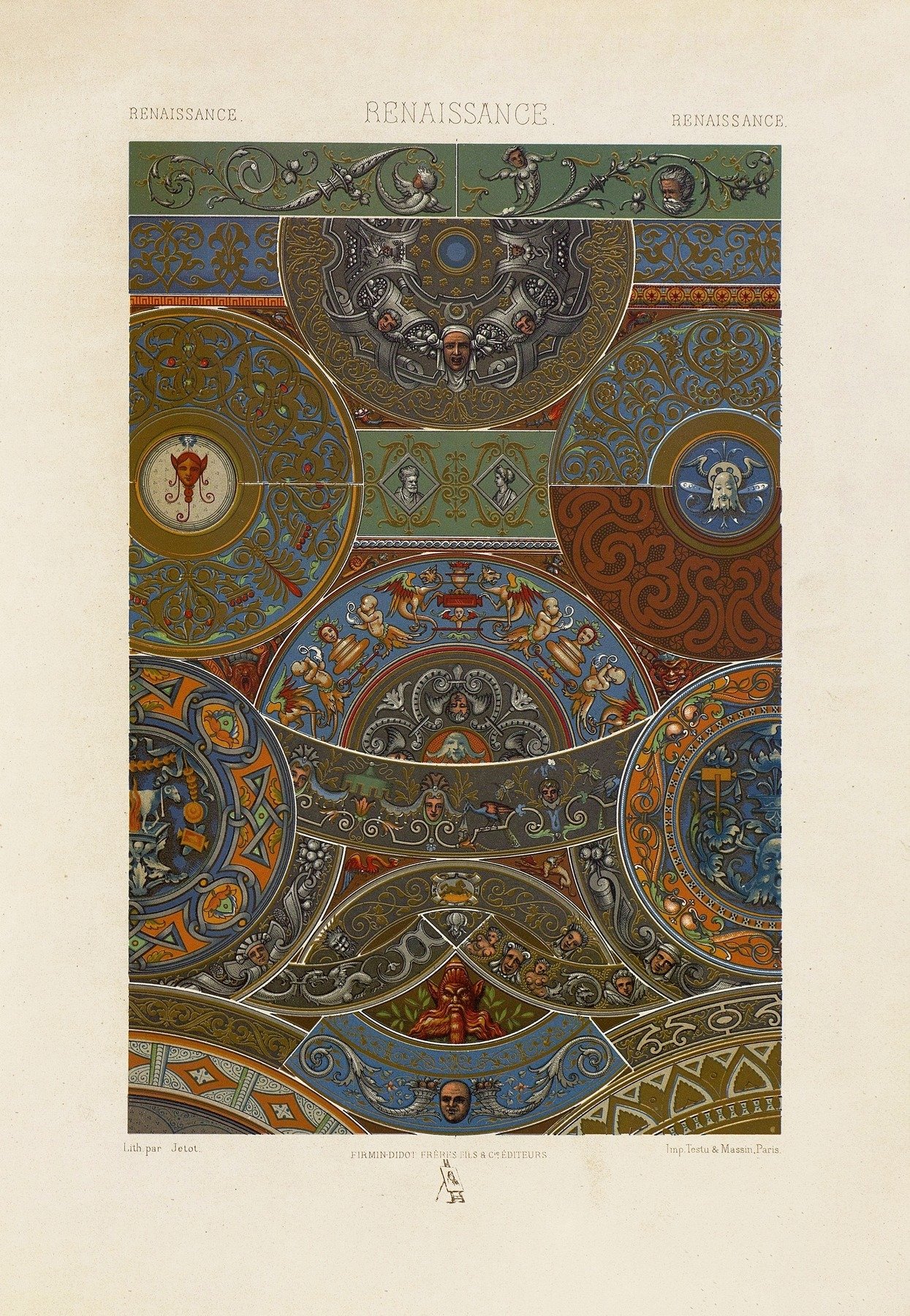
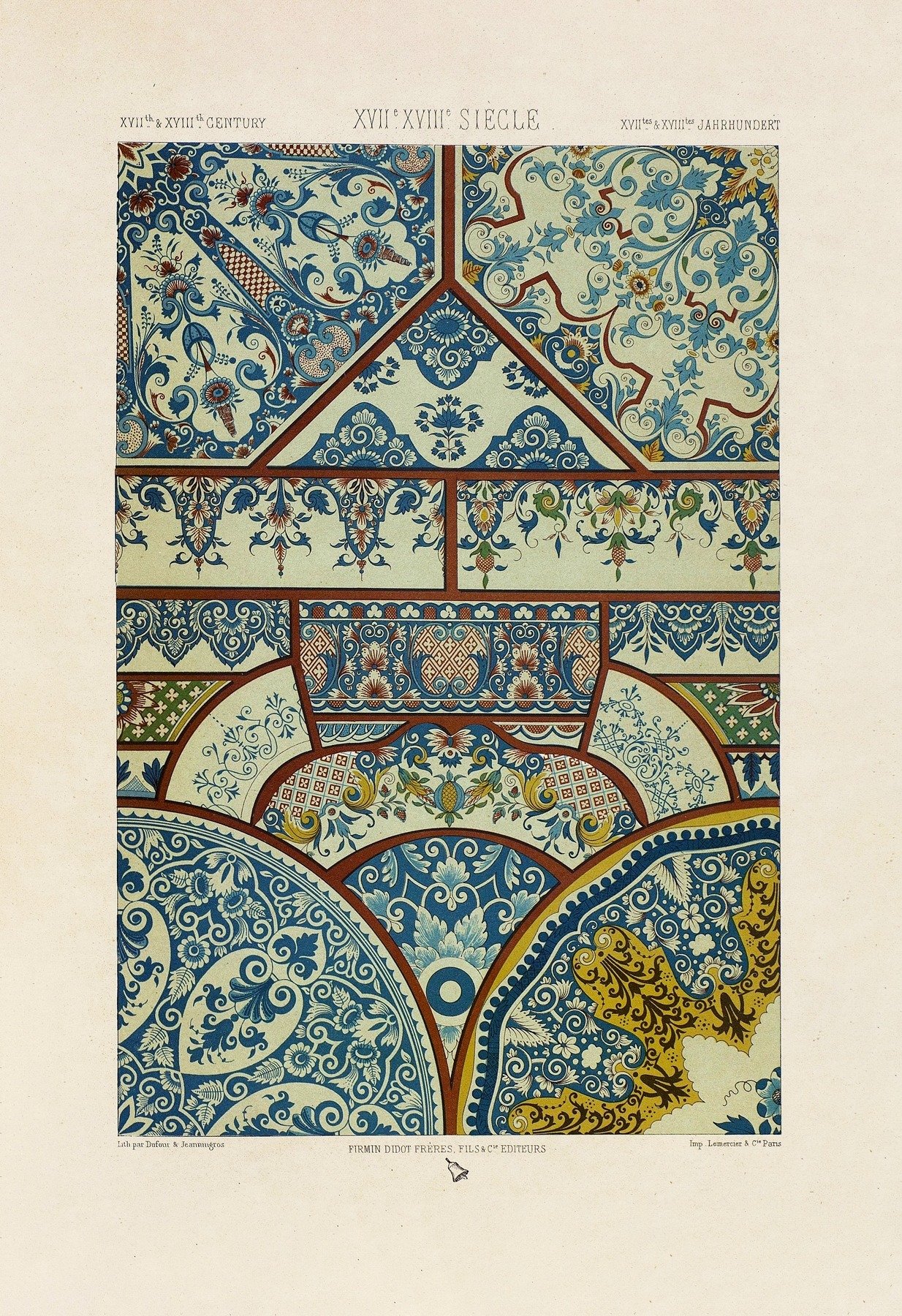
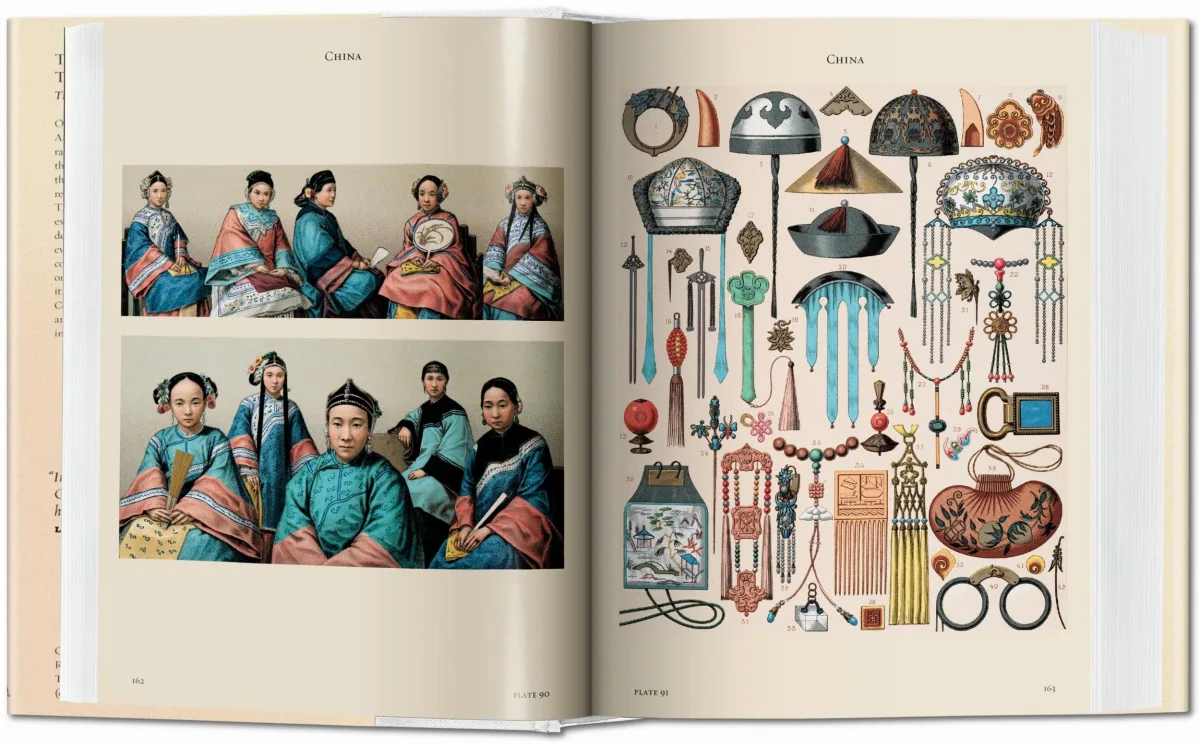
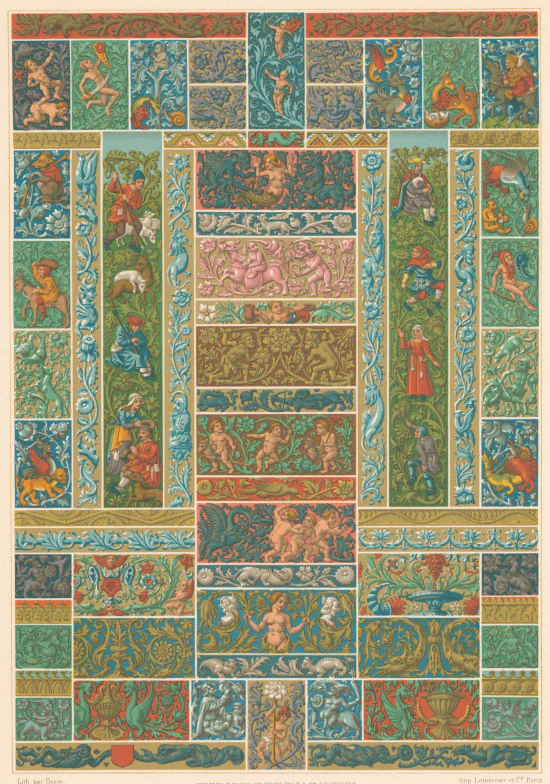
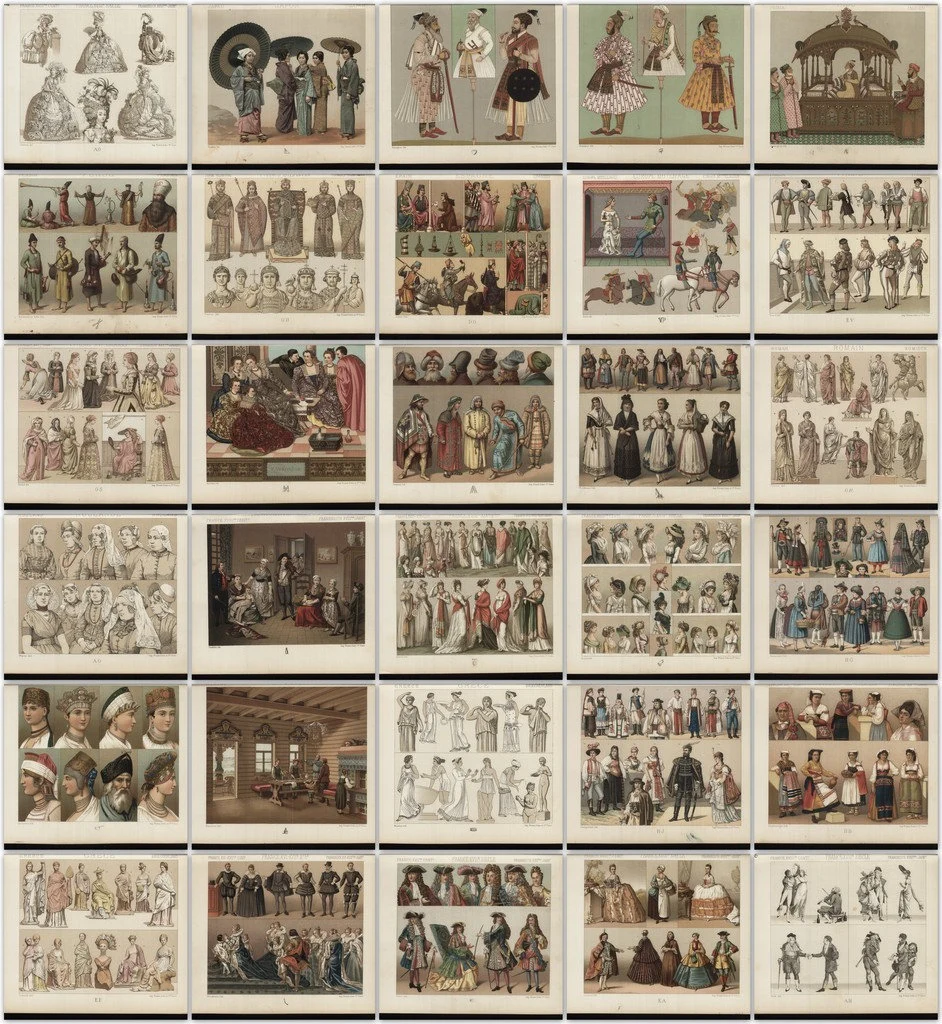
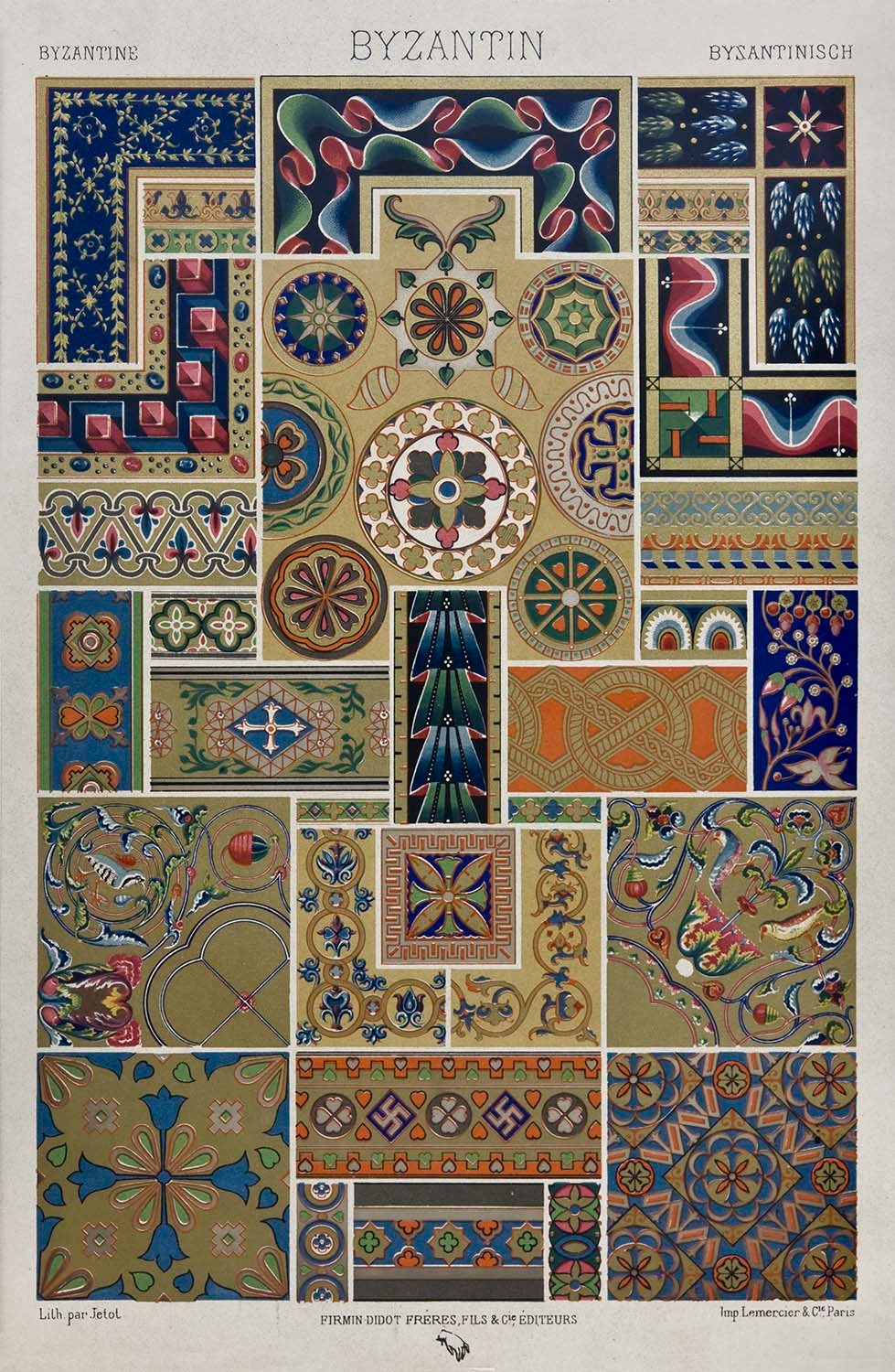
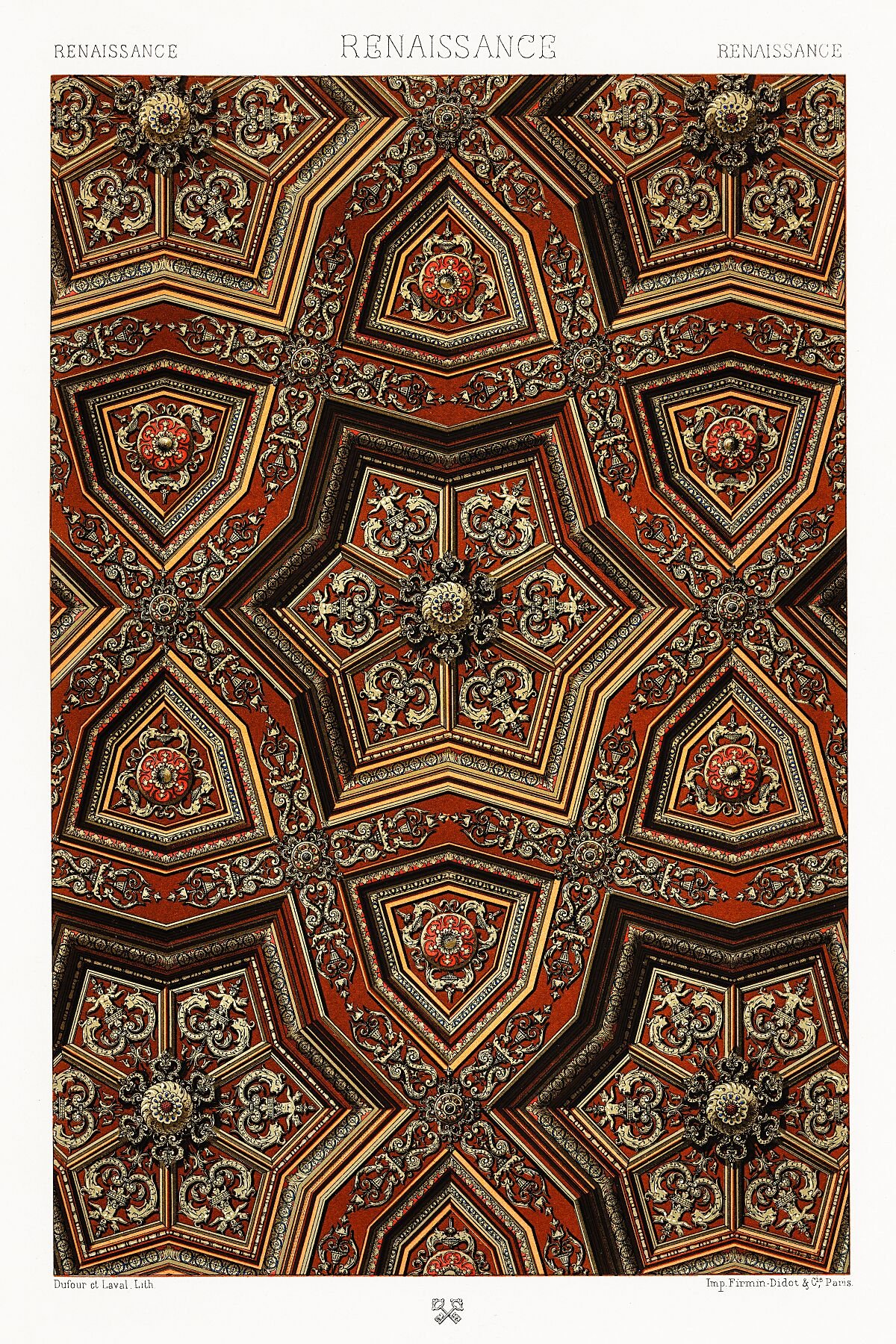
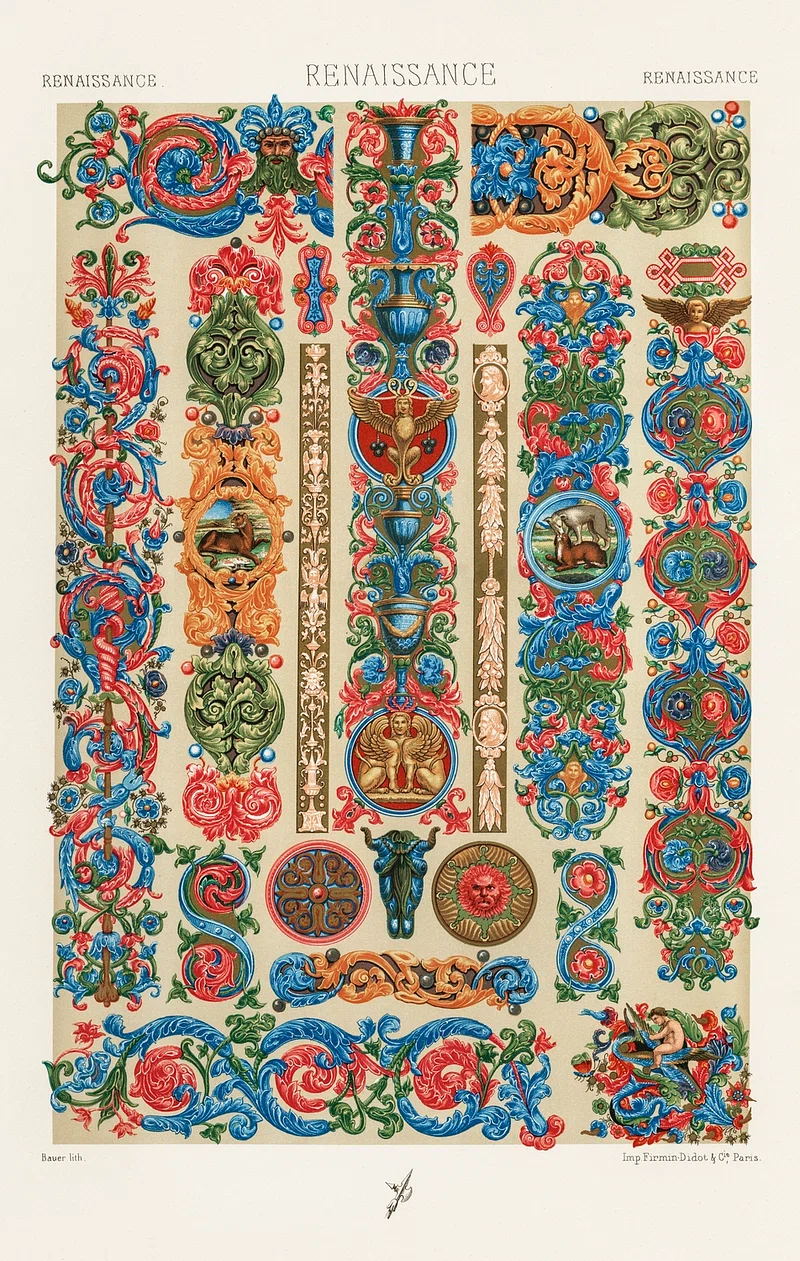
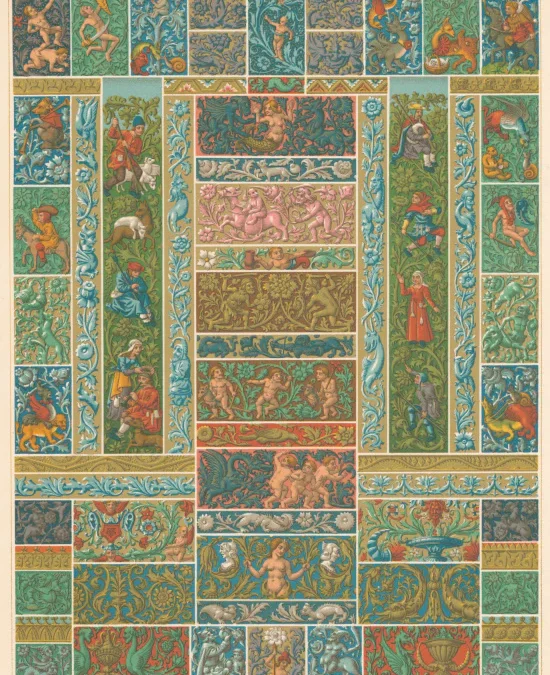
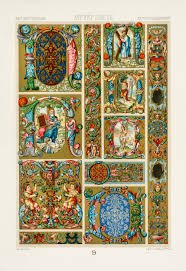
Albert-Charles-Auguste Racinet himself an accomplished artist, is best known today for publishing two major pictorial works on the history of design — Le costume historique and L'Ornement polychrome — while engraver and artistic director at the Parisian publisher Firmin Didot et Cie. Published in ten instalments between 1869 and 1873, the first iteration of L'Ornement polychrome (Colour ornament) is a visual record in 100 plates of the decorative arts from antiquity to the eighteenth century.

Explore all artists in this collection

Showing all 21 resultsSorted by latest

Explore all artists in this collection

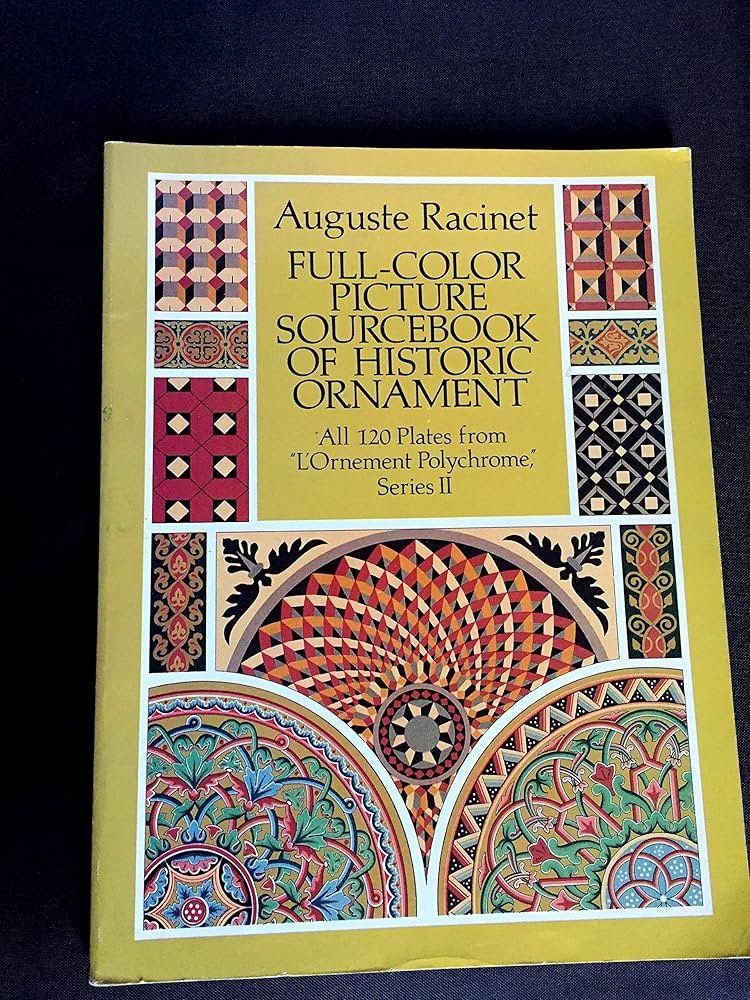
The work was such a huge success that in 1885–7 Racinet brought out a second series, this time of 120 plates, and updated to include designs of the nineteenth century as well. The imagery presented in both series is drawn from a wide array of various mediums, including woodwork, metalwork, architecture, textiles, painting, and pottery, and from cultures all over the world.

Explore all artists in this collection

E. A. Séguy

E. A. Séguy

E. A. Séguy

(1890 - 1985)

Explore all artists in this collection

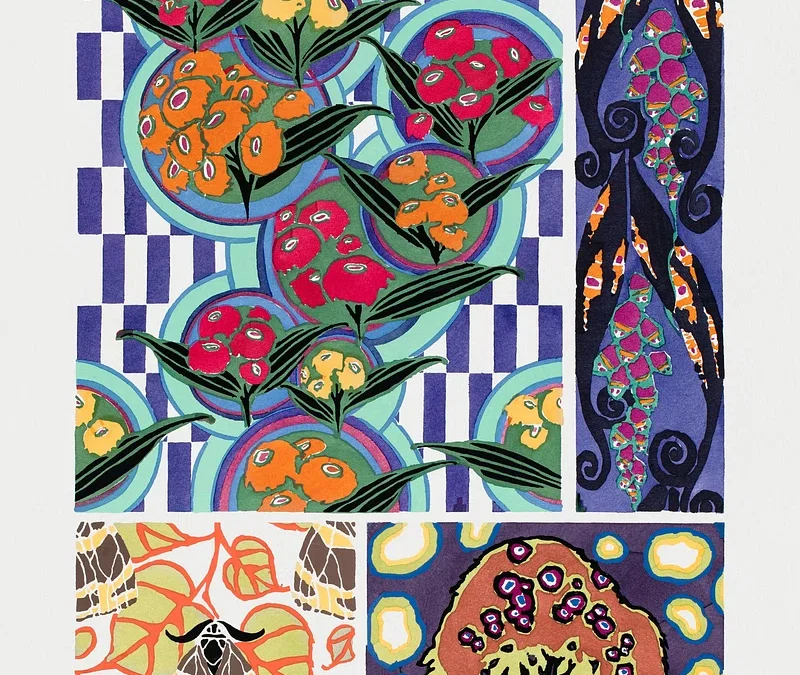
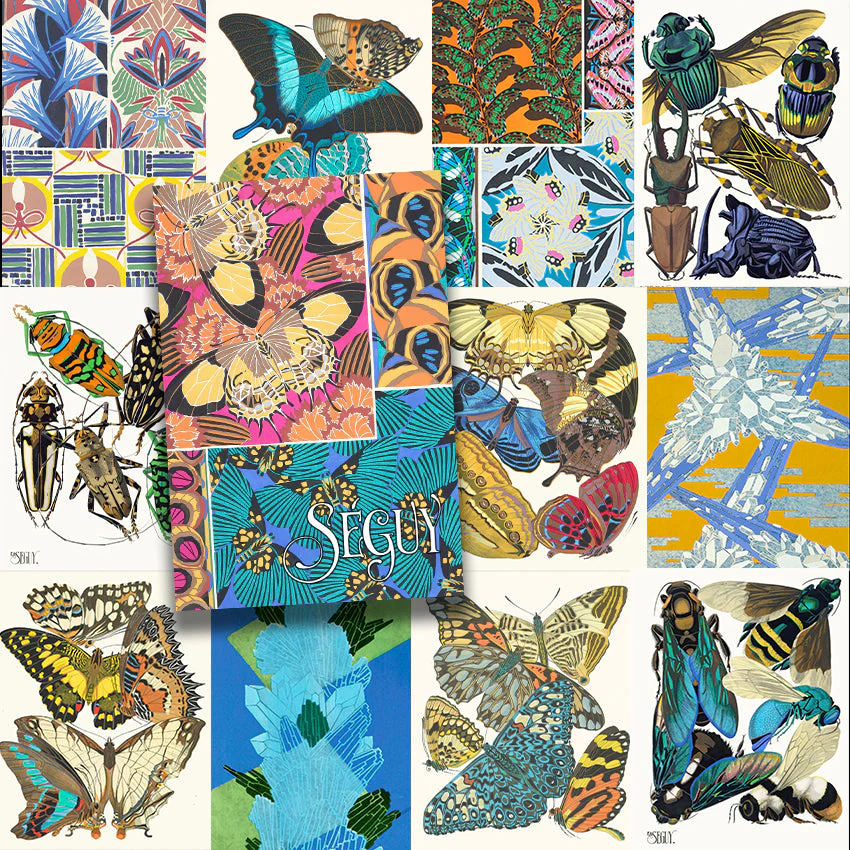
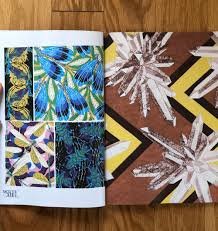
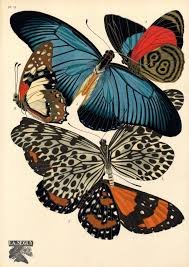
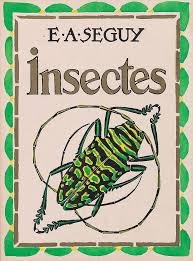
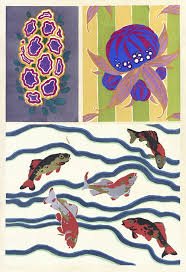
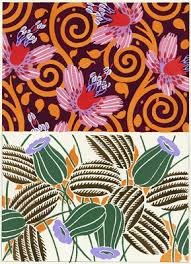
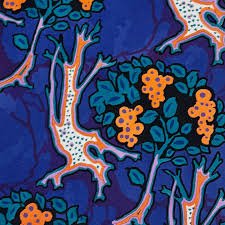
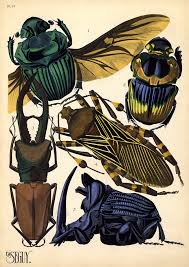
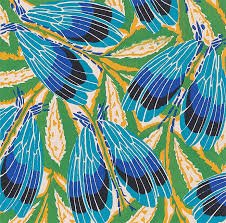
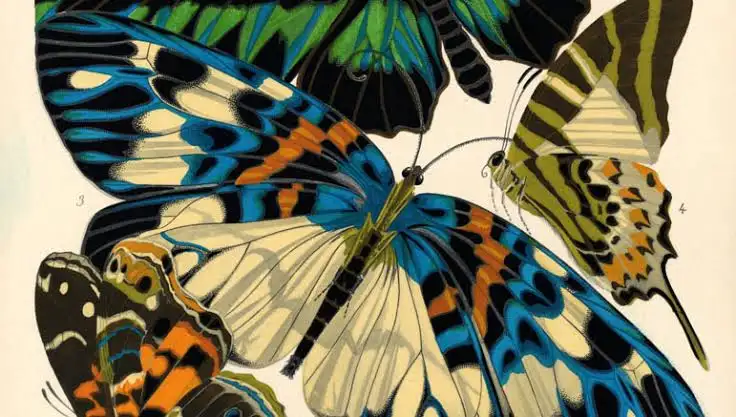
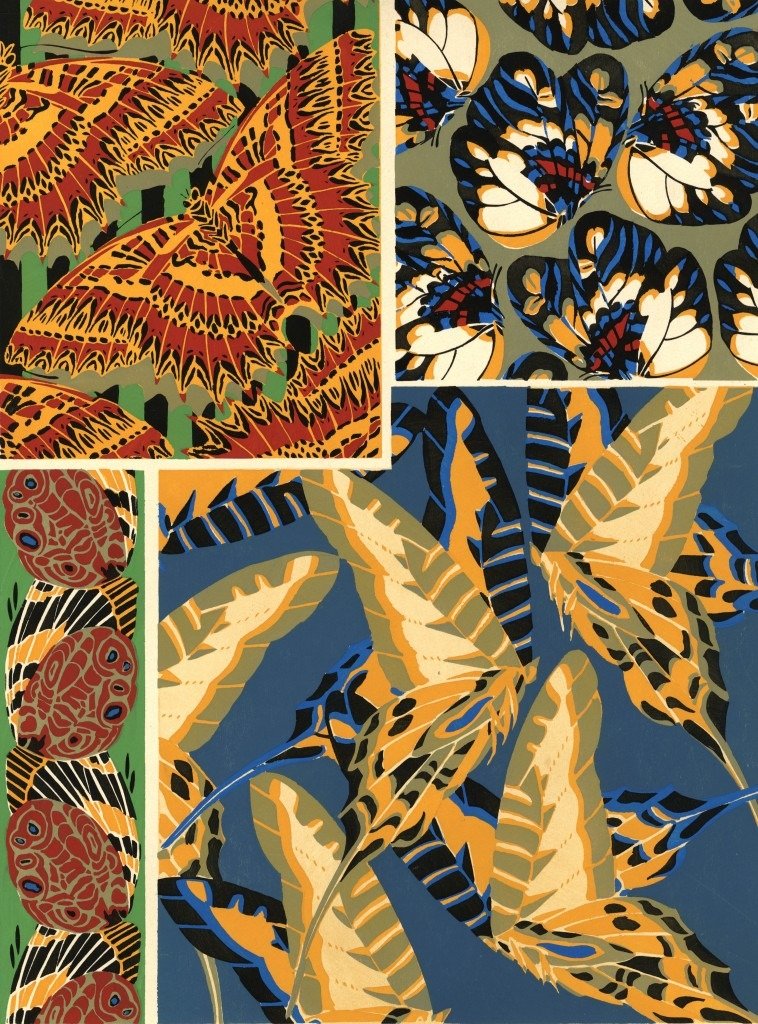
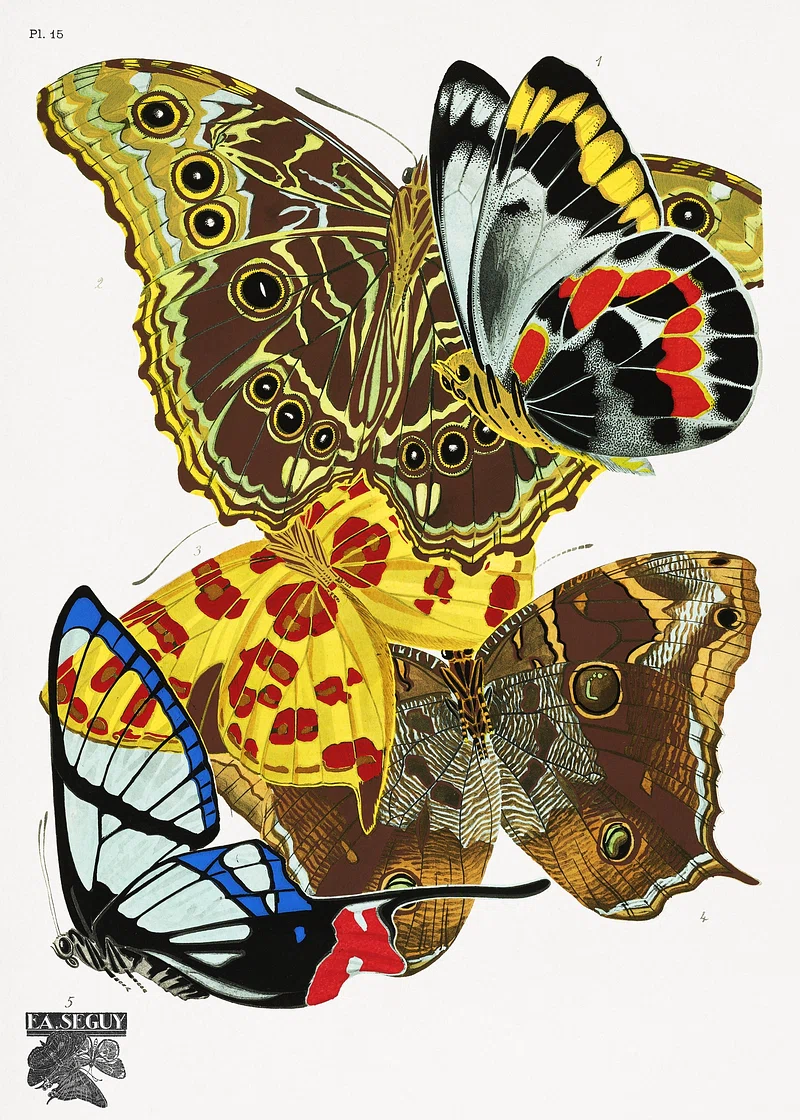
Emile-Allain Séguy, professionally known as E.A. Séguy, was a French designer during the Art Deco and Art Nouveau movements of the 1920s. He primarily created patterns and textiles inspired by the natural world. Because of his particular fascination with insects, he has been confused with Eugene Séguy, a French entomologist active during the same time period. However, it is Emile-Allain who created the popular Papillons and Insectes books, filled with illustrations of vividly colored butterflies and insects made using the pochoir—French for “stencil”—technique.
Seguy’s albums were created using a unique printing process called pochoir, which was popular in France at the turn of the 20th century. Pochoir is a process that utilizes the method of applying pigment to paper through the use of stencils. First, the artist created an image in watercolor or gouache. The design was then analyzed to determine the necessary colors and number of stencils needed. The stencils could be cut from any number of materials, including copper, zinc, oiled cardboard, or celluloid. The paint was applied through the stencils by brushes or pompons. The prints were produced entirely by hand assembly line style, and each one was individually examined and approved upon completion.

While simple in concept, pochoir could become quite complex in practice, with some images requiring the use of 100 or so stencils to produce a single print. The technique was regularly used to produce plates in French fashion journals as well as being used to illustrate industrial design, textile, interiors, and architecture folios.

Pochoir is thought to be a reaction to what was seen as a general debasement of machine printing technology during the time period. Jean Saudé, the individual who most influenced the pochoir technique, believed that pochoir was the only process which translated the artist’s original intent because it was entirely done by hand.

Pochoir is thought to be a reaction to what was seen as a general debasement of machine printing technology during the time period. Jean Saudé, the individual who most influenced the pochoir technique, believed that pochoir was the only process which translated the artist’s original intent because it was entirely done by hand.

Gustav Klimt

Gustav Klimt

Gustav Klimt

(1862 - 1918)

Explore all artists in this collection

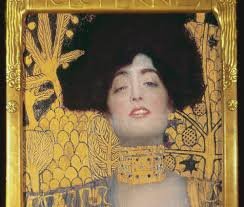
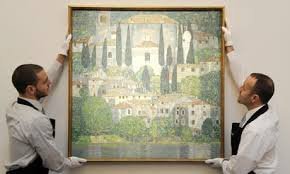
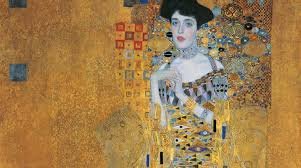
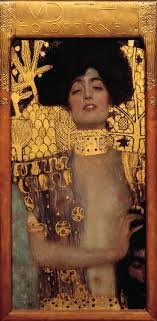
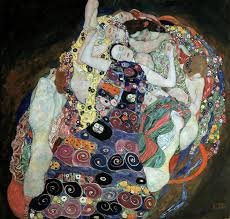
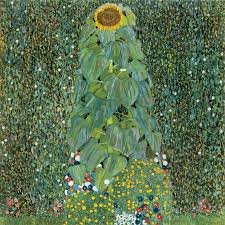
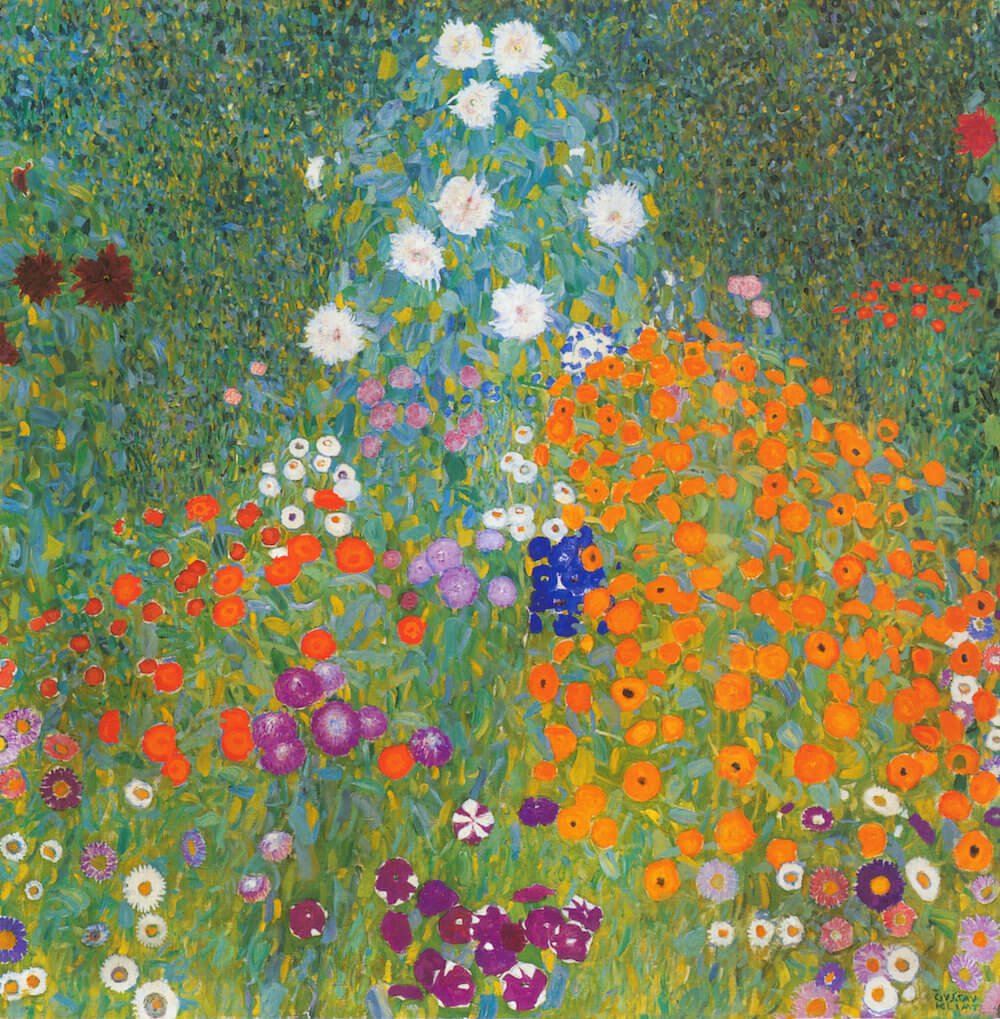
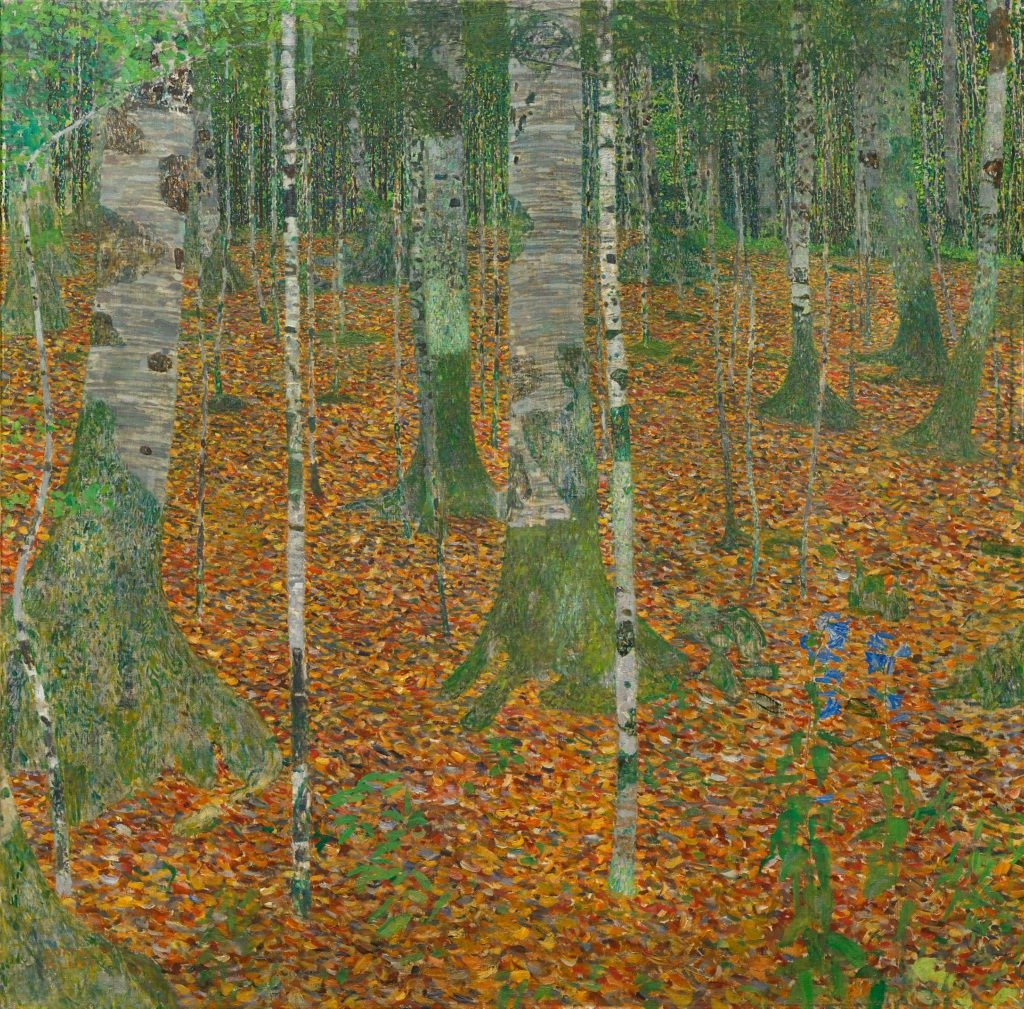
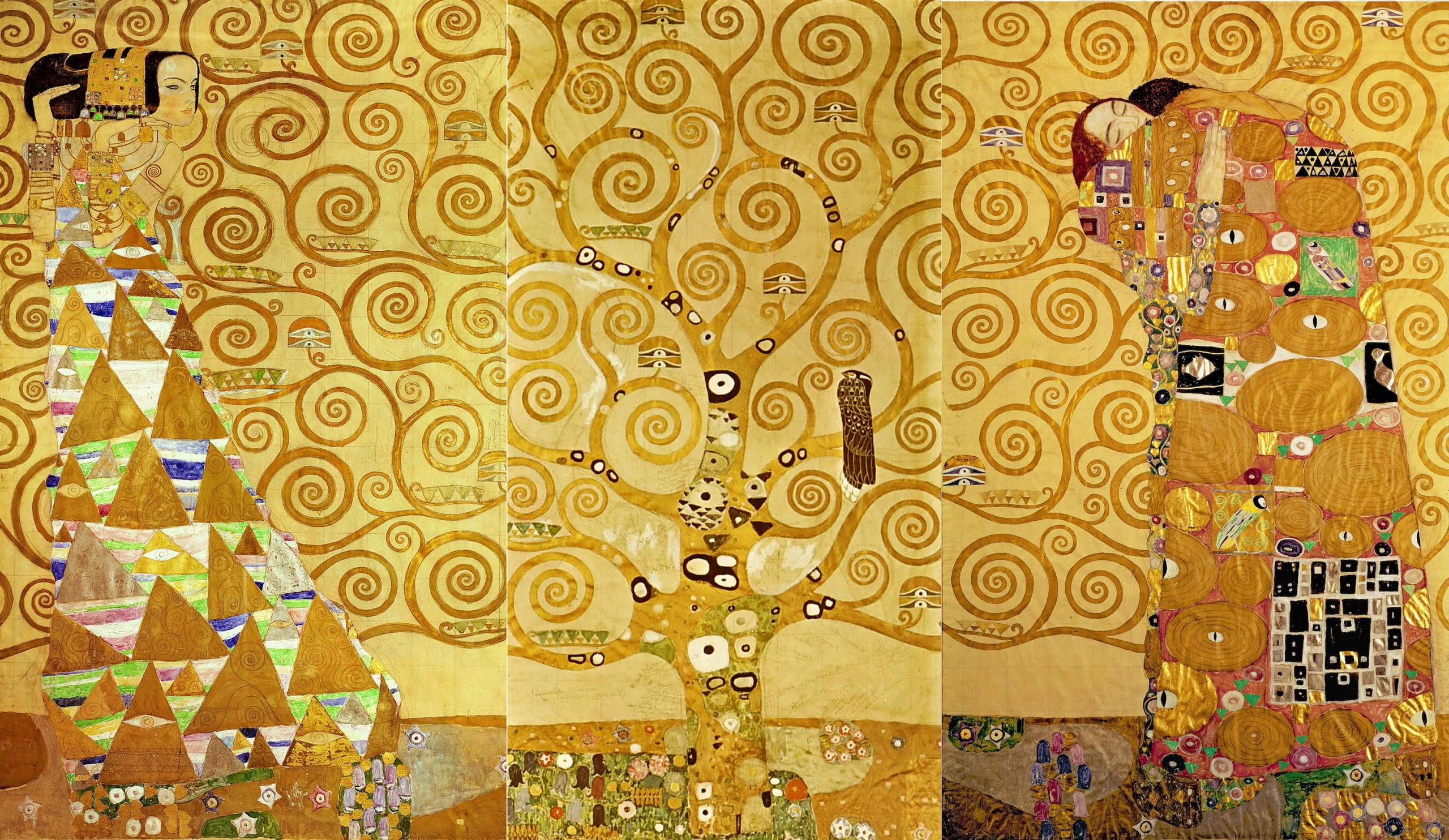
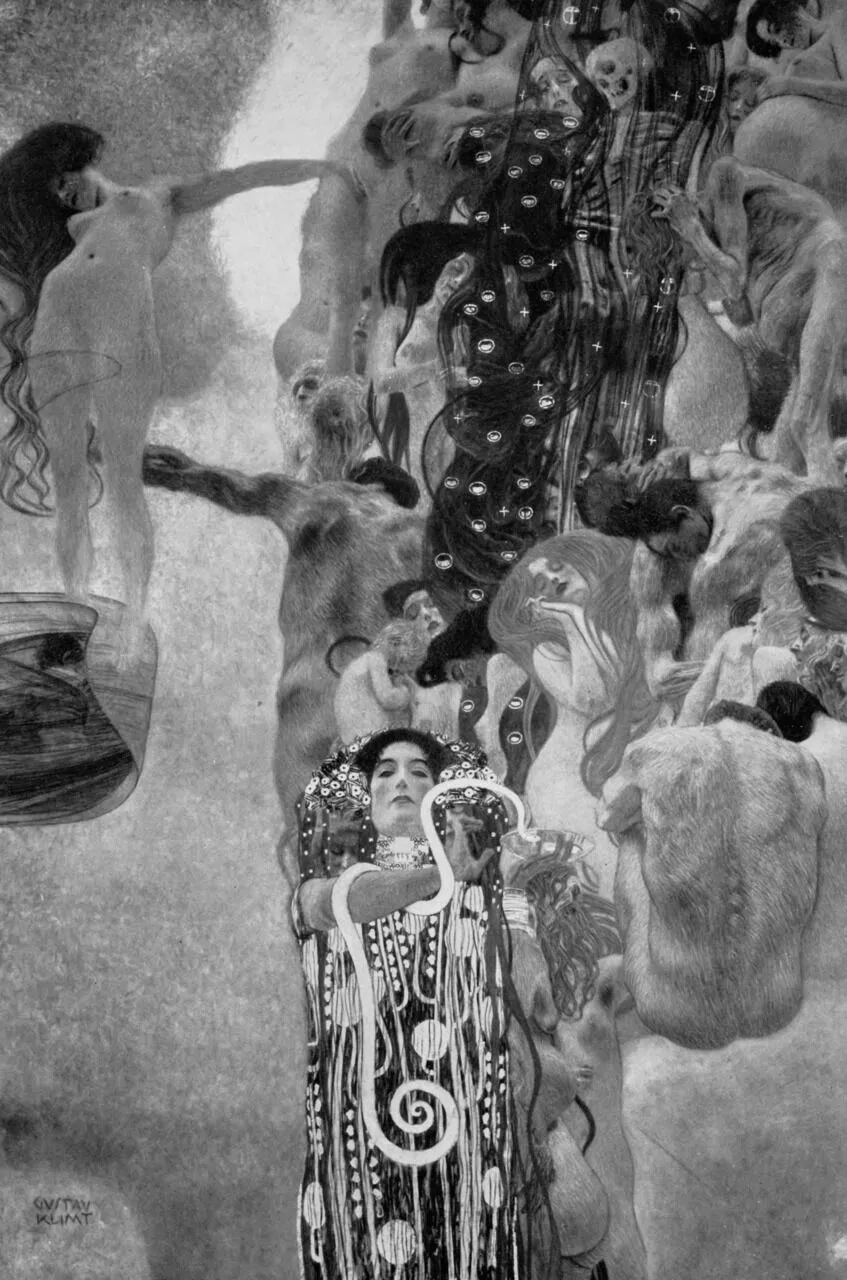
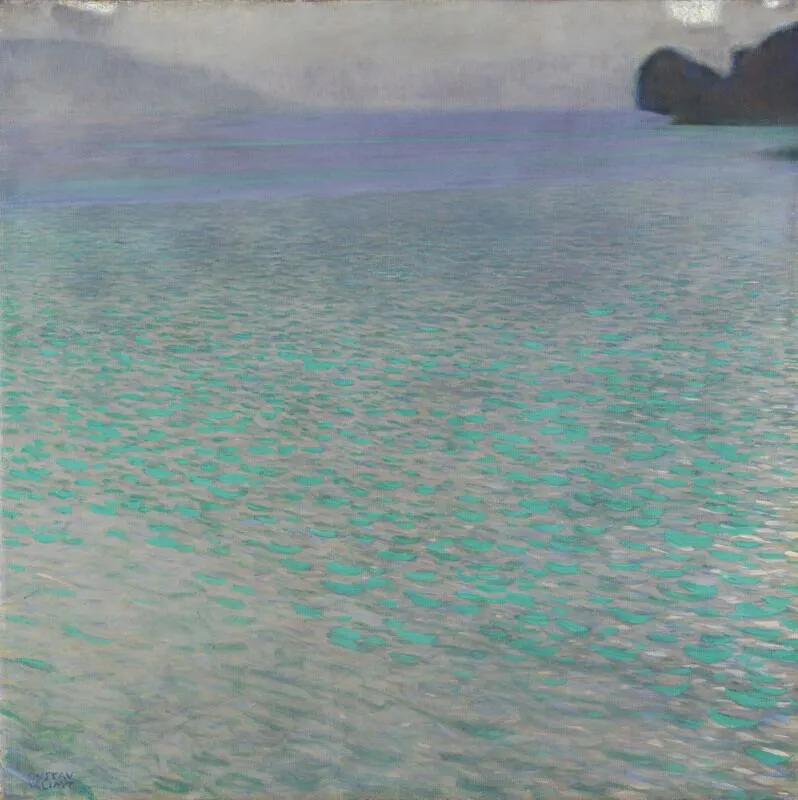
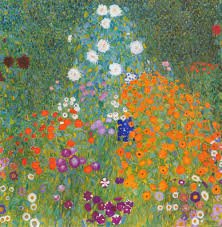
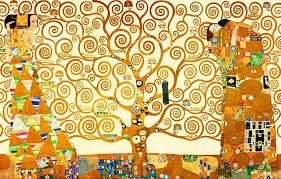
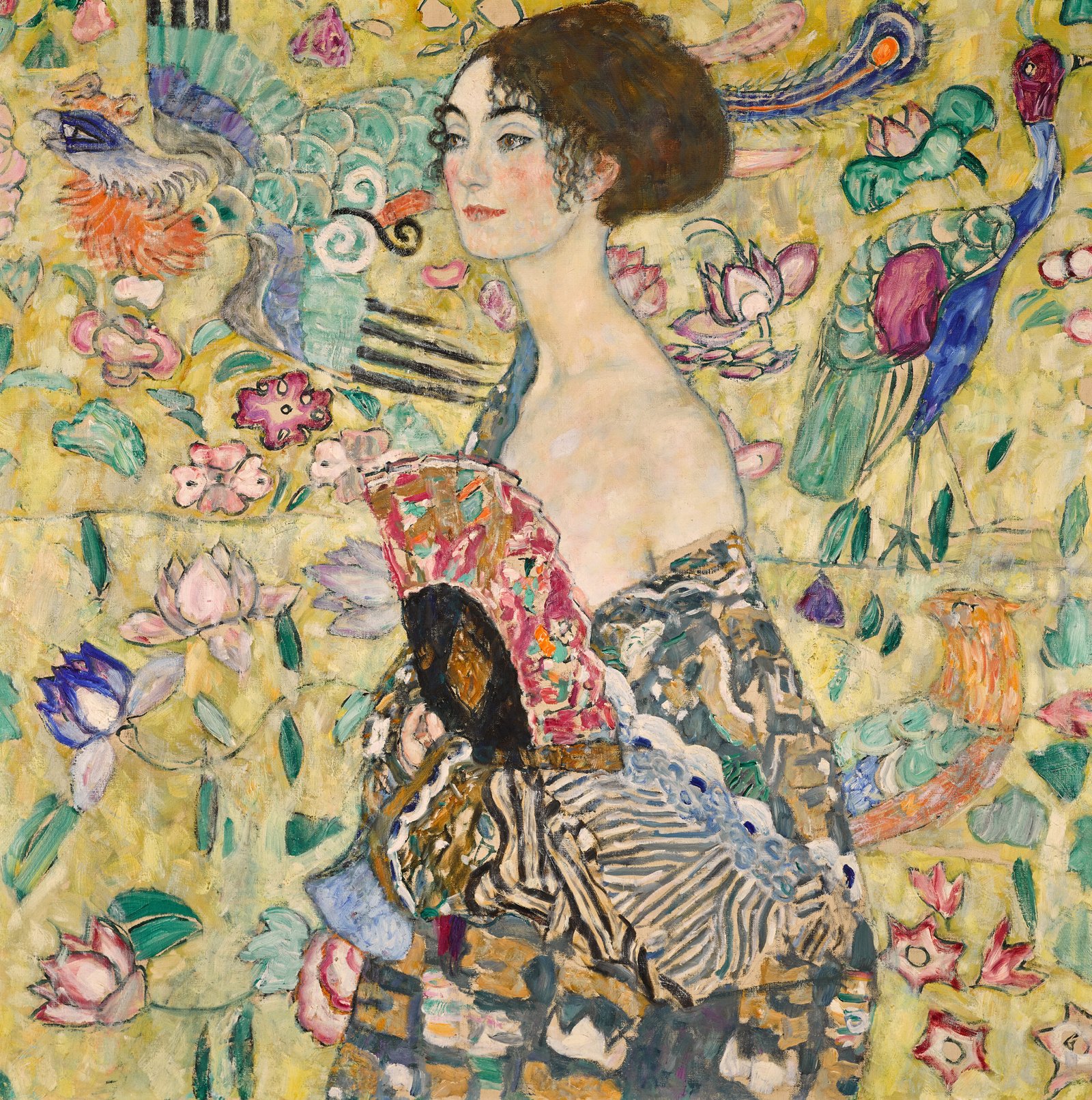
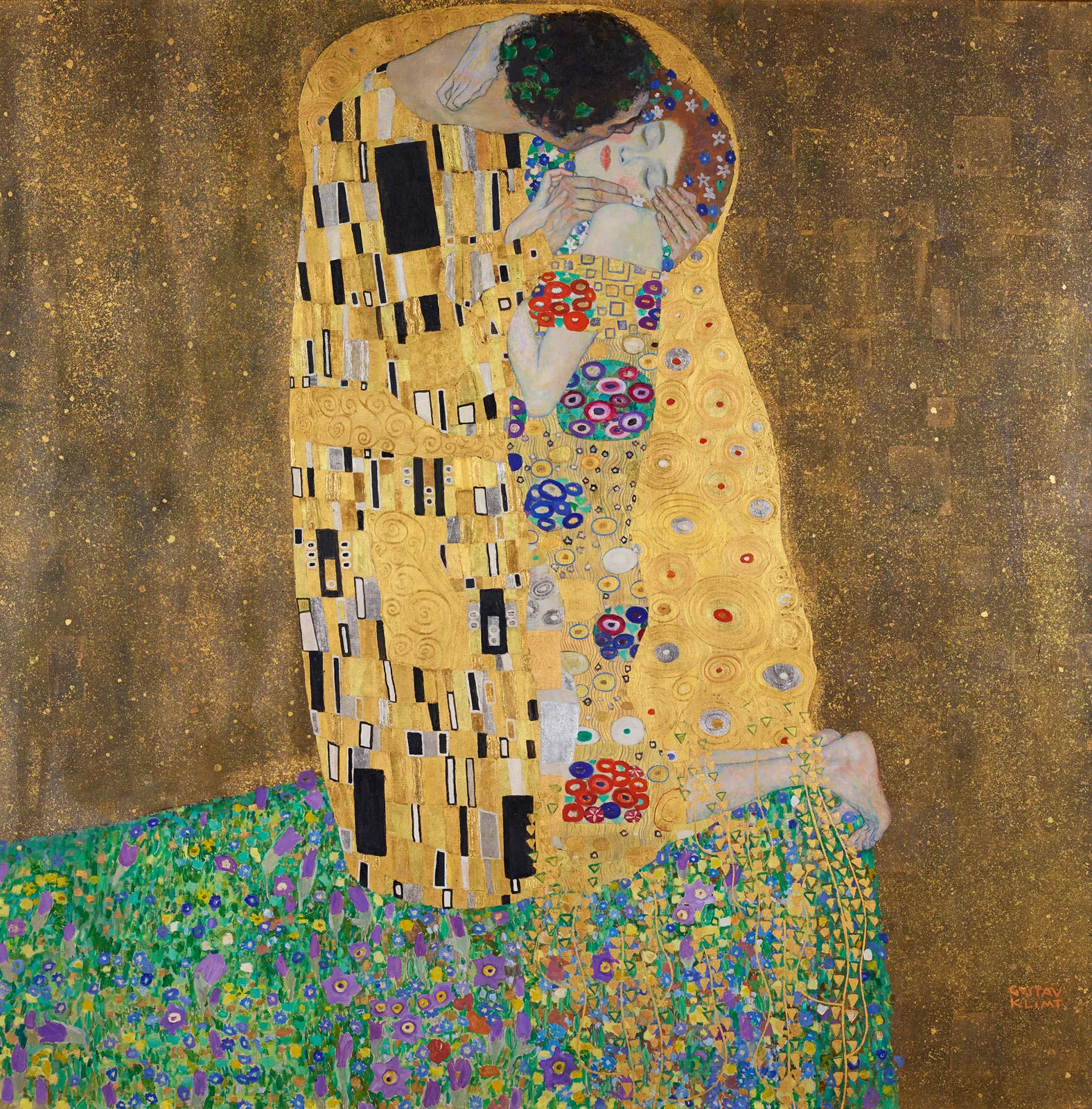
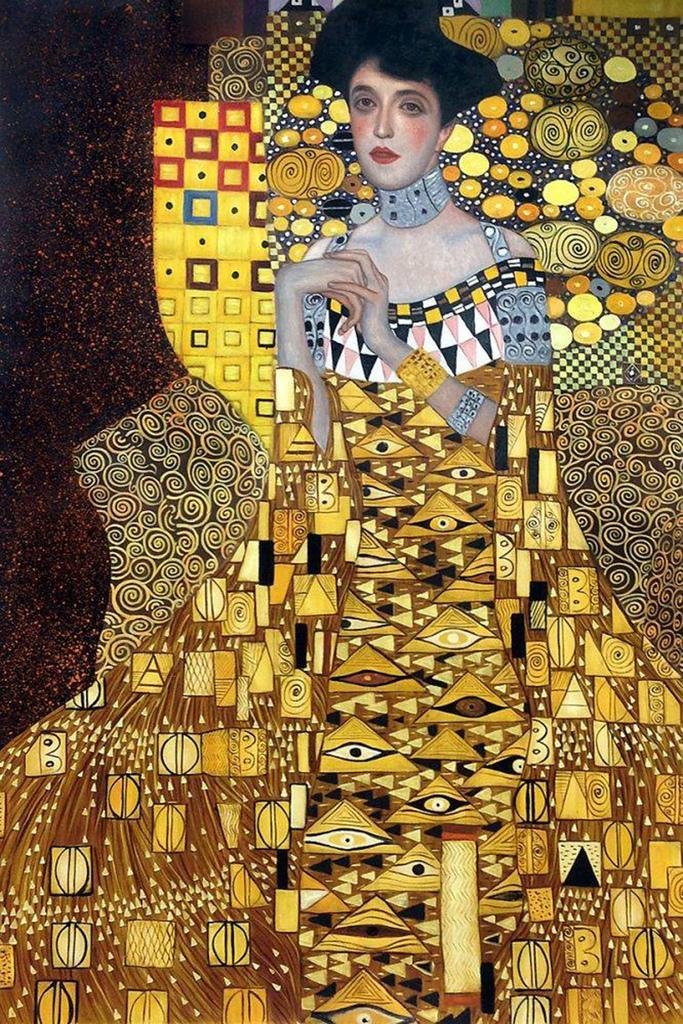
Gustav Klimt was an Austrian symbolist painter and a founding member of the Vienna Secession movement. His work helped define the Art Nouveau style in Europe. Klimt is known for his paintings, murals, sketches, and other objets d'art. Klimt's primary subject was the female body, and his works are marked by a frank eroticism. Amongst his figurative works, which include allegories and portraits, he painted landscapes. He is best known for The Kiss and Portrait of Adele Bloch-Bauer I. Among the artists of the Vienna Secession, Klimt was the most influenced by Japanese art and its methods.

Early in his career, he was a successful painter of architectural decorations in a conventional manner. As he began to develop a more personal style, his work was the subject of controversy that culminated when the paintings he completed around 1900 for the ceiling of the Great Hall of the University of Vienna were criticised as pornographic. He subsequently accepted no more public commissions, but achieved a new success with the paintings of his "golden phase", many of which include gold leaf. Klimt's work was an important influence on his younger peer Egon Schiele.

Explore all artists in this collection

Klimt died in 1918, having suffered from a stroke and pneumonia. Since his death, Klimt's paintings have brought some of the highest prices recorded for individual works of art at auction.

Leonetto Cappiello

Leonetto Cappiello

Leonetto Cappiello

(1875 - 1942)

Explore all artists in this collection

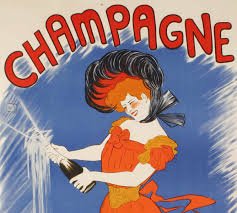
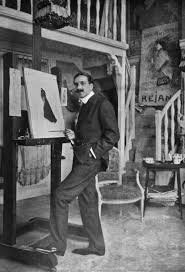
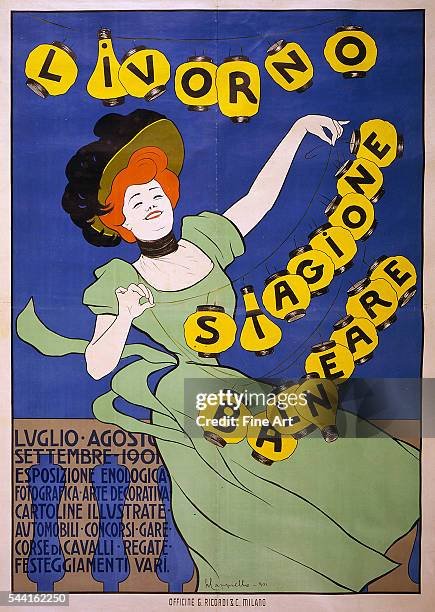
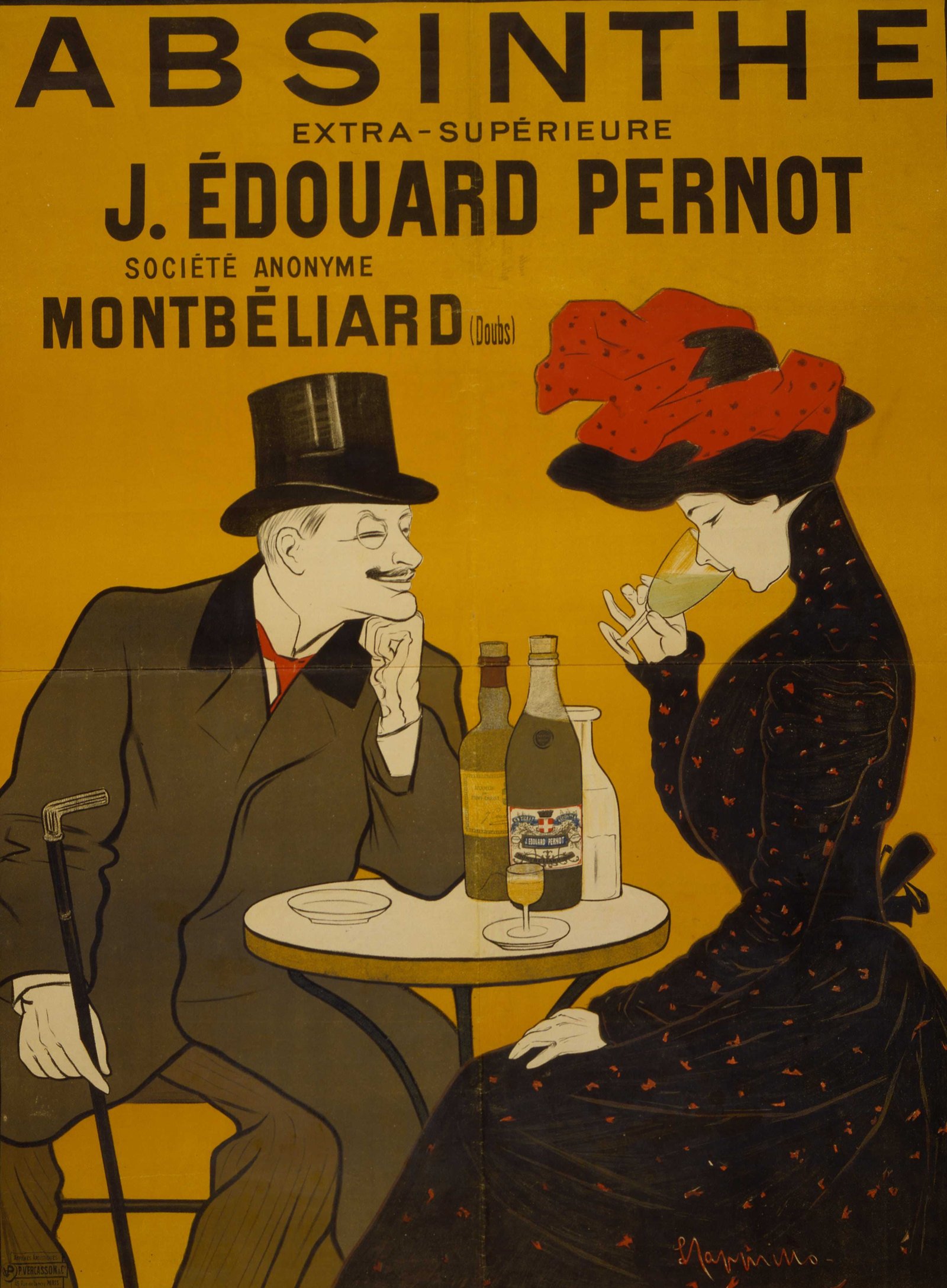
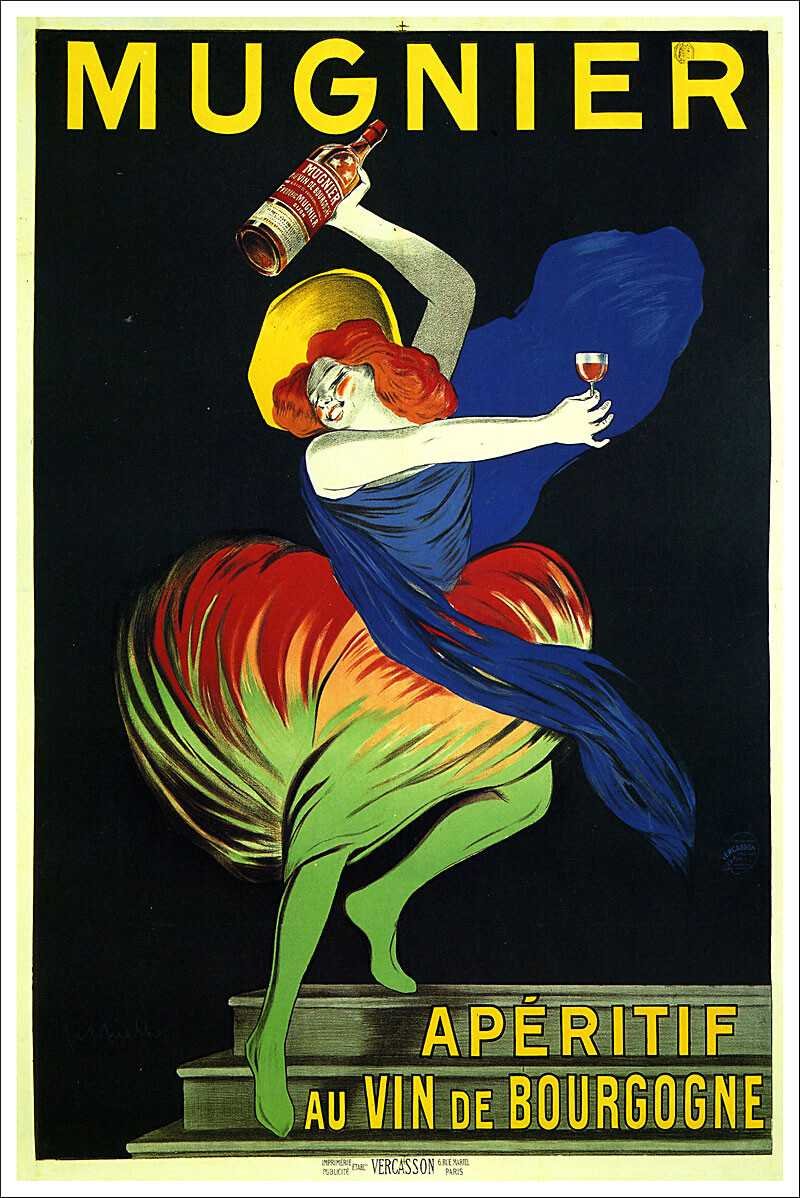
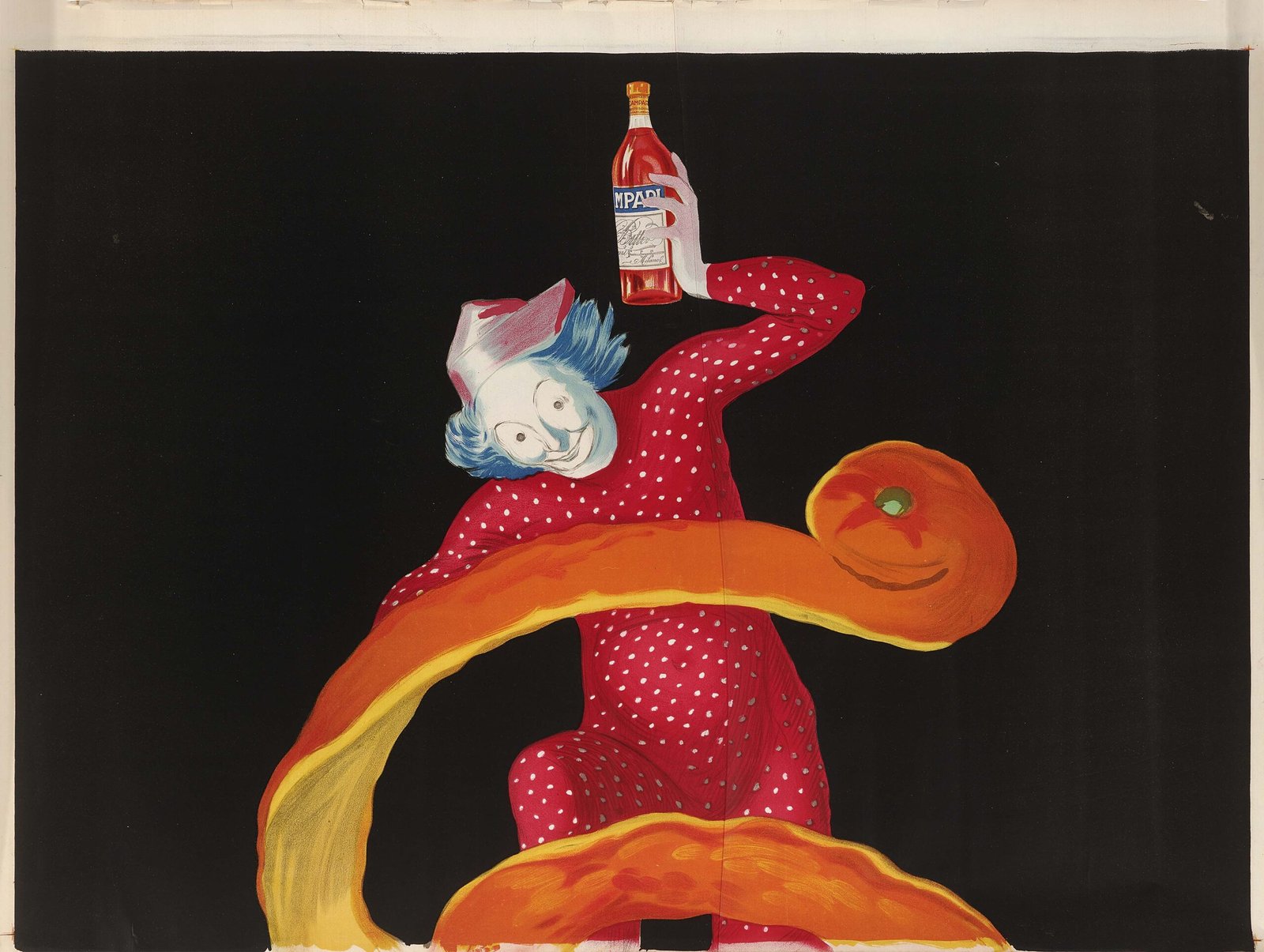
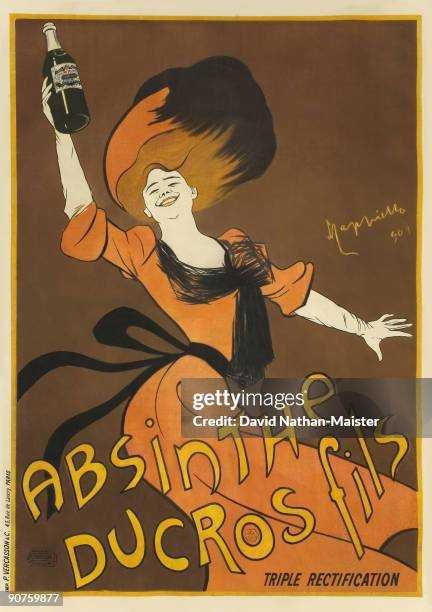
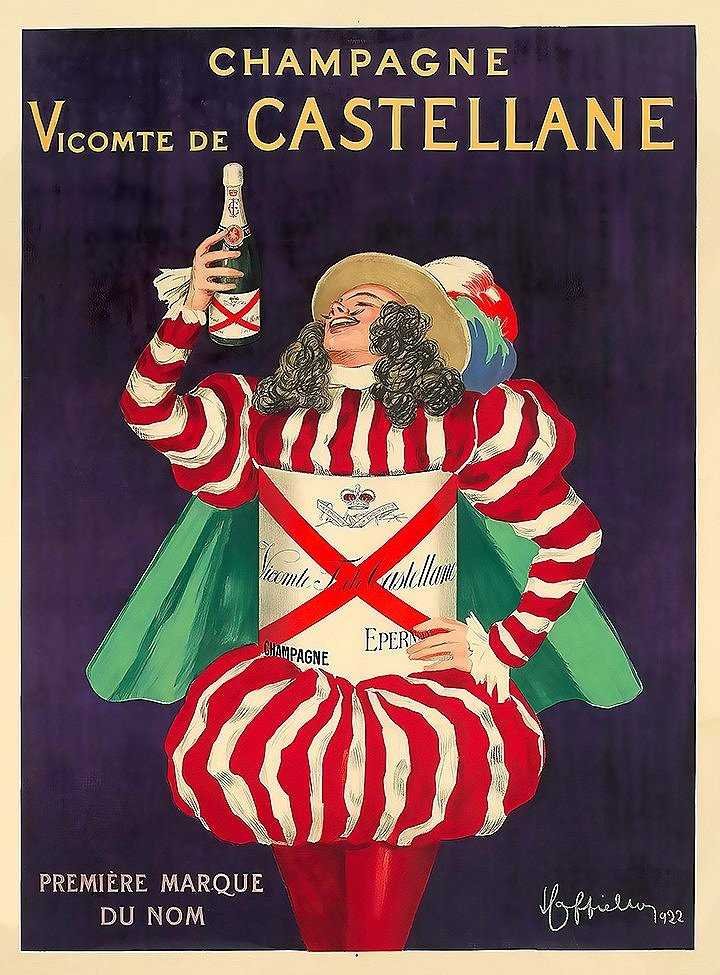
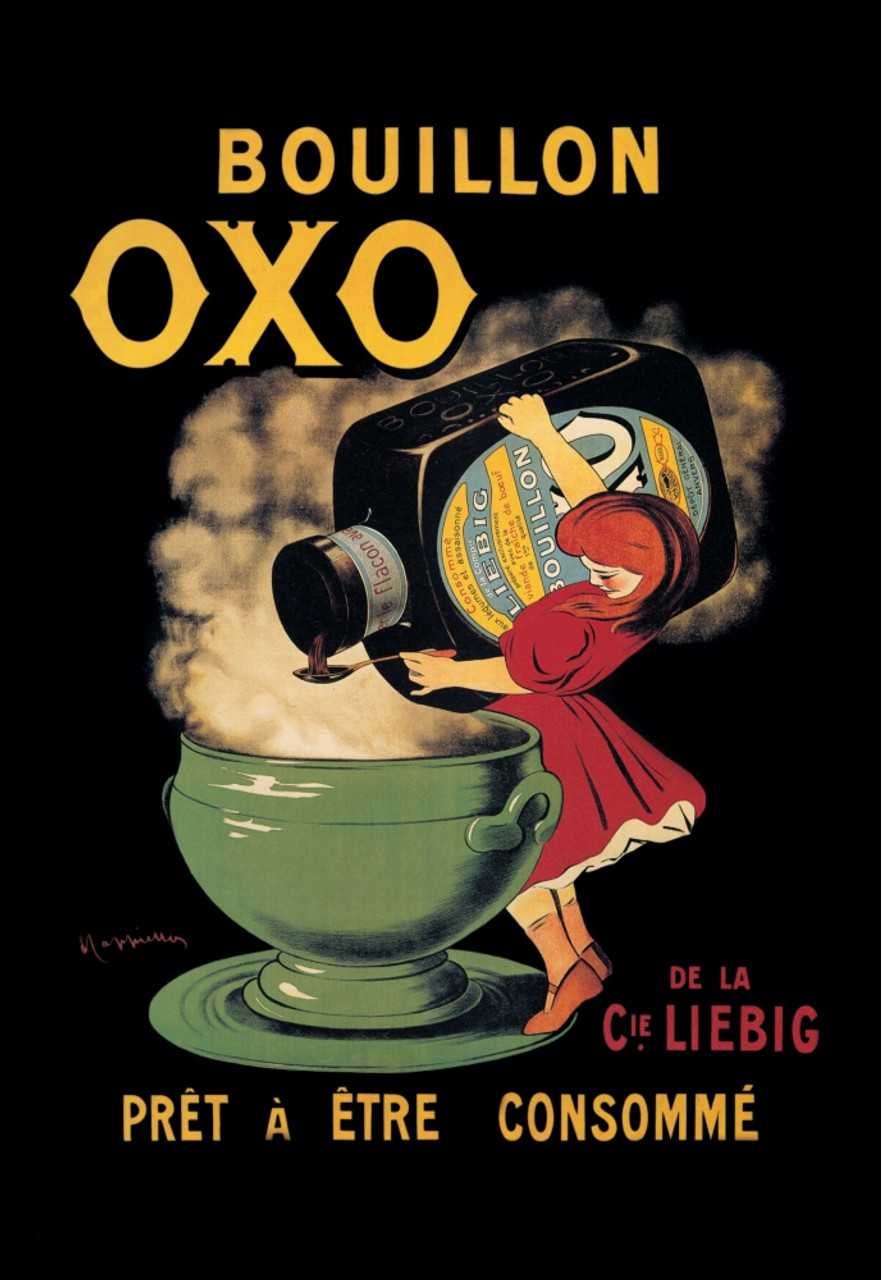
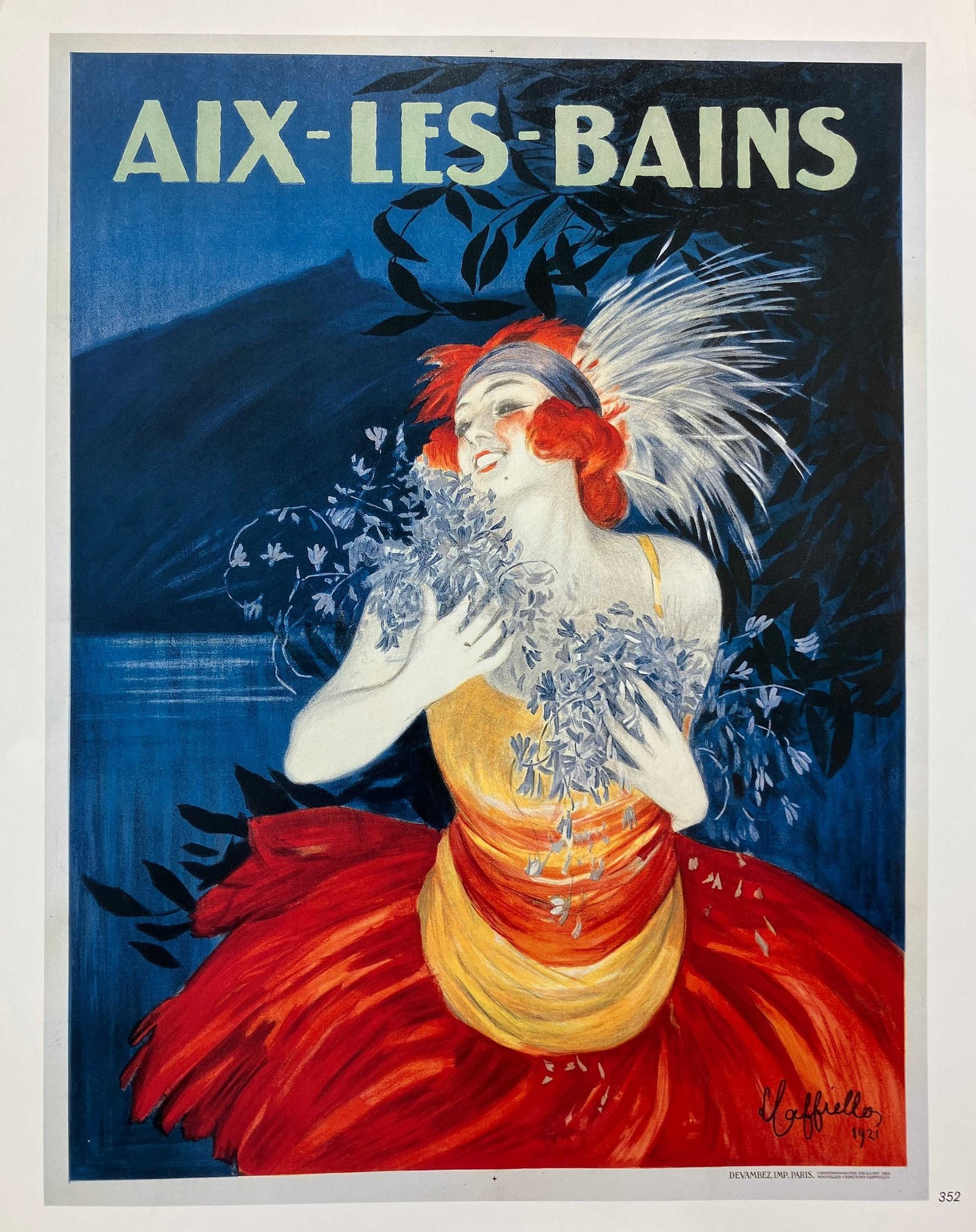
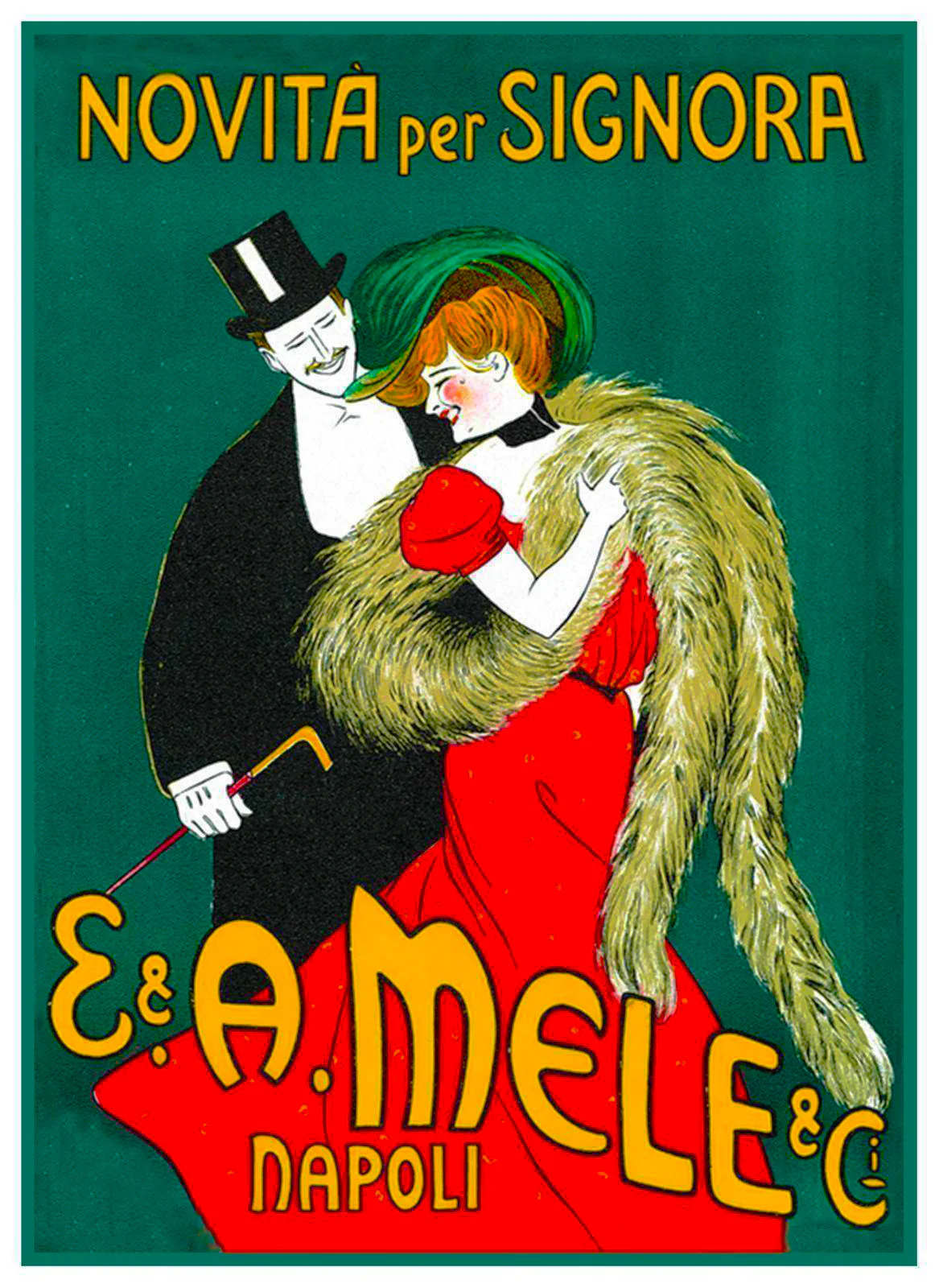
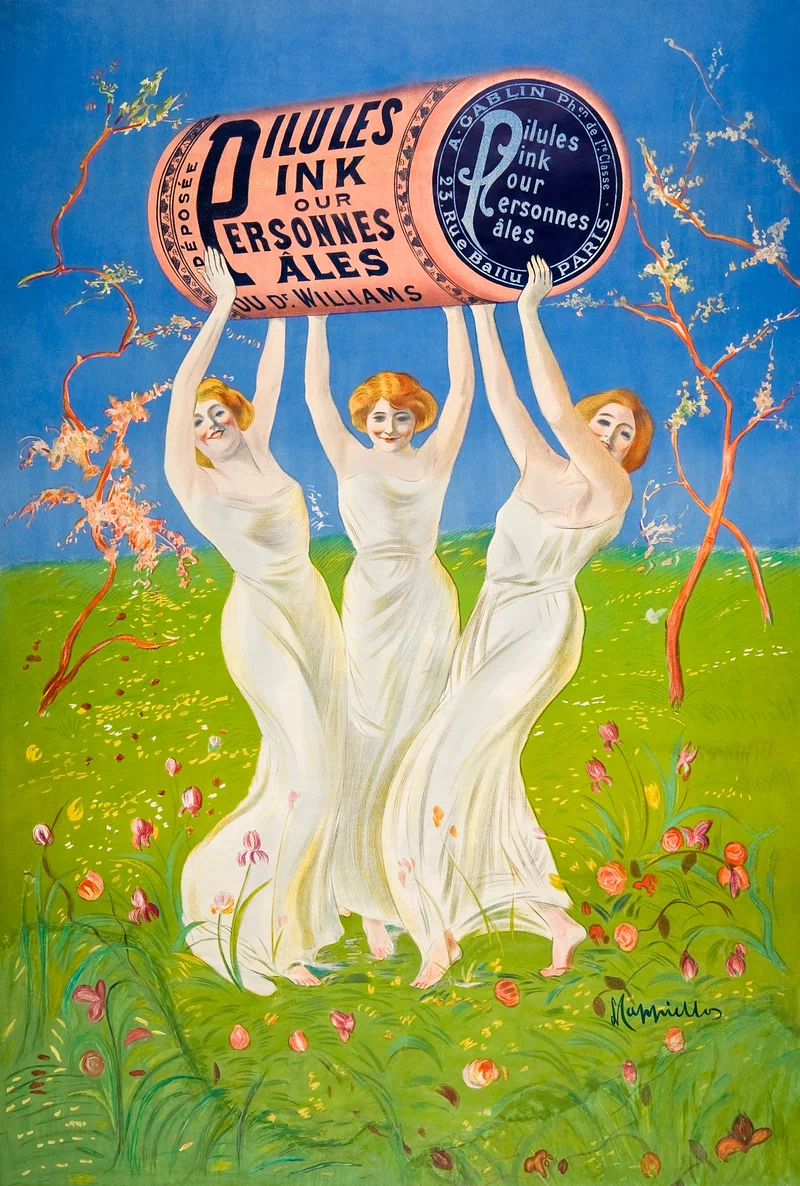
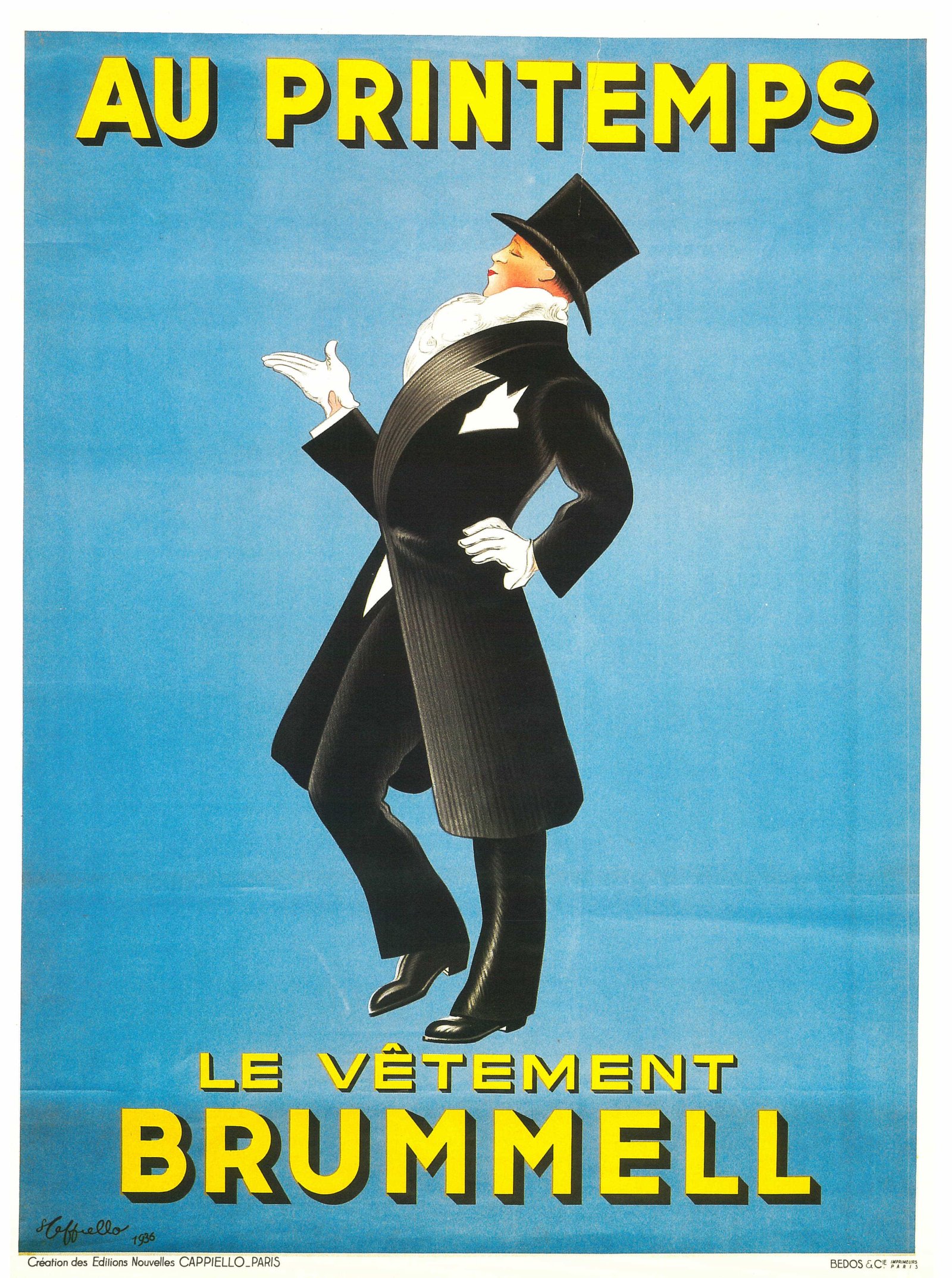
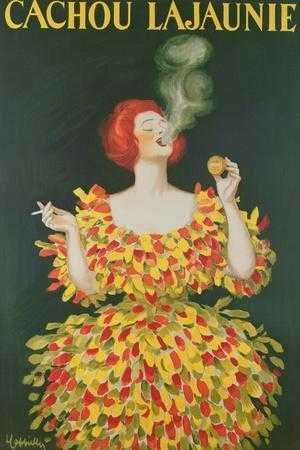
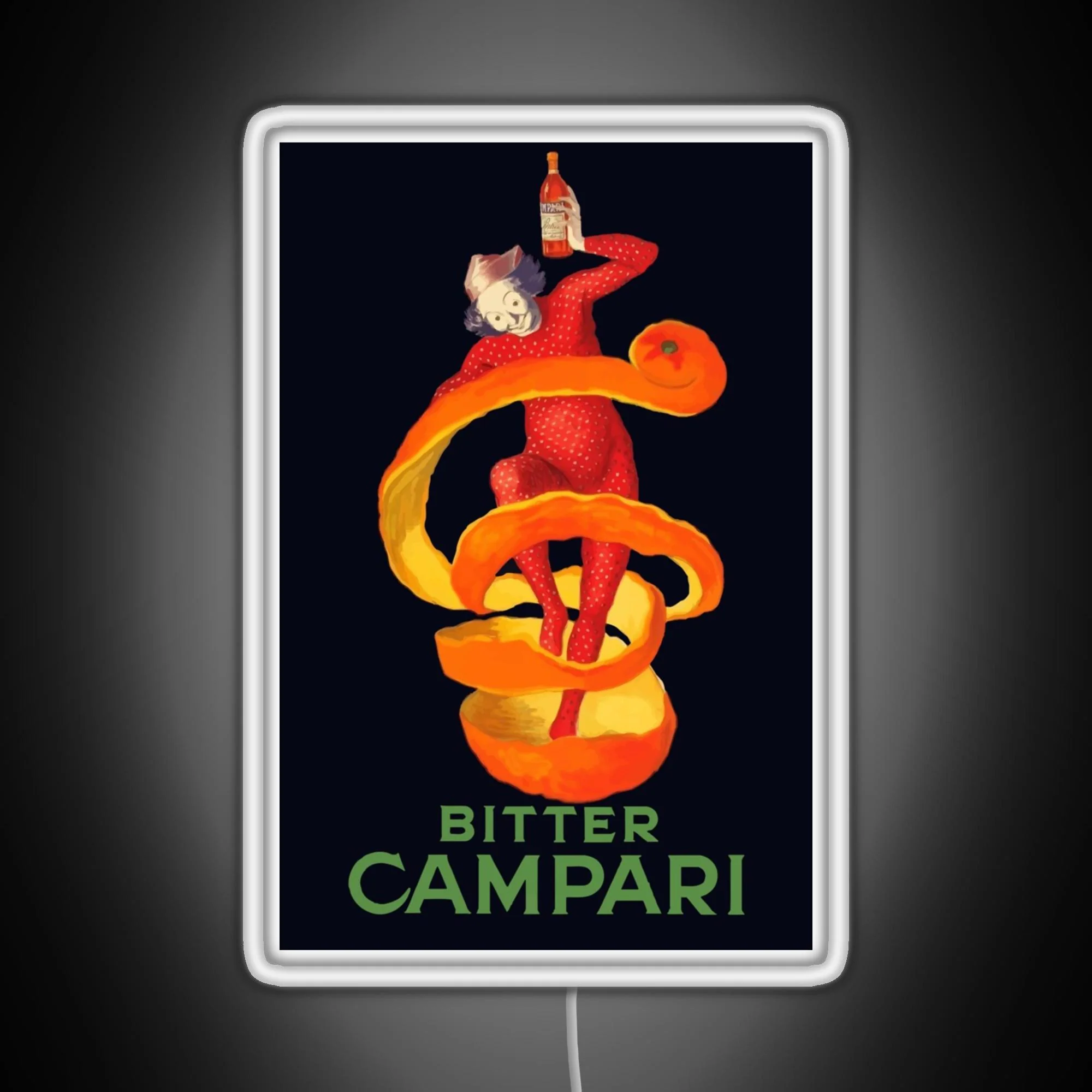
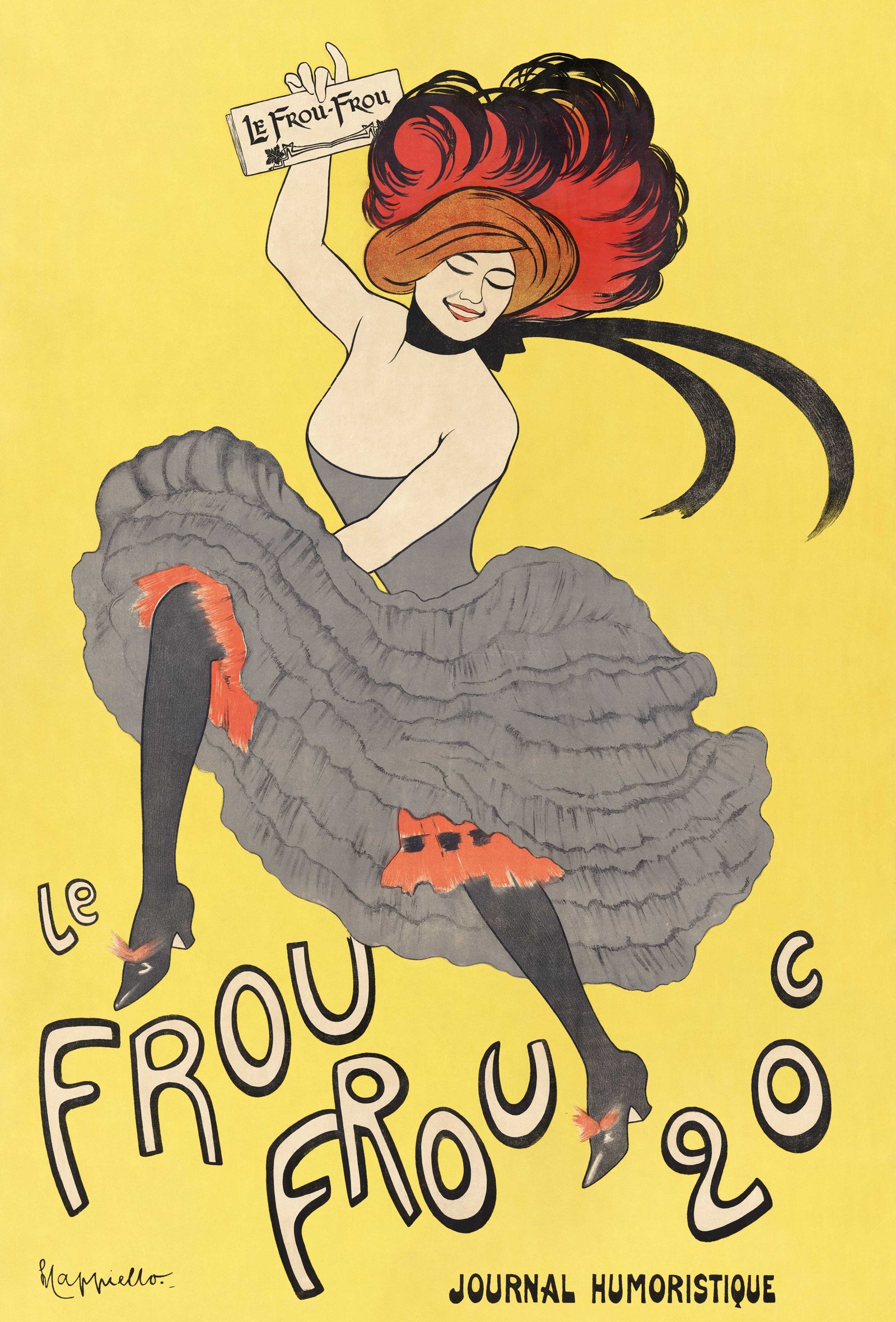
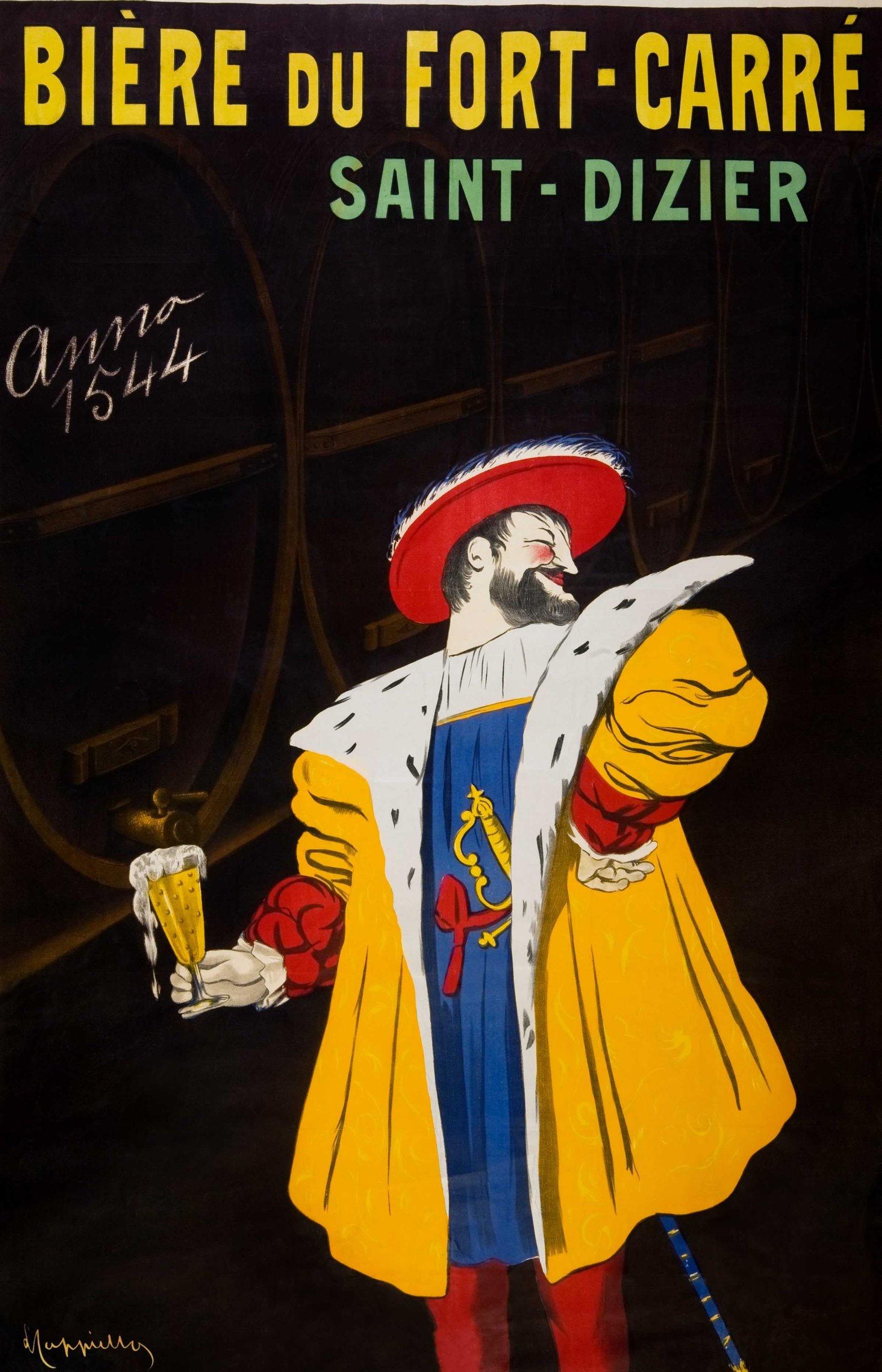
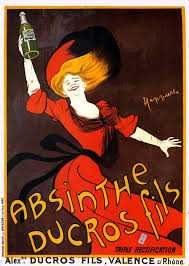
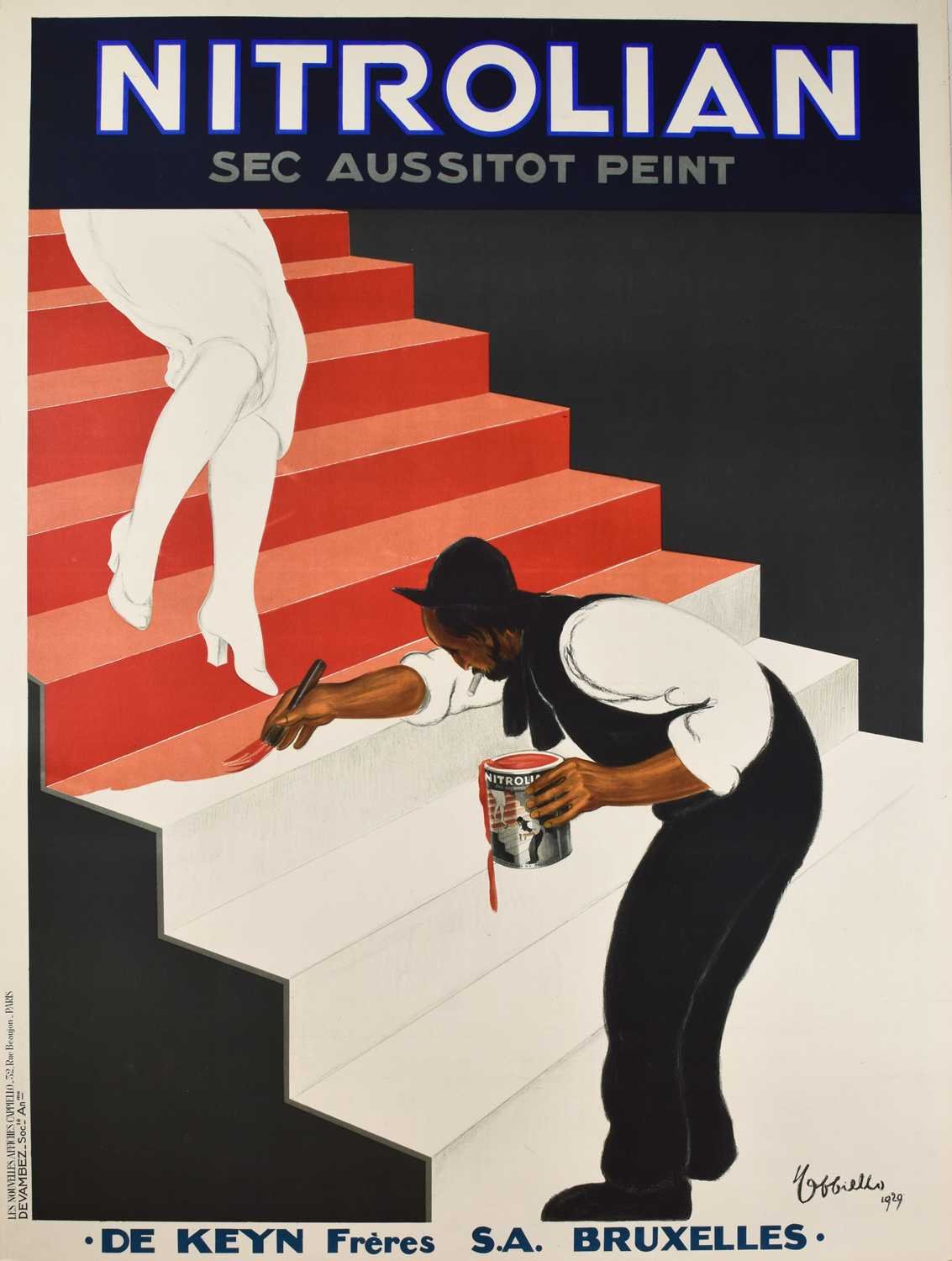
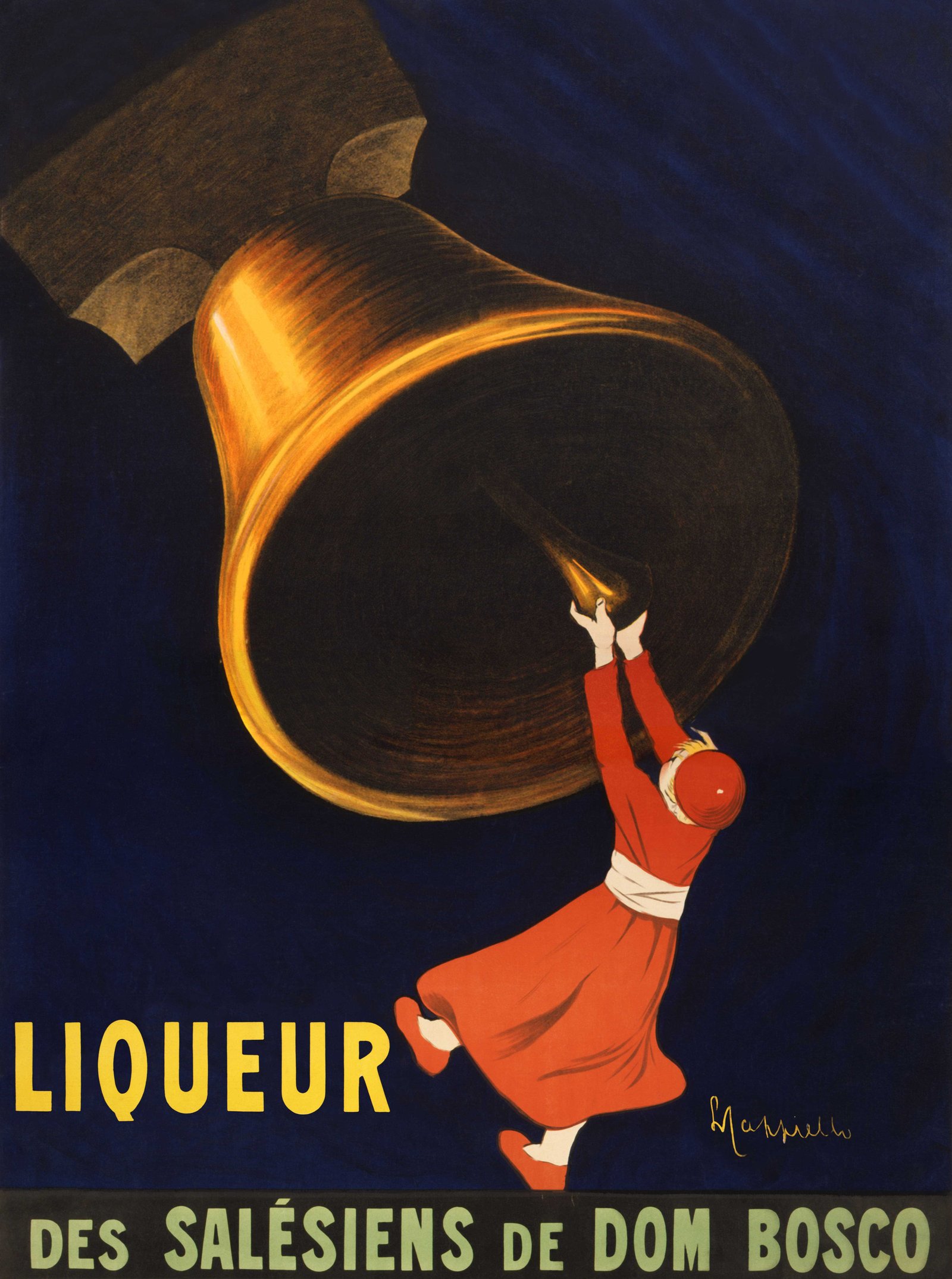
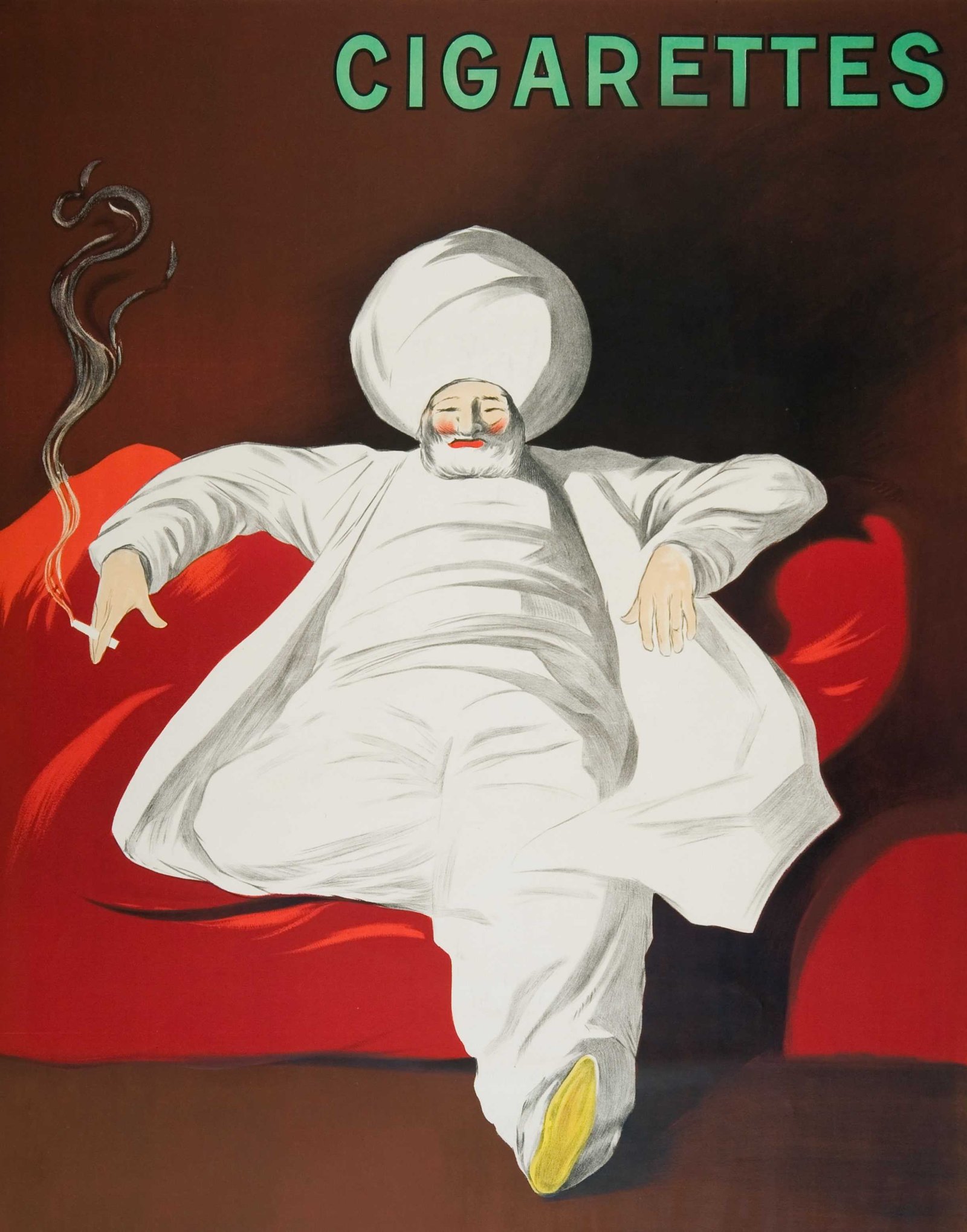
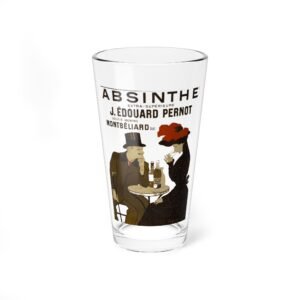
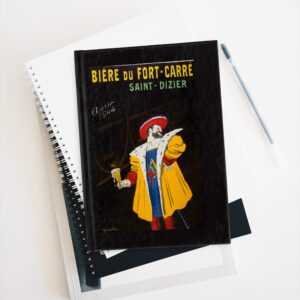
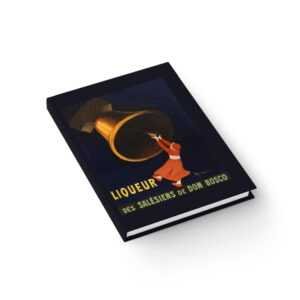
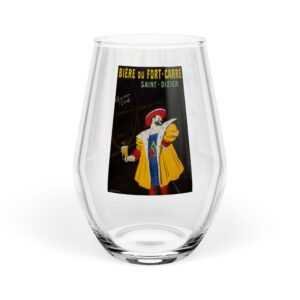
Leonetto Cappiello (9 April 1875 – 2 February 1942) was an Italian and French poster art designer and painter, who mainly lived and worked in Paris. He is now often called 'the father of modern advertising' because of his innovation in poster design. The early advertising poster was characterized by a painterly quality as evidenced by early poster artists Jules ChéretAlfred Choubrac and Hugo D'Alesi. Cappiello, like other young artists, worked in a way that was almost the opposite of his predecessors. He was the first poster artist to use bold figures popping out of black backgrounds, a startling contrast to posters' early norm.

Explore all artists in this collection