


Description
Chinoiserie is a European decorative style from the 17th-18th centuries that imitates Chinese artistic traditions, blending Eastern motifs (dragons, pagodas, intricate landscapes, blue & white porcelain) with Western design for whimsical, luxurious effects in art, architecture, furniture, and decor, often featuring vibrant colors, gold, and nature scenes like cherry blossoms and birds, seen today in everything from hand-painted wallpapers to garden stools.
History & Origins
-
- French Roots: The term comes from the French chinois (Chinese) and emerged as Europeans became fascinated with imports from East Asia.
- Trade Boom: Increased trade via the Silk Road brought Chinese silks, porcelain (like blue-and-white ceramics), and lacquerware to Europe, sparking the trend.
- 18th Century Peak: Popularity soared in the 18th century with royal patronage (like Louis XIV’s Trianon de Porcelaine) and the invention of wallpaper, allowing for elaborate wall coverings.
Key Characteristics & Motifs
- Motifs: Stylized landscapes, mythical creatures (dragons, Foo dogs), pagodas, pavilions, willow trees, flowers (peonies, cherry blossoms), birds, and insects.
- Colors: Classic blue and white, but also vibrant reds, greens, golds, and jewel tones.
- Materials: Porcelain (ginger jars, garden stools), lacquered furniture, painted screens, and detailed wallpapers.
- Style: Often whimsical, joyful, elegant, and maximalist, blending Eastern fantasy with Western grandeur.
Modern Chinoiserie
- Timeless Appeal: Remains popular in home decor, from traditional to modern styles.
- Contemporary Adaptations: Seen in modern interpretations like gold leaf accents, embroidered fabrics, and digital prints, as well as authentic hand-painted murals.
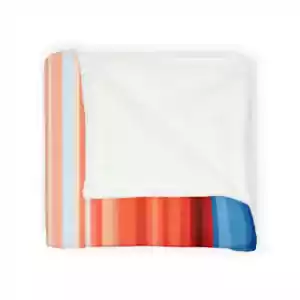
Do you feel that your home is missing an eye-catching, yet practical design element? Solve this problem with a soft silk touch throw blanket that’s ideal for lounging on the couch during chilly evenings.
This product is made especially for you as soon as you place an order, which is why it takes us a bit longer to deliver it to you. Making products on demand instead of in bulk helps reduce overproduction, so thank you for making thoughtful purchasing decisions!

Reviews
There are no reviews yet.