
The floor is your fourth wall
How to use area rugs in decor: anchor a room, define a zone, and put art underfoot.
Walk into any room that feels finished and look down. Chances are a rug is doing quiet, heavy lifting. Walls get the art and shelves get the objects, but the floor is the largest uninterrupted surface in most homes, and an area rug is the easiest way to make it part of the design instead of an afterthought.
A rug anchors the room
Furniture floats awkwardly until something ties it together. A rug tells the eye where the room begins and ends, and makes a sofa, chairs, and coffee table read as one intentional group.
Define zones
Open plans and DTLA-style lofts are great for light and flow, but they can feel undefined. Use one rug for the living area, another under the dining table, and a runner to mark the entry. No walls, no construction.
Bring art to the floor
A bold graphic, a painterly pattern, or a color-blocked design can be the art piece of the room, especially when the walls are full or you are renting. Let the rug carry the personality and keep everything else a little calmer.
Add texture and warmth
Hard floors look sleek but can feel cold. Pair a smooth leather chair with a chunky woven rug, or a clean-lined sofa with something low-pile and graphic. Contrast is what makes a space feel collected.
Layer for depth
Place a smaller patterned rug over a larger neutral one, such as a jute or flatweave base. Keep one rug quiet and let the other speak, and swap the top layer seasonally.
Choose materials with care
Match the fiber to the room: durable and easy to clean for traffic, plusher for bedrooms. When a piece uses recycled materials, we state the percentage. The greenest rug is the one you keep for years.
Get the size right
The most common rug mistake is buying too small. Use these rules of thumb before you buy.
Living room
Ideally all furniture legs sit on the rug. At minimum, the front legs of every seat rest on it.
Dining room
Chairs should stay on the rug when pulled out, usually about 24 inches beyond the table on every side.
Bedroom
Place it under the bottom two-thirds of the bed, extending past the sides, or use runners on either side.
Hallway
Leave a few inches of bare floor on each side of a runner so it looks proportioned to the space.
Kamisaka Sekka
Kamisaka Sekka was a Kyoto designer who carried the bold, flattened elegance of the Rimpa tradition into the modern age. His pattern books, including Momoyogusa (1909–10), turned waves, plants, and everyday forms into graphic compositions that still feel strikingly current. Underfoot, that same clarity of line and color makes a room feel like a gallery. Here are the rugs we have curated in his spirit.
-
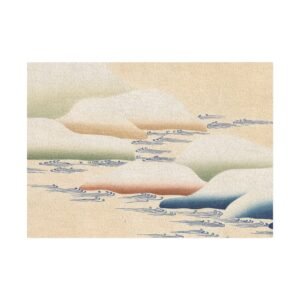
Kamisaka Sekka: Abstract Coastal Landscape Rug
Price range: $28.00 through $78.00 -
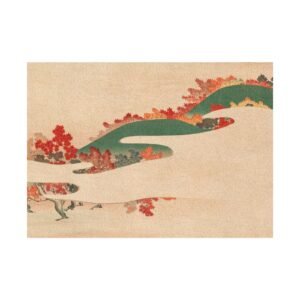
Kamisaka Sekka: Serene Autumn Hills Area Rug
Price range: $28.00 through $78.00 -
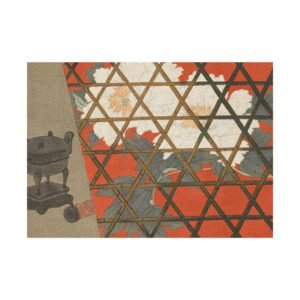
Kamisaka Sekka: Vintage Star Area Rug
Price range: $28.00 through $78.00 -
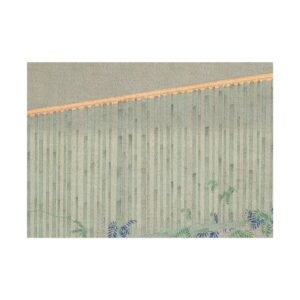
Kamisaka Sekka: Botanical Stripe Rug
Price range: $28.00 through $78.00 -
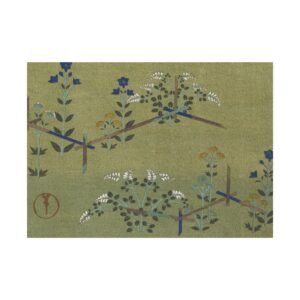
Kamisaka Sekka: Botanical Dragonfly Garden Rug
Price range: $28.00 through $78.00 -
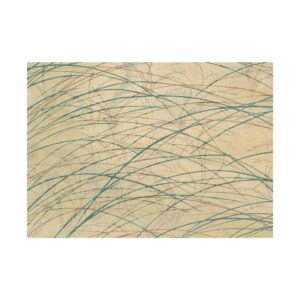
Kamisaka Sekka: Abstract Beige Line Art Area Rug
Price range: $28.00 through $78.00 -
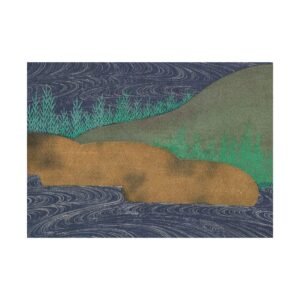
Kamisaka Sekka: Serene Mountain Lake Landscape Area Rug
Price range: $28.00 through $78.00
Quick styling cheat sheet
- Pull one or two colors from the rug into pillows, throws, or ceramics.
- If your furniture is patterned, choose a simpler rug, and vice versa.
- Match mood to room: graphic and bold for modern spaces, tonal for calm ones.
- Add a quality rug pad for grip, floor protection, and a longer-lasting rug.
- Rotate your rug every six to twelve months to even out wear and sun exposure.
- Let one piece lead. If the rug is the star, quiet the walls.
Start from the ground up
A great rug does not just cover a floor. It sets the tone for everything above it. Explore the home goods and decor collections at cgk.ink for art-inspired pieces, curated for every corner of your space.
Shop the collectionShowing 46–52 of 52 resultsSorted by latest
-
Kamisaka Sekka: Botanical Stripe Rug
Price range: $28.00 through $78.00 -
Kamisaka Sekka: Vintage Star Area Rug
Price range: $28.00 through $78.00 -
Kamisaka Sekka: Serene Autumn Hills Area Rug
Price range: $28.00 through $78.00 -
Kamisaka Sekka: Abstract Coastal Landscape Rug
Price range: $28.00 through $78.00 -
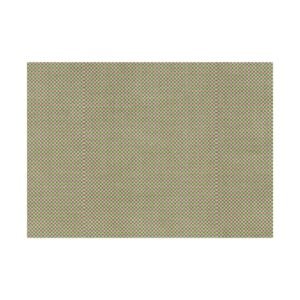
Neutral Checkered Area Rug
Price range: $28.00 through $78.00 -
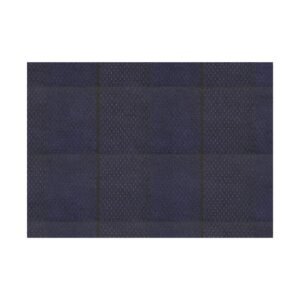
Dark Navy Plaid Rug – Modern Geometric Area Rug
Price range: $28.00 through $78.00 -
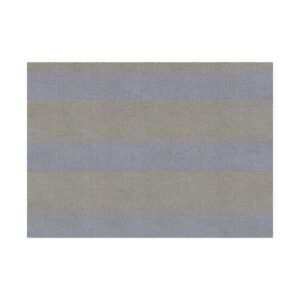
Minimalist Blue and Beige Striped Area Rug
Price range: $28.00 through $78.00