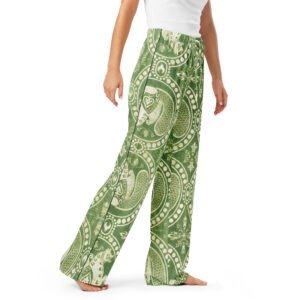
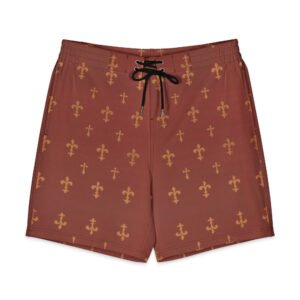
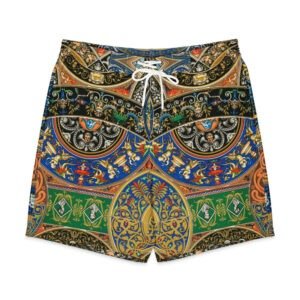
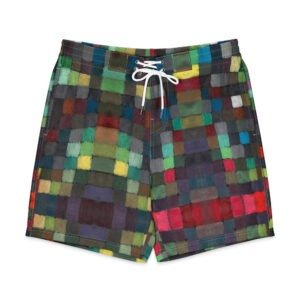
The diversity of the world’s largest national population is astounding.
122 languages, including the planet’s oldest language: Hindi. 12 religions. 1.408 billion people (est. 2021). 29 states.
This pluralism nurtures an insane wealth of art and cultural expression. Arguably, this is the creative soul of Earth.
cgk.ink is exploring this rich history. And we’re here to share our very fundamental, simple understanding of its expressions, its forms and what it says to us now in the 21st century.
Below are some of the genres of Indian art that we gleaned from ArtZolo.com:
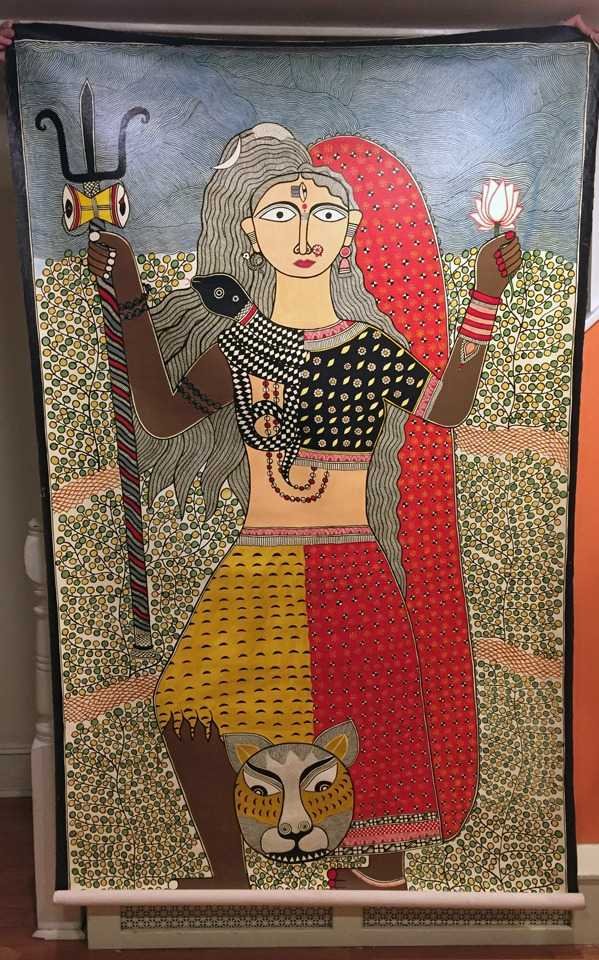
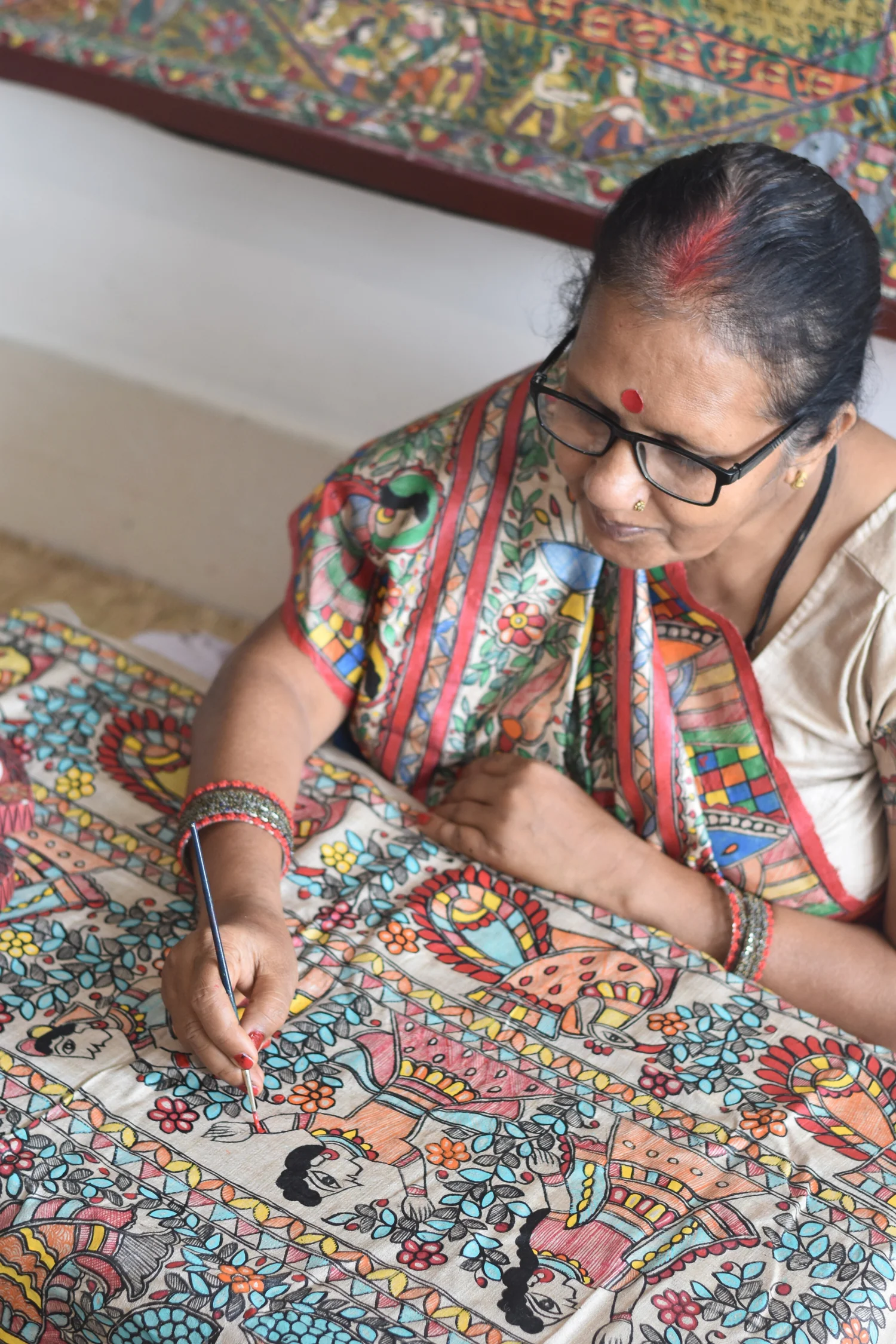
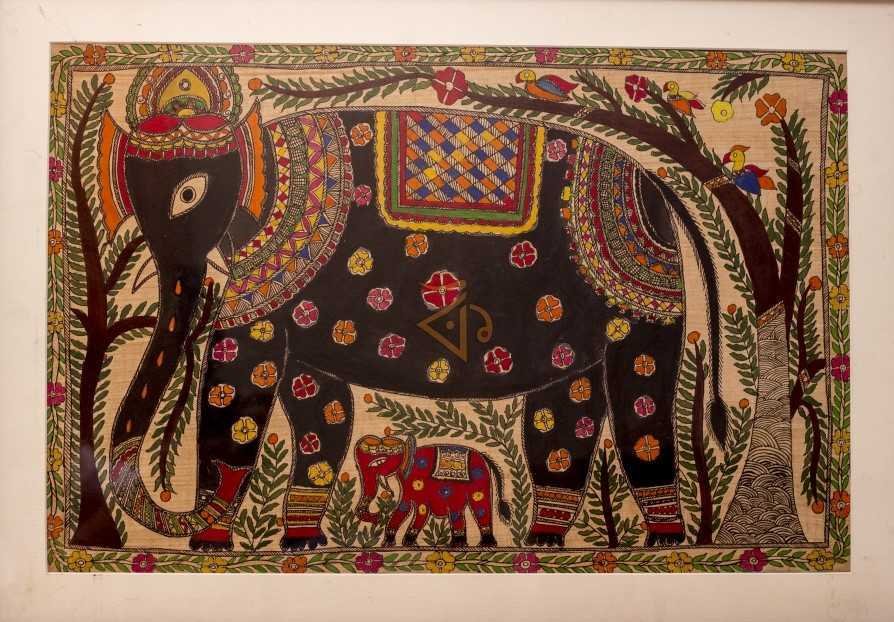
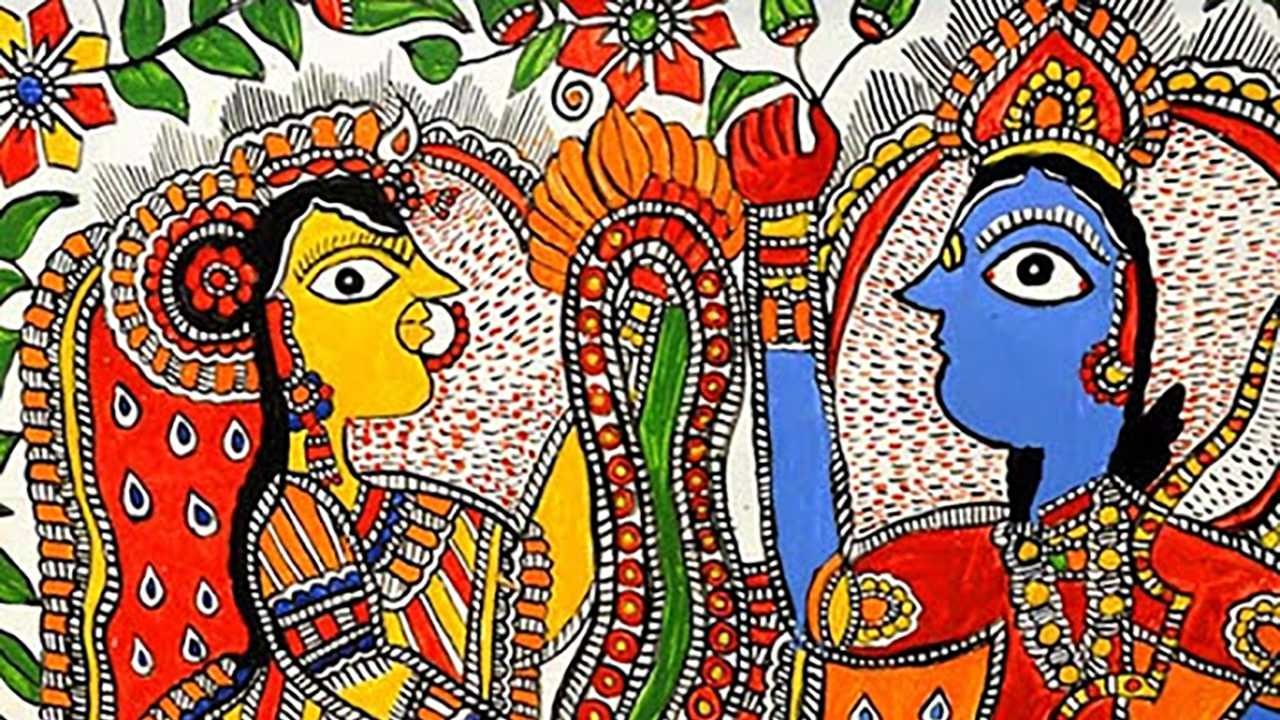
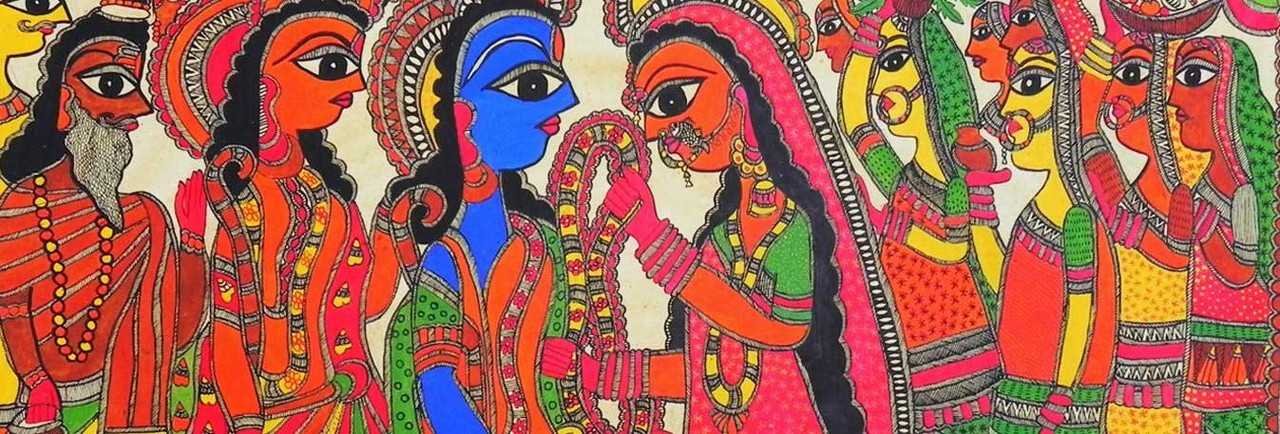
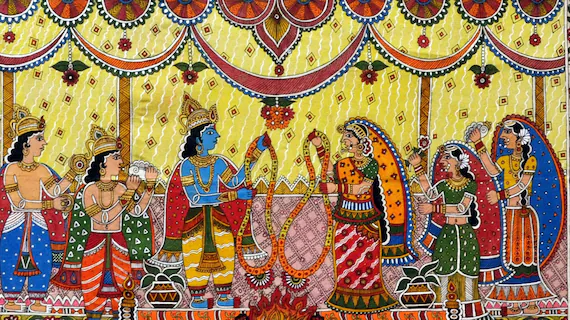
Madhubani
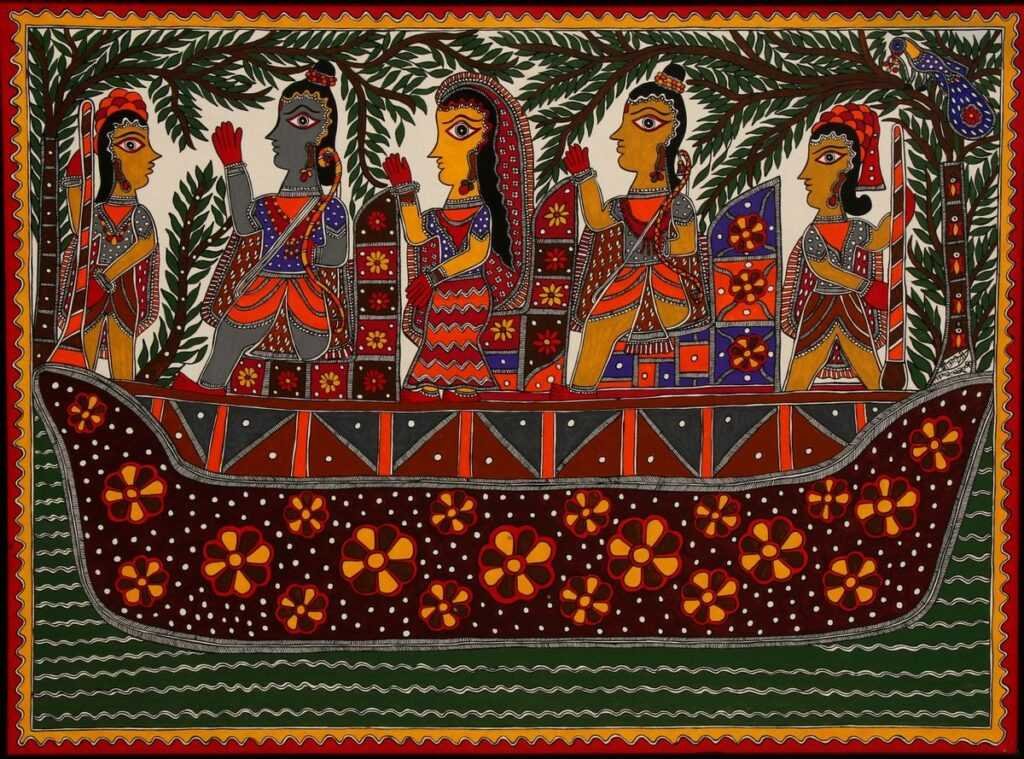
Madhubani paintings are the most celebrated style of folk painting from India; it is a form of wall art that arises in the Mithila region of Bihar. This eye-catching art style never fails to amaze one by its beautiful illustrations on the exposed interior walls of the houses in Bihar. Madhubani paintings are a perfect example of artistic expression and evocative portrayal of culture and traditions. The designs make perfectly distinctive geometrical patterns, scenes from mythology, and symbolic images. The perfect blend of bright vibrant colours and unique patterns make Madhubani stand out from other painting styles. Katchni, Tantrik, Bharni, Khobar, and Godna are five different styles of Madhubani paintings.
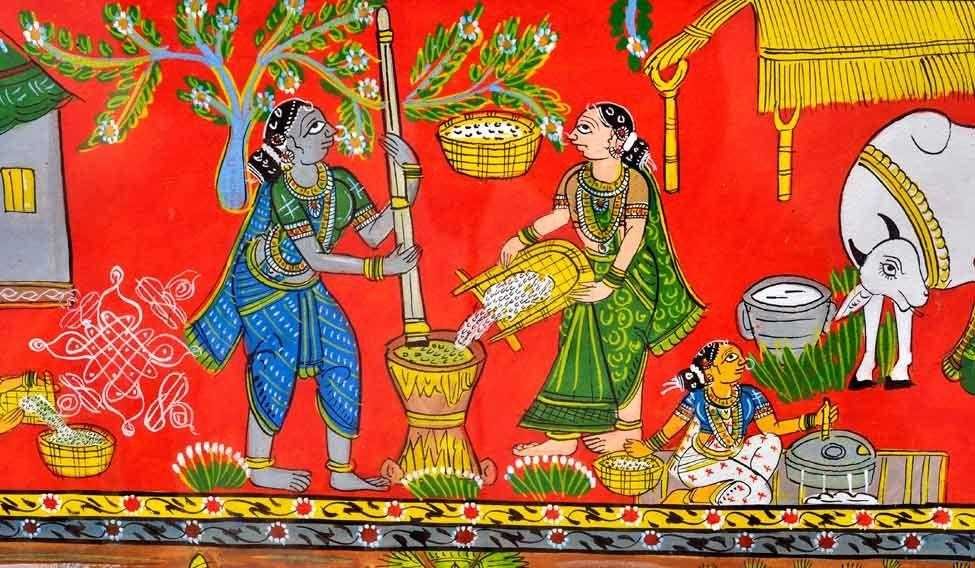
Warli
Warli is a 2,500-year-old traditional painting style from Maharashtra majorly practiced in Thane and Nashik region. Warli paintings illustrate the nature and social rituals of the tribe. Warli paintings also showcase day-to-day life scenarios of the local people of that particular community just like dancing, farming, hunting, praying, etc. The local women used twigs to draw such beautiful lively designs with rice paste on mud walls to convey the celebration vibes of harvests or weddings.
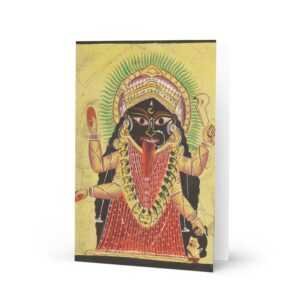
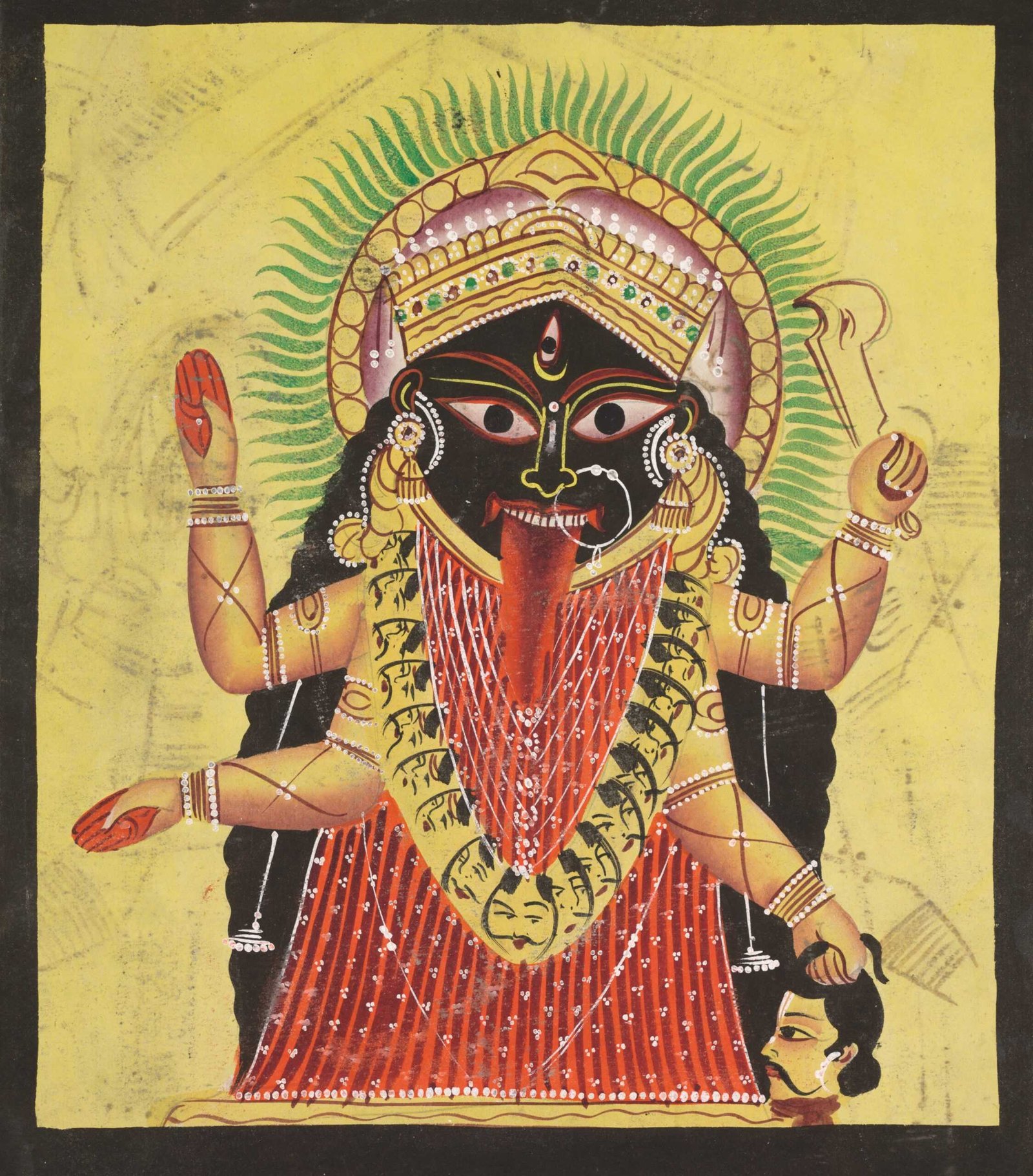
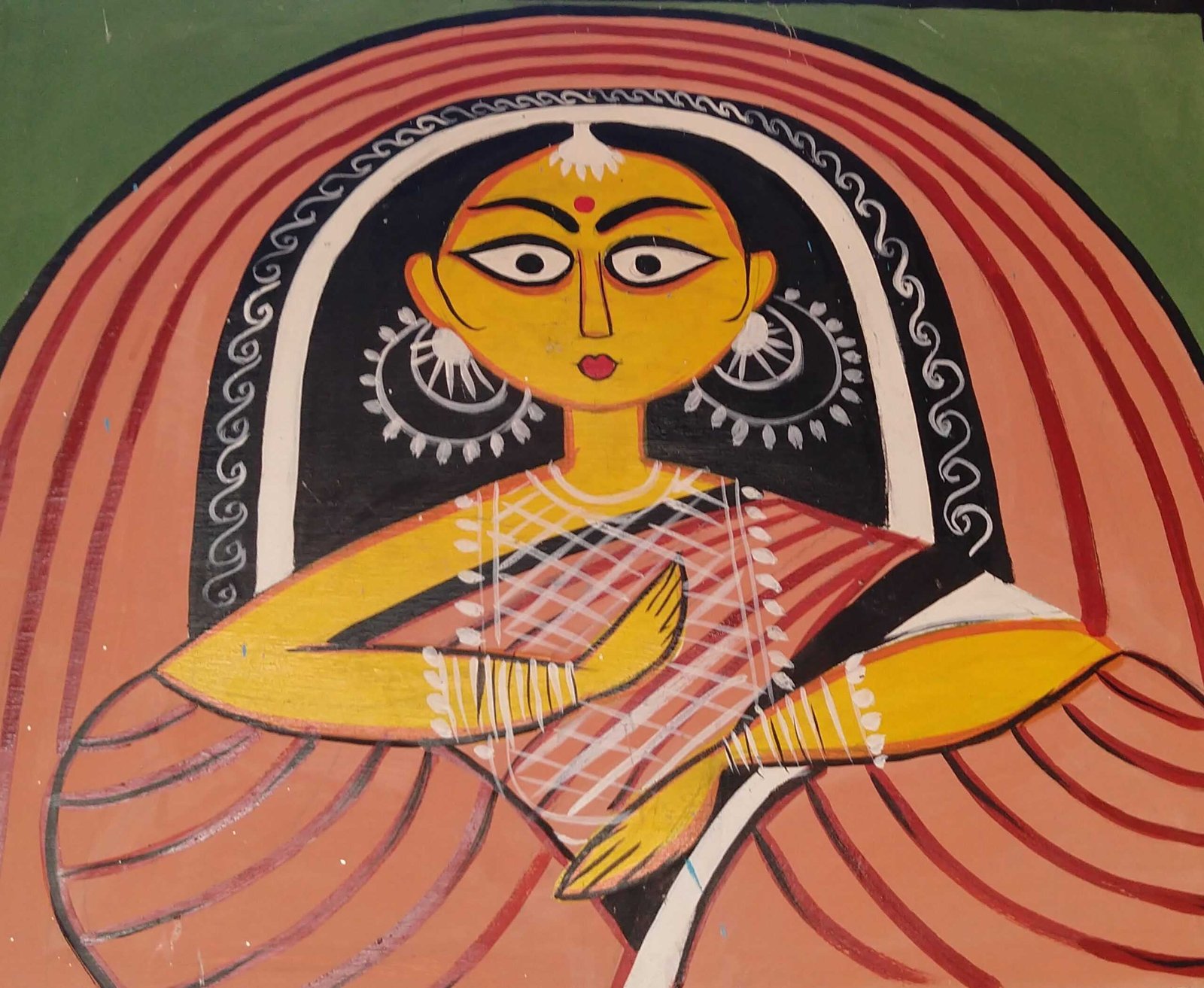
Kalighat
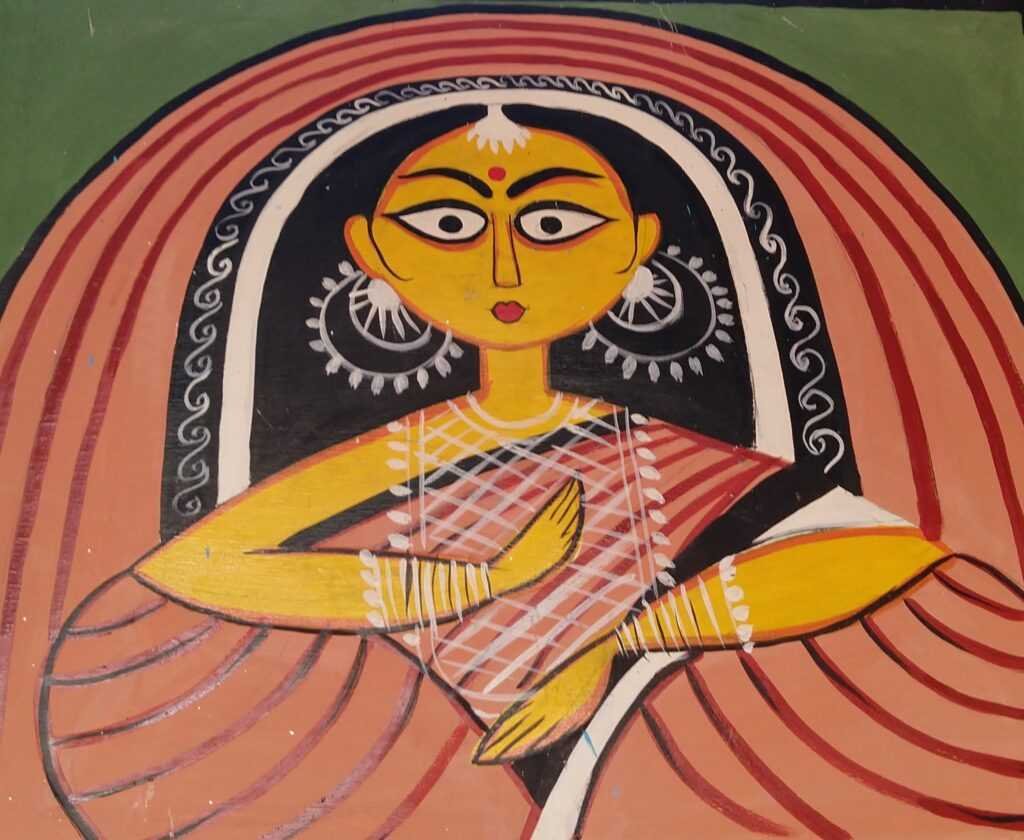
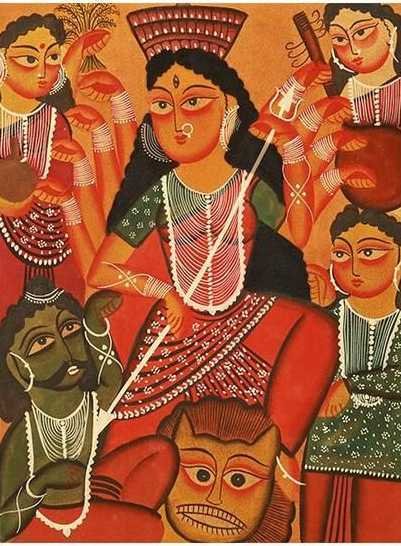
The Kalighat painting was discovered around the mid-19th century at Kali Temple in Calcutta. These paintings and drawings were done on paper by a community known as "patuas". A Kalighat painting depicts scenes of everyday life and mythological deities in a captivating manner. Kalighat artists use subtle earthy Indian colours like indigo, ochre, Indian red, grey, blue and white.
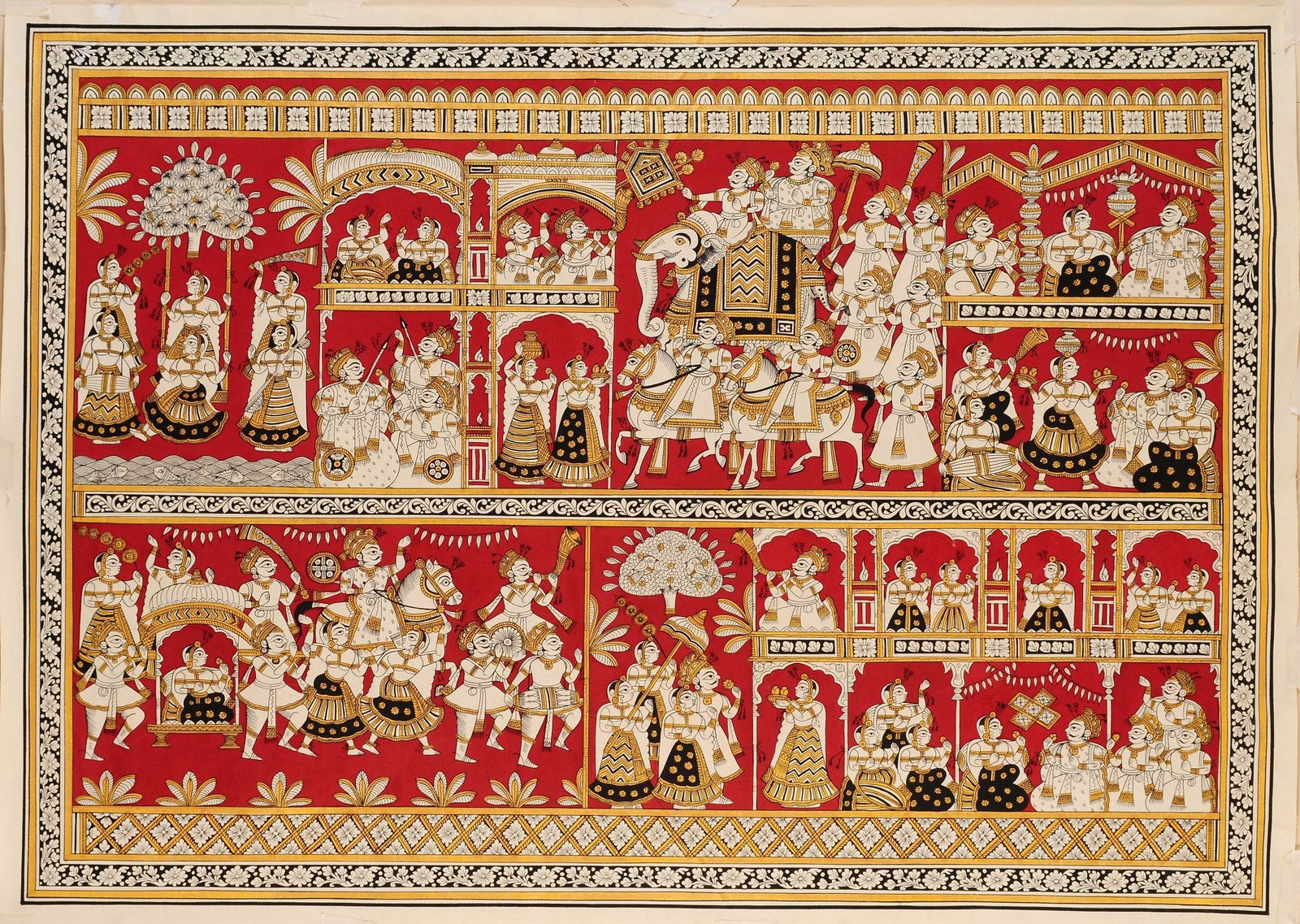
Phad
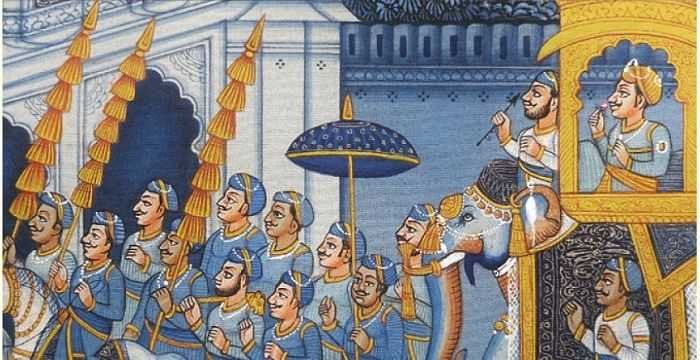
Phadis a traditional Rajasthani scroll painting from India, depicting the stories of local deities, heroic figures from battlefields, adventure stories, and legendary romantic stories on horizontal cloth scrolls with the hues of red, yellow, and bright orange. Phad Painting marvellously portrays multiple stories in a single composition and beautifully maintains the aesthetics of artistic expression.
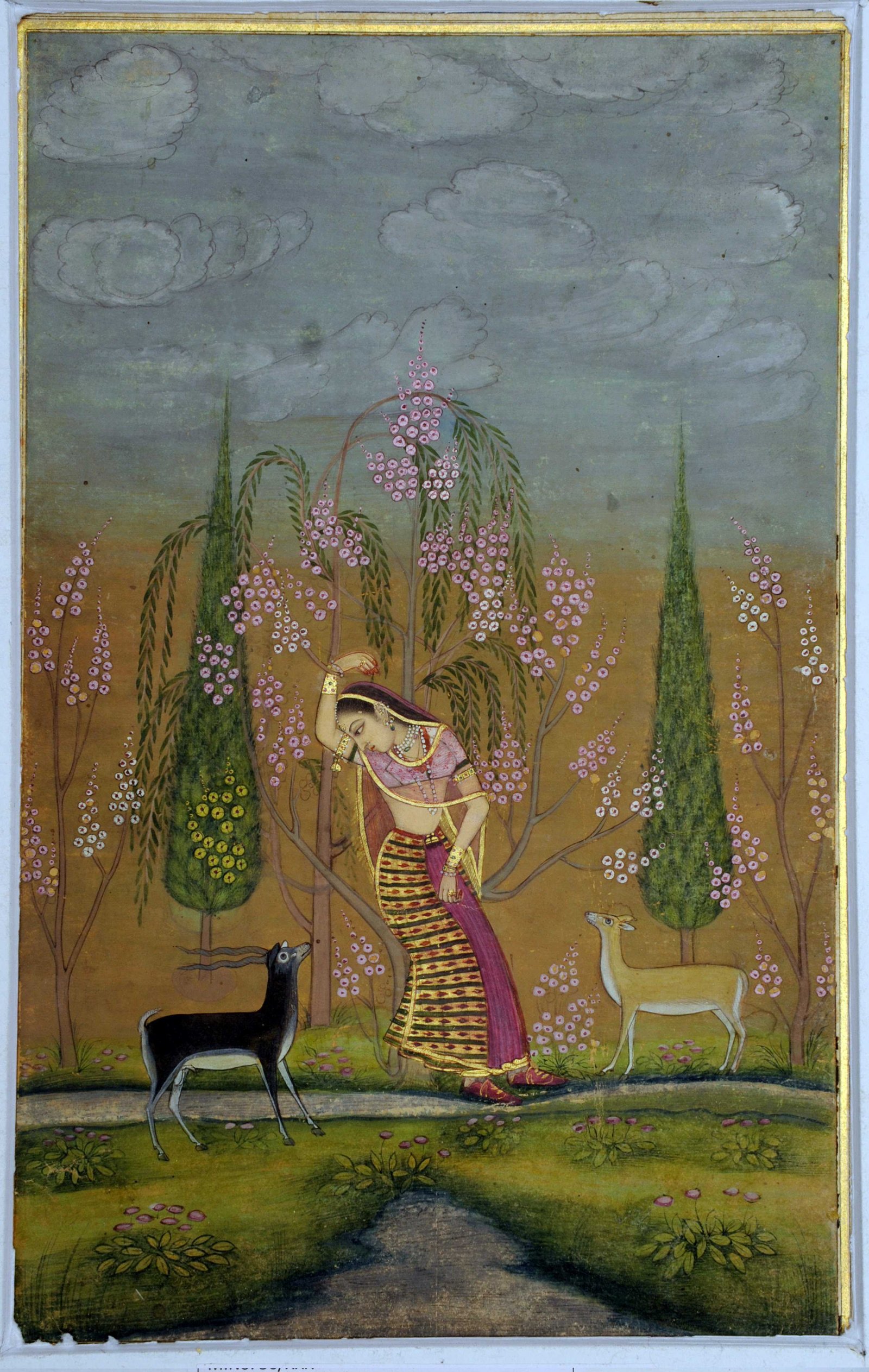
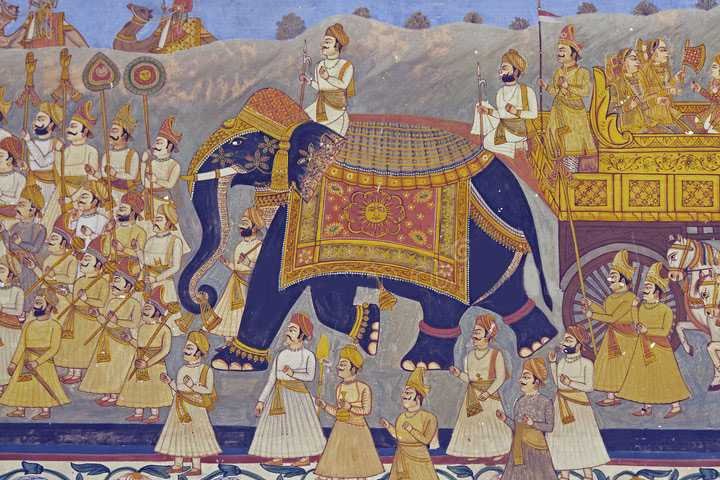
Miniature/Mughal
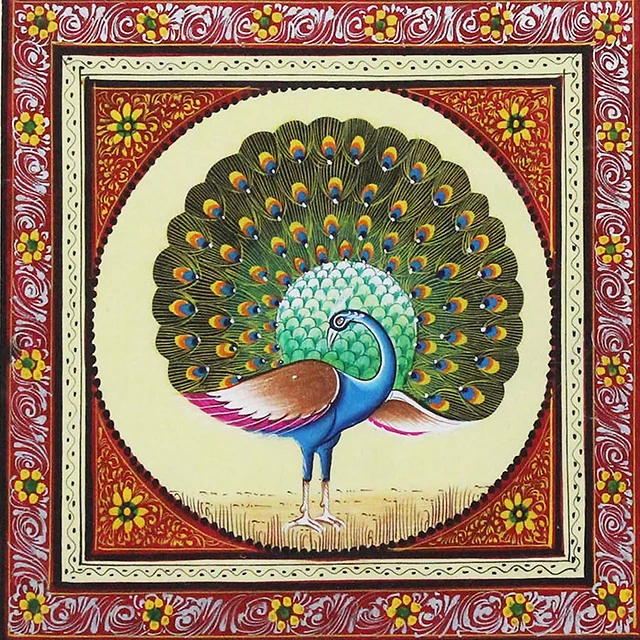
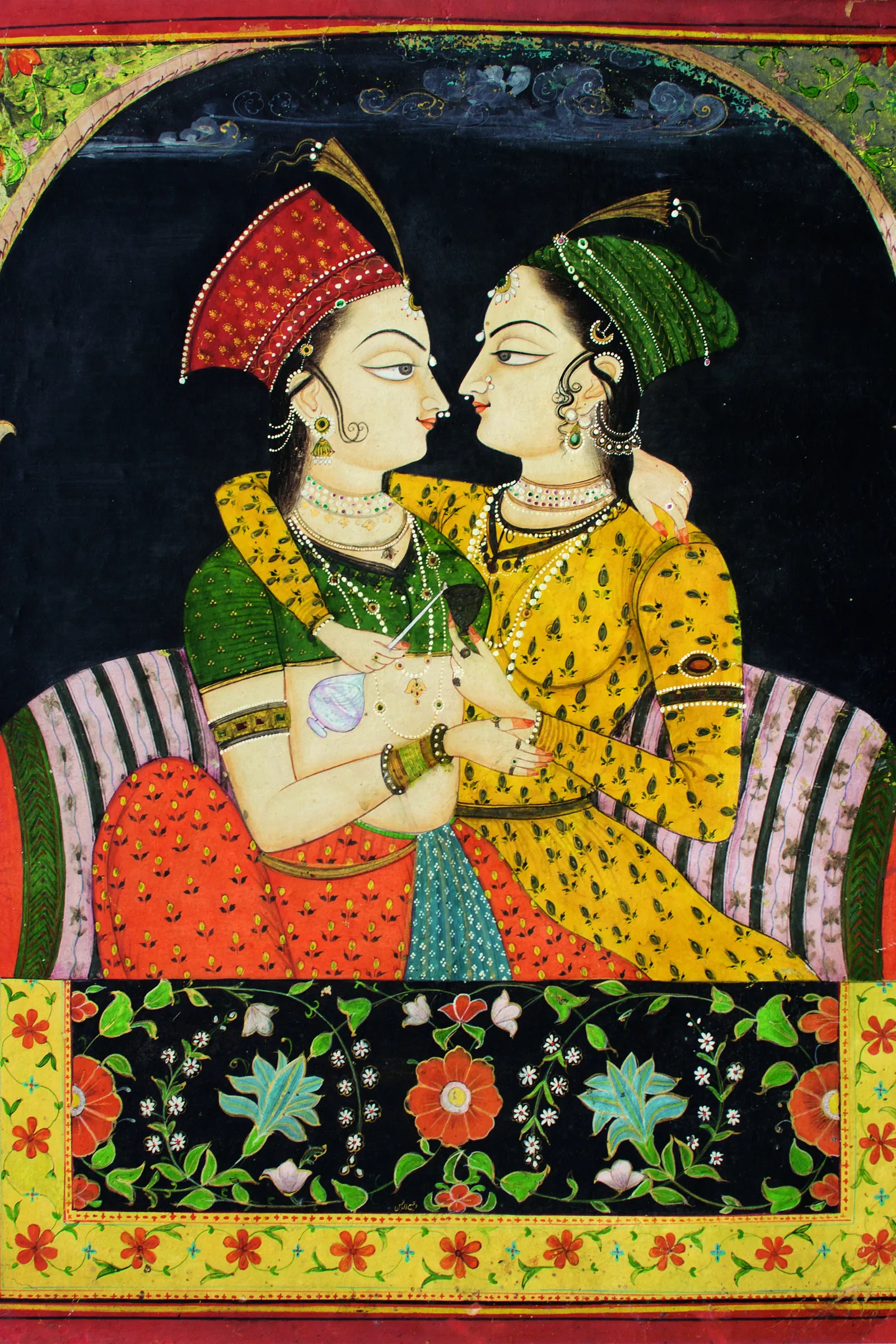
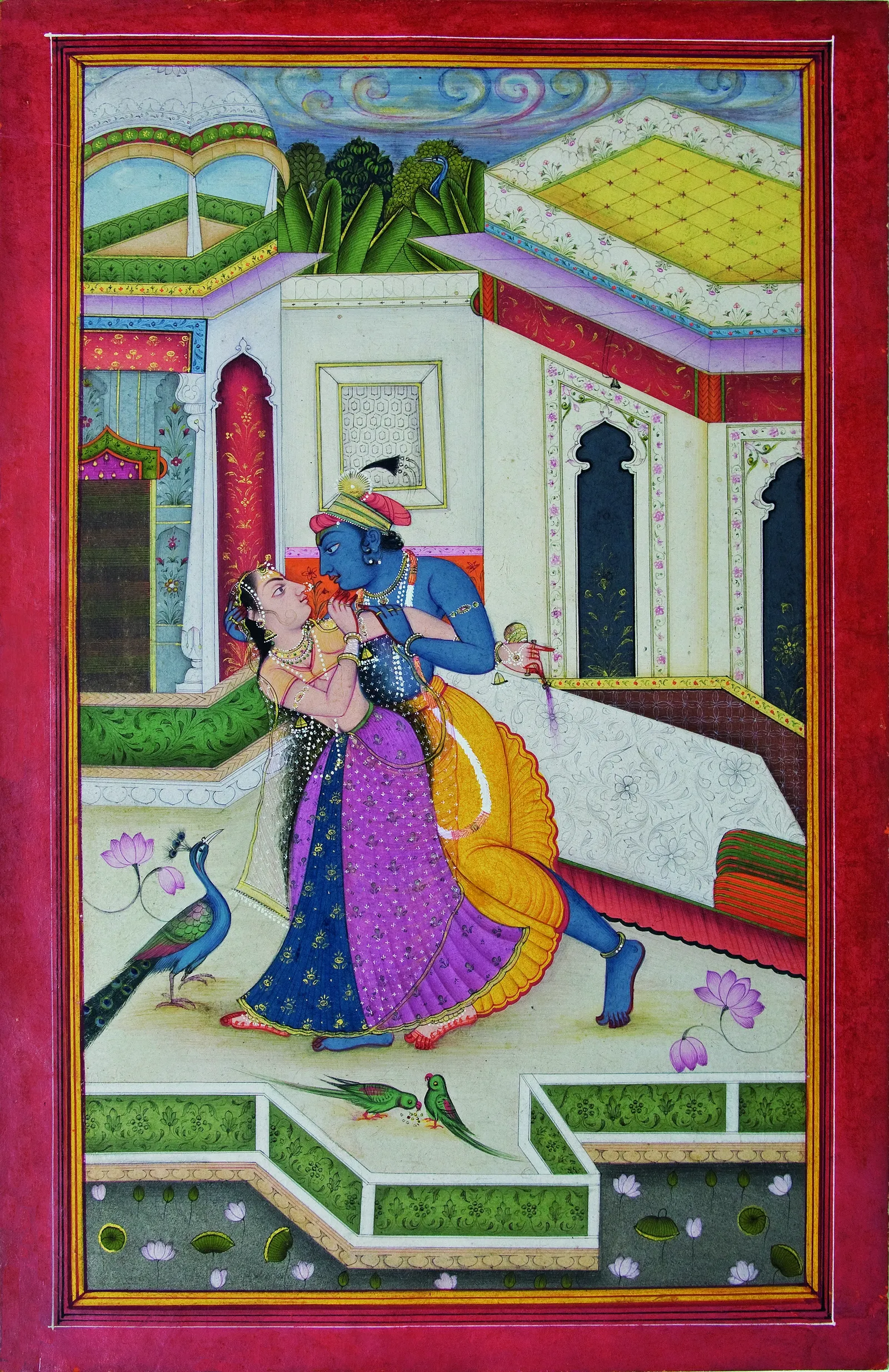
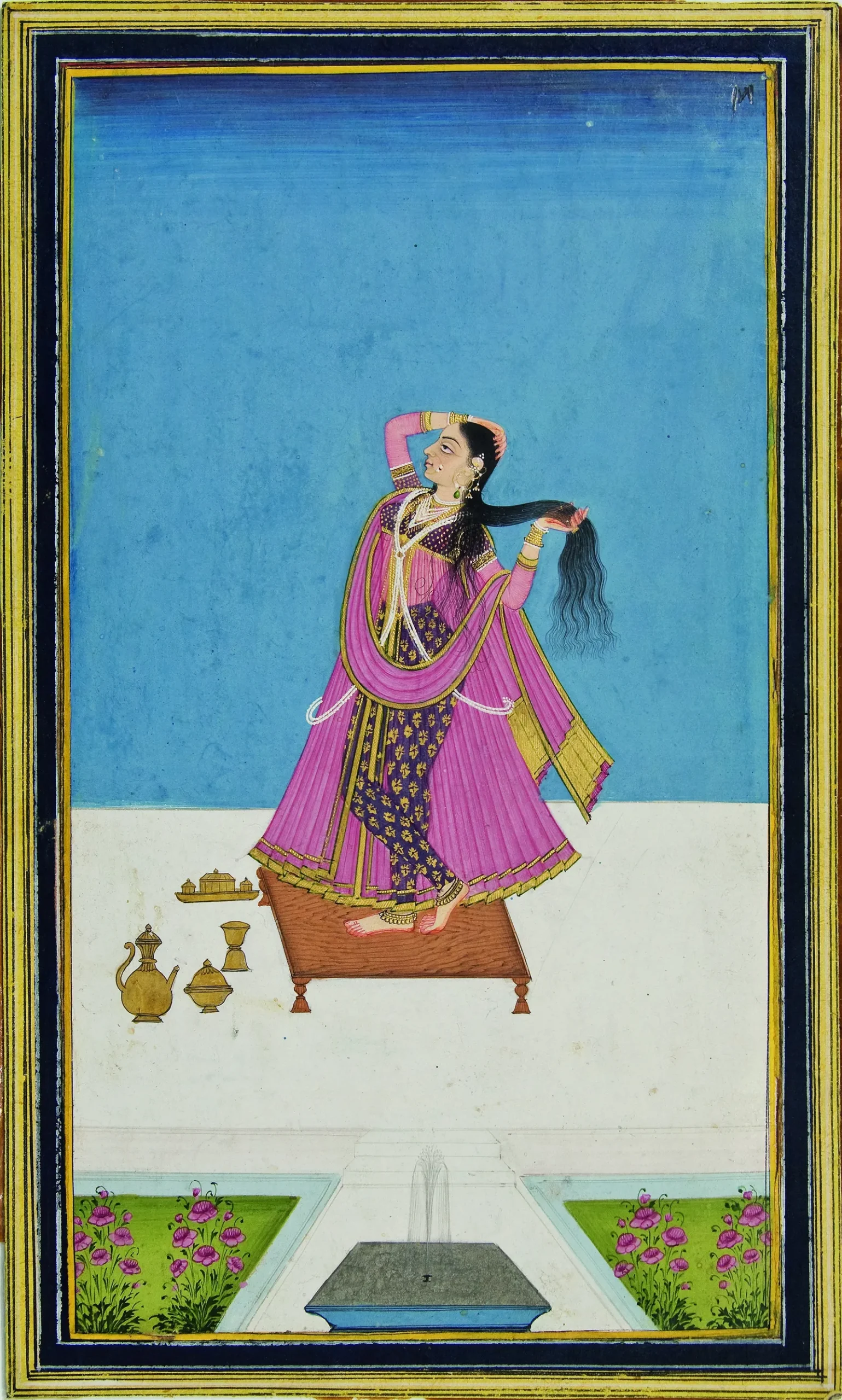
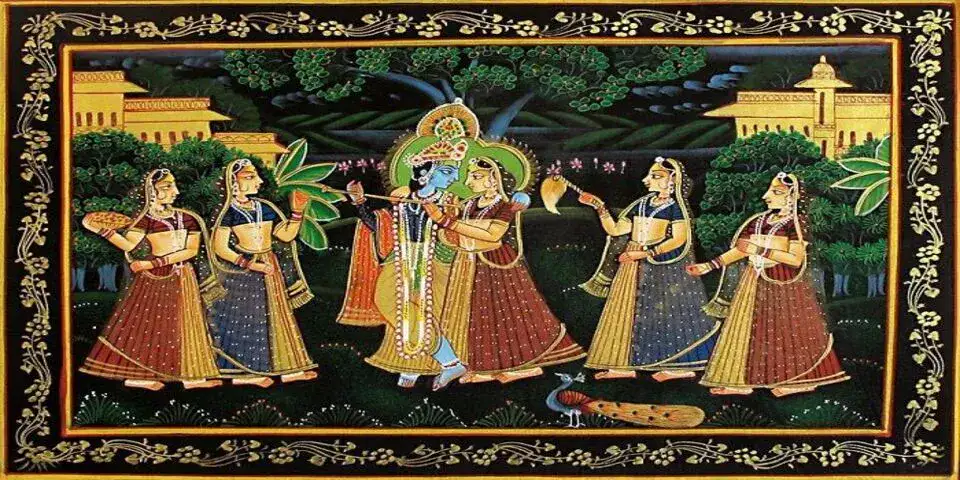
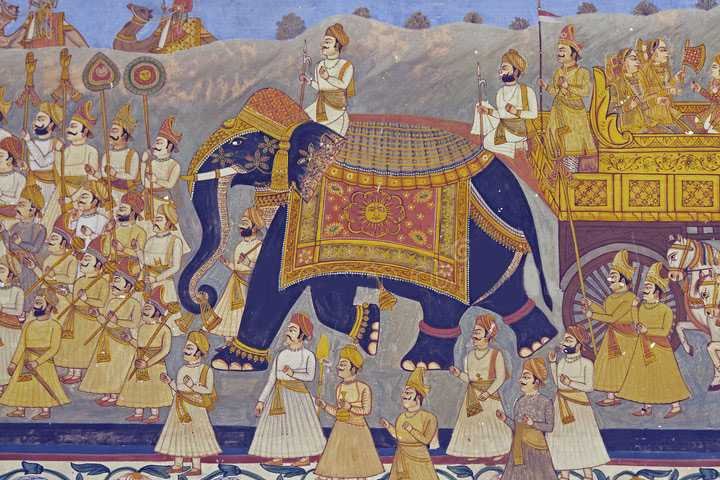
Miniature painting isMughalinfluenced art form; this style was introduced in India during the 16th century and transformed its identity in the history of Indian art. Miniature paintings are a blend of Islamic, Persian, and Indian elements. These paintings are created using all-natural mineral colours, precious stones, conch shells, gold, and silver. Across India, the miniature style painting has developed its own identity into distinct schools of miniature paintings likeKangra, Rajasthan, Malwa, Pahadi, Mughal, Deccan, etc.
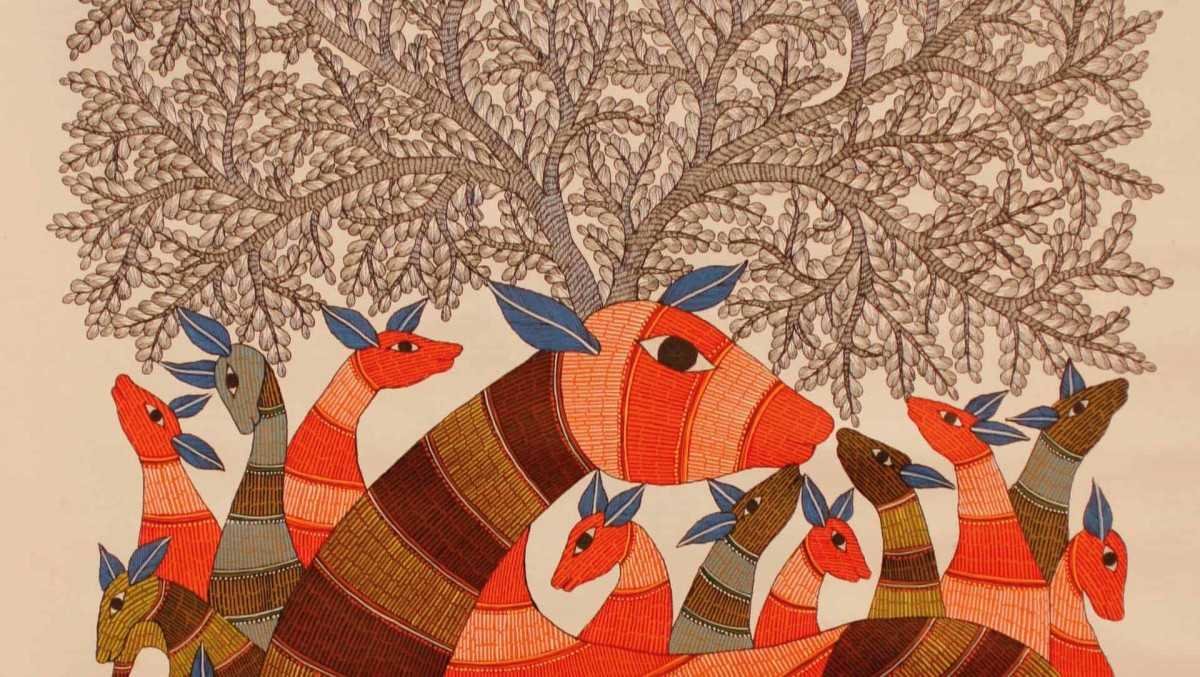
Gond
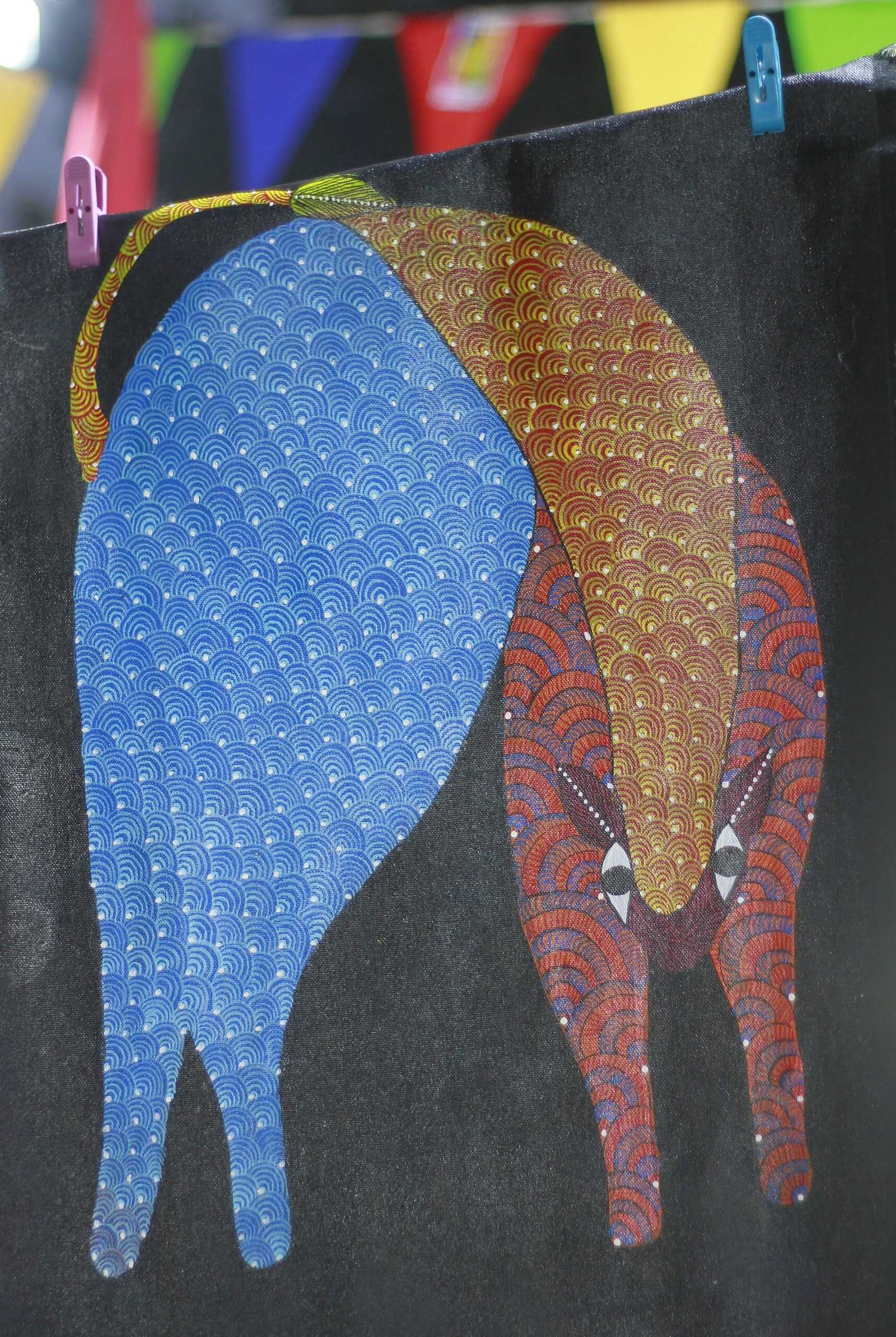
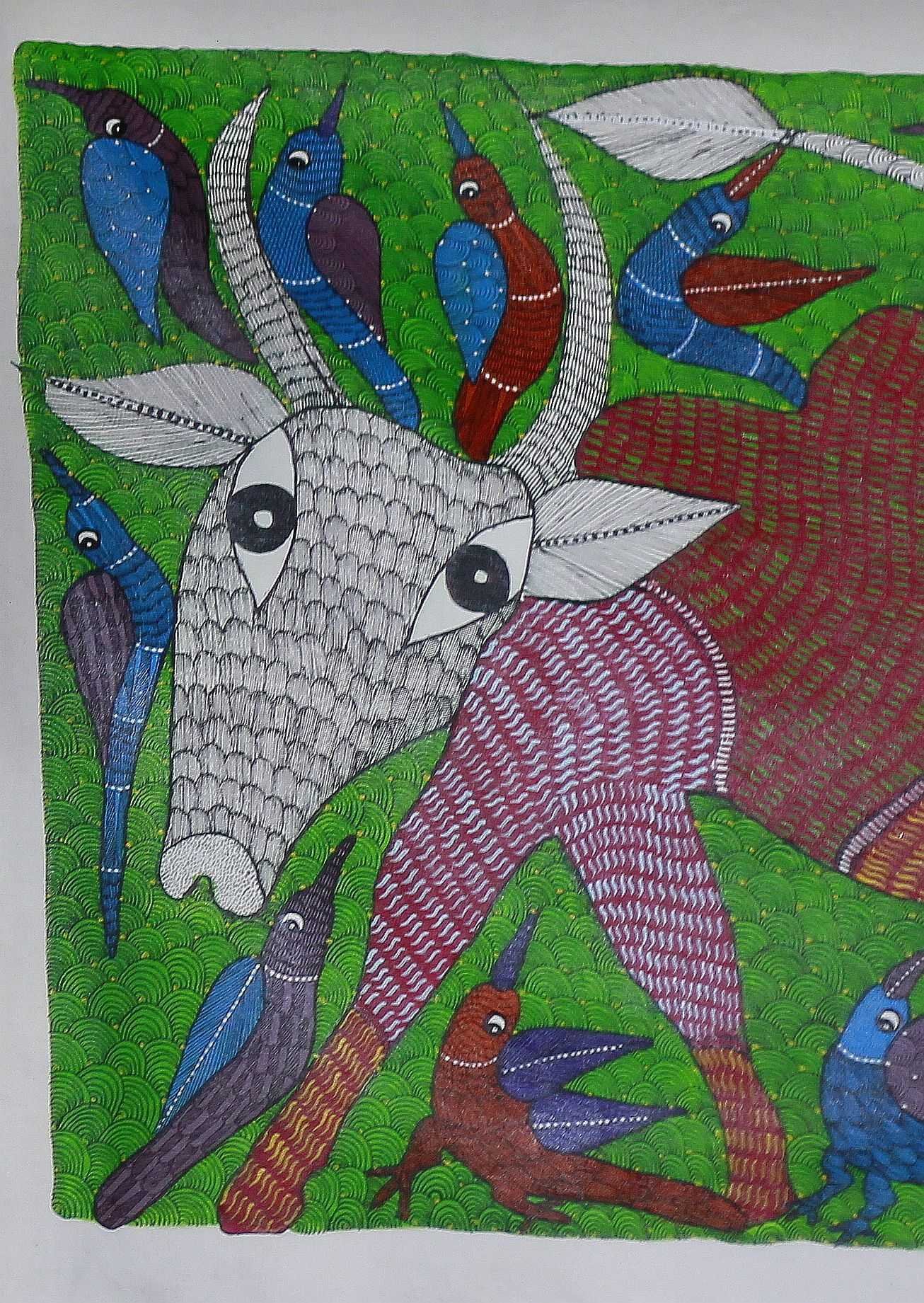
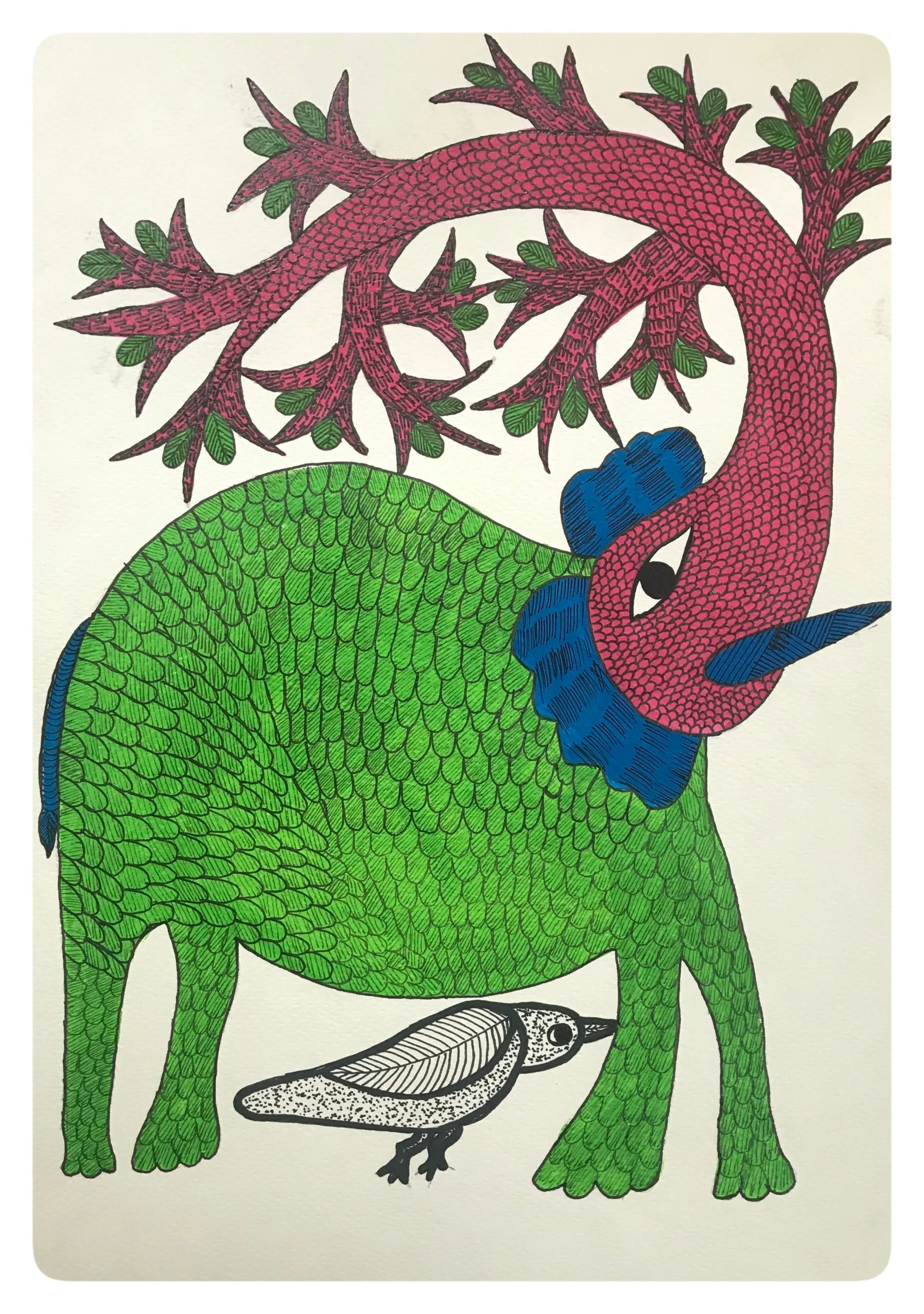
Gond paintings are a series of arranged dots and dashes developed by the Gondi tribe of central India. The tribes used to recreate some famous epic mythological tales of histories to traditional songs and rituals with rich detailing and bright colours. Traditionally, the colours used for gond paintings were derived from natural resources like cow dung, plant sap, charcoal, coloured soil, mud, flowers, leaves, etc. With growing times, the Gond art has moved beyond being a tribal art style.
Gond Painting is a tribal art form practiced by Gond Tribes of Central India. Gond are Dravidian and the largest Adivasi Community in India. They are predominantly found in Madhya Pradesh but can also be traced in Andhra Pradesh, Maharashtra, Chattisgarh and Odisha. Gond believes that everything is inhabited by a spirit and therefore sacred. Their paintings reflect the close connection between man and the nature. Paintings are created out of carefully drawn lines in such a way that they convey a feeling of movement to the still images. Dots and Dashes are added to make the details and create the feeling of movement. Gond Paintings use vivid and bright colours like White, Yellow, Blue and Red which are derived from natural objects.
Coloured soil, charcoal, plant sap, mud, flowers, leaves, cow dung etc. are used in making the required colours. Recently the Gond Paintings can be seen using poster colours and canvas.
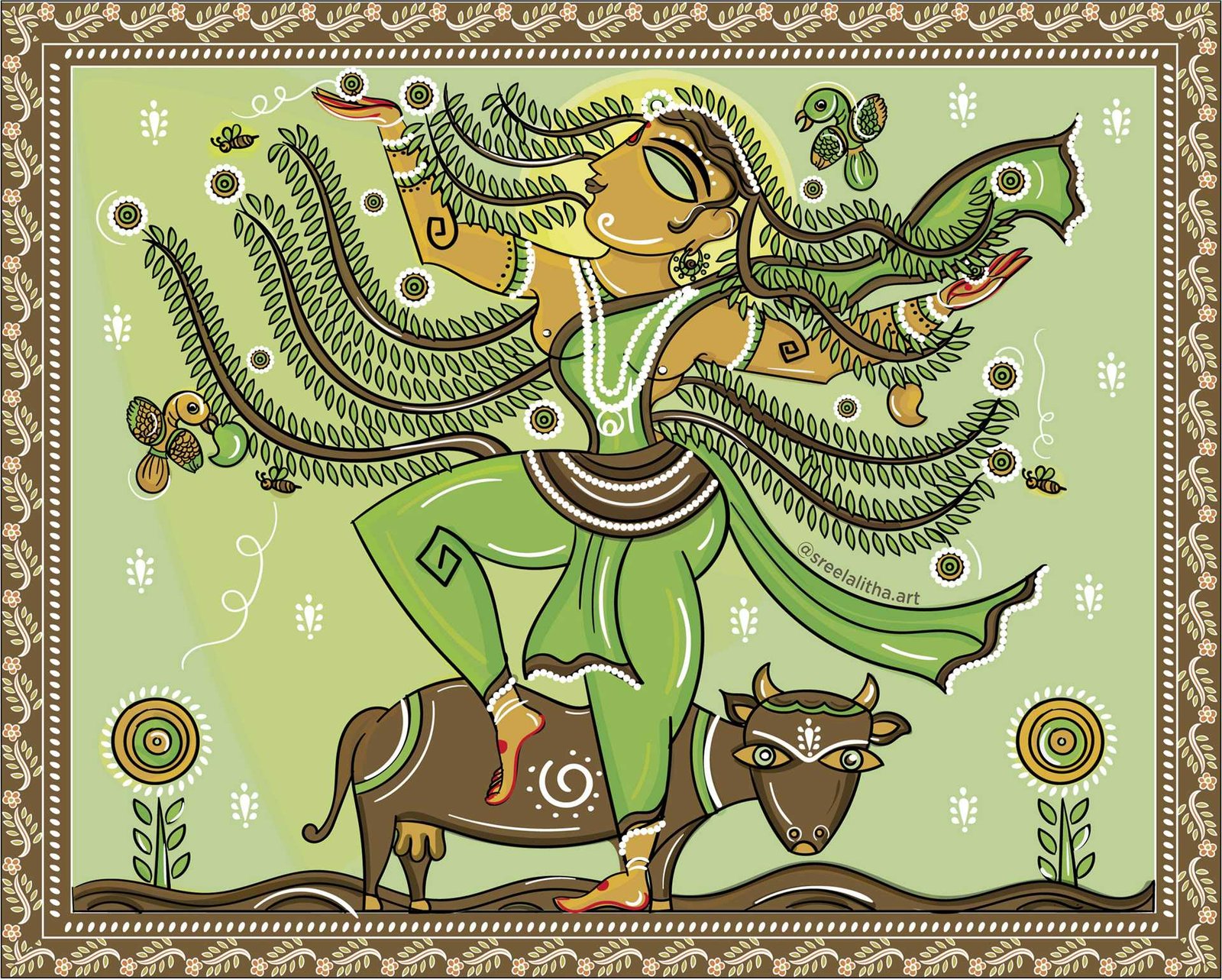
Kerala Murals
Kerala mural paintings are the most unique art form and have deep spiritual roots depicting themes of Hindu mythologies, epics of the bye-gone era, classic tales of Krishna, and mystic forms of Shiva and Shakti. These traditional art styles are made up of bold strokes, and vivid colours. White, ochre-red, bluish-green, yellow-ochre, and pure colours are predominantly used in Kerala mural painting.
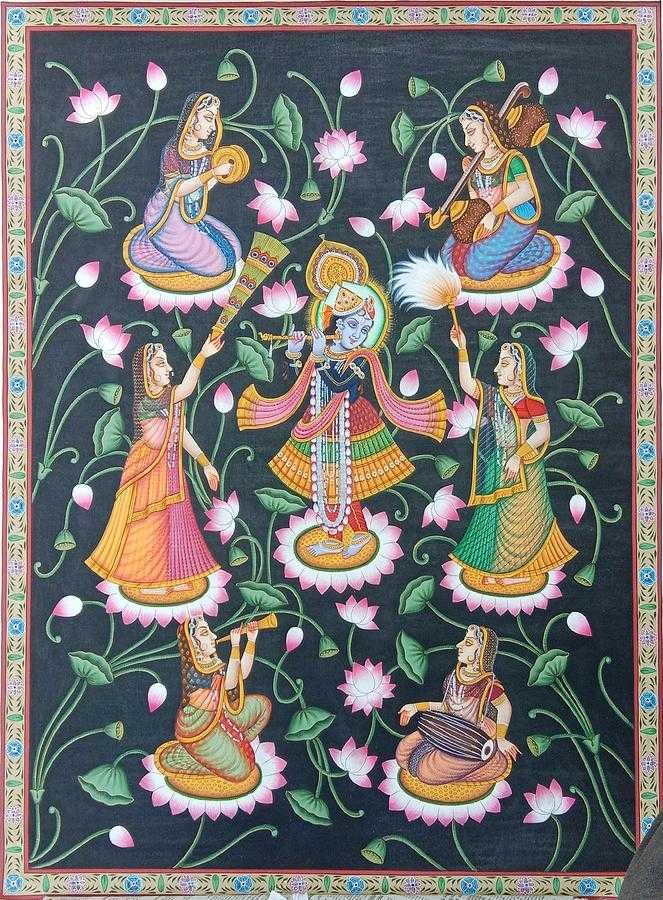
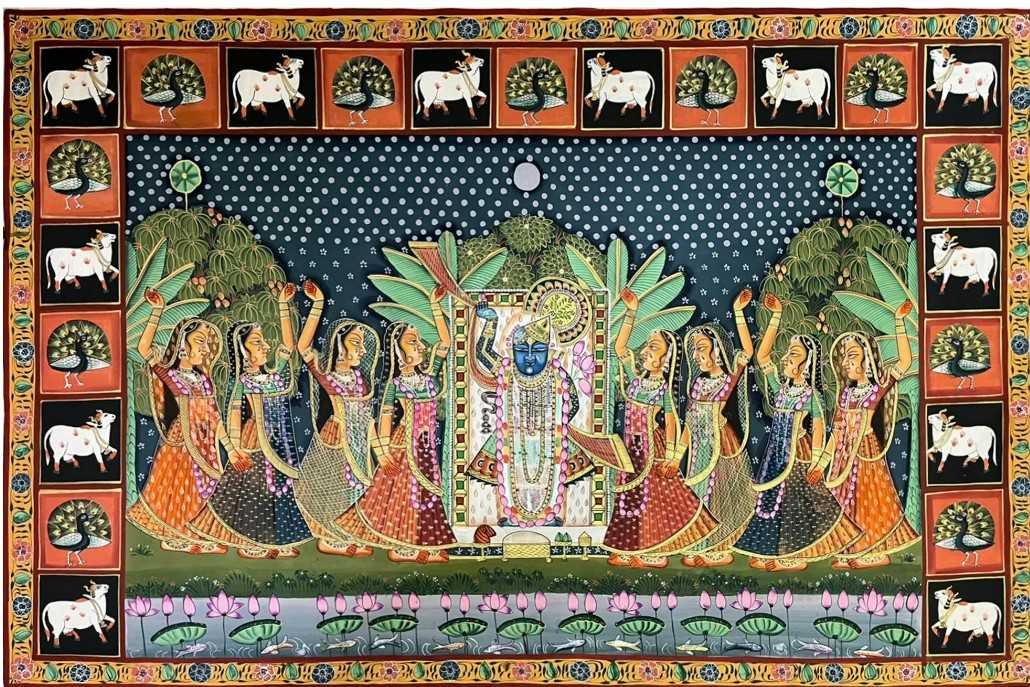
Picchwai
Picchwai artwork was made as wall hangings behind the main deity in Krishna temples in Nathdwara which narrates the stories related to Lord Krishna.Picchwaisare the most colorful and intricate work concealed with symbolism in the artistic motifs. This classified devotional art practice has passed from one generation to another and a fine example of spirituality in art.
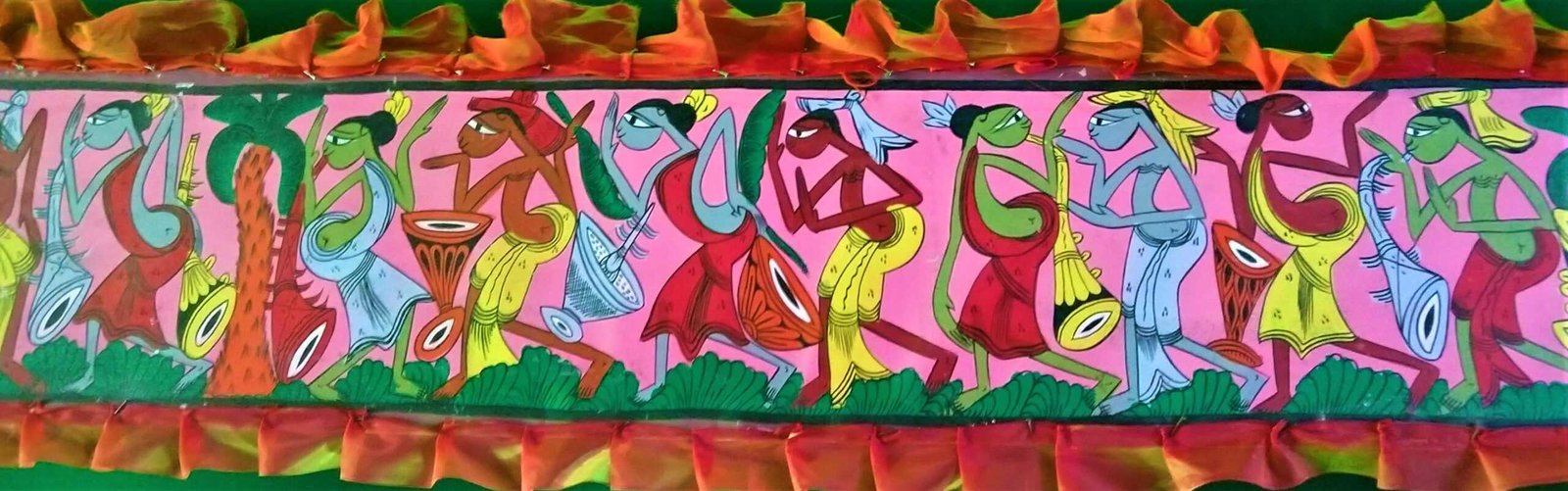
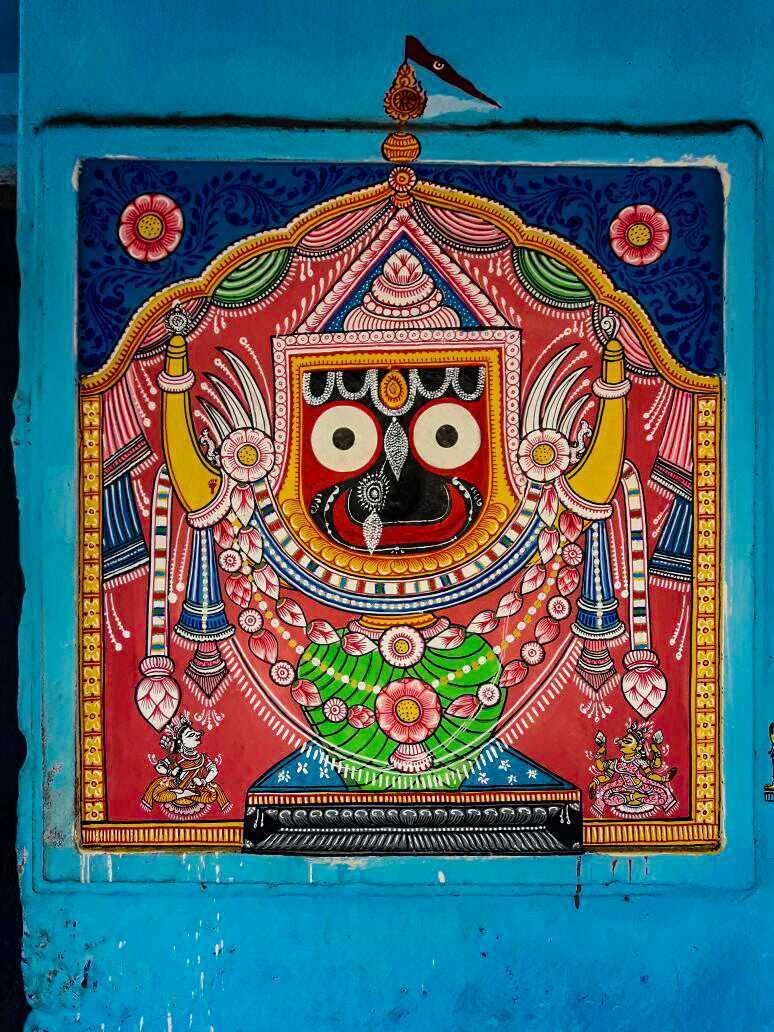
Pattachitra
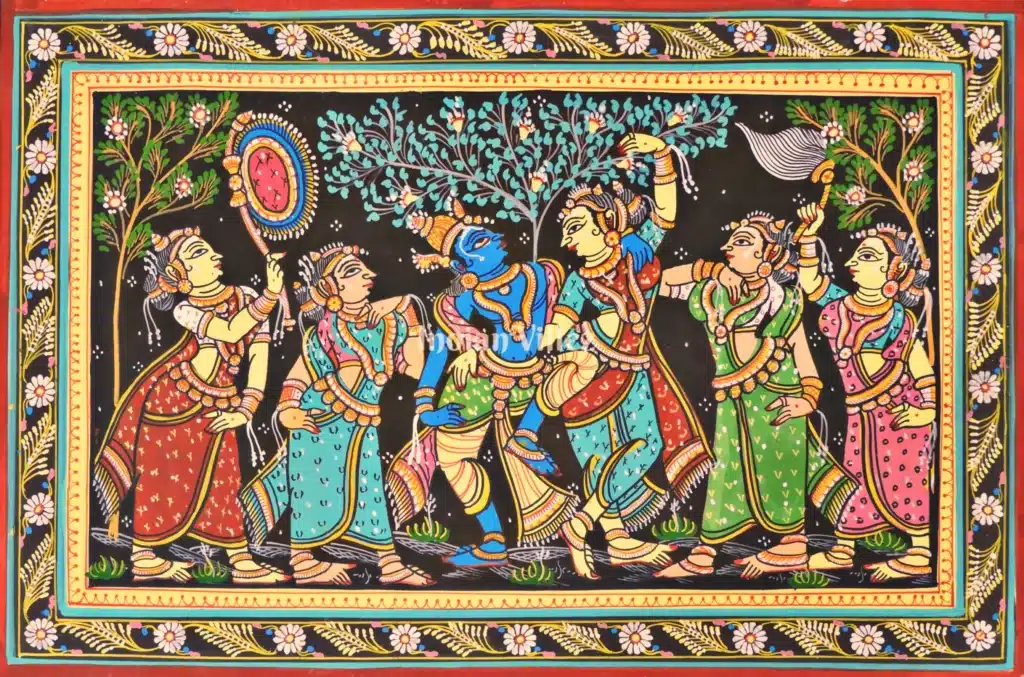
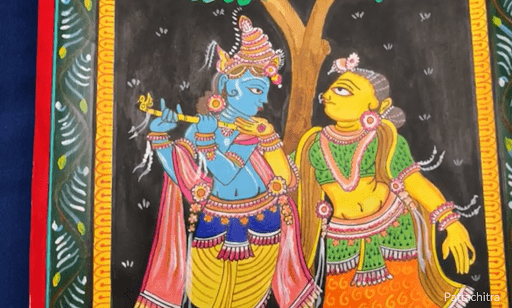
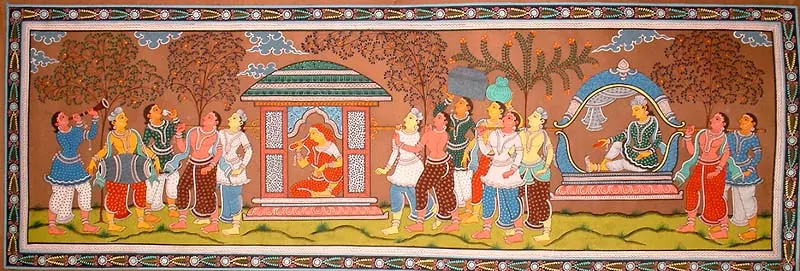
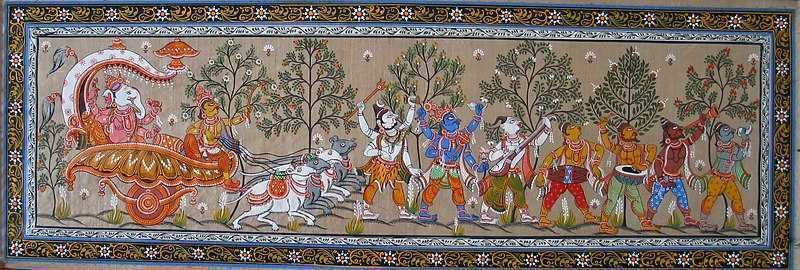
Patachitra or Pattachitra is a general term for traditional, cloth-based scroll painting, based in the eastern Indian states of Odisha, West Bengal and parts of Bangladesh. Patachitra artform is known for its intricate details as well as mythological narratives and folktales inscribed in it.
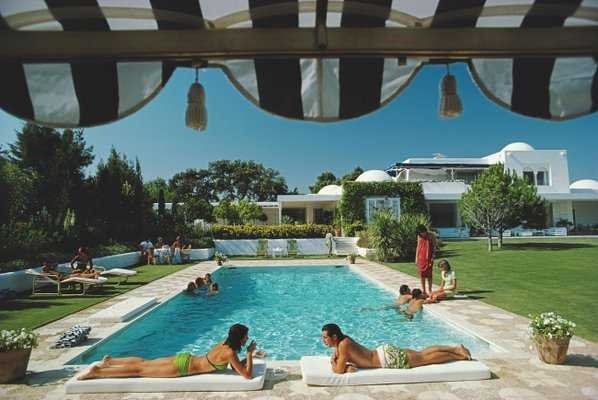
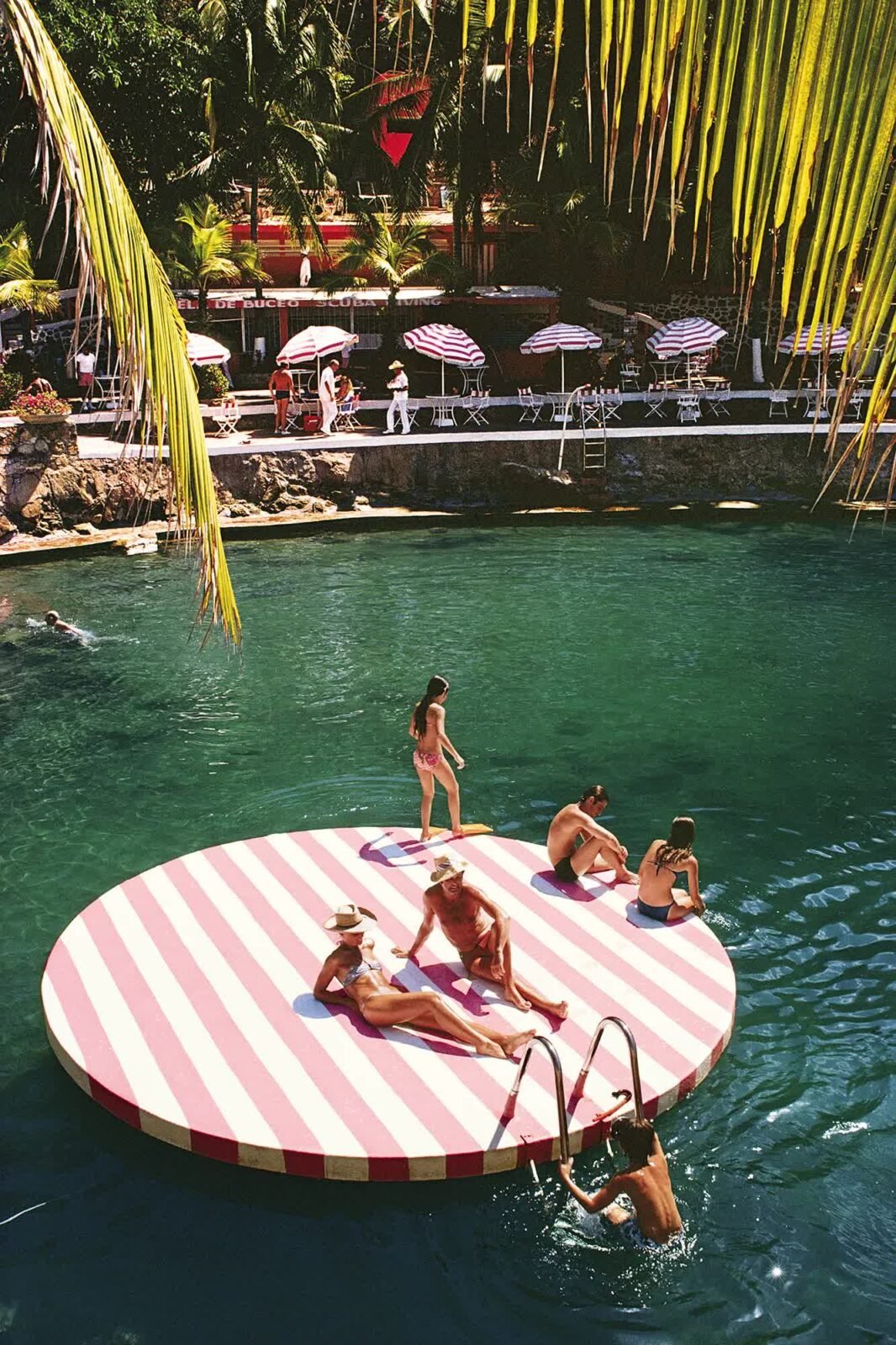
Slim Aarons was an American photographer noted for his images of socialites, jet-setters and celebrities. His work principally appeared in Life, Town & Country and Holiday magazines.
In his series of photos, Aarons documents the luxurious, pleasure class of the 60s and 70s.
Palm Springs, California could have been the only backdrop to such a menagerie of people.
After the war, Aarons moved to California and began photographing celebrities. In California, he shot his most praised photo, Kings of Hollywood, a 1957 New's Year's Eve photograph depicting Clark Gable, Van Heflin, Gary Cooper, and James Stewart relaxing at a bar in full formal wear.
Aarons never used a stylist, or a makeup artist. He made his career out of what he called "photographing attractive people doing attractive things in attractive places." An oft-cited example of this approach is his 1970 Poolside Gossip shot at the Kaufmann Desert House designed by Richard Neutra, with owner Nelda Linsk as one of the models in the photo. "I knew everyone," he said in an interview with The (London) Independent in 2002. "They would invite me to one of their parties because they knew I wouldn't hurt them. I was one of them." Alfred Hitchcock's film, Rear Window (1954), whose main character is a photographer played by Jimmy Stewart, is set in an apartment reputed to be based on Aarons' apartment.
In 1997, Mark Getty, the co-founder of Getty Images, visited Aarons in his home and bought Aarons' entire archive.
In 2017, filmmaker Fritz Mitchell released a documentary about Aarons, called Slim Aarons: The High Life. In the documentary it is revealed that Aarons was Jewish and grew up in conditions that were in complete contrast to what he told friends and family of his childhood. Aarons claimed that he was raised in New Hampshire, was an orphan, and had no living relations. After his death in 2006, his widow and daughter learned the truth that Aarons had grown up in a poor immigrant Yiddish-speaking family on the Lower East Side of Manhattan. When he was a boy, his mother was diagnosed with mental health issues and admitted to a psychiatric hospital, which caused him to be passed around among relatives. He resented and had no relationship with his father and had a brother, Harry, who would later commit suicide. Several documentary interviewees postulate that if Aarons's true origins had been known, his career would have been unlikely to succeed within the restricted world of celebrity and WASP privilege his photography glamorized.
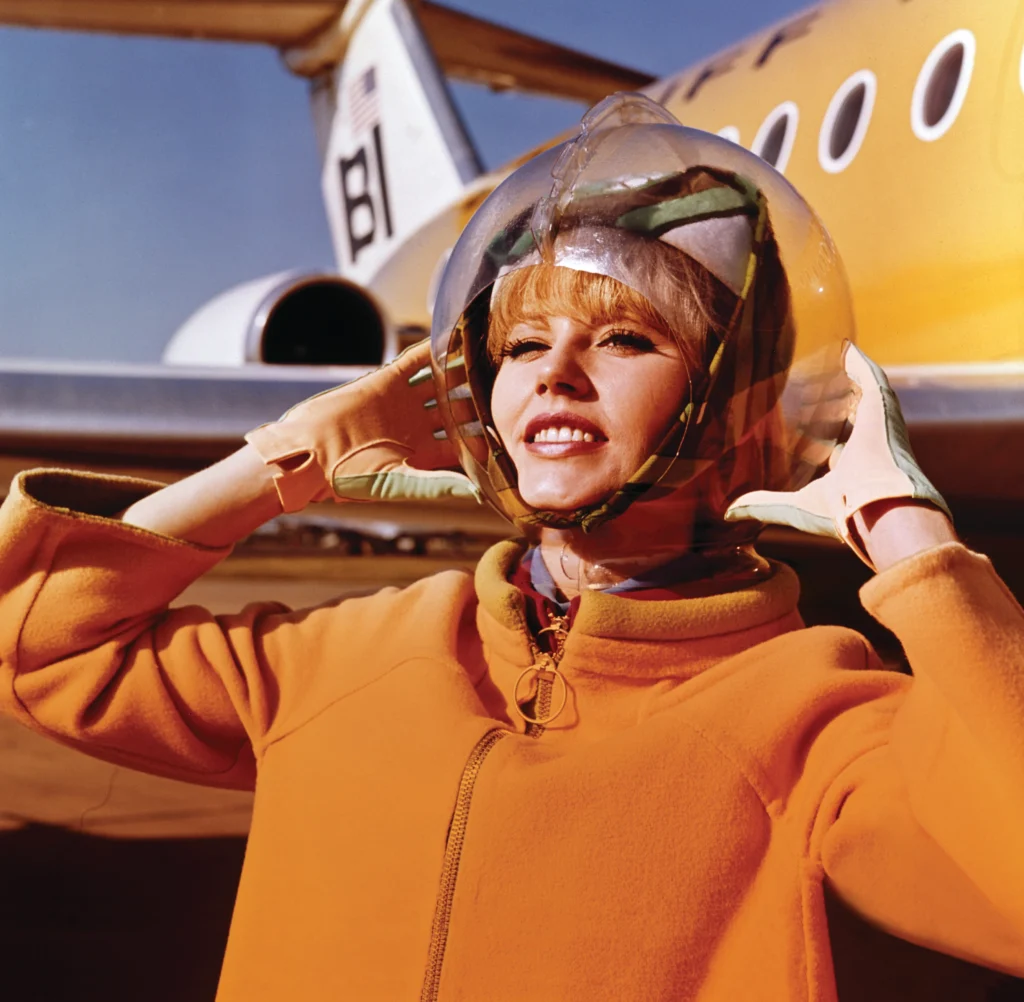
We're fascinated by airlines. Specifically, the airlines operating in the period of c. 1950-1980.
During those three decades, something extraordinary happened: design and technology merged for the first time with audacious, striking results.
Looking backward at the history of aviation design (graphics, illustrations, photography, couture +), there is a marked shift in how the industry portrayed itself. Corporate identity went from trust-inspiring, federal-looking shields and banners to bold typefaces, abstract forms and creative color palettes.
The thirty years of the period saw, as we all know now, an extremely volatile culture as America redesigned itself from a war-making country to conqueror of world markets. And airlines were our new ambassadors (or propagandists). The shift in design was (and is) as profound as the society from which it was formed.
a material world
We're experiencing something similar. The "flattening" of logos, meaning the loss of shadows, perspective and depth) is a precursor to today's material design as professed by Google and like-minded companies.
Material Design is a design language developed by Google in 2014. Expanding on the "cards" that debuted in Google Now, Material Design uses more grid-based layouts, responsive animations and transitions, padding, and depth effects such as lighting and shadows. Wikipedia
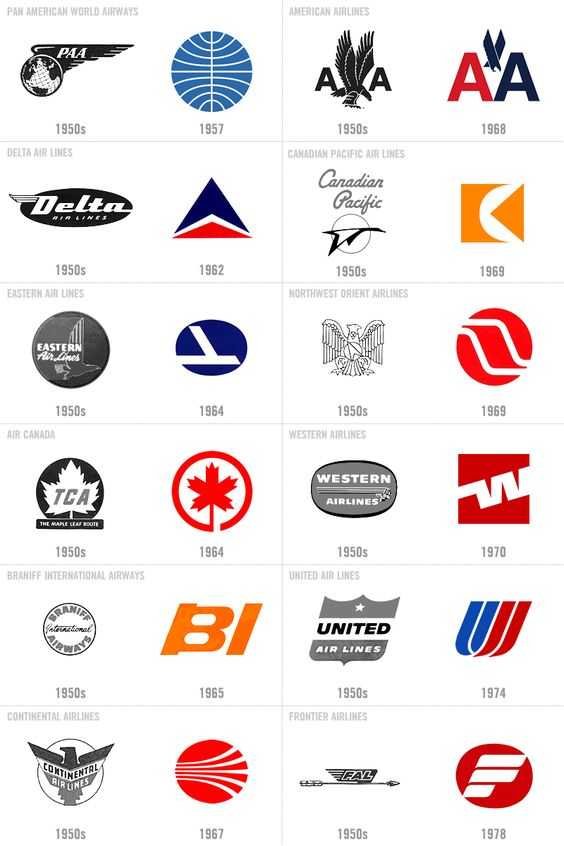
This design evolution is very apparent in the following examples from BrandedSkies.com:
You'll notice that shadows, filigrees, framing and, perhaps most remarkably, text in any form gives way to abstract form and meta-meaning.
the difference this time
It may not be possible to experience such a dramatic shift in design now. The emergence of "material" design already quotes previous design trends and reiterates them. The shift from ornamentation to abstract, free-form shapes has more to do with the fact that most communication is now digital and visual. Airlines (and other industries) do not need to stand out in print, they need to punch us in the eye so that we click.
We welcome your feedback as we explore this topic.
The diversity of the world's largest national population is astounding.
122 languages, including the planet's oldest language: Hindi. 12 religions. 1.408 billion people (est. 2021). 29 states.
This pluralism nurtures an insane wealth of art and cultural expression. Arguably, this is the creative soul of Earth.
cgk.ink is exploring this rich history. And we're here to share our very fundamental, simple understanding of its expressions, its forms and what it says to us now in the 21st century.
Below are some of the genres of Indian art that we gleaned from ArtZolo.com:
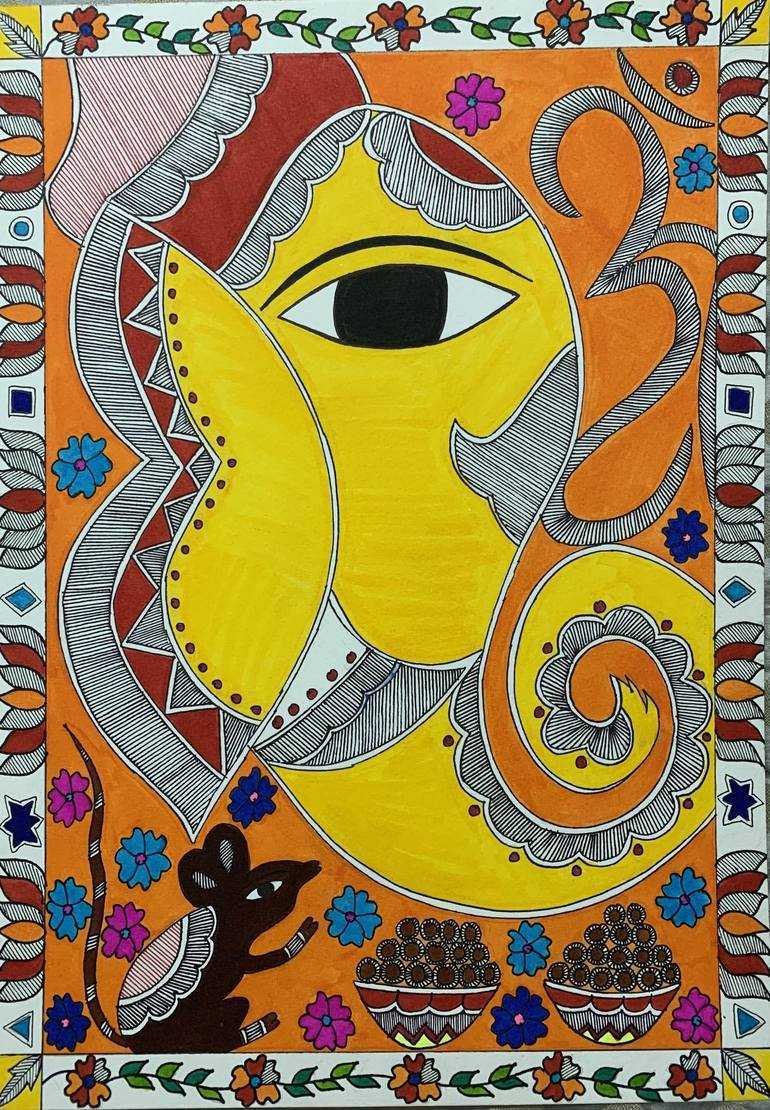
Madhubani
Madhubani paintings are the most celebrated style of folk painting from India; it is a form of wall art that arises in the Mithila region of Bihar. This eye-catching art style never fails to amaze one by its beautiful illustrations on the exposed interior walls of the houses in Bihar. Madhubani paintings are a perfect example of artistic expression and evocative portrayal of culture and traditions. The designs make perfectly distinctive geometrical patterns, scenes from mythology, and symbolic images. The perfect blend of bright vibrant colours and unique patterns make Madhubani stand out from other painting styles. Katchni, Tantrik, Bharni, Khobar, and Godna are five different styles of Madhubani paintings.
Warli
Warli is a 2500-year-old traditional painting style from Maharashtra majorly practiced in Thane and Nashik region. Warli paintings illustrate the nature and social rituals of the tribe. Warli paintings also showcase day-to-day life scenarios of the local people of that particular community just like dancing, farming, hunting, praying, etc. The local women used twigs to draw such beautiful lively designs with rice paste on mud walls to convey the celebration vibes of harvests or weddings.
Tribal Worship, Artist: Rajesh Mor, Style: Warli, Medium: Acrylic and cow dung on cloth, Size: 48x36 in
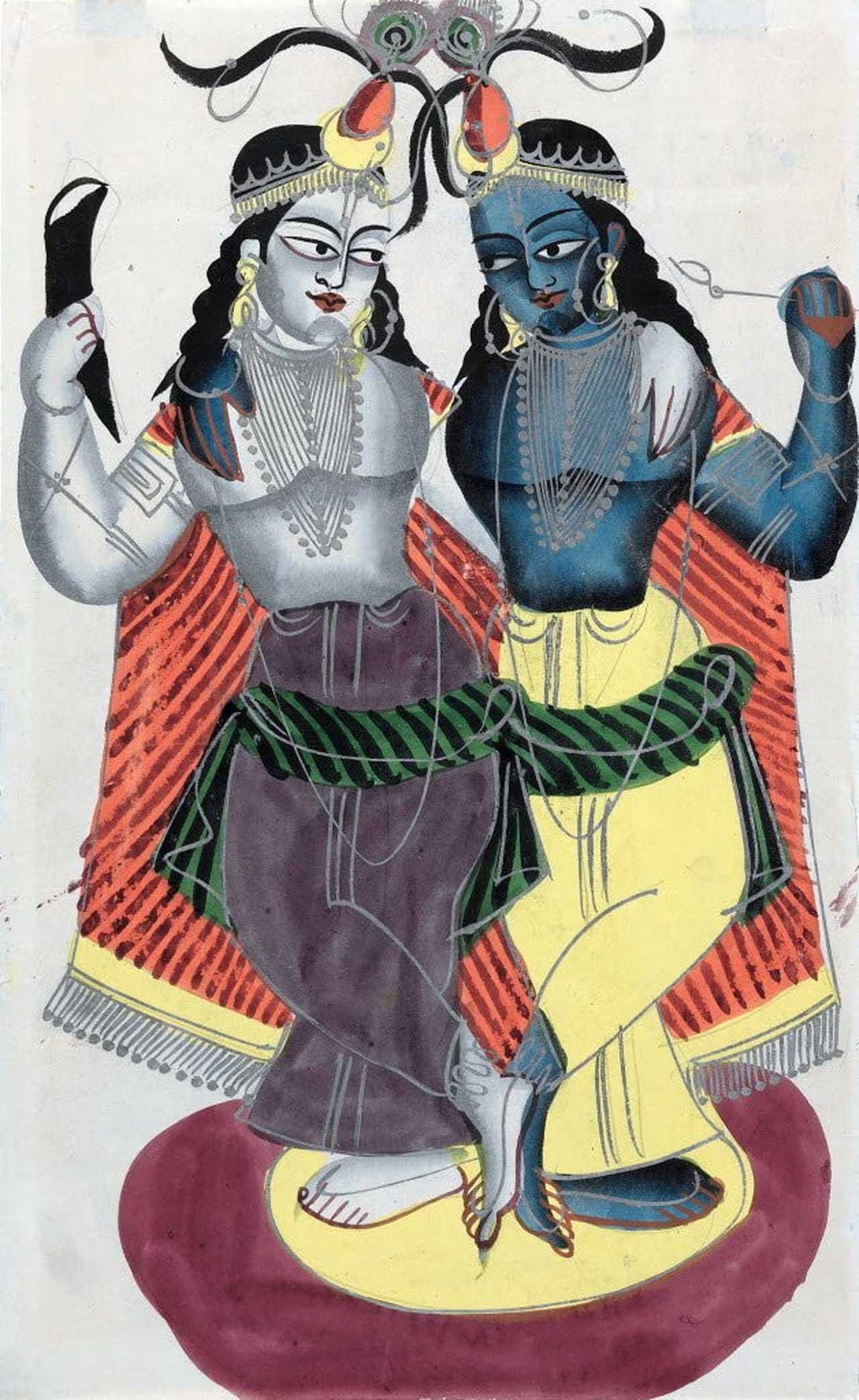
Kalighat
The Kalighat painting was discovered around the mid-19th century at Kali Temple in Calcutta. These paintings and drawings were done on paper by a community known as "patuas". A Kalighat painting depicts scenes of everyday life and mythological deities in a captivating manner. Kalighat artists use subtle earthy Indian colours like indigo, ochre, Indian red, grey, blue and white.
Tribal Worship, Artist: Rajesh Mor, Style: Warli, Medium: Acrylic and cow dung on cloth, Size: 48x36 in
Phad
Phad is a traditional Rajasthani scroll painting from India, depicting the stories of local deities, heroic figures from battlefields, adventure stories, and legendary romantic stories on horizontal cloth scrolls with the hues of red, yellow, and bright orange. Phad Painting marvellously portrays multiple stories in a single composition and beautifully maintains the aesthetics of artistic expression.
Miniature / Mughal
Miniature painting is Mughal influenced art form; this style was introduced in India during the 16th century and transformed its identity in the history of Indian art. Miniature paintings are a blend of Islamic, Persian, and Indian elements. These paintings are created using all-natural mineral colours, precious stones, conch shells, gold, and silver. Across India, the miniature style painting has developed its own identity into distinct schools of miniature paintings like Kangra, Rajasthan, Malwa, Pahadi, Mughal, Deccan, etc.
Gond
Gond paintings are a series of arranged dots and dashes developed by the Gondi tribe of central India. The tribes used to recreate some famous epic mythological tales of histories to traditional songs and rituals with rich detailing and bright colours. Traditionally, the colours used for gond paintings were derived from natural resources like cow dung, plant sap, charcoal, coloured soil, mud, flowers, leaves, etc. With growing times, the Gond art has moved beyond being a tribal art style.
Kerala Murals
Kerala mural paintings are the most unique art form and have deep spiritual roots depicting themes of Hindu mythologies, epics of the bye-gone era, classic tales of Krishna, and mystic forms of Shiva and Shakti. These traditional art styles are made up of bold strokes, and vivid colours. White, ochre-red, bluish-green, yellow-ochre, and pure colours are predominantly used in Kerala mural painting.
Patachitra
Patachitra is a traditional art form from Odisha. Patachitra paintings are mostly derived from mythological and religious themes done beautifully with bold, strong outlines, vibrant colors like white, red yellow, and black with decorative borders.
Picchwai
Picchwai artwork was made as wall hangings behind the main deity in Krishna temples in Nathdwara which narrates the stories related to Lord Krishna. Picchwais are the most colorful and intricate work concealed with symbolism in the artistic motifs. This classified devotional art practice has passed from one generation to another and a fine example of spirituality in art.
Durga on a lotus with all her weapons surrounded by devotees. Gouache drawing. Durgā (Hindu deity). Hindu goddesses. Parvati (Hindu deity). Weapons. Armor. Tiger. Lotus. Worship. Castles. Work ID: ebtcz7jp.
To provide the best experiences, we use technologies like cookies to store and/or access device information.
Not consenting or withdrawing consent, may adversely affect certain features and functions.
Functional
Always active
The technical storage or access is strictly necessary for the legitimate purpose of enabling the use of a specific service explicitly requested by the subscriber or user, or for the sole purpose of carrying out the transmission of a communication over an electronic communications network.
Preferences
The technical storage or access is necessary for the legitimate purpose of storing preferences that are not requested by the subscriber or user.
Statistics
The technical storage or access that is used exclusively for statistical purposes.The technical storage or access that is used exclusively for anonymous statistical purposes. Without a subpoena, voluntary compliance on the part of your Internet Service Provider, or additional records from a third party, information stored or retrieved for this purpose alone cannot usually be used to identify you.
Marketing
The technical storage or access is required to create user profiles to send advertising, or to track the user on a website or across several websites for similar marketing purposes.















 -32%
-32%