

Fine Art Focus: Slim Aarons: POST-WAR ANXIETY & passive luxury
Slim Aarons
1916-2006
Slim Aarons was an American photographer noted for his images of socialites, jet-setters and celebrities. His work principally appeared in Life, Town & Country and Holiday magazines.
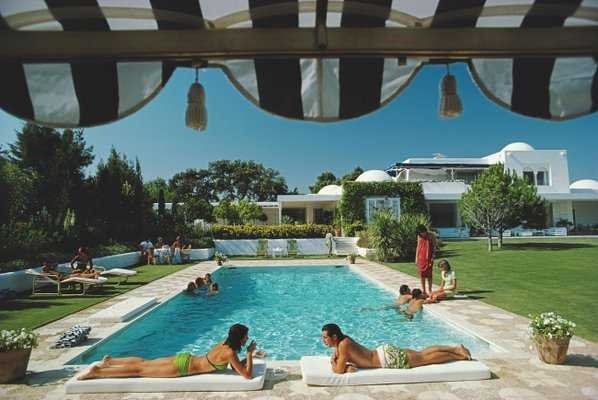
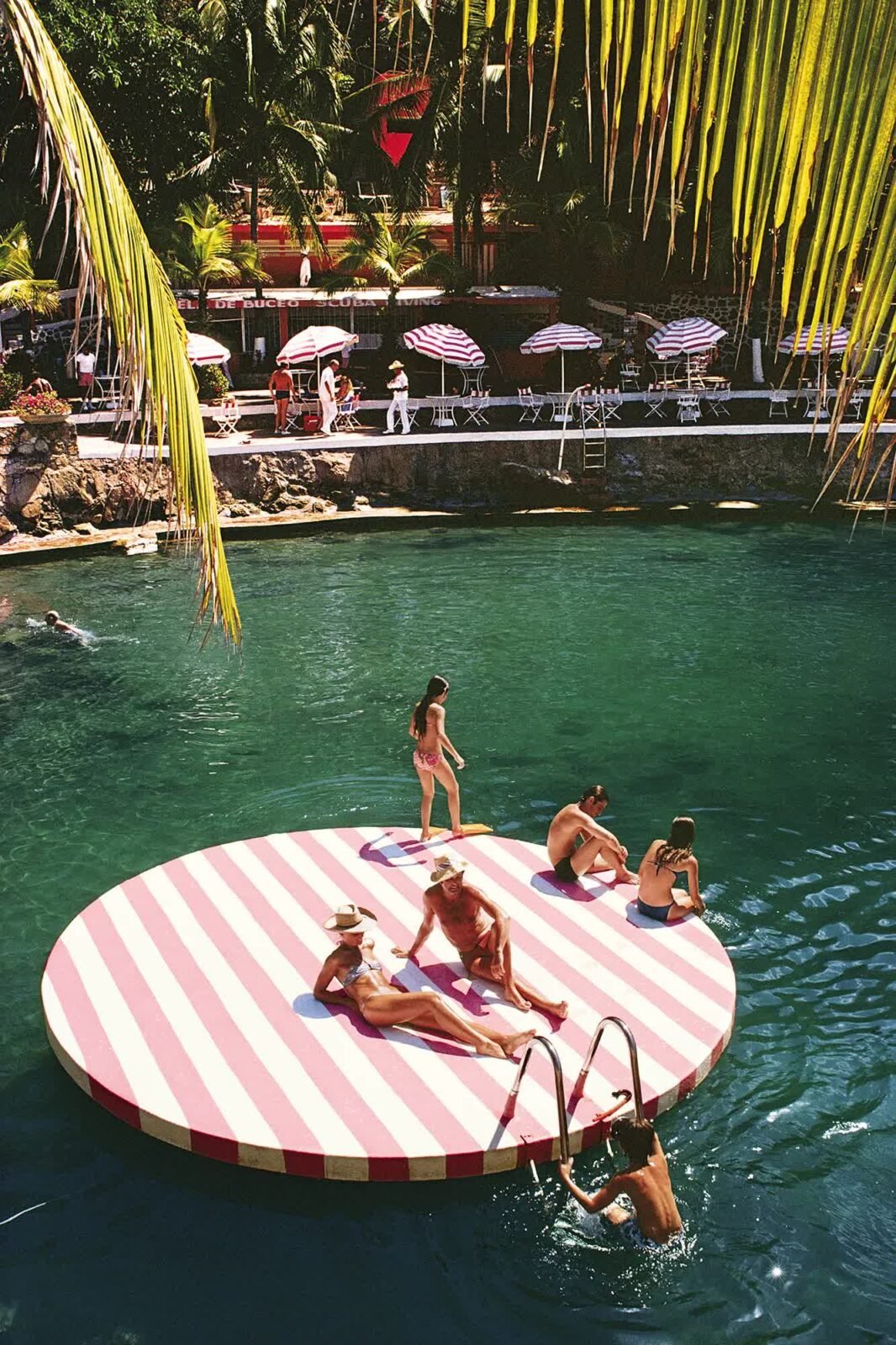
In his series of photos, Aarons documents the luxurious, pleasure class of the 60s and 70s.
Palm Springs, California could have been the only backdrop to such a menagerie of people.
Aarons died in 2006 in Montrose, New York, and was buried in Mount Auburn Cemetery in Cambridge, Massachusett. At 18 years old, Aarons enlisted in the United States Army, worked as a photographer at the United States Military Academy, and later served as a combat photographer in World War II and earned a Purple Heart. Aarons said combat had taught him the only beach worth landing on was "decorated with beautiful, seminude girls tanning in a tranquil sun.
After the war, Aarons moved to California and began photographing celebrities. In California, he shot his most praised photo, Kings of Hollywood, a 1957 New's Year's Eve photograph depicting Clark Gable, Van Heflin, Gary Cooper, and James Stewart relaxing at a bar in full formal wear.
Aarons never used a stylist, or a makeup artist. He made his career out of what he called "photographing attractive people doing attractive things in attractive places." An oft-cited example of this approach is his 1970 Poolside Gossip shot at the Kaufmann Desert House designed by Richard Neutra, with owner Nelda Linsk as one of the models in the photo. "I knew everyone," he said in an interview with The (London) Independent in 2002. "They would invite me to one of their parties because they knew I wouldn't hurt them. I was one of them." Alfred Hitchcock's film, Rear Window (1954), whose main character is a photographer played by Jimmy Stewart, is set in an apartment reputed to be based on Aarons' apartment.
In 1997, Mark Getty, the co-founder of Getty Images, visited Aarons in his home and bought Aarons' entire archive.
In 2017, filmmaker Fritz Mitchell released a documentary about Aarons, called Slim Aarons: The High Life. In the documentary it is revealed that Aarons was Jewish and grew up in conditions that were in complete contrast to what he told friends and family of his childhood. Aarons claimed that he was raised in New Hampshire, was an orphan, and had no living relations. After his death in 2006, his widow and daughter learned the truth that Aarons had grown up in a poor immigrant Yiddish-speaking family on the Lower East Side of Manhattan. When he was a boy, his mother was diagnosed with mental health issues and admitted to a psychiatric hospital, which caused him to be passed around among relatives. He resented and had no relationship with his father and had a brother, Harry, who would later commit suicide. Several documentary interviewees postulate that if Aarons's true origins had been known, his career would have been unlikely to succeed within the restricted world of celebrity and WASP privilege his photography glamorized.
Showing 1–25 of 303 resultsSorted by latest
-
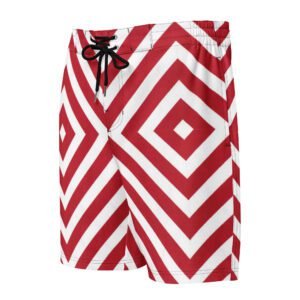
Carre Men’s Board Shorts
$49.00 -
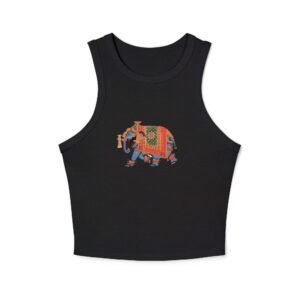
Painted Elephant Micro Rib Racer Tank Top
Price range: $31.50 through $34.00 -
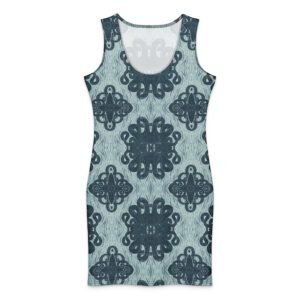
Blu Octopodes Cotton Dress
$44.00 -
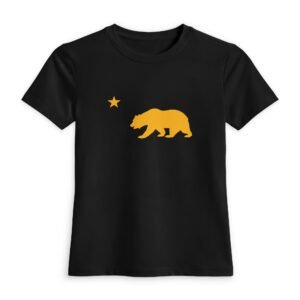
Golden State Bear Women’s Luxe Fitted Tee
$30.00 -
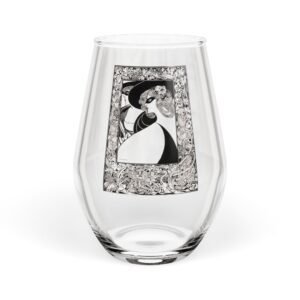
Two Masked Women Stemless Wine Glass
$15.00 -
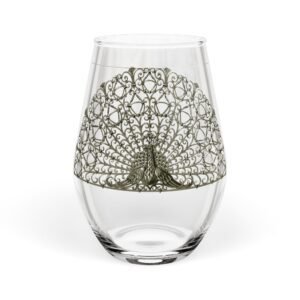
Peacock Lace Stemless Wine Glass — 11.75 oz Decorative Glassware
$15.00 -
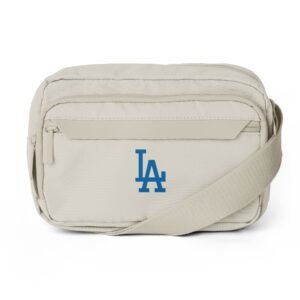
Urban LA Crossbody Bag
$35.50 -
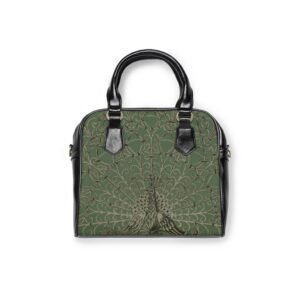
Peacock Pattern Shoulder Handbag – Elegant Olive Green Tote
$49.00 -
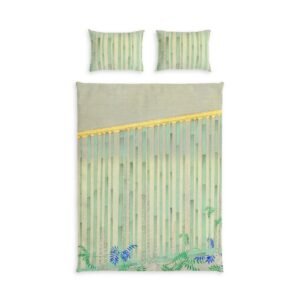
Bamboo Garden Cotton Duvet Cover Set — Green Tropical Stripe Bed Set
Price range: $110.00 through $135.00 -
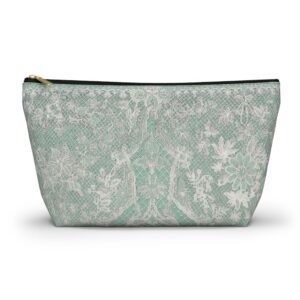
Mint Lace Pattern Accessory Pouch — T-Bottom Makeup Bag
Price range: $15.00 through $20.00 -
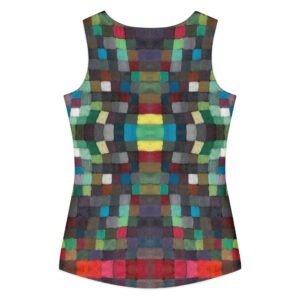
Women’s cotton tank top
$22.00 -
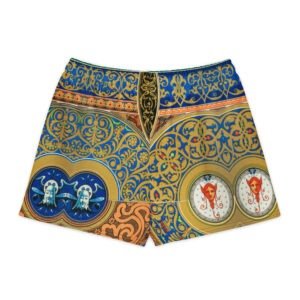
Albert Racinet: Renaissance Cotton Shorts
Price range: $32.00 through $38.00 -
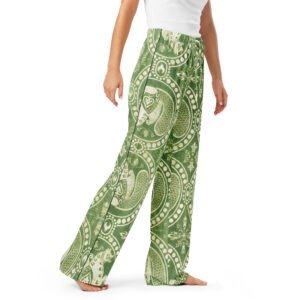
Cecilia Women’s Pajama Pants
Price range: $36.50 through $39.00 -
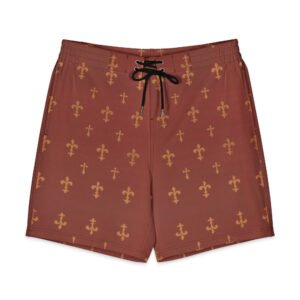
fleur de lis rouge Men’s Board Shorts
$55.00 -
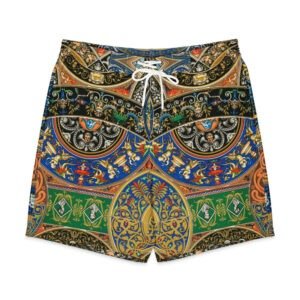
Albert Racinet: Renaissance Men’s Board Shorts
$55.00 -
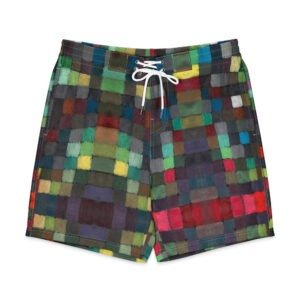
Paul Klee: May Picture Men’s Board Shorts
$55.00 -
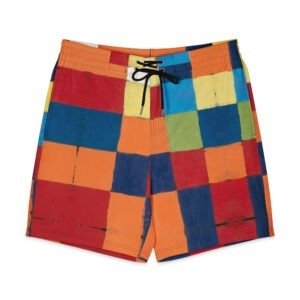
Paul Klee: “Color Chart ‘Qu 1′”Men’s Board Shorts
$55.00 -
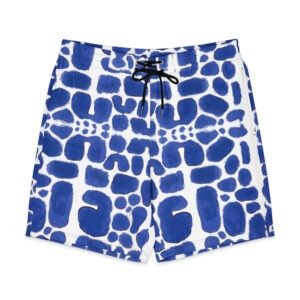
Paul Klee: Late Evening Looking Out of the Woods Men’s Board Shorts
$55.00 -
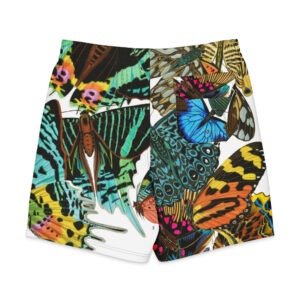
Milles Papillons Men’s Board Shorts
$55.00 -
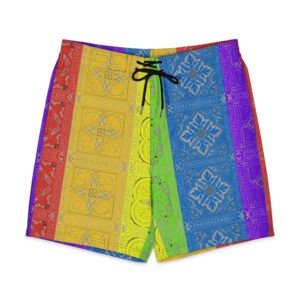
l’arc en ciel Men’s Board Shorts
$55.00 -
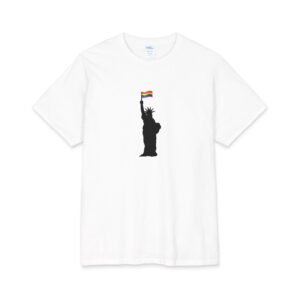
Rainbow Flag NYC Freedom Tee
$13.30 -
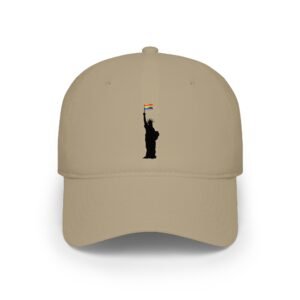
Proud Liberty Low Profile Baseball Cap
Price range: $25.99 through $34.99 -
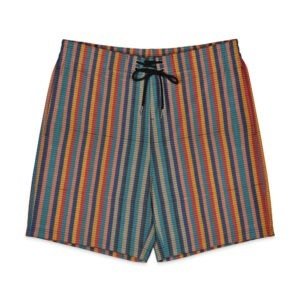
Bauhaus Textiles: Men’s Board Shorts
$55.00 -
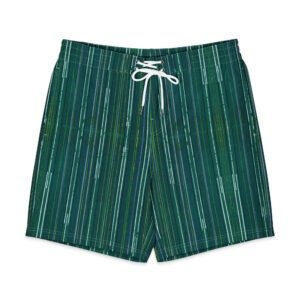
Enjaded Men’s Board Shorts
$55.00 -
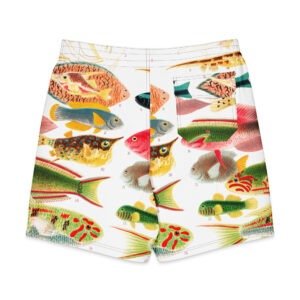
Ocean Friends Men’s Board Shorts
$55.00