Wassily Kandinsky
Wassily Kandinsky
(1866 - 1944)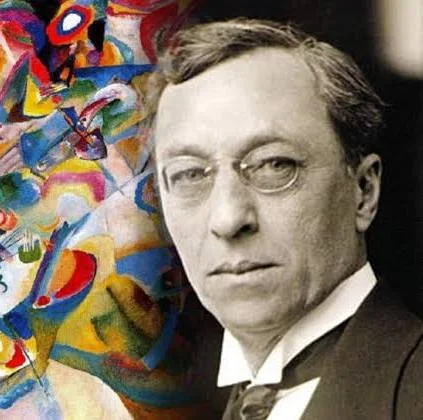
Explore all artists in this collection
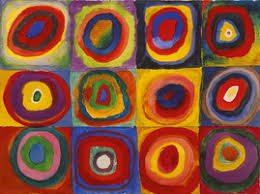
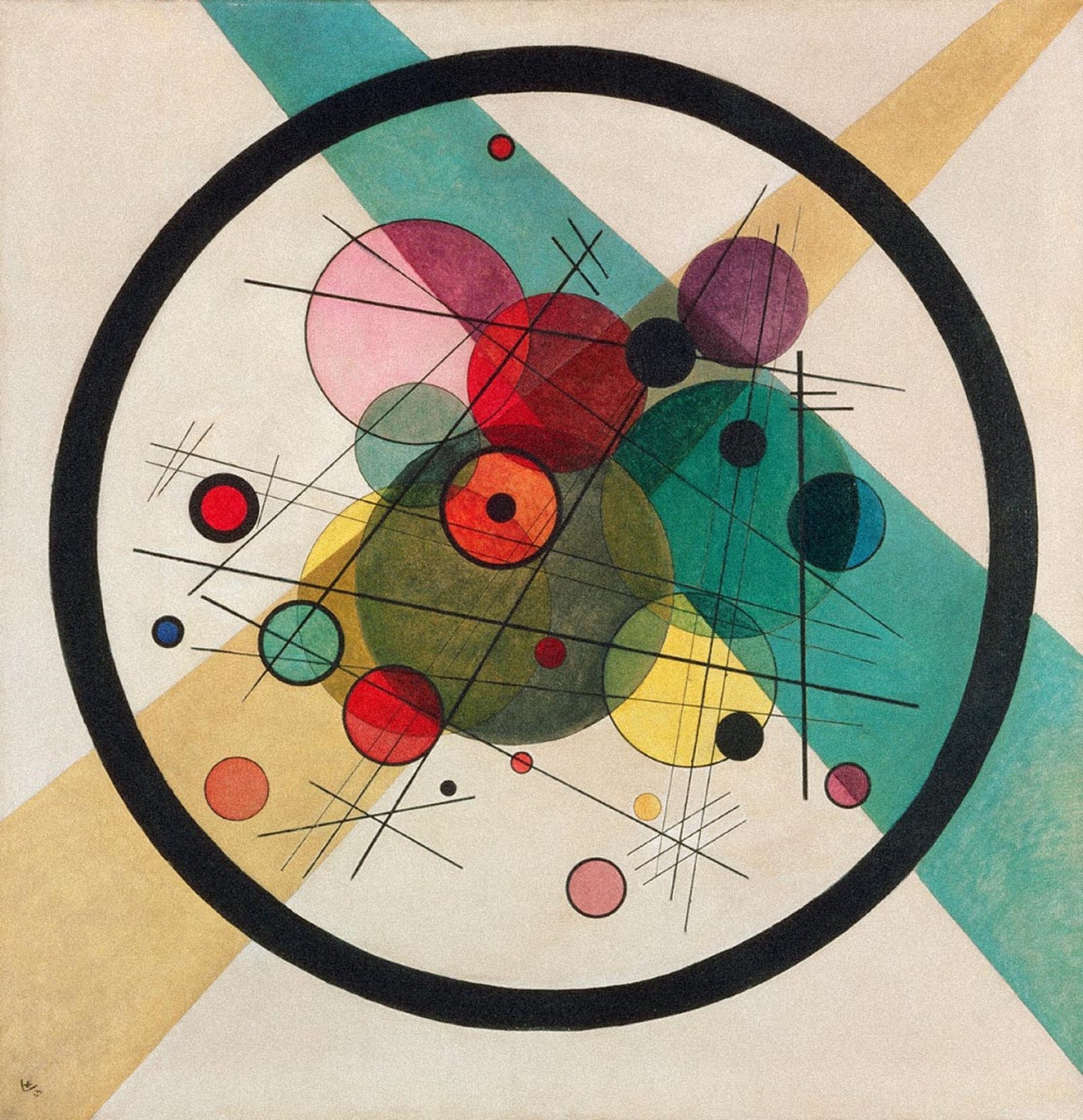
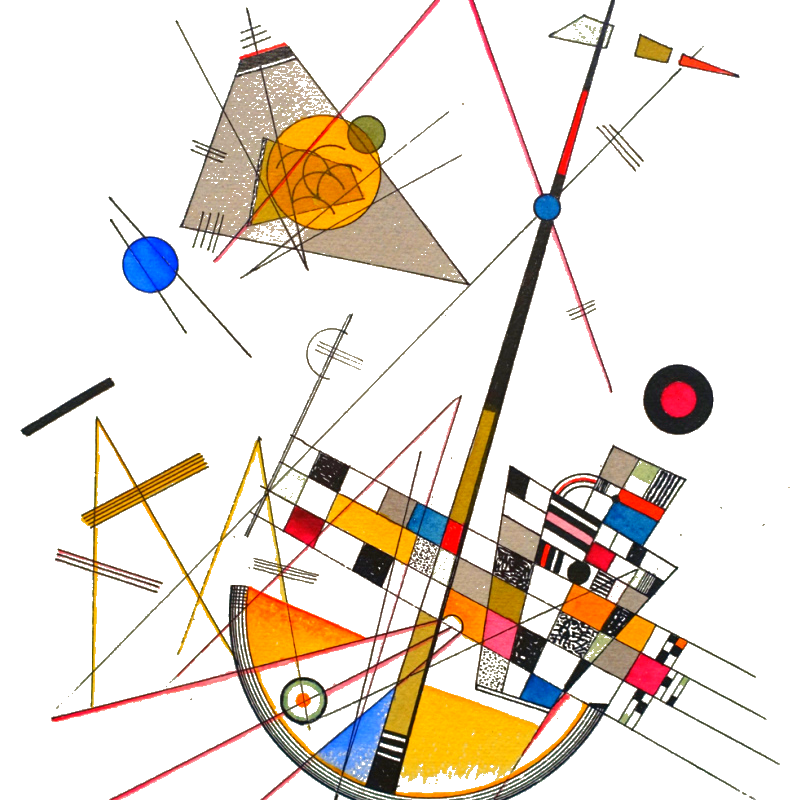
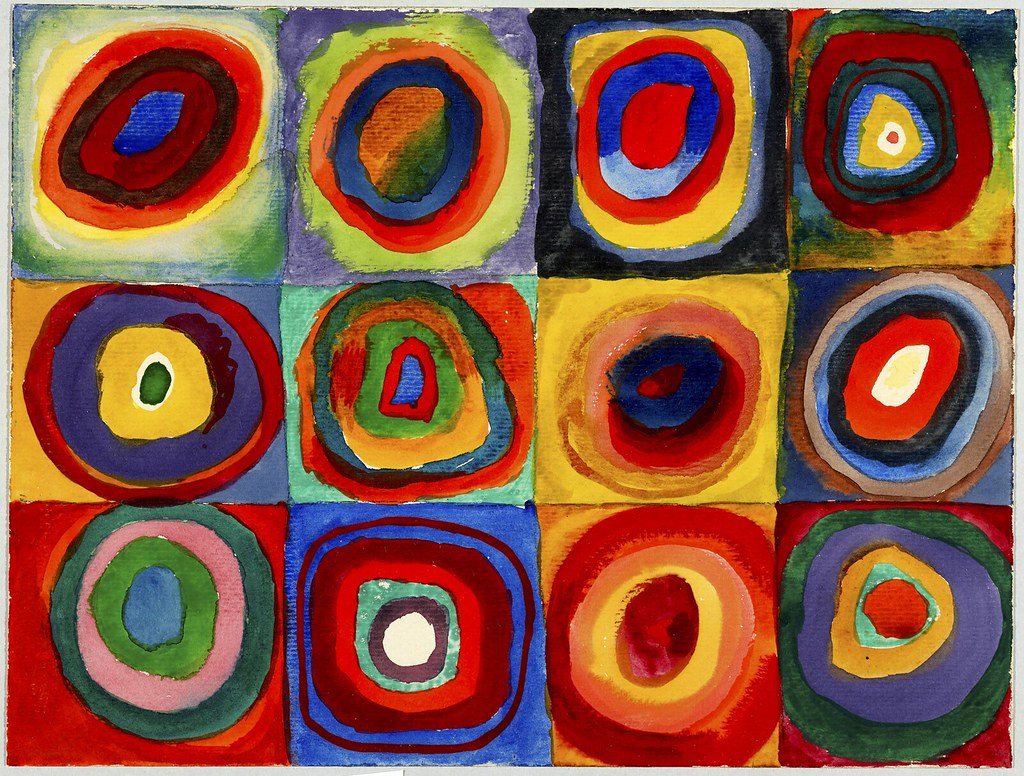
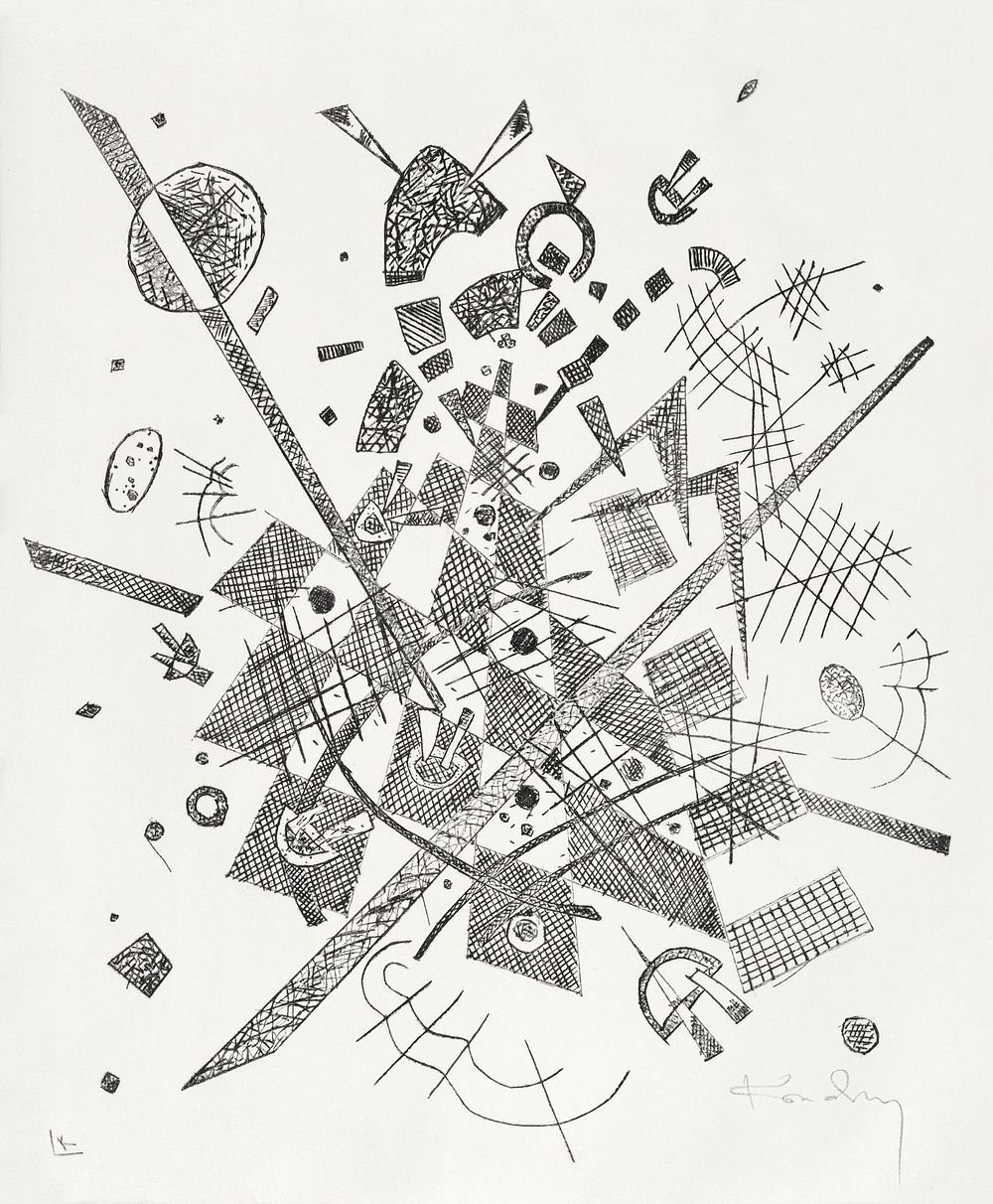
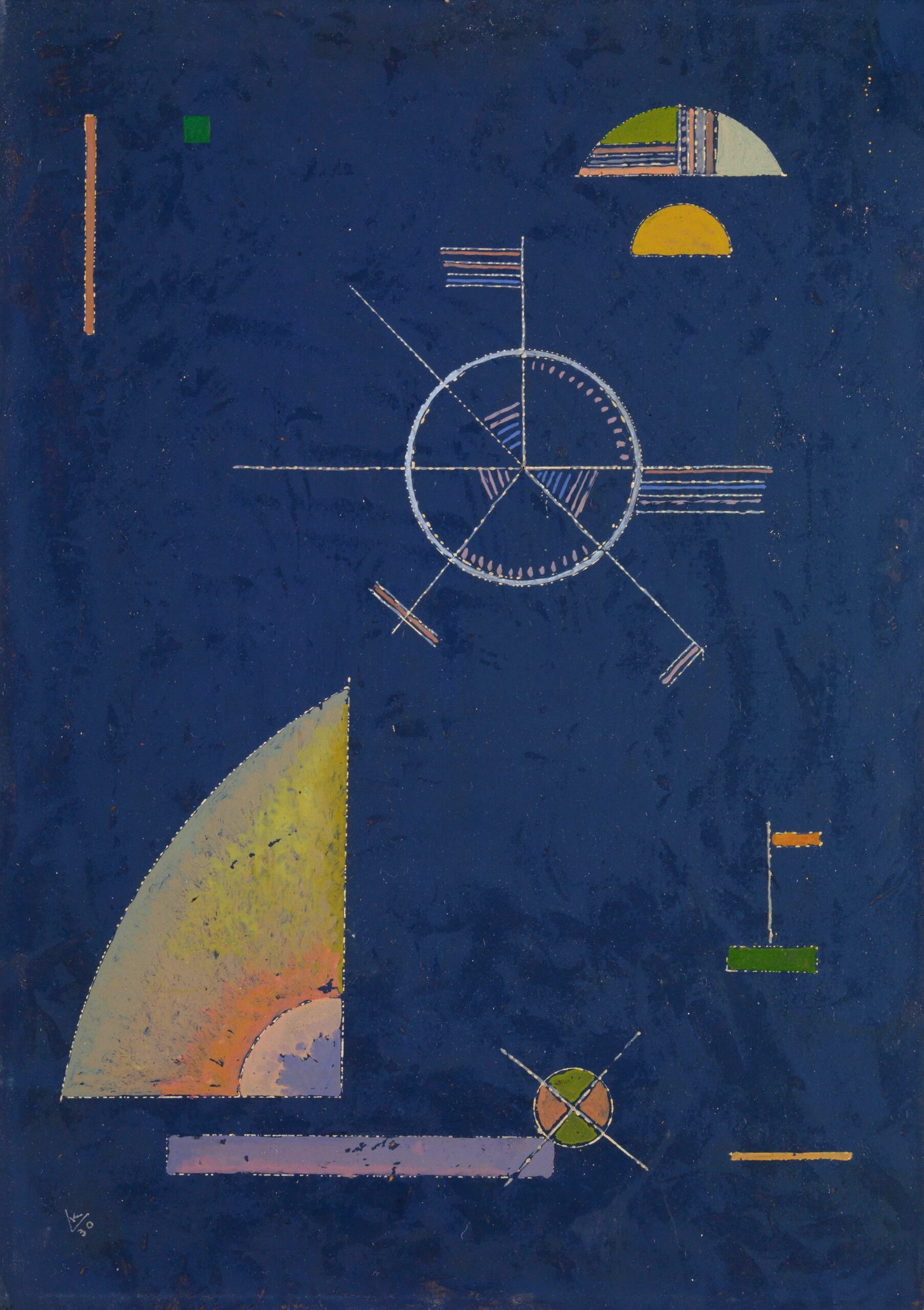
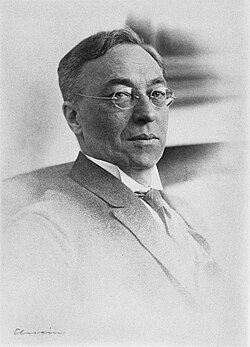
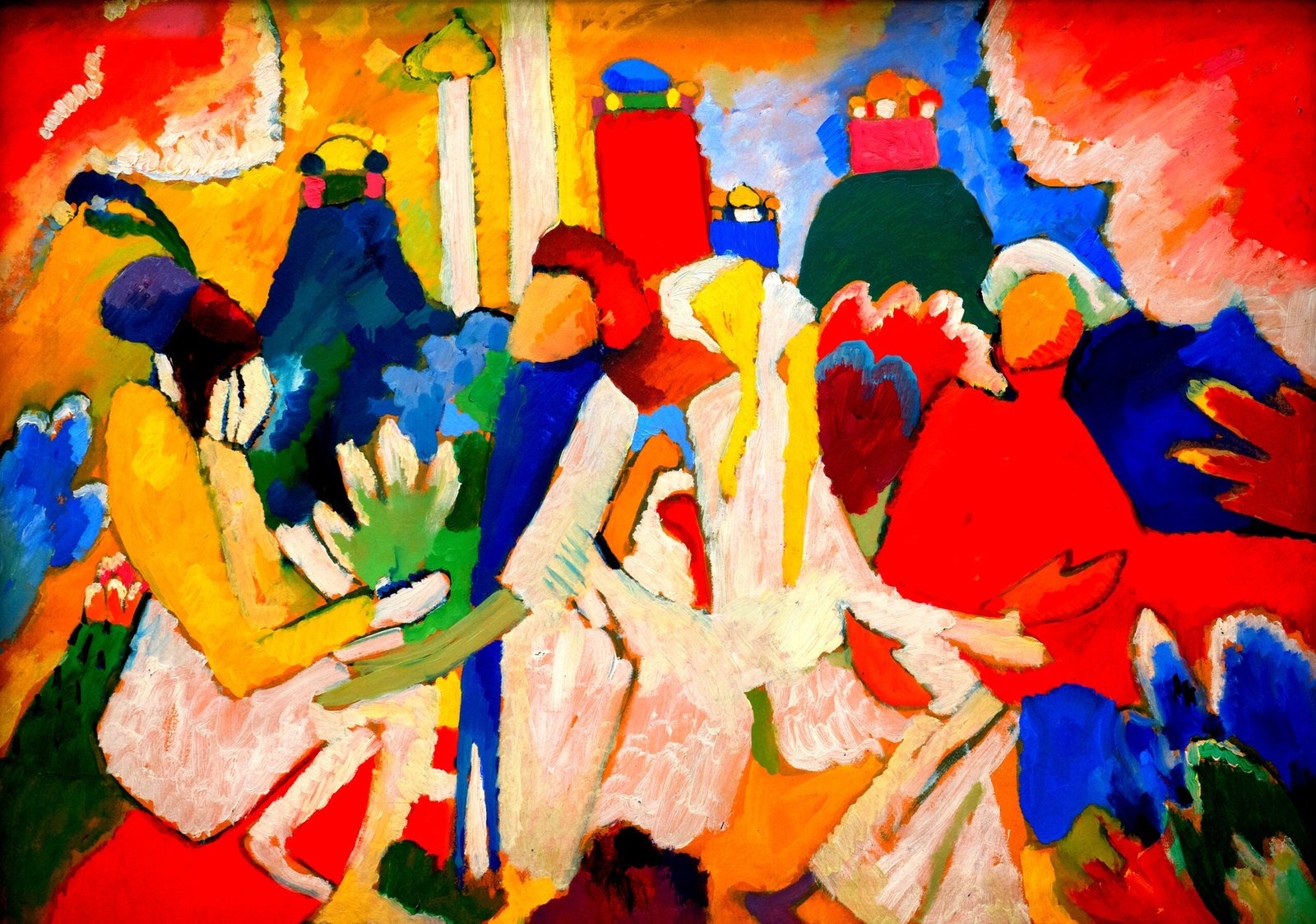
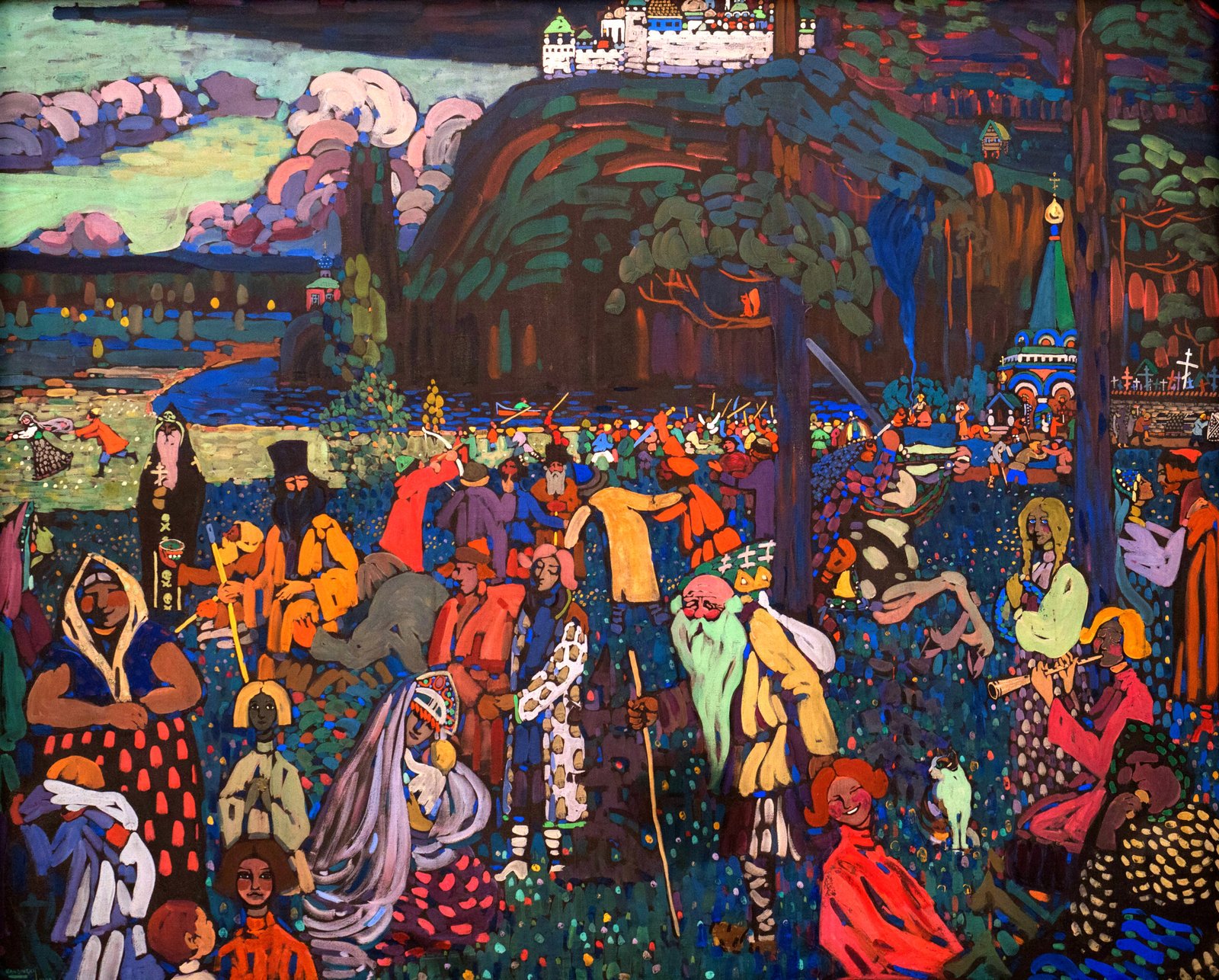
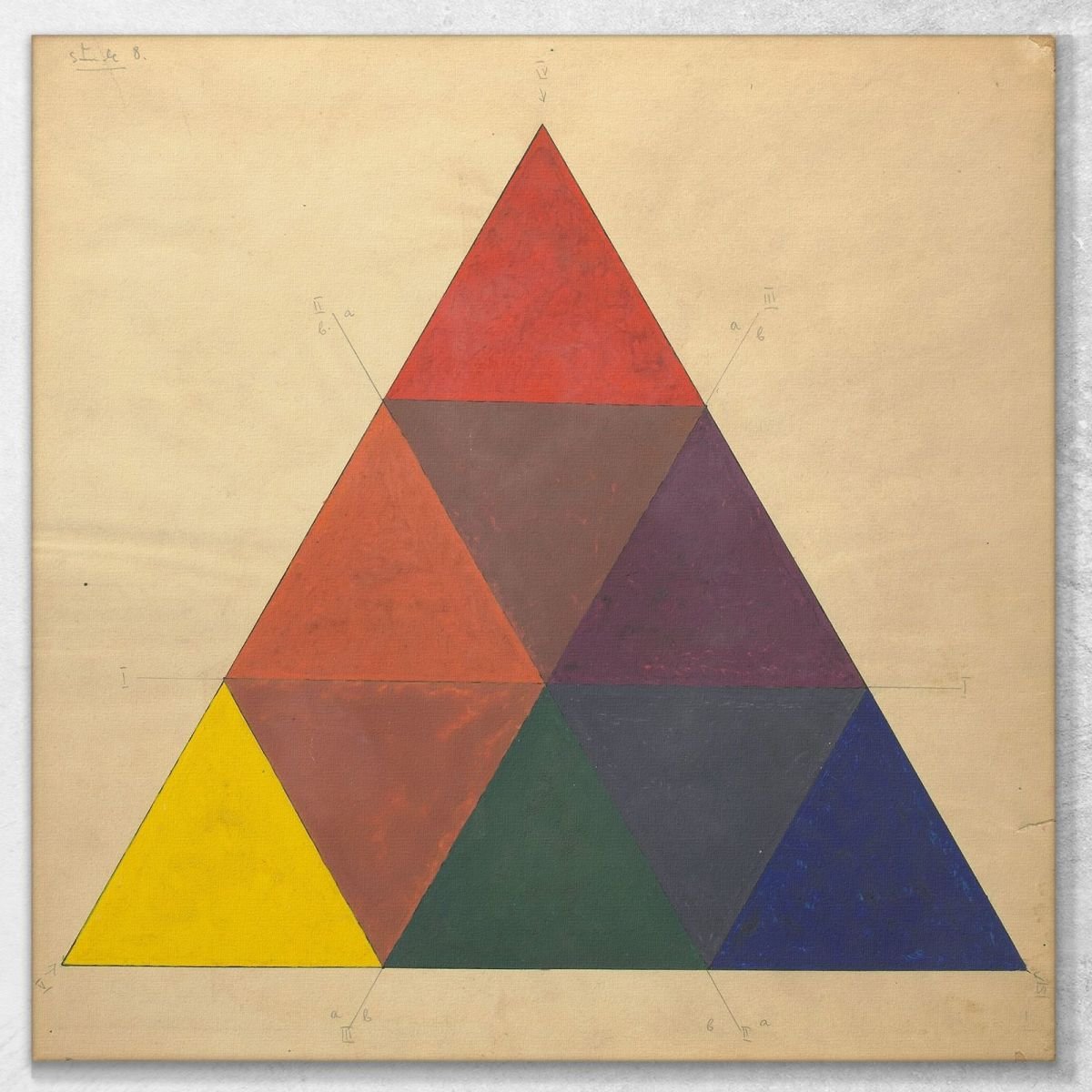
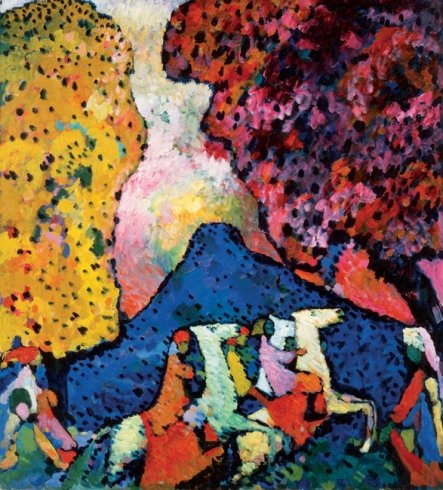
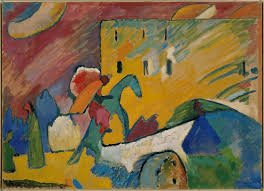
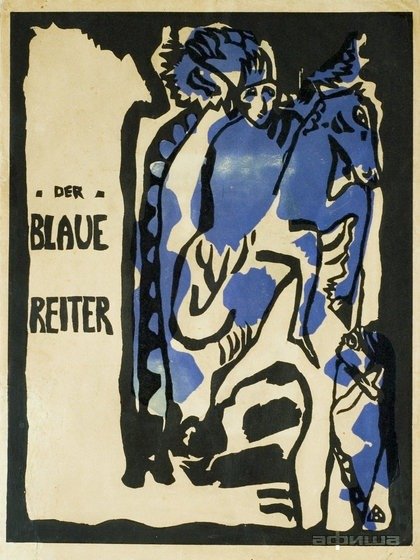
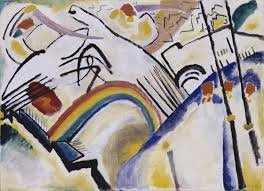
Wassily Kandinsky was a Russian-born painter and art theorist who is widely considered a pioneer of abstract art, known for his spiritual approach to painting and his belief in art's ability to evoke emotion and inner necessity. He transitioned from a career in law to art in his thirties, moving to Munich to study painting and eventually co-founding the Der Blaue Reiter (The Blue Rider) group with Franz Marc. Kandinsky's abstract works, which use color, line, and form to convey meaning rather than represent the visible world, were inspired by his love of music and his possible synesthesia (a condition where senses are mixed).


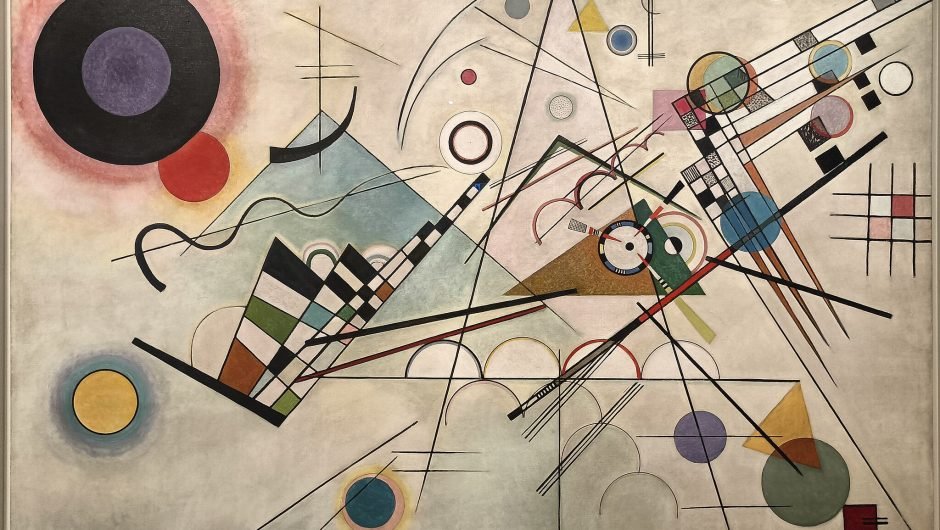


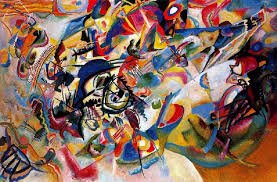

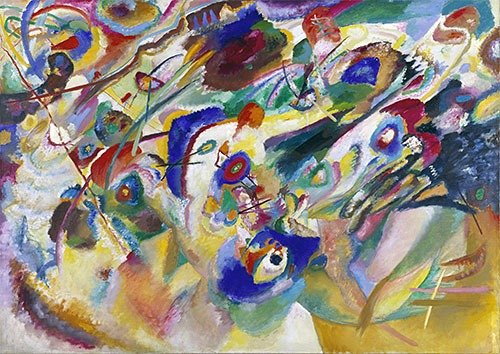


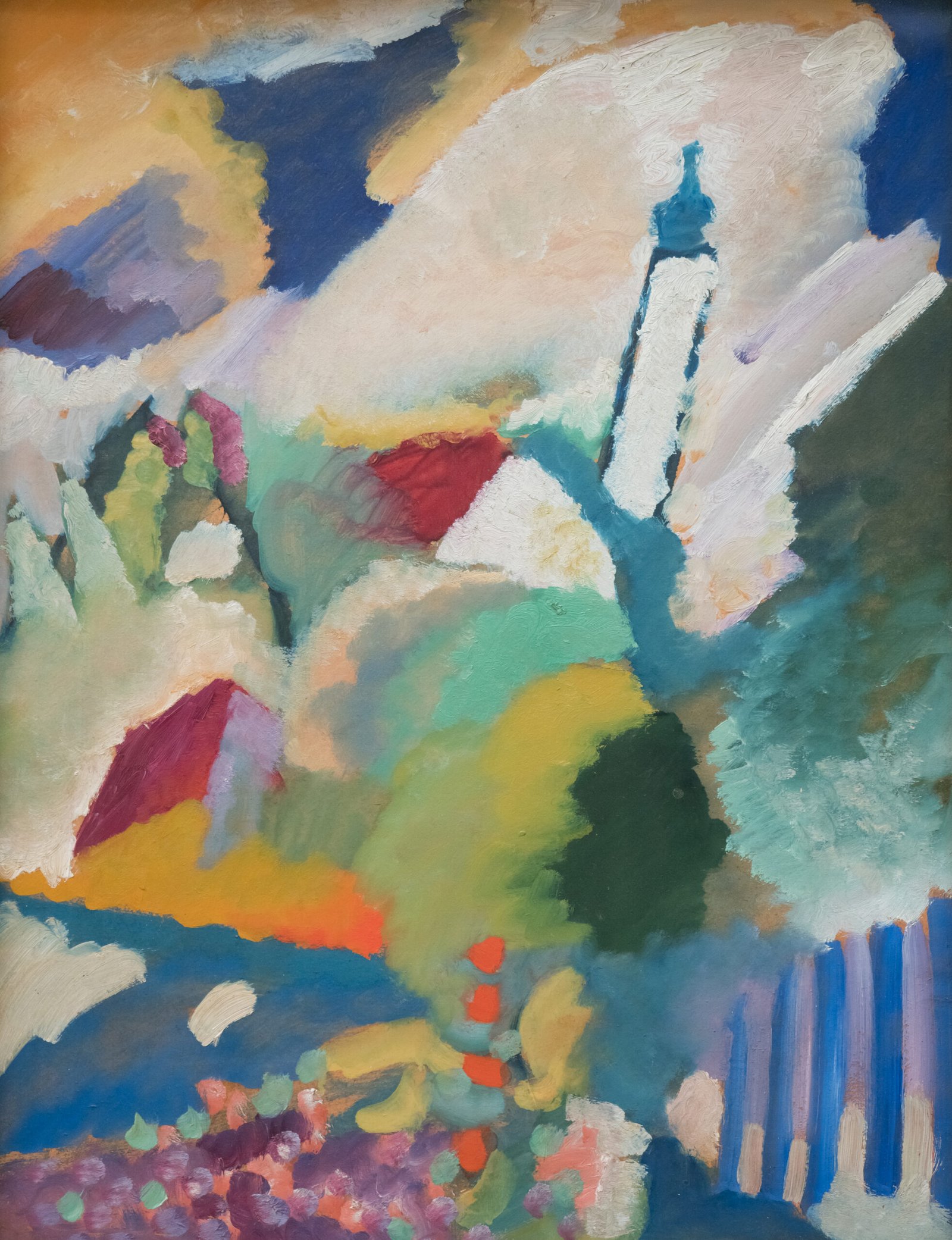
Wassily Kandinsky's most famous painting is widely considered to be Composition VII, an abstract oil painting from 1913. It is known for its complex, swirling composition of colors and shapes, which Kandinsky believed could evoke a powerful emotional and auditory experience, much like music.
The painting is a prime example of pure abstraction, moving away from representational art to focus on the emotional and spiritual qualities of color and form. Despite its chaotic appearance, it was meticulously planned with over 30 sketches before its creation.
It is thought to combine several apocalyptic themes, including the Flood, the Last Judgment, the Resurrection, and the Garden of Eden.