Joan Miró
Joan Miró
1893 - 1983Joan Miró
(1893 - 1983)
Explore all artists in this collection
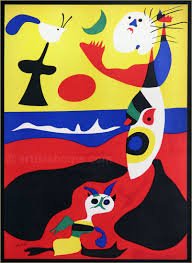
Until the outbreak of the Spanish Civil War, Miró habitually returned to Spain in the summers. Once the war began, he was unable to return home. Unlike many of his surrealist contemporaries, Miró had previously preferred to stay away from explicitly political commentary in his work. Though a sense of (Catalan) nationalism pervaded his earliest surreal landscapes and Head of a Catalan Peasant, it was not until Spain’s Republican government commissioned him to paint the mural The Reaper, for the Spanish Republican Pavilion at the 1937 Paris Exhibition, that Miró’s work took on a politically charged meaning.
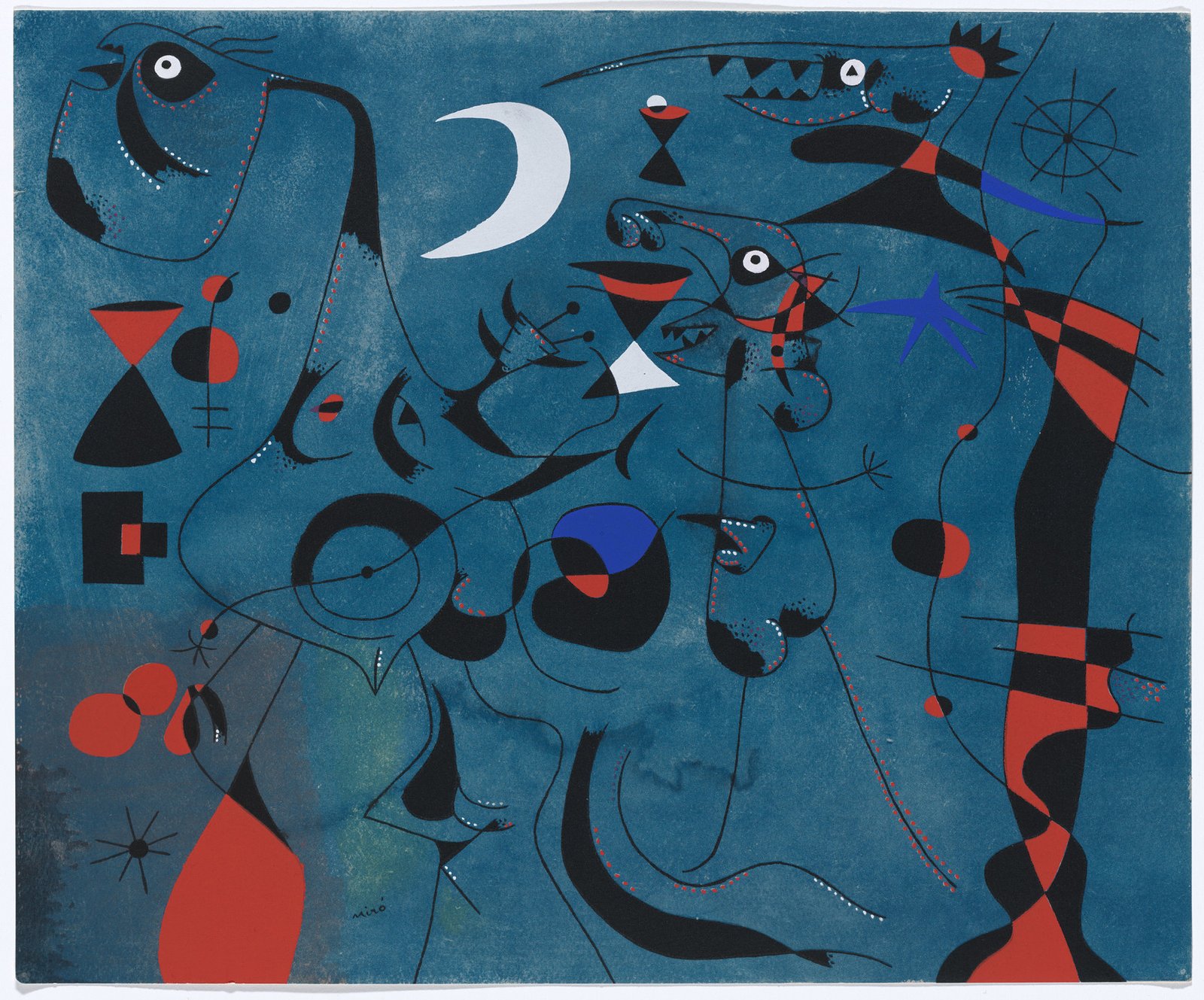
In 1939, with Germany’s invasion of France looming, Miró relocated to Varengeville in Normandy, and on 20 May of the following year, as Germans invaded Paris, he narrowly fled to Spain (now controlled by Francisco Franco) for the duration of the Vichy Regime’s rule. In Varengeville, Palma, and Mont-roig, between 1940 and 1941, Miró created the twenty-three gouache series Constellations. Revolving around celestial symbolism, Constellations earned the artist praise from André Breton, who seventeen years later wrote a series of poems, named after and inspired by Miró’s series. Features of this work revealed a shifting focus to the subjects of women, birds, and the moon, which would dominate his iconography for much of the rest of his career.
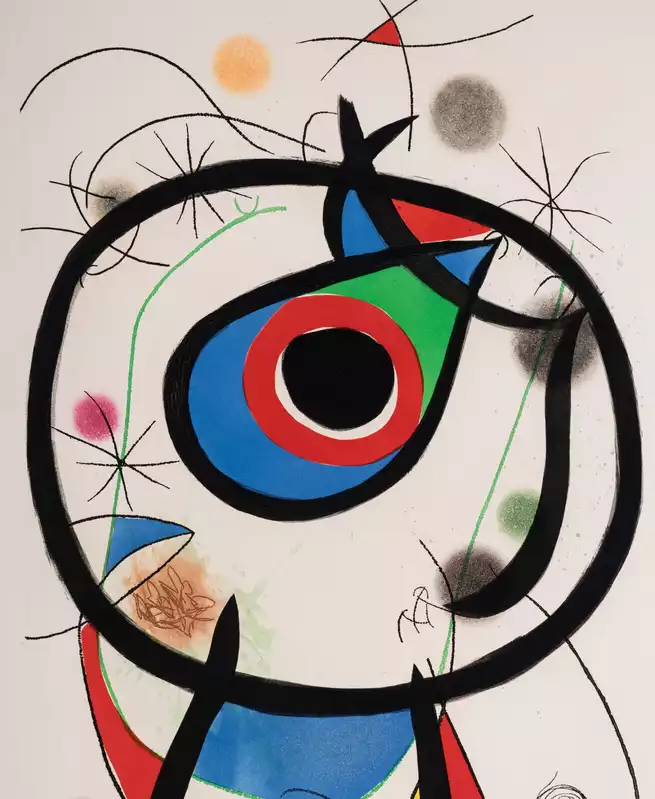
Shuzo Takiguchi published the first monograph on Miró in 1940. In 1948–49 Miró lived in Barcelona and made frequent visits to Paris to work on printing techniques at the Mourlot Studios and the Atelier Lacourière. He developed a close relationship with Fernand Mourlot and that resulted in the production of over one thousand different lithographic editions.
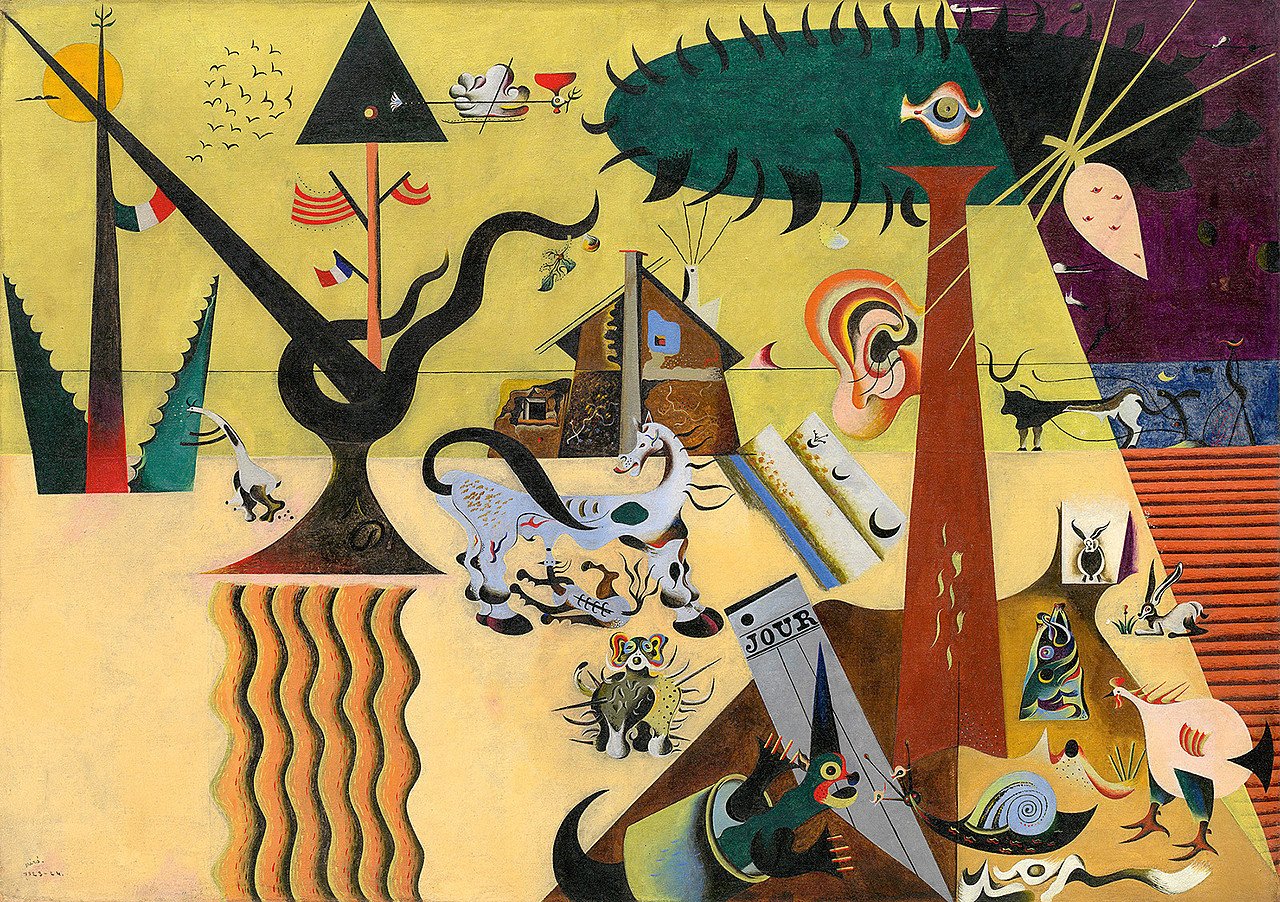
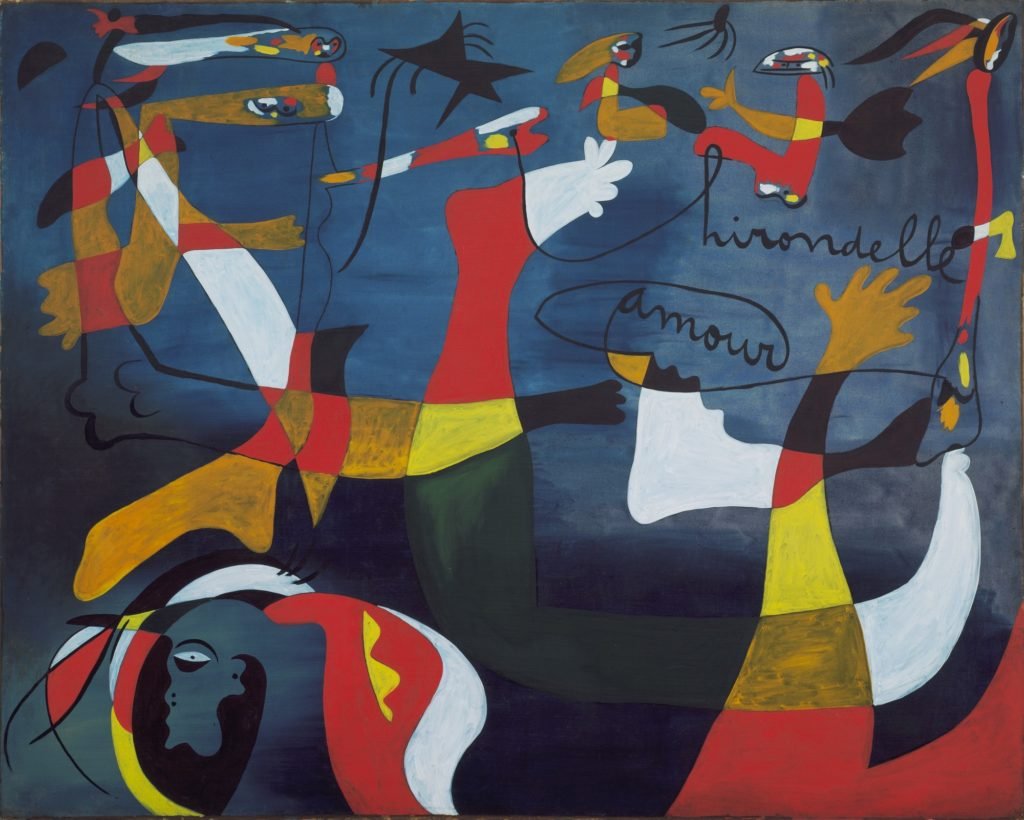
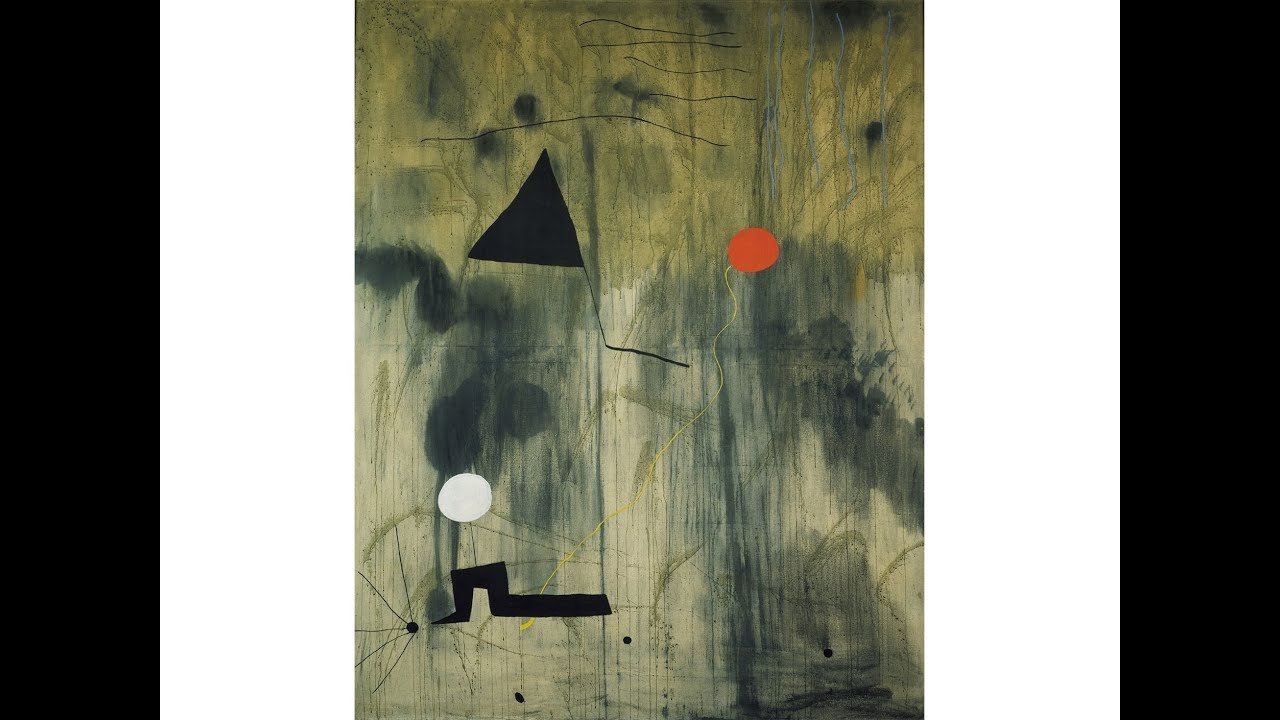
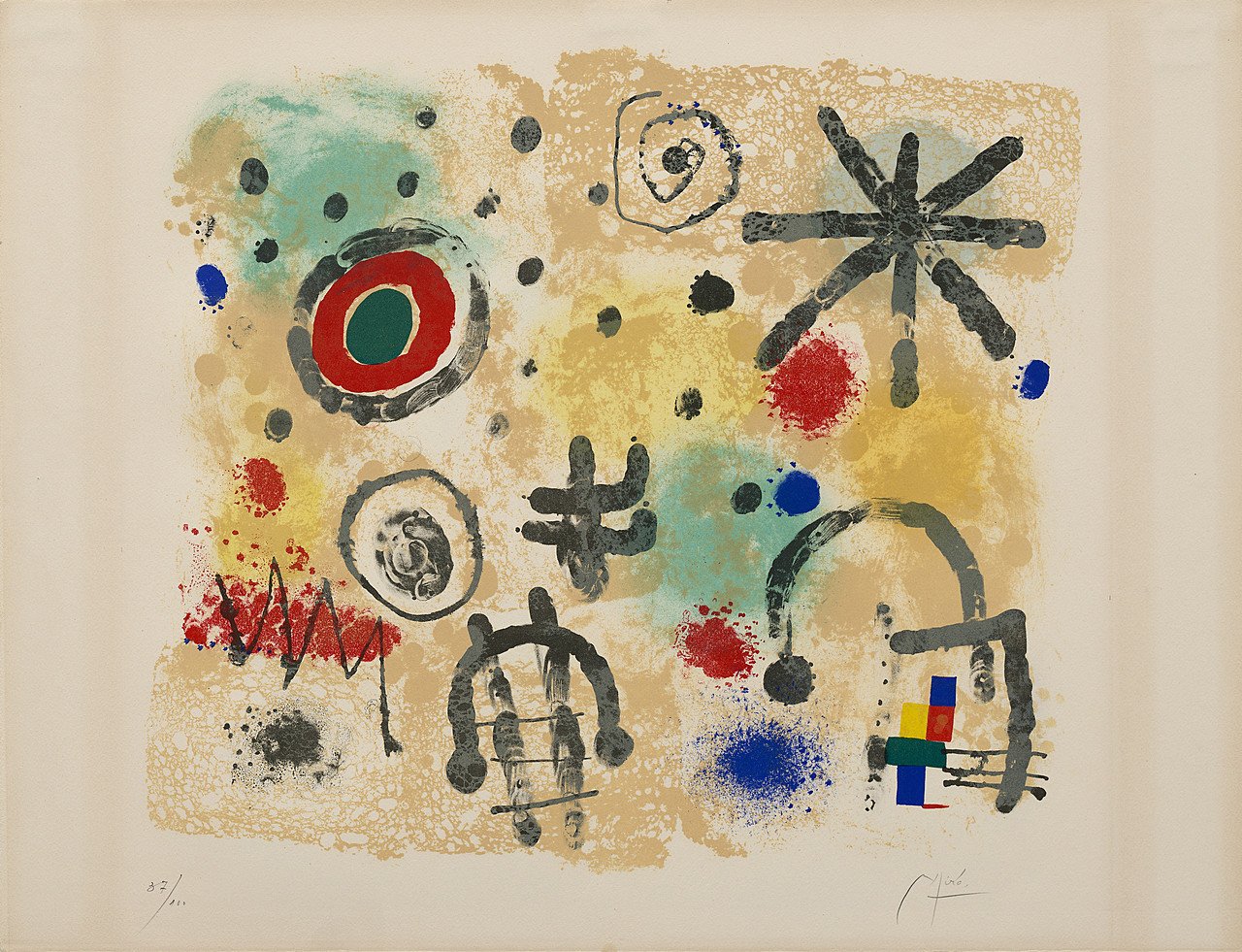
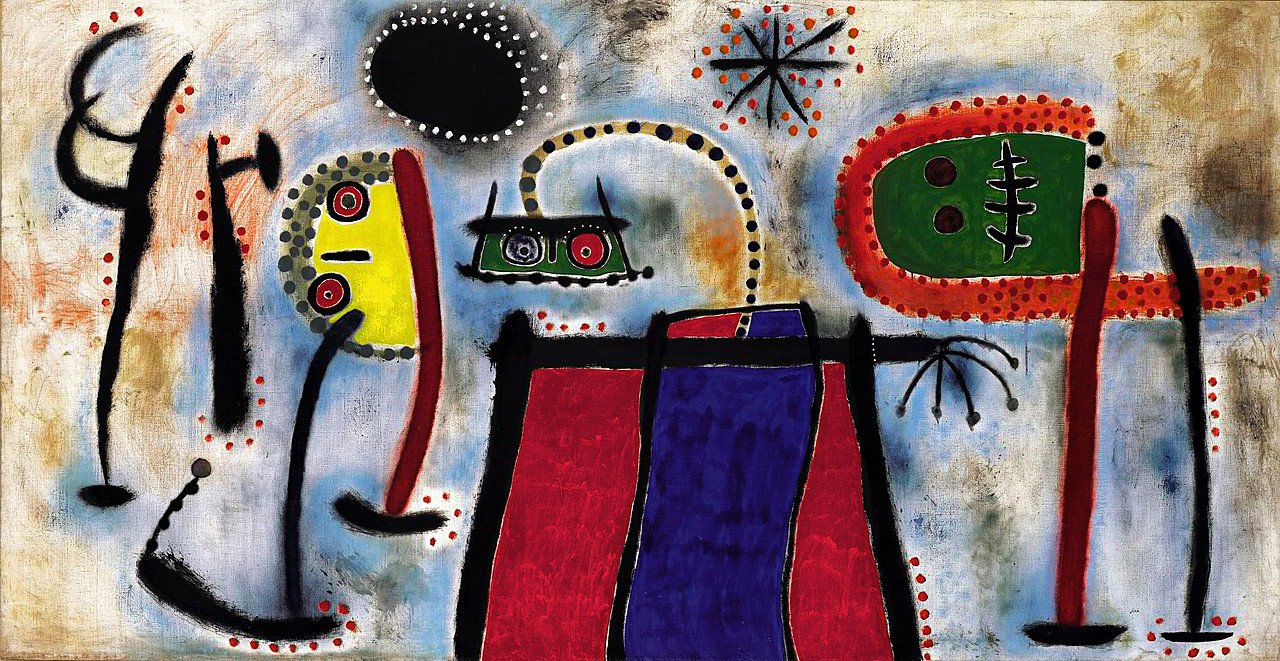
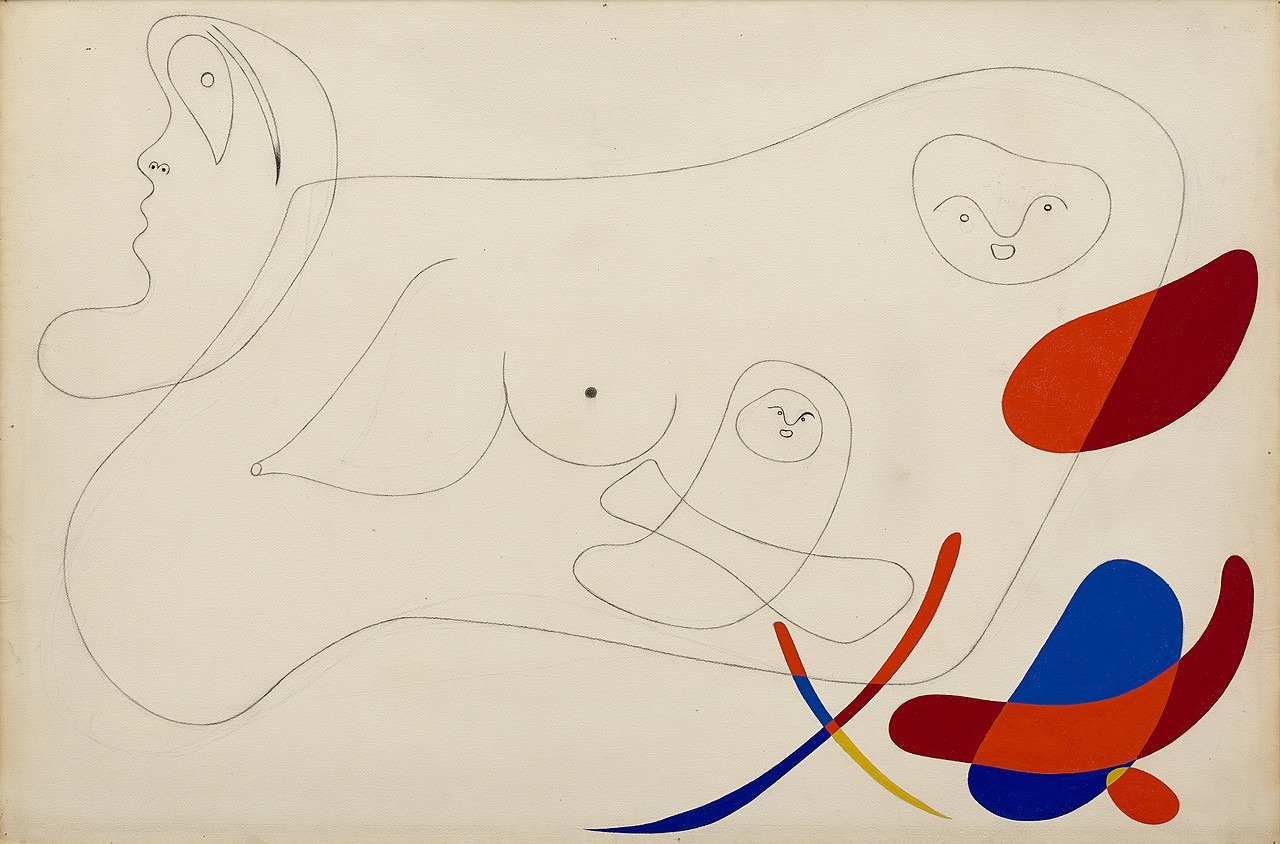
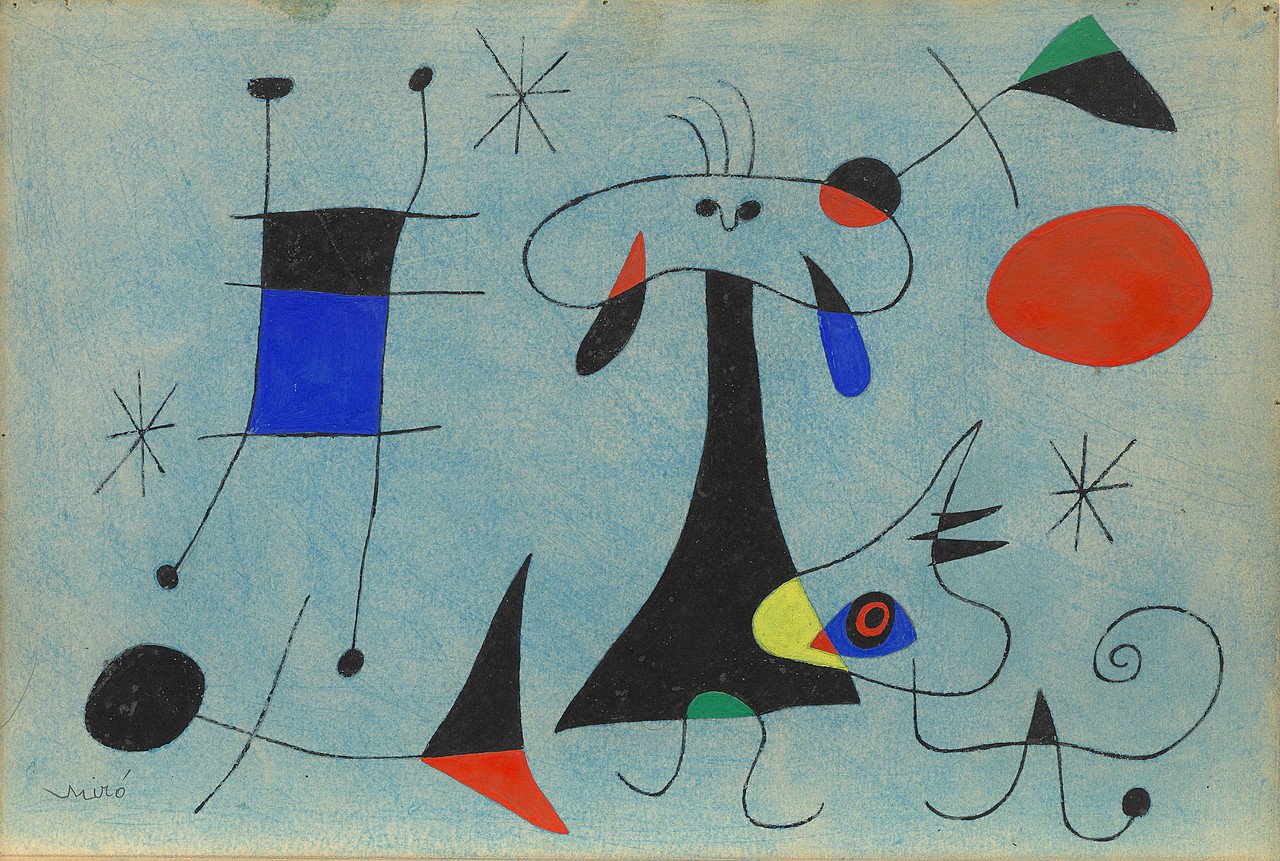
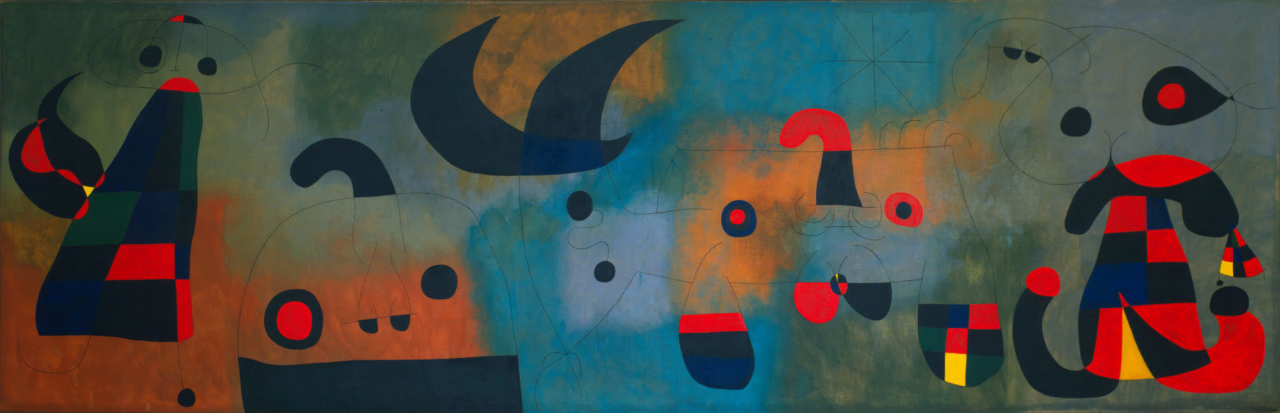
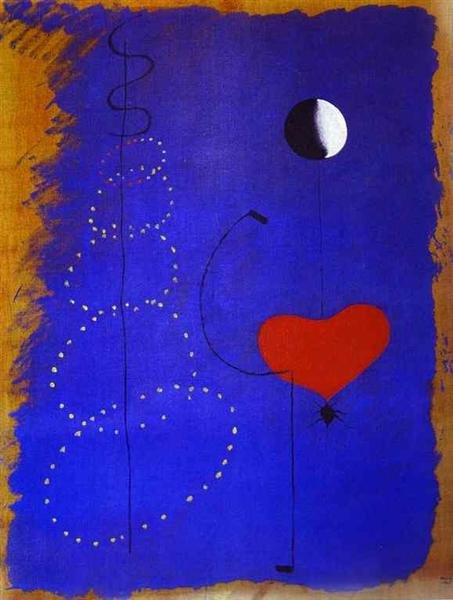

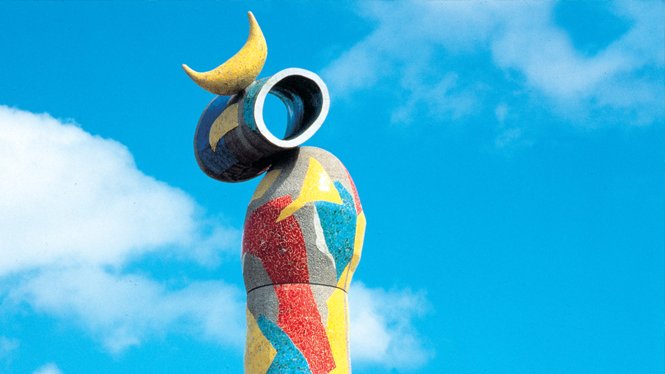
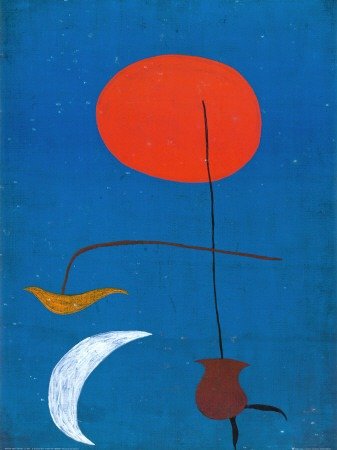
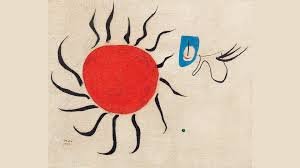

In 1959, André Breton asked Miró to represent Spain in The Homage to Surrealism exhibition alongside Enrique Tábara, Salvador Dalí, and Eugenio Granell. Miró created a series of sculptures and ceramics for the garden of the Maeght Foundation in Saint-Paul-de-Vence, France, which was completed in 1964.
Showing all 8 resultsSorted by latest
-
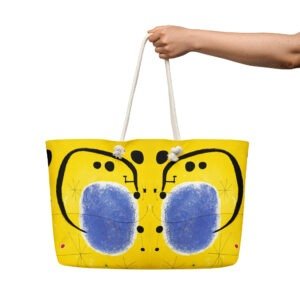
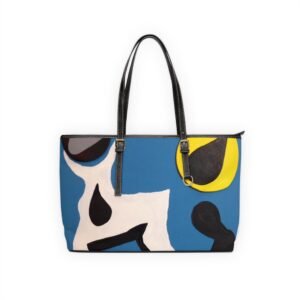
L’Or de l’azur Oversized Weekender Bag
$48.00 -
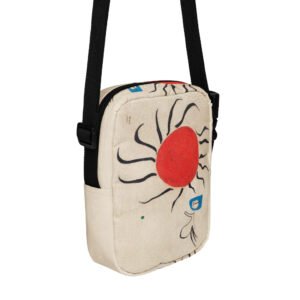
Joan Miró: Peinture (Le Soleil), 1927 Utility Crossbody Bag
$31.50 -
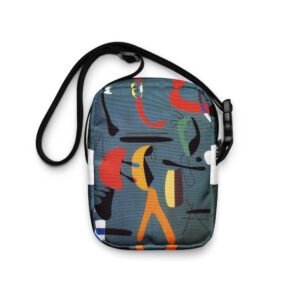
Joan Miró: Peinture, 1933 Utility Crossbody Bag
$31.50 -
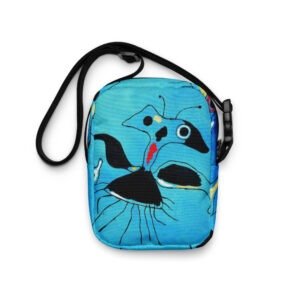
Joan Miró: Birds and Insects, 1938 Utility Crossbody Bag
$31.50 -
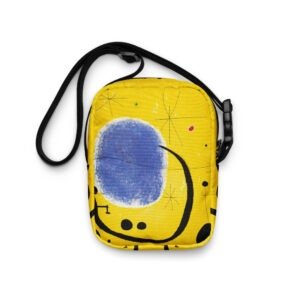
Joan Miró: The Gold of the Azure (L’Or de l’azur) Utility Crossbody Bag
$31.50 -

Miro Design Small Shoulder Bag
$35.00 -
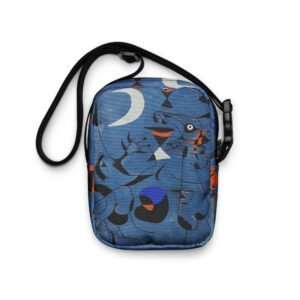
Joan Miró: Constellation Utility Cross Body Bag
$31.50 -
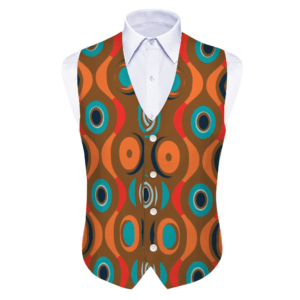
Miro Dress Vest
$33.00
In 1959, André Breton asked Miró to represent Spain in The Homage to Surrealism exhibition alongside Enrique Tábara, Salvador Dalí, and Eugenio Granell. Miró created a series of sculptures and ceramics for the garden of the Maeght Foundation in Saint-Paul-de-Vence, France, which was completed in 1964.
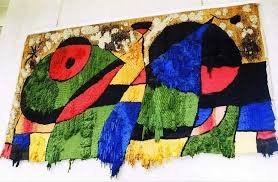
In 1974, Miró created a tapestry for the World Trade Center in New York City together with the Catalan artist Josep Royo. He had initially refused to do a tapestry, then he learned the craft from Royo and the two artists produced several works together. His World Trade Center Tapestry was displayed at the building and was one of the most expensive works of art lost during the September 11 attacks.
In 1977, Miró and Royo finished a tapestry to be exhibited in the National Gallery of Art in Washington, DC.
In 1981, Miró’s The Sun, the Moon and One Star—later renamed Miró’s Chicago—was unveiled. This large, mixed media sculpture is situated outdoors in the downtown Loop area of Chicago, across the street from another large public sculpture, the Chicago Picasso. Miró had created a bronze model of The Sun, the Moon and One Star in 1967. The maquette now resides in the Milwaukee Art Museum.