Paul Klee
Paul Klee
(1879 - 1940)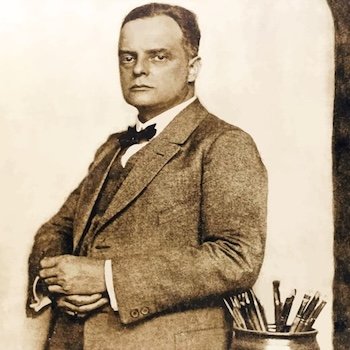
Explore all artists in this collection
Paul Klee was a Swiss-born German artist. His highly individual style was influenced by movements in art that included expressionism, cubism, and surrealism.
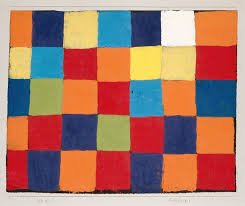
Klee was a natural draftsman who experimented with and eventually deeply explored color theory, writing about it extensively. His lectures Writings on Form and Design Theory (Schriften zur Form und Gestaltungslehre), published in English as the Paul Klee Notebooks, are held to be as important for modern art as Leonardo da Vinci's A Treatise on Painting was for the Renaissance.
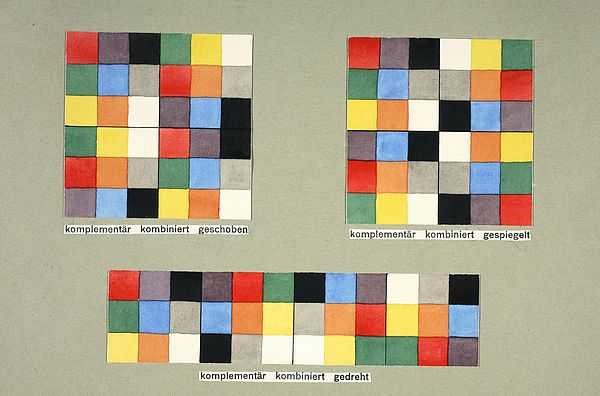
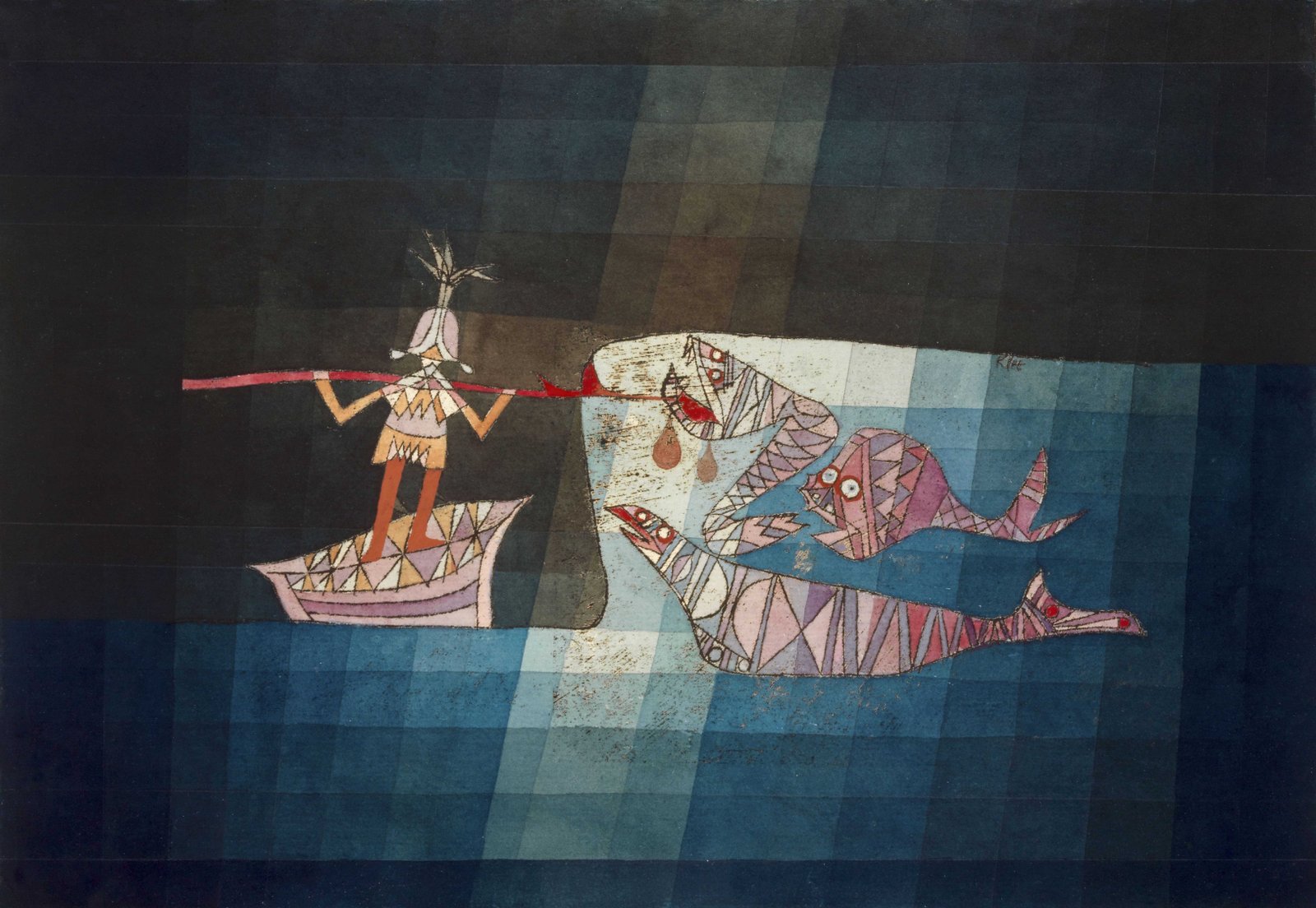
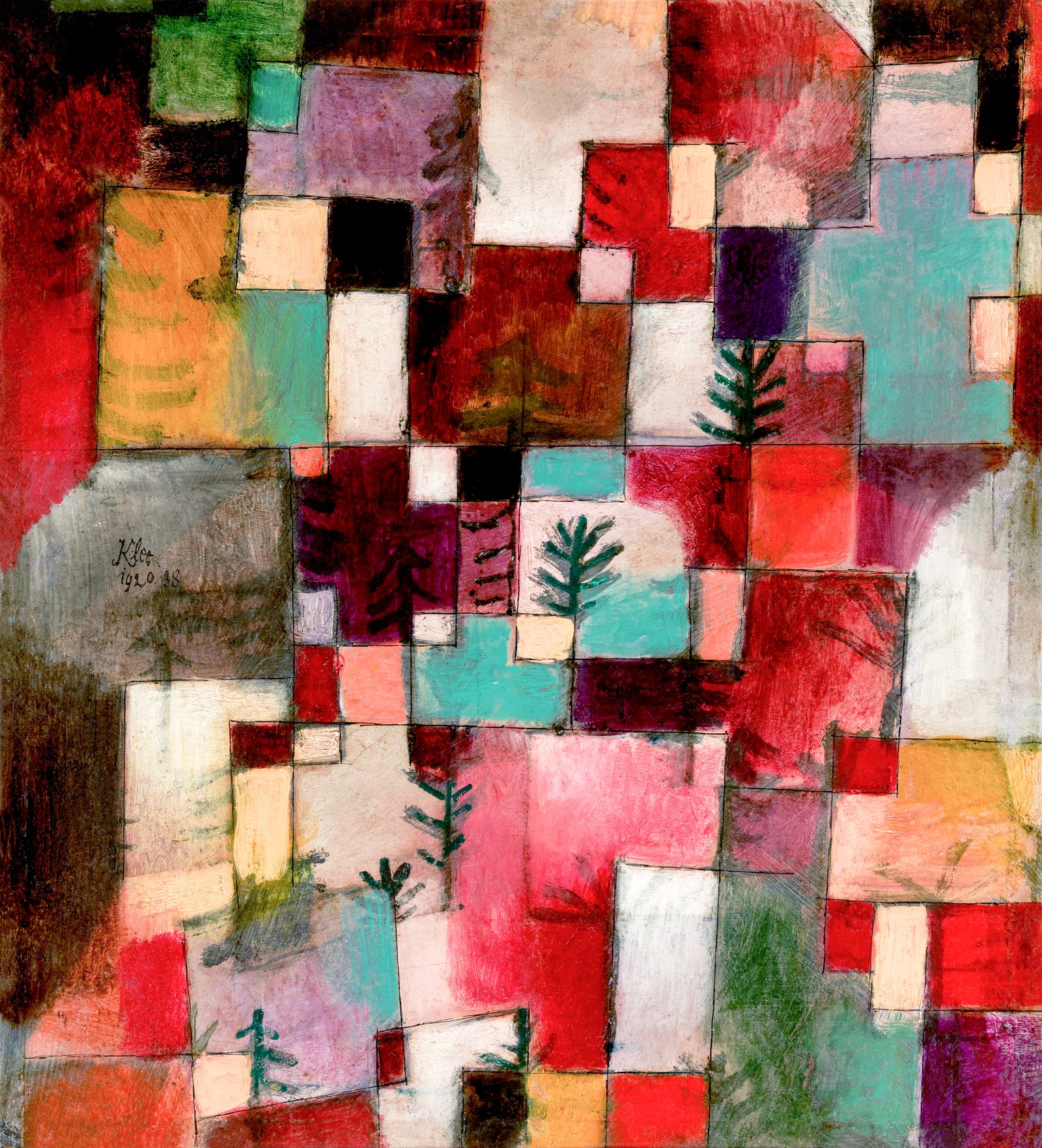
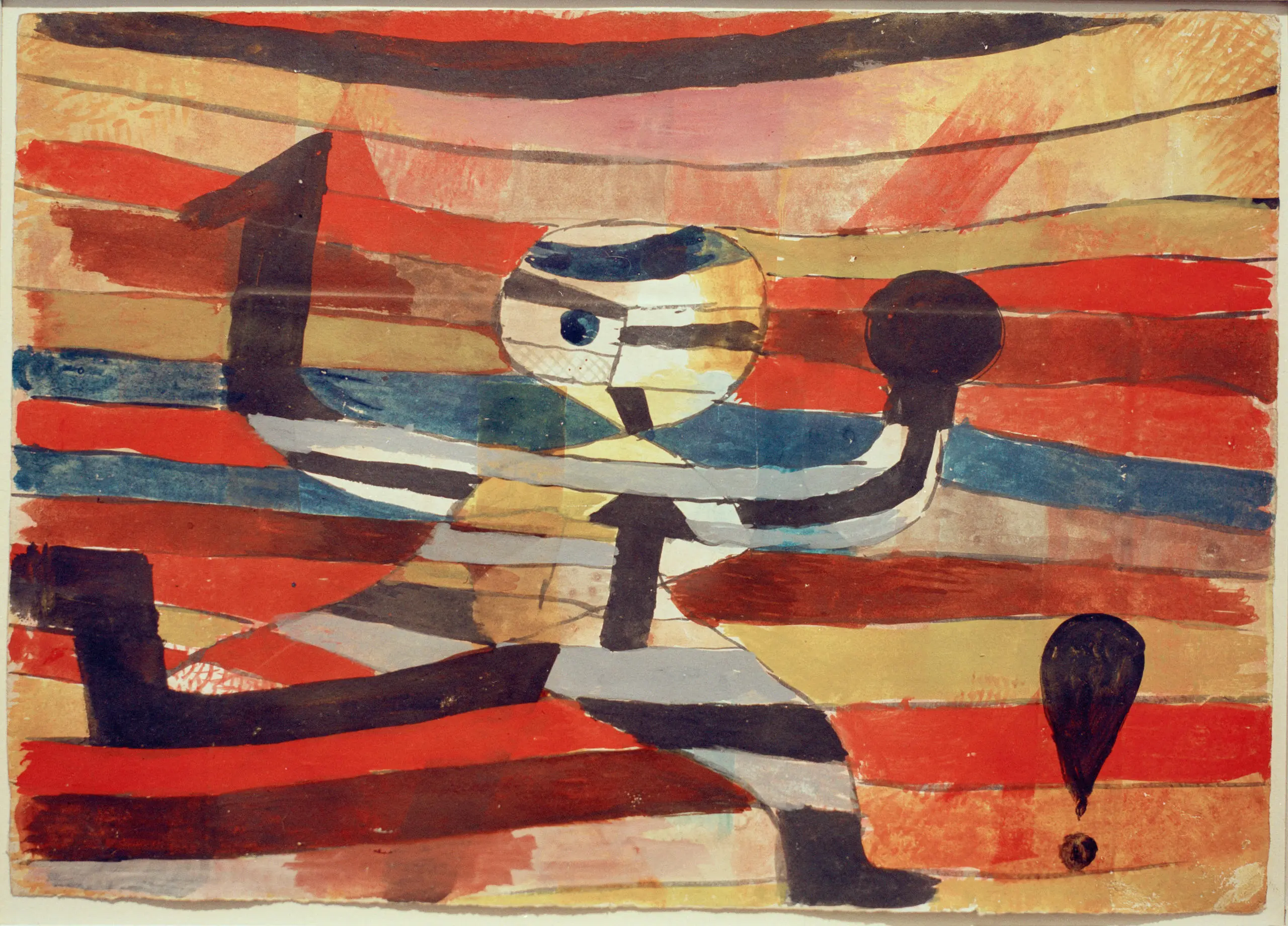




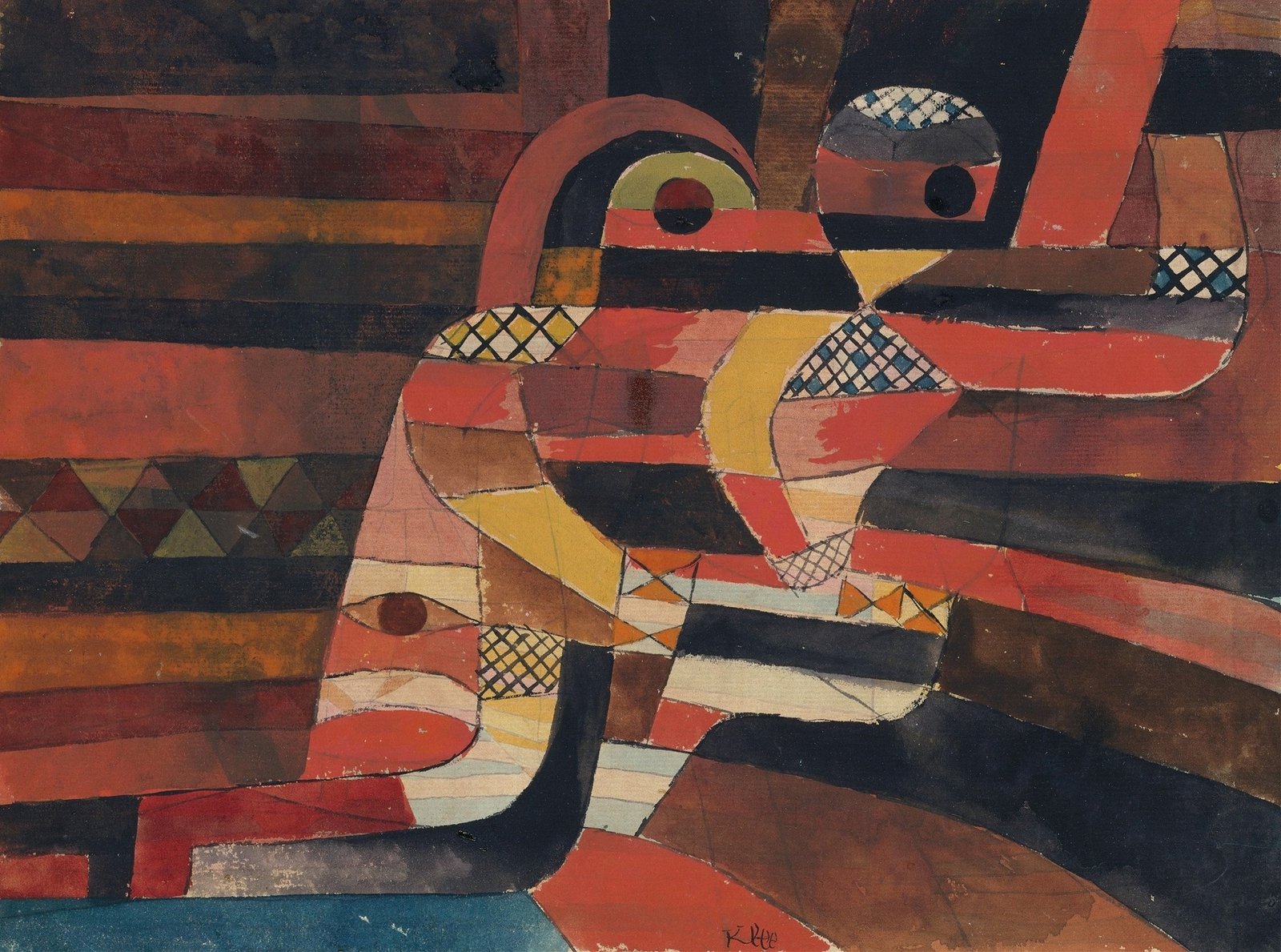
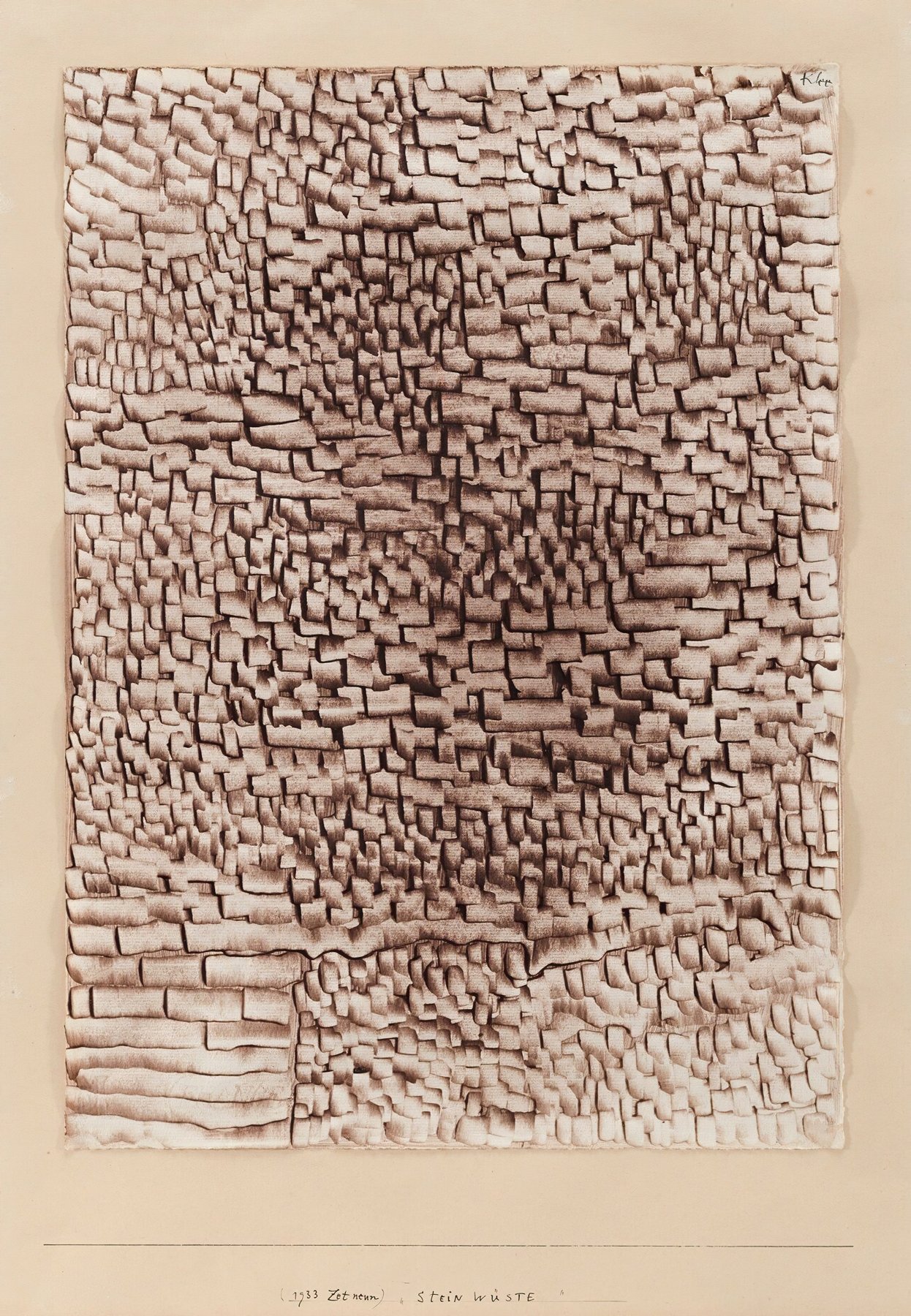
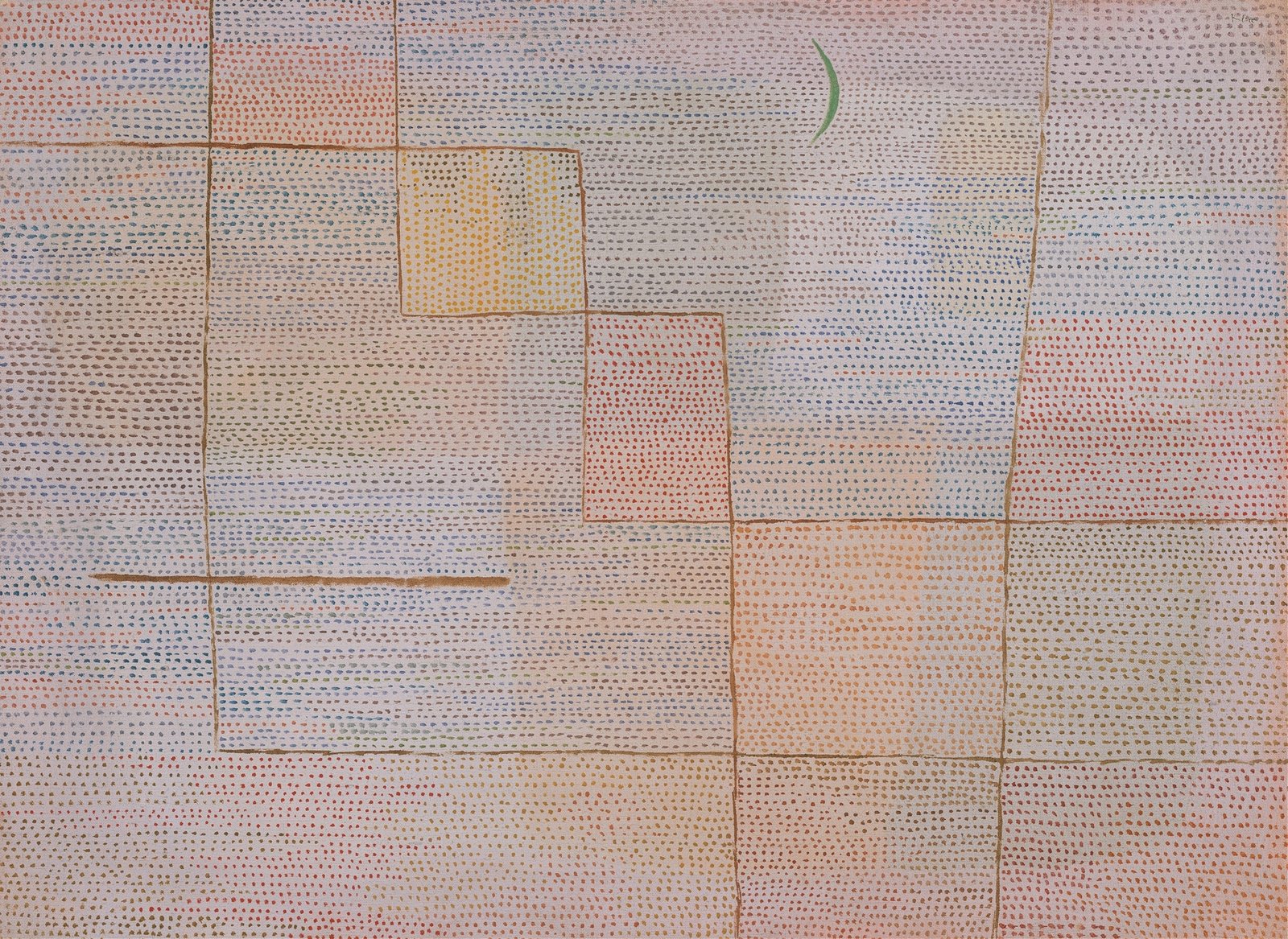
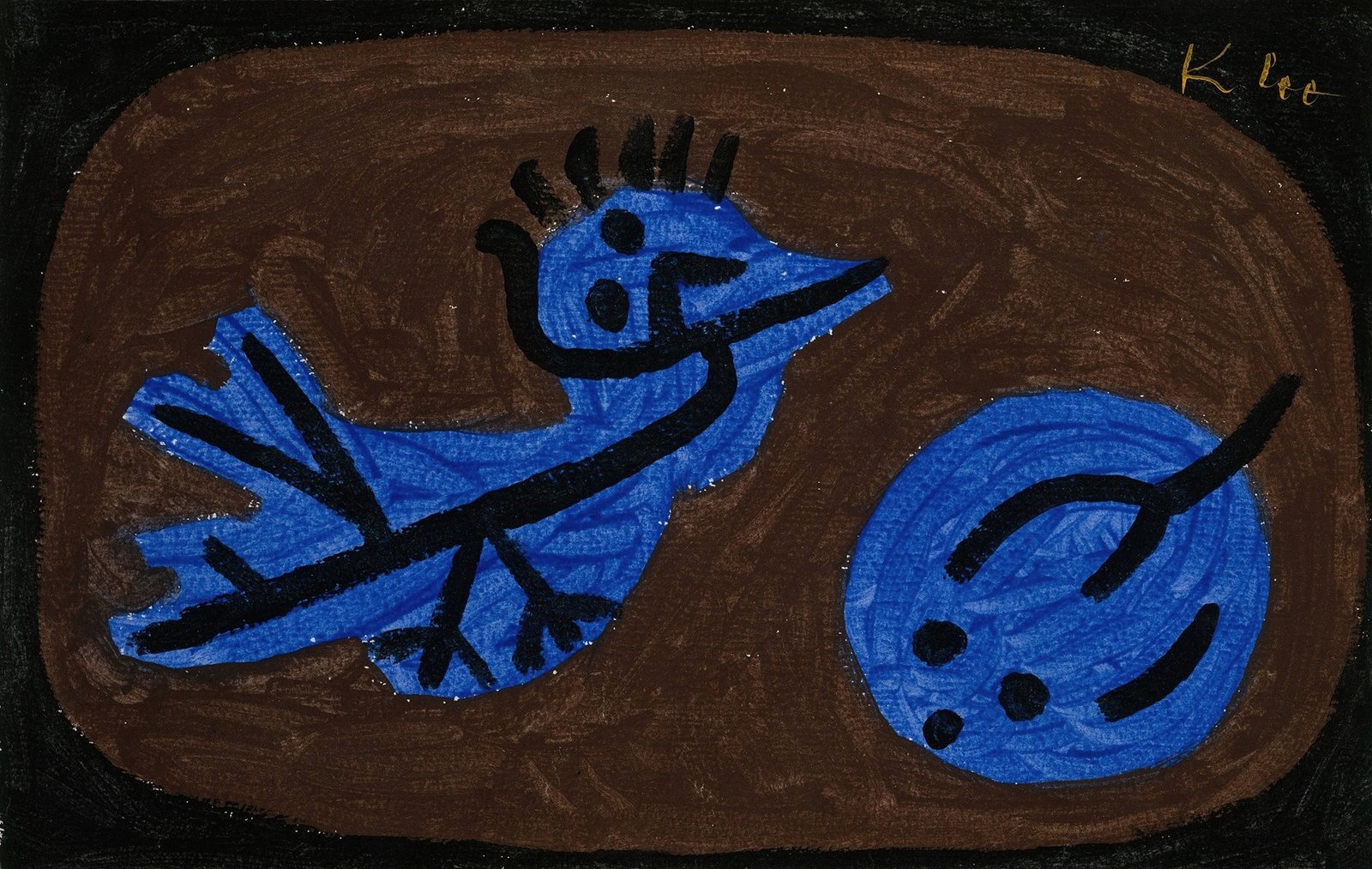
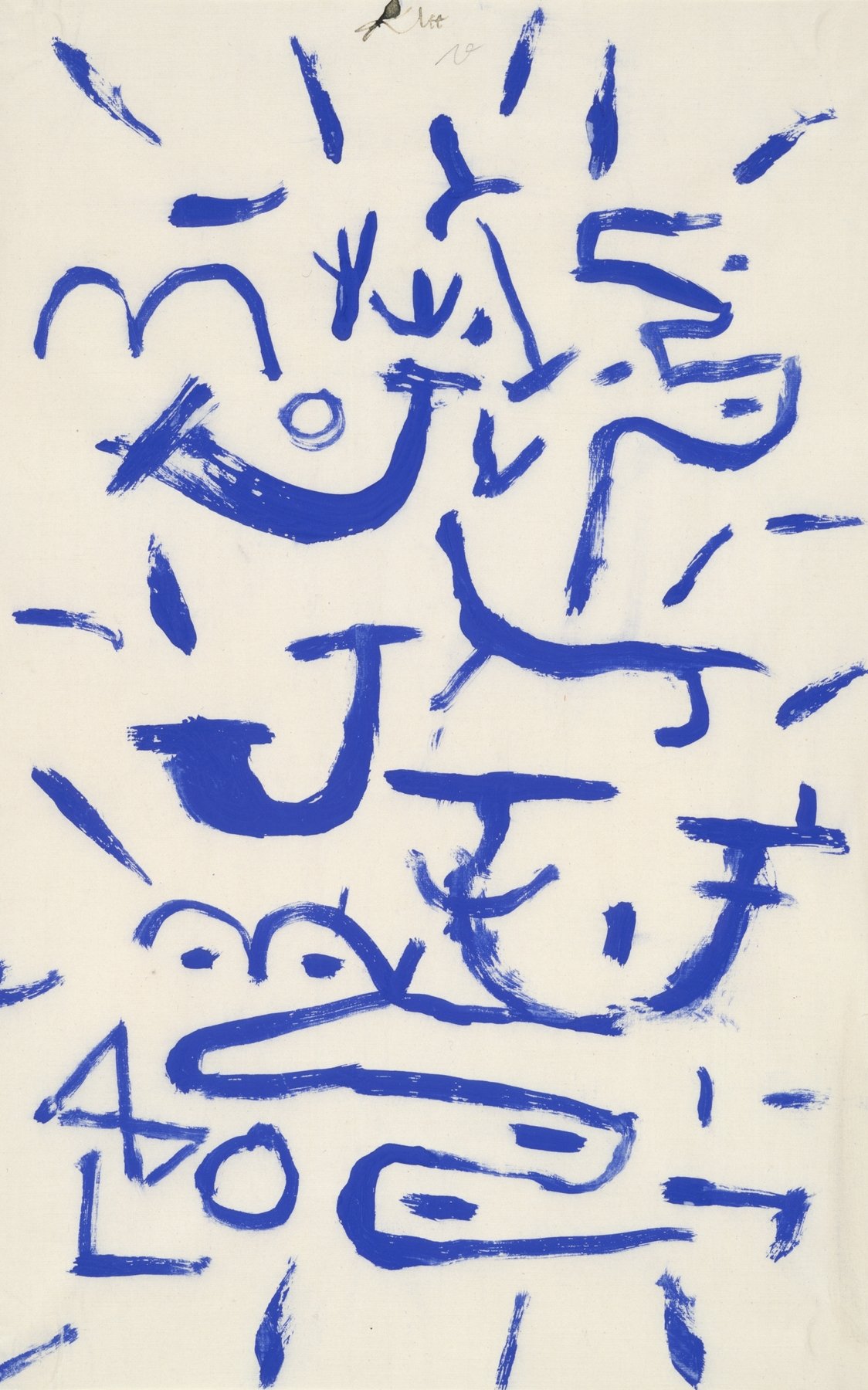

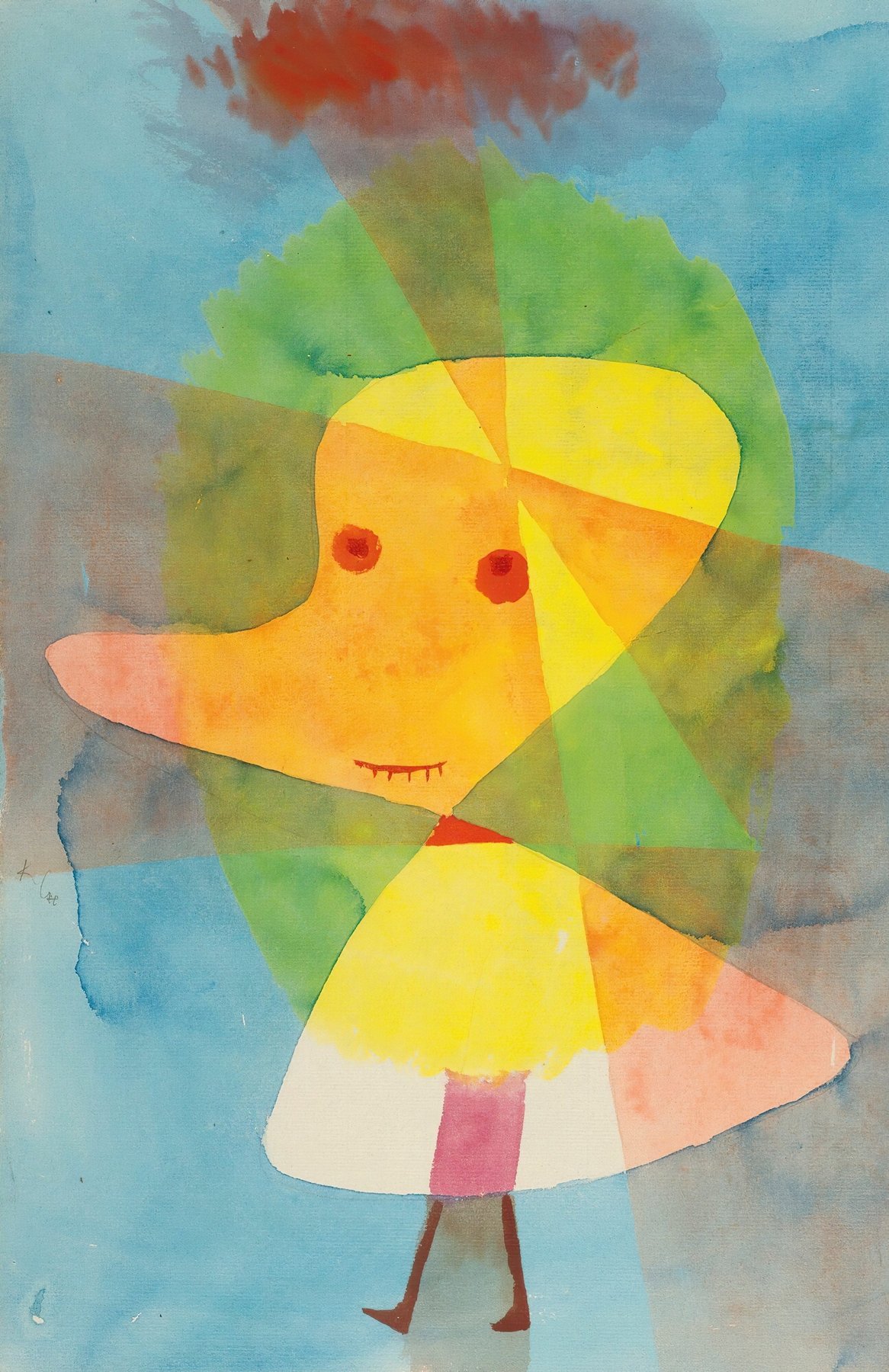
He and his colleague, Russian painter Wassily Kandinsky, both taught at the Bauhaus school of art, design and architecture in Germany. His works reflect his dry humor and his sometimes childlike perspective, his personal moods and beliefs, and his musicality.
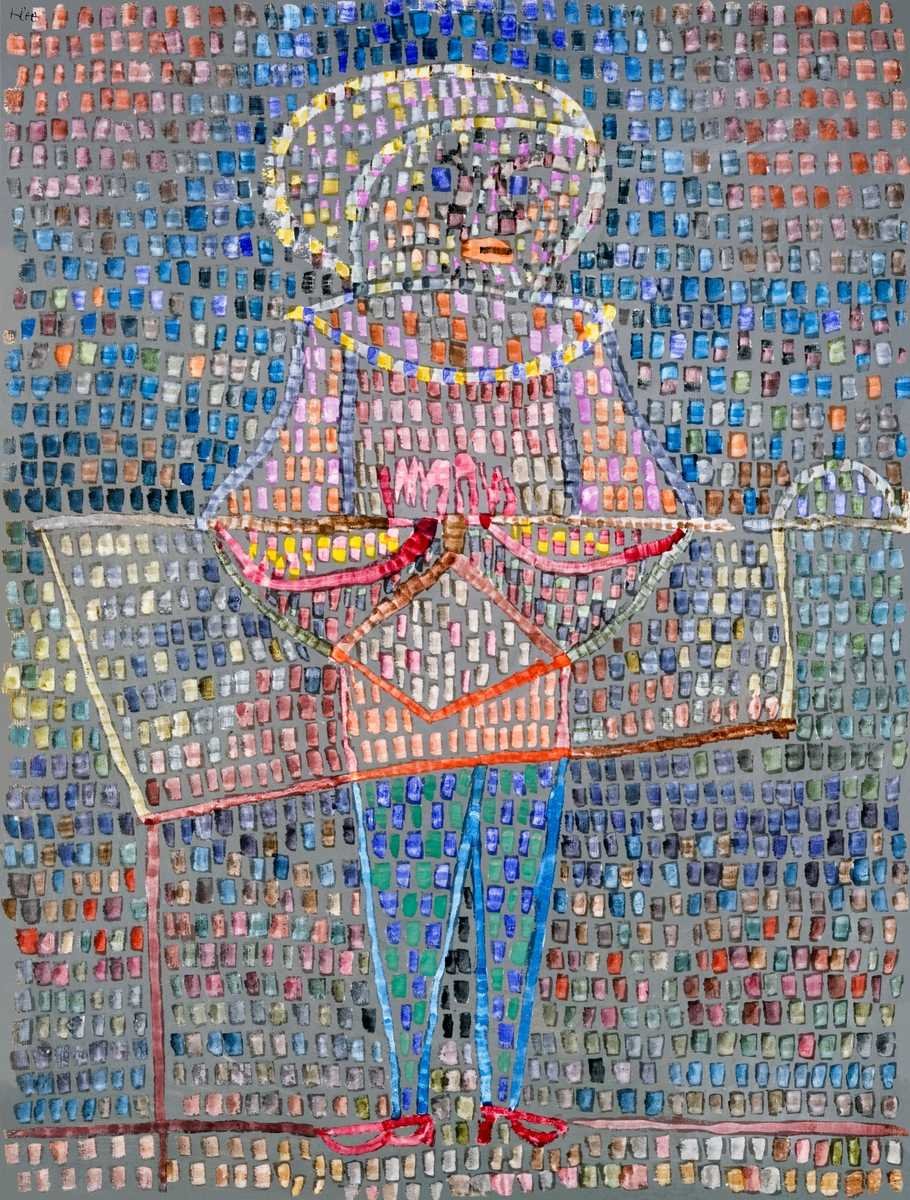
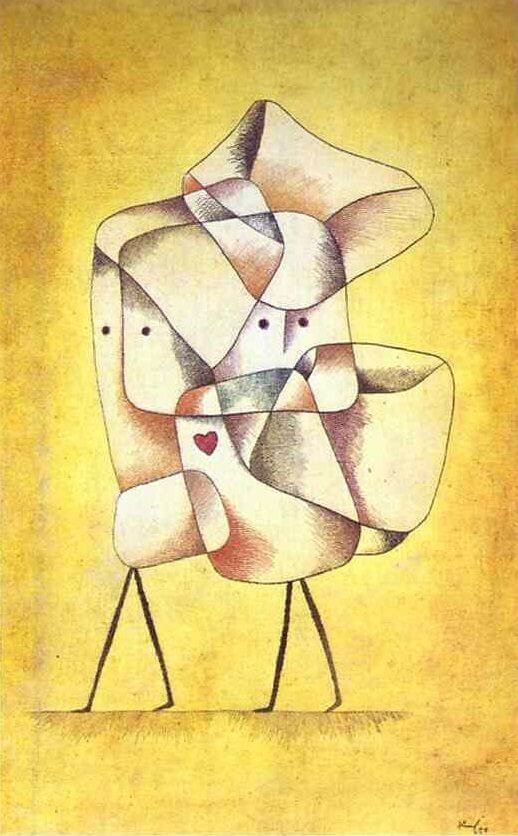
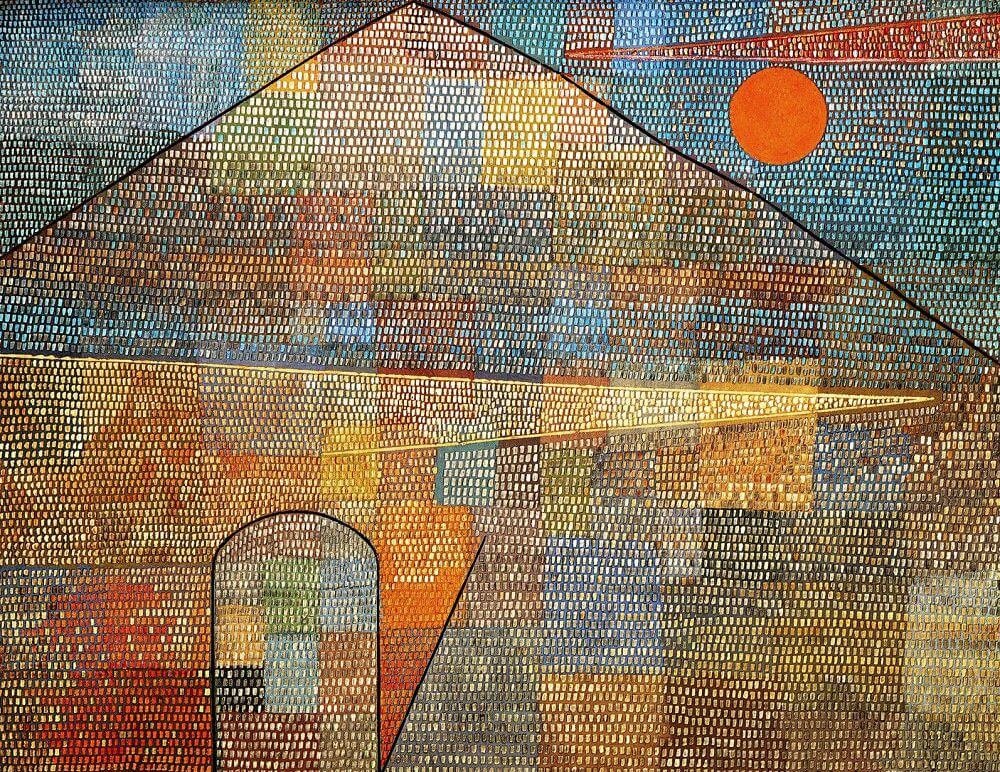
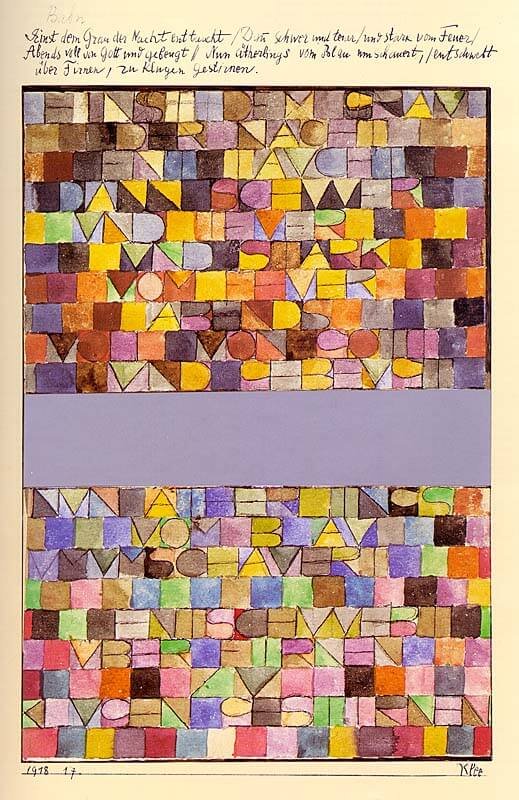
Klee is known for his simple stick figures, suspended fish, moon faces, eyes, arrows, and quilts of color, which he orchestrated into fantastic and childlike yet deeply meditative works.
His training as a painter began in 1898 when he studied drawing and painting in Munich for three years. By 1911, he had returned to that city, where he became involved with the German Expressionist group Der Blaue Reiter (The Blue Rider), founded by Vasily Kandinsky and Franz Marc in 1911. Klee and Kandinsky became lifelong friends, and the support of the older painter provided much-needed encouragement. Until then, Klee had worked in relative isolation, experimenting with various styles and media, such as making caricatures and Symbolist drawings, and later producing small works on paper mainly in black and white. His work was also influenced by the Cubism of Pablo Picasso and Georges Braque, and the abstract translucent color planes of Robert Delaunay.
-

Paul Klee: Color Chart Haori Kimono
$68.00 -

Klee: Polyphonic Architecture Custom Shower Curtain
$41.00 -

Klee’s “Qu 1” Color Chart Area Rug
Price range: $40.00 through $120.00 -

Klee’s “Untitled” Area Rug
Price range: $40.00 through $120.00 -

Klee’s “Late Evening” Area Rug
Price range: $40.00 through $120.00 -
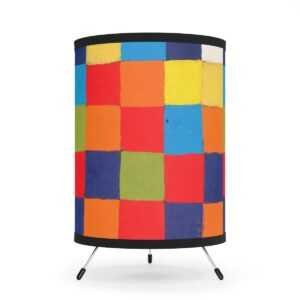
Paul Klee: “Qu1” Tripod Lamp
$60.00 -
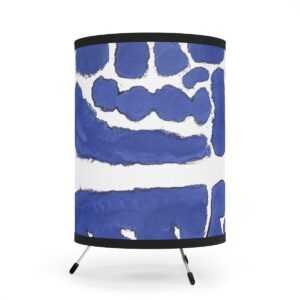
Paul Klee: “Late Evening Looking Out of the Woods ” Tripod Lamp
$60.00 -

Paul Klee Color Chart Glass Cutting Board
Price range: $22.00 through $30.00 -

Paul Klee: Color Chart Shoulder Handbag
$49.00 -

Paul Klee: “Old City” (1928) Fleece Sherpa Blanket
Price range: $50.00 through $65.00 -

Paul Klee Duet Tufted Floor Pillow, Square
Price range: $51.00 through $75.00 -
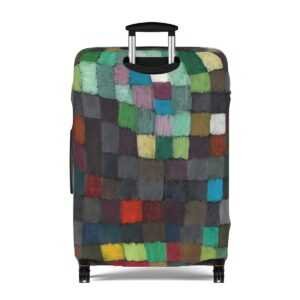
Klee’s Color Chart Luggage Cover
Price range: $30.00 through $40.00 -

Paul Klee: “The Firmanent Above the Temple” Microfiber Pillow Sham
Price range: $32.00 through $35.00 -

Paul Klee Area Rug
Price range: $37.00 through $110.00 -
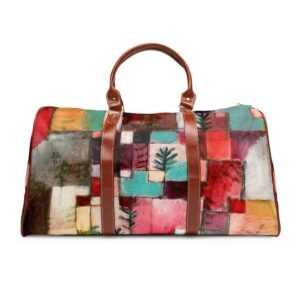
Paul Klee: Rhythms Waterproof Travel Bag
$110.00 -
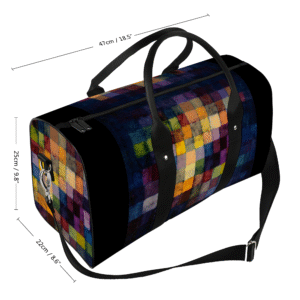
Paul Klee: Ancient Sound, Abstract on Black (1925) Duffel Bag
$69.00 -
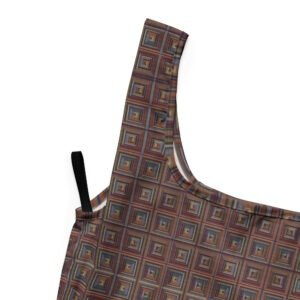
Senecio Klee Shopping Bag
$24.00 -
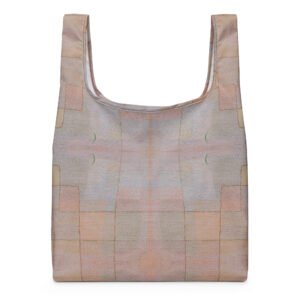
Paul Klee: Clarification Reusable Shopping Bag
$24.00 -
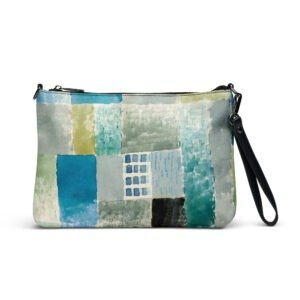
Paul Klee: First House in a Settlement (1926) Cross-body Bag
$33.00 -
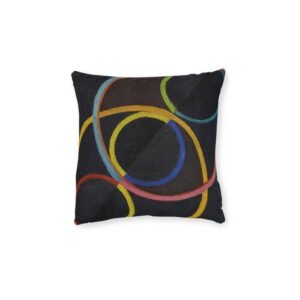
Paul Klee & Robert Delauney: Fish and Circles Throw Pillow
Price range: $28.00 through $55.00 -
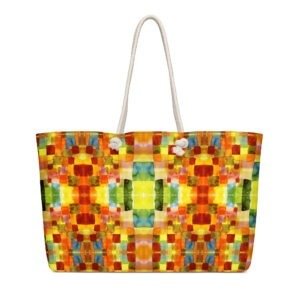
Klee-Inspired Oversized Weekender Bag
$48.00 -

Paul Klee-Inspired Recycled High-waisted Bikini
Price range: $46.00 through $50.00 -
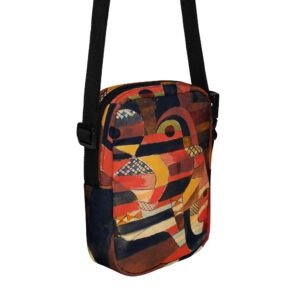
Paul Klee: Lovers (1920) Utility Crossbody Bag
$31.50 -
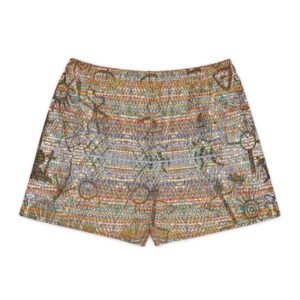
Paul Klee: Ad Parnassum Cotton Shorts
Price range: $32.00 through $38.00 -
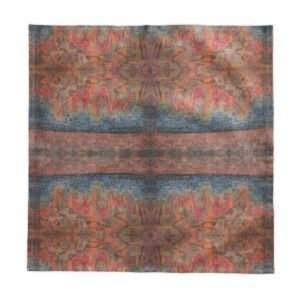
Paul Klee: Cliffs by the Sea Tablecloth
Price range: $62.00 through $99.50 -
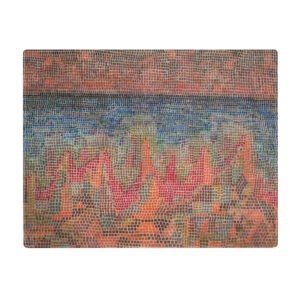
Paul Klee: Cliffs by the Sea Cotton Placemat
$18.50 -
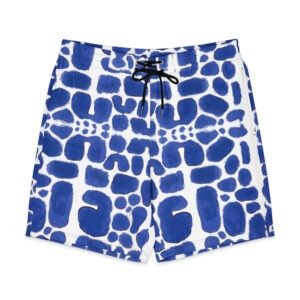
Paul Klee: Late Evening Looking Out of the Woods Men’s Board Shorts
$55.00 -
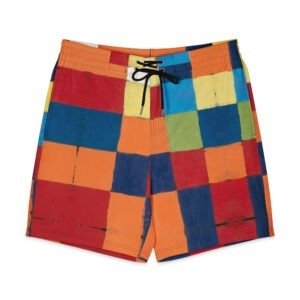
Paul Klee: “Color Chart ‘Qu 1′”Men’s Board Shorts
$55.00 -
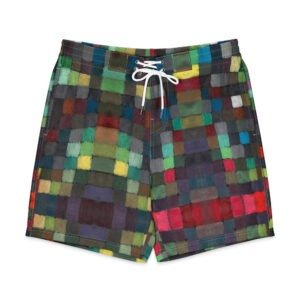
Paul Klee: May Picture Men’s Board Shorts
$55.00 -

Women’s cotton tank top
$22.00 -
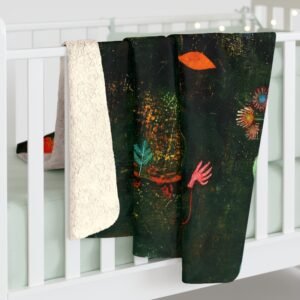
Paul Klee: Fish Magic Sherpa Fleece Blanket
Price range: $35.00 through $69.00 -
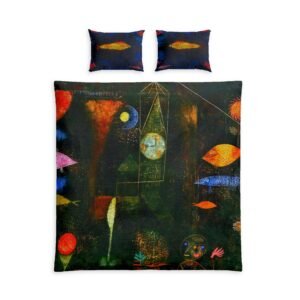
Paul Klee: Fish Magic Cotton Bedding Set (3 PCs)
Price range: $142.00 through $170.00
Explore all artists in this collection
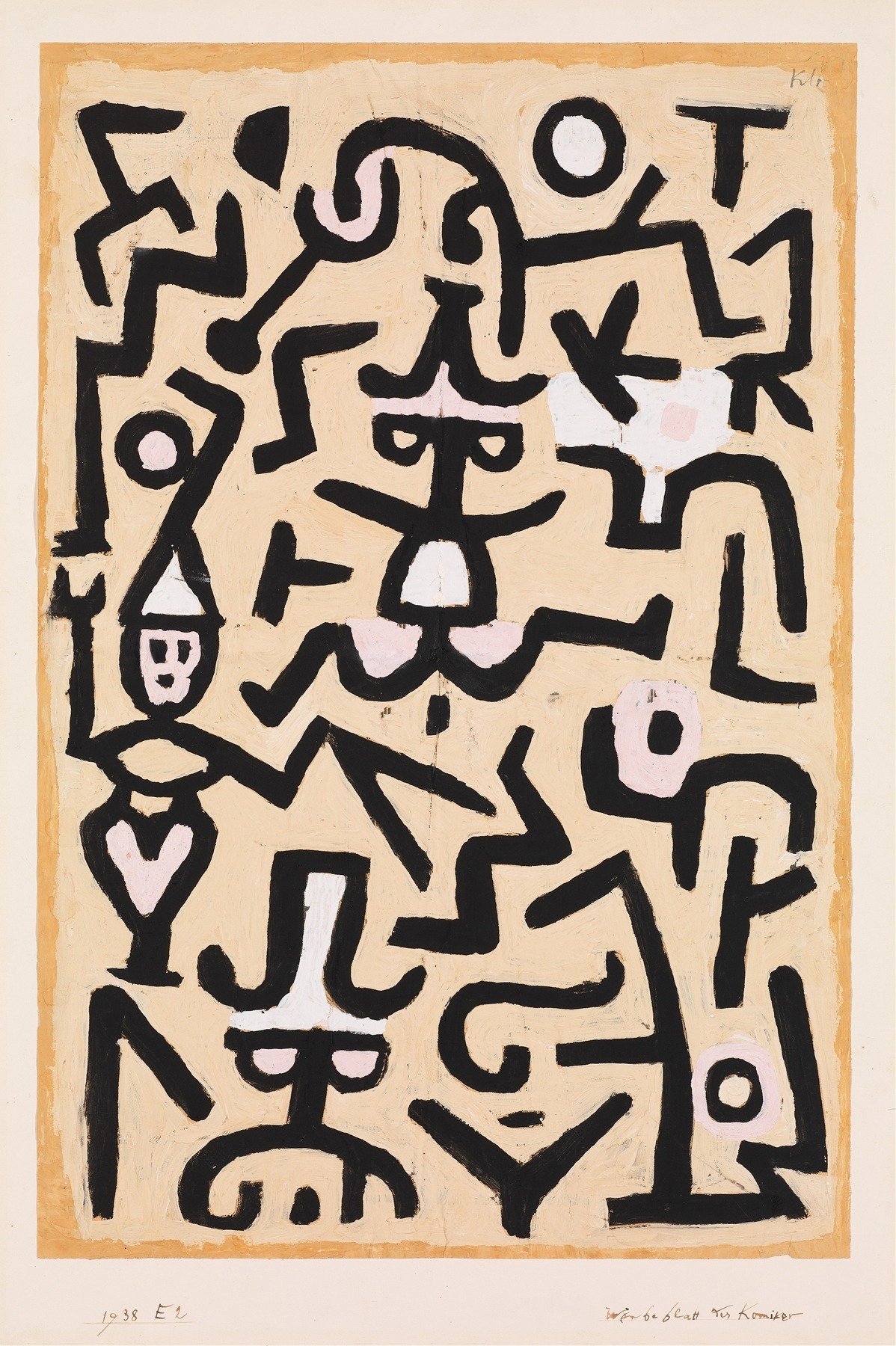
From 1931 to December 1933, Klee taught at the Academy of Fine Arts in Düsseldorf. When the National Socialists declared his art “degenerate” in 1933, Klee returned to his native Bern. Personal hardship and the increasing gravity of the political situation in Europe are reflected in the somber tone of his late work. Lines turn into black bars, forms become broad and generalized, scale larger, and colors simpler, as in Comedians’ Handbill (1938; 1984.315.57) or Angel Applicant (1939; 1984.315.60).