László Moholy-Nagy

László Moholy-Nagy

László Moholy-Nagy

(1895–1946)
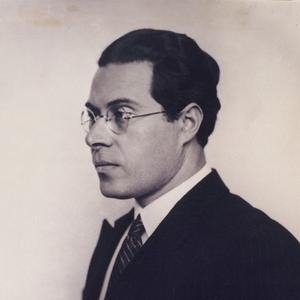
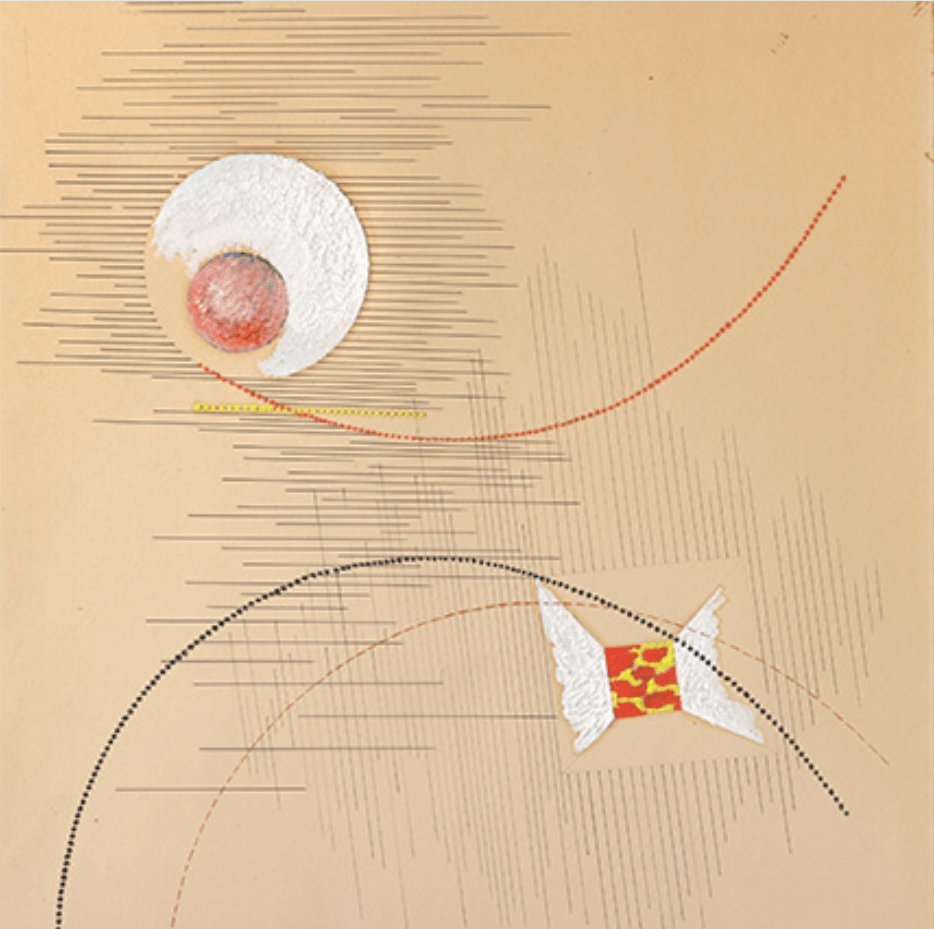
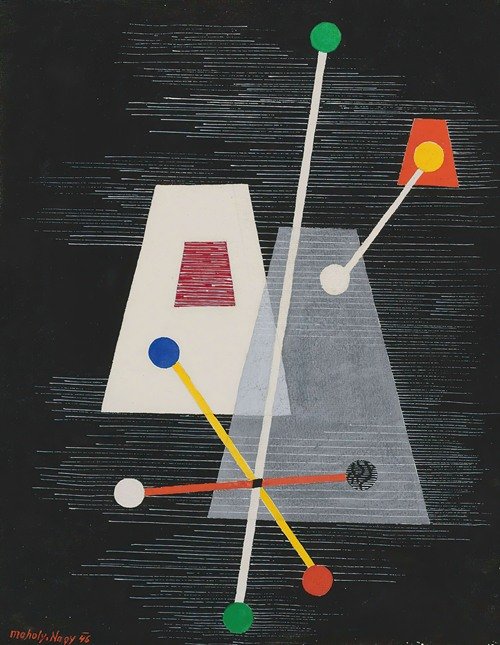
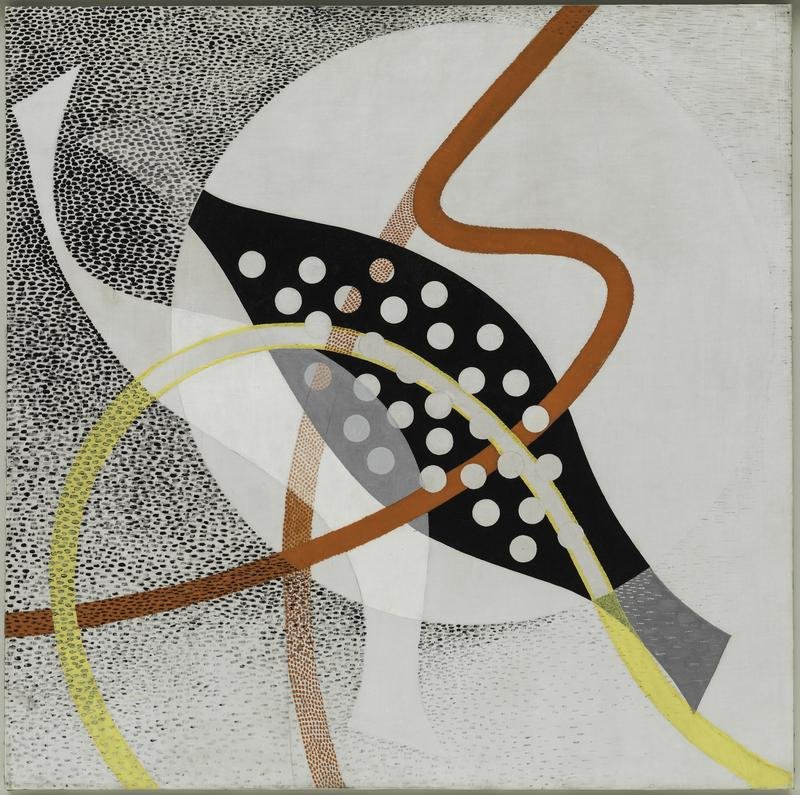
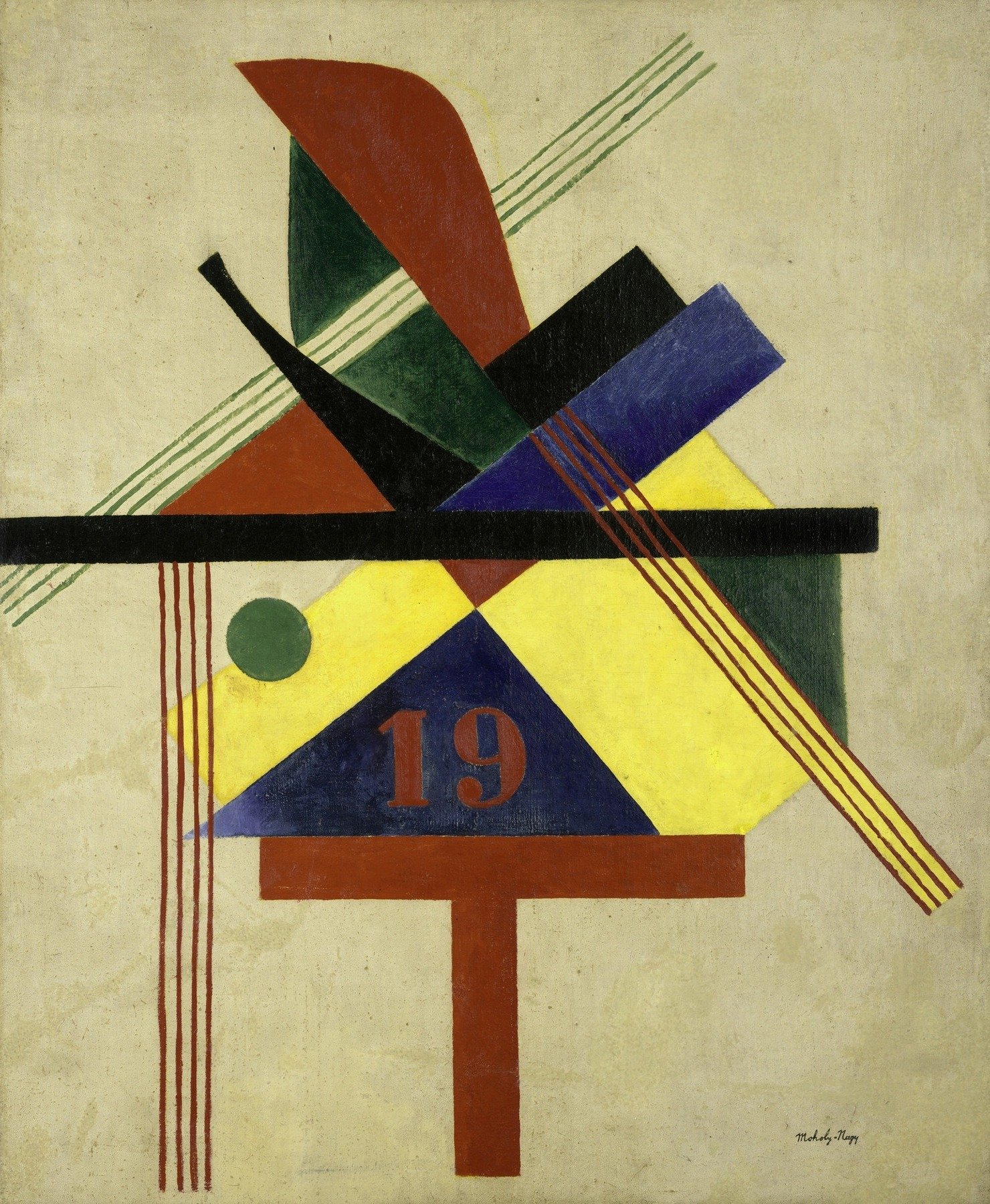
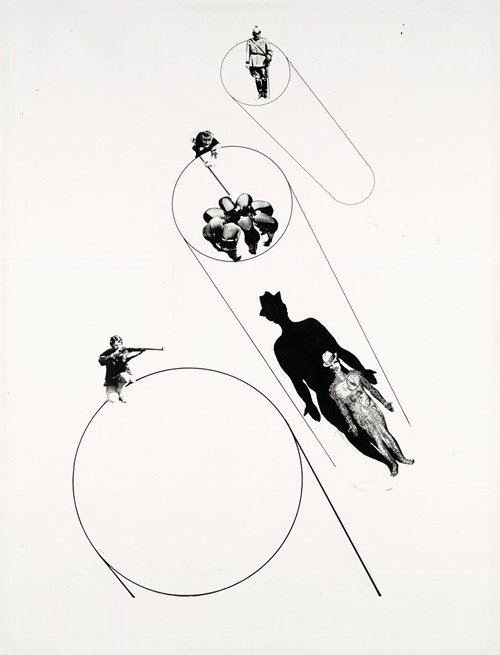
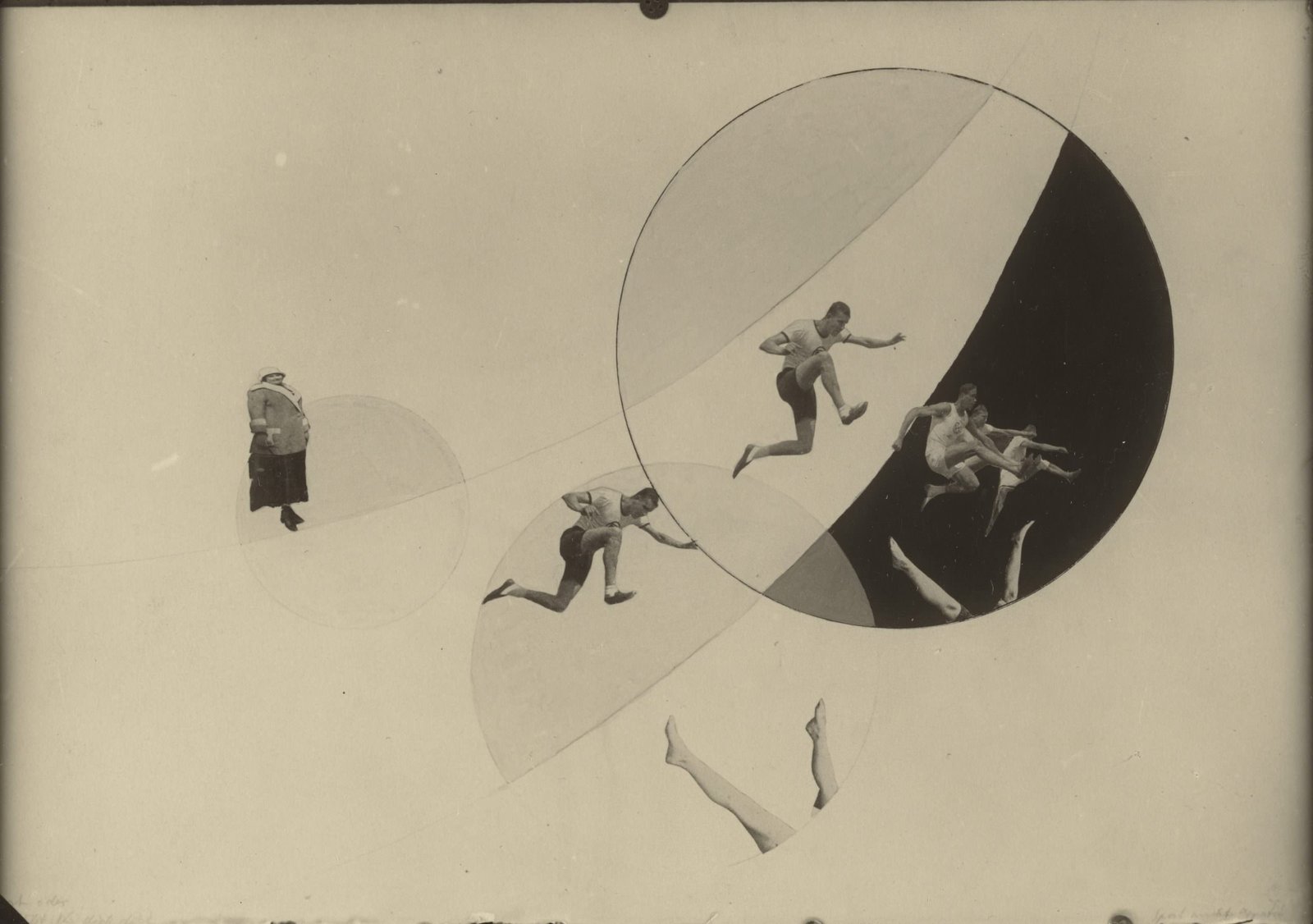
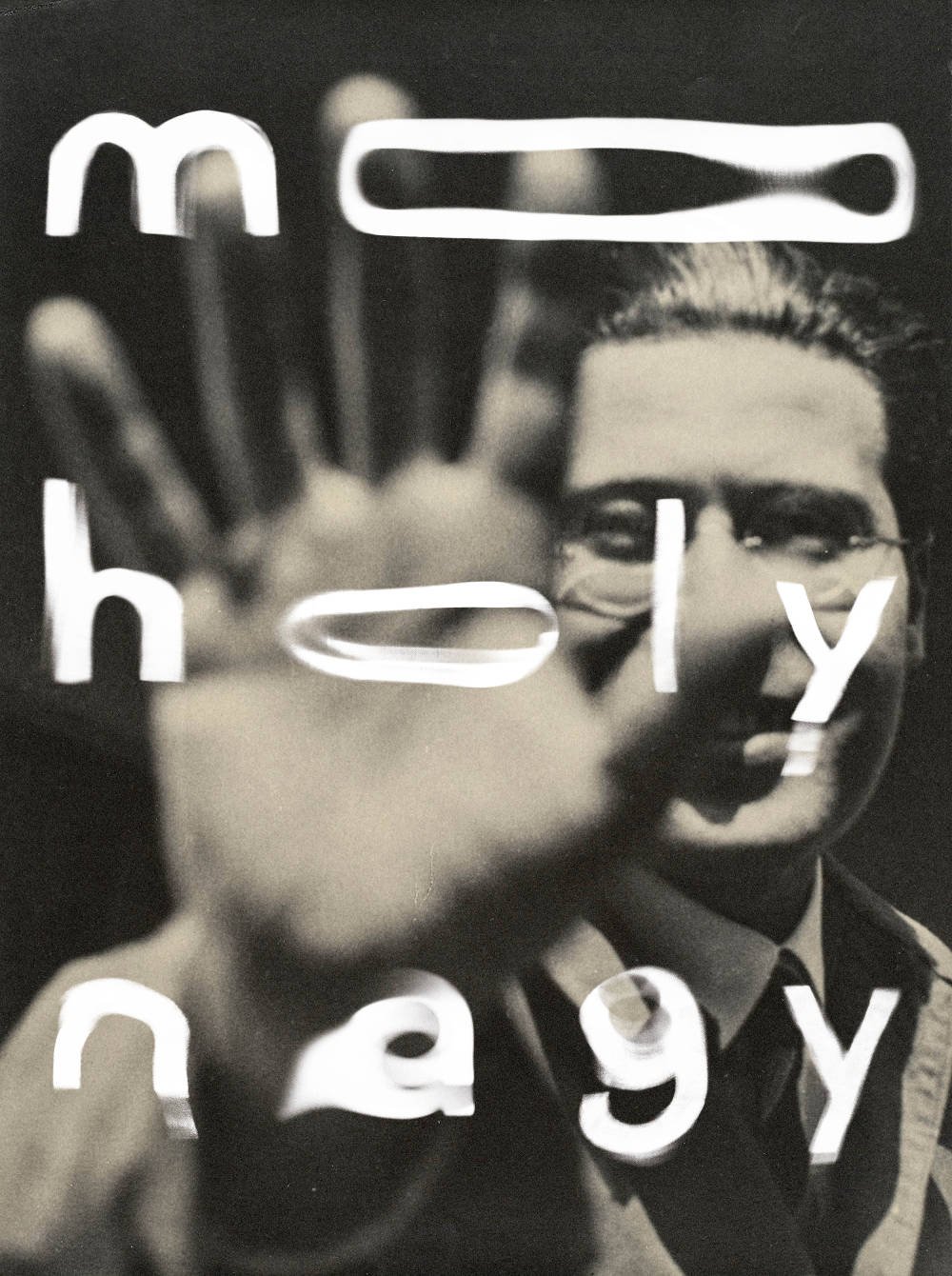
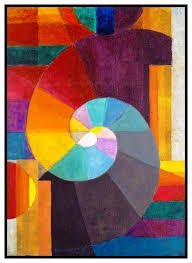
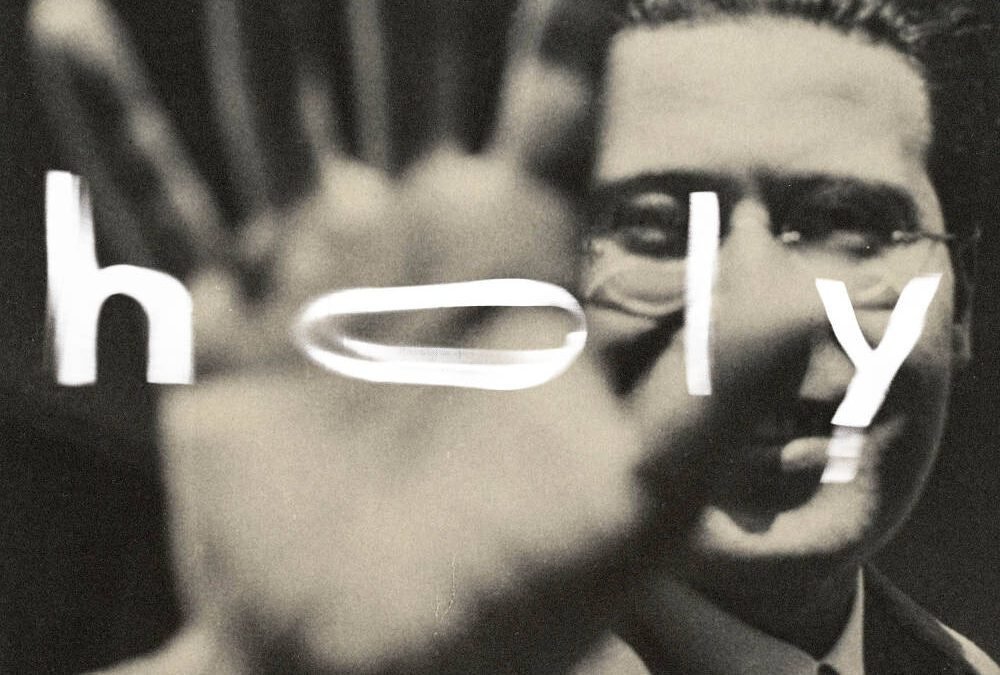
Writer, theorist, teacher, painter, philosopher, photographer, sculptor and curator, László Moholy-Nagy (1895–1946) was one of 20th-century art’s great innovators. ‘Openness to exploration, to experimentation, is very much part of his aesthetic’, affirms Carol Eliel, who curated Moholy-Nagy: Future Present  at LACMA, the first American retrospective of the artist since 1969.

Explore all artists in this collection

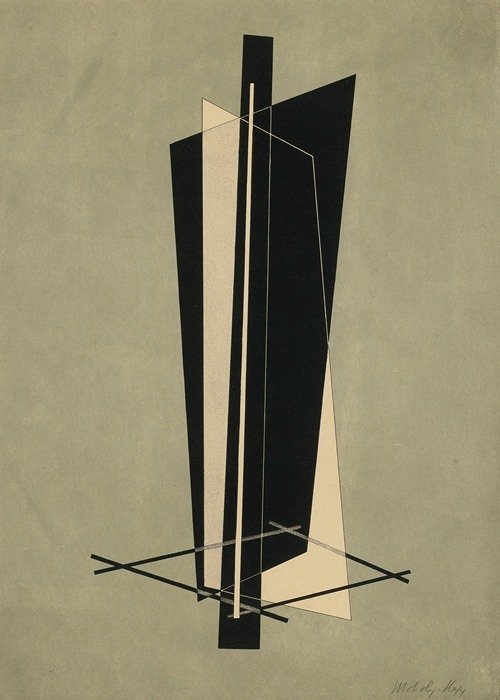
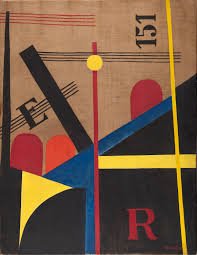
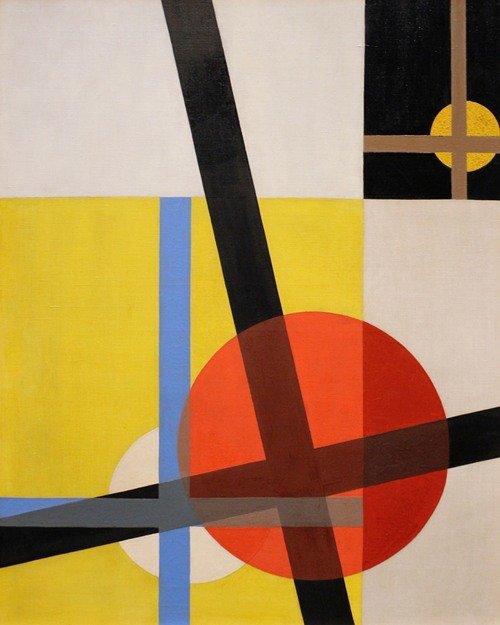
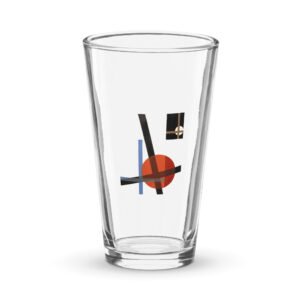
Moholy-Nagy became active in the Berlin scene, enthusiastically absorbing Europe’s new art movements. ‘He did a number of drawings and paintings in Hungary which were really influenced by Cubism, before Dada seeped into his consciousness,’ the curator explains. The Dada aesthetic of experimentation and radicalism particularly appealed to Moholy-Nagy, as did Constructivist abstraction.

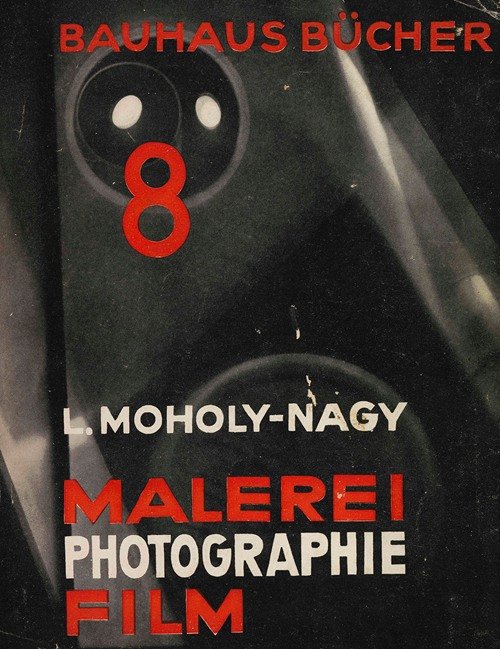
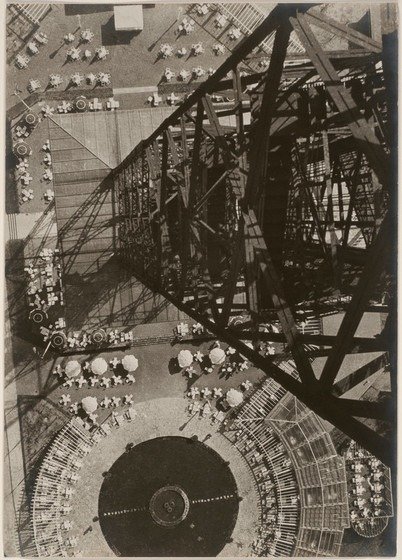
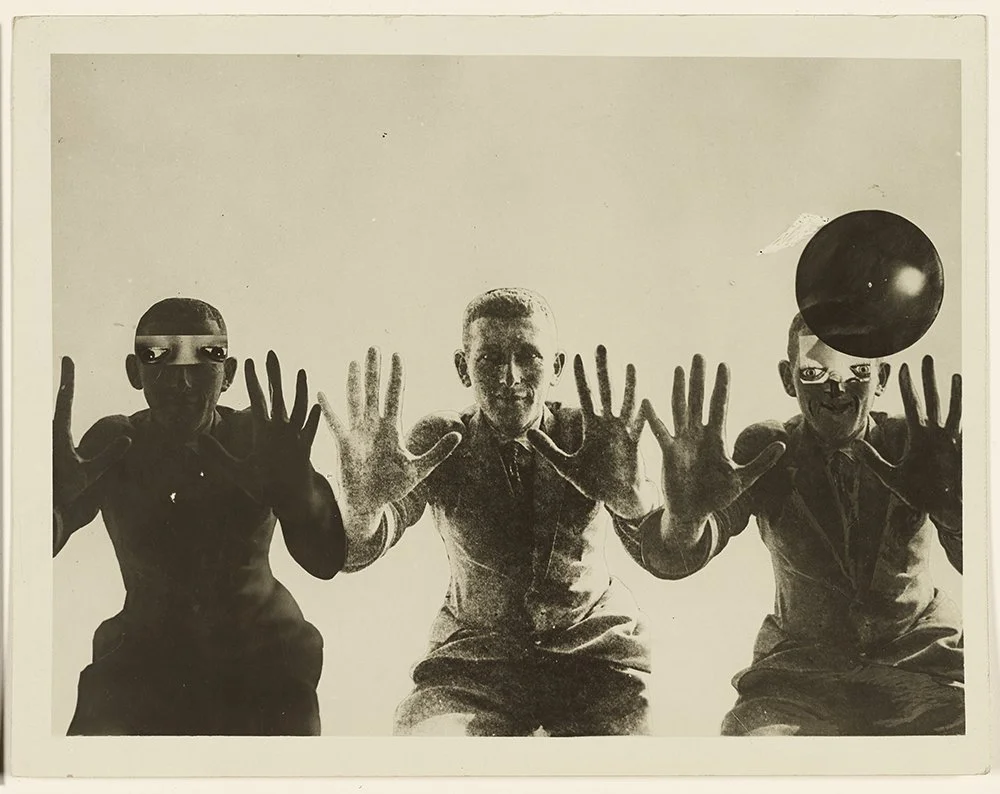
Moholy-Nagy believed that photography was ‘the essential visual vocabulary of the day’, and that a lack of familiarity with photography made one, on an artistic level, ‘illiterate’.

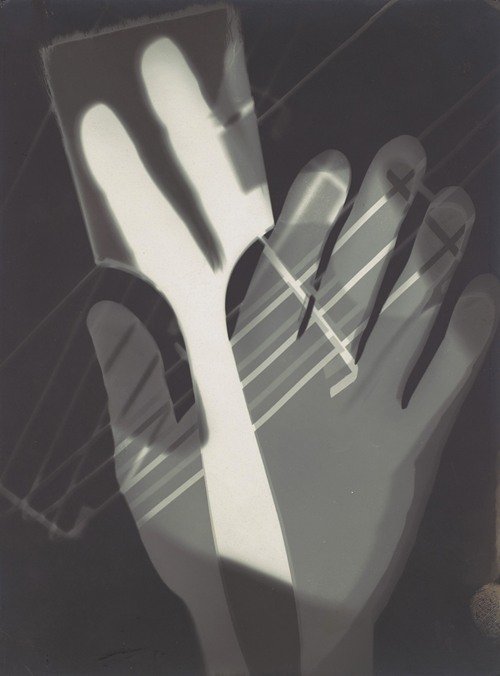
‘The notion of experimentation was critical to his practice,’ continues Eliel, describing how he went on to invent the photogram — a photograph made without a camera. To create a photogram, Moholy-Nagy laid objects on light-sensitive paper and exposed them to light, with a longer exposure creating a brighter image.

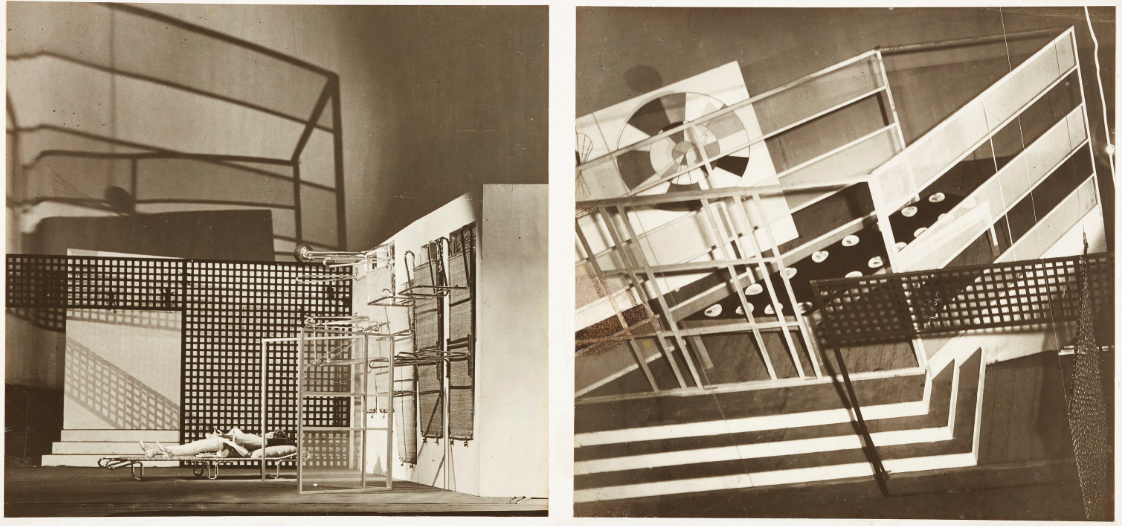
Moholy-Nagy’s artistic reputation grew, bringing with it a career-defining opportunity at the Bauhaus in 1923. ‘Walter Gropius, the head of the Bauhaus at the time, invited him to teach there. Moholy-Nagy was interested in the connections between art, industry and technology, and Gropius wanted to strengthen that aspect of training,’ Eliel explains.

Moholy-Nagy taught the foundation course as well as in the metal workshop, but his role went considerably beyond that of teacher, says the curator. ‘Moholy-Nagy was very influential in creating — with others — the graphic look of the Bauhaus. He became a pillar of Bauhaus aesthetics.’
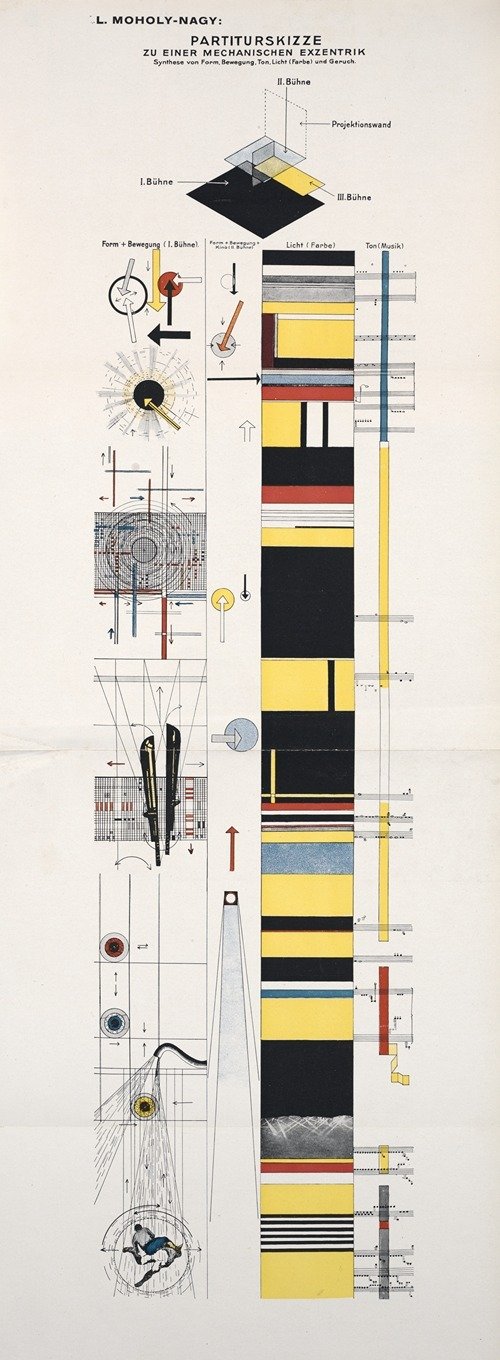
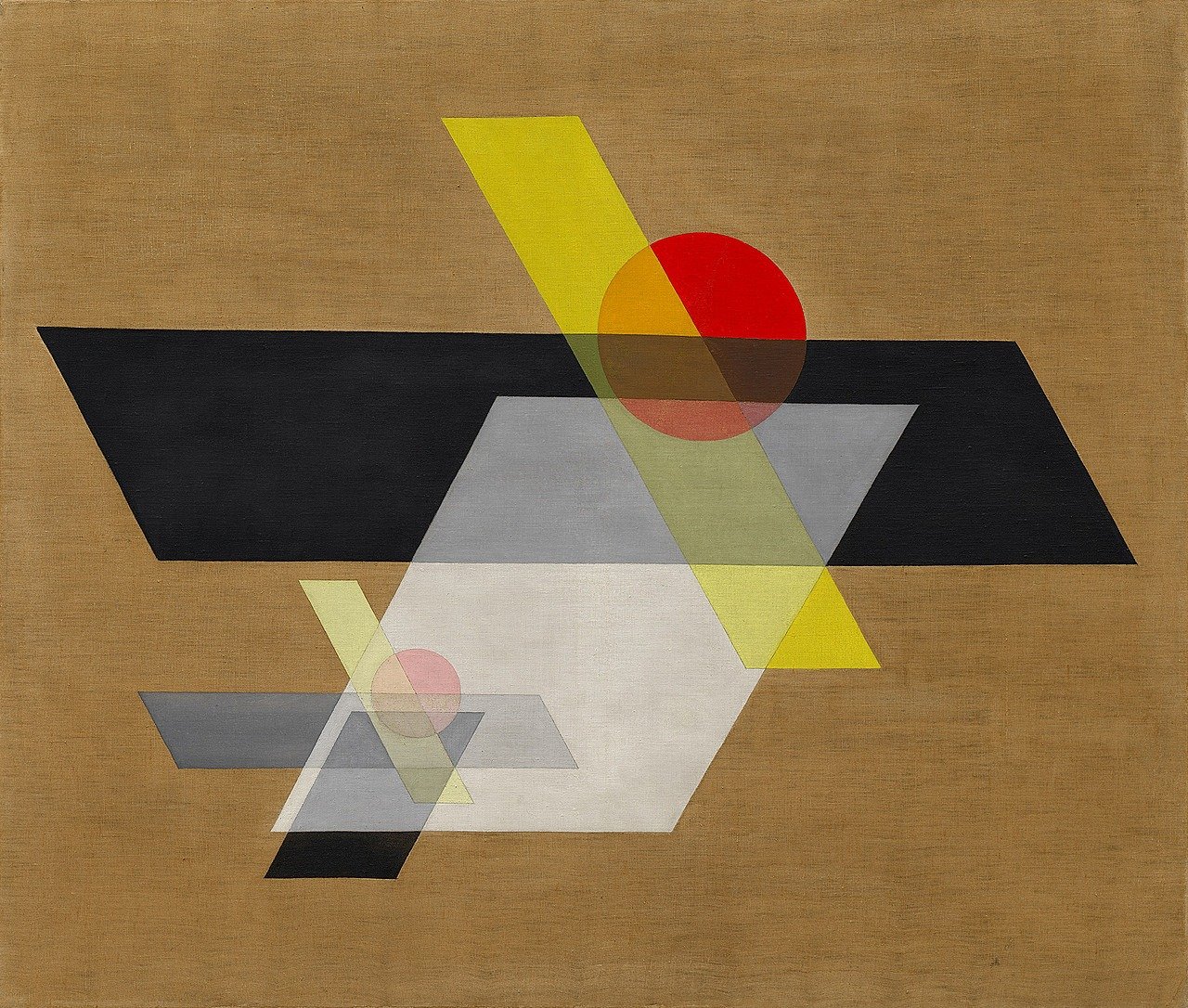
Moholy-Nagy died in 1946, at the age of 51. Had he lived to see the computer age, believes Eliel, he would have been thrilled. ‘He would be all over digital media, computer art and the internet,’ she says. ‘Those are exactly the kind of intellectual ideas that would have completely fascinated and inspired him — the notion of the endlessly reproducible image that can go out into the world on a multitude of platforms is something he would have loved.’

—Source: Christie's
Explore all artists in this collection

Paul Klee

Paul Klee

Paul Klee

(1879 - 1940)

Explore all artists in this collection

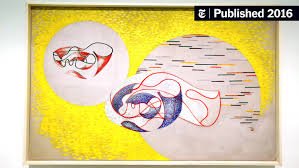
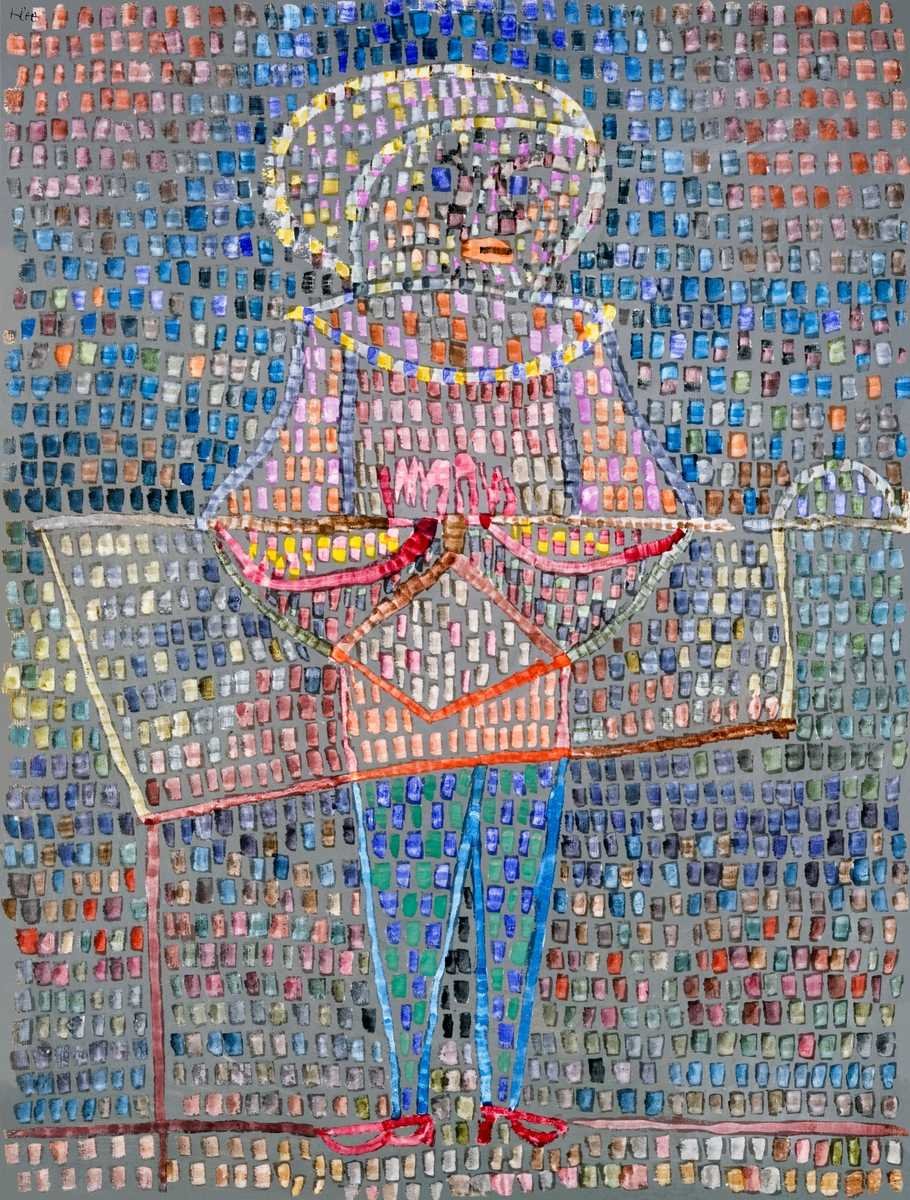
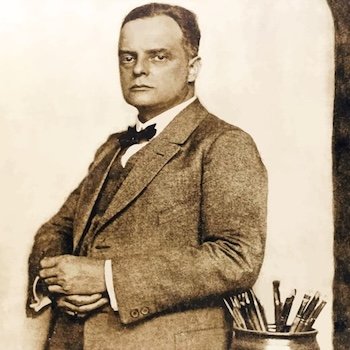
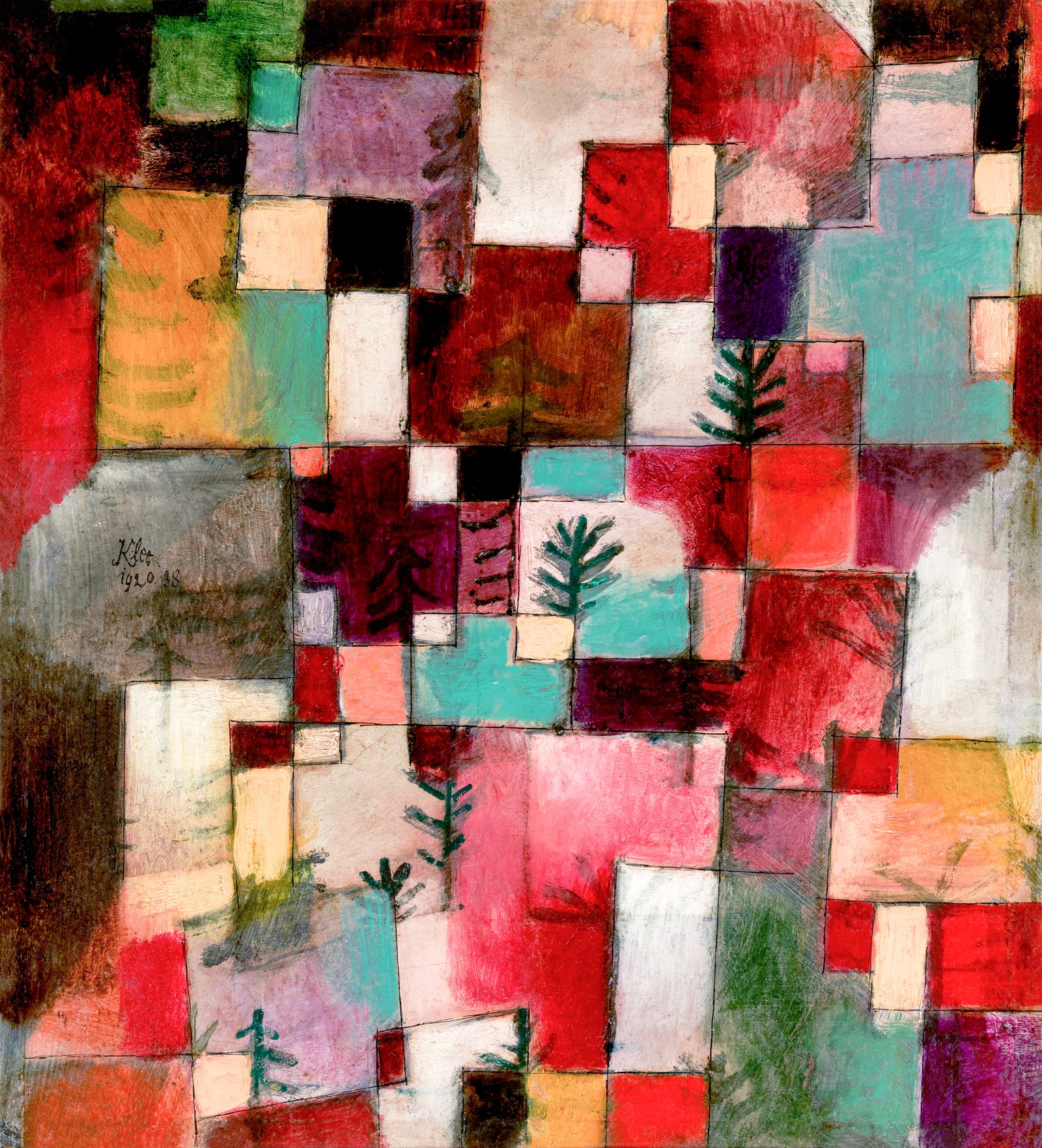
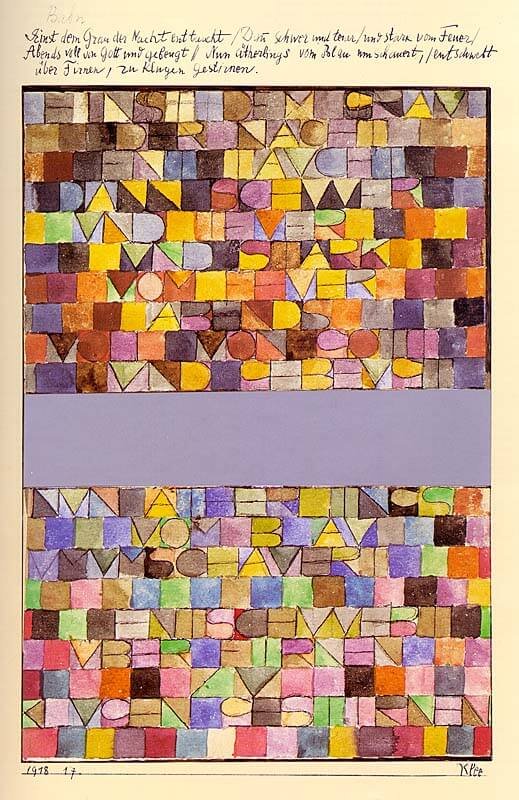
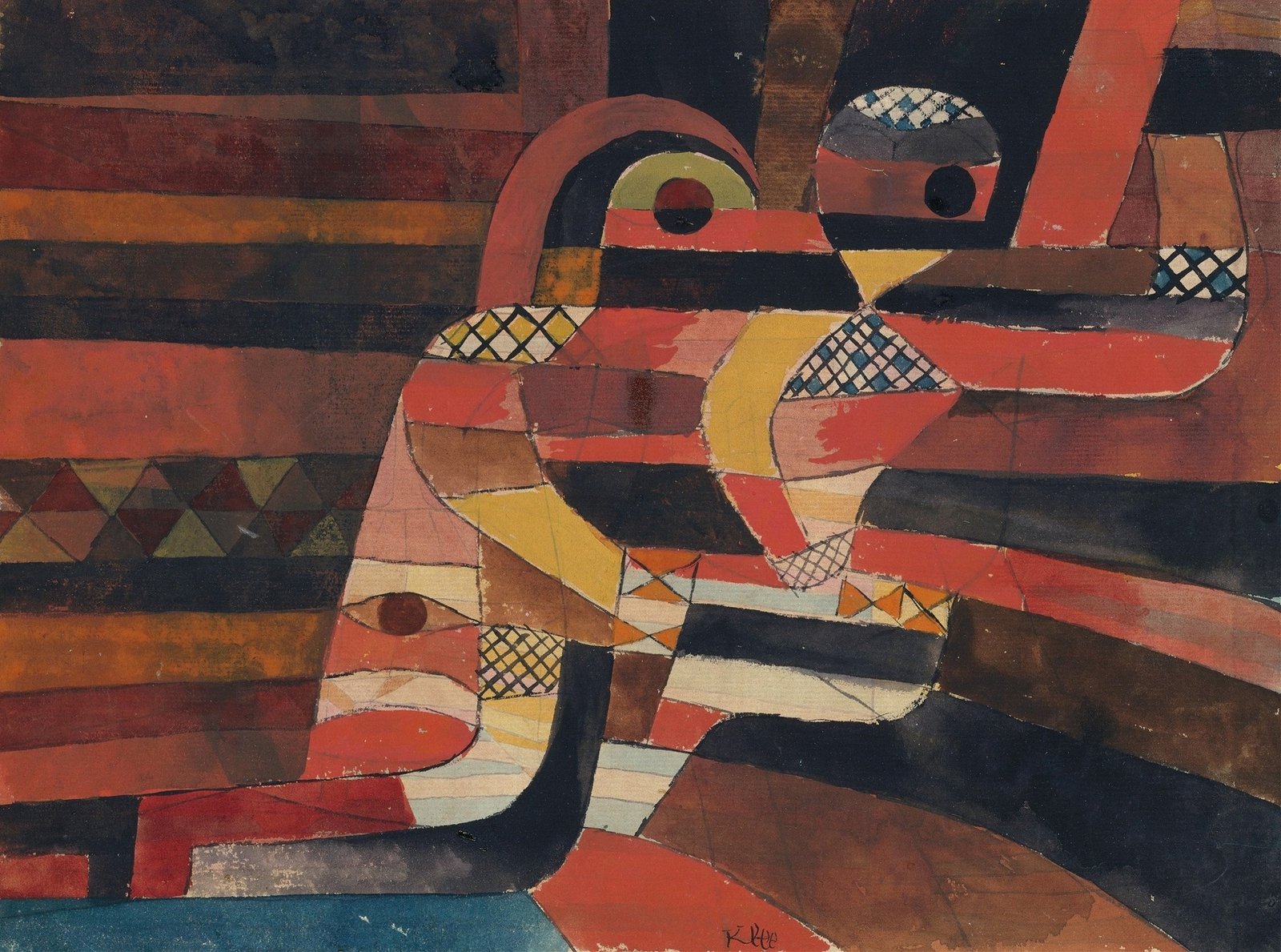
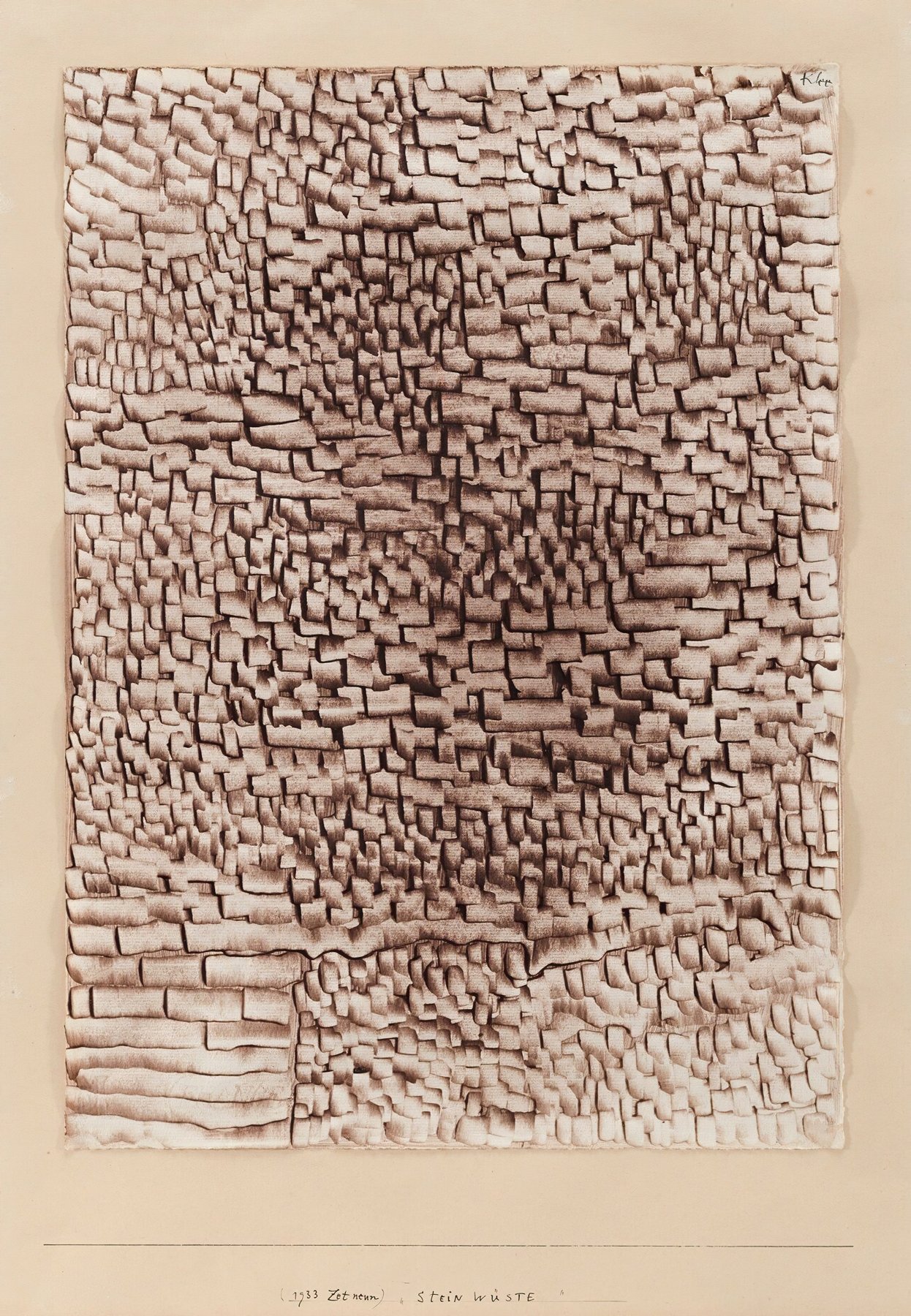
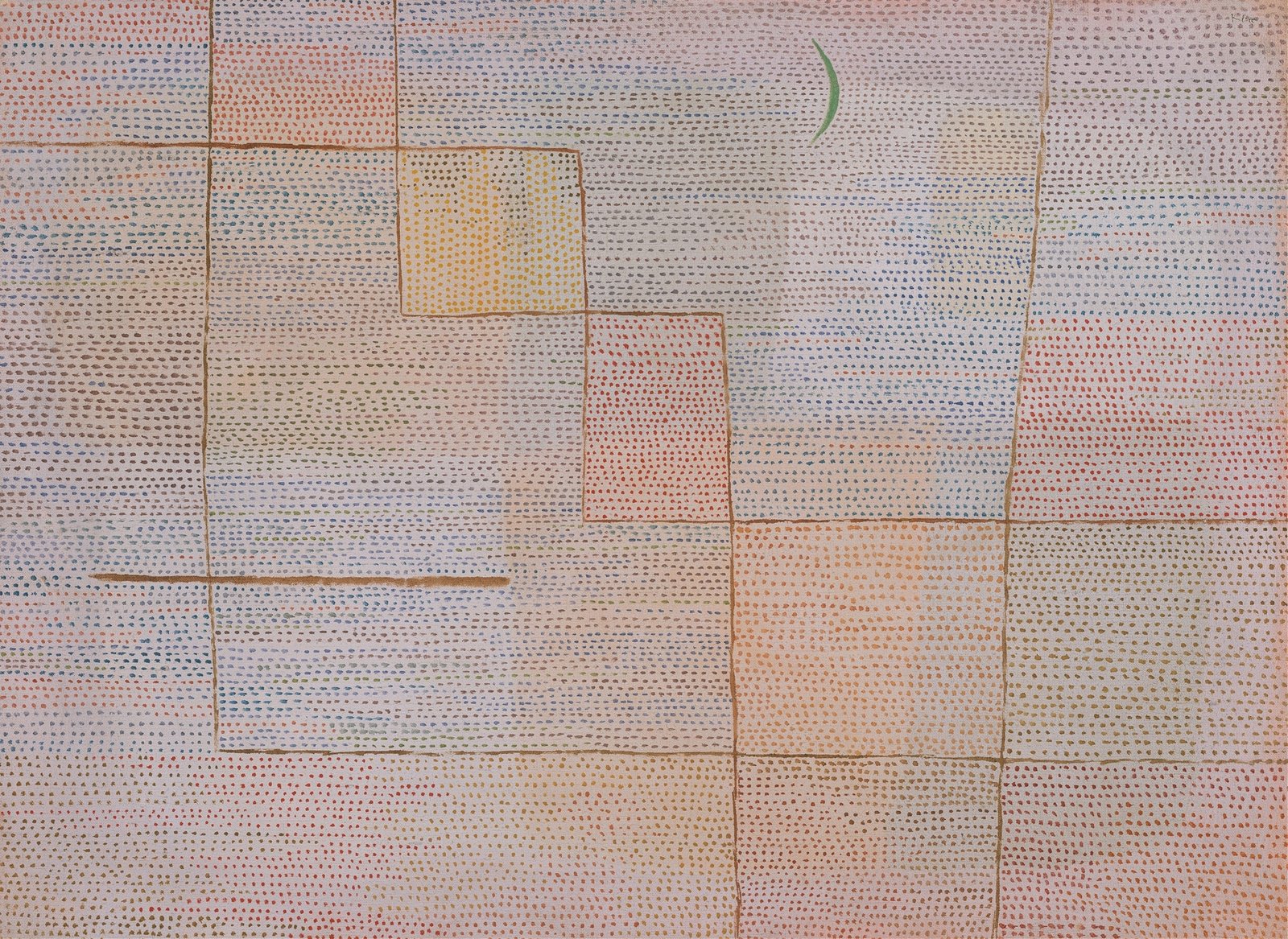
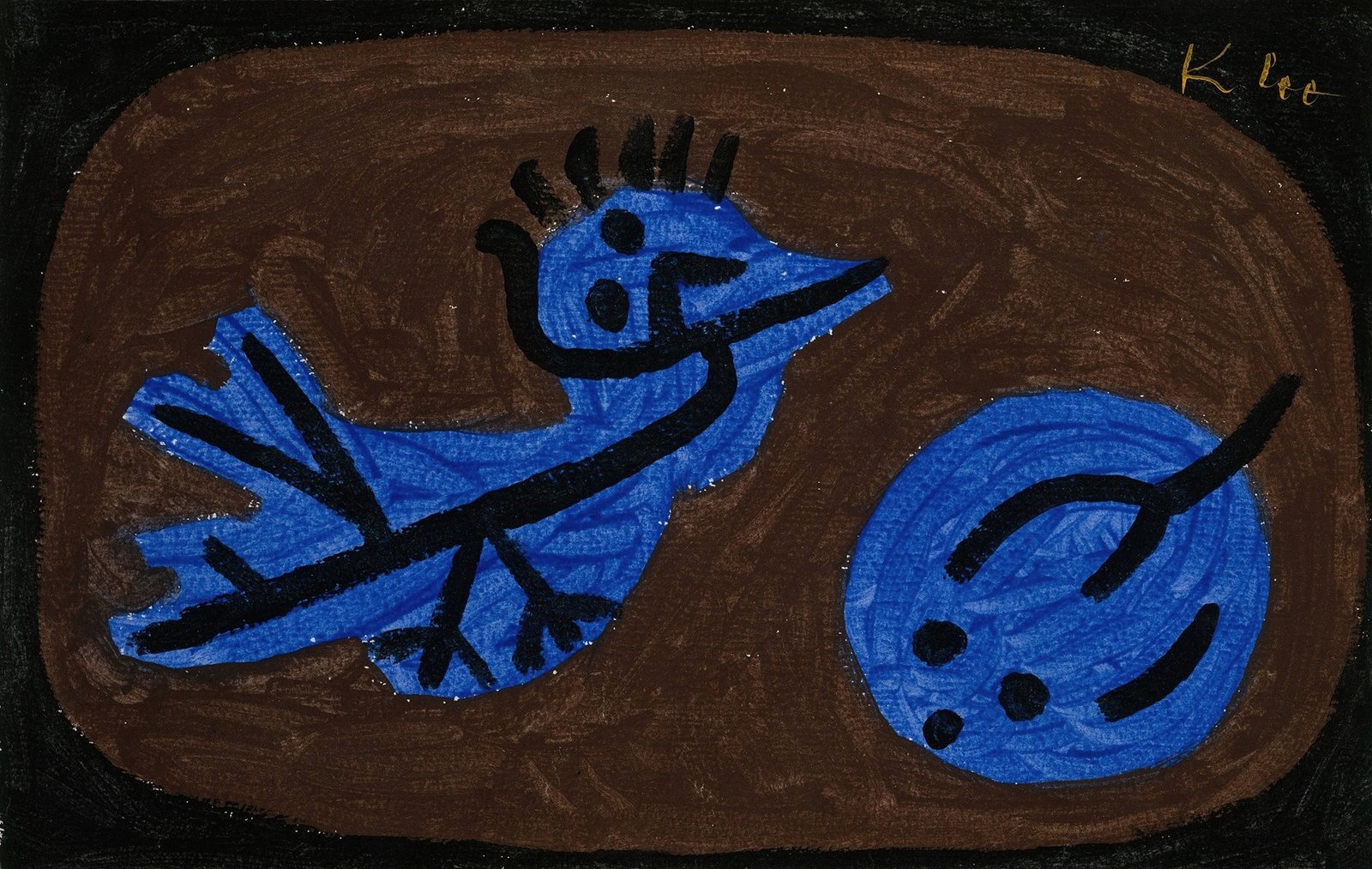
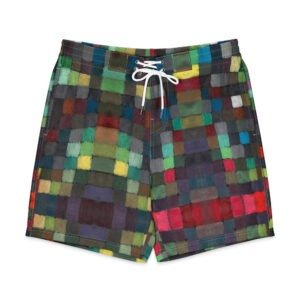
Paul Klee was a Swiss-born German artist. His highly individual style was influenced by movements in art that included expressionism, cubism, and surrealism.

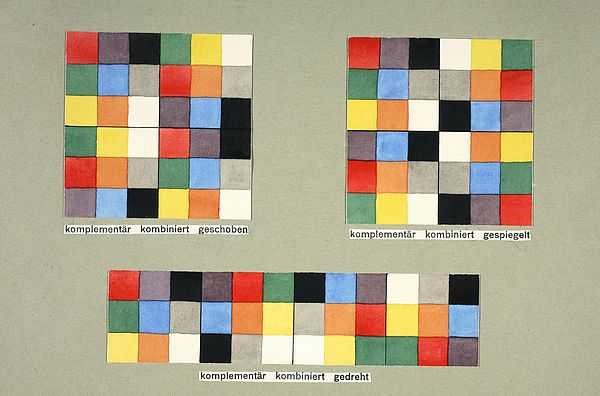
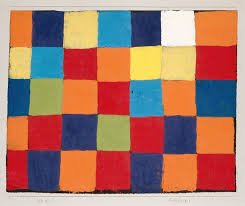
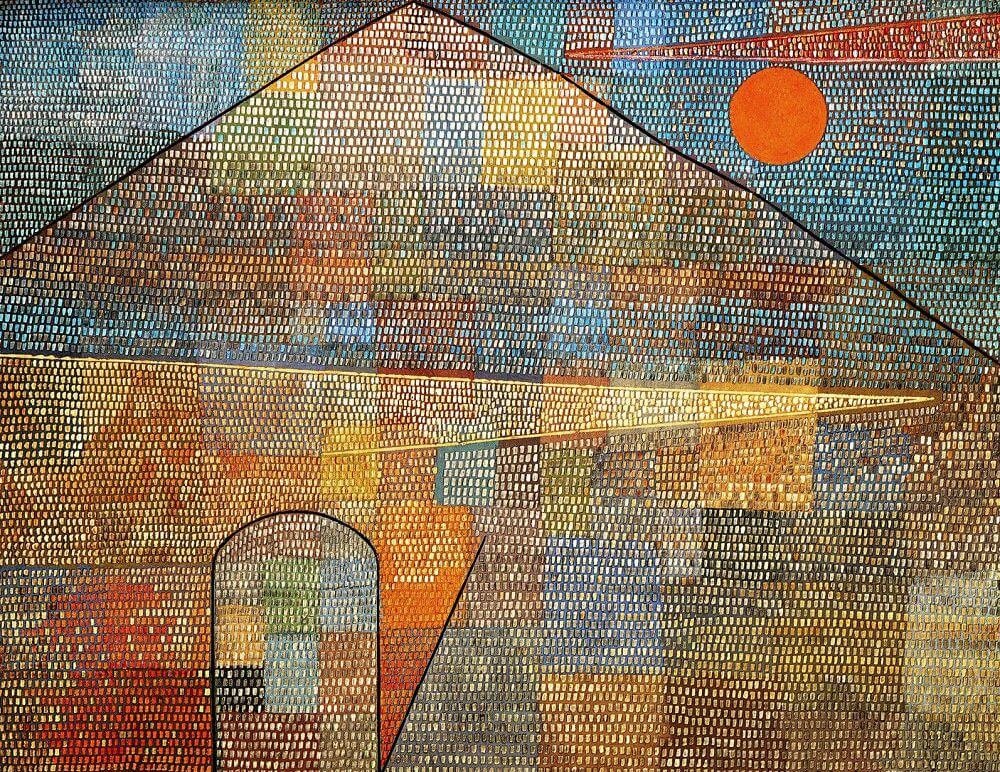
Klee was a natural draftsman who experimented with and eventually deeply explored color theory, writing about it extensively. His lectures Writings on Form and Design Theory (Schriften zur Form und Gestaltungslehre), published in English as the Paul Klee Notebooks, are held to be as important for modern art as Leonardo da Vinci's A Treatise on Painting was for the Renaissance.
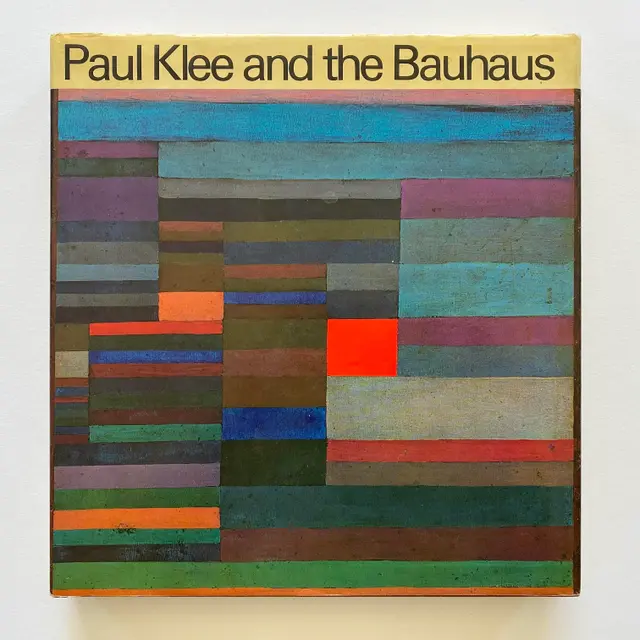
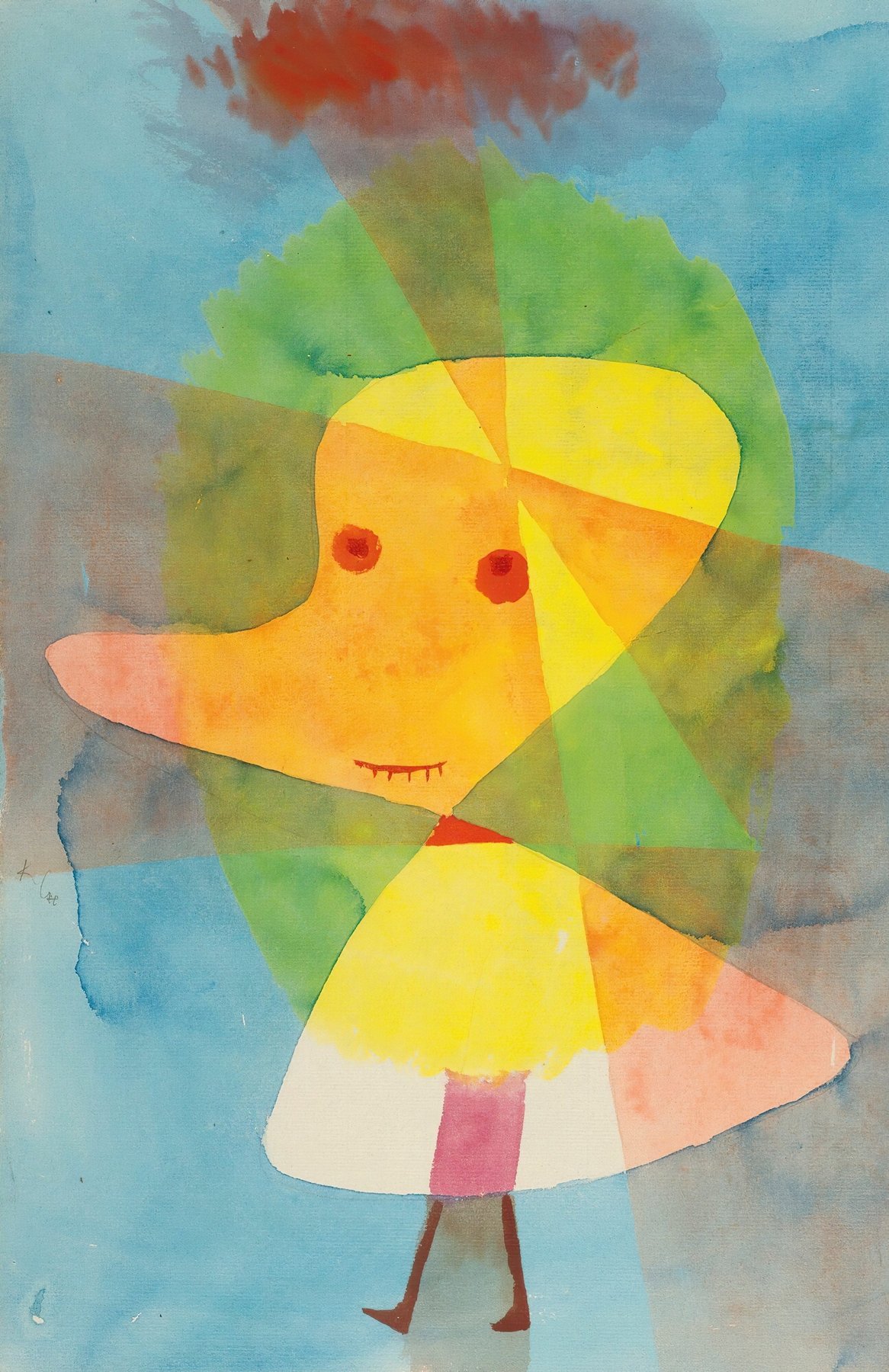
He and his colleague, Russian painter Wassily Kandinsky, both taught at the Bauhaus school of art, design and architecture in Germany. His works reflect his dry humor and his sometimes childlike perspective, his personal moods and beliefs, and his musicality.

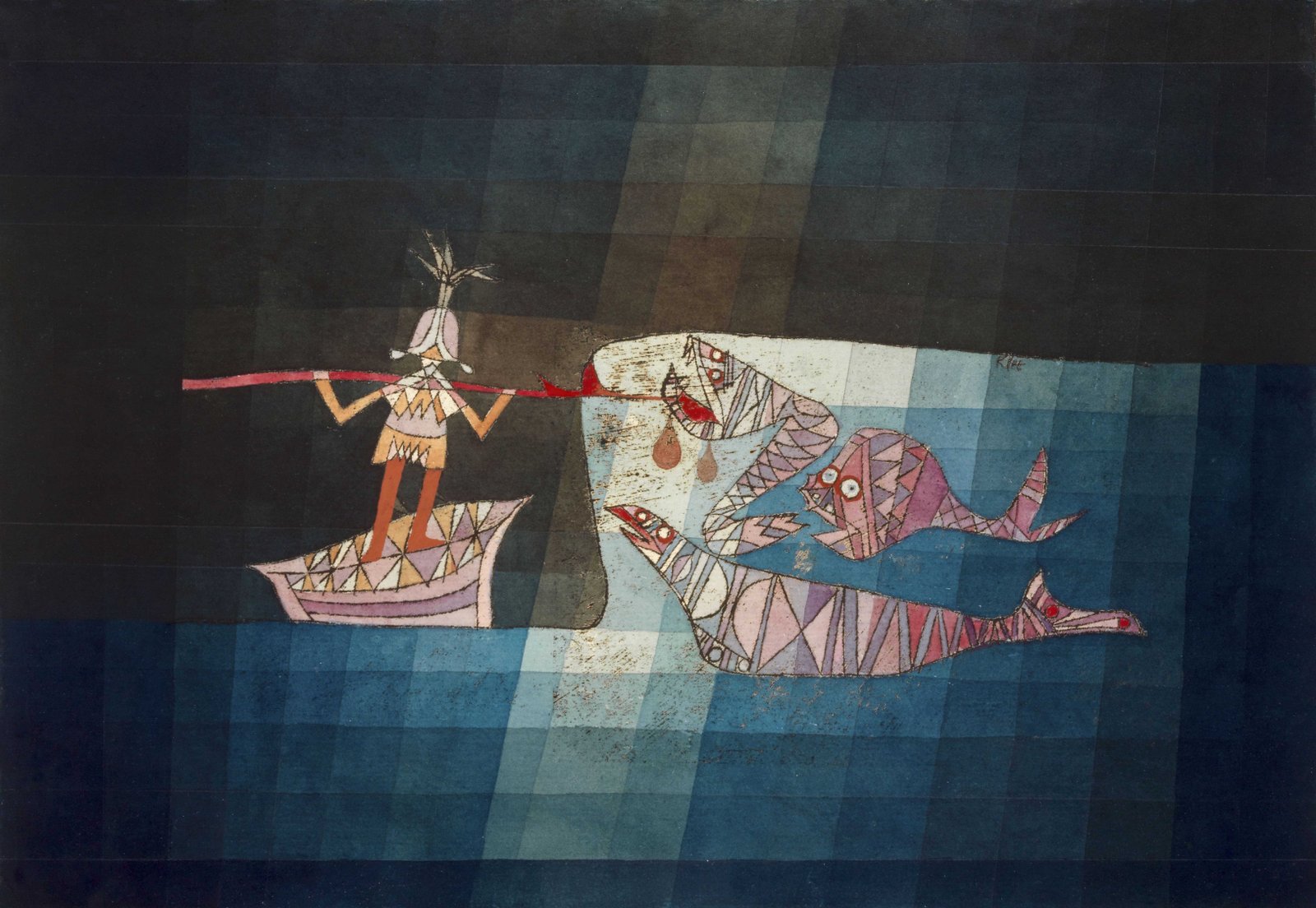
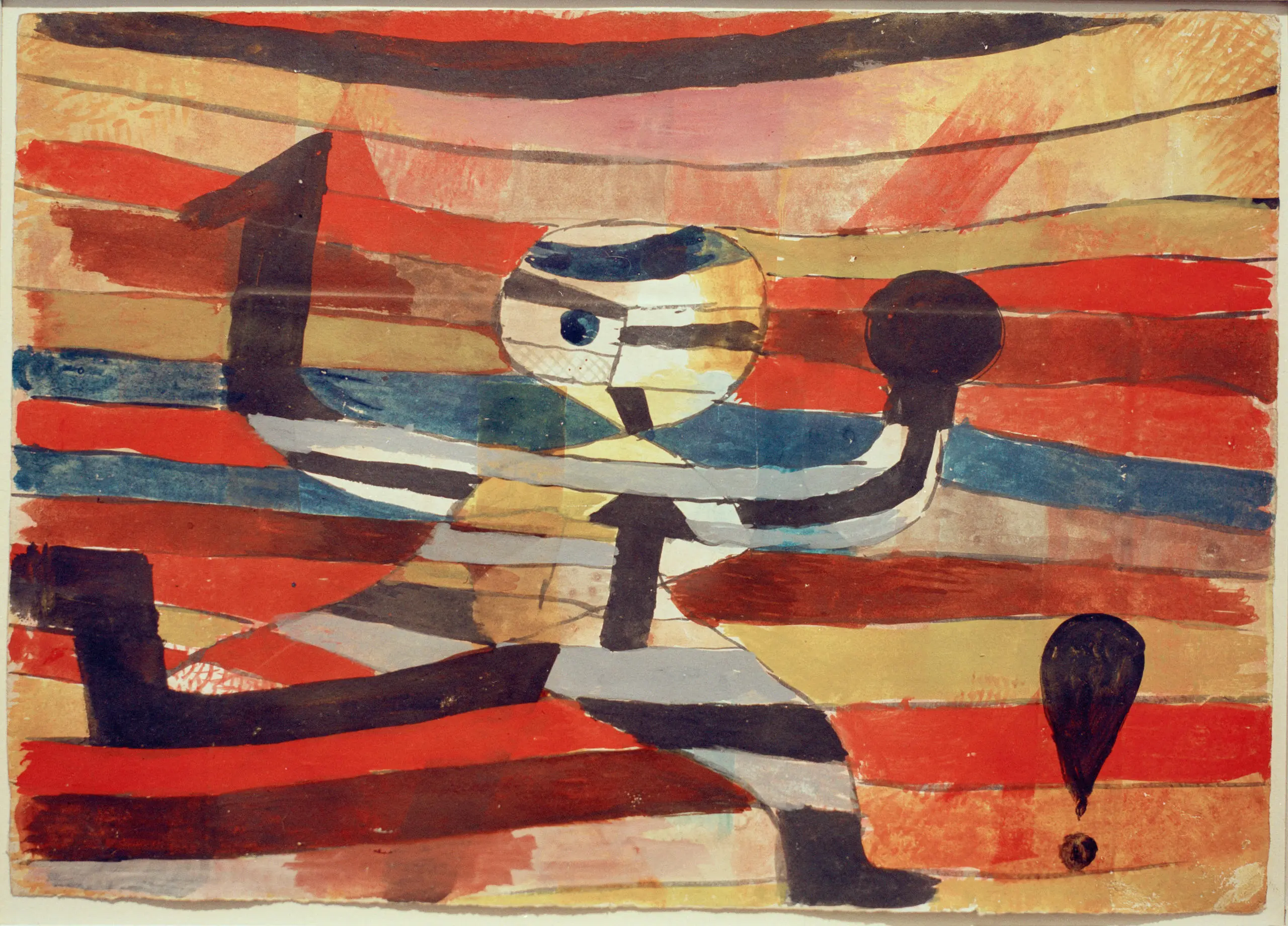
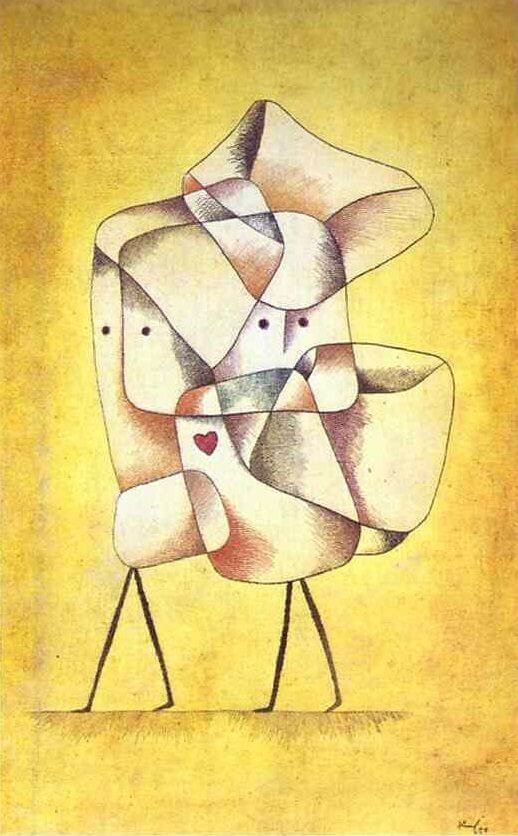
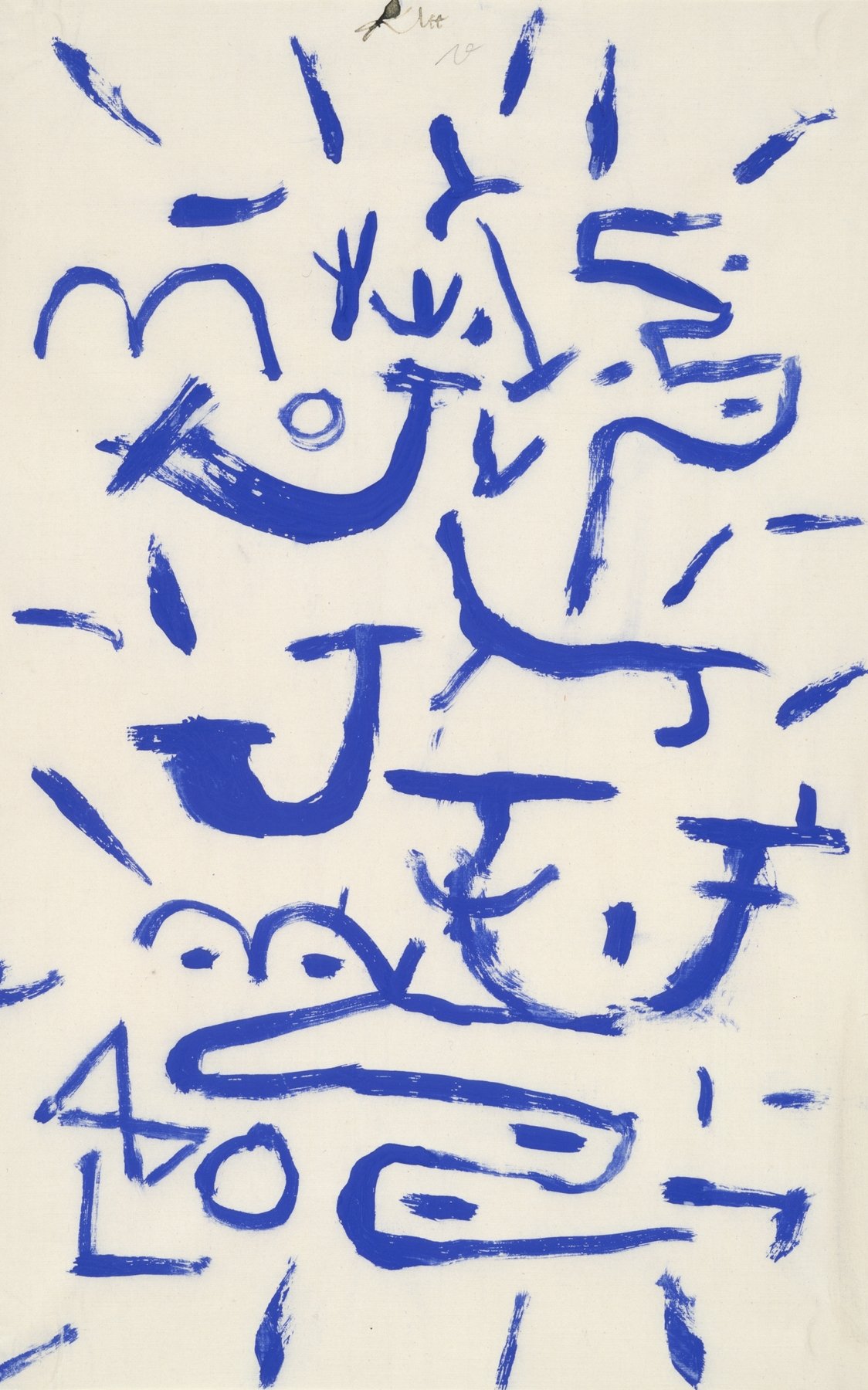
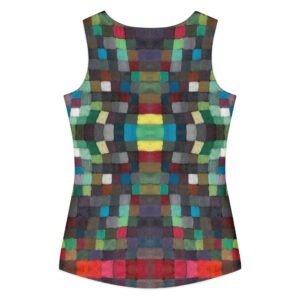
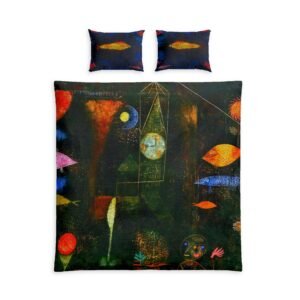
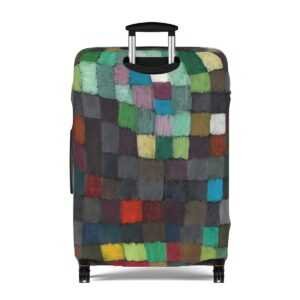
Klee is known for his simple stick figures, suspended fish, moon faces, eyes, arrows, and quilts of color, which he orchestrated into fantastic and childlike yet deeply meditative works.

His training as a painter began in 1898 when he studied drawing and painting in Munich for three years. By 1911, he had returned to that city, where he became involved with the German Expressionist group Der Blaue Reiter (The Blue Rider), founded by Vasily Kandinsky and Franz Marc in 1911. Klee and Kandinsky became lifelong friends, and the support of the older painter provided much-needed encouragement. Until then, Klee had worked in relative isolation, experimenting with various styles and media, such as making caricatures and Symbolist drawings, and later producing small works on paper mainly in black and white. His work was also influenced by the Cubism of Pablo Picasso and Georges Braque, and the abstract translucent color planes of Robert Delaunay.

Explore all artists in this collection

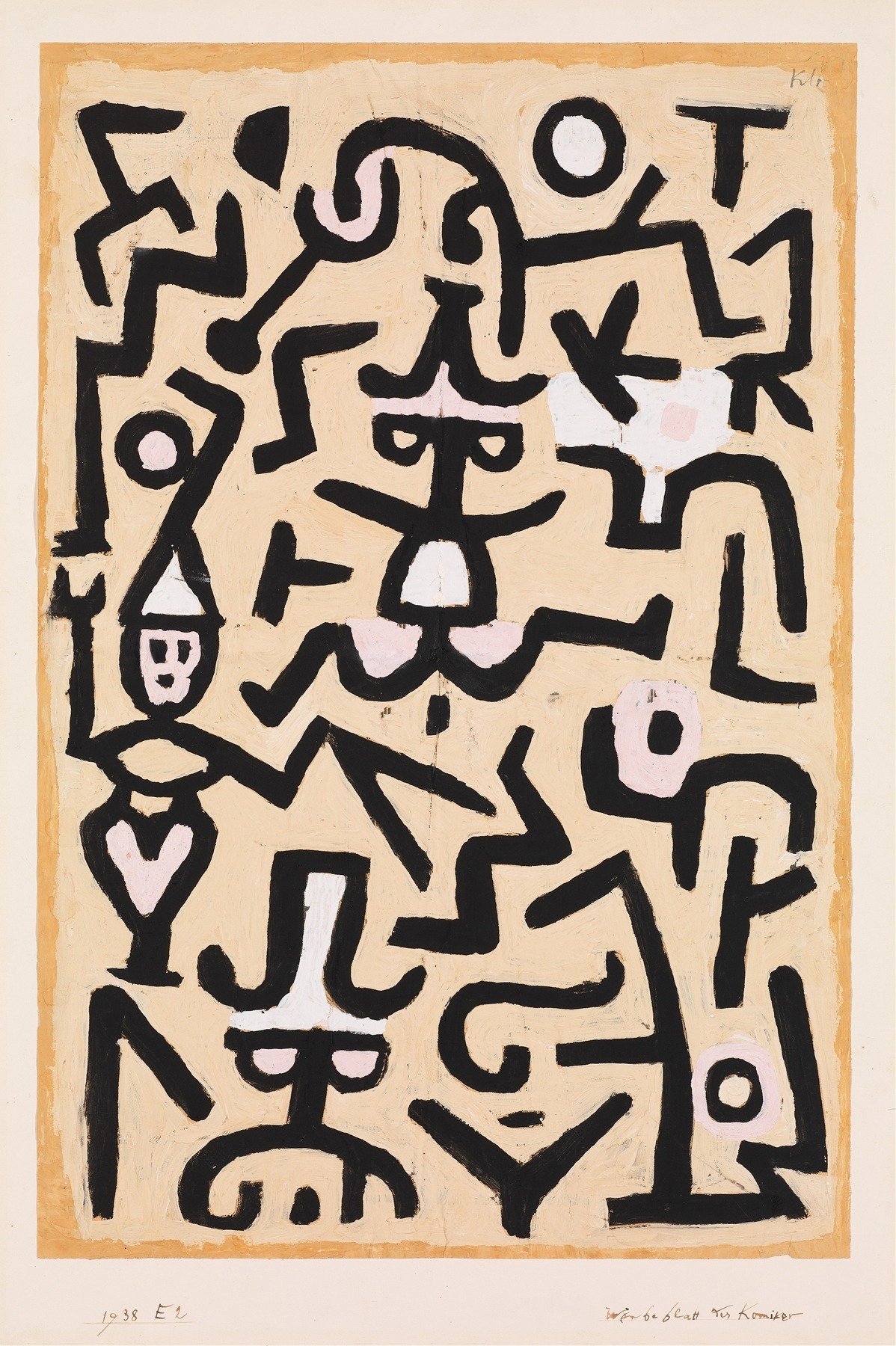
From 1931 to December 1933, Klee taught at the Academy of Fine Arts in Düsseldorf. When the National Socialists declared his art “degenerate” in 1933, Klee returned to his native Bern. Personal hardship and the increasing gravity of the political situation in Europe are reflected in the somber tone of his late work. Lines turn into black bars, forms become broad and generalized, scale larger, and colors simpler, as in Comedians’ Handbill (1938; 1984.315.57) or Angel Applicant (1939; 1984.315.60).

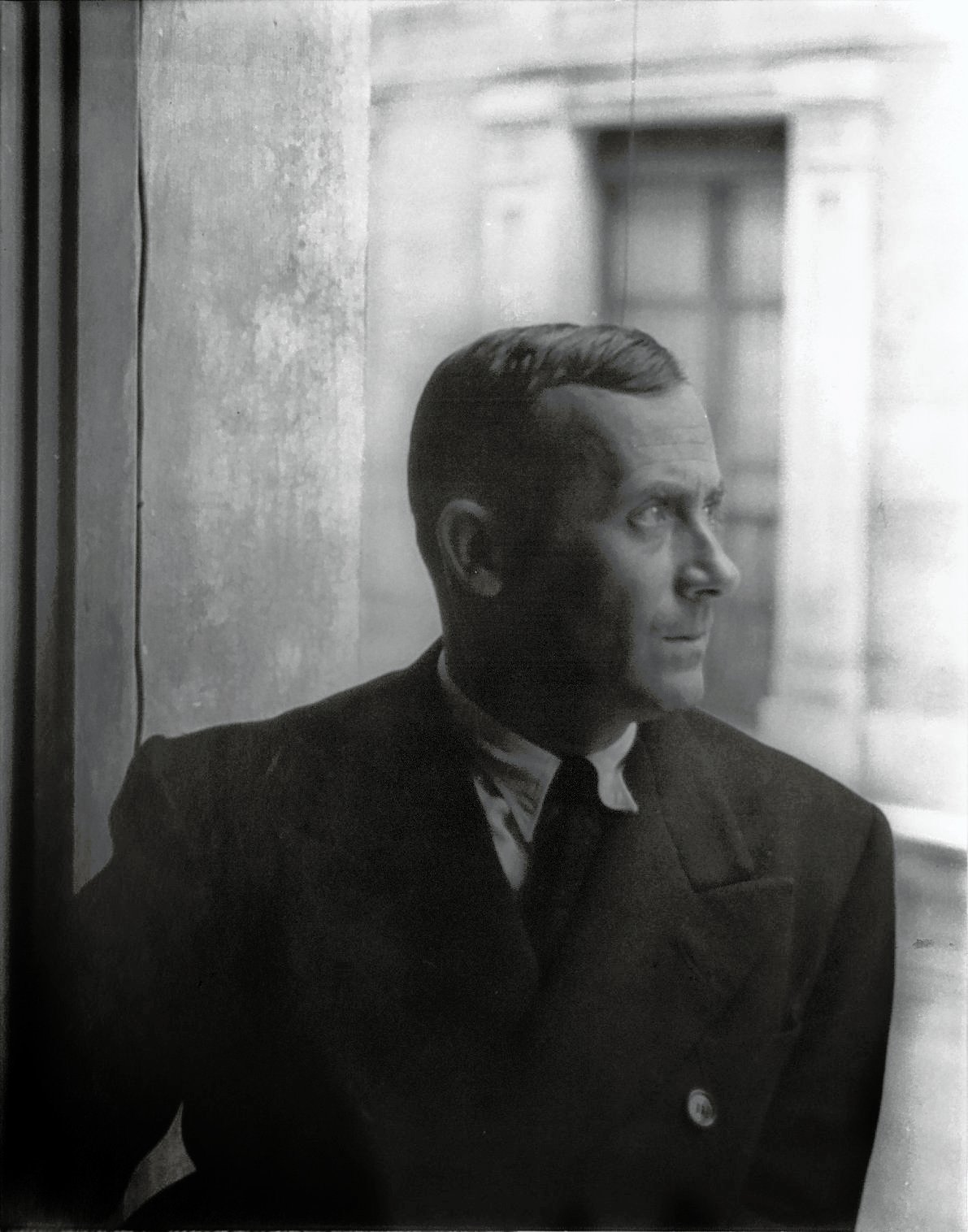
Joan Miró

Joan Miró

Joan Miró

1893 - 1983

Joan Miró

(1893 - 1983)

Explore all artists in this collection

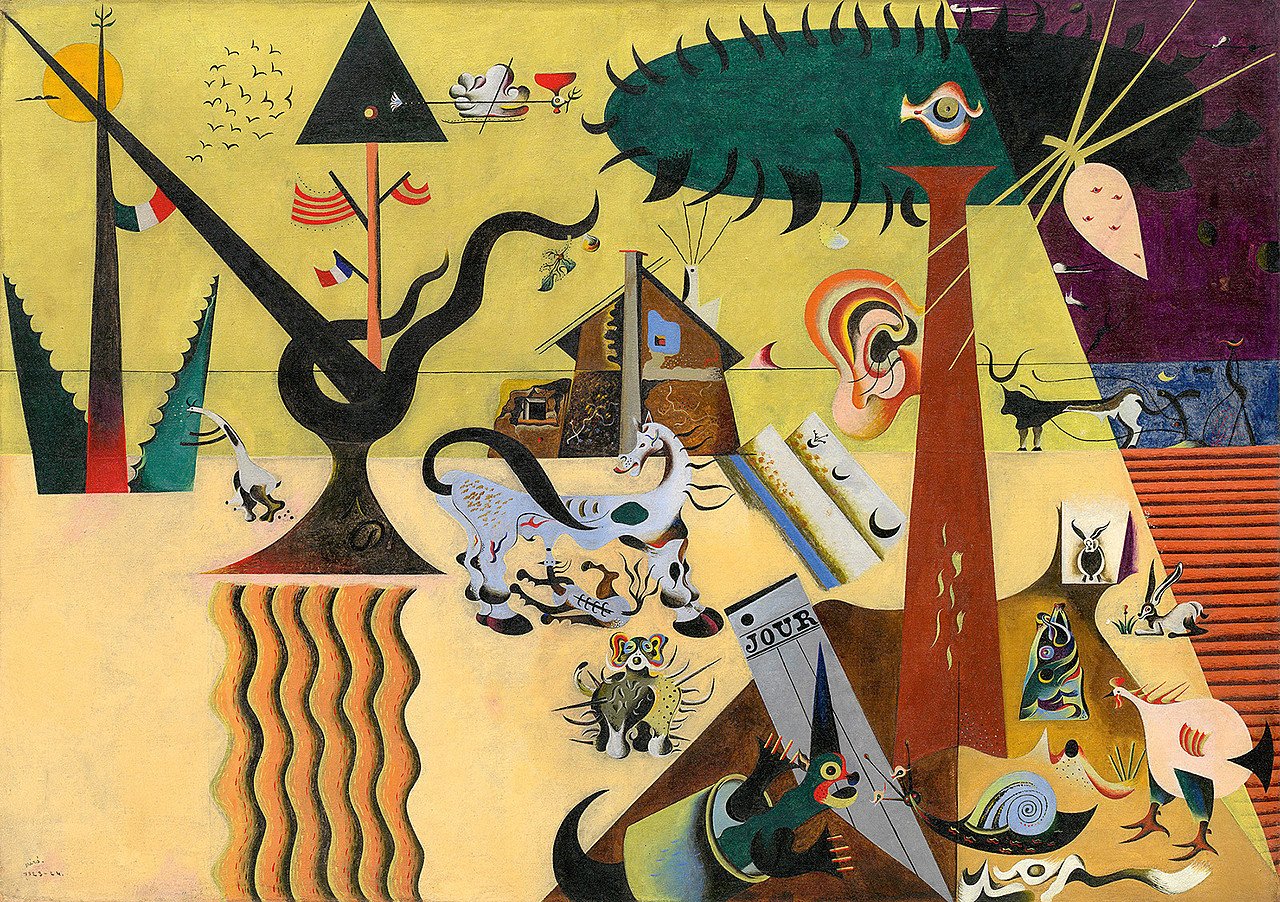
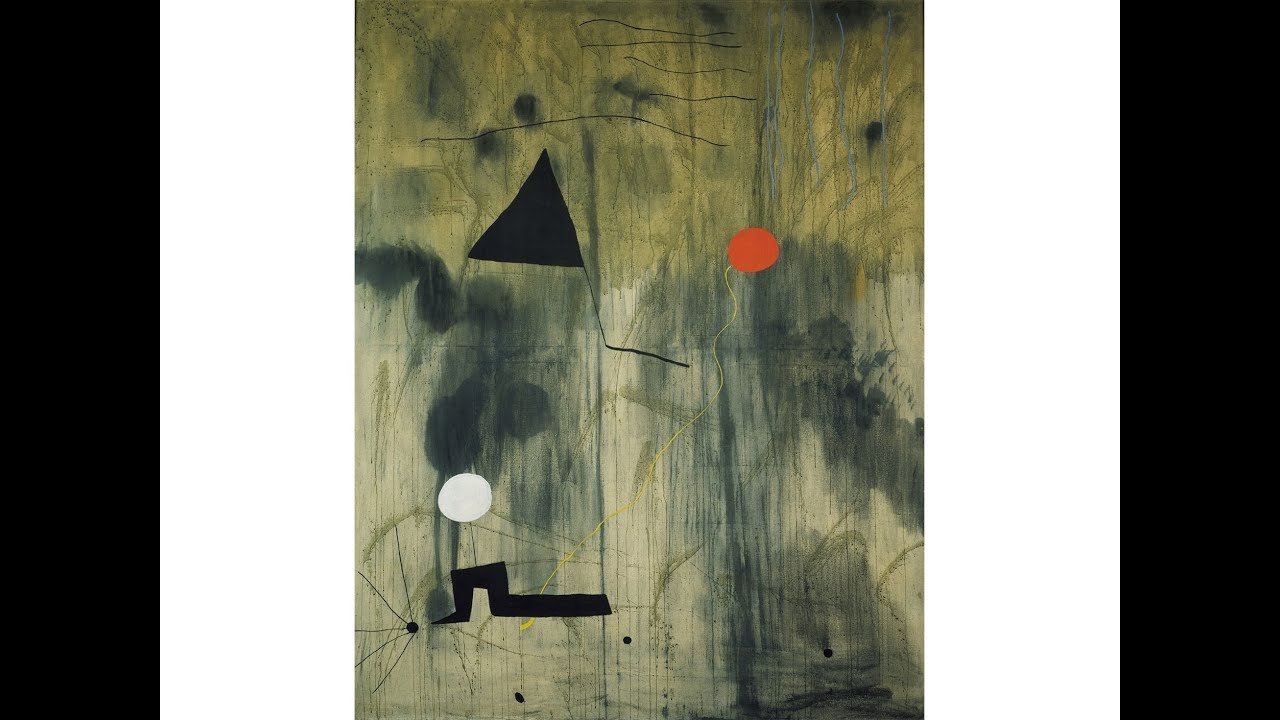
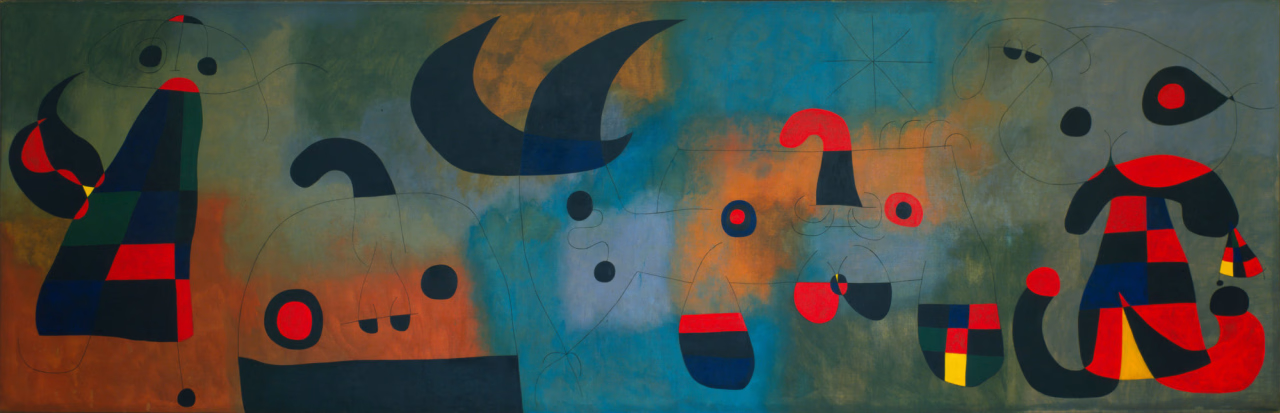
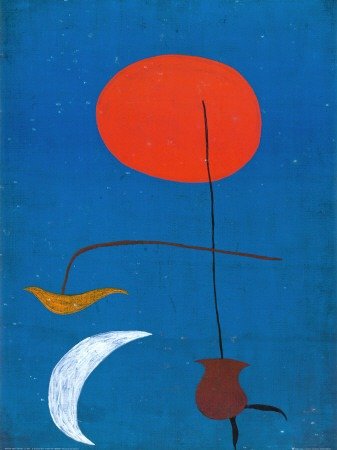
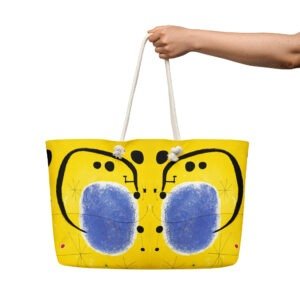
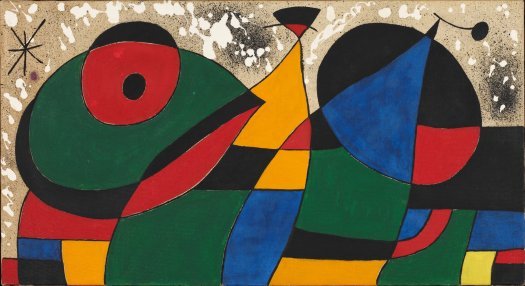
Until the outbreak of the Spanish Civil War, Miró habitually returned to Spain in the summers. Once the war began, he was unable to return home. Unlike many of his surrealist contemporaries, Miró had previously preferred to stay away from explicitly political commentary in his work. Though a sense of (Catalan) nationalism pervaded his earliest surreal landscapes and Head of a Catalan Peasant, it was not until Spain’s Republican government commissioned him to paint the mural The Reaper, for the Spanish Republican Pavilion at the 1937 Paris Exhibition, that Miró’s work took on a politically charged meaning.

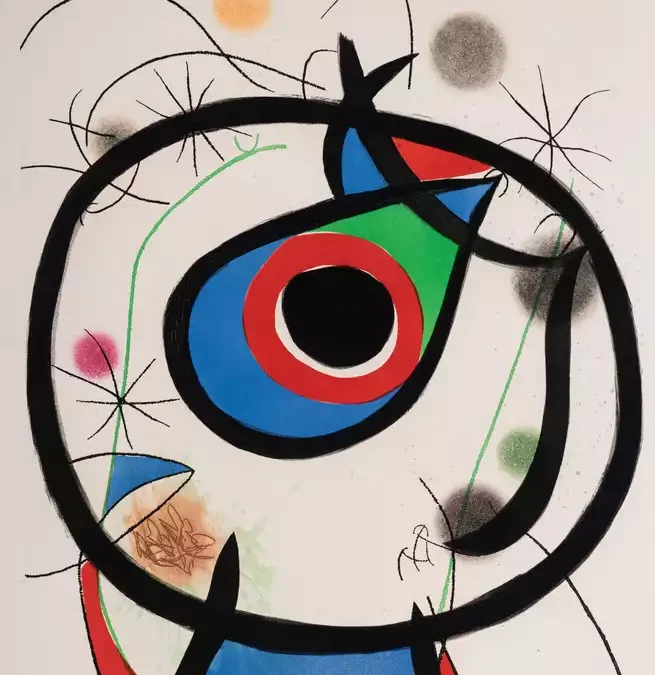
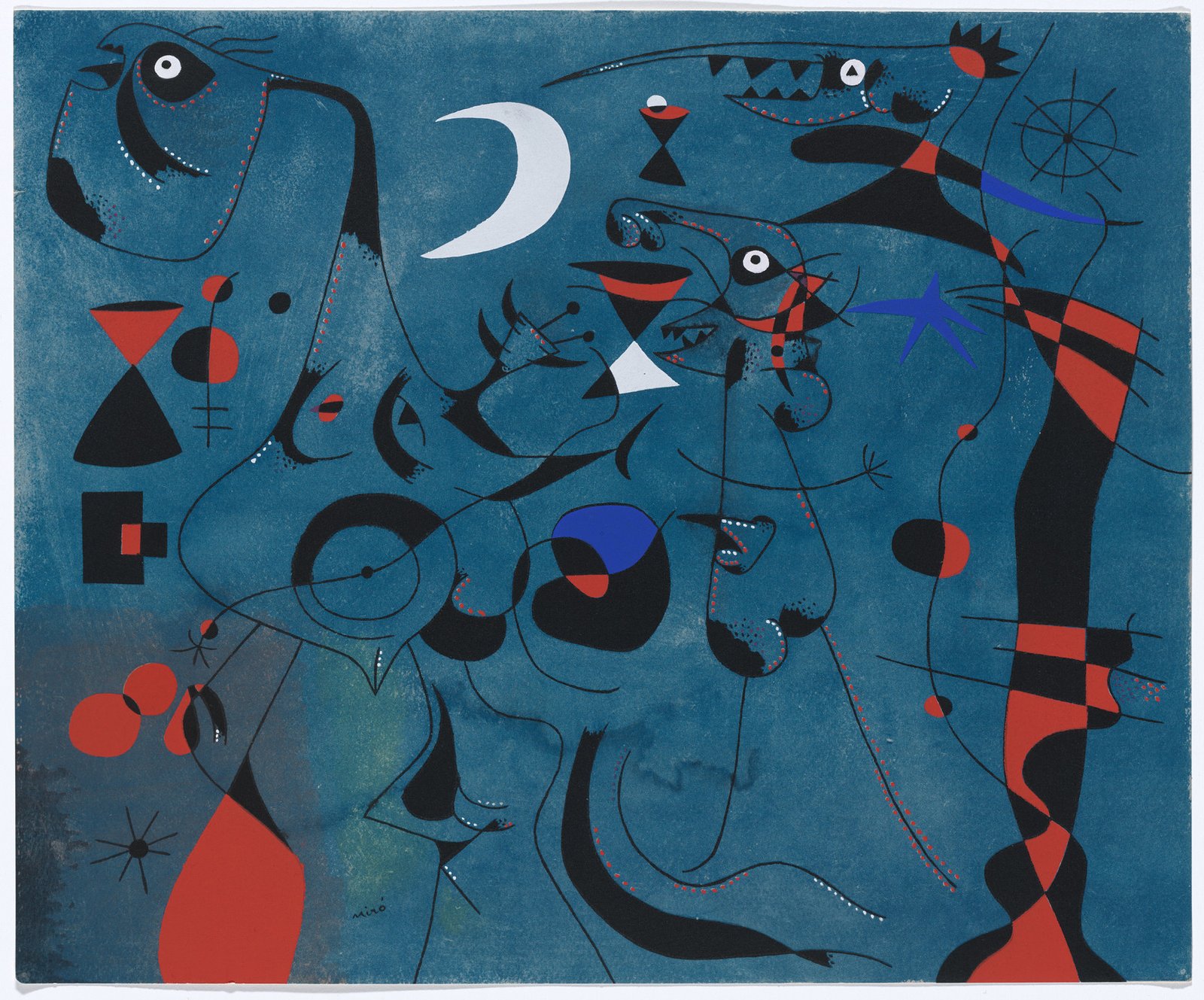
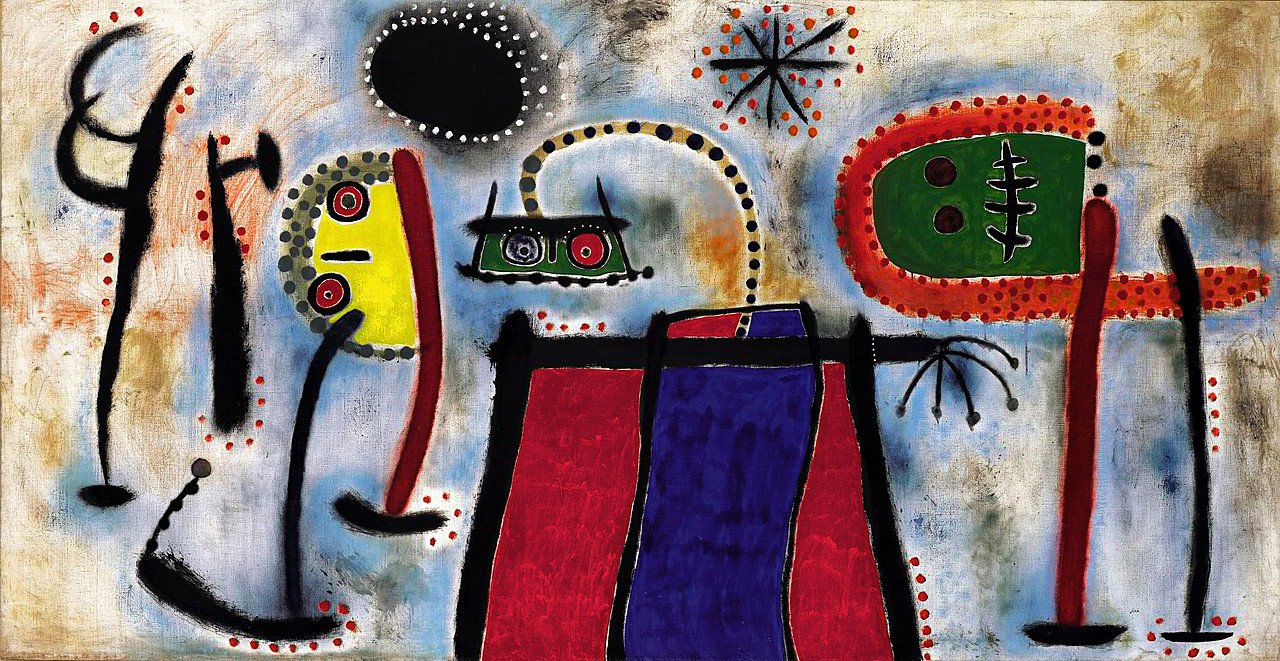
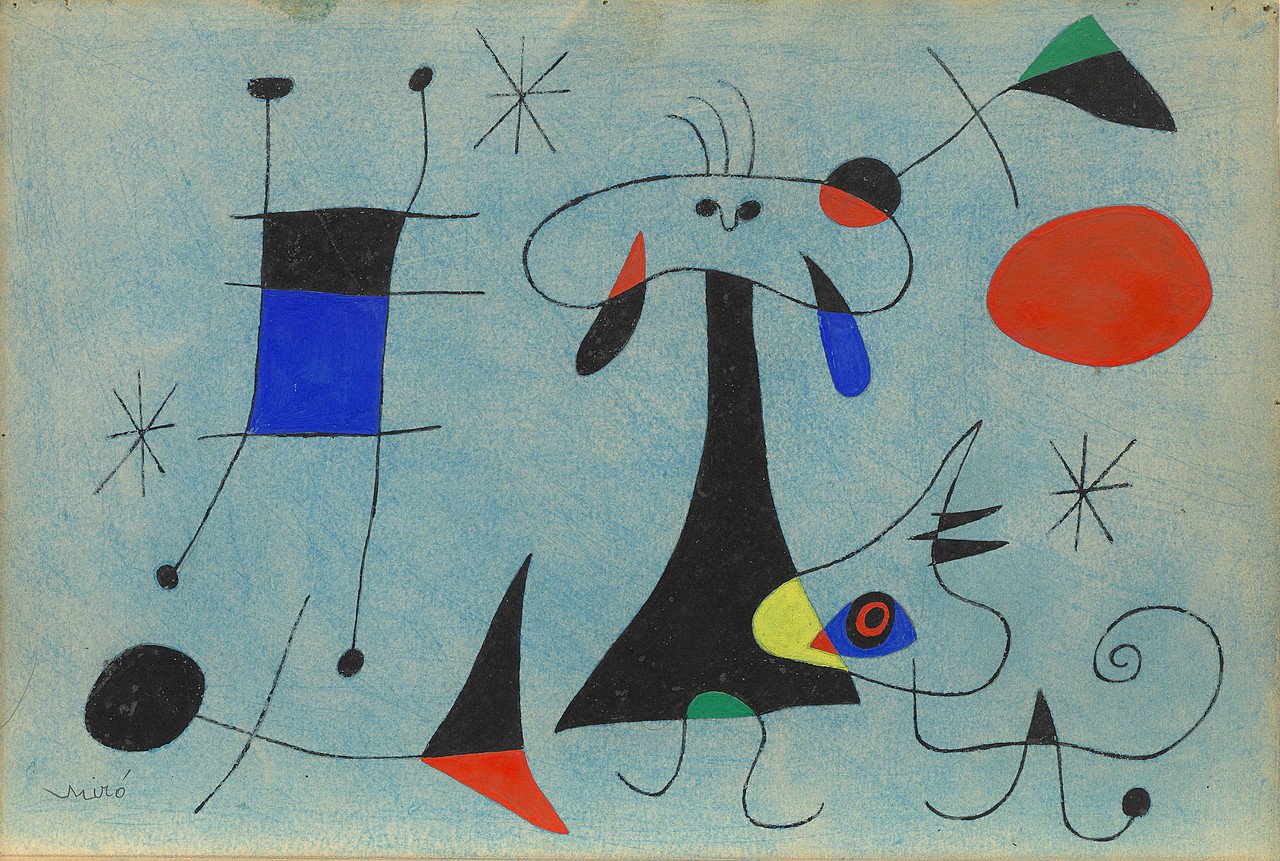
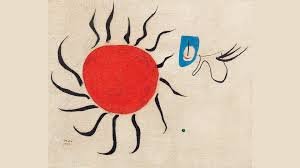
In 1939, with Germany’s invasion of France looming, Miró relocated to Varengeville in Normandy, and on 20 May of the following year, as Germans invaded Paris, he narrowly fled to Spain (now controlled by Francisco Franco) for the duration of the Vichy Regime’s rule. In Varengeville, Palma, and Mont-roig, between 1940 and 1941, Miró created the twenty-three gouache series Constellations. Revolving around celestial symbolism, Constellations earned the artist praise from André Breton, who seventeen years later wrote a series of poems, named after and inspired by Miró’s series. Features of this work revealed a shifting focus to the subjects of women, birds, and the moon, which would dominate his iconography for much of the rest of his career.

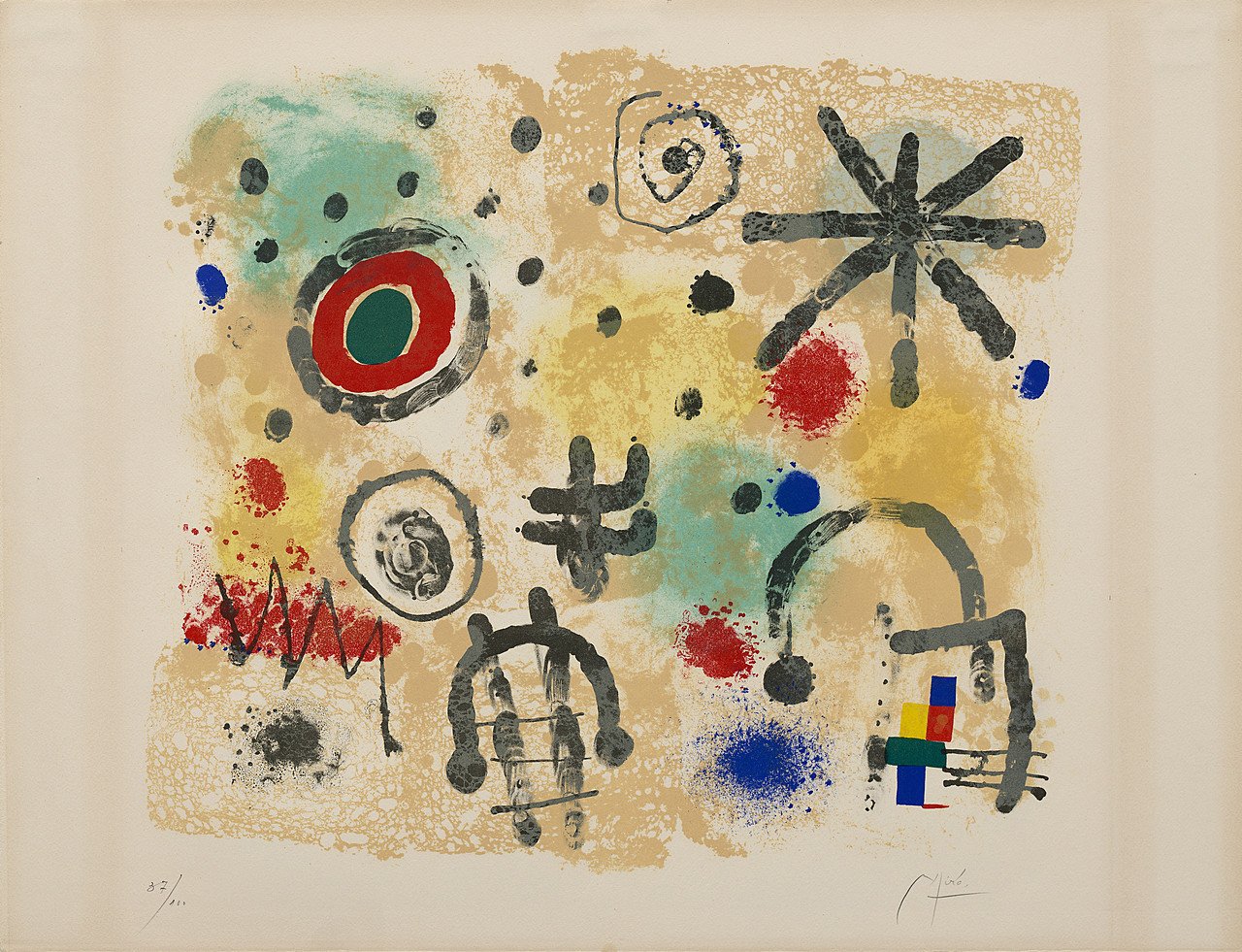
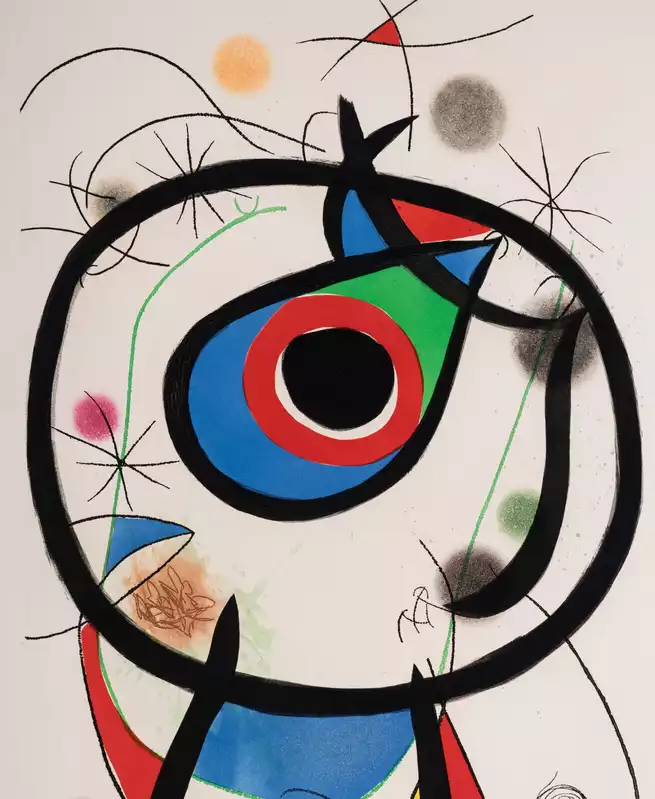
Shuzo Takiguchi published the first monograph on Miró in 1940. In 1948–49 Miró lived in Barcelona and made frequent visits to Paris to work on printing techniques at the Mourlot Studios and the Atelier Lacourière. He developed a close relationship with Fernand Mourlot and that resulted in the production of over one thousand different lithographic editions.


In 1959, André Breton asked Miró to represent Spain in The Homage to Surrealism exhibition alongside Enrique Tábara, Salvador Dalí, and Eugenio Granell. Miró created a series of sculptures and ceramics for the garden of the Maeght Foundation in Saint-Paul-de-Vence, France, which was completed in 1964.


In 1959, André Breton asked Miró to represent Spain in The Homage to Surrealism exhibition alongside Enrique Tábara, Salvador Dalí, and Eugenio Granell. Miró created a series of sculptures and ceramics for the garden of the Maeght Foundation in Saint-Paul-de-Vence, France, which was completed in 1964.

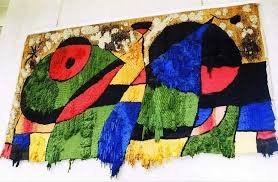
In 1974, Miró created a tapestry for the World Trade Center in New York City together with the Catalan artist Josep Royo. He had initially refused to do a tapestry, then he learned the craft from Royo and the two artists produced several works together. His World Trade Center Tapestry was displayed at the building and was one of the most expensive works of art lost during the September 11 attacks.

In 1977, Miró and Royo finished a tapestry to be exhibited in the National Gallery of Art in Washington, DC.

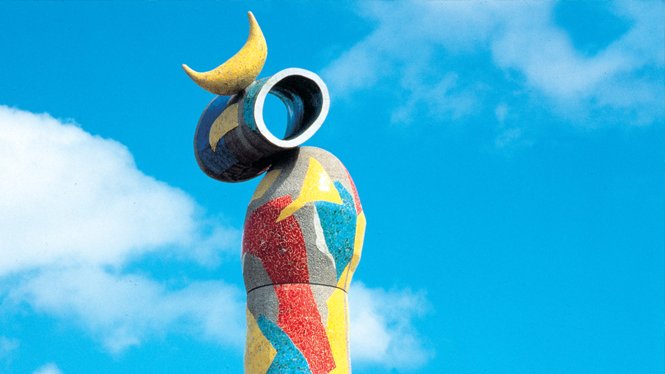
In 1981, Miró’s The Sun, the Moon and One Star—later renamed Miró’s Chicago—was unveiled. This large, mixed media sculpture is situated outdoors in the downtown Loop area of Chicago, across the street from another large public sculpture, the Chicago Picasso. Miró had created a bronze model of The Sun, the Moon and One Star in 1967. The maquette now resides in the Milwaukee Art Museum.

Explore all artists in this collection

Jean (Hans) Arp

Jean (Hans) Arp

Jean (Hans) Arp

1886 - 1966

Explore all artists in this collection

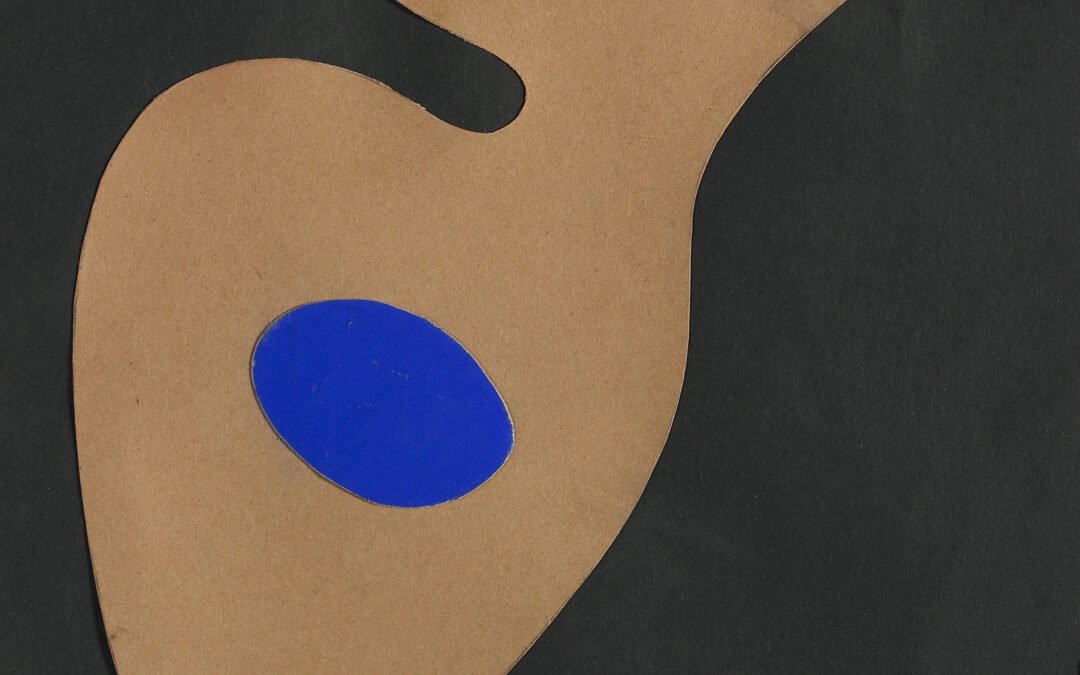
In 1904, after leaving the École des Arts et Métiers, Strasbourg, he visited Paris and published his poetry for the first time. From 1905 to 1907, Arp studied at the Kunstschule, Weimar, and in 1908 went to Paris, where he attended the Académie Julian. In 1909, he moved to Switzerland and in 1911 was a founder of the Moderner Bund group there. The following year, he met Robert and Sonia Delaunay in Paris and Vasily Kandinsky in Munich. Arp participated in the Erste deutsche Herbstsalon in 1913 at the gallery Der Sturm, Berlin. After returning to Paris in 1914, he became acquainted with Guillaume Apollinaire, Max Jacob, Amadeo Modigliani, and Pablo Picasso. In 1915, he moved to Zurich, where he executed collages and tapestries, often in collaboration with his future wife Sophie Taeuber (who became known as Sophie Taeuber-Arp after they married in 1922).

In 1916, Hugo Ball opened the Cabaret Voltaire, which was to become the center of Dada activities in Zurich for a group that included Arp, Marcel Janco, Tristan Tzara, and others. Arp continued his involvement with Dada after moving to Cologne in 1919. In 1922, he participated in the Kongress der Konstruktivisten in Weimar and the Exposition Internationale Dada at Galerie Montaigne in Paris. Soon thereafter, he began contributing to magazines such as Merz, Mécano, De Stijl, and later to La Révolution surréaliste. Arp’s work appeared in the first exhibition of the Surrealist group at the Galerie Pierre, Paris, in 1925. In 1926, he settled in Meudon, France.

In 1931, Arp was associated with the Paris-based group Abstraction-Création and the periodical Transition. Throughout the 1930s and until the end of his life, he continued to write and publish poetry and essays. In 1942, he fled Meudon for Zurich; he was to make Meudon his primary residence again in 1946. The artist visited New York in 1949 on the occasion of his solo show at Curt Valentin’s Buchholz Gallery. In 1950, he was invited to execute a relief for the Harvard Graduate Center in Cambridge, Massachusetts. In 1954, Arp received the Grand Prize for Sculpture at the Venice Biennale. A retrospective of his work was held at the Museum of Modern Art, New York, in 1958, followed by another at the Musée National d’Art Moderne, Paris, in 1962. Arp died June 7, 1966, in Basel.

Explore all artists in this collection