Franz Marc

Franz Marc

Franz Marc

(1880 - 1916)

Explore all artists in this collection

Franz Marc was born in 1880 in Munich, the erstwhile-capital of the Kingdom of Bavaria. His father, Wilhelm Marc, was a professional landscape painter; his mother, Sophie, was a homemaker and a devout, socially liberal Calvinist. At the age of 17 Marc wanted to study theology, as his older brother Paul had. Two years later, however, he enrolled in the arts program of Munich University.

He was first required to serve in the military for a year, after which, in 1900, he began studies instead at the Academy of Fine Arts, Munich, where his teachers included Gabriel von Hackl and Wilhelm von Diez. In 1903 and 1907, he spent time in France, particularly in Paris, visiting the museums in the city and copying many paintings, a traditional way for artists to study and develop technique. In Paris, Marc frequented artistic circles, meeting numerous artists and the actress Sarah Bernhardt. He discovered a strong affinity for the work of painter Vincent van Gogh. After the 1903 trip, he ceased attending the Academy of Fine Arts.
During his 20s, Marc was involved in a number of stormy relationships, including an affair lasting for many years with Annette Von Eckhardt, a married antique dealer nine years his senior. He married twice, first to Marie Schnür, then to Maria Franck; both were artists.

In 1906, Marc traveled with his elder brother Paul, a Byzantine expert, to Thessaloniki, Mount Athos, and various other Greek locations. A few years later, in 1910, Marc developed an important friendship with the artist August Macke. In 1910 Marc painted Nude with Cat and Grazing Horses, and showed works in the second exhibition of the Neue Künstlervereinigung (New Artists' Association), of which Marc was briefly a member) at the Thannhauser Galleries in Munich.

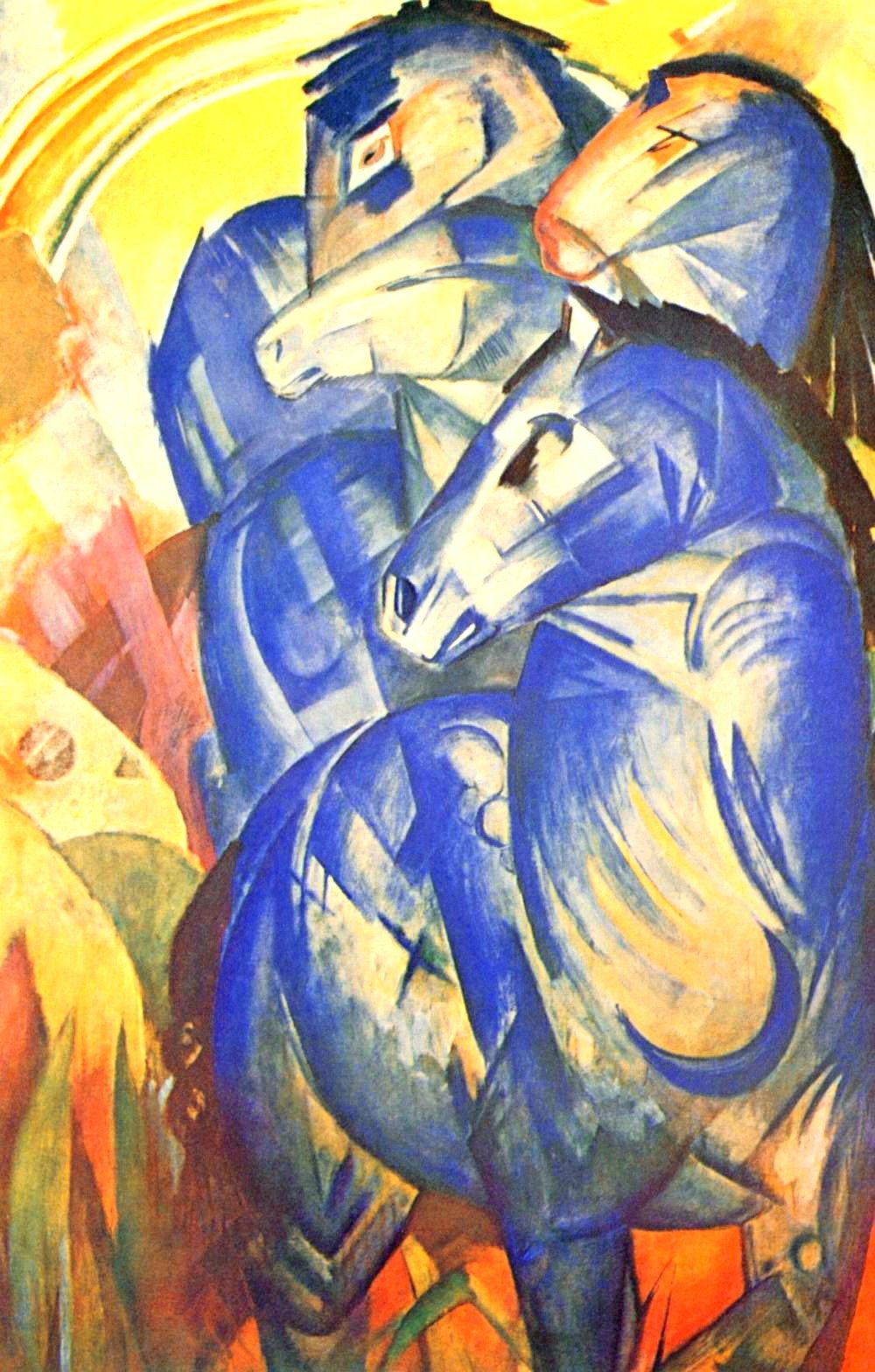
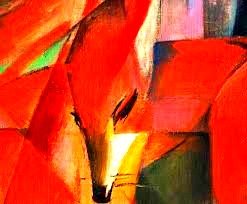
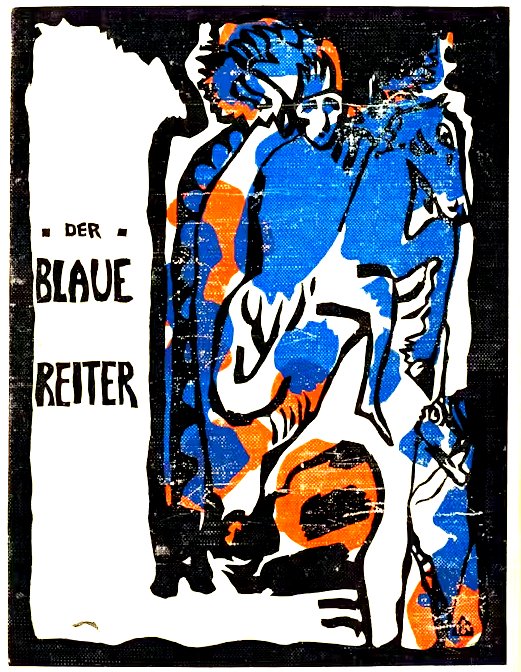
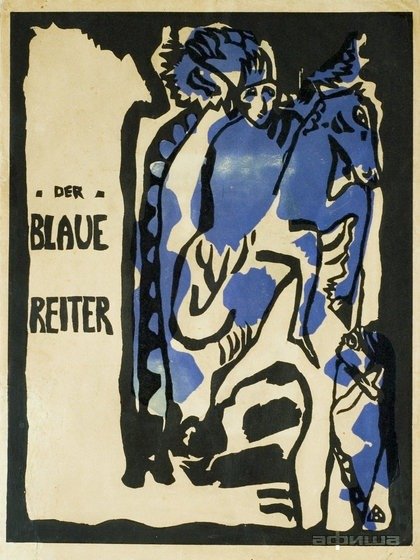
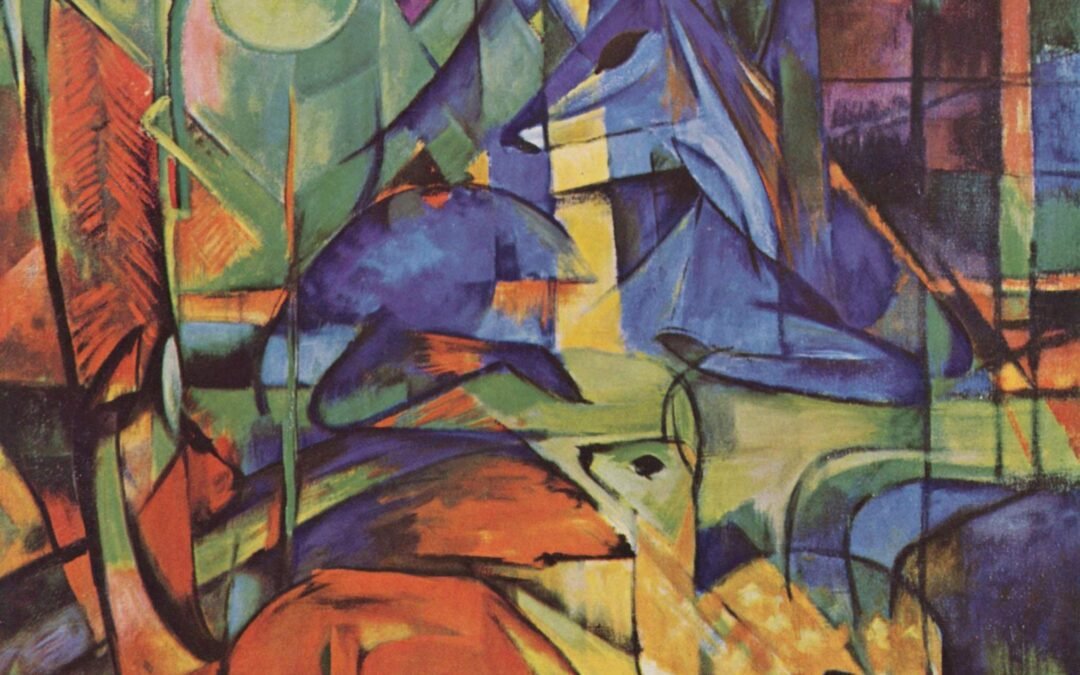
In 1911, Marc founded the Der Blaue Reiter journal, which became the center of an artist circle, along with Macke, Wassily Kandinsky, and others who had decided to split off from the Neue Künstlervereinigung movement. Though Marc showed several of his works in the first Der Blaue Reiter exhibition at the Thannhauser Galleries in Munich between December 1911 and January 1912, as it was the apex of the German expressionist movement, the exhibit also showed in Berlin, Cologne, Hagen, and Frankfurt. In 1912, Marc met Robert Delaunay, whose use of color and the Cubist method was a major influence on Marc's work; fascinated by Futurism and Cubism, Marc created art that increasingly was stark in nature, painting natural abstract forms which found spiritual value in color. He painted The Tiger and Red Deer in 1912 and The Tower of Blue Horses, The Foxes, and Fate of the Animals in 1913.

With the outbreak of World War I in 1914, Marc was drafted into the Imperial German Army as a cavalryman. By February 1916, as shown in a letter to his wife, he had gravitated to military camouflage. His technique for hiding artillery from aerial observation was to paint canvas covers in broadly pointillist style. He took pleasure in creating a series of nine such tarpaulin covers in styles varying "from Manet to Kandinsky", suspecting that the latter could be the most effective against aircraft flying at 2,000 metres (6,600 ft) or higher.

By 1916, he had been promoted to lieutenant and awarded the Iron Cross.

After mobilization of the German Army, the government identified notable artists to be withdrawn from combat for their own safety. Marc was on the list but was struck in the head and killed instantly by a shell splinter during the Battle of Verdun in 1916 before orders for reassignment could reach him.

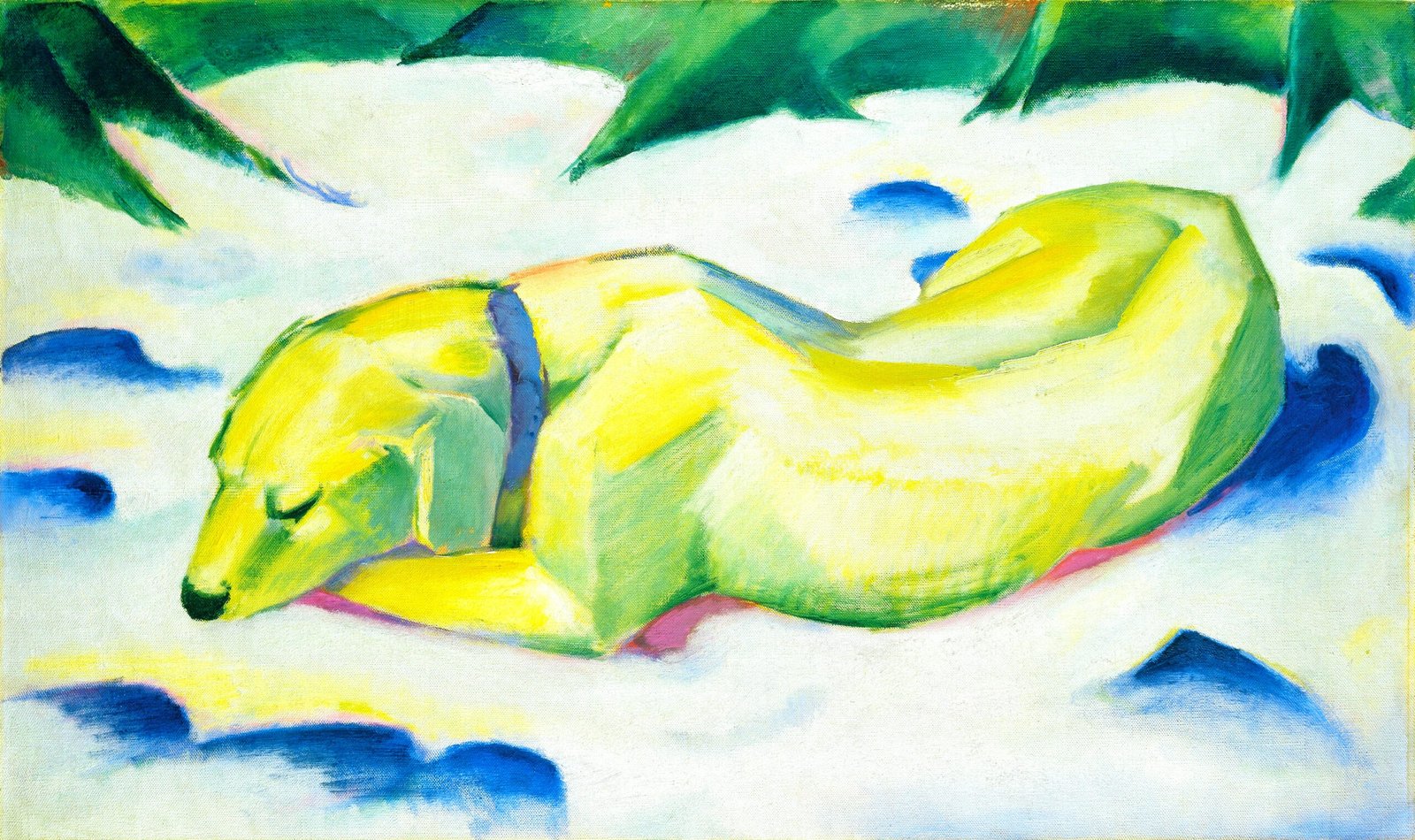
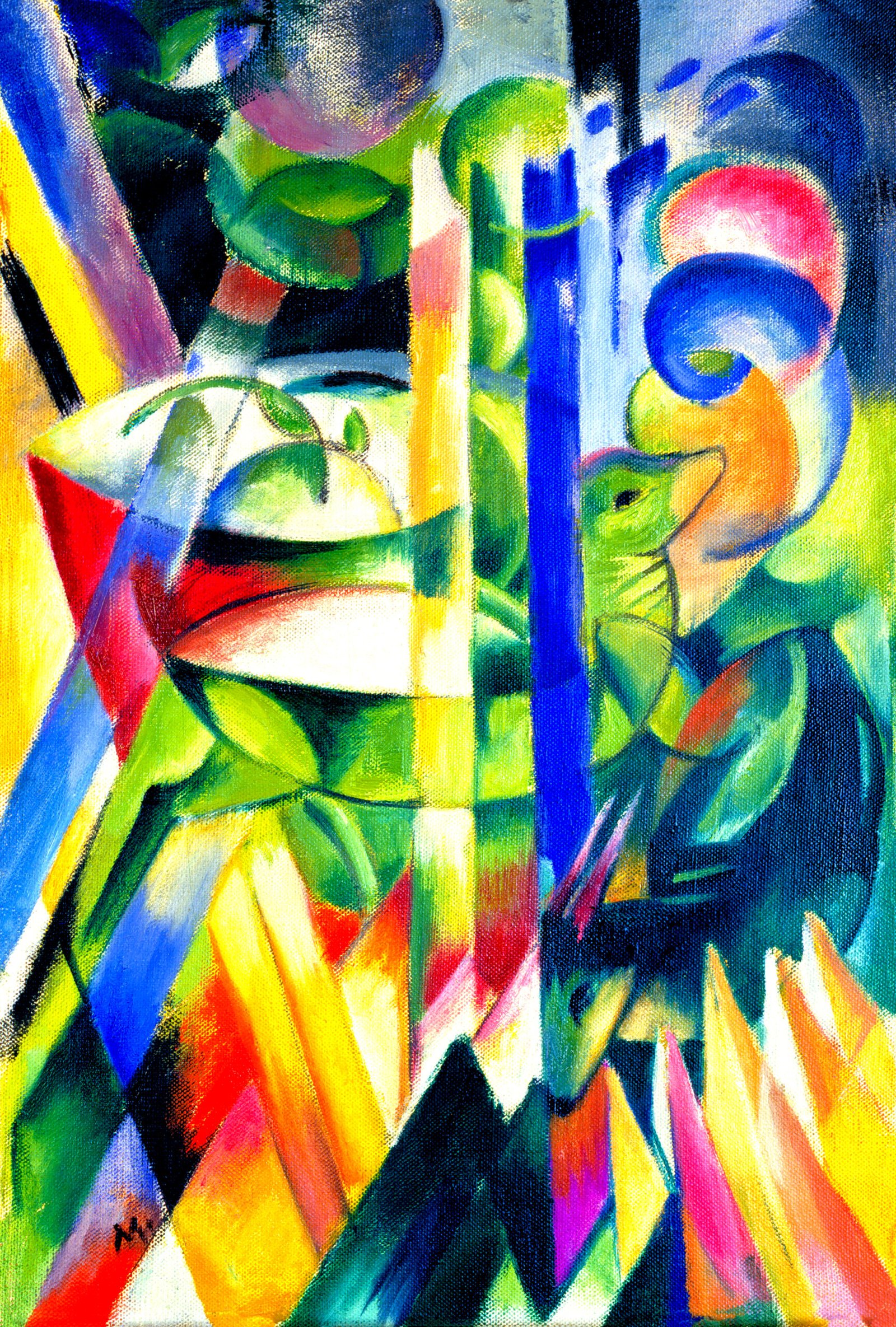
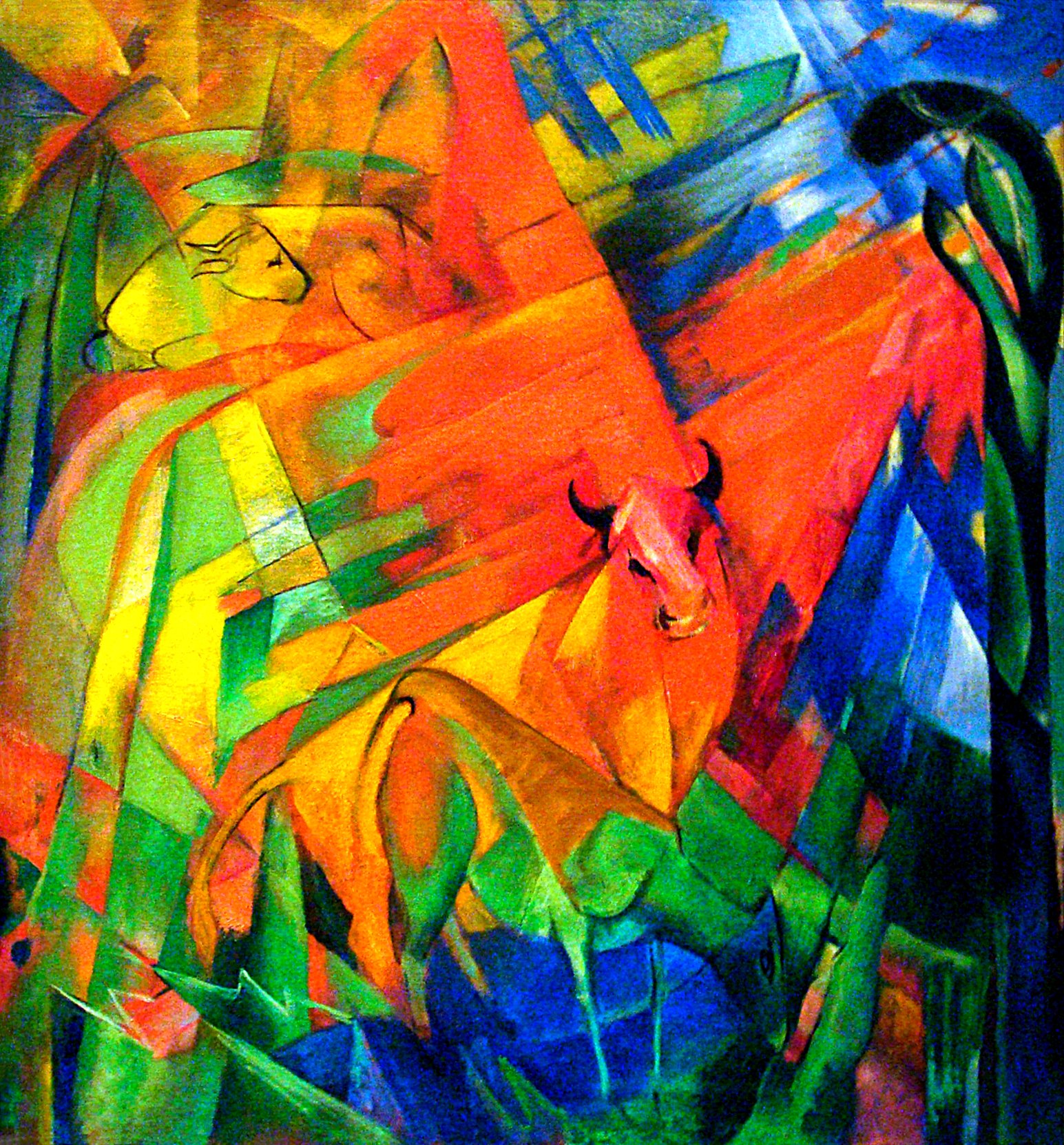
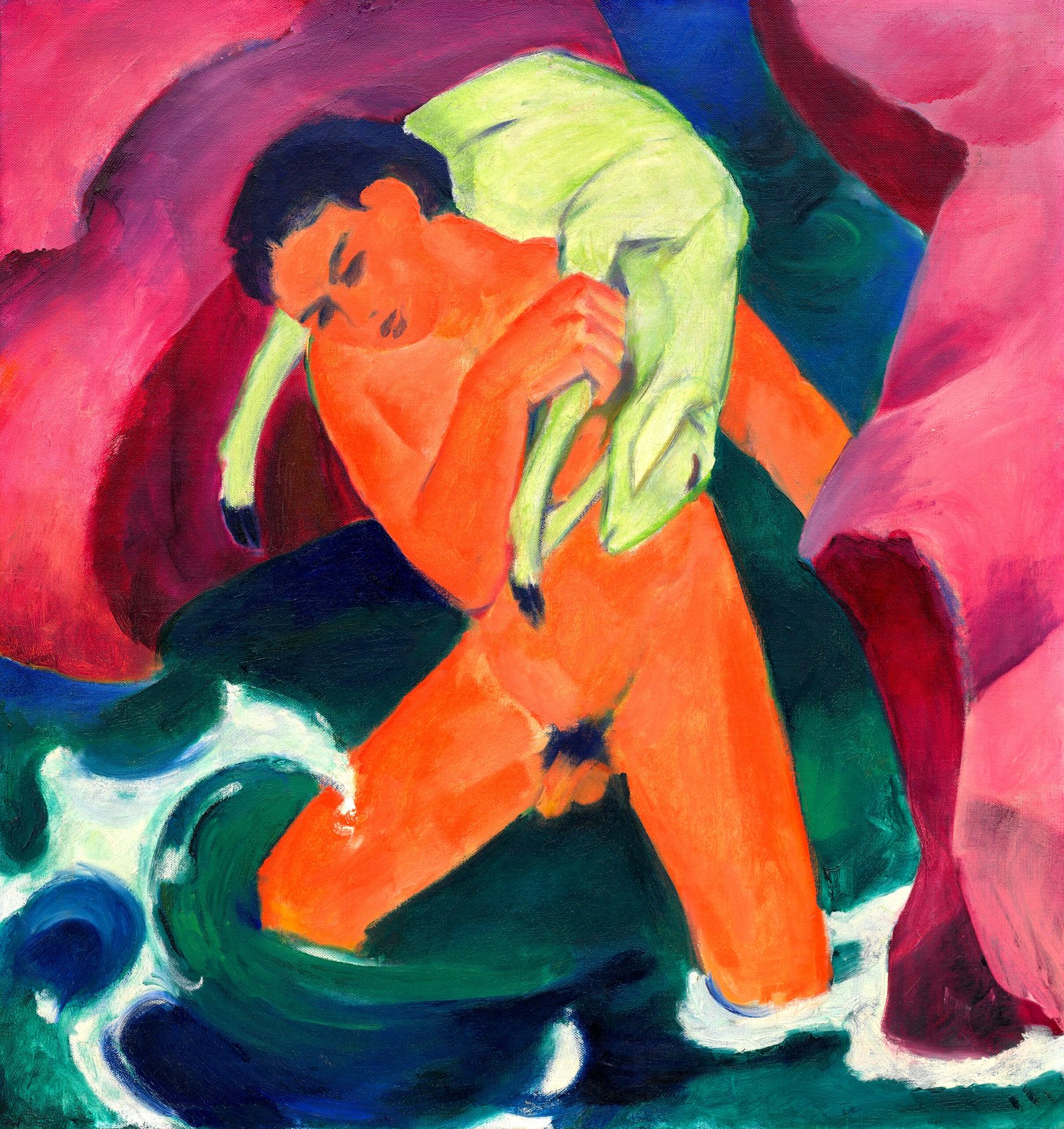
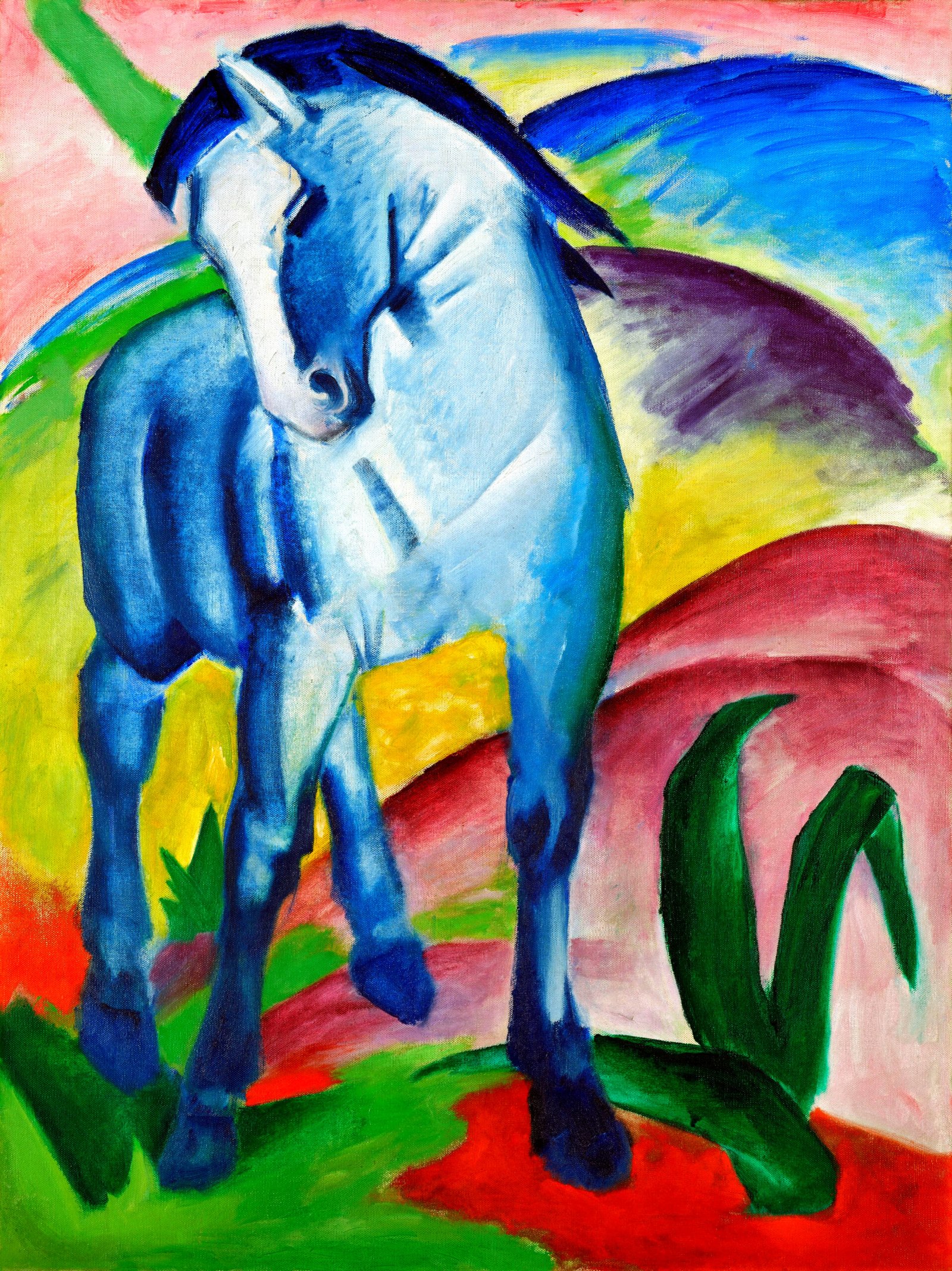
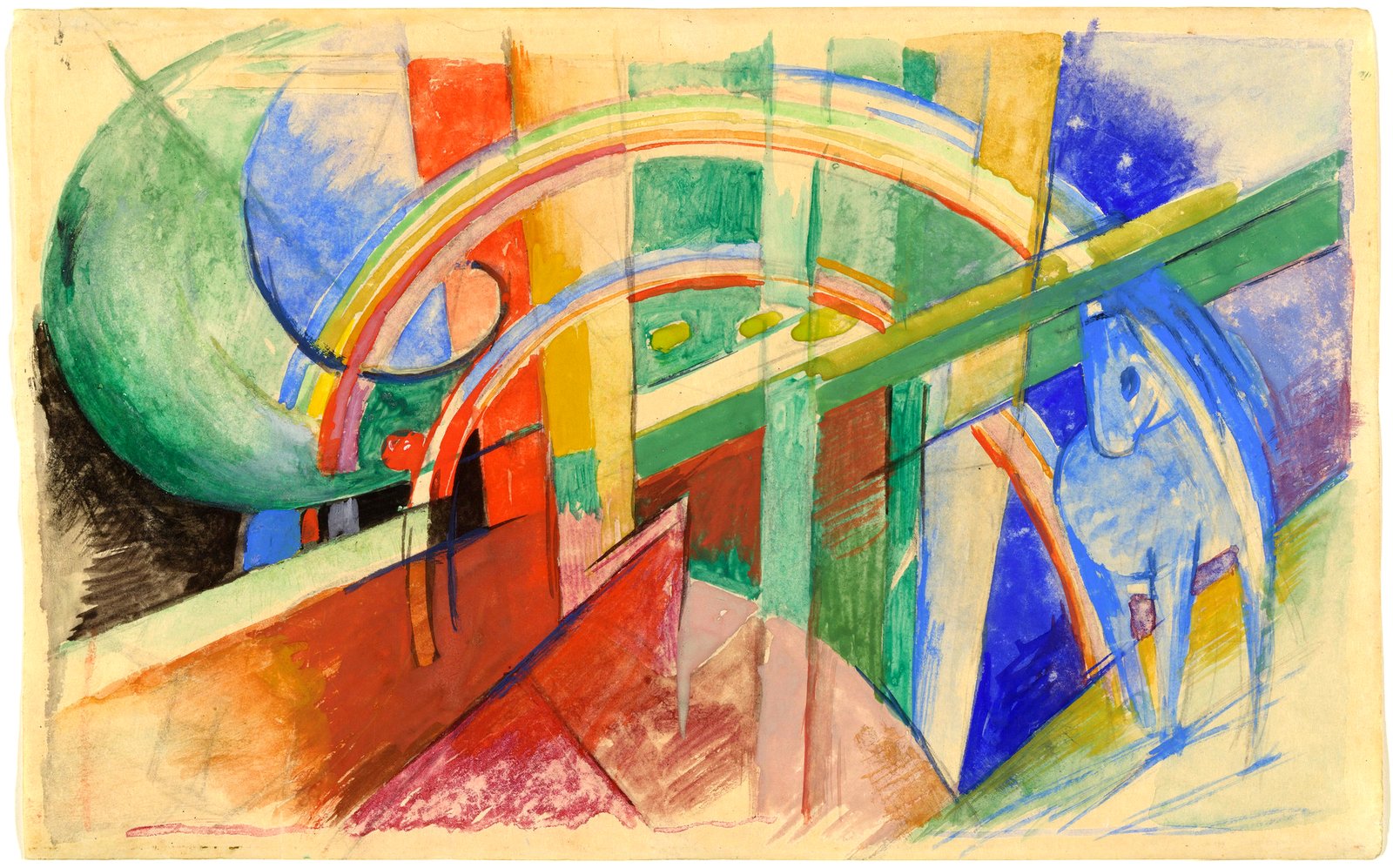
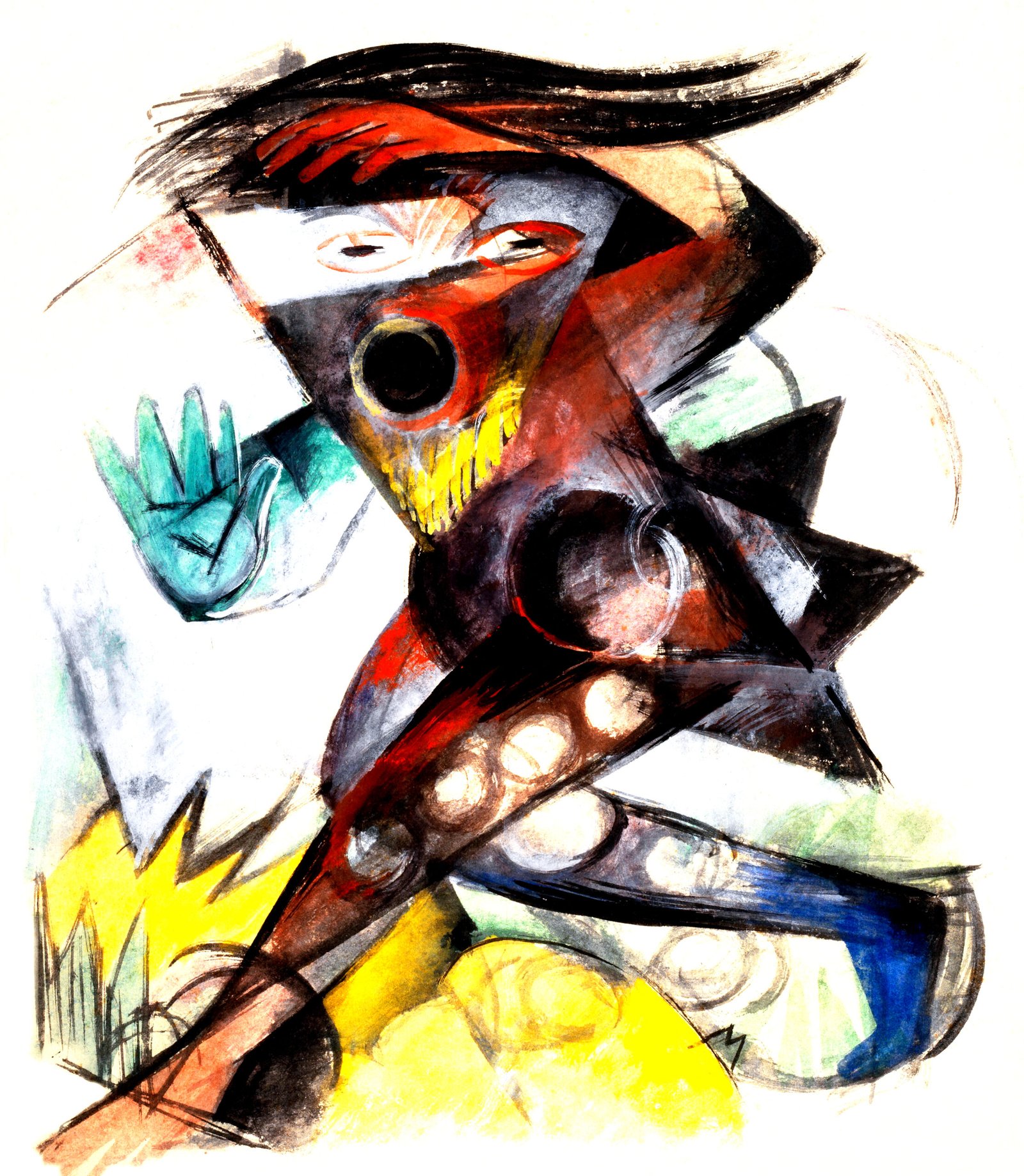
Marc made some sixty prints in woodcut and lithography. Most of his mature work portrays animals, usually in natural settings. His work is characterized by bright primary color, an almost cubist portrayal of animals, stark simplicity and a profound sense of emotion. Even in his own time, his work attracted notice in influential circles. Marc gave an emotional meaning or purpose to the colors he used in his work: blue was used to portray masculinity and spirituality, yellow represented feminine joy, and red encased the sound of violence.

One of Marc's best-known paintings is Tierschicksale (Animal Destinies or Fate of the Animals), which hangs in the Kunstmuseum Basel. Marc had completed the work in 1913, when "the tension of impending cataclysm had pervaded society", as one art historian noted. On the back of the canvas, Marc wrote, "Und Alles Sein ist flammend Leid" ("And all being is flaming agony"). Serving in World War I, Marc wrote to his wife about the painting, "[it] is like a premonition of this war – horrible and shattering. I can hardly conceive that I painted it."

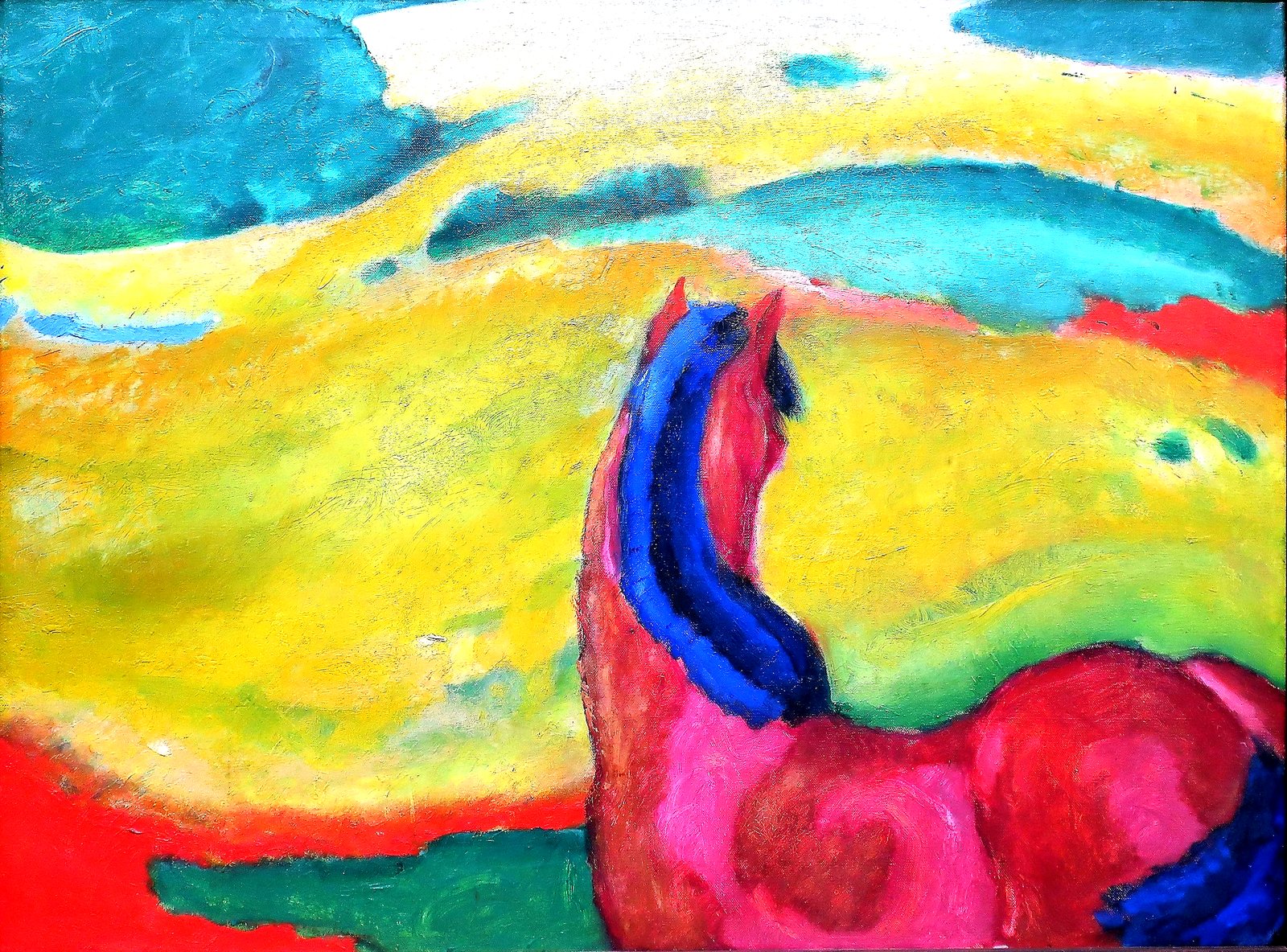
After the National Socialists took power, they suppressed modern art; in 1936 and 1937, the Nazis condemned the late Marc as an entarteter Künstler (degenerate artist) and ordered approximately 130 of his works removed from exhibition in German museums. The Blue Horses was auctioned off at the infamous Theodor Fischer gallery "degenerate art" sale in Lucerne, on 29 June 1939, and acquired by the Musée des Beaux-Arts in Liège. His painting Landscape With Horses was discovered in 2012 along with more than a thousand other paintings, in the Munich apartment of Cornelius Gurlitt whose father, Hildebrand Gurlitt, was one of Hitler's four official art dealers of Modernist art the Nazis called "degenerate" which the Nazis sold or traded to raise cash for the Third Reich.

In 2017, the family of Kurt Grawi demanded the restitution of Marc's painting The Foxes (1913) from Düsseldorf's Kunstpalast. Grawi, a German Jewish banker who had owned the painting before the Nazis rose to power was arrested on Kristallnacht and incarcerated in Sachsenhausen concentration camp in 1938, before he managed to flee to Chile in 1939. The painting passed through Galerie Nierendorf, and William and Charlotte Dieterle, according to the German Lost Art Foundation. In 2021, the German Advisory Commission recommended that the city of Düsseldorf restitute the painting to Grawi's heirs;this was done, and the painting was sold at Christie's by Grawi's heirs in 2022.

In October 1998, several of Marc's paintings garnered record prices at Christie's art auction house in London, including Rote Rehe I (Red Deer I), which sold for $3.3 million. In October 1999, his Der Wasserfall (The Waterfall) was sold by Sotheby's in London for $5.06 million. This price set a record for Franz Marc's work and for twentieth-century German painting. In 2008, the former record was again broken when Marc's Weidende Pferde III (Grazing Horses III) was sold for £12,340,500 ($24,376,190) at Sotheby's. This record was again beaten by the £42.6m sale of The Foxes in 2022.
Explore all artists in this collection

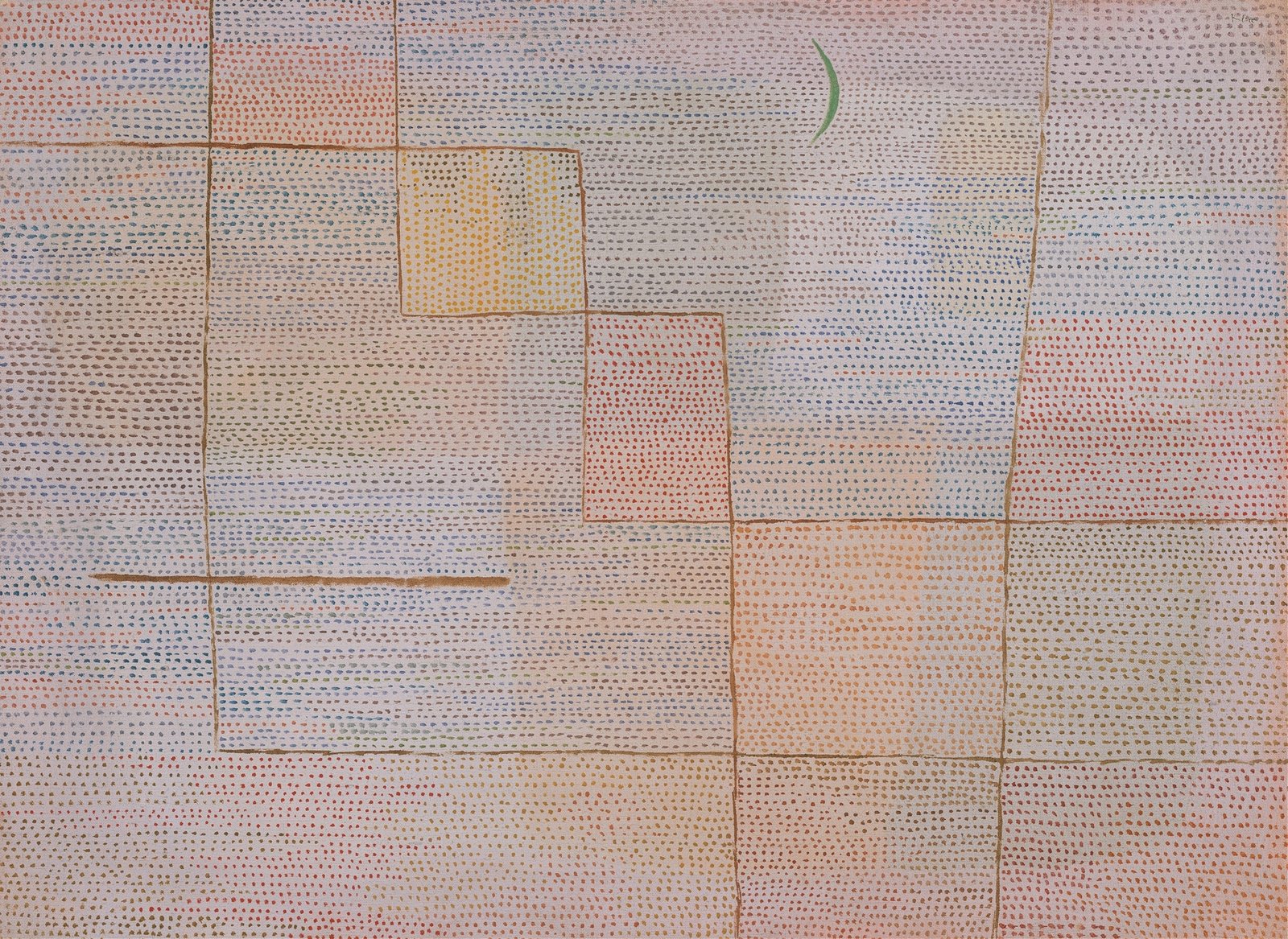
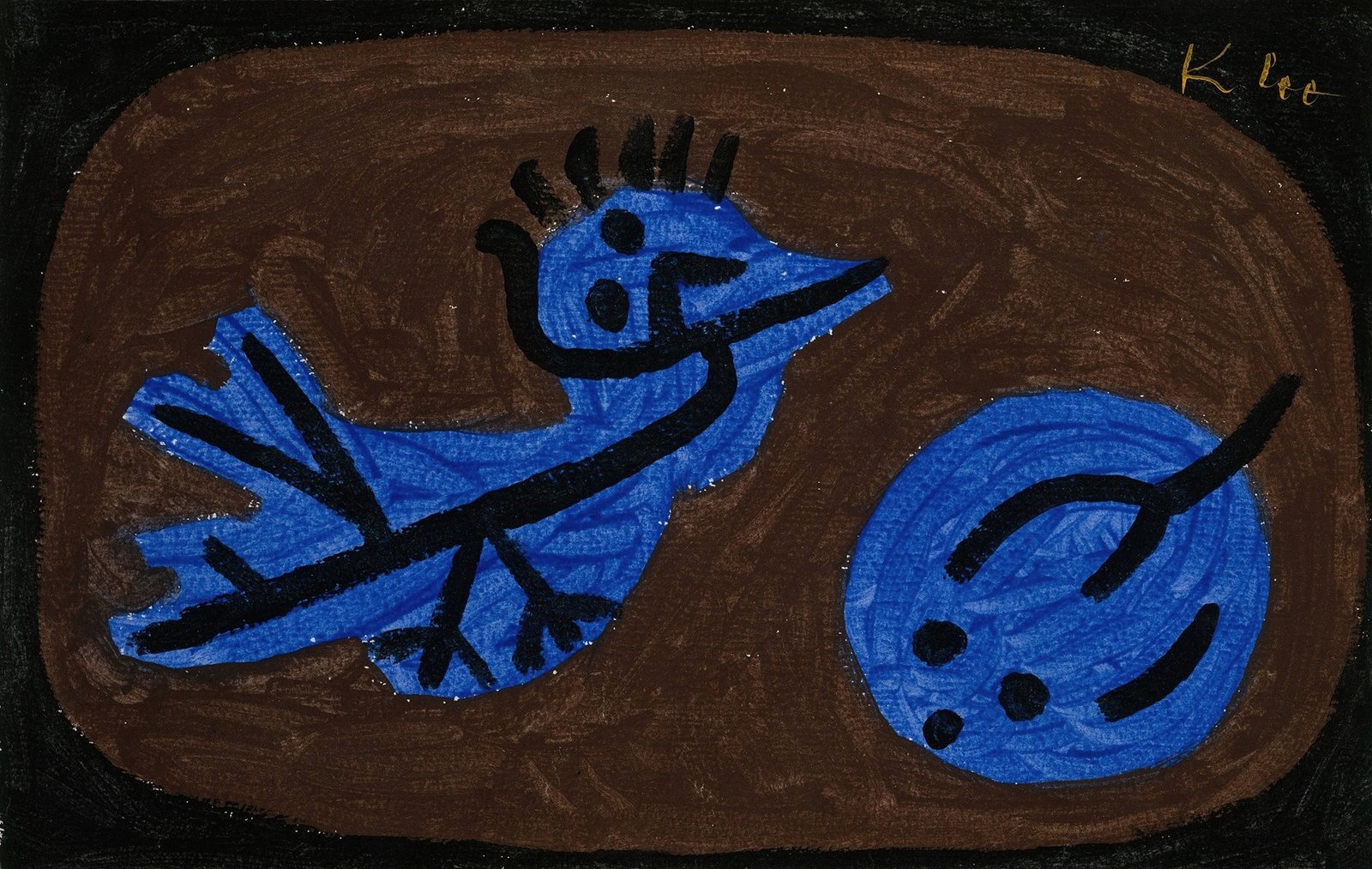
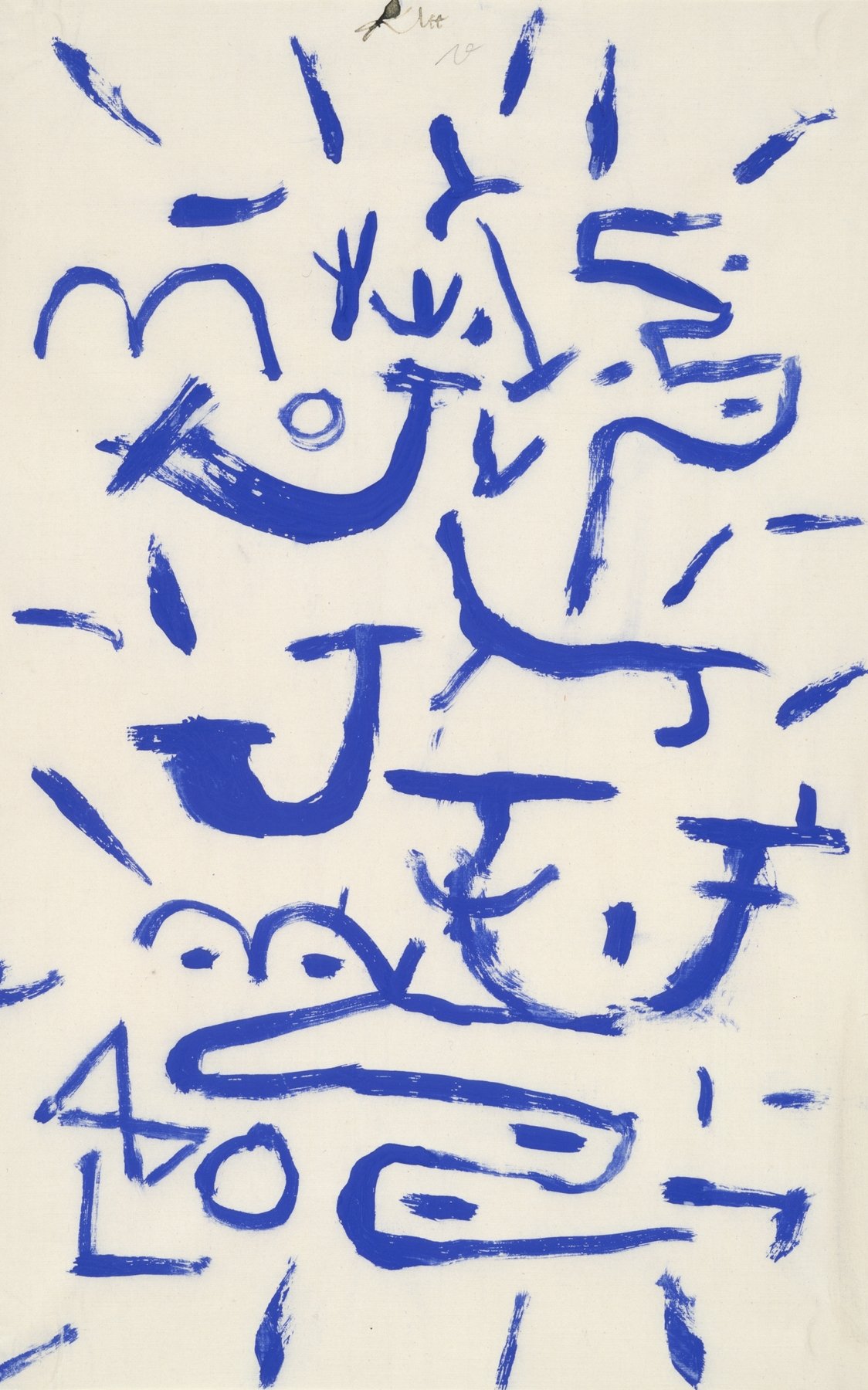
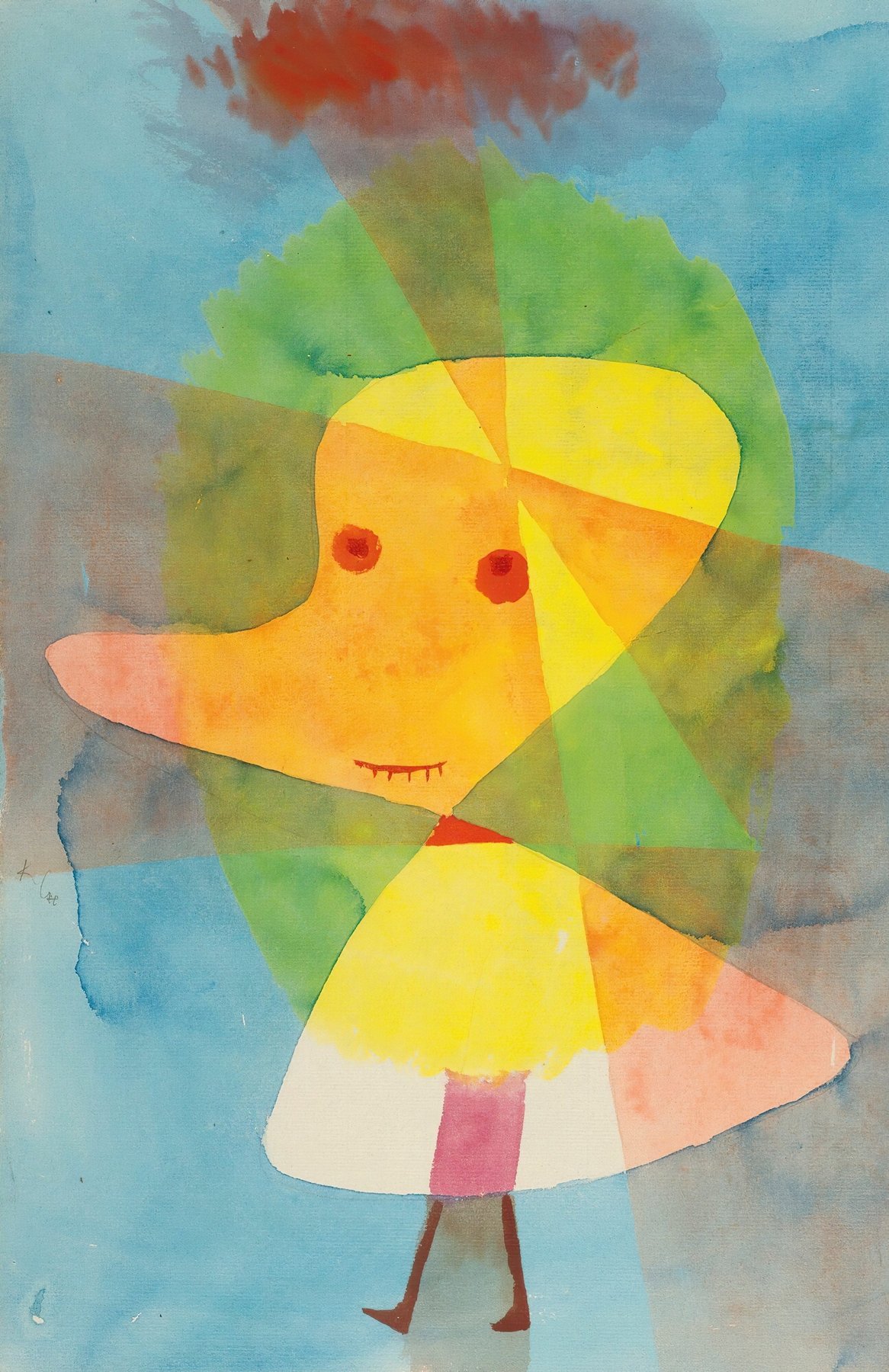
Paul Klee

Paul Klee

Paul Klee

(1879 - 1940)

Explore all artists in this collection

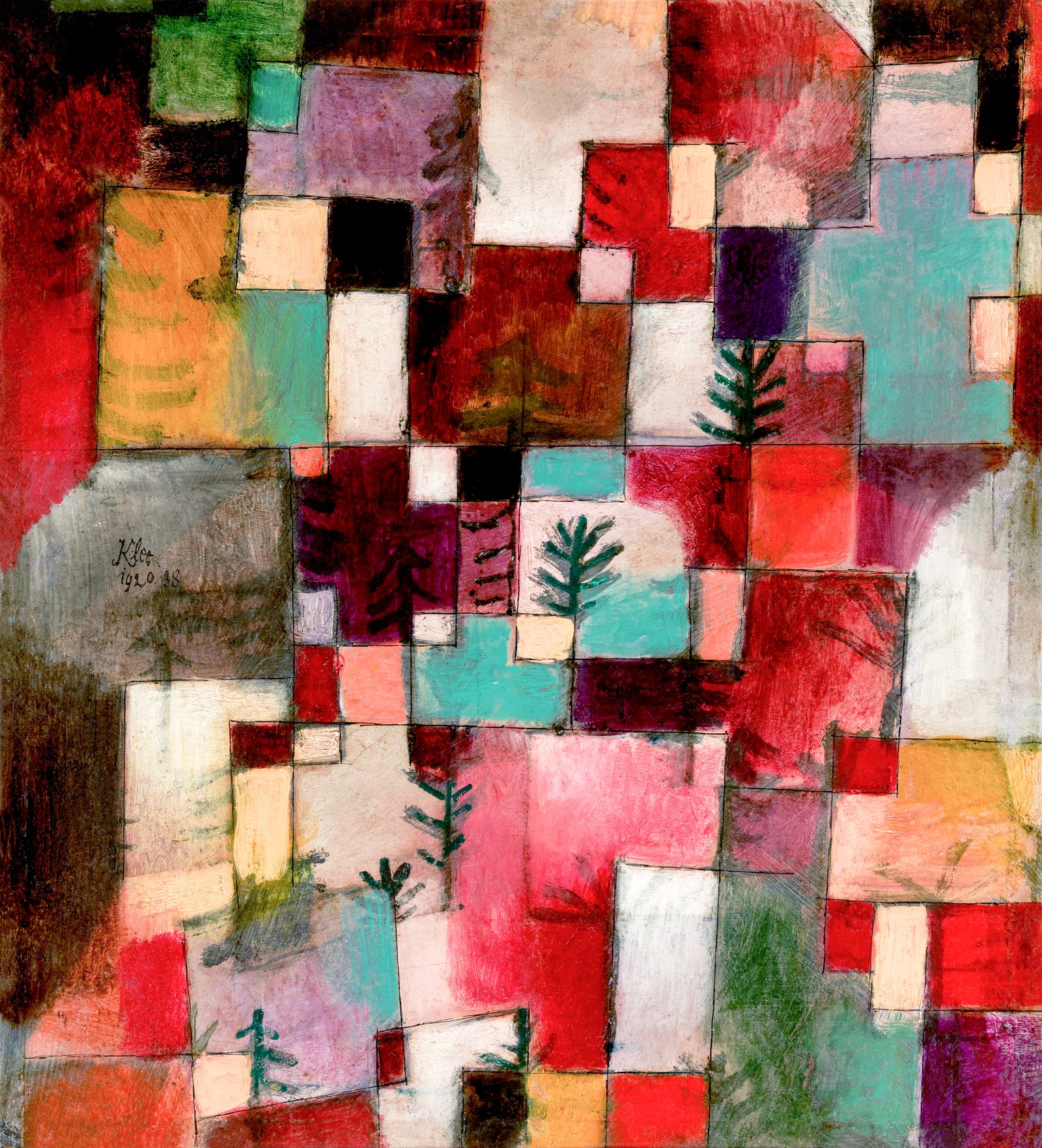
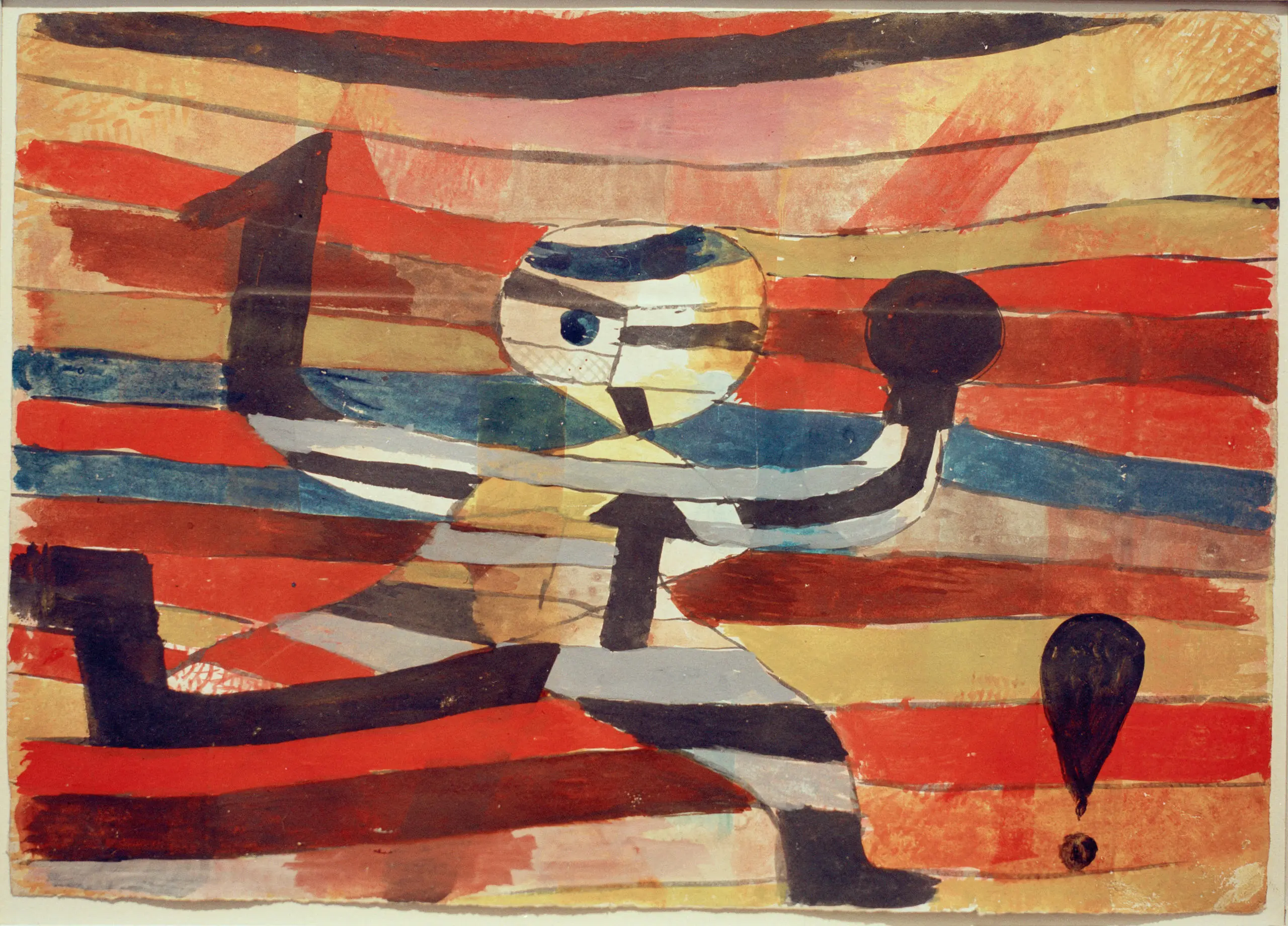
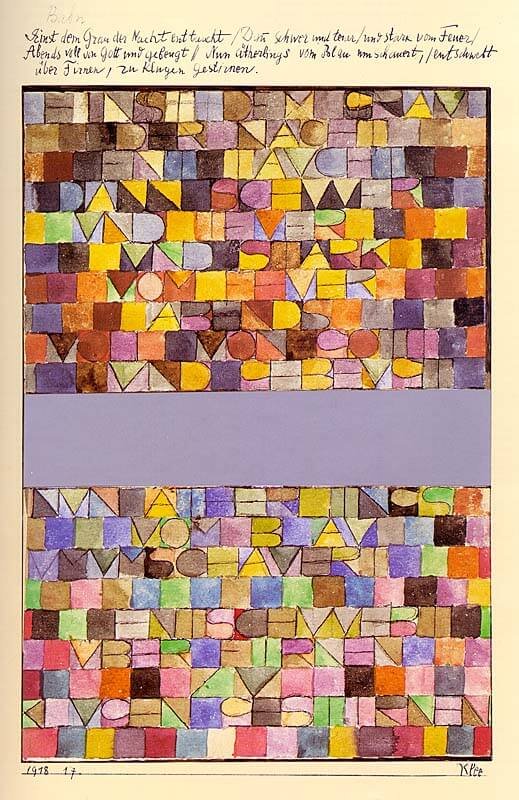
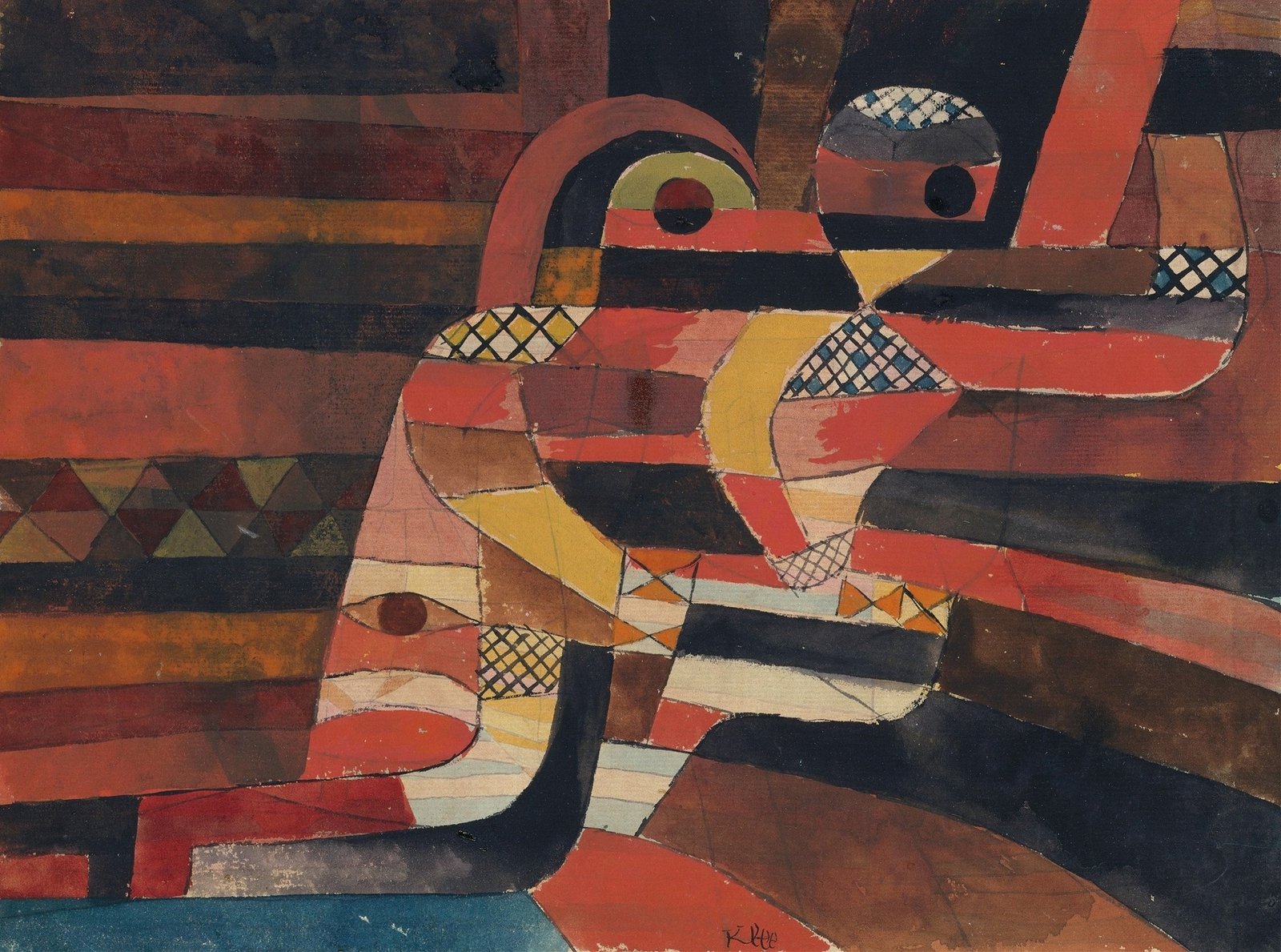
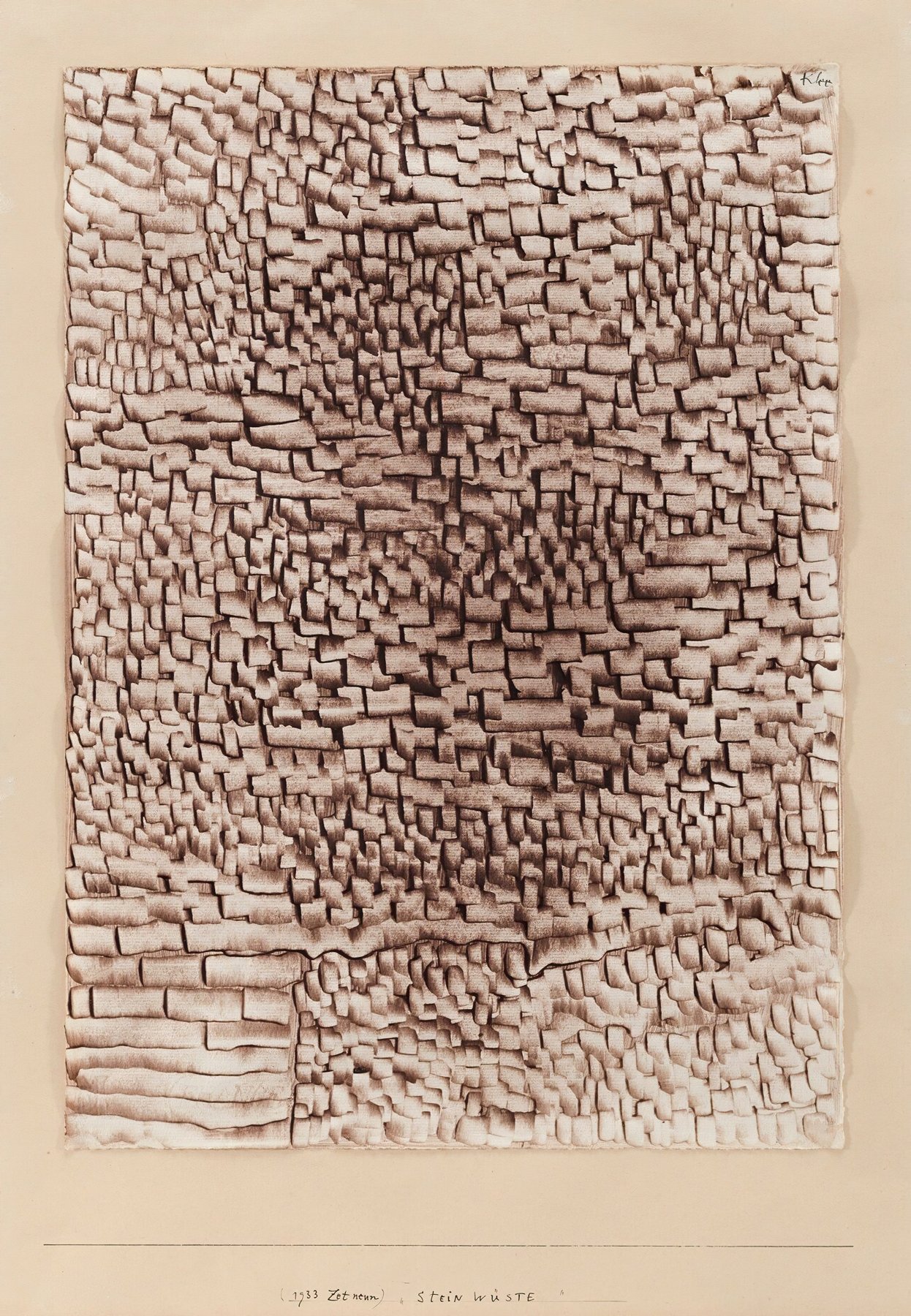
Paul Klee was a Swiss-born German artist. His highly individual style was influenced by movements in art that included expressionism, cubism, and surrealism.
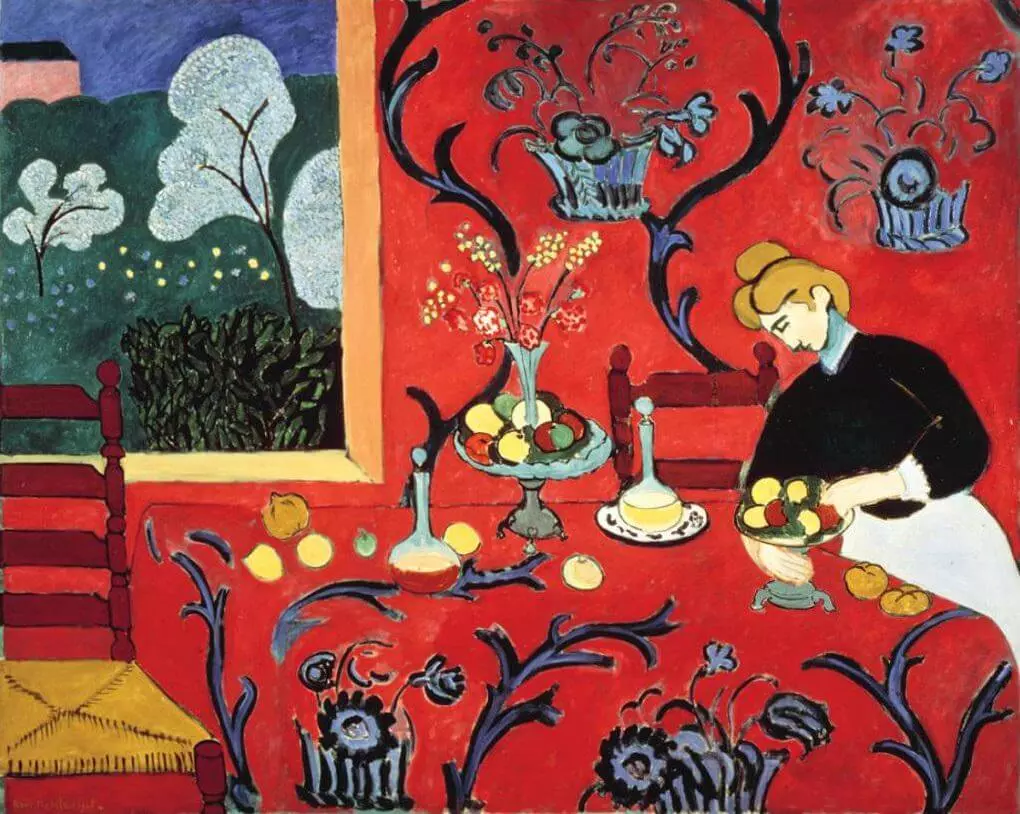
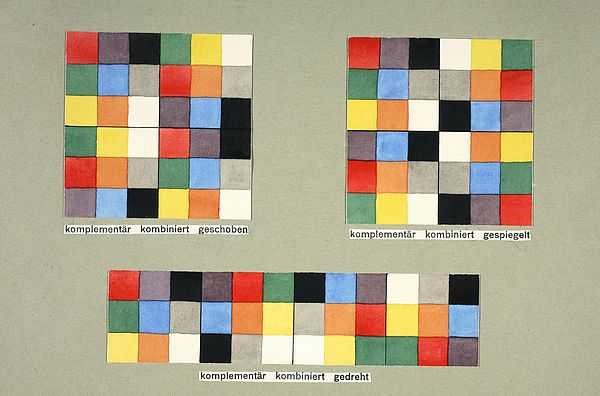
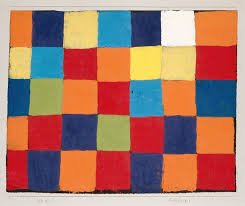
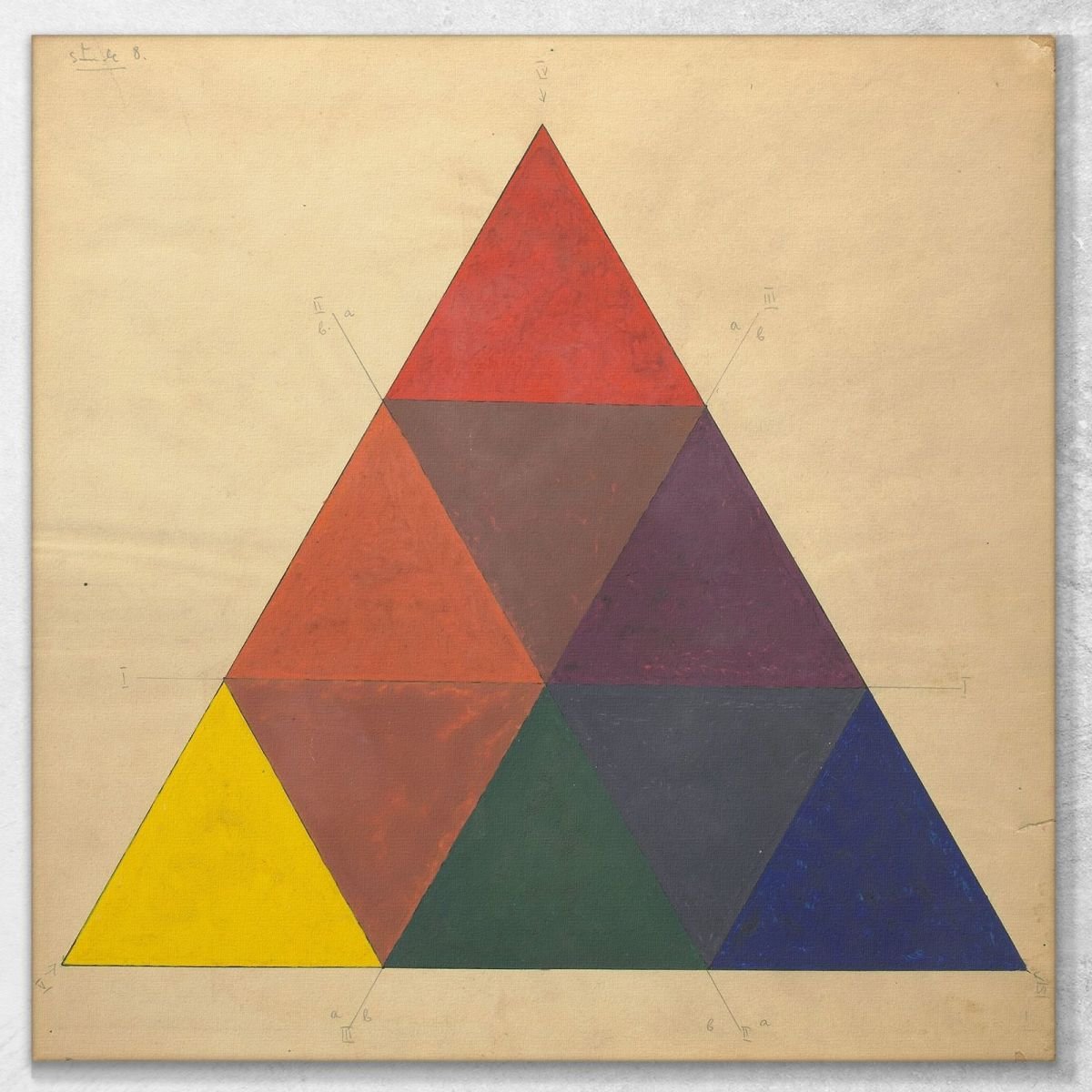
Klee was a natural draftsman who experimented with and eventually deeply explored color theory, writing about it extensively. His lectures Writings on Form and Design Theory (Schriften zur Form und Gestaltungslehre), published in English as the Paul Klee Notebooks, are held to be as important for modern art as Leonardo da Vinci's A Treatise on Painting was for the Renaissance.

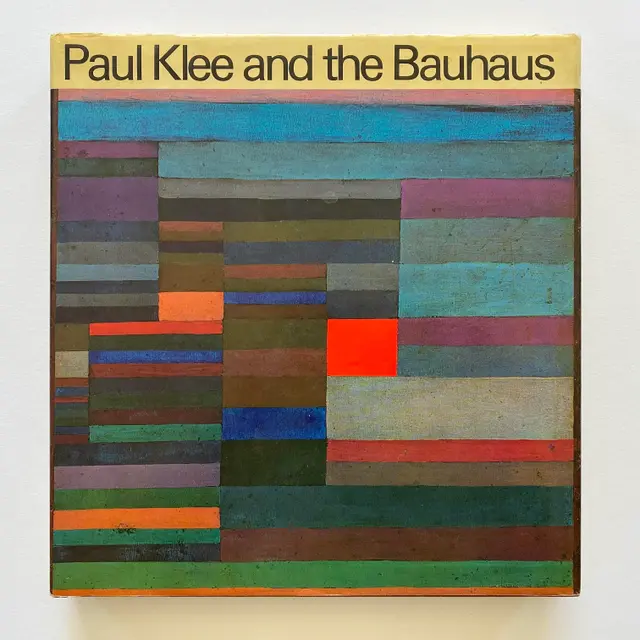
He and his colleague, Russian painter Wassily Kandinsky, both taught at the Bauhaus school of art, design and architecture in Germany. His works reflect his dry humor and his sometimes childlike perspective, his personal moods and beliefs, and his musicality.

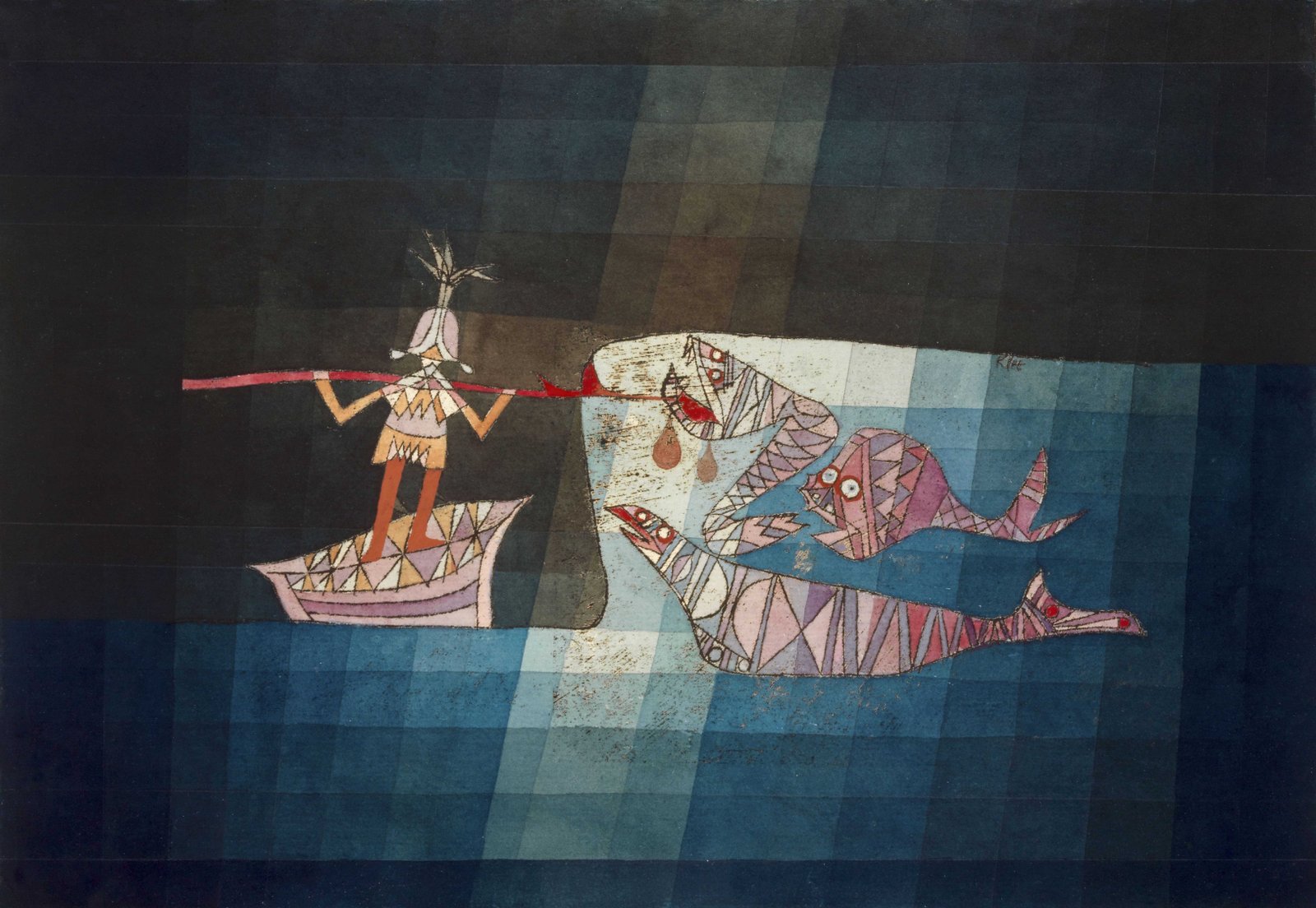
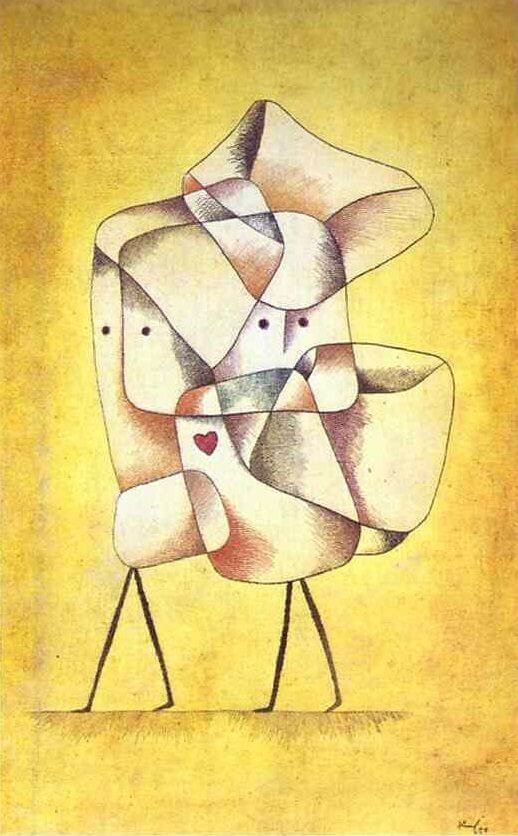
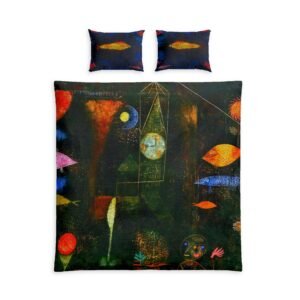
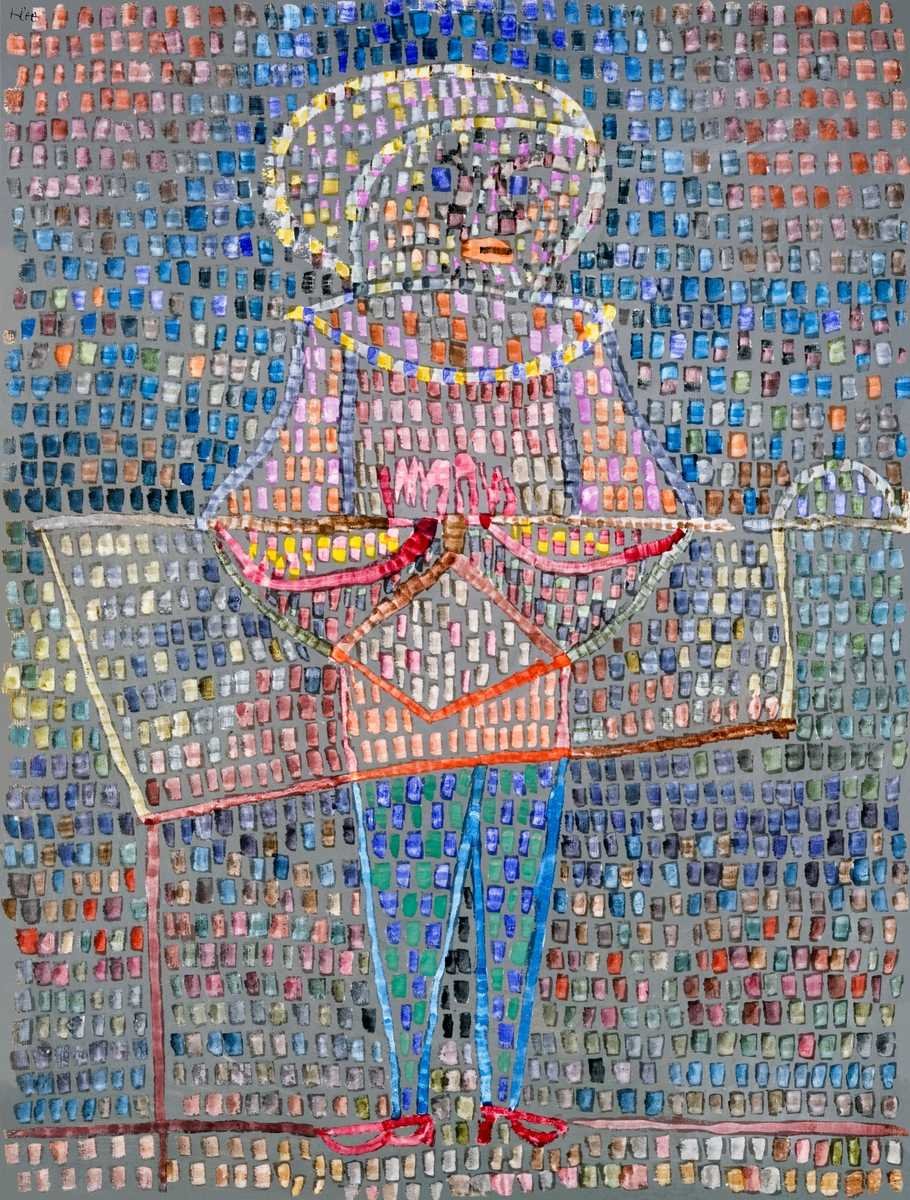
Klee is known for his simple stick figures, suspended fish, moon faces, eyes, arrows, and quilts of color, which he orchestrated into fantastic and childlike yet deeply meditative works.

His training as a painter began in 1898 when he studied drawing and painting in Munich for three years. By 1911, he had returned to that city, where he became involved with the German Expressionist group Der Blaue Reiter (The Blue Rider), founded by Vasily Kandinsky and Franz Marc in 1911. Klee and Kandinsky became lifelong friends, and the support of the older painter provided much-needed encouragement. Until then, Klee had worked in relative isolation, experimenting with various styles and media, such as making caricatures and Symbolist drawings, and later producing small works on paper mainly in black and white. His work was also influenced by the Cubism of Pablo Picasso and Georges Braque, and the abstract translucent color planes of Robert Delaunay.

Explore all artists in this collection

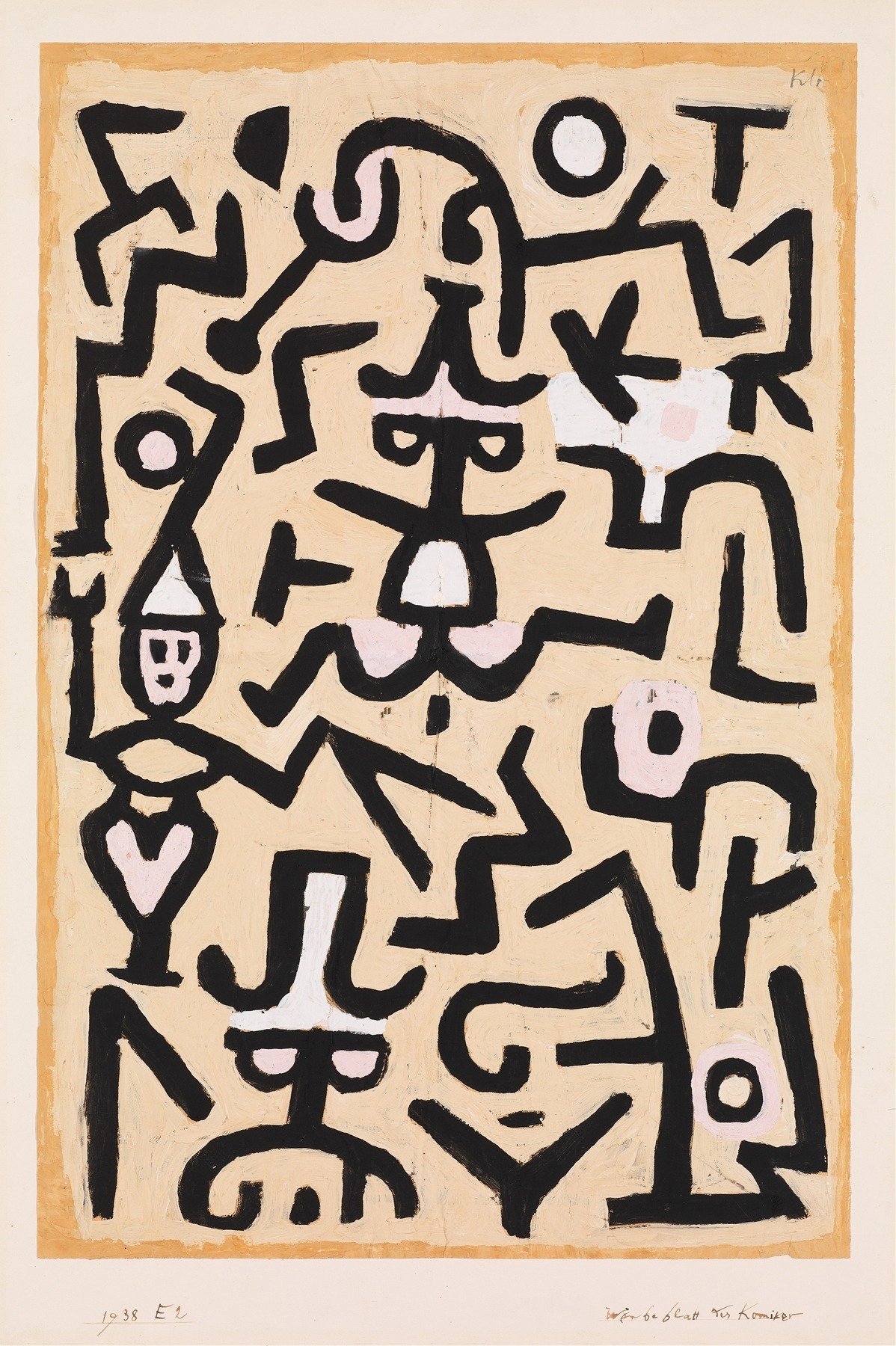
From 1931 to December 1933, Klee taught at the Academy of Fine Arts in Düsseldorf. When the National Socialists declared his art “degenerate” in 1933, Klee returned to his native Bern. Personal hardship and the increasing gravity of the political situation in Europe are reflected in the somber tone of his late work. Lines turn into black bars, forms become broad and generalized, scale larger, and colors simpler, as in Comedians’ Handbill (1938; 1984.315.57) or Angel Applicant (1939; 1984.315.60).

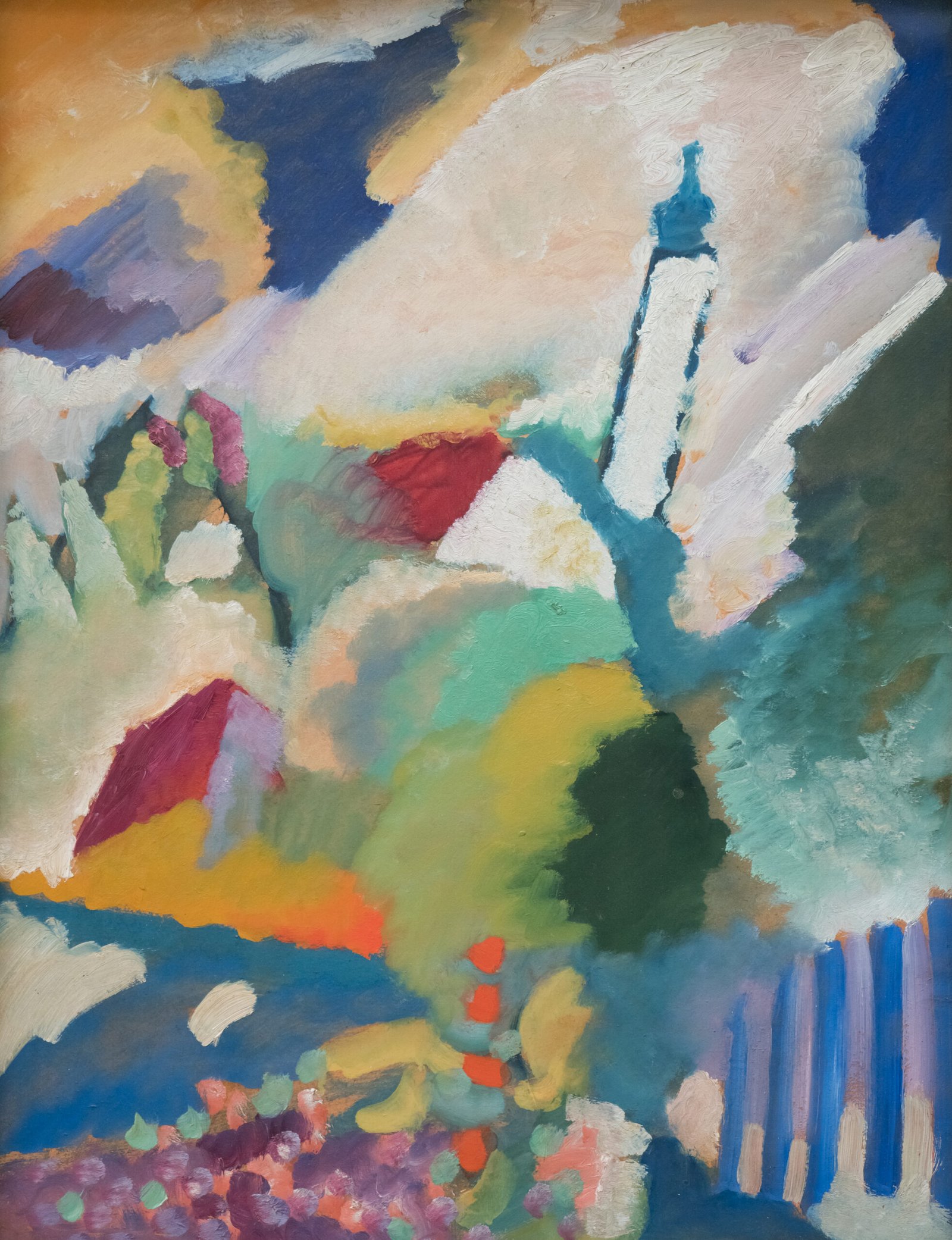
Wassily Kandinsky

Wassily Kandinsky

Wassily Kandinsky

(1866 - 1944)

Explore all artists in this collection

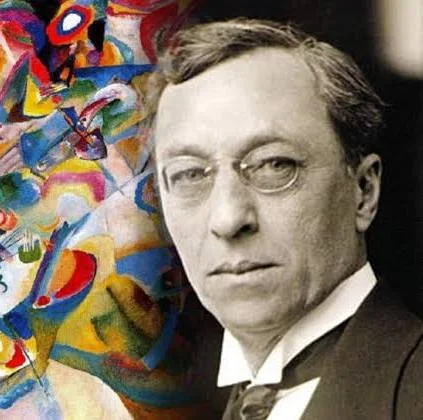
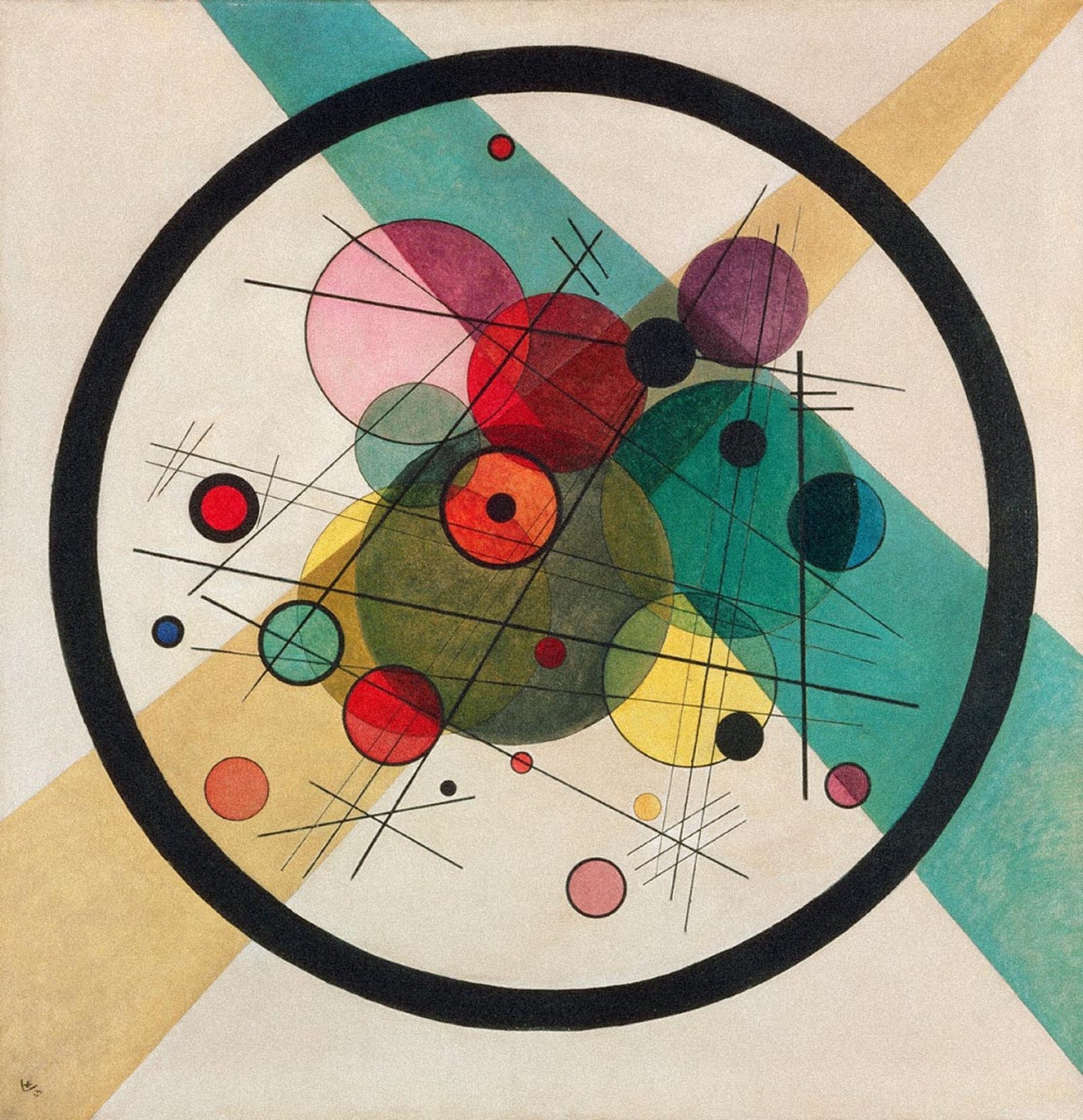
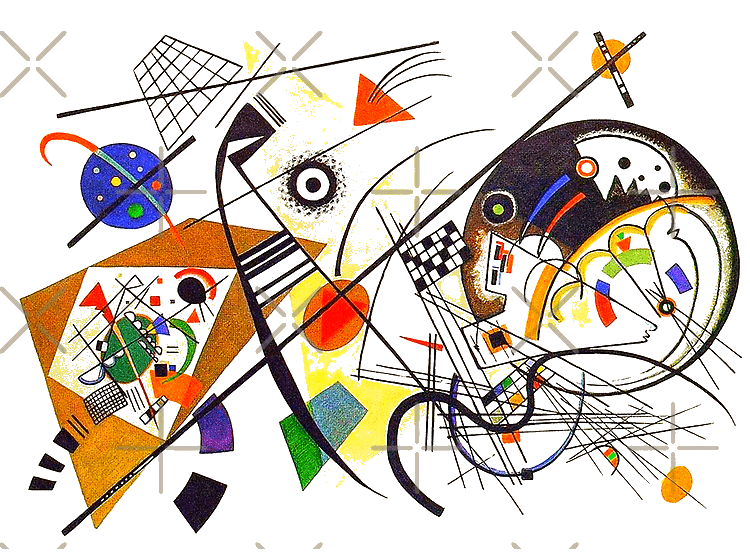
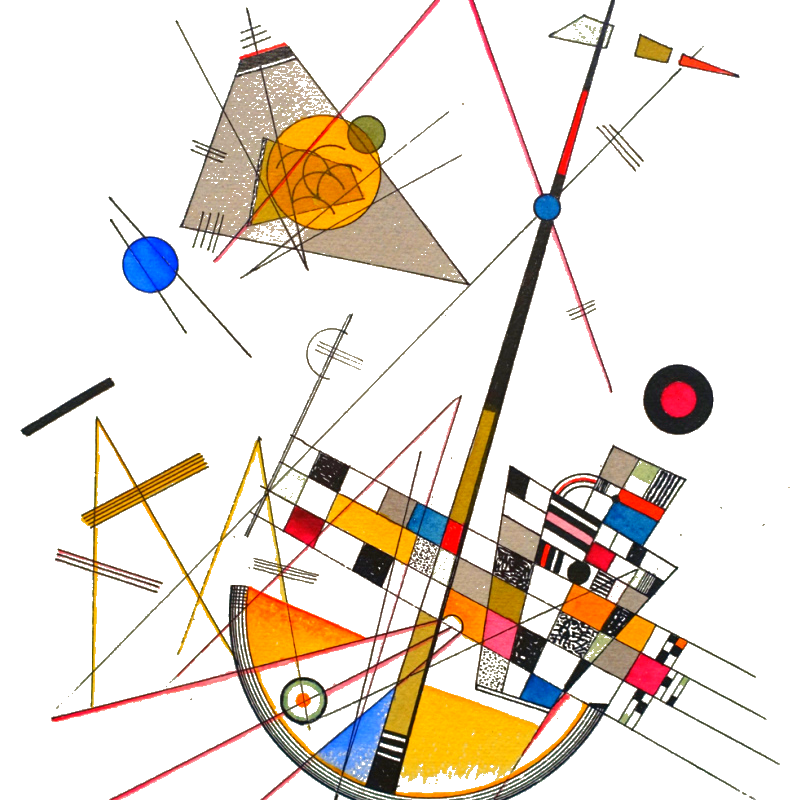
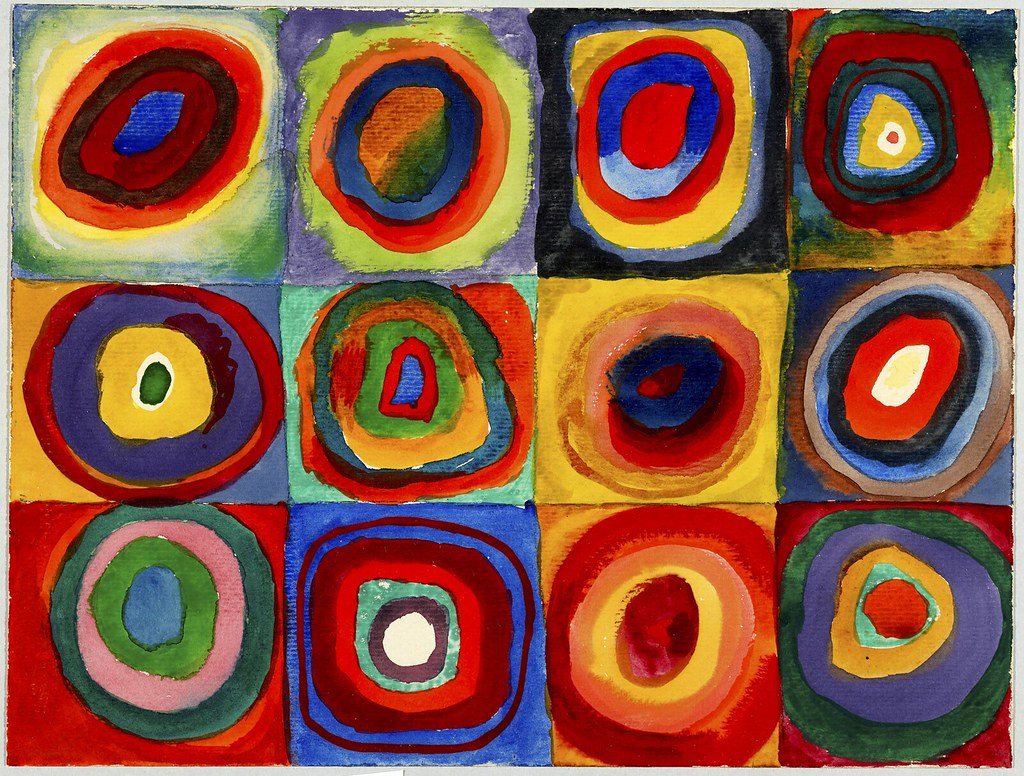
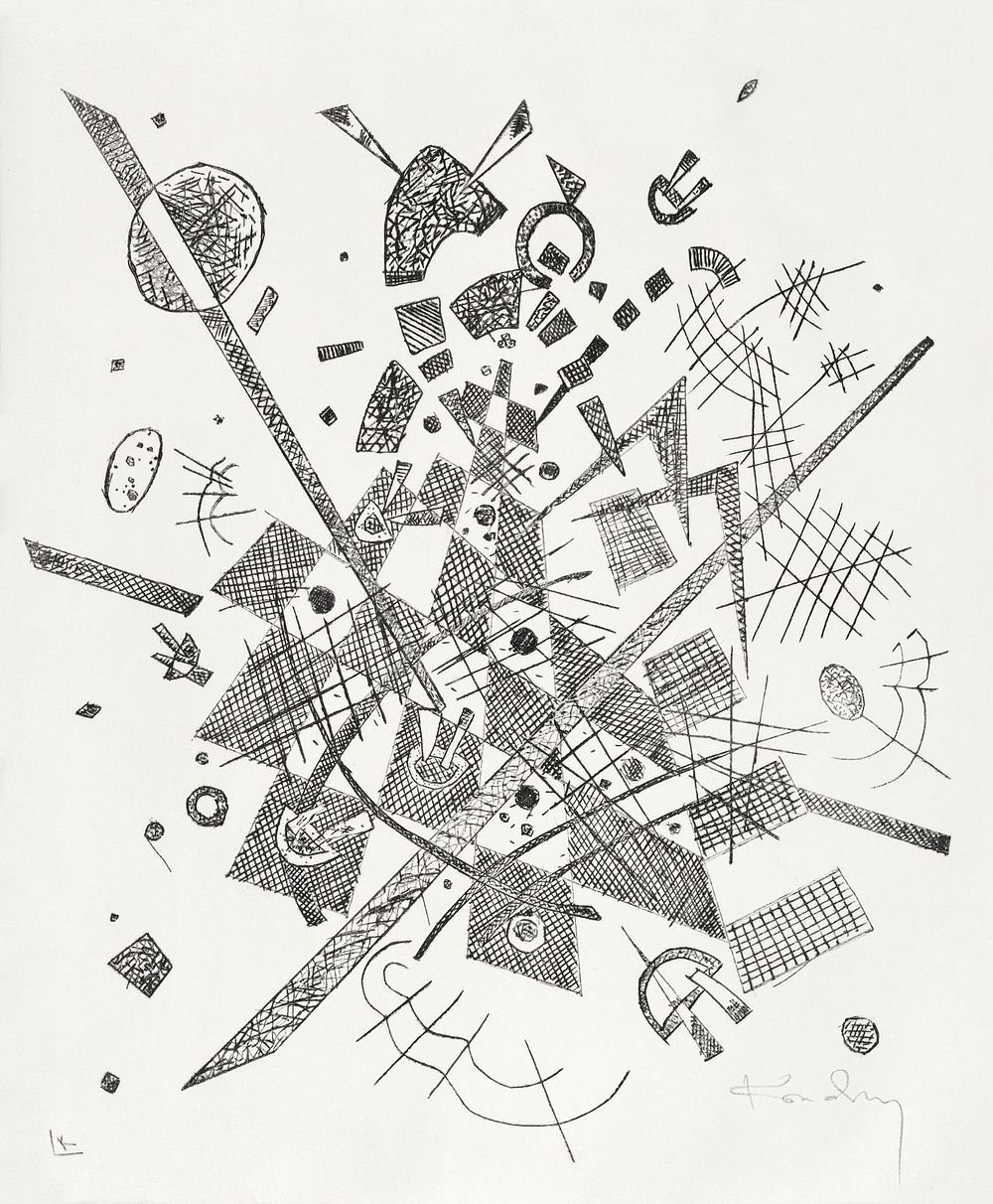
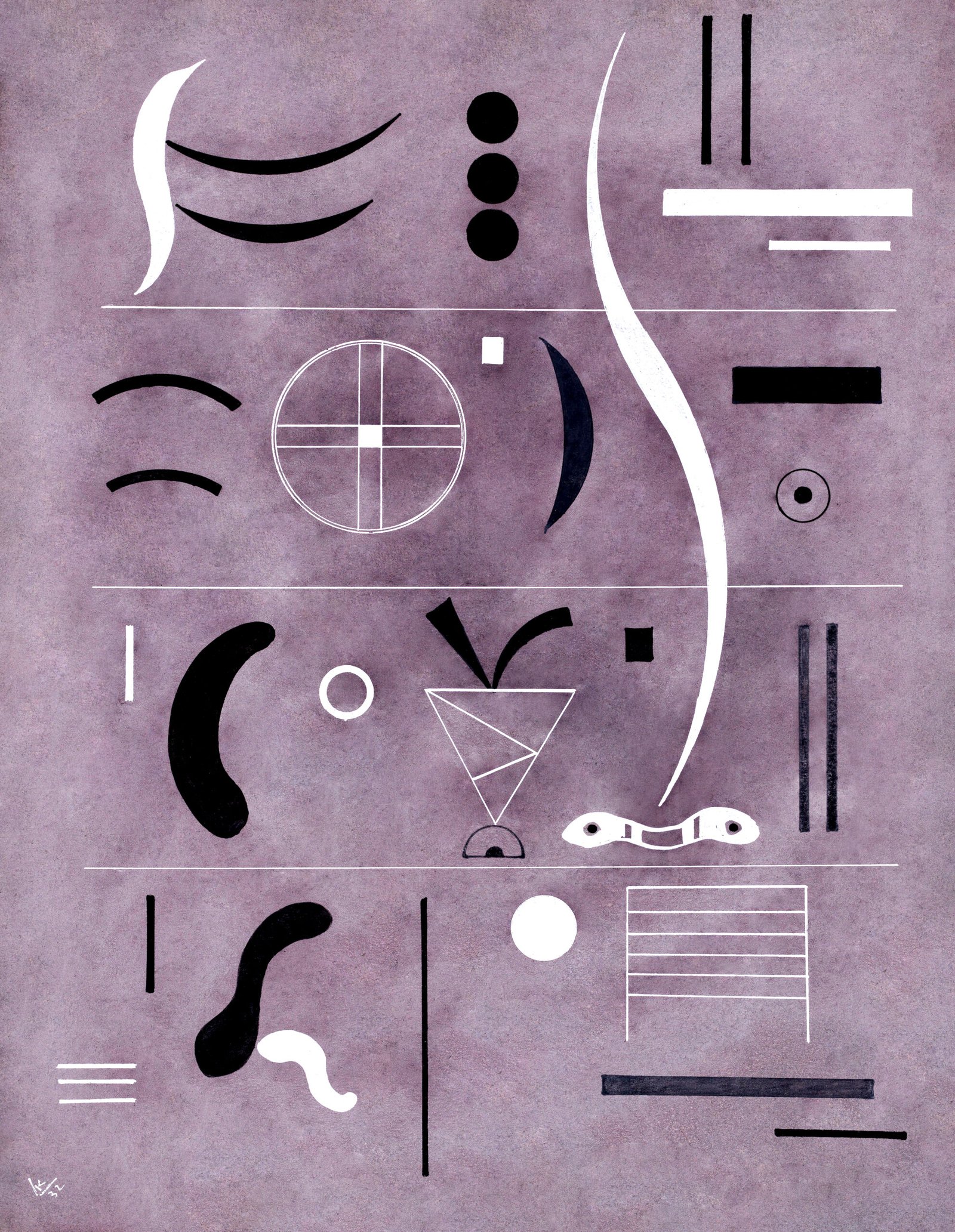
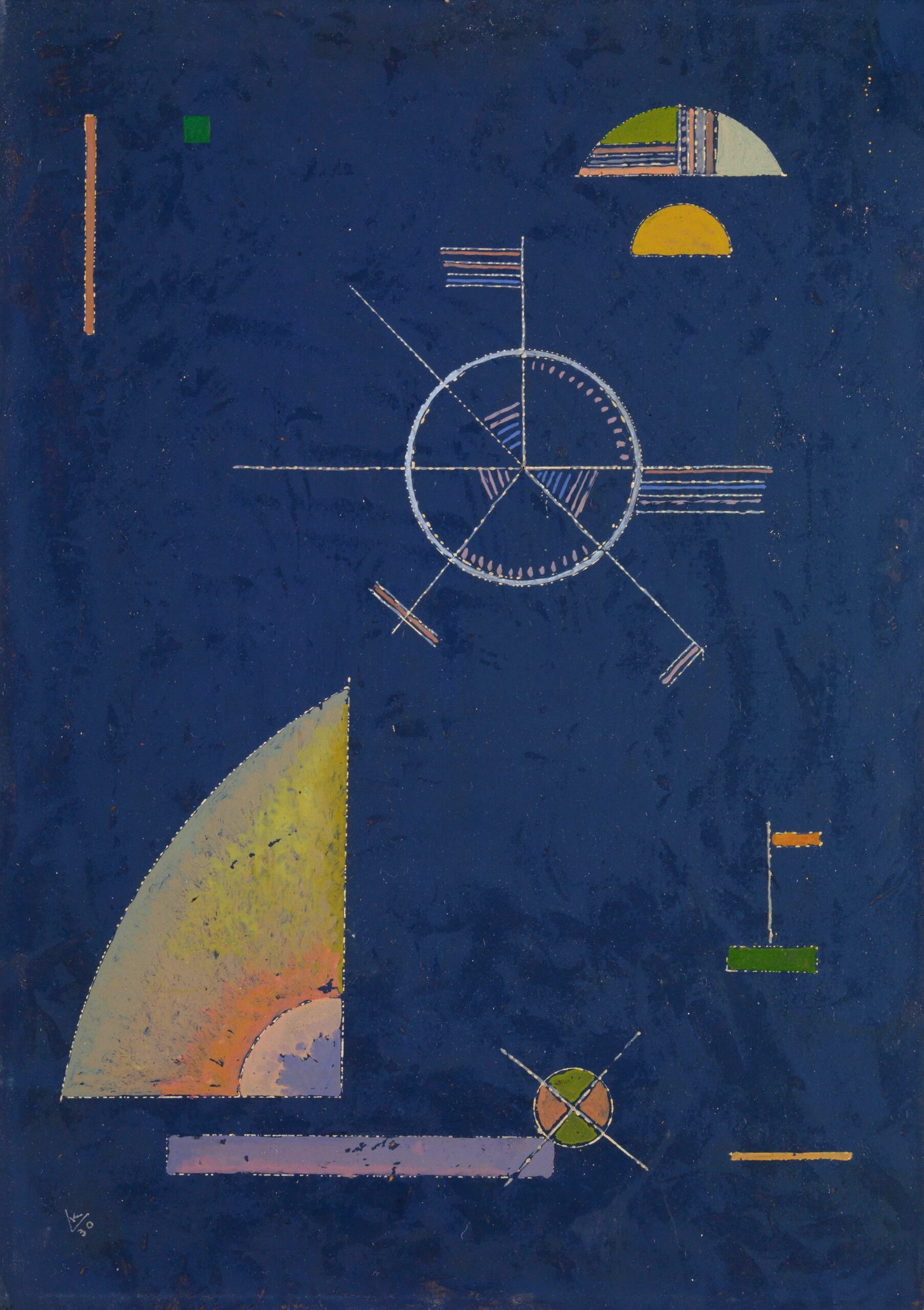
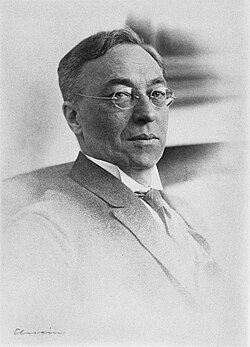
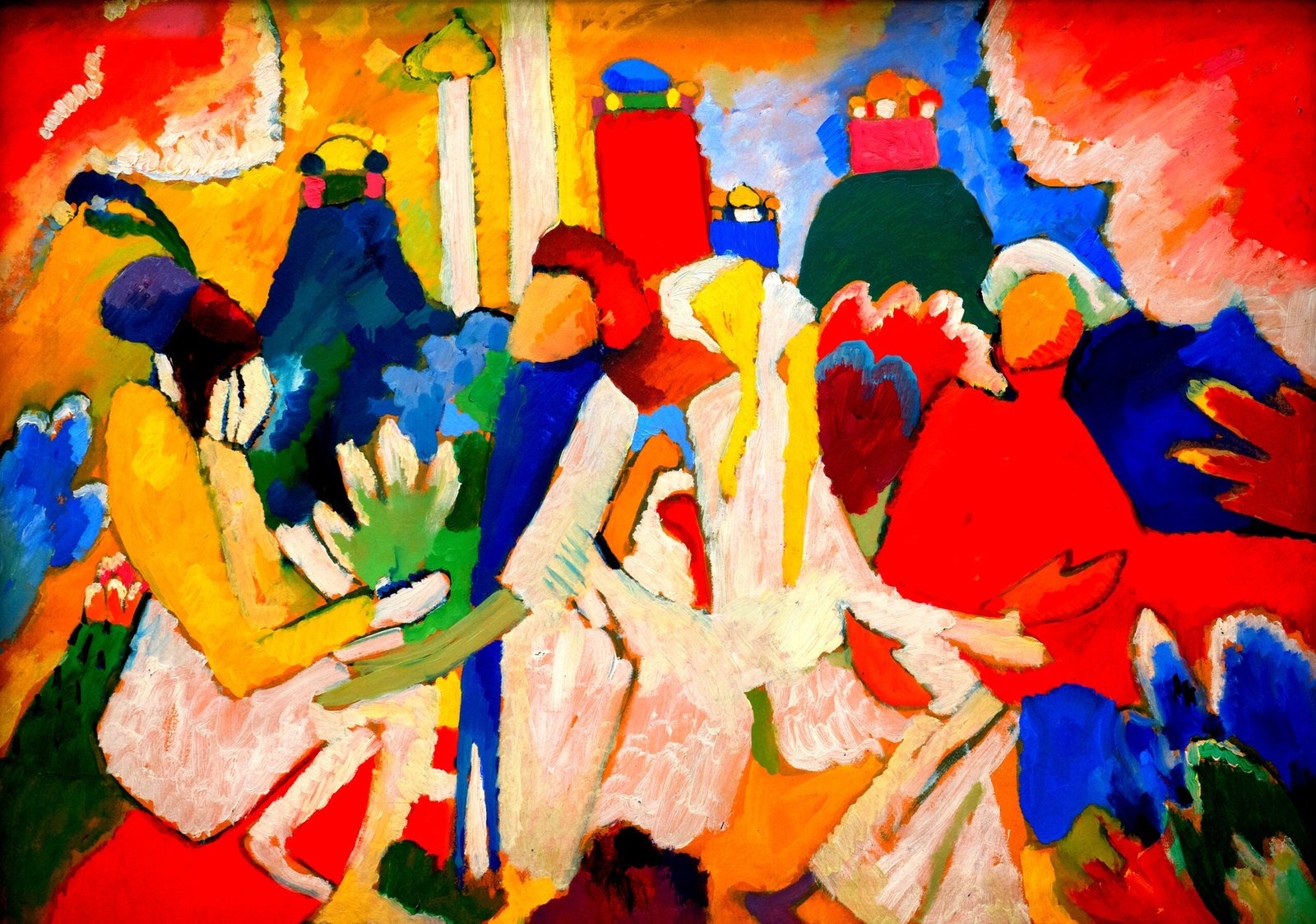
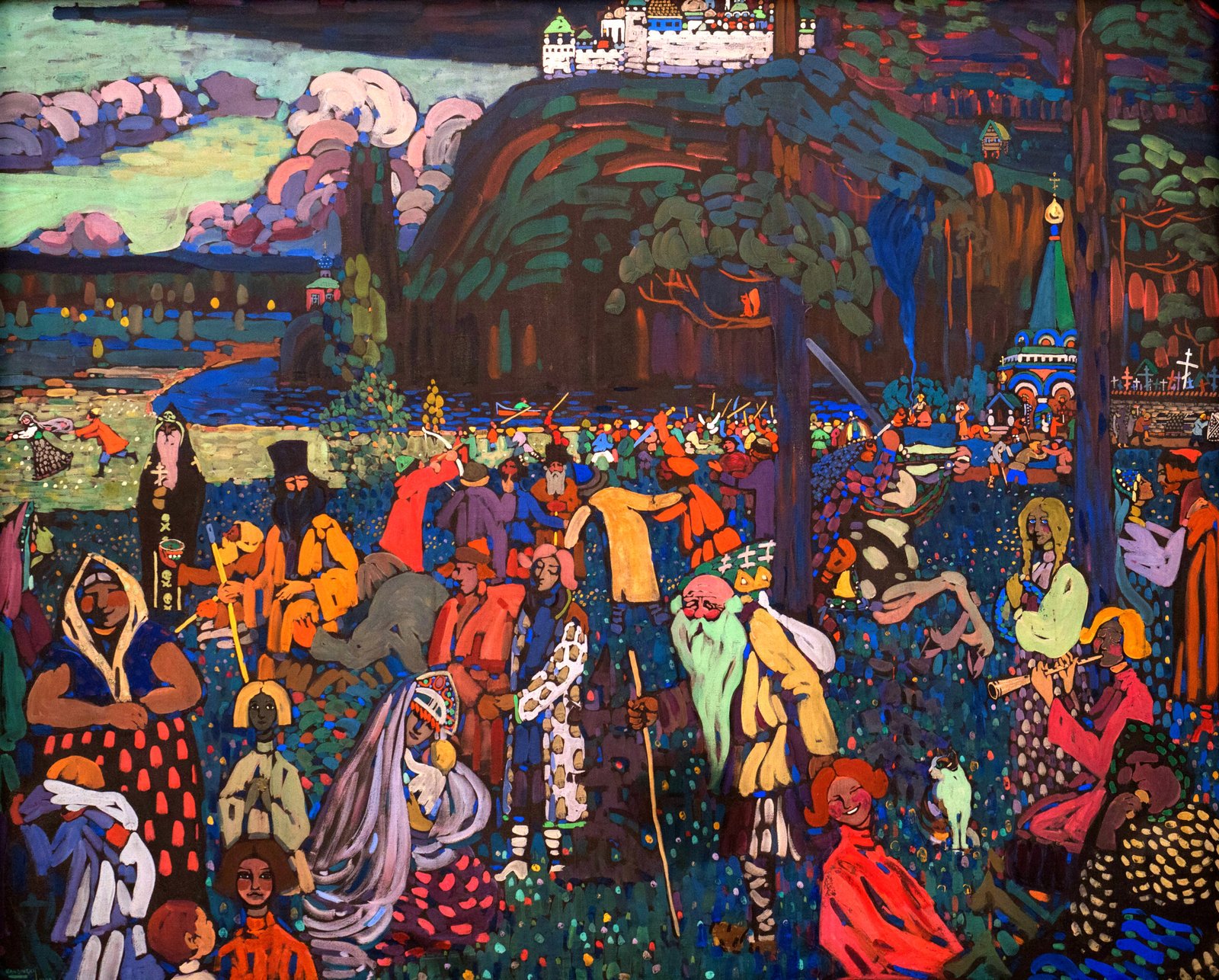
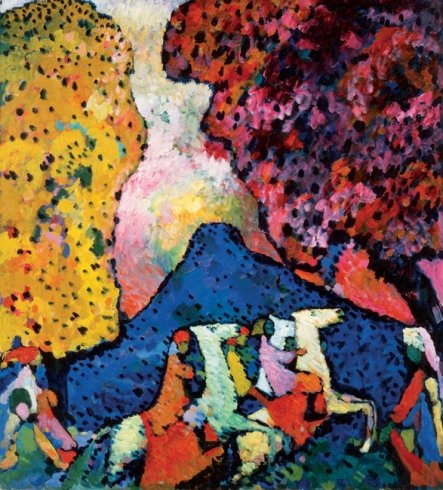
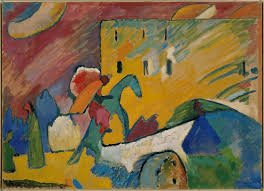
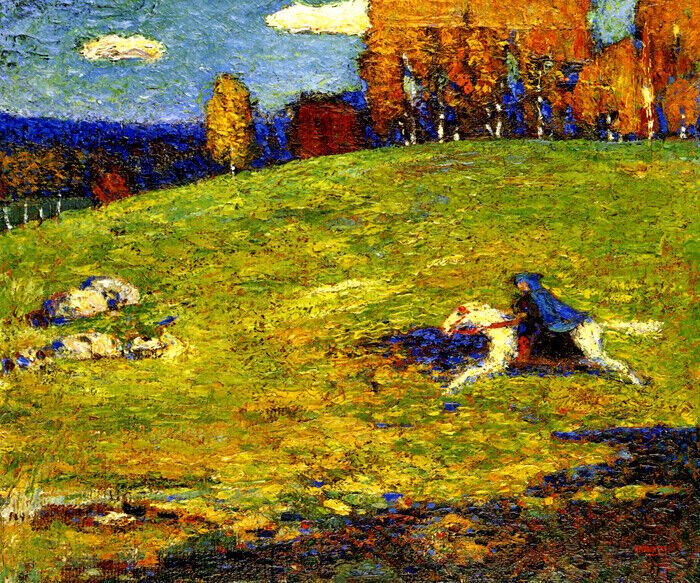
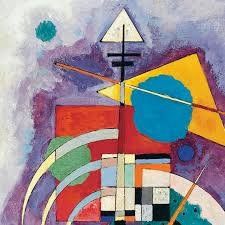
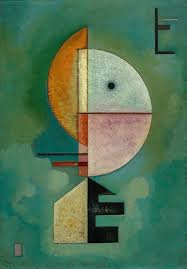
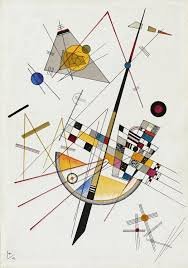
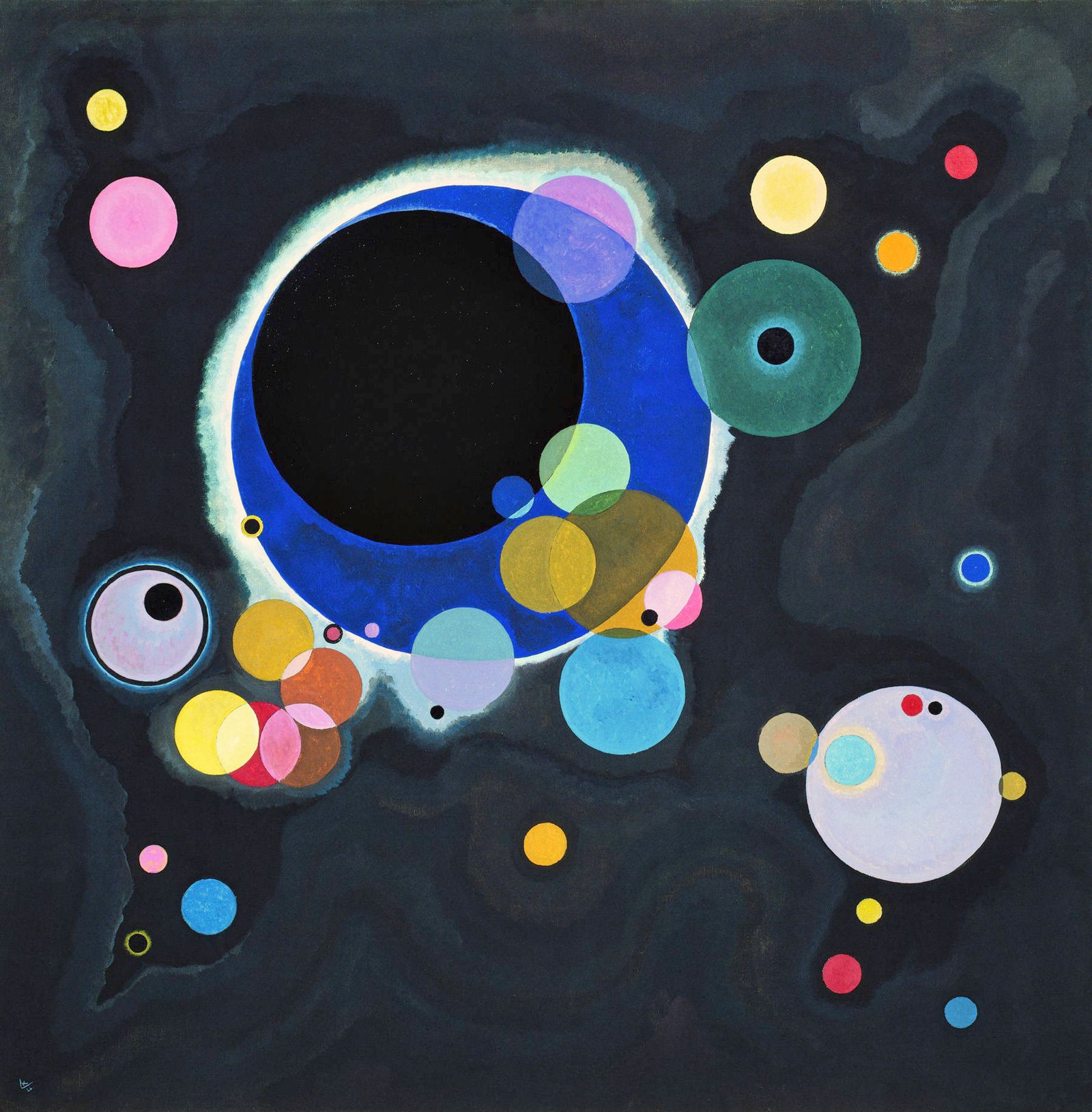
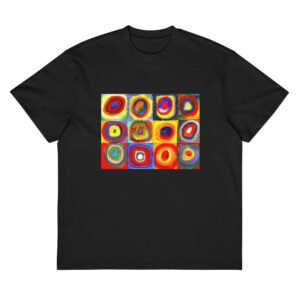
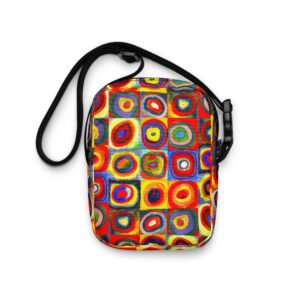
Wassily Kandinsky was a Russian-born painter and art theorist who is widely considered a pioneer of abstract art, known for his spiritual approach to painting and his belief in art's ability to evoke emotion and inner necessity. He transitioned from a career in law to art in his thirties, moving to Munich to study painting and eventually co-founding the Der Blaue Reiter (The Blue Rider) group with Franz Marc. Kandinsky's abstract works, which use color, line, and form to convey meaning rather than represent the visible world, were inspired by his love of music and his possible synesthesia (a condition where senses are mixed).

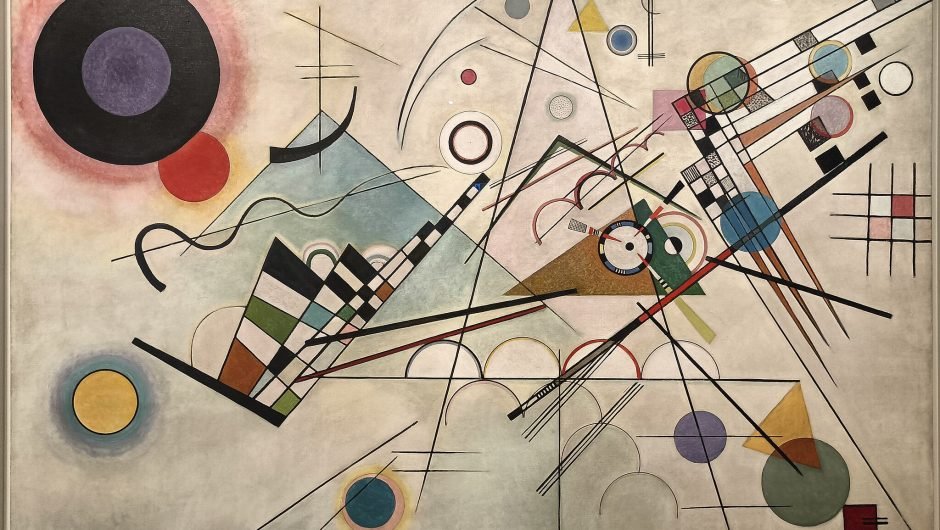
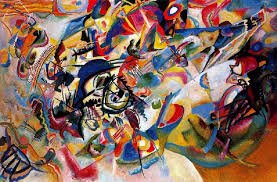
Composition VII by Wassily Kandinsky

Wassily Kandinsky's most famous painting is widely considered to be Composition VII, an abstract oil painting from 1913. It is known for its complex, swirling composition of colors and shapes, which Kandinsky believed could evoke a powerful emotional and auditory experience, much like music. 

The painting is a prime example of pure abstraction, moving away from representational art to focus on the emotional and spiritual qualities of color and form. Despite its chaotic appearance, it was meticulously planned with over 30 sketches before its creation. 

It is thought to combine several apocalyptic themes, including the Flood, the Last Judgment, the Resurrection, and the Garden of Eden. 

The painting is housed in the Tretyakov Gallery in Moscow. 

Explore all artists in this collection

Henri Matisse

Henri Matisse

Henri Matisse

(1869 - 1954)

Explore all artists in this collection

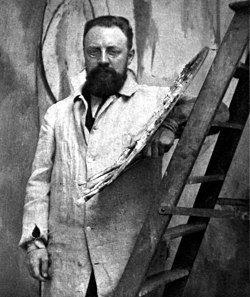
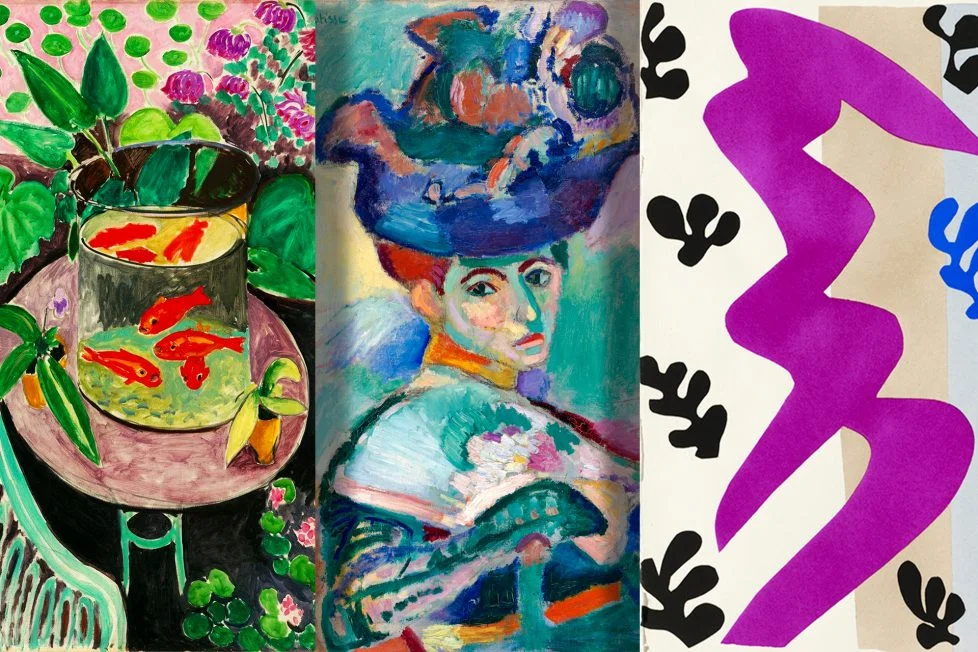
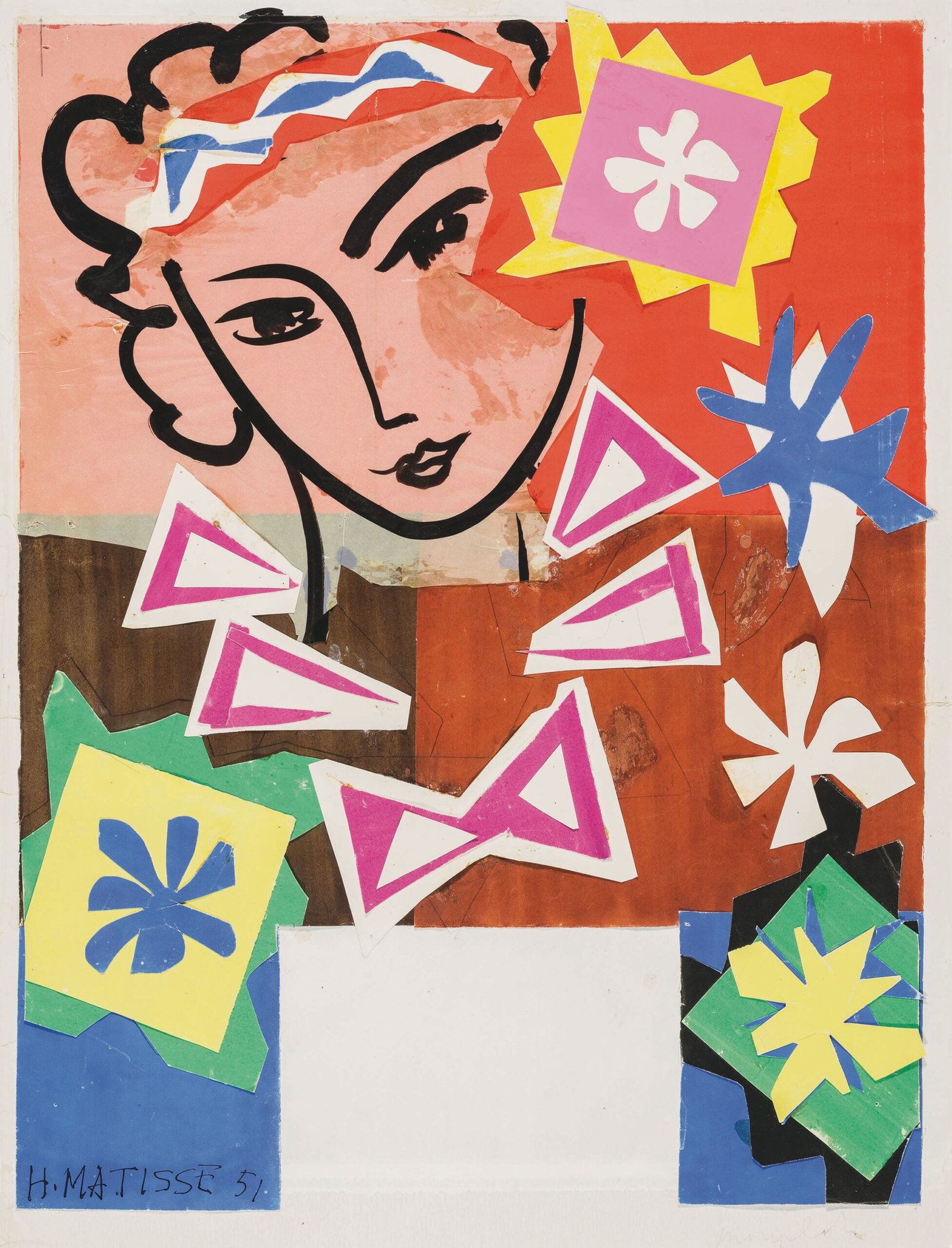
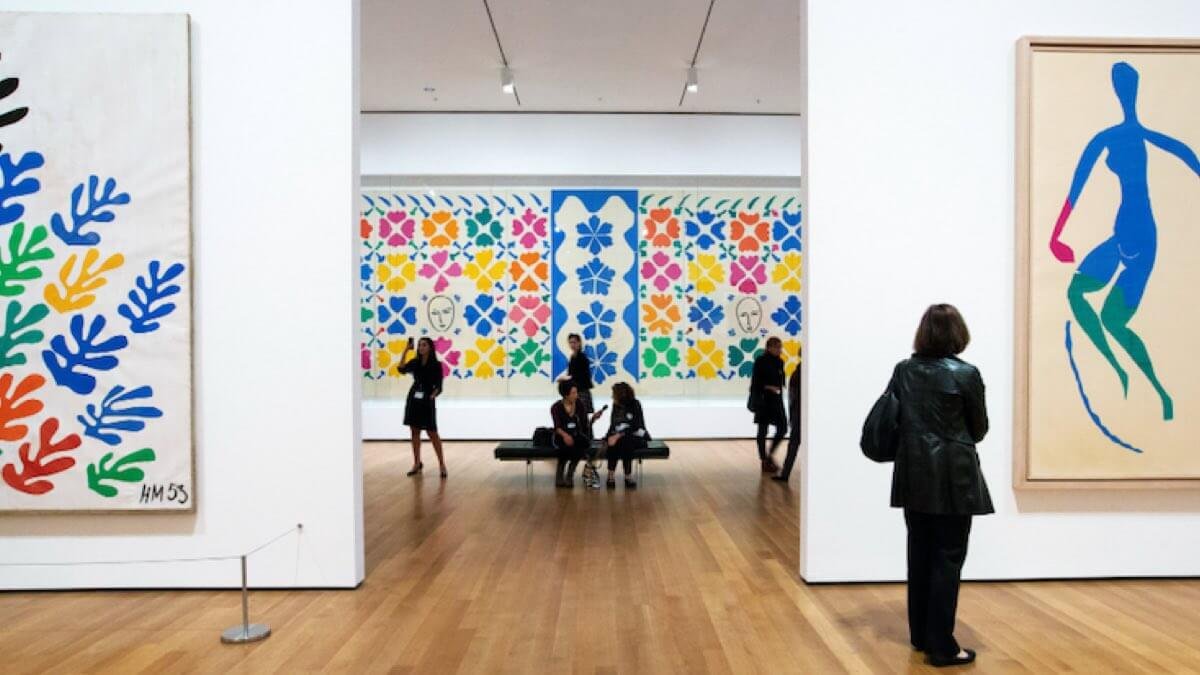
French visual artist, known for both his use of colour and his fluid and original draughtsmanship. He was a draughtsmanprintmaker, and sculptor, but is known primarily as a painter.

Matisse is commonly regarded, along with Pablo Picasso, as one of the artists who best helped to define the revolutionary developments in the visual arts throughout the opening decades of the twentieth century, responsible for significant developments in painting and sculpture.

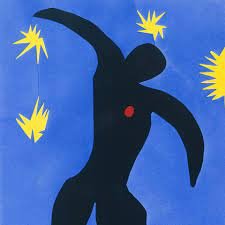
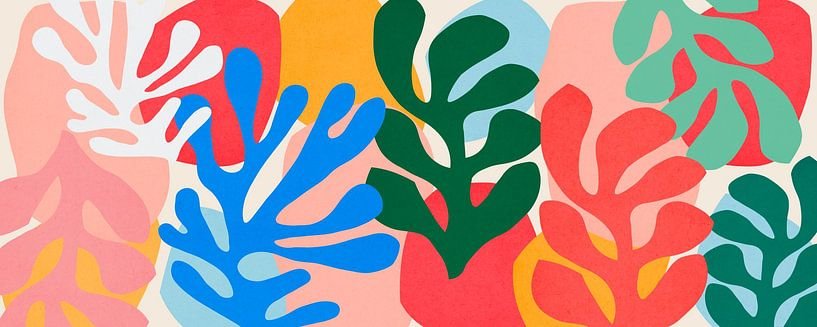
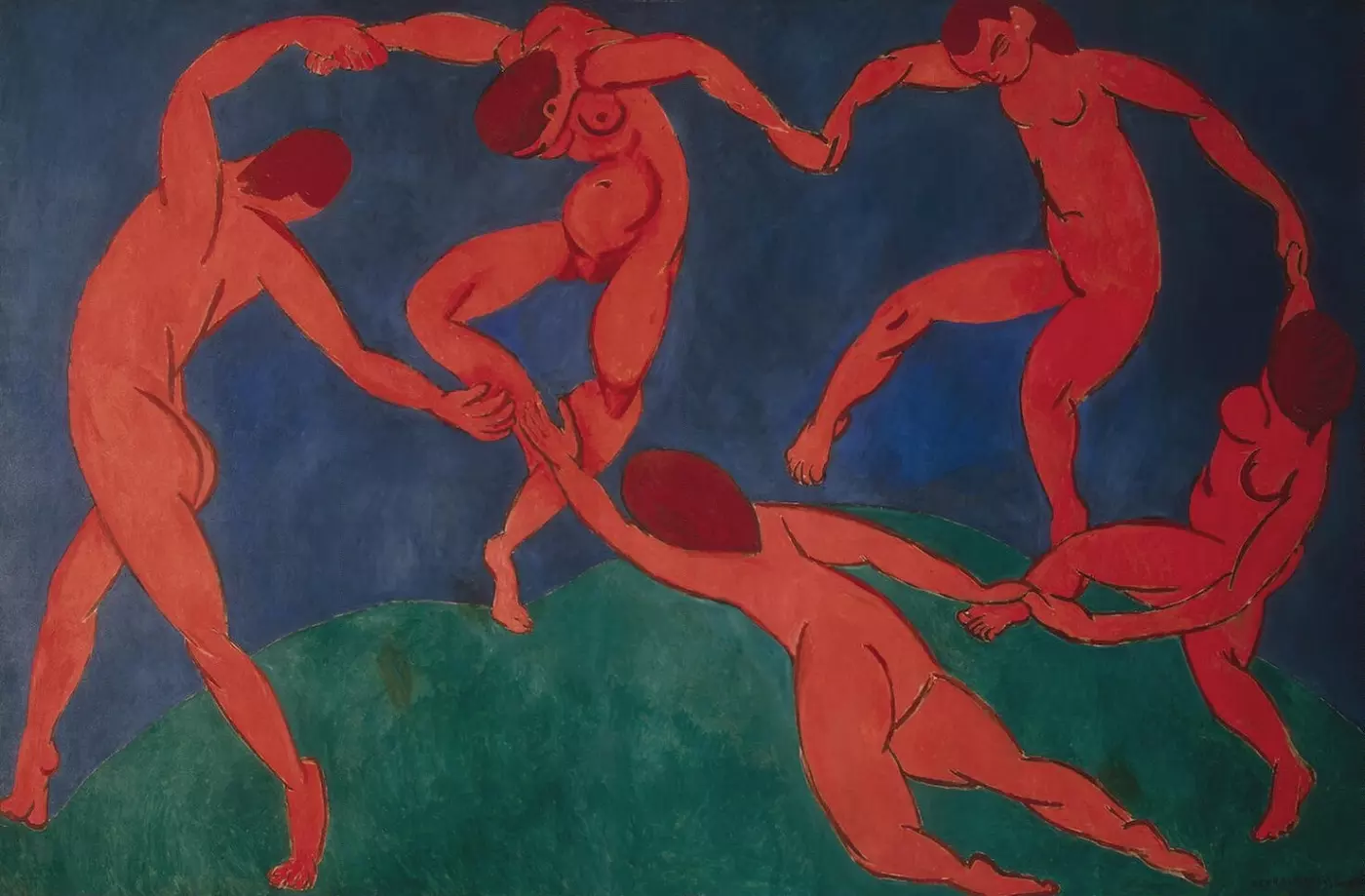
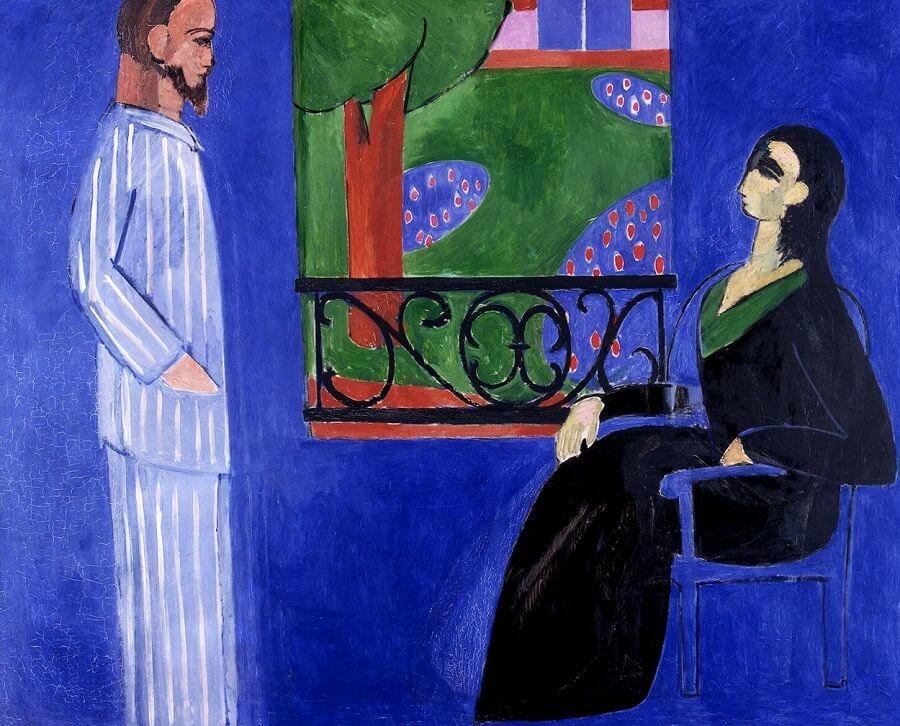
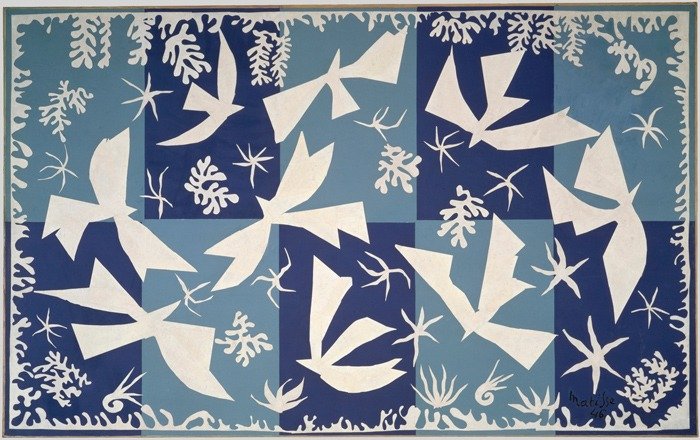
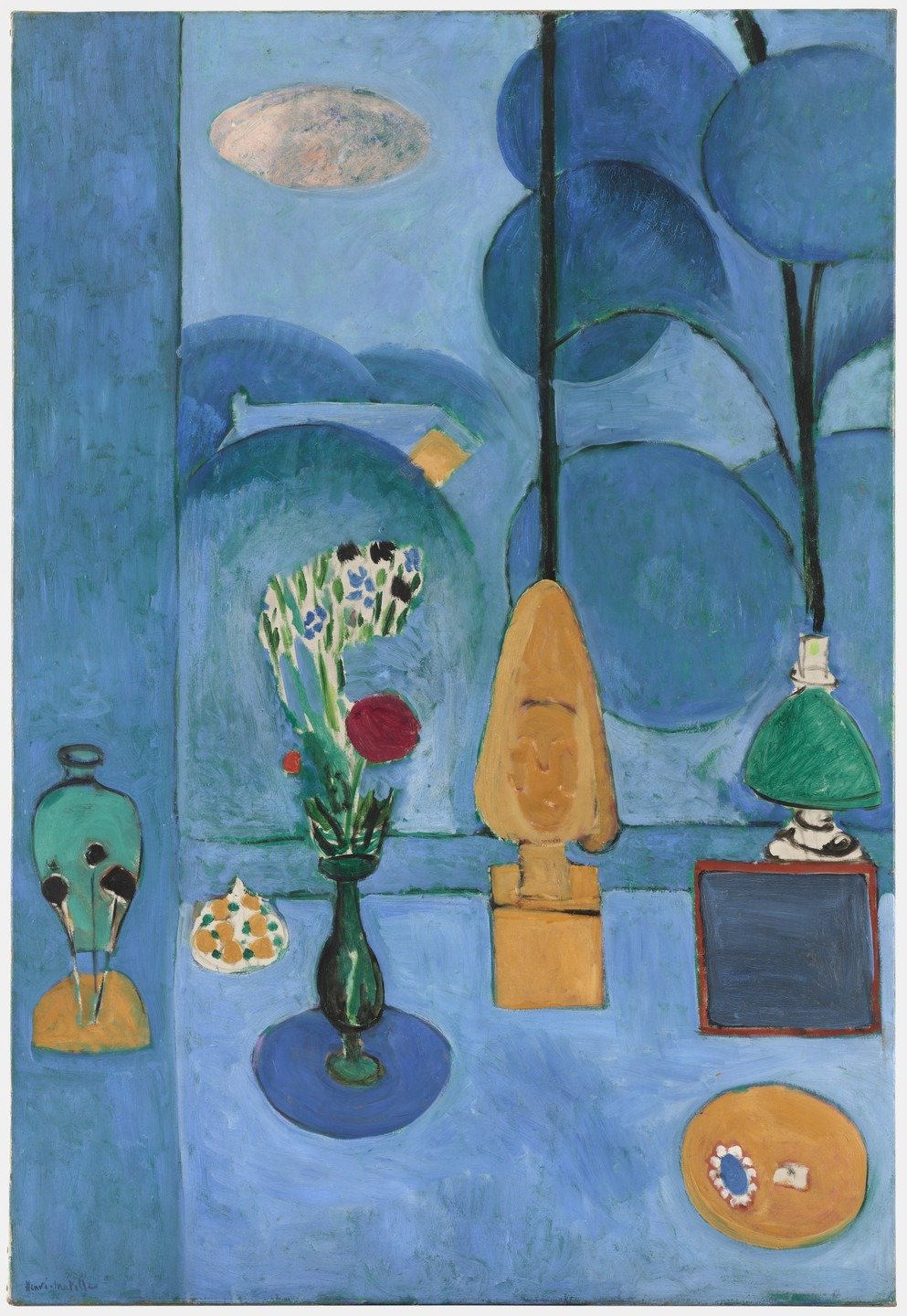
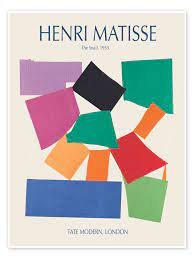
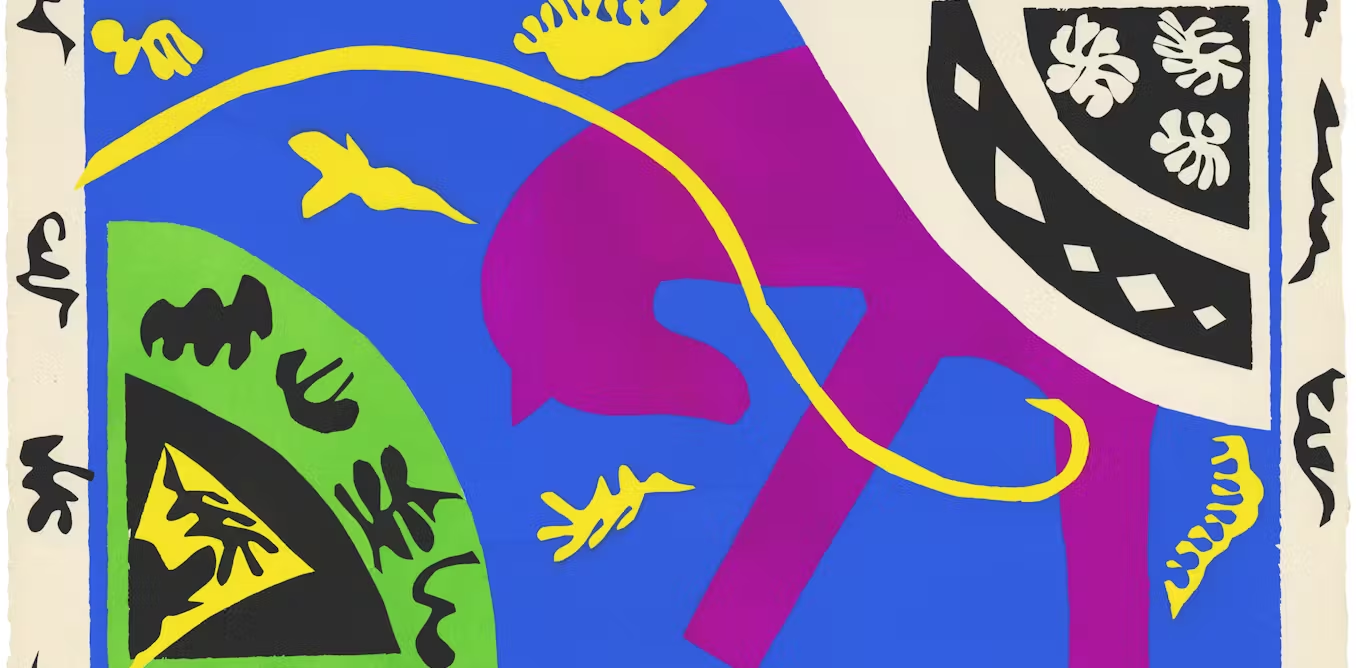
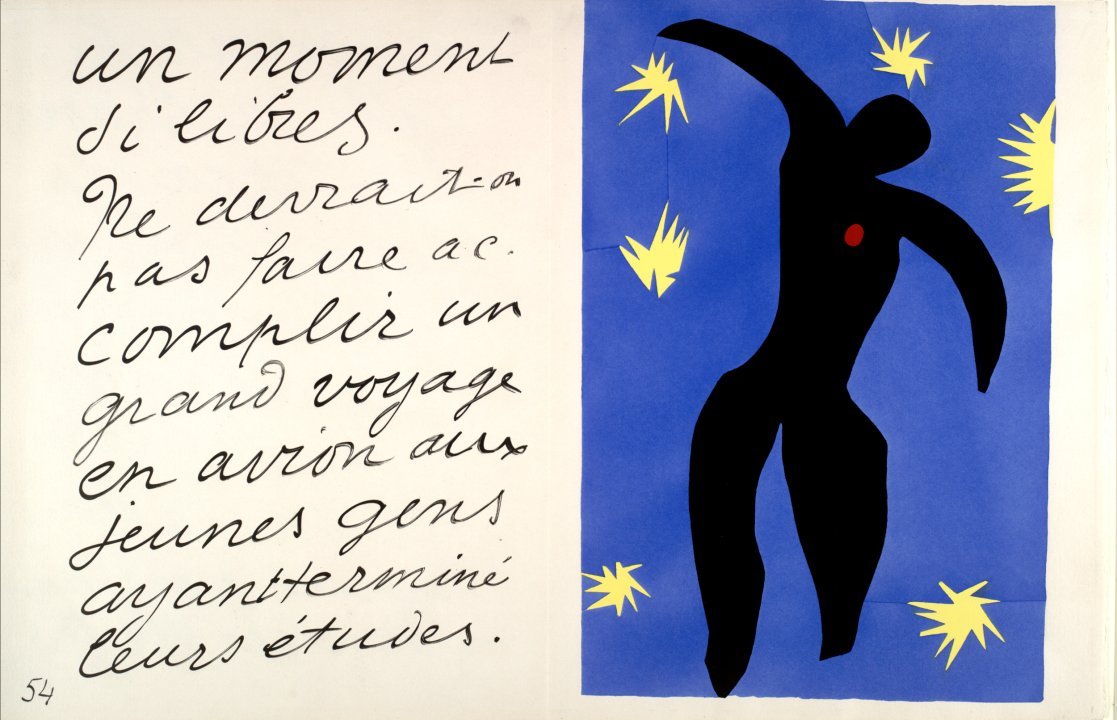
The intense colourism of the works he painted between 1900 and 1905 brought him notoriety as one of the Fauves (French for “wild beasts”). Many of his finest works were created in the decade or so after 1906, when he developed a rigorous style that emphasized flattened forms and decorative pattern. In 1917, he relocated to a suburb of Nice on the French Riviera, and the more relaxed style of his work during the 1920s gained him critical acclaim as an upholder of the classical tradition in French painting. After 1930, he adopted a bolder simplification of form. When ill health in his final years prevented him from painting, he created an important body of work in the medium of cut paper collage.

His mastery of the expressive language of colour and drawing, displayed in a body of work spanning over a half-century, won him recognition as a leading figure in modern art.

Explore all artists in this collection

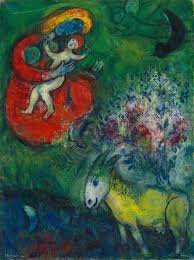
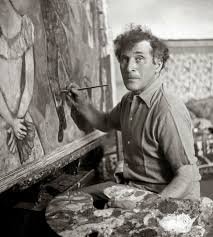
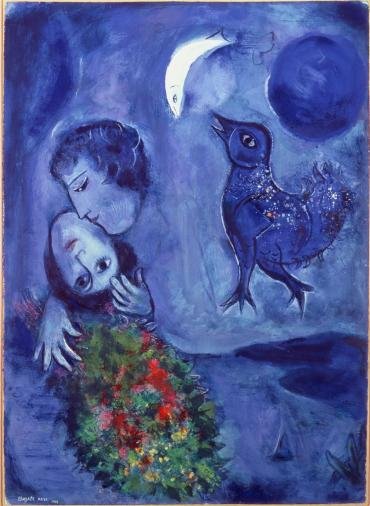
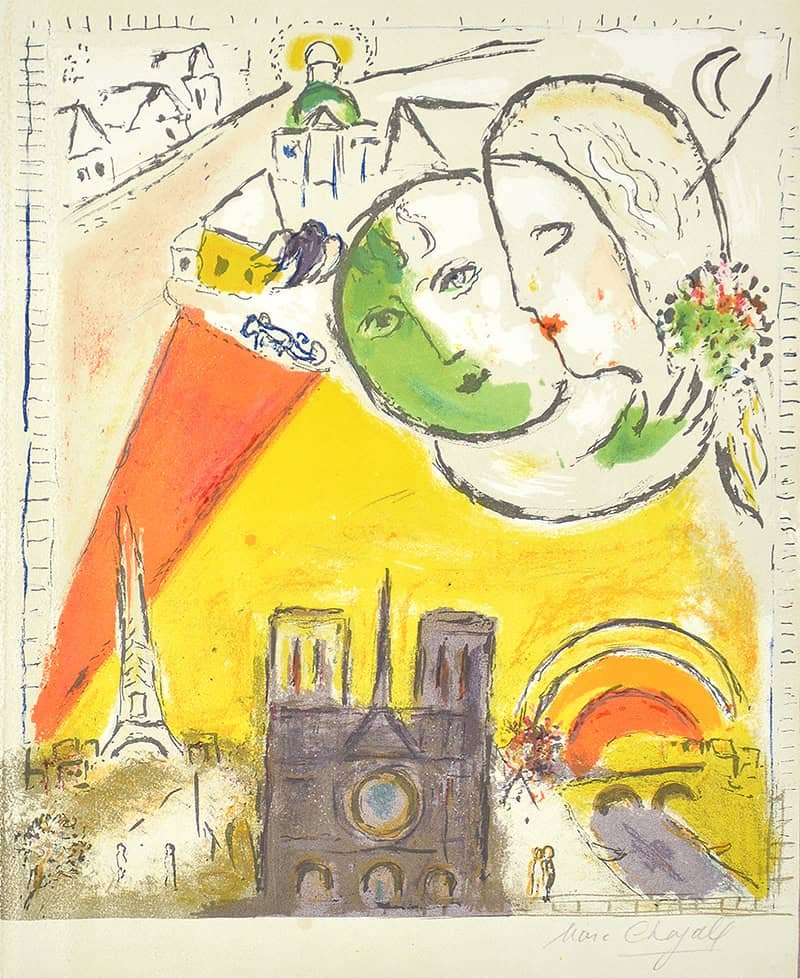
Marc Chagall

Marc Chagall

Marc Chagall

(1887 - 1985)

Explore all artists in this collection

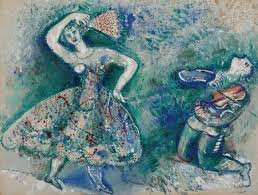
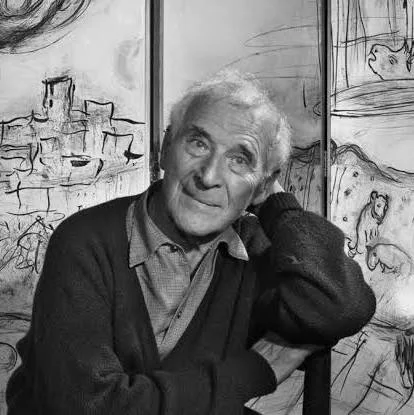
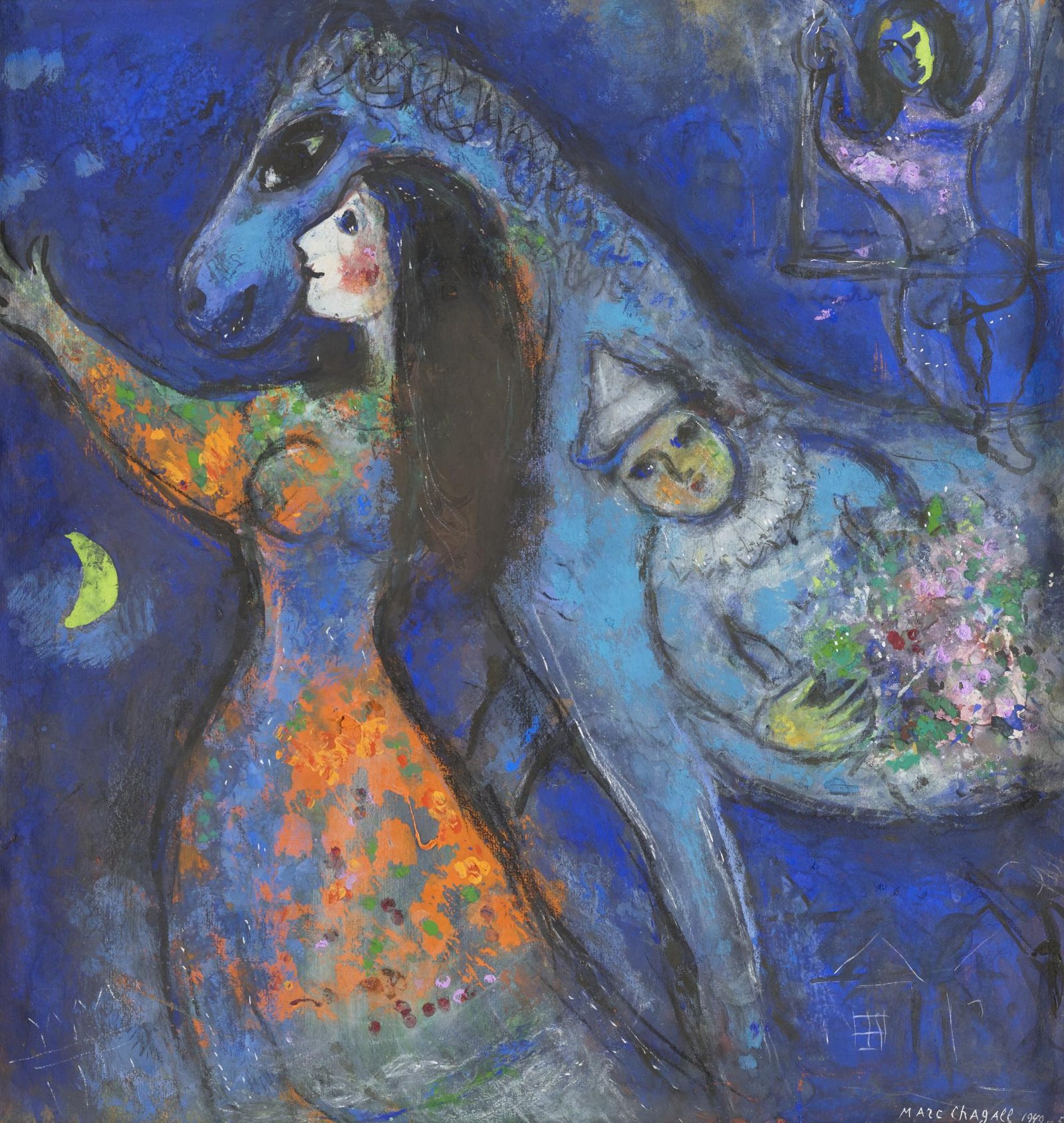
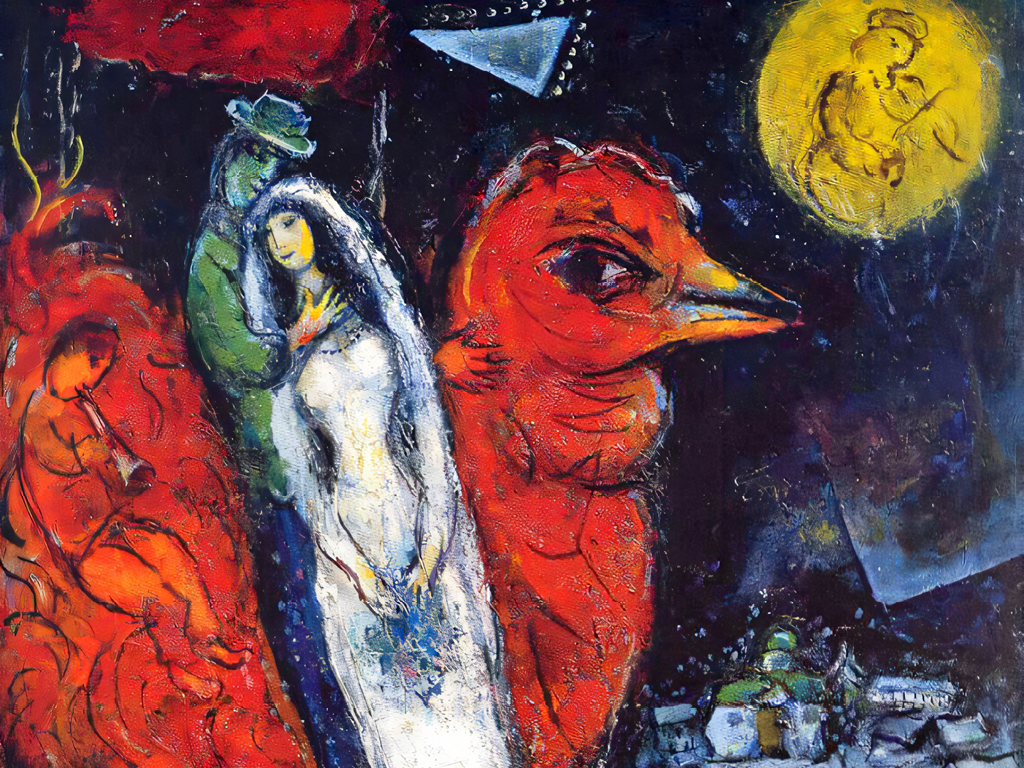
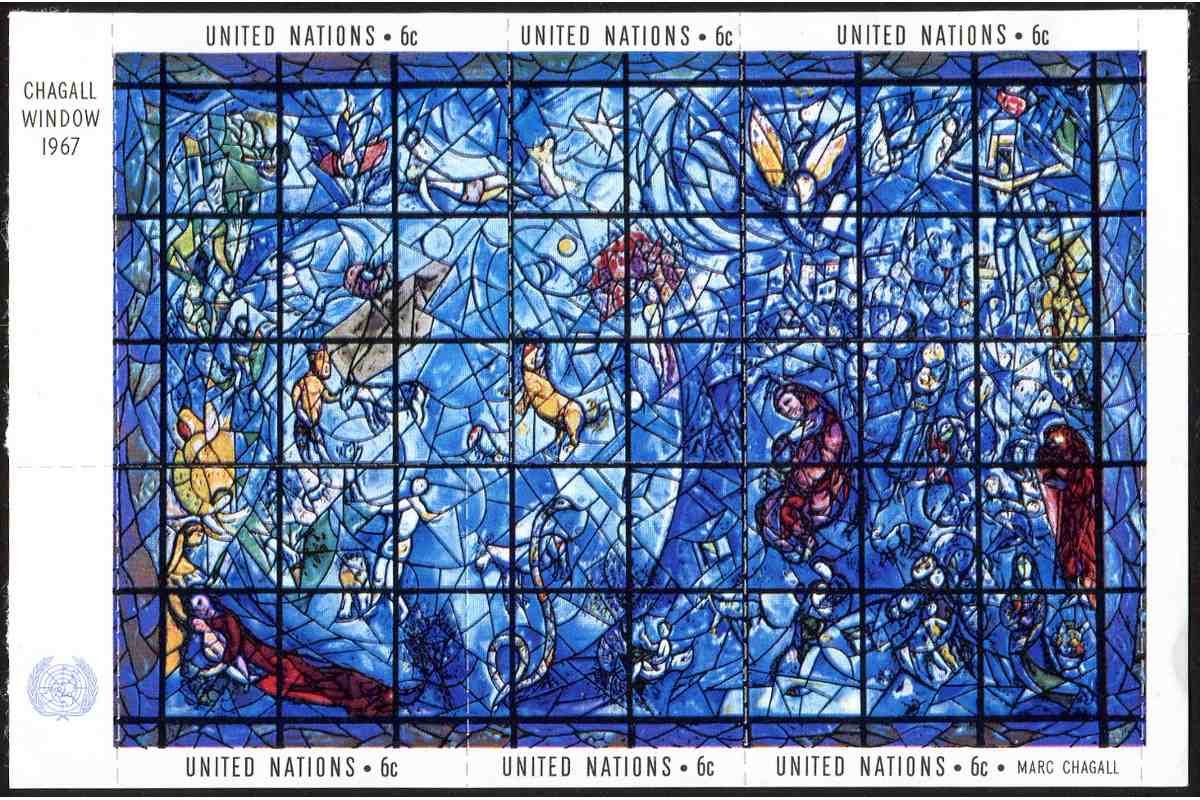
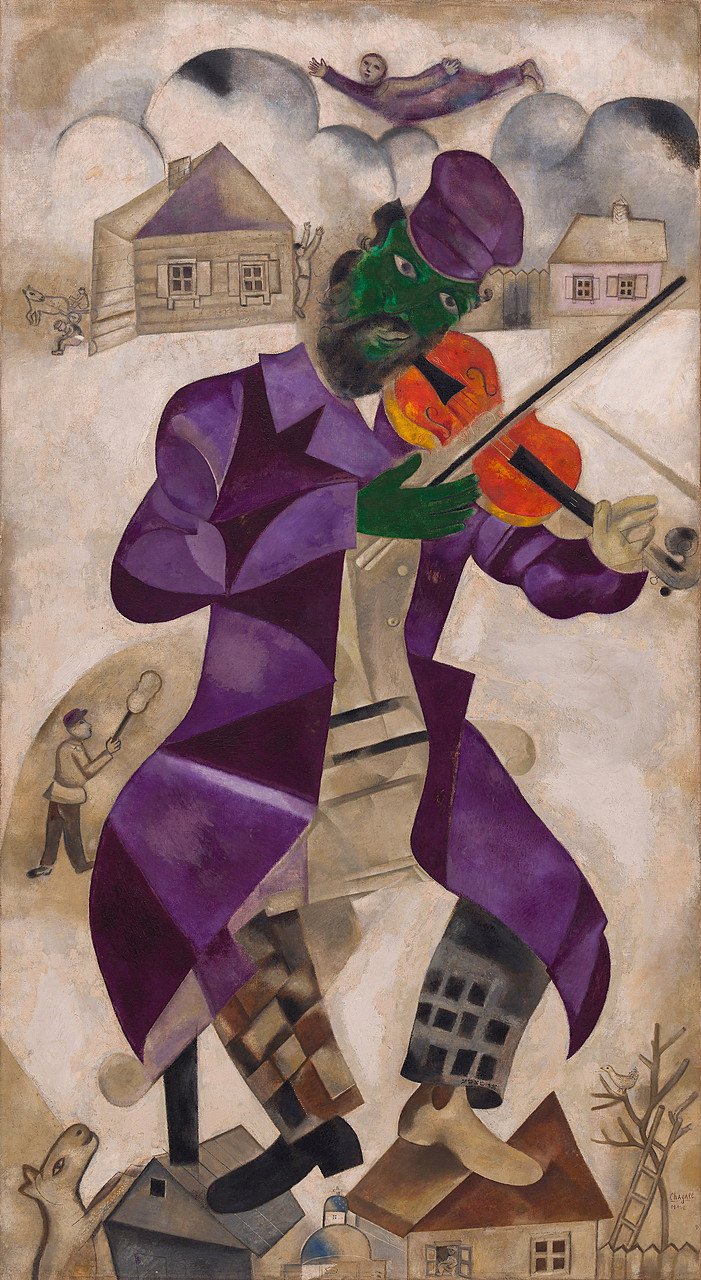
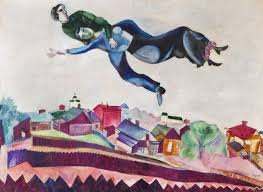
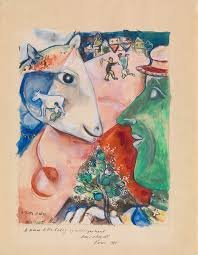
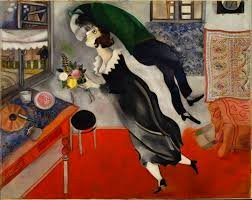
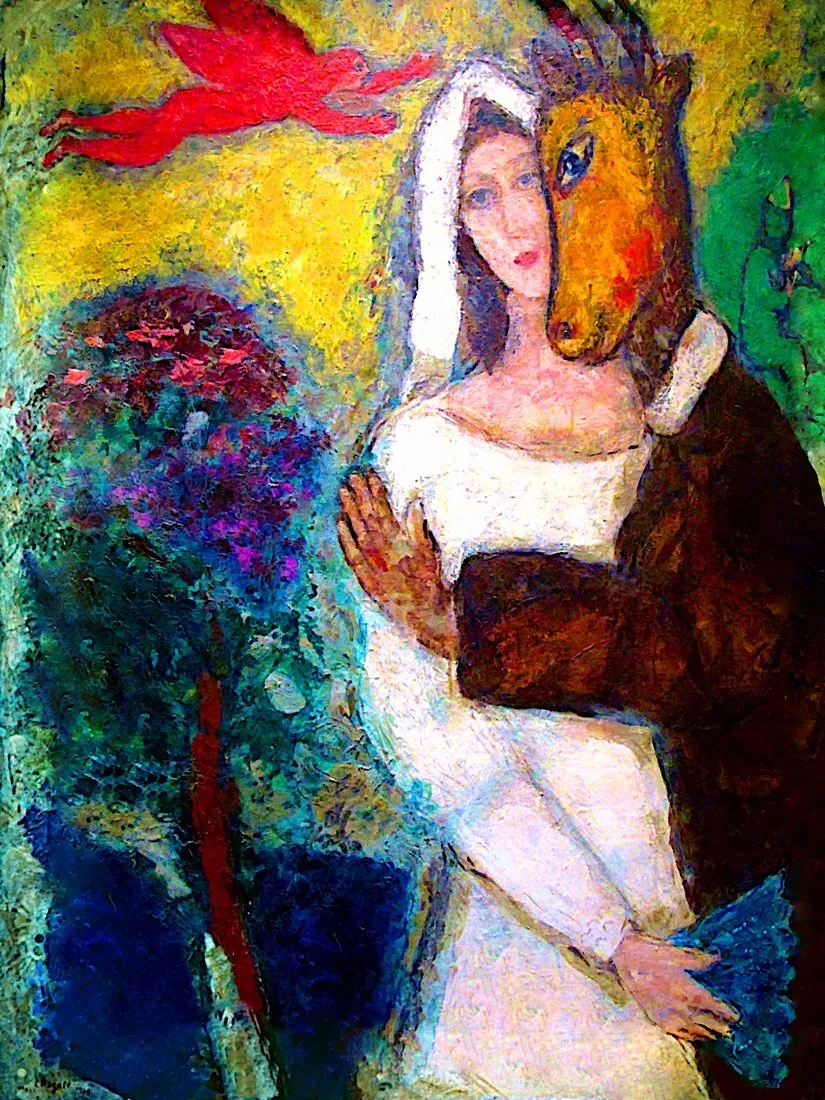
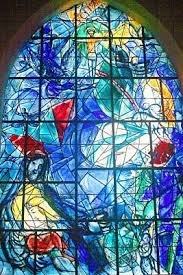
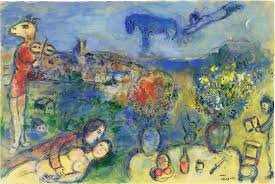
Marc Chagall was a Belarusian-born French artist whose work anticipated the dream-like imagery of Surrealism. Over the course of his career, Chagall developed the poetic, amorphous, and deeply personal visual language evident in paintings like I and the Village (1911). “When I am finishing a picture, I hold some God-made object up to it—a rock, a flower, the branch of a tree or my hand as a final test,” he said. “If the painting stands up beside a thing man cannot make, the painting is authentic. If there's a clash between the two, it's bad art.”

|

“If the painting stands up beside a thing man cannot make, the painting is authentic. If there's a clash between the two, it's bad art.”

Born Moishe Shagal on July 7, 1887 in Vitebsk, Russia (present-day Belarus) to a Hasidic Jewish family, the artist was raised immersed in Jewish culture and iconography. Studying under the artist Yehuda Pen as a youth, the Judaic traditions and folklore of his hometown permeated Chagall’s paintings. After studying in St. Petersburg, the artist moved to Paris in 1910, where he quickly befriended members of the French avant-garde, including Robert Delaunay and Fernand Léger.

Explore all artists in this collection

Visiting Russia in 1914, the artist was prevented from returning to Paris due to the outbreak of World War I until 1926. In addition to his paintings, Chagall was also noted for his vibrant works in stained glass and lithography. Forced to flee Paris during World War II, Chagall lived in the United States and traveled through to Israel before returning to France in 1948. The artist died in Saint-Paul-de-Vence, France on March 28, 1985. Today, his works are held in the collections of The Museum of Modern Art in New York, the Tate Gallery in London, the Tel Aviv Museum of Art, and the Albertina in Vienna, among others.