Fine Art Focus: László Moholy-Nagy
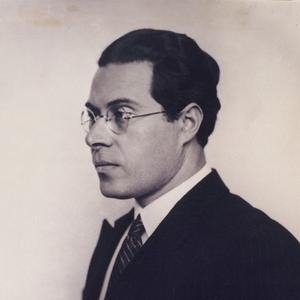

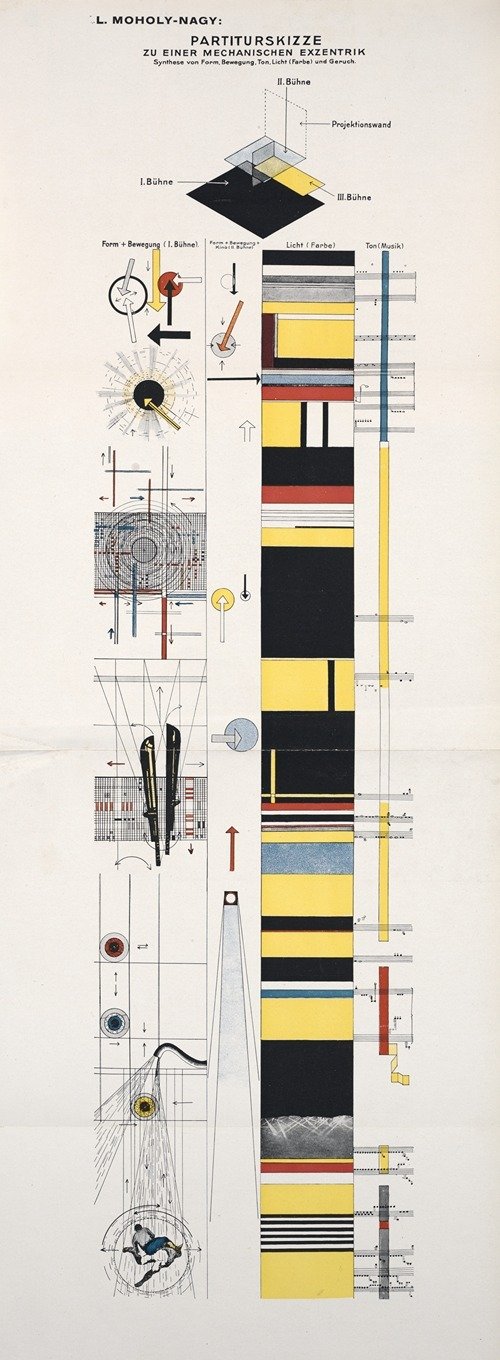
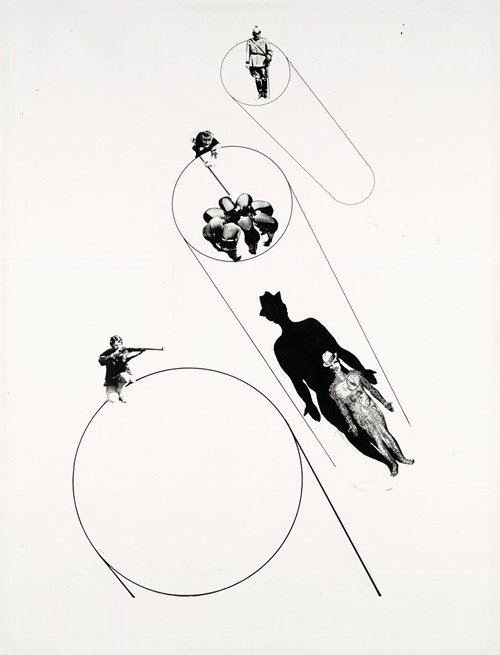
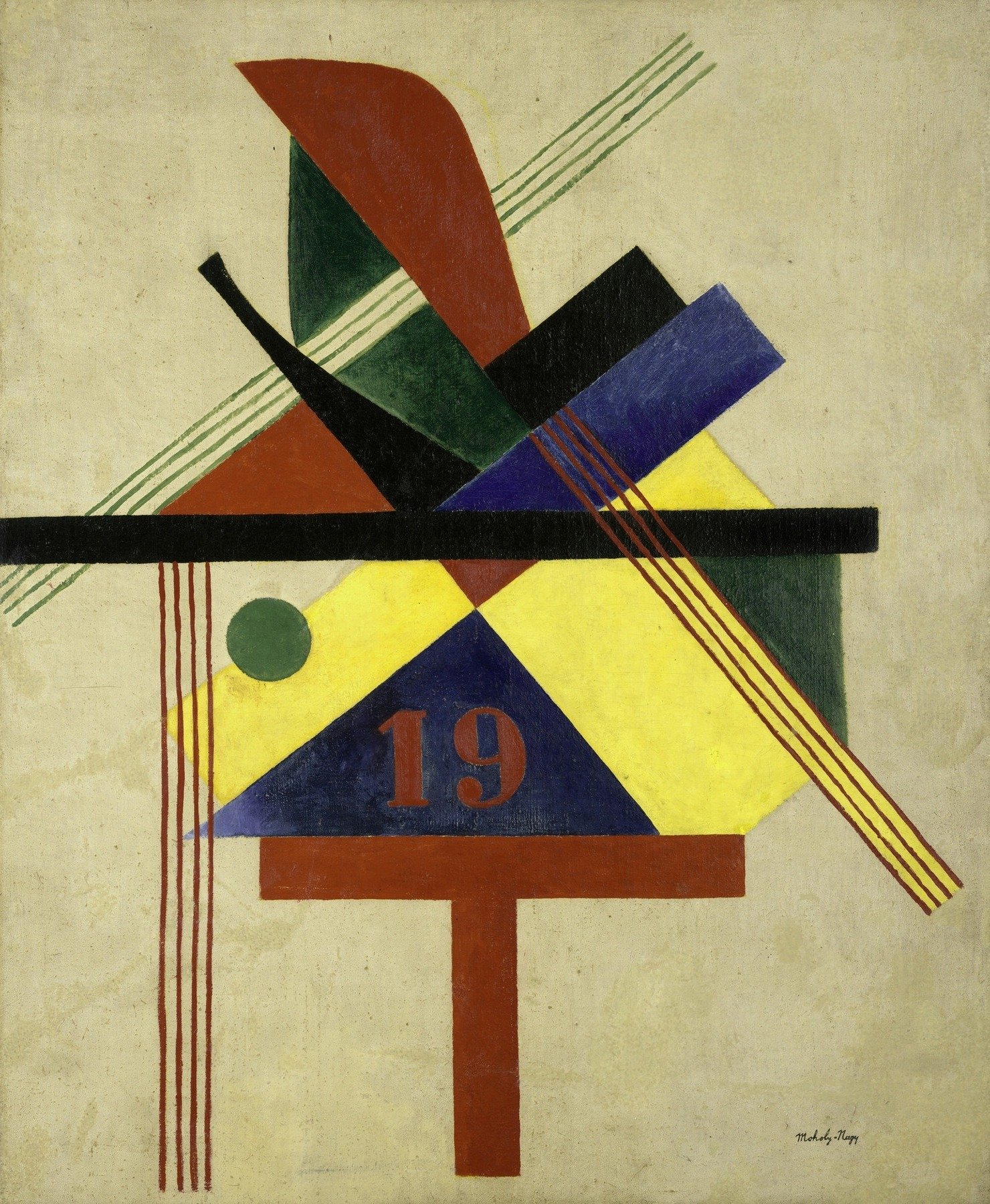
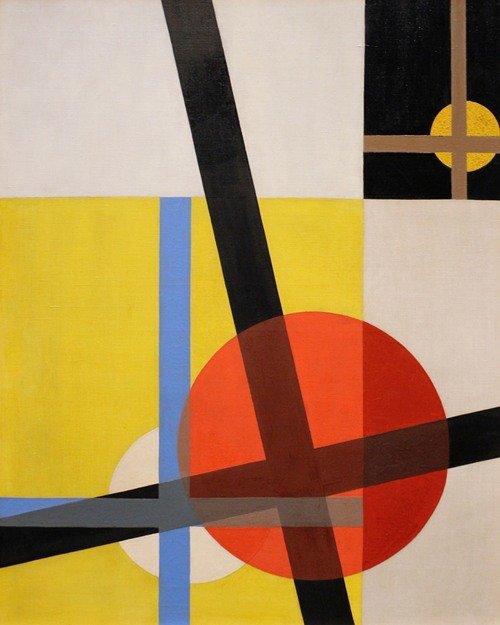
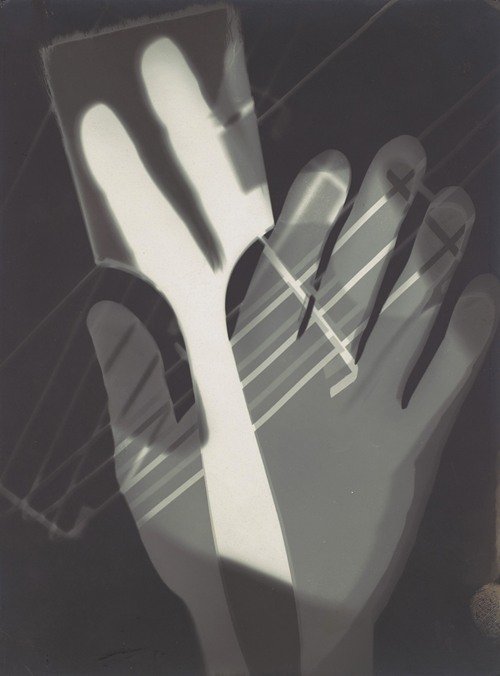
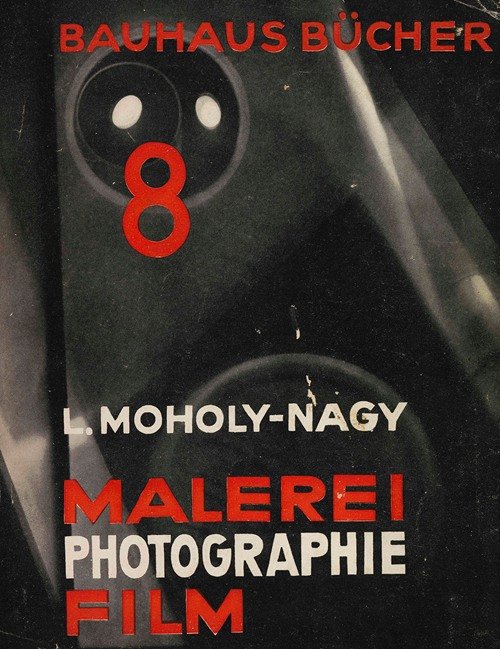
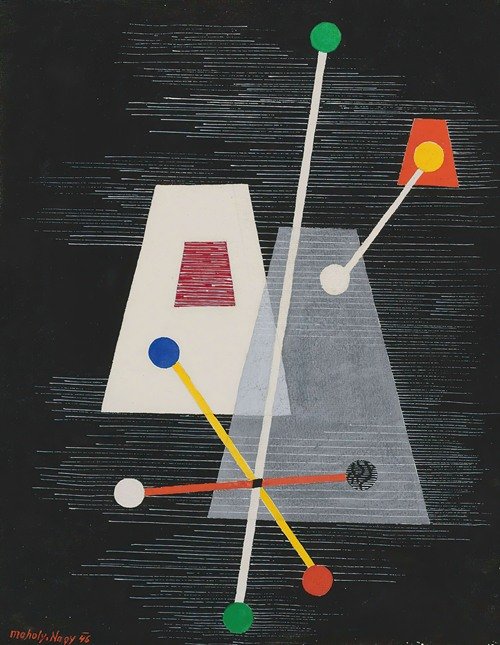
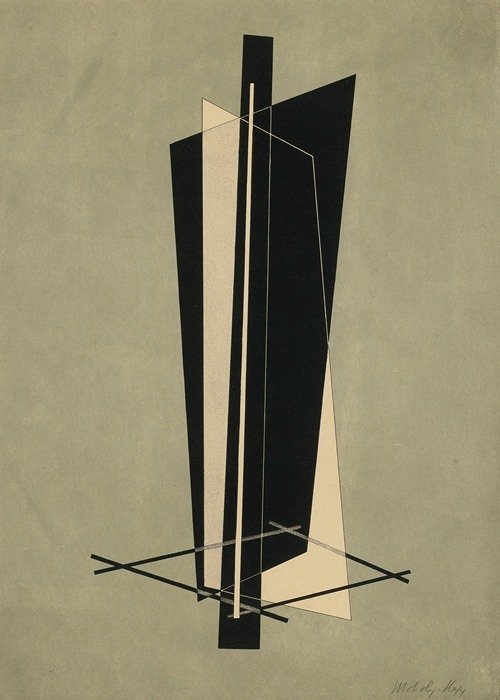
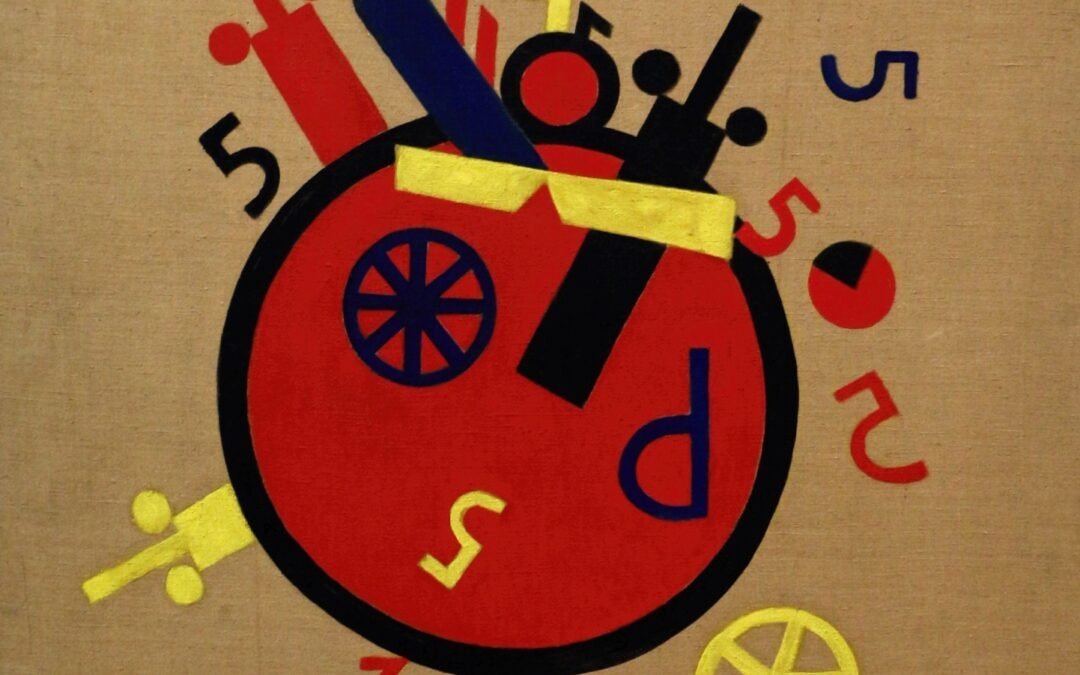
László Moholy-Nagy was a Hungarian painter and photographer as well as a professor in the Bauhaus school. He was highly influenced by constructivism and a strong advocate of the integration of technology and industry into the arts. The art critic Peter Schjeldahl called him “relentlessly experimental” because of his pioneering work in painting, drawing, photography, collage, sculpture, film, theater, and writing.
He also worked collaboratively with other artists, including his first wife Lucia Moholy, Walter Gropius, Marcel Breuer, and Herbert Bayer.
His largest accomplishment may be the School of Design in Chicago, which survives today as part of the Illinois Institute of Technology, which art historian Elizabeth Siegel called “his overarching work of art”. He also wrote books and articles advocating a utopian type of high modernism.