No Results Found
The page you requested could not be found. Try refining your search, or use the navigation above to locate the post.

The diversity of the world’s largest national population is astounding.
122 languages, including the planet’s oldest language: Hindi. 12 religions. 1.408 billion people (est. 2021). 29 states.
This pluralism nurtures an insane wealth of art and cultural expression. Arguably, this is the creative soul of Earth.
cgk.ink is exploring this rich history. And we’re here to share our very fundamental, simple understanding of its expressions, its forms and what it says to us now in the 21st century.
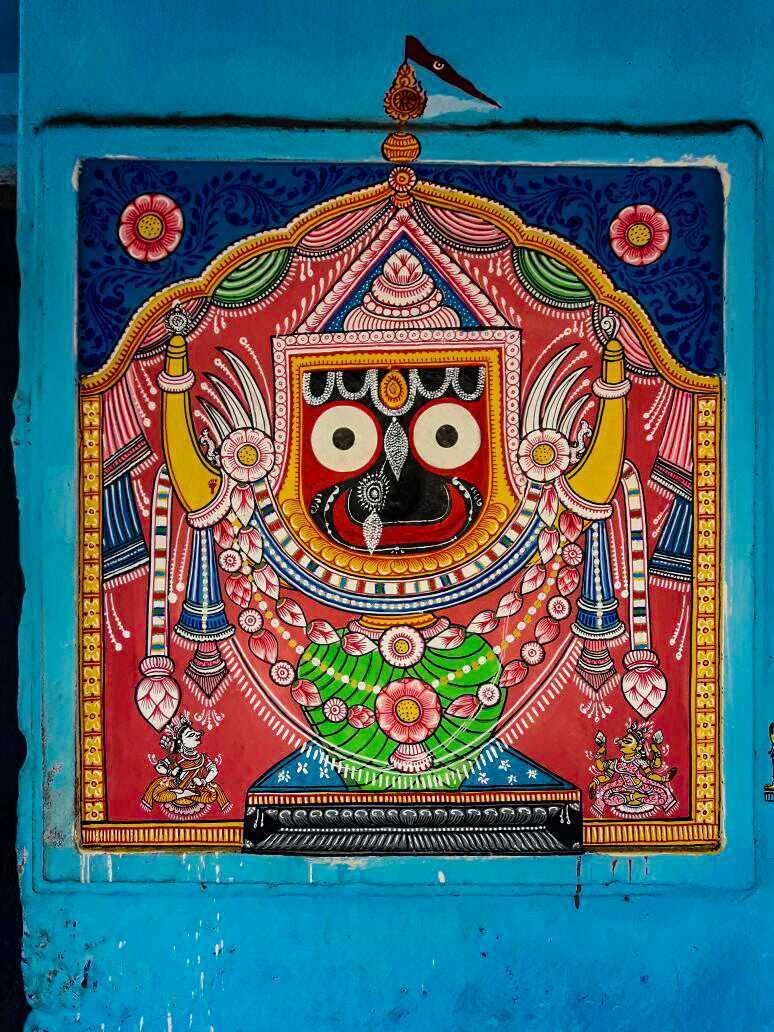
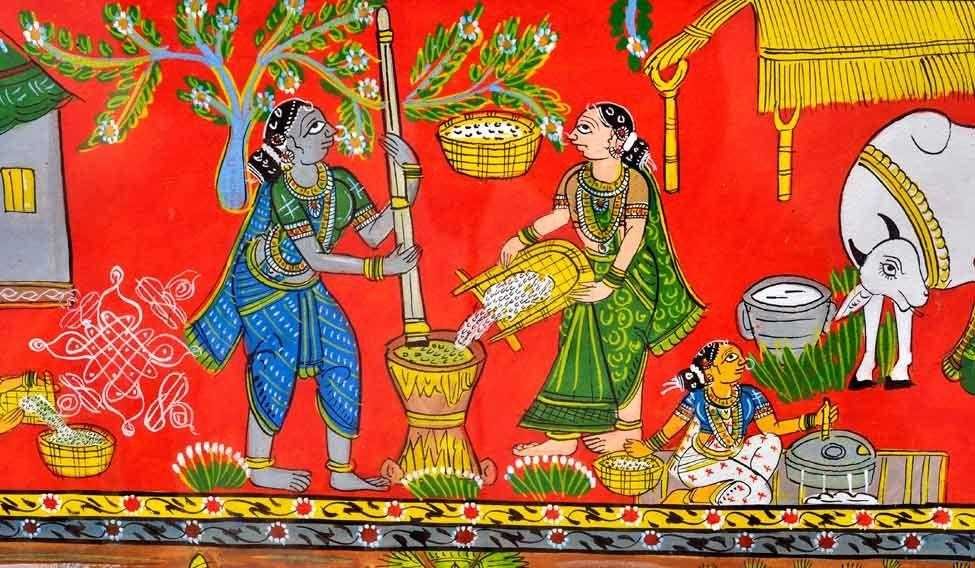
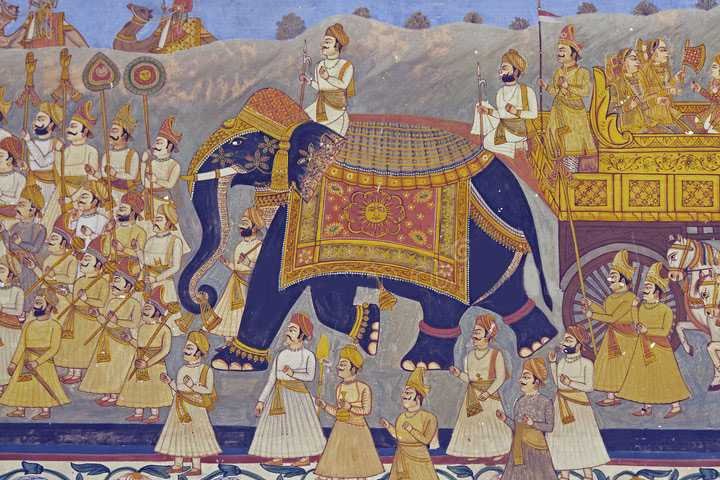
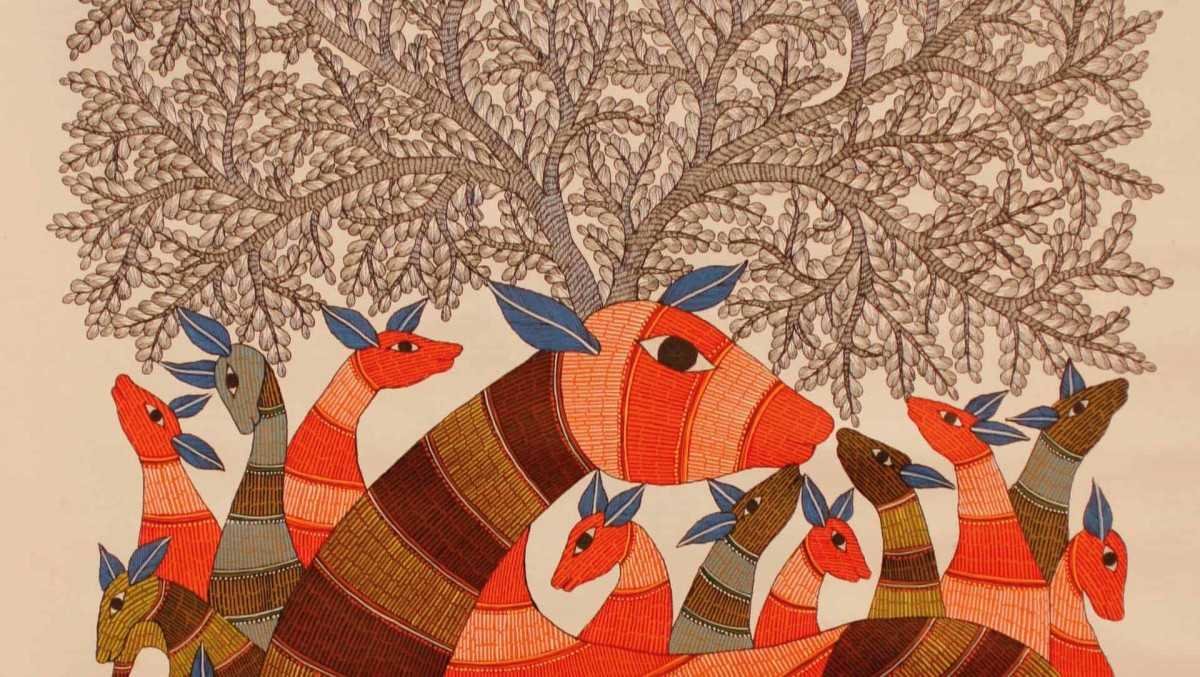
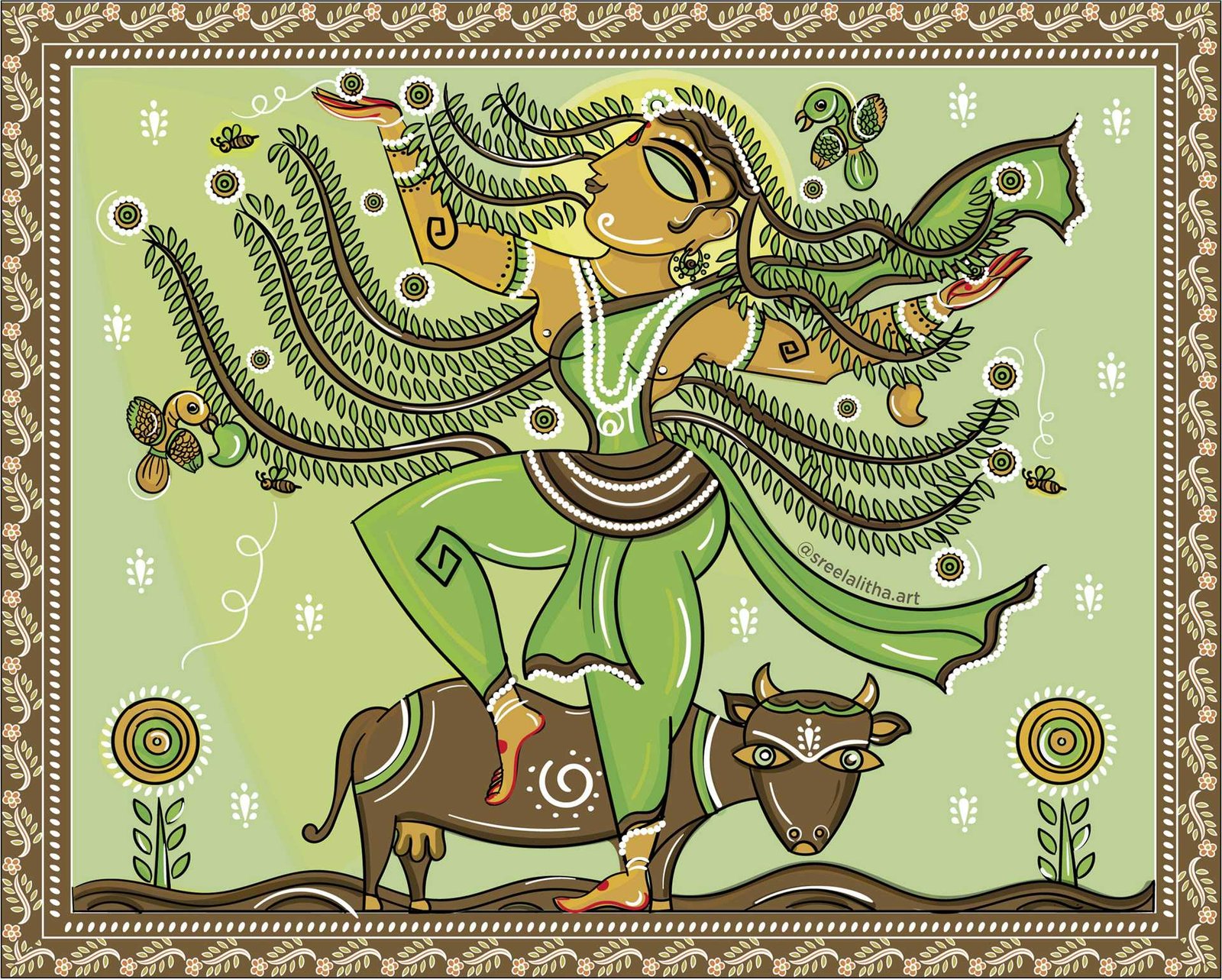
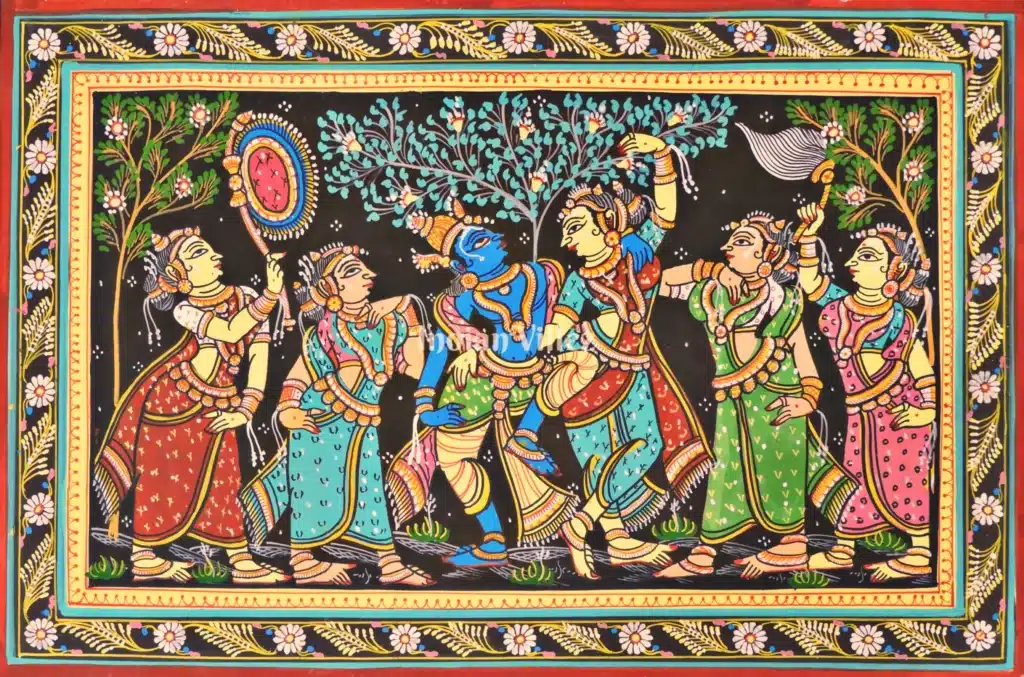
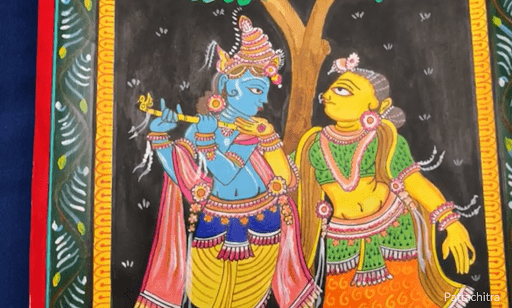
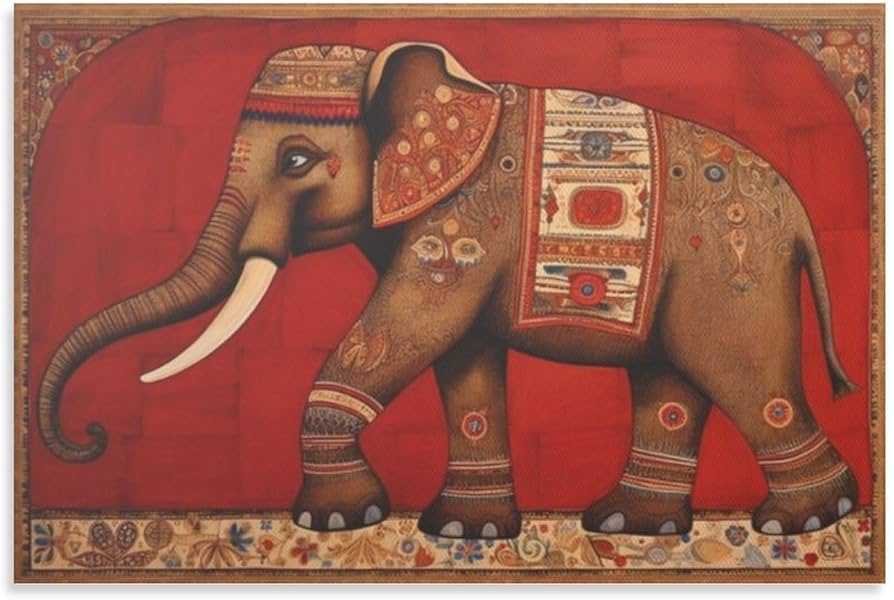
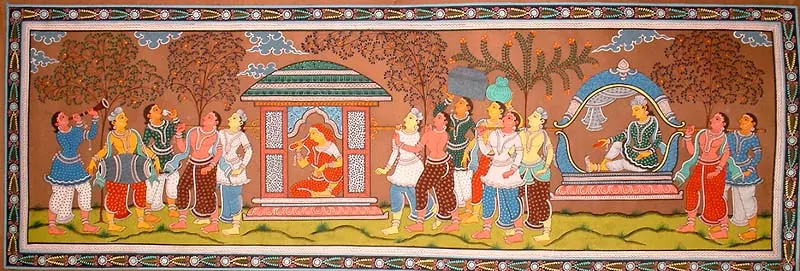
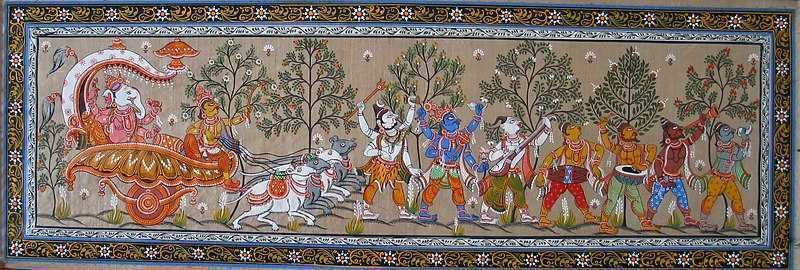
Below are some of the genres of Indian art that we gleaned from ArtZolo.com:
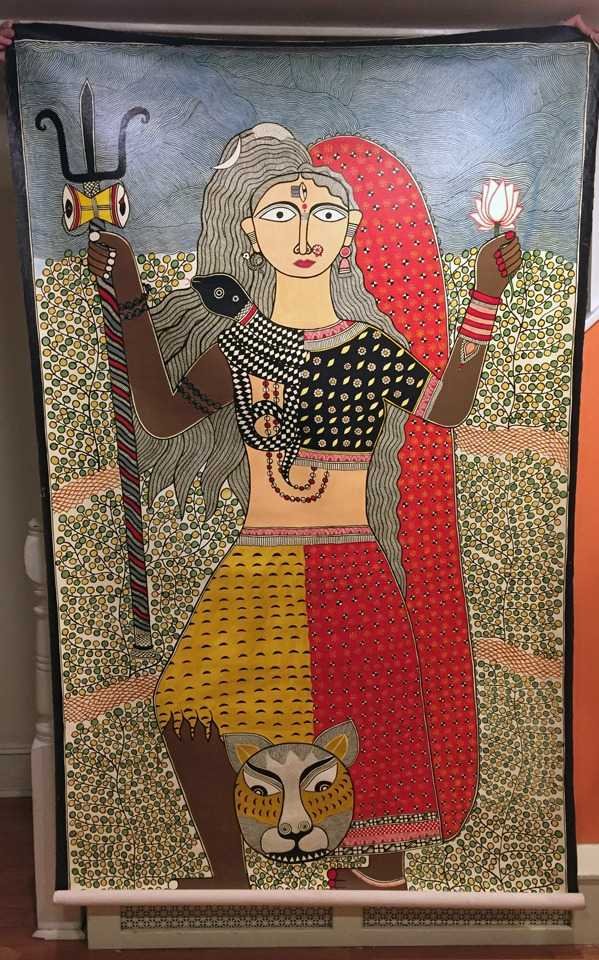
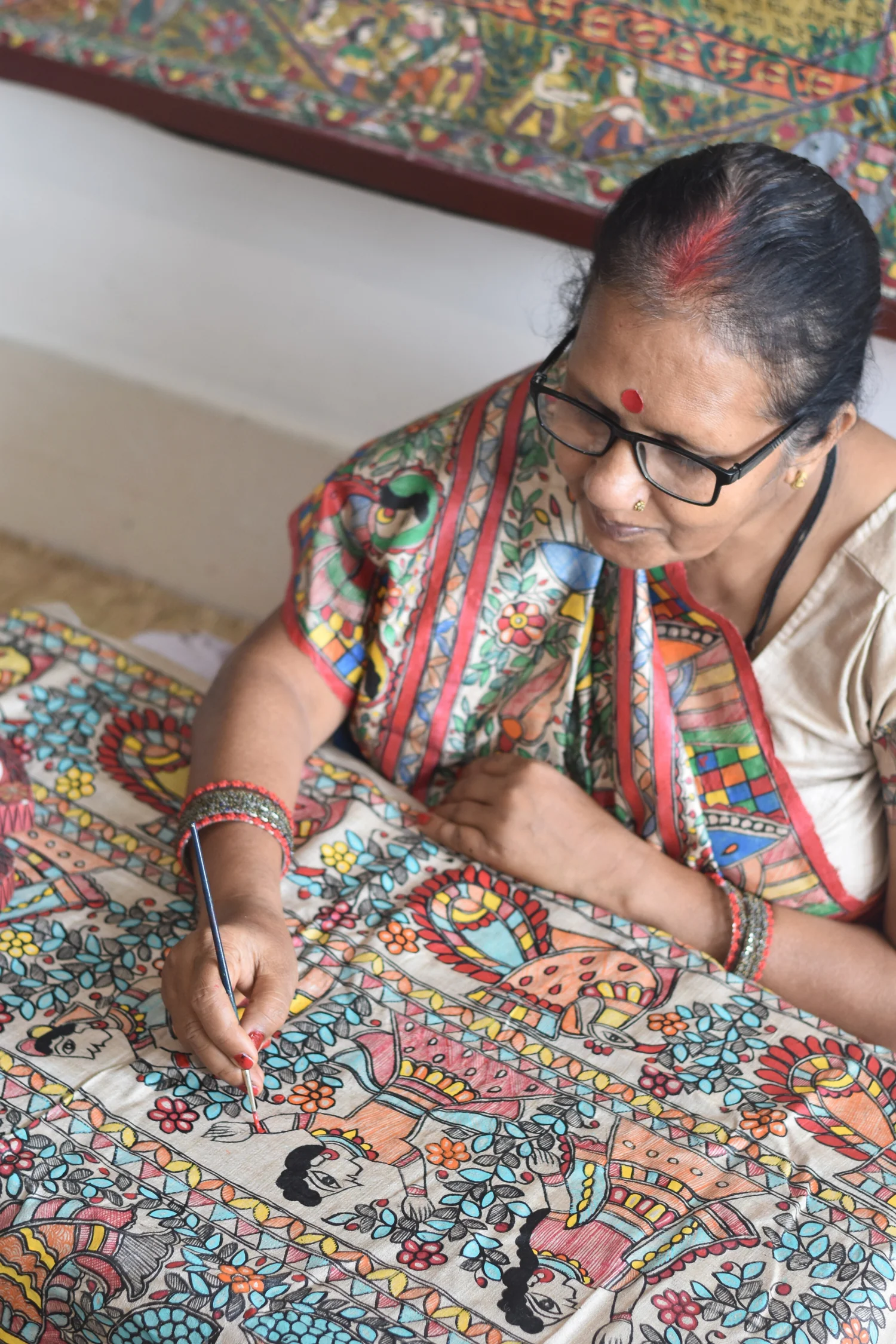
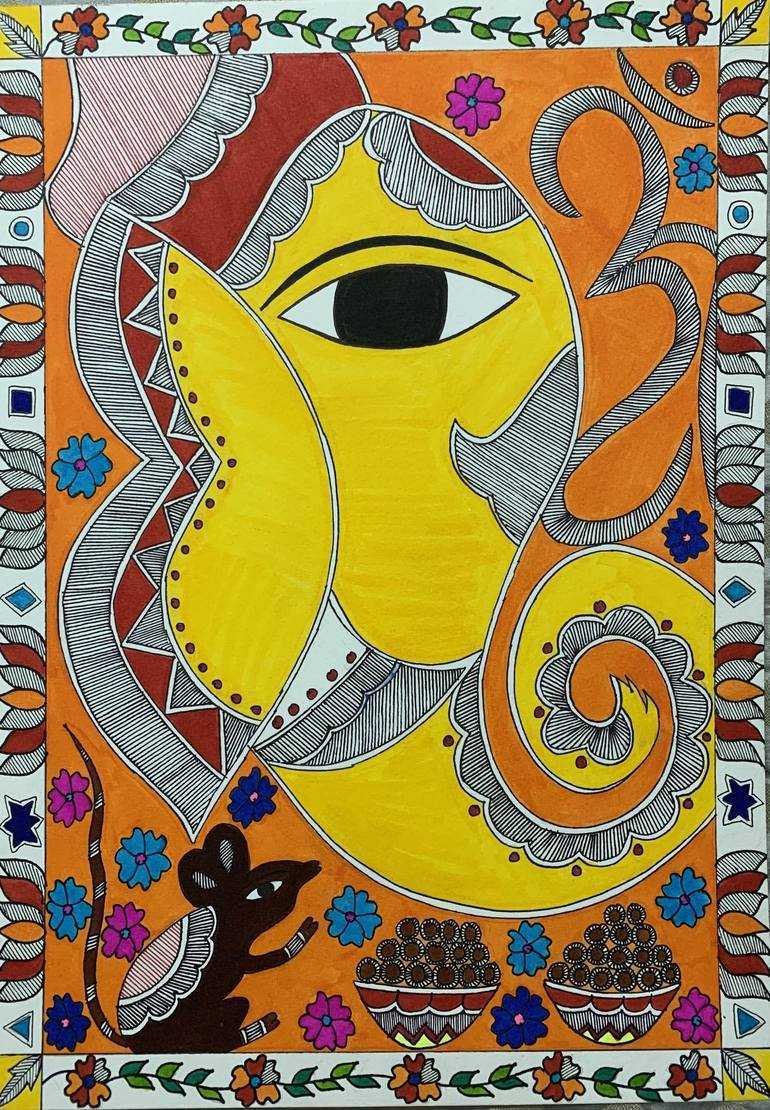
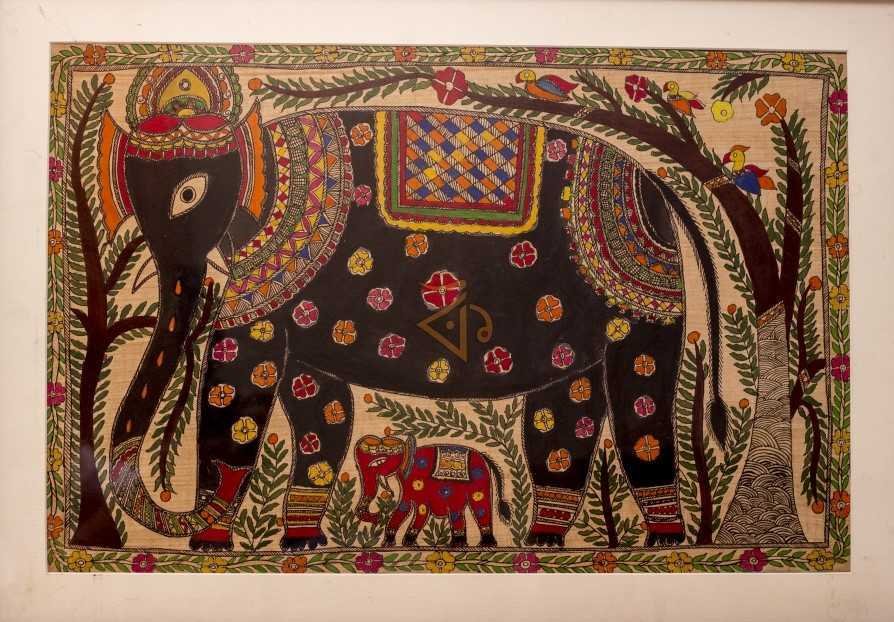
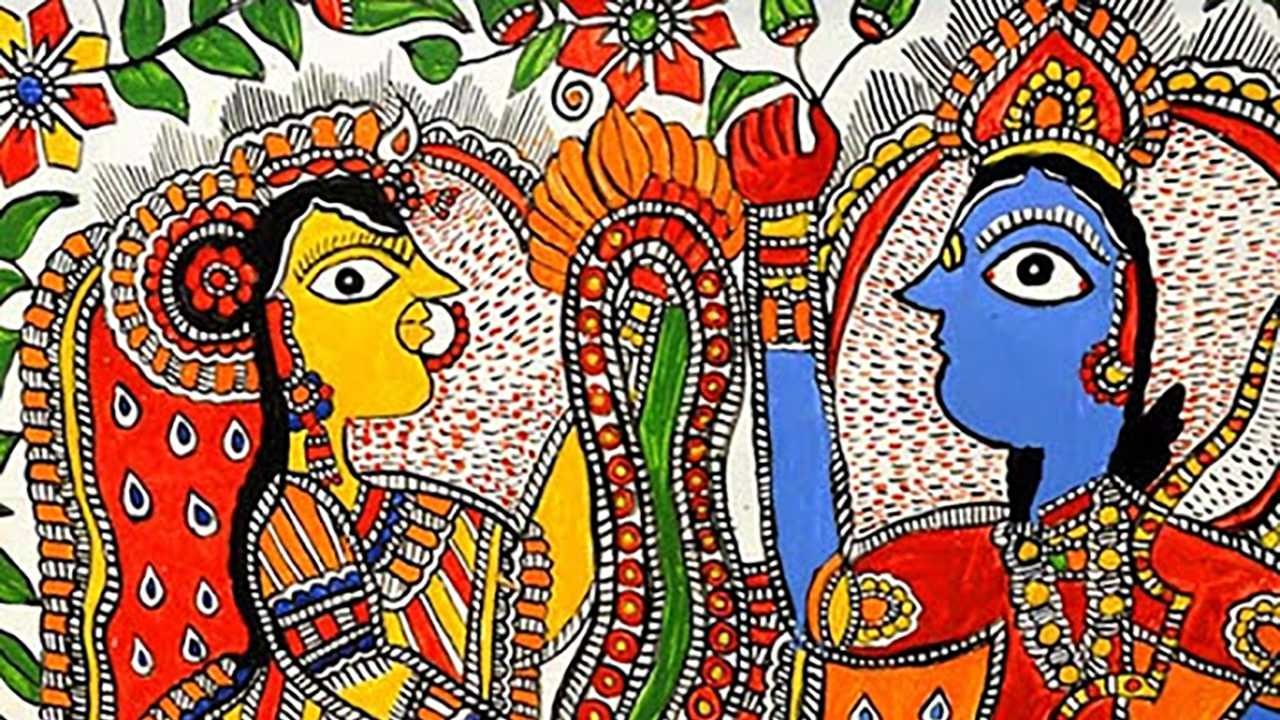
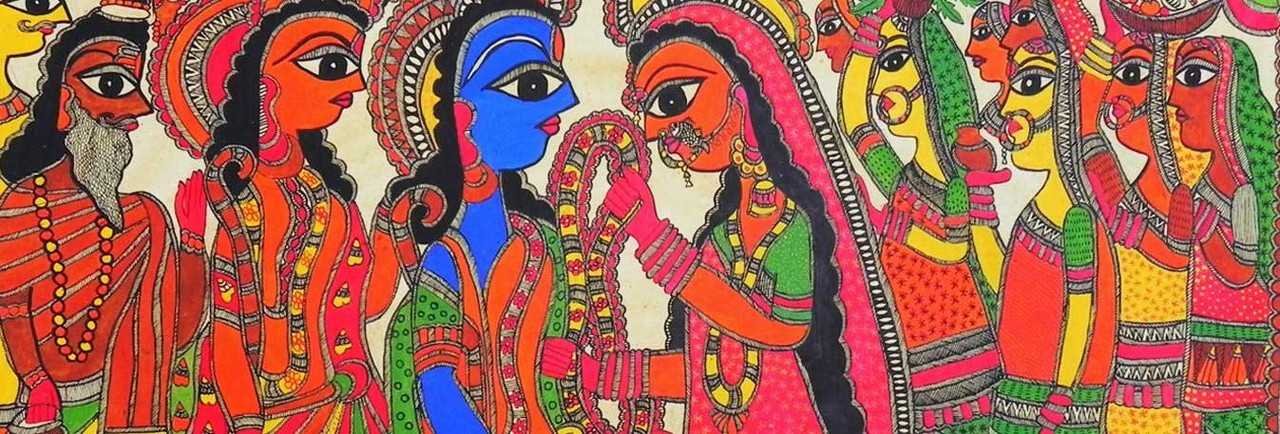
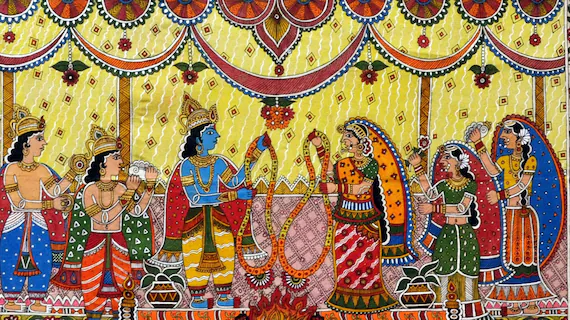
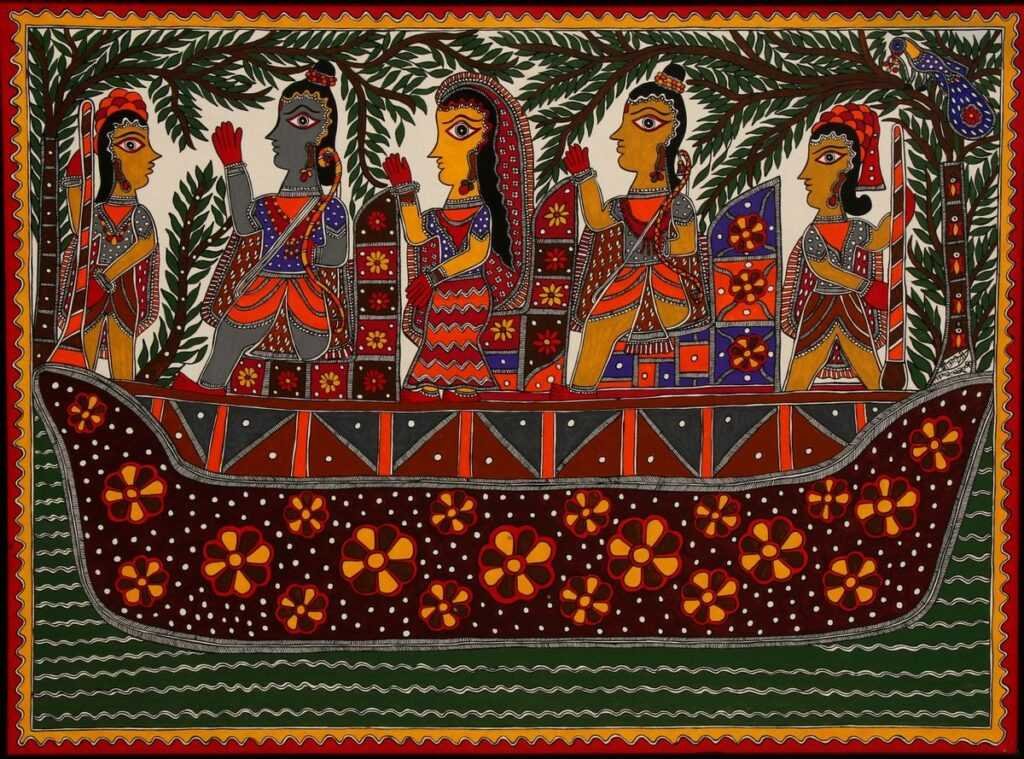
Madhubani paintings are the most celebrated style of folk painting from India; it is a form of wall art that arises in the Mithila region of Bihar. This eye-catching art style never fails to amaze one by its beautiful illustrations on the exposed interior walls of the houses in Bihar. Madhubani paintings are a perfect example of artistic expression and evocative portrayal of culture and traditions. The designs make perfectly distinctive geometrical patterns, scenes from mythology, and symbolic images. The perfect blend of bright vibrant colours and unique patterns make Madhubani stand out from other painting styles. Katchni, Tantrik, Bharni, Khobar, and Godna are five different styles of Madhubani paintings.



Warli is a 2,500-year-old traditional painting style from Maharashtra majorly practiced in Thane and Nashik region. Warli paintings illustrate the nature and social rituals of the tribe. Warli paintings also showcase day-to-day life scenarios of the local people of that particular community just like dancing, farming, hunting, praying, etc. The local women used twigs to draw such beautiful lively designs with rice paste on mud walls to convey the celebration vibes of harvests or weddings.
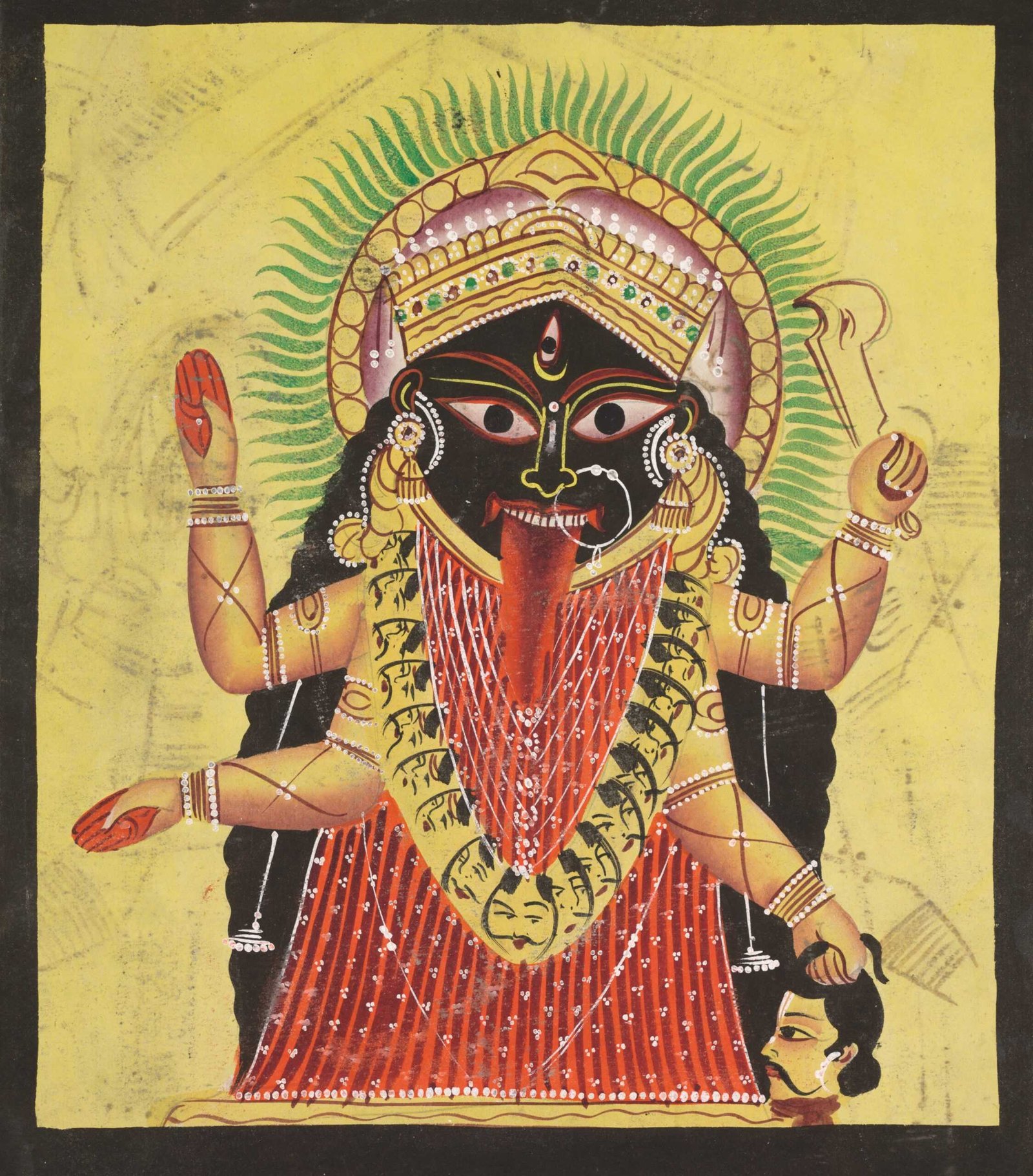
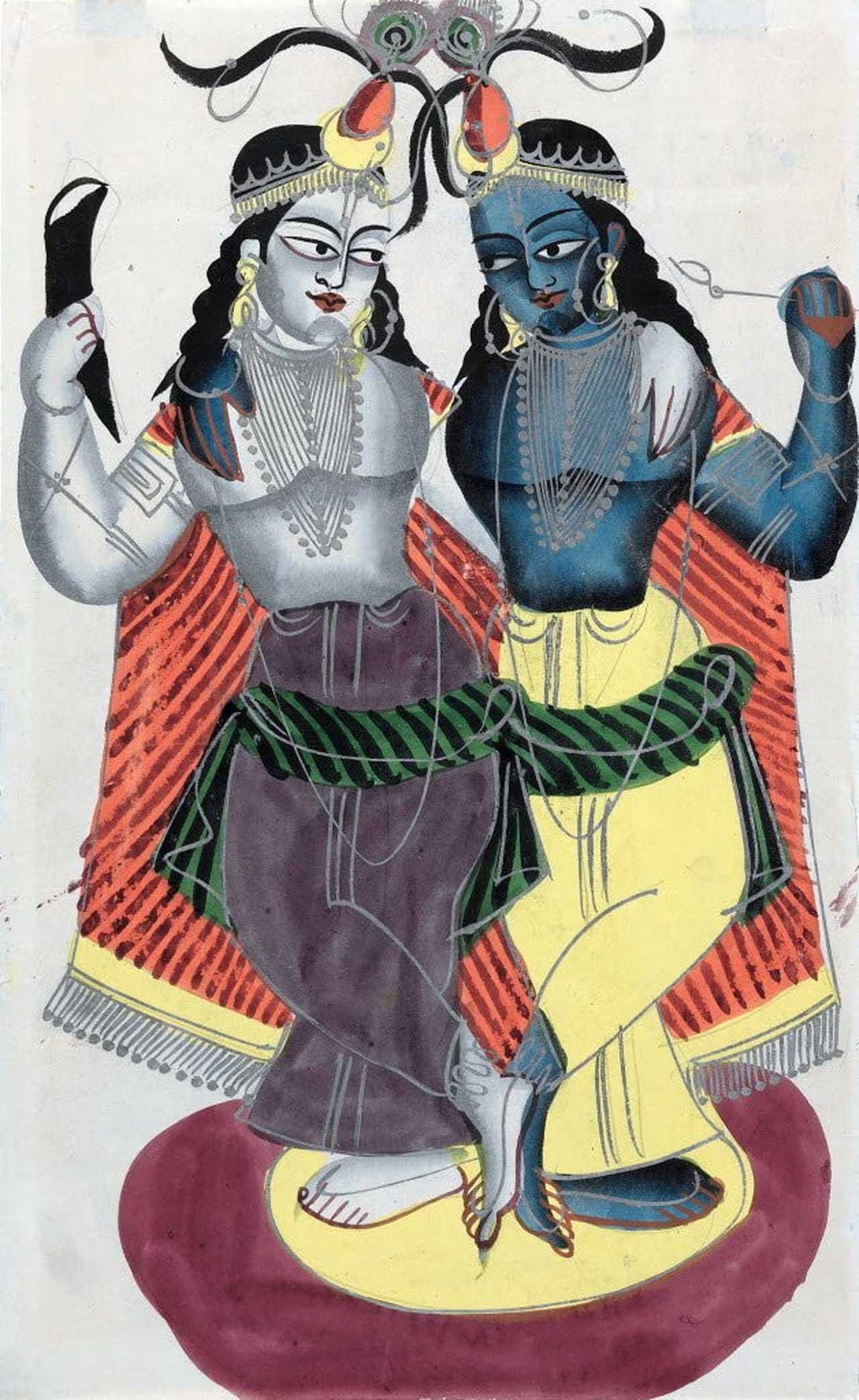
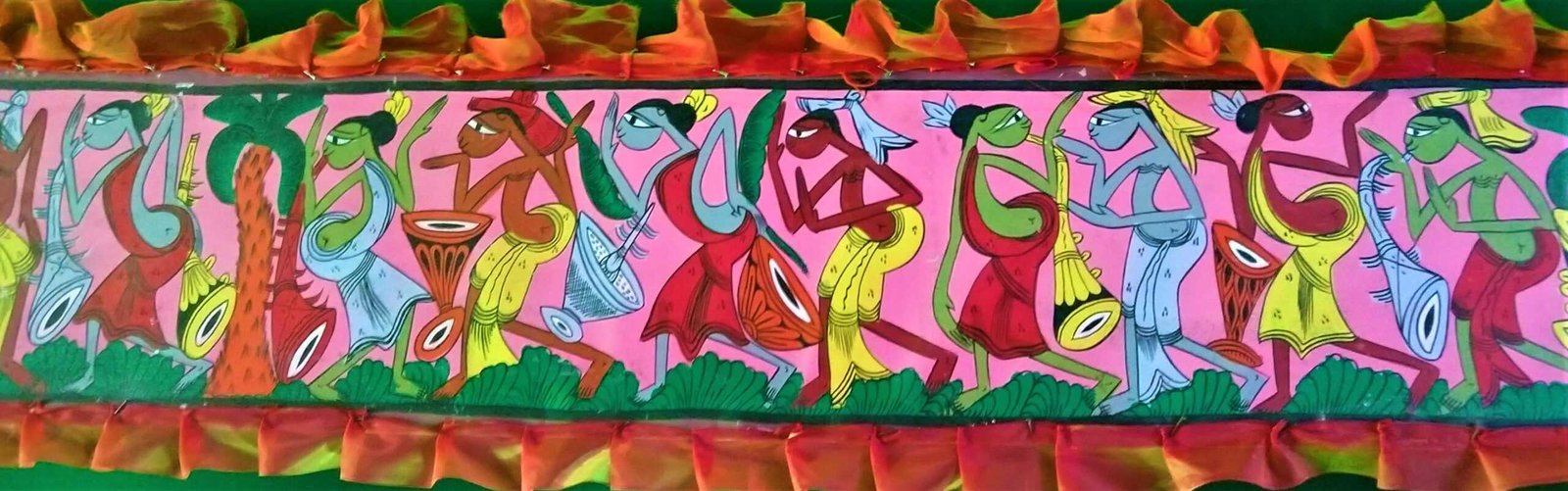
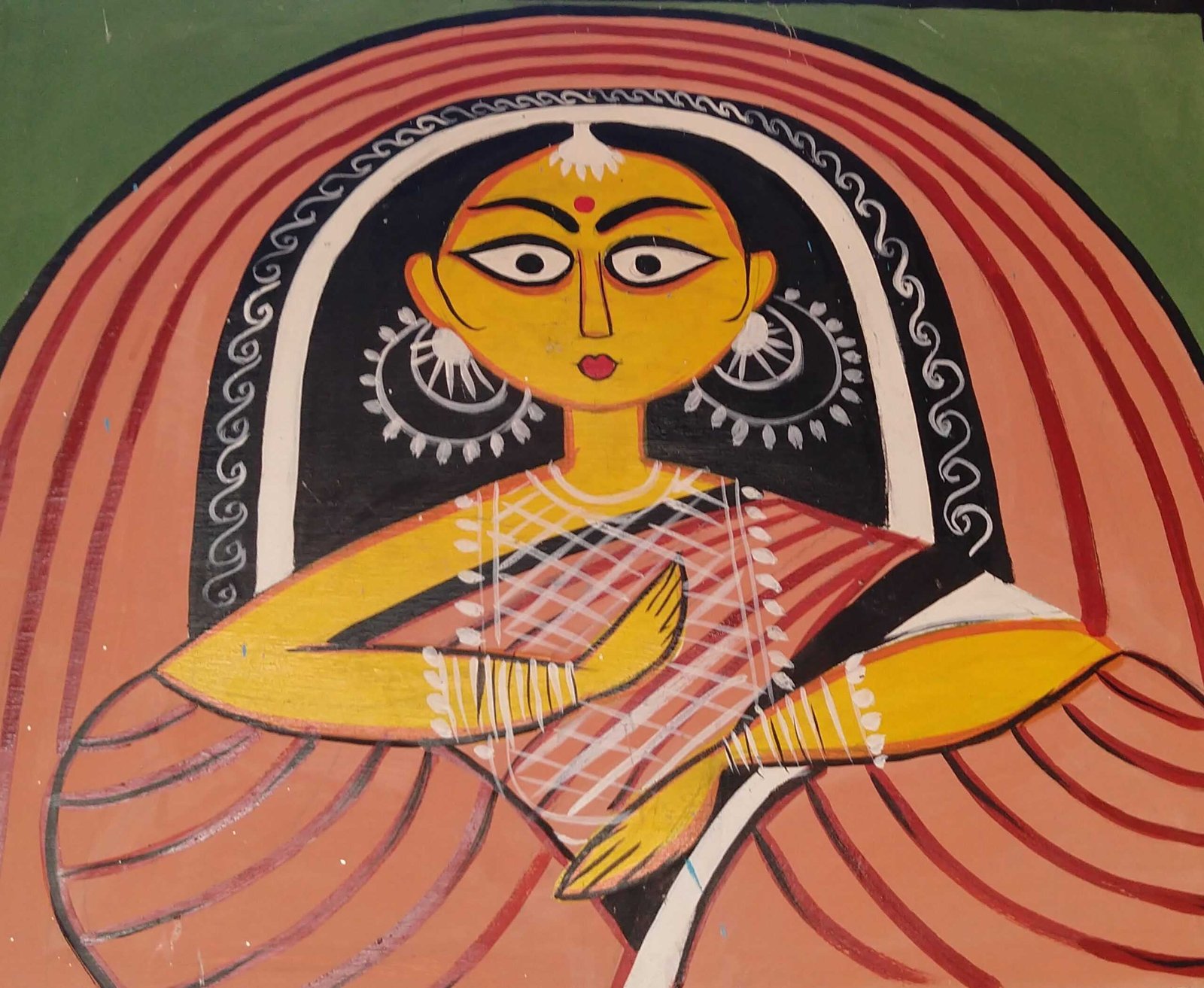
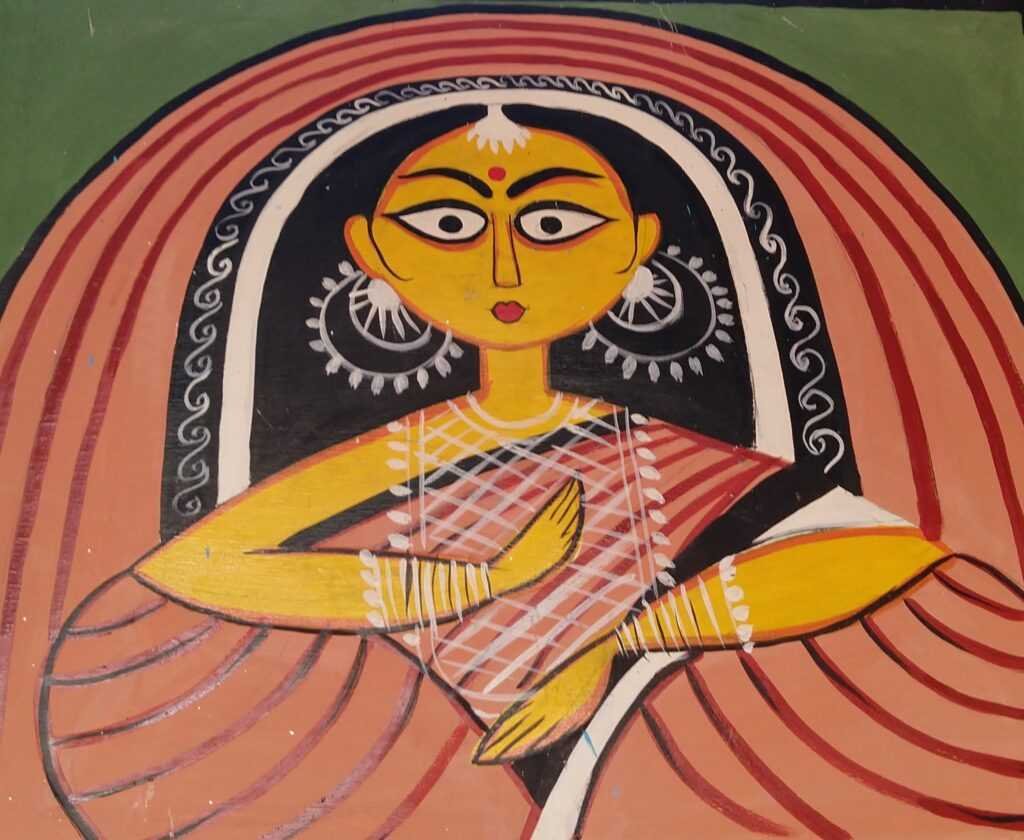
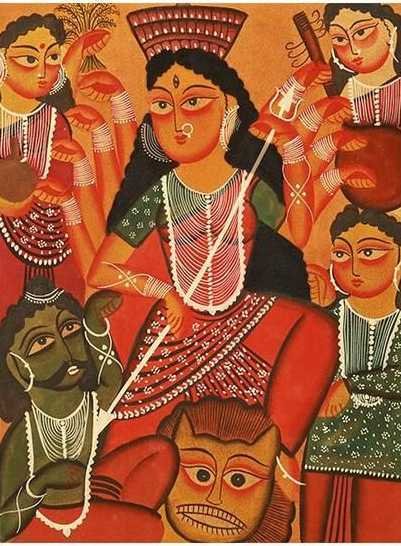
The Kalighat painting was discovered around the mid-19th century at Kali Temple in Calcutta. These paintings and drawings were done on paper by a community known as “patuas”. A Kalighat painting depicts scenes of everyday life and mythological deities in a captivating manner. Kalighat artists use subtle earthy Indian colours like indigo, ochre, Indian red, grey, blue and white.


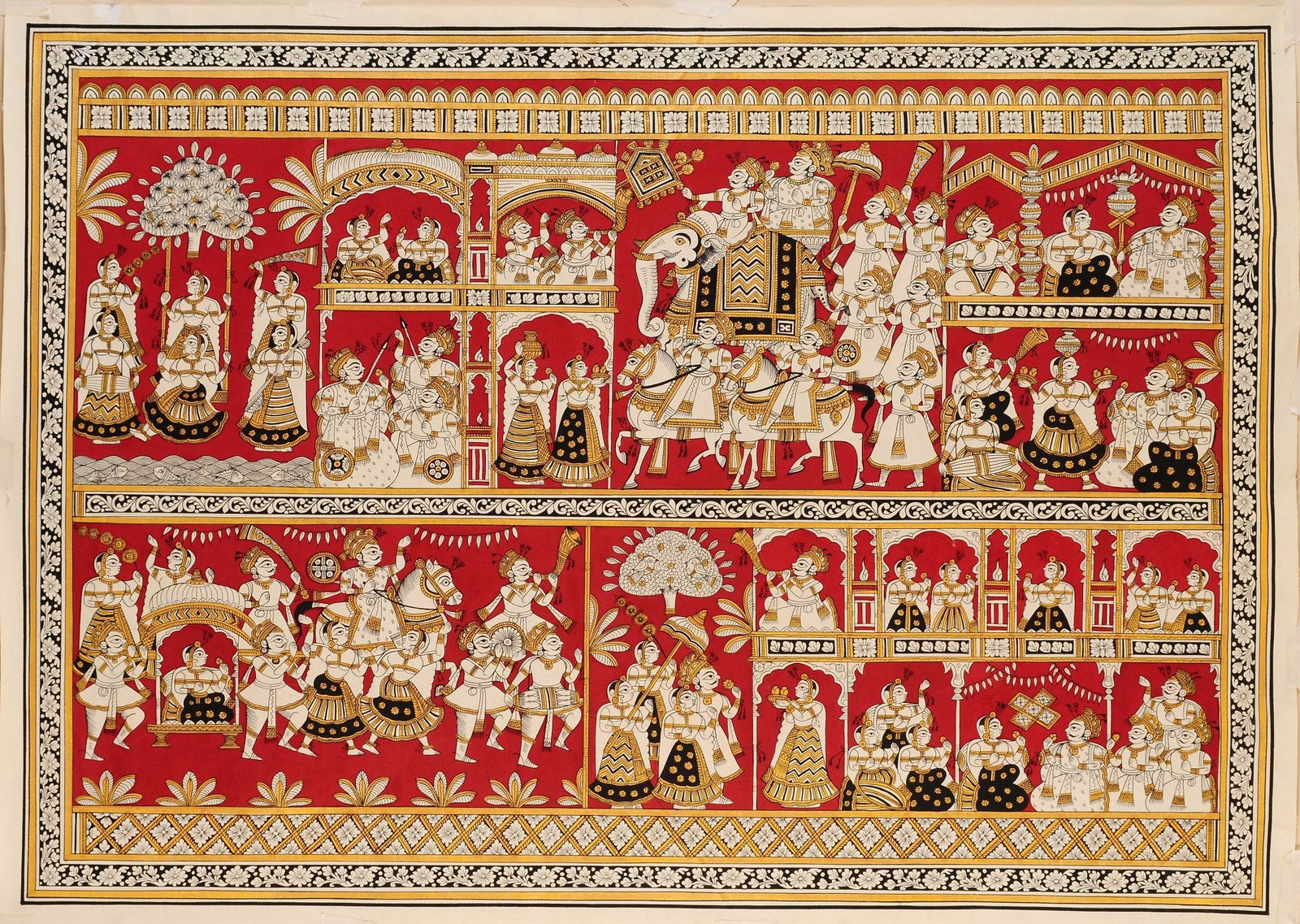


Phad is a traditional Rajasthani scroll painting from India, depicting the stories of local deities, heroic figures from battlefields, adventure stories, and legendary romantic stories on horizontal cloth scrolls with the hues of red, yellow, and bright orange. Phad Painting marvellously portrays multiple stories in a single composition and beautifully maintains the aesthetics of artistic expression.
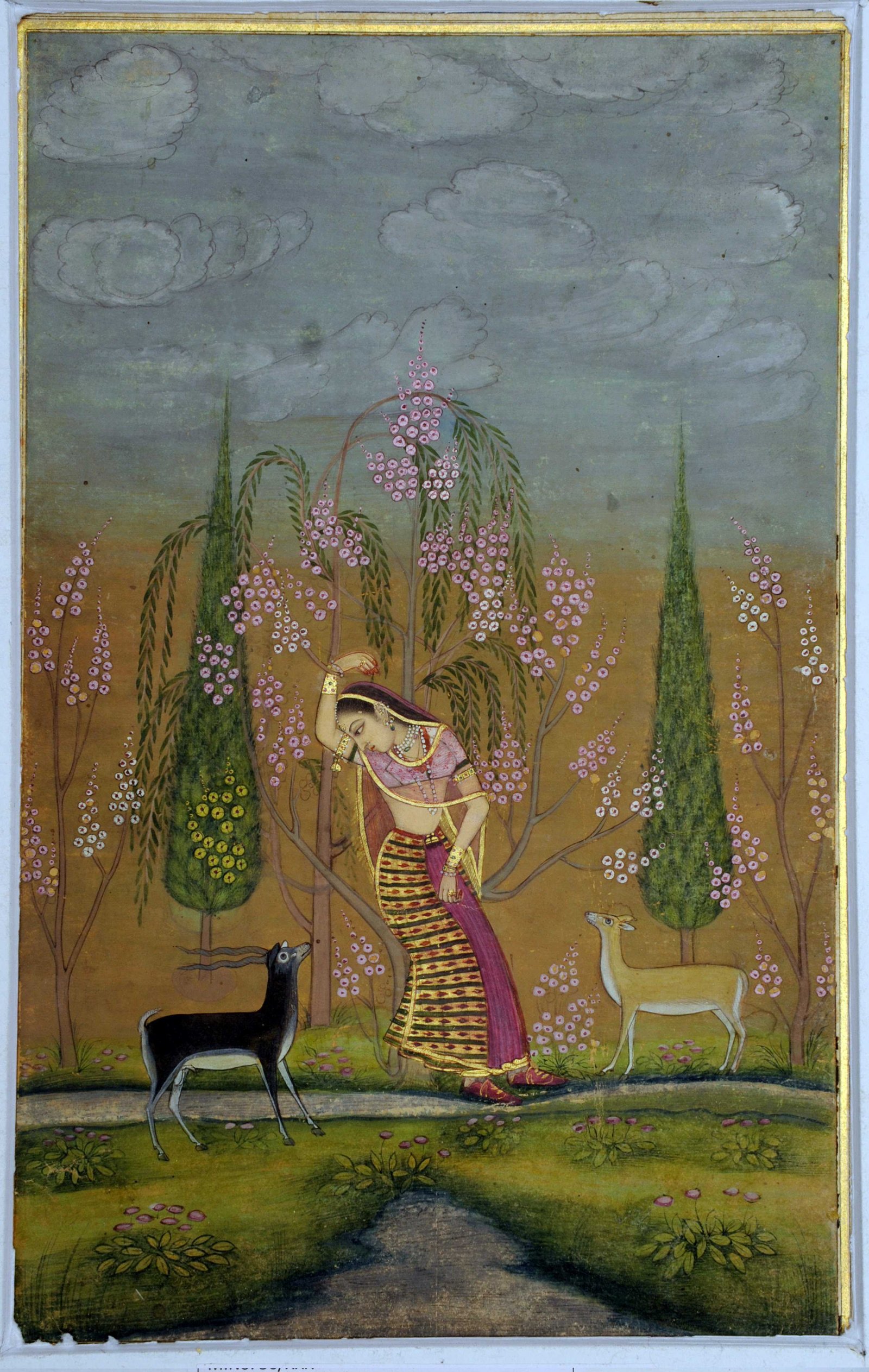
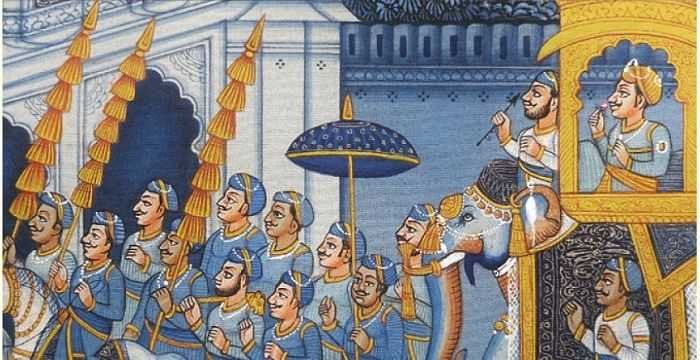
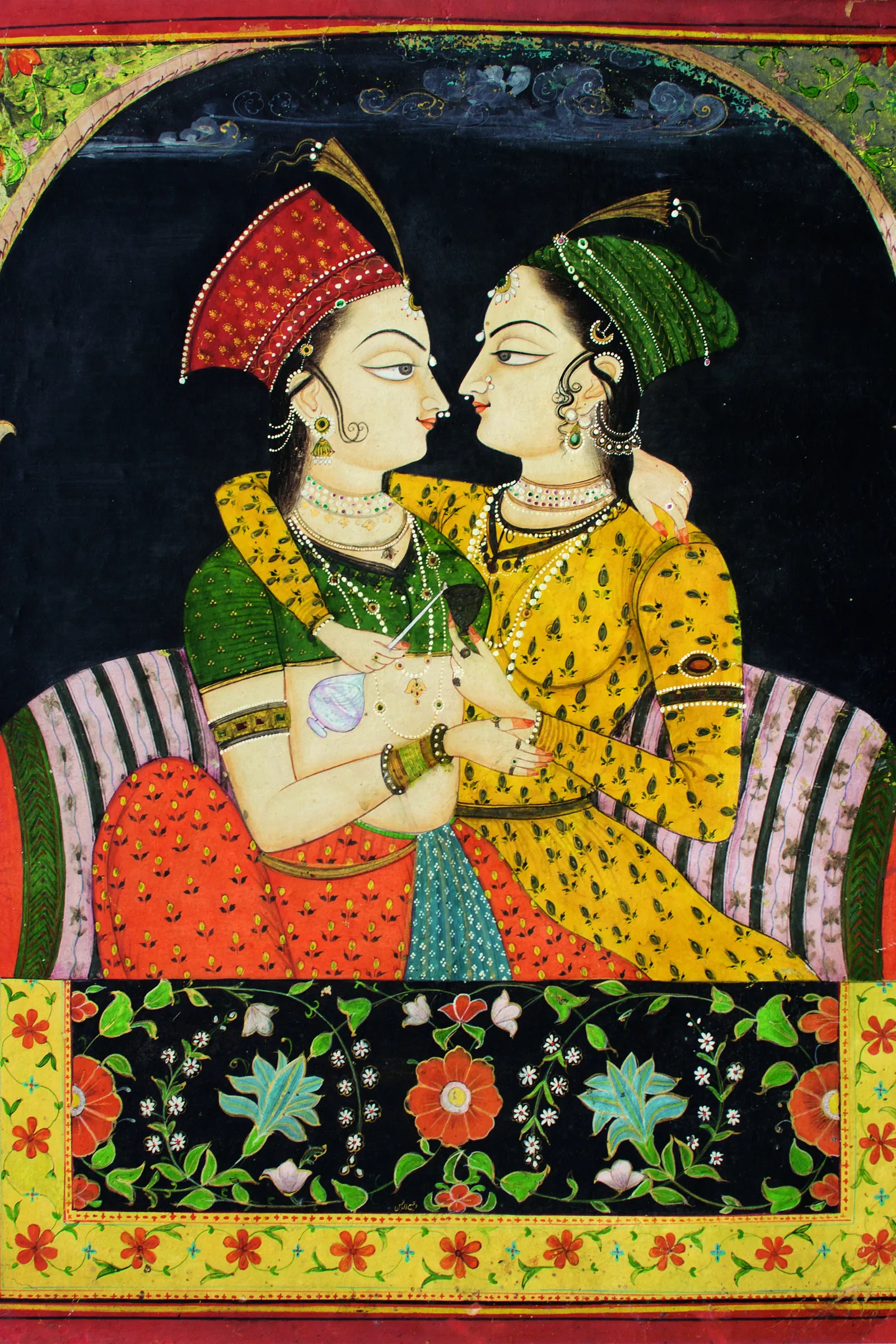
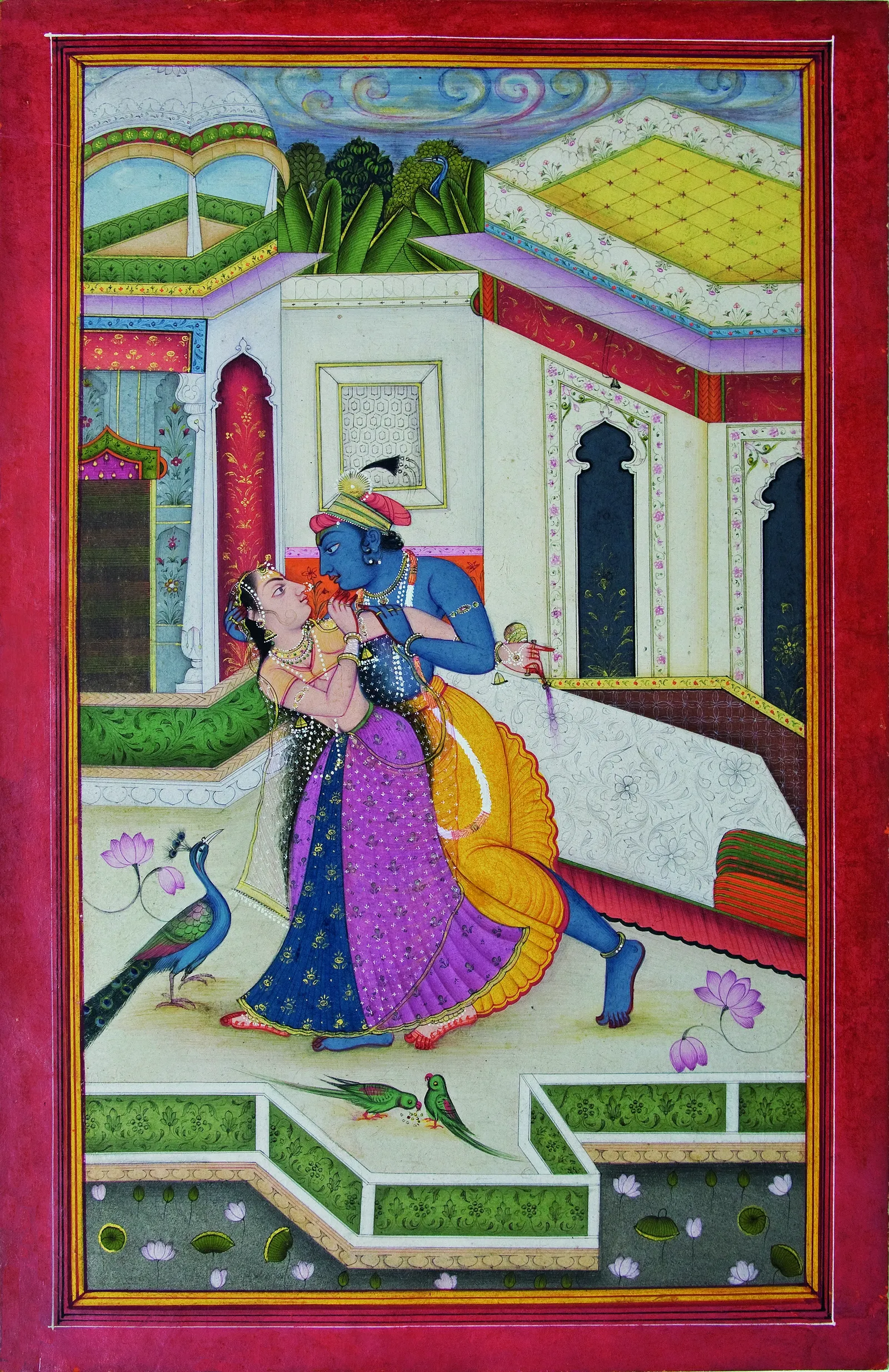
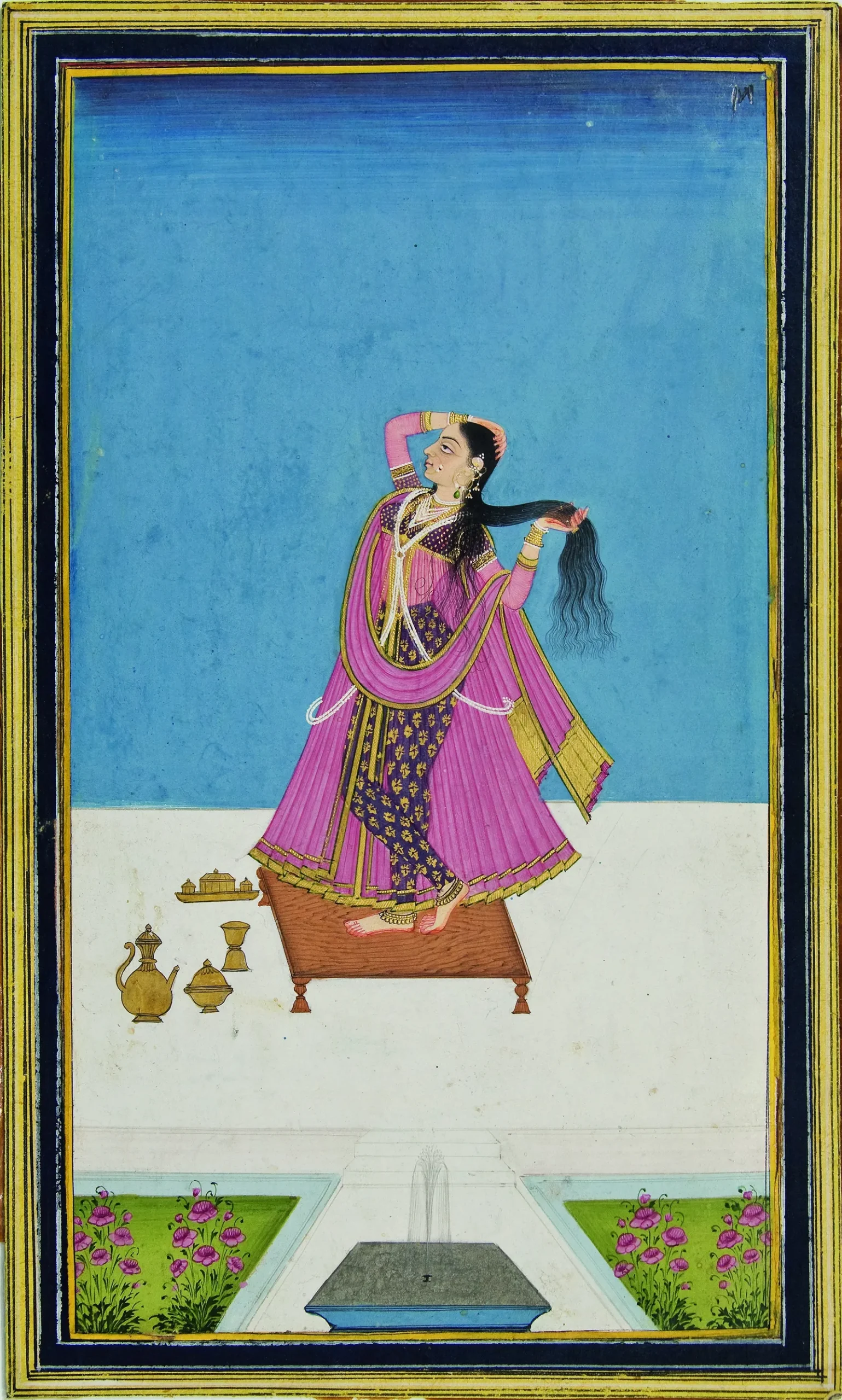
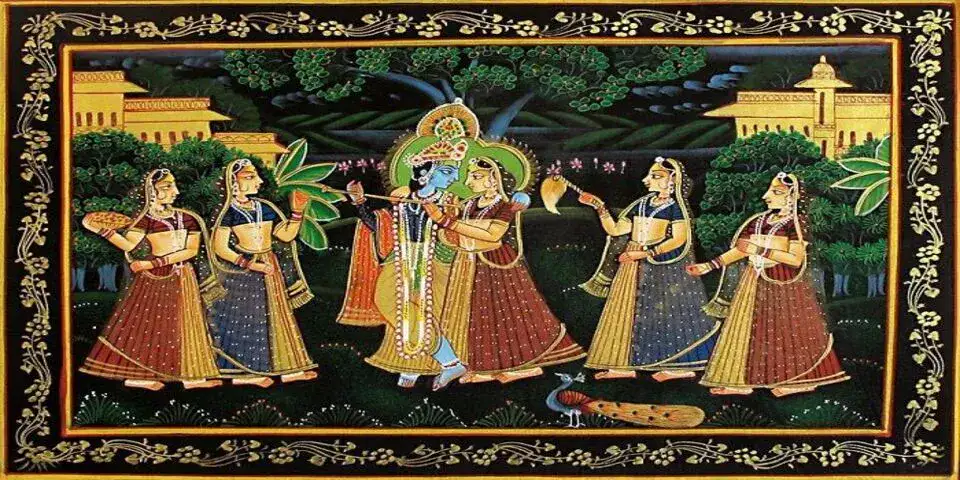
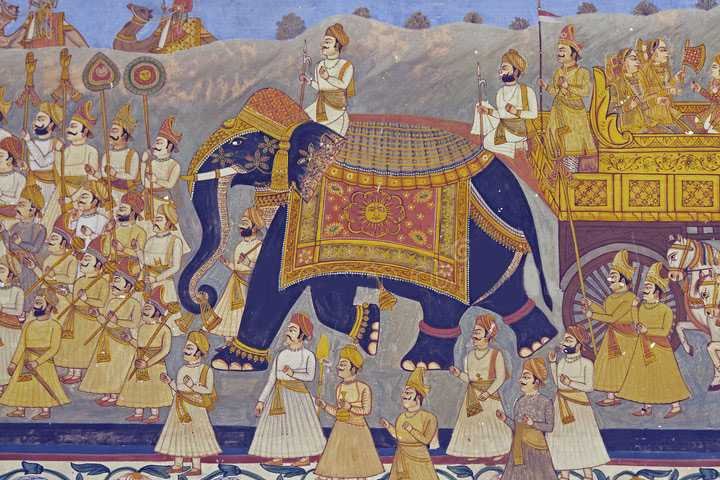
Miniature painting is Mughal influenced art form; this style was introduced in India during the 16th century and transformed its identity in the history of Indian art. Miniature paintings are a blend of Islamic, Persian, and Indian elements. These paintings are created using all-natural mineral colours, precious stones, conch shells, gold, and silver. Across India, the miniature style painting has developed its own identity into distinct schools of miniature paintings like Kangra, Rajasthan, Malwa, Pahadi, Mughal, Deccan, etc.
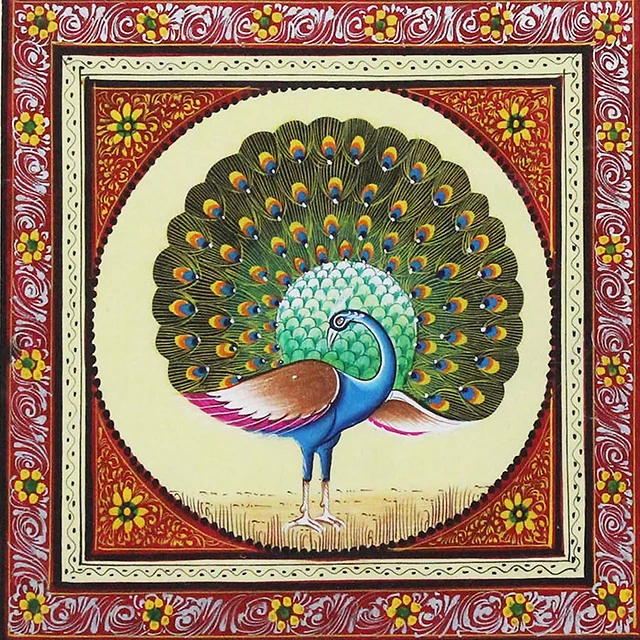

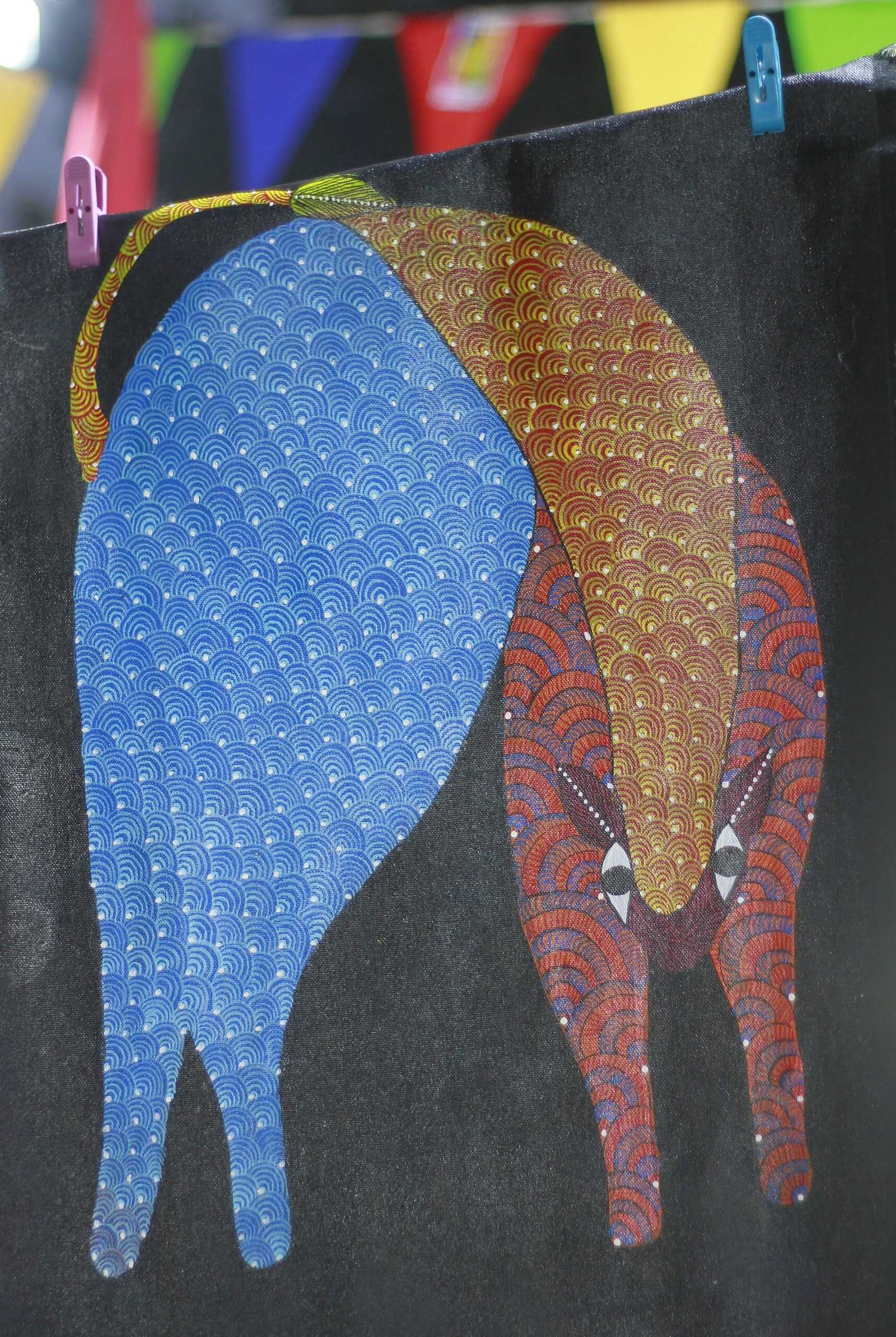
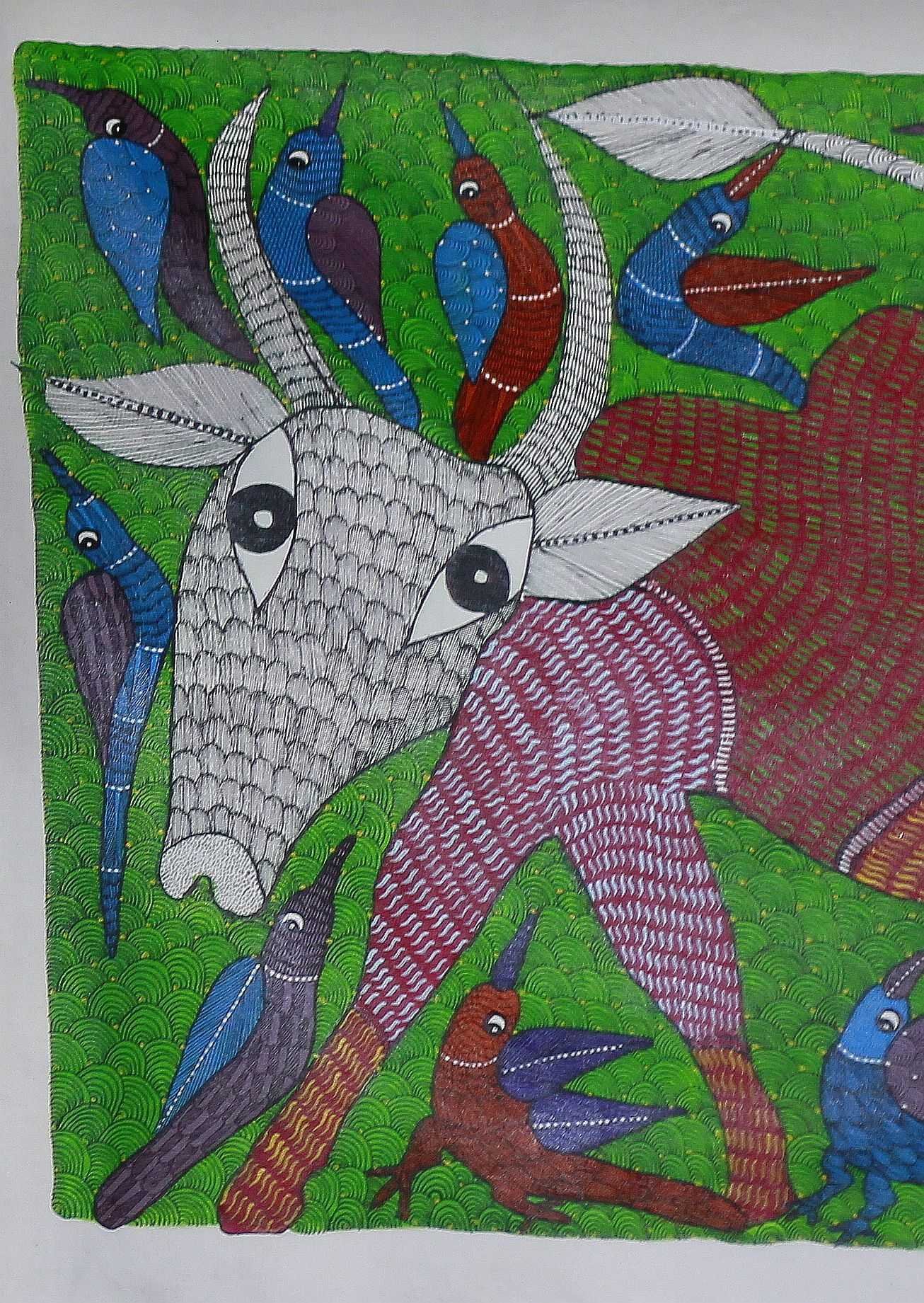
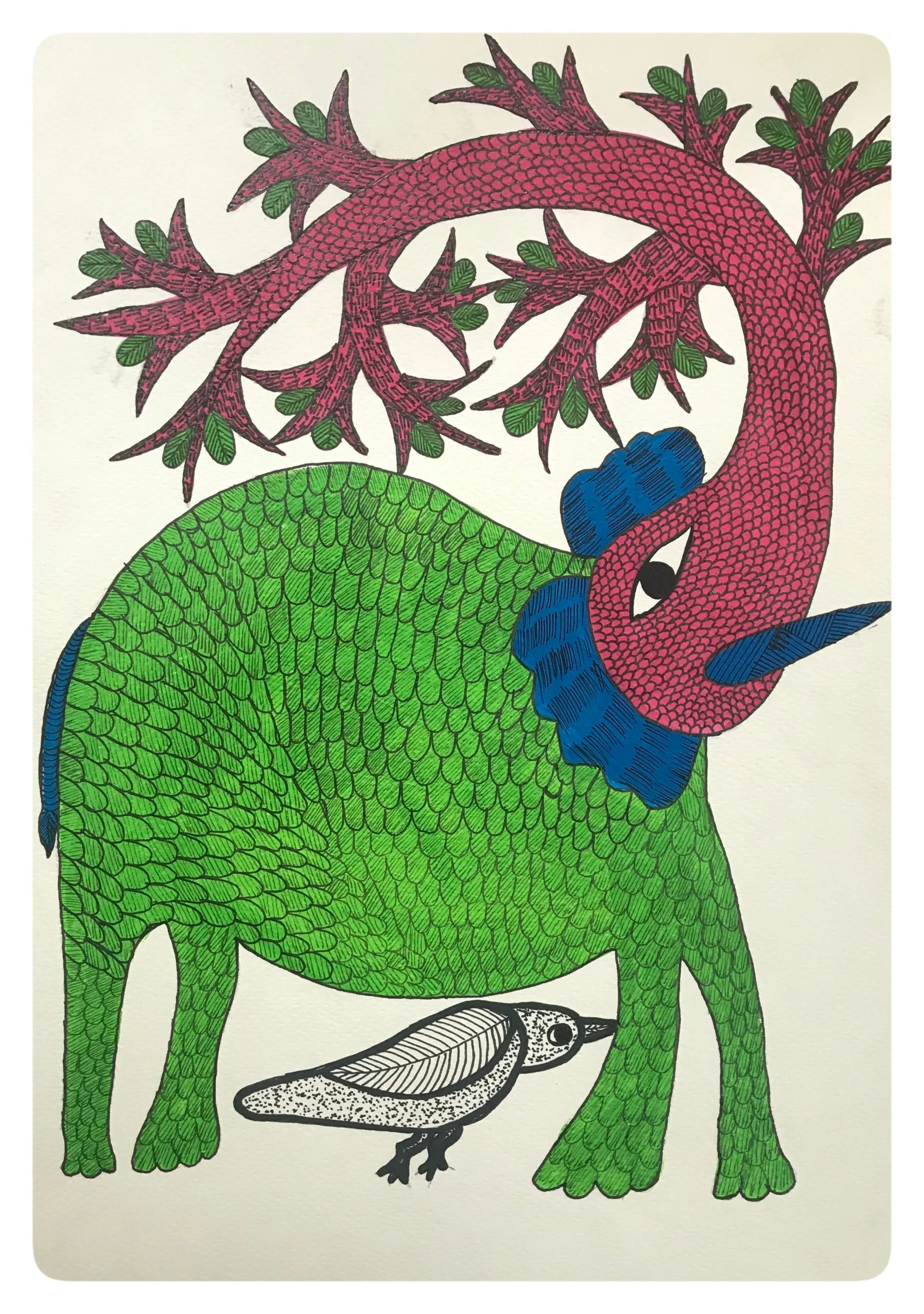

Gond paintings are a series of arranged dots and dashes developed by the Gondi tribe of central India. The tribes used to recreate some famous epic mythological tales of histories to traditional songs and rituals with rich detailing and bright colours. Traditionally, the colours used for gond paintings were derived from natural resources like cow dung, plant sap, charcoal, coloured soil, mud, flowers, leaves, etc. With growing times, the Gond art has moved beyond being a tribal art style.
Gond Painting is a tribal art form practiced by Gond Tribes of Central India. Gond are Dravidian and the largest Adivasi Community in India. They are predominantly found in Madhya Pradesh but can also be traced in Andhra Pradesh, Maharashtra, Chattisgarh and Odisha. Gond believes that everything is inhabited by a spirit and therefore sacred. Their paintings reflect the close connection between man and the nature. Paintings are created out of carefully drawn lines in such a way that they convey a feeling of movement to the still images. Dots and Dashes are added to make the details and create the feeling of movement. Gond Paintings use vivid and bright colours like White, Yellow, Blue and Red which are derived from natural objects.
Coloured soil, charcoal, plant sap, mud, flowers, leaves, cow dung etc. are used in making the required colours. Recently the Gond Paintings can be seen using poster colours and canvas.
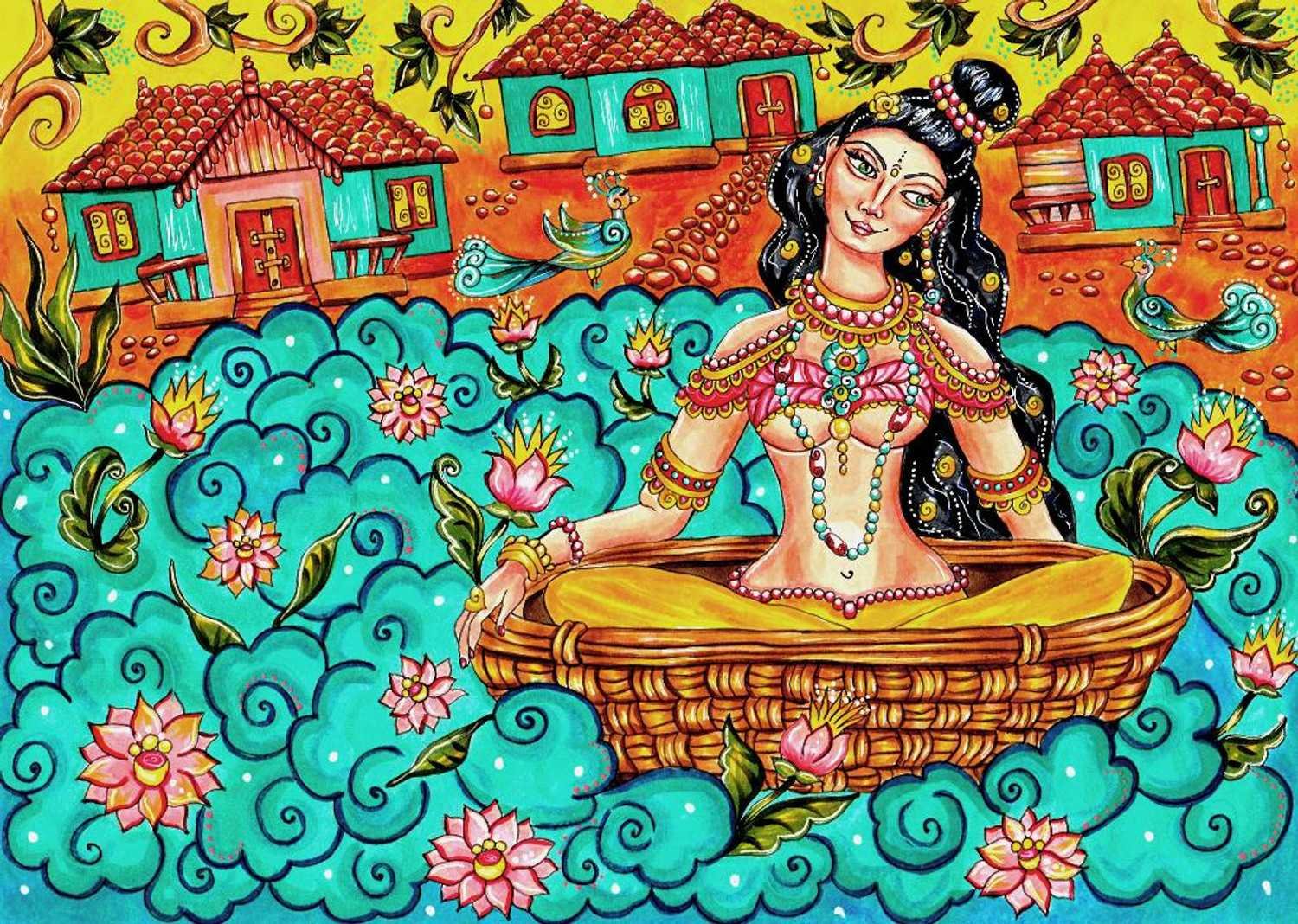
Kerala mural paintings are the most unique art form and have deep spiritual roots depicting themes of Hindu mythologies, epics of the bye-gone era, classic tales of Krishna, and mystic forms of Shiva and Shakti. These traditional art styles are made up of bold strokes, and vivid colours. White, ochre-red, bluish-green, yellow-ochre, and pure colours are predominantly used in Kerala mural painting.


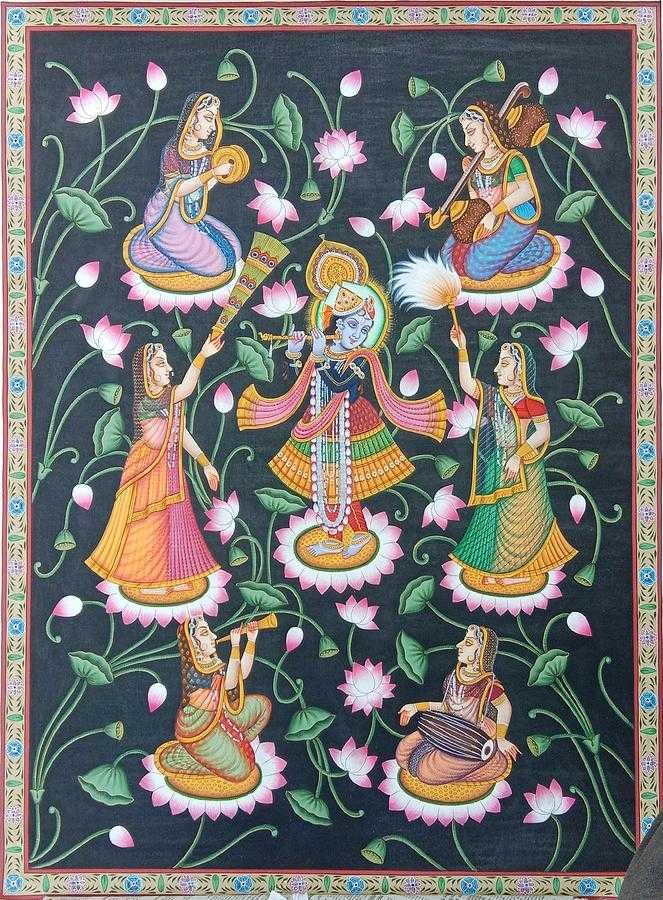
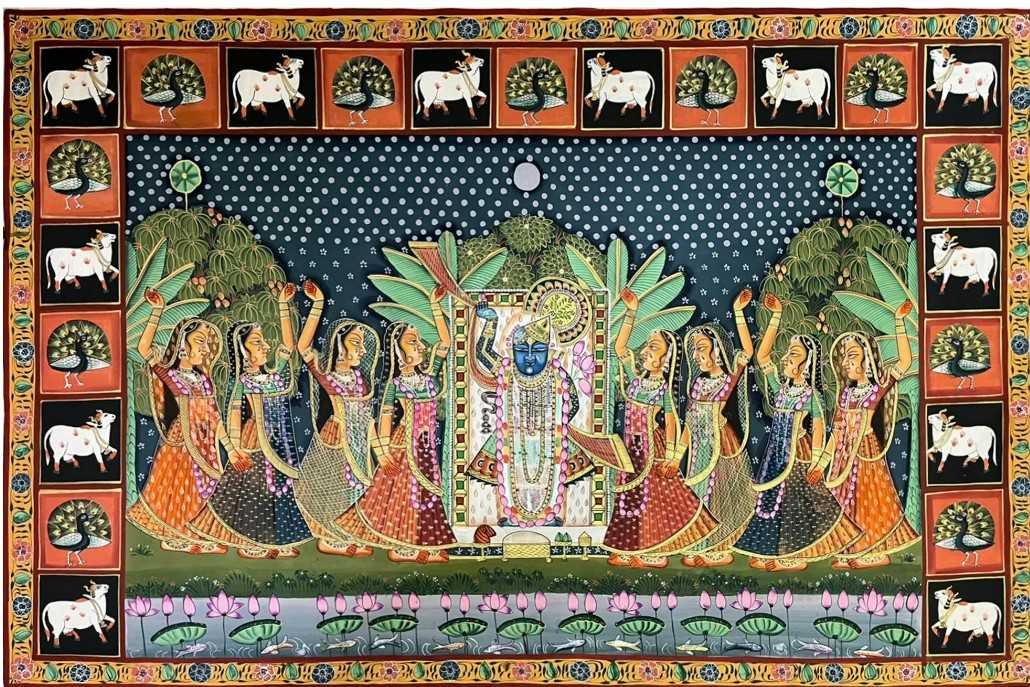


Picchwai artwork was made as wall hangings behind the main deity in Krishna temples in Nathdwara which narrates the stories related to Lord Krishna. Picchwais are the most colorful and intricate work concealed with symbolism in the artistic motifs. This classified devotional art practice has passed from one generation to another and a fine example of spirituality in art.

The page you requested could not be found. Try refining your search, or use the navigation above to locate the post.

1916-2006
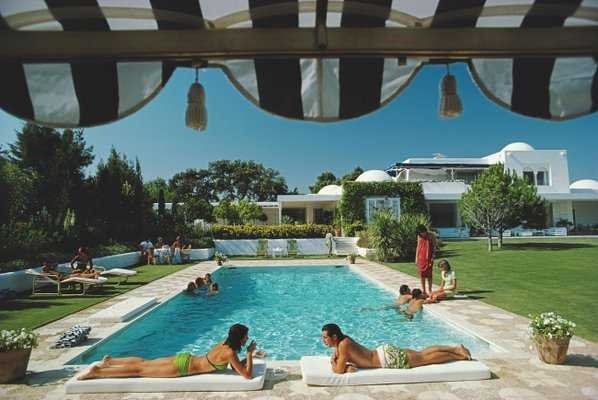
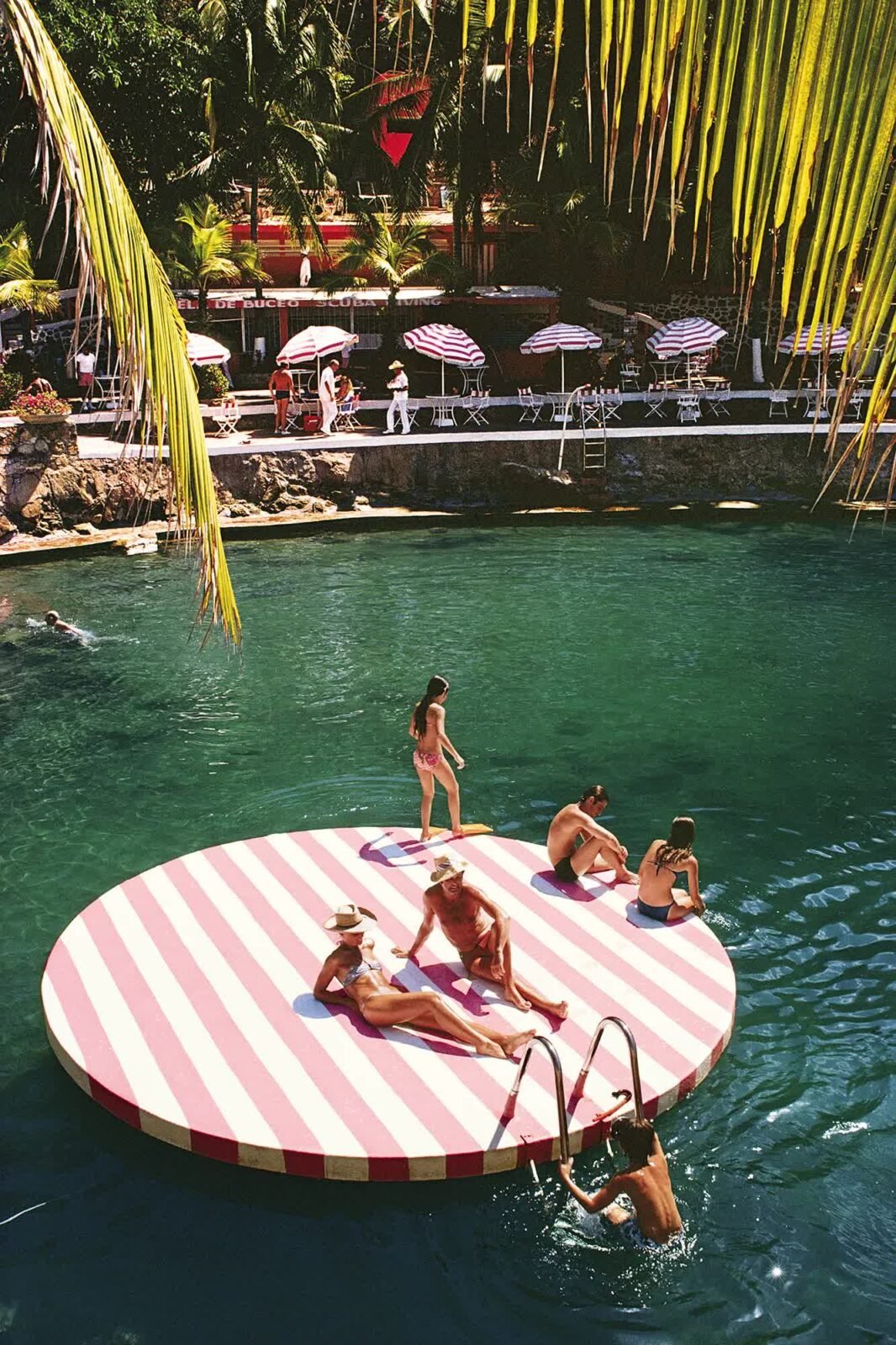
Slim Aarons was an American photographer noted for his images of socialites, jet-setters and celebrities. His work principally appeared in Life, Town & Country and Holiday magazines.
In his series of photos, Aarons documents the luxurious, pleasure class of the 60s and 70s.
Palm Springs, California could have been the only backdrop to such a menagerie of people.
Aarons died in 2006 in Montrose, New York, and was buried in Mount Auburn Cemetery in Cambridge, Massachusett. At 18 years old, Aarons enlisted in the United States Army, worked as a photographer at the United States Military Academy, and later served as a combat photographer in World War II and earned a Purple Heart. Aarons said combat had taught him the only beach worth landing on was “decorated with beautiful, seminude girls tanning in a tranquil sun.
After the war, Aarons moved to California and began photographing celebrities. In California, he shot his most praised photo, Kings of Hollywood, a 1957 New’s Year’s Eve photograph depicting Clark Gable, Van Heflin, Gary Cooper, and James Stewart relaxing at a bar in full formal wear.
Aarons never used a stylist, or a makeup artist. He made his career out of what he called “photographing attractive people doing attractive things in attractive places.” An oft-cited example of this approach is his 1970 Poolside Gossip shot at the Kaufmann Desert House designed by Richard Neutra, with owner Nelda Linsk as one of the models in the photo. “I knew everyone,” he said in an interview with The (London) Independent in 2002. “They would invite me to one of their parties because they knew I wouldn’t hurt them. I was one of them.” Alfred Hitchcock‘s film, Rear Window (1954), whose main character is a photographer played by Jimmy Stewart, is set in an apartment reputed to be based on Aarons’ apartment.
In 1997, Mark Getty, the co-founder of Getty Images, visited Aarons in his home and bought Aarons’ entire archive.
In 2017, filmmaker Fritz Mitchell released a documentary about Aarons, called Slim Aarons: The High Life. In the documentary it is revealed that Aarons was Jewish and grew up in conditions that were in complete contrast to what he told friends and family of his childhood. Aarons claimed that he was raised in New Hampshire, was an orphan, and had no living relations. After his death in 2006, his widow and daughter learned the truth that Aarons had grown up in a poor immigrant Yiddish-speaking family on the Lower East Side of Manhattan. When he was a boy, his mother was diagnosed with mental health issues and admitted to a psychiatric hospital, which caused him to be passed around among relatives. He resented and had no relationship with his father and had a brother, Harry, who would later commit suicide. Several documentary interviewees postulate that if Aarons’s true origins had been known, his career would have been unlikely to succeed within the restricted world of celebrity and WASP privilege his photography glamorized.
Showing 169–180 of 265 resultsSorted by latest
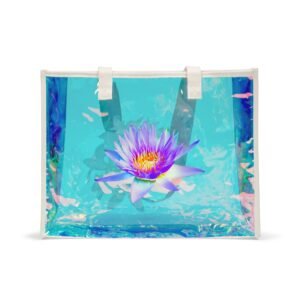
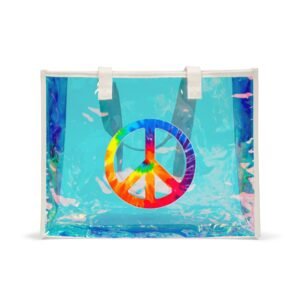
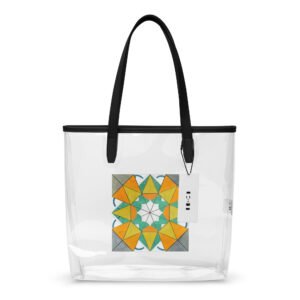
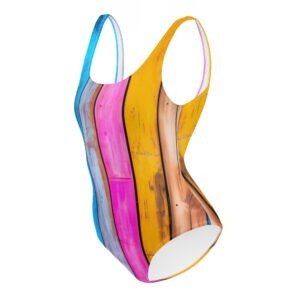
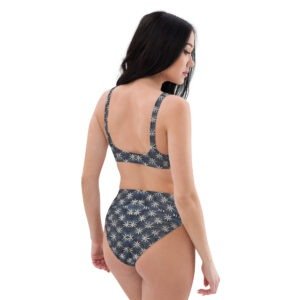
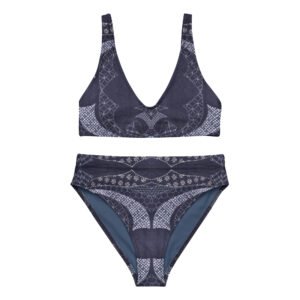
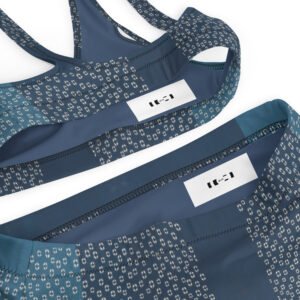
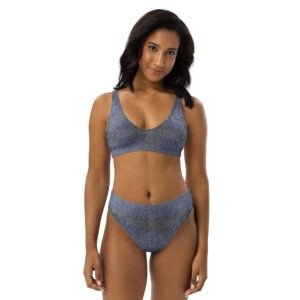
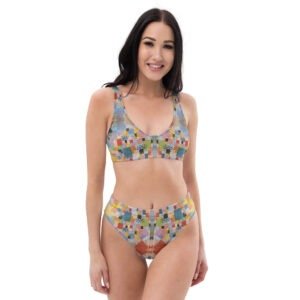
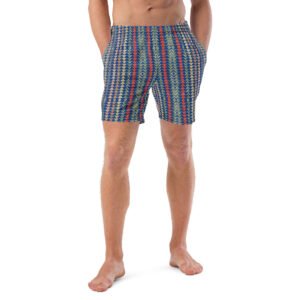
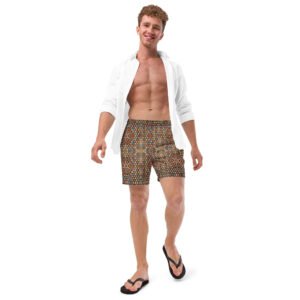
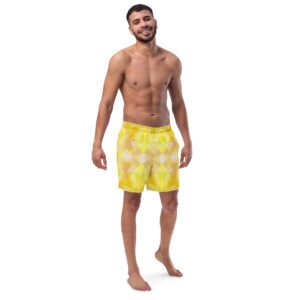
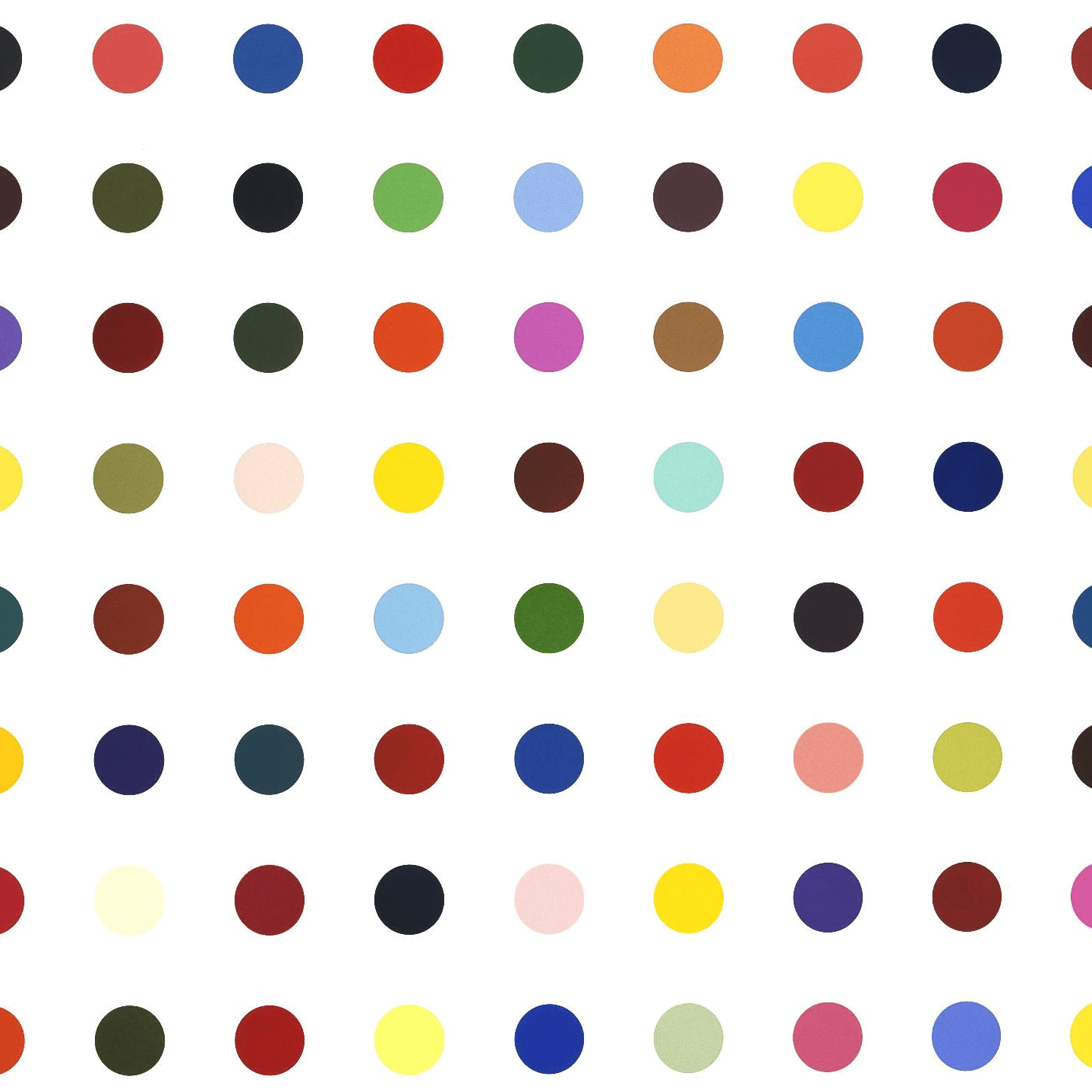

Direct-to-Garment printing (DTG) was developed as an inexpensive mass-production alternative to screen-printing. This method involves printing ink directly onto a treated garment – almost like a giant laser jet printer.
While DTG has appeal in regard to cost, color capabilities, & complexity of the designs it can print, it falls short in some of our other assessment categories. The versatility of the print method is lacking as prints are only successful on cotton garments – this leaves popular garments like hoodies, sweatshirts, & activewear either out of the catalog or looking a little lackluster. DTG prints also vary widely in consistency from one machine to the next, one garment to another, & among different color materials, which means your design may look perfectly accurate on a royal blue t-shirt but awful on a burgundy sweatshirt. This inconsistency leads to higher error rates & increased waste. While we love the look & feel of a DTG print, the longevity of that look & feel isn’t as impressive as some of the other print methods on this list.
Direct to film, commonly known as DTF, is a process in which a graphic printed onto a piece of film with various colored inks is applied to an apparel item. This pre-printed film is binded to the garment through heat and pressure from a heat-press machine. This creates a long-lasting and detailed graphic that can be placed on an array of garments.
DTF printing starts with the film being made on a DTF printer. This printer uses a thick PET film that ensures for better transferring characteristics. The ink used for these printers are in the typical CMYK (cyan, Magenta, Yellow & Black) pigment but also has the addition of white ink. The white ink plays a significant role in the creation of the DTF film as it is the foundation that the colored pigments get placed on.
You might remember the word “sublimation” from high school science class, but in POD, it’s a print method that uses heat & pressure to turn ink into gas & transfer it from paper onto another surface.
Overall, sublimation is an incredibly versatile print method, allowing for printing of both hard surfaces & porous materials. For printing garments, however, it’s limited to white polyester fabrics. In sublimation, the entire garment is printed, which means it’s better suited to edge-to-edge patterns than something like a graphic tee. While sublimation opens the door to incredible color and detail accuracy, it also has a higher error rate as the garment must be 100% flat for color to distribute evenly. When errors occur due to folds or elevated parts of the garment like seams, it often results in white unprinted areas on the final garment.
Decorating a garment with vinyl involves printing the design on heat transfer paper & using a combination of heat & pressure to transfer it onto a garment. Unlike sublimation, the print sits on top of the garment rather than being incorporated into the fibers.
Vinyl is an inexpensive alternative to screen printing for printing a smaller volume of garments. However, it’s quite time intensive per print as it involves manually trimming back the transfer paper, making it less than ideal for print on demand. Vinyl prints are also sensitive to heat & cannot be ironed without melting the print. While they’re able to capture more complex colors, vinyl prints are not conducive to small text or shapes with detailed edges as this requires excess vinyl to be manually pulled away from the detailed edges. Prints are also less durable & more prone to cracking as vinyl is heavy & inflexible.
Embroidery differs from the other decoration methods mentioned here, since it doesn’t really involve “printing” anything. Embroidery involves sewing a design into a garment with needle & thread – almost as old-school as it gets. In print-on-demand, it’s a little more technical. Your designs are converted into digital embroidery files that outline exactly where every stitch should be placed & what color thread should be used to do so. This file is then loaded onto an embroidery machine that places that design on a garment using as many spools of thread as are needed to create your design.
While it’s a great decoration method to use when embroidery is what’s desired, it’s quite a bit more expensive, restrictive, & time intensive than its other POD counterparts. Because your artwork needs to be digitized to be optimized for embroidery, it can take a bit longer for your products to be decorated than other decoration methods. Additionally, embroidery limits both design colors & design complexity – only a certain number of thread spool colors are available on each machine & a stitch can only be so small. This means you’ve got to be more conscious of the decoration method’s limitations when designing your clothing.
– Source(s): CustomCat.com
“Clothes aren’t going to change the world. The women who wear them are.”
– Anne Klein
Clothing is often used to define the wearer’s social class, their politics and indeed, their very view of the world. Traditional dress helps form a nation’s identity as well as furthers its heritage.
In this instance, we explore how two indigenous cultures adapted (or didn’t) to Western influences, political change and the environment.


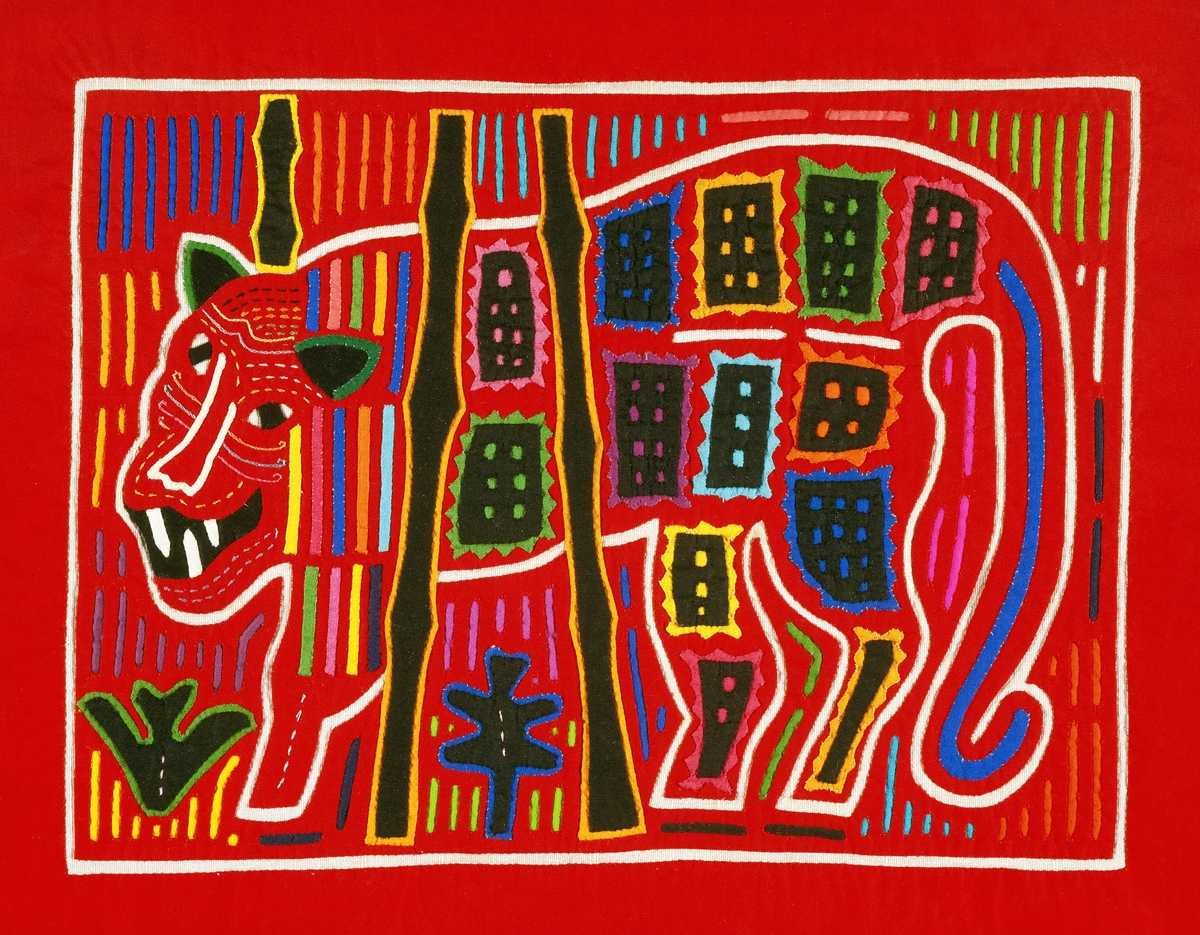
The Mola or Molas is a hand-made textile that forms part of the traditional women’s clothing of the indigenous Guna people from Panamá. Their clothing includes a patterned wrapped skirt (saburet), a red and yellow headscarf (musue), arm and leg beads (wini), a gold nose ring (olasu) and earrings in addition to the mola blouse (dulemor).[1] Two groups, Choco and Cuna lived side by side without intermarriage and without adopting a similar culture.[2] In Dulegaya, the Guna’s native language, “mola” means “shirt” or “clothing”. The mola originated with the tradition of Guna women painting their bodies with geometric designs, using available natural colors; at a certain point, after the arrival of the Spanish, these same designs were woven in cotton, and later still, sewn using cloth “acquired by trade from the ships that came to barter for coconuts during the 19th century”.[3][4]

Molas may have their origin in body painting. In 1514, Pasqual de Andagoya, arrived in Darian and wrote.. the women are very well dressed, in embroidered cotton mantles which extend down so as to cover their feet, but the arms and bosom are uncovered.”[5] They did not wear blouses even in 1688 until they had been introduced by the missionaries.
Only after colonization by the Spanish and contact with missionaries did the Guna start to transfer their traditional geometric designs on fabric, first by painting directly on the fabric and later by using the technique of reverse appliqué. It is not agreed when this technique was first used. It seems to have been popular in the second half of the nineteenth century.[6] In 1924, Lady Brown refers to the dress of the medicine man/ Kantules as “dressed up the knees in long covered with cabalistic characters…all worked into, or let into, the cloth in a form of patchwork.”[7]
As an inspiration for their designs, the Guna first used the geometrical patterns which have been used for body painting before. In the past, they have also depicted realistic and abstract designs of flowers, sea animals and birds, and popular culture.
Depending on the tradition of each island, Guna women or men who identify as women begin the crafting of molas either after they reach puberty, or at a much younger age. Women who prefer to dress in western style are in the minority as well as in the communities in Panama City.
Molas are hand-made using a reverse appliqué technique. Several layers (usually two to seven) of different-colored cloth (usually cotton) are sewn together; the design is then formed by cutting away parts of each layer. The edges of the layers are then turned under and sewn down. Often, the stitches are nearly invisible. This is achieved by using a thread the same color as the layer being sewn, sewing blind stitches, and sewing tiny stitches. The finest molas have extremely fine stitching, made using tiny needles.

The largest pattern is typically cut from the top layer, and progressively smaller patterns from each subsequent layer, thus revealing the colors beneath in successive layers. This basic scheme can be varied by cutting through multiple layers at once, hence varying the sequence of colours; some molas also incorporate patches of contrasting colours, included in the design at certain points to introduce additional variations of color.[8]
Molas vary greatly in quality, and the pricing to buyers varies accordingly. A greater number of layers is generally a sign of higher quality; two-layer molas are common, but examples with four or more layers will demand a better price. The quality of stitching is also a factor, with the stitching on the best molas being close to invisible. Although some molas rely on embroidery to enhance the design, a good looking mola is always constructed using the reverse-appliqué method as the leading technique.[1] A mola can take from two weeks to six months to make, depending on the complexity
In 1919, the panamanian government began a policy of forced assimilation banning mola’s dress and nose piercing in women. The government introduced these laws to Westernize Guna society and assert control.[13]
There was a strong link between traditional dress and Guna culture and identity. Molas have such an importance for the Guna people and their traditional identity that they can be considered responsible for the independent status of the Comarca Kuna Yala.[14]
After the attempt of the Panamanian government to “westernize” the Guna, the Guna greatly objected to the control on their cultural dress, and ethnic identity, and showed great strength in their reaction to the bans implemented by the government, leading to the Guna Revolution.[13]
In 1925 for three years following the revolution, women were required to once again adopt traditional dress as a form of rebellion against the government. Women on Nargana and other more progressive islands were forced to wear mola, even if they had never worn this traditional dress, and their noses had to be pierced by force.[13]




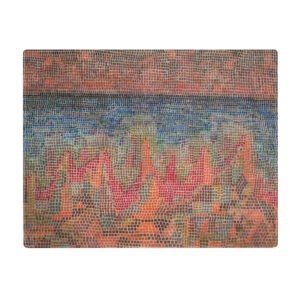
Paul Klee (German: [paʊ̯l ˈkleː]; 18 December 1879 – 29 June 1940) was a Swiss-born German artist. His highly individual style was influenced by movements in art that included expressionism, cubism, and surrealism. Klee was a natural draftsman who experimented with and eventually deeply explored color theory, writing about it extensively; his lectures Writings on Form and Design Theory (Schriften zur Form und Gestaltungslehre), published in English as the Paul Klee Notebooks, are held to be as important for modern art as Leonardo da Vinci‘s A Treatise on Painting was for the Renaissance.[1][2][3] He and his colleague, Russian painter Wassily Kandinsky, both taught at the Bauhaus school of art, design and architecture in Germany. His works reflect his dry humor and his sometimes childlike perspective, his personal moods and beliefs, and his musicality.
Klee was at the peak of his creative output. His Ad Parnassum (1932) is considered his masterpiece and the best example of his pointillist style; it is also one of his largest, most finely worked paintings.[53][54] He produced nearly 500 works in 1933 during his last year in Germany.[55] However, in 1933, Klee began experiencing the symptoms of what was diagnosed as scleroderma after his death. The progression of his fatal disease, which made swallowing very difficult, can be followed through the art he created in his last years. His output in 1936 was only 25 pictures. In the later 1930s, his health recovered somewhat and he was encouraged by a visit from Kandinsky and Picasso.[56] Klee’s simpler and larger designs enabled him to keep up his output in his final years, and in 1939 he created over 1,200 works, a career high for one year.[57] He used heavier lines and mainly geometric forms with fewer but larger blocks of color. His varied color palettes, some with bright colors and others somber, perhaps reflected his alternating moods of optimism and pessimism.[58] Back in Germany in 1937, seventeen of Klee’s pictures were included in an exhibition of “Degenerate art” and 102 of his works in public collections were seized by the Nazis.[59]


Klee has been variously associated with Expressionism, Cubism, Futurism, Surrealism, and Abstraction, but his pictures are difficult to classify. He generally worked in isolation from his peers, and interpreted new art trends in his own way. He was inventive in his methods and technique. Klee worked in many different media—oil paint, watercolor, ink, pastel, etching, and others. He often combined them into one work. He used canvas, burlap, muslin, linen, gauze, cardboard, metal foils, fabric, wallpaper, and newsprint.[65] Klee employed spray paint, knife application, stamping, glazing, and impasto, and mixed media such as oil with watercolor, watercolor with pen and India ink, and oil with tempera.[66]
Source: Wikipedia