Elephants in Fine Art: Sacred, Symbolic, and the Sublime
Few animals have captured the imagination of artists across cultures and centuries quite like the elephant. Massive yet gentle, intelligent, long-lived, and deeply social, elephants have been rendered in stone, bronze, silk, and pigment as symbols of royalty, divinity, wisdom, and strength. This post surveys how elephants have appeared across major artistic traditions, with a special focus on the rich visual cultures of India and Southeast Asia, where the elephant holds a uniquely sacred status.
IMAGE: The Elephants (1948), Salvador Dalí
Elephants in Western Art
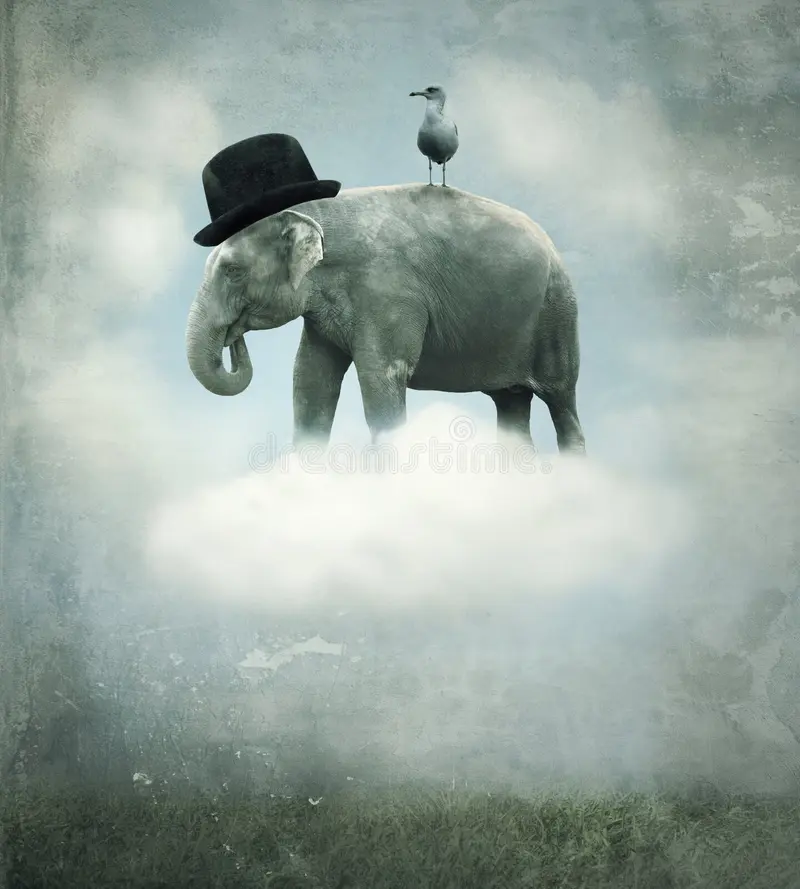
In European art, elephants were long considered exotic curiosities, appearing mostly through secondhand accounts before live specimens reached royal courts. Medieval bestiaries depicted elephants with fanciful, often inaccurate features, since most illustrators worked from written descriptions rather than direct observation. By the Renaissance, as trade routes expanded and menageries became a status symbol among European nobility, artists gained access to actual elephants and began rendering them with greater anatomical accuracy.
The animal became a favorite subject for artists interested in scale, texture, and the sublime — the wrinkled hide, the improbable trunk, the sheer bulk of the creature offered a technical challenge that appealed to draftsmen and printmakers alike. Later, the elephant became a fixture of Orientalist painting in the 19th century, often depicted in exoticized hunting or ceremonial scenes set in Africa or Asia, reflecting the colonial gaze of the period rather than the animal's actual cultural context.
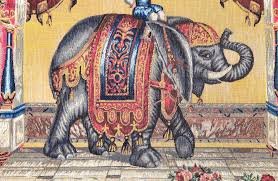
An orientalist elephant refers to 19th-century and early 20th-century Western decorative arts, paintings, and sculptures depicting elephants in romanticized, opulent, or exoticized South and West Asian royal settings. These pieces often feature majestic pachyderms adorned with ornate howdahs (seats) and ceremonial trappings.
Elephants in African Art
Across the African continent, the elephant has long been a symbol of leadership, power, and continuity. In West African traditions, particularly among the Akan peoples of Ghana, elephant motifs appear in goldweights, textiles, and royal regalia, often associated with chieftaincy and the durability of communal memory. Ivory carving — though now rightly restricted due to conservation concerns — was historically one of the most prized art forms across Central and West Africa, with elephant tusks transformed into ceremonial objects, masks, and finely detailed figural carvings.
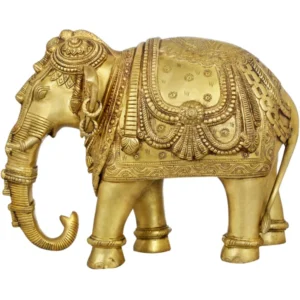
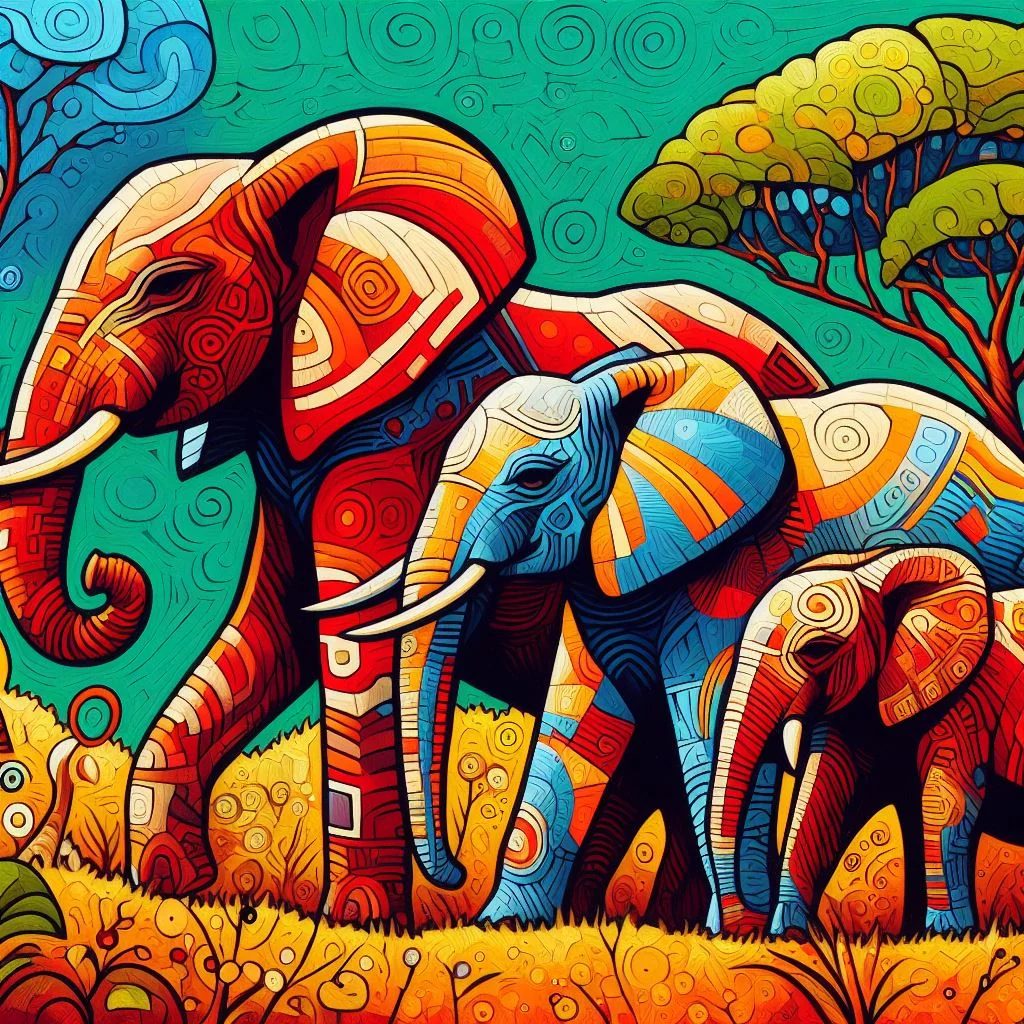
Contemporary African and African-diaspora sculptors continue to work with the elephant as a subject, frequently in bronze, celebrating the animal's association with matriarchal social structures, memory, and environmental stewardship — themes that resonate strongly with elephants' real-world social behavior.
Elephants in Indian and Southeast Asian Fine Art
Nowhere is the elephant more central to a visual and spiritual tradition than in South and Southeast Asia, where the animal is woven into religious cosmology, royal iconography, and everyday decorative art.
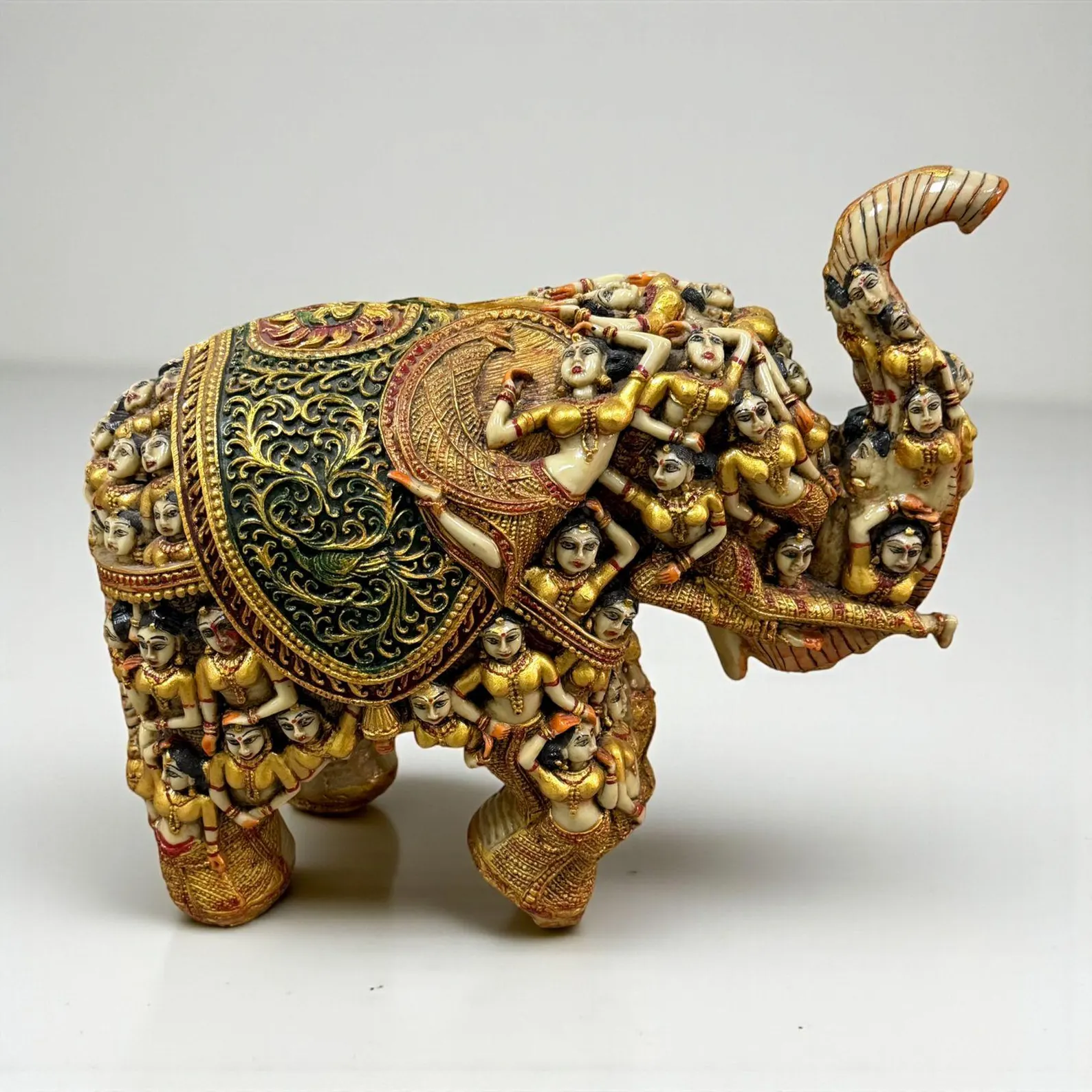
Ganesha and Hindu Sculpture
The elephant-headed deity Ganesha is among the most widely reproduced figures in Indian art, appearing in temple stone carvings, bronze icons, and household shrines across the subcontinent and wherever Hindu communities have settled. Ganesha sculptures range from monumental temple guardians to small portable icons, but nearly all share the recognizable iconography of the elephant head atop a human body, symbolizing wisdom, the removal of obstacles, and the union of intellect and strength.
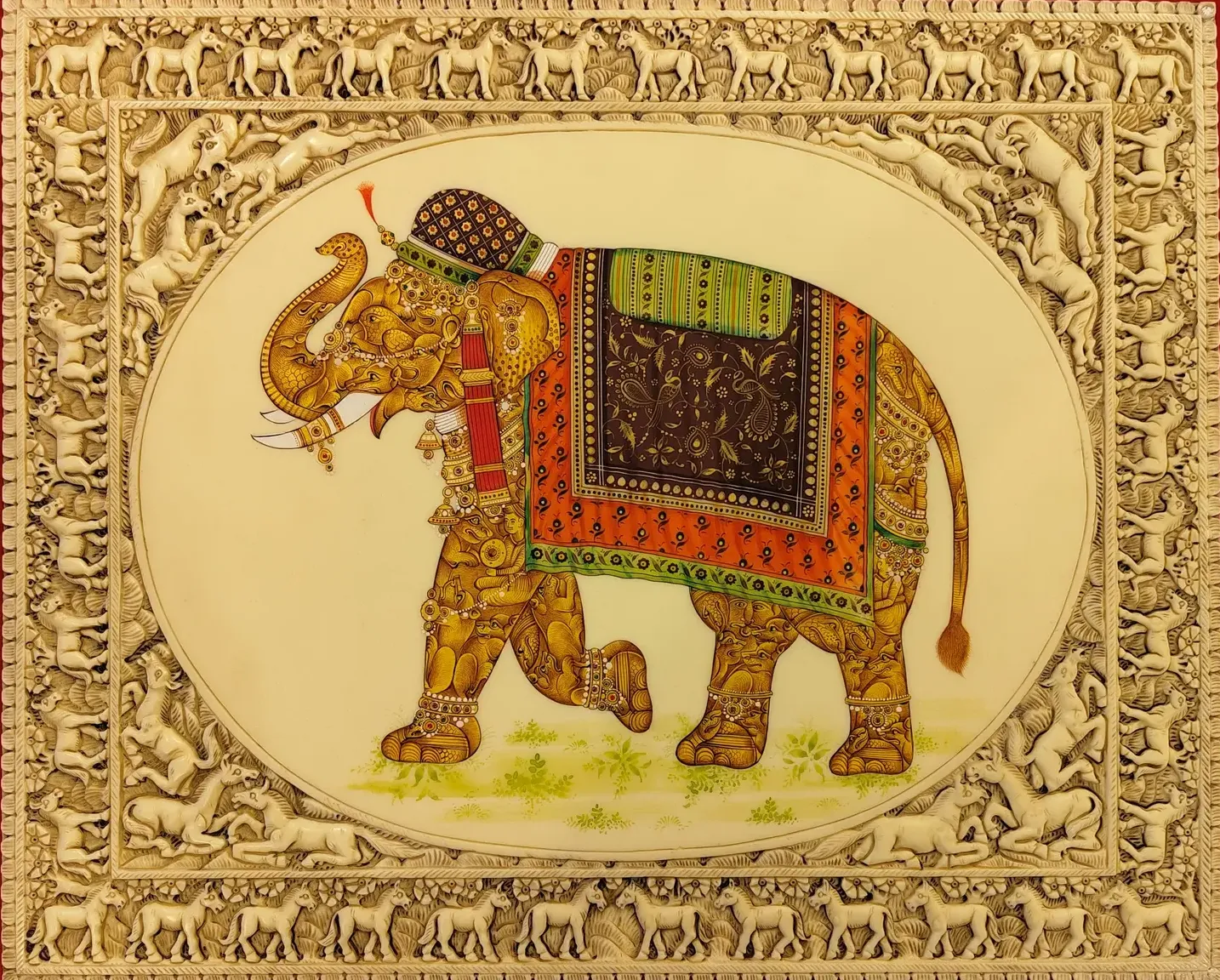
Mughal and Rajput Miniature Painting
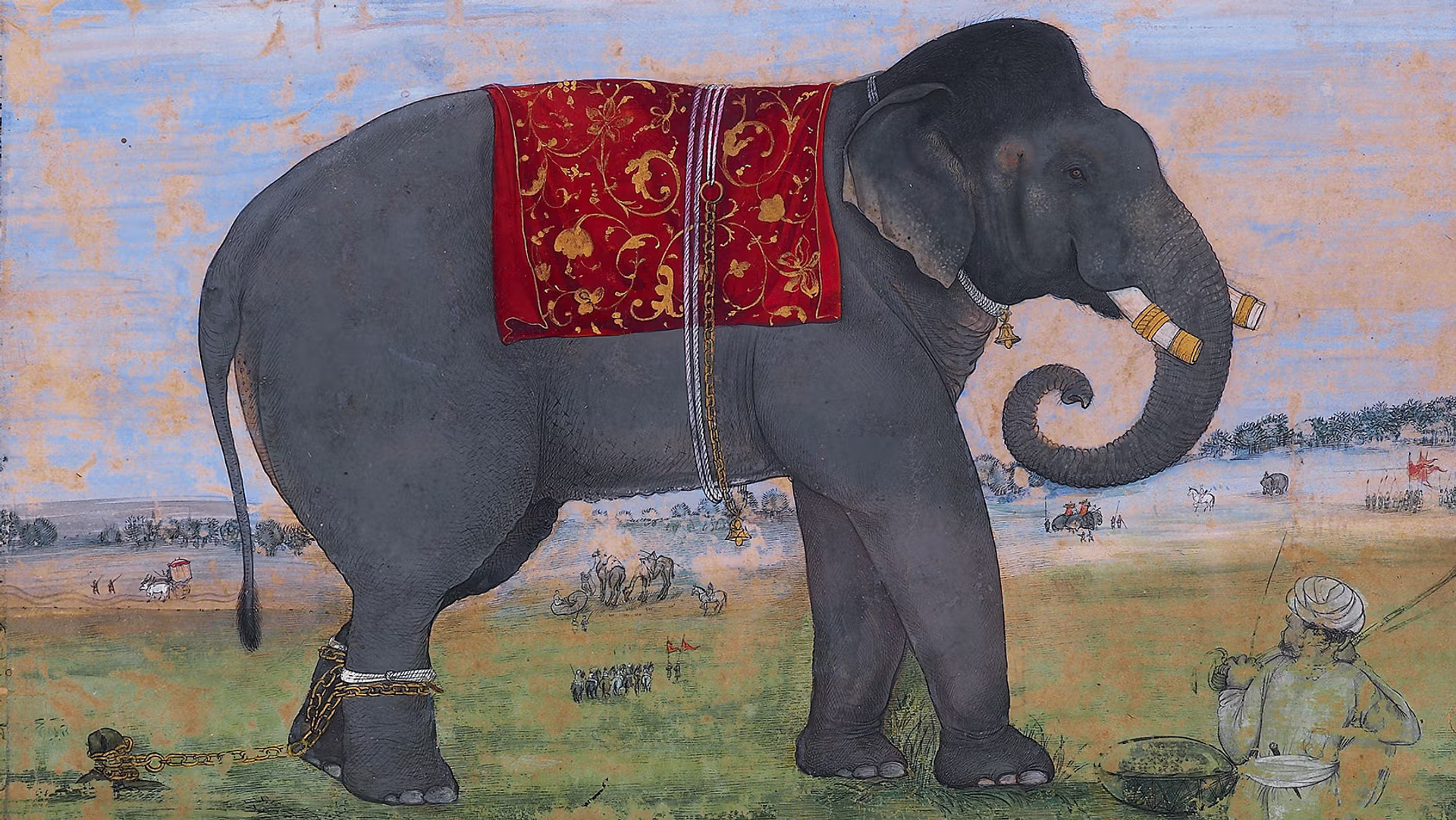
During the Mughal era, court painters developed an extraordinarily refined tradition of miniature painting, and elephants were among their favorite subjects. Royal processions, hunting expeditions, and elephant duels (a courtly sport) were rendered in intricate detail, with painters capturing not just the animal's anatomy but its caparison — the elaborate painted and jeweled trappings used to dress ceremonial elephants.
These paintings served as records of royal power, since the number and quality of a ruler's elephants was a direct measure of prestige.
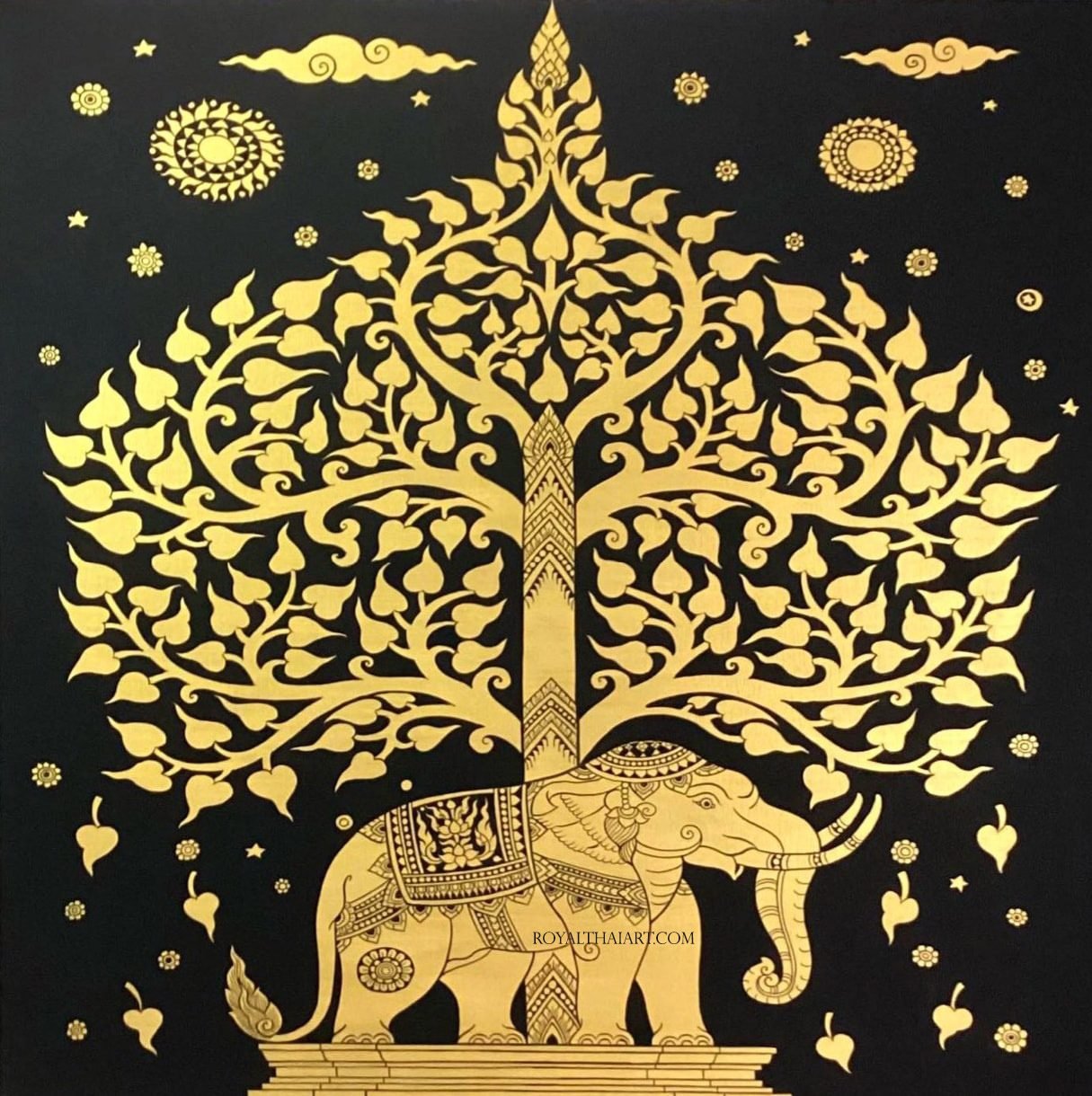
In Thailand, the white elephant holds special significance as a symbol of royal legitimacy and Buddhist merit, tied to legends of the Buddha's birth. Temple murals (often found lining the interior walls of a wat) frequently depict elephants in scenes from the Jataka tales — stories of the Buddha's previous lives — as well as in courtly and battle scenes. These murals, painted in vivid mineral pigments, remain some of the most vibrant surviving examples of Southeast Asian narrative art.
Across the region, elephants also appear constantly in decorative and applied arts: batik and songket textiles, wood carving, shadow puppetry (wayang) in Indonesia, and lacquerware, reflecting how deeply the animal is embedded in daily cultural life rather than confined to elite or religious commissions.
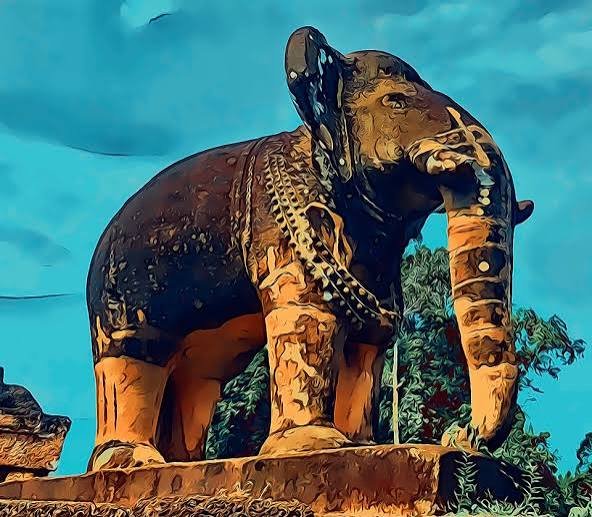
Southeast Asian Temple Art
In Cambodia, the bas-reliefs of Angkor Wat and the Bayon depict elephants in both mythological and historical contexts — as war mounts in the depicted battles of the Khmer Empire and as vehicles of gods and kings. The stone carvers achieved remarkable dynamism, showing elephants mid-stride or engaged in combat, their forms integrated seamlessly into the larger narrative reliefs that wrap the temple walls..
Elephant Soul, Indian Brush