
E. A. Séguy
(1890 - 1985)
Explore all artists in this collection
Emile-Allain Séguy, professionally known as E.A. Séguy, was a French designer during the Art Deco and Art Nouveau movements of the 1920s. He primarily created patterns and textiles inspired by the natural world. Because of his particular fascination with insects, he has been confused with Eugene Séguy, a French entomologist active during the same time period. However, it is Emile-Allain who created the popular Papillons and Insectes books, filled with illustrations of vividly colored butterflies and insects made using the pochoir—French for “stencil”—technique.
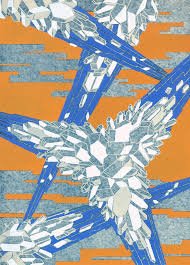
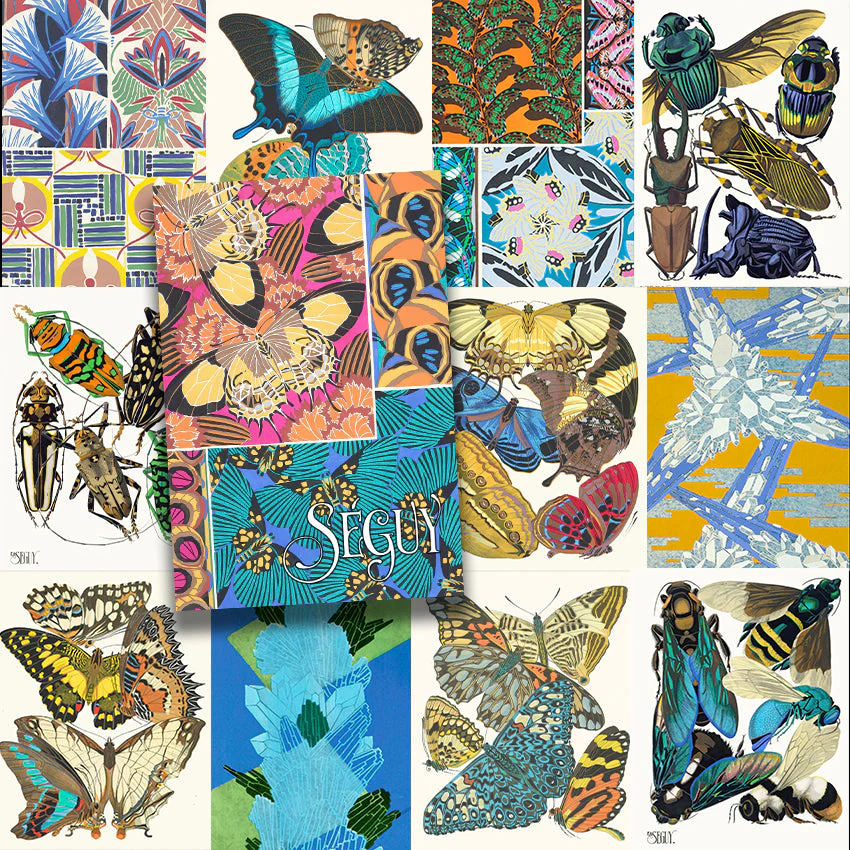
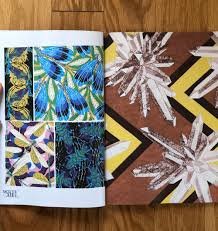
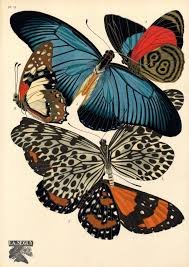
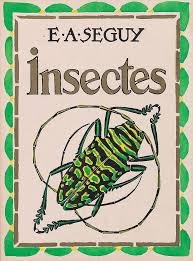
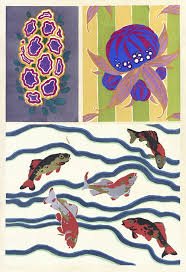
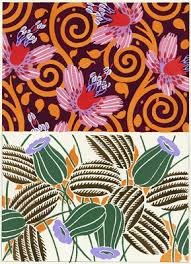
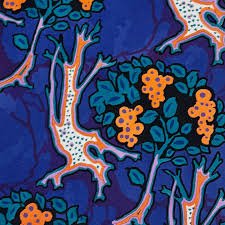
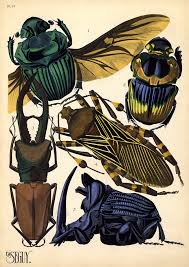
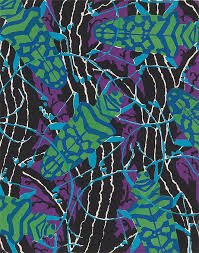
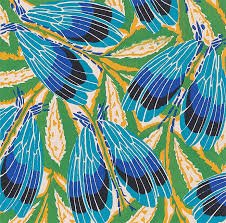

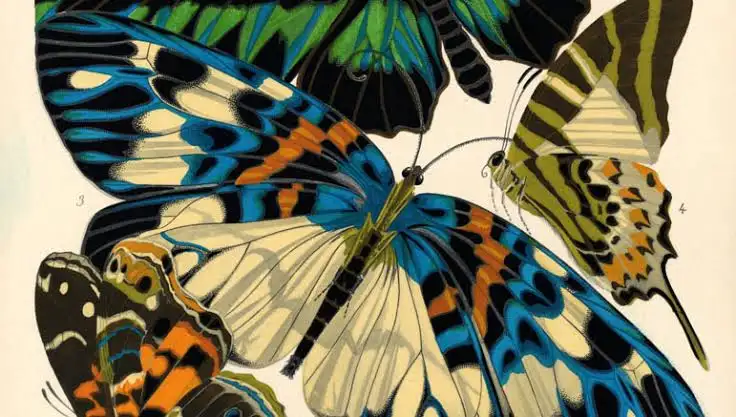
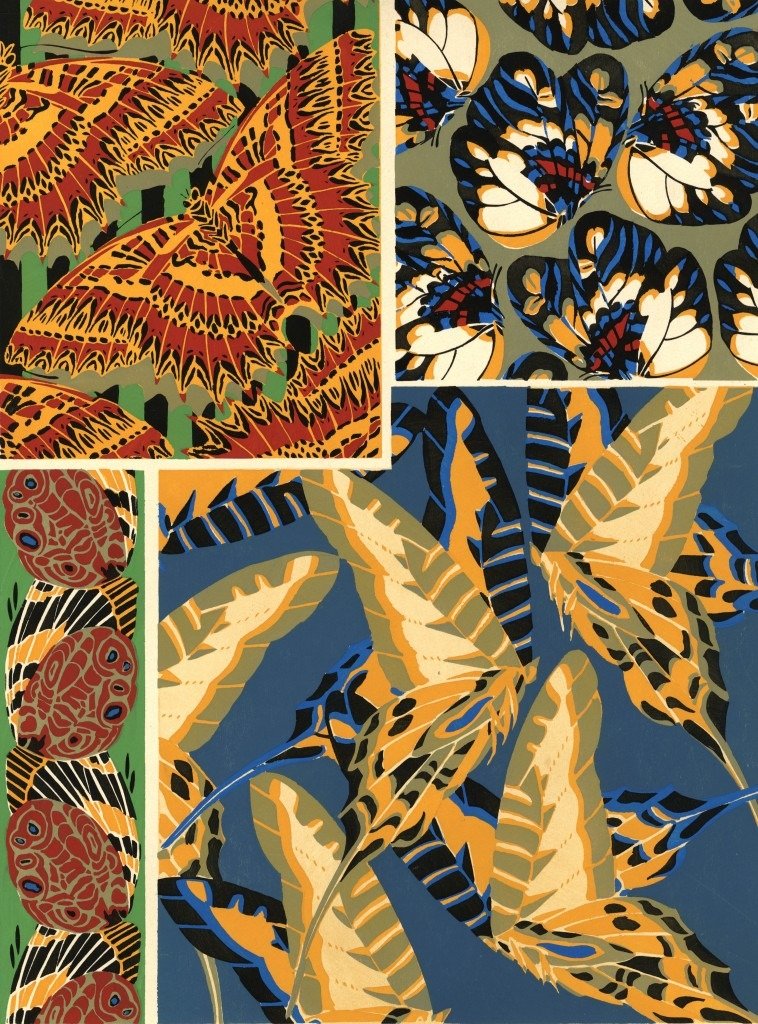

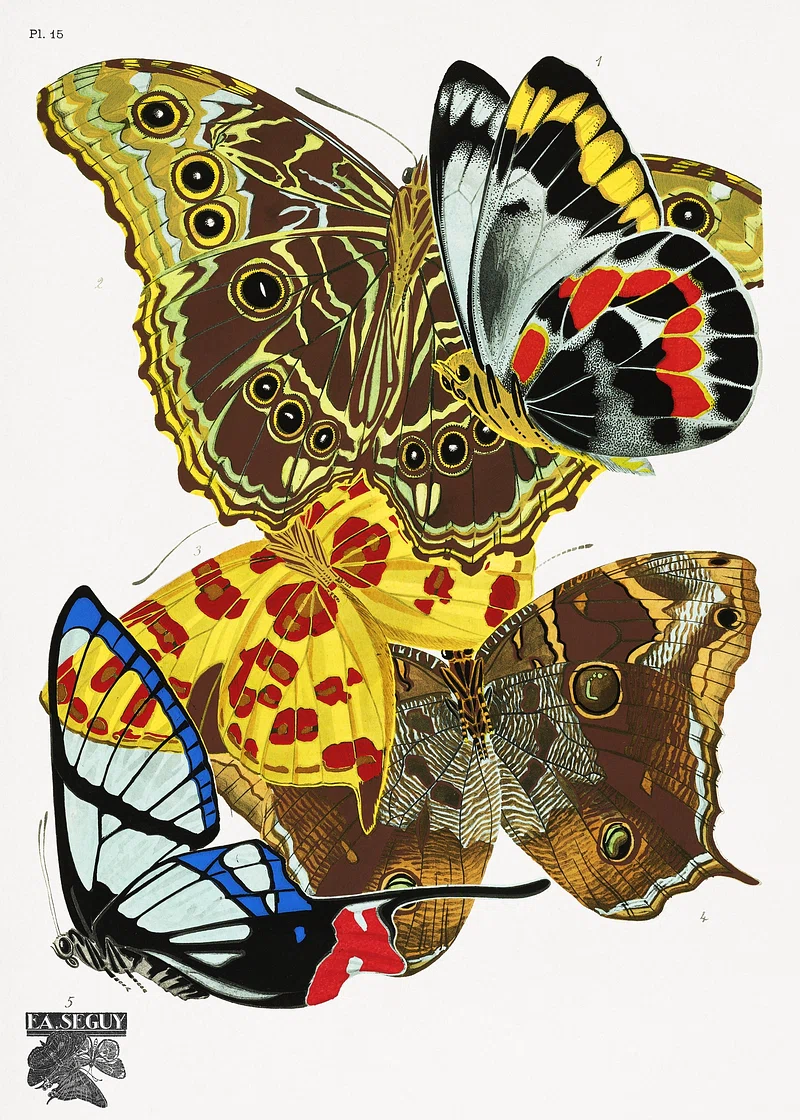

Seguy’s albums were created using a unique printing process called pochoir, which was popular in France at the turn of the 20th century. Pochoir is a process that utilizes the method of applying pigment to paper through the use of stencils. First, the artist created an image in watercolor or gouache. The design was then analyzed to determine the necessary colors and number of stencils needed. The stencils could be cut from any number of materials, including copper, zinc, oiled cardboard, or celluloid. The paint was applied through the stencils by brushes or pompons. The prints were produced entirely by hand assembly line style, and each one was individually examined and approved upon completion.
While simple in concept, pochoir could become quite complex in practice, with some images requiring the use of 100 or so stencils to produce a single print. The technique was regularly used to produce plates in French fashion journals as well as being used to illustrate industrial design, textile, interiors, and architecture folios.
Pochoir is thought to be a reaction to what was seen as a general debasement of machine printing technology during the time period. Jean Saudé, the individual who most influenced the pochoir technique, believed that pochoir was the only process which translated the artist’s original intent because it was entirely done by hand.
Pochoir is thought to be a reaction to what was seen as a general debasement of machine printing technology during the time period. Jean Saudé, the individual who most influenced the pochoir technique, believed that pochoir was the only process which translated the artist’s original intent because it was entirely done by hand.
-
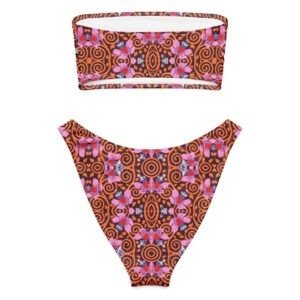
E. A. Séguy Recycled Bandeau Bikini
$46.00 -
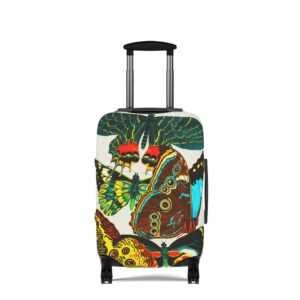
Seguy Papillions Luggage Cover
Price range: $32.00 through $42.00 -

Abstract Gardens Bucket Hat
$25.00 -

Oceans Garden Bucket Hat
$25.00 -

Tropicale Bucket Hat
$25.00 -

Hyacinth Faux Leather Shoulder Bag
Price range: $55.00 through $60.00 -

Sea Flower Sherpa Blanket
Price range: $35.00 through $78.00 -

Tropicale Faux Leather Shoulder Bag
Price range: $55.00 through $60.00 -
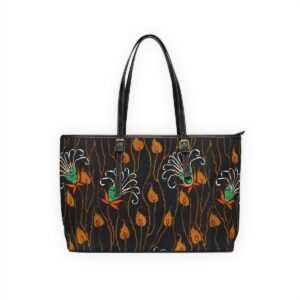
An Undersea Garden Faux Leather Shoulder Bag
Price range: $55.00 through $60.00 -

Undersea Gardens Broadcloth Pillow
Price range: $20.00 through $47.00 -

Papillons Broadcloth Pillow
Price range: $20.00 through $47.00 -
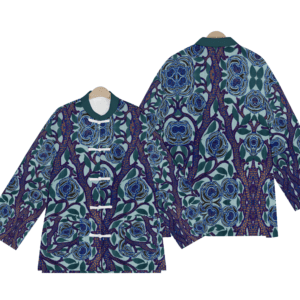
Indigo Rose Vine Tang (Tangzhuang) Classic Jacket
$48.00