
How do you sell fashion online?
And other important questions to ask when we talk about ecommerce.Ecommerce presents merchandise in a very basic level: in 2D. It’s flat and lacks real-world physicality.
How do we sell a tangible good in with a simulated representation?
Selling apparel online is perhaps the most obvious example of this.
Make a fundamental decision: where to begin
Fashion Marketplaces: Best for a quick start or clearing inventory. If you are selling secondhand, vintage, or luxury items, tap into established audiences using platforms like Poshmark, Depop, or Vestiaire Collective.
Make a fundamental decision: where to begin
Fashion Marketplaces: Best for a quick start or clearing inventory. If you are selling secondhand, vintage, or luxury items, tap into established audiences using platforms like Poshmark, Depop, or Vestiaire Collective.
Details really do matter. Seriously.
High-Quality Visuals: Use clear, well-lit photos. Include shots from multiple angles, close-ups of the fabric, and pictures of a model wearing the item to give buyers a true sense of fit and proportion.
Detailed Descriptions: Be brutally honest about the condition (e.g., brand new, gently worn, minor flaws). Provide exact garment measurements (e.g., chest width, inseam, length), fiber content, and specific sizing guidelines (e.g., “This brand runs small, size up”).
Grease the wheels
Shipping: Clearly state your shipping costs and processing times. Many e-commerce stores utilize integrated shipping software like Pirate Ship to secure discounted commercial label rates.
Returns: Fashion has notoriously high return rates. Offer a straightforward, transparent return policy to build customer confidence.
Visual Platforms: Showcase your clothing through short-form videos on TikTok and styling carousels on Instagram.
Social Sales Integration: Sync your online store directly with social platforms using tools like TikTok Shop or Instagram Shopping so users can buy immediately without leaving the app.
Be social
Visual Platforms: Showcase your clothing through short-form videos on TikTok and styling carousels on Instagram.
Social Sales Integration: Sync your online store directly with social platforms using tools like TikTok Shop or Instagram Shopping so users can buy immediately without leaving the app.
AI is your friend.
Market Research & Competitive Analysis
Enriched Media
Modelia
TryAura
Gemini
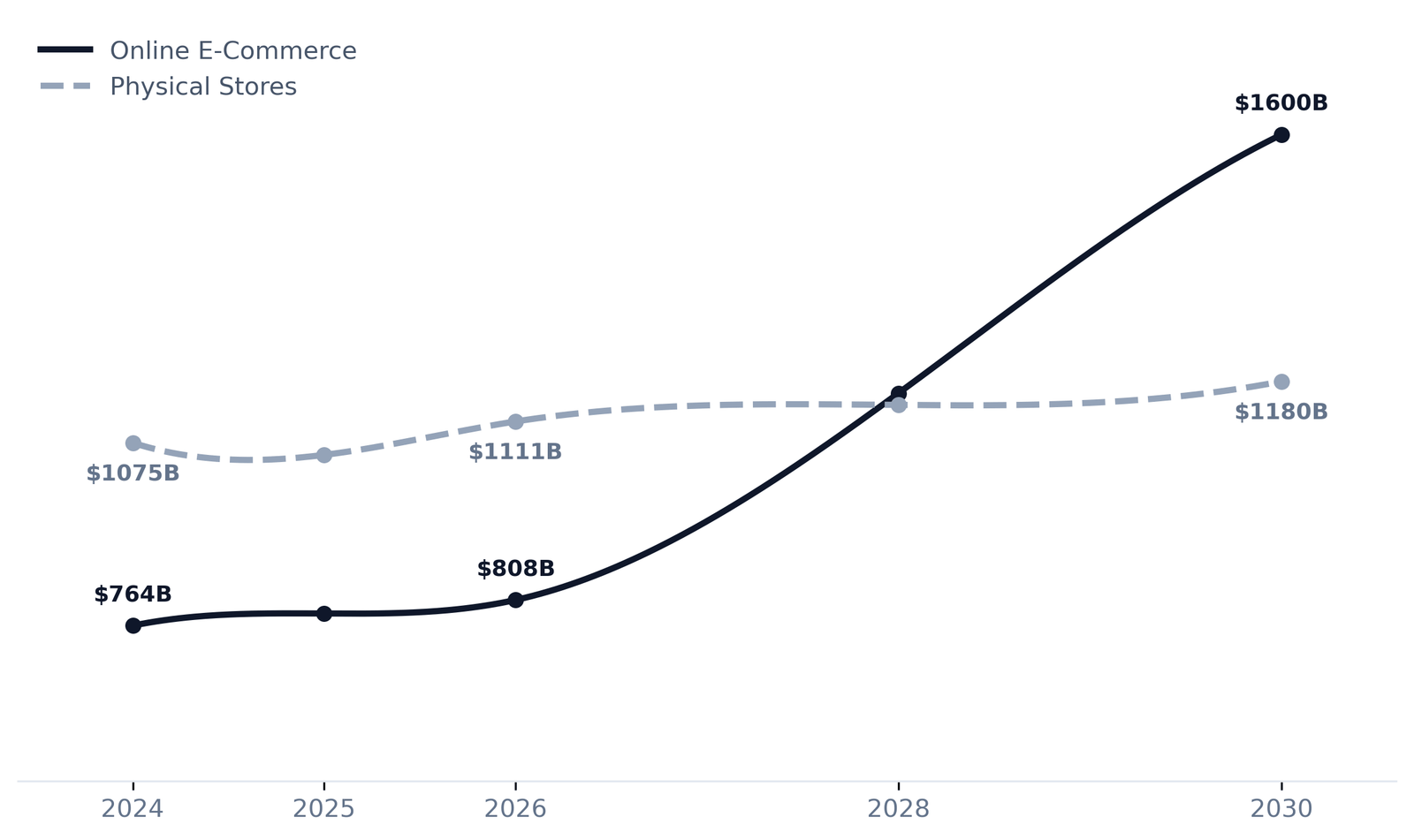
Current Market Size: Estimated between $860 billion and $997 billion.
Projected Growth: Expected to exceed $1.3 to $1.6 trillion by 2030.
Growth Rate: The market is expanding at a steady Compound Annual Growth Rate (CAGR) of 8% to 11%.
U.S. Market: Fashion e-commerce in the United States generates around $160 to $217 billion annually, accounting for nearly 20% of all online retail sales in the country.
Asia-Pacific: This region commands the largest global market share, holding over 38% of the world’s total digital fashion revenue.
Inspiration
Search for it. And listen to it when it arrives. Inspired by Fine ArtThe Special CollectionsInspiration exists, but it has to find you working.
—Pablo Picasso
It’s difficult to imagine a more fertile and deep source of motivation to create than the arts. Fine art. Sculpture. Textiles, design, couture and decorative arts. Ceramics and architecture. Opera and dance.
These are manifestations of the human spirit. These are also the reasons that cgk.ink exists.
The creators behind cgk.ink are established fine artists, publilshed writers, succesful textile designers and graphic designers who have become references in their field.
We collectively have very broad tastes in design, but it is thorough. We look for beauty everywhere.
And then we make something with that inspiration.
Who
The creator of cgk.ink is Christopher Karwowski. It’s also a network of skilled artists around the world who excel at interpreting art and craft.
What
We create apparel, designs for funiture, décor and accessories and purpose-specific items like travel-related gear.
Where
HQ is in DTLA (Downtown Los Angeles). We draw from the entire planet’s collective cultures. Southeast Asia. Europe. Persia. The Islamic World. Contemporary, Modern and Classical Art are all in the mix
When
We strive to keep our content fresh and current. We believe that being aware of current events is a fundamental responsibility of being a citizen anywhere.
Why
Because we sucked at math in HS. And pre-med was really hard.
